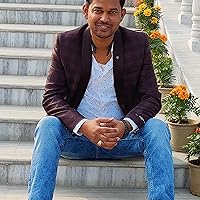
Dr S.L. Bhyrappa is a litterateur par excellence. He writes in the south Indian language, Kannada, and has been the bestselling novelist for over 25 years now. His novels are widely translated to pan Indian languages. He is the bestselling novelist in Marathi over the past decade and is among the top-five bestselling authors in Hindi. He is a conscious artist that depicts fundamental human emotions in his novels. In addition to his profound knowledge of Indian philosophical and cultural traditions, Professor Bhyrappa has since his childhood had intense personal experiences in both rural and urban milieu. Consequently, his characters are deeply rooted in Indian soil. Seminars have been and are being held on his novels, and volumes of literary criticism have been published on his works.
His books have found their way to the curriculum of undergraduate and postgraduate degree courses of the universities in the state of Karnataka, and have been the subject of about 20 PhD dissertations. He has penned 24 novels and four volumes of literary criticism and books on aesthetics, social issues and culture. Most of his novels are translated into almost all the Indian languages and six into English. He has served as a Prof. of Philosophy over three decades at NCERT.
Dr Bhyrappa is an avid listener of both Indian and Western classical music and has a keen eye for Art. Travelling has been his paasion since childhood and he has travelled across the globe touching the glaciers of poles, forests of Amazon, deserts of Africa, bustling cities of Europe and the United States. He has trekked in the Alps, the Rockies, Andes and in Fujiama, but the Himalayas remain his greatest passion.
Academic Publications in English -------------------------------------- Values in Modern Indian Educational Thought, 1968 (New Delhi: National Council of Educational Research and Training) Truth & Beauty: A Study in Correlations, 1964 (Baroda: M. S. University Press) 20 Research Papers published in various Journals like Indian Philosophical Quarterly, Darshana International, Journal of University of Baroda
Research and Fellowship ---------------------------- National Research Professor, Government of India, 2014 One of the five members of the Indian Literary Delegation that visited China on invitation by the Government of China, 1992 Ford Foundation Award to visit the USA to study the cultural problems of Indian immigrants to the USA, 1983 British Council Fellowship tenured at the School of Education, University of London, 1977
Vamshavriksha translates to The Family Tree, is more than just a novel—it is a profound exploration of dharma, tradition, and the shifting sands of moral values across generations. Richly layered, the narrative unfolds through multiple perspectives, each character revealing their inner world with striking honesty and emotional depth. The beauty of the book lies in how it invites us to witness these contrasting viewpoints, weaving them into a larger tapestry of meaning.
At the heart of the story is a powerful meditation on values; how they evolve, clash, and sometimes crumble under the weight of personal fulfillment. When long-standing social conventions are challenged, especially those surrounding womanhood and widowhood, Vamshavriksha offers no easy answers. Instead, it presents a nuanced, sensitive portrayal of a society in transition.
Katyayani, the novel’s central figure, dares to transgress the rigid taboo against widow remarriage. In doing so, she not only risks her relationship with her son but also becomes the unwitting force that entangles two emotionally scarred families. Her journey, though deeply personal, reflects broader questions about love, loss, identity, and the continuity of lineage. Through her, the author delves into the psyche of a woman torn between duty and desire, tradition and selfhood.
The novel also brings to light themes such as polygamy, the sanctity and purpose of marriage, and the meaning of life through its diverse cast of characters. Srinivasa Shrothri, in particular, stands out for his unwavering commitment to dharma. His moral compass provides an anchor amid the storm of change, and I found his character especially admirable.
Bhyrappa’s descriptions of the Kapila River, the serene outskirts of Mysore, and the majestic Chamundi Hills are vivid and poetic, grounding the narrative in a deeply spiritual and cultural landscape. The last fifty pages of the novel are especially gripping—a cascade of revelations and transformations that leave a lasting impression.
Written in 1965, Vamshavriksha is a testament to S.L. Bhyrappa's visionary voice. Remarkably, he wrote the first draft in just 31 days, then set it aside only to return to it later with the meticulous care that would become his hallmark. It's astonishing how relevant and forward-thinking the story remains even today.
Originally penned in Kannada, Vamshavriksha has since been translated into Sanskrit, Hindi, Marathi, and English, making its timeless insights accessible to readers across languages and cultures. It is a novel that doesn't just tell a story it invites us to reflect on who we are, what we inherit, and what we choose to pass on.
ಒಂದು ಸಂದರ್ಶನದಲ್ಲಿ ಭೈರಪ್ಪನವರು ಈ ರೀತಿಯಾಗಿ ಹೇಳುತ್ತಾರೆ, "ವಂಶವೃಕ್ಷ ಭೈರಪ್ಪನನ್ನ ಸೃಷ್ಟಿ ಮಾಡ್ತು, ಭೈರಪ್ಪನನ್ನ ಸಂಪೂರ್ಣ ಸಾಹಿತ್ಯದ ಕಡೆ ತಿರುಗುವಂತೆ ಮಾಡಿದ್ದು ವಂಶವೃಕ್ಷ" ಎಂದು. ವಂಶವೃಕ್ಷಕ್ಕೂ ಮೊದಲು ಪ್ರಕಟವಾಗಿದ್ದ "ದೂರ ಸರಿದರು" ಕಾದಂಬರಿಯನ್ನು ಅದಾಗಲೇ ಓದಿದ್ದ ನನಗೆ ಭೈರಪ್ಪನವರ ಆ ಹೇಳಿಕೆಯಿಂದ ಆಶ್ಚರ್ಯವಾಯಿತು. ಭಾವುಕತೆ ಮತ್ತು ವಿಚಾರಗಳ ತಿಕ್ಕಾಟ ವನ್ನು ಶೋಧಿಸುವ ಅದ್ಭುತ ಕಾದಂಬರಿ ದೂರ ಸರಿದರು, ಇವತ್ತಿಗೂ ಅದು ನನ್ನ ನೆಚ್ಚಿನ ಕೃತಿ ಮತ್ತು ನಿರಂತರವಾಗಿ ಕಾಡುತ್ತಲೇ ಇದೆ. ದೂರ ಸರಿದರು ಸೇರಿದಂತೆ ಒಟ್ಟು ಆರು ಕಾದಂಬರಿಗಳನ್ನು ವಂಶವೃಕ್ಷಕ್ಕೂ ಮುನ್ನ ಸೃಷ್ಟಿಸಿದ್ದ ಭೈರಪ್ಪನವರು "ವಂಶವೃಕ್ಷ ಕಾದಂಬರಿಯೇ ನನ್ನ ನಿಜವಾದ ಸಂಪೂರ್ಣ ಸಾಹಿತ್ಯ ಸೃಷ್ಟಿ" ಎನ್ನುವುದನ್ನು ಕೇಳಿದ ದಿನದಿಂದಲೇ ವಂಶವೃಕ್ಷವನ್ನು ಓದಲು ಕಾತುರನಾಗಿದ್ದೆ, ಕಾರಣಾಂತರಗಳಿಂದ ಮುಂದೂಡಿದ್ದೆ.
ಮಾನವ ಬದುಕಿನ ಸೂಕ್ಷ್ಮ ವಿಷಯಗಳಾದ ಧರ್ಮ, ವಿವಾಹ, ಸಂತಾನ, ವೈಧವ್ಯ, ದ್ವಿಪತ್ನೀ ಸಂಪ್ರದಾಯ ಮತ್ತು ಇನ್ನೂ ಹಲವು ಸಾಮಾಜಿಕ ಕಟ್ಟುಪಾಡುಗಳನ್ನು ನಿಖರವಾದ ವೈಚಾರಿಕ ಮತ್ತು ತಾತ್ವಿಕ ನೆಲೆಯಲ್ಲಿ ಭಾವನಾತ್ಮಕತೆಯಿಂದ ಶೋಧಿಸುವ ಅತ್ಯುನ್ನತ ಕೃತಿ "ವಂಶವೃಕ್ಷ".
ಬದುಕಿನ ಬೇರುಗಳನ್ನು ಅನ್ವೇಷಿಸುವ ಈ ಕೃತಿಯು ಓದುವಾಗ ಕೊಡುವ ಆನಂದ, ಮನಸ್ಸಿನೊಳಗೆ ಸೃಷ್ಟಿಯಾಗುವ ದ್ವಂದ್ವ ಮತ್ತು ಜಿಜ್ಞಾಸೆಗಳು ಅವರ್ಣನೀಯ. ಶಬ್ದವನ್ನೂ ಮೀರಿಸುವ ಆ ಅವರ್ಣನೀಯ ಅನುಭವವನ್ನು ಓದಿಯೇ ಪಡೆಯಬೇಕು.
This is the book that everyone must read in order to understand what is Dharmic culture, what it takes to protect and practice one's own lineage or Vamsha, does this Vamsha actually really exists, Can anyone name their Lineage or Vamshavrukhsa from the beginning of their lifetime?? This is like a jignasa that continues forever and ever without a proper answer. Probably one wouldn't get the answer even now.
SL Bhyrappa had amazingly captured this sensitive issue in this book. Infact It keeps its readers glued to the book. The tumultuous feelings of the protagonists in this novel is a treat to read from the book.
Vamshavruksha a brilliantly written book, that questions everyone about their true Vamshavruksha or a family tree. Nobody on this planet can ever mention which one is the first seed of their Vamsha or Family. Even if they are able to find it out, Can they guarentee tht their true religion or dharmic values are kept intact in all these centuries?? This is the crux or heart of the novel.
From both Srinivasa Shrotri and Kathyayini's point of view, they are right in their own terms. Situation and Circumstances have led them to behave in such a way. I sensed a satisfaction of achieving something after completing the novel. We are fortunate enough to read such a gem of works.!! Must read for everyone.
Book ಅಲ್ಲಿ ಬರುವ ಹಲವು ವಿಷಯಗಳು, ಪುಸ್ತಕ ಬರೆದ 60+ ವರ್ಷಗಳ ಬಳಿಕವೂ ಹಳೇದು ಅನ್ನಿಸುವುದಿಲ್ಲ. ದ್ವಿಪತ್ನಿ ಪದ್ಧತಿ,ವಿಧವಾ ವಿವಾಹ, ಸಂತಾನ, ಧರ್ಮ ವಿಮರ್ಶೆ ಎಲ್ಲವೂ ತುಂಬಾ ಚೆನ್ನಾಗಿ ಕಥೆಯಲ್ಲಿ ಮೂಡಿಬಂದಿದೆ. ಒಂದೊಂದು ಪಾತ್ರಗಳ ಚಿತ್ರಣವಂತು ಅದ್ಭುತ. ಶ್ರೀನಿವಾಸ ಶ್ರೋತ್ರಿ ಹಾಗೂ ರಾಜಾರಾಯ ಪಾತ್ರಗಳು ಬೇರೆ ಬೇರೆ ಕಾರಣಗಳಿಗೆ ಇಷ್ಟ ಆದವು.
ಪುಸ್ತಕ ಓದಿ ಮುಗಿಸಿ ಎರಡು ದಿನ ಆದ್ರೂ ಈ ಪುಸ್ತಕದ ಪಾತ್ರ ಸನ್ನಿವೇಶಗಳು ತಲೇಲಿ ಹಾಗೆ ಇವೆ.
ಧರ್ಮೋ ರಕ್ಷತಿ ರಕ್ಷಿತಃ ಎನ್ನುವ ತತ್ವಕ್ಕೆ ಬದ್ಧರಾಗಿರುವ ಶ್ರೋತ್ರಿಗಳು. ಇದಕ್ಕೆ ಪರ್ಯಾಯವಾಗಿ "ಚಿರಚೇತನಳೂ ಚಿರನೂತನಳೂ ಆದ ಪ್ರಕೃತಿಗೆ ಧರ್ಮದ ಕಟ್ಟು ಹಾಕುವುದು ಅಧರ್ಮ" ಎಂಬುದು ಕಾತ್ಯಾಯನಿಯ ತತ್ವ. ಇವೆರಡರ ತಾಕಲಾಟವೇ ಕಾದಂಬರಿಯ ವಸ್ತು.
ಇದರ ಜೊತೆ ಜೊತೆಗೆ ಸದಾಶಿವರಾಯರ ಬೃಹದ್ ಕೃತಿಗಳನ್ನು ಬರೆಯುವ ಕಥೆಯು ಕಾದಂಬರಿಯಲ್ಲಿ ಸೇರಿದೆ. ಆ ಭಾಗಗಳು ನೀರಸವಾಗಿವೆ.
ಕೊನೆಯಲ್ಲಿ ಕಾತ್ಯಾಯನಿಯ ಪಾತ್ರದ ರೂಪಾಂತರ ಏಕೋ ಮನಸ್ಸನ್ನು ಕಸಿವಿಸಿಗೊಳಿಸಿತು. ಈಕೆಯನ್ನು ಬಲವಂತವಾಗಿ ಸೋಲುವ ಹಾಗೆ ಮಾಡಿದ್ದಾರೇನೋ ಅನ್ನಿಸುವಷ್ಟು.
S.L Bhyrappa's writing baffles me every time with its innate depth and intertwined arguments on society, Dharma, values, and morals. Every time I finish his book, I always hope to have some clarity on certain aspects of an endless life. But it never happens, Since Bhyrappa's writing offers an opinion from multiple perspectives, and it halts me from having any fixed opinion. Vamshavriksha is not so different than his other books in a multitude of arguments, and here there is a conflict between traditional and modern values. Vamshavriksha's book revolves around a family tree of two families. Each character in this book offers a multiphased perspective about different topics weighing from both dharmic and modern values. Characters offer their unique opinion on widow remarriage, woman's education, Dharma, Tradition, motherhood, Polygomy, goals, and moral dilemma. After reading this book, I cannot still assert any character as either right or wrong. Bhyrappa unfurled the duality of existence in such a way, He stripped me of the right to judge anything at this moment with an assertive attitude.
Every character is so unique in this book. I can't stop admiring them. Srinivas Shrothri for standing for dharma, Nagalakshmi for her woman innocence, Sadashiv Rayaru for his passion for knowledge and its aim, Karuna for her complete devotion towards her guru, Katyanin for her blossomed expression of femininity and Raja Raya for his devotion towards his wife. Every character is colorful in this book, The way they express their feelings and what's in their mind is like watching a 3d movie. It feels so close to my heart. I wanted to bow my head to the feet of Srinivas Shorthri to take his blessings throughout the book. The character may be fictional, Person who was living through Srinivas Shorthri is not fictional. He is one of the reincarnations of all the great beings who walked on this sacred Bharata Khanda throughout centuries for the preservation of dharma. Such a dignified character that is not tainted by the dualities of life. He is amazing. I have no words to describe him, I can dedicate an entire review just to him.
The story seems like a tragedy, But if you have contemplated on the perspective offered by Shorthri you will realize the Maya that plays in human life. It's the rules of life no one is free from this cycle of time. I finished reading the last 100 pages at midnight, last 100 pages have sudden shifts in the story. It's hard to digest without shedding an ounce of tears, until and unless we have a balanced state of mind like Srinivas Shorthri.[which is impossible]
This book has around 400 pages, Bhyrappa has finished writing this book within a month in 1965. I am simply amazed by the capacity of Bhyrappa's thinking and his vast amount of knowledge.
This review is just an initial impression of my stagnated mind. Hopefully, when I give myself enough time to think through the arguments that scratched my slumbering brain, I will rewrite this review.
55 वंश वृक्ष उन चुनी हुई किताबों में एक है जिन्होंने मेरा दिल जीत लिया। इसे पढ़ने के बाद मुझे एक आदर्श व्यक्तित्व मिला। एक ऐसा व्यक्तित्व जिसका आप अनुसरण कर सकते है। एक ऐसी कहानी जिसने मुझे शुरू से अंत तक बांधे रखा। कुछ किताबें उन खानों की तरह होती है जिन्हें खाकर सिर्फ आपका पेट नहीं भरता है वरण आत्मा तृप्त हो जाती है। यह वही तृप्ति का एहसास दिलाती है। इसे पढ़ने के बाद ऐसा लगा जैसे काश यह कहानी खत्म न होती। 386 पन्नो की लाजबाब, अद्भुत और दिल को जीत लेने वाली कृति। मन गदगद है।
This is the second time I’m reading this book. Had read it some 4 years ago it didn’t appeal to be a great book at that point. Maybe my understanding of Dharma and traditions was minimal or it was in its early stages.
Now reading it has made a huge impact on my understanding and thinking on Dharmic values and how our ancestors upheld with all the struggles. It’s an outstanding novel if you read it with certain clarity on Santana rituals and its core principles. For others it might feel little condescending and patriarchal in its tone written somewhat 60 years ago.
TBH the content( referring to only people and their stories) doesn’t overwhelm me as it takes place around Old Mysuru Region of Nanjanagudu almost similar to my hometown in Mysuru. All the places look familiar and even the story seems to common too.
It all leads what Srinivasa Shrotri says in the novel
“ We shouldn’t think more about others behaviour, it all depends on their Dharma(good deeds) and karma they have incurred in earlier life or from their ancestors deeds”.
There is a lot to learn about what you need to follow the ancestral beliefs or the path you choose to take while ignoring the lineage that made you.
I like the way SLB intertwines the story with gory details.
Comparing the relationship between Rain and earth to women finding her love after a long period of loneliness.
These intricacies makes him the most revered author in literature world.
Note: He was just 26-27 years when he wrote it. He has seen life and the struggles that came with it. There is no sugarcoating to any issue. This is this either you agree or ignore is the statement he doesn’t give but subtly shows it in actions of the characters.
Arguably one of his best works.. Highly recommend it to every literature enthusiast.
Keep in mind the time this book came out first. It's a proof why SL Bhyrappa is such a respected writer... Many who weren't brought up in traditional family environment may find it hard to relate. But a matured and intelligent reader will have no problem appreciating it. Language and imagination is not the kind I like but it still manages to tell a gripping and thought provoking story in simple words. There are many thoughts and questions which are only hinted upon but neither developed nor elaborated. I guess author intentionally let them open so that readers can answer them for themselves. For someone like me who loves abstract art forms, it made the whole experience that much more fun... B V Karant himself chose to make movie based on this book. No more words needed!! :)
One of the masterpieces of SL Bhyraapa. The Theme of a book is the clash between the traditional values and Modern world. Looks like a lot of research as been put before writing a book. This is one of the must-read books for everyone to understand our Dharmic culture and its importance.The Two characters which impact while reading are Srinivasa Shrotri and Kathyayini’s. SLB has captured a lot of sensitive issues which still holds good in this present time. At the end of the reading, you will be left with the thoughts of who am I, What is the purpose of life and what is my family tree. Thank you for such a wonderful masterpiece.
ಎಸ್ ಎಲ್ ಭೈರಪ್ಪ ಅವರ ಕೃತಿಗಳು ನವೋದಯ , ನವ್ಯ ಅಥವಾ ಸಾಹಿತ್ಯದ ಯಾವುದೇ ನಿರ್ದಿಷ್ಟ ಪ್ರಕಾರಕ್ಕೆ ಹೊಂದಿಕೆಯಾಗುವುದಿಲ್ಲ. ಭೈರಪ್ಪನವರ ಮೇರುಕೃತಿಯಲ್ಲೊಂದಾಗಿರುವುದು ವಂಶವೃಕ್ಷ. ಈ ಕಾದಂಬರಿ ವಂಶದ ತಲೆಮಾರುಗಳನ್ನು ಅಥವಾ ವಂಶದ ಬೇರುಗಳ ಶೋಧನೆಯೇ ಈ ಕಾದಂಬರಿಯ ಗುರಿ. ೧೯೬೦ರ ಘಟ್ಟದಲ್ಲಿದ್ದ ಅನೇಕ ಸಮಾಜದ ಕಟ್ಟುಪಾಡಿನ ಬಗ್ಗೆ ಈ ಪುಸ್ತಕದಲ್ಲಿ ಉಲ್ಲೇಖಿಸಿದ್ದಾರೆ. ವಿಧವೆ, ಪುನರ್ವಿವಾಹ, ವಿಧವೆಯರ ಶಿಕ್ಷಣ, ಆಧ್ಯಾತ್ಮಿಕ ಚಿಂತನೆಗಳ ಮೇಲೆ ಒತ್ತು ನೀಡಲಾಗಿದೆ. ಕಾದಂಬರಿಯ ಮುಖ್ಯ ಪಾತ್ರಗಳೆಂದರೆ- ಶ್ರೀನಿವಾಸ ಶ್ರೋತ್ರಿ, ಕಾತ್ಯಾಯಿನಿ, ಸದಾಶಿವರಾಯರು, ರಾಜರಾಯ, ಚೀನಿ. ಕಾದಂಬರಿಯು ಕಪಿಲ ನದಿ ತೀರದ ನಂಜನಗೂಡಿನಿಂದ ಪ್ರಾರಂಭವಾಗುತ್ತದೆ. ಒಮ್ಮೆ ಕಪಿಲ ನದಿಯಲ್ಲಿ ಉಂಟಾದ ಮಹಾಪುರದಿಂದ ನಂಜನಗೂಡಿನ ಜನತೆ ಅಸ್ತವ್ಯಸ್ತಗೊಳ್ಳುತ್ತದೆ. ಇದೆ ಪ್ರಸಂಗದಲ್ಲಿ ಶ್ರೋತ್ರಿಗಳ ಮಗ ಕೂಡ ಕೊನೆಯುಸಿರೆಳೆಯುತ್ತಾನೆ. ನದಿಯು ಊರಿಗೆ ಉಂಟುಮಾಡಿದ ನಷ್ಟ ಯಾವ ಪ್ರಮಾನದಲ್ಲಿರುತ್ತದೆಂದರೆ ಊರು ಹ್ಯಾಗೋ ನಷ್ಟದಿಂದ ಚೇತರಿಸಿಗೊಂಡರೂ, ಶ್ರೋತ್ರಿಗಳಿಗೆ ಶಮನವಾಗದಂತಹ ಅತಿರೇಕ ದುಃಖವನ್ನು ಕೊಡುತ್ತದೆ. ಅವರ ಸೊಸೆ ಕಾತ್ಯಾಯಿನಿ ವಿಧವೆಯಾಗಿ ಮನೆಯನ್ನು ಖಾಯಂ ಆಗಿ ಮನೆಯೇನೆಂಬ ನಾಕು ಗೋಡೆಗಳ ನಡುವೆ ಬಂಧಿತಳಾಗುತ್ತಾಳೆ. ಈ ಸಂಧರ್ಭದ ಅವಲೋಕನ: ಒಬ್ಬ ತಂದೆಗೆ ಅತಿದೊಡ್ಡ ಭಾರವಂದರೆ ತನ್ನ ವಂಶದ ಕುಡಿಯ ಶವವನ್ನು ಹೆಗಲ ಮೇಲೆ ಇಟ್ಟುಕೊಂಡಾಗ, ಪ್ರೀತಿಯ ಹೆಣ್ಣು ಕೂಸು ವಿಧವೆಯಾಗಿ ಮನೆಯನ್ನು ಸೇರಿದಾಗ. ಇಲ್ಲಿಯೂ ತುಂಬಾ ಪ್ರೀತಿಯಿಂದ ಸೊಸೆಯಾಗಿ ಮನೆ ತುಂಬಿಸಿಕೊಂಡಿದ್ದ ಶ್ರೋತ್ರಿಗಳು ತಮ್ಮ ಸೊಸೆ ವಿಧವೆಯಾದಾಗ ಪಟ್ಟ ವ್ಯಥೆ ಹೇಳಲಾಗದ್ದು. ಮುಂದೆ ಕಾತ್ಯಾಯಿನಿ ತಾನು ಓದನ್ನು ಮುಂದುವರೆಸುವ ಬಯಕೆಯನ್ನು ಶ್ರೋತ್ರಿಗಳ ಮುಂದಿಡುತ್ತಾಳೆ. ಇದರಿಂದ ತನ್ನ ಗಂಡ ಅರ್ಧವಾಗಿ ನಿಲ್ಲಿಸಿದ್ದ ಅಧ್ಯಯನ ಮುಂದುವರೆದಂತಾಗುತ್ತದೆ ಎಂದು, ಹಾಗೆಯೇ ಮನೆಯಲ್ಲಿ ಸುಮ್ಮನೆ ಕೂರುವ ಬದಲು ಕಾಲೇಜಿನಲ್ಲಿ ಸಮಯ ಕಳೆಯಬಹುದೆಂದು. ಇದಕ್ಕೆ ಅವಳ ಅತ್ತೆಯಿಂದ ಅಲ್ಪ ವಿರೋಧ ವ್ಯಕ್ತವಾದರೂ ಶ್ರೋತ್ರಿಗಳು ಕಾತ್ಯಾಯಿನಿಗೆ ಕಲಿಕೆ ಮುಂದುವರಿಸಲು ಸಮ್ಮತಿಸುತ್ತಾರೆ. ಸಂದರ್ಭದ ಅವಲೋಕನ: ಮನುಷ್ಯನ ವ್ಯಕ್ತಿತ್ವ ರೂಪಗೊಳ್ಳುವುದು ವಿದ್ಯೆಯಿಂದ. ಅದರಲ್ಲಿ ಒಂದು ಮಗುವಿಗೆ ಒಳ್ಳೆಯ ಸಂಸ್ಕೃತಿ ಬರುವದು ಮುಖ್ಯವಾಗಿ ತಾಯಿಯಿಂದ. ತಾಯಿ ಎಷ್ಟು ವಿದ್ಯಾವಂತಳಾಗುತ್ತಾಳೋ ಅಷ್ಟು ಅವಳ ಮಕ್ಕಳಿಗೆ ಒಳ್ಳೆಯದು. ವಿದ್ಯೆ ಅಂದರೆ ಕೇವಲ ಡಿಗ್ರಿ, ಉತ್ತಮ ಅಂಕಗಳು ಅಂತಲ್ಲ. ಹಣ್ಣಿಗೆ ಇರಬೇಕಾದ ಸಂಸ್ಕಾರ, ತಾಳ್ಮೆ, ಜಾಣ್ಮೆ, ಚತುರತೆ ಮತ್ತು ತಮ್ಮತನ. ಸಂದರ್ಭದ ಅವಲೋಕನ: ಮನುಷ್ಯನ ವ್ಯಕ್ತಿತ್ವ ರೂಪಗೊಳ್ಳುವುದು ವಿದ್ಯೆಯಿಂದ. ಅದರಲ್ಲಿ ಒಂದು ಮಗುವಿಗೆ ಒಳ್ಳೆಯ ಸಂಸ್ಕೃತಿ ಬರುವದು ಮುಖ್ಯವಾಗಿ ತಾಯಿಯಿಂದ. ತಾಯಿ ಎಷ್ಟು ವಿದ್ಯಾವಂತಳಾಗುತ್ತಾಳೋ ಅಷ್ಟು ಅವಳ ಮಕ್ಕಳಿಗೆ ಒಳ್ಳೆಯದು. ವಿದ್ಯೆ ಅಂದರೆ ಕೇವಲ ಡಿಗ್ರಿ, ಉತ್ತಮ ಅಂಕಗಳು ಅಂತಲ್ಲ. ಹಣ್ಣಿಗೆ ಇರಬೇಕಾದ ಸಂಸ್ಕಾರ, ತಾಳ್ಮೆ, ಜಾಣ್ಮೆ, ಚತುರತೆ ಮತ್ತು ತಮ್ಮತನ. ಶ್ರೋತ್ರಿಗಳ ಆಪ್ತರಲ್ಲೊಬ್ಬರು ಸದಾಶಿವರಾಯರು. ಮಹಾರಾಣಿ ಕಾಲೇಜಿನಲ್ಲಿ ಪ್ರಾಧ್ಯಾಪಕರಾಗಿ, ರತ್ನೆ ಎಂಬ ಲಂಕೆಯ ಮಹಿಳೆ ಅವರ ಕೆಳಗೆ Ph.D ಅಧ್ಯಯನದಲ್ಲಿ ಇರುತ್ತಾರೆ. ಮೊದಲಿಂದಲೂ ಸದಾಶಿವರಾಯರು ತಮ್ಮ ತಂದೆತಾಯಿಯರನ್ನು ಕಂಡವರಲ್ಲ. ತಮ್ಮ ದೊಡ್ಡಪ್ಪನವರ ಪೋಷಣೆಯಲ್ಲಿ ಶಿಕ್ಷಣವನ್ನು ಪಡೆದು ಜ್ಞಾನ ಉತ್ತುಂಗಕ್ಕೇರಿದವರು. ಆದರೆ ದೊಡ್ಡಪ್ಪನವರ ಮಗಳಾದ ನಾಗೋಳನ್ನು ಮನಸಿಲ್ಲದೆ ಪ್ರತ್ಯುಪಕಾರವಾಗಿ ಮದುವೆಯಾಗಿರುತ್ತಾರೆ. ಸದಾಶಿವರಾಯರು ವಿವಾಹಿತರಾಗಿ ಒಬ್ಬ ಮಗನಿದ್ದಾಗಲೂ ರತ್ನೆಯನ್ನು ವರಿಸುತ್ತಾರೆ. ಕಾರಣ, ಮುಂದೆ ಅವರ ಅಧ್ಯಯನ ಮತ್ತು ಸಂಶೋಧನೆಗೆ ಅನುಕೂಲವಾಗಲು. ಈ ಸಂದರ್ಭದ ಅವಲೋಕನ: ಮನಸ್ಸಿಲ್ಲದೇ ಎರಡು ಮನಗಳು ಎಂದೂ ಒಂದಾಗಲಾರವು. ಒಂದಾಗಲು ಹಲವು ಕಾರಣಗಳು ಉಂಟು. ಸದಾಶಿವರಾಯರ ದೃಷ್ಟಿಯಲ್ಲಿ ತಮ್ಮ ಸಂಶೋಧನೆಯೇ ಒಂದು ತರಹವಾದ ಜೀವನ ಅದಕ್ಕೆ ನೆರವಾಗುವವರೇ ಜೀವನಸಂಗಾತಿ, ಅವಳೇ ರತ್ನೆಯು. ಕಾಲೇಜಿನಲ್ಲಿ ಕಾತ್ಯಾಯಿನಿಗೆ ಸದಾಶಿವರಾಯರ ಮುಖಾಂತರ ಅವರ ತಮ್ಮ ರಾಜನ ಪರಿಚಯವಾಗುತ್ತದೆ. ಆ ಪರಿಚಯ ಇನ್ನೂ ಒಂದಿಷ್ಟು ಮುಂದೆ ಹೋಗಿ ಪ್ರೀತಿಯಾಗಿ ಪರಿವರ್ತನೆಯಾಗುತ್ತದೆ. ಇದನ್ನು ಶ್ರೋತ್ರಿಗಳಿಗೆ ಹೇಳಲು ಅವಳ ಹೃದಯದಲ್ಲಿ ತುಮುಲ ಉಂಟಾಗಿ ಏನು ಮಾಡಬೇಕೋ ತೋಚದಾಗಿ ಕೊನೆಗೆ ಒಂದು ಪತ್ರದಲ್ಲಿ ಎಲ್ಲವನ್ನು ಬರೆದಿಟ್ಟು ರಾಜನನ್ನು ವರಿಸುತ್ತಾಳೆ. ಆದರೆ ಹೋಗುವ ಮೊದಲು ತನ್ನ ಮಗು ಚೀನಿಯ ನೆನಪು ಆಗದೆ ಹೋಗುತ್ತಾಳೆ ಆದರೆ ಮುಂದೆ ಅದೇ ಮಗು ತನಗೆ ಬೇಕು ಅಂತ ಬಂದಾಗ ಶ್ರೋತ್ರಿಗಳು ಅದಕ್ಕೆ ವಿರೋಧ ವ್ಯಕ್ತಪಡಿಸುತ್ತಾರೆ, ಕಾರಣ ತಮ್ಮ ವಂಶವು ನಿರ್ವಂಶವಾಗುವುದು ಅಂತ. ಆದರೆ ಅದೇ ಮಗು ಮುಂದೆ ಒಂದು ದಿನ ಮುಂದೆ ಬಂದಾಗ ಅವಳನ್ನು ಪರರಂತೆ ಕಂಡು ಅವಳಿಂದ ದೂರವಾಗುತ್ತಾನೆ. ಸಂದರ್ಭದ ಅವಲೋಕನ: ಇದು ಸಮಾಜದಲ್ಲಿ ಅದೂ ವಿಚ್ಛೇದನ ಜೀವಗಳ ನಡುವೆ ಆಗುವ ಸಂಘರ್ಷ. ಹೆತ್ತ ತಾಯಿಯ ಕರುಳಿನ ಪ್ರೀತಿ ದೊಡ್ಡದೋ ಅಥವಾ ವಂಶದ ವೃದ್ಧಿ ದೊಡ್ಡದೋ? ಇದೇ ಈ ಕಾದಂಬರಿಯಲ್ಲಿಯ ಶೋಧನೆ. ಒಂದು ದಿನ ಶ್ರೋತ್ರಿಗಳು ಒಂದು ಪುಸ್ತಕದ ಶೋಧನೆಯಲ್ಲಿ ತೊಡಗಿದ್ದಾಗ ಅವರಿಗೆ ಒಂದು ಗಂಟಿನಲ್ಲಿ ತುಳಸಿಮಾಲೆ, ಗಂಧ ತಾಳ ಸಿಗುತ್ತವೆ. ಇದರ ಮೂಲ ತಿಳಿದಾಗ ಅವರ ಮನಸ್ಸಿನಲ್ಲಿ ಏರುಪೇರುಗಳಾಗುತ್ತದೆ. ಮೂಲತಃ ಶ್ರೋತ್ರಿಗಳು ಅವರ ತಂದೆಗೆ ಹುಟ್ಟಿದ ಮಗುವಾಗಿರುವುದಿಲ್ಲ. ಅದು ಅವರಿಗೆ ತಿಳಿದಿದ್ದು ಅವರ ತಂದೆಯ ಶ್ರಾದ್ಧದ ಹಿಂದಿನ ದಿನ. ಅಂದರೆ ಶ್ರೋತ್ರಿಗಳು ನಿಜವಾಗಿ ಶ್ರೋತಿಯ ವಂಶದವರೇ ಅಲ್ಲ! ಯಾರೋ ಬಿಟ್ಟಿದ್ದ ಬೀಜಕ್ಕೆ ತಾನು ಫಸಲು. ಈ ಫಸಲಿನಿಂದ ಉದ್ಭವವಾದ ಬೀಜ ಮೂಲದಲ್ಲಿ ತನ್ನ ಯಜಮಾನದಲ್ಲ. ಈ ಹುಡುಕಾಟವೇ ಕಾದಂಬರಿಯ ಮೂಲ ಉದ್ದೇಶ.
ಇದೇ ಕಾದಂಬರಿ ಚಲನಚಿತ್ರವಾಗಿ ಮೂಡಿಬಂದಿತ್ತು. ಭೈರಪ್ಪನವರಿಗೆ ಹೇಗಾಗಿದೆ ಅಂತ ಕೇಳಿದಾಗ, ಚಲನಚಿತ್ರ ಬೇರೆ ಮಾಧ್ಯಮ ಪುಸ್ತಕ ಬೇರೆ ಮಾಧ್ಯಮ ಎರಡೂ ಹೋಲಿಕೆಗೆ ಅನರ್ಹವೆಂದು. ನಿಜ, ಕಾರಣ ಪುಸ್ತಕ ಓದುವಾಗ ಬರುವ ವಿಚಾರ ಲಹರಿಗಳು ಚಿತ್ರದಲ್ಲಿ ಮೂಡಿ ಬರುವುದು ಅಸಾಧ್ಯ.
I am not sure what I liked the most about this translated book. Is it Uma Kulkarni's amazing and free flowing translation from kannada? Or the strong character building by eminent writer Mr.S.L.Bhairappa? Or it is the frankness of narration or its the background drama or its the theme? I feels Its combination of all of this.
Till now I had read only one other book written by Mr.Bhairappa (aavaran) and that did not make me his an at all, rather I was quite reluctant to read this (or his any other book) earlier. But thank goodness, that I kept aside my prejudice and read this amazing book.
The first Kannada novel that I read S L Bhyrappa's Vamshavruksha and this made me hooked to many more Kannada novels for some more time. Every character in this novel have there own ambitions. What decision they take for reaching it makes every character interesting. This novel made me think about how a person can decide on what path he would want to take and what legacy he would want to leave when walking on this path. When you have set some rules of how your life needs to be, whatever challenges life throws at you, you will surely accept it and solve it which all the elegance and grace.
One of my all time favorite novels that deals with the dilemma with indian traditions at the same time focusing on the trust that people had on indian tradition.
ಸಮಾಜದ ಅಥವಾ ಬದುಕಿನ ಎಲ್ಲಾ ಆಯಾಮಗಳೆಡೆಗೂ ಮನುಜ ಎಂಬುವವನೊಬ್ಬನ ಧೋರಣೆಗಳು ಐದುಬೆರಳುಗಳಿದ್ದಂತೆ. ಎಲ್ಲರಿಗೂ ಅವರವರ ಧೋರಣೆಗಳು ಶ್ರೇಷ್ಠವಾಗಿ ಕಾಣುವುದು ಹೊಸತಲ್ಲ ಹಾಗೂ ತಪ್ಪೂ ಅಲ್ಲ! ಆಸ್ತಿಕ ನಾಸ್ತಿಕ, ಪ್ರಾಯೋಗಿಕ ಭಾವನಾತ್ಮಕ, ಸಾಮಾಜಿಕ ಧಾರ್ಮಿಕ ಹೀಗೆ ಸಮಾಜವನ್ನು ವಿವಿಧ ಸ್ತರಗಳಲ್ಲಿ ವಿಂಗಡಿಸಿಕೊಂಡು ಪ್ರತಿಯೊಂದಕ್ಕೂ ಒಂದೊಂದು ಗುಂಪನ್ನು ಕಟ್ಟಿಕೊಂಡಿರುವುದು ನಮ್ಮ ದುರದೃಷ್ಟವೇ ಸರಿ. ನಾಣ್ಯವೆಂದ ಮೇಲೆ ಎರಡು ಮುಖ ಇರಬೇಕಲ್ಲವಾ ಎಂದು ವಾದಗಳಿಗೆ ಒಪ್ಪುತ್ತೇನೆ. ನಾಣ್ಯದ ಎರಡು ಮುಖಕ್ಕೆ ಬೆಲೆ ಒಂದೇ ಆಗಿರುತ್ತದೆ ಎಂಬುದು ನನ್ನ ಪ್ರತಿವಾದ. ಆ ರೀತಿಯ ವೈರುಧ್ಯಗಳನ್ನು ತನ್ನದೇ ರೀತಿಯಲ್ಲಿ ತನ್ನ ಪಾತ್ರಗಳ ಮೂಲಕ ಹೇಳಿರುವ ಮಹೋನ್ನತ ಕಾದಂಬರಿ - ವಂಶವೃಕ್ಷ.
ಭೈರಪ್ಪನವರ ಬಹುಪಾಲು ಕಾದಂಬರಿಗಳಲ್ಲಿ ಕಾಣುವ ಪ್ರಸ್ತುತತೆ ಇಲ್ಲಿಯೂ ಕಾಣುತ್ತದೆ. ಜಾತಿ ಧರ್ಮ ಸಾವು ಪ್ರೇಮ ಸಾರ್ವಕಾಲಿಕ ಎಂಬುದು ತಕ್ಕಮಟ್ಟಿಗೆ ಸರ್ವಸಮ್ಮತ. ಅದನ್ನು ಒಳಗೊಂಡಂತೆ ಏಳು ಪಾತ್ರಗಳು ಈ ಪುಸ್ತಕದ ತುಂಬಾ ಬೆಳೆದು ಪುಸ್ತಕದ ಕೊನೆಗೆ ನಮ್ಮೆದೆಯೊಳಗೂ ವೃಕ್ಷದಂತೆ ಆಳವಾಗಿ ನೆಲೆಯೂರಿ ಕಾಡುವುದು ಸುಳ್ಳಲ್ಲ. ಆ ಏಳು ಪಾತ್ರಗಳಲ್ಲಿ ಯಾವುದೋ ಒಂದು ಪಾತ್ರಕ್ಕೆ ನಾವು ಒಗ್ಗಿಕೊಂಡು ನಮ್ಮ ನಿಲುವುಗಳನ್ನು ಪುನರ್ಮನನ ಮಾಡಿಕೊಳ್ಳುತ್ತಾ ಸಾಗುತ್ತೇವೆ.
ವಂಶವೃಕ್ಷ - ಹೆಸರಿಗೆ ಯಾವ ಅರ್ಥವನ್ನು ಕಲ್ಪಿಸಿಕೊಳ್ಳಬೇಕಿಲ್ಲ. ಇದು ವಂಶಾವಳಿಯ ಕಥೆ.
ಇಲ್ಲಿ ಮೂರು ತಲೆಮಾರಿನ ಕಥೆ ಇದೆ. ತಲೆಮಾರಿನಿಂದ ತಲೆಮಾರಿಗೆ ಆಗುತ್ತಿರುವ ಸಾಂಸ್ಕೃತಿಕ, ಸಾಮಾಜಿಕ ಮತ್ತು ಧಾರ್ಮಿಕ ಚಿಂತನೆಗಳಲ್ಲಿನ ಬದಲಾವಣೆಯನ್ನು ಕಾಣಬಹುದು. ಯಾವ ಮತ್ತು ಯಾರ ವಿಚಾರಗಳನ್ನು ನಗಣ್ಯೀಕರಿಸಲಾಗುವುದೇ ಇಲ್ಲ. ಧರ್ಮದ ದೃಷ್ಟಿಕೋನದಲ್ಲಿ ಒಂದು ಗುಂಪು ಸರಿಯಾದರೇ ಇನ್ನೊಂದು ಗುಂಪು ಮಾನವೀಯತೆಯ ದೃಷ್ಟಿಕೋನದಲ್ಲಿ ಬದ್ದರಾದರೇ ಮತ್ತೊಬ್ಬರು ವೃತ್ತಿ ಧರ್ಮದ ದೃಷ್ಟಿಕೋನದಲ್ಲಿ ಒಪ್ಪಿತವಾಗುತ್ತಾರೆ. ಎಲ್ಲಾ ವಾದಗಳು ಅದರದರ ಚೌಕಟ್ಟಿನೊಳಗೆ ಸರಿಯಾಗಿಯೇ ಕಾಣುತ್ತವೆ.
ಧರ್ಮೋ ರಕ್ಷತಿ ರಕ್ಷಿತಃ ಎಂಬುದು ಸತ್ಯ. ಆದರೆ ತನ್ನ ಜೀವನವನ್ನು ಸಮರ್ಪಿಸಿಕೊಳ್ಳುವ ಮಟ್ಟದಲ್ಲಿ ಧರ್ಮವನ್ನು ಕಾಯಬೇಕಾ ಅಥವಾ ವೈಯಕ್ತಿಕ/ಪ್ರಾಕೃತಿಕ ಆಜ್ಞೆಗಳನ್ನು ಆಲಿಸಬೇಕಾ ಎಂಬ ಪ್ರಶ್ನೆಗಳಲ್ಲಿ ಆ ಅಷ್ಟೂ ಪಾತ್ರಗಳೂ ಮನೋಬಿಂಬವಾಗಿ ಉಳಿದು ಪ್ರಕೃತಿ ಸಹಜತೆ ದೊಡ್ಡದಾ ಅಥವಾ ಧರ್ಮದ ಅದಮ್ಯತೆ ದೊಡ್ಡದಾ ಎಂಬ ಯಕ್ಷಪ್ರಶ್ನೆ ಉಳಿಸಿ ಹೋಗುತ್ತಾರೆ.
ಇನ್ನೊಂದು ಮಾತು - ಪುಸ್ತಕದ ಓದಿದ ನಂತರ ವಿಮರ್ಶೆ ಮಾಡುವುದು ಸರ್ವೇಸಾಮಾನ್ಯ. ವಂಶವೃಕ್ಷ ಪುಸ್ತಕದ ವಿಶೇಷತೆಯೇನೆಂದರೆ ಮಧ್ಯದಲ್ಲೇ ಪಾತ್ರಗಳ ಆತ್ಮ ವಿಮರ್ಶೆಯು ನಮಗರಿವಿಲ್ಲದೆ ಶುರುವಾಗಿರುತ್ತದೆ. ತದನಂತರ ಪುಸ್ತಕ ಮುಗಿದಮೇಲೆ ಯಾರು ಸರಿ ಯಾರು ತಪ್ಪು ಎನ್ನುವ ಜಿಜ್ಞಾಸೆಗಳು ಪುನಃಸ್ಥಾಪಿಸಿಕೊಂಡು ದಿನಗಟ್ಟಲೇ ಅವಲೋಕನ ನಡೆಯುವಂತೆ ಮಾಡಿಸಿಕೊಳ್ಳುತ್ತವೆ. ಕೊನೆಗೆ ಸರಿ ಎನಿಸುವುದು ಆಯಾ ಆಯಾಮದೆಡೆಗಿನ ನಮ್ಮ ಧೋರಣೆಯನ್ನು ಅವಲಂಬಿಸಿರುತ್ತದೆ. ನಿಮ್ಮ ಅಭಿಪ್ರಾಯವನ್ನು ಮತ್ತು ಧೋರಣೆಯನ್ನು ನೀವು ಸಮರ್ಥಿಸಿಕೊಳ್ಳುತ್ತೀರಿ ಕೂಡಾ!!!
ಈ ಪುಸ್ತಕವನ್ನು ಬಹುಶಃ ಎಲ್ಲಾ ಪುಸ್ತಕಪ್ರೇಮಿಗಳು ಓದಿರುತ್ತೀರಿ. ಓದಿಲ್ಲವಾದಲ್ಲಿ ಮೇರುಶಿಖರದಂಥ ಈ ಪುಸ್ತಕ ಓದಿಕೊಳ್ಳಿ. ಓದಿದ್ದರೆ ನಿಮ್ಮ ನಿಲುವುಗಳನ್ನು ಹಂಚಿಕೊಳ್ಳಿ.
Being raised in a family where you have lot of respect towards culture, relations and in the meantime not neglecting self contentment, i like this book for several reasons...I always wanted to know the main tree of my family and discussed about this several times with my family. This book gave me some kind of inspiration to research on on my vamshavruksha.
The story line in this book is way ahead of what the situation in society at that times.
Very beautiful language SLB has used in this novel. Really like the character srinivasa shrothri, kathyayini and sadhashivaraya. I feel like i have seen/might see these characters in real life. As usual the narration and the style of writing is top notch. Entirely a very good book except for the climax which i think is very predictable......
Completed this gem in my mother tongue kannada. Started this book to hold myself from roaming here and there but ended up by increasing respect towards Vamsha and Byrappa sir..
Still I am not able to come-out from last few pages of the book. Shrotri and Kathyayini's characters made me to feel the joy of dharma and family.
Thank you Byrappa sir for this wonderful and now table is occupied another book "Sartha".
One of the best book I've ever read on Indian culture and tradition . I personally liked Srinivasa shotriya character as he always had uphold the Dharma. I liked the writer the way he poetically described the Mysore outskirts , chamundi hill and Kapila River. After finishing the book, Readers might tend to questions themselves with their own life, Who am I?.. What am I?..
This book takes on many of those stereotypical views of the society with deep research on those sensitive subjects which are not debated with ease in the society.. This book makes one to think and change their views with proper reasoning..
ಸೊಗಸಾದ ಪುಸ್ತಕ! ಮೂರೇ ದಿನಗಳಲ್ಲಿ ಸುಮಾರು ೪೦೦ ಪುಟಗಳ ಭೈರಪ್ಪರ ಈ ಪುಸ್ತಕವನ್ನು ಅನುಭವಿಸಿ ಓದಿ ಮುಗಿಸಿದ ನನಗೆ, ಈ ಮಹಾನ್ ಕೃತಿಯ ಬಗೆಗೆ ಹೇಳಲು ಪದಗಳಾಗಲಿ, ತ್ರಾಣವಾಗಲಿ ಖಂಡಿತವಾಗಿಯೂ ಇಲ್ಲ. ತಪ್ಪದೇ ಓದಿ, ಅನುಭವಿಸಿ!
The circle of life, belief and truth, its a just how it is. People live with belief and when truth is out it puts in a person to choose his right and wrong. The prolific writer has brought this wonderful story encircling at the end in very unexpected twist. Characters have been developed to go through physical and emotional drama. I enjoyed reading it.
ನಾವು ಮಾಡಿದ ಕರ್ಮಗಳ ಕೈಗೊಂಬೆಗಳು ನಾವೆಲ್ಲ. ಕರ್ಮಗಳ ಫಲವು ನಮ್ಮ ವೈಯಕ್ತಿಕ ನೆಲೆಗಟ್ಟಿನಲ್ಲಿ ಕಂಡುಕೊಂಡ ನಿರ್ಧಾರಗಳಿಂದ ಕೂಡಿರುತ್ತದೆ. ಆ ನಿರ್ಧಾರಗಳಲ್ಲಿ ದ್ವಂದ್ವ ಕಾಡಿದರೆ ಹೇಗೆ ಮನುಷ್ಯನ ಜೀವನವು ಚೈತನ್ಯ ಕಳೆದುಕೊಳ್ಳುತ್ತದೆ ಎಂಬುದನ್ನು ತುಂಬಾ ಸುಭದ್ರವಾಗಿ ಕಟ್ಟಿಕೊಡುವ ಕೃತಿ ವಂಶವೃಕ್ಷ.
ಪ್ರೀತಿ, ದುಃಖ, ದ್ವೇಷ, ಕರುಣೆ, ಕಾಮ, ನೈತಿಕತೆ, ದ್ವಂದ್ವ ಹೀಗೆ ಎಲ್ಲಾ ಸಂದರ್ಭಗಳಲ್ಲೂ ಸಂಯಮದಿಂದ ವರ್ತಿಸುವ ಸ್ತಿತಪ್ರಜ್ಞ ಮತ್ತು ಘನ ವ್ಯಕ್ತಿತ್ವದ ಶ್ರೀನಿವಾಸ ಶ್ರೋತ್ರಿಯವರು. ಅಂತ ವ್ಯಕ್ತಿತ್ವಕ್ಕೆ ಮೂಲಧಾತವಾಗಿರುವುದು ಅವರು ನಿರಂತರ ಅಧ್ಯಯನದಿಂದ ಗಳಿಸಿಕೊಂಡ ಸನಾತನ ಧರ್ಮ. ಕೃತಿಯಲ್ಲಿ ಒಂದು ಕಡೆ "ಭಾರತದ ಸಂಸ್ಕೃತಿಯನ್ನು ವರ್ಣಿಸಿ ಬರೆಯುತ್ತಿದ್ದ ರಾಯರ ಮನಸ್ಸಿನಲ್ಲಿ ಆ ಸಂಸ್ಕೃತಿಯ ಪ್ರತೀಕವೆಂಬಂತೆ ಶೋತ್ರಿಯವರ ಚಿತ್ರವು ಕಂಡಿತು" ಬರುವ ಸಾಲು ಸಾಕು ಅವರ ವ್ಯಕ್ತಿತ್ವವನ್ನು ನಿರೂಪಿಸುವುದಕ್ಕೆ.
ಅಂತಹ ವ್ಯಕ್ತಿತ್ವದ ಅಡಿಯಲ್ಲಿ ಒಂದಷ್ಟು ವರ್ಷಗಳ ಕಾಲ ಬಾಳಿದರೂ ತನ್ನದೇ ಆದ ನಿರ್ಧಾರಗಳಿಂದ ಹೊರಬರುವ ಕಾತ್ಯಾನಿಯ ಪಾತ್ರ ಅದೇ ನಿರ್ಧಾರಗಳು ಸರಿಯೋ? ತಪ್ಪೋ? ಎಂಬ ದ್ವಂದ್ವದಲ್ಲಿ ತೊಳಲಾಡಿ ಕೊನೆಯಾಗುತ್ತದೆ. ಅವಳಿಂದಾಗಿ ಅವಳ ಪತಿಯಾದ ರಾಜನು ತನ್ನದೇ ಆದ ಗಟ್ಟಿಯಾದ ವ್ಯಕ್ತಿತ್ವ ಹೊಂದಿದ್ದರು ಕೂಡ ತೊಳಲಾಡಬೇಕಾಗುತ್ತದೆ.
ಭಾರತದ ಇತಿಹಾಸವನ್ನು ಭಾರತೀಯ ಸಂಸ್ಕೃತಿಯ ಕಣ್ಣಿನಲ್ಲಿ ಪ್ರಪಂಚಕ್ಕೆ ತಿಳಿಸಬೇಕೆಂದು ಹೊರಡುವ ಸದಾಶಿವರಾಯರು ಅದರಲ್ಲಿ ಗೆದ್ದರೂ ತನ್ನ ವಯಕ್ತಿಕ ಜೀವನದಲ್ಲಿ ಸೋಲುತ್ತಾರೆ. ಸದಾಶಿವರಾಯರ ಸಾಧನೆಗೆ ಅಡಿಗಲ್ಲಾಗಿ ನಿಲ್ಲುವ ಕರುಣಾರತ್ನೆ, ಸದಾಶಿವರಾಯರಿಂದ ಏನನ್ನು ಅಪೇಕ್ಷಿಸದೆ ಪತಿ ಸೇವೆ ತನ್ನ ಪರಮ ಗುರಿ ಎಂದುಕೊಳ್ಳುವ ನಾಗಲಕ್ಷ್ಮಿ ಪಾತ್ರಗಳು ಅವರದೇ ನಿಲುವಿನಲ್ಲಿ ತಮ್ಮತನವನ್ನು ಕಂಡುಕೊಂಡರೆ, ಇವರಿಬ್ಬರ ವ್ಯಕ್ತಿತ್ವಗಳ ನಡುವಿನಲ್ಲಿ ಸದಾಶಿವರಾಯರು ತೊಳಲಾಡಬೇಕಾಗುತ್ತದೆ.
ಎಷ್ಟೋ ವಿಷಯಗಳನ್ನು ತನ್ನಲ್ಲೇ ಕಾಪಿಟ್ಟುಕೊಂಡಂತಹ, ಶ್ರೋತ್ರಿಯವರ ದೊಡ್ಡ ಗುಣಗಳನ್ನ ಗೌರವಿಸಿ ಅವರ ಬಗ್ಗೆ ಪೂಜ್ಯ ಭಾವನೆ ಬೆಳೆಸಿಕೊಂಡಿದ್ದಂತಹ, ಕೊನೆಯಲ್ಲಿ, ಶ್ರೋತ್ರಿಯವರು ತಮ್ಮ ಪೂರ್ವಾಪರಗಳನ್ನು ತಿಳಿದು ಸಂಕಟ ಅನುಭವಿಸುತ್ತಿದ್ದಾರೆಂದು ಅರಿತು ಅವರಿಗೆ ಸಮಾಧಾನ ಹೇಳುವಂತಹ ಲಕ್ಷ್ಮೀಯ ಪಾತ್ರ ಇಷ್ಟವಾಗುತ್ತದೆ.
ಚಾಮುಂಡಿ ಬೆಟ್ಟ ಮತ್ತು ಕಪಿಲ ನದಿಗಳು ಹಲವು ಸಂದರ್ಭಗಳಲ್ಲಿ ವಿವಿಧ ರೂಪಕಗಳಾಗಿ ಮೂಡಿಬಂದಿರುವುದು ಉತ್ತಮವಾಗಿದೆ. ಚೀನಿ ಮತ್ತು ಮಿಕ್ಕ ಪಾತ್ರಗಳು ಸಮರ್ಪಕವಾಗಿ ಮೂಡಿ ಬಂದಿವೆ.
ನೂರು ವರ್ಷಗಳ ಹಿಂದೆ ಅಂದರೆ 1920-30 ಕಾಲಘಟ್ಟವನ್ನು ಚಿತ್ರಿಸಿರುವ ಈ ಕಥೆ ಈಗಿನ ಕಾಲಕ್ಕೆ ಅಷ್ಟು ಪ್ರಸ್ತುತವೆನಿಸದಿದ್ದರೂ ಕೃತಿಯಲ್ಲಿರುವ ಮೌಲ್ಯಗಳು ಸರ್ವಕಾಲಕ್ಕೂ ಸಲ್ಲುವಂಥವೂ.
ಇದು ನನ್ನ ಪಾಲಿನ ಮಹೋನ್ನತ ಕೃತಿ. ಇದರ ಬಗ್ಗೆ ಹೆಚ್ಚಿಗೆ ಹೇಳಿದರು/ಬರೆದರು ಕಮ್ಮಿನೇ.
ಸರಿ ತಪ್ಪುಗಳು, ಧರ್ಮಾಧರ್ಮಗಳ ತಂತುಗಳು ಅದೆಷ್ಟು ಸೂಕ್ಷ್ಮ ಎಂಬುದನ್ನು ಸಶಕ್ತವಾಗಿ ವಿವರಿಸುವ ಕಾದಂಬರಿ ವಂಶವೃಕ್ಷ. ಹಾಗೆ ನೋಡಿದರೆ ಈ ಕಾದಂಬರಿಯ ಎಲ್ಲ ಪಾತ್ರಗಳ ಸ್ವಭಾವವೂ ಒಂದಕ್ಕಿಂತ ಒಂದು ಭಿನ್ನವಾದವೇ. ಯಾವ ಪಾತ್ರವನ್ನೂ ಕೂಡ ಪೂರ್ಣವಾಗಿ ಸರಿ ಅಥವಾ ತಪ್ಪು ಎನ್ನಲು ಸಾಧ್ಯವೇ ಇಲ್ಲ. ಅವುಗಳಲ್ಲಿ ಪ್ರಖರವಾಗಿ ಹೊಳೆದು ಸೆಳೆಯುವುದು ಶ್ರೀನಿವಾಸ ಶ್ರೋತ್ರಿಯರ ಪಾತ್ರ.
ತಾನು ನಂಬಿದ ಧರ್ಮಕ್ಕಾಗಿ ಯಾವತ್ತೂ ವಿಷಯಾಸ್ತರಾಗದ ದೃಢ ಮನಸ್ಸಿನ ಶ್ರೋತ್ರೀಯರ ಔನ್ನತ್ಯ ಅವರು ಇತರರಿಂದ ಅಂತಹ ಯಾವ ತ್ಯಾಗಗಳನ್ನೂ ನಿರೀಕ್ಷಿಸದೆ, ಎಲ್ಲವನ್ನೂ ಕರ್ಮಫಲಗಳಿಗೆ ಬಿಟ್ಟು, ಪ್ರತಿ ವ್ಯಕ್ತಿಯನ್ನೂ ಅವರವರ ವ್ಯಕ್ತಿತ್ವದ ಪರಿಧಿಯ ಪ್ರಕಾರವೇ ಸ್ವೀಕರಿಸುವುದರಲ್ಲಿದೆ. ಜೀವನವಿಡೀ ತಾನು ನಂಬಿದ ನೆಲೆಯೇ ಅಡಿಮೇಲಾದರೂ ಸ್ಥಿತಪ್ರಜ್ಞತೆಯನ್ನು ಕಳೆದುಕೊಳ್ಳದೆ ಧರ್ಮದ ಮಾರ್ಗದಲ್ಲಿಯೇ ನಡೆಯುವ ಮೇರು ವ್ಯಕ್ತಿತ್ವ ಶ್ರೋತ್ರೀಯರದು.
ಸನಾತನ ಧರ್ಮಕ್ಕೂ - ಸಹಜ ಧರ್ಮಕ್ಕೂ ನಡುವೆ ಆಯ್ಕೆಯ ಸಮಯ ಬಂದಾಗ ಸಹಜ ಧರ್ಮವನ್ನೆ ಆಯ್ದುಕೊಳ್ಳುವ ಕಾತ್ಯಾಯಿನಿ, ವಿಧವಾ ವಿವಾಹವನ್ನು ಕನಿಕರದ ದೃಷ್ಟಿಯಿಂದಲ್ಲದೆ ಇದು ಇರಬೇಕಾದುದು ಹೀಗೆಯೇ ಎಂಬ ಸಹಜತೆಯಿಂದ ಅಪ್ಪಿಕೊಳ್ಳುವ ರಾಜ, ಸಮಾಜದ ಧರ್ಮಕರ್ಮಗಳನ್ನು ಮೀರಿ ಧ್ಯೇಯದೆಡೆಗೆ ಮನಸಿಟ್ಟು ಪ್ರವರ್ತಿಸುವ ಡಾಕ್ಟರ್ ರಾಯರು ಮತ್ತವರ ಜೀವನದ ಆಯ್ಕೆಗಳು ಎಲ್ಲವೂ ಕಥೆಯ ದೃಷ್ಟಿಯಿಂದಲೂ ಸಮಾಜದ ವಿಕಾಸದ ಅಧ್ಯಯನದ ದೃಷ್ಟಿಯಿಂದಲೂ ಮಹತ್ವಪೂರ್ಣವಾಗಿ ಚಿತ್ರಿಸಲ್ಪಟ್ಟಿವೆ.
ಭೈರಪ್ಪನವರ ಇತರ ಕಾದಂಬರಿಗಳಂತೆಯೇ ಇಲ್ಲೂ ಕೂಡ ಸ್ತ್ರೀಪಾತ್ರಗಳು ತಮ್ಮದಲ್ಲದ ತಪ್ಪಿಗಾಗಿ ನೋವುಣ್ಣುವುದನ್ನು ಕಾಣಬಹುದು. ನಾಗಲಕ್ಷ್ಮಿ, ಲಕ್ಷ್ಮಿ, ಭಾಗೀರತಮ್ಮನ ಸಮರ್ಪಣಾಭಾವ, ಮುಗ್ಧತೆ, ಕರುಣಾರತ್ನೆಯ ದಿಟ್ಟತೆ, ಕಾತ್ಯಾಯಿನಿಯ ದ್ವಂದ್ವ ಎಲ್ಲವೂ ಮಾನವ ಸಂಬಂಧಗಳ ಕಪ್ಪು ಬಿಳುಪಿನ ಗೆರೆಯನ್ನು ಮರೆಯಾಗಿಸುವಂತ ಸಹಜ ಪಾತ್ರಗಳಾಗಿವೆ.
'ಧರ್ಮೋ ರಕ್ಷತಿ ರಕ್ಷಿತಃ' ಎನ್ನುವುದು ಸತ್ಯವೇ ಆದರೂ ನಮ್ಮನಮ್ಮ ಅಂತರಾತ್ಮದ ಸತ್ಯಕ್ಕೆ ನಿಷ್ಠರಾಗಿರುವುದಕ್ಕಿಂತ ದೊಡ್ಡ ಧರ್ಮ ಇನ್ಯಾವುದೂ ಇಲ್ಲವೆನ್ನುವುದನ್ನೇ ಬಹುಶಃ ಕಾದಂಬರಿಕಾರರು ಈ ಕೃತಿಯ ಮೂಲಕ ಹೇಳಹೊರಟಿದ್ದಿರಬಹುದೇ...
Excellent writing. The flow and plot is unmatched. Very depressing and dark ending though :( I read in the original Kannada. The flow and language is readable that you can blaze through the book. It shows the mastery of the author on the plot and flow. The characters grow on you slowly and gets you immersed. You start rooting for some characters so personally which makes the climax so hard to get through.
This entire review has been hidden because of spoilers.
A duality of "Dharma" and "Nature" has been captured in this novel so directly that it will let you think deeper about the righteousness. Involving the naunces of following the genological tradition against the modern urbanised thinking , it highlights the societal perception of issues such as second marriage.
Through his witty and modernised thinking SLB's Vamshvruksha is still applicable in its relevance even today.
I read this book in Kannada. Every decision taken by both Shotri and Katyayini (main characters) looks correct from their point of view. But as the life goes, the impact and the result of the decisions will put the readers in a deep thinking. SL Bhyarappa, as always, captures readers mind and soul into the book. Very well narrated, a must read book for every one.
This is one of the must-read books for everyone to understand our culture,traditions and Family. It was my pleasure reading this book in ❤ಕನ್ನಡ. Still I am not able to come-out from last few pages of the book. Shrotri's🙏 characters made me to feel the joy of culture, dharma & family. Living 5% like him makes us a great human being. S.L BHYRAPPA - brilliant work🙏