

What do you think?

The Diary of Virginia Woolf #1
The Diary of Virginia Woolf: Volume 1
This diary begins in January 1915. Virginia Woolf was about to publish her first novel, The Voyage Out. By the end of 1919 she had published many essays and reviews, as well as a second novel, Night and Day. Her diary was the counterpoint to that public writing: here she could record details of daily life, think about friends and reading, writing and her state of mind. This diary offers a unique insight into the life and mind of one of Britain’s most influential writers, and the circle she was part of which came to be known as Bloomsbury.
This new Granta edition includes Woolf’s ‘Asheham Diary’ for the first time.
This new Granta edition includes Woolf’s ‘Asheham Diary’ for the first time.
512 pages, Hardcover
First published January 1, 1977
About the author
Virginia Woolf
2,107 books30.5k followers(Adeline) Virginia Woolf was an English novelist and essayist regarded as one of the foremost modernist literary figures of the twentieth century.
During the interwar period, Woolf was a significant figure in London literary society and a member of the Bloomsbury Group. Her most famous works include the novels Mrs. Dalloway (1925), To the Lighthouse (1927), and Orlando (1928), and the book-length essay A Room of One's Own (1929) with its famous dictum, "a woman must have money and a room of her own if she is to write fiction."
During the interwar period, Woolf was a significant figure in London literary society and a member of the Bloomsbury Group. Her most famous works include the novels Mrs. Dalloway (1925), To the Lighthouse (1927), and Orlando (1928), and the book-length essay A Room of One's Own (1929) with its famous dictum, "a woman must have money and a room of her own if she is to write fiction."
Ratings & Reviews
Friends & Following
Create a free account to discover what your friends think of this book!
Community Reviews
Displaying 1 - 30 of 133 reviews

June 5, 2022
“But the Retreat goes on, & last night, beautiful, cloudless, still & moonlit, was to my thinking the first of peace, since one went to bed fairly positive that never again in all our lives need we dread the moonlight.”
Spanning the years 1915-1919, this is as much V. W.’s diary as it is a civilian record of WWI. Zeppelins, air raids, bombs in Piccadilly Circus, and Boy Scouts sounding the all-clear on their bugles. Rationing, German POWs working English farms, as well as women’s suffrage and the Spanish Flu. The Woolfs divided their time between Richmond and East Sussex, and V. W. kept a diary for each. Her Richmond diary abounds with endless lunches, dinners, lectures, concerts, bookshops, gossip, reading, tea drinking and type setting, while the Asheham diary is more sedate (so much so that the entries are frequently dismissed as not worth including by the editors). At Asheham she is often blackberry picking, mushroom hunting, butterfly spotting, country walking, bicycle riding, and sunset watching, every detail of which I relished. Katherine Mansfield, T. S. Eliot, H. G. Wells, and Aldous Huxley, not to mention endless Bloomsbury friends, all make appearances, but as often as not V. W. has nothing nice to say about them (which is just fine by me).

October 2, 2022
It took me a while to finish the first of the volumes. I live in East Sussex close to where Woolf resided. She fascinates me as a writer especially her stream of conscious novels.
The diaries are wonderful to get insights and glimpses into her life and motivation. Her strong work ethic, love of mushroom picking, friendships, insecurities and life a 100 years ago. Her concern of how her novels were reviewed. The endless reviews she wrote for the Times. The struggles with the servants, buying Monk House to the love she had of conversations, gardens and her wit all paint a picture of an intriguing woman
Leonard obviously played a major role in her life and she ends the 1919 diary ‘Yet I daresay we’re the happiest couple in England.’ This unpremeditated writing is a joy to read with the sadness and happier times covered.
I visited Charleston House in August 2025. Alas at £26.50 to visit the house is something I cannot afford. I suspect Leonard as an ardent Socialist would be turning in his grave.
The diaries are wonderful to get insights and glimpses into her life and motivation. Her strong work ethic, love of mushroom picking, friendships, insecurities and life a 100 years ago. Her concern of how her novels were reviewed. The endless reviews she wrote for the Times. The struggles with the servants, buying Monk House to the love she had of conversations, gardens and her wit all paint a picture of an intriguing woman
Leonard obviously played a major role in her life and she ends the 1919 diary ‘Yet I daresay we’re the happiest couple in England.’ This unpremeditated writing is a joy to read with the sadness and happier times covered.
I visited Charleston House in August 2025. Alas at £26.50 to visit the house is something I cannot afford. I suspect Leonard as an ardent Socialist would be turning in his grave.

March 22, 2019
No hay mucha diferencia creo yo, entre un lector de diarios publicados y ese hermano intruso que leía nuestro diario de niñez. Ambos se mueven por curiosidad y un poco de morbo. Lo que yo buscaba al leer este diario era entender por qué alguien capaz de escribir algo tan bello y complejo como La señora Dalloway, decidiría ponerle fin a su vida. En el período que abarca este primer volumen (de 5 que se publicarán) falta mucho para su muerte. Aun así, lo leí buscando pistas. No encontré lo que buscaba, pero hallé un mundo fascinante. Este libro —en mi humildísima opinión— no es la obra maestra que anuncia el prólogo, pero es un documento tremendamente valioso como testimonio de una época. Ver con los ojos de Virginia es un privilegio. Con humor y crudeza a partes iguales, describe con mirada crítica a su familia, amigos y entorno. Este ejercicio de observación constante unido a una profunda sensibilidad, dan como resultado perfiles muy completos de las personas que la rodeaban. Daba la impresión de estar buscando verdad en cada uno de ellos, consciente de las máscaras y poses que abundaban en el tiempo en que le tocó vivir. Para mí, estos diarios son la cantera de materiales y el laboratorio donde afinaba la agudeza de su mirada, y que hicieron posible la maestría narrativa que despliega en el resto de su obra.

August 9, 2025
https://kansasbooks.blogspot.com/2025...
“¿Cómo me gustaría que fuera mi diario? Un tejido suelto, pero no desaliñado, tan elástico que pueda albergar cualquier cosa que se me ocurra, solemne, ligera o hermosa. Me gustaría que se pareciera uno de esos hondos escritorios antiguos o a una bolsa grande en los que uno mete un montón de cachivaches sin revisar. Me gustaría volver al cabo de uno o dos años & encontrar que la colección se ha ordenado & refinado & fusionado ella sola, como hacen misteriosamente esos recipientes, que forman un molde, lo bastante transparente como para que reflejar la luz de nuestra vida…"(domingo, 20 de abril, 1919)
Nunca he llevado un diario aunque de alguna forma ahora puedo entender lo de agarrarse a uno por eso de la necesidad de volcar lo que una piensa o desahogarse aunque sea en el papel, aunque también tengo que decir que lo más parecido a un diario que he llevado en mi vida son estas crónicas librescas en las que pasado el tiempo me he dado cuenta de que vuelco lo que pienso más allá de los libros, o camuflada tras ellos. Escribo estas crónicas pero no vuelvo a ellas porque odio releerme pero de alguna forma tiene sentido porque en muchas de estas crónicas uso el libro casi como una excusa para extenderme más allá, dependiendo del estado de ánimo, o incluso relacionándolo con mi vida, así que vuelvo a Proust una y otra vez como en un bucle. Leí el año pasado el diario de Joyce Carol Oates y ella decía lo mismo, que nunca releía su diario, las impresiones se quedaban impresas tal cual, sin volver a ellas y sin releerse siquiera. Con Virginia Woolf pasa de una forma diferente porque aunque vaya soltando lo que piensa a una velocidad vertiginosa, ella misma confiesa en alguna entrada que le gusta la idea de volver pasado el tiempo y releerse y comprobar en qué persona se ha ido convirtiendo, y también de qué forma ha ido evolucionando su escritura. Virginia Woolf se releía precisamente para probarse a sí misma si su estilo había avanzado, o se había quedado estancado, o incluso porque el diario aunque sea algo muy íntimo, es la prueba más palpable del paso del tiempo. “Aquí sigo, pero debo dejarlo. Ay, sí, he disfrutado leyendo el diario de estos años pasados, & lo seguiré haciendo. Me divierte descubrir cómo se desarrolla una persona, casi con cara propia.”
“Empecé a leer el primer volumen de mi diario & veo que acaba de llegar a su segundo aniversario. No creo que el primer volumen se deje leer tan bien como el último: una prueba de que cualquier escritura, incluso este garabateo improvisado, tiene una forma que se aprende. ¿Merece la pena seguir? El problema es que, cuando llevas un año o más escribiendo, eso mismo se convierte en una razón para continuar haciéndolo. Me pregunto por qué lo hago. En parte, creo, por esa vieja sensación mía del paso del tiempo." (martes, 7 de octubre, 1919)
En un principio y al comenzar a leer este primer volumen de los cinco que componen sus diarios, tuve sentimientos encontrados. Me chocaba encontrarme con entradas aparentemente banales en torno a fiestas, paseos, cotilleos muchos y variados (la Woolf era una gran cotilla) y sobre todo analizar a sus amigos y conocidos, incluyendo el servicio. La primera entrada es de enero de 1915 cuando ya casada con Leonard Woolf, decide registrar sus quehaceres y reflexiones. En esta primera etapa se detiene como ya digo en hechos aparentemente superficiales, y lo que yo iba buscando (y que encontré en los Diarios de la Oates), para nada lo empecé encontrando aquí porque confieso que no me interesaba mucho la vida de sus amigos del círculo de Bloomsbury o el hecho de que nunca acabara de entenderse con el servicio, o esa búsqueda obsesiva siempre por cambiar de casa o encontrar la casa perfecta. Si a esto lo sumamos que de fondo se estaba desarrollando la Primera Guerra Mundial a la que apenas le dedicaba alguna mención de vez en cuando, salvo para referirse a algún amigo o hijo de un amigo de camino al frente o fallecido en él o algún bombardeo sobre Londres, la verdad es que me hizo empezar la lectura distanciada de estos diarios porque hay además una vena un tanto snob en la que parecía que tanto ella como Leonard parecían estar viviendo en una burbuja alejada de la realidad de la calle: "R. tiende a considerarnos un grupo de zánganos inútiles con talento (Junio 1918)”. El hecho de que apenas haga mención a la tragedia que se estaba desarrollando en Europa reconozco que me chocó, pero es cierto que un diario es algo muy personal e igual y viéndolo ahora con la distancia, no es eso lo que interesara reflejar en estas reflexiones diarias. Usaba el diario casi como una práctica para relajar su estilo o incluso para evolucionar en torno a él, creo… “Y así, en el preciso momento en que destilo pensamientos y descripciones para esta página, tengo la desconcertante sensación de que la página desaparece; los pensamientos yacen desparramados por el suelo y, desde luego, es difícil volver a recogerlos. (jueves, 18 de abril, 1918).”
“Pero lo que aquí viene al caso es mi creencia de que el hábito de escribir solo para mi misma es una buena práctica. Suelta las ataduras. No importan los fallos ni los tropezones. A la velocidad que voy, tengo que realizar disparos directos e instantáneos sobre mi objetivo, & así dar con las palabras, elegirlas & lanzarlas sin más pausa que la de mojar la pluma en la tinta. Creo que a lo largo del año pasado se percibe cierta mejora en mi escritura profesional, lo que atribujo a estos ratos informales del té. Además, aparece ante mi la sombra de la forma que un diario podría llegar a conseguir.”
Poco a poco fui relajándome a medida que avanzaba en el diario y fui comprendiendo que realmente la gracia de este primer volumen que va desde 1915 hasta 1919 es la de una mujer que está intentando encontrar su propia voz, y el diario es la herramienta para ello. Una voz que se intuye muy diferente ya al final en 1919 en la que hay entradas en las que va profundizando en sí misma, y en su escritura, aunque también le intuyo una especie de pudor a la hora de hablar de sí misma, de su obra o de hablar de sus emociones, que pocas veces aborda: "Hablamos del origen de mi actual melancolía. Me imagino que todo el mundo sufre esas mareas espirituales, solo Dios sabe por qué, aunque cuánto más lo piensa uno, más extraño le resulta su propio modo de funcionar" (martes, 3 de diciembre, 1918). Ella misma hace mención al hecho de que la segunda parte de este primer volumen es bastante diferente a la primera parte, así que es consciente de que poco a poco va encontrando esa voz, cada vez más segura e íntima.
"Puedo decir que me han despedido de The Times. Han pasado dos semanas desde mi despido & como resultado estoy escribiendo mi novela* a una velocidad asombrosa. Si continuo despedida, la terminaré dentro de uno o dos meses. Es un trabajo muy absorbente." (12 de marzo, 1918)
*La novela es "Noche y día".
Otro detalle que me llamó la atención fue el hecho de que apenas y durante la concepción de su segunda novela, Noche y Día, apenas se refiera a ella en su diario, por lo menos apenas hace mención a ella durante la concepción y creación, solo se refiere extensamente a, una vez acabada y enviada a los editores, su preocupación por el recibimiento y las futuras críticas. Tenía tanta curiosidad, que durante la lectura de este primer volumen, empecé "Noche y dia", que es una novela en la que todavía no hay flujo de conciencia ni ese estilo tan característico e íntimo por el que luego la hemos conocido. "Noche y día" por ahora me está pareciendo una novela clásica y formal, muy ceñida a los cánones, pero como mi intención es ir leyendo cronológicamente la obra de Virginia Woolf a medida que me vaya sumergiendo en sus diarios, creo que me servirá para ir comprobando esa evolución de su estilo en el que, sin duda, serán sus diarios el campo de pruebas. Entiendo que a lo largo de los años y de los siguientes volúmenes, su diario evolucionará al igual que lo irá haciendo su obra. "¿Llegará el día en el que soporte leer mi propia obra impresa sin ruborizarme & sin sentir escalofríos & desear taparla?" (Marzo, 1919). No me interesan demasiado los datos en torno a sus amistades y los cotilleos e incluso nunca leo los prólogos antes de un libro, pero en este caso sí que me parece interesante leer la Introducción de Quentin Bell, su sobrino porque clarificará mucho sobre la familia de Virginia Stephen, que al casarse con Leonard se convirtió en Woolf. Resultan interesantes los datos en torno a la influencia de su familia y sobre todo de su hermana, Vanessa Bell.
"La vida se acumula a tal velocidad que no me da tiempo a escribir con igual rapidez el montón de reflexiones que provoca & que siempre anoto, a medida que aparecen, para poder insertarlas aquí."
(Miércoles, 19 de marzo, 1919)
Este diario que empieza el 1 de enero de 1915, se interrumpe bruscamente en febrero de ese mismo año, debido a una crisis nerviosa que sufre Virginia y que la mantiene apartada y aislada al cuidado de su marido. "Hablamos sin parar; las cosas van fluyendo poco a poco; silencios repentinos & arrebatos; divina satisfacción de sentirnos otra vez en armonía." Lo reinicia en 1917, y ya sus entradas parecen diferentes porque a partir de aquí aunque se sigue deteniendo en el clima, en los paseos, en sus reseñas literarias para The Times y en su vida social, de alguna forma a partir de 1917 las entradas han cambiado algo, son más reflexivas, las frases más cortas, como la de una mujer que estuviera descubriéndose a sí misma, y poco a poco.
"Hemos dado el primer paseo desde hace muchos días. Día húmedo, ligeramente brumoso. Las campanas tocan a muerto cuando salimos & a boda cuando regresamos. Las calles flanqueadas por gente que espera su comida. Los aviones zumban invisibles. Una noche como de costumbre, felizmente solos, hundidos en papel hasta la rodilla." (sábado, 2 de febrero, 1918)
♫♫♫ Born and Die - AFAR ♫♫♫
“¿Cómo me gustaría que fuera mi diario? Un tejido suelto, pero no desaliñado, tan elástico que pueda albergar cualquier cosa que se me ocurra, solemne, ligera o hermosa. Me gustaría que se pareciera uno de esos hondos escritorios antiguos o a una bolsa grande en los que uno mete un montón de cachivaches sin revisar. Me gustaría volver al cabo de uno o dos años & encontrar que la colección se ha ordenado & refinado & fusionado ella sola, como hacen misteriosamente esos recipientes, que forman un molde, lo bastante transparente como para que reflejar la luz de nuestra vida…"(domingo, 20 de abril, 1919)
Nunca he llevado un diario aunque de alguna forma ahora puedo entender lo de agarrarse a uno por eso de la necesidad de volcar lo que una piensa o desahogarse aunque sea en el papel, aunque también tengo que decir que lo más parecido a un diario que he llevado en mi vida son estas crónicas librescas en las que pasado el tiempo me he dado cuenta de que vuelco lo que pienso más allá de los libros, o camuflada tras ellos. Escribo estas crónicas pero no vuelvo a ellas porque odio releerme pero de alguna forma tiene sentido porque en muchas de estas crónicas uso el libro casi como una excusa para extenderme más allá, dependiendo del estado de ánimo, o incluso relacionándolo con mi vida, así que vuelvo a Proust una y otra vez como en un bucle. Leí el año pasado el diario de Joyce Carol Oates y ella decía lo mismo, que nunca releía su diario, las impresiones se quedaban impresas tal cual, sin volver a ellas y sin releerse siquiera. Con Virginia Woolf pasa de una forma diferente porque aunque vaya soltando lo que piensa a una velocidad vertiginosa, ella misma confiesa en alguna entrada que le gusta la idea de volver pasado el tiempo y releerse y comprobar en qué persona se ha ido convirtiendo, y también de qué forma ha ido evolucionando su escritura. Virginia Woolf se releía precisamente para probarse a sí misma si su estilo había avanzado, o se había quedado estancado, o incluso porque el diario aunque sea algo muy íntimo, es la prueba más palpable del paso del tiempo. “Aquí sigo, pero debo dejarlo. Ay, sí, he disfrutado leyendo el diario de estos años pasados, & lo seguiré haciendo. Me divierte descubrir cómo se desarrolla una persona, casi con cara propia.”
“Empecé a leer el primer volumen de mi diario & veo que acaba de llegar a su segundo aniversario. No creo que el primer volumen se deje leer tan bien como el último: una prueba de que cualquier escritura, incluso este garabateo improvisado, tiene una forma que se aprende. ¿Merece la pena seguir? El problema es que, cuando llevas un año o más escribiendo, eso mismo se convierte en una razón para continuar haciéndolo. Me pregunto por qué lo hago. En parte, creo, por esa vieja sensación mía del paso del tiempo." (martes, 7 de octubre, 1919)
En un principio y al comenzar a leer este primer volumen de los cinco que componen sus diarios, tuve sentimientos encontrados. Me chocaba encontrarme con entradas aparentemente banales en torno a fiestas, paseos, cotilleos muchos y variados (la Woolf era una gran cotilla) y sobre todo analizar a sus amigos y conocidos, incluyendo el servicio. La primera entrada es de enero de 1915 cuando ya casada con Leonard Woolf, decide registrar sus quehaceres y reflexiones. En esta primera etapa se detiene como ya digo en hechos aparentemente superficiales, y lo que yo iba buscando (y que encontré en los Diarios de la Oates), para nada lo empecé encontrando aquí porque confieso que no me interesaba mucho la vida de sus amigos del círculo de Bloomsbury o el hecho de que nunca acabara de entenderse con el servicio, o esa búsqueda obsesiva siempre por cambiar de casa o encontrar la casa perfecta. Si a esto lo sumamos que de fondo se estaba desarrollando la Primera Guerra Mundial a la que apenas le dedicaba alguna mención de vez en cuando, salvo para referirse a algún amigo o hijo de un amigo de camino al frente o fallecido en él o algún bombardeo sobre Londres, la verdad es que me hizo empezar la lectura distanciada de estos diarios porque hay además una vena un tanto snob en la que parecía que tanto ella como Leonard parecían estar viviendo en una burbuja alejada de la realidad de la calle: "R. tiende a considerarnos un grupo de zánganos inútiles con talento (Junio 1918)”. El hecho de que apenas haga mención a la tragedia que se estaba desarrollando en Europa reconozco que me chocó, pero es cierto que un diario es algo muy personal e igual y viéndolo ahora con la distancia, no es eso lo que interesara reflejar en estas reflexiones diarias. Usaba el diario casi como una práctica para relajar su estilo o incluso para evolucionar en torno a él, creo… “Y así, en el preciso momento en que destilo pensamientos y descripciones para esta página, tengo la desconcertante sensación de que la página desaparece; los pensamientos yacen desparramados por el suelo y, desde luego, es difícil volver a recogerlos. (jueves, 18 de abril, 1918).”
“Pero lo que aquí viene al caso es mi creencia de que el hábito de escribir solo para mi misma es una buena práctica. Suelta las ataduras. No importan los fallos ni los tropezones. A la velocidad que voy, tengo que realizar disparos directos e instantáneos sobre mi objetivo, & así dar con las palabras, elegirlas & lanzarlas sin más pausa que la de mojar la pluma en la tinta. Creo que a lo largo del año pasado se percibe cierta mejora en mi escritura profesional, lo que atribujo a estos ratos informales del té. Además, aparece ante mi la sombra de la forma que un diario podría llegar a conseguir.”
Poco a poco fui relajándome a medida que avanzaba en el diario y fui comprendiendo que realmente la gracia de este primer volumen que va desde 1915 hasta 1919 es la de una mujer que está intentando encontrar su propia voz, y el diario es la herramienta para ello. Una voz que se intuye muy diferente ya al final en 1919 en la que hay entradas en las que va profundizando en sí misma, y en su escritura, aunque también le intuyo una especie de pudor a la hora de hablar de sí misma, de su obra o de hablar de sus emociones, que pocas veces aborda: "Hablamos del origen de mi actual melancolía. Me imagino que todo el mundo sufre esas mareas espirituales, solo Dios sabe por qué, aunque cuánto más lo piensa uno, más extraño le resulta su propio modo de funcionar" (martes, 3 de diciembre, 1918). Ella misma hace mención al hecho de que la segunda parte de este primer volumen es bastante diferente a la primera parte, así que es consciente de que poco a poco va encontrando esa voz, cada vez más segura e íntima.
"Puedo decir que me han despedido de The Times. Han pasado dos semanas desde mi despido & como resultado estoy escribiendo mi novela* a una velocidad asombrosa. Si continuo despedida, la terminaré dentro de uno o dos meses. Es un trabajo muy absorbente." (12 de marzo, 1918)
*La novela es "Noche y día".
Otro detalle que me llamó la atención fue el hecho de que apenas y durante la concepción de su segunda novela, Noche y Día, apenas se refiera a ella en su diario, por lo menos apenas hace mención a ella durante la concepción y creación, solo se refiere extensamente a, una vez acabada y enviada a los editores, su preocupación por el recibimiento y las futuras críticas. Tenía tanta curiosidad, que durante la lectura de este primer volumen, empecé "Noche y dia", que es una novela en la que todavía no hay flujo de conciencia ni ese estilo tan característico e íntimo por el que luego la hemos conocido. "Noche y día" por ahora me está pareciendo una novela clásica y formal, muy ceñida a los cánones, pero como mi intención es ir leyendo cronológicamente la obra de Virginia Woolf a medida que me vaya sumergiendo en sus diarios, creo que me servirá para ir comprobando esa evolución de su estilo en el que, sin duda, serán sus diarios el campo de pruebas. Entiendo que a lo largo de los años y de los siguientes volúmenes, su diario evolucionará al igual que lo irá haciendo su obra. "¿Llegará el día en el que soporte leer mi propia obra impresa sin ruborizarme & sin sentir escalofríos & desear taparla?" (Marzo, 1919). No me interesan demasiado los datos en torno a sus amistades y los cotilleos e incluso nunca leo los prólogos antes de un libro, pero en este caso sí que me parece interesante leer la Introducción de Quentin Bell, su sobrino porque clarificará mucho sobre la familia de Virginia Stephen, que al casarse con Leonard se convirtió en Woolf. Resultan interesantes los datos en torno a la influencia de su familia y sobre todo de su hermana, Vanessa Bell.
"La vida se acumula a tal velocidad que no me da tiempo a escribir con igual rapidez el montón de reflexiones que provoca & que siempre anoto, a medida que aparecen, para poder insertarlas aquí."
(Miércoles, 19 de marzo, 1919)
Este diario que empieza el 1 de enero de 1915, se interrumpe bruscamente en febrero de ese mismo año, debido a una crisis nerviosa que sufre Virginia y que la mantiene apartada y aislada al cuidado de su marido. "Hablamos sin parar; las cosas van fluyendo poco a poco; silencios repentinos & arrebatos; divina satisfacción de sentirnos otra vez en armonía." Lo reinicia en 1917, y ya sus entradas parecen diferentes porque a partir de aquí aunque se sigue deteniendo en el clima, en los paseos, en sus reseñas literarias para The Times y en su vida social, de alguna forma a partir de 1917 las entradas han cambiado algo, son más reflexivas, las frases más cortas, como la de una mujer que estuviera descubriéndose a sí misma, y poco a poco.
"Hemos dado el primer paseo desde hace muchos días. Día húmedo, ligeramente brumoso. Las campanas tocan a muerto cuando salimos & a boda cuando regresamos. Las calles flanqueadas por gente que espera su comida. Los aviones zumban invisibles. Una noche como de costumbre, felizmente solos, hundidos en papel hasta la rodilla." (sábado, 2 de febrero, 1918)
♫♫♫ Born and Die - AFAR ♫♫♫
February 23, 2025
Без везе је оцењивати нешто што је особа писала само за себе, не пазећи претерано на складност и садржај, али сам уживала у посматрању Вирџинијиних дана и година.
Често је журила при писању дневника и остављала је многе мисли и описе догађаја недовршеним, али то ништа није сметало, баш због тога је сваки део био природан и жив. Допада ми се Лондон из њене перспективе, као и њени успутни саркастични коментари које је давала поводом сваког и свега. Читав доживљај читања прошао ми је у ушушканости и занесености, толико да сам на моменте заборавила да је у питању само дневник, а не роман. Чини се као роман јер има много ,,ликова", што значи да је Вирџинија много писала о својим пријатељима и познаницима. Портретисала је њихов изглед, понашање и разговоре са живахношћу и дубински, па су се ти људи лако стварали пред мојим очима.
Најзанимљивије је било пратити Вирџинијин развој, како писалачки (?) тако и онај уобичајени, кроз који свако од нас пролази из године у годину. Реченице су јој ишле од штурих, преко разнобојних па све до оних када је полако схватала и проналазила свој стил. То откровење нам није пружила у овом дневнику, али се увелико назирало. Због тога је упуштање у ово било мотивишуће и препоручила бих ова два тома свакоме коме у исто време треба опуштање и сређивање сопства, без обзира на то да ли се бавио писањем или нечим другим.
Често је журила при писању дневника и остављала је многе мисли и описе догађаја недовршеним, али то ништа није сметало, баш због тога је сваки део био природан и жив. Допада ми се Лондон из њене перспективе, као и њени успутни саркастични коментари које је давала поводом сваког и свега. Читав доживљај читања прошао ми је у ушушканости и занесености, толико да сам на моменте заборавила да је у питању само дневник, а не роман. Чини се као роман јер има много ,,ликова", што значи да је Вирџинија много писала о својим пријатељима и познаницима. Портретисала је њихов изглед, понашање и разговоре са живахношћу и дубински, па су се ти људи лако стварали пред мојим очима.
Најзанимљивије је било пратити Вирџинијин развој, како писалачки (?) тако и онај уобичајени, кроз који свако од нас пролази из године у годину. Реченице су јој ишле од штурих, преко разнобојних па све до оних када је полако схватала и проналазила свој стил. То откровење нам није пружила у овом дневнику, али се увелико назирало. Због тога је упуштање у ово било мотивишуће и препоручила бих ова два тома свакоме коме у исто време треба опуштање и сређивање сопства, без обзира на то да ли се бавио писањем или нечим другим.

Read
May 26, 2026Kuna ma alles äsja lõpetasin ühe päeviku, äärmiselt olmelise pealegi, siis Woolfi olen lugenud rahulikult ja jupiti. Siin on palju võluvat, aga lihtsalt paari ampsuga ei ole mõtet, sest eks seegi on äärmiselt olmet täis ("Täna alustasin konnasilma ravi. Seda tuleb teha nädal aega."). Pealegi on ohtralt mainitud igasuguseid teekaaslasi, kelle seas näpuga järje ajamine nõuab oma (register on kenasti olemas, rohkelt ka joonealuseid).
Tublisti on seltsielu ja klatši ja, ütleme nii et inimeste kirjeldamisel on VW ikka päris terav, küllap ka tabav (paljud nimed lihtsalt ei ütle mulle midagi, seega ei oska hinnangut anda). Ja halastamatu, kindlasti ka seda. Ses valguses ei imesta üldse, et päevikute avaldamiseks läkski alles pärast mõlema Woolfi surma, vastasel juhul ei oleks neil hiljem enam kuigi palju sõpru olnud :)
VW stiili kujunemisestki annavad päevikud aimu, samuti tundlikkusest kriitika suhtes. Inimlik. Looduskirjeldused ja ilmaülevaade (üllatus-üllatus, valdavalt hall, sompus ja vihmane :)).
VW vaimsetele kriisidele mõjus hästi 1917. aastal alustatud trükipressiga toimetamine. No et rahustas närve ja oli nagu selline praktiline ja selge tulemusega tegevus. Mul liikus kohe muidugi mõte edasi, et mõneti kahju, et tänasel päeval enam käsitsi ladumist jms ei ole, võiks ju olla nii, et kirjanik peab oma esimese käsikirja ise laduma :)
Tublisti on seltsielu ja klatši ja, ütleme nii et inimeste kirjeldamisel on VW ikka päris terav, küllap ka tabav (paljud nimed lihtsalt ei ütle mulle midagi, seega ei oska hinnangut anda). Ja halastamatu, kindlasti ka seda. Ses valguses ei imesta üldse, et päevikute avaldamiseks läkski alles pärast mõlema Woolfi surma, vastasel juhul ei oleks neil hiljem enam kuigi palju sõpru olnud :)
VW stiili kujunemisestki annavad päevikud aimu, samuti tundlikkusest kriitika suhtes. Inimlik. Looduskirjeldused ja ilmaülevaade (üllatus-üllatus, valdavalt hall, sompus ja vihmane :)).
VW vaimsetele kriisidele mõjus hästi 1917. aastal alustatud trükipressiga toimetamine. No et rahustas närve ja oli nagu selline praktiline ja selge tulemusega tegevus. Mul liikus kohe muidugi mõte edasi, et mõneti kahju, et tänasel päeval enam käsitsi ladumist jms ei ole, võiks ju olla nii, et kirjanik peab oma esimese käsikirja ise laduma :)

August 15, 2011
Truth is I read these volumes from time to time. I find them more accessible, if you'll allow me that word, than the novels and, in their own way, as brilliant. True there are folks in here I never heard of and care nothing about but there are delicious glimpses of Eliot, Katherine Mansfield, E. M. Forster, Maynard Keynes etc. And in this first volume, some fascinating sketches of what civilian life was like in England during World War I.

August 29, 2020
First in five volumes of Woolf’s published diaries. This starts mid-war, with a brief gap when Woolf had what’s referred to as a ‘breakdown’. I found elements of Woolf’s attitudes and opinions insufferable – she’s often casually racist, anti-Semitic despite her Jewish husband, and horribly condescending to all and sundry with exceptions made for the select few who gain unrestricted entry to her inner circle. She’s frequently waspish too but I quite warmed to that quality, probably because I’ve been known to be a bit snippy myself. But, for all her faults, some more forgivable than others, I still found her diaries absorbing, reading sections at night as a way of winding down before bed. This is the period when she and husband Leonard set up their famous Hogarth Press, so there are details of the authors they published such as Katherine Mansfield, literary gossip including the complicated relationships centred on her sister Vanessa Bell’s artist grouping at Charleston, parties with the painter Dora Carrington and writer Lytton Strachey, and socialite Ottoline Morrell. It seemed that anyone who was anyone on the London literary/artistic scene at some point crossed Woolf’s path. There’s also a great deal about Leonard Woolf’s political lectures and the progress of elements of the left intelligentsia - but here I would have liked less of the detail of what he did and where he went and more about his actual political beliefs. Woolf covers the minutiae of everyday living through the war for her social class: rationing, air raids, and recurring servant problems. Yet even so she has, what I think for many would be, an enviable lifestyle, other women do her cooking and domestic work; she has a supportive family and partner; free books for review purposes; a large array of friends; she lives in a peaceful community surrounded by beautiful countryside and has the resources to develop her writing and publishing career; her time is her own to organise.
There were some passages I particularly admired, and some striking phrases as well as entries that were surprisingly mundane. Although the sheer numbers of people Woolf mingled with made following some of the more obscure ‘characters’ in her sphere challenging at times, and more extensive cross-referencing would have been very useful. I’m not sure how interesting this volume of her diary would be in general but I’m fascinated by that period of literary modernism, social history in general and Woolf’s work in particular, so for me this was worth reading. It was also quite relaxing to disappear into someone else’s world for periods of time.
There were some passages I particularly admired, and some striking phrases as well as entries that were surprisingly mundane. Although the sheer numbers of people Woolf mingled with made following some of the more obscure ‘characters’ in her sphere challenging at times, and more extensive cross-referencing would have been very useful. I’m not sure how interesting this volume of her diary would be in general but I’m fascinated by that period of literary modernism, social history in general and Woolf’s work in particular, so for me this was worth reading. It was also quite relaxing to disappear into someone else’s world for periods of time.

February 20, 2024
Siempre estuvo. Este diario empieza diez años antes de sus obras más grandes. Presa y graciosísima y presa de sí misma. Pero siempre estuvo, necesitaba tiempo y maduración. "Bless her. I feel my life linked to her, somehow. I love her", dice Plath sobre estas páginas. Con Woolf siento estar pasando la estigia y el caronte, con el Unplugged de Nirvana de fondo.
(That sounded good)
Shut up.
(That sounded good)
Shut up.

Read
February 22, 2022so difficult to rate diaries by someone who wasn’t even planning on having them published. a joy to read more into her life, though difficult to follow up all her acquaintances and places she visited, there are wonderful insights to what she was feeling, im so so glad these diaries exist 🥺
December 31, 2025
Empecé estos diarios pensando que encontraría en ellos una explicación de por qué Virginia Woolf es extraordinaria. No la he encontrado y, en realidad, no puedo expresar cuánto me gusta que el misterio se mantenga.

June 10, 2014
It’s a bad habit writing novels – it falsifies life, I think. However, after praising L’s writing very sincerely for 5 minutes, he says “Stop”; whereupon I stop, & there's no more to be said. When I analyze his mood, I attribute much of it to sheer lack of self-confidence in his power of writing; as if he mightn’t be a writer, after all; & being a practical man, his melancholy sinks far deeper than the half assumed melancholy of self-conscious people… There’s no arguing with him.
How easy is it for writers to become melancholic, much less due to a lack of self-confidence? I personally find it a daunting profession where one constantly battles one’s own self in terms of memory, beliefs, experience, and abilities. I suppose it gives me a measure of joy to know that many greats also suffer. In the end though, one has to keep writing.
May 15, 2021
Reconozco que he sentido una gran duda sobre la lectura de estos diarios. No sé cómo Virginia se sentiría al saber que otras personas pueden leer sus escritos íntimos. Por otro lado, leería hasta su lista de la compra. Podría extenderme en mi opinión pero solo diré que quiero mucho a Virginia Woolf.

August 11, 2025
"Che tipo di diario vorrei che fosse il mio? Un po' sfilacciato ma non sciatto, abbastanza elastico da accogliere qualunque cosa solenne, insignificante o bellissima mi passi per la testa."
E ci troviamo proprio di fronte a questo quando, forse un po' inconsapevoli dell'opera che stiamo per affrontare, sfogliamo per la prima volta il diario privato di Virginia Woolf. dopo la pubblicazione di alcuni estratti nel volume "Diario di una scrittrice", Bompiani si è imbarcata, ormai qualche anno fa, in una mastodontica impresa: portare tutti e cinque i volumi dei diari in traduzione italiana. Un'avventura titanica per curatori e traduttori che si ritrovano ad affrontare la scrittura entusiasmante, vertiginosa e meravigliosamente complessa della Woolf. Uno speciale piacere per noi, invece, che abbiamo la possibilità di spiare il lavorio intimo di una mente come poche ne sono vissute, profonda e indagatrice nei momenti di riflessione, mondana e tagliente nel riferire episodi di vita quotidiana.
Questo è molto più di un diario: è il ritratto della donna dentro la scrittrice.
E ci troviamo proprio di fronte a questo quando, forse un po' inconsapevoli dell'opera che stiamo per affrontare, sfogliamo per la prima volta il diario privato di Virginia Woolf. dopo la pubblicazione di alcuni estratti nel volume "Diario di una scrittrice", Bompiani si è imbarcata, ormai qualche anno fa, in una mastodontica impresa: portare tutti e cinque i volumi dei diari in traduzione italiana. Un'avventura titanica per curatori e traduttori che si ritrovano ad affrontare la scrittura entusiasmante, vertiginosa e meravigliosamente complessa della Woolf. Uno speciale piacere per noi, invece, che abbiamo la possibilità di spiare il lavorio intimo di una mente come poche ne sono vissute, profonda e indagatrice nei momenti di riflessione, mondana e tagliente nel riferire episodi di vita quotidiana.
Questo è molto più di un diario: è il ritratto della donna dentro la scrittrice.

August 8, 2026
Termino el primer volumen de sus diarios conociendo la vida de esta escritora durante los años de la Primera Guerra Mundial. Son densos en algunas partes, mencionada a muchas personalidades de la época. Interesante su faceta como impresora y encuadernadora de libros.

Currently Reading
January 4, 2011I'm reading this in spare moments. Feeling for Virginia when the Quentin explains, every so often, that the diary is interrupted by another bout of 'insanity' or 'madness'. Prompted to go back to Hermione Lee's bio to remind myself of what form her mental illness took. Being more acquainted than I'd like with how depression operates (thus my love of Zumba classes & bean sprouts) it helps to know that she suffered it and still wrote. Though I'm not planning on the same ending.
Her anti-Semitism and racism is nauseating, and I remind myself that she considered herself a liberal, and wonder what attitudes I unconsciously hold that will be unacceptable in future.
Most of all, like many of the great writers, she makes me want to write.
Her anti-Semitism and racism is nauseating, and I remind myself that she considered herself a liberal, and wonder what attitudes I unconsciously hold that will be unacceptable in future.
Most of all, like many of the great writers, she makes me want to write.

March 17, 2021
I'll fill out this review later, as I also have Volume Two. Volume One is likely the most difficult to get through; you have to introduce yourself to the cast, so to speak, since obviously Woolf doesn't feel a need to introduce all of her friends. The footnotes are only minorly useful. They give basic biographic info, but tend to leave out explanatory details—such as who is dating who, and who used to date so-and-so, and why this argument is charged. In addition, Woolf is still finding her diary voice in this volume, and early on is still unsure of what the diary will become; it's only near the end that we start to reach the poetic and deep writing that really characterizes her journals.
July 10, 2025
vi a varias personas que les costó mucho entender el entorno de Virginia o se perdían con las personas que aparecen asique si alguien está pensando en leer estos diarios como recomendación re contra necesaria: antes lean "Vanessa bell Virginia woolf" de Jane Dunn. lo leí por casualidad hace un tiempo y se me hizo muy fácil entender el entorno de ella y sus amistades. su relación con su hermana y con L. sin ese libro no hubiese entendido ni 1/4 de estos diarios.

July 6, 2019
The mundane, the sublime, the petty, and the significant all rolled into one, but all so quintessentially V. Woolf. In a world full of privilege and glittering intellectual society, an overwhelming sense of anxiety and loneliness also pervades this work. Self-doubt about everything from how to deal with problems with the servants to the ultimate worth of her own writing is littered throughout this volume. Woolf's keen observations of everyday life during a time which covers the height of and the aftermath of WWI are extremely worthwhile reading. Her vulnerability even from a place of absurd privilege and often snobbishness make her distinctly human and provide a fascinating companion to her extraordinary novels.

June 18, 2021
Virgnia Woolf is one of my favorite writers. Her diary is so insightful and inspiring. Reading it really gives context for her works and makes you look at them in a different perceptive.

April 19, 2018
I first read the complete set of Woolf's diaries well over twenty years ago and loved every page of them. I can't remember why I bought them, what inspired me to want to read them, but they spawned a long-time fascination with the world of Bloomsbury.
Recently, life got complicated and I felt the urge to re-read an old friend (though I doubt very much that I would have been intelligent and/or interesting enough for Virginia Woolf). I felt that a set of diaries would be best, what with each day being of varying degrees and atmosphere. I much prefer reading diaries and journals to an autobiography or collection of letters. Maybe I am naïve in believing them to hold more 'truth' about the diarist's life. And, of course, reading someone's diary feels much like a private conversation between the writer and the reader. Furthermore, VW is a bit of a gossip and is constantly propelled to properly analyse her friends and their relationships. I admit to being fascinated by this sort of thing.
As expected, I found myself enjoying this first volume as much as I did the first time I read it. I did think that I might continue onto Volume Two but I had bought new books - once more - that were calling to me. I may still devour the rest of them in the near future.
Recently, life got complicated and I felt the urge to re-read an old friend (though I doubt very much that I would have been intelligent and/or interesting enough for Virginia Woolf). I felt that a set of diaries would be best, what with each day being of varying degrees and atmosphere. I much prefer reading diaries and journals to an autobiography or collection of letters. Maybe I am naïve in believing them to hold more 'truth' about the diarist's life. And, of course, reading someone's diary feels much like a private conversation between the writer and the reader. Furthermore, VW is a bit of a gossip and is constantly propelled to properly analyse her friends and their relationships. I admit to being fascinated by this sort of thing.
As expected, I found myself enjoying this first volume as much as I did the first time I read it. I did think that I might continue onto Volume Two but I had bought new books - once more - that were calling to me. I may still devour the rest of them in the near future.
July 3, 2024
I don't really know how to rate this, but the fact that I have the next volume waiting in the wings must mean something?

April 30, 2025
Primero de los diarios de Virginia Woolf, me ha resultado interesante leer su punto de vista sobre varias cuestiones, incluidos sus estados de ánimo y la compra de la editorial

May 18, 2013
I really vacillated between 2 and 3 stars with this one. It was not as exciting to read as I thought it would be. It felt like a long list of her doings and going ons. I was surprised that as much as her fiction seems to be so inwardly focused her diaries are purely outward. Indeed when discussing journal writing with her friend she was surprised to learn that her friend wrote all about her thoughts and feelings, she (VW) stated she had no inner life at all. It detailed who she saw and she did describe her friends to some degree, so I suppose I learned in a somewhat impressionistic fashion more about the Bloomsbury group. And it was a relief that many of her entries begin in the same way mine do, lamenting the time since she last wrote. I did learn that she did not write during her bouts of illness seeing as her doctors believed that it would overexcite her. In the end I don't feel like I know who she is at all anymore than I did before I read her diary. Nothing that I could only learn from her words rather than anything written about her (but let's see if I feel the same after reading the Hermione Lee biography). Anyways I am reluctant to continue onto the second volume, but I may do so in the near future seeing as I own it.
Read
July 27, 2007Woolf's diaries spill the milk of pithy, studied, incisive, ridiculous, vain and wholly original observations across the floor, down the front stoop and onto the footpath of England and literature. Observations, in particular, of others, and by extension, the society around her. Inevitably her own prejudices and strengths revealed -- and the word "fangs" might sum up both.
Much more accessible than the tedious novels. But, to understand the milieu and the many many people who make appearances in the diaries, start by reading Michael Holroyd's genre-defining biography of Lytton Strachey. Holroyd explains the who of pre-Bloomsbury and Bloomsbury. Like, where did Leonard Woolf appear from anyway, and what was he like? It's all here in this massive bio that leaves no fey, brilliant clique unprobed.
Much more accessible than the tedious novels. But, to understand the milieu and the many many people who make appearances in the diaries, start by reading Michael Holroyd's genre-defining biography of Lytton Strachey. Holroyd explains the who of pre-Bloomsbury and Bloomsbury. Like, where did Leonard Woolf appear from anyway, and what was he like? It's all here in this massive bio that leaves no fey, brilliant clique unprobed.

December 25, 2019
Durante toda su vida, aunque de manera intermitente, Virginia Woolf mantuvo un diario ordenado en volúmenes encuadernados por su marido en la editorial que ambos habían fundado, la Hogarth Press. Cada año empezaba un tomo distinto y al momento de quitarse la vida arrojándose a las aguas del río Ouse en 1941, Virginia había completado veintisiete cuadernos los cuales han sido traducidos por primera vez al español gracias al esfuerzo de la editorial Tres Hermanas.
Este corresponde al primer volumen, que reúne los cuadernos del 1915 al 1919 período difícil para la autora, marcado por un intento de suicidio que la tuvo recluida en una institución. A través de sus páginas vamos viendo cómo Virginia se retira de Londres, funda la Hogarth Press junto a Leonard, su marido, y logra reponerse poco a poco para escribir ¨Fin de viaje¨. Una aproximación íntima a la afamada escritora feminista.
Este corresponde al primer volumen, que reúne los cuadernos del 1915 al 1919 período difícil para la autora, marcado por un intento de suicidio que la tuvo recluida en una institución. A través de sus páginas vamos viendo cómo Virginia se retira de Londres, funda la Hogarth Press junto a Leonard, su marido, y logra reponerse poco a poco para escribir ¨Fin de viaje¨. Una aproximación íntima a la afamada escritora feminista.
January 29, 2015
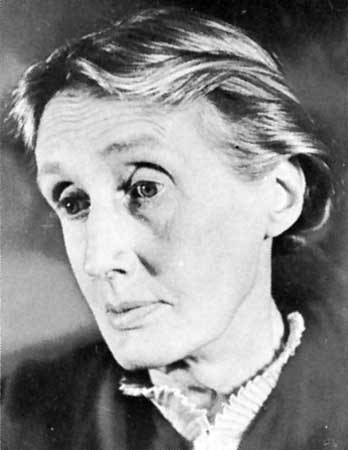
Reading Virginia Woolf's diaries you realise what a fabulous portraitist she was. How brilliantly she captured a personality in an image. i read somewhere that she always planned to write an autobiography when she was sixty. What a loss she didn't because i reckon she would have added something to the form.

January 1, 2011
Woolf has been much maligned, mostly through fear of outspoken intelligent women, and through her publication of a book whose main character is a lesbian who isn't a maniac, ill or violent. Woolf's quotes about being female, and particularly for me, on being a middle-aged woman, are insightful and exact.

February 15, 2014
amazing insight into a great writer, highly recommend it for any fan of Virginia Woolf.

April 19, 2020
Fascinating and lovely. Strolling through the English countryside and London with VW through the war years. Plenty about bombs, bugs, berries, mushrooms, writing and foraging. Really interesting.
Displaying 1 - 30 of 133 reviews