Jump to ratings and reviews
Rate this book

Three Plays for Puritans

Rate this book
'I am as fond of fine music and handsome buildings as Milton was, or Cromwell, or Bunyan; but if I found that they were becoming the instruments of a systematic idolatry of sensuousness, I would hold it good statesmanship to blow every cathedral in the world to pieces with dynamite'

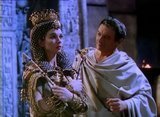
Disgusted and bored by the trend for titillation and sham on the London stage, Shaw wrote these plays both to educate and entertain his audiences. In The Devil's Disciple, a clergyman turned soldier and the Shavian ideal of a Puritan hero -- 'like all genuinely religious men, a reprobate and an outcast' -- willingly risks his life for a stranger. Caesar and Cleopatra, a brilliant satire on contemporary Britain, contains an utterly unexpected portrait of Julius Caesar ('part brute, part woman, and part god'). In Captain Brassbound's Conversion, it is Lady Cicely's cunning manipulation of the truth that ensures that fairness, rather than justice, prevails.

Three Plays for Puritans reveals Shaw's constant delight in turning received wisdom upside down and celebrates the triumph of the individual conscience over accepted morality.

352 pages, Paperback

First published January 1, 1901

9 people are currently reading
245 people want to read

About the author

George Bernard Shaw

1,996 books4,125 followers
George Bernard Shaw stands as one of the most prolific and influential intellectuals of the late nineteenth and early twentieth centuries, a man whose literary output was matched only by his fervent commitment to social reform. Rising from a modest background in Dublin to become a global icon of letters, Shaw redefined the purpose of the stage, transforming it from a place of mere entertainment into a forum for rigorous intellectual debate and moral inquiry. His unique "Shavian" style—characterized by sharp-witted dialogue, paradoxical reasoning, and a relentless assault on Victorian hypocrisy—ensured that his voice resonated far beyond the footlights. As a playwright, critic, and philosopher, he remains a singular figure in history, being one of only two individuals to have been honored with both a Nobel Prize in Literature and an Academy Award. This rare crossover of high-art recognition and mainstream cinematic success speaks to his versatility and the enduring relevance of his narratives. His dramatic work, which includes over sixty plays, often tackled the most pressing issues of his day, from the rigid structures of the British class system to the complexities of gender roles and the ethical dilemmas of capitalism. In masterpieces like Pygmalion, he used the science of phonetics to demonstrate the artificiality of class distinctions, a theme that would later reach millions through the musical adaptation My Fair Lady. In Man and Superman, he delved into the philosophical concepts of the "Life Force" and the evolution of the human spirit, while Major Barbara forced audiences to confront the uncomfortable relationship between religious idealism and the industrial military complex. Beyond his theatrical achievements, Shaw was a foundational force in political thought, serving as a leading light of the Fabian Society. His advocacy for gradual socialist reform, rather than violent revolution, helped shape the trajectory of modern British politics and social welfare. He was instrumental in the creation of the London School of Economics, an institution that continues to influence global policy and economic theory. Shaw was also a formidable critic, whose reviews of music and drama set new standards for the profession, characterized by an uncompromising honesty and a deep knowledge of the arts. His personal lifestyle was as distinctive as his writing; a committed vegetarian, teetotaler, and non-smoker, he lived with a disciplined focus that allowed him to remain productive well into his ninth decade. He was a man of contradictions, often engaging in provocative public discourse that challenged the status quo, even when his views sparked intense controversy. His fascination with the "Superman" archetype and his occasional support for authoritarian figures reflected a complex, often elitist worldview that sought the betterment of humanity through radical intellectual evolution. Despite these complexities, his core mission was always rooted in a profound humanitarianism and a desire to expose the delusions that prevented society from progressing. He believed that the power of the written word could strip away the masks of respectability that hid social injustice, and his plays continue to be staged worldwide because the human foibles he satirized remain as prevalent today as they were during his lifetime. By blending humor with gravity and intellect with accessibility, Shaw created a body of work that serves as both a mirror and a compass for modern civilization. His legacy is not just in the scripts he left behind, but in the very way we think about the intersection of art, politics, and the individual’s responsibility to the collective good. He remains the quintessential public intellectual, a man who never feared to speak his mind or to demand that the world become a more rational and equitable place.

Ratings & Reviews

What do you think?
Rate this book

Friends & Following

Create a free account to discover what your friends think of this book!

Community Reviews

5 stars
26 (19%)
4 stars
51 (38%)
3 stars
48 (35%)
2 stars
7 (5%)
1 star
2 (1%)
Displaying 1 - 14 of 14 reviews
Profile Image for Meem Arafat Manab.
377 reviews259 followers
May 26, 2017
এইরকম সঙ্কলন, তাও আবার লেখকপ্রদত্ত যখন, খুবই পীড়াদায়ক। এই তিনটা নাটক এক মলাটে বাঁধা কি জরুরী ছিলো খুব?

প্রথম নাটক ডেভিলস ডিসাইপল, বারনার্ড শ নিজে বলেছেন মেলোড্রামা, আসলেই তাই। মার্কিন স্বাধীনতার সময়কার পটভূমিতে একটা প্রকারান্তরে শস্তা মেলোড্রামাই ঘটে যায় এই নাটকে। শভীয় উইট খুব ভালোমতন উপস্থিত থাকলেও কাহিনীর খুব একটা তাৎপর্য নাই, নাটকটাও এতটাই ছোটো যে কিছু চরিত্র গুরূত্বপূর্ণ হওয়ার ক্ষমতা নিয়ে বেঞ্চি গরম করে, যেমন ডাজনের আম্মা। তবুও, অ্যান্ডারসন, বারগয়ন, সুইন্ডন আর ডাজনের মধ্যকার যে ঘোড়েল বাক্যবিনিময় - বাক্যবাণ বলবো না, সুইন্ডনেরগুলো বড়জোর বানের নুলো - সেটাকে বেশ চমৎকার বলে স্বীকার করে নিতে হচ্ছে। ছেড়ে ছেড়ে পড়া যায়, আমি মনে হয় না এই নাটক ধৈর্য্য ধরে পুরোটা দেখবো, তবে দৈর্ঘ্য এতটাই কম যে চাই কি দেখাও যায়, যে কোনো পাল্লায় এই নাটকের অবস্থান হবার কথা ঠিক মাঝখানে, অথবা আপনার যদি শ সাহেবের প্রতি অনুরাগ থাকে বাড়তি, তাহলে মাঝ থেকে এক ঘর ডানে। এই নাটক যেই মার্কিন মুলুকের কথা বলে, সেটা মার্কিনীদের বহুল-চর্চ্চিত মুলুকটাই, যেখানে মানুষ তার স্বভাব বদল করে, বদল করে কাজকারবার, অবলীলায়, এইখানে কিছুটা কমিক রাস্তায়।

দ্বিতীয়টা, সীজার আর ক্লিওপেত্রা, দুর্দান্ত। অসাধারণ কুশীলব, মাথা খেয়ে ফেলার মত সব বাক্যের বহর - শ যেই কাজটা সবচেয়ে ভালো পারেন, সম্ভবত আর বেশিরভাগ লেখকের চেয়েও - , আর খুবই অপ্রত্যাশিত কিছু কাহিনীর মোড়, যেইসব মোড়ে না দাঁড়ালে ভেজা রাস্তায় গাড়ির চাকায় চাকায় পানির ঝাপটাটা গুগল ম্যাপস দেখে - পড়ুন সমালোচনা পড়ে - কোনোকালেই ঠাহর করা যাবে না। ফাটাফাটি না কী যেনো নাম একটা চরিত্রের, এছাড়াও আছে বিলেতপুত্তুর ব্রিটানাস, আছে রুফিও আর বাচ্চা টলেমী, এদের আচারবিধি দুইচার কথাতেই স্পষ্ট হয়ে যায়, খুব সময় নিতে হয় না। অসময়ের কাজ আছে দেদারসে, পরবর্তী সময়ের এটাসেটারে সেই আমলে ছুড়ে দেয়াদেয়ি, এটা এই সঙ্কলনের তিন নাটকেই আছে, আর আছে সীজারের মধ্য দিয়ে এক ধরনের ভালোমানুষ মেকিয়াভেলির চিত্রণ। শ যেই অভিযোগে শেক্সপীয়ারেরে অভিযুক্ত করেন, সেই অভিযোগ থেকে শ-রেও বাঁচানো যায় না আসলে, শেক্সপীয়ারের ব্রুটাস একজন মুঘল যুগের ঘোড়সওয়ার, আর শ-এর শাসক একজন মেশিন যুগের ধূসর কূটনীতিক। কিন্তু তবুও নাটক দুইখান মহান, নিজের সময় থেকে বেঁচে ফেরায় ত আর মহানত্ব থাকে না, মহানত্ব থাকে ছোটো ছোটো আঁচড়ে। খুবই অদ্ভূত হইলো, ডেভিলস ডিসাইপলের ডাজন সম্পর্কে শ যেই ফিরিস্তি দিছেন শুরুতে, তা আরো বেশি খাটে তার সীজারের বেলায়। তিনি ডাজন সম্পর্কে বলেন, এরকম চরিত্র ত আজকের - মানে ১৯০০ সালের - যুগে আসবেই, সীজার সম্পর্কে সেটা মুখে না বললেও সত্যাতীত সত্য।

তিন নম্বুরী নাটকটা, ক্যাপ্টেন ব্রাসবাউন্ডস কনভার্শন, সীজার আর ক্লিও যতখানি শক্তিশালী, এইটা ততখানিই পলকা, ফুঁ দিলেই যেনো উড়ে যাবে। চরিত্রেরাও তাই, দৃশ্যগুলিও তাই, শুধু লেখক শ বলে বরাতগুণে সংলাপে উতরে যায়। আর পলকা মানে ত আর বিরস না, চাখা যায়, পঁচিশ গ্রাম হাওয়াই মিঠাই বা সাড়ে তিন গ্রাম গঞ্জিকার মত দ্রুতই সে কোনো ছাপ না রেখে পট থেকে বিদায়ও নিয়ে ফেলে। হাওয়ার্ড হালাম এই নাটকে যা কিছুর প্রতিনিধিত্ব করে, তা কিছুর প্রতিনিধিত্ব করতে করতে বরং উপড়েই ফেলে প্রথম নাটকের মেজর সুইন্ডন। বাকীরা - নাহ্‌, এই নাটক নিয়ে আসলে কোনো অনুভূতির - উথালিপাথালি না হোক - মৃদুমন্দ উত্থানও ঘটতেছে না আমার ভেতর। তবে শেষ দৃশ্যে জোর করে একটা হালকা হাসি হলেও লেখক আদায় করে ছাড়েন, একেবারে শেষে গিয়ে।

সব মিলায়ে একটা আধাখ্যাচড়া সঙ্কলন, দ্বিতীয়টা দম ফাটানো, প্রথমটা একদম পরপর ভালো, তৃতীয়টা এই একরকম। একসাথে জুড়ে দেয়ার কোনো কারণ আমি দেখি না, শ সাহেবের চল্লিশ পাতা ভূমিকা পড়বার পরেও।
Profile Image for Thorir2007.
7 reviews
August 6, 2007
At least one of the three plays in this volume is a masterpiece. It is the one that made G.B. Shaw famous. It is called "The Devil's Disciple." The action takes place in New Hampshire during the Revolutionary War. It shows Loyalists, Royalists, Puritans, priests, British generals, et al - the way they really were. It is NOT about the War - it's about people. Amazingly enough (coming as it does from a radical atheist), the play is thoroughly Christian in spirit. It premiered here in the States, in 1897, and was an instant success.
Profile Image for Goddess Of Blah.
514 reviews76 followers
February 6, 2015
All 3 plays in this collection are extremely witty. Much more superior to GBS's more famous plays such as Pygmalion (better known as My Fair Lady).

And as with all GBS's plays there's brilliant social, political and moral observations, all dispensed in a comical witty manner. And a hint of romance which is never seen through (i.e. the couple decide it's better not to be together).

Play 1: The Devil's Disciple:
Synopsis: Set in Colonial America (Websterbridge, New Hampshire) during the Revolutionary era, the play tells the story of Richard Dudgeon, a local outcast and self-proclaimed "Devil's disciple".
The Play begins with Dick (Richard Dudgeon) returning to his childhood home to hear the reading of his father's will, much to his family's dismay. Dick's mother is puritanically inclined and disgusted by Dick's behaviour who plays up to this naughty boy stereotype.
The twist in the story is that Dick sacrifices himself in a Christ-like gesture despite his professed Infernal allegiance.

The character who appeals the most must be General John Burgoyne (often referred to as Gentleman Johnny). He has a rapier wit and a disdain for stupidity and pomp.

Play 2: Caesar and Cleopatra
The satirizes Shakespeare's use of history and comments wryly on the politics of Shaw's own time, but the undertone of melancholy makes it one of his most affecting plays.

When a stupid man is doing something he is ashamed of, he always declares that it is his duty.

FTATATEETA is my favourite character in this play. She's a dynamo lady and you don't want to mess with her. Even the Romans are wary of her.

FTATATEETA (to the Centurion).
Roman: I am Ftatateeta, the mistress of the Queen's household.

CENTURION
Keep your hands off our men, mistress; or I will have you pitched into the harbor, though you were as strong as ten men. (To his men) To your posts: march! (He returns with his men the way they came.)

FTATATEETA (looking malignantly after him).
We shall see whom Isis loves best: her servant Ftatateeta or a dog of a Roman.

SENTINEL (to Apollodorus, with a wave of his pilum towards the palace). Pass in there; and keep your distance. (Turning to Ftatateeta) Come within a yard of me, you old crocodile; and I will give you this (the pilum) in your jaws
description

Play 3: Captain Brassbound's Conversion
A intrepid gentlewoman (very ladylike but witty and adventurous) and her very Correct brother-inlaw set out in an adventure that takes them across Morocco. It's only due to the lady's cunning that they escape danger. Captain Brassbound and his crew discover that sweetness and light is a far more powerful weapon that brute strength.
description
It is quite useless to declare that all men are born free if you deny that they are born good. Guarantee a man's goodness and his liberty will take care of itself. To guarantee his freedom on condition that you approve of his moral character is formally to abolish all freedom whatsoever, as every man's liberty is at the mercy of a moral indictment which any fool can trump up against everyone who violates custom, whether as a prophet or as a rascal.
Profile Image for Dary.
311 reviews17 followers
September 25, 2023
the first play in this volume, The Devil's Disciple , is now my favorite Shaw, but the other two are just alright
Profile Image for David Sarkies.
1,933 reviews384 followers
January 31, 2016
Better than Shakespeare?
15 January 2011

The one thing that stands out with this collection of plays is Shaw's introduction where he theorises on whether it is possible to be better than Shakespeare. Now, Shakespeare is undoubtedly a literary master, though there is some debate as to whether Shakespeare is actually the author of many of his plays (though it should be noted that he did borrow a lot of his ideas for his plays from other sources, such as Plutarch). This it not the discussion here, though there are many who would consider suggesting that anybody is better than Shakespeare is tantamount to blasphemy. Personally I am not willing to throw much into the debate beyond the questions of whether Shaw is a good playwright (he is) and whether he is better than Shakespeare (doubtful).

Anyway, the three plays in this collection are The Devil's Disciple (A Melodrama), Caesar and Cleopatra (A History) and Captain Brassbound's Conversion (An Adventure). The Devil's Disciple reminded me a lot of The Crucible and sometimes I wonder whether Arthur Miller stole his idea from Shaw, though I find this doubtful in that The Crucible was written during the red terror of the 1950's and the action in the play reflects that. What is interesting in The Devil's Disciple is the role reversals that Shaw loves in his play. In this play the outcast, Dudgeon sacrifices himself in a Christ-like manner, while the parson Anderson shows himself to be the unloving coward. I guess in the end it shows us that we should never prejudge a person, and further we should be willing to accept that somebody will change for the better.

Caesar and Cleopatra is what Shaw was referring to when he was suggesting that it was possible to be better than Shakespeare. This play is sort of a prequel to the Shakespearian plays Julius Caesar and Anthony and Cleopatra. It brings in two of the characters from the later plays and appears to try to tie the Shakespearian plays together into a trilogy. The play is set in Alexandria during Caesar's conquest of Egypt, and much of it is an interplay between a very young Cleopatra and Julius Caesar. There are also echoes in the play of the latter tragedy that is to arise between Cleopatra and Mark Antony.

The final play, Captain Brassbound's Conversion, is set in the deserts of Morocco and is about a missionary that travels into the Moroccan interior where he meets with some bandits, and after an interplay, the bandit chief, Captain Brassbound, is convicted of his sin and repents.
Profile Image for محمد عبادة.
Author 28 books251 followers
November 25, 2021
Well tailored as ever.
This is my article about (Caesar & Cleopatra), published in (Masra7na/ Our Theater) on 13th Sept. 2021:
مقالي عن (قيصر وكليوپاترا) منشورًا على صفحات صحيفة (مسرحنا) بتاريخ 13 سبتمبر 2021:
"هكذا يتبيّن أنّ مسوّغات العظَمة التي أرادَ (شو) أن يُظهِرَها في بطلِه (قيصر) تتمحور حول التحرُّر من المَشاعر التي يعتبرُها رخيصة. هو لا ينتقِم ولا يعاقِب ولا يُنَصِّب نفسَه قاضيًا لأعدائه، إنما يفعل ما يجب أن يُفعَل ليحتفظ بحياتِه ومِن ثَمّ ليحتفظ للإمبراطورية الرومانية الوليدة بحياتِها. وهذا التحرُّر من المشاعر هو الوجه الآخَر لمفهوم التطهُّر الذي رمى إليه (شو). هو ليس تطهُّرًا مسيحيًّا ينظرُ إلى العالَم الآخَر ويرتقبُ ملكوت السماوات ويخشى غضبَ الإله، وإنما تطهُّرٌ يبتكِر أخلاقَه انطلاقًا من التَّرفُّع عن مخافة العقاب وانتظار الثواب، فهي أخلاقٌ تشبه كثيرًا الأخلاق الرِّواقيّةَ، غيرَ أنّ الرواقيِّين - كما يقول عنهم (نيتشه) – يُسقِطون إرادةَ القوّة، بينما لا يبدو (قيصر) زاهدًا في هذه القوة. وهي بالأحرى أخلاقٌ تشبه أخلاق الإنسان الخارق الذي بشَّرَ به (نيتشه)."
https://www.gocp.gov.eg/Masr7na/artic...

And this is my article about (The Devil's Disciple), published on (Arabi 21) on 7th Oct. 2021:
مقالي عن (حَوارِيّ الشيطان) منشورًا على موقع (عربي 21) بتاريخ 7 تشرين الأول/ أكتوبر 2021:
"ويسوقُ لنا (شو) تكهُّنات النُّقّاد بخصوص الباعثِ الذي جعلَ (دِكْ) يضحّي بنفسِه لإنقاذ (أندرسون) رغم أنّ (دِكْ) يُنكِر أن يكون لديه سببٌ واضِحٌ وينعَتُ نفسَه بالحُمق في سخريةٍ من الذات. وأهمّ تلك التكهُّنات أنّ (دِكْ) واقعٌ في غرامِ (چوديث)، لكنه لا يريد أن يهدِمَ بيت زوجيّتِها، فهو بالتالي إنسانٌ طيّبٌ مسيحيٌّ في قرارة نفسِه.
ويسخَر (شو) من هذا الزَّعم، متحدّثًا عن الإنسان الأوتوماتيكيّ الذي لا يتحرّك إلاّ استجابةً لباعث! ويَترُك بطلَه (دِكْ) يُفصِح عن سبب انقيادِه للجنود، فهو يقولُ في حديثِه مع (چوديث) قبل محاكمتِه إنّه لا يعتقد أنّ له الحَقّ في إزهاق رُوح أيّ إنسانٍ باستثناء نفسِه، وإنه كان سيفعلُ مثلَما فعلَ مع أيّ إنسانٍ غير (أندرسون)."
https://arabi21.org/story/1389599/%D9...

And finally this is my essay about (Captain Brassbound's Conversion), published in (Masra7na/ Our Theater) on 15th November 2021:
وأخيرًا مقالي عن (تحوُّل الكاپتن براسباوند) منشورًا في صحيفة (مسرحنا) بتاريخ 15 تشرين الثاني/ نوفمبر 2021:
" ورغمَ أنّ تحوُّل (براسباوند) في نهاية النّصّ جاءَ متوافقًا مع إرادة القوّة التي بشّرَ بها (نيتشه) وآمنَ بها (شو)، في سخريةٍ واضحةٍ من القسّ المسيحيّ المَشيَخِيّ (رانكِن) الذي فشِل في مهمته بامتيازٍ في تلك البقاع المغربية ولم يتحولْ/ يَهتَدِ على يديه إلى المسيحية إلا شخصٌ واحدٌ، فإننا نطرحُ أسئلتَنا الآن بعد مرور أكثرَ من قرنٍ على كتابة هذا النصّ. لو كان (براسباوند) موجودًا في عصرِنا هذا، فهل كانت هناك فرصةٌ لتحوُّله إلى عقيدةٍ أخرى غير النيتشويّة؟ هل كان يمكن أن يَظهر المسلمون في المسرحية – رغم بقاء جروحِهم على ما هي عليه، بل انتقاضِها وفسادِها – بصورةٍ أقوى؟ هل كان يمكنُ أن يعتدل ميزانُ القوى بعضَ الشيء؟ هل كانت فرصة (شو) لمعرفةٍ أعمقَ بالإسلام ستكونُ أكبرَ لو كان يعيشُ بين ظهرانينا اليوم؟ أظنُّ أنّ إجاباتِ هذه الأسئلة تَميلُ إلى الإيجاب، وإن كنتُ لا أصادر على الغيب ولا على مآلات هذا السيناريو الافتراضيّ، وأطرَح الأسئلةَ عينَها على قُرّاء هذا المَقال. "
https://www.gocp.gov.eg/Masr7na/artic...
Profile Image for Michael Springer.
Author 2 books8 followers
August 28, 2024
Another compilation of George Bernard Shaw's plays and, whilst 'Plays Pleasant' is my favourite, "Three Plays for Puritans' is a must-read. Another book I read during my first year of acting school.
Profile Image for Michael Meeuwis.
315 reviews1 follower
July 2, 2014
There's too much Shaw in print, basically: the older plays from "Plays Political," for example, should exist only in ancient editions in university libraries where unfortunate MA students should read them. These plays, from I guess the late-middle of Shaw's career, are excellent--"Caesar and Cleopatra," in particular, is unlike anything I've read before. These are, in other words, actual plays, rather than polemics in dialogue form. I can't say what any of these plays is "about"--and, in light of what comes later in Shaw's work, that's a very good thing.
Profile Image for Artie LeBlanc.
680 reviews7 followers
October 23, 2022
I've just (re)read "Caesar and Cleopatra", having been reminded of the event by a "The rest is history" podcast. I thoroughly enjoyed it.

I believe I studied Caesar and Cleo at school - it is shocking how little of it I remembered. I'm pretty sure that I got much more out of it at this reading, than I ever did at school - life-experience makes a real difference.

I had a go at reading "Captain Brasbound's Conversion" but the transliteration if accents makes reading it very difficult. It turns up (very) occasionally on stage, so I shall pend this one.
Profile Image for Max.
1,464 reviews14 followers
April 17, 2015
I only read one of the plays, and even that one wasn't that great. I get the feeling I'm not a big Shaw fan, even if he does write some clever commentaries on the world.
Profile Image for Stef Rozitis.
1,702 reviews84 followers
April 18, 2015
I loved this when I was a teenager. For some reason I thought I was being naughty by reading it
Displaying 1 - 14 of 14 reviews

Can't find what you're looking for?

Get help and learn more about the design.