

What do you think?

ആരാച്ചാര്
Award winning novel Aarachaar(Executioner) is a story based on the Indian culture of caste and religion. Set in Bengal, it tells the story of a family of executioners with a long lineage, beginning in the fourth century BC. The protagonist of the novel, Chetna, is a strong and tenacious woman who struggles to inherit this profession.
According to noted literary critic M. Leelavathy, Aarachaar is one of the best literary works produced in Malayalam and follows the legacy of O. V. Vijayan's classic work Khasakkinte Itihasam. The novel received the 2013 Kerala Sahitya Akademi Award. It was also awarded the prestigious Odakkuzhal Award in 2013 and Vayalar Award in 2014.
According to noted literary critic M. Leelavathy, Aarachaar is one of the best literary works produced in Malayalam and follows the legacy of O. V. Vijayan's classic work Khasakkinte Itihasam. The novel received the 2013 Kerala Sahitya Akademi Award. It was also awarded the prestigious Odakkuzhal Award in 2013 and Vayalar Award in 2014.
552 pages, Paperback
First published November 1, 2012
About the author
കെ.ആർ.മീര | K.R.Meera
37 books674 followersK.R. Meera is an Indian author, who writes in Malayalam. She won Kerala Sahitya Akademi Award in 2009 for her short-story, Ave Maria.She has also been noted as a screenplay writer of 4 serials.
Meera was born in Sasthamkotta, Kollam district in Kerala.She worked as a journalist in Malayala Manorama, later resigned to concentrate more on writing. She is also a well-known column-writer in Malayalam
Meera was born in Sasthamkotta, Kollam district in Kerala.She worked as a journalist in Malayala Manorama, later resigned to concentrate more on writing. She is also a well-known column-writer in Malayalam
Ratings & Reviews
Friends & Following
Create a free account to discover what your friends think of this book!
Community Reviews
Displaying 1 - 30 of 318 reviews

August 5, 2019
If you ask me who is the strongest female protagonist I have read in contemporary fiction in the last two decades, my only answer will be Chetna from this book.
This book is simply brilliant in every way. The narration style, the character arc, and the magical realism make it simply one of the best books ever written in Malayalam. This is a pretty long book with more than 550 pages. The English translation of it is available under the name Hang Woman.
In this book, K.R. Meera tells us the story of Chetna, a female executioner. This is not an easy book to read due to the seriousness of the topic the author is trying to discuss. Still, I think it is one of those few books nobody should miss.
—————————————————————————
You can also follow me on
Instagram ID - Dasfill | YouTube Channel ID - Dasfill | YouTube Health Channel ID - Dasfill - Health | YouTube Malayalam Channel ID - Dasfill - Malayalam | Twitter ID - Dasfill1 | Snapchat ID - Dasfill | Facebook ID - Dasfill | TikTok ID - Dasfill1
This book is simply brilliant in every way. The narration style, the character arc, and the magical realism make it simply one of the best books ever written in Malayalam. This is a pretty long book with more than 550 pages. The English translation of it is available under the name Hang Woman.
In this book, K.R. Meera tells us the story of Chetna, a female executioner. This is not an easy book to read due to the seriousness of the topic the author is trying to discuss. Still, I think it is one of those few books nobody should miss.
—————————————————————————
You can also follow me on
Instagram ID - Dasfill | YouTube Channel ID - Dasfill | YouTube Health Channel ID - Dasfill - Health | YouTube Malayalam Channel ID - Dasfill - Malayalam | Twitter ID - Dasfill1 | Snapchat ID - Dasfill | Facebook ID - Dasfill | TikTok ID - Dasfill1

January 7, 2016
Capital punishment is a sensitive question: is it allowable for the state to kill somebody? On a purely metaphoric level, most liberal people would say no. But would your answer still be the same if the convict was, say, a sex offender who raped and tortured a girl to death? More so, if she was known to you?
Is justice involving the taking of a human life, justified? Is killing by the state murder or justice? Is punishment justice or revenge? Is capital punishment a deterrent for crimes?
All difficult questions. Most of us shy away from these (I know I do!) - but they have to be asked all the same.
Meera does it, and much more, through this novel. However, it is not a political polemic. While asking these questions, the story digs down into our psyche, to the subterranean depths where the archetypes lie.
And there the questions asked are much more basic and much more difficult. What does it mean to be a woman and a human being in today’s society?
There are no easy answers. Maybe, there are no answers, period… they are not required.
Because the question is what is important.
-----------------------------------
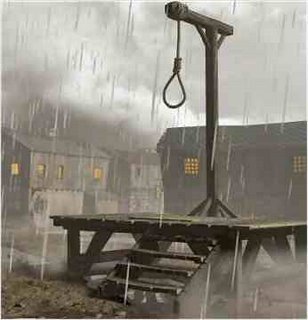
Chetana Grddha Malik is a hangman's daughter - and a potential hangwoman of the future, as he has no male heirs other than the disabled Ramu. Yatindranath Banerji is a convicted killer, waiting for the hangman's noose - a hanging in which Chetana will assist her father, Phani Bhushan, as India's first female executioner.
It would have been all business as usual had not the TV channels got hold of it. As with any controversial news item in contemporary India, Banerji’s hanging becomes a national spectacle, a chance to boost the TRP of the “reality” news channels. Sanjiv Kumar Mitra of the C.N.C is the first to sink his predatory teeth into this juicy situation – and also into the beautiful and desirable Chetana. He wants her to be the exclusive property of his channel on camera – and his, off it.
As the novel progresses and we move towards Yatindranath Banerji’s inevitable death, Sanjiv and Chetana dance around a complicated concoction of lust, filth, deceit and death. The ending, when it finally comes after 500+ pages is expected; yet fitting and devastating.
-----------------------------------
Meera is a terrific writer. There is very little beauty in this novel; and there is a lot of ugliness. That she has made it so absorbing, so that one willfully endures so much unpleasantness is a tribute her skill as a wordsmith.
Chetana’s hovel is situated on Neem Tala Ghat, where people take their relatives to be cremated. The novel has endless descriptions of dead bodies and mourning relatives, narrated through her deadpan voice – interspersed with her father’s stories of his exploits as a hangman who has executed more than four hundred people. Among the people who are cremated, there are murder victims too: many of them young girls who have been raped, mutilated and murdered by sexual predators like Yatindranath Banerji. The narrative dances between two types of killing, one by the state and one by the social deviants. The narrator who is also the protagonist of the story does not take sides. It seems as though Chetana just wants us to see it as it is through her eyes, which has seen and absorbed a lot in twenty-three years.
Chetana’s home is also disturbingly full of the themes of pain and mutilation. Her brother Ramu is a practically a vegetable – his limbs have been hacked off by the father of a convict Phani Bhushan hanged. Phani Bhushan himself is a libertine, frequently visiting Kolkata’s red light district, Sona Gacchi. His brother, who stays with him is practically an invalid, having been marked by the excruciating torture he suffered as a communist under The Emergency. In this hell-house, the person Chetana is most attached to is her grandma, who is more than a century old – a crone-figure who tells stories from myth, legend and history.
The second theme is the “lust affair” (it would be dishonest to call it a love affair!) between Chetana and Sanjiv. The reporter makes no secret of his lust for her: the first time he sees Chetana, he tells her that :”I want to experience you at least once.” The second time, he squeezes her left breast. (This is highly symbolic, IMO. Kannagi, the heroine of Silappadikaram burns down Madhura by tearing off her left nipple and flinging it at the city. Later, she is enshrined as an incarnation of the Goddess Durga. But more on this later.) The significant thing is that Chetana also lusts for Sanjiv, and her left breast throbs every time she feels the hots.

Sanjiv Kumar Mitra - who is a kleptomaniac - needs Chetana physically as well as commercially. He wastes no time in buying her time exclusively for his channel, thus virtually "owning" her. He wastes no time in marketing her as well as the misery of the murderer's and the victim's family. He is a man without emotions, only lust - for riches, for fame and for pleasures of the flesh - and the hanging is only a studio production to raise the ratings for his channel. As his family history is revealed towards the end of the novel, we get an idea of what makes this complex creation tick.
Surprisingly, the ethics of capital punishment is not discussed openly. Rather, the author cleverly presents it as Q&A during Chetana's TV show, her father's bombastic speeches to journalists justifying it, and opinions of various characters, both pro and con. But the political subtext is very clear - and most effective, especially when various hangings from the stories told to her by her grandma are graphically described to us by Chetana.
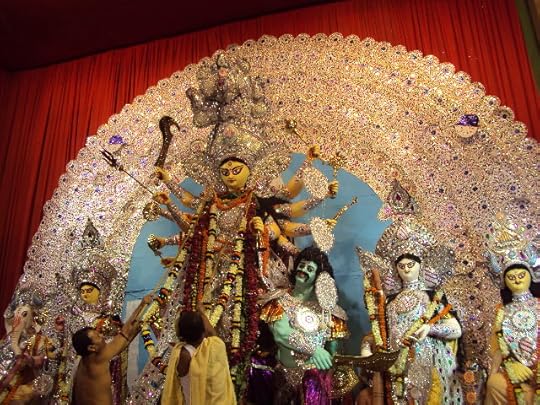
But the most powerful theme is the undercurrent of frightening and bloodthirsty feminity which permeates the narrative – the punishing mother, the toothed vagina that men have sublimated through their myths and stories and either locked up as the madwoman in the attic or elevated to a pedestal as goddess. It is no accident that this novel is set in Bengal, I feel, as Durga’s fearsome dance of death is part of the Bengali psyche – and being from Kerala, a state where women’s mysteries still manifest as an undercurrent in many festivals (Thiruvathira being the prime example), the author can very well appreciate it.
Chetana can tie a hangman’s knot in seconds – she does that with her dupatta and uses it on would-be molesters to great effect. She feels connected to various legendary heroines of myth, legend and history, whether from her own family or otherwise, who had used the power of the eternal feminine on hapless males: the power of the soft seductress as well as that of the fierce Devi. It is no coincidence that the earth from the front yard of the courtesans of Sona Gacchi is used to make the idols of the goddess for Durga Puja.
-----------------------------------
All the things described above makes this novel good. What makes it great is its structure.
India has a great tradition of storytelling. However, the structure of Indian stories and myths are not linear in the traditional sense. Starting with a central story, the narrative meanders through a twisted path with many byways – and many a time, the narrator takes detours. Sometimes even the byways have byways branching off them. It is quite common, by the end of the story, for the listener to be confused as to exactly where he is – but the bard keeps on singing, and ultimately reaches the end, tying up all the loose ends in the process.
The Katha Sarith Sagara and the Mahabharata are two well-known examples of the above technique. As one gets accustomed to the Indian timeless way of telling stories, one starts not getting disturbed by the detours. In fact, one starts to savour them, to relish them, to enjoy each sub-story which could be each made into an epic in its own right. In fact, many Mahabharata tales have become movies, novels and plays in various Indian languages.

This is the structure Meera adopts, and it is fascinating. I have seen criticisms of the novel saying that it should have been edited down – and I strongly disagree. Each of the chapters is an episode, as well as a stirring tale in its own right: and it is to be enjoyed as such. India cannot be rushed. So sit back in your chair, ladies and gentlemen, and travel along with this gorgeously terrifying executioner on the most terrifying and exhilarating journey of her life.
I guarantee that you will not regret it.
Is justice involving the taking of a human life, justified? Is killing by the state murder or justice? Is punishment justice or revenge? Is capital punishment a deterrent for crimes?
All difficult questions. Most of us shy away from these (I know I do!) - but they have to be asked all the same.
Meera does it, and much more, through this novel. However, it is not a political polemic. While asking these questions, the story digs down into our psyche, to the subterranean depths where the archetypes lie.
And there the questions asked are much more basic and much more difficult. What does it mean to be a woman and a human being in today’s society?
There are no easy answers. Maybe, there are no answers, period… they are not required.
Because the question is what is important.
-----------------------------------
Chetana Grddha Malik is a hangman's daughter - and a potential hangwoman of the future, as he has no male heirs other than the disabled Ramu. Yatindranath Banerji is a convicted killer, waiting for the hangman's noose - a hanging in which Chetana will assist her father, Phani Bhushan, as India's first female executioner.
It would have been all business as usual had not the TV channels got hold of it. As with any controversial news item in contemporary India, Banerji’s hanging becomes a national spectacle, a chance to boost the TRP of the “reality” news channels. Sanjiv Kumar Mitra of the C.N.C is the first to sink his predatory teeth into this juicy situation – and also into the beautiful and desirable Chetana. He wants her to be the exclusive property of his channel on camera – and his, off it.
As the novel progresses and we move towards Yatindranath Banerji’s inevitable death, Sanjiv and Chetana dance around a complicated concoction of lust, filth, deceit and death. The ending, when it finally comes after 500+ pages is expected; yet fitting and devastating.
-----------------------------------
Meera is a terrific writer. There is very little beauty in this novel; and there is a lot of ugliness. That she has made it so absorbing, so that one willfully endures so much unpleasantness is a tribute her skill as a wordsmith.
Chetana’s hovel is situated on Neem Tala Ghat, where people take their relatives to be cremated. The novel has endless descriptions of dead bodies and mourning relatives, narrated through her deadpan voice – interspersed with her father’s stories of his exploits as a hangman who has executed more than four hundred people. Among the people who are cremated, there are murder victims too: many of them young girls who have been raped, mutilated and murdered by sexual predators like Yatindranath Banerji. The narrative dances between two types of killing, one by the state and one by the social deviants. The narrator who is also the protagonist of the story does not take sides. It seems as though Chetana just wants us to see it as it is through her eyes, which has seen and absorbed a lot in twenty-three years.
Chetana’s home is also disturbingly full of the themes of pain and mutilation. Her brother Ramu is a practically a vegetable – his limbs have been hacked off by the father of a convict Phani Bhushan hanged. Phani Bhushan himself is a libertine, frequently visiting Kolkata’s red light district, Sona Gacchi. His brother, who stays with him is practically an invalid, having been marked by the excruciating torture he suffered as a communist under The Emergency. In this hell-house, the person Chetana is most attached to is her grandma, who is more than a century old – a crone-figure who tells stories from myth, legend and history.
The second theme is the “lust affair” (it would be dishonest to call it a love affair!) between Chetana and Sanjiv. The reporter makes no secret of his lust for her: the first time he sees Chetana, he tells her that :”I want to experience you at least once.” The second time, he squeezes her left breast. (This is highly symbolic, IMO. Kannagi, the heroine of Silappadikaram burns down Madhura by tearing off her left nipple and flinging it at the city. Later, she is enshrined as an incarnation of the Goddess Durga. But more on this later.) The significant thing is that Chetana also lusts for Sanjiv, and her left breast throbs every time she feels the hots.
Sanjiv Kumar Mitra - who is a kleptomaniac - needs Chetana physically as well as commercially. He wastes no time in buying her time exclusively for his channel, thus virtually "owning" her. He wastes no time in marketing her as well as the misery of the murderer's and the victim's family. He is a man without emotions, only lust - for riches, for fame and for pleasures of the flesh - and the hanging is only a studio production to raise the ratings for his channel. As his family history is revealed towards the end of the novel, we get an idea of what makes this complex creation tick.
Surprisingly, the ethics of capital punishment is not discussed openly. Rather, the author cleverly presents it as Q&A during Chetana's TV show, her father's bombastic speeches to journalists justifying it, and opinions of various characters, both pro and con. But the political subtext is very clear - and most effective, especially when various hangings from the stories told to her by her grandma are graphically described to us by Chetana.
But the most powerful theme is the undercurrent of frightening and bloodthirsty feminity which permeates the narrative – the punishing mother, the toothed vagina that men have sublimated through their myths and stories and either locked up as the madwoman in the attic or elevated to a pedestal as goddess. It is no accident that this novel is set in Bengal, I feel, as Durga’s fearsome dance of death is part of the Bengali psyche – and being from Kerala, a state where women’s mysteries still manifest as an undercurrent in many festivals (Thiruvathira being the prime example), the author can very well appreciate it.
Chetana can tie a hangman’s knot in seconds – she does that with her dupatta and uses it on would-be molesters to great effect. She feels connected to various legendary heroines of myth, legend and history, whether from her own family or otherwise, who had used the power of the eternal feminine on hapless males: the power of the soft seductress as well as that of the fierce Devi. It is no coincidence that the earth from the front yard of the courtesans of Sona Gacchi is used to make the idols of the goddess for Durga Puja.
-----------------------------------
All the things described above makes this novel good. What makes it great is its structure.
India has a great tradition of storytelling. However, the structure of Indian stories and myths are not linear in the traditional sense. Starting with a central story, the narrative meanders through a twisted path with many byways – and many a time, the narrator takes detours. Sometimes even the byways have byways branching off them. It is quite common, by the end of the story, for the listener to be confused as to exactly where he is – but the bard keeps on singing, and ultimately reaches the end, tying up all the loose ends in the process.
The Katha Sarith Sagara and the Mahabharata are two well-known examples of the above technique. As one gets accustomed to the Indian timeless way of telling stories, one starts not getting disturbed by the detours. In fact, one starts to savour them, to relish them, to enjoy each sub-story which could be each made into an epic in its own right. In fact, many Mahabharata tales have become movies, novels and plays in various Indian languages.
This is the structure Meera adopts, and it is fascinating. I have seen criticisms of the novel saying that it should have been edited down – and I strongly disagree. Each of the chapters is an episode, as well as a stirring tale in its own right: and it is to be enjoyed as such. India cannot be rushed. So sit back in your chair, ladies and gentlemen, and travel along with this gorgeously terrifying executioner on the most terrifying and exhilarating journey of her life.
I guarantee that you will not regret it.

May 20, 2014
നോവലിലെ കഥ എടുത്തുമാറ്റിയ ശേഷം നോക്കിയാൽ, കെ ആർ മീര ആരാച്ചാരിൽ തൂക്കിക്കൊല്ലുന്നത് ആൺഹുങ്കിനേം മാദ്ധ്യമങ്ങളുടെ ഔചിത്യമില്ലായ്മയേയുമാണ്.

December 3, 2016
Chetna!!! Now, that's A FORCE TO BE RECKONED WITH!!!! OMG! The strongest and mightiest female character ever in Malayalam literature ! ( atleast in my humble opinion. )
An extraordinary book , that deals with the topic of Capital Punishment, the long and fascinating history of the Hangman family of the Grudha Malliks and so much more... . The atmosphere it creates in the reader's mind is just so intruiging and at the same time so haunting, relevant, scathing, brilliant and reveting.
The story is so well crafted and is filled with legends, myths and historical backstories which fits so, so.. well with the situations and ties the whole story together and forms that perfect final picture. We get more than we could ask for, the fascinating history of Kolkota, the 1200 year old epic legends of the Grudda Malliks , stories, stories, and more stories,..... and that's quite an offer I can't refuse! :) And this perfect juxtaposition of the myths and imaginative with the realistic is what makes it unique and special.
Meera so perfectly and effectively attacks and criticises the outrageous , inappropriate and disgusting behaviour of today's media, the attitude of the society towards women and the the lower class, the traditional system in India ( at that time and, even now ) of profession being based on one's cast and religion, and the book covers so many areas like, love, sex, death, life, karma, fate, life after death, and is full of profound philosophical thoughts and views.
The characters are so solid and well built and are very interesting, Phonibhushan Grudha Mallik, Dhakkuma, Sanjiv Kumar Mitra, Manobendra Bose, and ... CHETNA! , like the hilsa fish that swims against the current for thousands of miles to finally reach it's destiny, her character alone is enough to make this a masterpiece!
A unique book, that deserves all the awards and praise it got.
I read the original Malayalam language edition, but I believe the English translation is equally good ( Shortlisted for the South Asian Literary Award ).
Hats off to K.R. Meera for this brilliant book and hoping to see more works of her in the future.
Thanks for reading!
An extraordinary book , that deals with the topic of Capital Punishment, the long and fascinating history of the Hangman family of the Grudha Malliks and so much more... . The atmosphere it creates in the reader's mind is just so intruiging and at the same time so haunting, relevant, scathing, brilliant and reveting.
The story is so well crafted and is filled with legends, myths and historical backstories which fits so, so.. well with the situations and ties the whole story together and forms that perfect final picture. We get more than we could ask for, the fascinating history of Kolkota, the 1200 year old epic legends of the Grudda Malliks , stories, stories, and more stories,..... and that's quite an offer I can't refuse! :) And this perfect juxtaposition of the myths and imaginative with the realistic is what makes it unique and special.
Meera so perfectly and effectively attacks and criticises the outrageous , inappropriate and disgusting behaviour of today's media, the attitude of the society towards women and the the lower class, the traditional system in India ( at that time and, even now ) of profession being based on one's cast and religion, and the book covers so many areas like, love, sex, death, life, karma, fate, life after death, and is full of profound philosophical thoughts and views.
The characters are so solid and well built and are very interesting, Phonibhushan Grudha Mallik, Dhakkuma, Sanjiv Kumar Mitra, Manobendra Bose, and ... CHETNA! , like the hilsa fish that swims against the current for thousands of miles to finally reach it's destiny, her character alone is enough to make this a masterpiece!
A unique book, that deserves all the awards and praise it got.
I read the original Malayalam language edition, but I believe the English translation is equally good ( Shortlisted for the South Asian Literary Award ).
Hats off to K.R. Meera for this brilliant book and hoping to see more works of her in the future.
Thanks for reading!

May 29, 2017
3.5
Depressing, grim powerhouse, and yet beautifully crafted.
The kind of book which shouldn't be kept on your shelf, rather hanging from the roof with a noose around it.
It was a difficult read because of extreme negativity of characters. Had many sleepless nights due to this.
Within the main plot, there are 45-50 short stories about hanging and death.
Unbelievable descriptions of Kolkata coming from a Malayalam writer. The writing is extraordinarily good! (I read the English translation)
51 chapters, and every chapter is packed with a punch.
Too bad I couldn't handle all that grimness. Hated almost every charcter.
Highly recommended if you like dark and powerful writing.
Depressing, grim powerhouse, and yet beautifully crafted.
The kind of book which shouldn't be kept on your shelf, rather hanging from the roof with a noose around it.
It was a difficult read because of extreme negativity of characters. Had many sleepless nights due to this.
Within the main plot, there are 45-50 short stories about hanging and death.
Unbelievable descriptions of Kolkata coming from a Malayalam writer. The writing is extraordinarily good! (I read the English translation)
51 chapters, and every chapter is packed with a punch.
Too bad I couldn't handle all that grimness. Hated almost every charcter.
Highly recommended if you like dark and powerful writing.

April 2, 2013
ഇതില് ബംഗാളിന്റെ ചരിത്രം ഒളിഞ്ഞു കിടപ്പുണ്ടോ എന്ന് നാം പലപ്പോഴും ചിന്തിച്ചു പോകും .... India's first hang woman ...Chethna....wanna ask K R MEERA how she got this much historical evidences...

May 28, 2018
Review originally posted on A Skeptical Reader.
Hangwoman by K. R. Meera is a translated novel from India that opens with the main character being asked to take up the position of the first hangwoman of India. The novel is about what it is to be a woman in a society where men dictate what happens to your life, your body, and your home. The main character, Chetna Grddha-Mullick, observes the way her life is shaped by the actions of her father and a journalist hell-bent on possessing her body and time.
All the characters in the novel are utterly repulsive and untrustworthy, the latter being also true of the main character. I’m not opposed to reading about dislikable characters but there seems to be no rhyme or rhythm to any action or reaction that plays out. When Chetna first meets the journalist intending to cover the experience of her first hanging, Sanjeev Kumar Mitra, he tells her, ‘I want to fuck you at least once’, and steals their family coin. Despite the shocking way in which this meeting occurs, Chetna is intensely attracted to Sanjeev and continuously seeks his attention even after his assaults and insults persist. There’s absolutely no explanation or reasoning for this and in the same breath that she hates him for abusing her and her family, she also craves his affection in ways that completely baffle me.
Furthermore, in the beginning of every chapter, the reader is bombarded with a myriad of stories, myths, and histories. Even as an Indian, with the ability to distinguish and pronounce names, phrases, and terms, the sheer count of stories thrown in this book is suffocating. Being that the writer is from Kerala but writes the story set in Bengal, it seems she spent months researching Bengal and decided she’s going to fit in every single sentence from her notes into the novel. It’s unnecessary, it considerably weighs the book down from its accomplishments, and, as I predict, will discourage many readers from finishing the novel.
That novel also has more than a few repetitive chapters and there are large portions of the novel that can be completely omitted without losing sight of any plot movement. To be blunt, only the first and final quarters of the book are worth reading. Everything in between can be skipped and the reader would have no trouble absorbing the purpose of the novel. The first quarter builds up a good setting, even with the weak characterizations, and the final quarter contains some beautifully written scenes of Chetna’s moments of self-realization—scenes that, in my opinion, have a lot to offer to the contemporary battles of feminism in India.
In the end, I think Hangwoman has some very thoughtful moments of feminist introspection but the poor way in which the characters’ motivations are handled and the excessive amount of chapters will likely it keep it from reaching many readers. I can’t honestly say I’d recommend it to most people, unless you’re really keen on reading a translated Indian novel and there’s no other in sight.
Hangwoman by K. R. Meera is a translated novel from India that opens with the main character being asked to take up the position of the first hangwoman of India. The novel is about what it is to be a woman in a society where men dictate what happens to your life, your body, and your home. The main character, Chetna Grddha-Mullick, observes the way her life is shaped by the actions of her father and a journalist hell-bent on possessing her body and time.
All the characters in the novel are utterly repulsive and untrustworthy, the latter being also true of the main character. I’m not opposed to reading about dislikable characters but there seems to be no rhyme or rhythm to any action or reaction that plays out. When Chetna first meets the journalist intending to cover the experience of her first hanging, Sanjeev Kumar Mitra, he tells her, ‘I want to fuck you at least once’, and steals their family coin. Despite the shocking way in which this meeting occurs, Chetna is intensely attracted to Sanjeev and continuously seeks his attention even after his assaults and insults persist. There’s absolutely no explanation or reasoning for this and in the same breath that she hates him for abusing her and her family, she also craves his affection in ways that completely baffle me.
Furthermore, in the beginning of every chapter, the reader is bombarded with a myriad of stories, myths, and histories. Even as an Indian, with the ability to distinguish and pronounce names, phrases, and terms, the sheer count of stories thrown in this book is suffocating. Being that the writer is from Kerala but writes the story set in Bengal, it seems she spent months researching Bengal and decided she’s going to fit in every single sentence from her notes into the novel. It’s unnecessary, it considerably weighs the book down from its accomplishments, and, as I predict, will discourage many readers from finishing the novel.
That novel also has more than a few repetitive chapters and there are large portions of the novel that can be completely omitted without losing sight of any plot movement. To be blunt, only the first and final quarters of the book are worth reading. Everything in between can be skipped and the reader would have no trouble absorbing the purpose of the novel. The first quarter builds up a good setting, even with the weak characterizations, and the final quarter contains some beautifully written scenes of Chetna’s moments of self-realization—scenes that, in my opinion, have a lot to offer to the contemporary battles of feminism in India.
In the end, I think Hangwoman has some very thoughtful moments of feminist introspection but the poor way in which the characters’ motivations are handled and the excessive amount of chapters will likely it keep it from reaching many readers. I can’t honestly say I’d recommend it to most people, unless you’re really keen on reading a translated Indian novel and there’s no other in sight.

August 16, 2015
ഒരുപാട് പ്രതീക്ഷകളോടെയാണ് ഞാനീ പുസ്തകം വായിക്കാനെടുക്കുന്നത്. അതിനാല് തന്നെ ഉള്ളിലൊരു തോന്നലും ഉണ്ടായിരുന്നു ഇതെന്റെ പ്രതീക്ഷകള്ക്കൊത്ത അനുഭവം തരാതിരുക്കുമോ എന്ന്. വായിച്ച് കഴിഞ്ഞ് കുറച്ച് സമയത്തേക്കും ഈ പുസ്തകം ഞാന് ആസ്വദിച്ചോ എന്ന് എനിക്കു സംശയമുണ്ടായിരുന്നു.
സ്ത്രീകളോടുള്ള ഇന്ത്യന് സാമുധായിക വ്യവസ്ഥകളെ നിശിതമായ സംഭവങ്ങളിലൂടെ എടുത്ത് കാട്ടിരിരിക്കുന്നു. ഒരു സ്ത്രീ എന്ന നിലക്ക്, ഈ പുസ്തകം എന്നെ ഒരുപാട് വ്യസനിപ്പിച്ചു എന്നും കൂടി കൂട്ടിചേര്ക്കേണ്ടിവരും. ശതകോടി വര്ഷങ്ങള് മുന്പ് തൊട്ട് തുടങ്ങിയ അടിച്ചമര്ത്തലും അവഹേളനവും മൂലം സ്വാഭിമാനം പോലും നഷ്ടപ്പെട്ട ഒരു സ്ത്രീ സമൂഹത്തിന്റെ ബലഹീനതകള് പലതും ചേതനയുടെ സമര്ത്ഥമായ പതിമൂന്ന് കെട്ടുള്ള തൂക്കുകയറിനെ പോലെ എന്നെ ശ്വാസം മുട്ടിച്ചു.
ചരിത്രവും വര്ത്തമാന കാലവും ഇടകലര്ത്തി ഉള്ള എഴുത്ത് ശൈലി പരാമര്ശിക്കാതെ വയ്യ. നമ്മുടെ സ്വഭാവം നാം ജീവിതത്തിലൂടെ കടന്ന് പോയിട്ടുള്ള പല സംഭവ വികാസങ്ങളാല് സ്വാധീനപ്പെട്ടതാണ് എന്ന് പലപ്പോഴും കേട്ടിട്ടുണ്ട്. എന്നാല് നാമോരോരുത്തരും ജീവിക്കുന്ന ജീവിതവും ചെയ്യുന്ന ഒരോ പ്രവര്ത്തിയും നമുക്കുമുന്നെ മണ്ണടിഞ്ഞ് പോയ അനേകായിരം തലമുറകളടങ്ങുന്ന നമ്മുടെ പിതാമഹന്മാരുടെ കര്മങ്ങളാല്(നല്ലതും ചീത്തയും) സ്വാധീനപ്പെട്ടിരിക്കുന്നു എന്ന് എഴുത്തുകാരി പറയാന് ശ്രമിക്കുന്നത് പോലെ തോന്നി. പാഴ് ചരിത്രം എന്നൊന്നില്ല. ചരിത്രം മറന്നുകൊണ്ട് മാനവരാശിക്കൊരു നിലനില്പുമില്ലതാനും. ചിലയിടങ്ങളില് ചരിത്രം പറച്ചില് ഒരല്പം കൂടിയോ എന്നും ഓര്ക്കുകയിണ്ടായി. എങ്കിലും ലളിതമായ അവതരണ ശൈലിയിലോടെ എഴുത്തുകാരി എന്റെ മനം കവര്ന്നു.
ഇനി എനിക്കു പറയാം. ഞാനീ പുസ്തകം വളരെയധികം ആസ്വദിച്ചു.
മീരാദീ,തൊമാര് ഭാലോ ഭോബെ. :-)
സ്ത്രീകളോടുള്ള ഇന്ത്യന് സാമുധായിക വ്യവസ്ഥകളെ നിശിതമായ സംഭവങ്ങളിലൂടെ എടുത്ത് കാട്ടിരിരിക്കുന്നു. ഒരു സ്ത്രീ എന്ന നിലക്ക്, ഈ പുസ്തകം എന്നെ ഒരുപാട് വ്യസനിപ്പിച്ചു എന്നും കൂടി കൂട്ടിചേര്ക്കേണ്ടിവരും. ശതകോടി വര്ഷങ്ങള് മുന്പ് തൊട്ട് തുടങ്ങിയ അടിച്ചമര്ത്തലും അവഹേളനവും മൂലം സ്വാഭിമാനം പോലും നഷ്ടപ്പെട്ട ഒരു സ്ത്രീ സമൂഹത്തിന്റെ ബലഹീനതകള് പലതും ചേതനയുടെ സമര്ത്ഥമായ പതിമൂന്ന് കെട്ടുള്ള തൂക്കുകയറിനെ പോലെ എന്നെ ശ്വാസം മുട്ടിച്ചു.
ചരിത്രവും വര്ത്തമാന കാലവും ഇടകലര്ത്തി ഉള്ള എഴുത്ത് ശൈലി പരാമര്ശിക്കാതെ വയ്യ. നമ്മുടെ സ്വഭാവം നാം ജീവിതത്തിലൂടെ കടന്ന് പോയിട്ടുള്ള പല സംഭവ വികാസങ്ങളാല് സ്വാധീനപ്പെട്ടതാണ് എന്ന് പലപ്പോഴും കേട്ടിട്ടുണ്ട്. എന്നാല് നാമോരോരുത്തരും ജീവിക്കുന്ന ജീവിതവും ചെയ്യുന്ന ഒരോ പ്രവര്ത്തിയും നമുക്കുമുന്നെ മണ്ണടിഞ്ഞ് പോയ അനേകായിരം തലമുറകളടങ്ങുന്ന നമ്മുടെ പിതാമഹന്മാരുടെ കര്മങ്ങളാല്(നല്ലതും ചീത്തയും) സ്വാധീനപ്പെട്ടിരിക്കുന്നു എന്ന് എഴുത്തുകാരി പറയാന് ശ്രമിക്കുന്നത് പോലെ തോന്നി. പാഴ് ചരിത്രം എന്നൊന്നില്ല. ചരിത്രം മറന്നുകൊണ്ട് മാനവരാശിക്കൊരു നിലനില്പുമില്ലതാനും. ചിലയിടങ്ങളില് ചരിത്രം പറച്ചില് ഒരല്പം കൂടിയോ എന്നും ഓര്ക്കുകയിണ്ടായി. എങ്കിലും ലളിതമായ അവതരണ ശൈലിയിലോടെ എഴുത്തുകാരി എന്റെ മനം കവര്ന്നു.
ഇനി എനിക്കു പറയാം. ഞാനീ പുസ്തകം വളരെയധികം ആസ്വദിച്ചു.
മീരാദീ,തൊമാര് ഭാലോ ഭോബെ. :-)

May 17, 2017
Sheer brilliance manifesting as a very grim, morose, turbulent tale told with maximum impact upon readers.
The story of.a 22 year old girl, Chetana who is from a family of hangmen who practiced their trade from a time when Bengal, or even Jesus Christ wasn't born.
Chetana is urged to take up the job of Hangwoman as her father is getting senile and the family needs a working member.
And the Indian government is not too keen to provide her with that particular job, which would really have gone to Ramu da , her much elder brother, for whom fate had nasty plans.
Phanibhushan, her 88 year old father is a tough nut to.crack.
Sanjeev Mitra, the ever opportunistic news reporter finds Chetna and her family as a means of increasing his channel's TRP.
Chetana and Sanjeev are attracted to each other, not in a necessarily pleasant way.
With this background the scintillating tale unfolds.
I felt like being given a crash course on hangmandship and.the history of Bengal region from historic times through Indian partition upto the present, flavored with the personal histories of her ancestors.
Chetana is most easily one of the strongest women I have come across in fiction, and Ramu da , one of the most pitiable.
I would recommend this book to all people who love a grim tale,and would advise the weak hearted to stay clear.
This is one book that can remain with you and niggle at your innards for a long, long time.
My reading buddies for this venture: Gorab and Rebecca. Thank you :)
The story of.a 22 year old girl, Chetana who is from a family of hangmen who practiced their trade from a time when Bengal, or even Jesus Christ wasn't born.
Chetana is urged to take up the job of Hangwoman as her father is getting senile and the family needs a working member.
And the Indian government is not too keen to provide her with that particular job, which would really have gone to Ramu da , her much elder brother, for whom fate had nasty plans.
Phanibhushan, her 88 year old father is a tough nut to.crack.
Sanjeev Mitra, the ever opportunistic news reporter finds Chetna and her family as a means of increasing his channel's TRP.
Chetana and Sanjeev are attracted to each other, not in a necessarily pleasant way.
With this background the scintillating tale unfolds.
I felt like being given a crash course on hangmandship and.the history of Bengal region from historic times through Indian partition upto the present, flavored with the personal histories of her ancestors.
Chetana is most easily one of the strongest women I have come across in fiction, and Ramu da , one of the most pitiable.
I would recommend this book to all people who love a grim tale,and would advise the weak hearted to stay clear.
This is one book that can remain with you and niggle at your innards for a long, long time.
My reading buddies for this venture: Gorab and Rebecca. Thank you :)

September 25, 2020
കൊൽക്കത്തയുടെ പശ്ചാത്തലത്തിൽ ഒരു ഇന്ത്യൻ ക്ലാസിക്. തുടക്കം മുതൽ അവസാനം വരെ മരണം തളംകെട്ടി നിൽക്കുന്ന അധ്യായങ്ങൾ. പുരുഷ മേൽക്കോയ്മയ്ക്കെതിരെയുള്ള ശക്തമായ സ്ത്രീ പക്ഷ കഥ. കഥയിലെ ഭാഷയും അതിന്റെ ആഴവും നമ്മളെ വേറെ തലത്തിൽ എത്തിക്കും.

June 28, 2021
"നമ്മൾ ആരാച്ചാർമ്മാർ സംസാരിക്കുന്നതു മരണത്തെക്കുറിച്ചാണ്. മരണത്തെക്കുറിച്ചു സംസാരിക്കുമ്പോൾ നമ്മളെപ്പോഴും ജാഗ്രത പാലിക്കണം. അത് ജീവിതത്തിലെ ഏറ്റവും ഗൗരവമുള്ള കാര്യമാണ്. ചിരിച്ചുകൊണ്ട് ഒരിക്കലും മരണത്തെക്കുറിച്ചു സംസാരിക്കരുത്. പറയുമ്പോൾ മുഖത്തും ശബ്ദത്തിലും ഒരു കനം വരണം. മരണത്തെക്കുറിച്ചു പറയുന്നവർ ആളുകളെ സന്തോഷിപ്പിക്കാൻ വേണ്ടിയല്ല സംസാരിക്കേണ്ടത്. മറിച്ച്, സ്വന്തം മരണത്തെക്കുറിച്ചു അവരെ ഓർമ്മിപ്പിക്കാൻ വേണ്ടിയാണ്"
നൂറ്റാണ്ടുകളായി കുടുംബം അരാച്ചാരുടെ തൊഴിൽ ചെയ്യുന്നതിനാൽ പിതാവായ ഗൃദ്ധാ മല്ലിക്കിന്റെ സഹായി ആയി പോകേണ്ട വിധി ചേതനക്കു വന്നുപെടുന്നയിടത്തു നിന്ന് ഒരു അരാച്ചാർ ആകുന്ന വരെയുള്ളതാണ് കഥ. വായിച്ചു തീർന്നപ്പോൾ ഇതുവരെ വായിച്ചതിൽ ഏറ്റവും ശക്തയായ സ്ത്രീകളിൽ ഒരാളാണ് ചേതന ഗൃദ്ധാ മല്ലിക്ക് എന്ന അഭിപ്രായത്തിലേക്കു എത്തി നിൽക്കുന്നു.
അഞ്ചു വർഷമായി കയ്യിലിരിക്കുന്ന പുസ്തകമാണ് ആരാച്ചാർ. പലവട്ടം വായിച്ചു തുടങ്ങിയെങ്കിലും പല കാരണത്താൽ തുടക്കത്തിൽ തന്നെ നിർത്തി മാറ്റിവെച്ചു. ഇപ്പോൾ വായനക്കപ്പുറം കൽക്കട്ട എന്ന നഗരവും ചേതന സഞ്ചരിച്ച വഴികളും അവൾ കണ്ട കാഴ്ചകളും മനസ്സിൽ നിന്ന് മായുന്നില്ല. ചേതനയും അവൾ പറഞ്ഞ അനേകം കഥകളും ചരിത്രവഴികളും മരണം തളം കെട്ടി നിൽക്കുന്ന അവളുടെ ജീവിതത്തിലെ ഓരോ അധ്യായങ്ങളിലൂടെയും ഭീതിനിറഞ്ഞതും ആനന്ദകരവുമായ യാത്രയിൽ പങ്കുകൊള്ളുകയാരുന്നു എന്ന് തിരിച്ചറിയുന്നു.
"ജോഡി തോർ ഡാക്ഷു നെ കേവു ന അഷെ തോബെ ഏക്ല ഛലൊരെ.."
" നിന്റെ വിളികേട്ട് ആരും വന്നില്ലെങ്കിൽ തനിച്ചുതന്നെ പോവുക ”
നൂറ്റാണ്ടുകളായി കുടുംബം അരാച്ചാരുടെ തൊഴിൽ ചെയ്യുന്നതിനാൽ പിതാവായ ഗൃദ്ധാ മല്ലിക്കിന്റെ സഹായി ആയി പോകേണ്ട വിധി ചേതനക്കു വന്നുപെടുന്നയിടത്തു നിന്ന് ഒരു അരാച്ചാർ ആകുന്ന വരെയുള്ളതാണ് കഥ. വായിച്ചു തീർന്നപ്പോൾ ഇതുവരെ വായിച്ചതിൽ ഏറ്റവും ശക്തയായ സ്ത്രീകളിൽ ഒരാളാണ് ചേതന ഗൃദ്ധാ മല്ലിക്ക് എന്ന അഭിപ്രായത്തിലേക്കു എത്തി നിൽക്കുന്നു.
അഞ്ചു വർഷമായി കയ്യിലിരിക്കുന്ന പുസ്തകമാണ് ആരാച്ചാർ. പലവട്ടം വായിച്ചു തുടങ്ങിയെങ്കിലും പല കാരണത്താൽ തുടക്കത്തിൽ തന്നെ നിർത്തി മാറ്റിവെച്ചു. ഇപ്പോൾ വായനക്കപ്പുറം കൽക്കട്ട എന്ന നഗരവും ചേതന സഞ്ചരിച്ച വഴികളും അവൾ കണ്ട കാഴ്ചകളും മനസ്സിൽ നിന്ന് മായുന്നില്ല. ചേതനയും അവൾ പറഞ്ഞ അനേകം കഥകളും ചരിത്രവഴികളും മരണം തളം കെട്ടി നിൽക്കുന്ന അവളുടെ ജീവിതത്തിലെ ഓരോ അധ്യായങ്ങളിലൂടെയും ഭീതിനിറഞ്ഞതും ആനന്ദകരവുമായ യാത്രയിൽ പങ്കുകൊള്ളുകയാരുന്നു എന്ന് തിരിച്ചറിയുന്നു.
"ജോഡി തോർ ഡാക്ഷു നെ കേവു ന അഷെ തോബെ ഏക്ല ഛലൊരെ.."
" നിന്റെ വിളികേട്ട് ആരും വന്നില്ലെങ്കിൽ തനിച്ചുതന്നെ പോവുക ”

June 12, 2017
The Hangwoman (Arachar in malayalam) is one of the grimmest yarns you will ever read. Chetna Mullick is a heroine you'll remember for long (and also recall how many relatives she had!)
A tale that had a hanging of a rapist as a backdrop and world's first Hangwoman is bound to have a lot to say on death. 70% of the book has tales, subplots, history, mythology of hangings - victims introduced through their hangmen. The author slips in a few real hangings and stories that keeps you guessing which is which.
22 year old chetna is appointed a Hangwoman to help her 88 year old hangman father for a hanging with a lot of media attention. Sanjeev Kumar is a media hawk who preys on the girl's feelings (sexually abusing her too) and the dad’s greed to get an exclusive. All the men almost invariably harass or underwrite Chetna.
From 80% onwards the book flies and gets the readers rooting for Chetna. By the time I reached there, I already had encountered countless pointless stories and needlesS tragedies that I had given the book a mega serial status.
The book has covered Kolkata in all its glories. Some of the stories give you goosebumps.(Pingalakeshni, manasa). As too many relatives can spoil a party so too can too many relative histories.
No mean effort - the writing and the reading!
A tale that had a hanging of a rapist as a backdrop and world's first Hangwoman is bound to have a lot to say on death. 70% of the book has tales, subplots, history, mythology of hangings - victims introduced through their hangmen. The author slips in a few real hangings and stories that keeps you guessing which is which.
22 year old chetna is appointed a Hangwoman to help her 88 year old hangman father for a hanging with a lot of media attention. Sanjeev Kumar is a media hawk who preys on the girl's feelings (sexually abusing her too) and the dad’s greed to get an exclusive. All the men almost invariably harass or underwrite Chetna.
From 80% onwards the book flies and gets the readers rooting for Chetna. By the time I reached there, I already had encountered countless pointless stories and needlesS tragedies that I had given the book a mega serial status.
The book has covered Kolkata in all its glories. Some of the stories give you goosebumps.(Pingalakeshni, manasa). As too many relatives can spoil a party so too can too many relative histories.
No mean effort - the writing and the reading!

February 25, 2014
The Gruddha Mallick family got the position of an executioner as a legacy which the family marks-out from four hundred years ago. Mallick is the only family who has witnessed many incidences which makes a note in the Indian history. Chetna Mallick belongs to such a family. Chetna’s father Phonibhushan, who too followed the family work of execution, has hanged more than 450 convicts till death. To continue this family legacy, there is no male member in the family. At this scenario, twenty-two-year old Chetna is appointed as the first woman executioner in the country as the successor to her father.
Though Chetna takes the service as executioner; a shocking turn of events results in a murder within the family-a savage crime that could result in Chetna having to hang a Gruddha Mallick. The lurid pleasures of voyeurism and the brutal ironies of violence are kept in agile balance as the drama of Chetna’s life hurtles to its inevitable climax.
The Aarachar was very intense and strong and sometimes unpalatable in its own way. But it haunts the reader.I liked the book very much, mainly because of the narration,and the interconnected stories of innumerable deaths and history of executioners... but I don't know how many other people will like this. But the truth is that those stories made this a good book.The criticism on modern journalism,sarcastic remarks of the author regarding the social obligations/rules of modern day human beings,be it a man/woman are all excellent in this book.In preface it is said that it is a modern classic which is absolutely true in every sense.The character portrayal and the description of kolkata with its culture is awesome. Kolkata is captured in all its glory and decadence through out the pages.Even though the story drags a bit,which have been rectified by a proper editing,I will recommend this novel to my friends,which is a worth reading.
Though Chetna takes the service as executioner; a shocking turn of events results in a murder within the family-a savage crime that could result in Chetna having to hang a Gruddha Mallick. The lurid pleasures of voyeurism and the brutal ironies of violence are kept in agile balance as the drama of Chetna’s life hurtles to its inevitable climax.
The Aarachar was very intense and strong and sometimes unpalatable in its own way. But it haunts the reader.I liked the book very much, mainly because of the narration,and the interconnected stories of innumerable deaths and history of executioners... but I don't know how many other people will like this. But the truth is that those stories made this a good book.The criticism on modern journalism,sarcastic remarks of the author regarding the social obligations/rules of modern day human beings,be it a man/woman are all excellent in this book.In preface it is said that it is a modern classic which is absolutely true in every sense.The character portrayal and the description of kolkata with its culture is awesome. Kolkata is captured in all its glory and decadence through out the pages.Even though the story drags a bit,which have been rectified by a proper editing,I will recommend this novel to my friends,which is a worth reading.

January 10, 2019
മരണം മണക്കുന്ന മീരയുടെ വരികൾ
തലക്കെട്ടു മുതൽ ഒടുക്കം വരെ മരണം ആരാച്ചാറിൽ തളം കെട്ടി നിൽക്കുന്നു. മീര നമുക്ക് മുന്നിൽ ഒരുക്കുന്നത് ഒരു മരണ സദ്യ തന്നെയാണ് എന്ന് വേണമെങ്കിൽ പറയാം. ആരാച്ചാരുടെ ദൈനംദിക ജീവിതത്തിൽ മരണം കടന്നു വരുന്നത് രാവിലെ പത്രം വന്നു വീഴുന്ന ലാഘവത്തോടെയാണെങ്കിലും, ഫണിഭൂഷൺ ഗൃദ്ധാ മല്ലിക്ക് കുടുംബത്തിലെ ഓരോരുത്തരും ഈ മരണത്തെ ഭ്രമണം ചെയ്യുന്നു. ശ്മശാനത്തിന്റെ അടുത്ത് സ്ഥിതി ചെയ്യ്യുന്ന അവരുടെ വീട്ടിൽ എപ്പോഴും തങ്ങി നിന്നിരുന്ന എരിയുന്ന ശവത്തിന്റെയും, പാചകത്തിന്റെയും, ഓടയുടെയും രൂക്ഷ ഗന്ധത്തിൽ ഞാനും വീർപ്പുമുട്ടിയപ്പോളാണ് മീരയുടെ വരികളുടെ കാന്ത ശക്തി മനസ്സിലാക്കുന്നത്.
ചരിത്രവും കഥയും ഐതിഹ്യവും ഒരേ ഇഴയിൽ മുഴച്ചു നിൽക്കാതെ നെയ്തു ചേർത്തേക്കുന്നതിനാൽ നമുക്ക് ലഭിക്കുന്നത് ഒരു മികച്ച വായനാ അനുഭവം തന്നെയാണ്. ഓരോ അധ്യായത്തിലും വായനക്കാർക്ക് പരിചയപ്പെടുത്തുന്ന കഥാപാത്രത്തെ മീര സമർത്ഥമായി കഥയിലുടനീളം ബന്ധിപ്പിക്കുന്നു
ലോകത്തിലെ സ്ത്രീത്വത്തെ മൊത്തം പ്രതിനിധീകരിക്കുന്നു എന്ന് പരിഹാസത്തോതെ വിവരിക്കുന്നുണ്ടെങ്കിലും, യഥാർത്ഥത്തിൽ മീരയുടെ ചേതന ആണധികാരത്തിന്റെ പദ്മവ്യൂഹം ഭേദിച്ച് ഓരോ ചുവടും വെക്കുന്നത് അഭിമാനത്തോടെ ഞാൻ വായിച്ചിരുന്നു.
ഇടക്കെവിടെയോ ലേശം ഇഴഞ്ഞു നീങ്ങിയത് പോലെ തോന്നിയെങ്കിലും,അവസാനത്തെ 30 പേജിൽ അനുഭവിച്ച തരിപ്പ് ചട്ട അടച്ചു കഴിഞ്ഞും കുറച്ചധികം നേരം തങ്ങി നിന്നു
അടിക്കുറുപ്പ്:
പലതരം മരണങ്ങൾ മീര വിവരിക്കുന്നുണെങ്കിലും, പട്ടിണി മൂലം മരിച്ച ഒരു കുട്ടിയുടെ വർണ്ണന വല്ലാതെ അലട്ടി. ചവറ്റു കുട്ടയിൽ നിന്നും, ഓടയിൽ നിന്നും അവശിഷ്ട്ടങ്ങളും മണ്ണും കഴിച്ച അവന്റെ ആന്തരികാവയവങ്ങൾ പുഴു അരിച്ചു. അവസാനം മരിച്ചു കിടക്കുമ്പോൾ പുഴുക്കൾ ശലഭങ്ങളായി വായിൽ നിന്ന് വമിക്കുന്നത് എന്റെ മനസ്സിൽ ഇപ്പോഴും മോക്ഷമില്ലാതെ അലയുന്നു.
തലക്കെട്ടു മുതൽ ഒടുക്കം വരെ മരണം ആരാച്ചാറിൽ തളം കെട്ടി നിൽക്കുന്നു. മീര നമുക്ക് മുന്നിൽ ഒരുക്കുന്നത് ഒരു മരണ സദ്യ തന്നെയാണ് എന്ന് വേണമെങ്കിൽ പറയാം. ആരാച്ചാരുടെ ദൈനംദിക ജീവിതത്തിൽ മരണം കടന്നു വരുന്നത് രാവിലെ പത്രം വന്നു വീഴുന്ന ലാഘവത്തോടെയാണെങ്കിലും, ഫണിഭൂഷൺ ഗൃദ്ധാ മല്ലിക്ക് കുടുംബത്തിലെ ഓരോരുത്തരും ഈ മരണത്തെ ഭ്രമണം ചെയ്യുന്നു. ശ്മശാനത്തിന്റെ അടുത്ത് സ്ഥിതി ചെയ്യ്യുന്ന അവരുടെ വീട്ടിൽ എപ്പോഴും തങ്ങി നിന്നിരുന്ന എരിയുന്ന ശവത്തിന്റെയും, പാചകത്തിന്റെയും, ഓടയുടെയും രൂക്ഷ ഗന്ധത്തിൽ ഞാനും വീർപ്പുമുട്ടിയപ്പോളാണ് മീരയുടെ വരികളുടെ കാന്ത ശക്തി മനസ്സിലാക്കുന്നത്.
ചരിത്രവും കഥയും ഐതിഹ്യവും ഒരേ ഇഴയിൽ മുഴച്ചു നിൽക്കാതെ നെയ്തു ചേർത്തേക്കുന്നതിനാൽ നമുക്ക് ലഭിക്കുന്നത് ഒരു മികച്ച വായനാ അനുഭവം തന്നെയാണ്. ഓരോ അധ്യായത്തിലും വായനക്കാർക്ക് പരിചയപ്പെടുത്തുന്ന കഥാപാത്രത്തെ മീര സമർത്ഥമായി കഥയിലുടനീളം ബന്ധിപ്പിക്കുന്നു
ലോകത്തിലെ സ്ത്രീത്വത്തെ മൊത്തം പ്രതിനിധീകരിക്കുന്നു എന്ന് പരിഹാസത്തോതെ വിവരിക്കുന്നുണ്ടെങ്കിലും, യഥാർത്ഥത്തിൽ മീരയുടെ ചേതന ആണധികാരത്തിന്റെ പദ്മവ്യൂഹം ഭേദിച്ച് ഓരോ ചുവടും വെക്കുന്നത് അഭിമാനത്തോടെ ഞാൻ വായിച്ചിരുന്നു.
ഇടക്കെവിടെയോ ലേശം ഇഴഞ്ഞു നീങ്ങിയത് പോലെ തോന്നിയെങ്കിലും,അവസാനത്തെ 30 പേജിൽ അനുഭവിച്ച തരിപ്പ് ചട്ട അടച്ചു കഴിഞ്ഞും കുറച്ചധികം നേരം തങ്ങി നിന്നു
അടിക്കുറുപ്പ്:
പലതരം മരണങ്ങൾ മീര വിവരിക്കുന്നുണെങ്കിലും, പട്ടിണി മൂലം മരിച്ച ഒരു കുട്ടിയുടെ വർണ്ണന വല്ലാതെ അലട്ടി. ചവറ്റു കുട്ടയിൽ നിന്നും, ഓടയിൽ നിന്നും അവശിഷ്ട്ടങ്ങളും മണ്ണും കഴിച്ച അവന്റെ ആന്തരികാവയവങ്ങൾ പുഴു അരിച്ചു. അവസാനം മരിച്ചു കിടക്കുമ്പോൾ പുഴുക്കൾ ശലഭങ്ങളായി വായിൽ നിന്ന് വമിക്കുന്നത് എന്റെ മനസ്സിൽ ഇപ്പോഴും മോക്ഷമില്ലാതെ അലയുന്നു.

January 12, 2016
നമ്മുടെ ശരീരത്തെയും മനസ്സിനെയും ഒരുപോലെ ഭൂതകാലത്തിലേക്കും വർത്തമാന കാലത്തിലേക്കും മാറി മാറി കൊണ്ടുപോകുന്ന ഇത്രയും ആഴമുള്ള കൃതി മറ്റൊന്നില്ല.. എന്തെ മീരയുടെ ആരാച്ചാർ വായിക്കാൻ ഞാനിത്ര വൈകിയത് എന്ന സംശയം മാത്രമേ എന്റെ മനസിലുള്ളു.. എന്റെ ഓരോ രൂമകൂപങ്ങളും പല സമയത്തും എഴുന്നേറ്റു നിന്ന് മീരക്ക് അഭിവാദ്യങ്ങളർപ്പിച്ചു.. ചരിത്രവും, വർത്തമാനവും, പ്രണയവും, കാമവും, മരണവും, ജീവിതവും സമന്വയിപ്പിച്ച് ചേതന നടത്തുന്ന രധപ്രയാണം നമ്മെ ഓരോരുത്തരെയും വായനയുടെ, അനുഭവങ്ങളുടെ, പുനർചിന്തയുടെ, സ്വചേതനയുടെ മലമുകളിലെത്തിക്കുന്നു... മലയാള സാഹിത്യത്തിനു എന്നും തൻറെ കഴുത്തിലെ മൂനാമത്തെയും നാലാമത്തെയും കശേരുക്കൾക്കിടയിൽ അണിയാവുന്ന ഭംഗിയുള്ള 13 കുടുക്കുകളുള്ള ഹാരമാണ് "ആരാച്ചാർ.."

June 6, 2017
Took me almost a month to read this book. But boy! What a ride it was. I consider it as an accomplishment of sorts as I read the Malayalam original.
The story revolves around Chethana the hang woman, her musings and her narrations from her vast store of ancestral memories. Though some of the stories were outright cruel loved most of them especially Pingalakeshinis.. The mood of the book is that of pathos and there is a feministic undertone . Though initially I did not like any of the characters, in the end I found myself rooting for Chethu.
The story revolves around Chethana the hang woman, her musings and her narrations from her vast store of ancestral memories. Though some of the stories were outright cruel loved most of them especially Pingalakeshinis.. The mood of the book is that of pathos and there is a feministic undertone . Though initially I did not like any of the characters, in the end I found myself rooting for Chethu.

October 8, 2016
This magnificent piece of work is a must-read milestone in contemporary Malayalam literature. Intertwined by myths, history, ancestral stories, detailed depictions of Kolkata streets and the inner depths of the female protagonist, this book is going to live for centuries. The popularity this book receives is not over-hyped but well deserved.

July 1, 2017
Beautiful !

August 5, 2022
Synopsis
This story of ours is set in Calcutta, in a family of hangmen known as the Grrdha Mullicks, who boast an ancestry as old as the land. Who have been executioners for Kings, Emperors and men since ancient times. Their heritage is something which they take great pride in; every child born in this household knows how to tie the executioner’s knot from the time they are in their mother’s womb, they boast.
Recent years have not been kind to the family. In a time of (relative) peace, and under a socialist-democratic regime, the whole society of reformers are against the death penalty. Where once there used to be tens of executions conducted on a daily basis, and the family had regular work, nowadays it’d be a wonder if they got one every decade or so.
But the approaching execution of one Jathithranath banerji, a murderer on death row, has made hope spring anew for Panibhooshan Grddha Mallik, the aged patriarch of the family, who, in his long live of over seven decades, had personally hung over 100 or so people. The approaching execution, the lack of viable candidates to be hangmen, as well as the bureaucracy of the whole governmental affair, has given the elder his 60 minutes of spotlight. Panibhooshan, a natural showman, shrewd to boot, plans to use this publicity to squeeze more benefits from the government, and perhaps secure a lucrative governmental posting for his daughter, thus securing the future of their family.
The one caught in the center of this whole affair, is Panibhooshan’s youngest daughter Chetana Grddha Mullick; a smart girl who had to abandon a bright future due to her family’s impoverished stature. With an aging father, a disabled elder brother, and an uncertain future, Chetana, who has the natural instinct and steel mind of the executioner’s family, must be part of this media circus and bureaucratic carnival, to secure her place for the future.
During which, she has to overcome the societal prejudice of a female being a hangwoman (traditionally a male domain). As well as the ever pervading leering of men in powerful places who eye her like a prize on display. Not to mention the opposing socio political forces who are trying to use her for their own selfish gains, While dealing with her fluctuating feelings of love, loss, desperation, hopelessness, helplessness, hate, rage, and seething anger at the seemingly unfair hand that fate and life has dealt to her family in general, her in particular.
_________________________________
The Grddha Mullicks are a family of hangmen, who boast lineage extending back to the ages of the Mahabharata, or at least to the ancient Philosopher kings and Buddha himself. It is also a fact that they never fail to remind you, in every conversation.
Chetana Grddha Mullick is the youngest daughter of Panibhooshan Grddha Mullick, a hangman of over five decades and someone who has personally overseen the executions of over hundred death row inmates.
Panibhooshan is himself a man who lives in the past, while revealing his present. A man filled with delusions of grandeur, he is sort of an attention whore, and would do anything to get his 60 minutes in the limelight, and is not above manipulating those around him to fulfill his needs.
Chetana herself was once a bright young student, who passed her higher secondary with flying grades. But afterwards, had to abandon any hopes of higher education, in light of their family’s impoverished circumstances.
Other than the father and daughter, their household consists of Chetana’s mother, her paternal grandmother, her paternal uncle and his wife, as well as her older brother, Ramu da, a quadruple amputee.
The Premise of the story is the impending execution of the death row inmate Jatindranath Banerji, for which Panibhooshan, as the only living hangman is being courted; both by the government and the media for their next sensational news cycle.
Despite being a borderline con man, Panibhooshan is, or at least was, until recently, someone who viewed his family trade as something sacred. Something which scores of generations of his predecessors had followed with absolute faith, and something which shouldn’t be desecrated.
Making off money and benefits from the government and media, money which he’s owed is totally fair game. But his faithfulness to the trade of hangmen has caused several personal tragedies to him. Chief among which was what happened to his son.
Ramu-da as Chetana calls him, was the eldest son of the Grddha Mullick family, and was not a natural hangman. A kind soul at heart, he was a passionate and talented football player, someone whose future was bright and boundless. That is until that fateful day.
It was the eve of the execution of Amartya Ghosh who had committed multiple murders. Previously, the aged father of the convict had approached Phanibhushan, trying to save his son. He tried to bribe, plead, coerce and threaten the hangman, to make him dissuade from hanging their son. But a man true to his trade, Panibhooshan, refuses these attempts outright. Then perhaps, as a means of impotent revenge, the father had approached Ramu da, and in the middle of the street, hacked up all the limbs of the innocent young man.
Years later, Ramu-da still remains in that household, as a living corpse, as a reminder of the actions of that day. But who was to blame? Her father for carrying out his duty? For the government and courts for sentencing the killer to death? Amartya Ghosh for his crime of murder? Or his old father, who took what impotent revenge he could against someone who he saw as his son’s murderer? None would be able to heal the scar on their family.
______________________
Themes Explored:
Death
Female Oppression
Misogyny
Poverty
Social injustice
Indifference of life
Media Sensationalism of news
Bureaucracy and Corruption in governments
_______________________
Themes & Characters in Detail
Death & the Hangwoman:
Much like in ‘The Book thief’, death plays a key role in the story of the Hangwoman. It is an ever pervading, omnipresent force; an unseen player/ character whose presence has touched or influenced everyone. Due to her heritage, and family business, Chetana is intimately familiar with death. Either as an impersonal force of nature, or as an agent of violent change, which has, on a personal level, altered the course of her life on multiple junctions.
As the story progresses, death also provides an avenue for betterment, the impending execution of the death row inmate, opening the possibility of a better future, for Chetana and her family.
The Media Circus & reality television:
Jatindranath banerji is on death row for the murders he has committed, and the verdict regarding the final date of his execution is slowly approaching. As one would expect, the whole media army is ready to cover every detail of the first hanging to take place in years, as well as exploit everyone involved to quite literally milk the cash cow dry.
Everyone is out to profit from this person’s death; including Chetana and her family. No one really cares what happens to the man. The government officials and the hangman's family want the person dead, because they stand to profit from it. The humanitarian and ‘progressive’ organizations are in on it to gain publicity and media attention.
The media personnel themselves are fools playing both sides, fanning the fame to get the most sensational coverage possible out of the affair. And as key players in the whole affair, Chetana and her father find themselves on opposite sides of the manufactured debate, as loyalties shift and motivations become murky and sinister.
Chetana is set to be the first female hangwoman of the nation, perhaps the world. Which is not a prospect which the establishment, and entrenched orthodoxy is comfortable with. So they leave no stone unturned to dissuade and discredit her, to raise doubts about her capabilities, and generally doubting whether a ‘woman’ can perform such a crucial role.
On the other hand, the social justice warriors and progressivists, chief of them the feminists, want to use Chetana as a poster child for their movement. Much akin to Katniss Everdeen for the resistance. They want to parade her around as the first hangwoman of the nation, and thus reinforce the notions of women being just as capable if not better than men, and ‘deal a fatal blow to the entrenched patriarchy’.
But in trying to uphold ‘the greater good’, these high society madams often forget the person. Chetana is just a symbol for them. Or more pragmatically, a tool for pan national appeal. The flavor of the day, which they too, like the media, aim to exploit to her fullest.
Sanjeev Kumar Mishra & the endemic case of Misogyny:
Now here is a contentious and reviled character if there is one. Misogynistic, chauvinistic, bigoted, duplicitous, treacherous, narcissictic, vindictive, manipulative, hypocritic, closeted kleptomaniac and all around toxic are but some of the adjective which can decorate the mantle of this piece of work.
I haven’t read a more reviled character in literature in recent times, and he is someone I love to hate. You know how they say the brightest smile hides the darkest of hearts and intent. Well, this guy is the personification of that sentiment.
At first glance Sanjeev, the reporter & anchor at a prominent Media outlet, is someone charismatic and personable, who is everyone’s well wisher and friend. He approaches Panibhooshan and Chetana with intent to get exclusive coverage of them in the days leading to the execution. And to develop a reality show with the premise of course being, ‘Day in the life of a hangwoman’. He easily takes in the palm of his hands Chethana's entire family, save Ramu-da.
For Chetana herself, despite her irresistible attraction to him, that primal part of her lizard brain was constantly giving her warning bells about this character. For good reason; as the story progresses, and the layers are peeled back, we start to like this character less and less, until finally we are yelling at Chetana to simply break his neck and escape from his oppressive presence. This feeling doesn’t leave, even as against her will, Chetana finds herself yearning for him, and even if one sided, betrothed to him by her family.
Death & Chetana:
As mentioned before, death plays a big part in the life of Grddha Mullicks and Chetana. More so than for your average Joe. Her family lives near the Nimtala Ghat, where everyday hundreds of diseased are brought in processions for funeral rites and to be burned on the pyre and the remains immersed into the river for religious rites.
She lives literally a scant few feet away from the procession of death. The dead lull her to sleep; the dead wake her up. This, plus the fact that her ancestors deal in death, means that Chetana equates everything in life to it. From the insignificant death of some gnat on the roadside, to the human tragedies which affect several lives, death is her window for understanding the world around. It's her guidepost, her religion, her first love, and salvation from this miserable world.
Which is not to mean she’s suicidal. When put in uncomfortable situations, Chetana often reverts back to the tales of her ancestors, and their own trysts with death. You could say that it’s the only topic which she speaks of in passion. Making her a version of a feminist Edgar Allen Poe, with all the talk of death and gloom. Her keen understanding of death’s finality and indifference, gives her an inherent strength to deal with the inadequacies and injustices she has to bear with. Making her quite a force to reckon with, to those who would choose to exploit her.
The oppressed feminine:
The story is an allegory of the oppressive treatment of women in the strict patriarchal society of the nation at large. Chetana has steered her whole life while being dictated to by her father. When Sanjeev Kumar Mishra enters the picture, her father and rest of the family sees him as the perfect groom from an affluent background. While Chethana's reservations are kicked to the curb.
Throughout the story, her father is set out to make her the celebrated Hangwoman, while Mishra wants to own her as his trophy wife. Neither care what she wants. So the story is in many ways taking back agency from the indifferent world.
The debate around death penalty:
This being a story about a family of executioners, and the premise is the impending execution of a death row convict, there is naturally a debate regarding the pros and cons of the death penalty. But the weird thing is, nobody cares about it. The ones who support the penalty, either stand to gain from it, like the Grddha Mullicks, or believe it to be a fitting deterrent to vile crimes of murder.
While those to oppose it, are either the families of the murderers selfishly wanting to still save them, or human rights groups who want to abolish the death penalty as its barbaric and inhumane. Pageantry and platitudes, that’s what it is. The reasons either side has to support their cause doesn’t go beyond surface level motivations. Which is what the writer, who serves as a neutral moderator of the intended.
I’m reminded of an old Kamal Hasan movie ‘Virumandi’, where this topic was discussed with better nuance, even though that was not the focus of the movie. Another question raised is, why just these people? The execution of murderers such as Jatindranath Banerji is carried out in pomp with all the media attention. But what of the countless others murders, crimes and offenses, carried out by the multitudes who never even get caught, or by those in power? It’s not just that the Death penalty is inhumane, it fails to serve the very purpose it was instituted in the first place.
______________________________
Chetana as a character:
Despite the interesting premise and the rich world narrative which K.R. Meera has created, it is undoubtedly our protagonist Chetana who carries the story forwards and keeps us engaged. She is our conduit, not only for present happenings in the story, but also the link connecting the ocean of stories from Grddha Mullick’s of lore, all of whom are invariably linked with death and execution.
At the beginning of the story, Chetana is in a position of weakness. Born and brought up in an impoverished household, with nothing but tales of past grandeurs to speak of. With a bleak future, that could at best end in a loveless marriage and a semi-normal existence. Spoilers, towards the end the situation doesn’t get any better; in fact, you could say that it got worse in many ways. But what sets her apart, is the decisions which he chooses to make, which stay true to her character, even when those decisions don't seem to make much sense in the grand narrative.
One of the more contentious narratives of the novel, is her undue borderline toxic relationship with Sanjeev Kumar Mishra, who is for all intents and purposes a charming sociopath. We fear that Chetana, who had so far shown integrity and a strong moral core, would be corrupted by this human trash. But at the same time, we understand where she is coming from. It goes beyond simple knight in shining armor, or prince charming syndrome.
For Chetana, based on the strata of society where she was born, brought up and continued to exist, Mishra represented something unattainable. Something which was beyond her wildest imaginations to acquire. And when that dream started to become reality, she was conflicted. That is until the man revealed his true nature to her. Which, after a lot of soul searching allowed her to come to her final resolution; regarding him, her father and every other person in her life, who thought themselves worthy of making decisions on her behalf.
The final chapter when all of it comes to head, Chetana accepts her destiny as the Hangwoman and puts to death all of her insecurities, trauma, problems and obstacles, finally free, as someone who has embraced death as an old friend, and no longer afraid of what life had in store for her.
________________________
The Narrative:
The narrative of the hangwoman works on multiple levels. By interviewing the inner thoughts and present day struggles of Chetana, with countless stories of the Grddha Mullick ancestors, each chapter feels like a self contained parable. Often leading to depressing moral tales.
These also help us understand what exactly characters are going towards, as well as the inner workings of Chetana’s mind, who falls back to them, as a form of self soothing meditation. Plus, these countless tales interspersed throughout the book, are entertaining as standalone tales. I would like to go and reread the book, just to revisit and compile the stories as an anthology alone.
_________________________
K.R. Meera’s writing:
As befitting of its central themes, K.R. Meera’s Hangwoman lacks any sort of flowery or comforting prose. Rather she seems to lean heavily into the gloomy, depressing, gritty, rustic and nausea inducing aspects of the city of Calcutta, which is a character in itself in this story. Which is not at all an insult to her writing, nor does it take anything away.
Lately it seems most literature I’ve read, which takes place in Calcutta, embraces the old world, ruinous and dilapidated spirit of the old city. The Calcutta Chromosome by Amitav Ghosh comes to mind. But for this story, it works quite well.
Whether it be us spending extended periods of time in Chethana's small, broken down, smelly, dirty home in all of its hopelessness. Or traveling around Calcutta in its torrential rains, mud, crowds, humidity and stifling grayness. Or being unforgettable in the contrast as Chetana is paraded in front of screens, with her out of place wardrobe and countenance, against the well ironed, perfumed, groomed men in positions of power who don’t give her a second look, unless to leer at her. Or even when we are indulging in the repeated trysts into the fabricated past, to the tales of kings and generals, and the Grddha Mullick ancestors with their heroic tales.
K.R. Meera weaves a beautifully morose yet hypnotic narrative, which manages to keep you engaged despite the repetitive references to death and nihilism.
This story of ours is set in Calcutta, in a family of hangmen known as the Grrdha Mullicks, who boast an ancestry as old as the land. Who have been executioners for Kings, Emperors and men since ancient times. Their heritage is something which they take great pride in; every child born in this household knows how to tie the executioner’s knot from the time they are in their mother’s womb, they boast.
Recent years have not been kind to the family. In a time of (relative) peace, and under a socialist-democratic regime, the whole society of reformers are against the death penalty. Where once there used to be tens of executions conducted on a daily basis, and the family had regular work, nowadays it’d be a wonder if they got one every decade or so.
But the approaching execution of one Jathithranath banerji, a murderer on death row, has made hope spring anew for Panibhooshan Grddha Mallik, the aged patriarch of the family, who, in his long live of over seven decades, had personally hung over 100 or so people. The approaching execution, the lack of viable candidates to be hangmen, as well as the bureaucracy of the whole governmental affair, has given the elder his 60 minutes of spotlight. Panibhooshan, a natural showman, shrewd to boot, plans to use this publicity to squeeze more benefits from the government, and perhaps secure a lucrative governmental posting for his daughter, thus securing the future of their family.
The one caught in the center of this whole affair, is Panibhooshan’s youngest daughter Chetana Grddha Mullick; a smart girl who had to abandon a bright future due to her family’s impoverished stature. With an aging father, a disabled elder brother, and an uncertain future, Chetana, who has the natural instinct and steel mind of the executioner’s family, must be part of this media circus and bureaucratic carnival, to secure her place for the future.
During which, she has to overcome the societal prejudice of a female being a hangwoman (traditionally a male domain). As well as the ever pervading leering of men in powerful places who eye her like a prize on display. Not to mention the opposing socio political forces who are trying to use her for their own selfish gains, While dealing with her fluctuating feelings of love, loss, desperation, hopelessness, helplessness, hate, rage, and seething anger at the seemingly unfair hand that fate and life has dealt to her family in general, her in particular.
_________________________________
The Grddha Mullicks are a family of hangmen, who boast lineage extending back to the ages of the Mahabharata, or at least to the ancient Philosopher kings and Buddha himself. It is also a fact that they never fail to remind you, in every conversation.
Chetana Grddha Mullick is the youngest daughter of Panibhooshan Grddha Mullick, a hangman of over five decades and someone who has personally overseen the executions of over hundred death row inmates.
Panibhooshan is himself a man who lives in the past, while revealing his present. A man filled with delusions of grandeur, he is sort of an attention whore, and would do anything to get his 60 minutes in the limelight, and is not above manipulating those around him to fulfill his needs.
Chetana herself was once a bright young student, who passed her higher secondary with flying grades. But afterwards, had to abandon any hopes of higher education, in light of their family’s impoverished circumstances.
Other than the father and daughter, their household consists of Chetana’s mother, her paternal grandmother, her paternal uncle and his wife, as well as her older brother, Ramu da, a quadruple amputee.
The Premise of the story is the impending execution of the death row inmate Jatindranath Banerji, for which Panibhooshan, as the only living hangman is being courted; both by the government and the media for their next sensational news cycle.
Despite being a borderline con man, Panibhooshan is, or at least was, until recently, someone who viewed his family trade as something sacred. Something which scores of generations of his predecessors had followed with absolute faith, and something which shouldn’t be desecrated.
Making off money and benefits from the government and media, money which he’s owed is totally fair game. But his faithfulness to the trade of hangmen has caused several personal tragedies to him. Chief among which was what happened to his son.
Ramu-da as Chetana calls him, was the eldest son of the Grddha Mullick family, and was not a natural hangman. A kind soul at heart, he was a passionate and talented football player, someone whose future was bright and boundless. That is until that fateful day.
It was the eve of the execution of Amartya Ghosh who had committed multiple murders. Previously, the aged father of the convict had approached Phanibhushan, trying to save his son. He tried to bribe, plead, coerce and threaten the hangman, to make him dissuade from hanging their son. But a man true to his trade, Panibhooshan, refuses these attempts outright. Then perhaps, as a means of impotent revenge, the father had approached Ramu da, and in the middle of the street, hacked up all the limbs of the innocent young man.
Years later, Ramu-da still remains in that household, as a living corpse, as a reminder of the actions of that day. But who was to blame? Her father for carrying out his duty? For the government and courts for sentencing the killer to death? Amartya Ghosh for his crime of murder? Or his old father, who took what impotent revenge he could against someone who he saw as his son’s murderer? None would be able to heal the scar on their family.
______________________
Themes Explored:
Death
Female Oppression
Misogyny
Poverty
Social injustice
Indifference of life
Media Sensationalism of news
Bureaucracy and Corruption in governments
_______________________
Themes & Characters in Detail
Death & the Hangwoman:
Much like in ‘The Book thief’, death plays a key role in the story of the Hangwoman. It is an ever pervading, omnipresent force; an unseen player/ character whose presence has touched or influenced everyone. Due to her heritage, and family business, Chetana is intimately familiar with death. Either as an impersonal force of nature, or as an agent of violent change, which has, on a personal level, altered the course of her life on multiple junctions.
As the story progresses, death also provides an avenue for betterment, the impending execution of the death row inmate, opening the possibility of a better future, for Chetana and her family.
The Media Circus & reality television:
Jatindranath banerji is on death row for the murders he has committed, and the verdict regarding the final date of his execution is slowly approaching. As one would expect, the whole media army is ready to cover every detail of the first hanging to take place in years, as well as exploit everyone involved to quite literally milk the cash cow dry.
Everyone is out to profit from this person’s death; including Chetana and her family. No one really cares what happens to the man. The government officials and the hangman's family want the person dead, because they stand to profit from it. The humanitarian and ‘progressive’ organizations are in on it to gain publicity and media attention.
The media personnel themselves are fools playing both sides, fanning the fame to get the most sensational coverage possible out of the affair. And as key players in the whole affair, Chetana and her father find themselves on opposite sides of the manufactured debate, as loyalties shift and motivations become murky and sinister.
Chetana is set to be the first female hangwoman of the nation, perhaps the world. Which is not a prospect which the establishment, and entrenched orthodoxy is comfortable with. So they leave no stone unturned to dissuade and discredit her, to raise doubts about her capabilities, and generally doubting whether a ‘woman’ can perform such a crucial role.
On the other hand, the social justice warriors and progressivists, chief of them the feminists, want to use Chetana as a poster child for their movement. Much akin to Katniss Everdeen for the resistance. They want to parade her around as the first hangwoman of the nation, and thus reinforce the notions of women being just as capable if not better than men, and ‘deal a fatal blow to the entrenched patriarchy’.
But in trying to uphold ‘the greater good’, these high society madams often forget the person. Chetana is just a symbol for them. Or more pragmatically, a tool for pan national appeal. The flavor of the day, which they too, like the media, aim to exploit to her fullest.
Sanjeev Kumar Mishra & the endemic case of Misogyny:
Now here is a contentious and reviled character if there is one. Misogynistic, chauvinistic, bigoted, duplicitous, treacherous, narcissictic, vindictive, manipulative, hypocritic, closeted kleptomaniac and all around toxic are but some of the adjective which can decorate the mantle of this piece of work.
I haven’t read a more reviled character in literature in recent times, and he is someone I love to hate. You know how they say the brightest smile hides the darkest of hearts and intent. Well, this guy is the personification of that sentiment.
At first glance Sanjeev, the reporter & anchor at a prominent Media outlet, is someone charismatic and personable, who is everyone’s well wisher and friend. He approaches Panibhooshan and Chetana with intent to get exclusive coverage of them in the days leading to the execution. And to develop a reality show with the premise of course being, ‘Day in the life of a hangwoman’. He easily takes in the palm of his hands Chethana's entire family, save Ramu-da.
For Chetana herself, despite her irresistible attraction to him, that primal part of her lizard brain was constantly giving her warning bells about this character. For good reason; as the story progresses, and the layers are peeled back, we start to like this character less and less, until finally we are yelling at Chetana to simply break his neck and escape from his oppressive presence. This feeling doesn’t leave, even as against her will, Chetana finds herself yearning for him, and even if one sided, betrothed to him by her family.
Death & Chetana:
As mentioned before, death plays a big part in the life of Grddha Mullicks and Chetana. More so than for your average Joe. Her family lives near the Nimtala Ghat, where everyday hundreds of diseased are brought in processions for funeral rites and to be burned on the pyre and the remains immersed into the river for religious rites.
She lives literally a scant few feet away from the procession of death. The dead lull her to sleep; the dead wake her up. This, plus the fact that her ancestors deal in death, means that Chetana equates everything in life to it. From the insignificant death of some gnat on the roadside, to the human tragedies which affect several lives, death is her window for understanding the world around. It's her guidepost, her religion, her first love, and salvation from this miserable world.
Which is not to mean she’s suicidal. When put in uncomfortable situations, Chetana often reverts back to the tales of her ancestors, and their own trysts with death. You could say that it’s the only topic which she speaks of in passion. Making her a version of a feminist Edgar Allen Poe, with all the talk of death and gloom. Her keen understanding of death’s finality and indifference, gives her an inherent strength to deal with the inadequacies and injustices she has to bear with. Making her quite a force to reckon with, to those who would choose to exploit her.
The oppressed feminine:
The story is an allegory of the oppressive treatment of women in the strict patriarchal society of the nation at large. Chetana has steered her whole life while being dictated to by her father. When Sanjeev Kumar Mishra enters the picture, her father and rest of the family sees him as the perfect groom from an affluent background. While Chethana's reservations are kicked to the curb.
Throughout the story, her father is set out to make her the celebrated Hangwoman, while Mishra wants to own her as his trophy wife. Neither care what she wants. So the story is in many ways taking back agency from the indifferent world.
The debate around death penalty:
This being a story about a family of executioners, and the premise is the impending execution of a death row convict, there is naturally a debate regarding the pros and cons of the death penalty. But the weird thing is, nobody cares about it. The ones who support the penalty, either stand to gain from it, like the Grddha Mullicks, or believe it to be a fitting deterrent to vile crimes of murder.
While those to oppose it, are either the families of the murderers selfishly wanting to still save them, or human rights groups who want to abolish the death penalty as its barbaric and inhumane. Pageantry and platitudes, that’s what it is. The reasons either side has to support their cause doesn’t go beyond surface level motivations. Which is what the writer, who serves as a neutral moderator of the intended.
I’m reminded of an old Kamal Hasan movie ‘Virumandi’, where this topic was discussed with better nuance, even though that was not the focus of the movie. Another question raised is, why just these people? The execution of murderers such as Jatindranath Banerji is carried out in pomp with all the media attention. But what of the countless others murders, crimes and offenses, carried out by the multitudes who never even get caught, or by those in power? It’s not just that the Death penalty is inhumane, it fails to serve the very purpose it was instituted in the first place.
______________________________
Chetana as a character:
Despite the interesting premise and the rich world narrative which K.R. Meera has created, it is undoubtedly our protagonist Chetana who carries the story forwards and keeps us engaged. She is our conduit, not only for present happenings in the story, but also the link connecting the ocean of stories from Grddha Mullick’s of lore, all of whom are invariably linked with death and execution.
At the beginning of the story, Chetana is in a position of weakness. Born and brought up in an impoverished household, with nothing but tales of past grandeurs to speak of. With a bleak future, that could at best end in a loveless marriage and a semi-normal existence. Spoilers, towards the end the situation doesn’t get any better; in fact, you could say that it got worse in many ways. But what sets her apart, is the decisions which he chooses to make, which stay true to her character, even when those decisions don't seem to make much sense in the grand narrative.
One of the more contentious narratives of the novel, is her undue borderline toxic relationship with Sanjeev Kumar Mishra, who is for all intents and purposes a charming sociopath. We fear that Chetana, who had so far shown integrity and a strong moral core, would be corrupted by this human trash. But at the same time, we understand where she is coming from. It goes beyond simple knight in shining armor, or prince charming syndrome.
For Chetana, based on the strata of society where she was born, brought up and continued to exist, Mishra represented something unattainable. Something which was beyond her wildest imaginations to acquire. And when that dream started to become reality, she was conflicted. That is until the man revealed his true nature to her. Which, after a lot of soul searching allowed her to come to her final resolution; regarding him, her father and every other person in her life, who thought themselves worthy of making decisions on her behalf.
The final chapter when all of it comes to head, Chetana accepts her destiny as the Hangwoman and puts to death all of her insecurities, trauma, problems and obstacles, finally free, as someone who has embraced death as an old friend, and no longer afraid of what life had in store for her.
________________________
The Narrative:
The narrative of the hangwoman works on multiple levels. By interviewing the inner thoughts and present day struggles of Chetana, with countless stories of the Grddha Mullick ancestors, each chapter feels like a self contained parable. Often leading to depressing moral tales.
These also help us understand what exactly characters are going towards, as well as the inner workings of Chetana’s mind, who falls back to them, as a form of self soothing meditation. Plus, these countless tales interspersed throughout the book, are entertaining as standalone tales. I would like to go and reread the book, just to revisit and compile the stories as an anthology alone.
_________________________
K.R. Meera’s writing:
As befitting of its central themes, K.R. Meera’s Hangwoman lacks any sort of flowery or comforting prose. Rather she seems to lean heavily into the gloomy, depressing, gritty, rustic and nausea inducing aspects of the city of Calcutta, which is a character in itself in this story. Which is not at all an insult to her writing, nor does it take anything away.
Lately it seems most literature I’ve read, which takes place in Calcutta, embraces the old world, ruinous and dilapidated spirit of the old city. The Calcutta Chromosome by Amitav Ghosh comes to mind. But for this story, it works quite well.
Whether it be us spending extended periods of time in Chethana's small, broken down, smelly, dirty home in all of its hopelessness. Or traveling around Calcutta in its torrential rains, mud, crowds, humidity and stifling grayness. Or being unforgettable in the contrast as Chetana is paraded in front of screens, with her out of place wardrobe and countenance, against the well ironed, perfumed, groomed men in positions of power who don’t give her a second look, unless to leer at her. Or even when we are indulging in the repeated trysts into the fabricated past, to the tales of kings and generals, and the Grddha Mullick ancestors with their heroic tales.
K.R. Meera weaves a beautifully morose yet hypnotic narrative, which manages to keep you engaged despite the repetitive references to death and nihilism.

March 31, 2013
The whole idea of a career as an executioner is an appalling one isn’t it ? There are other careers were killing is a part of the job description. You kill people for a country as a soldier, for an ideology as an armed revolutionary/terrorist, as a policeman etc. This bloodying of hands however is only one part of these jobs and not the only one. The most terrifying aspect of being an executioner to me has been this preoccupation with death. There will be a theory that an executioner is but an instrument and it is a system of law or a society that declares death to someone. Even being an instrument, extinguishing a life no matter how wretched would always leave its stains on the soul of the person who finally pulls the switch is what I would like to believe.The death sentences have also reduced in number so that the job of the hang man is something that happens once in a blue moon. That said, there were two executions of late in India which were quite sensitive in nature and no one much knows who the executioner was. As far as my limited understanding goes, this profession has not been one that is very appreciative of having women in their ranks. The attitude of Stand aside woman ! Let a man do his job ! is a pronounced one for this job. It has been so in India for a long time now too. This is the ‘what-if’ premise that the author explores in this novel. What if a woman in Kolkata from a family of executioners (all of them men) were to become a hang(wo)man ?
The backdrop of the novel is the most effective aspect of it. Kolkata is captured in all its glory and decadence in these pages. The grudha mallik family of hang men and the residential colony where they live is a colorful sketch of living conditions amidst teeming poverty. While the story line is the story of a hanging, it is peppered with a lot many vignettes and family anecdotes. The plot keeps swinging like a pendulum between the past and the present and at the drop of a hat, characters begin chewing the cud of the past. As the pages went by, I was drawn more to this historical aspect of the story rather than the main plot line itself for it is the more amusing part of the tale. Very much like a quick cold shower on a dry day ! While there is the promise of making a truly unforgettable character from protagonist – Chethana, the author fails in evoking anything beyond a soap operatic cliché of a female character with this novel. To mask this rather flimsy façade of the central character was the introduction of certain abnormal hues of character is how it made me feel. As a reader, I found the novel to be rather undecided in its overall structure. In its efforts to have a timeline that shifts between the past and the present, it kept moving between a melodramatic, sappy and forgettable present and an interesting past. The illustrations by Bhagyanath on the other hand are simply too good to be passed by. They are in a class of their own !
Even after all this ranting, I haven’t covered my main grudge with this story. Did anyone ever hear of a person called an ‘editor’ ? The tale is close to 500 pages in all and in the hands of a good editor it wouldn’t have gone beyond a good 350 pages. Needless to say, it drags ! All considered, not a bad novel but not a great one either. Goes into the rack called 'average' reads.
The word 'aarachar' translates to 'The Hangman'.
The backdrop of the novel is the most effective aspect of it. Kolkata is captured in all its glory and decadence in these pages. The grudha mallik family of hang men and the residential colony where they live is a colorful sketch of living conditions amidst teeming poverty. While the story line is the story of a hanging, it is peppered with a lot many vignettes and family anecdotes. The plot keeps swinging like a pendulum between the past and the present and at the drop of a hat, characters begin chewing the cud of the past. As the pages went by, I was drawn more to this historical aspect of the story rather than the main plot line itself for it is the more amusing part of the tale. Very much like a quick cold shower on a dry day ! While there is the promise of making a truly unforgettable character from protagonist – Chethana, the author fails in evoking anything beyond a soap operatic cliché of a female character with this novel. To mask this rather flimsy façade of the central character was the introduction of certain abnormal hues of character is how it made me feel. As a reader, I found the novel to be rather undecided in its overall structure. In its efforts to have a timeline that shifts between the past and the present, it kept moving between a melodramatic, sappy and forgettable present and an interesting past. The illustrations by Bhagyanath on the other hand are simply too good to be passed by. They are in a class of their own !
Even after all this ranting, I haven’t covered my main grudge with this story. Did anyone ever hear of a person called an ‘editor’ ? The tale is close to 500 pages in all and in the hands of a good editor it wouldn’t have gone beyond a good 350 pages. Needless to say, it drags ! All considered, not a bad novel but not a great one either. Goes into the rack called 'average' reads.
The word 'aarachar' translates to 'The Hangman'.
December 28, 2025
மீளமுடியாத முடிச்சுகள்...
------------------------------------
ஆராச்சாரின் முடிச்சுகளில் இருந்து சற்று முன்புதான் மீண்டு வந்தேன்! ஜூனில் துவங்கிய வாசிப்பு, நடுவில் அதன் கணம் தாங்காமல் இடையில் நிறுத்தி வைத்து, பிறகு டிசம்பர் மாத ஆரம்பத்தில் மீண்டும் துவங்கி முடித்தேன்.
சுறுக்குக்கயிற்றின் ஒவ்வொரு முடிச்சாக, எத்தனையெத்தனை கதைகள்! வரலாற்றையும் தொன்மங்களையும், இணைத்து கட்டிய முடிச்சுகள் ஒவ்வொன்றும். ஒன்றை கடந்தால் இன்னொன்று என்று முடிவில்லாமல் செல்லும் முடிச்சுகள்!
ஒவ்வொன்றிற்கும் பின்னணி வாசிப்பை நாட வேண்டியிருக்கிறது. அப்போதுதான் இதன் வாசிப்பு சுவை துலங்குகிறது. பிங்கலகேசியும், சண்டியும், மான்ஸாவும், இன்னும் பிற தொன்மங்களும், என்னை நடுநடுங்கவும், கரையவும், கலங்கவும் வைத்துக்கொண்டேயிருக்கின்றன.
நீம்தலக்காட்டும், ஸ்டராண்ட் ரோடும், ஒட்டிய இரயில் பாதையும் இன்னும் பல தற்கால கொல்கத்தாவின் பகுதிகளின், அந்நாளைய, இன்றைய தோற்றங்கள் மனதிலிருந்து அளிக்கமுடியாமல் ஆகிவிட்டன. ஒரான் பாமுக்கின் இஸ்தான்புல் அவர் கதையில் ஒரு பாத்திரமாகவே வளம் வரும். அதேபோல், மீராவின் இந்தப் படைப்பில் கொல்கத்தாவுக்கும் அசைக்கமுடியாத ஒரு பாத்திரம் இருக்கிறது. சோனாகாச்சி, அதன் கசகசப்பில் கூட ஒரு ஓரமாக மின்னும் மாளிகை, ஓயாமல் செல்லும் பிண வண்டிகள் என ஒவ்வொரு சித்திரமும் ஒரு பெரும் தூரிகையில் கொல்கத்தாவை வரைந்து விடுகிறது. சஞ்சீவ் குமார் மித்ரா, போலீஸ் அதிகாரிகள், அரசு அலுவலங்கள் என்று ஒரு பெரும் நகர் தரிசனத்தை வேறு நிகழ்த்திக்காட்டுகிறார்.
இன்னொரு தளத்தில் ஆவாதி நவாப்பின் தோற்றமும் அவரின் சோகமும், ஆங்கிலேய அதிகாரிகளின் அட்டகாசம் என ஒவ்வொரு வரலாற்றுக்கண்ணியும் வாசிப்பில் விரிகிறது.
வழக்கமாக மீராவின் படைப்புகள் பெண்களின் குரலில் அவர்களின் உணர்வை, அவர்களுக்கு இழைக்கப்படட அநீதியின் வழியை, உரத்த குரலில் ஒலிக்கும். மெதுவாக அழுத்தம் கூட்டி, இறுதியில் வாசிப்பவரை ஒரேயடியாக கலங்க வைக்கும். இந்தப்படைப்பு அதே வகையில் பயணித்தாலும், இதில் பல அடுக்குகளாக கதை செல்கிறது. ஒரே வாசிப்பில் அனைத்தும் புலப்படுமா என்பது சந்தேகம்தான். மீள்வாசிப்பில் பல இழைகள் மெதுவாக வெளிப்படுவதைக் காணமுடிகிறது.
கேரளத்தத்தின் தற்கால முக்கிய படைப்பாளியான மீராவுக்கு, இந்த அளவில் விரிவான படைப்புலகத்தை, தனது பின்புலத்தைச் சேராத களத்தில் படைக்க எவ்வெளவு உழைப்பு தேவைப்பட்டிருக்கும் என்று எண்ணினால், மலைக்க வைக்கிறது. அந்த உழைப்பின் சிறப்பு ஒவ்வொரு பக்கத்திலும் மிளிர்கிறது. சாகித்திய அகாதெமி விருதும், பல மொழிகளில் இதற்குக் கிடைத்த வரவேற்பும் இதற்கு சாட்சி.
இவை அனைத்தையும் தமிழ் வாசகனுக்கு இந்த அளவுக்கு மிக அருமையாக கொண்டு சேர்ப்பதற்கு, முதலில் இந்தப்படைப்பை ஆழ வாசித்து, அதன் அழகில் மயங்கி மோகித்திருக்கவேண்டும் . பிறகுதான், தன் மொழியின் திறனை பயன்படுத்தியிருக்க வேண்டும் . அந்த வகையில் இதன் முதன்மை ரசிகரான மோ . செந்தில்குமார் மிகச்சிறப்பாக மொழிபெயர்த்திருக்கிறார். அவருக்கு தமிழ் வாசகர்கள் முதலில் நன்றி சொல்லவேண்டும்.
வாசித்து முடித்தபின் நடுக்கத்தோடு கழுத்தைத் தடவிப்ப்பார்த்துக்கொள்கிறேன்! இறுதி கட்டத்தில் சேத்தனாவின் உள்ளே இறங்கிய அத்தனை ஆர்ராச்சார்களின் ஆவிகளும், எனக்குள்ளும் இறங்கி செயல்பட்டு, முத்துப் பிரிந்தது போல் கச்சிதமாக உடைந்த தூக்கிலிடப்பட்டவனின் கழுத்தெலும்பை கண்ட அனுபவத்தை கடந்து மீண்டிருக்கிறேன்.
பி . கு . :
சொஞ்சு பாபூவின் உருவகமும் செயல்பாடுகளும் அவ்வளவு கச்சிதமாக அர்னப் கோஸ்வாமியை நினைவுறுத்துகிறதே?! 😅
------------------------------------
ஆராச்சாரின் முடிச்சுகளில் இருந்து சற்று முன்புதான் மீண்டு வந்தேன்! ஜூனில் துவங்கிய வாசிப்பு, நடுவில் அதன் கணம் தாங்காமல் இடையில் நிறுத்தி வைத்து, பிறகு டிசம்பர் மாத ஆரம்பத்தில் மீண்டும் துவங்கி முடித்தேன்.
சுறுக்குக்கயிற்றின் ஒவ்வொரு முடிச்சாக, எத்தனையெத்தனை கதைகள்! வரலாற்றையும் தொன்மங்களையும், இணைத்து கட்டிய முடிச்சுகள் ஒவ்வொன்றும். ஒன்றை கடந்தால் இன்னொன்று என்று முடிவில்லாமல் செல்லும் முடிச்சுகள்!
ஒவ்வொன்றிற்கும் பின்னணி வாசிப்பை நாட வேண்டியிருக்கிறது. அப்போதுதான் இதன் வாசிப்பு சுவை துலங்குகிறது. பிங்கலகேசியும், சண்டியும், மான்ஸாவும், இன்னும் பிற தொன்மங்களும், என்னை நடுநடுங்கவும், கரையவும், கலங்கவும் வைத்துக்கொண்டேயிருக்கின்றன.
நீம்தலக்காட்டும், ஸ்டராண்ட் ரோடும், ஒட்டிய இரயில் பாதையும் இன்னும் பல தற்கால கொல்கத்தாவின் பகுதிகளின், அந்நாளைய, இன்றைய தோற்றங்கள் மனதிலிருந்து அளிக்கமுடியாமல் ஆகிவிட்டன. ஒரான் பாமுக்கின் இஸ்தான்புல் அவர் கதையில் ஒரு பாத்திரமாகவே வளம் வரும். அதேபோல், மீராவின் இந்தப் படைப்பில் கொல்கத்தாவுக்கும் அசைக்கமுடியாத ஒரு பாத்திரம் இருக்கிறது. சோனாகாச்சி, அதன் கசகசப்பில் கூட ஒரு ஓரமாக மின்னும் மாளிகை, ஓயாமல் செல்லும் பிண வண்டிகள் என ஒவ்வொரு சித்திரமும் ஒரு பெரும் தூரிகையில் கொல்கத்தாவை வரைந்து விடுகிறது. சஞ்சீவ் குமார் மித்ரா, போலீஸ் அதிகாரிகள், அரசு அலுவலங்கள் என்று ஒரு பெரும் நகர் தரிசனத்தை வேறு நிகழ்த்திக்காட்டுகிறார்.
இன்னொரு தளத்தில் ஆவாதி நவாப்பின் தோற்றமும் அவரின் சோகமும், ஆங்கிலேய அதிகாரிகளின் அட்டகாசம் என ஒவ்வொரு வரலாற்றுக்கண்ணியும் வாசிப்பில் விரிகிறது.
வழக்கமாக மீராவின் படைப்புகள் பெண்களின் குரலில் அவர்களின் உணர்வை, அவர்களுக்கு இழைக்கப்படட அநீதியின் வழியை, உரத்த குரலில் ஒலிக்கும். மெதுவாக அழுத்தம் கூட்டி, இறுதியில் வாசிப்பவரை ஒரேயடியாக கலங்க வைக்கும். இந்தப்படைப்பு அதே வகையில் பயணித்தாலும், இதில் பல அடுக்குகளாக கதை செல்கிறது. ஒரே வாசிப்பில் அனைத்தும் புலப்படுமா என்பது சந்தேகம்தான். மீள்வாசிப்பில் பல இழைகள் மெதுவாக வெளிப்படுவதைக் காணமுடிகிறது.
கேரளத்தத்தின் தற்கால முக்கிய படைப்பாளியான மீராவுக்கு, இந்த அளவில் விரிவான படைப்புலகத்தை, தனது பின்புலத்தைச் சேராத களத்தில் படைக்க எவ்வெளவு உழைப்பு தேவைப்பட்டிருக்கும் என்று எண்ணினால், மலைக்க வைக்கிறது. அந்த உழைப்பின் சிறப்பு ஒவ்வொரு பக்கத்திலும் மிளிர்கிறது. சாகித்திய அகாதெமி விருதும், பல மொழிகளில் இதற்குக் கிடைத்த வரவேற்பும் இதற்கு சாட்சி.
இவை அனைத்தையும் தமிழ் வாசகனுக்கு இந்த அளவுக்கு மிக அருமையாக கொண்டு சேர்ப்பதற்கு, முதலில் இந்தப்படைப்பை ஆழ வாசித்து, அதன் அழகில் மயங்கி மோகித்திருக்கவேண்டும் . பிறகுதான், தன் மொழியின் திறனை பயன்படுத்தியிருக்க வேண்டும் . அந்த வகையில் இதன் முதன்மை ரசிகரான மோ . செந்தில்குமார் மிகச்சிறப்பாக மொழிபெயர்த்திருக்கிறார். அவருக்கு தமிழ் வாசகர்கள் முதலில் நன்றி சொல்லவேண்டும்.
வாசித்து முடித்தபின் நடுக்கத்தோடு கழுத்தைத் தடவிப்ப்பார்த்துக்கொள்கிறேன்! இறுதி கட்டத்தில் சேத்தனாவின் உள்ளே இறங்கிய அத்தனை ஆர்ராச்சார்களின் ஆவிகளும், எனக்குள்ளும் இறங்கி செயல்பட்டு, முத்துப் பிரிந்தது போல் கச்சிதமாக உடைந்த தூக்கிலிடப்பட்டவனின் கழுத்தெலும்பை கண்ட அனுபவத்தை கடந்து மீண்டிருக்கிறேன்.
பி . கு . :
சொஞ்சு பாபூவின் உருவகமும் செயல்பாடுகளும் அவ்வளவு கச்சிதமாக அர்னப் கோஸ்வாமியை நினைவுறுத்துகிறதே?! 😅

June 14, 2023
Every bit of this is a spectacle.

September 25, 2016
I'm still in Kolkata I think. It's crazy how this book stays with you long after you've finished it and even moved on to the next book. I think the protagonist in this book is as much the city as it is Chetna Grddha Mullick.
(I'm not going to give a synopsis of the story - that's not how reviews work, IMO.)
First off - 3 cheers to the translator J Devika for a stupendous job of translating this from Malayalam. Not even for a minute did it feel like a translated work (which is a distraction for me, esp if I know the original language - which in this case, I do!). She's got the nuances and the evocative nature of the prose spot on. For once, I didn't really mind not reading the original.
Hangwoman is a story of stories. The history that permeates every second of the lives of the Grddha Mullick family finds a way to enter our world too. We lose track of time, of space and sometimes, our self. I loved the way K R Meera has used the hangman and his daughter as master storytellers and spun tale after tale of courage, perseverance, revenge, betrayal and every other human emotion that has changed the course of history. It's not just the hangwoman we read about, it is also about all those before her who moved through their times so it all culminates in a single moment when she has to decide whether or not to pull the lever.
I was surprised to know that the author was never a resident of Kolkata and she merely visited the city a couple of times for the sake of the book. It does not read like that. The glimpses we get of the Bengali way of life (authentic or not, I wouldn't know) is hard-hitting and the imagery is unforgettable.
Why then have I given only 4 stars and not 5? Well...because of the textbook K R Meera heroine being a wee bit unbelievable. I had this problem with "Gospel of Yudas" too. the female protagonist in both books are alike - they have extremely strong feelings towards the man and there just seems no basis on why and how the feelings got so powerful. Somehow for me it doesn't seem real. Maybe it's an exaggeration - it's perfectly fine to do that in a work of fiction, but for me personally, the lack of plausibility when juxtaposed against the reality of the supporting narrative somehow makes it seem hollow and well...obviously exaggerated. Might just be me! :-) That said, I liked Chetna better than Prema!
Hangwoman will always be a memorable read for me and it's arguably one of the best works in Indian writing.
(I'm not going to give a synopsis of the story - that's not how reviews work, IMO.)
First off - 3 cheers to the translator J Devika for a stupendous job of translating this from Malayalam. Not even for a minute did it feel like a translated work (which is a distraction for me, esp if I know the original language - which in this case, I do!). She's got the nuances and the evocative nature of the prose spot on. For once, I didn't really mind not reading the original.
Hangwoman is a story of stories. The history that permeates every second of the lives of the Grddha Mullick family finds a way to enter our world too. We lose track of time, of space and sometimes, our self. I loved the way K R Meera has used the hangman and his daughter as master storytellers and spun tale after tale of courage, perseverance, revenge, betrayal and every other human emotion that has changed the course of history. It's not just the hangwoman we read about, it is also about all those before her who moved through their times so it all culminates in a single moment when she has to decide whether or not to pull the lever.
I was surprised to know that the author was never a resident of Kolkata and she merely visited the city a couple of times for the sake of the book. It does not read like that. The glimpses we get of the Bengali way of life (authentic or not, I wouldn't know) is hard-hitting and the imagery is unforgettable.
Why then have I given only 4 stars and not 5? Well...because of the textbook K R Meera heroine being a wee bit unbelievable. I had this problem with "Gospel of Yudas" too. the female protagonist in both books are alike - they have extremely strong feelings towards the man and there just seems no basis on why and how the feelings got so powerful. Somehow for me it doesn't seem real. Maybe it's an exaggeration - it's perfectly fine to do that in a work of fiction, but for me personally, the lack of plausibility when juxtaposed against the reality of the supporting narrative somehow makes it seem hollow and well...obviously exaggerated. Might just be me! :-) That said, I liked Chetna better than Prema!
Hangwoman will always be a memorable read for me and it's arguably one of the best works in Indian writing.

April 20, 2021
Actual Rating: 4.5 stars
It is important to sustain law and justice in this world. There can be no nation if law and justice do not prevail. No government. None of us will exist. The hangman is the last link in the chain of duty performed by the police and the army. The hangman is not a hired killer. He is a responsible officer of the government. The tahsildar may take away a farmer's land for the sake of the nation-to build a road or a school. The hangman's job is similar. He takes away a person's life for the sake of the nation. He delivers justice.
What an intense read. I was so enamoured by the prose that it really felt like KR Meera, or Chetna was relaying the story of her ancestors to me, in person.
The book is about the Grddha Mullick family whose profession is to hang those who have been sentenced to death. But, this time, it's Chetna Grddha Mullick who is in her late teens/early twenties that should carry the family name forward.
When Jatindranath Banerjee is sentenced to death by law, it's turn for Chetna to carry on the family profession, amidst the circus of the political scenario, news media and government officers.
I looked at him and felt what he said was wrong, It is not women who fear history; it is history that fears women. That's why there are so few of them in it. My place in it was assured only if I managed to put the noose around Jatindranath Banerjee's neck and he died in a flawlessly executed hanging.
The book smashes patriarchy through the eyes of a hangwoman, details the atrocities women in India have faced in the past. Like I said, an intense read which is a mixture of contemporary and historical fiction.
Although I didn't give the book a full 5, it is worth your time and maybe a full five star read for you.
In Conclusion:
A very well translated feminist book.
It is important to sustain law and justice in this world. There can be no nation if law and justice do not prevail. No government. None of us will exist. The hangman is the last link in the chain of duty performed by the police and the army. The hangman is not a hired killer. He is a responsible officer of the government. The tahsildar may take away a farmer's land for the sake of the nation-to build a road or a school. The hangman's job is similar. He takes away a person's life for the sake of the nation. He delivers justice.
What an intense read. I was so enamoured by the prose that it really felt like KR Meera, or Chetna was relaying the story of her ancestors to me, in person.
The book is about the Grddha Mullick family whose profession is to hang those who have been sentenced to death. But, this time, it's Chetna Grddha Mullick who is in her late teens/early twenties that should carry the family name forward.
When Jatindranath Banerjee is sentenced to death by law, it's turn for Chetna to carry on the family profession, amidst the circus of the political scenario, news media and government officers.
I looked at him and felt what he said was wrong, It is not women who fear history; it is history that fears women. That's why there are so few of them in it. My place in it was assured only if I managed to put the noose around Jatindranath Banerjee's neck and he died in a flawlessly executed hanging.
The book smashes patriarchy through the eyes of a hangwoman, details the atrocities women in India have faced in the past. Like I said, an intense read which is a mixture of contemporary and historical fiction.
Although I didn't give the book a full 5, it is worth your time and maybe a full five star read for you.
In Conclusion:
A very well translated feminist book.
January 17, 2017
I'm so glad to have read this gem of a book, rightly called one of the best contemporary novels in Malayalam.
Through the eyes of the 22 year old protagonist Chetna, the author K R Meera poses searing and poignant questions about capital punishment, the extent of media, patriarchy, poverty and politics in our country, set in the historical background of Kolkata.
The narrative sometimes gets a bit confusing, when the many characters and stories of present day and history get interwoven together, and it also tends to favor a rather dramatic tune at times. But whether this is the flaw of the author or the translator, it can be forgiven because the novel manages to keep you hooked nevertheless.
This book is not a breezy read, it's laced with hard and bitter truths about the struggles and life of a poor woman in India. It's a lone battle she wages against the patriarchy of the society she lives in, the man she loves, her family - from her father to even the women in the household - her mother and her grandmother. But most of all, she wages this battle against herself - to not succumb to her fears and her weaknesses, but to emerge above it. I'm sure all women will relate to Chetna, and all men will hopefully understand why this is so.
Would definitely recommend this one :)
Through the eyes of the 22 year old protagonist Chetna, the author K R Meera poses searing and poignant questions about capital punishment, the extent of media, patriarchy, poverty and politics in our country, set in the historical background of Kolkata.
The narrative sometimes gets a bit confusing, when the many characters and stories of present day and history get interwoven together, and it also tends to favor a rather dramatic tune at times. But whether this is the flaw of the author or the translator, it can be forgiven because the novel manages to keep you hooked nevertheless.
This book is not a breezy read, it's laced with hard and bitter truths about the struggles and life of a poor woman in India. It's a lone battle she wages against the patriarchy of the society she lives in, the man she loves, her family - from her father to even the women in the household - her mother and her grandmother. But most of all, she wages this battle against herself - to not succumb to her fears and her weaknesses, but to emerge above it. I'm sure all women will relate to Chetna, and all men will hopefully understand why this is so.
Would definitely recommend this one :)

July 17, 2020
This lengthy novel, set in Kolkata, chiefly concerns Chetna, the 22-year-old daughter of 88-year-old Phanibhushan Grddha Mullick, self-professed veteran of 451 hangings.
Life in Kolkata features strongly, from the ups and downs of everyday life in the Chtipur suburb in a one-room tenement shared with half-a-dozen family members, to the history that has formed what it has become. In describing the stench of the corpses burning on ghats in the nearby Ganges, Meera brought on my sneezes.
At a glance, the plot is a simple one, a family now fallen on bad times, with no executions to fall back on after 1990...but one such event is looming, surely though the accused will receive a reprieve.
What results however is anything but simple. The subtitle "Everybody Loves a Good Hanging" is an ironic triumph, as Meera portrays issues of male domination, class, crime and punishment in Indian society, and gives a faintly ridiculous feel to proceedings as reality TV covers Chetna in the days leading up to the execution.
There is plenty of filling to the plot with many myths and anecdotes about hangmen and their rituals, providing gruesomeness and hilarity often in successive sentences.
It’s a very different and surprisingly entertaining novel.
Life in Kolkata features strongly, from the ups and downs of everyday life in the Chtipur suburb in a one-room tenement shared with half-a-dozen family members, to the history that has formed what it has become. In describing the stench of the corpses burning on ghats in the nearby Ganges, Meera brought on my sneezes.
At a glance, the plot is a simple one, a family now fallen on bad times, with no executions to fall back on after 1990...but one such event is looming, surely though the accused will receive a reprieve.
What results however is anything but simple. The subtitle "Everybody Loves a Good Hanging" is an ironic triumph, as Meera portrays issues of male domination, class, crime and punishment in Indian society, and gives a faintly ridiculous feel to proceedings as reality TV covers Chetna in the days leading up to the execution.
There is plenty of filling to the plot with many myths and anecdotes about hangmen and their rituals, providing gruesomeness and hilarity often in successive sentences.
It’s a very different and surprisingly entertaining novel.

September 27, 2018
"പുരുഷന്റെ സ്നേഹവും സ്ത്രീയുടെ സ്നേഹവും ഒരുപോലെയല്ല, തന്നെ ആഹ്ലാദിപ്പിക്കുന്നവളെമാത്രമേ പുരുഷന് സ്നേഹിക്കാൻ കഴിയൂ. സ്ത്രീക്ക് അവളെ വേദനിപ്പിക്കുന്നവനെയും സ്നേഹിക്കാൻ കഴിയും."
ഞാൻ വായിച്ചതിൽ വച്ച് ഏറ്റവും ശക്തയായ സ്ത്രീ എന്തുകൊണ്ടും ചേതനയാണ്. ഒരു പുരുഷനെ സ്വന്തം കൈകൊണ്ടും മറ്റൊരു പുരുഷനെ മനസ്സുകൊണ്ടും തൂക്കിലേറ്റിയ ആരാച്ചാർ !!!
ചില കാര്യങ്ങളിൽ ഒരു കൗമാരക്കാരിയുടെ ചിന്തകളാൽ മനസ്സ് ചഞ്ചലപ്പെടാറുണ്ടെങ്കിലും ചേതന കരുത്തുള്ള കഥാപാത്രമാണ്.
സഞ്ജിവ് കുമാർ ശരിക്കും അവളെ സ്നേഹിച്ചിരുന്നില്ല എന്നറിഞ്ഞിട്ടും "നിന്നെ എനിക്ക് ഒരിക്കലെങ്കിലും അനുഭവിക്കണം" മനസ്സിൽ നിറഞ്ഞുനിന്ന് അയാളെ വെറുത്തെങ്കിലും അവളാ സ്നേഹം ഇടയ്ക്ക് കൊതിച്ചിരുന്നു.
ഞാൻ വായിച്ചതിൽ വച്ച് ഏറ്റവും ശക്തയായ സ്ത്രീ എന്തുകൊണ്ടും ചേതനയാണ്. ഒരു പുരുഷനെ സ്വന്തം കൈകൊണ്ടും മറ്റൊരു പുരുഷനെ മനസ്സുകൊണ്ടും തൂക്കിലേറ്റിയ ആരാച്ചാർ !!!
ചില കാര്യങ്ങളിൽ ഒരു കൗമാരക്കാരിയുടെ ചിന്തകളാൽ മനസ്സ് ചഞ്ചലപ്പെടാറുണ്ടെങ്കിലും ചേതന കരുത്തുള്ള കഥാപാത്രമാണ്.
സഞ്ജിവ് കുമാർ ശരിക്കും അവളെ സ്നേഹിച്ചിരുന്നില്ല എന്നറിഞ്ഞിട്ടും "നിന്നെ എനിക്ക് ഒരിക്കലെങ്കിലും അനുഭവിക്കണം" മനസ്സിൽ നിറഞ്ഞുനിന്ന് അയാളെ വെറുത്തെങ്കിലും അവളാ സ്നേഹം ഇടയ്ക്ക് കൊതിച്ചിരുന്നു.

September 5, 2021
ആരാച്ചാർ കുടുംബത്തിന്റെ കഥ പറയുന്നു. ഇത് സത്യമാണോ അതോ എഴുത്തുകാരിയുടെ ഭാവനയിൽ വിരിഞ്ഞതാണോ എന്ന് സംശയം ഉതക്കുന്ന രീതിയിലുള്ള എഴുത്താണ്. ആദ്യത്തെ വനിതാ ആരാച്ചാരായി സ്ഥാനമേൽക്കുന്ന ഒരുങ്ങുന്ന ചേതന ഗൃദ്ധ മാലിക്. ആ ഒരു സ്ഥാനം ഏൽക്കാനായി അവർ കഷ്ടപ്പെടുന്നത്, അതുവരെയുള്ള അവരുടെ ജീവിതം ഒക്കെ ഇതിൽ നന്നായി വിശദീകരിച്ചിട്ടുണ്ട്. ബംഗാൾ പശ്ചാത്തലത്തിലാണ് കഥ നീങ്ങുന്നത്. നായകനും വില്ലനുമായി നിറഞ്ഞാടുന്ന സംഞ്ജീവ് കുമാർ മിത്ര. വിവാഹ വാഗ്ദാനം നൽകി അവൾക്ക് ഉള്ളിൽ മോഹങ്ങൾ ഉണ്ടാക്കുന്നു. വാർത്തകൾ സൃഷ്ടിക്കാനുള്ള വ്യഗ്രതയും ഇന്നത്തെ സമൂഹത്തിലെ ന്യൂസ് ചാനലുകളുടെ അധഃപതനവും നന്നായി വരച്ചു കാട്ടിയിട്ടുണ്ട് ഈ രചനയിൽ. ഒരുപാട് പുരസ്കാരങ്ങൾക്ക് അർഹമായിട്ടുണ്ട് ഈ എഴുത്ത്.
June 21, 2016
Outstanding.
December 13, 2024
Hangwoman by K. R. Meera is the English translation of Aarachaar, her original work in Malayalam. It is a historical fiction novel written from the perspective of Chetna "Grddha" Mullick, a 22-year old Bengali woman living in Kolkata in the early 2000s. Chetna comes from a long line of hangmen and is herself appointed a hangwoman to execute a man convicted of murdering a girl child. The book explores Chetna's struggles to reconcile her womanhood and her new identity as the first hangwoman of India.
The book is potent in its portrayal of the lower- and middle-class women in modern India. Women and the poor are often disenfranchised groups of society and Chetna - both a woman and underprivileged - has to reckon with twice the challenges. Despite various adversities, Chetna manages to stay true to who she is and her journey from appointment to execution is remarkable.
As someone unfamiliar with Indian history and Hindu mythology, the novel is a trove of trivia, and I learned so many facts of history and bits of mythology along the way. Meera weaves the two with the Mullick family's fictional history, trying to create parallels between some event in Chetna's ancestor's past and an event that is currently happening in her life. However, there were times when I found the repetitive switches between the past and current events distracting and even annoying. Perhaps if I knew more about Indian history and Hindu mythology and was more patient, I could appreciate the analogies better and enjoy the blending of the two.
In her acknowledgements, Meera wrote about wanting to write "a novel that explores the place of women in India". This book feels like a love letter to all Indian women - to stand their ground, hold their heads high, and have the courage to achieve their dreams, even if it means doing them alone.
The book is potent in its portrayal of the lower- and middle-class women in modern India. Women and the poor are often disenfranchised groups of society and Chetna - both a woman and underprivileged - has to reckon with twice the challenges. Despite various adversities, Chetna manages to stay true to who she is and her journey from appointment to execution is remarkable.
As someone unfamiliar with Indian history and Hindu mythology, the novel is a trove of trivia, and I learned so many facts of history and bits of mythology along the way. Meera weaves the two with the Mullick family's fictional history, trying to create parallels between some event in Chetna's ancestor's past and an event that is currently happening in her life. However, there were times when I found the repetitive switches between the past and current events distracting and even annoying. Perhaps if I knew more about Indian history and Hindu mythology and was more patient, I could appreciate the analogies better and enjoy the blending of the two.
In her acknowledgements, Meera wrote about wanting to write "a novel that explores the place of women in India". This book feels like a love letter to all Indian women - to stand their ground, hold their heads high, and have the courage to achieve their dreams, even if it means doing them alone.
Displaying 1 - 30 of 318 reviews