

What do you think?
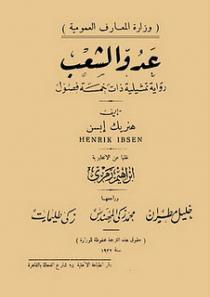
عدو الشعب
In An Enemy of the People, Ibsen places his main characters, Dr. Thomas Stockman, in the role of an enlightened and persecuted minority of one confronting an ignorant, powerful majority. When the physician learns that the famous and financially successful baths in his hometown are contaminated, he insists they be shut down for expensive repairs. For his honesty, he is persecuted, ridiculed, and declared an "enemy of the people" by the townspeople, included some who have been his closest allies.
First staged in 1883, An Enemy of the People remains one of the most frequently performed plays by a writer considered by many the "father of modern drama."
First staged in 1883, An Enemy of the People remains one of the most frequently performed plays by a writer considered by many the "father of modern drama."
226 pages, Paperback
First published January 1, 1882
About the author
Henrik Ibsen
2,464 books2,180 followersHenrik Johan Ibsen was a major Norwegian playwright largely responsible for the rise of modern realistic drama. He is often referred to as the "father of modern drama." Ibsen is held to be the greatest of Norwegian authors and one of the most important playwrights of all time, celebrated as a national symbol by Norwegians.
His plays were considered scandalous to many of his era, when Victorian values of family life and propriety largely held sway in Europe and any challenge to them was considered immoral and outrageous. Ibsen's work examined the realities that lay behind many facades, possessing a revelatory nature that was disquieting to many contemporaries.
Ibsen largely founded the modern stage by introducing a critical eye and free inquiry into the conditions of life and issues of morality. Victorian-era plays were expected to be moral dramas with noble protagonists pitted against darker forces; every drama was expected to result in a morally appropriate conclusion, meaning that goodness was to bring happiness, and immorality pain. Ibsen challenged this notion and the beliefs of his times and shattered the illusions of his audiences.
His plays were considered scandalous to many of his era, when Victorian values of family life and propriety largely held sway in Europe and any challenge to them was considered immoral and outrageous. Ibsen's work examined the realities that lay behind many facades, possessing a revelatory nature that was disquieting to many contemporaries.
Ibsen largely founded the modern stage by introducing a critical eye and free inquiry into the conditions of life and issues of morality. Victorian-era plays were expected to be moral dramas with noble protagonists pitted against darker forces; every drama was expected to result in a morally appropriate conclusion, meaning that goodness was to bring happiness, and immorality pain. Ibsen challenged this notion and the beliefs of his times and shattered the illusions of his audiences.
Ratings & Reviews
Friends & Following
Create a free account to discover what your friends think of this book!
Community Reviews
Displaying 1 - 30 of 1,298 reviews

January 15, 2018
Update 5/18/26: I saw a production of this last night in Chicago, my review of Amy Herzog's adaptation and the production here:
https://www.goodreads.com/review/show...
Norwegian Henrik Ibsen’s The Enemy of the People, first produced in 1882, is what we might now call a “whistleblower” tale. Dr. Stockmann, brother of the town’s “Burgomaster,” Peter, investigates the source of the resort town’s fortunes, The Baths, and discovers it is being polluted, and for the health of locals and visitors, recommends that it be shut down. Dr. Stockman becomes “the enemy of the people” in this play because he stands against the town’s position that The Baths must continue regardless of its threat to public health; they need the money too much.
I know what you're thinking: It can't happen here! (or, same ol', same ol'.)
Peter, the Burgomaster: It is you, in your blind obstinancy, want to cut off the town’s chief source of prosperity!
Dr. Stockmann [his brother]: That source is poisoned, man! Are you mad? We live by trafficking in filth and corruption!
Maybe you have heard of the 2017 film The Post? Chelsea Manning? Edward Snowden? The raiding of the Arctic for oil? Flint? 45 and his Billionaire Boys Club making it illegal to use terms such as “climate change” or “global warming” because these words are tools of the anti-business socialists trying to keep America From being Great again, and the liberal media grinding out fake news? Well, then this (prophetic) play may be just the play for you.
Is it too dark a vision to swallow? You decide, but Ibsen sees what "progress" is made through greed: “All our sources of spiritual life are poisoned, and our whole society lies upon a pestilential basis of falsehood.”—Dr. Stockmann
However you see it, in this play, the Burgomaster knows how to save The Baths and how to preserve (well, for the present, anyway) the economic health of the town: By firing the doctor and taking control of the media and the language used to talk about water.
I am also in the middle of a terrific book of journalism, Dan Egan’s award-winning The Death and Life of the Great Lakes, which in part documents the pitting, on the one hand, the mindless greed and ignorance that continues to put at risk the source of the remaining 20% of the planet’s surface freshwater against, on the other hand, the ingenuity and resourcefulness of scientists (wait; is it legal for me to use that word now?) to save it. These two books seem to speak to each other, sadly.
Trump, as you know, decided to roll back the Clean Water Act, which to my mind is essential to the survival of the Great Lakes, and necessary to the survival of the planet:
http://www.sciencemag.org/news/2017/0...
Some modernist frameworks assume that Mankind only gets better each year, knows better, and progresses ever onward to some Higher State. If this is true, how did old Ibsen in 1882 know what we would still be facing today? Chilling, prescient, elegant, The Enemy of the People has been produced as a (dark) comedy, but I think, as with Bertolt Brecht’s dark comedy, The Resistible Rise of Arturo Ui, about the rise of facism in Chicago, I expect the Goodman Theater production of An Enemy of the People can no longer be produced as a comedy.
http://www.chicagotribune.com/enterta...
https://www.goodreads.com/review/show...
Norwegian Henrik Ibsen’s The Enemy of the People, first produced in 1882, is what we might now call a “whistleblower” tale. Dr. Stockmann, brother of the town’s “Burgomaster,” Peter, investigates the source of the resort town’s fortunes, The Baths, and discovers it is being polluted, and for the health of locals and visitors, recommends that it be shut down. Dr. Stockman becomes “the enemy of the people” in this play because he stands against the town’s position that The Baths must continue regardless of its threat to public health; they need the money too much.
I know what you're thinking: It can't happen here! (or, same ol', same ol'.)
Peter, the Burgomaster: It is you, in your blind obstinancy, want to cut off the town’s chief source of prosperity!
Dr. Stockmann [his brother]: That source is poisoned, man! Are you mad? We live by trafficking in filth and corruption!
Maybe you have heard of the 2017 film The Post? Chelsea Manning? Edward Snowden? The raiding of the Arctic for oil? Flint? 45 and his Billionaire Boys Club making it illegal to use terms such as “climate change” or “global warming” because these words are tools of the anti-business socialists trying to keep America From being Great again, and the liberal media grinding out fake news? Well, then this (prophetic) play may be just the play for you.
Is it too dark a vision to swallow? You decide, but Ibsen sees what "progress" is made through greed: “All our sources of spiritual life are poisoned, and our whole society lies upon a pestilential basis of falsehood.”—Dr. Stockmann
However you see it, in this play, the Burgomaster knows how to save The Baths and how to preserve (well, for the present, anyway) the economic health of the town: By firing the doctor and taking control of the media and the language used to talk about water.
I am also in the middle of a terrific book of journalism, Dan Egan’s award-winning The Death and Life of the Great Lakes, which in part documents the pitting, on the one hand, the mindless greed and ignorance that continues to put at risk the source of the remaining 20% of the planet’s surface freshwater against, on the other hand, the ingenuity and resourcefulness of scientists (wait; is it legal for me to use that word now?) to save it. These two books seem to speak to each other, sadly.
Trump, as you know, decided to roll back the Clean Water Act, which to my mind is essential to the survival of the Great Lakes, and necessary to the survival of the planet:
http://www.sciencemag.org/news/2017/0...
Some modernist frameworks assume that Mankind only gets better each year, knows better, and progresses ever onward to some Higher State. If this is true, how did old Ibsen in 1882 know what we would still be facing today? Chilling, prescient, elegant, The Enemy of the People has been produced as a (dark) comedy, but I think, as with Bertolt Brecht’s dark comedy, The Resistible Rise of Arturo Ui, about the rise of facism in Chicago, I expect the Goodman Theater production of An Enemy of the People can no longer be produced as a comedy.
http://www.chicagotribune.com/enterta...

March 2, 2021
“¿De qué sirve tener razón cuando no se tiene el poder?”De las cuatro que llevo leídas del autor noruego esta es mi obra preferida, y ello a pesar de lo problemático de sus planteamientos, nada menos que un duro ataque a los principios democráticos, y a algunos aspectos un tanto inverosímiles de la trama, pero es un texto con mucha fuerza dramática que me ha hecho sentir toda la rabia con la que debió ser escrita (dicen que fue su respuesta al recibimiento que tuvo su anterior obra, Espectros). Pero no nos adelantemos, empecemos por el principio.
Seguro que muchos de ustedes han visto la famosa película de Steven Spielberg titulada Tiburón. ¿Emocionante, verdad? Pues a Ibsen se le ocurrió el argumento de la película casi cien años antes, solo que en lugar del jefe de policía que cree necesario cerrar las playas de una ciudad que vive del turismo hay un médico, y el papel del tiburón lo interpreta aquí magníficamente un buen montón de microorganismos que infectan las aguas del balneario del pueblo, pilar de su economía.
Sin embargo, el médico pronto descubrirá que el verdadero tiburón devorador de hombres es el macroorganismo que dirige la ciudad. Un macroorganismo compuesto por gobierno y oposición, prensa, comerciantes y caciques del pueblo, y cuyo único objetivo es mantener o conseguir el poder y que no les perjudiquen sus negocios, y todo ello caiga quien caiga.
“El hombre más fuerte del mundo es el que está más solo.” (tan parecido a la famosa cita de Nietzsche: “La valía de un hombre se mide por la cantidad de soledad que es capaz de aguantar”)Solo ante el peligro, el Doctor Stockmann pronuncia su famoso discurso ante las autoridades y la masa expectante de su ciudad. En él critica el nefasto poder de las mayorías, el que se supone que es el gran logro de la democracia resulta que es también su mayor peligro.
“La mayoría nunca tiene la razón. ¡Nunca, digo! … Entre los habitantes de un país, ¿quiénes son mayoría? ¿Los sabios o los tontos?”No fue el autor noruego el primero en señalar las dificultades que pueden encontrar las minorías para que se tengan en cuenta sus ideas e intereses y los peligros que puede acarrear una “tiranía de la mayoría”. No podemos olvidar que Hitler llegó al poder tras llevar a su partido a ser el más votado en dos elecciones democráticas consecutivas, o, más recientemente, lo que significa Trump o Putin. No, la mayoría no siempre tiene la razón de su parte (”nunca” es quizá un pelín exagerado). Como también es cierto que las masas son en general bastante reacias a las nuevas corrientes, miedosas, débiles ante las adversidades, dispuestas al sometimiento servil a quién ha mandado siempre y predispuestas a las doctrinas simples y con una fuerte carga sentimental. Unas masas que, por esos mismos rasgos, son manejables, dúctiles a la presión, al miedo, a la propaganda y a la demagogia, reacias a los cambios, a la duda y a la reflexión.
Tampoco creo que haya que insistir mucho en el poder inmovilista que puede tener una “compacta mayoría”, por utilizar el término que se inventa Ibsen, en lo poco predispuesta que suelen estar a la crítica interna y lo mucho a castigar a quien ose moverse en la foto, lo fácil que resulta sacrificar la verdad y la razón ante unos supuestos valores superiores que curiosamente suelen coincidir con los particulares.
Todo esto es cierto y todo ello debe ser asumido y combatido a base de amplios controles democráticos y, sobre todo, reforzando como pilar básico del funcionamiento de un país su sistema educativo (y así también lo apunta Ibsen). Pero no es solución lo que aquí propone el escritor noruego, el gobierno de una aristocracia ilustrada, de un consejo de sabios ¿Serían estas personas, por muy doctas que sean, menos propensas a favorecer sus intereses particulares en detrimento de los generales? ¿No serían, aunque solo sea por una simple cuestión numérica, incluso más manejables por los poderes económicos o sociales? ¿Y quién elegiría a estas personas supuestamente sabias?

May 17, 2013
Honesty and integrity are all fine and good until somebody’s wallet gets hurt.
So says Henrik Ibsen in his masterful 1880s drama An Enemy of the People. First published in 1882, the drama describes a small town in Norway that has become successful as a hot springs spa resort catering to the needs of the unhealthy.
Dr. Stockmann, once a proud and enthusiastic proponent of the spas, had a bad feeling about the purity of the water and did some testing. The results of the tests showed severe contamination and he made his findings public. Thinking that the town folk would be pleased, the good doctor was instead shocked to learn that almost everyone, from the small business owners, to the zealous local press, to his brother the mayor are actually fuming in rage at the thought that he may jeopardize the public livelihood.
At once about the conflicts of health versus commerce, the play also explores the complex adversarial positions between the individual and the state, about conservatism versus liberality and the fragile nature of the freedom of speech.
Ultimately, Ibsen has created in the small Norwegian hamlet a microcosm of the potential hostility between man and society and what is truly meant by the common good. Timeless, the lessons and morals propounded are as relevant now as they were in Ibsen’s day, a play that should be read, seen and discussed.

So says Henrik Ibsen in his masterful 1880s drama An Enemy of the People. First published in 1882, the drama describes a small town in Norway that has become successful as a hot springs spa resort catering to the needs of the unhealthy.
Dr. Stockmann, once a proud and enthusiastic proponent of the spas, had a bad feeling about the purity of the water and did some testing. The results of the tests showed severe contamination and he made his findings public. Thinking that the town folk would be pleased, the good doctor was instead shocked to learn that almost everyone, from the small business owners, to the zealous local press, to his brother the mayor are actually fuming in rage at the thought that he may jeopardize the public livelihood.
At once about the conflicts of health versus commerce, the play also explores the complex adversarial positions between the individual and the state, about conservatism versus liberality and the fragile nature of the freedom of speech.
Ultimately, Ibsen has created in the small Norwegian hamlet a microcosm of the potential hostility between man and society and what is truly meant by the common good. Timeless, the lessons and morals propounded are as relevant now as they were in Ibsen’s day, a play that should be read, seen and discussed.

March 5, 2017
یکی از پر معنی ترین نمایشنامه هایی بود که تا به امروز خوانده بودم , هر قسمت نمایش واقعیت های جوامع امروزی را فریاد میزد و به قدری زیاد بود که میشد میلیون ها مورد امروزی را با آن مقایسه کرد و مشابه خواند ... در جاهای مختلفی از نمایشنامه طریقه ی خریدن هدف و فکر و سو استفاده از مردم آگاه را نشانمان میداد که چطوری جلوی انسان های اینچنینی یک جامعه را میگیرند و به اهداف و نیت های شخصی خودشان ادامه میدهند و مردم را با شست و شوی مغزی بر علیه این آگاهی ها میشورانند و به آنها میگویند "دشمن مردم" در صورتی که خودشان دشمنی هستند که نقاب دوست مردم را بر چهره گذاشته اند و از پشت خنجر هایشان را در قلب مردم فرو میکنند و در این راه از هیچ چیزی دریغ نمیکنند و اصولا تهدید و منفور کردن و گرفتن حقوق اولیه انسانی مردم آگاه و دانا سر دسته ی راه و روش این سرکوب هاست :

شاید بشود گفت این تهدیدات و دستورات همیشه فرمولی سریع برای عقب نشینی به شمار میروند اما نه برای هر مرد آزاده ای :

شاید بشود گفت این تهدیدات و دستورات همیشه فرمولی سریع برای عقب نشینی به شمار میروند اما نه برای هر مرد آزاده ای :

May 9, 2015
در سراسر جهان، اکثریت، اکثریت مطلق دائم التزاید، با مردم کودن و کم فهم است. اکثریت، بدبختانه زور دارد، اما هرگز حق ندارد. حق همیشه با اقلیت است.
سومین نمایشنامه ای که از هنریک ایبسن می خونم، و کم کم دارم شیفته ی این مرد میشم.
نمایشنامه
نمایشنامه خیلی خیلی عالی بود. هر پرده نقاط اوج بی نظیری داشت که بعضاً من رو از هیجان به قهقهه می انداخت. مخصوصاً سه پرده ی آخر، یکی از دیگری بهتر بودن. حرف هایی که دکتر اشتوکمان میزنه و جر و بحث هاش با دیگران، همه عالین.
مضمون نمایشنامه، همچنان مثل دو نمایشنامه ی قبل، انتقاد از جامعه ی قرن نوزدهمی اروپاست، ولی این نمایشنامه مضمونش سیاسی تره و پیکانش به سمت "لیبرالیسم" و "دموکراسی"ـه، و کمابیش از "آریستوکراسی" یعنی حکومت طبقه ی نخبه بر جامعه دفاع میکنه.
دو نقد
از لحاظ داستانی نکته ای به ذهنم نمی رسه.
اما از لحاظ مضمون داستان، دو نکته به ذهنم رسید:
یکی این که نمایشنامه خیلی یک جانبه است و به مخالفانش اجازه ی طرفداری از عقیده شون رو نمیده. همه ی طرفداران دموکراسی توی این نمایشنامه، یا مردم بی سوادن، یا به خاطر سود مالی از دموکراسی طرفداری میکنن و یا از ترس مردم. یعنی هیچ کس نیست که از روی تحقیق معتقد به دموکراسی باشه و بخواد در برابر دکتر اشتوکمان از این مرام دفاع کنه. به این میگن "تک صدایی" و یکی از اشکالات بزرگ داستان هاست.
نکته ی دوم هم این که هر چند خود من هم کمابیش به آریستوکراسی بیشتر تمایل دارم تا دموکراسی، اما به نظر میرسه که این نقدی که ایبسن به دموکراسی وارد میکنه، نقد منصفانه ای نیست. ما به دموکراسی پناه نمی بریم، چون "حق با اکثریته". بلکه علت رجوع به اکثریت، نداشتن ملاک برای حقّه.
ایبسن یه مقداری با ساده اندیشی حق رو به اقلّیّت میده. انگار نخبه ها و "اقلّیّت" جامعه، همیشه رأی واحدی در حق دارن. چه بسا همین نخبه ها هم هر کدوم معتقد به "حق" جداگانه ای باشن و "حق" طرف مقابل رو "ناحق" بدونن و هر طرف دیگری رو نخبه ندونه. این جاست که معلوم میشه تشخیص حق از ناحق این قدرها هم ساده نیست. و وقتی ملاکی عمومی برای تعیین حق نداشته باشیم، چاره ای نداریم جز رجوع به دموکراسی. این مطلب رو برتراند راسل مفصّل توی تاریخ فلسفه ی غرب توضیح میده.
سومین نمایشنامه ای که از هنریک ایبسن می خونم، و کم کم دارم شیفته ی این مرد میشم.
نمایشنامه
نمایشنامه خیلی خیلی عالی بود. هر پرده نقاط اوج بی نظیری داشت که بعضاً من رو از هیجان به قهقهه می انداخت. مخصوصاً سه پرده ی آخر، یکی از دیگری بهتر بودن. حرف هایی که دکتر اشتوکمان میزنه و جر و بحث هاش با دیگران، همه عالین.
مضمون نمایشنامه، همچنان مثل دو نمایشنامه ی قبل، انتقاد از جامعه ی قرن نوزدهمی اروپاست، ولی این نمایشنامه مضمونش سیاسی تره و پیکانش به سمت "لیبرالیسم" و "دموکراسی"ـه، و کمابیش از "آریستوکراسی" یعنی حکومت طبقه ی نخبه بر جامعه دفاع میکنه.
دو نقد
از لحاظ داستانی نکته ای به ذهنم نمی رسه.
اما از لحاظ مضمون داستان، دو نکته به ذهنم رسید:
یکی این که نمایشنامه خیلی یک جانبه است و به مخالفانش اجازه ی طرفداری از عقیده شون رو نمیده. همه ی طرفداران دموکراسی توی این نمایشنامه، یا مردم بی سوادن، یا به خاطر سود مالی از دموکراسی طرفداری میکنن و یا از ترس مردم. یعنی هیچ کس نیست که از روی تحقیق معتقد به دموکراسی باشه و بخواد در برابر دکتر اشتوکمان از این مرام دفاع کنه. به این میگن "تک صدایی" و یکی از اشکالات بزرگ داستان هاست.
نکته ی دوم هم این که هر چند خود من هم کمابیش به آریستوکراسی بیشتر تمایل دارم تا دموکراسی، اما به نظر میرسه که این نقدی که ایبسن به دموکراسی وارد میکنه، نقد منصفانه ای نیست. ما به دموکراسی پناه نمی بریم، چون "حق با اکثریته". بلکه علت رجوع به اکثریت، نداشتن ملاک برای حقّه.
ایبسن یه مقداری با ساده اندیشی حق رو به اقلّیّت میده. انگار نخبه ها و "اقلّیّت" جامعه، همیشه رأی واحدی در حق دارن. چه بسا همین نخبه ها هم هر کدوم معتقد به "حق" جداگانه ای باشن و "حق" طرف مقابل رو "ناحق" بدونن و هر طرف دیگری رو نخبه ندونه. این جاست که معلوم میشه تشخیص حق از ناحق این قدرها هم ساده نیست. و وقتی ملاکی عمومی برای تعیین حق نداشته باشیم، چاره ای نداریم جز رجوع به دموکراسی. این مطلب رو برتراند راسل مفصّل توی تاریخ فلسفه ی غرب توضیح میده.

January 5, 2009
If it came out today, everyone would immediately read it as referring to climate change and climate change sceptics. Doctor Stockmann has taken up a position where he's responsible for monitoring the baths in the little spa town he's just moved to. He analyses water samples and is shocked to find that they're a major health hazard: naively, he believes people are going to thank him for making this important discovery.
But he hasn't thought through the economic consequences. Fixing the problem would cost a lot of money, which people don't want to spend: it's much easier to rubbish his work and brand him a dangerous lunatic. Scary and tragic when it appeared, ten times scarier and more tragic now.
But he hasn't thought through the economic consequences. Fixing the problem would cost a lot of money, which people don't want to spend: it's much easier to rubbish his work and brand him a dangerous lunatic. Scary and tragic when it appeared, ten times scarier and more tragic now.

January 8, 2019
مسرحية نُشرت عام 1882, لكن أفكارها واقعية تتخطى حدود الزمن
عن قوة المال والمصالح التي تحكم المجتمعات القائمة على الفساد والانتهازية
والخداع والتضليل التي تمارسه السلطة والإعلام وتعمُد إخفاء الحقائق
صاحب الحق يَلزمه قوة للدفاع عنه أو مثابرة على المدى الطويل
خاصةً إذا كان في مواجهة أغلبية تفتقر للوعي والإدراك
عن قوة المال والمصالح التي تحكم المجتمعات القائمة على الفساد والانتهازية
والخداع والتضليل التي تمارسه السلطة والإعلام وتعمُد إخفاء الحقائق
صاحب الحق يَلزمه قوة للدفاع عنه أو مثابرة على المدى الطويل
خاصةً إذا كان في مواجهة أغلبية تفتقر للوعي والإدراك

September 17, 2022
شاید اگه کسی آثار ایبسن رو بخونه، در مقامِ مقایسه بین آثارش، بگه که این نمایشنامه اندازه کارهای متاخر این نویسنده هنری نیست. شایدم بگه یه جاهایش زیادی شعارزدهاس. اما من میگم این نمایشنامه هم عالی بود. ایبسن جوری از یه متن و روایت ساده پازلی پیوسته و منسجم ساخته بود که از خوندش خیلی لذت بردم.
ایبسن تو این نمایشنامه سرِ نظامِ لیبرال و حزبی رو هدف میگیره. از ابتدا تا به انتها، با جون گرفتن و هرچه دیوانهوارتر شدنِ ضرباهنگ روایت، تیغ انتقاد ایبسن از توده مردم و افکار و رفتار ابلهانهشون تیزتر میشه. ایبسن از همه طرف حمله میکنه؛ اونم نه فقط به نظام سیاسی و اجتماعی حاکم بر زمان خویش، بلکه به کلیـت نظام فکری تودههای انسانی، از ابتدا تا به زمان حال خودش و حتی تا آینده.
دونستن این واقعیت خیلی هولناکه که نویسندگانی عین ایبسن این همه سال قبل، از مشکلاتی مینالیدن که عینا مشابه نسخههای لایت مشکلات الان ماست. با خوندن این نمایشنامهها آدم نمیدونه گریه کنه بر این وضع که انسان گویا از اول همین بوده و هی داره بدترم میشه، یا آروم و سِر بشه از این شباهتها و تکرارها. البته کِی تو ایران خبر بد نمیشنویم. فکر کنم هروقت هرکسی تو ایران این نمایشنامه رو بخونه، میتونه باهاش برای وضع خودمون سوگواری کنه.
اینم جملهای از این اثر، هرچند تا حدی سس ماستی، که اگه نمایشنامه رو خونده باشین یا بخونین احتمالا هم نظر با من براش اندکی بغض خواهید کرد:
"میدونین، واقعیتش اینه که قویترین آدم توی دنیا اونیه که از همه تنهاتره"
ایبسن تو این نمایشنامه سرِ نظامِ لیبرال و حزبی رو هدف میگیره. از ابتدا تا به انتها، با جون گرفتن و هرچه دیوانهوارتر شدنِ ضرباهنگ روایت، تیغ انتقاد ایبسن از توده مردم و افکار و رفتار ابلهانهشون تیزتر میشه. ایبسن از همه طرف حمله میکنه؛ اونم نه فقط به نظام سیاسی و اجتماعی حاکم بر زمان خویش، بلکه به کلیـت نظام فکری تودههای انسانی، از ابتدا تا به زمان حال خودش و حتی تا آینده.
دونستن این واقعیت خیلی هولناکه که نویسندگانی عین ایبسن این همه سال قبل، از مشکلاتی مینالیدن که عینا مشابه نسخههای لایت مشکلات الان ماست. با خوندن این نمایشنامهها آدم نمیدونه گریه کنه بر این وضع که انسان گویا از اول همین بوده و هی داره بدترم میشه، یا آروم و سِر بشه از این شباهتها و تکرارها. البته کِی تو ایران خبر بد نمیشنویم. فکر کنم هروقت هرکسی تو ایران این نمایشنامه رو بخونه، میتونه باهاش برای وضع خودمون سوگواری کنه.
اینم جملهای از این اثر، هرچند تا حدی سس ماستی، که اگه نمایشنامه رو خونده باشین یا بخونین احتمالا هم نظر با من براش اندکی بغض خواهید کرد:
"میدونین، واقعیتش اینه که قویترین آدم توی دنیا اونیه که از همه تنهاتره"

February 27, 2025
"He's got all the power on his side".
"Yes, but I have the truth on mine".
Without power, what good is the truth?"
How true are Ibsen's words? Without power, truth is only an ingredient in creating an enemy of the people. We've seen this countless times in our lifetime. Some realities never change.
Henrik Ibsen fought for social reform. He wanted Norwegian society to break free from the chains of age-old conventions. He fiercely advocated for reform in the hope of at least influencing the youngsters against blindly following outdated ideals. After the initial productions of historical plays, he dedicated the second half of his creative period to writing plays that explored unspoken social issues. When reading plays written during this period (like A Doll's House, and Ghosts), Ibsen's passion for truth and his contempt for societal hypocrisy are evident.
Ibsen was slowly acquiring material for this play which was inspired by two true incidents that took place in Norway (one in which a doctor finds him in a similar circumstance to Ibsen's character of Dr. Stockmann) when he faced a strong negative reaction to his play Ghosts. That was the culmination, and Ibsen promptly answered his critics and social hypocrites with An Enemy of People. Some of the play's strongest (almost fascist) dialogues account for the sting he felt at this rebuff.
The play is interesting and entertaining. The characters are strong; the words are strong. The play's actions are almost felt through his words. Even though the full impact of this play could only be appreciated through a performance, his words nevertheless painted an accurate picture to the reading audience as well. Ibsen has expressed his points of view potently, using strong language. That is understandable, for he wrote it in such a passion. However, if one reads carefully into his dialogues, one can see that Ibsen has been unbiased and had argued his case for both sides. For a spirited man, Ibsen has also had a magnanimous heart.
A word of caution before I conclude. I first read Arthur Miller's adaptation of this play. In my haste, I bought it without giving the word "adaptation" much thought. So, you can imagine my chagrin when I realized that it wasn't a "translation". :) After stewing a little bit, I found a copy of the original and read it. Since I've read both versions, I must say that I enjoyed the original more. I can understand the reasons for Miller's adaptation, but it was not the same as Ibsen's. I know Miller's adaptation is popular and I hope I won't be grudged for saying this. But personally, I felt the adaptation was a watered-down version of the original.
More of my reviews can be found at http://piyangiejay.com/

January 10, 2016
Thinking of the times we live in caused a spontaneous re-read of this masterpiece. I understand it is not as popular outside my native Norway as Ibsen's other works, but I sincerely urge every soul do give it a try. It is quite short, and it speaks volumes about some of the greatest problems facing our present-day society, despite being written in the 19th century.
Mostly a play about truth, An Enemy of the People takes place in a small Norwegian hamlet where the residing doctor realises that the popular local baths are actually polluted. When attempting to expose this, he meets with strong resistance from all those who do not wish to see the town's main source of income shut down, and discovers that his community is built on a foundation of lies.
Through his dealing with this situation, Ibsen takes the story of the doctor and his town and makes it a symbolic critique of society itself.
I have never particularly enjoyed theatre, but the occasional play does stand out. This particular one is my favourite of all time.
Mostly a play about truth, An Enemy of the People takes place in a small Norwegian hamlet where the residing doctor realises that the popular local baths are actually polluted. When attempting to expose this, he meets with strong resistance from all those who do not wish to see the town's main source of income shut down, and discovers that his community is built on a foundation of lies.
Through his dealing with this situation, Ibsen takes the story of the doctor and his town and makes it a symbolic critique of society itself.
I have never particularly enjoyed theatre, but the occasional play does stand out. This particular one is my favourite of all time.

February 1, 2024
تاریخ همواره تکرار میشه و سیاست همیشه به یک شکل بوده و هست. همینه که این نمایشنامه در تمام دورههای زمانی و برای تمام مختصات جغرافیایی ملموس و تکاندهندهست.
هنریک ایبسن با مهارت زیاد، طی یک نمایشنامه با پنج پرده به خوبی از پس توصیف وضعیت سیاسی، اجتماعی و حتی اقتصادی یک ملت بر اومده!
دکتر استوکمان، با کشف و پرده برداری از حقیقتی که به ضرر اشراف و سردمداران مملکته و با امید به حمایت مردم، وارد جنگ میشه. جنگی که تنها پیروز آن کسیست که تسلط بر افکارِ نه عموم، بلکه اکثریت مردم داره.
در جامعهای که هرکس به فکر منفعت خودشه، دکتر استوکمان تمام داراییش اعم از شغل، خانواده، وجهه عمومی... رو کف دستش میذاره تا از نابودی شهرش/جامعهش جلوگیری کنه.
تکتک کرکترها در طول نمایش دچار تغییر میشن که این تغییر جدای از خوب و بد، به نفعشونه.
در جایی از نمایشنامه به پوچ بودنِ پیروزی خوبی بر بدی اشاره میشه و خواننده رو امیدوار میکنه که با یک اثر واقعگرایانه روبهرو هست و نه صرفا کلیشهای تکراری و گولزننده.
با تقریبِ خوبی میشه گفت تمام نمایشنامه توی صحبتی از دکتر استوکمان خلاصه میشه:
《خطرناکترین دشمنانِ حقیقت و آزادی، اکثریت جامعه است! بله! همان اکثریت قاطع، اکثریت آزادیخواه، اکثریت کوفتی! از این باید ترسید! از این!
من میگویم اکثریت، هیچوقت حق ندارد؛ هیچوقت!
این هم یکی از نیرنگهای اجتماعی است که انسانهای آزاده و روشنفکر موظفاند با آن در بیفتند.
اکثریت هرجامعه را چه کسانی تشکیل میدهند؟ فهمیدههای آن جامعه یا نفهمهایش؟
فکر میکنم همهی ما باید قبول کنیم که در همهجای دنیا اکثریت وحشتناک با نفهمهاست! آخر شما را به خدا، این درست است که نفهمها بر فهمیدهها حکومت کنند؟ قدرت دست اکثریت است اما حق با اکثریت نیست.》
در طول نمایشنامه چندین بار به این برمیخوریم که خانم استوکمان، دخترش پترا رو از دخالت در امور سیاسی نهی میکنه و هر بار که دکتر استوکمان با کسی وارد بحثهای جدی میشه، خانم استوکمان صحنه رو ترک میکنه و پترا رو هم همراه خودش میبره که نشوندهنده کنارهگیری زنان از موضع سیاست در اون زمانه.
پایانبندی نمایش بسیار هوشمندانه بود و برخلاف سایرنمایشنامهها، بیحساب و عجلهای نبود. کاملا میشد درک کرد که نویسنده در نوشتن این نمایشنامه چقدر بافکر و سنجیده عمل کرده.
و در آخر، به یادِ الهه محمدی و نیلوفر حامدی:
《بعدش هم بهنظر من، اگر یک روزنامهنویس در انجام وظیفهاش کوتاهی کند و در شرایطی که میتواند به آزادی تودههای ستمدیده کمک کند، فرصت را از دست بدهد، مسؤولیت سنگینی به گردن گرفته و فردا باید جوابگو باشد.
حالا بگذارید کلهگندهها اسم مرا بگذارند عوامفریب، آشوبطلب... کی اهمیت میدهد!
دستکم وظیفهام را انجام دادهام و در مقابل وجدان خودم رو سفیدم.》
هنریک ایبسن با مهارت زیاد، طی یک نمایشنامه با پنج پرده به خوبی از پس توصیف وضعیت سیاسی، اجتماعی و حتی اقتصادی یک ملت بر اومده!
دکتر استوکمان، با کشف و پرده برداری از حقیقتی که به ضرر اشراف و سردمداران مملکته و با امید به حمایت مردم، وارد جنگ میشه. جنگی که تنها پیروز آن کسیست که تسلط بر افکارِ نه عموم، بلکه اکثریت مردم داره.
در جامعهای که هرکس به فکر منفعت خودشه، دکتر استوکمان تمام داراییش اعم از شغل، خانواده، وجهه عمومی... رو کف دستش میذاره تا از نابودی شهرش/جامعهش جلوگیری کنه.
تکتک کرکترها در طول نمایش دچار تغییر میشن که این تغییر جدای از خوب و بد، به نفعشونه.
در جایی از نمایشنامه به پوچ بودنِ پیروزی خوبی بر بدی اشاره میشه و خواننده رو امیدوار میکنه که با یک اثر واقعگرایانه روبهرو هست و نه صرفا کلیشهای تکراری و گولزننده.
با تقریبِ خوبی میشه گفت تمام نمایشنامه توی صحبتی از دکتر استوکمان خلاصه میشه:
《خطرناکترین دشمنانِ حقیقت و آزادی، اکثریت جامعه است! بله! همان اکثریت قاطع، اکثریت آزادیخواه، اکثریت کوفتی! از این باید ترسید! از این!
من میگویم اکثریت، هیچوقت حق ندارد؛ هیچوقت!
این هم یکی از نیرنگهای اجتماعی است که انسانهای آزاده و روشنفکر موظفاند با آن در بیفتند.
اکثریت هرجامعه را چه کسانی تشکیل میدهند؟ فهمیدههای آن جامعه یا نفهمهایش؟
فکر میکنم همهی ما باید قبول کنیم که در همهجای دنیا اکثریت وحشتناک با نفهمهاست! آخر شما را به خدا، این درست است که نفهمها بر فهمیدهها حکومت کنند؟ قدرت دست اکثریت است اما حق با اکثریت نیست.》
در طول نمایشنامه چندین بار به این برمیخوریم که خانم استوکمان، دخترش پترا رو از دخالت در امور سیاسی نهی میکنه و هر بار که دکتر استوکمان با کسی وارد بحثهای جدی میشه، خانم استوکمان صحنه رو ترک میکنه و پترا رو هم همراه خودش میبره که نشوندهنده کنارهگیری زنان از موضع سیاست در اون زمانه.
پایانبندی نمایش بسیار هوشمندانه بود و برخلاف سایرنمایشنامهها، بیحساب و عجلهای نبود. کاملا میشد درک کرد که نویسنده در نوشتن این نمایشنامه چقدر بافکر و سنجیده عمل کرده.
و در آخر، به یادِ الهه محمدی و نیلوفر حامدی:
《بعدش هم بهنظر من، اگر یک روزنامهنویس در انجام وظیفهاش کوتاهی کند و در شرایطی که میتواند به آزادی تودههای ستمدیده کمک کند، فرصت را از دست بدهد، مسؤولیت سنگینی به گردن گرفته و فردا باید جوابگو باشد.
حالا بگذارید کلهگندهها اسم مرا بگذارند عوامفریب، آشوبطلب... کی اهمیت میدهد!
دستکم وظیفهام را انجام دادهام و در مقابل وجدان خودم رو سفیدم.》

August 5, 2025
کاش میتونستم بهش بیشتر از ۵ ستاره بدم.

December 26, 2016
An Enemy of the People is a message play. That’s obvious. What doesn’t seem to be so obvious (judging from a scan of the reviews) is just what the message is. While the play is loud and didactic, it hides a complexity and subtly that belies its simple, black and white surface.
The setup is simple. Doctor Stockman is the medical officer at the Municipal Baths that are the driver of his town’s prosperity (as well as the source of his own domestic comfort). He discovers that the baths are hopelessly contaminated, presenting a serious health hazard to all who use them. Stockman plans to expose this fact so that the costly work of fixing the problem can begin. When the town discovers the high cost this will be to them, all turn against him, choosing instead to believe the alternative facts presented by the town’s power base (led by Stockman’s brother, the mayor). Dr. Stockman is denied publication in the local press, and is suppressed in public meeting, where he is unanimously declared an enemy of the people. He and his daughter lose their jobs, he is evicted, disinherited, and run out of town, but refuses to budge from the position he knows to be right.
Ibsen, (despite the preponderance of these reviews) did not write a simple, black and white message play here. Everyone seems to get the corrupting evil of official bureaucracy, self interest, and mob mentality all working against the hard truth and those who would expose it. That’s the simple part. What many seem to miss is that Ibsen wielded a sword that cut both ways. The noble Dr. Stockton’s monumental naivety is only overshadowed by his even more massive obstinacy. At no point does he stop and consider what the cost of this project is to his friends and neighbors, how it will effect their livelihoods. He never attempts to use diplomacy, either with his brother, the mayor, or with anyone else. He never stops to consider the cost of his hard answer to anyone else. His preexisting bitter rivalry with his brother, and his own image of himself as principled, noble, and unbending to any contingency represent his own blinding special interest. He is more interested in being right than in finding a way to solve the intractable problem.
Many have noted how this play speaks to our own time, and they are right. But it speaks not only to the issue of creating “alternative facts” for issues that some don’t like to face, but to the unbending rhetoric of idealist who refuse to approach the massively complex problems we face with any tool other than the hammer of self righteous indignation.
There are no heroes in An Enemy of the People. Everyone is protecting their self image and self interest to one degree or another, and everyone is willfully blind to whatever part of the issue that threatens those things. Ibsen was ahead of his time.
The setup is simple. Doctor Stockman is the medical officer at the Municipal Baths that are the driver of his town’s prosperity (as well as the source of his own domestic comfort). He discovers that the baths are hopelessly contaminated, presenting a serious health hazard to all who use them. Stockman plans to expose this fact so that the costly work of fixing the problem can begin. When the town discovers the high cost this will be to them, all turn against him, choosing instead to believe the alternative facts presented by the town’s power base (led by Stockman’s brother, the mayor). Dr. Stockman is denied publication in the local press, and is suppressed in public meeting, where he is unanimously declared an enemy of the people. He and his daughter lose their jobs, he is evicted, disinherited, and run out of town, but refuses to budge from the position he knows to be right.
Ibsen, (despite the preponderance of these reviews) did not write a simple, black and white message play here. Everyone seems to get the corrupting evil of official bureaucracy, self interest, and mob mentality all working against the hard truth and those who would expose it. That’s the simple part. What many seem to miss is that Ibsen wielded a sword that cut both ways. The noble Dr. Stockton’s monumental naivety is only overshadowed by his even more massive obstinacy. At no point does he stop and consider what the cost of this project is to his friends and neighbors, how it will effect their livelihoods. He never attempts to use diplomacy, either with his brother, the mayor, or with anyone else. He never stops to consider the cost of his hard answer to anyone else. His preexisting bitter rivalry with his brother, and his own image of himself as principled, noble, and unbending to any contingency represent his own blinding special interest. He is more interested in being right than in finding a way to solve the intractable problem.
Many have noted how this play speaks to our own time, and they are right. But it speaks not only to the issue of creating “alternative facts” for issues that some don’t like to face, but to the unbending rhetoric of idealist who refuse to approach the massively complex problems we face with any tool other than the hammer of self righteous indignation.
There are no heroes in An Enemy of the People. Everyone is protecting their self image and self interest to one degree or another, and everyone is willfully blind to whatever part of the issue that threatens those things. Ibsen was ahead of his time.

September 10, 2026
اگر حقیقت با منافع اکثریت در تضاد باشد، آیا هنوز باید از حقیقت دفاع کرد؟
“دشمن مردم” هنریک ایبسن را میتوان یکی از مهمترین متون نمایشی دربارهی نسبت میان حقیقت، قدرت و افکار عمومی دانست. اهمیت سیاسی نمایشنامه نه در یک موضع سادهی “ضدحکومت” یا دفاع از آزادی بیان خلاصه میشود، بلکه در پرسشی ریشهایتر نهفته است: آیا حقیقت و صلاح عمومی را میتوان به ارادهی اکثریت سپرد؟ ایبسن در این اثر، جامعهای را به نمایش میگذارد که در آن حقیقت علمی، منافع اقتصادی، قدرت سیاسی، مطبوعات و افکار عمومی به یکدیگر گره خوردهاند؛ به گونهای که تشخیص حقیقت از مسئلهی قدرت جدا نمیماند.
از همینجا یکی از بنیادیترین تنشهای نمایشنامه شکل میگیرد: حقیقت لزوماً دموکراتیک نیست. اگر واقعیتی علمی یا اخلاقی وجود داشته باشد، تعداد کسانی که آن را قبول دارند چیزی دربارهی حقیقت آن واقعیت نمیگوید. اکثریت نمیتواند با رأی خود آب آلوده را پاک کند یا یک واقعیت علمی را تغییر دهد. بنابراین ایبسن میان دو حوزه تمایز ایجاد میکند: حوزهی حقیقت که تابع رأی نیست و حوزهی تصمیم سیاسی که در نظام دموکراتیک به مشارکت عمومی وابسته است. مسئله زمانی پدیدار میشود که این دو حوزه با یکدیگر برخورد کنند.
از این منظر، “دشمن مردم” را میتوان نقدی جدی بر حاکمیت صرفِ اکثریت دانست. اکثریت در جهان ایبسن موجودیتی خنثی و عقلانی نیست؛ بلکه میتواند تحت تأثیر منافع اقتصادی، ترس، عادت، رسانه و مصلحت کوتاهمدت قرار گیرد. بنابراین “اکثریت” ممکن است نه حافظ حقیقت، بلکه یکی از موانع آن باشد.
این دیدگاه یادآور بخشی از نقد افلاطون به دموکراسی است. در فلسفهی سیاسی افلاطون، بهویژه در “جمهوری”، این پرسش مطرح میشود که آیا تصمیمگیری دربارهی امور تخصصی باید تابع نظر اکثریت باشد یا به کسانی سپرده شود که دانش و صلاحیت لازم را دارند. تمثیل کشتی در این زمینه اهمیت زیادی دارد: اگر کشتی در معرض خطر باشد، آیا باید دربارهی مسیر آن از مسافران رأی گرفت یا از کسی که علم دریانوردی دارد؟ مسئلهی مشترک افلاطون و ایبسن این است که دانش با تعداد رأیها تولید نمیشود.
با این حال، میان این دو تفاوت مهمی وجود دارد. افلاطون از ساختاری سیاسی دفاع میکند که در آن فیلسوفان، به دلیل برخورداری از معرفت، شایستگی حکومت دارند؛ اما ایبسن در “دشمن مردم” الزاماً به نظریهای دربارهی حکومت یک طبقهی دانا نمیرسد. آنچه در مرکز نمایشنامه قرار دارد، بیشتر حق فرد مستقل برای مقاومت در برابر اکثریت است. از این جهت، اصطلاح “آریستوکراسی فکری” برای توصیف گرایش نمایشنامه دقیقتر از “آریستوکراسی سیاسی” است. مسئله این نیست که اقلیتی مشخص باید بر مردم حکومت کند؛ مسئله این است که حقیقت نباید صرفاً به دلیل اینکه اکثریت آن را نمیپذیرد، بیاعتبار شود.
این تمایز، “دشمن مردم” را به مسئلهای نزدیک میکند که بعدها در آثار جان استوارت میل با مفهومی متفاوت مطرح میشود. میل در “دربارهی آزادی” نسبت به استبداد اکثریت هشدار میدهد؛ یعنی وضعیتی که در آن جامعه میتواند از طریق فشار اجتماعی و اخلاقی، فرد را وادار به همرنگی کند. اهمیت اندیشهی میل برای فهم ایبسن در این است که هر دو متفکر، آزادی فرد را فقط در برابر دولت نمیبینند؛ جامعه نیز میتواند آزادی فرد را تهدید کند.
با این حال، ایبسن نسبت به میل بدبینتر است. در اندیشهی میل، آزادی فرد بخشی از فرایند کشف حقیقت و پیشرفت اجتماعی است و امکان خطای فرد و جامعه هر دو باید به رسمیت شناخته شود. اما در “دشمن مردم”، مسئله به شکل تندتری ظاهر میشود: فرد ممکن است حقیقتی را ببیند که جامعه از پذیرش آن ناتوان است و همین جامعه علیه او بسیج شود. بنابراین “دشمن مردم” را میتوان در امتداد سنت دفاع لیبرالی از فرد در برابر فشار جمع نیز خواند، هرچند زبان و نتیجهگیری ایبسن بهمراتب رادیکالتر است.
اما ایبسن در همین نقطه با مشکلی مواجه میشود که خودِ نمایشنامه آن را آشکار میکند: اگر اکثریت ممکن است اشتباه کند، چه کسی تشخیص میدهد که اقلیت درست میگوید؟
این پرسش، مهمترین محدودیت خوانش آریستوکراتیک از نمایشنامه است. اگر بگوییم “اقلیت آگاه باید در برابر اکثریت بایستد”، بلافاصله باید بپرسیم چه کسی صلاحیت تشخیص “اقلیت آگاه” را دارد. اگر هر فردی که برخلاف اکثریت سخن میگوید بتواند خود را نمایندهی حقیقت بداند، آنگاه آریستوکراسی فکری میتواند به خودشیفتگی روشنفکرانه یا حتی اقتدارگرایی تبدیل شود.
شخصیت استوکمان دقیقاً در همین مرز حرکت میکند. ارزش او در ابتدا از اینجا ناشی میشود که حاضر نیست حقیقت را به خاطر فشار اجتماعی کنار بگذارد؛ اما به تدریج فاصلهی میان دفاع از حقیقت و اعتقاد به برتری خویش باریک میشود. این تغییر بسیار مهم است. گفتن اینکه “حقیقت تابع رأی اکثریت نیست” با گفتن اینکه “من چون مخالف اکثریت هستم، پس حق با من است” تفاوت بنیادی دارد.
از این منظر، نمایشنامه را نباید صرفاً ستایش یک فرد و محکومیت یک جامعه دانست. ایبسن حتی امکان دارد در حال نشان دادن خطری باشد که در خودِ روشنفکر مستقل وجود دارد: فردی که علیه توده میشورد ممکن است سرانجام خود به نوعی تحقیر توده گرفتار شود.
در اینجا میتوان مقایسهای محتاطانه با نیچه نیز انجام داد. نقد نیچه از “گله”، همرنگی و ارزشهای تودهای، از نظر ساختار مسئله به جهان “دشمن مردم” نزدیک است. در هر دو، فرد مستقل در برابر یک نیروی جمعی قرار میگیرد که میتواند انسانها را به همشکل شدن وادار کند. اما نباید این شباهت را به معنای یکی دانستن ایبسن و نیچه دانست. اهمیت مقایسه در این است که هر دو به یک پرسش بزرگ نزدیک میشوند: آیا ارزش یک اندیشه را باید با میزان پذیرش آن سنجید؟
در این معنا، “دشمن مردم” علیه این تصور ساده میایستد که حقیقت از طریق تعداد به دست میآید. اما این موضع بلافاصله یک خطر سیاسی دارد: اگر حقیقت از اکثریت نمیآید، چه کسی حامل آن است؟
این پرسش در ساختار شخصیتهای نمایشنامه نیز دیده میشود. پیتر استوکمان نمایندهی قدرت رسمی و منطق مصلحت است. برای او مسئله فقط حقیقت نیست؛ هزینههای اقتصادی، ثبات اجتماعی و اعتبار شهر نیز اهمیت دارند. هُوِستاد، از سوی دیگر، نشان میدهد که حتی مطبوعات و نیروهای اصلاحطلب نیز میتوانند حقیقت را به ابزار مبارزهی سیاسی تبدیل کنند. آسلاکسن نمایندهی نیرویی است که تحت عنوان “اعتدال” و “احتیاط” عمل میکند و نشان میدهد چگونه ترس از بیثباتی میتواند به حفظ وضع موجود منجر شود.
در نتیجه، هیچکدام از این نیروها کاملاً مستقل از منافع خود نیستند. حقیقت درون شبکهای از قدرت، اقتصاد و افکار عمومی قرار گرفته است.
این نکته، نمایشنامه را از یک نقد سادهی حکومت فراتر میبرد. مشکل فقط این نیست که قدرت سیاسی حقیقت را پنهان میکند؛ بلکه مخالفان قدرت نیز ممکن است حقیقت را تا زمانی بپذیرند که با منافع سیاسیشان سازگار باشد. مطبوعات نیز میتوانند به جای آنکه حقیقت را مستقل از قدرت نمایندگی کنند، خود به بخشی از بازی قدرت تبدیل شوند.
در این میان، مفهوم “اعتدال” اهمیت خاصی پیدا میکند. اعتدال در ذات خود ارزش منفی ندارد؛ سیاست بدون ملاحظهی پیامدها میتواند خطرناک باشد. اما ایبسن نشان میدهد که “اعتدال” میتواند از فضیلت به ابزار دفاع از وضع موجود تبدیل شود. جامعه ممکن است در برابر اصلاحی ضروری بگوید: “اکنون زمان مناسبی نیست”، “هزینه زیاد است”، “نباید مردم را نگران کرد” یا “باید مصالح شهر را در نظر گرفت”. اگر این منطق تا بینهایت ادامه پیدا کند، نتیجه آن خواهد بود که هیچ حقیقت ناخوشایندی هرگز اجازهی ورود به عرصهی عمومی پیدا نکند.
از این منظر، آلودگی آب یکی از مهمترین نمادهای نمایشنامه است. آب باید سرچشمهی پاکیزگی و سلامت باشد، اما آلوده است؛ حمام باید نماد پاکی باشد، اما خود منشأ بیماری شده است. این تناقض را میتوان تصویری از جامعهای دانست که در ظاهر مدرن، سالم و رو به پیشرفت است، اما در زیر سطح خود گرفتار فساد است.
حمامها همچنین نماد پیشرفت اقتصادی هستند. آنها قرار است آیندهی شهر را بسازند، اما همان پروژهی پیشرفت به منشأ بحران تبدیل میشود. بنابراین ایبسن مفهوم پیشرفت را نیز از درون نقد میکند: توسعهی اقتصادی به خودی خود نشانهی سلامت اجتماعی نیست. ممکن است جامعهای از نظر اقتصادی در حال رشد باشد، در حالی که بنیانهای اخلاقی و نهادی آن آلودهاند.
از همینجا میتوان معنای عنوان نمایشنامه را نیز عمیقتر دید. “دشمن مردم” فقط برچسبی برای یک شخصیت نیست؛ این عنوان نشان میدهد جامعه چگونه میتواند فردی را که نظم مطلوبش را برهم میزند، از “عضو جامعه” به “دشمن جامعه” تبدیل کند. این برچسبزنی، خود یک ابزار قدرت است: به جای پاسخ دادن به سخن فرد، هویت او مورد حمله قرار میگیرد.
در چنین شرایطی، مسئله دیگر این نیست که “چه گفته شده”، بلکه این است که “چه کسی گفته است”. فرد از جایگاه گویندهی یک حقیقت به جایگاه یک تهدید سیاسی سقوط میکند.
از این منظر، میتوان “دشمن مردم” را در نقطهی تلاقی چند سنت فکری دید: از یک سو، افلاطونیسم و بدبینی آن به حکومت تودهها؛ از سوی دیگر، لیبرالیسم میل و دفاع آن از فرد در برابر فشار اکثریت؛ و در سطحی متفاوت، نقد نیچهای از همرنگی و ذهنیت گلهای. اما ایبسن هیچکدام از این سنتها را به صورت کامل و نظاممند تکرار نمیکند. اهمیت او در این است که این مسائل را در قالب یک بحران اجتماعی و انسانی در برابر ما قرار میدهد.
بنابراین، شاید دقیقترین توصیف از موضع سیاسی “دشمن مردم” این باشد که نمایشنامه ضددموکراسی به معنای مخالفت با حاکمیت سادهانگارانهی اکثریت است، اما الزاماً مانیفست آریستوکراسی سیاسی نیست. ایبسن بیشتر از آنکه حکومت اقلیت را تجویز کند، از استقلال فکری فرد در برابر جمع دفاع میکند.
با این حال، همین دفاع از فرد به یک تناقض میرسد: فردی که برای دفاع از حقیقت به اکثریت پشت میکند، ممکن است خود به دشمن دموکراسی تبدیل شود.
شاید قدرت اصلی “دشمن مردم” دقیقاً در حل نکردن همین تناقض باشد. نمایشنامه به ما نمیگوید که باید بیچونوچرا به اکثریت اعتماد کنیم یا بیچونوچرا از روشنفکر مستقل پیروی کنیم. بلکه هر دو طرف را در معرض خطر قرار میدهد: خطر استبداد اکثریت از یک سو و خطر استبداد مدعیان حقیقت از سوی دیگر.
در نهایت، پرسش بنیادین نمایشنامه چنین صورتبندی میشود:
اگر حقیقت به رأی گذاشته نمیشود، چه کسی حق دارد مدعی حقیقت باشد؛ و اگر اکثریت بتواند حقیقت را سرکوب کند، چگونه میتوان از جامعهای دموکراتیک در برابر خودِ اکثریت دفاع کرد؟
پاسخ ایبسن شاید بیش از آنکه یک نظریهی سیاسی باشد، دعوت به حفظ یک تنش دائمی میان فرد و جمع، دانش و رأی، حقیقت و قدرت باشد. “دشمن مردم” در این معنا نه صرفاً ستایشگر فرد است و نه صرفاً دشمن دموکراسی؛ بلکه آزمایشگاهی است برای سنجیدن مرزهای هر دو.
پ.ن: با ترجمه بهزاد قادری از نشر بیدگل خواندم.
“دشمن مردم” هنریک ایبسن را میتوان یکی از مهمترین متون نمایشی دربارهی نسبت میان حقیقت، قدرت و افکار عمومی دانست. اهمیت سیاسی نمایشنامه نه در یک موضع سادهی “ضدحکومت” یا دفاع از آزادی بیان خلاصه میشود، بلکه در پرسشی ریشهایتر نهفته است: آیا حقیقت و صلاح عمومی را میتوان به ارادهی اکثریت سپرد؟ ایبسن در این اثر، جامعهای را به نمایش میگذارد که در آن حقیقت علمی، منافع اقتصادی، قدرت سیاسی، مطبوعات و افکار عمومی به یکدیگر گره خوردهاند؛ به گونهای که تشخیص حقیقت از مسئلهی قدرت جدا نمیماند.
از همینجا یکی از بنیادیترین تنشهای نمایشنامه شکل میگیرد: حقیقت لزوماً دموکراتیک نیست. اگر واقعیتی علمی یا اخلاقی وجود داشته باشد، تعداد کسانی که آن را قبول دارند چیزی دربارهی حقیقت آن واقعیت نمیگوید. اکثریت نمیتواند با رأی خود آب آلوده را پاک کند یا یک واقعیت علمی را تغییر دهد. بنابراین ایبسن میان دو حوزه تمایز ایجاد میکند: حوزهی حقیقت که تابع رأی نیست و حوزهی تصمیم سیاسی که در نظام دموکراتیک به مشارکت عمومی وابسته است. مسئله زمانی پدیدار میشود که این دو حوزه با یکدیگر برخورد کنند.
از این منظر، “دشمن مردم” را میتوان نقدی جدی بر حاکمیت صرفِ اکثریت دانست. اکثریت در جهان ایبسن موجودیتی خنثی و عقلانی نیست؛ بلکه میتواند تحت تأثیر منافع اقتصادی، ترس، عادت، رسانه و مصلحت کوتاهمدت قرار گیرد. بنابراین “اکثریت” ممکن است نه حافظ حقیقت، بلکه یکی از موانع آن باشد.
این دیدگاه یادآور بخشی از نقد افلاطون به دموکراسی است. در فلسفهی سیاسی افلاطون، بهویژه در “جمهوری”، این پرسش مطرح میشود که آیا تصمیمگیری دربارهی امور تخصصی باید تابع نظر اکثریت باشد یا به کسانی سپرده شود که دانش و صلاحیت لازم را دارند. تمثیل کشتی در این زمینه اهمیت زیادی دارد: اگر کشتی در معرض خطر باشد، آیا باید دربارهی مسیر آن از مسافران رأی گرفت یا از کسی که علم دریانوردی دارد؟ مسئلهی مشترک افلاطون و ایبسن این است که دانش با تعداد رأیها تولید نمیشود.
با این حال، میان این دو تفاوت مهمی وجود دارد. افلاطون از ساختاری سیاسی دفاع میکند که در آن فیلسوفان، به دلیل برخورداری از معرفت، شایستگی حکومت دارند؛ اما ایبسن در “دشمن مردم” الزاماً به نظریهای دربارهی حکومت یک طبقهی دانا نمیرسد. آنچه در مرکز نمایشنامه قرار دارد، بیشتر حق فرد مستقل برای مقاومت در برابر اکثریت است. از این جهت، اصطلاح “آریستوکراسی فکری” برای توصیف گرایش نمایشنامه دقیقتر از “آریستوکراسی سیاسی” است. مسئله این نیست که اقلیتی مشخص باید بر مردم حکومت کند؛ مسئله این است که حقیقت نباید صرفاً به دلیل اینکه اکثریت آن را نمیپذیرد، بیاعتبار شود.
این تمایز، “دشمن مردم” را به مسئلهای نزدیک میکند که بعدها در آثار جان استوارت میل با مفهومی متفاوت مطرح میشود. میل در “دربارهی آزادی” نسبت به استبداد اکثریت هشدار میدهد؛ یعنی وضعیتی که در آن جامعه میتواند از طریق فشار اجتماعی و اخلاقی، فرد را وادار به همرنگی کند. اهمیت اندیشهی میل برای فهم ایبسن در این است که هر دو متفکر، آزادی فرد را فقط در برابر دولت نمیبینند؛ جامعه نیز میتواند آزادی فرد را تهدید کند.
با این حال، ایبسن نسبت به میل بدبینتر است. در اندیشهی میل، آزادی فرد بخشی از فرایند کشف حقیقت و پیشرفت اجتماعی است و امکان خطای فرد و جامعه هر دو باید به رسمیت شناخته شود. اما در “دشمن مردم”، مسئله به شکل تندتری ظاهر میشود: فرد ممکن است حقیقتی را ببیند که جامعه از پذیرش آن ناتوان است و همین جامعه علیه او بسیج شود. بنابراین “دشمن مردم” را میتوان در امتداد سنت دفاع لیبرالی از فرد در برابر فشار جمع نیز خواند، هرچند زبان و نتیجهگیری ایبسن بهمراتب رادیکالتر است.
اما ایبسن در همین نقطه با مشکلی مواجه میشود که خودِ نمایشنامه آن را آشکار میکند: اگر اکثریت ممکن است اشتباه کند، چه کسی تشخیص میدهد که اقلیت درست میگوید؟
این پرسش، مهمترین محدودیت خوانش آریستوکراتیک از نمایشنامه است. اگر بگوییم “اقلیت آگاه باید در برابر اکثریت بایستد”، بلافاصله باید بپرسیم چه کسی صلاحیت تشخیص “اقلیت آگاه” را دارد. اگر هر فردی که برخلاف اکثریت سخن میگوید بتواند خود را نمایندهی حقیقت بداند، آنگاه آریستوکراسی فکری میتواند به خودشیفتگی روشنفکرانه یا حتی اقتدارگرایی تبدیل شود.
شخصیت استوکمان دقیقاً در همین مرز حرکت میکند. ارزش او در ابتدا از اینجا ناشی میشود که حاضر نیست حقیقت را به خاطر فشار اجتماعی کنار بگذارد؛ اما به تدریج فاصلهی میان دفاع از حقیقت و اعتقاد به برتری خویش باریک میشود. این تغییر بسیار مهم است. گفتن اینکه “حقیقت تابع رأی اکثریت نیست” با گفتن اینکه “من چون مخالف اکثریت هستم، پس حق با من است” تفاوت بنیادی دارد.
از این منظر، نمایشنامه را نباید صرفاً ستایش یک فرد و محکومیت یک جامعه دانست. ایبسن حتی امکان دارد در حال نشان دادن خطری باشد که در خودِ روشنفکر مستقل وجود دارد: فردی که علیه توده میشورد ممکن است سرانجام خود به نوعی تحقیر توده گرفتار شود.
در اینجا میتوان مقایسهای محتاطانه با نیچه نیز انجام داد. نقد نیچه از “گله”، همرنگی و ارزشهای تودهای، از نظر ساختار مسئله به جهان “دشمن مردم” نزدیک است. در هر دو، فرد مستقل در برابر یک نیروی جمعی قرار میگیرد که میتواند انسانها را به همشکل شدن وادار کند. اما نباید این شباهت را به معنای یکی دانستن ایبسن و نیچه دانست. اهمیت مقایسه در این است که هر دو به یک پرسش بزرگ نزدیک میشوند: آیا ارزش یک اندیشه را باید با میزان پذیرش آن سنجید؟
در این معنا، “دشمن مردم” علیه این تصور ساده میایستد که حقیقت از طریق تعداد به دست میآید. اما این موضع بلافاصله یک خطر سیاسی دارد: اگر حقیقت از اکثریت نمیآید، چه کسی حامل آن است؟
این پرسش در ساختار شخصیتهای نمایشنامه نیز دیده میشود. پیتر استوکمان نمایندهی قدرت رسمی و منطق مصلحت است. برای او مسئله فقط حقیقت نیست؛ هزینههای اقتصادی، ثبات اجتماعی و اعتبار شهر نیز اهمیت دارند. هُوِستاد، از سوی دیگر، نشان میدهد که حتی مطبوعات و نیروهای اصلاحطلب نیز میتوانند حقیقت را به ابزار مبارزهی سیاسی تبدیل کنند. آسلاکسن نمایندهی نیرویی است که تحت عنوان “اعتدال” و “احتیاط” عمل میکند و نشان میدهد چگونه ترس از بیثباتی میتواند به حفظ وضع موجود منجر شود.
در نتیجه، هیچکدام از این نیروها کاملاً مستقل از منافع خود نیستند. حقیقت درون شبکهای از قدرت، اقتصاد و افکار عمومی قرار گرفته است.
این نکته، نمایشنامه را از یک نقد سادهی حکومت فراتر میبرد. مشکل فقط این نیست که قدرت سیاسی حقیقت را پنهان میکند؛ بلکه مخالفان قدرت نیز ممکن است حقیقت را تا زمانی بپذیرند که با منافع سیاسیشان سازگار باشد. مطبوعات نیز میتوانند به جای آنکه حقیقت را مستقل از قدرت نمایندگی کنند، خود به بخشی از بازی قدرت تبدیل شوند.
در این میان، مفهوم “اعتدال” اهمیت خاصی پیدا میکند. اعتدال در ذات خود ارزش منفی ندارد؛ سیاست بدون ملاحظهی پیامدها میتواند خطرناک باشد. اما ایبسن نشان میدهد که “اعتدال” میتواند از فضیلت به ابزار دفاع از وضع موجود تبدیل شود. جامعه ممکن است در برابر اصلاحی ضروری بگوید: “اکنون زمان مناسبی نیست”، “هزینه زیاد است”، “نباید مردم را نگران کرد” یا “باید مصالح شهر را در نظر گرفت”. اگر این منطق تا بینهایت ادامه پیدا کند، نتیجه آن خواهد بود که هیچ حقیقت ناخوشایندی هرگز اجازهی ورود به عرصهی عمومی پیدا نکند.
از این منظر، آلودگی آب یکی از مهمترین نمادهای نمایشنامه است. آب باید سرچشمهی پاکیزگی و سلامت باشد، اما آلوده است؛ حمام باید نماد پاکی باشد، اما خود منشأ بیماری شده است. این تناقض را میتوان تصویری از جامعهای دانست که در ظاهر مدرن، سالم و رو به پیشرفت است، اما در زیر سطح خود گرفتار فساد است.
حمامها همچنین نماد پیشرفت اقتصادی هستند. آنها قرار است آیندهی شهر را بسازند، اما همان پروژهی پیشرفت به منشأ بحران تبدیل میشود. بنابراین ایبسن مفهوم پیشرفت را نیز از درون نقد میکند: توسعهی اقتصادی به خودی خود نشانهی سلامت اجتماعی نیست. ممکن است جامعهای از نظر اقتصادی در حال رشد باشد، در حالی که بنیانهای اخلاقی و نهادی آن آلودهاند.
از همینجا میتوان معنای عنوان نمایشنامه را نیز عمیقتر دید. “دشمن مردم” فقط برچسبی برای یک شخصیت نیست؛ این عنوان نشان میدهد جامعه چگونه میتواند فردی را که نظم مطلوبش را برهم میزند، از “عضو جامعه” به “دشمن جامعه” تبدیل کند. این برچسبزنی، خود یک ابزار قدرت است: به جای پاسخ دادن به سخن فرد، هویت او مورد حمله قرار میگیرد.
در چنین شرایطی، مسئله دیگر این نیست که “چه گفته شده”، بلکه این است که “چه کسی گفته است”. فرد از جایگاه گویندهی یک حقیقت به جایگاه یک تهدید سیاسی سقوط میکند.
از این منظر، میتوان “دشمن مردم” را در نقطهی تلاقی چند سنت فکری دید: از یک سو، افلاطونیسم و بدبینی آن به حکومت تودهها؛ از سوی دیگر، لیبرالیسم میل و دفاع آن از فرد در برابر فشار اکثریت؛ و در سطحی متفاوت، نقد نیچهای از همرنگی و ذهنیت گلهای. اما ایبسن هیچکدام از این سنتها را به صورت کامل و نظاممند تکرار نمیکند. اهمیت او در این است که این مسائل را در قالب یک بحران اجتماعی و انسانی در برابر ما قرار میدهد.
بنابراین، شاید دقیقترین توصیف از موضع سیاسی “دشمن مردم” این باشد که نمایشنامه ضددموکراسی به معنای مخالفت با حاکمیت سادهانگارانهی اکثریت است، اما الزاماً مانیفست آریستوکراسی سیاسی نیست. ایبسن بیشتر از آنکه حکومت اقلیت را تجویز کند، از استقلال فکری فرد در برابر جمع دفاع میکند.
با این حال، همین دفاع از فرد به یک تناقض میرسد: فردی که برای دفاع از حقیقت به اکثریت پشت میکند، ممکن است خود به دشمن دموکراسی تبدیل شود.
شاید قدرت اصلی “دشمن مردم” دقیقاً در حل نکردن همین تناقض باشد. نمایشنامه به ما نمیگوید که باید بیچونوچرا به اکثریت اعتماد کنیم یا بیچونوچرا از روشنفکر مستقل پیروی کنیم. بلکه هر دو طرف را در معرض خطر قرار میدهد: خطر استبداد اکثریت از یک سو و خطر استبداد مدعیان حقیقت از سوی دیگر.
در نهایت، پرسش بنیادین نمایشنامه چنین صورتبندی میشود:
اگر حقیقت به رأی گذاشته نمیشود، چه کسی حق دارد مدعی حقیقت باشد؛ و اگر اکثریت بتواند حقیقت را سرکوب کند، چگونه میتوان از جامعهای دموکراتیک در برابر خودِ اکثریت دفاع کرد؟
پاسخ ایبسن شاید بیش از آنکه یک نظریهی سیاسی باشد، دعوت به حفظ یک تنش دائمی میان فرد و جمع، دانش و رأی، حقیقت و قدرت باشد. “دشمن مردم” در این معنا نه صرفاً ستایشگر فرد است و نه صرفاً دشمن دموکراسی؛ بلکه آزمایشگاهی است برای سنجیدن مرزهای هر دو.
پ.ن: با ترجمه بهزاد قادری از نشر بیدگل خواندم.

May 19, 2016
دشمن مردم بعد از خانه عروسک دومین نمایشنامه ایه که از ایبسن خوندم. محتوای سیاسی و انتقادی اجتماعی "دشمن مردم" به اندازه محتوای فمینیستی " خانه عروسک " به دلم نشست . بعید می دونم از فرط جذاب بودن پیام و مکالمات ، بعد از شروع نمایشنامه بشه رهاش کرد یا حتی زمین گذاشتش. داستان اینجاست که تشخیص داده میشه آب شهر آلوده است. شهری که از قضا به واسطه ی حمام های عمومیش و مفید بودن آبش برای انواع بیماری ها جاذب توریست ، مسافر ، بیمار و در نتیجه کلی ثروت شده. نزاعی که سر انتشار ( انسانیت و راستی ) یا عدم انتشار این خبر ( حفظ ثروت و اعتبار شهر) بین دکتر و شهردار در می گیره و حوادثی که به دنبالش اتفاق میفته داستان این نمایشنامه رو شکل میده.
سوای از درخشان بودن کل نمایشنامه ، نقطه ی اوج داستان ، سخنرانی دکتر در جمع مردم شهر بود. جایی که مخالفت خودش رو با حق اکثریت مردم یا دموکراسی اعلام می کنه و در عوض از حق نخبگان دفاع می کنه. ایبسن اعتقاد داره انتخاب درست ، گزینه ی انتخابی اکثریت عام نیست که احتمالا خیلی هاشون اسیر جهل ، کم دانشی ، سادگی و زودباوری و منافع شخصی هستند و نتایج زیان بار این باور رو هم در داستان نشون میده. این نمایشنامه تنها اعلام مخالفت و بیان استدلال های طرف مخالف دموکراسیه. جایی از داستان نمی بینیم که طرفداران با استدلال و منطق از دموکراسی دفاع کنند یا جوابیه درخوری برای سخنرانی دکتر داشته باشند و تنها با خشم واکنش نشون می دهند . این عقیده شاید خیلی غیرمنطقی به نظر نیاد ولی پیاده کردنش تو جامعه به همین راحتیه؟ یا میشه مطمئن بود اریستوکراسی ، بهترین انتخاب رو به دنبال داره؟
تا اینجا ایبسن خوانی من رو برای خوندن سایر آثار نویسنده مصمم تر کرد . نگاه متفاوت و پرداخت خلاقانه آثارش رو خوندنی کرده
سوای از درخشان بودن کل نمایشنامه ، نقطه ی اوج داستان ، سخنرانی دکتر در جمع مردم شهر بود. جایی که مخالفت خودش رو با حق اکثریت مردم یا دموکراسی اعلام می کنه و در عوض از حق نخبگان دفاع می کنه. ایبسن اعتقاد داره انتخاب درست ، گزینه ی انتخابی اکثریت عام نیست که احتمالا خیلی هاشون اسیر جهل ، کم دانشی ، سادگی و زودباوری و منافع شخصی هستند و نتایج زیان بار این باور رو هم در داستان نشون میده. این نمایشنامه تنها اعلام مخالفت و بیان استدلال های طرف مخالف دموکراسیه. جایی از داستان نمی بینیم که طرفداران با استدلال و منطق از دموکراسی دفاع کنند یا جوابیه درخوری برای سخنرانی دکتر داشته باشند و تنها با خشم واکنش نشون می دهند . این عقیده شاید خیلی غیرمنطقی به نظر نیاد ولی پیاده کردنش تو جامعه به همین راحتیه؟ یا میشه مطمئن بود اریستوکراسی ، بهترین انتخاب رو به دنبال داره؟
تا اینجا ایبسن خوانی من رو برای خوندن سایر آثار نویسنده مصمم تر کرد . نگاه متفاوت و پرداخت خلاقانه آثارش رو خوندنی کرده

March 16, 2023
حتماااا برید این نمایشنامه رو بخونید!
جوری که با روزگار امروز ما مطابقت داره صفحه به صفحه بیشتر متعجب و مجذوبم میکرد و باعث میشد دلم بخواد برم تو خیابونا اون سخنرانیِ پردهی چهارم رو خط به خط فریاد بزنم...
قطعا بهترین نمایشنامهی اجتماعی-سیاسیای بود که به لطف استادمون خوندم و واقعا پیشنهاد میکنم صوتیش رو گوش بدید،من کتابش رو فقط برای داشتن دیالوگها خریدم مگرنه مطمئنم خوندنش اونقدری روم تاثیر نمیذاشت که شنیدنش گذاشت.(با گویندگیهای بینظیر آرمان سلطانزاده و ...در طاقچه)
«قویترین مرد جهان کسی است که تنهاترین باشد.حق همیشه با اقلیت است.قورت متاسفانه با اکثریت است اما اقلیت همیشه بر حق است»
-ایبسن در نمایشنامه «دشمن مردم» مبارزه فردی درستکار و منزوی را در مقابل نیروی جمع نشان میدهد و بدین ترتیب بدبینی خود را به جامعه آشکار میسازد. وی در «دشمن مردم» شخصیت اصلی نمایش ـ دکتر استوکمان ـ را بهصورت شخصیتی آشوبگر به تصویر درمیآورد. این آشوبگری درواقع انگ و دنامی است که برای مهر فردی حقیقی در نظر میگیرند که به دلیل اشباع شدن جامعه از ناآگاهی جواب هم میدهد.
🔗داستان از جایی شروع میشه که دکترِ شهر متوجه آلوده بودن آبی که از چشمهها میاد میشه و این رو با مسئولین در میون میذاره و میگه که خطر مرگ شهروند ها وجود داره اما به دلایلی با مخالفت و اجبار به ساکت شدن و لاپوشونی کردن میشه.چرا؟خب چون خدای نکرده خرج اضافه میشه،توریست و درآمدها بهم میریزه و جون مردم هم که هیچوقت مهم نیست.اما دکتر تصمیم میگیره هرجور شده این مسئله رو حل کنه چون چیزی داره کم یاب به اسم وجدان و نیکی.این جنبش اسم انفلاب به خودش میگیره و خود دکتر هم آشوبگر.آیا درنهایت موفق میشه؟
-یعنی واقعا روشی که نویسنده در پیش گرفته بود برای مطرح کردن تک به تک ابعاد و عواملی که باعثِ یک شورش در یک جامعه در پشت و جلوی صحنه میشه بی نظیر بود.شاید اگر ۱۴۰۱ اینی نبود که بود، من هیچوقت انقدر درکِ ملموس و تلخ و شیرینی از این نمایشنامه نداشتم.واقعا لذت بردم و نمیدونم خوندنش حس رضایتم رو افزایش داد یا خشمم رو.فقط میدونم که قراره همیشه تو ذهنم رژه بره چون از حق هم حق تر بود.
قرن نوزدهم؟
نه آقای ایبسن شما باید امروزِ ایرانو میدیدید.
جوری که با روزگار امروز ما مطابقت داره صفحه به صفحه بیشتر متعجب و مجذوبم میکرد و باعث میشد دلم بخواد برم تو خیابونا اون سخنرانیِ پردهی چهارم رو خط به خط فریاد بزنم...
قطعا بهترین نمایشنامهی اجتماعی-سیاسیای بود که به لطف استادمون خوندم و واقعا پیشنهاد میکنم صوتیش رو گوش بدید،من کتابش رو فقط برای داشتن دیالوگها خریدم مگرنه مطمئنم خوندنش اونقدری روم تاثیر نمیذاشت که شنیدنش گذاشت.(با گویندگیهای بینظیر آرمان سلطانزاده و ...در طاقچه)
«قویترین مرد جهان کسی است که تنهاترین باشد.حق همیشه با اقلیت است.قورت متاسفانه با اکثریت است اما اقلیت همیشه بر حق است»
-ایبسن در نمایشنامه «دشمن مردم» مبارزه فردی درستکار و منزوی را در مقابل نیروی جمع نشان میدهد و بدین ترتیب بدبینی خود را به جامعه آشکار میسازد. وی در «دشمن مردم» شخصیت اصلی نمایش ـ دکتر استوکمان ـ را بهصورت شخصیتی آشوبگر به تصویر درمیآورد. این آشوبگری درواقع انگ و دنامی است که برای مهر فردی حقیقی در نظر میگیرند که به دلیل اشباع شدن جامعه از ناآگاهی جواب هم میدهد.
🔗داستان از جایی شروع میشه که دکترِ شهر متوجه آلوده بودن آبی که از چشمهها میاد میشه و این رو با مسئولین در میون میذاره و میگه که خطر مرگ شهروند ها وجود داره اما به دلایلی با مخالفت و اجبار به ساکت شدن و لاپوشونی کردن میشه.چرا؟خب چون خدای نکرده خرج اضافه میشه،توریست و درآمدها بهم میریزه و جون مردم هم که هیچوقت مهم نیست.اما دکتر تصمیم میگیره هرجور شده این مسئله رو حل کنه چون چیزی داره کم یاب به اسم وجدان و نیکی.این جنبش اسم انفلاب به خودش میگیره و خود دکتر هم آشوبگر.آیا درنهایت موفق میشه؟
-یعنی واقعا روشی که نویسنده در پیش گرفته بود برای مطرح کردن تک به تک ابعاد و عواملی که باعثِ یک شورش در یک جامعه در پشت و جلوی صحنه میشه بی نظیر بود.شاید اگر ۱۴۰۱ اینی نبود که بود، من هیچوقت انقدر درکِ ملموس و تلخ و شیرینی از این نمایشنامه نداشتم.واقعا لذت بردم و نمیدونم خوندنش حس رضایتم رو افزایش داد یا خشمم رو.فقط میدونم که قراره همیشه تو ذهنم رژه بره چون از حق هم حق تر بود.
قرن نوزدهم؟
نه آقای ایبسن شما باید امروزِ ایرانو میدیدید.

June 9, 2022
متن این یادداشت یا به اصطلاح ریویوو کاملا ذوقی و به طور عامدانه بدون ادیت اینجا گذاشته میشه و بعدا هم قصد پاکنویسی نخواهم داشت :
خب شاید کمتر از پنج دقیقه از اتمام کتاب میگذره که این یادداشت رو مینویسم. این نمایشنامه همون شوق و شرری رو در من زنده کرد که مدتی در انتظارش بودم. قبل از هرچیز باید بگم که ایبسن واقعا نخبه بود. هرچی ازش خوندم یه متن تر و تمیز و اساسی بوده و قصد دارم تا جای امکان بقیه آثارش رو هم بخونم.
من باب خود اثر : این نمایشنامه مشخصا یک اثر سیاسی بود. ولیکن بسیار آوانگارد، بسیار ظریف و گاهی طناز و مهمتر از همه غیر شعاری از نظر من. شاید هم اشتباه میکنم و چون صرفا با شخص اصلی همزادپنداری میکنم و خودم چنین عقایدی دارم بنظرم غیرشعاری میاد ولی اگر هم اینطور باشه، باید نتیجه بگیرم که در هنر هر اثر سیاسی در بدترین حالت ایدئولوژیک - حزبی و در بهترین حالتش شعاری خواهد بود. یه نتیجه دیگه هم میشه گرفت که شعار همیشه هم بد نیست. بهرحال من آنارشی و شوریدگی اثر رو حقیقتا دلچسب و عمیق توصیف میکنم. متنی علیه اکثریت، علیه هیچکاری نکردن، علیه متوسط بودن و علیه بزدل بودن. شاید پایانبندی میتونست بهتر باشه ولی بازم بنظرم شاهکار بود این کتاب. قصهی جماعتی بزدل و خودمحور علیه یک دلسوز شرافتمند که به «دشمن مردم» بدل میشود.
بخش بسیار هوشمندانه این کار به نظرم کارکترها بودند. آنقدر ظریف و کار شده بودند که کاملا میشود به آنها گفت شخصیت. یعنی دارای استقلال فکر و مجزا از دیگران. با این حال در قالب کلی، میتوان برای هر یک از آنها، ما به ازای حقیقی در جامعه یافت که نماینده قشری خاصاند که میشود تیپ. در نتیجه حسی که از دیالوگها میگیرد حسی است ما بین شخصیت و تیپ که خلق چنین کاراکترهایی کاری است بس مشکل که ایبسن هنرمندانه و استادانه به آن پرداخته.
اضافه عرضی نیست. تمام.
خرداد هزار و چهارصد و یک
خب شاید کمتر از پنج دقیقه از اتمام کتاب میگذره که این یادداشت رو مینویسم. این نمایشنامه همون شوق و شرری رو در من زنده کرد که مدتی در انتظارش بودم. قبل از هرچیز باید بگم که ایبسن واقعا نخبه بود. هرچی ازش خوندم یه متن تر و تمیز و اساسی بوده و قصد دارم تا جای امکان بقیه آثارش رو هم بخونم.
من باب خود اثر : این نمایشنامه مشخصا یک اثر سیاسی بود. ولیکن بسیار آوانگارد، بسیار ظریف و گاهی طناز و مهمتر از همه غیر شعاری از نظر من. شاید هم اشتباه میکنم و چون صرفا با شخص اصلی همزادپنداری میکنم و خودم چنین عقایدی دارم بنظرم غیرشعاری میاد ولی اگر هم اینطور باشه، باید نتیجه بگیرم که در هنر هر اثر سیاسی در بدترین حالت ایدئولوژیک - حزبی و در بهترین حالتش شعاری خواهد بود. یه نتیجه دیگه هم میشه گرفت که شعار همیشه هم بد نیست. بهرحال من آنارشی و شوریدگی اثر رو حقیقتا دلچسب و عمیق توصیف میکنم. متنی علیه اکثریت، علیه هیچکاری نکردن، علیه متوسط بودن و علیه بزدل بودن. شاید پایانبندی میتونست بهتر باشه ولی بازم بنظرم شاهکار بود این کتاب. قصهی جماعتی بزدل و خودمحور علیه یک دلسوز شرافتمند که به «دشمن مردم» بدل میشود.
بخش بسیار هوشمندانه این کار به نظرم کارکترها بودند. آنقدر ظریف و کار شده بودند که کاملا میشود به آنها گفت شخصیت. یعنی دارای استقلال فکر و مجزا از دیگران. با این حال در قالب کلی، میتوان برای هر یک از آنها، ما به ازای حقیقی در جامعه یافت که نماینده قشری خاصاند که میشود تیپ. در نتیجه حسی که از دیالوگها میگیرد حسی است ما بین شخصیت و تیپ که خلق چنین کاراکترهایی کاری است بس مشکل که ایبسن هنرمندانه و استادانه به آن پرداخته.
اضافه عرضی نیست. تمام.
خرداد هزار و چهارصد و یک

September 22, 2019
“The strongest man in the world is he who stands most alone.”

March 15, 2016
ثاني مسرحية يسحرني مؤلفها إبسن بتفاصيلها..
لَقّبَ كاتب المسرح النرويجي المعروف هنريك إبسن الفيلسوف الدنماركي سورين كيركغارد مؤلف( خوف و رعدة ) ب عدو الشعب، هذا سبب دفعني لقراءة المسرحية باهتمام واستمتاع أكبر ما دمت لا زلت أتعثر في خوفه و رعدته، قرأته للتعرف على رأي إبسن حول كيركغارد الذي بفرادته جابه برجوازية كوبنهاغن و انتقد الثقافة الأوروبية حين قال " إن أوروبا كلها تتجه نحو الإفلاس" كما عاب على الكنيسة الدنماركية اللوثرية افتقارها للشدة و طرقها المدرسية التي لا تخدم رعاياها.. عدو الشعب بنظر إبسن هو من يفتح له منفذًا على كل الجبهات لثقته أنه على الحق و إن تصدع الدعم للقضية التي يؤمن بها، عدو الشعب هو من يدرك مبكرًا أن الأغلبية المتراصة أو الشعوب لا تفهم إلا لغة المصلحة، وعلى حسب مصالحهم يرتدون الأقنعة الملائمة.
"ثِقوا أن أقوى رجل في العالم، هو الذي يقف في الدنيا وحيدًا."
: لا شك إن الرجل الذي يريد أن يخرب المجتمع برمته هو عدو الشعب
: ماذا في هدم مجتمع من الخطورة، إذا كان هذا المجتمع يعيش على الأكاذيب، الواجب أن يُهدم حجرًا على حجر .

March 31, 2023
پرده چهارم ارزش این رو داره که بارها و بارها بخونیمش و حتی اونو برای بقیه هم فریاد بزنیم..
این نمایشنامه وضعیت ایرانِالانه!
این نمایشنامه وضعیت ایرانِالانه!

April 2, 2023
«دشمن مردم» از معروفترین و بررسیشدهترین آثار «هنریک ایبسن» است. در این نمایشنامه، شخصیت اصلی کتاب، «دکتر استوکمان» به عنوان نمادی از راستی و حقیقتجویی، در برابر جامعهی سنتزده و خفتهی خود، دست به طغیان میزند.
اما این نمایشنامه فقط طغیان یک شخصیت در برابر جامعهاش نیست، بلکه طغیان فردیت در برابر مصلحت جمعی است، طغیان آریستوکراسی در برابر دموکراسی است. طغیان اقلیت در برابر اکثریت است. و طغیان یک نفر در برابر احزاب و دولتهاست.
ایبسن در این کتاب نیمنگاهی به نظریات افلاطون و همچنین مسیحیت داشته.
ایبسن دموکراسی را به باد انتقاد میگیرد و شاید نوعی «دیکتاتوری اکثریت» میداند. احزاب و دولت را در هم میکوبد و لیبرالیسم را مسخره میکند.
دکتر استوکمان تودهی مردم را احمقهایی میداند که بدون ارتقای سطح آگاهی، دچار فساد اخلاقی میشوند و تصمیمهای نادرست میگیرند. معتقد است «اکثریت قاطع اصلا ککش هم نمیگزه که توسعه و رفاه شهرو روی باتلاق دروغ و فساد بسازه»
ایبسن مسیحی پروتستان بوده، و ظاهرا ناراضی از آموزش تورات در نظام آموزشی نروژ، دکتر استوکمان هم در نقش یک منجی تنها در میان مخالفان ظاهر میشود، شبیه عیسی مسیح که در زمان خود از تودهی مردم رنج میبیند و سرانجام مصلوب میشود. حتی مونولوگهای دکتر استوکمان در بعضی موارد برگرفته از سخنان مسیح در انجیل است. همچنین با آموزش در مدارس مخالف است و میخواهد تعالیم مورد نظر خودش را به کودکان بیاموزد.
شخصیتهای دیگر نمایشنامه نیز هر کدام ارزش نمادین دارند:
«خانم استوکمان» در بیشتر داستان زنی است که به خاطر مصالح خانواده مانع از حقیقتگویی شوهرش میشود. اما سرانجام پیروِ شوهرش میشود. شخصیت او تحقیرآمیز و ناخوشایند است، برخلاف «پترا» دختر او که زنی مستقل و قوی است.
«پیتر استوکمان» نماد رئیس دولت و کسی که تودهی مردم را به بازی میگیرد. چند نمونه از گفتار او:
«هاوستاد» نماد روزنامهنگاری که به خاطر منافع شخصی قلم و آزادگیاش را میفروشد و حقیقت را پنهان میکند.
«آسلاکسن» نماد آنچه در ادبیات امروز ایران «وسطباز» میخوانیم. معتقد است همیشه و در همهکار باید اعتدال داشت. حتی در وضعیتی که حقیقت را بدانیم و طرف مقابلمان «شرور» باشد، نباید مقامات سیاسی را ناراحت کرد.
دشمن مردم از نظر شخصیت پردازی و دیالوگگویی نمایشنامهی شاهکاری است و توجه ایبسن به اهمیت رشد فردیت قابل تحسین.
با این همه من به بعضی از دیدگاههای ایبسن در این کتاب نقد جدی دارم. این عبارتها را از زبان قهرمان کتاب، «دکتر استوکمان» نقل میکنم:
ایبسن به درستی مشکلی در «حکومت اکثریت» میبیند، مشکلی که افلاطون و ارسطو هم در دموکراسی میدیدند. با این حال به باور من راه حل نادرستی ارائه میدهد.
دموکراسی در شکل درست و مطلوبش، با «دیکتاتوری اکثریت» تفاوتهای بزرگی دارد: دموکراسی و لیبرالیسم اقلیت را به رسمیت میشناسند. هرگز حق سرکوب اقلیت را به خود نمیدهند و آزادی عقیده و آزادی بیان را برای همه، از جمله اقلیت، محفوظ میدارند. در لیبرالیسم، اکثریت حق ایجاد محدودیت، سرکوب یا خفه کردنِ اقلیت را ندارد و از جان و آزادی افراد محافظت میشود، حتی اگر اکثریت مردم بر خلاف این موضوع تصمیم بگیرند.
راه حل ایبسن نوعی آریستوکراسی یا آنارشی است.
آریستوکراسی (نخبهسالاری) از نظر تئوری زیبا به نظر میرسد، ولی در عمل تا به امروز کمتر موفق بوده، چون معمولا به الیگارشی(حکومت گروه اندک) تبدیل میشود. معیار جامعه برای انتخاب نخبهها چه باید باشد؟ و اگر نخبهها راه اشتباه را رفتند چگونه باید جلوی آنها ایستاد؟
در واقعیت تا به امروز دموکراسی-علیرغم همهی ضعفها و اشکالاتش- بهتر از بقیهی سیستمها جواب داده است.
دربارهی ترجمه:
ترجمههای زیادی از این کتاب در ایران صورت گرفته که من دو مورد را بهتر از بقیه میدانم:
•ترجمهی بهزاد قادری از نشر بیدگل از زبان انگلیسی انجام شده، ولی از مقدمهی مترجم مشخص است که از زبان نروژی نیز کمک گرفته شده است. نشر بیدگل اکثر آثار ایبسن را با همین ترجمه و با ظاهری یکسان، ساده و شکیل چاپ نموده است.
•ترجمهی میرمجید عمرانی از نشر دنیای نو مستقیماً از زبان نروژی و ظاهراً زیر نظر دانشگاه اسلو صورت گرفته.
هر دو ترجمه را دیدهام و هر دو نقاط قوت و ضعفی دارند، اما هر دو به اندازهی کافی خوب و دقیق هستند.
اما این نمایشنامه فقط طغیان یک شخصیت در برابر جامعهاش نیست، بلکه طغیان فردیت در برابر مصلحت جمعی است، طغیان آریستوکراسی در برابر دموکراسی است. طغیان اقلیت در برابر اکثریت است. و طغیان یک نفر در برابر احزاب و دولتهاست.
ایبسن در این کتاب نیمنگاهی به نظریات افلاطون و همچنین مسیحیت داشته.
ایبسن دموکراسی را به باد انتقاد میگیرد و شاید نوعی «دیکتاتوری اکثریت» میداند. احزاب و دولت را در هم میکوبد و لیبرالیسم را مسخره میکند.
دکتر استوکمان تودهی مردم را احمقهایی میداند که بدون ارتقای سطح آگاهی، دچار فساد اخلاقی میشوند و تصمیمهای نادرست میگیرند. معتقد است «اکثریت قاطع اصلا ککش هم نمیگزه که توسعه و رفاه شهرو روی باتلاق دروغ و فساد بسازه»
ایبسن مسیحی پروتستان بوده، و ظاهرا ناراضی از آموزش تورات در نظام آموزشی نروژ، دکتر استوکمان هم در نقش یک منجی تنها در میان مخالفان ظاهر میشود، شبیه عیسی مسیح که در زمان خود از تودهی مردم رنج میبیند و سرانجام مصلوب میشود. حتی مونولوگهای دکتر استوکمان در بعضی موارد برگرفته از سخنان مسیح در انجیل است. همچنین با آموزش در مدارس مخالف است و میخواهد تعالیم مورد نظر خودش را به کودکان بیاموزد.
شخصیتهای دیگر نمایشنامه نیز هر کدام ارزش نمادین دارند:
«خانم استوکمان» در بیشتر داستان زنی است که به خاطر مصالح خانواده مانع از حقیقتگویی شوهرش میشود. اما سرانجام پیروِ شوهرش میشود. شخصیت او تحقیرآمیز و ناخوشایند است، برخلاف «پترا» دختر او که زنی مستقل و قوی است.
«پیتر استوکمان» نماد رئیس دولت و کسی که تودهی مردم را به بازی میگیرد. چند نمونه از گفتار او:
فرد باید یاد بگیره که به ارادهی جمع... یا به عبارتی به مقاماتی که مسئولیت خیر جامعه رو دارن تن بده.
مردم افکار نو لازم ندارن. مردم بیش از هر چیزی از افکار خیر و مقبولی منتفع میشن که امتحان خودشون رو پس دادن و از قدیم باهاشون دمخور بودن.
«هاوستاد» نماد روزنامهنگاری که به خاطر منافع شخصی قلم و آزادگیاش را میفروشد و حقیقت را پنهان میکند.
«آسلاکسن» نماد آنچه در ادبیات امروز ایران «وسطباز» میخوانیم. معتقد است همیشه و در همهکار باید اعتدال داشت. حتی در وضعیتی که حقیقت را بدانیم و طرف مقابلمان «شرور» باشد، نباید مقامات سیاسی را ناراحت کرد.
دشمن مردم از نظر شخصیت پردازی و دیالوگگویی نمایشنامهی شاهکاری است و توجه ایبسن به اهمیت رشد فردیت قابل تحسین.
با این همه من به بعضی از دیدگاههای ایبسن در این کتاب نقد جدی دارم. این عبارتها را از زبان قهرمان کتاب، «دکتر استوکمان» نقل میکنم:
همین اکثریت بزرگ جامعهی ماست که آزادی رو از من سلب میکنه، و میخواد نگذاره که حقیقت رو بگم.
حق هیچوقت با اکثریت نیست. تأکید میکنم، هیچوقت!
در سراسر دنیا اکثریت وحشتناک و سرکوبگر سفها اطرافمون رو گرفتن. هرگز درست نیست که سفها بر عقلا حکومت کنن. حق همیشه با اقلیته.
هیچ اشکالی نداره که یه جامعهی ریاکار و دروغگو نابود بشه!
لیبرالها بدترین دشمنای آدمهای آزادهن.
قویترین آدم توی دنیا اونیه که از همه تنها تره.
ایبسن به درستی مشکلی در «حکومت اکثریت» میبیند، مشکلی که افلاطون و ارسطو هم در دموکراسی میدیدند. با این حال به باور من راه حل نادرستی ارائه میدهد.
دموکراسی در شکل درست و مطلوبش، با «دیکتاتوری اکثریت» تفاوتهای بزرگی دارد: دموکراسی و لیبرالیسم اقلیت را به رسمیت میشناسند. هرگز حق سرکوب اقلیت را به خود نمیدهند و آزادی عقیده و آزادی بیان را برای همه، از جمله اقلیت، محفوظ میدارند. در لیبرالیسم، اکثریت حق ایجاد محدودیت، سرکوب یا خفه کردنِ اقلیت را ندارد و از جان و آزادی افراد محافظت میشود، حتی اگر اکثریت مردم بر خلاف این موضوع تصمیم بگیرند.
راه حل ایبسن نوعی آریستوکراسی یا آنارشی است.
آریستوکراسی (نخبهسالاری) از نظر تئوری زیبا به نظر میرسد، ولی در عمل تا به امروز کمتر موفق بوده، چون معمولا به الیگارشی(حکومت گروه اندک) تبدیل میشود. معیار جامعه برای انتخاب نخبهها چه باید باشد؟ و اگر نخبهها راه اشتباه را رفتند چگونه باید جلوی آنها ایستاد؟
در واقعیت تا به امروز دموکراسی-علیرغم همهی ضعفها و اشکالاتش- بهتر از بقیهی سیستمها جواب داده است.
دربارهی ترجمه:
ترجمههای زیادی از این کتاب در ایران صورت گرفته که من دو مورد را بهتر از بقیه میدانم:
•ترجمهی بهزاد قادری از نشر بیدگل از زبان انگلیسی انجام شده، ولی از مقدمهی مترجم مشخص است که از زبان نروژی نیز کمک گرفته شده است. نشر بیدگل اکثر آثار ایبسن را با همین ترجمه و با ظاهری یکسان، ساده و شکیل چاپ نموده است.
•ترجمهی میرمجید عمرانی از نشر دنیای نو مستقیماً از زبان نروژی و ظاهراً زیر نظر دانشگاه اسلو صورت گرفته.
هر دو ترجمه را دیدهام و هر دو نقاط قوت و ضعفی دارند، اما هر دو به اندازهی کافی خوب و دقیق هستند.
January 3, 2019
صدای ایبسن همچنان از یکصدوسی سال پیش طنین اندازه که: هیچ اهمیتی نداره که یه جامعه ی دروغ آلوده ویرون شه. من می گم باید با خاک یکسون شه. باید همه ی اونهایی رو که تو دروغ زندگی می کنن مث جونورای موذی ریشه کن کرد! شما سرانجام همه ی کشور رو آلوده می کنین. کا رو به اون جا می کشونین که همه ی کشور سزاوار ویرونی شه
حکایتِ دشمن مردم در حقیقت که حکایتِ مردمی ست که با خود دشمنی می کنن. مردمی که به اقتضای نادانی خود، برای مصلحت های دروغین تن به همه ی آلودگی ها می دن و نابود شدن شون هم ناگزیر خواهد بود. و باید بپذیریم چه بخواهیم یا که نه! ما با خودمون دشمنی کردیم. ما که تن دادیم به بازی های کثیف و هر روزه ی قدرتِ فریب زن. ما که با بازی مسکن و سکه و دلار. با آرمان پرستی و دروغ پروری و نان به نرخِ روز خوری پذیرفتیم که لایقِ مبتذل ترین شکلِ زندگی هستیم. و چقدر خنده آور و هولناکْ که دل می بندیم به آدمهایی در رختِ نجات دهنده. غافل از این که گرگ رو در لباس میش نباید هر بار و صد بار دیگه باور کرد
ما با خودمون دشمنی کردیم و به دستِ خود؛ خاک، آب، هوا، روح، جسم و جانِ جامعه مون رو بیمار کردیم و حالا با چه کنم؟ چه کنم های بی فرجام رنگِ آزادمنشی به جانِ پلشت و پلیدمون می زنیم. ما همه با هم(در تنها چیزی که اتحاد داریم) برای نابودی خودمون به پا خواستیم و همچنان و هنوز هم پافشاری داریم برای این فورانِ عظیم ویرانی
خوندنِ دشمنِ مردم ایبسن یادآوری ی دم به دمِ این نکته هاست. این رو به نابودی رفتن بی اونکه بتونیم کسی غیر از خودمون رو مقصر بدونیم. دشمنِ مردم من رو یاد همه ی مصائبی می اندازه که هر روز ازشون جک می سازیم و به ریشِ خودمون در واقع می خندیم و حواسمون نیست که شده ایم مضحکه ی دنیا! یادم می آید به زمستان سال 96 و لرزه ای که به تهران افتاد و همه ریختیم توی خیابون ها و از هول و هراسِ مرگ توی سرمای پارکها و اتوبانها و کوچه پس کوچه های شهر زمین و زمان رو لعنت می کردیم و فراموش کرده بودیم که زمین لرزه ی واقعی شهوتِ ناتمامِ ما برای رو به تباهی رفتنه. می لرزیدیم و به غلط کردن افتاده بودیم اما فردای اون روز باز هم همه چیز رو فراموش کردیم. چرا که باید به مردمی که خودخواه و نادان هستند و به تاریخِ و فرهنگِ دروغینش و به جعلیاتِ مقدسش می بالن فراموشی رو دیکته کرد و هر روز آموزش داد
ما به خواب ابدی رفته ایم و قصد بیدار شدن هم نداریم. پس چه بهتر که به قول ایبسن نابود بشیم و هیچ اثری ازمون باقی نمونه
دشمنِ مردم، کتابِ مقدسِ همه ی دوران هاست و ایبسن بی گمان از بزرگ ترین اندیشه ورزانی که بشر به خود خواهد دید
ایدون باد
1397 خورشیدی- سیزدهم دی ماه
حکایتِ دشمن مردم در حقیقت که حکایتِ مردمی ست که با خود دشمنی می کنن. مردمی که به اقتضای نادانی خود، برای مصلحت های دروغین تن به همه ی آلودگی ها می دن و نابود شدن شون هم ناگزیر خواهد بود. و باید بپذیریم چه بخواهیم یا که نه! ما با خودمون دشمنی کردیم. ما که تن دادیم به بازی های کثیف و هر روزه ی قدرتِ فریب زن. ما که با بازی مسکن و سکه و دلار. با آرمان پرستی و دروغ پروری و نان به نرخِ روز خوری پذیرفتیم که لایقِ مبتذل ترین شکلِ زندگی هستیم. و چقدر خنده آور و هولناکْ که دل می بندیم به آدمهایی در رختِ نجات دهنده. غافل از این که گرگ رو در لباس میش نباید هر بار و صد بار دیگه باور کرد
ما با خودمون دشمنی کردیم و به دستِ خود؛ خاک، آب، هوا، روح، جسم و جانِ جامعه مون رو بیمار کردیم و حالا با چه کنم؟ چه کنم های بی فرجام رنگِ آزادمنشی به جانِ پلشت و پلیدمون می زنیم. ما همه با هم(در تنها چیزی که اتحاد داریم) برای نابودی خودمون به پا خواستیم و همچنان و هنوز هم پافشاری داریم برای این فورانِ عظیم ویرانی
خوندنِ دشمنِ مردم ایبسن یادآوری ی دم به دمِ این نکته هاست. این رو به نابودی رفتن بی اونکه بتونیم کسی غیر از خودمون رو مقصر بدونیم. دشمنِ مردم من رو یاد همه ی مصائبی می اندازه که هر روز ازشون جک می سازیم و به ریشِ خودمون در واقع می خندیم و حواسمون نیست که شده ایم مضحکه ی دنیا! یادم می آید به زمستان سال 96 و لرزه ای که به تهران افتاد و همه ریختیم توی خیابون ها و از هول و هراسِ مرگ توی سرمای پارکها و اتوبانها و کوچه پس کوچه های شهر زمین و زمان رو لعنت می کردیم و فراموش کرده بودیم که زمین لرزه ی واقعی شهوتِ ناتمامِ ما برای رو به تباهی رفتنه. می لرزیدیم و به غلط کردن افتاده بودیم اما فردای اون روز باز هم همه چیز رو فراموش کردیم. چرا که باید به مردمی که خودخواه و نادان هستند و به تاریخِ و فرهنگِ دروغینش و به جعلیاتِ مقدسش می بالن فراموشی رو دیکته کرد و هر روز آموزش داد
ما به خواب ابدی رفته ایم و قصد بیدار شدن هم نداریم. پس چه بهتر که به قول ایبسن نابود بشیم و هیچ اثری ازمون باقی نمونه
دشمنِ مردم، کتابِ مقدسِ همه ی دوران هاست و ایبسن بی گمان از بزرگ ترین اندیشه ورزانی که بشر به خود خواهد دید
ایدون باد
1397 خورشیدی- سیزدهم دی ماه

August 31, 2026
دشمنِ مردم دربارهی تقابلِ فرد با جامعه است؛ دربارهی زمانی که ایستادن بر سرِ حقیقت، فرد را در برابرِ اکثریت قرار میدهد و همان مردمی که قرار است از حقیقت سود ببرند، در نهایت او را پس میزنند.
ایبسن در این اثر تقابلِ اقلیت و اکثریت را به چالش میکشد و نشان میدهد که حقیقت لزوماً با رأیِ اکثریت تعیین نمیشود. وقتی حقیقت با منافع و آسایشِ جامعه در تضاد قرار میگیرد، جامعه ترجیح میدهد آن را نبیند، انکارش کند و حتی وارونه نشانش دهد. در چنین شرایطی، آنچه نادرست است میتواند درست جلوه داده شود و کسی که حقیقت را بیان میکند، بهعنوان عاملِ فساد و دشمنِ مردم معرفی شود.
در دشمنِ مردم، اکثریت لزوماً صدای حقیقت نیست. جمع میتواند تحت تأثیرِ منافع، قدرت و ترس، در برابر حقیقت بایستد و برای حفظِ نظمِ موجود، حقیقتگو را طرد کند. چیزی که در ابتدا تلاشی برای آگاهی و اصلاح است، کمکم به تهدیدی علیه جامعه تعبیر میشود و جایِ قربانی و مقصر عوض میشود.
ایبسن در نهایت تصویری تلخ از جامعهای ارائه میدهد که در آن فردِ تنها در برابرِ نیرویِ جمع قرار میگیرد؛ جامعهای که نهتنها حقیقت را نمیپذیرد، بلکه میتواند آن را به چیزی خطرناک و حقیقتگو را به «دشمنِ مردم» تبدیل کند.
و شاید یکی از مهمترین پرسشهای نمایشنامه همین باشد: وقتی حقیقت با منافعِ اکثریت در تضاد قرار میگیرد، چه کسی حاضر است در برابرِ جمع بایستد؟ و آیا اکثریت، صرفاً به دلیلِ اکثریتبودن، میتواند معیارِ حقیقت باشد؟
ایبسن در این اثر تقابلِ اقلیت و اکثریت را به چالش میکشد و نشان میدهد که حقیقت لزوماً با رأیِ اکثریت تعیین نمیشود. وقتی حقیقت با منافع و آسایشِ جامعه در تضاد قرار میگیرد، جامعه ترجیح میدهد آن را نبیند، انکارش کند و حتی وارونه نشانش دهد. در چنین شرایطی، آنچه نادرست است میتواند درست جلوه داده شود و کسی که حقیقت را بیان میکند، بهعنوان عاملِ فساد و دشمنِ مردم معرفی شود.
در دشمنِ مردم، اکثریت لزوماً صدای حقیقت نیست. جمع میتواند تحت تأثیرِ منافع، قدرت و ترس، در برابر حقیقت بایستد و برای حفظِ نظمِ موجود، حقیقتگو را طرد کند. چیزی که در ابتدا تلاشی برای آگاهی و اصلاح است، کمکم به تهدیدی علیه جامعه تعبیر میشود و جایِ قربانی و مقصر عوض میشود.
ایبسن در نهایت تصویری تلخ از جامعهای ارائه میدهد که در آن فردِ تنها در برابرِ نیرویِ جمع قرار میگیرد؛ جامعهای که نهتنها حقیقت را نمیپذیرد، بلکه میتواند آن را به چیزی خطرناک و حقیقتگو را به «دشمنِ مردم» تبدیل کند.
و شاید یکی از مهمترین پرسشهای نمایشنامه همین باشد: وقتی حقیقت با منافعِ اکثریت در تضاد قرار میگیرد، چه کسی حاضر است در برابرِ جمع بایستد؟ و آیا اکثریت، صرفاً به دلیلِ اکثریتبودن، میتواند معیارِ حقیقت باشد؟

July 8, 2022
دکتر توماس استوکمان که طرح اصلی ساخت حمام ها در شهر رو داده بعد از مدتی متوجه شده که آب حمام ها آلوده هست. میخواد این مسیله رو به صورت عمومی مطرح کنه به وسیله ی روزنامه ای که روزنامه نگارش گفته کاملا از اون حمایت میکنه و در مقابل هیت مدیره حمام ها قد علم میکنه و دکتر در این فکر هست که عامه ی مردم به خاطر سلامتی پشت اون هستن و حمایتش میکنن. شهردار شهر که برادر دکتر هم هست به دلیل مسایل مالی و ... مخالفه و سعی میکنه برادرش رو قانع کنه که از این کار دست بکشه ولی دکتر قبول نمیکنه. شهردار هم با اقداماتی که انجام میده از جمله مطرح کردن افزایش مالیات و تعطیلی دو ساله حمام ها که تنها دلیل رونق شهر هست توده ی مردم و حتی روزنامه نگار و روشن فکران رو با خودش همراه میکنه که به مخالفت با دکتر بپردازن تا جایی که اون به دشمن مردم تبدیل میشه.ه
دشمن مردم با تمام نقد یا نظراتی که راجع بهش وجود داره یک اثر درخشانه. اثری که شخصیت ها به اندازه و دقیق توش تعریف شدن و سعی شده با چند نقش اصلی و فرعی تمثیلی از اجتماع رو بسازه. اما نقد نمایشنامه نسبت به دموکراسی و نظر اکثریت آیا درسته؟ یعنی همیشه اکثریت جاهل جلوی کارهای اقلیت دانا رو میگیره؟ قطعا اینطوری نیست. و شاید اصلا ایبسن هم چنین نظری نداشته. مهمترین مسئله به نظرم فساد انسانهاست. فساد انسان باعث میشه که در هر مدل از حکومتی فاجعه رخ بده چه در دموکراسی که با پمپاژ اطلاعات اشتباه و پروپاگاندا نظر عامه ی مردم رو به سمت و سویی که میخوان سوق میدن چه در حکومت شخص محور که به دیکتاتوری ختم میشه. پس از نوع حکومت مهمتر وجود انسانهای شریف و کاربلد در هر پستی هست. چه در دموکراسی که باید انسان های شریف و درستکار و کاربلد به عنوان تصمیم گیرنده انتخاب بشن چه در حکومت شخص محور که خب مشخصا اون شخص و انتصاباتش مهمه. پس به نظرم آفت هر نوع حکومتی فساد افراد هست.ه
دشمن مردم با تمام نقد یا نظراتی که راجع بهش وجود داره یک اثر درخشانه. اثری که شخصیت ها به اندازه و دقیق توش تعریف شدن و سعی شده با چند نقش اصلی و فرعی تمثیلی از اجتماع رو بسازه. اما نقد نمایشنامه نسبت به دموکراسی و نظر اکثریت آیا درسته؟ یعنی همیشه اکثریت جاهل جلوی کارهای اقلیت دانا رو میگیره؟ قطعا اینطوری نیست. و شاید اصلا ایبسن هم چنین نظری نداشته. مهمترین مسئله به نظرم فساد انسانهاست. فساد انسان باعث میشه که در هر مدل از حکومتی فاجعه رخ بده چه در دموکراسی که با پمپاژ اطلاعات اشتباه و پروپاگاندا نظر عامه ی مردم رو به سمت و سویی که میخوان سوق میدن چه در حکومت شخص محور که به دیکتاتوری ختم میشه. پس از نوع حکومت مهمتر وجود انسانهای شریف و کاربلد در هر پستی هست. چه در دموکراسی که باید انسان های شریف و درستکار و کاربلد به عنوان تصمیم گیرنده انتخاب بشن چه در حکومت شخص محور که خب مشخصا اون شخص و انتصاباتش مهمه. پس به نظرم آفت هر نوع حکومتی فساد افراد هست.ه

December 25, 2022
4.5/5
"মিসেস স্টকমান : একবার একটু ভেবে দ্যাখো। সব ক্ষমতা তাঁর পক্ষে আছে।
ডা. স্টকমান : হ্যাঁ, কিন্তু আমার পক্ষে সত্য আছে।
মিসেস স্টকমান: ক্ষমতা ছাড়া সত্যের কী দাম?"
ভেবে দেখবার মতো বিষয় বটে! "গণশত্রু" হচ্ছে আদর্শের সাথে ক্ষমতার দ্বন্দ্বের গল্প। আর এই দ্বন্দ্বে সুবিধা ও ক্ষমতার লোভে ক্ষণে ক্ষণে মানুষের রূপ বদলে যায় গিরগিটির মতো। যারা পেছনে দাঁড়িয়েছিলো সমর্থন দেবে বলে, স্বার্থে আঘাত লাগার সাথে সাথে তারা উধাও হয়ে যায়।সুবিচার চাওয়া আর ন্যায়ের পক্ষে থাকাটাই বড় অপরাধ হয়ে দাঁড়ায়।১৮৮২ সালে প্রকাশিত এই নাটকের গল্প এখনো এতো প্রাসঙ্গিক যে ভাবতে গায়ে কাঁটা দিয়ে ওঠে! তবু মিস্টার স্টকমানের মতো ন্যায়নিষ্ঠ মানুষ আছে বলেই হয়তো পৃথিবীটা এখনো টিকে আছে।
"মিসেস স্টকমান : একবার একটু ভেবে দ্যাখো। সব ক্ষমতা তাঁর পক্ষে আছে।
ডা. স্টকমান : হ্যাঁ, কিন্তু আমার পক্ষে সত্য আছে।
মিসেস স্টকমান: ক্ষমতা ছাড়া সত্যের কী দাম?"
ভেবে দেখবার মতো বিষয় বটে! "গণশত্রু" হচ্ছে আদর্শের সাথে ক্ষমতার দ্বন্দ্বের গল্প। আর এই দ্বন্দ্বে সুবিধা ও ক্ষমতার লোভে ক্ষণে ক্ষণে মানুষের রূপ বদলে যায় গিরগিটির মতো। যারা পেছনে দাঁড়িয়েছিলো সমর্থন দেবে বলে, স্বার্থে আঘাত লাগার সাথে সাথে তারা উধাও হয়ে যায়।সুবিচার চাওয়া আর ন্যায়ের পক্ষে থাকাটাই বড় অপরাধ হয়ে দাঁড়ায়।১৮৮২ সালে প্রকাশিত এই নাটকের গল্প এখনো এতো প্রাসঙ্গিক যে ভাবতে গায়ে কাঁটা দিয়ে ওঠে! তবু মিস্টার স্টকমানের মতো ন্যায়নিষ্ঠ মানুষ আছে বলেই হয়তো পৃথিবীটা এখনো টিকে আছে।
January 24, 2025
داشتن شرافت در میان توده بیهویت، خودخواه و ریاکار بسیار بسیار هزینه دارد.
اتمام کتاب: زیر کُرسی، به صرف چای کَرَک..
تاریخ ۱۴۰۳/۱۱/۵
اتمام کتاب: زیر کُرسی، به صرف چای کَرَک..
تاریخ ۱۴۰۳/۱۱/۵

August 3, 2017
“Public opinion is an extremely mutable thing […] The most dangerous enemy of the truth and freedom amongst us is the compact majority […] I am in revolt against the age-old lie that the majority is always right.”
I had to go back to my notes for this review, requested by a friend. Apologies in advance if every aspect is not covered!
"An Enemy of the People" is a play that explores the consequences of speaking out against the status quo. The story revolves around a dedicated scientist who discovers that the public baths, a popular tourist attraction in his town, are contaminated and pose a serious health risk to the people who use them. Despite his initial excitement at the prospect of being hailed as a hero for uncovering the truth, he soon realizes that his discovery is not welcome news for the town's leaders. They are more concerned with the financial implications of shutting down the baths than with the health and safety of the public.
“Oh, yes! You can shout me down, I know! But you cannot answer me. The majority has might on its side, unfortunately; but right it has not.”
As the protagonist becomes more and more isolated in his fight for the truth, he begins to question his own motivations and the righteousness of his cause. The play delves into the themes of individual vs. collective responsibility, the dangers of groupthink, and the power dynamics between those in authority and those who challenge them.
“You see, the point is that the strongest man in the world is he who stands most alone.”
Ibsen's writing is sharp and incisive, and he creates complex, multi-layered characters who are both sympathetic and flawed. The protagonist is at once heroic and self-righteous, and his journey from enthusiastic truth-seeker to disillusioned outcast is both tragic and thought-provoking.
“The majority is never right. Never, I tell you! That's one of these lies in society that no free and intelligent man can help rebelling against. Who are the people that make up the biggest proportion of the population; the intelligent ones or the fools?”
Henrik Ibsen lived during a time of significant social and political upheaval in Europe, when many countries were experiencing the effects of the Industrial Revolution, which brought about rapid urbanization, economic growth, and significant changes in social and cultural norms.
“You should never wear your best trousers when you go out to fight for freedom and truth.”
Norway was also undergoing a period of significant political and cultural transformation, seeking a renewed sense of national identity and pride. This led to a cultural renaissance, with artists, writers, and thinkers like Ibsen seeking to establish a unique Norwegian cultural identity. There was also growing interest in social and political issues, including workers' rights, women's suffrage, and democratic reform.
“The idol of Authority must be shattered in this town.”
Ibsen's work reflects these social and political concerns, as he often explored issues of power, authority, and individual freedom. His plays were known for their criticism of social conventions and the status quo, and he was unafraid to challenge the prevailing beliefs of his time.
“The right? Ah, what does it help to be in the right if you don't have any power?”
Overall, "An Enemy of the People" is a timeless play that still resonates today, as it explores issues of corruption, censorship, and the consequences of speaking truth to power. It is a powerful critique of the problems of industrial capitalism, a reflection of the struggle for political rights and freedoms, and an exploration of the tension between reason and tradition.
“There is so much falsehood both at home and at school. At home one must not speak, and at school we have to stand and tell lies to the children.”

July 7, 2024
دشمن مردم من رو اندازهی عروسکخانه، نمایشنامهی قبلیای که از ایبسن خوندم، شگفتزده نکرد. اما همچنان همون المانهایی که ایبسن رو متفاوت میکنه رو داره: موضوع عمیق و مربوط به اجتماع، تفکر پیشرو و داستان مختصر
دشمن مردم راجع به مردیه که چون به مردم جامعهش میگه که باید کاری رو انجام بدن که ضروریه اما باب میلشون نیست، از مقامش پایین کشیده میشه و تبدیل به دشمن مردم میشه. شاید داستان خیلی واضح به نظر بیاد، اما آیا خود این مرد داره درست میگه؟ انگیزهی خودش از اینکار چیه؟ نمایشنامه جای تفکر و بحث بسیاری باقی میگذاره
اما از طرفی انگار داستان و کاراکترها نپخته هستند و ایبسن عجله داشته که به انتهای ماجرا برسه و از طریق کاراکترهاش سخنرانی کنه. شاید هم نیاز نیست پخته باشند. شاید ما باید انقدر این کاراکترها رو از دور ببینیم که نتونیم براساس علاقه و نفرت از شخصیتشون در مورد موضوع اصلی تصمیم بگیریم
نمایشنامه رو صوتی گوش دادم که از اجراهای خوب آدیبل بود. در کل حتی اگر نمایشنامه رو میخونید، اگر نسخهی صوتی باکیفیتی داره ازش غافل نشید. به قول یکی از استادهای که بهشون گوش میدم این روزها، نمایشنامه برای کاغذ نوشته نشده
کتاب رو میتونید از اینجا دانلود کنید
Maede's Books
۱۴۰۳/۴/۱۷
دشمن مردم راجع به مردیه که چون به مردم جامعهش میگه که باید کاری رو انجام بدن که ضروریه اما باب میلشون نیست، از مقامش پایین کشیده میشه و تبدیل به دشمن مردم میشه. شاید داستان خیلی واضح به نظر بیاد، اما آیا خود این مرد داره درست میگه؟ انگیزهی خودش از اینکار چیه؟ نمایشنامه جای تفکر و بحث بسیاری باقی میگذاره
اما از طرفی انگار داستان و کاراکترها نپخته هستند و ایبسن عجله داشته که به انتهای ماجرا برسه و از طریق کاراکترهاش سخنرانی کنه. شاید هم نیاز نیست پخته باشند. شاید ما باید انقدر این کاراکترها رو از دور ببینیم که نتونیم براساس علاقه و نفرت از شخصیتشون در مورد موضوع اصلی تصمیم بگیریم
نمایشنامه رو صوتی گوش دادم که از اجراهای خوب آدیبل بود. در کل حتی اگر نمایشنامه رو میخونید، اگر نسخهی صوتی باکیفیتی داره ازش غافل نشید. به قول یکی از استادهای که بهشون گوش میدم این روزها، نمایشنامه برای کاغذ نوشته نشده
کتاب رو میتونید از اینجا دانلود کنید
Maede's Books
۱۴۰۳/۴/۱۷

June 17, 2024
سه و نیم ستاره
توی این مدت کوتاهی که از ورودم به دنیای نمایشنامهها میگذره، این دومین اثریه که از ایبسن خوندم. فکر میکنم دوستش دارم و دلم میخواد بازهم ازش بخونم. موضوع «دشمن مردم» به اندازه «خانه عروسک» برام جالب نبود، ولی همچنان به دلم نشست و تجربه خوبی بود.
همین دیگه. حرفی ندارم.
توی این مدت کوتاهی که از ورودم به دنیای نمایشنامهها میگذره، این دومین اثریه که از ایبسن خوندم. فکر میکنم دوستش دارم و دلم میخواد بازهم ازش بخونم. موضوع «دشمن مردم» به اندازه «خانه عروسک» برام جالب نبود، ولی همچنان به دلم نشست و تجربه خوبی بود.
همین دیگه. حرفی ندارم.
March 15, 2024
بله، قویترین آدم توی این دنیا اونیه که از همه تنهاتره!
Displaying 1 - 30 of 1,298 reviews