

What do you think?
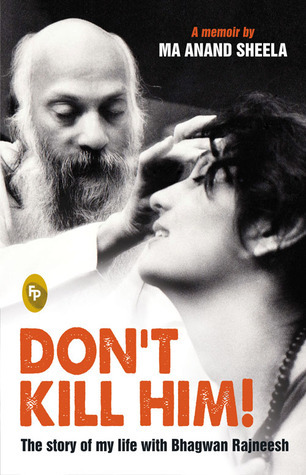
Don't Kill Him! The Story of My Life with Bhagwan Rajneesh
As His personal secretary between 1981 and 1985, and the second-in-command of His organization, Ma Anand Sheela enjoyed an enviably close relationship with Bhagwan Shree Rajneesh.
Bhagwan called upon her when He wanted to discuss personal issues, crucial administrative matters, run minor errands, and to even place an order for a new Rolls-Royce. Ma Sheela was His confidante, His closest aide, the person He trusted more than anyone else. She ruled the entire commune under His guidance . . . until differences crept up.
What followed next, soon became part of Bhagwan’s infamous history, as after years of loyal service, Ma Sheela resigned from her position, left the commune, and fled to Europe with fellow members. An infuriated Rajneesh wasted no time in accusing her of planning a bio-terror attack, conspiring to murder important public officials, and running away with fifty-five million dollars. Ma Sheela pled guilty to some of the charges in court and spent thirty-nine months in prison.
Now, almost two decades later, Ma Sheela, still in love with Bhagwan and His teachings, finally tells her side of the story, claiming that the truth was very different, and sheds light on that part of Bhagwan’s life which has so far been shrouded in a cover of secrecy and darkness . . .
Bhagwan called upon her when He wanted to discuss personal issues, crucial administrative matters, run minor errands, and to even place an order for a new Rolls-Royce. Ma Sheela was His confidante, His closest aide, the person He trusted more than anyone else. She ruled the entire commune under His guidance . . . until differences crept up.
What followed next, soon became part of Bhagwan’s infamous history, as after years of loyal service, Ma Sheela resigned from her position, left the commune, and fled to Europe with fellow members. An infuriated Rajneesh wasted no time in accusing her of planning a bio-terror attack, conspiring to murder important public officials, and running away with fifty-five million dollars. Ma Sheela pled guilty to some of the charges in court and spent thirty-nine months in prison.
Now, almost two decades later, Ma Sheela, still in love with Bhagwan and His teachings, finally tells her side of the story, claiming that the truth was very different, and sheds light on that part of Bhagwan’s life which has so far been shrouded in a cover of secrecy and darkness . . .
312 pages, Paperback
First published January 1, 2013
Ratings & Reviews
Friends & Following
Create a free account to discover what your friends think of this book!
Community Reviews
Displaying 1 - 30 of 56 reviews

July 27, 2019
Many years back, during his lifetime, be it India or the US, Osho Rajneesh & his teachings created stress and suspicion among the local population. Today, I think, many people view his legacy with more openness and accept that he explored new methods & his teachings had value. I have been curious about what made him popular as well as the events which led to his exit from the US. I picked up this book (a biography by Ma Anand Sheela, who was his personal secretary) on impulse expecting to learn more about Osho’s life. This book addressed my expectations partly with some new material not in the public domain. However, since Sheela devotes considerable space to clearing up her own image, it does not come across as being entirely forthright.
The book is divided into two parts – the first dealing with Sheela’s arrest and the judicial process culminating in her sentencing. The second part covers the early part of her life, her first meeting with Rajneesh, her rise among his followers, his teachings and the establishment of the commune in the US.
Sheela refers to Rajneesh respectfully throughout the book. The first half of the book is pretty bland, where she writes about her decision to leave the commune as she was getting disillusioned and wanted a change. Rajneesh reacts with anger at her leaving, accusing her of many serious crimes. She makes the point that the commune at Oregon had been in conflict with local residents for some time, and this allowed the authorities the opportunity they had wanted since long to shut down the commune. She was extradited from Germany and claimed that she accepted a few charges to bring an end to the episode. While it is entirely possible that the authorities had the goal of shutting down the commune based on the controversies and the anger of local residents, Sheela makes no attempt to explain any of the charges against her.
The second part of the book is more interesting – covering her initial meeting with Rajneesh and the rise of his popularity. His dynamic meditation technique gained popularity quickly as also his discourses. While, she refers to Rajneesh respectively throughout, she also writes about his never-ending desires and ability to manipulate others to get what he wanted. For instance, he encouraged followers who had more money, getting them to contribute more. This led to a drastic reduction in his Indian following, by design. This approach continued in the commune in the US, with Rajneesh acquiring nearly 100 Rolls Royces. This portion of the book explores Osho’s complex personality well – a person with many human failings, who did have valuable lessons to offer.
A book worth a read for Sheela’s version of events and some new material on Osho, not found in the public domain.
My rating: 3.25 / 5.
The book is divided into two parts – the first dealing with Sheela’s arrest and the judicial process culminating in her sentencing. The second part covers the early part of her life, her first meeting with Rajneesh, her rise among his followers, his teachings and the establishment of the commune in the US.
Sheela refers to Rajneesh respectfully throughout the book. The first half of the book is pretty bland, where she writes about her decision to leave the commune as she was getting disillusioned and wanted a change. Rajneesh reacts with anger at her leaving, accusing her of many serious crimes. She makes the point that the commune at Oregon had been in conflict with local residents for some time, and this allowed the authorities the opportunity they had wanted since long to shut down the commune. She was extradited from Germany and claimed that she accepted a few charges to bring an end to the episode. While it is entirely possible that the authorities had the goal of shutting down the commune based on the controversies and the anger of local residents, Sheela makes no attempt to explain any of the charges against her.
The second part of the book is more interesting – covering her initial meeting with Rajneesh and the rise of his popularity. His dynamic meditation technique gained popularity quickly as also his discourses. While, she refers to Rajneesh respectively throughout, she also writes about his never-ending desires and ability to manipulate others to get what he wanted. For instance, he encouraged followers who had more money, getting them to contribute more. This led to a drastic reduction in his Indian following, by design. This approach continued in the commune in the US, with Rajneesh acquiring nearly 100 Rolls Royces. This portion of the book explores Osho’s complex personality well – a person with many human failings, who did have valuable lessons to offer.
A book worth a read for Sheela’s version of events and some new material on Osho, not found in the public domain.
My rating: 3.25 / 5.

September 30, 2013
There are some nonfiction books that one reads because one wants the objective, unvarnished truth about events. This is NOT that book. Some books you read knowing they are going to contain a mix of truth and falsehood--fact and fiction--and you read them believing you can gain insight from both the truth and the falsehood--if you consider the words analytically in light of known facts. This is that kind of book.
Don’t Kill Him is an autobiographical account of Ma Anand Sheela’s (a.k.a. Sheela Ambalal Patel’s) life as the secretary / spokeswoman / project manager / Pepper Potts for Bhagwan Rajneesh (a.k.a. Osho.) As such, while it is about the life of Sheela, the central character is the Bhagwan Rajneesh. This is indicative of the narcissistic but charismatic cult leader—who must be the center of attention—and the infatuated cult member for whom the “guru” is everything. What one really gets in this book is insight into the mind of a person prone to join a cult.
Chances are you know of the Bhagwan Rajneesh in one of two very different ways. As Osho, he’s an enlightened guru who penned over 600 books on spiritual topics from Taoism to Tantric sex, who attracted a vast following of wisdom seekers, and who to this day has a centers globally in his name—despite having died in 1990. As the Bhagwan Rajneesh you may know of him as a petty narcissist who built a stunningly successful cult of personality, and who in all likelihood green-lighted a salmonella attack on a rural populace in Oregon in an attempt to sway a local election so that certain dodgy practices could be carried out at his commune.
Sheela comes across as quite reasonable in the book. Gone are the days when she made replies to questions such as “tough titties” or a horrifying Holocaust joke. She claims that her former outlandishness was part of a role that she played on behalf and at the behest of the Bhagwan, but playing the victim in the face of entire world that conspired against her in her selfless virtuousness is a prevailing theme throughout the book.
Read carefully, there is plenty of evidence that all is not right with the author’s mind. She barely addresses criminal charges for which she was given sentences in total of 64 years (though, because they were to be served concurrently, the most she would have served would have been 20—and in reality she served less than two-and-a-half.) She talks more about the least of the charges--visa fraud then the attempted murder and assault convictions. She merely asserts that there was a vast conspiracy involving the German government (who extradited her), the U.S. criminal system (which indicted her), and at least two different factions of the Rajneeshee cult (one being exemplified by the Bhagwan, himself, and the other by David Berry Knapp, the mayor of Rajneeshpuram (the incorporation of the cult compound) who not only dropped a dime on Sheela but also implicated the Bhagwan)
While it’s fair to say mistakes are made in the American criminal justice system now and again, the scale of conspiracy that would have to be involved in Sheela’s case strains credulity. Her suggestion that a criminal justice system that protects defendants as much as anywhere in world is completely corrupt comes off as a bit sad and pathetic. Here and there she points out that there were one or two good people in the jail or justice system, but one soon suspects that these are just other deluded cult-prone individuals ready to drink the Kool-Aid themselves. Interestingly, while she claims there was not a shred of evidence against her, she made an Alford plea. (You’ll be forgiven for not knowing what an Alford Plea is, as it’s something only the mind of a lawyer could come up with. One pleads guilty while asserting one’s innocence. In essence, one says, “I’m really not guilty, but there’s enough evidence to convict me so I want to make a deal to get less prison time.” Of course, she makes paranoid-sounding claims that the American criminal justice system as justification for not standing up for her own innocence.
The only bad decision of any note that the author ever admits to making is slapping one of the followers, an act for which she claims both Bhagwan Rajneesh and the commune forgave her. These repeated claims that while her life was falling apart it was because almost everyone else was wicked while she was a victim wear a little thin. She claims that all the accusations against her resulted from her decision to leave because of her guru’s latest decision to bilk wealthy followers to pay for more Rolls-Royces. There may be a seed of truth in this. The Bhagwan also claimed that she embezzled money, a charge that was not covered in the charges for which Sheela was convicted. It’s as likely as not that any shortage of funds resulted from the Bhagwan’s own materialistic addictions. Whether his accusations about the bioterror attack were spurred by being spurned by this assistant cannot be known. Of course, it could also be that he wanted to separate himself from the felony indictments that were becoming increasingly inevitable.
The title, Don’t Kill Him, comes from Sheela’s repeated suggestion that, while the Bhagwan was a madman, one shouldn’t destroy the legacy. It’s this back and forth between deifying and castigating the Bhagwan that gives one insight into the mind of a cultist—but also leaves one scratching one’s head at what the author’s point is. When she suggests that he was a petty, narcissistic, greedy drug addict who should be exalted, it’s a bit dumbfounding for the average individual. It seems to be a textbook case of infatuation with the charisma of an otherwise deplorable human being. There is this widespread confusion of charisma with enlightenment that is intriguing. Early in Chapter 4 and later in Chapter 5, the author suggests that the Bhagwan set up her imprisonment as part of her education. That level of delusion is astounding.
There are those who’ll say that Sheela is right and others who’ll tell you that she is just trying to bash the Bhagwan—albeit in a very ambivalent way. I’m here to tell you that this book leaves the reader with one logical conclusion, and that’s that both Sheela and the Bhagwan were coo-coo for Coco-Puffs.
Don’t Kill Him is an autobiographical account of Ma Anand Sheela’s (a.k.a. Sheela Ambalal Patel’s) life as the secretary / spokeswoman / project manager / Pepper Potts for Bhagwan Rajneesh (a.k.a. Osho.) As such, while it is about the life of Sheela, the central character is the Bhagwan Rajneesh. This is indicative of the narcissistic but charismatic cult leader—who must be the center of attention—and the infatuated cult member for whom the “guru” is everything. What one really gets in this book is insight into the mind of a person prone to join a cult.
Chances are you know of the Bhagwan Rajneesh in one of two very different ways. As Osho, he’s an enlightened guru who penned over 600 books on spiritual topics from Taoism to Tantric sex, who attracted a vast following of wisdom seekers, and who to this day has a centers globally in his name—despite having died in 1990. As the Bhagwan Rajneesh you may know of him as a petty narcissist who built a stunningly successful cult of personality, and who in all likelihood green-lighted a salmonella attack on a rural populace in Oregon in an attempt to sway a local election so that certain dodgy practices could be carried out at his commune.
Sheela comes across as quite reasonable in the book. Gone are the days when she made replies to questions such as “tough titties” or a horrifying Holocaust joke. She claims that her former outlandishness was part of a role that she played on behalf and at the behest of the Bhagwan, but playing the victim in the face of entire world that conspired against her in her selfless virtuousness is a prevailing theme throughout the book.
Read carefully, there is plenty of evidence that all is not right with the author’s mind. She barely addresses criminal charges for which she was given sentences in total of 64 years (though, because they were to be served concurrently, the most she would have served would have been 20—and in reality she served less than two-and-a-half.) She talks more about the least of the charges--visa fraud then the attempted murder and assault convictions. She merely asserts that there was a vast conspiracy involving the German government (who extradited her), the U.S. criminal system (which indicted her), and at least two different factions of the Rajneeshee cult (one being exemplified by the Bhagwan, himself, and the other by David Berry Knapp, the mayor of Rajneeshpuram (the incorporation of the cult compound) who not only dropped a dime on Sheela but also implicated the Bhagwan)
While it’s fair to say mistakes are made in the American criminal justice system now and again, the scale of conspiracy that would have to be involved in Sheela’s case strains credulity. Her suggestion that a criminal justice system that protects defendants as much as anywhere in world is completely corrupt comes off as a bit sad and pathetic. Here and there she points out that there were one or two good people in the jail or justice system, but one soon suspects that these are just other deluded cult-prone individuals ready to drink the Kool-Aid themselves. Interestingly, while she claims there was not a shred of evidence against her, she made an Alford plea. (You’ll be forgiven for not knowing what an Alford Plea is, as it’s something only the mind of a lawyer could come up with. One pleads guilty while asserting one’s innocence. In essence, one says, “I’m really not guilty, but there’s enough evidence to convict me so I want to make a deal to get less prison time.” Of course, she makes paranoid-sounding claims that the American criminal justice system as justification for not standing up for her own innocence.
The only bad decision of any note that the author ever admits to making is slapping one of the followers, an act for which she claims both Bhagwan Rajneesh and the commune forgave her. These repeated claims that while her life was falling apart it was because almost everyone else was wicked while she was a victim wear a little thin. She claims that all the accusations against her resulted from her decision to leave because of her guru’s latest decision to bilk wealthy followers to pay for more Rolls-Royces. There may be a seed of truth in this. The Bhagwan also claimed that she embezzled money, a charge that was not covered in the charges for which Sheela was convicted. It’s as likely as not that any shortage of funds resulted from the Bhagwan’s own materialistic addictions. Whether his accusations about the bioterror attack were spurred by being spurned by this assistant cannot be known. Of course, it could also be that he wanted to separate himself from the felony indictments that were becoming increasingly inevitable.
The title, Don’t Kill Him, comes from Sheela’s repeated suggestion that, while the Bhagwan was a madman, one shouldn’t destroy the legacy. It’s this back and forth between deifying and castigating the Bhagwan that gives one insight into the mind of a cultist—but also leaves one scratching one’s head at what the author’s point is. When she suggests that he was a petty, narcissistic, greedy drug addict who should be exalted, it’s a bit dumbfounding for the average individual. It seems to be a textbook case of infatuation with the charisma of an otherwise deplorable human being. There is this widespread confusion of charisma with enlightenment that is intriguing. Early in Chapter 4 and later in Chapter 5, the author suggests that the Bhagwan set up her imprisonment as part of her education. That level of delusion is astounding.
There are those who’ll say that Sheela is right and others who’ll tell you that she is just trying to bash the Bhagwan—albeit in a very ambivalent way. I’m here to tell you that this book leaves the reader with one logical conclusion, and that’s that both Sheela and the Bhagwan were coo-coo for Coco-Puffs.

February 21, 2024
The book reads like Sheela's attempt at coming clean. She addresses the controversies surrounding her life, accusations levied against her, her experiences in prison, and her newfound freedom in the first part of the book. The second part delves into how she became an integral part of Osho's communes and explains at length how, as his secretary, she was merely executing his instructions to the letter. She elaborates on why they were in possession of arms, why they were compelled to put on a show of force often, how she wasn't aware of the usage of drugs in the commune....
Among other things, she describes Osho's actions as those of a fallible, flawed human being and attempts at exposing his demanding, manipulative nature, and desire for luxury.
But it struck me as odd that despite its more than 300-pages Sheela wasn't able to explain what exactly drew her to Osho or made her stay, although she wasn't seeking enlightenment like most sannyasins in the commune. Apparently, she didn't even meditate or participate in therapy sessions but worked tirelessly, negotiating deals and raising funds for Osho and his communes. She tries much too hard to prove that she was intoxicated by his love although could also see through his madness, eccentricities and manipulations.
It was a difficult read because Sheela comes off as practical, confused, emotional, efficient, brave and carefree all at once. The writing is somewhat crude, and I felt the book has failed to clear the air about Sheela.
Among other things, she describes Osho's actions as those of a fallible, flawed human being and attempts at exposing his demanding, manipulative nature, and desire for luxury.
But it struck me as odd that despite its more than 300-pages Sheela wasn't able to explain what exactly drew her to Osho or made her stay, although she wasn't seeking enlightenment like most sannyasins in the commune. Apparently, she didn't even meditate or participate in therapy sessions but worked tirelessly, negotiating deals and raising funds for Osho and his communes. She tries much too hard to prove that she was intoxicated by his love although could also see through his madness, eccentricities and manipulations.
It was a difficult read because Sheela comes off as practical, confused, emotional, efficient, brave and carefree all at once. The writing is somewhat crude, and I felt the book has failed to clear the air about Sheela.

September 28, 2018
One of the most facinating books I read so far. After watching Wild Wild Country, I became so fanatic about Osho that I happened to watch all of his fucking videos (I mean where he is barking like an orator), his secretary videos and lot more. I would recommend this to all who has seen the series because this book is beyond that and covers up the entire story in the words of MA Anand Sheela. I find this lady quite sincere because Osho made her an epitome of his so fake fucking commune and later on made her look like the real enemy. Even though she still talks about him as he was a real god, I would say she needs electric shock to be sane again.
Hilarious excerpt:
I allowed him thereafter to simply be a man. I did not put him on any pedestal. He was certainly a god, the god of my heart, but not the creator. I did not want to suffocate him by wanting to make him perfect. I let him breathe. I let him fart.
Hilarious excerpt:
I allowed him thereafter to simply be a man. I did not put him on any pedestal. He was certainly a god, the god of my heart, but not the creator. I did not want to suffocate him by wanting to make him perfect. I let him breathe. I let him fart.

October 18, 2022
3.5
Ai đang thích hoặc đang đọc nhiều sách của Osho thì nên đọc thêm cuốn này.
Sheela là thư kí, là trợ lí đắc lực, là người có tình yêu lớn đối với Osho và lời giảng của ông. Trong cuốn tự truyện này, Sheela kể lại những mặt tối trong tính cách, trong cách sử dụng quyền lực của Osho. Đồng thời đưa thêm nhiều góc nhìn gai góc, trần trụi khác mà phần lớn sách của Osho sẽ không đề cập đến.
Ai đang thích hoặc đang đọc nhiều sách của Osho thì nên đọc thêm cuốn này.
Sheela là thư kí, là trợ lí đắc lực, là người có tình yêu lớn đối với Osho và lời giảng của ông. Trong cuốn tự truyện này, Sheela kể lại những mặt tối trong tính cách, trong cách sử dụng quyền lực của Osho. Đồng thời đưa thêm nhiều góc nhìn gai góc, trần trụi khác mà phần lớn sách của Osho sẽ không đề cập đến.

December 10, 2019
Don't Kill Him! The Story of My Life with Bhagwan Rajneesh : a Memoir - ma Anand sheela
ಆಚಾರ್ಯ ರಜನೀಶ್,ಓಶೋ,ಭಗವಾನ್ ಇತ್ಯಾದಿ ಹಲವಾರು ಹೆಸರುಗಳಿಂದ ಕರೆಯಲ್ಪಡುವ ರಜನೀಶ್ ಬಗ್ಗೆ ಎಷ್ಟು ಗೊತ್ತು ನಿಮಗೆ? ಹೆಚ್ಚೆಂದರೆ 'ಸೆಕ್ಸ್ ಗುರು' ಎಂಬ ಉಪಾಧಿ ಬಗ್ಗೆ ಕೇಳಿರಬಹುದು. ಅವರ ಆಶ್ರಮದಲ್ಲಿ ಡ್ರಗ್ಸ್ ಎಲ್ಲ ಬಳಸ್ತಾ ಇದಾರಂತೆ ಅಂತ ಯಾರೋ ಹೇಳಿದ್ದನ್ನ ನೀವು ಕೇಳಿರಬಹುದು. ಇಲ್ಲ ಅಸಂಖ್ಯಾತ ಪ್ರಕಟಣೆಗಳ ಕಂಡ ಓಶೋ ಪುಸ್ತಕಗಳ ಒಂದು ಝಲಕ್ ನಿಮಗೆ ಸಿಕ್ಕಿರಬಹುದು. ಅದೂ ಇಲ್ಲ ಅಂದರೆ ಅವರ ಮಾತಿನ ವೀಡಿಯೋಗಳ ನೀವು ನೋಡಿರಬಹುದು.
ಸರಿಸುಮಾರು ಆರು ನೂರಕ್ಕೂ ಹೆಚ್ಚಿನ ಪುಸ್ತಕ, ಎಷ್ಟೋ ಸಾವಿರ ಗಂಟೆಗಳ ಮಾತಿನ ವೀಡಿಯೋ 1990ರಲ್ಲಿ ಕಾಲವಾದರೂ ಈಗಲೂ ಜನ ಹುಚ್ಚೆದ್ದು ನೆಮ್ಮದಿ ಅರಸುವುದು ಓಶೋ ಮಾತುಗಳಲ್ಲಿ ಅಂದರೆ ನೀವು ನಂಬಬೇಕು.
ಇಂತಹ ಓಶೋ ಬಗ್ಗೆ Netflix ' wild wild country' ಅಂತ ಒಂದು ಟಿವಿ ಡಾಕ್ಯುಮೆಂಟರಿ ತಂದಿತು. ಅದರ ಏಕಮುಖೀ ನಿರೂಪಣೆ ಬೇಸರ ಹುಟ್ಟಿಸಿದರೂ ಮೇಲ್ನೋಟಕ್ಕೆ ಕಾಣದ ಹಲಮುಖಗಳ ಅದು ಪರಿಚಯಿಸಿತ್ತು. ಪುಣೆಯ ಆಶ್ರಮದಿಂದ ಒರೆಗಾನ್ಗೆ ಹೋದ ಓಶೋ ಮತ್ತು ಇತರರ ವಿವರಗಳು ಅದರಲ್ಲಿತ್ತು.
ಈಗ ಈ ಪುಸ್ತಕ ಅದೇ ಡಾಕ್ಯುಮೆಂಟರಿಯ ಇನ್ನೊಂದು ಆವೃತ್ತಿಯಂತಿದೆ.
ಓಶೋ ಅವರ ನಂತರದ ಪ್ರಬಲ ಸ್ಥಾನವನ್ನು ಹೊಂದಿ ಅವರ ಸಾಮ್ರಾಜ್ಯವನ್ನು ನಿಯಂತ್ರಿಸುತ್ತಿದ್ದ ಮಾ ಆನಂದ್ ಶೀಲಾ ಏತಕ್ಕಾಗಿ ಆ ಸಂಗ ಬಿಟ್ಟು ಬಂದರು. ಏನಾಗುತ್ತಿತ್ತು ಅಲ್ಲಿ ? ಅವರ ಬೆನ್ನು ಬಿದ್ದ ಓಶೋ ಮತ್ತು ಇತರರು ಕೊಟ್ಟ ಕಿರುಕುಳ ಏನು ಎಂಬುದನ್ನೆಲ್ಲ ತನ್ನದೇ 'ಅಂತಿಮಸತ್ಯ' ದ ಧಾಟಿಯಲ್ಲಿ ಶೀಲಾ ಬರೆದರು.
ಓಶೋ ಎಂಬ ಧಾರ್ಮಿಕ ಗುರುವಿಗಿದ್ದ ಭ್ರಮೆಗಳು, ರೋಲ್ಸ್ ರಾಯ್ಸ್ ಕಾರುಗಳ,ದುಬಾರಿ ವಾಚುಗಳ ಹುಚ್ಚು ಇವನ್ನೆಲ್ಲ ಬರೆದ ಆಕೆ, ತನ್ನ ವೈಯಕ್ತಿಕ ಜೀವನದ ಬಗ್ಗೆ ಬರೆವಾಗ ಮೃದುವಾಗುತ್ತಾರೆ. ನನಗಿದು ಪ್ರಾಮಾಣಿಕ ಬರಹ ಅನಿಸಲಿಲ್ಲ.
ಏನಾಗುತ್ತದೆ ಗೊತ್ತಾ? ಪಾಶ್ಚಿಮಾತ್ಯ ದೇಶಗಳಲ್ಲಿ ಒಂದು ಹಣ ಮಾಡುವ ವಿಧಾನವಿದೆ. ಯಾರಾದರೂ ಸರಣಿ ಹಂತಕನೋ, ಕೊಲೆಗಾರನೋ,ಕಳ್ಳನೋ,ದರೋಡೆಕೋರನೋ, ಡ್ರಗ್ ಅಡಿಕ್ಟೋ ಸಿಕ್ಕಿಬಿದ್ದು ಜೈಲು ಸೇರಿದೊಡನೆ ಪ್ರಖ್ಯಾತ ಪ್ರಕಾಶನ ಸಂಸ್ಥೆಗಳು ನಾ ಮುಂದೋ ತಾ ಮುಂದೋ ಎಂಬಂತೆ ಅವರ ಬೆನ್ನು ಬಿದ್ದು ವ್ಯಾಪಾರ ಕುದುರಿಸಿಕೊಳ್ಳುತ್ತವೆ. ಅವರ ಅನುಭವಗಳ ಆಧಾರದ ಮೇಲೆ ಮಸಾಲೆ ಸೇರಿಸಿ ಅವರೋ,ಇನ್ಯಾರೋ ಬರೆದು ಅವರ ಹೆಸರು ಹಾಕಿ ಪುಸ್ತಕ ಪ್ರಕಟಿಸುತ್ತಾರೆ. ನಮಗೆಲ್ಲ ಬೇಡಂಗಟ್ಟೆ ಮೇಲೆ ಆಸಕ್ತಿ ಜಾಸ್ತಿ ನೋಡಿ. ಕೊಲೆಗಾರನ ಮನಸಲ್ಲಿ ಕೊಲೆ ಮಾಡುವಾಗ ಏನಿದೆ ಅಂತ ತಿಳಿವ ಕುತೂಹಲ. ಮುಗಿಬಿದ್ದು ಕೊಳ್ಳುತ್ತೇವೆ. ಒಳಗಿನ ಹೂರಣ ಏನಿಲ್ಲ ಅಂತ ಅರಿವಾದಾಗ ಪ್ರಕಾಶಕ,ಬರಹಗಾರ ಕಿಸೆ ತುಂಬಿಸಿ ಗಾಡಿ ಖಾಲಿ ಮಾಡಿ ಆಗಿರುತ್ತದೆ.
ಇದೇ ದಾರಿಯಲ್ಲಿ ಬಂದ ಪುಸ್ತಕ ಇದು. ಹಾಗಾಗಿ ತುಂಬಾ ಒಳ್ಳೆಯ ಬರವಣಿಗೆ ಅಲ್ಲ. ಆದರೆ ಓಶೋ ಎಂಬ ನಾಣ್ಯದ ಇನ್ನೊಂದು ಮಗ್ಗುಲಿನ ಕಿಂಚಿತ್ ದರ್ಶನ ಇದು ಮಾಡಿಸುತ್ತದೆ.
ಆಧ್ಯಾತ್ಮಿಕ ದಾರಿಯಲ್ಲಿ ಹೋಗುವವರಿಗೆ ಗುರುವಿನ ಚಡ್ಡಿಯೊಳಗೆ ನೋಡುವ ಆಸಕ್ತಿ ಇರುವುದಿಲ್ಲ. ಹಾಗೆ ಹೋಗ್ತಾ ಇದೇವೆ ಅಂತ ನಟಿಸುವವರು ಗುರುವಿನ ಕೆಟ್ಟ ಮುಖವನ್ನು ಕಂಡು ತಮ್ಮ ಪಥ ಬದಲಿಸಿ ಅದರಿಂದ ವಿಮುಖರಾಗುತ್ತಾರೆ ಯಾಕೆಂದರೆ ಅವರಿಗೆ ವಾಪಸ್ ಬರಲು ನೆಪ ಬೇಕು ಅಷ್ಟೇ. ಓಶೋ ಹಾದಿಯಲ್ಲಿ ಹೊರಟವರಿಗೆ ಇದು ಆ ನೆಪವಾಗಿ ಸಿಗುತ್ತದೆ ಅಷ್ಟೇ!
ಪುಸ್ತಕ ಓದಲು ಬೋರು ಅನ್ನುವವರು wild wild country ನೋಡಿ. ಸಾಕು.
ಸತ್ಯ ಹೇಳುವುದಾದರೆ ಇವೆರಡೂ ಕೆಲಸಕ್ಕಿಂತ ಓಶೋ ಬರೆದ ಪುಸ್ತಕಗಳ ಓದಿ. ಅದು ಮಾನಸಿಕ ಆರೋಗ್ಯಕ್ಕೂ ಒಳ್ಳೆಯದು. 1990ರಲ್ಲಿ ಸತ್ತ ಬರೆದವ ಹೇಗಿದ್ದ ಅನ್ನುವುದನ್ನು ಕಟ್ಟಿಕೊಂಡು ಏನು ಮಾಡೋಣ?
ಅಲ್ಲವೇ?
ಆಚಾರ್ಯ ರಜನೀಶ್,ಓಶೋ,ಭಗವಾನ್ ಇತ್ಯಾದಿ ಹಲವಾರು ಹೆಸರುಗಳಿಂದ ಕರೆಯಲ್ಪಡುವ ರಜನೀಶ್ ಬಗ್ಗೆ ಎಷ್ಟು ಗೊತ್ತು ನಿಮಗೆ? ಹೆಚ್ಚೆಂದರೆ 'ಸೆಕ್ಸ್ ಗುರು' ಎಂಬ ಉಪಾಧಿ ಬಗ್ಗೆ ಕೇಳಿರಬಹುದು. ಅವರ ಆಶ್ರಮದಲ್ಲಿ ಡ್ರಗ್ಸ್ ಎಲ್ಲ ಬಳಸ್ತಾ ಇದಾರಂತೆ ಅಂತ ಯಾರೋ ಹೇಳಿದ್ದನ್ನ ನೀವು ಕೇಳಿರಬಹುದು. ಇಲ್ಲ ಅಸಂಖ್ಯಾತ ಪ್ರಕಟಣೆಗಳ ಕಂಡ ಓಶೋ ಪುಸ್ತಕಗಳ ಒಂದು ಝಲಕ್ ನಿಮಗೆ ಸಿಕ್ಕಿರಬಹುದು. ಅದೂ ಇಲ್ಲ ಅಂದರೆ ಅವರ ಮಾತಿನ ವೀಡಿಯೋಗಳ ನೀವು ನೋಡಿರಬಹುದು.
ಸರಿಸುಮಾರು ಆರು ನೂರಕ್ಕೂ ಹೆಚ್ಚಿನ ಪುಸ್ತಕ, ಎಷ್ಟೋ ಸಾವಿರ ಗಂಟೆಗಳ ಮಾತಿನ ವೀಡಿಯೋ 1990ರಲ್ಲಿ ಕಾಲವಾದರೂ ಈಗಲೂ ಜನ ಹುಚ್ಚೆದ್ದು ನೆಮ್ಮದಿ ಅರಸುವುದು ಓಶೋ ಮಾತುಗಳಲ್ಲಿ ಅಂದರೆ ನೀವು ನಂಬಬೇಕು.
ಇಂತಹ ಓಶೋ ಬಗ್ಗೆ Netflix ' wild wild country' ಅಂತ ಒಂದು ಟಿವಿ ಡಾಕ್ಯುಮೆಂಟರಿ ತಂದಿತು. ಅದರ ಏಕಮುಖೀ ನಿರೂಪಣೆ ಬೇಸರ ಹುಟ್ಟಿಸಿದರೂ ಮೇಲ್ನೋಟಕ್ಕೆ ಕಾಣದ ಹಲಮುಖಗಳ ಅದು ಪರಿಚಯಿಸಿತ್ತು. ಪುಣೆಯ ಆಶ್ರಮದಿಂದ ಒರೆಗಾನ್ಗೆ ಹೋದ ಓಶೋ ಮತ್ತು ಇತರರ ವಿವರಗಳು ಅದರಲ್ಲಿತ್ತು.
ಈಗ ಈ ಪುಸ್ತಕ ಅದೇ ಡಾಕ್ಯುಮೆಂಟರಿಯ ಇನ್ನೊಂದು ಆವೃತ್ತಿಯಂತಿದೆ.
ಓಶೋ ಅವರ ನಂತರದ ಪ್ರಬಲ ಸ್ಥಾನವನ್ನು ಹೊಂದಿ ಅವರ ಸಾಮ್ರಾಜ್ಯವನ್ನು ನಿಯಂತ್ರಿಸುತ್ತಿದ್ದ ಮಾ ಆನಂದ್ ಶೀಲಾ ಏತಕ್ಕಾಗಿ ಆ ಸಂಗ ಬಿಟ್ಟು ಬಂದರು. ಏನಾಗುತ್ತಿತ್ತು ಅಲ್ಲಿ ? ಅವರ ಬೆನ್ನು ಬಿದ್ದ ಓಶೋ ಮತ್ತು ಇತರರು ಕೊಟ್ಟ ಕಿರುಕುಳ ಏನು ಎಂಬುದನ್ನೆಲ್ಲ ತನ್ನದೇ 'ಅಂತಿಮಸತ್ಯ' ದ ಧಾಟಿಯಲ್ಲಿ ಶೀಲಾ ಬರೆದರು.
ಓಶೋ ಎಂಬ ಧಾರ್ಮಿಕ ಗುರುವಿಗಿದ್ದ ಭ್ರಮೆಗಳು, ರೋಲ್ಸ್ ರಾಯ್ಸ್ ಕಾರುಗಳ,ದುಬಾರಿ ವಾಚುಗಳ ಹುಚ್ಚು ಇವನ್ನೆಲ್ಲ ಬರೆದ ಆಕೆ, ತನ್ನ ವೈಯಕ್ತಿಕ ಜೀವನದ ಬಗ್ಗೆ ಬರೆವಾಗ ಮೃದುವಾಗುತ್ತಾರೆ. ನನಗಿದು ಪ್ರಾಮಾಣಿಕ ಬರಹ ಅನಿಸಲಿಲ್ಲ.
ಏನಾಗುತ್ತದೆ ಗೊತ್ತಾ? ಪಾಶ್ಚಿಮಾತ್ಯ ದೇಶಗಳಲ್ಲಿ ಒಂದು ಹಣ ಮಾಡುವ ವಿಧಾನವಿದೆ. ಯಾರಾದರೂ ಸರಣಿ ಹಂತಕನೋ, ಕೊಲೆಗಾರನೋ,ಕಳ್ಳನೋ,ದರೋಡೆಕೋರನೋ, ಡ್ರಗ್ ಅಡಿಕ್ಟೋ ಸಿಕ್ಕಿಬಿದ್ದು ಜೈಲು ಸೇರಿದೊಡನೆ ಪ್ರಖ್ಯಾತ ಪ್ರಕಾಶನ ಸಂಸ್ಥೆಗಳು ನಾ ಮುಂದೋ ತಾ ಮುಂದೋ ಎಂಬಂತೆ ಅವರ ಬೆನ್ನು ಬಿದ್ದು ವ್ಯಾಪಾರ ಕುದುರಿಸಿಕೊಳ್ಳುತ್ತವೆ. ಅವರ ಅನುಭವಗಳ ಆಧಾರದ ಮೇಲೆ ಮಸಾಲೆ ಸೇರಿಸಿ ಅವರೋ,ಇನ್ಯಾರೋ ಬರೆದು ಅವರ ಹೆಸರು ಹಾಕಿ ಪುಸ್ತಕ ಪ್ರಕಟಿಸುತ್ತಾರೆ. ನಮಗೆಲ್ಲ ಬೇಡಂಗಟ್ಟೆ ಮೇಲೆ ಆಸಕ್ತಿ ಜಾಸ್ತಿ ನೋಡಿ. ಕೊಲೆಗಾರನ ಮನಸಲ್ಲಿ ಕೊಲೆ ಮಾಡುವಾಗ ಏನಿದೆ ಅಂತ ತಿಳಿವ ಕುತೂಹಲ. ಮುಗಿಬಿದ್ದು ಕೊಳ್ಳುತ್ತೇವೆ. ಒಳಗಿನ ಹೂರಣ ಏನಿಲ್ಲ ಅಂತ ಅರಿವಾದಾಗ ಪ್ರಕಾಶಕ,ಬರಹಗಾರ ಕಿಸೆ ತುಂಬಿಸಿ ಗಾಡಿ ಖಾಲಿ ಮಾಡಿ ಆಗಿರುತ್ತದೆ.
ಇದೇ ದಾರಿಯಲ್ಲಿ ಬಂದ ಪುಸ್ತಕ ಇದು. ಹಾಗಾಗಿ ತುಂಬಾ ಒಳ್ಳೆಯ ಬರವಣಿಗೆ ಅಲ್ಲ. ಆದರೆ ಓಶೋ ಎಂಬ ನಾಣ್ಯದ ಇನ್ನೊಂದು ಮಗ್ಗುಲಿನ ಕಿಂಚಿತ್ ದರ್ಶನ ಇದು ಮಾಡಿಸುತ್ತದೆ.
ಆಧ್ಯಾತ್ಮಿಕ ದಾರಿಯಲ್ಲಿ ಹೋಗುವವರಿಗೆ ಗುರುವಿನ ಚಡ್ಡಿಯೊಳಗೆ ನೋಡುವ ಆಸಕ್ತಿ ಇರುವುದಿಲ್ಲ. ಹಾಗೆ ಹೋಗ್ತಾ ಇದೇವೆ ಅಂತ ನಟಿಸುವವರು ಗುರುವಿನ ಕೆಟ್ಟ ಮುಖವನ್ನು ಕಂಡು ತಮ್ಮ ಪಥ ಬದಲಿಸಿ ಅದರಿಂದ ವಿಮುಖರಾಗುತ್ತಾರೆ ಯಾಕೆಂದರೆ ಅವರಿಗೆ ವಾಪಸ್ ಬರಲು ನೆಪ ಬೇಕು ಅಷ್ಟೇ. ಓಶೋ ಹಾದಿಯಲ್ಲಿ ಹೊರಟವರಿಗೆ ಇದು ಆ ನೆಪವಾಗಿ ಸಿಗುತ್ತದೆ ಅಷ್ಟೇ!
ಪುಸ್ತಕ ಓದಲು ಬೋರು ಅನ್ನುವವರು wild wild country ನೋಡಿ. ಸಾಕು.
ಸತ್ಯ ಹೇಳುವುದಾದರೆ ಇವೆರಡೂ ಕೆಲಸಕ್ಕಿಂತ ಓಶೋ ಬರೆದ ಪುಸ್ತಕಗಳ ಓದಿ. ಅದು ಮಾನಸಿಕ ಆರೋಗ್ಯಕ್ಕೂ ಒಳ್ಳೆಯದು. 1990ರಲ್ಲಿ ಸತ್ತ ಬರೆದವ ಹೇಗಿದ್ದ ಅನ್ನುವುದನ್ನು ಕಟ್ಟಿಕೊಂಡು ಏನು ಮಾಡೋಣ?
ಅಲ್ಲವೇ?

May 25, 2021
“He was many things to many people. To conservative Christians he was the devil. To his followers who came to study spirituality, he was an enlightened man. To others, he was a god. And for me, he was a beautiful man.” (Maa Sheela )
I read this book after seeing the series Wild, Wild Country ... Ma Shila explains the background story of fall of Rajneeshpuram, Oregon, USA...
Yet this tells us very little about the man.Rajaneesh . Apart from the fact that she loved Him...we come away having learnt very little that is new about the godman who infused spirituality with heady doses of capitalism. The material world is all around us, he said, so why try to ignore it? That would be like being surrounded by water, and trying to avoid it.Her book paints him as being childish — he was never satisfied with his expensive toys, he always wanted more. He was adept at manipulating other people to do his bidding — badges of enlightenment would be conferred on rich followers in exchange for large infusions of cash....
see the series before reading the book ...
https://www.youtube.com/watch?v=hBLS_...
Quite Ok ...
I read this book after seeing the series Wild, Wild Country ... Ma Shila explains the background story of fall of Rajneeshpuram, Oregon, USA...
Yet this tells us very little about the man.Rajaneesh . Apart from the fact that she loved Him...we come away having learnt very little that is new about the godman who infused spirituality with heady doses of capitalism. The material world is all around us, he said, so why try to ignore it? That would be like being surrounded by water, and trying to avoid it.Her book paints him as being childish — he was never satisfied with his expensive toys, he always wanted more. He was adept at manipulating other people to do his bidding — badges of enlightenment would be conferred on rich followers in exchange for large infusions of cash....
see the series before reading the book ...
https://www.youtube.com/watch?v=hBLS_...
Quite Ok ...

April 30, 2018
I wanted to read this after watching Wild, Wild Country on Netflix, and I think that helped me understand the context of much of Sheela's story. Sheela starts the book with leaving Rajneeshpuram and Bhagwan, and subsequent prison stint, before backtracking in the second half to how she met Bhagwan and how Rajneeshpuram came to be. If I hadn't seen the documentary on Netflix, I think I would have been very confused, but I already had a timeline and context in place for her version of events.
This wasn't a terribly difficult read, but it is a little rushed in places, could have used a better editor for clarifying parts of it, and I think Sheela could have offered more detail on certain events and that might have put her in a better light. But it did help to explain Rajneeshism as she understood it, and get an idea of who Bhagwan/Osho was. So while not a perfect book, it is a pretty good follow-up after watching Wild, Wild Country, especially if you find yourself intrigued by Sheela and her version of events.
This wasn't a terribly difficult read, but it is a little rushed in places, could have used a better editor for clarifying parts of it, and I think Sheela could have offered more detail on certain events and that might have put her in a better light. But it did help to explain Rajneeshism as she understood it, and get an idea of who Bhagwan/Osho was. So while not a perfect book, it is a pretty good follow-up after watching Wild, Wild Country, especially if you find yourself intrigued by Sheela and her version of events.

August 2, 2016
Fantastic book by Ma Anand Sheela. Reveal-er not only of Osho as a human being with normal emotions but also of the workings of larger-than-self godman and his profound philosophy. My respect only grew for his devout follower also the author of the book. A must read!

September 9, 2018
i didnt even finish this. i hate it so much.

July 30, 2023
I really liked this book. I thibk without any background information it would be very confusing and not a good read. It reminds me that we should believe those who are sharing their stories. I honestly and strangely resonated a lot with what she has to say. I often have felt like a bad woman when I have to raise issues about something, especially when it’s w a man. But also the unending role of being a woman and the community that comes along with it. And also the reminder that only those closest to you know you, and even then, we all keep secrets and act for people. I think this book has reinstated in me the belief that there are simultaneous truths. People can do bad things but they can also do really good things. I resonate with so many things she had to say. Especially about loving someone and feeling like disappointing them would be the hardest thing to do in the world.

November 30, 2020
The book can fall into autobiography category. The writing of book is quite good to drag readers into atmosphere of Rajneeshpuram. The book gives a glimpse of journey of simple professor to Acharya Rajneesh and then Bhagawan Rajneesh and then dissolution of the empire.
This book can be considered very important in this age of all cool gurus and all type of yogas for e.g beer yoga, hot yoga, naked yoga etc. Readers must choose their guide of spirituality with caution, otherwise one will stand nowhere.
This book can be considered very important in this age of all cool gurus and all type of yogas for e.g beer yoga, hot yoga, naked yoga etc. Readers must choose their guide of spirituality with caution, otherwise one will stand nowhere.

April 26, 2021
The woman who wrote this book is deluded and is exploiting emotions through her pity fest narrative. She's not entirely wrong to have thought that she'll end up convincing some whack jobs that she's a wronged woman in love who was spited by a man she helped succeed. Because a lot of people DO believe her. The two stars I've given this book is only for the in depth exposure of osho and his practices. These people really took the world on a roller coaster ride from hell.

April 28, 2021
Had to quell the urge to throw up as I read this.

June 5, 2019
Okay. So where should I start! This book has introduced me to this world of which I had the faintest idea. I mean I saw the teaser of Wild Wild Country on Netflix. But who knew this man and his confidante can make the western land dance to their tunes. I also at certain points empathised with Sheela as she narrated her experiences. But then there is something that makes me think she was equally a fanatic as she reigned but got tired of the overwhelming responses she faced. So, yeah this book is a treat for all those who like a controversial subject and are in want of a good time.

January 20, 2013
A complete eye-opener. Once you pick this book up, you cannot put it off. It is the kind of book that haunts you till you are done with it. I would recommend this to anyone with an open mind to look at Osho.

October 24, 2018
A must read for every Osho fan. He was simply a man but he made wrong use of his power.

May 26, 2021
Ma Anand Sheela has had a very colourful life, to say the least. A name I did not know of until watching the documentary ‘Wild Wild Country’ on Netflix. The documentary series about the controversial Indian guru Bhagwan Shree Rajneesh (Osho), and his one-time personal assistant Ma Anand Sheela, is spellbinding, and as an avid true crime/cult fan, their community of followers ‘sannyasins’ in the Rajneeshpuram community located in Wasco County, Oregon is a must-see! The true story ends with both Sheela and Bhagwan being jailed, but not before the community overtake Oregon, battle local politicians, an alleged mass food poisoning, and rumours of a ‘sex cult’ drug-taking, in this multi-million dollar commune. This story written by Sheela Birnsteil, (Ma Anand Sheela being her spiritual name given by Bhagwan) is as fascinating as the documentary itself, but unfortunately leaves out a lot of the salacious details, focusing more on the personal relationship between Bhagwan and Sheela, and the commute itself. With a litany of inside information, the book begins on the day Sheela resigns as Bhagwan’s secretary and the operating head of the commune in Oregon. The first few chapters deal with the period immediately following her departure from Rajneeshpuram and the beginning of the legal nightmare manufactured by false accusations and trumped-up charges levelled against her by Bhagwan and His followers. In part two, the thread picks up from the beginning of 1972 when Sheela joined Bhagwan’s movement, until her departure in 1985. The narrative is relatively easy to read and, undoubtedly, Sheela was devoted to this spiritual leader, even after his assumed character assassination and Sheela quotes several pages from Bhagwan's books throughout. Sheela talks about her numerous sexual relationships within the commune, her guru’s materialistic megalomaniac tendencies, but also about herself - a lot! It's as though She was the guru, but never got to take charge which is why she left? Learning more about these two characters give you a great insight into how mindless indoctrination, in religion, or perceived cults, can be life-changing, but not necessarily in a good way. The documentary is a lot better than this book, but I would still recommend it to fans of cult True Crime stories such as David Koresh and the Waco tragedy or Jim Jones’ mass suicide cult at Jonestown.
April 9, 2026
The writing voice annoyed me until I watched the Netflix documentary Wild Wild Country and realized that's just how she speaks. That made it a bit better. I also love the juxtaposition of "we never did anything illegal" with "except when we did" justified by "they made us" or "we had to". There's a sense of "I shouldn't be held accountable for acting because all I did was what Bhagwan told me" and "I'm super proud of everything I did". In both cases Sheela seems to show a complete lack of compassion and love for all of the people who may have been hurt or disrupted or taken advantage of, two things that she at the same time claims to be full of. The persona she showed in interviews at the time isn't the real her, but she's not sorry about it. I don't think that she's the only mastermind in the crimes that the Rajneesh seem to have perpetrated around, but neither do I think it was all Bhagwan and that she is totally innocent. I don't know that either could have accomplished such things without the other, but they are both in on the scam and I think to try to good over this with a message of love is disingenuous.
This book is Sheelas personal story and therefore cannot be expected to be a tell all covering all the details of Rajneesh crimes, but it does make you chuckle a little just how much she tries to hand wave away. She really does think that she's so much better, smarter, faster, than everyone else and it comes across in her writing too. It's an interesting perspective though and overall a worthwhile read.
This book is Sheelas personal story and therefore cannot be expected to be a tell all covering all the details of Rajneesh crimes, but it does make you chuckle a little just how much she tries to hand wave away. She really does think that she's so much better, smarter, faster, than everyone else and it comes across in her writing too. It's an interesting perspective though and overall a worthwhile read.

April 19, 2023
No doubt this book is biased, coming from Sheela's perspective, but Don't Kill Him! was unexpectedly informative when it came to much of the history behind Bhagwan Shree Rajneesh and the movement he led. I'm mildly obsessed with Wild, Wild Country on Netflix, and reading this after my latest rewatch gave me more context not only for Sheela, but the commune she helped establish in Oregon. Obviously each reader will interpret things differently based on their perception of Sheela—how much of her story and her interpretation of events I believe I can't say—but I found this oddly compelling in ways. Certain occurrences during the commune's time in Oregon were glossed over or not even discussed, perhaps because Sheela feels they've been discussed enough (the poisonings, immigration fraud, attempted murder scandals, etc.). I also wish she'd lingered on certain things—her family and life before Bhagwan, what exactly she found so compelling about him. She's a fascinating individual who became a character in and of itself, and I don't think I'll ever not be intrigued by her.

August 21, 2024
I got to know about OSHO after watching Wild Wild Country and was very fascinated by his aura. I started to learn more about him, like his teachings, at one time I was so much into his teachings that somewhere inside me he had become the guiding source. Maa Anand Sheela as covered by the media was a controversial figure in my eyes too. When I found this book I was hooked by the thought of who is the closest person to Bhagwan and the answer is Sheela so I read this book and got to know her side of the story. Though OSHO was a great man he had his flaws and he was not completely away from worldliness he was also very materialistic
I suggest anyone who likes OSHO should try this book just to see another side of him
Highly recommended 👌
I suggest anyone who likes OSHO should try this book just to see another side of him
Highly recommended 👌

September 7, 2019
Fills lots of blanks
Chronologically it first tells the story after leaving the commune, mainly because that.would have been less appealing to read at the end.
At certain points it feels too apologetic or justifying lots; but ii is amazing and comforting how Sheela’s love for Bhagwan was and still is. You can read true love in her words, yet I understood more reading how Sherpa lacked also the love for meditation. The book doesn’t explain again what is on “wild wild country” so It is a very good read after watching the docuseries)
Chronologically it first tells the story after leaving the commune, mainly because that.would have been less appealing to read at the end.
At certain points it feels too apologetic or justifying lots; but ii is amazing and comforting how Sheela’s love for Bhagwan was and still is. You can read true love in her words, yet I understood more reading how Sherpa lacked also the love for meditation. The book doesn’t explain again what is on “wild wild country” so It is a very good read after watching the docuseries)

September 27, 2024
What do you have been great story if she talked more about Osho rather than keep on nagging What she felt,what she has been through, repeating the same lines again and again making it length.. but there are key insights about how Osho was what was, he was also a ordinary person like us, but he manage to inspire millions of people and reform convention society.. also there are greatest stories and his courses of Osho in it

May 2, 2020
This book pulled me towards because of my continuous quest to know more about Osho. Since Sheela has seen the other side of the Osho, It was credible read.
I would prefer not to comment on content depicting the life of Osho; however, I would certainly convey that this read was colourful in its own. Well organised and great depiction.
I would prefer not to comment on content depicting the life of Osho; however, I would certainly convey that this read was colourful in its own. Well organised and great depiction.
March 29, 2020
I really enjoyed this book, but felt there was a lot being held back or I would’ve liked more of Sheela’s experience in day to day life on the ranch. Of course I was expecting commentary on the “terrorist attack” but there was little to no mention of it.

September 19, 2021
I read this book after watching the Netflix series. This book fills in all the holes and answers many questions that the film raises. The author is incredibly crafty and intelligent but seems to still be blinded by her lust for power.

July 18, 2019
Is Ma Anand Sheela, Crazy?! Like a Fox! An insiders perspective on the Rajneesh community.

January 6, 2021
Memoir of a fraud, religious deception, and exploitation. A notorious cult to learn from.

January 19, 2021
Loved it!
Displaying 1 - 30 of 56 reviews