

What do you think?

Aşk Sanatı
Ovidius'un bu küçük yapıtı, adından da anlaşıldığı üzere, sevgiyi, sevgide başarılı olmayı, toplum kurallarını sarsmadan, karşılıklı ilişkiler içinde birbirleriyle bağdaşmayı öğütleyen, kendince birtakım ilkeler öneren bir kitapçıktır. Yapıtın konusu gibi dili, şiirin uyumu da sürükleyicidir, hangi dizesi okunsa bir insan sıcaklığı, yaşamak isteyen, sevmek için çırpınan, bu özlemlerin en derinini duyan bir yüreğin vuruşları duyulur, yeter ki onu insanlık bir gözle görme yeteneği bulunsun Ovidius, bu şiirinde okuyucuyla yalnız sevinin, aşkın ne olduğunu öğretmekle kalmıyor ondan hangi koşullar altında yararlanılabileceği de gösteriyor.
118 pages, Unknown Binding
First published January 1, 1
About the author
Ovid
3,008 books2,148 followersPublius Ovidius Naso (20 March 43 BC – AD 17/18), known in English as Ovid was a Roman poet who lived during the reign of Augustus. He was a younger contemporary of Virgil and Horatius, with whom he is often ranked as one of the three canonical poets of Latin literature. The Imperial scholar Quintilian considered him the last of the Latin love elegists. Although Ovid enjoyed enormous popularity during his lifetime, the emperor Augustus exiled him to Tomis, the capital of the newly-organised province of Moesia, on the Black Sea, where he remained for the last nine or ten years of his life. Ovid himself attributed his banishment to a "poem and a mistake", but his reluctance to disclose specifics has resulted in much speculation among scholars.
Ovid is most famous for the Metamorphoses, a continuous mythological narrative in fifteen books written in dactylic hexameters. He is also known for works in elegiac couplets such as Ars Amatoria ("The Art of Love") and Fasti. His poetry was much imitated during Late Antiquity and the Middle Ages, and greatly influenced Western art and literature. The Metamorphoses remains one of the most important sources of classical mythology today.
Ovid is most famous for the Metamorphoses, a continuous mythological narrative in fifteen books written in dactylic hexameters. He is also known for works in elegiac couplets such as Ars Amatoria ("The Art of Love") and Fasti. His poetry was much imitated during Late Antiquity and the Middle Ages, and greatly influenced Western art and literature. The Metamorphoses remains one of the most important sources of classical mythology today.
Ratings & Reviews
Friends & Following
Create a free account to discover what your friends think of this book!
Community Reviews
Displaying 1 - 30 of 740 reviews

December 7, 2017
Dear Ovid,
You made me look like a sex pest.
I was visiting a city for the day with a friend of mine; it was cold outside and we’d taken refuge in this really quaint bookstore. It wasn’t one of the chain ones, but a really quirky independent bookstore that had shelves packed with tomes and all sorts of literary marvels.
I spent a large amount of money in there Ovid. I bought things at random without really paying attention to what they were: I just wanted them all, you know how it is. I saw this nice big slip cased edition of your poetry so, naturally, I thought I’d have that. When I took it to the cash register the woman behind the till was smirking at me. I had no idea why at the time. I thought she was laughing at the amount of books I bought not the book I bought.
This is where it gets really awkward Ovid. During the train journey back home my friend asked me what books I bought. So I innocently showed her. I got all my books out of my bag and we sat there looking at them. She opened my new explicitly illustrated copy of The Art of Love that showcased instructional images and poetry about the pleasures of oral sex. Our friendship has never been quite the same since. You could have warned me Ovid. I honestly thought we were pals.
I can’t put pictures in this letter, but you know the type they are: they are essentially pornography albeit that of a colourful and artistic variety. Just the sort of thing you like. They’re not the type you show your friends on a public train (if at all).
So thanks Ovid for making me look like a weird sex pest that day with my big book of poetry porn. Speaking of which, I found it quite bland. I’m sure it would be fun for those who have little imagination.
All the best from your extremely embarrassed former friend,
Sean
You made me look like a sex pest.
I was visiting a city for the day with a friend of mine; it was cold outside and we’d taken refuge in this really quaint bookstore. It wasn’t one of the chain ones, but a really quirky independent bookstore that had shelves packed with tomes and all sorts of literary marvels.
I spent a large amount of money in there Ovid. I bought things at random without really paying attention to what they were: I just wanted them all, you know how it is. I saw this nice big slip cased edition of your poetry so, naturally, I thought I’d have that. When I took it to the cash register the woman behind the till was smirking at me. I had no idea why at the time. I thought she was laughing at the amount of books I bought not the book I bought.
This is where it gets really awkward Ovid. During the train journey back home my friend asked me what books I bought. So I innocently showed her. I got all my books out of my bag and we sat there looking at them. She opened my new explicitly illustrated copy of The Art of Love that showcased instructional images and poetry about the pleasures of oral sex. Our friendship has never been quite the same since. You could have warned me Ovid. I honestly thought we were pals.
I can’t put pictures in this letter, but you know the type they are: they are essentially pornography albeit that of a colourful and artistic variety. Just the sort of thing you like. They’re not the type you show your friends on a public train (if at all).
So thanks Ovid for making me look like a weird sex pest that day with my big book of poetry porn. Speaking of which, I found it quite bland. I’m sure it would be fun for those who have little imagination.
All the best from your extremely embarrassed former friend,
Sean

January 15, 2013
Short, sparkling, witty and sexy, this is a tongue-in-cheek comedy of the sexes dressed up as a how-to guide. It's best enjoyed on a hot afternoon, lounging somewhere comfortable with a fizzy cocktail in your other hand. Ovid is great company – a man of the world, funny and quotable and just the right side of disreputable. He takes the would-be lover through the whole process of finding, winning, and keeping a partner, covering such crucial areas as the perfect level of drunkenness, the trustworthiness of servants, and the need to be cautious if you hook up with someone on a boozy night out:
This is James Michie's 1993 translation, whose jaunty rhyming couplets make every couple of lines seem like something you want to put on a business card.
The last book is aimed at female readers trying to pin down their man – he's nothing if not even-handed in his approach. It's strange to reflect that for the best part of two millennia, Western Europe essentially pretended female sexuality didn't exist, and yet if you go back a bit further you can find Ovid cheerfully stressing the crucial importance that both partners manage to get themselves off satisfactorily.
which Mozley in 1929 rendered cautiously as
...but which in Michie's translation is more robust:
It sums up Ovid's basic theme here: pleasure for all. Not least for the reader, because this is great fun.
On these occasions don't trust the lamps – they can lie:
Darkness and drink blur the judging eye.
This is James Michie's 1993 translation, whose jaunty rhyming couplets make every couple of lines seem like something you want to put on a business card.
The last book is aimed at female readers trying to pin down their man – he's nothing if not even-handed in his approach. It's strange to reflect that for the best part of two millennia, Western Europe essentially pretended female sexuality didn't exist, and yet if you go back a bit further you can find Ovid cheerfully stressing the crucial importance that both partners manage to get themselves off satisfactorily.
Sentiat ex imis venerem resoluta medullis
Femina, et ex aequo res iuvet illa duos.
which Mozley in 1929 rendered cautiously as
Let the woman feel love's act, unstrung to the very depths of her frame, and let that act delight both alike.
...but which in Michie's translation is more robust:
A fucked woman should melt to her core, and the pleasure
Be felt by both in equal measure.
It sums up Ovid's basic theme here: pleasure for all. Not least for the reader, because this is great fun.

October 24, 2014
I was drawn in by the title and I feel cheated, so let me give you some title suggestions that will give you a truer idea of what this book is about:
1 - The Cheater's Guide To Cheat Some More
2 - A Thousand Ways To Deceive
3 - How To Make Fools Out Of Women
4 - The Liar's Step By Step Manual
5 - Cheating For Dummies
6 - Bros Code
7 - Cheating, said The Love Guru
8 - Seduction Tips For Men (And Slutty Women Too)
And the list could go on and on.
I know one needs to have in consideration the time period in which the book was written when reading it, but The Art Of Love is just one gigantic mess.
Ovid thinks he's some great expert of love, when in truth, he's only talking about lust and teaching men how to be big fat liars, cheaters and huge bastards altogether.
I don't know how women could possibly fall for all that fake crap, but the Lord knows it happens.

Read
January 9, 2021La lettura de “L’arte di amare” di Ovidio (I° a.C. – I° d.C.) è stato un vero e proprio viaggio alle origini del pensiero maschilista.
Oddio! Non che non sapessi quanto lontana, salda e calcificata sia la spartizione dei ruoli.
Ancor prima del famigerato augurio dal tono imperativo («Tu donna soffrirai con dolore») il copione era già stabilito.
Sinteticamente: l’uomo deve condurre le questioni amorose e la donna subirle. Stop.
“L’arte di amare” è un poema didascalico che, dunque, si rivolge ad un ipotetico allievo nei primi due libri e poi nel terzo (che ha tutto il sapore di un appendice aggiunta giusto per non suscitar polemiche) ad un’ipotetica allieva.
Resta il fatto che le argomentazioni con cui Ovidio istruisce il suo ipotetico allievo resistono dopo più di 2000 anni.
Ecco, nero su bianco, un vero e proprio vademecum maschilista.
Ecco da dove nasce l'idea del latin lover con tutto il suo pesante bagaglio di stereotipi.
”Se qualcuno tra questa gente non conosce la scienza dell’amore, legga quest’opera poetica e, dopo averla letta, faccia l’amore con competenza.”
In questo modo il poeta presenta l’Opera...
...venghino, venghino, siori e siore:
amare è una scienza quindi basta applicarsi e seguire alla lettera il Maestro.
Il piano è questo:
”Anzitutto, tu che ora per la prima volta vieni soldato in una guerra sconosciuta, adoperati per trovare l’oggetto del tuo amore; la seconda fatica dopo questa è di piegare la donna che ti piace; la terza che l’amore duri per lungo tempo. Queste sono le dimensioni del lavoro; il mio cocchio percorrerà questa superficie; lanciata la vettura, questa sarà la meta che dovrà rasentare.”
Ecco che il Libro Prima si addentra nel vivo e subito abbiamo l’Uomo soldato/cacciatore/pescatore a cui vengono dati i consigli adatti per riempire il carniere oltre ad una bella mappa dettagliata del terreno di caccia (= Roma) in cui si può avere più successo.
Io leggo e (giuro!!!) non so se ridere o piangere.
Rido dello sfrontato machismo che si palesa in sentenze come questa:
” Ce ne sarà, fra tante, appena una che ti dirà di no.
Piango quando leggo la chiusa che esalta la vis grata puellis
” Chi prende un bacio ma non prende anche il resto
sarà degno di perdere quello che ha avuto.
Quanto mancava, dopo il bacio, per appagare la tua brama?
Ahimè! Quello non fu pudore, ma soltanto rozzezza.
Chiamala pur violenza, ma è violenza gradita alle ragazze.”
La sconcertante banalità di un pensiero mai sopito in tante (troppe!!) teste d’uomo.
Insomma, Libro Primo e Libro Secondo scorrono tra tattiche su come ingannare le donzelle e consigli su come mantenere vive le relazioni
Del Libro Terzo basta leggere l’intento di Ovidio per capire tutto:
” insegnerò in che modo una donna deve farsi amare.
Il verbo passivo è d'obbligo.
.
E poi via con fioccano i consigli su come piacere all’uomo che non deve chiedere mai...
Pulizia (” nelle ascelle l’aspro odore del capro non alligni e non siano le gambe irte di duri peli”), abbigliamento, trucco ma anche sguardo, voce e (perché no?) le posizioni:
” La donna piccolina si metta a cavallo; lunga com’era, mai
la sposa di Tebe si sedette a cavallo di Ettore.
Si ponga sul letto in ginocchio, con la testa piegata un po’ all’indietro
la donna che attira lo sguardo per la linea slanciata del suo fianco.
L’uomo stia ritto; lei, distesa sul letto obliquamente...”
Piango? Rido?
Oddio! Non che non sapessi quanto lontana, salda e calcificata sia la spartizione dei ruoli.
Ancor prima del famigerato augurio dal tono imperativo («Tu donna soffrirai con dolore») il copione era già stabilito.
Sinteticamente: l’uomo deve condurre le questioni amorose e la donna subirle. Stop.
“L’arte di amare” è un poema didascalico che, dunque, si rivolge ad un ipotetico allievo nei primi due libri e poi nel terzo (che ha tutto il sapore di un appendice aggiunta giusto per non suscitar polemiche) ad un’ipotetica allieva.
Resta il fatto che le argomentazioni con cui Ovidio istruisce il suo ipotetico allievo resistono dopo più di 2000 anni.
Ecco, nero su bianco, un vero e proprio vademecum maschilista.
Ecco da dove nasce l'idea del latin lover con tutto il suo pesante bagaglio di stereotipi.
”Se qualcuno tra questa gente non conosce la scienza dell’amore, legga quest’opera poetica e, dopo averla letta, faccia l’amore con competenza.”
In questo modo il poeta presenta l’Opera...
...venghino, venghino, siori e siore:
amare è una scienza quindi basta applicarsi e seguire alla lettera il Maestro.
Il piano è questo:
”Anzitutto, tu che ora per la prima volta vieni soldato in una guerra sconosciuta, adoperati per trovare l’oggetto del tuo amore; la seconda fatica dopo questa è di piegare la donna che ti piace; la terza che l’amore duri per lungo tempo. Queste sono le dimensioni del lavoro; il mio cocchio percorrerà questa superficie; lanciata la vettura, questa sarà la meta che dovrà rasentare.”
Ecco che il Libro Prima si addentra nel vivo e subito abbiamo l’Uomo soldato/cacciatore/pescatore a cui vengono dati i consigli adatti per riempire il carniere oltre ad una bella mappa dettagliata del terreno di caccia (= Roma) in cui si può avere più successo.
Io leggo e (giuro!!!) non so se ridere o piangere.
Rido dello sfrontato machismo che si palesa in sentenze come questa:
” Ce ne sarà, fra tante, appena una che ti dirà di no.
Piango quando leggo la chiusa che esalta la vis grata puellis
” Chi prende un bacio ma non prende anche il resto
sarà degno di perdere quello che ha avuto.
Quanto mancava, dopo il bacio, per appagare la tua brama?
Ahimè! Quello non fu pudore, ma soltanto rozzezza.
Chiamala pur violenza, ma è violenza gradita alle ragazze.”
La sconcertante banalità di un pensiero mai sopito in tante (troppe!!) teste d’uomo.
Insomma, Libro Primo e Libro Secondo scorrono tra tattiche su come ingannare le donzelle e consigli su come mantenere vive le relazioni
Del Libro Terzo basta leggere l’intento di Ovidio per capire tutto:
” insegnerò in che modo una donna deve farsi amare.
Il verbo passivo è d'obbligo.
.
E poi via con fioccano i consigli su come piacere all’uomo che non deve chiedere mai...
Pulizia (” nelle ascelle l’aspro odore del capro non alligni e non siano le gambe irte di duri peli”), abbigliamento, trucco ma anche sguardo, voce e (perché no?) le posizioni:
” La donna piccolina si metta a cavallo; lunga com’era, mai
la sposa di Tebe si sedette a cavallo di Ettore.
Si ponga sul letto in ginocchio, con la testa piegata un po’ all’indietro
la donna che attira lo sguardo per la linea slanciata del suo fianco.
L’uomo stia ritto; lei, distesa sul letto obliquamente...”
Piango? Rido?

September 9, 2015
I'm a great collector of Folio Society books. The choices in books are excellent and the quality of the books themselves is unsurpassed. They are normally bound in full cloth and I'm always so impressed with the vibrant colours of the illustrations as can be seen in this particular book.
I came across this book purely by chance yesterday as I was dusting and noted that I purchased it in 1994. I vividly recall how impressed I was at the time both with the poetry and the illustrations.
Looking at it now, I wonder if I'm turning into a prude because although some of these illustrations are erotic and exquisite, others are well rather pornographic. I keep on returning to them in fact. The poetry itself is wonderful but nevertheless rather sexually explicit in parts.
Still, it's a super book to have and the introduction in itself gives a good account of Ovid's life.
I came across this book purely by chance yesterday as I was dusting and noted that I purchased it in 1994. I vividly recall how impressed I was at the time both with the poetry and the illustrations.
Looking at it now, I wonder if I'm turning into a prude because although some of these illustrations are erotic and exquisite, others are well rather pornographic. I keep on returning to them in fact. The poetry itself is wonderful but nevertheless rather sexually explicit in parts.
Still, it's a super book to have and the introduction in itself gives a good account of Ovid's life.

November 20, 2007
I like this better than pornography.

April 17, 2018
As much as I loved and plan to reread Les Metamorphoses, I can't say the same about this one.
Even if I make abstraction of the disturbing and unfair sexism in Ovid's stupid lessons on love, and give him a "written 2000 years ago" pass, the book is still cheap.
I don't think he put too much effort into it at all. It was as though he drank a few glasses of wine, played with himself a little and then grabbed a plume and ink or whatever and made himself laugh with these lessons.
Uh, Ovid, LOVE isn't about getting to third base, lifting someone's skirt at the circus, stalking, preying, lying, scheming, manipulating, baiting or worse, asking your lover to turn on his or her stomach because you can't stand their face.
Ah man. I promised myself I wouldn't go on a rant.
Okay, so... calmy I say, the book has its a value as a glimpse of Roman Culture in the Golden Age and had some interesting bits on Greek mythology, but then again he nearly copy pasted those out of his Metamorphoses... Again, too easy breezy.
That brings me to his Cover Girl act. Recipes for face masks and make up?
In French we say, "De quoi j'me mêle?"
Basically mind your own business. And I don't think Ovid's business was love. It was seducing and sex.
Which can be love on some level but I was looking for a book on The Great Love. Those feelings and acts that aim at the chiefest truth and that bring us bliss.
In the end, Ovid keeps talking about how good of a lover he is...
Yeah I've known a few of those. All talk. :-)
Even if I make abstraction of the disturbing and unfair sexism in Ovid's stupid lessons on love, and give him a "written 2000 years ago" pass, the book is still cheap.
I don't think he put too much effort into it at all. It was as though he drank a few glasses of wine, played with himself a little and then grabbed a plume and ink or whatever and made himself laugh with these lessons.
Uh, Ovid, LOVE isn't about getting to third base, lifting someone's skirt at the circus, stalking, preying, lying, scheming, manipulating, baiting or worse, asking your lover to turn on his or her stomach because you can't stand their face.
Ah man. I promised myself I wouldn't go on a rant.
Okay, so... calmy I say, the book has its a value as a glimpse of Roman Culture in the Golden Age and had some interesting bits on Greek mythology, but then again he nearly copy pasted those out of his Metamorphoses... Again, too easy breezy.
That brings me to his Cover Girl act. Recipes for face masks and make up?
In French we say, "De quoi j'me mêle?"
Basically mind your own business. And I don't think Ovid's business was love. It was seducing and sex.
Which can be love on some level but I was looking for a book on The Great Love. Those feelings and acts that aim at the chiefest truth and that bring us bliss.
In the end, Ovid keeps talking about how good of a lover he is...
Yeah I've known a few of those. All talk. :-)

November 24, 2021
Por fin terminé esta basura.
Le pongo una estrella pero en realidad son cero, tomen esto como si fueran cero estrellas.
El único motivo por el que empecé y terminé este libro fue porque me mandaron a leerlo de la universidad y tengo que entregar un trabajo al respecto. La experiencia fue casi traumática, no lo recomiendo en absoluto.

En teoría, esto es un manual sobre cómo conquistar a las mujeres y, para las mujeres, cómo hacernos amar, y si bien comprendo que el libro es de una época donde el machismo y la misoginia era lo normal y lo bien visto, hay muchas incongruencias en el libro, como las siguientes:
“Es posible que al principio luche contigo y te llame «sinvergüenza», pero deseará sin embargo que la venzas en la lucha.”
“Aunque le des el nombre de violencia: a las mujeres les gusta esa clase de violencia; lo que les produce placer, desean darlo muchas veces obligadas por la fuerza. Todas se alegran de haber sido violadas en un arrebato imprevisto de pasión y consideran como un regalo esa desvergüenza.”
“Es verdad que fue doblegada por la violencia (eso conviene creer), pero no obstante quiso ella ser doblegada por la violencia.”
Ahhhh pero más adelante:
“El placer disfrútenlo por igual la mujer y el hombre. Odio las uniones que no satisfacen a ambos.”
“El placer que se da por obligación no me es grato: que ninguna mujer se sienta obligada conmigo.”
Ovidio, si violas a una mujer NO LA SATISFACES, LA OBLIGAS. A ninguna mujer (y a ninguna persona) le gusta ser violada, no, no tenemos colectivamente una especie de kink donde nos prenda el ser forzadas.
Pero, claro, esto no es lo único alarmante del libro. Y creo que las siguientes citas lo explicarán por sí solas:
“Confianza en el éxito: todas son conquistables”
“Tanto las que acceden como las que se niegan, se alegran no obstante de que se las corteje.”
“Mas ¿por qué vas a ser defraudado, si siempre resulta apetecible un placer nuevo, y lo ajeno cautiva el espíritu más que lo propio? Es más fértil siempre la cosecha en los campos ajenos y el ganado vecino tiene las ubres más cargadas de leche.”
“Tú acosa sin cesar a la que te hayas propuesto y no te marches de su lado sino victorioso.”
“Si no se digna recibir tu mensaje y te lo devuelve sin haberlo leído, espera hasta que lo lea y mantente firme en tu propósito.”
“Conviene insistir”
“Quizá en un principio te llegue una carta desabrida y en la que se te pida que dejes de acosarla; pero lo que ella te pide, teme que lo hagas y desea lo que no te pide: que insistas en ello; persiste y verás en breve cumplidos tus deseos.”
Estas frases me perturban porque tristemente, hasta la fecha muchas personas piensan así, y en la ficción vemos mucho contenido así, pero el acosador no siempre es un hombre, en varios ejemplos lo es una mujer, como Raquel de A Través de mi Ventana, Pucca o Marinette de Miraculous Ladybug, por poner unos ejemplos.
Pero, claramente, esto no es lo único mal con esta cagada que se hace llamar libro.

Continuemos con los sabios y machistas consejos que nos da nuestro buen amigo Ovidio:
“Desea buena suerte a tu amada y buena suerte al que duerma con ella, pero en silencio implora desgracias para su acompañante.”
Besties, una recomendación, no busquen conquistar a una mujer en una relación, a menos que esté en una relación abierta y ella te dé entrada.
“Razón de más, oh mujeres, para que seáis complacientes con los fingidores: se convertirá en amor verdadero el que antes era falso.”

“Una vez conquistada la presa, hay que mantenerla”
Ora wey, soy una persona, no un animal como para que me llames presa ¿soy un conejo, venado o qué?
“No vengo yo como maestro del amor para los ricos; ninguna necesidad tiene de mi arte aquel que puede ofrecer regalos.”
Ovidio, el amor y el interés material son cosas distintas, creo que no sabes diferenciarlas 🙂
“Aunque no sea lo suficientemente cariñosa y afable contigo, que de ella estás enamorado, insiste y mantente firme: llegará un día en que se ablandará.”
En realidad la conclusión es "ya para que deje de chingar voy a hacer como que le hago caso", been there, done that.
“Únicamente procura al decir esas cosas que no se te note que estás disimulando y no arruines tus palabras con la expresión de tu rostro. El artificio resulta provechoso si se mantiene escondido, pero una vez descubierto produce vergüenza y, lógicamente, acaba para siempre con la confianza.”
Pues sí wey, ¿qué esperabas? Besties, porfa no anden con alguien que no les gusta ni le den falsos cumplidos. No está chido.
Ahora, prosigamos con otras incoherencias en esta tremenda pendejada.
Primero, vemos a Ovidio hablando acerca del adulterio/infidelidad:
“¿Por qué te extrañaste de ello, Menelao? ¡Tú te marchabas solo, y bajo el mismo techo se quedaban tu huésped y tu esposa! Confías, loco de ti, las tímidas palomas al gavilán, confías el redil lleno al lobo de las montañas. Ninguna culpa tiene Helena, ninguna falta comete ese adúltero: él hace lo que tú y cualquiera haría.”
“(...) yo eximo a Helena de culpa: se aprovechó de las facilidades que le dio su benévolo esposo.”
Peeeeeero más adelante nos deleita con esta joyita de ironía:
“Alguien de la multitud podría decirme: «¿por qué añades veneno a las serpientes y entregas la majada a una loba rabiosa?» Dejad ya de hacer extensivo a todas el delito de unas pocas; que cada mujer sea valorada según sus méritos individuales. Si el menor de los Atridas tiene una falta por la que castigar a Helena y el Atrida mayor otra por la que castigar a la hermana de Helena; si el hijo de Ecles descendió vivo y montado en caballos vivos a la Estige por culpa de Erifile, la hija de Tálao, Penélope sin embargo permaneció fiel a pesar de que su marido anduvo errante durante dos lustros y estuvo haciendo la guerra durante otros tantos.”
Su opinión respecto al adulterio es muy cambiante, y dejaré que más citas textuales del libro prueben mi punto:
“¡Que no se entere de vuestra aventura con otra!”
“Acostándote con ella es como debes desmentir el amor a otra.”
“Ésa es la razón por la que no se puede amar a las esposas: porque los maridos tienen, acceso a ellas siempre que quieren.”
“Un agravio reanima el ardor pasional, por muy apagado que esté: heme a mí que no puedo amar, lo confieso, sino cuando me traicionan.”
Claramente no podemos dejar de lado el racismo:
“Sobre todo dejad de reprochar a vuestras amadas sus defectos; disimularlos les fue útil a muchos. A Andrómeda no le echó en cara el color de su piel”
“Se pueden aminorar los defectos dándoles otro nombre: llamarás «morena» a la que sea más negra por su raza que la pez de Iliria; si es bizca, «parecida a Venus», si es de ojos grisáceos, «parecida a Minerva»; la que a duras penas vive por culpa de su delgadez, califícala de «esbelta»; la que sea de corta estatura, llámala «bien proporcionada»; la que esté gorda, «rellenita», y que la cualidad más próxima oculte el defecto.”
Y con Ovidio creo que podemos ver el primer caso de un wey que te dice "es que a los buenos vatos como yo nos dejas en la friendzone y te fijas en puro wey que te trata culero" de una forma más elocuente y acorde a su época.
“Siguiendo el ejemplo de las diosas, conceded vuestros favores a los hombres que os desean El latmio Endimión, no es para ti, Luna, motivo de vergüenza, ni Céfalo es presa vergonzosa para la diosa rosácea. Aunque a Venus le sea regalado Adonis, a quien todavía llora, ¿de quién tuvo a sus hijos Eneas y Harmonía?”
“Seguid, oh linaje de las mujeres mortales, el ejemplo de las diosas y no neguéis vuestros favores a los hombres que os desean.”
Podría seguir y seguir con más ejemplos pero la verdad es que me da una pereza horrible seguir dedicándole mi tiempo a este libro y todavía tengo que hacer mi trabajo en base a esta porquería.
Mis consejos: Si les interesa este libro por las descripciones explícitas de sexo, existen alternativas mucho mejores, como leer algún libro de Abbi Glines, Megan Maxwell, Elle Kennedy, Jennifer L. Armentrout o Sarah J. Maas, si se van por el lado de sexo cringe, existe Den of Vipers, y si quieren encontrar cualquier kink raro que tengan, por algo existe Ao3.
Lo mejor de este libro fue cuando finalmente lo acabé y me puse a leer fanfics de Haikyuu para premiarme por haber terminado tremenda cagada hecha libro. Ojalá nunca tenga que leer nada de Ovidio otra vez.
•••••••
Como a mi mamá le gusto el trabajo que entregué en base a este libro lo adjunto en la reseña de Goodreads.
•••••••
Ovidio vivía en una época y en un lugar donde el machismo, la misoginia y el racismo era lo normal y lo bien visto, sin embargo, viviendo ahora en una época donde se es consciente de que todas estas cosas son detestables, no podía dejar de horrorizarme mientras leía su obra, leyendo frases que si fueran escritas hoy en día le provocarían una cancelación masiva al autor y millones de comentarios negativos en las redes sociales como mínimo.
Desde fomentar el acoso, hacer bodyshaming hasta incentivar las violaciones y afirmar que tener piel negra es un defecto, el autor nos deleita en su obra con frases y pensamientos que hoy, como mínimo, se califican de barbaridades.
Sin embargo, por mucho que me gustaría explayarme en todas las cosas problemáticas y alarmantes de la obra del autor, siendo completamente objetiva, Arte de Amar nos brinda un ejemplo perfecto de la acción social en la sociología.
Antes de explicar mi punto con detalle, es necesario que primero tengamos definido cierto término.
Entonces, ¿qué es la acción social? La acción social se orienta por las acciones de otros, las cuales pueden ser pasadas, presentes e incluso futuras. Ahora, no toda acción externa es social, tiene que cumplir un cierto propósito para ser social, y ese es que se haga por la sociedad.
Por ejemplo, si yo me pongo una playera azul solo porque me gusta, no es una acción social, pero si me la pongo porque creo que la gente aprobará cómo me veo con la playera, se convierte en una acción social.
Aunque ese es solo un ejemplo, toda interacción o acción que tenga un fin social, es una acción social. Desde irte con ropa de gala a un restaurante porque esperas encajar con la gente que asiste al lugar hasta tener una pelea con una persona.
Todo el poema de Ovidio se basa en hacer cosas por otras personas, en este caso, para encontrar el amor de una mujer y para las mujeres, mantener el amor de un hombre.
Los consejos de Ovidio son muy vastos y todos dirigidos hacia el área de la conquista romántica, pero si me preguntan a mí en lo personal, esos consejos en su inmensa mayoría ya no aplican hoy en día, así que mejor no intenten ponerlos en práctica.
Lo primero que el autor nos dice en su libro es que hay que arreglarse, así no seas agraciado, siempre debes estar presentable, limpio y con buena ropa, y si tienes alguna cualidad ya sea física o de personalidad agradable, haz lo necesario para exponenciarla para así atraer más público femenino y agradar más a la gente.
Luego nos comparte su infinita sabiduría como confidente de Venus y Apolo en cuanto a las tácticas de seducción y cómo tener éxito en el amor (personalmente, no termino de entender el por qué Ovidio se llama a sí mismo confidente de estas dos deidades, considerando cómo acabaron Adonis, Jacinto y Dafne), desde los primeros encuentros hasta acosar al objeto de tus afectos día y noche como Joe Goldberg, protagonista de la serie You, sólo que mucho peor porque aquí Ovidio aconseja que insistas y asegura que si tu musa se niega a leer tus cartas o te responde que dejes de acosarla, en realidad desea que no desistas de tu propósito, o, en palabras más actuales y coloquiales, se está haciendo del rogar.
Por más alarmante que suene esto, sigue siendo un ejemplo de acción social, ya que este acoso y toda la interacción entre la pobre víctima y un pretendiente que hoy en día se ganaría una orden de restricción si tuviera esas actitudes, es una acción social.
La gran mayoría de las cosas que Ovidio aconseja y anima a que se hagan en su libro, acosar, violar, insistir, engañar, cómo tener relaciones sexuales de mejor manera, arreglarse, dar cumplidos al objeto de tus afectos, etc., tiene como finalidad el crear una interacción entre una mujer y un hombre y que eventualmente surja el amor entre ambas partes.
Mis conclusiones en cuanto este tema, es que todo el libro de Ovidio es sobre cómo llevar a cabo acciones sociales, nadie debería seguir los consejos que da Ovidio en el mismo y que, incluso desde un punto objetivo e imparcial, el libro es malo y lleno de incoherencias, ya que el autor alienta una cosa para reprobarla en el siguiente capítulo, y que si bien todas estas cosas eran normales y bien vistas en aquel entonces, no significa que en algún momento hayan estado bien en lo absoluto.
Le pongo una estrella pero en realidad son cero, tomen esto como si fueran cero estrellas.
El único motivo por el que empecé y terminé este libro fue porque me mandaron a leerlo de la universidad y tengo que entregar un trabajo al respecto. La experiencia fue casi traumática, no lo recomiendo en absoluto.
En teoría, esto es un manual sobre cómo conquistar a las mujeres y, para las mujeres, cómo hacernos amar, y si bien comprendo que el libro es de una época donde el machismo y la misoginia era lo normal y lo bien visto, hay muchas incongruencias en el libro, como las siguientes:
“Es posible que al principio luche contigo y te llame «sinvergüenza», pero deseará sin embargo que la venzas en la lucha.”
“Aunque le des el nombre de violencia: a las mujeres les gusta esa clase de violencia; lo que les produce placer, desean darlo muchas veces obligadas por la fuerza. Todas se alegran de haber sido violadas en un arrebato imprevisto de pasión y consideran como un regalo esa desvergüenza.”
“Es verdad que fue doblegada por la violencia (eso conviene creer), pero no obstante quiso ella ser doblegada por la violencia.”
Ahhhh pero más adelante:
“El placer disfrútenlo por igual la mujer y el hombre. Odio las uniones que no satisfacen a ambos.”
“El placer que se da por obligación no me es grato: que ninguna mujer se sienta obligada conmigo.”
Ovidio, si violas a una mujer NO LA SATISFACES, LA OBLIGAS. A ninguna mujer (y a ninguna persona) le gusta ser violada, no, no tenemos colectivamente una especie de kink donde nos prenda el ser forzadas.
Pero, claro, esto no es lo único alarmante del libro. Y creo que las siguientes citas lo explicarán por sí solas:
“Confianza en el éxito: todas son conquistables”
“Tanto las que acceden como las que se niegan, se alegran no obstante de que se las corteje.”
“Mas ¿por qué vas a ser defraudado, si siempre resulta apetecible un placer nuevo, y lo ajeno cautiva el espíritu más que lo propio? Es más fértil siempre la cosecha en los campos ajenos y el ganado vecino tiene las ubres más cargadas de leche.”
“Tú acosa sin cesar a la que te hayas propuesto y no te marches de su lado sino victorioso.”
“Si no se digna recibir tu mensaje y te lo devuelve sin haberlo leído, espera hasta que lo lea y mantente firme en tu propósito.”
“Conviene insistir”
“Quizá en un principio te llegue una carta desabrida y en la que se te pida que dejes de acosarla; pero lo que ella te pide, teme que lo hagas y desea lo que no te pide: que insistas en ello; persiste y verás en breve cumplidos tus deseos.”
Estas frases me perturban porque tristemente, hasta la fecha muchas personas piensan así, y en la ficción vemos mucho contenido así, pero el acosador no siempre es un hombre, en varios ejemplos lo es una mujer, como Raquel de A Través de mi Ventana, Pucca o Marinette de Miraculous Ladybug, por poner unos ejemplos.
Pero, claramente, esto no es lo único mal con esta cagada que se hace llamar libro.
Continuemos con los sabios y machistas consejos que nos da nuestro buen amigo Ovidio:
“Desea buena suerte a tu amada y buena suerte al que duerma con ella, pero en silencio implora desgracias para su acompañante.”
Besties, una recomendación, no busquen conquistar a una mujer en una relación, a menos que esté en una relación abierta y ella te dé entrada.
“Razón de más, oh mujeres, para que seáis complacientes con los fingidores: se convertirá en amor verdadero el que antes era falso.”
“Una vez conquistada la presa, hay que mantenerla”
Ora wey, soy una persona, no un animal como para que me llames presa ¿soy un conejo, venado o qué?
“No vengo yo como maestro del amor para los ricos; ninguna necesidad tiene de mi arte aquel que puede ofrecer regalos.”
Ovidio, el amor y el interés material son cosas distintas, creo que no sabes diferenciarlas 🙂
“Aunque no sea lo suficientemente cariñosa y afable contigo, que de ella estás enamorado, insiste y mantente firme: llegará un día en que se ablandará.”
En realidad la conclusión es "ya para que deje de chingar voy a hacer como que le hago caso", been there, done that.
“Únicamente procura al decir esas cosas que no se te note que estás disimulando y no arruines tus palabras con la expresión de tu rostro. El artificio resulta provechoso si se mantiene escondido, pero una vez descubierto produce vergüenza y, lógicamente, acaba para siempre con la confianza.”
Pues sí wey, ¿qué esperabas? Besties, porfa no anden con alguien que no les gusta ni le den falsos cumplidos. No está chido.
Ahora, prosigamos con otras incoherencias en esta tremenda pendejada.
Primero, vemos a Ovidio hablando acerca del adulterio/infidelidad:
“¿Por qué te extrañaste de ello, Menelao? ¡Tú te marchabas solo, y bajo el mismo techo se quedaban tu huésped y tu esposa! Confías, loco de ti, las tímidas palomas al gavilán, confías el redil lleno al lobo de las montañas. Ninguna culpa tiene Helena, ninguna falta comete ese adúltero: él hace lo que tú y cualquiera haría.”
“(...) yo eximo a Helena de culpa: se aprovechó de las facilidades que le dio su benévolo esposo.”
Peeeeeero más adelante nos deleita con esta joyita de ironía:
“Alguien de la multitud podría decirme: «¿por qué añades veneno a las serpientes y entregas la majada a una loba rabiosa?» Dejad ya de hacer extensivo a todas el delito de unas pocas; que cada mujer sea valorada según sus méritos individuales. Si el menor de los Atridas tiene una falta por la que castigar a Helena y el Atrida mayor otra por la que castigar a la hermana de Helena; si el hijo de Ecles descendió vivo y montado en caballos vivos a la Estige por culpa de Erifile, la hija de Tálao, Penélope sin embargo permaneció fiel a pesar de que su marido anduvo errante durante dos lustros y estuvo haciendo la guerra durante otros tantos.”
Su opinión respecto al adulterio es muy cambiante, y dejaré que más citas textuales del libro prueben mi punto:
“¡Que no se entere de vuestra aventura con otra!”
“Acostándote con ella es como debes desmentir el amor a otra.”
“Ésa es la razón por la que no se puede amar a las esposas: porque los maridos tienen, acceso a ellas siempre que quieren.”
“Un agravio reanima el ardor pasional, por muy apagado que esté: heme a mí que no puedo amar, lo confieso, sino cuando me traicionan.”
Claramente no podemos dejar de lado el racismo:
“Sobre todo dejad de reprochar a vuestras amadas sus defectos; disimularlos les fue útil a muchos. A Andrómeda no le echó en cara el color de su piel”
“Se pueden aminorar los defectos dándoles otro nombre: llamarás «morena» a la que sea más negra por su raza que la pez de Iliria; si es bizca, «parecida a Venus», si es de ojos grisáceos, «parecida a Minerva»; la que a duras penas vive por culpa de su delgadez, califícala de «esbelta»; la que sea de corta estatura, llámala «bien proporcionada»; la que esté gorda, «rellenita», y que la cualidad más próxima oculte el defecto.”
Y con Ovidio creo que podemos ver el primer caso de un wey que te dice "es que a los buenos vatos como yo nos dejas en la friendzone y te fijas en puro wey que te trata culero" de una forma más elocuente y acorde a su época.
“Siguiendo el ejemplo de las diosas, conceded vuestros favores a los hombres que os desean El latmio Endimión, no es para ti, Luna, motivo de vergüenza, ni Céfalo es presa vergonzosa para la diosa rosácea. Aunque a Venus le sea regalado Adonis, a quien todavía llora, ¿de quién tuvo a sus hijos Eneas y Harmonía?”
“Seguid, oh linaje de las mujeres mortales, el ejemplo de las diosas y no neguéis vuestros favores a los hombres que os desean.”
Podría seguir y seguir con más ejemplos pero la verdad es que me da una pereza horrible seguir dedicándole mi tiempo a este libro y todavía tengo que hacer mi trabajo en base a esta porquería.
Mis consejos: Si les interesa este libro por las descripciones explícitas de sexo, existen alternativas mucho mejores, como leer algún libro de Abbi Glines, Megan Maxwell, Elle Kennedy, Jennifer L. Armentrout o Sarah J. Maas, si se van por el lado de sexo cringe, existe Den of Vipers, y si quieren encontrar cualquier kink raro que tengan, por algo existe Ao3.
Lo mejor de este libro fue cuando finalmente lo acabé y me puse a leer fanfics de Haikyuu para premiarme por haber terminado tremenda cagada hecha libro. Ojalá nunca tenga que leer nada de Ovidio otra vez.
•••••••
Como a mi mamá le gusto el trabajo que entregué en base a este libro lo adjunto en la reseña de Goodreads.
•••••••
Ovidio vivía en una época y en un lugar donde el machismo, la misoginia y el racismo era lo normal y lo bien visto, sin embargo, viviendo ahora en una época donde se es consciente de que todas estas cosas son detestables, no podía dejar de horrorizarme mientras leía su obra, leyendo frases que si fueran escritas hoy en día le provocarían una cancelación masiva al autor y millones de comentarios negativos en las redes sociales como mínimo.
Desde fomentar el acoso, hacer bodyshaming hasta incentivar las violaciones y afirmar que tener piel negra es un defecto, el autor nos deleita en su obra con frases y pensamientos que hoy, como mínimo, se califican de barbaridades.
Sin embargo, por mucho que me gustaría explayarme en todas las cosas problemáticas y alarmantes de la obra del autor, siendo completamente objetiva, Arte de Amar nos brinda un ejemplo perfecto de la acción social en la sociología.
Antes de explicar mi punto con detalle, es necesario que primero tengamos definido cierto término.
Entonces, ¿qué es la acción social? La acción social se orienta por las acciones de otros, las cuales pueden ser pasadas, presentes e incluso futuras. Ahora, no toda acción externa es social, tiene que cumplir un cierto propósito para ser social, y ese es que se haga por la sociedad.
Por ejemplo, si yo me pongo una playera azul solo porque me gusta, no es una acción social, pero si me la pongo porque creo que la gente aprobará cómo me veo con la playera, se convierte en una acción social.
Aunque ese es solo un ejemplo, toda interacción o acción que tenga un fin social, es una acción social. Desde irte con ropa de gala a un restaurante porque esperas encajar con la gente que asiste al lugar hasta tener una pelea con una persona.
Todo el poema de Ovidio se basa en hacer cosas por otras personas, en este caso, para encontrar el amor de una mujer y para las mujeres, mantener el amor de un hombre.
Los consejos de Ovidio son muy vastos y todos dirigidos hacia el área de la conquista romántica, pero si me preguntan a mí en lo personal, esos consejos en su inmensa mayoría ya no aplican hoy en día, así que mejor no intenten ponerlos en práctica.
Lo primero que el autor nos dice en su libro es que hay que arreglarse, así no seas agraciado, siempre debes estar presentable, limpio y con buena ropa, y si tienes alguna cualidad ya sea física o de personalidad agradable, haz lo necesario para exponenciarla para así atraer más público femenino y agradar más a la gente.
Luego nos comparte su infinita sabiduría como confidente de Venus y Apolo en cuanto a las tácticas de seducción y cómo tener éxito en el amor (personalmente, no termino de entender el por qué Ovidio se llama a sí mismo confidente de estas dos deidades, considerando cómo acabaron Adonis, Jacinto y Dafne), desde los primeros encuentros hasta acosar al objeto de tus afectos día y noche como Joe Goldberg, protagonista de la serie You, sólo que mucho peor porque aquí Ovidio aconseja que insistas y asegura que si tu musa se niega a leer tus cartas o te responde que dejes de acosarla, en realidad desea que no desistas de tu propósito, o, en palabras más actuales y coloquiales, se está haciendo del rogar.
Por más alarmante que suene esto, sigue siendo un ejemplo de acción social, ya que este acoso y toda la interacción entre la pobre víctima y un pretendiente que hoy en día se ganaría una orden de restricción si tuviera esas actitudes, es una acción social.
La gran mayoría de las cosas que Ovidio aconseja y anima a que se hagan en su libro, acosar, violar, insistir, engañar, cómo tener relaciones sexuales de mejor manera, arreglarse, dar cumplidos al objeto de tus afectos, etc., tiene como finalidad el crear una interacción entre una mujer y un hombre y que eventualmente surja el amor entre ambas partes.
Mis conclusiones en cuanto este tema, es que todo el libro de Ovidio es sobre cómo llevar a cabo acciones sociales, nadie debería seguir los consejos que da Ovidio en el mismo y que, incluso desde un punto objetivo e imparcial, el libro es malo y lleno de incoherencias, ya que el autor alienta una cosa para reprobarla en el siguiente capítulo, y que si bien todas estas cosas eran normales y bien vistas en aquel entonces, no significa que en algún momento hayan estado bien en lo absoluto.

February 6, 2020
Artful and audacious at all times, the Roman poet Ovid claims that he can help any young man or woman find and keep the beloved person he or she longs for; and in the extended poem that the Romans call Ars Amatoria, and that residents of the contemporary Anglosphere refer to as The Art of Love, Ovid sets forth his strategies and tactics for amatory success.
In a manner that might remind some readers of the “self-help” books of the present day, Ovid, writing all the way back around the year 2 A.D., seeks to guide the reader through all of the steps of meeting, wooing, winning, and keeping that special someone. When it comes to starting a conversation, and keeping it going, Ovid’s advice is as follows:
Now is the time for conversation. Be off, rustic modesty! Fortune and Venus favour daring. Do not count on me to teach you the laws of eloquence. Only make a beginning, and the eloquence will follow without your looking for it. You must play the role of a lover. Let what you say express the ache which burns within you, and neglect no means of persuading your mistress. (p. 33)
Some of Ovid’s advice is fairly timeless; at other times, one must apply a bit of historical context. Characteristic in that regard is this passage, in which Ovid tells a young man how to let his beloved know that she is always uppermost in his thoughts:
Take care to hold her sunshade over her, and make a way for her if she finds herself caught up in the crowd. Hasten to place a footstool to help her get into bed. Take off or put on her sandals on her delicate feet. Often, too, though you may be shivering yourself, warm the ice-cold hands of your mistress in your breast. Do not hesitate, though you may feel a little ashamed, to use your hand, the hand of a free man, to hold her mirror. (p. 53)
Note that Ovid is trying to anticipate and refute the likely protest of a proud Roman freeman – something to the effect that holding a mirror for a lady is “slave work.” But Ovid wants his reader to move beyond such thinking. After all, what is more democratizing, more liberating, than the universality of love – of falling in love, of loving and being loved?
By the way, Ovid has some other sage advice for a young man wishing to preserve his relationship with the woman he loves: (1) agree with her regarding what she praises or criticizes; and (2) if you’re playing dice or chess, be sure to let her win.
Ovid also has some (ahem!) bedroom advice for young men, regarding ways to make sure that the connubial aspect of the relationship is most perfectly happy for both partners. It is stated more poetically and elegantly than what one might find in the pages of Playboy or Men’s Health, but is unmistakable in its import. It is near the end of Book II, if you want to look it up for yourself. I will say no more.
Ovid sums up his advice to young men by writing that “May every lover who has triumphed over a fierce Amazon with the sword he has received from me inscribe on his trophies: Ovid was my master” (p. 79). But Ovid is interested in offering advice to young women as well as young men, pointing out that “here, also, is the fair sex demanding lessons from me. So, it is for you, young Beauties, that I reserve what follows” (p. 79).
Ovid is just as specific in his advice to young women as he is when advising young men, writing to young women that
My dears, you will do well to mingle with crowds; often go out with no destination in view. The she-wolf watches many ewes in order to seize one of them; the eagle pursues more than one bird through the air. Thus a Beauty ought to be seen by the people; among them perhaps there will be one whom her charms will captivate. Everywhere let her show herself eager to please, and let her pay great attention to all that can enhance her attractions. Everywhere chance offers luck. Let the hook be always held out; the fish will come to take it when you least expect it. (p. 102)
“Young maidens,” Ovid writes, “be kinder to those who appear to be in love with you; this love, at first put on, will become sincere” (p. 33). But, Ovid warns the ladies, “avoid those men who show off their dress and their beauty, and who are afraid to disarrange their hair. What they will say to you they will already have repeated a thousand times to others. Theirs is an errant love which will settle nowhere….Perhaps this seems unbelievable to you, but you must believe it. Troy would still be standing where she was if she had listened to the advice of old Priam” (pp. 102-03). His advice seems as sound and sensible in 2020 A.D. as it was in 2 A.D.
I wish I could tell you that Ovid was able to pass the remainder of his days in Rome, writing of love and hopefully being in love; but alas, such was not to be. Six years after publishing The Art of Love, in 8 A.D. – the same year in which Ovid published his magnum opus, the cycle of Greek and Roman mythological stories known as The Metamorphoses - he was exiled from Rome by personal order of the emperor Augustus Caesar, and sent to the city of Tomis, on the shores of the Black Sea in Dacia. Today, Tomis is the seaside city of Constanța in Romania, where a statue of Ovid shows the pride that the Romanian people have in knowing that the great poet was once a fellow-countryman of theirs.
Why did the Emperor treat Ovid as he did? There is speculation that Augustus may have suspected Ovid of involvement in a coup attempt against the Emperor. Beyond such possibilities, however, there is the certainty that Ovid’s world-view and that of Augustus Caesar were fundamentally different. Ovid was worldly, pleasure-loving, tolerant of human frailty; Augustus was stern, cold, duty-bound. Ovid focused on the individual; Augustus, on the state. Ovid wanted people to seek out love as a key to happiness; Augustus wanted strict, stable couples to dutifully bring forth and raise future generations of valiant Roman soldiers and stern Roman matrons who could help further the imperial project of Roman hegemony. In a way, perhaps it’s a surprise that Augustus didn’t exile Ovid sooner than he did.
Whatever the reasons for his exile – and Ovid himself said the reason was carmen et error, “a poem and a mistake” – Ovid passed the last decade of his life in unhappy exile on what he would have regarded as a “barbarian” frontier, far from the Rome that he loved, with its high culture, its elegant society, its gossip, its love affairs. Truly, Augustus knew how to choose a punishment that would be most painful to its recipient.
But Augustus’ empire, so precious to him, crumbled into dust in 476 A.D. Meanwhile, Ovid’s The Art of Love still delights with its naughty, flirtatious playfulness. And somewhere in the world, as I write these words, some young person who is desperately in love is even now taking up a copy of The Art of Love, saying to him- or herself, “I’ve heard that this person Ovid has some good ideas that can help me…”
In a manner that might remind some readers of the “self-help” books of the present day, Ovid, writing all the way back around the year 2 A.D., seeks to guide the reader through all of the steps of meeting, wooing, winning, and keeping that special someone. When it comes to starting a conversation, and keeping it going, Ovid’s advice is as follows:
Now is the time for conversation. Be off, rustic modesty! Fortune and Venus favour daring. Do not count on me to teach you the laws of eloquence. Only make a beginning, and the eloquence will follow without your looking for it. You must play the role of a lover. Let what you say express the ache which burns within you, and neglect no means of persuading your mistress. (p. 33)
Some of Ovid’s advice is fairly timeless; at other times, one must apply a bit of historical context. Characteristic in that regard is this passage, in which Ovid tells a young man how to let his beloved know that she is always uppermost in his thoughts:
Take care to hold her sunshade over her, and make a way for her if she finds herself caught up in the crowd. Hasten to place a footstool to help her get into bed. Take off or put on her sandals on her delicate feet. Often, too, though you may be shivering yourself, warm the ice-cold hands of your mistress in your breast. Do not hesitate, though you may feel a little ashamed, to use your hand, the hand of a free man, to hold her mirror. (p. 53)
Note that Ovid is trying to anticipate and refute the likely protest of a proud Roman freeman – something to the effect that holding a mirror for a lady is “slave work.” But Ovid wants his reader to move beyond such thinking. After all, what is more democratizing, more liberating, than the universality of love – of falling in love, of loving and being loved?
By the way, Ovid has some other sage advice for a young man wishing to preserve his relationship with the woman he loves: (1) agree with her regarding what she praises or criticizes; and (2) if you’re playing dice or chess, be sure to let her win.
Ovid also has some (ahem!) bedroom advice for young men, regarding ways to make sure that the connubial aspect of the relationship is most perfectly happy for both partners. It is stated more poetically and elegantly than what one might find in the pages of Playboy or Men’s Health, but is unmistakable in its import. It is near the end of Book II, if you want to look it up for yourself. I will say no more.
Ovid sums up his advice to young men by writing that “May every lover who has triumphed over a fierce Amazon with the sword he has received from me inscribe on his trophies: Ovid was my master” (p. 79). But Ovid is interested in offering advice to young women as well as young men, pointing out that “here, also, is the fair sex demanding lessons from me. So, it is for you, young Beauties, that I reserve what follows” (p. 79).
Ovid is just as specific in his advice to young women as he is when advising young men, writing to young women that
My dears, you will do well to mingle with crowds; often go out with no destination in view. The she-wolf watches many ewes in order to seize one of them; the eagle pursues more than one bird through the air. Thus a Beauty ought to be seen by the people; among them perhaps there will be one whom her charms will captivate. Everywhere let her show herself eager to please, and let her pay great attention to all that can enhance her attractions. Everywhere chance offers luck. Let the hook be always held out; the fish will come to take it when you least expect it. (p. 102)
“Young maidens,” Ovid writes, “be kinder to those who appear to be in love with you; this love, at first put on, will become sincere” (p. 33). But, Ovid warns the ladies, “avoid those men who show off their dress and their beauty, and who are afraid to disarrange their hair. What they will say to you they will already have repeated a thousand times to others. Theirs is an errant love which will settle nowhere….Perhaps this seems unbelievable to you, but you must believe it. Troy would still be standing where she was if she had listened to the advice of old Priam” (pp. 102-03). His advice seems as sound and sensible in 2020 A.D. as it was in 2 A.D.
I wish I could tell you that Ovid was able to pass the remainder of his days in Rome, writing of love and hopefully being in love; but alas, such was not to be. Six years after publishing The Art of Love, in 8 A.D. – the same year in which Ovid published his magnum opus, the cycle of Greek and Roman mythological stories known as The Metamorphoses - he was exiled from Rome by personal order of the emperor Augustus Caesar, and sent to the city of Tomis, on the shores of the Black Sea in Dacia. Today, Tomis is the seaside city of Constanța in Romania, where a statue of Ovid shows the pride that the Romanian people have in knowing that the great poet was once a fellow-countryman of theirs.
Why did the Emperor treat Ovid as he did? There is speculation that Augustus may have suspected Ovid of involvement in a coup attempt against the Emperor. Beyond such possibilities, however, there is the certainty that Ovid’s world-view and that of Augustus Caesar were fundamentally different. Ovid was worldly, pleasure-loving, tolerant of human frailty; Augustus was stern, cold, duty-bound. Ovid focused on the individual; Augustus, on the state. Ovid wanted people to seek out love as a key to happiness; Augustus wanted strict, stable couples to dutifully bring forth and raise future generations of valiant Roman soldiers and stern Roman matrons who could help further the imperial project of Roman hegemony. In a way, perhaps it’s a surprise that Augustus didn’t exile Ovid sooner than he did.
Whatever the reasons for his exile – and Ovid himself said the reason was carmen et error, “a poem and a mistake” – Ovid passed the last decade of his life in unhappy exile on what he would have regarded as a “barbarian” frontier, far from the Rome that he loved, with its high culture, its elegant society, its gossip, its love affairs. Truly, Augustus knew how to choose a punishment that would be most painful to its recipient.
But Augustus’ empire, so precious to him, crumbled into dust in 476 A.D. Meanwhile, Ovid’s The Art of Love still delights with its naughty, flirtatious playfulness. And somewhere in the world, as I write these words, some young person who is desperately in love is even now taking up a copy of The Art of Love, saying to him- or herself, “I’ve heard that this person Ovid has some good ideas that can help me…”

September 1, 2017
Piacevole da leggere e sorprendente sotto vari aspetti, “L’arte d’amare” di Publio Ovidio Nasone è un’opera poetica che si distingue subito per contenuto ed eleganza stilistica, considerando la metrica utilizzata (intreccio di esametri e pentametri) e i copiosi e sempre affascinanti richiami al mito.
È un poema che invita all’amore libero, c’è poco da girarci intorno. Un vademecum per libertini, di libero stato civile o già uniti in matrimonio che siano, uomini anzitutto ma anche donne dal momento che l’ultima parte dell’opera si rivolge direttamente ed inequivocabilmente alle “tenere fanciulle”.
Come tutte le arti, anche quella di amare va appresa, studiata e applicata; Ovidio stesso si erge al ruolo di “magister” con la benedizione - dice lui - delle divinità a cui, pur essendo tali, non sono certo ignoti i piaceri dell’eros.
Gli oltre duemila versi del poema sono suddivisi in tre libri; eccone i contenuti:
- Libro primo: destinato agli uomini, esso illustra dove e come rimorchiare. “…non c’è donna al mondo che non possa divenire la tua: e tu l’avrai, purché tu sappia tendere i tuoi lacci”. Siccome la manna non scende dal cielo, ci si deve pur dare una mossa e fare qualche fatica per andare a cercarla, specie nei posti giusti: quelli pubblici principalmente, come portici, templi, teatri e dove si svolgono le corse dei cavalli, senza trascurare mense e banchetti presumibilmente presso case private. Una volta individuata la donna, attirarla con la giusta parlantina che però non l’annoi, con lusinghe, con la pazienza e, naturalmente, con promesse, promesse, promesse… “Prometti molto: le promesse attraggono a sé le donne”. E non ci si scordi di spergiurare, invocando come testimoni i sommi dei ché pure Giove, adultero incallito, è solito giurare il falso alla divina consorte. Non tralasciare poi di piacere al marito della donna in questione né d’ingraziarsi la sua ancella (e valutare bene se valga la pena di togliersi qualche voglia pure con quest’ultima, ma, nel caso, sempre dopo aver concluso prima con la padrona). Se si vuole fare colpo, meglio curare igiene e aspetto personali, senza però rischiare di apparire troppo effeminati come coloro che, tra gli uomini, si arricciano col ferro i capelli o si depilano le gambe. Ultimo sincero consiglio: in amore guardarsi da amici e parentame vario poiché, a quanto pare, in molti si candidano a soppiantare chi troppo loda la propria amante.
- Libro secondo: destinato anch’esso a un pubblico maschile di lettori come il precedente, erudisce nell’ardua impresa di conservare a lungo la conquista, giacché “il mantenerla è frutto d’arte fina”. Non perder tempo con magie e filtri d’amore, ma “sii amabile, se vuoi essere amato”. Aggiungere “doti d’ingegno” alla bellezza che da sola poco può fare, vista la sua caducità. Evitare i litigi, abbondando in dolcezza (soprattutto chi non può fare doni materiali); magari comporre per lei “teneri versi”, ché, a quanto pare, con la cultura qualcosa si rimedia sempre. Non risparmiarsi nemmeno in lodi e adulazioni, così come non domandare mai l’età ed evitare lo scandalo. Ma, in particolare, “fai solo e sempre tutto ciò che vuole” e sopportare tutto, ingiurie, percosse… persino le temute corna!
- Libro terzo: forse un tentativo da parte dell’autore di accattivarsi anche le simpatie del pubblico femminile, dal momento che questa parte che chiude la sua “Ars amatoria” è a uso e consumo delle donne. Non fosse mai che queste, nella nobile arte, non potessero vantare un maestro pari a quello degli uomini. “Godetevi la vita” e “cogliete il fiore”, le esorta Ovidio ché non è mistero quant’è bella giovinezza. Tutto sommato, i consigli non sono dissimili da quelli dispensati ai colleghi maschi: curare la pulizia e l’aspetto personali, trucco e parrucco; ma - attenzione! - mantenere segreta l’arte con la quale ci si rende belle, fatta com’è di pratiche e intrugli mica tanto belli a vedersi. Per accalappiare un uomo è buona norma imparare a cantare, suonare la cetra, danzare e - perché no? - conoscere i poeti greci e latini: su come la cultura possa rivelarsi utile in certe circostanze già si è disquisito. Mostrarsi socievoli, al bando l’ira e la superbia, così pure la gelosia. Ogni tanto tenere la porta chiusa all’amante e imparare alla svelta a eludere la sorveglianza del marito, tanti trucchetti esistono apposta. Infine, all’occorrenza, fingere di raggiungere il piacere nell’amplesso.
Qualsiasi commento sembra superfluo. Del resto, si sa, la saggezza degli antichi è indiscutibile!
È un poema che invita all’amore libero, c’è poco da girarci intorno. Un vademecum per libertini, di libero stato civile o già uniti in matrimonio che siano, uomini anzitutto ma anche donne dal momento che l’ultima parte dell’opera si rivolge direttamente ed inequivocabilmente alle “tenere fanciulle”.
Come tutte le arti, anche quella di amare va appresa, studiata e applicata; Ovidio stesso si erge al ruolo di “magister” con la benedizione - dice lui - delle divinità a cui, pur essendo tali, non sono certo ignoti i piaceri dell’eros.
Gli oltre duemila versi del poema sono suddivisi in tre libri; eccone i contenuti:
- Libro primo: destinato agli uomini, esso illustra dove e come rimorchiare. “…non c’è donna al mondo che non possa divenire la tua: e tu l’avrai, purché tu sappia tendere i tuoi lacci”. Siccome la manna non scende dal cielo, ci si deve pur dare una mossa e fare qualche fatica per andare a cercarla, specie nei posti giusti: quelli pubblici principalmente, come portici, templi, teatri e dove si svolgono le corse dei cavalli, senza trascurare mense e banchetti presumibilmente presso case private. Una volta individuata la donna, attirarla con la giusta parlantina che però non l’annoi, con lusinghe, con la pazienza e, naturalmente, con promesse, promesse, promesse… “Prometti molto: le promesse attraggono a sé le donne”. E non ci si scordi di spergiurare, invocando come testimoni i sommi dei ché pure Giove, adultero incallito, è solito giurare il falso alla divina consorte. Non tralasciare poi di piacere al marito della donna in questione né d’ingraziarsi la sua ancella (e valutare bene se valga la pena di togliersi qualche voglia pure con quest’ultima, ma, nel caso, sempre dopo aver concluso prima con la padrona). Se si vuole fare colpo, meglio curare igiene e aspetto personali, senza però rischiare di apparire troppo effeminati come coloro che, tra gli uomini, si arricciano col ferro i capelli o si depilano le gambe. Ultimo sincero consiglio: in amore guardarsi da amici e parentame vario poiché, a quanto pare, in molti si candidano a soppiantare chi troppo loda la propria amante.
- Libro secondo: destinato anch’esso a un pubblico maschile di lettori come il precedente, erudisce nell’ardua impresa di conservare a lungo la conquista, giacché “il mantenerla è frutto d’arte fina”. Non perder tempo con magie e filtri d’amore, ma “sii amabile, se vuoi essere amato”. Aggiungere “doti d’ingegno” alla bellezza che da sola poco può fare, vista la sua caducità. Evitare i litigi, abbondando in dolcezza (soprattutto chi non può fare doni materiali); magari comporre per lei “teneri versi”, ché, a quanto pare, con la cultura qualcosa si rimedia sempre. Non risparmiarsi nemmeno in lodi e adulazioni, così come non domandare mai l’età ed evitare lo scandalo. Ma, in particolare, “fai solo e sempre tutto ciò che vuole” e sopportare tutto, ingiurie, percosse… persino le temute corna!
- Libro terzo: forse un tentativo da parte dell’autore di accattivarsi anche le simpatie del pubblico femminile, dal momento che questa parte che chiude la sua “Ars amatoria” è a uso e consumo delle donne. Non fosse mai che queste, nella nobile arte, non potessero vantare un maestro pari a quello degli uomini. “Godetevi la vita” e “cogliete il fiore”, le esorta Ovidio ché non è mistero quant’è bella giovinezza. Tutto sommato, i consigli non sono dissimili da quelli dispensati ai colleghi maschi: curare la pulizia e l’aspetto personali, trucco e parrucco; ma - attenzione! - mantenere segreta l’arte con la quale ci si rende belle, fatta com’è di pratiche e intrugli mica tanto belli a vedersi. Per accalappiare un uomo è buona norma imparare a cantare, suonare la cetra, danzare e - perché no? - conoscere i poeti greci e latini: su come la cultura possa rivelarsi utile in certe circostanze già si è disquisito. Mostrarsi socievoli, al bando l’ira e la superbia, così pure la gelosia. Ogni tanto tenere la porta chiusa all’amante e imparare alla svelta a eludere la sorveglianza del marito, tanti trucchetti esistono apposta. Infine, all’occorrenza, fingere di raggiungere il piacere nell’amplesso.
Qualsiasi commento sembra superfluo. Del resto, si sa, la saggezza degli antichi è indiscutibile!

August 21, 2010
هم ثلا ث كتب في كتاب
او قل ثلاث مراحل
الاولي كيف تنال قلب محبوبتك
والثانيه كيف تحتفظ بمحبوبتك
والثالثه نصائح للمرأه حتي تحافظ على حبيبها
هذا الكتاب خطه أوفيد قبل الميلاد المسيح بعده عقود لكنها نصائح لاتزال مفيده الي يومنا هذا ...
او قل ثلاث مراحل
الاولي كيف تنال قلب محبوبتك
والثانيه كيف تحتفظ بمحبوبتك
والثالثه نصائح للمرأه حتي تحافظ على حبيبها
هذا الكتاب خطه أوفيد قبل الميلاد المسيح بعده عقود لكنها نصائح لاتزال مفيده الي يومنا هذا ...

Read
November 24, 2019
- Sanırım o benim bardağım.
- Bundan kesinlikle eminim.
- Adım Sandor Szavost. Macar’ım.
- Benim adım da Alice Harford. Amerikan’ım.
- Tanıştığıma memnun oldum, Alice. Latin şair Ovid'in, "Aşk Sanatı" adlı eserini okudun mu hiç?
- O sonunda bir başına kalmamış mıydı? ...Ağlayarak … çok kötü iklimi olan bir yerde?
- Ama ayrıca, ilk başlarda iyi vakit de geçirdi. Çok iyi vakit.
- Bu akşam buraya biriyle mi geldin, Alice?
- Kocamla.
- Ne kadar üzücü. Ama eminim, dans etmemize laf etmeyecek tarzda bir adamdır.

- Tanıdığınız biri mi?
- Benim....Kocam...
- Sizce de evliliğin çekici yanlarından biri, aldatmayı her iki taraf için de gerekli hale getirmesi değil mi? Bu kadar güzel bir kadının, neden buradaki herhangi bir adamla, evlenmek isteyeceğini sorabilir miyim?
- Neden istemesin?
- O kadar kötü mü?
- O kadar iyi.
Bu diyaloga şahit olduğum ilk an aklıma kazıdıydım bu kitabı. İçimde bu kitabı okumak için acayip bir istek doğmuştu. Kitaptan bir alıntı filan da yok. Yok, ama adam Nicole Kidman'la dans ediyor sonuçta. :)) Şu zarafete bakın. Kim bilir bilinçaltımda neler döndü. Neyse, aldım rafta durdu uzunca bir zaman. Filmi izledikten sonra ("sinemadan çıkmış insan" diyebilir miyim?) izlememiş olanların arasına karışmayla, o büyünün gazı da gitti. Öyle oldu herhald.
Bu ara birkaç mitoloji kitabı okumuşken kendileri de bunun bir parçası olmak istedi. İtiraz etmedim.
Ey Romalı delikanlılar, Ey Penthesilea'nın kızları gelin yamacıma,
Ovidius’un Aşk Sanatı olarak isimlendirdiği bu kitap: Bir ilişkinin başlamasına vesilecek olacak ilk andan, mutlu bir şeklide devam etmesine, zor virajlarda güvenle yol almasına, ilk günkü tutkunun her şart altında sürmesine yardımcı olacak (!?!) dersler, tüyolar, numaralar, jestler, öğütler içermektedir. Anladığım kadarıyla da tüm bu çabalar saf aşka erişmek içindir. Geri kalan her şey de teferruat...
İçindeki tüm dalavere, numara, üçkağıt ile ilgili kısımları gülümseyip geçtikten sonra, şu örnekte olduğu gibi:
Gözyaşları da işe yarar: demiri bile eritirsin gözyaşlarıyla:
becerebilirsen, göster kıza ağlamaktan sırılsıklam olan yanaklarını.
Ama gözyaşın akmazsa o sıra (çünkü tam gerektiği zaman akmaz)
o zaman götür ellerini gözüne, nemlendir. (32)
Bu ne ya? AHAhdjksdhdsahjkfhddhksf. Bu noktada tabii ki benim değil, ne olursa olsun Ovidius’un dinlenmesinin daha mantıklı olacağı tartışmasız. Benim bu hadsiz ve zamansız reaksiyonumu bir kenara bırakıp sözü tekrar Ovidus’a bırakayım.
Size tavsiyem ey Romalı delikanlılar, edebiyat öğrenin,
sadece tir tir titreyen sanıkları savunmak için değil tabii;
yenik düşünce belagatine, nasıl fethedersin halkı,
ciddi bir yargıcı, santus’un seçkin azalarını, öyle fethedersin halkı,
ciddi bir yargıcı, senatus’un seçkin azalarını, öyle fethedersin bir genç kızı. (23)
Ne bahaneyle olursa olsun, insanların okumaya teşvik edilmesi hoş bir şey. Okuyun canlarım.
Ovidius’un çıtayı yukarı çektiği yerler de var. Rekabetin çok çetin olduğu yıllardan bahsediyoruz. Helena’lı, Paris’li, Menelaos’lu, Medea’lı yıllar, Eros’lu, Aphrodite’li, Hera’lı ve tabii ki Zeus’lu. :))
(Ne dandik zamana denk geldik arkadaş, kıskandım şimdi tekrar bi düşününce)
Romalı delikanlılar kulağınıza küpe olsun,
Aç şemsiyesini bizzat sen tut sapından,
yolda yürürken, sen yol aç ona kalabalıkta.
Hiç durma getir taburesini şık divanının önüne,
Çıkar zarif ayaklarından terliklerini ya da giydir.
Sen soğuktan titresen bile, al sevgilinin elini
Koy üşümüş sinene, ısıt.
Rezil bir işmiş gibi düşünme (hoşlanacaksın, rezil olsa bile)
aynasını tutmayı, soylu elinde. (*)
...
Seni çağırdığında bir yere, bırak her şeyi,
koş, dikkat et, kalabalık itiş kakış yolundan etmesin seni. (48)
* Ayna tutma işi normalde kölelerinmiş
Akşam ziyafet bitmiş eve dönüyor diyelim,
çağırırsa, kölesi yerine sen gel yine.
Köydesin, baktım sana “gel” diyor - Aşk miskinden nefret eder:
araban yoksa, yaya al yolu.
Ne kasırgalar alıkoysun seni yolundan, ne yakıp kavuran Canicula,
ne de kar yağdığında bembeyaz olan yollar.
Aşk askerliğe benzer; çekip gidin, aylakçılar:
Ödlek adamlara verilmemeli bu sancaklar.
Gece ve kış, uzun yollar, amansız acılar
her tür zahmet var bu zarif ordugahta.
Dayanacaksın sıkça, sel gibi yağan yağmurlara, göklerdeki buluttan
buz keseceksin, çırılçıplak uzanacaksın toprağa (49)
Hasta ederse onu bu berbat hava,
Işte o zaman göster aşkını, şefkatini, sevdiğin kıza,
Önce ek ekinini, sonra biç orağınla doya doya.
Bırak huysuzlansın hastalığından, sıkılma sakın,
Ne yapmanı istiyorsa senden teveccüh gösterip de, bırak ellerini yapsın görevini.
Ağladığını görsün, öpücüklerininden sakın irkilme,
Ateşten kavrulmuş dudaklarıyla, bırak içsin gözyaşlarını.
Dalavere, numara, üçkağıtlara karşı tedbirler de var. Üçüncü bölüm zaten Penthesilea'nın kızlarına,
Ama sakın yanaşmayın şık giyimli, yakışıklı görünen adamlara
saçlarını derli toplu taramış olanlarına.
Size ne söylüyorsa böyleleri, binlerce kadına söylemiştir önceden.
Aşkları seyyardır bunların, durup dinlenmez hiçbir yerde.
Kadının elinden ne gelir, sevdiği adam ondan daha narinse,
ondan daha fazla erkek takılmışsa peşine?
yalancı adama açmayın kapınızı (97)
Kitap birçok mitolojik hikayeye de göndermeler içeriyor. Kendi dizelerini değil de dipnottaki hikayeyi paylaşacam, (baktım da lafı bitmemiş o bölümde Ovidius’un):
Creta kralı Minos’un eşi, Ariadne ve Phaedra’nın annesi: Minos söz verdiği halde deniz tanrısı Poseidon’a muhteşem güzellikteki beyaz boğayı kesmeyince, tanrının cezası ağır oldu ve karısını o boğaya aşık etti. Pasiphae bu boğayla çiftleşti ve bu yasak aşkın ürünü, başı boğa, bedeni insan biçimindeki canavar Minotaurus doğdu.
**
Filmimiz ile bağlayalım lafı, bir kenarda giriş cümlesi olarak kullanılmış hissetmesin koskoca Kubrick’in yapıtı. Ovidius’un çare aradığı monotonlaşma durumu orada da vardı yanlış hatırlamıyorsam. Belki Alice ve William çifti “Aşk Sanat”ını dinleselerdi, durum farklı şekillenebilir miydi?
Not: ifadelerim ironi içerir, içermeyedebilir, herkes kendi muhakemesiyle bir tartsın. Ama yine de bazen insan tutunacak bir dal arar ya, çaresiz, yazık. Hah! O dal bu dal değil. Onun için kişisel gelişim okumayın yaa. Zaten hedef kitlesi insanların bu çaresiz, savunmasız anını sömürmek olan bu vicdansızlara -sözüm meclisten dışarı- aldanmayın. Bu kısmı atabilirim, atmayadabilirim. Offf…
< Kelime Dağarcığımızı Geliştirelim >
İki ahenkli sözcük,
sarfınazar etmek: bir yana bırakmak, hesaba katmamak, saymamak, vazgeçmek.
letafet: 1. güzellik, hoşluk. 2.yumuşaklık, incelik.
< / Kelime Dağarcığımızı Geliştirelim >

February 25, 2014
The art of the translation is so difficult. When I was at the high-school I studied Latin. One day we had an extract of this book to translate. I remember my incredulity to know if I had well understood : "Remove the dust of her chest even if there does not have dust". I'm still remember. That changed us from Cicéro.For teenagers, it was exciting. It was like erotic to discover the signification. So I read the book but it was not the same pleasure to discover the text by translation.

December 26, 2017
якби «мистецтво кохання» не було так добре написане й таке уважне до почуттів і відчуттів партнерки (чи партнера, бо поради для жінок тут теж є), його можна було б зі спокійним серцем назвати підручником з пікапу.
або не так.
у давньому римі навіть підручники з пікапу приносили насолоду від читання. яку державу провтратили.
або не так.
у давньому римі навіть підручники з пікапу приносили насолоду від читання. яку державу провтратили.

December 12, 2015
If you don't know the art of love, read on:
after this poem, you should be a don.
Ovid is so cool. I have the copy translated by Tom Payne (published 2011). You can also read the version translated by Julian Lewis May (1930) here. May translation sounds oldish but still is easy to understand; Payne translation (all quotes in this review come from Payne translation) consists of pairs of lines that rhyme, so it has musical quality.
This is love before Christianity severed love and sex, a sad cultural tradition that we still carry on today whether you are a Christian or not. Because of the dichotomy, a relationship is either serious or only about sex, a woman is either a madonna or whore, in our culture.
Ovid has no such nonsense. He openly discusses how to win women (Book 1) and how to keep her (Book 2). His instructions are so honest and insightful of human nature to the point of hilarity. And he doesn't boast on his pick-up technique--Ovid actually scorns men who bed women for their pleasure alone. Ovid likes sharing:
(You are not surprised about homosexuality in ancient Rome, are you?)
Ovid understands extramarital relationships as well. Unfortunately, Emperor Augustus didn't like it. Patriarchy is another factor that restricts our sexuality; the Emperor forced a law to punish women who commit adultery, and the free-spirited Ovid was exiled. (I read somewhere that this law became meaningless soon, however. Roman ladies who faced this legal issue declared themselves to be prostitutes, a class that is exempt of the law, to evade punishment. They didn't really practice the service--just claiming the status was sufficient for evasion.)
Payne translation contains:
* The Art of Love (Book 1-3)
* The Cure for Love
* Treatments for the Feminine Face
A few examples of the things you learn:
* How to court women on a budget
* How to socialize with your mistress's boyfriend (Payne translation)/husband (May translation)
* How to best deal with your girlfriend/wife's infidelity
* and more (Book 3 is for women!)
after this poem, you should be a don.
Ovid is so cool. I have the copy translated by Tom Payne (published 2011). You can also read the version translated by Julian Lewis May (1930) here. May translation sounds oldish but still is easy to understand; Payne translation (all quotes in this review come from Payne translation) consists of pairs of lines that rhyme, so it has musical quality.
This is love before Christianity severed love and sex, a sad cultural tradition that we still carry on today whether you are a Christian or not. Because of the dichotomy, a relationship is either serious or only about sex, a woman is either a madonna or whore, in our culture.
Ovid has no such nonsense. He openly discusses how to win women (Book 1) and how to keep her (Book 2). His instructions are so honest and insightful of human nature to the point of hilarity. And he doesn't boast on his pick-up technique--Ovid actually scorns men who bed women for their pleasure alone. Ovid likes sharing:
I hate sex when it brings uneven joys:
that's why I don't like doing it with boys,
or girls who give out, thinking it a bind;
they're dry, and spinning wool is on their mind: (l. 683-686)
(You are not surprised about homosexuality in ancient Rome, are you?)
Ovid understands extramarital relationships as well. Unfortunately, Emperor Augustus didn't like it. Patriarchy is another factor that restricts our sexuality; the Emperor forced a law to punish women who commit adultery, and the free-spirited Ovid was exiled. (I read somewhere that this law became meaningless soon, however. Roman ladies who faced this legal issue declared themselves to be prostitutes, a class that is exempt of the law, to evade punishment. They didn't really practice the service--just claiming the status was sufficient for evasion.)
Payne translation contains:
* The Art of Love (Book 1-3)
* The Cure for Love
* Treatments for the Feminine Face
A few examples of the things you learn:
* How to court women on a budget
* How to socialize with your mistress's boyfriend (Payne translation)/husband (May translation)
* How to best deal with your girlfriend/wife's infidelity
* and more (Book 3 is for women!)

April 25, 2020
Ovid’s classic work offering advice to men and women on how to woo, win and keep a lover has been translated to so many languages, including English numerous times. Ovid divides his treatise into 3 books. Book I instructs the boy or man on how to woo and win a woman of his choice – or choices. Book II instructs the boy or man on how to keep her - or them. In Book III Ovid does the same for the girls/women.
Ovid supplies bits of advice, accompanied by examples from Greek or Roman myth and history, most of which were unknown to me but which I found in the back of the book. Much of the advice is wise and still timely, but occasionally his words, if implemented in real life, would end today in anything from a frown to a slap to a right hook to a lawsuit. The advice is best carefully considered before believed as god-given. Throughout, Ovid maintains a sense of humor.
Despite its age – about 1800 years old – I found the books easy to read and enjoyable. Perhaps except the need to constantly run to the back of the book for an explanation of gods, persons and places. But even that was illuminating – I even found the origin of “Rhesus,” the name of an Asian macaque monkey for biologists and anthropologists, but in ancient times, the king of Thrace who came to the rescue of the Trojans, but failed in his efforts. I learn something every day! However, I make no comment on my following Ovid’s more specific instructions!
Translations can be more or less forthright on what Ovid wrote or intimated. B. P. Moore’s 1935 British translation adheres to the poetic form used by Ovid but is relatively restrained about describing the potential acts in which – or how - lovers may engage. In contrast, James Michie’s more recent translation doesn’t beat around the bush, but just names the acts and techniques, apparently as Ovid intended.
This is a short work – less than 200 pages – and reads rapidly and joyously. If you enjoy love and/or sex, this is a very classy way to go!
Ovid supplies bits of advice, accompanied by examples from Greek or Roman myth and history, most of which were unknown to me but which I found in the back of the book. Much of the advice is wise and still timely, but occasionally his words, if implemented in real life, would end today in anything from a frown to a slap to a right hook to a lawsuit. The advice is best carefully considered before believed as god-given. Throughout, Ovid maintains a sense of humor.
Despite its age – about 1800 years old – I found the books easy to read and enjoyable. Perhaps except the need to constantly run to the back of the book for an explanation of gods, persons and places. But even that was illuminating – I even found the origin of “Rhesus,” the name of an Asian macaque monkey for biologists and anthropologists, but in ancient times, the king of Thrace who came to the rescue of the Trojans, but failed in his efforts. I learn something every day! However, I make no comment on my following Ovid’s more specific instructions!
Translations can be more or less forthright on what Ovid wrote or intimated. B. P. Moore’s 1935 British translation adheres to the poetic form used by Ovid but is relatively restrained about describing the potential acts in which – or how - lovers may engage. In contrast, James Michie’s more recent translation doesn’t beat around the bush, but just names the acts and techniques, apparently as Ovid intended.
This is a short work – less than 200 pages – and reads rapidly and joyously. If you enjoy love and/or sex, this is a very classy way to go!

March 20, 2010


Do I need to say anything more??
Now, only if I could figure out a way to play the James Brown track.
This entire review has been hidden because of spoilers.

January 21, 2015
Sexist as hell, even encouraging rape.

January 7, 2021
Di solito diffido dei libri di auto-aiuto, self-help o simili, perchè sinceramente li vedo come se fossero scritti dalla "maestrina dalla penna rossa"!
Comunque, decido di leggere "L'arte d'amare" di Ovidio perchè è un classico latino e quindi per trovarci una lettura filosofica e mitologica sull'Amore, infine soprattutto perchè vorrei leggere da tempo le sue "Le Metamorfosi". Così parto con la lettura e ad introduzione vi è un excursus storico del periodo di vita di Ovidio, troppo didascalico, pareva di leggere la lista della spesa. Poi alcuni commenti critici, che ho saltato e via, iniziamo con il poema vero e proprio.
Diviso in 3 libri, Ovidio si fa maestro d'Amore ed "insegna" a maschi ed a fanciulle quest'arte, poi vi sono delle incursioni nella mitologia e le uniche parti che ho discretamente apprezzato: le note.
Saccente, petulante ed autoreferenziale a livelli astronomici, Ovidio sale sul pulpito e spara...
Intriso di un aberrante elogio all'imperialismo militarista romano, aggiunto a consigli che paiono esser presi da riviste patinate o dai bigliettini trovati dentro i baci Perugina, la lettura si fa pesantissima ed irritante, a corredo troviamo una decina di disegni a dir poco pessimi!
Comunque, decido di leggere "L'arte d'amare" di Ovidio perchè è un classico latino e quindi per trovarci una lettura filosofica e mitologica sull'Amore, infine soprattutto perchè vorrei leggere da tempo le sue "Le Metamorfosi". Così parto con la lettura e ad introduzione vi è un excursus storico del periodo di vita di Ovidio, troppo didascalico, pareva di leggere la lista della spesa. Poi alcuni commenti critici, che ho saltato e via, iniziamo con il poema vero e proprio.
Diviso in 3 libri, Ovidio si fa maestro d'Amore ed "insegna" a maschi ed a fanciulle quest'arte, poi vi sono delle incursioni nella mitologia e le uniche parti che ho discretamente apprezzato: le note.
Saccente, petulante ed autoreferenziale a livelli astronomici, Ovidio sale sul pulpito e spara...
Intriso di un aberrante elogio all'imperialismo militarista romano, aggiunto a consigli che paiono esser presi da riviste patinate o dai bigliettini trovati dentro i baci Perugina, la lettura si fa pesantissima ed irritante, a corredo troviamo una decina di disegni a dir poco pessimi!

March 1, 2021
’The game’ 45 år före Kristus, dvs ganska underhållande. Också knappt någon skillnad mot hur sådana här raggnings/ligg-böcker skrivs idag, samma tips och upplägg ungefär.

January 17, 2021
Quando ero piccola mi piacevano dei dolcetti chiamati mustazzoli che ora solo qualche dolciere espone per “i morti”, ma difficilmente vende perché difficili per un palato ormai banale. [I Morti erano una grande festa. Erano Babbo Natale e la Befana che ci facevano trovare nascosti per casa dolcetti, giocattoli, scarpe nuove e il cappottino (che doveva durare un anno e, per noi in crescenza, aveva almeno una misura in più :praticamente con addosso sempre i vestiti dei fratelli maggiori). La colonizzazione gastronomica ha cambiato i gusti di noi terroni che a fronte dei panettoni, pandoro, panforte, gianduiotti e monscerì siamo riusciti a esportare solo il cannolo e la cassata. E da terrona ormai matura ogni tanto mi piace assaggiare il mustazzolo per vedere l’effetto che fa.]
 " width="500" height="250" alt"/>
Così mi è successo con L’Arte di Amare: ho voluto riassaggiare il mustazzolo Ovidio.
Ovidio, logicamente, lo conosco da tempo immemore, visti i miei trascorsi scolastici risalenti a prima della riforma del ’63 ( e vi giuro che un lockdown totale, scusate la battutaccia, ci avrebbe sollevato il morale eccome). E qualche rudimento o stralcio delle Metamorfosi ce lo facevano studiare anche in terza media (in seconda “Ab urbe condita” e Fedro, ohibò).
Ovidio non mi prese. I versi di Apollo e Dafne non erano poi da buttare. Lei gli fugge contro vento e il leggero vestito le sagoma le forme e le arruffa i capelli, il che accende di più il biondo e boccoluto Apollo: non era malaccio come succedaneo erotico per noi non più bambine e non ancora donne. Penso che, però, i professori in quelle classi rigorosamente al femminile riuscissero a spacciarci Dafne per Maria Goretti, compromettendo per sempre l’ignaro poeta.
Fu così che a quarant’anni, leggendo l'Arte di Amare, Ovidio mi piacque: ne scoprii l’ironia e quel suo essere "un libertino" (nel senso illuminista del termine), assolutamente convinto e convincente. Il trovarvi anche tutte le tecniche amatorie in auge negli anni '50 e i primissimi anni '60, a cui mi ero preparata e a cui fortunatamente sfuggii (arrivò il sessantotto e " il corpo è mio e lo gestisco io") mi divertiva un mondo.
A trent'anni di distanza, sfioro i settant' anni, mi sono annoiata anche se con leggerezza…la leggerezza dell’essere stata una lettrice indefessa e quindi ormai smaliziata. Quei miti di dei minori, per dare una nuance intellettuale alla rubrica di bon ton dell’alcova di “Donna Letizia”, mi appaiono solo nella loro stucchevolezza.
Come se Ovidio avesse voluto strizzare l'occhio all'uomo medio romano: infoiato mediamente e mediamente colto. Un articolo scritto per il patinato playboy dell'epoca: colto ed erotico quanto basta.
Tre letture tutte giocate sull'onda del tempo storico che passa: il mio. Calvino avrebbe approvato.
" width="500" height="250" alt"/>Così mi è successo con L’Arte di Amare: ho voluto riassaggiare il mustazzolo Ovidio.
Ovidio, logicamente, lo conosco da tempo immemore, visti i miei trascorsi scolastici risalenti a prima della riforma del ’63 ( e vi giuro che un lockdown totale, scusate la battutaccia, ci avrebbe sollevato il morale eccome). E qualche rudimento o stralcio delle Metamorfosi ce lo facevano studiare anche in terza media (in seconda “Ab urbe condita” e Fedro, ohibò).
Ovidio non mi prese. I versi di Apollo e Dafne non erano poi da buttare. Lei gli fugge contro vento e il leggero vestito le sagoma le forme e le arruffa i capelli, il che accende di più il biondo e boccoluto Apollo: non era malaccio come succedaneo erotico per noi non più bambine e non ancora donne. Penso che, però, i professori in quelle classi rigorosamente al femminile riuscissero a spacciarci Dafne per Maria Goretti, compromettendo per sempre l’ignaro poeta.
Fu così che a quarant’anni, leggendo l'Arte di Amare, Ovidio mi piacque: ne scoprii l’ironia e quel suo essere "un libertino" (nel senso illuminista del termine), assolutamente convinto e convincente. Il trovarvi anche tutte le tecniche amatorie in auge negli anni '50 e i primissimi anni '60, a cui mi ero preparata e a cui fortunatamente sfuggii (arrivò il sessantotto e " il corpo è mio e lo gestisco io") mi divertiva un mondo.
A trent'anni di distanza, sfioro i settant' anni, mi sono annoiata anche se con leggerezza…la leggerezza dell’essere stata una lettrice indefessa e quindi ormai smaliziata. Quei miti di dei minori, per dare una nuance intellettuale alla rubrica di bon ton dell’alcova di “Donna Letizia”, mi appaiono solo nella loro stucchevolezza.
Come se Ovidio avesse voluto strizzare l'occhio all'uomo medio romano: infoiato mediamente e mediamente colto. Un articolo scritto per il patinato playboy dell'epoca: colto ed erotico quanto basta.
Tre letture tutte giocate sull'onda del tempo storico che passa: il mio. Calvino avrebbe approvato.
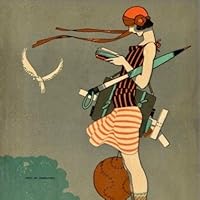
Read
May 28, 2014E' strutturato in tre libri: i primi due sono dedicati agli uomini, come individuare e far cadere l'amata ai tuoi piedi e come tenertela.
La terza parte rivolta alle donne, stesso tipo di argomenti.
Mi aspettavo qualcosa di decisamente più poetico, la parte per gli uomini pare scritta da un uomo con la clava; la parte delle donne farebbe impallidire cosmopolitan.
Ok, ho esagerato, però...
Per spiegare i concetti introduce nella "narrazione" parecchi miti, descrivendoli molto piacevolmente, per esempio la storia di Icaro e Dedalo o il tradimento di Marte e Venere o ancora la storia a me sconosciuta di Procri e Cefalo o i numerosi riferimenti alla guerra di Troia.
Insomma la parte strettamente legata all'arte di amare non mi è piaciuta, le divagazioni sì.
Questa frase sconcertante e scandalosa per i suoi tempi rivolta alle donne gli costò l'esilio:
Godetevi la vita. Passano gli anni, rapidi come un fuggente fiume
La terza parte rivolta alle donne, stesso tipo di argomenti.
Mi aspettavo qualcosa di decisamente più poetico, la parte per gli uomini pare scritta da un uomo con la clava; la parte delle donne farebbe impallidire cosmopolitan.
Ok, ho esagerato, però...
Per spiegare i concetti introduce nella "narrazione" parecchi miti, descrivendoli molto piacevolmente, per esempio la storia di Icaro e Dedalo o il tradimento di Marte e Venere o ancora la storia a me sconosciuta di Procri e Cefalo o i numerosi riferimenti alla guerra di Troia.
Insomma la parte strettamente legata all'arte di amare non mi è piaciuta, le divagazioni sì.
Questa frase sconcertante e scandalosa per i suoi tempi rivolta alle donne gli costò l'esilio:
Godetevi la vita. Passano gli anni, rapidi come un fuggente fiume

June 18, 2017
Aplausos y público de pie. Puro estilo. El más canchero de los poetas romanos que leí hasta ahora.

February 14, 2011
I read this for class recently, and I have to say I'm somewhat impressed and somewhat confused. What I can't work out is the relationship between (what I found to be) the overtly satirical tone and the carefully crafted series of analogies imparting what seems like literal advice. Either Ovid was poking fun at what he considered an absurd game men and women play to socially justify their sex lives, or he was concerned about something darker and intended to approach it with a bit of levity.
I can appreciate how easy it might be to consider much of this as disgustingly misogynistic, but reading it mindful of the precedents of Greek literature, and the powerful hindsight afforded by medieval works of similar substance, I think The Art of Love represents a clear step forward on a social continuum. Women in Ovid's mind are no longer merely spoils of war taken from hated enemies (though I suspect they certainly haven't ceased to be this either), but they become formidable enemies themselves in the warfare of love and courtship. I grant it's not the most salient aspect of the work, but I believe this is a case where some historical examination makes room for a more charitable reading than first glance would suggest.
Ultimately I'm unable to find any clear difference among the various guides to courtship I've encountered, whether Ovid or Cappellanus or Cosmopolitan magazine. They're all partial and affected and sexist in their own ways. One might cynically conclude that Ovid, like so many others, is merely describing a game whose rules are blithely arbitrary, and that in our own times and own ways we all just play along.
I can appreciate how easy it might be to consider much of this as disgustingly misogynistic, but reading it mindful of the precedents of Greek literature, and the powerful hindsight afforded by medieval works of similar substance, I think The Art of Love represents a clear step forward on a social continuum. Women in Ovid's mind are no longer merely spoils of war taken from hated enemies (though I suspect they certainly haven't ceased to be this either), but they become formidable enemies themselves in the warfare of love and courtship. I grant it's not the most salient aspect of the work, but I believe this is a case where some historical examination makes room for a more charitable reading than first glance would suggest.
Ultimately I'm unable to find any clear difference among the various guides to courtship I've encountered, whether Ovid or Cappellanus or Cosmopolitan magazine. They're all partial and affected and sexist in their own ways. One might cynically conclude that Ovid, like so many others, is merely describing a game whose rules are blithely arbitrary, and that in our own times and own ways we all just play along.
This entire review has been hidden because of spoilers.

January 14, 2021
Lo confesso subito: leggendo questo libro mi sono annoiata.
Ebbene sì, sono prontissima a riconoscere i meriti artistici e l'importanza storico-culturale di Ovidio, ma resta il fatto che la sensazione più evidente che mi ha lasciato questo poemetto è stata la noia.
In parte è dovuto ad una mia personale difficoltà di fronte alle opere in versi, che non riescono mai a coinvolgermi fino in fondo; in parte però è anche una questione di contenuti: premetto che non ha senso parlare di sessismo per un testo così lontano nel tempo perché sarebbe forzato e fuori luogo, ma anche prescindendo da un giudizio morale è innegabile che i consigli e le strategie che offre Ovidio nei suoi tre libri siano di poca o nulla utilità per un lettore moderno; è vero che è molto ironico, ma è un tipo di ironia che non mi fa ridere e che anzi mi spinge a fare paragoni poco edificanti con la società attuale. Ho apprezzato invece i continui richiami alla mitologia, gli unici momenti in cui ero vagamente interessata a quello che leggevo.
Peccato perchè dal punto di vista stilistico ho ammirato la brillantezza e la fluidità dei suoi versi, che rendono l'opera molto più scorrevole di quanto mi aspettassi.
Probabilmente dovrei tentare un altro approccio con questo autore, magari con un tema più vicino alla mia sensibilità; in ogni caso il tempo speso a leggere dei classici di questo livello non è mai sprecato, a prescindere dal gradimento soggettivo.
Ebbene sì, sono prontissima a riconoscere i meriti artistici e l'importanza storico-culturale di Ovidio, ma resta il fatto che la sensazione più evidente che mi ha lasciato questo poemetto è stata la noia.
In parte è dovuto ad una mia personale difficoltà di fronte alle opere in versi, che non riescono mai a coinvolgermi fino in fondo; in parte però è anche una questione di contenuti: premetto che non ha senso parlare di sessismo per un testo così lontano nel tempo perché sarebbe forzato e fuori luogo, ma anche prescindendo da un giudizio morale è innegabile che i consigli e le strategie che offre Ovidio nei suoi tre libri siano di poca o nulla utilità per un lettore moderno; è vero che è molto ironico, ma è un tipo di ironia che non mi fa ridere e che anzi mi spinge a fare paragoni poco edificanti con la società attuale. Ho apprezzato invece i continui richiami alla mitologia, gli unici momenti in cui ero vagamente interessata a quello che leggevo.
Peccato perchè dal punto di vista stilistico ho ammirato la brillantezza e la fluidità dei suoi versi, che rendono l'opera molto più scorrevole di quanto mi aspettassi.
Probabilmente dovrei tentare un altro approccio con questo autore, magari con un tema più vicino alla mia sensibilità; in ogni caso il tempo speso a leggere dei classici di questo livello non è mai sprecato, a prescindere dal gradimento soggettivo.

February 15, 2013
5 stars to "The Art of Love," "The Cure for Love," and "Treatments for a Feminine Face." This was fantastic, my only regret was that I didn't read it in the summer. If you've read Shakespeare's "Venus and Adonis," the feeling is the same. It's hard to explain.
Anyway, this was quite possibly the funniest, AND most useful book of love advice I've ever read. Nearly everything he wrote (with some obvious, "hair-pulling" and "garment ripping" exceptions) can be applied to the 21st century Casanova. This translation was great as well, it made for an easy read, but didn't take away from the actual poem.
Anyway, this was quite possibly the funniest, AND most useful book of love advice I've ever read. Nearly everything he wrote (with some obvious, "hair-pulling" and "garment ripping" exceptions) can be applied to the 21st century Casanova. This translation was great as well, it made for an easy read, but didn't take away from the actual poem.

February 2, 2010
This slender volume is perhaps the wittiest, most sophisticated, outrageously amusing instructional handbook of all time. It is a parody of a didactic treatise, a three book exposition on how to play the game of love and come out a winner. Ovid is a literary provocateur, a skillful subversive whose ironic gamesmanship never lets up. Similes comparing women at Roman theaters to swarming ants or bees turn Vergil's Aeneid (along with the Roman values it celebrates) upside down, and the tale of Romulus' abduction of the Sabine women is an Ovidian set piece that invites readers to consider Livy's famous tale on the same subject in a very different light.
This particular edition is bilingual, which means the Latin is on the left side and the English translation is on the right.
A "must read" and certainly on the top of my list of favorite works of Latin poetry. This was allegedly the work that prompted Augustus to banish Ovid: read it and find out why.
See my review of Love and Transformation: An Ovid Reader
This particular edition is bilingual, which means the Latin is on the left side and the English translation is on the right.
A "must read" and certainly on the top of my list of favorite works of Latin poetry. This was allegedly the work that prompted Augustus to banish Ovid: read it and find out why.
See my review of Love and Transformation: An Ovid Reader
October 6, 2015
عزيزاتي بنات حواء ، أثق تماماً أن أحداكن لم يخطر لها على بال أن لألاعيب الرجال دستور مكتوب بين دفتي كتاب يعود تاريخه لما قبل الميلاد ، فيه كل الحيل التي يمكن أن يمارسها الرجال بداعي الخداع والتلاعب بمشاعركن , لهدف الوصول إلى قلوبكن .. يا خسارة لو كان الكتاب يتحدث فعلاً عن الهوى ، عن الحب .. لكان حدثاً في تاريخ الشعر ..
يا لتشابه النساء ، يا لتشابه الرجال !
تخيلن لو كانت تصرفات كهذه بدافع الحب الحقيقي ، لا مجرد الإيقاع بإحداهن .. يقول أوفيد :
"إذا كنت المتفوق في الشطرنج,
فلا تتوان عن ترك عساكرك تستسلم لعساكرها فوف الرقعة,
بادر واحمل مظلتها عنها، وشق لها طريقاً وسط الزحام,
ولا تتردد في وضع تكأة قدميها أسفل طرف محفتها كي تعينها على الهبوط،
وسارع بخلع الخف عن قدميها الرقيقتين وكن المبادر بدسهما فيه .
وإن شكت برداً فأدفئ كفها في صدرك ، ولو ارتجفت برداً .
ولا تحسبها ذلة أن تحمل المرآة لها بدك ، يا من ولدت حرا لا قناً"
حقاً من يعتقد أن الكتب التي تبدأ ب"كيف" هو اختراع أميركي ، لم يطلع على هذا الكتاب الطريف .. ومن فقد الثقة بالكتب المترجمة ، لم يتذوق شعر أوفيد بترجمة المبدع ثروت عكاشة ، ومن يبحث عن كتاب يتحدث عن الهوى و حبائله بذكاء وحنكة وخفة دم .. فهذا الكتاب له .

May 11, 2013
ما هذا الجمال !
،
لم أتوقعه بهذه الروعة! في الواقع لم أتوقع أي شيء.
فأنا بيني وبين الشعر المترجم عداوة تجعلني أحجم عنه منذ تجربتي لـ" شاعر في نيويورك" لـ لوركا
،
ولما قرأت عدة صفحات من النبي لجبران بترجمة د.ثروت عكاشة فلم استسيغها،
لكن مع هذه الترجمة ومع أوفيد
وجدتها أكثر من رائعة.
،
لم استمتع بقراءة شعر من قبل بمثل هذه الصورة،
يقولون أشعار لورد بايرون ساخرة، - جربت بضعة صفحات منها ولم استسيغها-
لكن مع أوفيد ..رغمًا عني ابتسم لسخريته وتهكمه خلال الكتب الثلاثة.
،
بكل الأوجه الكتاب ستستمتع به، فإن وجدت نصائحه قد بلت في هذا العصر، فلا شك وأنك ستجد طريقة سرده للأساطير والحكايات ممتعة مثل أسطورة إيكاروس، وحكاية هيلينا ومينيلاوس وطرودة أو إيخيل
،
لم أتوقعه بهذه الروعة! في الواقع لم أتوقع أي شيء.
فأنا بيني وبين الشعر المترجم عداوة تجعلني أحجم عنه منذ تجربتي لـ" شاعر في نيويورك" لـ لوركا
،
ولما قرأت عدة صفحات من النبي لجبران بترجمة د.ثروت عكاشة فلم استسيغها،
لكن مع هذه الترجمة ومع أوفيد
وجدتها أكثر من رائعة.
،
لم استمتع بقراءة شعر من قبل بمثل هذه الصورة،
يقولون أشعار لورد بايرون ساخرة، - جربت بضعة صفحات منها ولم استسيغها-
لكن مع أوفيد ..رغمًا عني ابتسم لسخريته وتهكمه خلال الكتب الثلاثة.
،
بكل الأوجه الكتاب ستستمتع به، فإن وجدت نصائحه قد بلت في هذا العصر، فلا شك وأنك ستجد طريقة سرده للأساطير والحكايات ممتعة مثل أسطورة إيكاروس، وحكاية هيلينا ومينيلاوس وطرودة أو إيخيل

January 19, 2015
There is no need for anyone to write about the art of seduction, or to travel the world as a 'pick up artist' - Ovid revealed all about two thousand years ago, at times with explicit detail. Some sound advice using Roman mythology to illustrate his points, and while some advice seems well and truly inappropriate, in other parts he seems very progressive, and he advocates a good sex life for both men and women.
Displaying 1 - 30 of 740 reviews