“If law be the bedrock of civil society, it can no more undergird torture than it could support slavery or genocide.” –from the Introduction
The graphic photographs of U.S. military personnel grinning over abused Arab and Muslim prisoners shocked the world community. That the United States was systematically torturing inmates at prisons run by its military and civilian leaders divided the nation and brought deep shame to many. When Steven H. Miles, an expert in medical ethics and an advocate for human rights, learned of the neglect, mistreatment, and torture of prisoners at Abu Ghraib, Guantánamo Bay, and elsewhere, one of his first thoughts “Where were the prison doctors while the abuses were taking place?”
In Oath Betrayed , Miles explains the answer to this question. Not only were doctors, nurses, and medics silent while prisoners were abused; physicians and psychologists provided information that helped determine how much and what kind of mistreatment could be delivered to detainees during interrogation. Additionally, these harsh examinations were monitored by health professionals operating under the purview of the U.S. military. Miles has based this book on meticulous research and a wealth of resources, including unprecedented eyewitness accounts from actual victims of prison abuse, and more than thirty-five thousand pages of documentation acquired through provisions of the Freedom of Information army criminal investigations, FBI notes on debriefings of prisoners, autopsy reports, and prisoners’ medical records. These documents tell a story markedly different from the official version of the truth, revealing involvement at every level of government, from Secretary of Defense Donald Rumsfeld to the Pentagon’s senior health officials to prison health-care personnel.
Oath Betrayed is not a denunciation of American military policy or of war in general, but of a profound betrayal of traditions that have shaped the medical corps of the United States armed forces and of America’s abdication of its leadership role in international human rights. This book is a vital document that will both open minds and reinvigorate Americans’ understanding of why human rights matter, so that we can reaffirm and fortify the rules for international civil society.
“This, quite simply, is the most devastating and detailed investigation into a question that has remained a no-no in the current debate on American torture in George Bush’s war on the role of military physicians, nurses, and other medical personnel. Dr. Miles writes in a white rage, with great justification–but he lets the facts tell the story.” –Seymour M. Hersh, author of Chain of Command
“Steven Miles has written exactly the book we require on medical complicity in torture. His admirable combination of scholarship and moral passion does great service to the medical profession and to our country.” –Robert Jay Lifton, M.D., author of T he Nazi Medical Killing and the Psychology of Genocide , and co-editor of Crimes of Iraq
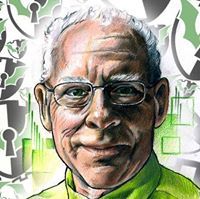
I am a retired geriatrician and Professor emeritus of medicine and bioethics at the University of Minnesota. My diverse career has included working in refugee camps, public hospitals, and nursing homes. I spent more than a decade studying and testifying against doctors who torture for their governments. I wrote two non-fiction books and one novel based on those experiences. Since retiring, I have become a Master Gardener. My latest book is on gardening, The Tao Te Ching, and the Anthropocene.
هذا الكتاب قراءته نهاية العام الماضي,خيانة القسم :التعذيب ,التواطؤ الطبي..يقصد هنا خيانة الأطباء الامريكين لقسم أبقراط الذي أقسم قبل 500 ق .م
سوف أستعمل الحميات لمصحلة المرضى وبما يتوافق مع قدرتي ومحاكمتي وسوف أحميهم من الأذى والظلم
أبقراط
يوضح الكتاب هنا كيف يستعمل التعذيب باشراف الاطباء للتعذيب الجسدي لأقصى حد وكذلك الاطباء النفسيين الذي ساهموا بشكل مبااشر في تفنين هذا التعذيب على معتقلين عراقين في ابوغريب ..والسجون السريه الامريكية حول العالم وما أكثرها الكتاب مقسم بتريب أعجبني الى التعذيب الطب والتعذيب الاستجواب القتل الاهمال الصمت )من أكثر الفصول التي ألمتني حقا)...لماذا يوجد ناس معذوبين هكذا لماذا الظلم يالله؟
الفصل الاخير كان عن الخروقات ,لماذا نعارض التعذيب أعتبر هذا الكتاب توثيقي با أمتياز يوجد جدوال لا أسماء ضحايا القتل والتعذيب والشبهات حول قتلهم وتاريخ الحدث
وكذلك الاساليب الطبية التي أستخدمت بالتعذيب والنتجية المرتقبة مثل الحرق الكيميائي,أجبار السجين مشاهدة أساءه لشخص يحبه وحدث هذا كثيرا في ابو غريب القيام باجراءات طبية مؤلمة مثل أعطاء الادوية والحقن
شكرا لمؤلف الكتاب والجهد العظيم الذي بذله الترجمة كانت سيئه للاسف يعتبر كتاب توثقي اخر للجرائم الامريكيه هنا الطبية الاخلال بشرف مهنته الطب
في عقيدة أميركا، كل شيء جائز، مادام يُستخدم ضد المسلمين، فلا قَسَم، ولا معاهدات، ولا مواثيق دولية يمكن أن تقف حائلًا في حربها الصليبية ضد الإسلام! أين كان الطاقم الطبي والتمريض حين عُذِّب معتقلي سجن أبو غريب بتلك الوحشية؟ في الكتاب اجابة فاضحة على هذا السؤال، مع شيء من الحياد، والكثير من التفاصيل المؤلمة!
I stumbled across a very disturbing movie, "In the Name of the Father", concerning the Guildford Four (more about them in a later post.) The issue of torture came up which led me to this book. Remember Abu Ghraib?
Steven H. Miles’s Oath Betrayed is a deeply disturbing and meticulously researched investigation into one of the most controversial aspects of the War on Terror: the treatment of prisoners and the role that medical professionals played in that system. Written by a physician and expert in medical ethics, the book goes beyond documenting abuse—it confronts the moral collapse that occurs when institutions designed to heal instead become entangled in harm.
At its core, the book is driven by a simple but powerful question: where were the doctors and nurses when prisoners were being abused? This question serves as both a moral challenge and a framework for Miles’s argument. He demonstrates that medical personnel were not absent observers; rather, they were often present, aware, and sometimes actively involved. In certain cases, they monitored interrogations, provided guidance on how much stress or pain a detainee could endure, and failed to report clear signs of abuse. This complicity is especially troubling because it represents a direct violation of the ethical foundations of medicine, including the principle of “do no harm.”
Miles’s approach is heavily evidence-based, which is one of the book’s greatest strengths. He draws on a vast body of primary sources, including declassified government documents, military investigations, FBI reports, autopsy findings, and medical records. These sources reveal a pattern of abuse that was far more widespread and systematic than initially acknowledged by officials. The narrative that emerges challenges the idea that the abuses at places like Abu Ghraib were isolated incidents caused by a few “bad apples.” Instead, Miles argues that they were part of a broader institutional failure involving multiple levels of command and responsibility.
The book is organized in a way that gradually builds this argument. Early chapters define torture and examine its historical and legal context, emphasizing that torture is not just a collection of techniques but a social institution supported by policies, training, and cultural acceptance. Later sections move into detailed case studies of interrogation practices, prisoner deaths, medical neglect, and the silence of those who witnessed these events. These case studies are often difficult to read, as they describe physical and psychological abuse in stark detail, but they are essential in illustrating the human cost of the policies being examined.
One of the most compelling aspects of Oath Betrayed is its focus on the intersection between medicine and power. Miles shows how medical knowledge was used not to heal but to facilitate suffering. For example, health professionals sometimes advised interrogators on how to avoid causing permanent injury while still inflicting significant pain or distress. In other cases, they monitored detainees to ensure they remained alive and conscious during harsh interrogations. This use of medical expertise represents a profound ethical distortion, turning healers into instruments of coercion.
Miles also explores the concept of silence—both individual and institutional. Many medical personnel and other professionals who were aware of abuse failed to report it, either out of fear, pressure, or a sense of loyalty to their chain of command. This silence allowed abusive practices to continue and even expand. The book suggests that this failure to speak out is as significant as direct participation, highlighting the importance of moral courage in professional settings.
Another important theme is the broader societal context that made these actions possible. Miles argues that torture does not occur in a vacuum; it is enabled by political decisions, legal justifications, and public attitudes. He critiques the ways in which language was used to obscure reality—terms like “enhanced interrogation” and “detainee” softened the perception of what was actually happening. By reframing torture in bureaucratic or technical terms, officials were able to distance themselves from its moral implications.
The book also addresses common justifications for torture, particularly the “ticking time bomb” scenario—the idea that extreme measures may be necessary to prevent imminent harm. Miles challenges this argument by pointing out that such scenarios are largely hypothetical and rarely reflect real-world conditions. He argues that torture is not only morally wrong but also ineffective, often producing unreliable information and damaging long-term intelligence efforts. In this way, the book combines ethical reasoning with practical analysis, showing that torture fails on multiple levels.
While Oath Betrayed is undeniably powerful, it is not an easy read. The level of detail and the volume of evidence can make the book feel dense and, at times, overwhelming. Miles writes in a clear but serious tone, and the subject matter itself is emotionally heavy. Readers may find themselves needing to pause and reflect on what they have read, particularly during sections that describe specific instances of abuse or neglect.
Additionally, the book is unapologetically critical in its perspective. Miles does not spend much time exploring arguments in favor of the policies he condemns, which may leave some readers wanting a more balanced discussion. However, this focus is also part of the book’s strength—it is not intended to be neutral but to expose wrongdoing and provoke moral reflection.
Ultimately, Oath Betrayed is a profoundly important work that raises difficult but necessary questions about ethics, responsibility, and the limits of power. It challenges readers to consider not only what happened during the War on Terror but also how such actions became possible in a society that claims to value human rights and the rule of law. The book serves as a reminder that professional ethics are not optional, even—or especially—in times of crisis.
Miles’s message extends beyond the specific events he describes. He calls on medical professionals, policymakers, and citizens alike to recognize their roles in upholding ethical standards. By documenting these failures in such detail, he hopes to prevent them from happening again.
In conclusion, Oath Betrayed is a sobering and thought-provoking examination of one of the darkest chapters in recent history. It is a challenging read, but also an essential one. Through its careful research and moral clarity, the book forces readers to confront uncomfortable truths and to reflect on the kind of society they want to be part of. Written in 2006, I suspect Dr. Miles hasn't seen much improvement.
He wrote The Torture Doctors in 2020, but that will have to go on my "to read" list. A companion book that I read several years ago is
جرت العادة أن يتحدث الجميع عن انتهاكات إدارات السجون في معاملة المسجونين، لكن هذا الكتاب طرح موضوعاً جديداً قديماً : انتهاكات أطباء السجون و مشاركتهم في عمليات التعذيب .
الكتاب مزوّد بحكايات واقعية لهذه الانتهاكات مرفقة بالأسماء و موثقة بالتواريخ ، كما أنه يتطرق إلى الضغوطات التي تمارسها الجهات الأمنية المختصة بحق الأطباء لإجبارهم على توقيع شهادات الوفاة التي تثبت خلوّ السجين المتوفى من أي علامات للتعذيب علماً بأن السجين يكون قد تعرض لأقسى موجات من التعذيب و التي أدّت بدورها إلى وفاته .
جدير بالذكر أن قائمة المصادر التي تحتلّ الجزء الأخير من الكتاب تعتبر كنزاً بحد ذاته ، وفرة تلك المصادر و تنوعها يقودانك إلى إدراك المجهود الواضح في البحث عن الحقائق و توخيها .
I read this last year but am compelled to review it here so that others can see what it's about and perhaps read it as well. This is a book by my friend and professional colleague, Steve Miles, a geriatrician and ethicist at the University of Minnesota. Words failed me when I completed reading Oath Betrayed. They come no more easily now as I write this review. My dread in putting into words what and how the material in his book has made me feel as a health care professional is compounded by yet another "sucker punch." The latest blow came with the recent release of the four secret memos in response to litigation by the ACLU that were used by the Bush administration to justify torture. But silence of any kind, whether born of fear, intimidation, coercion, apathy, or revulsion is simply unacceptable. Malfeasance and evil deeds thrive on silence and when our words disappear, they must be found and employed. Dr. Miles speaks of the silence and complicity of physicians and nurses. As a health care professional of 42 years, it pains me to have the knowledge of both brought to my attention and bubble up from those dark places where I like to keep things like horrors hidden. I am a health care professionals. By virtue of my commitment to the social good and special knowledge that I possess as a result of my education, I have a relationship with society that is unique. As part of my social contract I am expected to be trustworthy, competent and to do no harm. In return society affords me and all health professionals a special status. We are honored as caregivers and trusted to alleviate suffering and save lives. To be a health care professional is a privilege. Sadly, few others have described medical complicity in the torture and deaths, and their cover-ups in the Afghanistan and Iran during the Bush years. Although I have published an article on the topic, I have to say that my own colleagues pounded me when I attempted to bring it to professional attention. So I stopped because it is a distraction from my own research interest, but I do feel guilty about it. Thankfully we have Steve Miles, whose research interest it is and who continues to pursue it doggedly. Perhaps my contribution can be that of celebrating those who did and who do breach the silences. It is easy to be horrified and express outrage from the comforts of our homes. It is easy to engage in moral obviation. It is far more difficult to speak up when faced with the withdrawal of one's professional and personal esteem and approbation. That requires the courage, not only to overcome fear and aversion to do what is morally right, but to face the anger and hateful slurs of those who would attribute disloyalty or lack of patriotism for our actions when we speak. So yes, this book is about the most odious aspects of humanity and the cowardly silence of many. But it also stands as a celebration of those few in this book who had the courage to fight the silence and expose it. The book, even by virtue of having been researched and written by this brave man gives the rest of us hope.
This is a very graphic book on US torture and violations of prisoner's human rights with a focus on the involvement of medical staff mostly within military prisons in the Middle East. Although for sure not for the faint hearted because of the terrible details and deaths that are being described, everybody who is not sure if torture is always a bad thing, especially if they are in the medical profession, should definitely read it. The writing is graphic, factual but also very accessible which makes this book at least academically an easy read (it for sure is not an easy read on an emotional level).
An excellent book by Steven Miles (a physician) detailing the role the medical profession played (and did not play, though it should have) when it comes to the torture in Abu Ghraib and other prison camps. Dr Miles provides thorough documentation and evidence in making his point the certain medical professionals at various levels/specialties (psychiatrists, internists, physician assistants, medics) and psychologists knew about the abuse/torture that was taking place, and yet did nothing or very little to stop it. He also gives examples of the rare occasions on which the objections were raised and the difference it did make in leading to more humane treatment, or at least, from worse torture being applied. A must-read for those who believe that the torture carried out in US prison camps was (is?) due to "a few bad apples" only, and that most of the military commanders had no knowledge of it, nor the opportunity to intervene.
Assigned myself this book to read for an ethical analysis project for my Ethics for Healthcare Leaders class. The author is well versed in medical ethics but I wish he would have interviewed medical personnell himself but understandably, most probably would not have spoken with him. I reiterate the comment I made while reading it: disturbing, very disturbing. It will affect your sleep at night. If you have any conflicts on the use of torture during wartime you won't after you read this book and those in the medical profession will really be aghast at the apathy of some of medical personnel on hand. Excellent research and ethical propositions (5 stars); the execution of the data could have been better so as to not lose the reader(2 stars). If I didn't have to finish it, I might not have--frustrating and scattered at times.
I met Steven Miles in a restaurant before this book was published. Miles is a soft-spoken physician from Minneapolis, MN, where he is a Professor of Medicine at the University of Minnesota Medical School and a faculty member of the Center for Bioethics. He looks and sounds quintessentially professorial, with a pleasant smile and an easy manner.
Yet our conversation was almost conspiratorial in tone, even though the 35,000 documents Miles consulted for this book were in the pubic domain, thanks to the ACLU and FOIA. Nothing we discussed was really a secret. But Miles had had to discover the meaning of links between documents for himself, connecting the dots from document to document (the documents were in separate files, the connections between them not easily searchable by software.) He had to correlate the movements of military physicians with diverse places and events.
As he discussed his research, outrage and indignation burned through Miles's restrained demeanor. He described how doctors had aided and abetted torture in Iraq, Guantanamo, and other places, some still hidden from view. "When the Abu Gharib pictures were published," he told me, "it was clear this had been going on for a while. Doctors must have seen the abuse or signs of the abuse. Why was this surfacing as a leaked CD rather than a report by the medical profession? I found somewhat to my amazement that it was not just a matter of not reporting but it was actually a matter of being involved in setting the harshness of the interrogation plans and delaying reports of homicide which would have been an important signal to the public of what was wrong inside the prison."
That our conversation about documents in the public domain in a public place should feel conspiratorial is a tip-off to what it does to us to enter the world of this book. We were not being paranoid--we were experiencing the impact of confronting what is being done in the name of the war on terror and in our name as Americans in a secret world.
Researchers like Miles often show the effects of "secondary trauma," a therapist told me, alerting me to my own symptoms. Immersing oneself in this world results in predictable consequences. We become obsessed with the truth, an elusive quarry under any conditions, and our moral framework skews towards the binary. In the face of traumatic events, whether experienced first or second hand, evil seems easy to distinguish from good.
Whether it is a conversation in a restaurant or the experience of reading this book--that's what can happen.
"I am often asked if my life is in danger, because of this research," Miles told me. "That's an epiphenomenon of being a torturing society. A torturing society is a society that is abraded by the process of dehumanization. In that process, we essentially create our own mirrored netherworlds."
The distortion of our thinking, our behavior, our moral compass, as our society justifies, rationalizes, and minimizes the impact of engaging in state torture is inevitable.
That is the deeper subtext of Miles's book, which documents and illuminates how some doctors have kept prisoners alive as they are tortured and interrogated and have falsified death certificates to substitute natural causes for torture as the cause of death. Oath Betrayed shows how the oath sworn by doctors to do no harm is turned on its head in the name of fighting terror.
This book is a plea for justice, an attempt to reinforce the reasons why America rejected torture in the past as ineffective and inhumane for both practical and moral reasons. Miles believes that a society which allows discourse about such events will be affected for the better as consciences are quickened and resolve strengthened. The existence of this book is an act of hope and affirmation.
Miles also knows that discussing these issues does not expose him to the risks faced by colleagues in other countries, who have been tortured themselves or killed for speaking out. He knows that we still have relative freedom of speech. "The implication that I, a citizen of the United States, should acquiesce to fear strikes me as deeply disrespectful to my colleagues in Turkey, Egypt, Chile, South Africa, Cuba, and the former Soviet Union who assumed much greater risks to fight torture." (p. 160) Still, for freedom of speech to be more than a bleeder valve, it must lead to action. In a society saturated with fictional and non-fictional accounts of violence and torture, we have been desensitized to the reality that Miles urges us to confront. It is not easy to read this book. Miles asks that we swim in the deeper waters of the moral, ethical and psychological consequences of our policies and practices, that we understand what it does to us to become a torturing society. Unlike a director of screen violence, he does not do so to produce a vicarious shiver, but so that we will re-examine the thinking that led us to such practices in the first place.
"Law professor Oona Hathaway found that a nation's endorsement of international laws against torture does not reduce the chance that it will resort to torture. However, she also found that when domestic institutions in such nations `use litigation, media exposure, and political pressure' to expose violations of those commitments, those same nations move in the direction of compliance."
"Oath Betrayed" implores us to use those levers not only because torture is short-sighted and ineffective but also because of what it does to us when we rationalize our behaviors afterward, become habituated and insensitive to what we are doing, and create the conditions to do it again with even less justification in the future.
يتعاون الأطباء و علماء النفس مع المعذبين بست طرق. يعضهم يفحص السجناء ليوثق بأنهم قادرون على تحمل الاستجواب المؤلم . و البعض يراقب و يعالج السجناء خلال الاستجواب لضمان مواصلة المعاملة المسيئة للصحة. و بعضهم يخفي أدلة سوء المعاملة ، اما باقتراح تقنيات لا تسبب الندب أو بالتأكيد على أن الملفات الطبية أو شعادات الوفاة لا تحتوي على أية اصابات . بهضهم يجري أبحاثا مسيئة. و العديد منهم يلتزم الصمت خلال اساءة معاملة مرضاهم في السجون .
هذا التحقيق يبحث فيما اذا وكيف تتوافق أفعال الطاقم الطبي الأمريكي الذي عمل في السجون العسكربة الأجنبية في الحرب على الارهاب ، مع هذا السياق التاريخي .
- in the last chapter, he creates two classes of 'bad physicians': those who are 'architects of torture' (nazis and soviet physicians) and those who are 'simply' complicit and silent (physicians in pincohet's chile, american physicians). nope. - his very simplistic understanding of international law (he repeats his 'i'm not a lawyer' disclaimer' disclaimer throughout the book, but you're writing a book - do some research....)
يعرض الكتاب نظرة شاملة عن التعذيب في السجون الأمريكية في فترة الحرب على الإرهاب. يبدأ الكتاب بلمحة عن تاريخ التعذيب منذ إن كان قانونيا في القرن الثامن عشر وحتى تم تجريمه واعتباره سلوكا همجيا في القرن العشرين إلى أن تم الاتفاق على مواثيق عالمية اعلنتها المنظمات المدنية ومنظمات حقوق الانسان والمنظمات الطبية وذلك بعد الحرب العالمية الثانية لتضمن للإنسان كرامته وترفض التعذيب وإذلال البشر حتى في أوقات استثنائية كالحروب. يقوم الكاتب بتفنيد العوامل التي تجعل من التعذيب فعلا همجيا مرفوضا سواء من الجانب الأخلاقي أو التأثير الإجتماعي على الأمم التي تجيز التعذيب أو حتى من الجانب المنفعي البحت. ينتقل الكتاب للموضوع الأساسي وهو أين كان الطاقم الطبي أثناء قيام المحققين والجنود بتعذيب السجناء في السجون الأمريكية (أبو غريب - أفغانستان - جوانتانامو) واشتراك الأطباء في التعذيب مشاركة فعالة بالكشف عن السجلات الطبية للمساجين بغرض استخدام المحققين المعلومات الطبية الواردة في التعذيب أو معالجة المساجين بعد التعذيب حتى يتم التأكد من استمرار التحقيق والاساءة أكبر فترة ممكنة وتزوير شهادات الوفاة للمساجين الذين تم تعذيبهم وأخيرا بالصمت والإهمال. تم ذكر العديد من قصص التعذيب التي جمعها الكاتب من سجلات التحقيق أو ما كشفته الصحافة مرفق بأسماء الأشخاص والأماكن والتواريخ.
This brought a lot of really painful memories freight-training back from the early 2000s, stuff I thought I had buried away. I won't get into any of that, but it explains why this book took as long as it did to finish. Pick it up, put it down, pick it up, put it down - I thought I was back in basic training. Certainly, I thought this trip down memory lane can't be anything compared to the COVID nightmare we're getting through right now. But this is multiplication, not division.
Well written, well researched, and well worth your time to pick up. It deserves its place on the bookshelf of any history of our painful and plodding efforts in Afghanistan and Iraq.
Written by University of MN medical school professor. Very disturbing report of torture by US military during the Gulf War after 9/11. Complicit physicians acted against their hippocratic oath by witnessing, but not stopping or reporting, these human rights abuses.
مؤلم وموجع سيترك ندبا في روحك عندما تقرأه جعلني افكر بأمور لم تخطر على بالي سابقا، فقمت بالبحث عن مقالات عديدة للناجين من سجن أبو غريب قصص هزت كياني وابكت انسانيتي
كلمة شكر للمؤلف على هذا المجهود وكل الاحترام على الشجاعة التي تحلى بها لينشر هذا العمل
إذا كان القانون هو أساس المجتمع المدني، فإنه لم يعد قادراً على دعم التعذيب أكثر من دعمه للعبودية أو الإبادة الجماعية. هذا الكتاب لا يتحدث عن طرق التعذيب وممارساته واشكاله مع انه أورد أمثلة على هذه الطرق، هو دراسة بحثية لكاتب عن مدى تورّط الاطقم الطبية المتواجدة في السجون والمعتقلات لعمليات التعذيب وقد خصّ هذه الدراسة بالسجون والمعتقلات في امريكا والعراق وأفغانستان (جوانتانامو، أبو غريب، باغرام)، يقدم الكتاب نصوص القانون الدولي التي تعرِّف عمليات التعذيب في المعتقلات والنصوص التي تمنع الدول من ممارسة هذه العمليات. إن إيقاع الفعل المسبب للالم الجسدي والشعور بالمهانة والذل لأي معتقل أو سجين يقع ضمن هذه التصنيفات. لم تقم الطواقم الطبية بممارسة افعال التعذيب فعلياً ما قامت به هو المساعدة على قياس التحمل البدني والنفسي للمعتقلين لقوة وشدة التعذيب وإعطاء تقارير للمستجوِبين تُساعد على تنفيذ هذه العمليات بحدود أدنى من الموت، قاموا كذلك بمعالجة المعتقلين المعَذّبين وإخفاء آثار التعذيب من الرضوض والكدمات والندبات وتهيئة هؤلاء المعتقلين لدورة ثانية من التعذيب، وكذلك يم يقوموا بتسجيل آثار التعذيب في سجلات المعتقلين الطبية بل زادوا على ذلك أنهم زوّروا هذه السجلات، في حالات الوفاة تحت التعذيب لم يقم الاطباء الشرعيين بتسجيل أسباب الوفاة الفعلية وكانت تقاريرهم في غالبها تُشير الى أن سبب الوفاة كانت طبيعية إما ناتجة عن نوبات قلبية او حالات إجهاد حراري او إختناق. وضعت الطواقم الطبية تقاريرهم التي تحتوي على التاريخ الطبي للمعتقل تحت تصرف المستجوبين، الذين استغلوا هذه المعلومات في عمليات التعذيب. الصمت عن عمليات التعذيب وتجاهل هذه الوقائع وعدم محاولة وقفها أو التبليغ عنها كان من أبرز السمات التي ساعدت على إنتشار التعذيب في سجون افغانستان والعرق وجوانتانامو، وهذه كان للطواقم الطبية نصيب الأسد فيها، حيث ان جميع الذين تعرضوا للتعذيب قد خضعوا لإشراف طبي لإزالة هذه الآثار. عمليات التعذيب للمعتقلين لم تؤدي إلى إعطاء معلومات صحيحة تُساعد المحققين، بل على العكس اضاعت جهودهم ولم يستفيدوا منها عند إجراء المحاكمات، والضرر الأكبر كان في نفور وزيادة كراهية الشعوب التي تعرضت للاستعمار الامريكي وتعرض ابناؤها للتعذيب للقوات الأمريكية ولأمريكا كدولة، ففقدت بهذا مساندة تلك الشعوب ومساندة حكومات صديقة اصدرت أحكاما بالسجن على بعض المسؤولين الامريكيين كبلجيكا وهولندا والمانيا. وثيقة رائعة أنصح بقراءتها.
يحقق هذا الكتاب في الأفعال الوحشية التي تمارسها السجون الأمريكية على سجنائها المظلومين بذكر الأسماء والشهادات والصور التوثيقية وعن مدى تعاون الأطباء في هذه السجون من اختيار الطرق الأنسب للتعذيب وتزوير شهادات الوفاة والسكوت عن اختراق أنظمة حقوق الإنسان والمنظمات الطبية . أثناء القراءة حقا انتباتني نوبات غضب عارمة كنت أركل بقدمي في الهواء لعلي أنفس قليلا عن هذا الغضب .. إليكم أحد القصص التي ذكرت في الكتاب : ديلاور شاب في مقتبل العشرين من العمر ، يعمل مزارعاوسائقا لسيارة أجرة . التقطه الجنود الأمريكيون في ديسمبر من عام ٢٠٠٢ وعذبوه لمدة خمسة أيام . وضع الجنود كيس الرمل على رأسه فاشتكى ديلاور من أنه لا يستطيع التنفس . قيدوه وعلقوه من يديه لساعات ، حرموه من الماء ، ضربوه بشدة حتى أصبحت ساقاه بحاجة للبتر لو استطاع النجاة . ضربوه بالهرواة .. أخذ يصيح " الله ! الله " اشتد ضرب الحراس عليه ليتمتعوا بصرخاته المتعالية . بعد استجوابه الأخير .. أخبروا ديلاور بأنه سيتلقى الرعاية الطبية بعد الجلسة ، ولكن لم يحصل هذا .. أعادوه لزنزانته وقيدوه بالسلاسل إلى السقف .. لم تمض ساعات حتى اكتشف المحققون أن ديلاور بريء .. وأن اعتقاله كان بسبب تواجده بسيارة الأجرة في الوقت الخطأ والمكان الخطأ .. لكن اكتشاف المحققين كان متأخرا جدا فديلاور قد مات معلقا في زنزانته خلال هذه الأثناء . المصيبة أنهم حرروا ثلاث شهادات وفاة لديلاور ، وكلها تذكر أن الوفاة كانت لأسباب طبيعية !!! هه حسبنا الله ونعم الوكيل .
This book completely changed my mind about the treatment of prisoners during war. The author, a medical doctor, wants to know where the medical personnel are during these abuses. Obviously, they "looked away". I am patriotic and always thought it was a necessary evil of war. However, after reading the facts of torture in Abu Ghraib and Guantanamo Bay, I now believe torture (or "interrogation" as the government wants to call it), is unwarranted, inhumane and evil. Prisoners (or "PUCs" - "persons under control" - again, another military term) who are interrogated tend to give inaccurate or useless information, they will usually always say anything the tormenters want to hear (even though untrue) just to get the pain to stop. The majority of prisoners know absolutely nothing of any value. This book also opened my eyes to the part the US plays in theses "interrogations". Kind of a depressing book, but definitely one to read to understand and know what is going on today.
Interesting report on the role of American physicians and psychologists in the "interrogation" of prisoners (of war) in Iraq Afghanistan and Guantanamo. Abu Ghraib did not happen in a vacuum. Physicians and psychologists did not protect prisoners and sometimes even took part in abusive interrogations, in violation of international ethical standards. Lots of background information, many questions as yet unanswered. no accountability (so far???)
This is not a book that you "like", it's a serious book that raises issues around the complicity of US military and other US doctors in the mass mistreatment and torture of detainees from countries where the USA believes it has a right to undertake acts of war exempt from the Geneva Convention and without regard to doctors' Hippocratic oaths. This is a book about war crimes today and over the past decade.