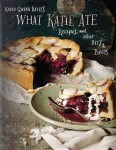
I would never have come across What Katie Ate had it not been for the now-defunct Cookbook Guru, a consortium of food bloggers who selected six cookbooks a year to read, cook from, and write blogs about. I joined Cookbook Guru in its last months, and indeed, What Katie Ate was the last book up for exploration. I am glad that I was introduced to this gem of a cookbook. Davies is a Dublin, Ireland, native who now resides in Australia. By profession a food stylist and photographer, Davies’ work has taken her all over the globe, including extended stays in the United States and Italy.
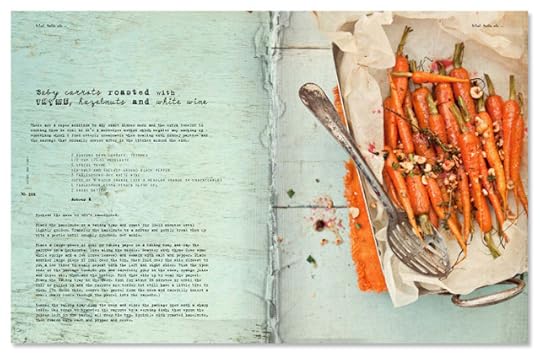
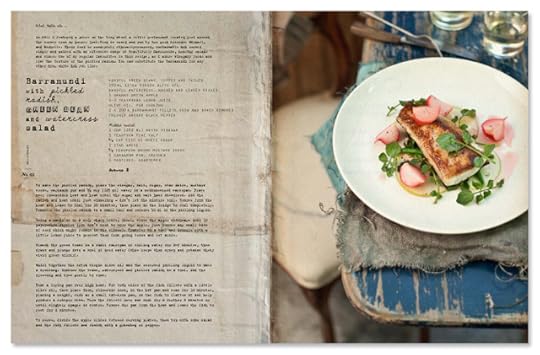
Predictably, Davies’ actual food blog is gorgeous, given her photography, and the photography is equally essential to the quality of What Katie Ate. Davies’ photos evoke moods; they show her artistry with lights and textures; they make you want to cook everything in the book. Add to that Davies’ creative takes on Irish comfort food, British culinary classics in general, and also Australian specialties and readers will likely be inspired to get into the kitchen and start cooking. Davies’ travels and her talent at coming at a culture through its food also adds to this book’s appeal. If you ever grow tired of meat pies and mash, there’s a range of Italian and Southwestern United States food to spice things up.
Given my own interest in cuisines of the UK and Australia, I started with the those recipes. One warning: Davies’ measurements and some of the proportions needed adjustment. Home cooks will need to know their way around the kitchen to pull off some of the recipes because they might need more than a ¼ cup of flour (for example) or a bit less than a pint of ale (in another example) to make them work. My favorite recipe was Davies’ miniature Beef and Bacon Aussie Meat Pies, and this was a case in point. The amount of filling was significantly more than what the actual mini pies could hold, and so I had left-over filling. That’s not a bad thing—I just froze it for a later use.
What makes the Aussie meat pie delectable is the blend of Worcestershire, steak sauce, and curry powder. Adding bacon (minus the fat) also added an intensity of flavor that I was unprepared for but really loved. By making the pies in miniature muffin tins, cooks will guarantee that at a party with bite-sized appetizers, these will be snapped up. Making them in normal-sized muffin tins is great for a home dinner, alongside a salad and Davies’ recipe for a Spicy Vine Tomato Relish (if it’s the season for tomatoes—otherwise, these meat pies taste great with HP brown sauce (a classic British accompaniment).
I found myself easily working recipes from What Katie Ate into my normal meal routine. Sunday is a lazy day food-wise around our house, and Katie’s Extra-Creamy Scrambled Eggs with Smoked Salmon and Spinach was a real hit. It came together quickly, and the sprinkling of fresh dill on top of the salmon as well as dill worked into the scrambled eggs, made this dish stand out. My husband and son like cereal, and for them, I made Bob’s Granola—a very nutty affair with pumpkin seeds, almonds, and hazelnuts all in there, along with a healthy amount of dried fruits, including dates or figs. What really made this granola special was that Davies recommended adding two tablespoons of cocoa powder (which I did), and also leaving half of the granola recipe unbaked. The finished result is more like muesli: some crunchy bits, some softer bits, not overly sweet, with that touch of bitterness from the cocoa. It was so beautiful when completed that I put some in large mason jars, tied ribbons around them, and gave them away as Christmas gifts. Again, the proportions were a bit off, however. I needed more than the four tablespoons of oil, honey, and maple syrup than the recipe called for, and I needed to be confident enough to gauge how much more of each was needed (one tablespoon each, for three more tablespoons of the liquid altogether).
Davies’ takes on Irish staples are creative enough to tempt, but not so much so that the flavors of the original are lost. For example, her Irish Brown Bread with Smoked Salmon also calls for a delicious Wasabi Cream to give the dish an unexpected bite. Similarly, Davies’ classic Shepherd’s Pie with Roasted Garlic and Cheesy Mash Topping calls for barbecue sauce—definitely a deviation from the standard, but at a mere three tablespoons, not enough to overwhelm or compromise this classic comfort food.
I also loved the Australian feel of this book. Aussies love seafood and of course the Asian influence of much Australian cuisine adds tremendous zest and brightness to many classics, including that curry powder in the meat pies. Predictably, cooks will find some excellent recipes for meringues, a type of dessert that many Australians love. Mum’s Chocolate Meringues are not overly sweet or chocolaty, but subtle in flavor and perfect if you don’t want something heavy after dinner. That particular recipe is indicative of how Davies will work in expert tips to help ensure that one’s finished production is perfect. In this case, she wisely tells readers to wipe the inside of the mixing bowl with the cut-side of a lemon to remove any traces of oil (a meringue hates oil and will refuse to whip properly if any is present).
Buy this book for its photography, narrative, and blend of classic recipes with novel ones that will become steadfast favorites in a home cook’s repertoire.