

What do you think?
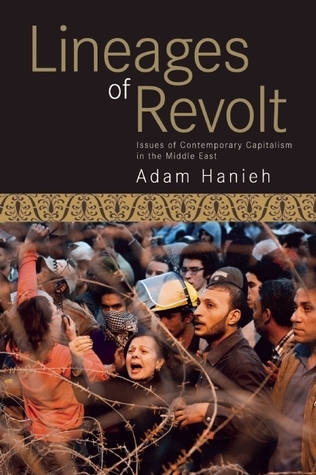
Lineages of Revolt: Issues of Contemporary Capitalism in the Middle East
While the outcomes of the tumultuous uprisings that continue to transfix the Arab world remain uncertain, the root causes of rebellion persist. Drawing upon extensive empirical research, Lineages of Revolt tracks the major shifts in the region’s political economy over recent decades. In this illuminating and original work, Adam Hanieh explores the contours of neoliberal policies, dynamics of class and state formation, imperialism and the nature of regional accumulation, the significance of Palestine and the Gulf Arab states, and the ramifications of the global economic crisis. By mapping the complex and contested nature of capitalism in the Middle East, the book demonstrates that a full understanding of the uprisings needs to go beyond a simple focus on “dictators and democracy.”
280 pages, Paperback
First published January 1, 2013
Ratings & Reviews
Friends & Following
Create a free account to discover what your friends think of this book!
Community Reviews
Displaying 1 - 22 of 22 reviews

August 28, 2021
هذا الكتاب يقدم تحليل لبداية وتطور الرأسمالية في الشرق الأوسط.
يبدأ الكتاب بتحليل تأثير الاحتلال علي الشرق الأوسط وصعود الحركات اليسارية وكيف استطاعت الولايات المتحدة الامريكية جذب الدول العربية وتمديد تواجده بالمشروعات والاستثمارات المختلفة.
يجاوب الكتاب، هل الدول العربية كانت قديماً اشتراكية قبل ظهور الرأسمالية أم لم يتحقق ذلك؟
ثم يحلل الكتاب فترة حرب بين العراق وإيران ثم العراق والكويت وكيف ذلك آثر علي المنطقة العربية بأكملها؟
ثم يحاول الكتاب أن يحلل دور البنك الدولي بسياسته الاقتصادية التي عمقت وجود الرأسمالية في المنطقة.
ويخصص الكتاب فصلاً كاملاً عن كيفية تنامي الرأسمالية الاسرائلية في فلسطين وكيف استطاع الاحتلال أن يقسم الاراضي الفلسطينية وما هي خطة الون؟ وخطة شارون؟ وتبعات تلك الخطط حتي يومنا هذا، وتأثير الانتفاضة الشعبية في عام ١٩٨٧ وتأثير بروتوكول باريس ١٩٩٤ والانتفاضة الثانية عام ٢٠٠٠ واثر سياسات البنك الدولي علي فلسطين؟ ثم يخصص الكاتب فصل لاقتصاد وسياسة الدول الخليج وأهميتها في المنطقة؟ ويختتم الكاتب بفصل لتحليل الثورات العربية.
الكاتب آدم هنية يقدم رؤية من نظرة ماركسية للمنطقة ويذكرني بمدرسة التعبية
Dependency
المضادة للرأسمالية والمضادة ل
Modernization
ولذلك يجب معرفة هذا الإطار النظري حتي تربط تحليلات الكاتب بذلك الإطار
يستحق القراءة حقاً
يبدأ الكتاب بتحليل تأثير الاحتلال علي الشرق الأوسط وصعود الحركات اليسارية وكيف استطاعت الولايات المتحدة الامريكية جذب الدول العربية وتمديد تواجده بالمشروعات والاستثمارات المختلفة.
يجاوب الكتاب، هل الدول العربية كانت قديماً اشتراكية قبل ظهور الرأسمالية أم لم يتحقق ذلك؟
ثم يحلل الكتاب فترة حرب بين العراق وإيران ثم العراق والكويت وكيف ذلك آثر علي المنطقة العربية بأكملها؟
ثم يحاول الكتاب أن يحلل دور البنك الدولي بسياسته الاقتصادية التي عمقت وجود الرأسمالية في المنطقة.
ويخصص الكتاب فصلاً كاملاً عن كيفية تنامي الرأسمالية الاسرائلية في فلسطين وكيف استطاع الاحتلال أن يقسم الاراضي الفلسطينية وما هي خطة الون؟ وخطة شارون؟ وتبعات تلك الخطط حتي يومنا هذا، وتأثير الانتفاضة الشعبية في عام ١٩٨٧ وتأثير بروتوكول باريس ١٩٩٤ والانتفاضة الثانية عام ٢٠٠٠ واثر سياسات البنك الدولي علي فلسطين؟ ثم يخصص الكاتب فصل لاقتصاد وسياسة الدول الخليج وأهميتها في المنطقة؟ ويختتم الكاتب بفصل لتحليل الثورات العربية.
الكاتب آدم هنية يقدم رؤية من نظرة ماركسية للمنطقة ويذكرني بمدرسة التعبية
Dependency
المضادة للرأسمالية والمضادة ل
Modernization
ولذلك يجب معرفة هذا الإطار النظري حتي تربط تحليلات الكاتب بذلك الإطار
يستحق القراءة حقاً

April 16, 2014
Excellent Marxist analysis of neoliberalism in the Middle East and its connections to the uprisings. His theorisation of Gulf capital and its links to global capital are important and he shows through extensive research the way Gulf capital has become prominent in countries such as Egypt but that this does not indicate a shift away from US-European influence. A bit weak on other social relations and structures, esp. gender, although he touches on it here and there. Ends on a very optimistic note, but the book was published some time ago.

November 26, 2023
وضح آدم هنية كيف بدأت بذور الغضب في جموع الشعب العربي التي قادت ثورات الربيع العربي في مصر وتونس وسوريا وليبيا، وذلك بعد فشل الحركات التحررية العربية في الستينات أمام الإمبريالية الغربية. تم الاستحواذ على الثروات الوطنية عبر برامج الانفتاح والهيكلة النيوليبرالية للاقتصاد بتوجيهات صندوق النقد الدولي، التي فرضت تقليص دور الدولة التنموي مقابل السماح للقطاع الخاص بالسيطرة على الاقتصاد (الطبقات الكومبرادورية). تحالف رأس المال الغربي مع دول الخليج لتوجيه سياسات فقر ممنهجة لشعوب المنطقة غير النفطية، بهدف توفير أرخص عمالة ممكنة ونهب أكبر قدر من الزمن الاجتماعي للطبقات العاملة. كما تم إفقار الطبقات البرجوازية (التي شاركت في العملية بشكل أو بآخر).
تفاقمت مشاكل الشعب العربي بسبب التسريح المستمر من القطاع العام والعمل في القطاع الخاص بأجور منخفضة وأمن اجتماعي منعدم، في ظل تضخم متواصل لا يتناسب مع الأجور. تكامل ذلك مع قمع سلطوي ممنهج مدعوم من الغرب ضد الحركات العمالية واليسار العربي المتشرذم.
بعد عشر سنوات من كتابة هذا الكتاب، أرى حال مصر بعد تخفيض الجنيه وزيادة سعر الدولار بمقدار 500%، مع بيع القطاع العام المصري الذي تم التخلص منه في التسعينات والثمانينات. أصبح الأمن الغذائي في مصر بيد الشركات الخليجية التي تتحكم في أسعار جميع أنواع المنتجات، وتم بيع مئات الأفدنة للإمارات لإنتاج القمح، بينما أصبحنا نستدين لشراء قمح تم إنتاجه على أرضنا! تحول الجيش المصري، الذي حارب ثلاثين عامًا من 1952 إلى 1973 لنيل استقلال وطني حقيقي، إلى حفنة من التجار والمقاولين والحرامية العلنيين.
أصبح حلم كل شاب عربي هو السفر والهجرة. لا أعتقد أن هناك أملًا في القريب، لأن جميع الحركات الوطنية تظن أن مشكلة مصر هي الديمقراطية، وليس عملية نهب الثروات الوطنية نتيجة التدخل المركزي من الدولة لتطبيق سياسات النيوليبرالية. لا أرى أي سردية أو خطاب سياسي معارض يتناول هذه المشكلة ويوفر حلًا. أغلب القائمين على المجال الحقوقي، مع احترامي لتوجهاتهم السياسية، مشغولون بحرية الصحافة والجندر وما إلى ذلك (وهو أمر مهم وأساسي وحيوي)، لكن لا أحد يتكلم عن الحرب التي شُنت على العمال منذ عام 1979 بعد سياسة الانفتاح. كيف سيكون هناك تحرك عمالي مسلح ضد هذه النخب العسكرية؟ يأس بصراحة.
تفاقمت مشاكل الشعب العربي بسبب التسريح المستمر من القطاع العام والعمل في القطاع الخاص بأجور منخفضة وأمن اجتماعي منعدم، في ظل تضخم متواصل لا يتناسب مع الأجور. تكامل ذلك مع قمع سلطوي ممنهج مدعوم من الغرب ضد الحركات العمالية واليسار العربي المتشرذم.
بعد عشر سنوات من كتابة هذا الكتاب، أرى حال مصر بعد تخفيض الجنيه وزيادة سعر الدولار بمقدار 500%، مع بيع القطاع العام المصري الذي تم التخلص منه في التسعينات والثمانينات. أصبح الأمن الغذائي في مصر بيد الشركات الخليجية التي تتحكم في أسعار جميع أنواع المنتجات، وتم بيع مئات الأفدنة للإمارات لإنتاج القمح، بينما أصبحنا نستدين لشراء قمح تم إنتاجه على أرضنا! تحول الجيش المصري، الذي حارب ثلاثين عامًا من 1952 إلى 1973 لنيل استقلال وطني حقيقي، إلى حفنة من التجار والمقاولين والحرامية العلنيين.
أصبح حلم كل شاب عربي هو السفر والهجرة. لا أعتقد أن هناك أملًا في القريب، لأن جميع الحركات الوطنية تظن أن مشكلة مصر هي الديمقراطية، وليس عملية نهب الثروات الوطنية نتيجة التدخل المركزي من الدولة لتطبيق سياسات النيوليبرالية. لا أرى أي سردية أو خطاب سياسي معارض يتناول هذه المشكلة ويوفر حلًا. أغلب القائمين على المجال الحقوقي، مع احترامي لتوجهاتهم السياسية، مشغولون بحرية الصحافة والجندر وما إلى ذلك (وهو أمر مهم وأساسي وحيوي)، لكن لا أحد يتكلم عن الحرب التي شُنت على العمال منذ عام 1979 بعد سياسة الانفتاح. كيف سيكون هناك تحرك عمالي مسلح ضد هذه النخب العسكرية؟ يأس بصراحة.

November 19, 2023
كتاب غني جدًا ، الكاتب قام بعمل جيد بدعم اقواله بالارقام
أيضًا الكتاب سلس جدًا للفهم رغم ملئه بالارقام والجداول ، والمترجم قام بعمل جيد أيضًا.
يتطرق الكتاب للنيوليبرالية ودورها في عدة اشياء في منطقة الشرق الاوسط، مثلا كيف ان النيوليبرالية كان لها دور مباشر في إفقار الدول في الشرق الاوسط ويمكننا رؤية هذا بوضوح حسب الارقام الذي يعرضها التي جمعها من بيانات هذه الدول وبيانات البنك الدولي .
بالحديث عن البنك الدولي يبين الكاتب كيف ان البنك الدولي عمل بجهد على زرع النيوليبرالية في دول الشرق الاوسط وكيف انه موّل جدار الفصل العنصري ونقاط التفتيش في اسرائيل .
ويوجد الكثير من المعلومات الصادمة المدعومة بارقام …..
اكتفي بالقول بانه كتاب مهم جدًا وممتع حتى للاشخاص الذين لا يهتمون كثيرا بالاقتصاد ، لانه كتاب اكثر من كونه اقتصادي
أيضًا الكتاب سلس جدًا للفهم رغم ملئه بالارقام والجداول ، والمترجم قام بعمل جيد أيضًا.
يتطرق الكتاب للنيوليبرالية ودورها في عدة اشياء في منطقة الشرق الاوسط، مثلا كيف ان النيوليبرالية كان لها دور مباشر في إفقار الدول في الشرق الاوسط ويمكننا رؤية هذا بوضوح حسب الارقام الذي يعرضها التي جمعها من بيانات هذه الدول وبيانات البنك الدولي .
بالحديث عن البنك الدولي يبين الكاتب كيف ان البنك الدولي عمل بجهد على زرع النيوليبرالية في دول الشرق الاوسط وكيف انه موّل جدار الفصل العنصري ونقاط التفتيش في اسرائيل .
ويوجد الكثير من المعلومات الصادمة المدعومة بارقام …..
اكتفي بالقول بانه كتاب مهم جدًا وممتع حتى للاشخاص الذين لا يهتمون كثيرا بالاقتصاد ، لانه كتاب اكثر من كونه اقتصادي

November 26, 2023
An incredible achievement of political-economic analysis that refuses methodological nationalism, the separation of economic and political, and the reification of various aspects of struggle. Essential reading to understand the necessity of a pan-regional approach for any effective confrontation of capitalism in the region, specifically the need to tackle the power of the Gulf monarchies as well as the key axis of Western imperialism in the region: Israel and Saudi Arabia.
"The activities of Western powers—and, more recently, states such as China and Russia—are crucially dependent on maintaining ongoing control of the region. For this reason, the starting point of real liberation will entail exposing and confronting all the myriad forms of this intervention.
Essential to this process is an understanding of the specificity of two poles of im- perialist power in the region—Israel and the Gulf Arab states. As this book has empha- sized,Israel’sspecialplaceintheprojectionofWesternpowerstemsdirectlyfromits character as a settler-colonial state dependent on the dispossession of the Palestinian people, which means that its alliance with imperialism is an existential part of the state itself, uniquely insulated from the domestic pressures within Israeli society. This al- liance is not solely military in nature; the country has also been deeply connected to the way that neoliberalism developed across the region. One of the central conclusions that can be drawn from this is that the Palestinian struggle holds immense strategic weight in the political struggles of the region as a whole. Confronting Western domi- nation of the region must necessarily pass through the question of Palestine."
"The activities of Western powers—and, more recently, states such as China and Russia—are crucially dependent on maintaining ongoing control of the region. For this reason, the starting point of real liberation will entail exposing and confronting all the myriad forms of this intervention.
Essential to this process is an understanding of the specificity of two poles of im- perialist power in the region—Israel and the Gulf Arab states. As this book has empha- sized,Israel’sspecialplaceintheprojectionofWesternpowerstemsdirectlyfromits character as a settler-colonial state dependent on the dispossession of the Palestinian people, which means that its alliance with imperialism is an existential part of the state itself, uniquely insulated from the domestic pressures within Israeli society. This al- liance is not solely military in nature; the country has also been deeply connected to the way that neoliberalism developed across the region. One of the central conclusions that can be drawn from this is that the Palestinian struggle holds immense strategic weight in the political struggles of the region as a whole. Confronting Western domi- nation of the region must necessarily pass through the question of Palestine."

March 11, 2019
الشعب يريد إسقاط النظام
Excellent study, particularly chapter 6 on the political economy of the Gulf monarchies. A somewhat under-theorized subject on the left in my opinion. Published in 2013, before Sisi's coup in Egypt and the wholesale destruction of Yemen commenced, when the fate of the uprisings was still up in the air. In 2013 it may have even still been possible to find moral clarity in Syria. Subsequent years have been brutal. While Hanieh himself ends on a tentative note, I think it's now possible to say the failure of Arab Spring was a failure to confront capital directly. From this angle, the Saudi intervention to repress the uprising in Bahrain takes on new significance. As Bahrain was the only GCC country to experience a substantial rebellion of its own, this may have been the closest the Arab Spring came to seriously threatening the regional ruling class.
Excellent study, particularly chapter 6 on the political economy of the Gulf monarchies. A somewhat under-theorized subject on the left in my opinion. Published in 2013, before Sisi's coup in Egypt and the wholesale destruction of Yemen commenced, when the fate of the uprisings was still up in the air. In 2013 it may have even still been possible to find moral clarity in Syria. Subsequent years have been brutal. While Hanieh himself ends on a tentative note, I think it's now possible to say the failure of Arab Spring was a failure to confront capital directly. From this angle, the Saudi intervention to repress the uprising in Bahrain takes on new significance. As Bahrain was the only GCC country to experience a substantial rebellion of its own, this may have been the closest the Arab Spring came to seriously threatening the regional ruling class.
March 14, 2014
This is a wonderfully rich and insightful book. In parts it's quite complex, but it provides a vivid and engaging account of the Arab uprisings. Highly recommended.

March 1, 2026
Arap isyanlarının (Arap Baharı) ardındaki asıl itici gücün, Körfez petro-dolar kapitalizminin bölgedeki tekelci hegemonyası ve neoliberal mülksüzleştirme politikaları olduğunu kanıtlayan kusursuz bir ekonomi-politik çalışmasıdır. Yazar, Orta Doğu'daki çalkantıları din veya diktatörlük gibi yüzeysel nedenlerle değil, emperyalizm, finans-kapital ve bölgesel sınıf çelişkileri üzerinden, tam bir tarihsel materyalist yöntemle açıklar. İhvan'ın ve diktatörlerin aynı neoliberal sınıf çıkarlarını savunduğunu, isyan eden kitlelerin ise örgütsüzlüğü yüzünden bu kavgada nasıl yenildiğini gösterir. Orta Doğu'nun güncel sömürü mekanizmalarını anlamak için yazılmış en iyi Marksist eserlerden biridir.

August 25, 2023
كتاب جميل وموسوعي في مجال الاقتصاد السياسي، ولكنه مرهق جدا!
وترجمته، إن لم أصفها بأنها سيئة للغاية، فهي على الأقل ليست بترجمة جيدة.. أبدا!
وترجمته، إن لم أصفها بأنها سيئة للغاية، فهي على الأقل ليست بترجمة جيدة.. أبدا!
November 15, 2024
If you want to understand the roots of the political developments of Middle East you should take a look at this book. A Marxist critical approach to the Middle East political economy...

March 29, 2025
Good overall view of Middle Eastern political economy from the onset of neoliberalism.

January 23, 2016
The first two chapters or so (out of seven) are kind of a chore. I usually prefer that books of this type be dry but it was a bit much even for me, over explaining concepts meant for people new to neoliberalism and don't know what the WTO does and what a SAP is.
After that it gets pretty good. Like most books about the Middle East it is a little Egypt centric but there is a decent amount of space dedicated to talking about Morocco and Tunisia and to an extent Jordan, which is more than welcome given how the rest of North Africa is often neglected in these types of books. Other chapters go in depth about Palestine and the Gulf, and another on the most prominent of the 2011 uprisings. The conclusion, written in late 2012 of course is dated but overall the themes are still relevant.
Even though this book makes no claims about being comprehensive and I don't fault it for not being that I'm not gonna lie it is frustrating that people can't write this way about Iraq. I'm saying this not just out of personal interest but because it's so increasingly tied up in major issues affecting the entire region to an extent that its omission from these discussions is really odd, not to mention its relevance to the book's thesis. So I think this book would have benefitted a lot from a chapter that went over some of the oil producing states not within the sphere of influence of the GCC, even if very briefly. That said don't get me wrong this is still essential reading.
After that it gets pretty good. Like most books about the Middle East it is a little Egypt centric but there is a decent amount of space dedicated to talking about Morocco and Tunisia and to an extent Jordan, which is more than welcome given how the rest of North Africa is often neglected in these types of books. Other chapters go in depth about Palestine and the Gulf, and another on the most prominent of the 2011 uprisings. The conclusion, written in late 2012 of course is dated but overall the themes are still relevant.
Even though this book makes no claims about being comprehensive and I don't fault it for not being that I'm not gonna lie it is frustrating that people can't write this way about Iraq. I'm saying this not just out of personal interest but because it's so increasingly tied up in major issues affecting the entire region to an extent that its omission from these discussions is really odd, not to mention its relevance to the book's thesis. So I think this book would have benefitted a lot from a chapter that went over some of the oil producing states not within the sphere of influence of the GCC, even if very briefly. That said don't get me wrong this is still essential reading.

January 31, 2019
A 'must' for every person interested in political economy, the Arab Spring or the MENA region. It was mandatory reading for one of my courses in International Studies in Leiden University. It treats a very complex subject as the economy is in very simple terms and language. Easy to understand, a coherent and well-defined flow of argumentation and a strong message. It gives the reader a completely different perspective in a well-researched event as the Arab Uprisings are by the use of a critical economy perspective.

February 18, 2014
A populist and superficial treatment of the subject. Chapter 1 (theoretical perspectives) is worth reading but that's about it.

January 30, 2022
کتاب تبار خیزش در اوج تحولات بهار عربی که یک حلقه اساسی در زنجیره الهامبخش مبارزات در سراسر جهانی بود، با رویکرد اقتصادسیاسی توسط آدام هنیه فلسطینی استاد مطالعات توسعه لندن در سال ۲۰۱۳ نوشته شده است.
هنیه در این کتاب بهار عربی را از دریچه نظریه کلاسیک مارکسیستی بررسی کرده است و به جای نگاه سطحی به مقوله فقر و نابرابری با دیدگاهی ریشهنگرانه ماهیت نفوذ سرمایهداری را همچون کلیتی نظاممند در تمام وجوه زندگی اجتماعی بررسی میکند. همچنین هانیه تلاش دارد با استفاده از مفهوم طبقه، جنبههای توسعه درهمتنیده طبقه و دولت را در خاورمیانه تحلیل کند به همین دلیل او به چگونگی پیداش طبقات، نقش انباشت سرمایه در شکلگیری طبقه، چگونگی تغییر طبقات در طول زمان و راههایی که فرآیند تشکیل طبقات را به ماهیت و تغییر ویژگی دولت پیوند زده و همچنین تخریب و ویرانی اجتماعی - اقتصادی نئولیبرالیسم به عنوان تلاشی برای بازسازی و تقویت قدرت طبقاتی که در طول چند دهه در منطقه خلیج فارس اثر گذاشته، توجه دارد. از دیگر ویژگیهای مهم کتاب توجه به مقیاس منطقهای سرمایه حول کشورهای حاشیه خلیج فارس است، اینکه چگونه این کشورها در این مقیاس، سرمایه خلیجی را تشکیل داده و از طریق ابزارهای مالیِ اقتصاد داخلی، سرمایه منطقهای را با اقتصاد جهان و سرمایه بینالملل گره زده که سبب بازسازی و شکلگیری الگوهای دولت و طبقات در کشورهای حاشیه خلیج فارس میشوند.
همانطور که قبلا گفته شد، هدف از این کتاب به طور کلی این است که برخی از مهمترین دگرگونیهای خاورمیانه را از دریچه اقتصادسیاسی مارکسی ردیابی کند و آنچه در این کتاب جدید است، تاکید بر انباشت سرمایهی منطقهای و طبقه به عنوان محورهای مهم تحلیل است، دو مقولهای که اغلب در رویکردهای معمول به خاورمیانه به آن توجهی نمیشود. همچنین نشان دادن اینکه بهار عربی تنها یک مبارزه بین دولتهای استبدادی که هنیه آن را« سختجانی اشکار استبداد میداند» و اشتیاق مردم برای آزادیهای سیاسی و اقتصادی نبوده بلکه آن را قیامی مردمی علیه بازار آزاد دانسته است.
پ.ن. تاجایی من اطلاع دارم این تنها کتابی است که از آدام هنیه در ایران ترجمه و چاپ شده است.هنیه کتاب مهم دیگری نیز با عنوان سرمایهداری و طبقه در کشورهای عربی خیلج فارس دارد که مطالعه آن حایز اهمیت است که به معرفی آن را در پیج قرار خواهم داد.
پ.ن حتما فروشگاه پژوهشگاه فرهنگ، هنر و ارتباطات را نگاه کنید کتابهای بسیار خوبی را چاپ کردهاند نمونه آن کتاب جدیدی با عنوان بازفهم توسعه در عصر اطلاعات از مانوئل کاستلز میباشد.
هنیه در این کتاب بهار عربی را از دریچه نظریه کلاسیک مارکسیستی بررسی کرده است و به جای نگاه سطحی به مقوله فقر و نابرابری با دیدگاهی ریشهنگرانه ماهیت نفوذ سرمایهداری را همچون کلیتی نظاممند در تمام وجوه زندگی اجتماعی بررسی میکند. همچنین هانیه تلاش دارد با استفاده از مفهوم طبقه، جنبههای توسعه درهمتنیده طبقه و دولت را در خاورمیانه تحلیل کند به همین دلیل او به چگونگی پیداش طبقات، نقش انباشت سرمایه در شکلگیری طبقه، چگونگی تغییر طبقات در طول زمان و راههایی که فرآیند تشکیل طبقات را به ماهیت و تغییر ویژگی دولت پیوند زده و همچنین تخریب و ویرانی اجتماعی - اقتصادی نئولیبرالیسم به عنوان تلاشی برای بازسازی و تقویت قدرت طبقاتی که در طول چند دهه در منطقه خلیج فارس اثر گذاشته، توجه دارد. از دیگر ویژگیهای مهم کتاب توجه به مقیاس منطقهای سرمایه حول کشورهای حاشیه خلیج فارس است، اینکه چگونه این کشورها در این مقیاس، سرمایه خلیجی را تشکیل داده و از طریق ابزارهای مالیِ اقتصاد داخلی، سرمایه منطقهای را با اقتصاد جهان و سرمایه بینالملل گره زده که سبب بازسازی و شکلگیری الگوهای دولت و طبقات در کشورهای حاشیه خلیج فارس میشوند.
همانطور که قبلا گفته شد، هدف از این کتاب به طور کلی این است که برخی از مهمترین دگرگونیهای خاورمیانه را از دریچه اقتصادسیاسی مارکسی ردیابی کند و آنچه در این کتاب جدید است، تاکید بر انباشت سرمایهی منطقهای و طبقه به عنوان محورهای مهم تحلیل است، دو مقولهای که اغلب در رویکردهای معمول به خاورمیانه به آن توجهی نمیشود. همچنین نشان دادن اینکه بهار عربی تنها یک مبارزه بین دولتهای استبدادی که هنیه آن را« سختجانی اشکار استبداد میداند» و اشتیاق مردم برای آزادیهای سیاسی و اقتصادی نبوده بلکه آن را قیامی مردمی علیه بازار آزاد دانسته است.
پ.ن. تاجایی من اطلاع دارم این تنها کتابی است که از آدام هنیه در ایران ترجمه و چاپ شده است.هنیه کتاب مهم دیگری نیز با عنوان سرمایهداری و طبقه در کشورهای عربی خیلج فارس دارد که مطالعه آن حایز اهمیت است که به معرفی آن را در پیج قرار خواهم داد.
پ.ن حتما فروشگاه پژوهشگاه فرهنگ، هنر و ارتباطات را نگاه کنید کتابهای بسیار خوبی را چاپ کردهاند نمونه آن کتاب جدیدی با عنوان بازفهم توسعه در عصر اطلاعات از مانوئل کاستلز میباشد.
October 20, 2017
This book is a great analysis of how the MENA (Middle East and North Africa) region was formed by capitalist structures. Haniehs arguments for the existence of capitalism in the region are that an authoritarian regime does not exclude capitalism, moreover it can be linked. Capitalism is not merely a manifestation in or of democracy. Why is that so? Hanieh argues that though the authoritarian regime does not depend on its own population it does on the globalization and therefore on global capitalist structures such as privatization of companies, deregulation of labor markets as of the capital and commodity flow. In addition capitalism is defined by the existence of classes, as of Hanieh these exist in rural and urban classes.
In addition capitalism the struggle of the people in various ways. Isreals policies are legitimized because to receive funds from the IMF or the USA, to be able to export, treaties must be signed.
Thus the struggles of the people are atomized. But is it capitalism or authoritarianism that does so?
It is interesting to have a short look at the arguments the 'other' side holds, which would be that in authoritarian regimes there is no capitalism.
By our professor, at least in so called 'Rentier-states/Rentierstaaten' capitalism cannot exist. Rentierstates are not dependent on their population due to their monetary independence through the surpluses by - for example - oil revenues. Hence there is no middle class, no class which holds any power by consumerism because even without any taxes the state would be able to survive. The middle class is the pivotal criteria as it is they who can create companies and form the 'capitalist' class.
This argumentation is unfinished because I merely tried to assemble some fragments of my mind. Never the less it is good to keep in mind, that there are two sides to every argument and it is always rewarding to have a look at both.
In addition capitalism the struggle of the people in various ways. Isreals policies are legitimized because to receive funds from the IMF or the USA, to be able to export, treaties must be signed.
Thus the struggles of the people are atomized. But is it capitalism or authoritarianism that does so?
It is interesting to have a short look at the arguments the 'other' side holds, which would be that in authoritarian regimes there is no capitalism.
By our professor, at least in so called 'Rentier-states/Rentierstaaten' capitalism cannot exist. Rentierstates are not dependent on their population due to their monetary independence through the surpluses by - for example - oil revenues. Hence there is no middle class, no class which holds any power by consumerism because even without any taxes the state would be able to survive. The middle class is the pivotal criteria as it is they who can create companies and form the 'capitalist' class.
This argumentation is unfinished because I merely tried to assemble some fragments of my mind. Never the less it is good to keep in mind, that there are two sides to every argument and it is always rewarding to have a look at both.

September 18, 2024
Interesting Marxist analysis of the Arab Spring. Unfortunately truncated in its coverage of many of the revolts, given that it was published contemporaneously to events. From our vantage point the tragedies of Egypt, Syria, and Libya are more apparent, with Tunisia alone having produced a stable semi-democratic situation for progressive forces.

December 12, 2023
كتاب شديد الأهمية خاصة وإنه كتب في 2012، وهو مترجم للعربية بعنوان: جذور الغضب: حاضر الرأسمالية في الشرق الأوسط
April 11, 2026
Marxist political economy of the Middle East during the post cold war/neoliberal era up to the Arab Spring.
December 3, 2015
This book is essential to understanding the political economy of the Middle East. It is in-depth, but also written in a relatively reasonable and accessible manner, such that non-experts and non-academics can understand the arguments being put forward. There was also a substantial amount of quantitative data brought forward as well, which made the books arguments all the more persuasive.
Perhaps the most interesting and novel thing about this book, to me, was the evidence brought forward about how central the Persian Gulf monarchies are to the economies of the Middle East. These monarchies control substantial portions of banking and agricultural sectors across the region, courtesy of their oil wealth. These facts put the Arab Spring into a totally new light (as is an explicit intention of the book).
Overall, fantastic book. I borrowed this from a local library, but will probably purchase the book.
Perhaps the most interesting and novel thing about this book, to me, was the evidence brought forward about how central the Persian Gulf monarchies are to the economies of the Middle East. These monarchies control substantial portions of banking and agricultural sectors across the region, courtesy of their oil wealth. These facts put the Arab Spring into a totally new light (as is an explicit intention of the book).
Overall, fantastic book. I borrowed this from a local library, but will probably purchase the book.
Read
May 31, 2015A fascinating book for those who are not already familiar with the economic neo-colonial campaign waged by Israel, the Gulf States, and western powers against any possibility of the emergence of sovereign, independent states in the Arab World. Of particular interest is the chapter on the economic transformation of the West Bank from an agrarian society to a city-based, capitalist economy under the Israeli occupation.
March 7, 2015
Brilliant book. Best book on the Middle East I've read in the last 5 years...
Displaying 1 - 22 of 22 reviews