

What do you think?

Zona: A Book about a Film about a Journey to a Room
There is no other writer at work today like the award-winning Geoff Dyer. Here he embarks on an investigation into Andrei Tarkovsky's Stalker, the masterpiece of cinema that has haunted him since he first saw it thirty years ago. Like the film Stalker itself, it confronts the most mysterious and enduring questions of life and how to live.
240 pages, Paperback
First published January 1, 2012
About the author
Geoff Dyer
117 books958 followersGeoff Dyer was born in Cheltenham, England, in 1958. He was educated at the local Grammar School and Corpus Christi College, Oxford. He is the author of four novels: Paris Trance, The Search, The Colour of Memory, and, most recently, Jeff in Venice, Death in Varanasi; a critical study of John Berger, Ways of Telling; five genre-defying titles: But Beautiful (winner of a 1992 Somerset Maugham Prize, short-listed for the Mail on Sunday/John Llewellyn Rhys Memorial Prize), The Missing of the Somme, Out of Sheer Rage (a finalist for a National Book Critics Circle Award), Yoga For People Who Can’t Be Bothered To Do It (winner of the 2004 W. H. Smith Best Travel Book Award), and The Ongoing Moment (winner of the ICP Infinity Award for Writing on Photography), and Zona (about Andrei Tarkovsky’s film Stalker). His collection of essays, Otherwise Known as the Human Condition, won a National Book Critics Circle Award in 2012. He is also the editor of John Berger: Selected Essays and co-editor, with Margaret Sartor, of What Was True: The Photographs and Notebooks of William Gedney. A new book, Another Great Day at Sea, about life aboard the USS George H W Bush has just been published by Pantheon.
In 2003 he was a recipient of a Lannan Literary Fellowship; in 2005 he was elected a Fellow of the Royal Society of Literature; in 2006 he received the E. M. Forster Award from the American Academy of Arts and Letters; in 2009 he was the recipient of the Bollinger Everyman Wodehouse Prize for Best Comic Novel and the GQ Writer of the Year Award (for Jeff in Venice Death in Varanasi). His books have been translated into twenty-four languages. His website is geoffdyer.com
In 2003 he was a recipient of a Lannan Literary Fellowship; in 2005 he was elected a Fellow of the Royal Society of Literature; in 2006 he received the E. M. Forster Award from the American Academy of Arts and Letters; in 2009 he was the recipient of the Bollinger Everyman Wodehouse Prize for Best Comic Novel and the GQ Writer of the Year Award (for Jeff in Venice Death in Varanasi). His books have been translated into twenty-four languages. His website is geoffdyer.com
Ratings & Reviews
Friends & Following
Create a free account to discover what your friends think of this book!
Community Reviews
Displaying 1 - 30 of 283 reviews

February 29, 2012
about 15 yrs ago, while working at kim's underground in nyc, i met the great russian poet yevgeny yevtushenko. at the time i knew him only as the screenwriter of i am cuba so we dished on cinema (i'm pretty sure my snotty little fauxpunk former self convinced him to rent just one of the guys) and he spoke for a bit about his friendship with andrei tarkovsky -- the highlight, of course, when he referred to tarkovsky as 'the saddest man i have ever met.' to put this statement in perspective, yevtushenko was running around the USSR when stalin was running the show. yikes.
only in my 20s did i have the stamina to watch stuff like stalker. and i really ate it up. i once sat through all 4 hrs of the mother and the whore at the guggenheim, took in all 14 hrs of berlin alexanderplatz in under 24 hrs, and practically camped out at the MOMA to watch hour after glorious goddamn hour of godard's histoire du cinema. now? shit, man. i'm lucky if i can muster the focus to make it through an hourlong episode of breaking bad. the irony, of course, is that i probably didn't have the life experience back then to fully 'get' those films, to have them truly impact my brain and heart in the way the filmmaker intended. but fuck intent: those films (as with most things we fall for in our 20s) are an integral part of who i am. bresson and bergman inform my outlook on life as much (more?) than the lessons taught by most 'real life' encounters of my 20s. liv ullman's face as she steps on that shard of glass has as strong a hold on my heart as ginger's (a real life girlfriend) when she told me to get lost. the silence of au hasard balthazar as stirring as the muted sounds of the ramones while snorting lines in the bathroom of cherry tavern. that 'youth is wasted on the young' line sounds nice, but it's a load of cockshit: youth might mean not being able to recognize how great you have it, but the purity with which life -- and art -- can directly and unfilteredly punch your soul more than makes up for it.
only in my 20s did i have the stamina to watch stuff like stalker. and i really ate it up. i once sat through all 4 hrs of the mother and the whore at the guggenheim, took in all 14 hrs of berlin alexanderplatz in under 24 hrs, and practically camped out at the MOMA to watch hour after glorious goddamn hour of godard's histoire du cinema. now? shit, man. i'm lucky if i can muster the focus to make it through an hourlong episode of breaking bad. the irony, of course, is that i probably didn't have the life experience back then to fully 'get' those films, to have them truly impact my brain and heart in the way the filmmaker intended. but fuck intent: those films (as with most things we fall for in our 20s) are an integral part of who i am. bresson and bergman inform my outlook on life as much (more?) than the lessons taught by most 'real life' encounters of my 20s. liv ullman's face as she steps on that shard of glass has as strong a hold on my heart as ginger's (a real life girlfriend) when she told me to get lost. the silence of au hasard balthazar as stirring as the muted sounds of the ramones while snorting lines in the bathroom of cherry tavern. that 'youth is wasted on the young' line sounds nice, but it's a load of cockshit: youth might mean not being able to recognize how great you have it, but the purity with which life -- and art -- can directly and unfilteredly punch your soul more than makes up for it.

July 21, 2021
This is all about a 1979 movie called Stalker which I’m guessing most people if they saw it wouldn’t care for that much but some people like Geoff Dyer think is the very tiptopmost acme of human artistic endeavour made by one of cinema’s highest of high priests. On IMDB the reviews go “great masterpiece from greatest director, 10/10” to “boring pointless crap 1/10” to “Fascinating, elliptical masterpiece which replays and resonates in the mind long after it has finished. 10/10” to “pompous interminable bore 1/10” and so on.
I saw the movie and read this jokey fanboy meditation-with-digressions and I’m kind of baffled. I’m not sure Stalker is any kind of masterpiece (gun at my head, I'd say it's borderline codswallop) and I don’t really know why Geoff thinks it is even now, except – wait! This might be why :
The first few times I saw Stalker were during a phase of my life when I took LSD and magic mushrooms quite regularly
Aha! And he very reasonably adds:
The prominent place occupied in my consciousness by Stalker is almost certainly bound up with the fact that I saw it at a particular time in my life. I suspect it is rare for anyone to see their – what they consider to be the – greatest film after the age of thirty. After forty it’s extremely unlikely. After fifty, impossible.
(And this may possibly be true of books too, I guess, and maybe music.)
So I guess there is a well-known point here – those late teenage/early 20s years when you find all these great things, the movies/music/books that knocked you out in these years you were most intense and your imagination most susceptible to expansion (all the colours brighter and all the love lovelier and more painful) fix you for life, you never get that openhearted new joy again, so those things, those books and music and movies are naturally what you consider to be the best ever. Wordsworth said all this a whole lot more prettily.
As for Stalker itself, this ponderous achingly slow two hours 40 minutes slab is all about a mysterious Zone in an unnamed (probably Soviet) country. In the Zone is a house and in the house is a room. I should say Room. This mystical Room grants the person who enters it their “deepest desire”. It’s dangerous to get there (we aren’t told why) so there are a few guides called Stalkers. This one miserable Stalker guides two other middle aged miserable guys to the Room. So this movie is a Fable. The Room represents something. What could it be? It seemed fairly obvious there were three ways to go here –
1) It’s about religion and the Room is the Beatific Vision or sumpin. This explains why Stalker is so devoted to promoting the Room as a Great Thing. He has taken many people to the Room, but we never get any accounts of people who have visited the room and got their deepest desire and what happened to them after that, except for one guy who got money and hanged himself after a week. Stalker never goes in the Room. So it’s clear he is the Priestly Class, energetically promoting religion but afraid to go in the Room in case there isn’t anything there.
2) It’s about the failure of soviet communism and the Room represents the citizens’ dreams of the West, that golden place where there are no shortages and everyone gets what they desire. This surely is a secondary meaning.
3) When the two guys get to the Room neither wants to go in it because they are scared to find out what their deepest desires might be. (Would you want to know what yours were? Maybe they aren't what you think they are.) So the film is a psychological fable. I think it's all three entwined together. Heck, there might be a fourth, even.
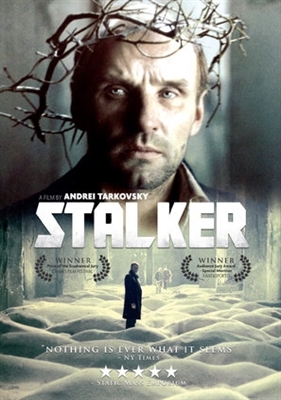
Hmmm - why would anyone think this is a religious film?
The director Tarkovsky said, when he was asked what the Zone symbolised :
I’m reduced to a state of fury and despair by such questions. The Zone doesn’t symbolise anything… the zone is the zone
Geoff Dyer wrote one of my favourite books, Out of Sheer Rage, which is another very meta confection, all about how he didn’t write a book about DH Lawrence. I recommend that one, not this one.
I saw the movie and read this jokey fanboy meditation-with-digressions and I’m kind of baffled. I’m not sure Stalker is any kind of masterpiece (gun at my head, I'd say it's borderline codswallop) and I don’t really know why Geoff thinks it is even now, except – wait! This might be why :
The first few times I saw Stalker were during a phase of my life when I took LSD and magic mushrooms quite regularly
Aha! And he very reasonably adds:
The prominent place occupied in my consciousness by Stalker is almost certainly bound up with the fact that I saw it at a particular time in my life. I suspect it is rare for anyone to see their – what they consider to be the – greatest film after the age of thirty. After forty it’s extremely unlikely. After fifty, impossible.
(And this may possibly be true of books too, I guess, and maybe music.)
So I guess there is a well-known point here – those late teenage/early 20s years when you find all these great things, the movies/music/books that knocked you out in these years you were most intense and your imagination most susceptible to expansion (all the colours brighter and all the love lovelier and more painful) fix you for life, you never get that openhearted new joy again, so those things, those books and music and movies are naturally what you consider to be the best ever. Wordsworth said all this a whole lot more prettily.
As for Stalker itself, this ponderous achingly slow two hours 40 minutes slab is all about a mysterious Zone in an unnamed (probably Soviet) country. In the Zone is a house and in the house is a room. I should say Room. This mystical Room grants the person who enters it their “deepest desire”. It’s dangerous to get there (we aren’t told why) so there are a few guides called Stalkers. This one miserable Stalker guides two other middle aged miserable guys to the Room. So this movie is a Fable. The Room represents something. What could it be? It seemed fairly obvious there were three ways to go here –
1) It’s about religion and the Room is the Beatific Vision or sumpin. This explains why Stalker is so devoted to promoting the Room as a Great Thing. He has taken many people to the Room, but we never get any accounts of people who have visited the room and got their deepest desire and what happened to them after that, except for one guy who got money and hanged himself after a week. Stalker never goes in the Room. So it’s clear he is the Priestly Class, energetically promoting religion but afraid to go in the Room in case there isn’t anything there.
2) It’s about the failure of soviet communism and the Room represents the citizens’ dreams of the West, that golden place where there are no shortages and everyone gets what they desire. This surely is a secondary meaning.
3) When the two guys get to the Room neither wants to go in it because they are scared to find out what their deepest desires might be. (Would you want to know what yours were? Maybe they aren't what you think they are.) So the film is a psychological fable. I think it's all three entwined together. Heck, there might be a fourth, even.
Hmmm - why would anyone think this is a religious film?
The director Tarkovsky said, when he was asked what the Zone symbolised :
I’m reduced to a state of fury and despair by such questions. The Zone doesn’t symbolise anything… the zone is the zone
Geoff Dyer wrote one of my favourite books, Out of Sheer Rage, which is another very meta confection, all about how he didn’t write a book about DH Lawrence. I recommend that one, not this one.

March 27, 2015
Only encountered Tarkovsky’s Stalker earlier this year, and while not prostrate with admiration (the deliberate snail’s pace caused my watching companion to doze off), the movie was captivating in a manner difficult to express, leading me to this magnificent précis, analysis, explication, and personal take from the conversational, erudite, impish, and serious novelist and essayist Geoff Dyer, who articulates the fascinating philosophical conundrums at the heart of the movie, while digressing in the hilarious manner of Out of Sheer Rage and other non-fiction works, offering up trivia and light scholarship to please casual and muso readers alike.
April 16, 2015
I love books about a single movie – two recent corkers were Chain Saw Confidential and The Disaster Artist, both written by actors. But those short love-letter-to-my-favourite-film books are good too, like Withnail & I and Meet Me in St Louis in the BFI Film Classics series. In those kind of books you get to find out who was doing what with who to get the part (Lucille Bremer as Judy’s sister) and who nearly got the part (Shirley Temple for Dorothy in Wizard of Oz! Of course!) and all that. Hilarious.
So this book is by a guy who wrote one of my real favourite book-about-books, which is Out of Sheer Rage. That is a book about how Geoff didn’t write a book about DH Lawrence.
Geoff Dyer is all about the meta.
But he’s chatty with it. So here in this book Zona Geoff gets to write about his favourite movie. And I thought, in the words of Jeremy Clarkson, “what could possibly go wrong?”
This Dyer guy has got it made. He seems to have been given a contract by his publisher which says : just write about whatever stray idea and whimsical notion that pops into your head and we’ll slap it between two covers. Don’t think twice! So he writes about jazz, DH Lawrence, Venice, World War One, John Berger, Paris, and on and on.
You don’t have to like or know much about DH Lawrence to enjoy Out of Sheer Rage. You just have to be able to empathise with a guy endlessly putting off something which he himself volunteered to do and which has now become a crushing burden. We’ve all been there.
However, in Zona, we have a very detailed account of this movie called Stalker by Tarkovsky and really, you hafta have seen it, which so far, I haven’t. I thought I could wing it. But really, this movie sounds dull. Boring people doing boring things boringly.
You’re going to say – but that is a perfect description of all Eric Rohmer movies, of which I am a big fan. Well, boring is a personal thing. After all, some people think books are boring. Imagine that.
So I got to page 80 and set it down.
What I really want to do is watch Goto, Island of Love. That’s a 1969 movie by Walerian Borowczyk which I saw once in an art house years ago & always wanted to see again and looked for in vain until last week when I found it by accident in a discount shop called Fop – two disc edition, couldn’t believe it.
So here it sits but I’m nervous – it might turn out to be terrible. I thought it was great back then, but who knows. My former self did not have perfect taste. I even had a Moodyblues album once. Don’t tell anyone.

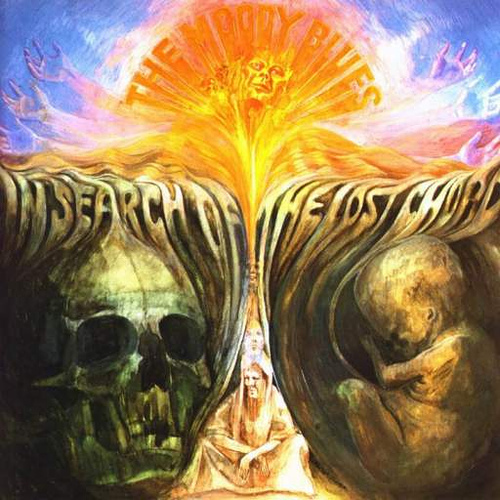
So this book is by a guy who wrote one of my real favourite book-about-books, which is Out of Sheer Rage. That is a book about how Geoff didn’t write a book about DH Lawrence.
Geoff Dyer is all about the meta.
But he’s chatty with it. So here in this book Zona Geoff gets to write about his favourite movie. And I thought, in the words of Jeremy Clarkson, “what could possibly go wrong?”
This Dyer guy has got it made. He seems to have been given a contract by his publisher which says : just write about whatever stray idea and whimsical notion that pops into your head and we’ll slap it between two covers. Don’t think twice! So he writes about jazz, DH Lawrence, Venice, World War One, John Berger, Paris, and on and on.
You don’t have to like or know much about DH Lawrence to enjoy Out of Sheer Rage. You just have to be able to empathise with a guy endlessly putting off something which he himself volunteered to do and which has now become a crushing burden. We’ve all been there.
However, in Zona, we have a very detailed account of this movie called Stalker by Tarkovsky and really, you hafta have seen it, which so far, I haven’t. I thought I could wing it. But really, this movie sounds dull. Boring people doing boring things boringly.
You’re going to say – but that is a perfect description of all Eric Rohmer movies, of which I am a big fan. Well, boring is a personal thing. After all, some people think books are boring. Imagine that.
So I got to page 80 and set it down.
What I really want to do is watch Goto, Island of Love. That’s a 1969 movie by Walerian Borowczyk which I saw once in an art house years ago & always wanted to see again and looked for in vain until last week when I found it by accident in a discount shop called Fop – two disc edition, couldn’t believe it.
So here it sits but I’m nervous – it might turn out to be terrible. I thought it was great back then, but who knows. My former self did not have perfect taste. I even had a Moodyblues album once. Don’t tell anyone.

June 21, 2012
Stalker is astounding to me, as are most of Tarkovsky's films. But reading this book is nearly the opposite experience of watching the film.
Stalker is a suspenseful, hypnotic experience. Tarkovsky sustains a rich feeling of beauty and simple profundity, inspiring confidence in the viewer that he will not let you fall or waste your time by negating the trust built up between you.
The suspense of this book, on the other hand, lies in dreading the next inane observation or mundane association from the author's personal life, most of which take the form of a running parallel text of footnotes, pretty much all of which should have been mercifully deleted.
Dyer claims to love the film, but seems to secretly resent its hold on him. He recounts the film scene by scene only to repeatedly drag it down to the snide, mediocre realm that he lives in. There are a few appreciative passages, the relative depth of which are mostly borrowed from the film itself, but they are quickly and consistently defaced with Dyer's smug, subjective digressions that are so embarrassingly puerile at times they nauseated me as much as the mean-spirited blog postings that inundate the Internet.
Dyer's conceit, of course, is that he is no better than one of the small-minded characters in the film. The book is his own personal journey to the Room, where, like Writer, he would be thrown back onto himself and forced to confront what a self-absorbed person he really is. The problem is that the film characters are embedded in a philosophical, cinematic world that perfectly balances their subjective pettiness. In Dyer's book, it's all him.
Stalker and Tarkovsky deserve better than this. A lot better.
Stalker is a suspenseful, hypnotic experience. Tarkovsky sustains a rich feeling of beauty and simple profundity, inspiring confidence in the viewer that he will not let you fall or waste your time by negating the trust built up between you.
The suspense of this book, on the other hand, lies in dreading the next inane observation or mundane association from the author's personal life, most of which take the form of a running parallel text of footnotes, pretty much all of which should have been mercifully deleted.
Dyer claims to love the film, but seems to secretly resent its hold on him. He recounts the film scene by scene only to repeatedly drag it down to the snide, mediocre realm that he lives in. There are a few appreciative passages, the relative depth of which are mostly borrowed from the film itself, but they are quickly and consistently defaced with Dyer's smug, subjective digressions that are so embarrassingly puerile at times they nauseated me as much as the mean-spirited blog postings that inundate the Internet.
Dyer's conceit, of course, is that he is no better than one of the small-minded characters in the film. The book is his own personal journey to the Room, where, like Writer, he would be thrown back onto himself and forced to confront what a self-absorbed person he really is. The problem is that the film characters are embedded in a philosophical, cinematic world that perfectly balances their subjective pettiness. In Dyer's book, it's all him.
Stalker and Tarkovsky deserve better than this. A lot better.

March 4, 2012
Here is a book about a movie. No, let me rephrase that. Here is a discursive, personal, digressive, long-winding, breezy, ponderous, chatty, observant, essayistic commentary blog-post of a book about a movie, Tarkovsky's Stalker. It is *about* the movie in the most obvious sense - it is a summary, nay, that's not it, more like - as Dyer would put it - it is an expansion and a commentary of the movie, bit by bit reconstruction of every scene with running comments about the production (footnoted), about the author himself, about works of art, about life. You should read it. You should not read it unless you've seen the movie, probably. But then, you should have seen the movie already, shouldn't you. This might end up being the book you should have read about the movie you should have seen. Just another reminder of your colossal failure as a human being then.
Um, anyway.
I read it and enjoyed it. I probably enjoyed it just as much for itself as for the very idea of reading *it* - this book - about the movie - *that* movie, the very great movie that affirms my taste as a cinephile simply for my recognizing it as a masterpiece, having seen it (only twice) and having it seared in my visual memory. So I was predisposed to liking this book, because it affirms that I am in on it. I know what the journey to the room is. I think. So there.
Yes, if you've seen Stalker this book will cater to your ego, there's no point in fighting it. Regardless of whether you've seen the movie or not, this book will most likely shuffle your "Things I Want To Do Most Of All Right Now" list and put "Watching Stalker" in the Top 3. (Top 3 applicable only if you've been severely neglecting some bits from the bottom of Maslow's pyramid of needs.)
Um, anyway.
I read it and enjoyed it. I probably enjoyed it just as much for itself as for the very idea of reading *it* - this book - about the movie - *that* movie, the very great movie that affirms my taste as a cinephile simply for my recognizing it as a masterpiece, having seen it (only twice) and having it seared in my visual memory. So I was predisposed to liking this book, because it affirms that I am in on it. I know what the journey to the room is. I think. So there.
Yes, if you've seen Stalker this book will cater to your ego, there's no point in fighting it. Regardless of whether you've seen the movie or not, this book will most likely shuffle your "Things I Want To Do Most Of All Right Now" list and put "Watching Stalker" in the Top 3. (Top 3 applicable only if you've been severely neglecting some bits from the bottom of Maslow's pyramid of needs.)

Read
June 4, 2019Knyga apie Andrėjaus Tarkovskio filmą ''Stalkeris''. Esu režisieriaus mirtina gerbėja, gal dėl to šio esė, išpūsto iki knygos formato, skaitymas labiau nervino nei teikė malonumo. Vienas geras dalykas iš sugaišto laiko prie knygos tai, kad sugundė pažiūrėti šį filmą vėl.

April 5, 2023
کتابِ استاد جف دایر ویژگی اش سینه فیلیایی بودن اصیلش است. در حوالی جزییات فیلم، اینجا استاکرِ تارکوفسکی،به خودْ پرداختن. خود را جستجو کردن و جهانِ خود را با جهانِ فیلم منطبق کردن. حالا در این انطباق قطعن گوشه هایی و لبه هایی همدیگر را نمی پوشانند، بیرون می افتند از همدیگر و جزیره هایی درست می شود که سرک کشیدن در آن مساحت هایی که مربوط به هیچ کدام از دو جهان نیست اما مربوط به هر دو هم هست، می شود یک جور سفرِ ذهنیِ از مسیر یادآوری فیلم
مهم نیست فیلم چه باشد، مهم به گمانم آن فیلم های شخصی است. اگر استاکر را خواننده دوست داشته باشد بیشتر با متن اخت می شود و جستجوهای خودش را هم وارد فیلم می کند و مجموعه ی مفصل تری می سازد و اگر هم فیلمِ دلخواهِ خواننده نباشد باز هم خواندنِ متنِ سینه فیلیاییِ جف دایر آموزشی است برای واکاویِ آن فیلم های دلخواهِ دیگر و شخصی
روزهایی که سرگرمِ خواندن شدم تلاطم در خیالم بسیار شده بود یعنی بیشتر از پیش، گویی باید بار دیگر به منطقه می رفتم و استاکر دستگیرم بود. در این روزهایی که خباثتِ عالیجنابان کارد را از استخوان رد کرده باید که قوی تر بود و باز هم به گمانم استاکر یاری رسانِ جان های پریشان و زخم خورده ی ماست که قرار نیست و نباید که هیچْ آرام بشود
بازگردانِ محمدحسین آقا واقف را هم دوست داشته ام گرچه گاهی ارجاعاتِ بسیار و ذهنی سازی ها را به پارسی برگردان بی گمان دشوار بوده است ولی در پایان راضی ام از او، شیرِ مادرت حلالت آقاجان
1402-01-05
مهم نیست فیلم چه باشد، مهم به گمانم آن فیلم های شخصی است. اگر استاکر را خواننده دوست داشته باشد بیشتر با متن اخت می شود و جستجوهای خودش را هم وارد فیلم می کند و مجموعه ی مفصل تری می سازد و اگر هم فیلمِ دلخواهِ خواننده نباشد باز هم خواندنِ متنِ سینه فیلیاییِ جف دایر آموزشی است برای واکاویِ آن فیلم های دلخواهِ دیگر و شخصی
روزهایی که سرگرمِ خواندن شدم تلاطم در خیالم بسیار شده بود یعنی بیشتر از پیش، گویی باید بار دیگر به منطقه می رفتم و استاکر دستگیرم بود. در این روزهایی که خباثتِ عالیجنابان کارد را از استخوان رد کرده باید که قوی تر بود و باز هم به گمانم استاکر یاری رسانِ جان های پریشان و زخم خورده ی ماست که قرار نیست و نباید که هیچْ آرام بشود
بازگردانِ محمدحسین آقا واقف را هم دوست داشته ام گرچه گاهی ارجاعاتِ بسیار و ذهنی سازی ها را به پارسی برگردان بی گمان دشوار بوده است ولی در پایان راضی ام از او، شیرِ مادرت حلالت آقاجان
1402-01-05

March 26, 2014
It’s hard to write about film using just words. Music is even harder. Reviewers often resort to metaphor and simile to convey the feelings and style of a musical piece. Reviewing film you need to convey action as well as emotion, using words to describe what’s on screen.
Undaunted, Geoff Dyer attempts nothing less than a deep, extensive analysis of Andrei Tarkovsky’s enigmatic and puzzling Stalker (1979), an influential film from Dyer’s formative years. He does this by taking us through the film, integrating it with his personal journey with reference to cinema, art and music, among other things, while taking into account the process of making the film from the points of view of individual protagonists.
To say this is ambitious is an understatement; yet Dyer succeeds in evoking a rich sense of the film, especially the claustrophobic, damp and dangerous journey of the Professor and the Writer, escorted by the Stalker, the guide to the mysterious Room, which remains mysterious despite the appeal of learning your deepest desires upon entering the sanctum, should you dare to do so.
This scenario has ‘deep and meaningful’ written all over it and is therefore intriguing because it allows the viewer or reader to imagine their own fate.
I suspect the clue is in Dyer’s admission that he first viewed the film during his younger years, his formative years, that short span of time from the late teens to the early twenties when we pursue a life full of excitement and new experiences as our personal world expands. This resonates with me. This is why the greatest album ever made is Seventh Sojourn by The Moody Blues, the best book ever is Here Before Kilroy by Su Walton and the best film is Saturday Night Fever (1977). Growing maturity suggests that time may alter these judgements but nothing changes their initial impact. So perhaps the great achievement of Zona is to have us remember our formative years with fondness rather than embarrassment, although I will say that once I discovered Buster Keaton, co-incidentally in my formative years, watching his Canadian surrealist travelogue The Railrodder (1967), I came to appreciate masterworks from the past, and now consider that the peak of cinematic achievement was reached with Buster’s The General (1926) and I consider the cinema has been in slow decline ever since.
PS: If anyone can tell me anything substantive about Su Walton, I would be very grateful. I have tried over the years to find out about her, but all I have found is the publication details of her few books.
Undaunted, Geoff Dyer attempts nothing less than a deep, extensive analysis of Andrei Tarkovsky’s enigmatic and puzzling Stalker (1979), an influential film from Dyer’s formative years. He does this by taking us through the film, integrating it with his personal journey with reference to cinema, art and music, among other things, while taking into account the process of making the film from the points of view of individual protagonists.
To say this is ambitious is an understatement; yet Dyer succeeds in evoking a rich sense of the film, especially the claustrophobic, damp and dangerous journey of the Professor and the Writer, escorted by the Stalker, the guide to the mysterious Room, which remains mysterious despite the appeal of learning your deepest desires upon entering the sanctum, should you dare to do so.
This scenario has ‘deep and meaningful’ written all over it and is therefore intriguing because it allows the viewer or reader to imagine their own fate.
I suspect the clue is in Dyer’s admission that he first viewed the film during his younger years, his formative years, that short span of time from the late teens to the early twenties when we pursue a life full of excitement and new experiences as our personal world expands. This resonates with me. This is why the greatest album ever made is Seventh Sojourn by The Moody Blues, the best book ever is Here Before Kilroy by Su Walton and the best film is Saturday Night Fever (1977). Growing maturity suggests that time may alter these judgements but nothing changes their initial impact. So perhaps the great achievement of Zona is to have us remember our formative years with fondness rather than embarrassment, although I will say that once I discovered Buster Keaton, co-incidentally in my formative years, watching his Canadian surrealist travelogue The Railrodder (1967), I came to appreciate masterworks from the past, and now consider that the peak of cinematic achievement was reached with Buster’s The General (1926) and I consider the cinema has been in slow decline ever since.
PS: If anyone can tell me anything substantive about Su Walton, I would be very grateful. I have tried over the years to find out about her, but all I have found is the publication details of her few books.

August 22, 2011
Every blue moon, an artwork comes along that seems like it's aimed solely at you. Something so specific to your particular interests that it's difficult to imagine an audience for it larger than one. For me, that work is "I'm Not There," a movie about Bob Dylan minutiae that's structurally inspired by vintage Godard films. On the surface, "Zona" looked like another one of those works: A favorite writer devoting an entire book to my favorite film by the dauntingly arty Russian director Andrei Tarkovsky? How did this thing even get published?
Geoff Dyer turns out to be less obsessively hermetic about his subject - and less concerned with trying to embody its visionary essence - than Todd Haynes in "I'm Not There," which is maybe why the book felt like a slight letdown to me. But I suspect that's good news for 99% of readers, because Dyer's droll and chatty narrative aims to be entertaining even if you have no prior knowledge of the film. So many critics treat Tarkovsky's work like forbidding and sacred ikons of Great Cinema. This book's most significant achievement is making "Stalker" feel accessible and genuinely exciting without dumbing it down. The film is a deathless masterpiece, sure, but getting a clenched asshole trying to solemnly decode its mysteries is the exact wrong way to approach it.
Instead of going on about the many virtues and few flaws of this fine book, I recommend checking out J. Hoberman's review which eerily elucidates many of my own reactions - plus a few I didn't even know I had.
Geoff Dyer turns out to be less obsessively hermetic about his subject - and less concerned with trying to embody its visionary essence - than Todd Haynes in "I'm Not There," which is maybe why the book felt like a slight letdown to me. But I suspect that's good news for 99% of readers, because Dyer's droll and chatty narrative aims to be entertaining even if you have no prior knowledge of the film. So many critics treat Tarkovsky's work like forbidding and sacred ikons of Great Cinema. This book's most significant achievement is making "Stalker" feel accessible and genuinely exciting without dumbing it down. The film is a deathless masterpiece, sure, but getting a clenched asshole trying to solemnly decode its mysteries is the exact wrong way to approach it.
Instead of going on about the many virtues and few flaws of this fine book, I recommend checking out J. Hoberman's review which eerily elucidates many of my own reactions - plus a few I didn't even know I had.

November 2, 2016
بالاخره بعد دو سال، ترجمهی کتاب زونا تمام شد. البته همهی این دو سال به ترجمه نگذشت و هر از چندی سراغش رفتم. کتاب تکنگاری سرخوشانهی استاکر تارکوفسکی است. هم طنازانه است و هم دقیق. میتواند چطور فیلم دیدن را به خواننده یاد دهد. بعید میدانم هیچ کتابی مانند این دربارهی هیچ کدام فیلمهای تارکوفسکی نوشته شده باشد که موقع خواندنش آدمی قهقهه بزند. بعدتر که بازنویسیاش تمام شد بیشتر دربارهاش مینویسم.

July 6, 2022
Aquí estoy yo, leyendo un libro sobre una película sobre un viaje a una habitación. Entonces, por unos segundos soy yo a los 19 años, ahí en el libro, viendo Stalker de Tarkovski en una sala enana, con una pantalla ínfima, en una silla incómoda y sola. Sola de haber ido sin compañía a ver esa proyección y sola de que no había nadie más en esa sala. Solo el que la ponía, muy emocionado, que hoy creo que era un cineasta que había estudiado en Rusia, y que ha hecho un par de películas enrevesadas pero harto interesantes. Esto no es una metáfora, ni una apropiación simbólica ni un recurso literario. Es real. Esa escena casi idéntica está narrada en el libro, salvo que la película que ve el autor es La aventura, de Antonioni: "Una película en blanco y negro, en italiano, con subtítulos en francés, en París, en agosto, cuando aún no tenía treinta años: un caso de soledad digno de estudio". Es un guiño humorístico del autor, claro, pero con su toque de verdad. Al leer esto caí en cuenta de esa soledad digna de estudio de la que no me había dado cuenta entonces.
Para más señas y coincidencias (de las que le suceden a Dyer con esa película) sí, este es un libro sin género claro sobre Stalker, el filme del cineasta ruso Andréi Tarkovski, que prácticamente inventó una nueva forma de hacer cine, al desafiar la estructura de montaje del tiempo cinematográfico, la duración de los planos y la yuxtaposición de los mismos. Dyer está obsesionado con este filme y lo ha visto decenas de veces en un loop infinito, buscándolo en los cines de cada ciudad a la que va. Y otra vez un paralelismo con mi vida: tengo una película que he repetido infinitas veces y que cuyo primer visionado fue mágico, pero se dañó la película apenas empezada la primera secuencia, así que recorrí la ciudad entera (2 horas de viaje), para llegar al otro cine en el que la pasaban (estaba solo en cartelera ese día por un festival). Esta historia parece completamente sacada de este libro, pero es que quizás los cinéfilos nos parecemos.
En fin, esta no es una reseña sobre mí, pero termina siéndolo porque Dyer está tan imbuido en este libro (que no es un ensayo, ni una autoficción, ni una biografía, ni una crítica cinematográfica, pero es todo ello a la vez), que te arrastra inevitablemente a esa magia de sincronización que asoma por su vida en su relación con Stalker, y que reproduce en estas páginas.
Y lo hace en la forma de un texto híbrido que, personalmente, disfruto bastante. La intertextualidad abunda. Están Rilke, DeLillo, Coetzee, Berger, Camus, Lem, Barthes, Calasso, Zizek, Heidegger... y el propio Tarkovski en su célebre libro "Esculpir en el tiempo". Ello, junto con un análisis minucioso cuadro por cuadro -que sería lo mismo que escena por escena- y su propia experiencia como espectador seducido por un filme, además de reflexiones profundas sobre la vida, y el significado figurado y literal de "La zona", hacen de este libro una exquisitez, sin llegar a ser pedante ni infumable. Todo lo contrario. El tono cálido, familiar y casi anecdótico del autor lo convierten en una narración muy agradable.
Al final, quedan las preguntas que Dyer no llega a resolver: no importa y no le interesa. ¿Existe "la zona"? ¿Está en la cabeza de Stalker? ¿Stalker es "la zona"? ¿Es "la zona" el fin ulterior de la esperanza?
Recomendado al cien.
Para más señas y coincidencias (de las que le suceden a Dyer con esa película) sí, este es un libro sin género claro sobre Stalker, el filme del cineasta ruso Andréi Tarkovski, que prácticamente inventó una nueva forma de hacer cine, al desafiar la estructura de montaje del tiempo cinematográfico, la duración de los planos y la yuxtaposición de los mismos. Dyer está obsesionado con este filme y lo ha visto decenas de veces en un loop infinito, buscándolo en los cines de cada ciudad a la que va. Y otra vez un paralelismo con mi vida: tengo una película que he repetido infinitas veces y que cuyo primer visionado fue mágico, pero se dañó la película apenas empezada la primera secuencia, así que recorrí la ciudad entera (2 horas de viaje), para llegar al otro cine en el que la pasaban (estaba solo en cartelera ese día por un festival). Esta historia parece completamente sacada de este libro, pero es que quizás los cinéfilos nos parecemos.
En fin, esta no es una reseña sobre mí, pero termina siéndolo porque Dyer está tan imbuido en este libro (que no es un ensayo, ni una autoficción, ni una biografía, ni una crítica cinematográfica, pero es todo ello a la vez), que te arrastra inevitablemente a esa magia de sincronización que asoma por su vida en su relación con Stalker, y que reproduce en estas páginas.
Y lo hace en la forma de un texto híbrido que, personalmente, disfruto bastante. La intertextualidad abunda. Están Rilke, DeLillo, Coetzee, Berger, Camus, Lem, Barthes, Calasso, Zizek, Heidegger... y el propio Tarkovski en su célebre libro "Esculpir en el tiempo". Ello, junto con un análisis minucioso cuadro por cuadro -que sería lo mismo que escena por escena- y su propia experiencia como espectador seducido por un filme, además de reflexiones profundas sobre la vida, y el significado figurado y literal de "La zona", hacen de este libro una exquisitez, sin llegar a ser pedante ni infumable. Todo lo contrario. El tono cálido, familiar y casi anecdótico del autor lo convierten en una narración muy agradable.
Al final, quedan las preguntas que Dyer no llega a resolver: no importa y no le interesa. ¿Existe "la zona"? ¿Está en la cabeza de Stalker? ¿Stalker es "la zona"? ¿Es "la zona" el fin ulterior de la esperanza?
Recomendado al cien.

April 4, 2022
Geoff Dyer cuenta Stalker y, mientras la va contando, fui viendo la película en mi cabeza, pero no sé si la recordé o la imaginé porque mi memoria es endeble y el relato de Dyer tan minucioso que pudo haber provocado ambas cosas a la vez. No importa. Me gustó mucho.
Dice el autor que este libro “es lo contrario de un resumen; es una ampliación y una expansión”. Vemos el detrás de escena, algunas anécdotas curiosas y también la vida de Dyer. Es en parte un ensayo y una crónica pero se lee como una novela.
En cuanto a la habitación…
Dice el autor que este libro “es lo contrario de un resumen; es una ampliación y una expansión”. Vemos el detrás de escena, algunas anécdotas curiosas y también la vida de Dyer. Es en parte un ensayo y una crónica pero se lee como una novela.
En cuanto a la habitación…

January 14, 2013
What we have here is a triptych: three linked works of art, one based on the other. First there was Boris and Arkady Strugatsky's Roadside Picnic (1972), perhaps the most memorable of their science fiction novels. Then came Andrei Tarkovsky's film Stalker (1979), ostensibly based on it and, in fact, employing the Strugatsky brothers as screenwriters. Now there is Geoff Dyer's long essay entitled Zona: A Book About a Film About a Journey to a Room. This last is in a genre by itself, an extended commentary retelling the story of the film with lengthy footnoted riffs about how the film has impacted Dyer's life and imagination.
All three works are masterpieces in their own right. I have now read both books as well as seen the film, and I yearn to reacquaint myself with all three of them.
Is there something perhaps a little perverse about writing a ruminative essay about something that comes from something else. Have we somehow put ourselves too many removes from the original work by the Strugatsky brothers? Or does it matter, inasmuch as both Stalker and Zona are totally absorbing, as was Roadside Picnic.
Perhaps I should draw back a little and give you some idea of the world of the composite work of art I think of as “The Roadside Stalker Zone.” We are some time in the future, in a grimy post-industrial wasteland in a small country near an area once visited by extraterrestrials who just happened, for whatever reason, to leave strange inexplicable things behind -- including a room which, if you enter it, grants all your innermost desires. (Never mind that the only known person to have visited it, named Porcupine, hanged himself shortly thereafter.)
These zones formerly visited by the extraterrestrials (who have all moved on without getting their visas stamped) have been sealed off by the authorities. But there is an active "black market" of individuals called stalkers who take people to visit the zones and perhaps bring some things back -- things which are inexplicable. The children of these stalkers are themselves strange, like Monkey, the film's Stalker's daughter, who has the power of telekinesis, which we do not learn until the very end of the film.
Stalker takes two individuals, referred to only as the professor and the Writer, into the zone. Their journey is a journey of self-discovery. Do they enter the room? I do not wish to spoil the story for you, so I urge you to consume the entire triptych, in order of publication or release, to come to the same realization that I have arrived at: That Geoff Dyer is a phenomenal writer whose work I am going to enjoy reading in the months and years to come.
All three works are masterpieces in their own right. I have now read both books as well as seen the film, and I yearn to reacquaint myself with all three of them.
Is there something perhaps a little perverse about writing a ruminative essay about something that comes from something else. Have we somehow put ourselves too many removes from the original work by the Strugatsky brothers? Or does it matter, inasmuch as both Stalker and Zona are totally absorbing, as was Roadside Picnic.
Perhaps I should draw back a little and give you some idea of the world of the composite work of art I think of as “The Roadside Stalker Zone.” We are some time in the future, in a grimy post-industrial wasteland in a small country near an area once visited by extraterrestrials who just happened, for whatever reason, to leave strange inexplicable things behind -- including a room which, if you enter it, grants all your innermost desires. (Never mind that the only known person to have visited it, named Porcupine, hanged himself shortly thereafter.)
These zones formerly visited by the extraterrestrials (who have all moved on without getting their visas stamped) have been sealed off by the authorities. But there is an active "black market" of individuals called stalkers who take people to visit the zones and perhaps bring some things back -- things which are inexplicable. The children of these stalkers are themselves strange, like Monkey, the film's Stalker's daughter, who has the power of telekinesis, which we do not learn until the very end of the film.
Stalker takes two individuals, referred to only as the professor and the Writer, into the zone. Their journey is a journey of self-discovery. Do they enter the room? I do not wish to spoil the story for you, so I urge you to consume the entire triptych, in order of publication or release, to come to the same realization that I have arrived at: That Geoff Dyer is a phenomenal writer whose work I am going to enjoy reading in the months and years to come.

February 11, 2012
Over the Rainbow
The premise of “Zona” is that there exists a Zone which houses a mystical room; a room where your deepest desire will manifest. That’s the pared down version of Dyer’s short book but “Zona” is the antithesis of pared. It’s lush with references to movies and books. It also has philosophic and art and music highlights though not as numerous. No one has a real name. They have titles that refer to their functions. Stalker, Writer and Professor are the main protagonists. Ostensibly the book is an analysis of Tarkovsky’s movie “Stalker” made in 1979. Many people feel it’s the best movie ever. I haven’t seen it so I can’t say. My feeling is that Dyer only used the movie to hang his vast knowledge of the arts and his thoughts on life and the human condition in general. The movie is also a symbol, an understudy for whatever work of art has been a high point for individuals. That book or movie, often read or seen early in life, that slaps us awake. He talks of watching “stalker” over and over, obsessing on the bits and pieces in the background and foreground pondering their importance and finally deciding they mean nothing yet he can’t help continuing to seek some meaning. Similarly all his cultural references could be seen as red herrings. That’s not to say that the works don’t have value. They do. In the end, however, each person has to decide for themselves what they value, who they choose to be and more importantly whether they let themselves have their heart’s desire. Dyer’s humor kept splashing out when I least expected it. I found myself chuckling quite often.
He details how the movie switches from black and white and back, the same technique used in “The Wizard of Oz”; to me, this reflects how our lives alternately go from high points to boredom and sometimes to woe. Dyer uses the cultural high points he’s digested to mirror the emotional impact of life events. His best bits and some of the funniest were when his reflections on writing and writers. He has the ability and humility to laugh at himself. He’s at his best in those passages. “Zona” takes a lot of concentration to read but it’s well worth it.
The premise of “Zona” is that there exists a Zone which houses a mystical room; a room where your deepest desire will manifest. That’s the pared down version of Dyer’s short book but “Zona” is the antithesis of pared. It’s lush with references to movies and books. It also has philosophic and art and music highlights though not as numerous. No one has a real name. They have titles that refer to their functions. Stalker, Writer and Professor are the main protagonists. Ostensibly the book is an analysis of Tarkovsky’s movie “Stalker” made in 1979. Many people feel it’s the best movie ever. I haven’t seen it so I can’t say. My feeling is that Dyer only used the movie to hang his vast knowledge of the arts and his thoughts on life and the human condition in general. The movie is also a symbol, an understudy for whatever work of art has been a high point for individuals. That book or movie, often read or seen early in life, that slaps us awake. He talks of watching “stalker” over and over, obsessing on the bits and pieces in the background and foreground pondering their importance and finally deciding they mean nothing yet he can’t help continuing to seek some meaning. Similarly all his cultural references could be seen as red herrings. That’s not to say that the works don’t have value. They do. In the end, however, each person has to decide for themselves what they value, who they choose to be and more importantly whether they let themselves have their heart’s desire. Dyer’s humor kept splashing out when I least expected it. I found myself chuckling quite often.
He details how the movie switches from black and white and back, the same technique used in “The Wizard of Oz”; to me, this reflects how our lives alternately go from high points to boredom and sometimes to woe. Dyer uses the cultural high points he’s digested to mirror the emotional impact of life events. His best bits and some of the funniest were when his reflections on writing and writers. He has the ability and humility to laugh at himself. He’s at his best in those passages. “Zona” takes a lot of concentration to read but it’s well worth it.

February 19, 2022
Magnífico!! me quedo con la duda de si no merece el 5, no descarto el cambio de nota. Muy original.
Parece curioso que un libro que narra casi plano a plano una película de culto, Stalker (soy tan ignorante que ni tan siquiera conocía su existencia), tenga un ritmo tan ágil y haga al lector meterse en ese clima y espacio, no se si fantástico o mágico.
Comencé a leerlo y me atrapó al instante, haciéndome investigar, al tiempo que lo leía sobre la peli, su director Tarkovski, etc.
Al que tenga curiosidad que vea el trailer de la película en Youtube, dura dos minutos y ya solo ese clima es capaz de crear un embrujo que consiguen muy contadas películas. Ahora mi siguiente objetivo es ver la película, aunque no se si sabré apreciarla o entenderla.
Parece curioso que un libro que narra casi plano a plano una película de culto, Stalker (soy tan ignorante que ni tan siquiera conocía su existencia), tenga un ritmo tan ágil y haga al lector meterse en ese clima y espacio, no se si fantástico o mágico.
Comencé a leerlo y me atrapó al instante, haciéndome investigar, al tiempo que lo leía sobre la peli, su director Tarkovski, etc.
Al que tenga curiosidad que vea el trailer de la película en Youtube, dura dos minutos y ya solo ese clima es capaz de crear un embrujo que consiguen muy contadas películas. Ahora mi siguiente objetivo es ver la película, aunque no se si sabré apreciarla o entenderla.

November 6, 2018
Videorecensione: https://youtu.be/FA0eHo6JLG0

Want to Read
November 22, 2012I haven't read the book. Nevertheless, I started my preparation for reading it. See below, how.
I am indebted to Geoff Dyer, due to his recent first-visit to Portugal and the interview he gave to the newspaper Publico [31st of May 2013]. In it he spoke about several things: the publication in Portuguese of Yoga for People Who Can't Be Bothered to Do It, its content....but also about Zona: a sort of "literary meditation". The interview triggered all that follows, in the present text.
Watching Tarkovsky’s movie “Stalker” and the debate Geoff Dyer participated in New York*, made me write these notes/reflections on an important movie, not so much discussed as it deserves, I guess.
The “slow-film” was made in 1979. It ran the risk of almost not being made, just like Coppola’s (Apocalypse now) and Hertzog’s (Fitzcarraldo). Geoff saw it in 1981 and got “overwhelmed by its power”.

The movie was shot in Estonia. There were three replacements of the photography director...and a heart attack. It was based on a 1971 short novel: Roadside picnic, by Arkady and Boris Strugatsky.
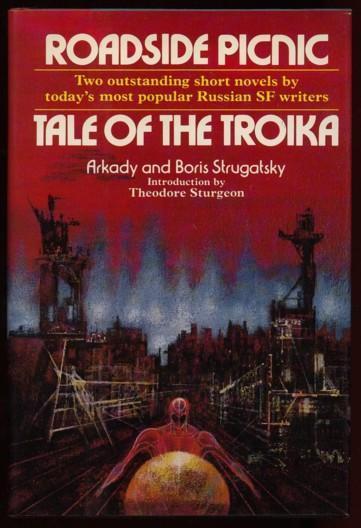
Geoff said that Stalker is a “tragic apostle” character, a believer in the Zone. When being made, someone criticized the way the film began. Iit should be sped up, but Tarkovsky got it even slower. It is known that Tarkovsky was persecuted by the (Soviet) system. But even in Mirror (another film by Tarkovksky) we can talk of a “West" market-censorship, Geoff commented.
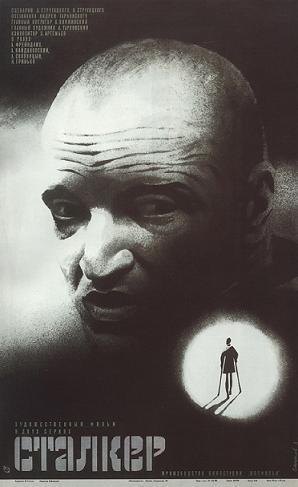
The movie opens with a quotation from Nobel prize winner Wallace:"What was it? a meteorite? a visit of inhabitants of the cosmic abyss? One way or another our small country has seen the birth of a miracle, the Zone".
At Stalker’s bedroom we watch: his wife still in bed ….with daughter (Monkey). They got a mutant daughter, whose head is covered by a colored scarf, later on we will get to know, because part of the movie is ran on black-and-white. Color is a later “event”.
One of the initial scenes takes place in a sort of a gloomy/wet-floor bar where the three main characters (the Stalker, the Professor and the Writer) talk about several issues. The Writer talks about the world being “boring”…”there’s no Bermuda triangle”…; the Zone being the “product of an advanced civilization”.
Previously, the Stalker had been introduced to a lady who asked him: are you really a Stalker?, …but she was dismissed by the Stalker: “go!”.
The Professor is a physicist.
The Writer doesn’t give a damn about inspiration. He wonders: “why do you need the Zone?”. The Stalker recalls a character (Porcupine): “he was my teacher, and opened my eyes”.
The three get ready for the voyage to the Zone. They use a jeep and they try to evade police guards, patrolling the site. They manage to enter the place, though.
The Zone is a place “where wishes come true”. 20 years ago a "meteorite fell here", it was never found, but “people began disappearing”.
In the Zone there’s a ROOM they try to reach:… which will give you “anything you want”. As long it’s your “innermost wishes: they’ll will be made real here”.
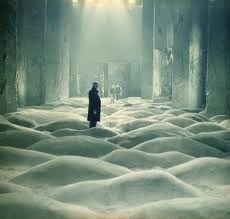
“We are home…it’s the quietest place, because there’s not a single soul”.
Stalker had got a religious reverence for the Zone: it’s meant to be “respected”. And yet the Zone is a “very complicated system of deadly traps”.
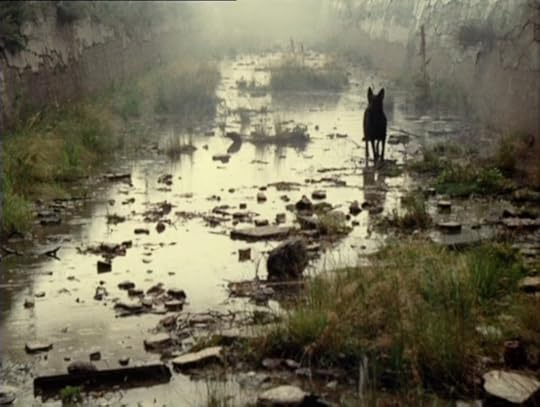
While travelling through a desolated area they stop for rest. Stalker falls asleep and lying down on the grass listens to a voice: “The sun turned black like sackcloth made of goat hair, the whole moon turned blood red, And the stars of heaven fell to the earth, even as a fig tree casts her untimely figs, when she is shaken of a mighty wind …wrath of the Lamb”. Revelation 6:12.
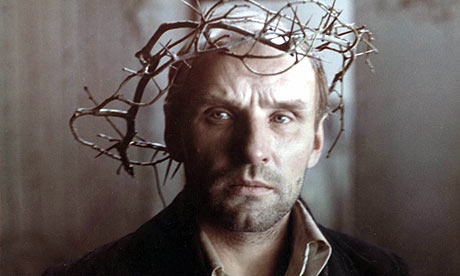
There are plenty of discussions between the three characters. For example about music. “It gets through our hearts”, says someone.
While they’re going through a tunnel, Stalker recalls to the others: no guns allowed here. The Writer had tried to use one. Soon they’ll find that the Professor carries in his bag a Bomb: “it’s only a bomb…a 20 kilotons” one, justifies the professor. He’ll disassemble it later on.
Now they’re close to the Room. Amazingly, the Writer refuses to go into the Room. The same with the Professor. A Stalker must not enter the Room. In fact, nobody entered the Room.
[!!!None of them really wanted their innermost wishes fulfilled?]
They’re back on the bar, drinking. The Stalker’s wife enters the place and says: “so you’re back”.
At home Stalker tells his wife he’s tired. He’s lying down on a sort of library floor,... book shelves as backdrop. Now he's is about to rest. He sadly complains to wife:“nobody believes “...the Zone. He's asleep.
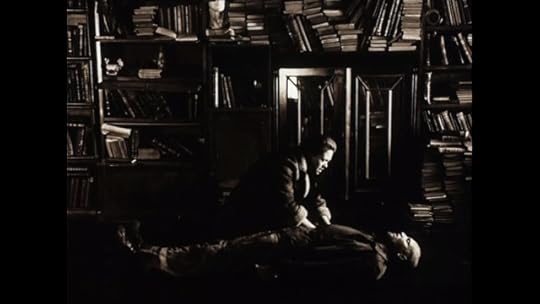
The wife monologues: “he’s a Stalker….he’s not of this world”.
She had been told by her husband: you cannot go there. He doubted her wishes could come true.
Daughter Monkey is seated at a table reading a book. Then her attention gets drawn to the drink glasses on top of table. She focuses her thought on one of them and succeeds moving it by the power of her thought. Telekinesis. And another one glass gets moved. The 9th symphony of Beethoven can be heard….as well as the train passing nearby the Stalker’s home.
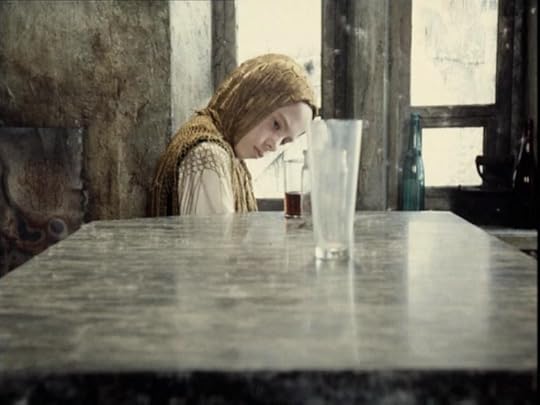
The Stalker brought something from the Zone: a dog.
I have read some commentaries on the movie. One possible way of interpreting the Zone, is that it’s a (“prophetic") “anticipation of Chernobyl”. Another one (also plausible): a collective rumination on the nuclear accident which really happened in Chelyabinsk, back in 1957.
Either way the movie goes well beyond science-fiction. In my view, it’s mainly a piece of art, a cinematic probe into the “inner world” /wishing-world of humans. Just like Tarkovsky stated: “I am interested in man…he contains a universe within himself”.
A note of admiration for the flute-music.
For more insights, an article by Geoff, on the meanings of the movie:
http:// www.guardian.co.uk/film /2009/feb/06/andrei-tarkovsky-stalker-russia-gulags-chernobyl
https://www.theparisreview.org/blog/2...
https://www.theparisreview.org/letter...
*http://www.youtube.com/watch?v=o4Jyap...
I am indebted to Geoff Dyer, due to his recent first-visit to Portugal and the interview he gave to the newspaper Publico [31st of May 2013]. In it he spoke about several things: the publication in Portuguese of Yoga for People Who Can't Be Bothered to Do It, its content....but also about Zona: a sort of "literary meditation". The interview triggered all that follows, in the present text.
Watching Tarkovsky’s movie “Stalker” and the debate Geoff Dyer participated in New York*, made me write these notes/reflections on an important movie, not so much discussed as it deserves, I guess.
The “slow-film” was made in 1979. It ran the risk of almost not being made, just like Coppola’s (Apocalypse now) and Hertzog’s (Fitzcarraldo). Geoff saw it in 1981 and got “overwhelmed by its power”.
The movie was shot in Estonia. There were three replacements of the photography director...and a heart attack. It was based on a 1971 short novel: Roadside picnic, by Arkady and Boris Strugatsky.
Geoff said that Stalker is a “tragic apostle” character, a believer in the Zone. When being made, someone criticized the way the film began. Iit should be sped up, but Tarkovsky got it even slower. It is known that Tarkovsky was persecuted by the (Soviet) system. But even in Mirror (another film by Tarkovksky) we can talk of a “West" market-censorship, Geoff commented.
The movie opens with a quotation from Nobel prize winner Wallace:"What was it? a meteorite? a visit of inhabitants of the cosmic abyss? One way or another our small country has seen the birth of a miracle, the Zone".
At Stalker’s bedroom we watch: his wife still in bed ….with daughter (Monkey). They got a mutant daughter, whose head is covered by a colored scarf, later on we will get to know, because part of the movie is ran on black-and-white. Color is a later “event”.
One of the initial scenes takes place in a sort of a gloomy/wet-floor bar where the three main characters (the Stalker, the Professor and the Writer) talk about several issues. The Writer talks about the world being “boring”…”there’s no Bermuda triangle”…; the Zone being the “product of an advanced civilization”.
Previously, the Stalker had been introduced to a lady who asked him: are you really a Stalker?, …but she was dismissed by the Stalker: “go!”.
The Professor is a physicist.
The Writer doesn’t give a damn about inspiration. He wonders: “why do you need the Zone?”. The Stalker recalls a character (Porcupine): “he was my teacher, and opened my eyes”.
The three get ready for the voyage to the Zone. They use a jeep and they try to evade police guards, patrolling the site. They manage to enter the place, though.
The Zone is a place “where wishes come true”. 20 years ago a "meteorite fell here", it was never found, but “people began disappearing”.
In the Zone there’s a ROOM they try to reach:… which will give you “anything you want”. As long it’s your “innermost wishes: they’ll will be made real here”.
“We are home…it’s the quietest place, because there’s not a single soul”.
Stalker had got a religious reverence for the Zone: it’s meant to be “respected”. And yet the Zone is a “very complicated system of deadly traps”.
While travelling through a desolated area they stop for rest. Stalker falls asleep and lying down on the grass listens to a voice: “The sun turned black like sackcloth made of goat hair, the whole moon turned blood red, And the stars of heaven fell to the earth, even as a fig tree casts her untimely figs, when she is shaken of a mighty wind …wrath of the Lamb”. Revelation 6:12.
There are plenty of discussions between the three characters. For example about music. “It gets through our hearts”, says someone.
While they’re going through a tunnel, Stalker recalls to the others: no guns allowed here. The Writer had tried to use one. Soon they’ll find that the Professor carries in his bag a Bomb: “it’s only a bomb…a 20 kilotons” one, justifies the professor. He’ll disassemble it later on.
Now they’re close to the Room. Amazingly, the Writer refuses to go into the Room. The same with the Professor. A Stalker must not enter the Room. In fact, nobody entered the Room.
[!!!None of them really wanted their innermost wishes fulfilled?]
They’re back on the bar, drinking. The Stalker’s wife enters the place and says: “so you’re back”.
At home Stalker tells his wife he’s tired. He’s lying down on a sort of library floor,... book shelves as backdrop. Now he's is about to rest. He sadly complains to wife:“nobody believes “...the Zone. He's asleep.
The wife monologues: “he’s a Stalker….he’s not of this world”.
She had been told by her husband: you cannot go there. He doubted her wishes could come true.
Daughter Monkey is seated at a table reading a book. Then her attention gets drawn to the drink glasses on top of table. She focuses her thought on one of them and succeeds moving it by the power of her thought. Telekinesis. And another one glass gets moved. The 9th symphony of Beethoven can be heard….as well as the train passing nearby the Stalker’s home.
The Stalker brought something from the Zone: a dog.
I have read some commentaries on the movie. One possible way of interpreting the Zone, is that it’s a (“prophetic") “anticipation of Chernobyl”. Another one (also plausible): a collective rumination on the nuclear accident which really happened in Chelyabinsk, back in 1957.
Either way the movie goes well beyond science-fiction. In my view, it’s mainly a piece of art, a cinematic probe into the “inner world” /wishing-world of humans. Just like Tarkovsky stated: “I am interested in man…he contains a universe within himself”.
A note of admiration for the flute-music.
For more insights, an article by Geoff, on the meanings of the movie:
http:// www.guardian.co.uk/film /2009/feb/06/andrei-tarkovsky-stalker-russia-gulags-chernobyl
https://www.theparisreview.org/blog/2...
https://www.theparisreview.org/letter...
*http://www.youtube.com/watch?v=o4Jyap...

May 22, 2026
منطقه کتابی است - به معنای دقیق کلمه - پیرامون استاکر تارکوفسکی. نه نقد فیلم است و نه معرفی آن؛ اثری است مستقل از فیلم و همزمان وابسته به آن. پلی است بین امر خلاقه و امر انتقادی، بین قصه و گزارش. کتاب اگر نه قاب به قاب، دستکم نما به نمای فیلم را روایت میکند. جاهایی را تفسیر میکند، جاهایی - اغلب در پانویسهای مفصلی که یک سوم حجم کتاباند - به مسائل فرامتنی اشاره میکند و در بسیاری موارد حاشیه میرود و به بهانهی نمایی که روایت میکند حرفهای دیگری میزند. کتاب و روایتش من را بیش از همه یاد فیلم تعریف کردنهای دوران مدرسه میاندازد، همان قدر سرخوشانه و هیجانانگیز. مقدمهی مترجم. صفحهی ۷ کتاب
آنتونیونی برداشتهای بلند را دوست داشت اما تارکوفسکی آن را یک گام جلوتر میبرد. «اگر طول معمولی یک نما افزایش یابد، حوصلهی آدم سر میرود، اما اگر طولانیترش کنی، علاقهاش را جلب میکند و اگر باز هم بلندترش کنی، کیفیتی نو پدیدار میشود، شدت ویژهای از توجه.» این خلاصهی زیباییشناسی تارکوفسکی است. صفحهی ۱۴ کتاب
این یکی دیگر از فضایل تارکوفسکی است: بی قیدی مطلق از کلیشهی رسانهها که در آن کلیشهها نه تنها تحمل میشوند بلکه به شکل تبعیت بی چون و چرا از عرف انتظارش را دارند. در تارکوفسکی هیچ کلیشهای نیست: نه کلیشه طرح، نه شخصیت و نه قاب بندی و نه کلیشهی موسیقی برای تأکید بر معنای احساسی یک صحنه… در واقع، باید این حرف را اندکی تعدیل کنیم: کلیشهی هیچ کس دیگری در آثار تارکوفسکی نیست. صفحه ۳۰ کتاب
لرزههای آینده را میتوان در تمام استاکر حس کرد. در کمتر از یک دهه خلاصهی گفتههای پروفسور از نحوهی به وجود آمدن منطقه رایحهی تحذیری محقق شده به خود گرفته و استاکر باز هم بعد دیگری از دلالت به دست آورده است: پیشگویی فاجعه ۱۹۸۶ چرنوبیل در اوکراین. تارکوفسکی تنها یک رؤیابین، شاعر و عارف نبود، او پیامبر هم بود، پیامبر آیندهای که اکنون گذشته است. صفحه ۴۰ کتاب
ولادیمیر شارون، صدابردار صحنه، به یاد میآورد: «بالای رود یک کارخانهی تولید مواد شیمیایی بود که مایعاتی سمی را در رودخانه میریخت.» این منجر به واکنشهای آلرژیک متعددی در بازیگران و خدمه و به باور شارون باعث سرطان منتهی به مرگ تارکوفسکی، همسرش لاریسا، و سولونیتسین شد. صفحه ۶۱ کتاب
خب من چه جور نویسندهای هستم، فروکاسته به نوشتن خلاصهی یک فیلم؟ به خصوص که از هیچ چیز این قدر بدم نمیآید که کسی در تلاش برای ترغیب من به دیدن فیلمی، شروع به تلخیص آن کند و پلاتش را توضیح دهد و این گونه بخت این را نابود کند که زمانی به دیدنش بروم. در دفاع از خودم باید بگویم استاکر فیلمی است که میشود در دو جمله خلاصهاش کرد. پس اگر خلاصه کردن به معنای چکیدهنویسی باشد، این کتاب متضاد یک خلاصه است؛ این کتاب بسط و گسترش فیلم است. صفحه ۷۷ کتاب
۱۴۰۵/۰۱/۲۵
آنتونیونی برداشتهای بلند را دوست داشت اما تارکوفسکی آن را یک گام جلوتر میبرد. «اگر طول معمولی یک نما افزایش یابد، حوصلهی آدم سر میرود، اما اگر طولانیترش کنی، علاقهاش را جلب میکند و اگر باز هم بلندترش کنی، کیفیتی نو پدیدار میشود، شدت ویژهای از توجه.» این خلاصهی زیباییشناسی تارکوفسکی است. صفحهی ۱۴ کتاب
این یکی دیگر از فضایل تارکوفسکی است: بی قیدی مطلق از کلیشهی رسانهها که در آن کلیشهها نه تنها تحمل میشوند بلکه به شکل تبعیت بی چون و چرا از عرف انتظارش را دارند. در تارکوفسکی هیچ کلیشهای نیست: نه کلیشه طرح، نه شخصیت و نه قاب بندی و نه کلیشهی موسیقی برای تأکید بر معنای احساسی یک صحنه… در واقع، باید این حرف را اندکی تعدیل کنیم: کلیشهی هیچ کس دیگری در آثار تارکوفسکی نیست. صفحه ۳۰ کتاب
لرزههای آینده را میتوان در تمام استاکر حس کرد. در کمتر از یک دهه خلاصهی گفتههای پروفسور از نحوهی به وجود آمدن منطقه رایحهی تحذیری محقق شده به خود گرفته و استاکر باز هم بعد دیگری از دلالت به دست آورده است: پیشگویی فاجعه ۱۹۸۶ چرنوبیل در اوکراین. تارکوفسکی تنها یک رؤیابین، شاعر و عارف نبود، او پیامبر هم بود، پیامبر آیندهای که اکنون گذشته است. صفحه ۴۰ کتاب
ولادیمیر شارون، صدابردار صحنه، به یاد میآورد: «بالای رود یک کارخانهی تولید مواد شیمیایی بود که مایعاتی سمی را در رودخانه میریخت.» این منجر به واکنشهای آلرژیک متعددی در بازیگران و خدمه و به باور شارون باعث سرطان منتهی به مرگ تارکوفسکی، همسرش لاریسا، و سولونیتسین شد. صفحه ۶۱ کتاب
خب من چه جور نویسندهای هستم، فروکاسته به نوشتن خلاصهی یک فیلم؟ به خصوص که از هیچ چیز این قدر بدم نمیآید که کسی در تلاش برای ترغیب من به دیدن فیلمی، شروع به تلخیص آن کند و پلاتش را توضیح دهد و این گونه بخت این را نابود کند که زمانی به دیدنش بروم. در دفاع از خودم باید بگویم استاکر فیلمی است که میشود در دو جمله خلاصهاش کرد. پس اگر خلاصه کردن به معنای چکیدهنویسی باشد، این کتاب متضاد یک خلاصه است؛ این کتاب بسط و گسترش فیلم است. صفحه ۷۷ کتاب
۱۴۰۵/۰۱/۲۵

May 1, 2019
Stalker is probably my favorite movie of all time, an incredible artistic achievement, and it was great to find a whole book devoted to it by a fairly cultured person who was just as much an avid enthusiast of the movie.
Still, rather than enjoyable, interesting criticism it was more like random thoughts from some aging hippie who took too much LSD in college and has a lot of unresolved personal issues of the "too much information type" for it really to add much. Dyer is not a film critic or professor, and his interpretations of many of the scenes are very personal. I was put off by his lack of consideration of the religious imagery or sensitivity of Tarkovsky. It's like he was writing about a movie he didn't really understand. It was clear that the movie was some kind of powerful religious experience for Dyer, and yet he couldn't really catch that in the movie.
It was still worth reading if you are a Stalker fan but not for anyone else. It would have gotten three stars except for the unnecessary details of his threesome fantasies. He knows a bit about film, but not enough to make it an achievement for that. Anyway, art about art. See the movie until you love it, it's like a Gene Wolfe book or a difficult poem by Milton.
Still, rather than enjoyable, interesting criticism it was more like random thoughts from some aging hippie who took too much LSD in college and has a lot of unresolved personal issues of the "too much information type" for it really to add much. Dyer is not a film critic or professor, and his interpretations of many of the scenes are very personal. I was put off by his lack of consideration of the religious imagery or sensitivity of Tarkovsky. It's like he was writing about a movie he didn't really understand. It was clear that the movie was some kind of powerful religious experience for Dyer, and yet he couldn't really catch that in the movie.
It was still worth reading if you are a Stalker fan but not for anyone else. It would have gotten three stars except for the unnecessary details of his threesome fantasies. He knows a bit about film, but not enough to make it an achievement for that. Anyway, art about art. See the movie until you love it, it's like a Gene Wolfe book or a difficult poem by Milton.

Read
June 30, 2012Quick review. I may write more later.
I recommend this for anyone who's seen the movie Stalker (a science-fiction road trip by director Andrei Tarkovsky that's a modern classic of Russian film) and for anyone who wants a glimpse into the mind of a true cinephile.
By "true cinephile" I mean not an aficionado of film, but a habitué of the cinema as a physical place, someone for whom cinema-going is — and, more to the point, was — an essential part of the movie-consuming process.
The key thing that occurred to me as I read Dyer's book about this fairly infrequently viewed movie is that there's a clear and maudlin parallel between his concept of cinema and the facts of the world in which the film was made. Both were systems defined by a culture of significant deficits. The movie was released in 1979, during what we have come to understand as the waning years of Soviet communism, an economic engine that worked, when it did work, in fits and starts covered up by a veneer of bravado saber-rattling.
Dyer's depiction of his core film-going years is one in which his viewing was defined not by what he wanted to see — the case in our Netflix-friendly, Tivo-enriched, BitTorrent-supported era — but by what was available. I think his depiction of how limits shaped cultural consumption is on par with what Jonathan Lethem accomplished in his recent 33 1/3 book on Talking Heads' album Fear of Music. Lethem has a clear view of his past, but doesn't wallow in it. Dyer's evident nostalgia for that period is at times like that of Stalinists who miss standing in line for a loaf of bread — it is, more than anything, an act of willful disregard for modernity.
Dyer's relative distaste — his adoption of the robe and role of the old fogey — for the world in which he finds himself isn't just related to film. He evidences a professor emeritus' generational cluelessness, for example when he riffs about how the index finger has less of a privileged role in our post-rotary-phone age. Clearly this is an individual with limited experience on a touch-screen device. (At the risk of venturing into the sort of first-person aside that is very much Dyer's mode: I had a severe cut on my right index finger while I was reading a hardback copy Dyer's book. I found that using my touchpad on my laptop and the screens of my phone, iPad, and iPod Touch to be an initially painful and, later, at best awkward experience, as bandaids impeded use, as did the wound's scab as it formed.)
Beyond that, Zona is a book about obsessions, both Dyer's for the film and Tarkovsky's for the process of filming. The book is frustrating, because it feels like it was written fairly quickly, and benefited from limited acts of revision. Still, the full range of associations that Dyer draws within the film's working parts and between the film and the world at at large is phenomenal. The personal asides have gotten the book a good amount of negative attention, but I think of them as an expression of how much the movie — how much movie-going — bleeds into Dyer's sense of his own life. A lot of critiques of those personal asides neglect to note that they appear mostly as footnotes, not in the actual main body text of the book. Then again, those footnotes are often so long as to make it unclear on the page which one is reading: the main or the supporting text. At least in the hardcover book, there is no apparent distinction in how both are treated typographically. There is simply a thin line dividing them.
As I read the book, I came to think of that thin line as being not unlike the line in Stalker that divides the world from the Zone that is the initial destination of the title character and his traveling companions.
There are references to sound throughout — especially a certain “clang” that Dyer seems to feel is the movie’s intrinsic soundmark. I was a bit anxious about their potential absence from the narrative in advance of reading the book, because after scouring many reviews before reading Dyer’s actual text — taking a slow approach somewhat aligned with the film’s own vision of a journey: reading various writings about this book about a film about a journey to a room before reading the book itself — I found little mention of sound. The score to Stalker is by Edward Artemiev, one of the most essential electronic musicians in Russian history (I interviewed his son, Artemiy Artemiev, who runs the label Electroshock, back in 2003: "Shock the Bear"), and the music is an essential part of the movie's structure and effect (I highly recommend listening to the track titled "Train"). It’s quite likely that the “clang” that registers with Dyer is the railway noise that Artemiev folded into his richly layered, yet still often threadbare-ambient, score. I read Tatiana Yegorova’s book Edward Artemiev’s Musical Universe when it was first released, and I think I’m going to stalk it now for its Stalker material.
I recommend this for anyone who's seen the movie Stalker (a science-fiction road trip by director Andrei Tarkovsky that's a modern classic of Russian film) and for anyone who wants a glimpse into the mind of a true cinephile.
By "true cinephile" I mean not an aficionado of film, but a habitué of the cinema as a physical place, someone for whom cinema-going is — and, more to the point, was — an essential part of the movie-consuming process.
The key thing that occurred to me as I read Dyer's book about this fairly infrequently viewed movie is that there's a clear and maudlin parallel between his concept of cinema and the facts of the world in which the film was made. Both were systems defined by a culture of significant deficits. The movie was released in 1979, during what we have come to understand as the waning years of Soviet communism, an economic engine that worked, when it did work, in fits and starts covered up by a veneer of bravado saber-rattling.
Dyer's depiction of his core film-going years is one in which his viewing was defined not by what he wanted to see — the case in our Netflix-friendly, Tivo-enriched, BitTorrent-supported era — but by what was available. I think his depiction of how limits shaped cultural consumption is on par with what Jonathan Lethem accomplished in his recent 33 1/3 book on Talking Heads' album Fear of Music. Lethem has a clear view of his past, but doesn't wallow in it. Dyer's evident nostalgia for that period is at times like that of Stalinists who miss standing in line for a loaf of bread — it is, more than anything, an act of willful disregard for modernity.
Dyer's relative distaste — his adoption of the robe and role of the old fogey — for the world in which he finds himself isn't just related to film. He evidences a professor emeritus' generational cluelessness, for example when he riffs about how the index finger has less of a privileged role in our post-rotary-phone age. Clearly this is an individual with limited experience on a touch-screen device. (At the risk of venturing into the sort of first-person aside that is very much Dyer's mode: I had a severe cut on my right index finger while I was reading a hardback copy Dyer's book. I found that using my touchpad on my laptop and the screens of my phone, iPad, and iPod Touch to be an initially painful and, later, at best awkward experience, as bandaids impeded use, as did the wound's scab as it formed.)
Beyond that, Zona is a book about obsessions, both Dyer's for the film and Tarkovsky's for the process of filming. The book is frustrating, because it feels like it was written fairly quickly, and benefited from limited acts of revision. Still, the full range of associations that Dyer draws within the film's working parts and between the film and the world at at large is phenomenal. The personal asides have gotten the book a good amount of negative attention, but I think of them as an expression of how much the movie — how much movie-going — bleeds into Dyer's sense of his own life. A lot of critiques of those personal asides neglect to note that they appear mostly as footnotes, not in the actual main body text of the book. Then again, those footnotes are often so long as to make it unclear on the page which one is reading: the main or the supporting text. At least in the hardcover book, there is no apparent distinction in how both are treated typographically. There is simply a thin line dividing them.
As I read the book, I came to think of that thin line as being not unlike the line in Stalker that divides the world from the Zone that is the initial destination of the title character and his traveling companions.
There are references to sound throughout — especially a certain “clang” that Dyer seems to feel is the movie’s intrinsic soundmark. I was a bit anxious about their potential absence from the narrative in advance of reading the book, because after scouring many reviews before reading Dyer’s actual text — taking a slow approach somewhat aligned with the film’s own vision of a journey: reading various writings about this book about a film about a journey to a room before reading the book itself — I found little mention of sound. The score to Stalker is by Edward Artemiev, one of the most essential electronic musicians in Russian history (I interviewed his son, Artemiy Artemiev, who runs the label Electroshock, back in 2003: "Shock the Bear"), and the music is an essential part of the movie's structure and effect (I highly recommend listening to the track titled "Train"). It’s quite likely that the “clang” that registers with Dyer is the railway noise that Artemiev folded into his richly layered, yet still often threadbare-ambient, score. I read Tatiana Yegorova’s book Edward Artemiev’s Musical Universe when it was first released, and I think I’m going to stalk it now for its Stalker material.

December 8, 2019
A small book which uses a close watching of Tarkovsky's classic 1979 film Stalker as the locus of thoughts direct and tangential about the art of the great Russian director and the life of the author -in the film's journey towards The Room, a place where people's deepest desires comes true. The film, if you haven't seen it, is a slog through a soggy, post-industrial wreck of a landscape--a Tarkovsky film is always marked by the strong presence of the elements. In this film, water is everywhere-- water being both the symbol of the emotional life, and the unconscious, though Dyer keeps that door tightly sealed, arguing for the absence of symbolism in the work of Tarkovsky--just as Tarkovsky himself used to argue, disingenuously, I think. Obscure maybe, uncertain for sure, but not absent.
But Dyer's book is not exactly a study of the art of Andrei Tarkovsky, the way the director frames a shot and so on, though he does touch on that material. But Zona uses the successive scenes of Stalker as a springboard to a series of a delightful, discursive meditations on the ideas, associations and reactions of Geoff Dyer (a writer of tremendous erudition, humor and obsessionally), connections to other films of Tarkovsky's, thoughts on film and filmmakers, Dyer's extensive knowledge of the history of cinema and his own personal history of filmgoing as well as wonderfully weird connections to his family life growing up in England, philosophical musings about the film in terms of authors whose books specifically refer to its urgent questions, say of hope and hopelessness --at the heart of the Stalker tale.
A Stalker is a devotee, who sees as his calling leading desperate men to the Room, which divines their deepest wish and makes it come true. The action of the film is the Stalker leading two people, somewhat Beckettian-ly named Writer and Professor, into the forbidden Zone--sealed off with barbed wire--at the heart of which is The Room. Dyer's meditations on the Zone, what it is, cast the net wide, and all seem plausible. The Zone is sort of a reverse Gulag--the barbed wire and guards are there to keep people out instead of in. The Zone was invaded by Soviet tanks, like Czechoslovakia. The Zone with its overtones of Chernobyl. Or that it was created because we needed to believe in it.
My favorite parts of this winding book--often but not always page-divided into lengthy amusing "footnotes" running across the bottom of several pages full of associational material, as when Dyer's mind jumps from something high-minded in the text to some very personal and down-to-earth aspect of his own life. For instance, he goes from a deep description of a scene in a dilapidated Tarkovskyian bar which begins the film, talking about the Room. (In the dinner conversation between Andre and Wally (in My Dinner With Andre), Dyer is always Wally.)
"At the heart of the Zone is the Room, a place where--we will learn later--your deepest wish will come true, but one gets the impression that this room is his Room, that his deepest wish is being catered for right here, chain swilling beer.*
----
*A sentiment shared in many men on this thirsty earth of ours. When I was a boy my dad would come home from work, after the summer holidays, full of disgust for his workmates, who had been on holiday somewhere and had spent the entire time at the bar or round a swimming pool, drinking, either in Spain or some other place where the licensing laws were not as repressive as in England. That was their deepest desire and wish. We rarely went anywhere on holiday because my dad's deepest desire was always to save money and the best place to do this, to avoid the temptations of knickerbocker glories and overpriced choc-ices was not to leave our home, the room where money come in, very slowly, but left every more reluctantly..."
and so it goes, including quotes from Camus, Flaubert, thoughts of beer, Hollywood cinema--a brilliant, multidimensional meditation that returns obsessively, faithfully, to the mysterious universe of Tarkovsky's Stalker.
But Dyer's book is not exactly a study of the art of Andrei Tarkovsky, the way the director frames a shot and so on, though he does touch on that material. But Zona uses the successive scenes of Stalker as a springboard to a series of a delightful, discursive meditations on the ideas, associations and reactions of Geoff Dyer (a writer of tremendous erudition, humor and obsessionally), connections to other films of Tarkovsky's, thoughts on film and filmmakers, Dyer's extensive knowledge of the history of cinema and his own personal history of filmgoing as well as wonderfully weird connections to his family life growing up in England, philosophical musings about the film in terms of authors whose books specifically refer to its urgent questions, say of hope and hopelessness --at the heart of the Stalker tale.
A Stalker is a devotee, who sees as his calling leading desperate men to the Room, which divines their deepest wish and makes it come true. The action of the film is the Stalker leading two people, somewhat Beckettian-ly named Writer and Professor, into the forbidden Zone--sealed off with barbed wire--at the heart of which is The Room. Dyer's meditations on the Zone, what it is, cast the net wide, and all seem plausible. The Zone is sort of a reverse Gulag--the barbed wire and guards are there to keep people out instead of in. The Zone was invaded by Soviet tanks, like Czechoslovakia. The Zone with its overtones of Chernobyl. Or that it was created because we needed to believe in it.
My favorite parts of this winding book--often but not always page-divided into lengthy amusing "footnotes" running across the bottom of several pages full of associational material, as when Dyer's mind jumps from something high-minded in the text to some very personal and down-to-earth aspect of his own life. For instance, he goes from a deep description of a scene in a dilapidated Tarkovskyian bar which begins the film, talking about the Room. (In the dinner conversation between Andre and Wally (in My Dinner With Andre), Dyer is always Wally.)
"At the heart of the Zone is the Room, a place where--we will learn later--your deepest wish will come true, but one gets the impression that this room is his Room, that his deepest wish is being catered for right here, chain swilling beer.*
----
*A sentiment shared in many men on this thirsty earth of ours. When I was a boy my dad would come home from work, after the summer holidays, full of disgust for his workmates, who had been on holiday somewhere and had spent the entire time at the bar or round a swimming pool, drinking, either in Spain or some other place where the licensing laws were not as repressive as in England. That was their deepest desire and wish. We rarely went anywhere on holiday because my dad's deepest desire was always to save money and the best place to do this, to avoid the temptations of knickerbocker glories and overpriced choc-ices was not to leave our home, the room where money come in, very slowly, but left every more reluctantly..."
and so it goes, including quotes from Camus, Flaubert, thoughts of beer, Hollywood cinema--a brilliant, multidimensional meditation that returns obsessively, faithfully, to the mysterious universe of Tarkovsky's Stalker.

April 16, 2012
Zona by Geoff Dyer is a curious little book. Over thirty years ago Dyer first saw the film Stalker by the Russian director Andrei Tarkovsky. Still fascinated by what he saw, he's written a book about the film which is a synopsis and interpretation of the narrative. But that's just the start point because it's more than just a movie to the author. There's layered meaning, if not in the story itself, in the rich cornucopia of allusion it pulled from Dyer the viewer. He uses its plot elements as referents to his own life and even illustrates how they can pertain to the lives of us all. Dyer gives himself up to whatever he's reminded of and reflects on it all in footnotes, some so long they become digressions. The longest of these runs for 7 pages. In this way the book becomes a meditation, on movies, particularly on Stalker and other films by Tarkovsky, and on how we reach the point at which we totally understand ourselves. He writes about how the older we get, for instance, the more we think about and yearn for the past. He makes a case for the close relationship between hope and belief. He questions whether or not the majority of us really want to understand the heart of what he calls our souls.
Stalker is a film relatively few of us have seen. I felt my understanding of the book was limited because I haven't seen it. Though Dyer's commentary is detailed and interesting, I felt I couldn't begin to appreciate what he so clearly loves because, not having seen the film, I have no visual accompaniment to his text. I think we've all seen something similar to it. A trio of men enter a Chernobyl-like Zone which appears to be restricted by some toxic hazard as well as government control. At its heart is the Room, and when our characters reach it Dyer suggests it may be an area where our most ardent wishes may be realized. That promise may be the key to Dyer's passion about the film. As the 3 men return from the Zone and sit over a beer, tired and dirty from exertion and tension, they seem to realize what they sought hadn't been found. More, what they'd learned turned out to be empty. And perhaps that's Dyer's point as well, that in the end it doesn't amount to much. You enter the Zone in a mild funk, uncertain, and you leave the Zone still wearing the uncertainty just like your sweaty clothes and waterlogged boots. But in the end if man's purpose and the meaning he creates is an empty chasm, at least the steady eloquence of Dyer's prose is the reliable guide into the Zone and back again.
Stalker is a film relatively few of us have seen. I felt my understanding of the book was limited because I haven't seen it. Though Dyer's commentary is detailed and interesting, I felt I couldn't begin to appreciate what he so clearly loves because, not having seen the film, I have no visual accompaniment to his text. I think we've all seen something similar to it. A trio of men enter a Chernobyl-like Zone which appears to be restricted by some toxic hazard as well as government control. At its heart is the Room, and when our characters reach it Dyer suggests it may be an area where our most ardent wishes may be realized. That promise may be the key to Dyer's passion about the film. As the 3 men return from the Zone and sit over a beer, tired and dirty from exertion and tension, they seem to realize what they sought hadn't been found. More, what they'd learned turned out to be empty. And perhaps that's Dyer's point as well, that in the end it doesn't amount to much. You enter the Zone in a mild funk, uncertain, and you leave the Zone still wearing the uncertainty just like your sweaty clothes and waterlogged boots. But in the end if man's purpose and the meaning he creates is an empty chasm, at least the steady eloquence of Dyer's prose is the reliable guide into the Zone and back again.

January 19, 2018
Zona is a puzzling book - an engaging read with plenty of fun insights that ultimately felt shallow. Dyer's thick description of Andrei Tarkovsky's "Stalker" is at its best when it demonstrates the film's expressive possibilities. I enjoyed his speculations about character motives and symbolic meaning, as well as the few times he offered cinematic or historical context. The book drags when Dyer talks about himself. I wish I didn't know that he attends the "Burning Man" festival, which was one of a few personal details that either made me roll my eyes or question his reliability as an interpreter. Dyer also de-spiritualizes the work of a deeply spiritual filmmaker, likely because he is incapable of grasping that aspect of Tarkovsky (again, I think of Burning Man and cringe). In the end, Zona will certainly enrich my next viewing of Stalker, but it fails to offer much comment or insight beyond the film (ironic, perhaps, because Tarkovsky laboured to make films that were life) and even fails the film in some crucial respects. A good read, but frustrating.

January 3, 2019
Stalker is one of my favorite films, and there are a few interesting little observations here; but the author is insufferable.

April 21, 2024
There's many a cultural habitus being passed around these days. Some for fame, some for power, and some for simple entertainment. Whatever combination I was imbibing back in the day convinced me to read something like this, an author I'd never read writing about a movie I've never seen, which should tell you something about the convincing nature of the recommender and/or the isolation of the recommended to, whichever is a more comfortable narrative to swallow. Of course, I'm not the one who was in charge of deciding that this book should be housed at a local library, so who's the real peer pressured here? Anyway, I found this book very trite in its continual bleating of 'Look how smart I am! Look how much better it was back in the day!', especially when considering how I was raised to consider any and all visual media as variations on the form of 'idiot box', and if I really wanted to, I could pick this book and its author out from beneath my fingernails and never look back. Still, when Dyer wasn't being mewlingly and pukingly self conscious, he really was quite good at summarizing a movie I've never seen in a way that still left some magic in a potential future seeing, and that's something to consider. I even found some value in the movie itself in terms of what it was looking to achieve and how it chose to do so, and it's far too early to say whether or not I'll ever seek it for myself. So, two stars to the book for alerting me to a particular sector of cinema I wouldn't be bothered to scope out otherwise and making it, despite its chauvinism and other blinkered insipidities, more than a little intriguing. Still, if you find yourself wondering whether you yourself should read this, I'm happy to announce that there's a nice film that will give you everything this book describes and then some, plus a nice healthy bonus for being much trimmer and altogether much shorter a time than anything that renders its footnotes the same font size and line spacing as the main text could ever be.

April 8, 2014
Dear Goodreader who has found their way to this review looking in hope as always for something to feed their soul, give me your time and I shall not disappoint!
But first: what the hell, man? This isn't a book, this is an inflated Guardian article! (Was I surprised or not, sad or glad to learn that parts had indeed appeared in The Guardian before? Presumably with more usage of the word "Machiavellian"- evidence:
http://www.theguardian.com/public-lea...
http://www.theguardian.com/football/2...
http://www.theguardian.com/commentisf...
http://www.theguardian.com/tv-and-rad... )
I got this second-hand but this badboy was retailing at an outrageous 16.99 pounds in its prime! I'm blown away! That's like 2-3 t-shirts in this day and age...
The guy just describes what happens in the film Stalker, occasionally interjecting with some self-deprecatory anecdote or quote from a book on/by Tarkovsky that I (and probably most others interested in the subject) also own.
And he claims that von Trier's Antichrist is nonsense! So he is clearly no authority on cinema anyway!
Here are my notes on Antichrist that are, I believe, of equal depth and with as much authority as Zona, but mercifully concise and totally free. +
THE END.
- Realistic portrayal of panic attacks/ grief
- Classical music, B&W opening tad indulgent
- Overwrought teddy symbolism
- Tarkovsky green, nature, blurred nightmares with churning trains (a la von Trier’s EUROPA?) sense of dread.
- Using partner as a therapist! Bad idea.
- Film can remain interesting with only two people- stunning- like a work of theatre
- Light + nature + symbols of good turn evil here. Because they are associated with life + child- “tastes like ashes” line from Melancholia.
- Fear without stimulus (sometimes the definition of angst)
- Sex as a release- early indication of Nymphomaniac
- Darkness in the house and all the bedding and objects.
- Bergmanesque cuts of horrified faces on the train
- Cabin like in Solaris—> Bach from Solaris played in Nymphomaniac
- Proust’s trees with souls in Nympho (and the child is called Marcel -_-) here in Antichrist trees have a personality.
- Fear of nature is a fear of human nature (deer trailing a dead child)
- Von Trier attempts to collect his own symbols like Bergman does
- Nature destroying itself- backwards cycle of life- self-disembowelling fox (like the Ourobouros worm) and the dead child that eats the mother alive. Like Hitchens speaking of cancer as a cruel parody of childbirth, this is the destruction of the female by the child.
- “Now I can hear what I couldn’t hear before” - what people with depression believe.
- Fear of nature = fear of the damage that can be done to us by: - depression - loss - living
- Perhaps he didn’t want her to be fixed. He enjoyed the exercise of fixing her (touches toolbox early on... inherent curiosity for nature)
- Sometimes it seems that the purpose of nature (of all human beings) is to cause as much pain as possible. Kind of nature that causes people to do evil things against women. Nature does evil against Gainsbourg by taking her child. She desires proof that this is true but Dafoe doesn’t allow it.
- She had problems with breathing and now he suffocates her. Killed by her grief, despair, pain.
- Colour of the blood sticks out on the muted background. Female penetration of the male, sticking her finger in the wound.
- Ball and chain = grindstone in the ankle, crippling her son’s feet.
- “You said you wanted to help me.” Is depression outside of human ability to control? Alleviate? Because of its unspeakable violence on the psyche outwardly reflected in the film.
- The couple as the two feuding sides of one person after a tragedy. Is it then a good thing that Dafoe survives? He kills the irrational violent and pessimistic side of the self? Or is it a display of inevitable gynocide?
1. Grief - deer with dead baby
2. Pain- self inflicted pain- the fox
3. Despair- the raven.
“There’s no such constellation” - von Trier admits that the symbols come from a shamanistic ritual where he took drugs.
- Clitoris- autogynecide. Anhedonia and mutilation of the place from where the child came- cursing her pleasure as perhaps the source of the child’s death- seems to suggest that she did see the child fall- but could be a manifestation of extreme guilt.
- Dafoe finds and eats berries- is rewarded and sustained by nature. Finds a feather and sees the Three Beggars. The feather a symbol of his triumph over nature having killed the raven previously?
- Bold move to dedicate the film to Tarkovsky?? Yet von Trier believes himself the greatest living director (and me too a bit!)
- She follows what she thinks are the plaintive cries of the child- the solipsism of depression, thinking the child isn’t there for her! “Nic wasn’t there for me.” Unattentiveness and unwavering self-focus. Narcissism so pronounced.
- Robert Herrick’s spiteful poem “Upon some women”
- Twin Peaks set in same place. Lynchian allusions with droning sound.
The aria in the beginning is Lascia ch’io pianga- let me weep
My cruel fate
And sigh for liberty
May sorrow break these chains
Of my sufferings, for pity’s sake.
- A witch attuned to the inherently evil nature of Eden.
- Talking fox was Dafoe’s voice.
Film allusions:
DON’T LOOK NOW
THE NIGHT PORTER
IN THE REALM OF THE SENSES
But first: what the hell, man? This isn't a book, this is an inflated Guardian article! (Was I surprised or not, sad or glad to learn that parts had indeed appeared in The Guardian before? Presumably with more usage of the word "Machiavellian"- evidence:
http://www.theguardian.com/public-lea...
http://www.theguardian.com/football/2...
http://www.theguardian.com/commentisf...
http://www.theguardian.com/tv-and-rad... )
I got this second-hand but this badboy was retailing at an outrageous 16.99 pounds in its prime! I'm blown away! That's like 2-3 t-shirts in this day and age...
The guy just describes what happens in the film Stalker, occasionally interjecting with some self-deprecatory anecdote or quote from a book on/by Tarkovsky that I (and probably most others interested in the subject) also own.
And he claims that von Trier's Antichrist is nonsense! So he is clearly no authority on cinema anyway!
Here are my notes on Antichrist that are, I believe, of equal depth and with as much authority as Zona, but mercifully concise and totally free. +
THE END.
- Realistic portrayal of panic attacks/ grief
- Classical music, B&W opening tad indulgent
- Overwrought teddy symbolism
- Tarkovsky green, nature, blurred nightmares with churning trains (a la von Trier’s EUROPA?) sense of dread.
- Using partner as a therapist! Bad idea.
- Film can remain interesting with only two people- stunning- like a work of theatre
- Light + nature + symbols of good turn evil here. Because they are associated with life + child- “tastes like ashes” line from Melancholia.
- Fear without stimulus (sometimes the definition of angst)
- Sex as a release- early indication of Nymphomaniac
- Darkness in the house and all the bedding and objects.
- Bergmanesque cuts of horrified faces on the train
- Cabin like in Solaris—> Bach from Solaris played in Nymphomaniac
- Proust’s trees with souls in Nympho (and the child is called Marcel -_-) here in Antichrist trees have a personality.
- Fear of nature is a fear of human nature (deer trailing a dead child)
- Von Trier attempts to collect his own symbols like Bergman does
- Nature destroying itself- backwards cycle of life- self-disembowelling fox (like the Ourobouros worm) and the dead child that eats the mother alive. Like Hitchens speaking of cancer as a cruel parody of childbirth, this is the destruction of the female by the child.
- “Now I can hear what I couldn’t hear before” - what people with depression believe.
- Fear of nature = fear of the damage that can be done to us by: - depression - loss - living
- Perhaps he didn’t want her to be fixed. He enjoyed the exercise of fixing her (touches toolbox early on... inherent curiosity for nature)
- Sometimes it seems that the purpose of nature (of all human beings) is to cause as much pain as possible. Kind of nature that causes people to do evil things against women. Nature does evil against Gainsbourg by taking her child. She desires proof that this is true but Dafoe doesn’t allow it.
- She had problems with breathing and now he suffocates her. Killed by her grief, despair, pain.
- Colour of the blood sticks out on the muted background. Female penetration of the male, sticking her finger in the wound.
- Ball and chain = grindstone in the ankle, crippling her son’s feet.
- “You said you wanted to help me.” Is depression outside of human ability to control? Alleviate? Because of its unspeakable violence on the psyche outwardly reflected in the film.
- The couple as the two feuding sides of one person after a tragedy. Is it then a good thing that Dafoe survives? He kills the irrational violent and pessimistic side of the self? Or is it a display of inevitable gynocide?
1. Grief - deer with dead baby
2. Pain- self inflicted pain- the fox
3. Despair- the raven.
“There’s no such constellation” - von Trier admits that the symbols come from a shamanistic ritual where he took drugs.
- Clitoris- autogynecide. Anhedonia and mutilation of the place from where the child came- cursing her pleasure as perhaps the source of the child’s death- seems to suggest that she did see the child fall- but could be a manifestation of extreme guilt.
- Dafoe finds and eats berries- is rewarded and sustained by nature. Finds a feather and sees the Three Beggars. The feather a symbol of his triumph over nature having killed the raven previously?
- Bold move to dedicate the film to Tarkovsky?? Yet von Trier believes himself the greatest living director (and me too a bit!)
- She follows what she thinks are the plaintive cries of the child- the solipsism of depression, thinking the child isn’t there for her! “Nic wasn’t there for me.” Unattentiveness and unwavering self-focus. Narcissism so pronounced.
- Robert Herrick’s spiteful poem “Upon some women”
- Twin Peaks set in same place. Lynchian allusions with droning sound.
The aria in the beginning is Lascia ch’io pianga- let me weep
My cruel fate
And sigh for liberty
May sorrow break these chains
Of my sufferings, for pity’s sake.
- A witch attuned to the inherently evil nature of Eden.
- Talking fox was Dafoe’s voice.
Film allusions:
DON’T LOOK NOW
THE NIGHT PORTER
IN THE REALM OF THE SENSES
July 26, 2020
Geoff Dyer is rapidly becoming my comfort read author. Blend of irreverent humour, personal reflections and analysis of Stalker. Wears his cultural and philosophical references lightly. Doesn't take himself too seriously. Some seriously excellent insights into how we relate to cinema.

November 12, 2013
Geoff Dyer has an openness to experience that finds the truth in what I might discard as debris, until, of course, his discourse reveals that its detail is intrinsic to any understanding. Nothing is unexamined and, remarkably, the balls are all airborne -- the scholarly research, the history, the personal, the travelogue, the fantasies, the references -- none fall to the ground. It's a display of criticism as art, proof that the source can often be a springboard for a new art born from art. After reading the novel on which the film (and then watching that streaming free on YouTube!) on which Dyer's book is based I feel as if my toe has only teased the deep waters that he submerged himself in to write this unclassifiable tome.
His journey is no less magical than the one taken by the Stalker of the film and his two companions, the Writer and the Professor, and the one that we as viewer and now reader are on with Dyer, who has the almost supernatural power to anticipate our emotional state page by page, shocking me at least when at the beginning of the book's only section break he acknowledges that sense of relief in pausing, in the blank page or even a carriage return offers for the reader. How did he articulate something that I didn't even know I knew?
In all honesty, I had a hard time watching STALKER the film. It was slow (Dyer acknowledges that, too, of course) and at one point over the few days it took me to piece together the time to finish watching the film I dozed off only to wake and see the three main characters asleep themselves as if the novel, film and book were not separate expressions, but living and breathing moments in time, my time, forever repeating themselves. I felt as if the moment in which I'm alive now is no more real than the moment captured on film, on the page, in the past or in the future, it's all inescapable and existent simultaneously. It's that type of impossibility that made me sense the presence of the other in the novel, shown in the film and revealed in Dyer's marvelous account.
His journey is no less magical than the one taken by the Stalker of the film and his two companions, the Writer and the Professor, and the one that we as viewer and now reader are on with Dyer, who has the almost supernatural power to anticipate our emotional state page by page, shocking me at least when at the beginning of the book's only section break he acknowledges that sense of relief in pausing, in the blank page or even a carriage return offers for the reader. How did he articulate something that I didn't even know I knew?
In all honesty, I had a hard time watching STALKER the film. It was slow (Dyer acknowledges that, too, of course) and at one point over the few days it took me to piece together the time to finish watching the film I dozed off only to wake and see the three main characters asleep themselves as if the novel, film and book were not separate expressions, but living and breathing moments in time, my time, forever repeating themselves. I felt as if the moment in which I'm alive now is no more real than the moment captured on film, on the page, in the past or in the future, it's all inescapable and existent simultaneously. It's that type of impossibility that made me sense the presence of the other in the novel, shown in the film and revealed in Dyer's marvelous account.

April 22, 2013
very strange book, though not as strange as i'd like. it's basically dyer live-blogging the experience of watching andrei tarkovksy's 1979 film stalker (which is one of my favorite movies (or used to be, back when i actually watched movies and didn't just stare at the interworld all day)). as he walks you through the movie, he has lots of thoughts, both about the movie and tarkovsky and the making of the film, and about his (dyer's) own life as a fan of the movie (different times he's seen it, etc.) and otherwise. some of these thoughts are interesting (the stuff about the making of the film, mostly), and some are not quite as interesting (the stuff about how dyer wishes he'd had a threesome), but it all moves quickly and keeps your interest (i read the whole book in one sitting). strangely, the thing i liked best about the book was just being able to watch the movie again in my mind without actually watching it with my eyes, just by reading his description. it was like watching this weird ghost-version of the movie (which took a lot longer but somehow seemed much shorter than the real one). i guess i just wished there was a little more to the book; it was fun while it lasted but didn't leave any big impression. it was just dyer's thoughts about the movie woven through a retelling of the movie... it wasn't, like, an autobiography in the form of such a book, or a stand-alone story of some kind, or an essay of greater scope... there was no other level to it all. but it was fine, i enjoyed it. definitely a book for anyone who likes tarkovsky. if such people even exist anymore.
Displaying 1 - 30 of 283 reviews