(The English review is placed beneath the Russian one)
Здесь темнота, здесь холод крошит камень стен
На стёклах льда следы измоленных колен
Здесь ярость слов, лишь искра стёртого кремня
И языки колоколов кричат, печаль внутри меня
But I overdressed on purpose to show by my appearance that I was collected and prepared to carry out my duties, whatever they might be in wartime conditions, no matter the news from the front lines.
Конечно, в этих словах автора мы можем найти стремление привести себя в порядок в прямом смысле слова. Однако с моей точки зрения, во фразе «prepared to carry out my duties» скрывается идея сделать всё возможное, чтобы помочь своей стране. Является ли участие в политическом проекте, каким является данная книга, таким «carry out my duties»? Я думаю да. Автор написал лишь часть той правды, что имела место между Россией и Украиной. Объяснить читателям, что автор сказал лишь часть правды, довольно сложно, ибо для этого нужно быть в курсе очень сложной и запутанной истории, как самой Украины, так и её отношений с её соседом – Россией. Тем не менее, я считаю, что автор намеренно упростил историю, чтобы предоставить иностранцам простой и понятный взгляд на то, что произошло между Россией и Украиной, ведь если показать иностранцами более подробную, сложную и запутанную картину, иностранцы могут начать относится к Украине более скептически. Это не значит, что они посчитают оправданным российское вторжение, а в том плане, что и российские политики и украинские политики сделали всё возможное, чтобы война случилась (хотя, пропорции вины, конечно, разные).
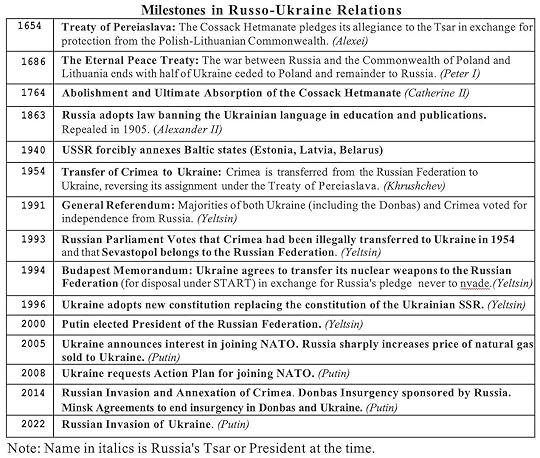
Начинает автор издалека – Киевской Руси. Я считаю, что о Киевской Руси и Московии нужно читать отдельные книги, поэтому я пропустил эту часть. Далее идёт крайне поверхностный обзор советской истории, включая Голодомор. Я не вижу проблемы в том, чтобы упомянуть Голодомор, ведь он действительно был, точнее голод 30-х, который был в Украине, Казахстане и России. Правда автор упоминает только голод в Украине. Как показывает книга In Wartime Stories from Ukraine, эхо Голодомора до сих пор звучит в душах украинцев, как будто эта трагедия случилась позавчера. Однако в книге In Wartime Stories from Ukraine затрагивается ещё одна тема – преступления сторонников Бандеры и УПА, в особенности совершённые по отношению к евреям. Однако Serhii Plokhy ничего не пишет об этом, как будто этого и не было. Автор книги In Wartime Stories from Ukraine показывает, что Украина разделена на два лагеря: если для одних, действия Бандеры и УПА, были преступлением, то для других – действия Сталина и советской власти. Serhii Plokhy упоминает только преступления советской власти. Единственное что он пишет по поводу УПА и сторонников Бандеры, это:
In 1943 the Bandera faction assumed leadership of the 100,000-strong Ukrainian Insurgent Army, a guerrilla force that fought against the Polish Home Army and the Nazis <…>
И дальше добавляет:
The Soviets did their best to discredit the Ukrainian nationalists by condemning their early collaboration with the Germans and exposing the participation of some OUN members in the Holocaust and the ethnic cleansing of Poles during the German occupation of Ukraine.
Согласно автору, это всё советская пропаганда придумала, и никто никого камнями не забивал и граждан Польши не трогал (автор решил сделать то же самое что и с темой голода в СССР в 30-х годах, т.е. не упоминать некоторые исторические факты).
Далее автор, внезапно, начинает пересказывать историю прихода Ельцина к власти. Вот какое отношение это имеет к сегодняшнему дню, учитывая, что этот период крайне сложный и о нём пишутся отдельные книги (да и касается он РФ, а не Украины)? Дело в том, что автор давно написал книги, как по истории Украины, так и по теме крушения СССР и прихода Ельцина к власти. Поэтому ему ничего писать заново не нужно, он всё уже давно написал. Зачем он включил эти темы в эту книгу? Я думаю исключительно по политическим соображениям. В общем, я не вижу смысла в чтении этих глав, за исключением главы, в которой автор пишет о разоружении Украины 1991, но об этом лучше прочитать в книге Ukraine and Russia: From Civilized Divorce to Uncivil War, в которой этот вопрос рассматривается более подробно.
Ну а далее идёт самое главное – правление Путина. Первое что я заметил, это полное отсутствие причин, почему Россия так невзлюбила Украину после 2004 года. Что касается «цветных революций», то этот аргумент не выдерживает критики, ибо подобные революции были и в Армении, и в Киргизии (целых три!) и совсем недавно произошёл переворот в Казахстане. Но ни в одном из трёх случаев Россия не напала на страну. Автор никак не объясняет такое поведение России. Но я могу объяснить. Дело, конечно, не в Оранжевой Революции или, лучше сказать, не столько в ней, а в том, на каких лозунгах пришли лидеры Оранжевой Революции. Суммировать их идеи можно цитатой из книги Constructing the Narratives of Identity and Power: Self-Imagination in a Young Ukrainian Nation: «Ukraine is a postcolonial, postgenocidal, posttotalitarian country with Holodomor as the core symbol of such victimization, which continues now because the Ukrainian language and culture are oppressed by the dominant Russian language». Поэтому не удивительно, что политическим наследством Ющенко стала не борьба с коррупцией и построение современного государства по европейскому образцу (быть в ЕС не значит стать ЕС), а, во-первых, оправдание ОУН-УПА, во-вторых, признание Романа Шухевича Героем Украины и, в-третьих, продвижение темы Голодомора как преднамеренного геноцида украинцев устроенного русскими. Пишет ли об этом Serhii Plokhy? Нет.
Далее мы подходим к событиям 2014, но прежде чем сказать о них, нужно упомянуть газовую войну между РФ и Украиной. О чём она? В конце 2005 года Россия решила пересмотреть цены на газ для постсоветских стран, включая Беларусь, прибалтийские страны, Грузию, Армению, Молдавию и Азербайджан. Цены для Украины также были пересмотрены. Однако как сказано в книге Powering Europe Russia, Ukraine, and the Energy Squeeze, ни Украина, ни Беларусь не могли платить за газ по европейским ценам. Если с Белоруссией Кремль договаривается, то с Украиной начинается газовая война. Кремль не мог прекратить поставки газа через Украину, ибо тогда он не выполнил бы свои контракты, заключённые с европейскими странами, но и Украина не собиралась платить за газ по европейским ценам и просто забирала часть газа себе. Тупик. Как я понимаю, Кремль посчитал, что в таком случаи Украина должна дать что-то натурой. Возможно, такое явление как «Янукович и Партия Регионов» и являются такой натурой за оплату газа. Однако и тут проблема, ибо как показывает книга Everyone Loses: The Ukraine Crisis and the Ruinous Contest for Post-Soviet Eurasia, Янукович также не рвался выполнять все указы от Москвы (при помощи России он начал строить персоналистскую диктатуру) и именно поэтому, даже будучи премьер-министром, он так и не узаконил русский язык в качестве второго государственного.
Так почему в 2014 Путин начал военный конфликт, если дело в газе? Дело не только в газе, дело в политическом PR, т.е. причине, почему Путин должен продолжать править РФ (формальный союз РФ, Белоруссии и Украины был бы большим PR-событием оправдывающим пребывание Путина у власти (в 2014 альтернативой стал Крым)). В глазах населения он должен выглядеть сильным правителем, который держит под контролем соседей, но украинские политики показали, что он не только формально не контролирует Украину, но даже не способен заставить её платить европейские цены (они унизили главного великоросса, т.е. «а царь то - не настоящий»). События 2014 показали России не только откровенное недружелюбие политической украинской элиты и части украинского народа к России (которая спонсировала их газом), но и что главным тут являются ЕС и США, а не славянский «старший брат». Другими словами, через призму Кремля, ЕС может выбирать, кто станет в Украине президентом (Ющенко), а Россия, нет (её кандидата – Януковича – свергли при первой же возможности). Да, там ещё сыграли свою роль политически элиты Донбасса, но….
Короче. Ничего об этом автор не пишет. У автора всё просто: Россия напала на Украину, потому что исторически пытается уничтожить украинскую государственность и украинцев как таковых (см. историю с Голодомором). Однако я считаю, что история отношений двух стран намного более сложная и автор намеренно её не показал. Да, всё что я написал, не оправдывает вторжения 2022 (и даже 2014). Почему же в таком случаи автор не показал полную картину того что происходило? Потому что тогда англоязычный читатель запутается. Нужна предельно простая и понятная картина, в которой нет никакой двусмысленности. И ещё. Автор потерял в этой войне кузена, поэтому эта книга не про информацию, а про эмоции. Поэтому в этой книге нет историка Serhii Plokhy, а есть украинец Serhii Plokhy.
But I overdressed on purpose to show by my appearance that I was collected and prepared to carry out my duties, whatever they might be in wartime conditions, no matter the news from the front lines.
Of course, in these words of the author, we can find the author's desire to fix himself up (freshen up) in the literal sense of the word. However, from my point of view, the phrase "prepared to carry out my duties" hides the idea of doing everything possible to help one's country. Is participating in a political project, as this book is, such a "carry out my duties"? I think so. The author wrote only a part of the truth that took place between Russia and Ukraine. It is difficult to explain to readers that the author has told only a part of the truth because to do so, one must be aware of the complex and intricate history of both Ukraine itself and its relations with its neighbor, Russia. Nevertheless, I believe that the author intentionally simplified the history to give foreigners a simple and understandable view of what happened between Russia and Ukraine because, if you show foreigners a more detailed, complex, and confusing picture, one may become more skeptical of Ukraine. This is not to say that they would consider the Russian invasion justified, but in the sense that both Russian politicians and Ukrainian politicians did everything possible to make the war happen (although the proportions of blame are different, of course).
The author starts from afar - Kievan Rus'. I believe that one should read separate books about Kievan Rus and Muscovy, so I skipped this part. Then, there is an extremely superficial review of Soviet history, including the Holodomor. I don't see a problem mentioning the Holodomor because it really was, or rather, the famine of the 30s, which was in Ukraine, Kazakhstan, and Russia. However, the author only mentions the famine in Ukraine. As the book "In Wartime Stories from Ukraine" shows, the echo of the Holodomor still echoes in the souls of Ukrainians as if this tragedy happened the day before yesterday. However, "In Wartime Stories from Ukraine" touches on another topic - the crimes of Bandera and UPA supporters, especially those committed against Jews. However, Serhii Plokhy does not write anything about it, as if it never happened. The author of "In Wartime Stories from Ukraine" shows that Ukraine is divided into two camps: while for some, the actions of Bandera and the UPA were a crime, for others, the actions of Stalin and the Soviet regime. Serhii Plokhy mentions only the crimes of the Soviet regime. The only thing he writes about the UPA and Bandera supporters is:
In 1943 the Bandera faction assumed leadership of the 100,000-strong Ukrainian Insurgent Army, a guerrilla force that fought against the Polish Home Army and the Nazis <…>
And further adds:
The Soviets did their best to discredit the Ukrainian nationalists by condemning their early collaboration with the Germans and exposing the participation of some OUN members in the Holocaust and the ethnic cleansing of Poles during the German occupation of Ukraine.
According to the author, it was all made up by Soviet propaganda, so Ukrainians did not kill anyone with stones and did not touch Polish citizens (the author decided to do the same as with the topic of famine in the USSR in the 30s, i.e. not to mention some historical facts).
Then, the author suddenly begins to retell the story of Yeltsin's rise to power. What does it have to do with today, given that this period is extremely complicated & separate books are being written about it (and it concerns the Russian Federation, not Ukraine)? The thing is that the author has long ago written books, both on the history of Ukraine and on the collapse of the USSR and Yeltsin's rise to power. Therefore, he does not need to write anything new - he wrote everything long ago. Why did he include these topics in this book? I think for ideological reasons. In general, I see no point in reading these chapters, except for the chapter in which the author writes about Ukraine's disarmament in 1991, but it is better to read about it in the book Ukraine and Russia: From Civilized Divorce to Uncivil War, which deals with this issue in more detail.
And then there is the most important thing - Putin's rule. The first thing I noticed was the complete absence of reasons why Russia disliked Ukraine so much after 2004. As for "color revolutions," this argument does not stand up to criticism because there were similar revolutions in Armenia, in Kyrgyzstan (as many as three!), and, recently, there was a coup in Kazakhstan. But in none of the three cases did Russia attack the country. The author does not explain this behavior of Russia in any way. But I can explain it. The point, of course, is not in the Orange Revolution or, better to say, not so much in it, but in the slogans on which the leaders of the Orange Revolution came. To summarize their ideas, we can quote from Constructing the Narratives of Identity and Power: Self-Imagination in a Young Ukrainian Nation: «Ukraine is a postcolonial, postgenocidal, posttotalitarian country with Holodomor as the core symbol of such victimization, which continues now because the Ukrainian language and culture are oppressed by the dominant Russian language». Therefore, it is not surprising that Yushchenko's political legacy was not the fight against corruption and building a modern state on the European model (being in the EU does not mean becoming the EU), but, first, the justification of OUN-UPA, second, the recognition of Roman Shukhevych as a Hero of Ukraine and, third, the promotion of the Holodomor as a deliberate genocide of Ukrainians organized by the Russians. Does Serhii Plokhy write about it? No.
Then we come to the events of 2014, but before we talk about them, we should mention the gas war between Russia and Ukraine. What is it about? In late 2005, Russia decided to revise gas prices for post-Soviet countries, including Belarus, the Baltic states, Georgia, Armenia, Moldova and Azerbaijan. Prices for Ukraine were also revised. However, as stated in the book Powering Europe Russia, Ukraine, and the Energy Squeeze, neither Ukraine nor Belarus could pay for gas at European prices. If the Kremlin negotiates with Belarus, a gas war with Ukraine begins. The Kremlin could not stop supplying gas through Ukraine because then it would not fulfill its contracts with European countries, but Ukraine was not going to pay for gas at European prices and simply took some gas for itself. Deadlock. As I understand it, the Kremlin felt that, in such a case, Ukraine should give something in kind. Perhaps such a phenomenon as "Yanukovych and the Party of Regions" is such an in-kind payment for gas. However, there is also a problem, because as the book Everyone Loses: The Ukraine Crisis and the Ruinous Contest for Post-Soviet Eurasia shows, Yanukovych was also not eager to fulfill all the decrees from Moscow (he started building a personalist dictatorship with Russia's help) and that is why, even as prime minister, he never legalized Russian as a second state language.
So why did Putin start a military conflict in 2014 if it's about gas? It's not just about gas - it's about political PR, i.e., the reason why Putin should continue to rule the Russian Federation (a formal union of Russia, Belarus, and Ukraine would be a great PR event to justify Putin staying in power (in 2014, the alternative was Crimea)). In the eyes of the population, he should look like a strong ruler who keeps his neighbors under control, but Ukrainian politicians have shown that he not only does not formally control Ukraine but is not even capable of making it pay European prices (they humiliated the chief of the Great Russians; "the Tsar is not a real Tsar"). The events of 2014 showed Russia not only the blatant unfriendliness of the Ukrainian political elite and part of the Ukrainian people towards Russia (which sponsored them with gas) but also that the EU and the U.S., not the Slavic "big brother," are in charge here. In other words, through the prism of the Kremlin, the EU can choose who will become president in Ukraine (Yushchenko), but Russia cannot (its candidate - Yanukovych - was overthrown at the first opportunity). Yes, the political elites of Donbas also played a role there, but...
In short. The author does not write anything about it. The author makes it simple: Russia attacked Ukraine because it is historically trying to destroy Ukrainian statehood and Ukrainians as such (see the Holodomor story). However, I believe that the history of relations between the two countries is much more complex, and the author intentionally did not show it. Yes, everything I wrote does not justify the invasion of 2022 (or even 2014). Why didn't the author show the full picture of what happened? Because then the English-speaking reader would be confused. What is needed is a simple and clear picture with no ambiguity. Also. The author lost his cousin in this war, so this book is not about information but about emotions. Therefore, there is no historian Serhii Plokhy in this book, but a Ukrainian citizen Serhii Plokhy.