

What do you think?

יסמין
סיפור אהבה נוגע ללב של נורי ויסמין, גבר ואישה צעירים במלוא פריחתם המתמודדים עם המעצורים שבנפשם ועם התהום שביניהם, עומד במרכז הרומן הריאליסטי הזה.
הרומן מעלה בכאב ובהומור מגוון דמויות ססגוניות, המיטלטלות ומתפתחות בין תרבויות ועולמות מנוגדים.
הסיפור מתרחש על רקע ירושלים שלאחר מלחמת ששת הימים ומתאר את המפגש בין שני העמים, הישראלים והפלסטינים.
הרומן מעלה בכאב ובהומור מגוון דמויות ססגוניות, המיטלטלות ומתפתחות בין תרבויות ועולמות מנוגדים.
הסיפור מתרחש על רקע ירושלים שלאחר מלחמת ששת הימים ומתאר את המפגש בין שני העמים, הישראלים והפלסטינים.
411 pages, Paperback
First published January 1, 2005
About the author
Eli Amir
11 books22 followersDisambiguation:
Eli^Amir = this profile
Eli^^Amir = Eli Amir
Amir was born in Baghdad, Iraq. He immigrated to Israel with his family in 1950.
He won the Yigal Alon prize for outstanding pioneering service to the Israeli society. Amir is well-known in Israel for his lectures, articles, radio and television programs and especially for his book, Scapegoat, a semi-autobiographical novel that depicts the integration of an Iraqi-Jewish youth in an Israeli transit camp soon after the establishment of the state. This and other novels by Amir are included in the secondary school sylabus.From 1964 to 1968 he served as adviser on Arab affairs to the Prime Minister of Israel, and as envoy for the Minister of Immigration Absorption of Israel to the United States. In 1984, he was appointed Director General of the Youth Aliyah department of the Jewish Agency.
Eli^Amir = this profile
Eli^^Amir = Eli Amir
Amir was born in Baghdad, Iraq. He immigrated to Israel with his family in 1950.
He won the Yigal Alon prize for outstanding pioneering service to the Israeli society. Amir is well-known in Israel for his lectures, articles, radio and television programs and especially for his book, Scapegoat, a semi-autobiographical novel that depicts the integration of an Iraqi-Jewish youth in an Israeli transit camp soon after the establishment of the state. This and other novels by Amir are included in the secondary school sylabus.From 1964 to 1968 he served as adviser on Arab affairs to the Prime Minister of Israel, and as envoy for the Minister of Immigration Absorption of Israel to the United States. In 1984, he was appointed Director General of the Youth Aliyah department of the Jewish Agency.
Ratings & Reviews
Friends & Following
Create a free account to discover what your friends think of this book!
Community Reviews
Displaying 1 - 13 of 13 reviews

April 3, 2020
GLI ALTRI
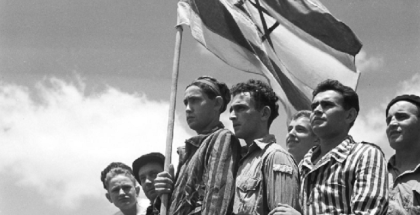
Questa, le foto che seguono, e quella sulla copertina, sono tutti scatti di Micha Bar-Am, fotografo israeliano nato a Berlino nel 1930.
Nuri è un ebreo nato in un paese arabo che ammira la saggezza dell’Occidente. Ascolta musica classica la mattina e araba la sera. È un uccello migratore tra due mondi, con una gamba qua e una là, e a volte le gambe gli si ingarbugliano e incespica.
È stato battezzato come suo zio morto a trent’anni. E ora anche Nuri ha quasi raggiunto quell’età: viene richiamato, la guerra del 1967, quella passata alla storia come guerra dei Sei Giorni sta per scoppiare. Siamo a maggio, la guerra scoppierà a giugno.
I paesi arabi tutti insieme fingevano di voler proteggere i palestinesi e di voler vendicare la nakba. Si infiammavano e giuravano che avrebbero fatto polpette dei giudei. In sei giorni cambiarono promesse.
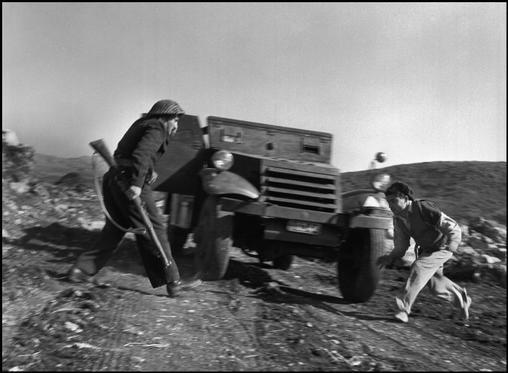
Guerra del Sinai, 1956-7.
Nuri ha studiato arabo e di quella lingua ama la musicalità sinuosa, ama Umm Kulthum e la sua voce perturbante, aveva amato perfino Nasser perché aveva voce melodiosa e ricca di toni: ma ora è stato richiamato e deve andare a fare la guerra contro gli arabi.
Quanto preferirebbe fare l’amore con la sua ex fidanzata che voleva sposarlo, e ora finalmente acconsentire, mettere su famiglia, avere figli, comprarsi una preziosa giacca color senape…

Shilo, West Bank
Nuri vien facile pensare sia modellato sullo stesso Eli Amir, un suo clone, visto che proprio come Nuri, Amir è nato a Bagdad, è un ebreo arabo, ha dovuto lasciare l’Iraq per evitare la repressione, è approdato in Israele da ragazzino nel 1951, eccetera.
Nuri, come Amir, fa parte di quell’ampia schiera di ebrei sefarditi (iracheni, marocchini, yemeniti, egiziani, tunisini, tripolitani, algerini, turchi, persiani, libanesi, siriani) che approdarono in Israele con l’ultima aliyah, dopo la nakba, e quindi dopo l’indipendenza che portò alla nascita del nuovo stato, e che sono stati accolti come cittadini di serie B (in serie C i palestinesi, dice Amir/Nuri).
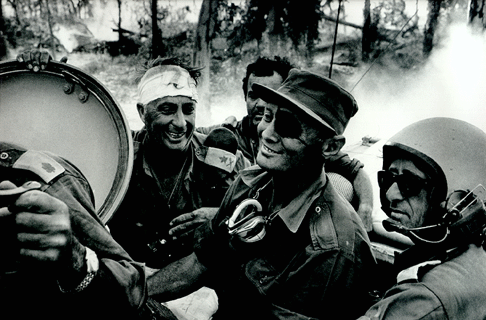
Crossing the Suez Canal, Yom Kippur War. 1973
Un romanzo che sembra perfino più ricco e stratificato delle sue quattrocentoquaranta pagine: anche se la storia è racchiusa nell’anno che inizia col maggio 1967 (la Guerra dei Sei Giorni è del giugno seguente), Amir racconta tanto. E forse tutto: la sensazione, infatti, è che da una parte si apprezza molto la sua chiarezza, il suo scendere nel dettaglio e nel particolare – tutto quello che riguarda la vita sociale e politica di quel periodo, i rapporti tra ebrei, palestinesi e arabi, i fatti storici o di cronaca che precedono - dall’altra, qui e la, soprattutto sulle vicende sentimentali del protagonista, personalmente avrei apprezzato meno spiegazioni, più sospensione.
E questo determina tono e carattere del romanzo: sempre ironico, spesso divertente, per la maggior parte interessante, anche molto, ogni tanto sembra sconfinare nella letteratura di genere rosa, diventa quasi svenevole.
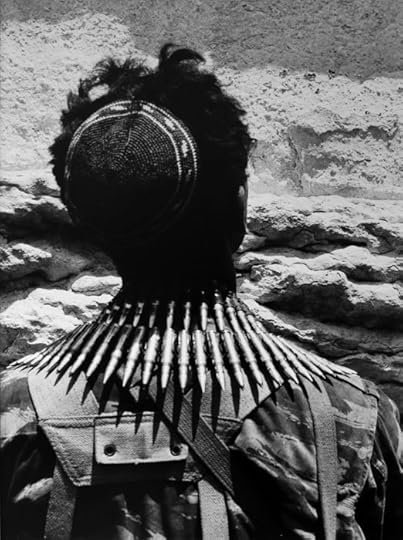
Soldato israeliano al Muro del Pianto al termine della Guerra dei Sei giorni, 1967.
Questa, le foto che seguono, e quella sulla copertina, sono tutti scatti di Micha Bar-Am, fotografo israeliano nato a Berlino nel 1930.
Nuri è un ebreo nato in un paese arabo che ammira la saggezza dell’Occidente. Ascolta musica classica la mattina e araba la sera. È un uccello migratore tra due mondi, con una gamba qua e una là, e a volte le gambe gli si ingarbugliano e incespica.
È stato battezzato come suo zio morto a trent’anni. E ora anche Nuri ha quasi raggiunto quell’età: viene richiamato, la guerra del 1967, quella passata alla storia come guerra dei Sei Giorni sta per scoppiare. Siamo a maggio, la guerra scoppierà a giugno.
I paesi arabi tutti insieme fingevano di voler proteggere i palestinesi e di voler vendicare la nakba. Si infiammavano e giuravano che avrebbero fatto polpette dei giudei. In sei giorni cambiarono promesse.
Guerra del Sinai, 1956-7.
Nuri ha studiato arabo e di quella lingua ama la musicalità sinuosa, ama Umm Kulthum e la sua voce perturbante, aveva amato perfino Nasser perché aveva voce melodiosa e ricca di toni: ma ora è stato richiamato e deve andare a fare la guerra contro gli arabi.
Quanto preferirebbe fare l’amore con la sua ex fidanzata che voleva sposarlo, e ora finalmente acconsentire, mettere su famiglia, avere figli, comprarsi una preziosa giacca color senape…
Shilo, West Bank
Nuri vien facile pensare sia modellato sullo stesso Eli Amir, un suo clone, visto che proprio come Nuri, Amir è nato a Bagdad, è un ebreo arabo, ha dovuto lasciare l’Iraq per evitare la repressione, è approdato in Israele da ragazzino nel 1951, eccetera.
Nuri, come Amir, fa parte di quell’ampia schiera di ebrei sefarditi (iracheni, marocchini, yemeniti, egiziani, tunisini, tripolitani, algerini, turchi, persiani, libanesi, siriani) che approdarono in Israele con l’ultima aliyah, dopo la nakba, e quindi dopo l’indipendenza che portò alla nascita del nuovo stato, e che sono stati accolti come cittadini di serie B (in serie C i palestinesi, dice Amir/Nuri).
Crossing the Suez Canal, Yom Kippur War. 1973
Un romanzo che sembra perfino più ricco e stratificato delle sue quattrocentoquaranta pagine: anche se la storia è racchiusa nell’anno che inizia col maggio 1967 (la Guerra dei Sei Giorni è del giugno seguente), Amir racconta tanto. E forse tutto: la sensazione, infatti, è che da una parte si apprezza molto la sua chiarezza, il suo scendere nel dettaglio e nel particolare – tutto quello che riguarda la vita sociale e politica di quel periodo, i rapporti tra ebrei, palestinesi e arabi, i fatti storici o di cronaca che precedono - dall’altra, qui e la, soprattutto sulle vicende sentimentali del protagonista, personalmente avrei apprezzato meno spiegazioni, più sospensione.
E questo determina tono e carattere del romanzo: sempre ironico, spesso divertente, per la maggior parte interessante, anche molto, ogni tanto sembra sconfinare nella letteratura di genere rosa, diventa quasi svenevole.
Soldato israeliano al Muro del Pianto al termine della Guerra dei Sei giorni, 1967.

December 8, 2017
Modi difficili di essere Israeliani
Storia di Nuri, che arriva in Israele a 13 anni, fuggendo con la famiglia da Bagdad.
Storia degli ebrei sefarditi che riparano in Israele dai paesi arabi, dove ormai sono sgraditi: ma non i loro beni, che rimangono nei paesi arabi. Arrivati in Israele ricevono un posticino in una tendopoli, imparano l'ebraico e sperano di trovare un lavoro, per sentirsi a casa, oltre che profughi nella terra dei Padri.
Storia degli arabi che dopo la guerra del '67 si trovano nel territorio di Israele. Se sono povera gente, cercano aiuto. Se sono ricchi gerosolimitani, snobbano le autorità israeliane sperando che a furia di non guardale svaniscano come ombre sul far del giorno.
Storia dello zio giornalista a Bagdad, in carcere da quindici anni come dissidente, che nessuno sperava di rivedere e che un nipote che lavora nel Mossad riesce a portare in Israele. Uomo sbalzato in un paese straniero, passato dal buio della galera al sole abbacinante di Israele: un uomo con un passato difficile e un futuro nebuloso.
Queste storie si intrecciano in modo convincente in un libro scritto da Eli Amir, ebreo di origine irachena che tutte queste cose le conosce bene e probabilmente le ha vissute in prima persona. Nel libro frullano molte emozioni facili da condividere: l'incoscienza giovanile che ti fa sperare e credere e realizzare cose altrimenti impossibili, l'ansia per i genitori anziani che hanno abbandonato una vita agiata e si adattano con molta fatica alla irrilevanza del presente. Il disagio per la propria infanzia in un paese arabo con profumi, sapori, canzoni che non c'è bisogno di rinnegare ma che non si riesce a condividere. La necessità di dover dimostrare, in guerra e nella vita quotidiana, che si può essere sefarditi ma non di serie C: dopo i sabra, dopo gli askenaziti.
C'è anche la storia d'amore, fra ebreo di lingua araba e araba cristiana, uno proletario di ritorno, l'altra altoborghese. C'è Gerusalemme e c'è Gadir, un bel personaggio. C'è l'amore per Umm Kulthum.
Ce n'è per 4 romanzi.
Storia di Nuri, che arriva in Israele a 13 anni, fuggendo con la famiglia da Bagdad.
Storia degli ebrei sefarditi che riparano in Israele dai paesi arabi, dove ormai sono sgraditi: ma non i loro beni, che rimangono nei paesi arabi. Arrivati in Israele ricevono un posticino in una tendopoli, imparano l'ebraico e sperano di trovare un lavoro, per sentirsi a casa, oltre che profughi nella terra dei Padri.
Storia degli arabi che dopo la guerra del '67 si trovano nel territorio di Israele. Se sono povera gente, cercano aiuto. Se sono ricchi gerosolimitani, snobbano le autorità israeliane sperando che a furia di non guardale svaniscano come ombre sul far del giorno.
Storia dello zio giornalista a Bagdad, in carcere da quindici anni come dissidente, che nessuno sperava di rivedere e che un nipote che lavora nel Mossad riesce a portare in Israele. Uomo sbalzato in un paese straniero, passato dal buio della galera al sole abbacinante di Israele: un uomo con un passato difficile e un futuro nebuloso.
Queste storie si intrecciano in modo convincente in un libro scritto da Eli Amir, ebreo di origine irachena che tutte queste cose le conosce bene e probabilmente le ha vissute in prima persona. Nel libro frullano molte emozioni facili da condividere: l'incoscienza giovanile che ti fa sperare e credere e realizzare cose altrimenti impossibili, l'ansia per i genitori anziani che hanno abbandonato una vita agiata e si adattano con molta fatica alla irrilevanza del presente. Il disagio per la propria infanzia in un paese arabo con profumi, sapori, canzoni che non c'è bisogno di rinnegare ma che non si riesce a condividere. La necessità di dover dimostrare, in guerra e nella vita quotidiana, che si può essere sefarditi ma non di serie C: dopo i sabra, dopo gli askenaziti.
C'è anche la storia d'amore, fra ebreo di lingua araba e araba cristiana, uno proletario di ritorno, l'altra altoborghese. C'è Gerusalemme e c'è Gadir, un bel personaggio. C'è l'amore per Umm Kulthum.
Ce n'è per 4 romanzi.

April 28, 2018
Nein, dies ist keine Liebesgeschichte, oder nur vordergründlich. Diesem Buch liegt die verlorene Chance Israels zu Grunde mit Hilfe der kulturellen Kompetenz und Nähe der orientalischen Juden zu einer Aussöhnung oder zumindest Verständigung mit dem palästinensischem Volk zu gelangen.
Nach dem Sechstagekrieg und der Besatzung Ost-Jerusalems und des Westjordanlandes trifft der von Askenasim und ihrer zionistischen Ideologie geprägte Judenstaat auf ein weitgehend bäuerliches Volk dessen nationale Begeisterung einen tödlichen Schlag erhalten hat. Nuri, die Hauptperson, ein Sohn von aus Bagdad unter dramatischen Umständen geflüchteten Juden, wird beauftragt Formen der Verständigung mit den palästinensischen Honoratioren zu suchen. Aber weder von seinen Vorgesetzten, noch von den vielen administrativen Handlangern der Besatzungsmacht erhält er dafür wirklich Unterstützung. So steht auch seine aufblühende Liebe zu der Tochter eines palästinensischen Geschäftsmannes unter einem schlechten Stern.
Eli Amir, selbst "Babeljude", wie die Juden aus dem Irak genannt wurden, deutet an, was mit mehr Verständnis und dem Willen zur gegenseitigen Anerkennung als Mensch und Nachbar hätte erreicht werden können. Als Bewunderer Israels und seiner Menschen stimmt mich dieses Buch sehr traurig, zumal sich die Lage über die Jahre kaum verbessert hat. Zugleich aber bin ich dankbar in Eli Amir einen großartigen Erzähler kennengelernt zu haben.
Nach dem Sechstagekrieg und der Besatzung Ost-Jerusalems und des Westjordanlandes trifft der von Askenasim und ihrer zionistischen Ideologie geprägte Judenstaat auf ein weitgehend bäuerliches Volk dessen nationale Begeisterung einen tödlichen Schlag erhalten hat. Nuri, die Hauptperson, ein Sohn von aus Bagdad unter dramatischen Umständen geflüchteten Juden, wird beauftragt Formen der Verständigung mit den palästinensischen Honoratioren zu suchen. Aber weder von seinen Vorgesetzten, noch von den vielen administrativen Handlangern der Besatzungsmacht erhält er dafür wirklich Unterstützung. So steht auch seine aufblühende Liebe zu der Tochter eines palästinensischen Geschäftsmannes unter einem schlechten Stern.
Eli Amir, selbst "Babeljude", wie die Juden aus dem Irak genannt wurden, deutet an, was mit mehr Verständnis und dem Willen zur gegenseitigen Anerkennung als Mensch und Nachbar hätte erreicht werden können. Als Bewunderer Israels und seiner Menschen stimmt mich dieses Buch sehr traurig, zumal sich die Lage über die Jahre kaum verbessert hat. Zugleich aber bin ich dankbar in Eli Amir einen großartigen Erzähler kennengelernt zu haben.

February 24, 2013
Struggled with what to rate this novel. I learned quite a bit about the Arab/Israeli relationships and how individual families were affected by the Six Day War.At times the writing seemed a little sophomoric, though that could be the translation but the characters and the novel was very reader friendly. I really liked the character of Nuri and felt the author did a wonderful job portraying his very real confusion about whose side he should be on, who were the winners and who the losers. Worthwhile read for sure.

July 24, 2021
A nice and ambitious book.
The year is 1967, Nuri, who we have met in the previous books of this series, is appointed as the minister’s liaison person to the newly conquered east Jerusalem population. He makes every effort to be fair and treat the population as human beings. As part of his job, he meets the beautiful Jasmine, a daughter of one of the influential Palestinians of East Jerusalem.
The book deals with various aspects of the Israeli life and culture, various aspects of the Palestinian life and culture (in the months after the six day war) and the clash between the people of these nations.
I liked the book but did not love it, my feeling is that the position and opinions of the people as described in the book is influenced by hindsight ( the book was published in 2005) and while there probably were people with opinions as described in the book, they were not representative of the time (and to be honest, the book does not claim that they are representative).
from my point of view, if you want to read one book by this author, you should read
The Dove Flyer
The year is 1967, Nuri, who we have met in the previous books of this series, is appointed as the minister’s liaison person to the newly conquered east Jerusalem population. He makes every effort to be fair and treat the population as human beings. As part of his job, he meets the beautiful Jasmine, a daughter of one of the influential Palestinians of East Jerusalem.
The book deals with various aspects of the Israeli life and culture, various aspects of the Palestinian life and culture (in the months after the six day war) and the clash between the people of these nations.
I liked the book but did not love it, my feeling is that the position and opinions of the people as described in the book is influenced by hindsight ( the book was published in 2005) and while there probably were people with opinions as described in the book, they were not representative of the time (and to be honest, the book does not claim that they are representative).
from my point of view, if you want to read one book by this author, you should read
The Dove Flyer

May 13, 2017
Pues Efectivamente, no todos son finales felices.
March 26, 2024
גמעתי את הספר בשקיקה. האמת שזה מסוג הספרים שדי מתאים לתקופה שאחרי 07/10.
ולמרות שזו קלישאה, אז האמיתות שבספר רק התחדדו עם השנים.
ולמרות שזו קלישאה, אז האמיתות שבספר רק התחדדו עם השנים.

June 13, 2015
ספר מרתק אך לדעתי לא היה יכול לכתוב עלילה כזו בשנת 1968
אחשוב עוד קצת על הספר לפני שאכתוב סיכום...
this was a riveting book, I was so afraid that the ending would be too tragic which is why it took me so long to finish..there was tragedy. This book takes place in 1968 post 7 day war Israel,, mostly in Jerusalem. In my opinion this could not have been written then, too many insights that only became clear 20 or 30 years later. I will write a proper review when I have thought about it some more. Definitely worth reading but I don't know how the English translation handled all the subtle language shifts, I found myself turning to my Arabic speaking husband to understand some of the sayings... excellent book.
אחשוב עוד קצת על הספר לפני שאכתוב סיכום...
this was a riveting book, I was so afraid that the ending would be too tragic which is why it took me so long to finish..there was tragedy. This book takes place in 1968 post 7 day war Israel,, mostly in Jerusalem. In my opinion this could not have been written then, too many insights that only became clear 20 or 30 years later. I will write a proper review when I have thought about it some more. Definitely worth reading but I don't know how the English translation handled all the subtle language shifts, I found myself turning to my Arabic speaking husband to understand some of the sayings... excellent book.
October 6, 2015
First of his books I've read and kind of like eating the main course of a meal before the appetizers and soup, and then wondering if there is going to be dessert. Although the book stands on its own, I think it would have been better if I had read the first two books he had written first, to get a full picture of the characters. And the ending was disappointing from the perspective of the story, entirely unsatisfying and leaving it open to yet another book. However from the perspective of Israel, the ending is entirely appropriate. There is no solution to the Arab- Israel relationship nor to the Sephardi - Ashkenazi split, so the only choice is to run away from it.

June 8, 2022
יסמין ונורי כבשו את ליבי. סיפור אהבה בין צעירים-משכילים-קוראי שירה-אוהבי טבע-שנונים שבמקרה סוחבים על כתפיהם היסטוריה אינסופית המתנגשת בין שני עמים. סיפור על ישראל ופלסטין של 67’, סיפור של כאב ואובדן, של מלחמה וניצחון ועולמות שלמים בני אלמוות שחיים לרגע בעיניים של שני אנשים מאוהבים. הסכסוך והכיבוש מתערבבים עם מוסר ופרנסה, ירושלים בריחות השוק וטעם הערק גורמים לי להתגעגע למקום שקפא בזמן כדי שאוכל לבקרו. הלוואי שהיינו טובים יותר. יסמין, תודה על געגוע שלא פוסק ולב שמשתוקק כמו שלך.

January 29, 2014
My knowledge on Arab/Israel conflict was so political but Ali Amir could shed light on the real sides of the centuries of contradiction. Simultaneously, once again, one might enjoy the power of true love, even though the ending was distressed.
January 23, 2016
Excellent storytelling, transporting us in time to the moment when Israel took control of East Jerusalem and had to learn to deal with its players. The characters are believable and their encounters vividly described.
October 23, 2015
Sonunu pek beğenmedim. Kitabın adının Yasmin olmasına rağmen çok fazla Yasmin yoktu. Belki de bir semboldü, emin değilim. Arap ve Yahudi çatışması, sonrasında olanlar güzel işlenmişti.
Displaying 1 - 13 of 13 reviews