

What do you think?

Hanshichi. Un detective en el Japón de los Samuráis
Las historias del detective Hanshichi, personaje inspirado en Sherlock Holmes, se desarrollan entre 1840 y 1860, una época en la que tradición y superstición van de la mano y son el verdadero enemigo del racional y poco ortodoxo Hanshichi. Escrita con una sutil ironía y gran sentido del humor, Okamoto Kidô consigue qu e el lector disfrute con los casos del astuto inspector, trasladándolo a un período exótico incluso para los japoneses. Una era plagada de aparecidos, de hechizos de zorros, de criaturas kappa y de fantasmas. Misterios a los que el detective se enfrentará, armado únicamente con su ingenio y sus hábiles e incisivos interrogatorios
336 pages, Paperback
First published January 1, 1937
Ratings & Reviews
Friends & Following
Create a free account to discover what your friends think of this book!
Community Reviews
Displaying 1 - 30 of 126 reviews

March 3, 2017
The serialized short stories of inspector Hanshichi by Okamoto Kido were very popular in Japan between World War I and II. This book is a compilation of 14 of these stories. A very informative introduction about Kido and the cultural impact of the Hanshichi stories was also provided by the translator.
Hanshichi is by no means Sherlock Holmes. Most of the cases are solved by the most absurd of coincidences, or as Hanshichi would say "if this isn't a case of dumb luck, I don't know what is". As such the cases are not any more complex than what you would find in children's detective novels.
Rather, the detective stories were intended to bring an intertwining pretext to educate the reader about the cultural norms of old Edo (Tokyo) in the period between 1840s and 1860s. Or, citing from the introduction, "Kido was motivated as much by a desire to educate his readers as to entertain them. He does this by infusing his stories with information about feudal institutions, customs, festivals, geography, and historical events".
In a nutshell, this is a great book for anyone who wants to read about the customs of the Japanese in old Tokyo (before the kanto earthquake) in an entertaining format without having to read a textbook.
Hanshichi is by no means Sherlock Holmes. Most of the cases are solved by the most absurd of coincidences, or as Hanshichi would say "if this isn't a case of dumb luck, I don't know what is". As such the cases are not any more complex than what you would find in children's detective novels.
Rather, the detective stories were intended to bring an intertwining pretext to educate the reader about the cultural norms of old Edo (Tokyo) in the period between 1840s and 1860s. Or, citing from the introduction, "Kido was motivated as much by a desire to educate his readers as to entertain them. He does this by infusing his stories with information about feudal institutions, customs, festivals, geography, and historical events".
In a nutshell, this is a great book for anyone who wants to read about the customs of the Japanese in old Tokyo (before the kanto earthquake) in an entertaining format without having to read a textbook.

July 21, 2012
I didn`t mind the read for what it was, I just wish that Hanshichi`s antagonists put up more resistance when he had them cornered. Seemed a bit too easy for him to track down and subdue the criminal elements.
Pretty good book for learning about Edo period and eras before, with the translator having notes at the bottom of the page for elements the average foreign reader may not be acquainted with. (Change of city names over time, festivals, shrines, plays, prominent individuals, cultural aspects and etiquette etc.)
Worth reading, especially for those who are fans of the detective/mystery genre.
Wondering if Kido wrote anything other than detective fiction? Probably if so, not translated yet.
Pretty good book for learning about Edo period and eras before, with the translator having notes at the bottom of the page for elements the average foreign reader may not be acquainted with. (Change of city names over time, festivals, shrines, plays, prominent individuals, cultural aspects and etiquette etc.)
Worth reading, especially for those who are fans of the detective/mystery genre.
Wondering if Kido wrote anything other than detective fiction? Probably if so, not translated yet.

May 3, 2020
Un mini Sherlock Holmes al Japoniei. O serie de povestiri simpatice îmbrăcate cu elemente din cultura, tradiția și credințele nipone în supranatural și ființe mitice. Pentru o persoană fascinată de Japonia, multitudinea de cuvinte, expresii, explicații și trimiteri la perioada Edo precum și la autori, piese de teatru celebre, festivaluri locale și tot felul de alte informații a fost bine venită. O lectură ușoară și plăcută.

November 8, 2024
Yazarın 1917 yılında yarattığı Dedektif Hanşiçi karakterinin maceraları, Japonya’da bu türün ilk örneğini oluşturmuş ve günümüzde de bu öyküler ilgiyle okunmakta imiş.
Adli Tıp biliminin henüz günümüzdeki kadar gelişmemiş olduğu bir dönemde çok ilgi çeken öyküler olduğu aşikar. Ancak günümüz için, eğlenceli zaman geçirmekle yetinilecek öyküler. Dedektif Hanşiçi’yi sevdim. Umarım yeni öyküleri de Türkçe’ye kazandırılır. Çok kolay okunan, kolay takip edilen öyküler.
Metinde, İthaki yayınlarına yakışmayan bazı Türkçe ve baskı hataları vardı.
Adli Tıp biliminin henüz günümüzdeki kadar gelişmemiş olduğu bir dönemde çok ilgi çeken öyküler olduğu aşikar. Ancak günümüz için, eğlenceli zaman geçirmekle yetinilecek öyküler. Dedektif Hanşiçi’yi sevdim. Umarım yeni öyküleri de Türkçe’ye kazandırılır. Çok kolay okunan, kolay takip edilen öyküler.
Metinde, İthaki yayınlarına yakışmayan bazı Türkçe ve baskı hataları vardı.

June 13, 2015
I have developed a new habit, over the years: when I have no idea what to read next, but crave some Japanese literature, I go to my favorite library, start scanning and closely observe every spine, determining if its color and title font look interesting.
You might definte it superficial and lame, I adore it. I've borrowed quite a few books following this method, and not a single one has disappointed me, so far.
When I read the title of Okamoto Kido's newly translated short detective stories, I remembered reading of him in a literature book. He'd been a war correspondent, before he became a writer, and the way he'd described the horrors of war had immediately made me sympathize with him. I was really curious to find out what kind of stories he'd written, with that background.
The Curious Casebook won't be remembered because of the "mystery" factor of the stories it tells. Many people will find it rather lacking of the elements that make a detective story worth noticing: little suspense or pathos. No detailed descriptions of Hanshichi's methods of case solving. Almost no info about him, his personal life, his story.
He's there, at the beginning of every chapter, old and retired from his job and amused by the eagerness of his fan and sole audience - the narrator - to listen to his most peculiar and puzzling cases, but also to be taught about the old Tokyo, and hence the old Japan.
And that's exactly what makes this book charming and unforgettable: it gives the feeling you used to get, when your grandparents decided to tell you how their lives were, when they were your age. How society worked and how the places you know now were, back then. It's a bittersweet feeling of something grand and at the same time simple, that got lost through the years.
Something you've heard people older than you discuss, seen decayed and imagined in its original form, skeptical it was once so different from what you know.
The amount of info, entertainment, magic contained in each of these stories make up for the disappointing "detective" elements.
I've learned so much about 19th-century Japan thanks to Okamoto that I can't really give it less than four stars.
And the way he decided to structure it, made it even more interesting. Three levels of narration, the first being the narrator himself living in "present" Tokyo, going to or simply meeting by chance old Hanshichi - second - who'd invite him to his house or somewhere else, and - third - the time when the stories are actually set, from fifty to about thirty years before.
It may sound confusing, but it's incredibly fascinating, really. With just the interaction of two characters, we get two different generations' point of view, as well as two different examples of how the city they live in was before, and is at the moment of their meetings. Not to mention, the different festivities, the different religions, aspects of the Japanese culture that inevitably changed in that time span, like the theatre, the role of women, the Japanese family and ancient traditions.
I'm glad I found this book and I feel like recommending it to everyone interested in Japan and its beautiful history.

May 1, 2020
«Solo un aficionado se hubiera atrevido a sacar un cuchillo a un detective de Edo. Este tío no es nada del otro mundo, eso está claro, pensó Hanshichi con aire de suficiencia. Pero a veces un amateur puede ser más peligroso que un curtido criminal.»
Diez casos diferentes, o historias de sus memorias conforman este libro que narra las aventuras de Hanshichi, un policia detective de Edo en los años 1860s. Entre patios de casas de samurais, callejuelas de comerciantes, nieve, árboles, fiestas y representaciones, jefes de bomberos, jugadores, prostitutas, hospedajes, tabernas, sopas de fideos , supersticiones y asi, conforman un relato costumbrista llena de toda la picardía y variedad de ese tiempo. Las historias las presenta un tercero , a quien las cuenta el veterano de 70 años, cuando estaba trabajando en su cuarentena; un detective quitado de bulla y paciente, compasivo , pero tremendamente perspicaz y bueno para atar cabos con escasas pistas.
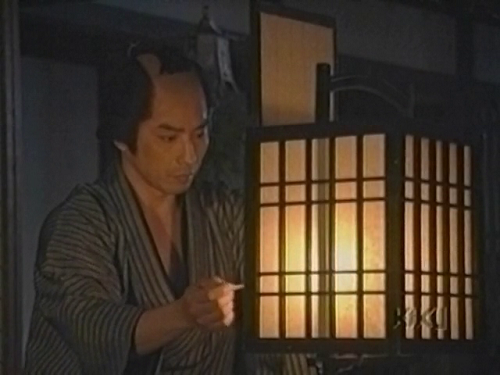
Las historias que aparecen aqui son:
1. El fantasma de Ofumi (ofumi no tamashii)
2. La farola de piedra (ishi doro)
3. La muerte de Kanpei (kanpei no shi)
4. El misterio de la campana de incendios (hansho no kai)
5. La doncella del Daimyo (oku jochu)
6. Nieve de primavera (haru no yuki doke)
7. La mansión de las campanillas (asagao yashiki)
8. El guirigay de los gatos (neko sodo)
9. La celebración del paso de la montaña (yama iwai no yo)
10. El caso del halcón desaparecido (taka no yukue)
Según indica el largo prólogo explicativo, fueron escritas en 1930s en forma de entregas en un periodico. Siendo el mismo autor, un hijo de samurai con una madre y hermana versadas en las artes y el teatro, muchas partes estan imbuidas de ello.
Muy interesante, de principio me costó entrar en asunto, pero después me empezó a encantar.
----------------------------------------------
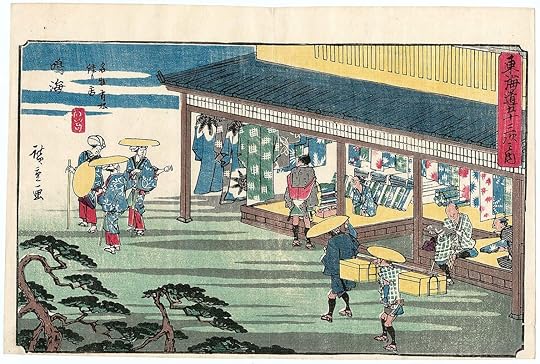
Ten different cases, or stories from his memories make up this book that tells the adventures of Hanshichi , an Edo detective policeman in the 1860s. Between samurai courtyards, alleyways of merchants, snow falling, trees blooming, festivals and performances, fire chiefs, gamblers, prostitutes, lodgings, taverns, noodle soups, superstitions and so on, make up a costumbrista story full of all the mischief and variety of that time. The stories are presented by a third party, who is told by the 70-year-old veteran, when he was working in his 40s; a quiet, compassionate, but extremely insightful, patient detective, and good at tying up ends with few leads.
As the long explanatory prologue indicates, these stories were written during the 1930s in the form of newspaper deliveries. Being the author, a samurai son with a mother and sister versed in the arts and theater, many parts are imbued with it.
A very interesting book, at first I had a hard time getting into business, but then I started to love it.

July 6, 2014
Inspector Hanshichi has been referred to as the Japanese Sherlock Holmes. That's not exactly true because the two are very different. Hanshichi is a police detective, not a private detective, and he is a lot easier to get along with than Holmes. However, they ARE both brilliant and solve apparently impossible crimes. Okamoto Kido wrote the Hanshichi stories over a period of 20 years (1917-1937), though the stories were set in the period of the 1840s to the 1860s. Ian MacDonald has translated 14 of them for this volume.
To quote the introduction:
"Kido does not paint a rosy picture of Edo as belonging to some idealized golden age: his stories are about crimes and the often sad and tragic lives of the people affected by them. He does not stint on depicting the social ills of that era and the whose who preyed on the weak: unscrupulous slave traders, lecherous monks, shady con men, murderous ronin (masterless samurai), greedy merchants, compulsive gamblers, to name but a few."
This does not mean these are dark noirish stories full of misery. They are interesting and entertaining. There is an old-fashioned air about the tales that may not appeal to everyone. However, you can say the same thing about Sherlock Holmes. Some favorites of mine:
"The Ghost of Ofumi" - the wife of a samurai claims she is being haunted
"The Stone Lantern" - the mysterious disappearance (twice!) of a young woman
"The Dancer's Curse" - the murder of the "Haunted Teacher"
"The Mansion of Morning Glories" - the disappearance of a young boy
I enjoyed all the stories and the introduction, which is very informative and helps you understand the background of Okamoto Kido and the stories.
Highly recommended.
To quote the introduction:
"Kido does not paint a rosy picture of Edo as belonging to some idealized golden age: his stories are about crimes and the often sad and tragic lives of the people affected by them. He does not stint on depicting the social ills of that era and the whose who preyed on the weak: unscrupulous slave traders, lecherous monks, shady con men, murderous ronin (masterless samurai), greedy merchants, compulsive gamblers, to name but a few."
This does not mean these are dark noirish stories full of misery. They are interesting and entertaining. There is an old-fashioned air about the tales that may not appeal to everyone. However, you can say the same thing about Sherlock Holmes. Some favorites of mine:
"The Ghost of Ofumi" - the wife of a samurai claims she is being haunted
"The Stone Lantern" - the mysterious disappearance (twice!) of a young woman
"The Dancer's Curse" - the murder of the "Haunted Teacher"
"The Mansion of Morning Glories" - the disappearance of a young boy
I enjoyed all the stories and the introduction, which is very informative and helps you understand the background of Okamoto Kido and the stories.
Highly recommended.

July 3, 2011
What we have here is a group of stories written between the teens and thirties of the 20th century, about Edo Japan of the 19th century-- wrapped up in 'detective' clothing. Mr Kido was something of a literary entrepreneur, and like Conan Doyle and Wilkie Collins, was a serials writer in the then-newly-popular vein of detective fiction.
The actual crime and detection aspects are pretty much secondary, though, in a compilation easily enough seen as nostalgia for a bygone era. It's a difficult compromise to hit on, since the nostalgia thing immediately nullifies any suspense generated in a 'crime' genre, and anything that promotes chaos & jeopardy too much ... well, fairly abolishes the cherry-blossom & tea ceremony setting. So what is left is a gentle, "Cautionary Tales" sort of thing, as told by a kindly uncle.
A bit like when Kurosawa allows his plots to go a little goofy (samurai getting drunk on saké, say)... in order to balance out his otherwise earth-shattering crisis points. It doesn't always work.
Nothing really un-likeable here, though, and if you'd like to take a breezy, carefree holiday in Meiji era Japan, this has it's moments.
If you're looking for something a little suspenseful or haunting ... no.
The actual crime and detection aspects are pretty much secondary, though, in a compilation easily enough seen as nostalgia for a bygone era. It's a difficult compromise to hit on, since the nostalgia thing immediately nullifies any suspense generated in a 'crime' genre, and anything that promotes chaos & jeopardy too much ... well, fairly abolishes the cherry-blossom & tea ceremony setting. So what is left is a gentle, "Cautionary Tales" sort of thing, as told by a kindly uncle.
A bit like when Kurosawa allows his plots to go a little goofy (samurai getting drunk on saké, say)... in order to balance out his otherwise earth-shattering crisis points. It doesn't always work.
Nothing really un-likeable here, though, and if you'd like to take a breezy, carefree holiday in Meiji era Japan, this has it's moments.
If you're looking for something a little suspenseful or haunting ... no.

November 13, 2023
This is a book of Detective stories, or Police Procedurals— if one wishes to be pedantic, where Inspector Hanshichi is the protagonist.
It contains fourteen tales. The stories are very well-written, as evident from the beautiful translation provided by Ian McDonald. Although they have some supposed mystery— sometimes supposedly supernatural— at their centre, eventually all the stories are about parts of Tokyo in the Nineteenth Century. To appreciate the stories, one really needs to follow the footnotes and the extremely informative 'Introduction'.
This book is of historical interest and should be appreciated in that vein. Okamoto is NOT the predecessor of Soji Shimada or Seishi Yokomizo. But, if one reads carefully, faint footsteps of some modern masters can befound here.
Recommended.
It contains fourteen tales. The stories are very well-written, as evident from the beautiful translation provided by Ian McDonald. Although they have some supposed mystery— sometimes supposedly supernatural— at their centre, eventually all the stories are about parts of Tokyo in the Nineteenth Century. To appreciate the stories, one really needs to follow the footnotes and the extremely informative 'Introduction'.
This book is of historical interest and should be appreciated in that vein. Okamoto is NOT the predecessor of Soji Shimada or Seishi Yokomizo. But, if one reads carefully, faint footsteps of some modern masters can befound here.
Recommended.

September 6, 2018
След прецизните в прелестта си Китайски загадки на вездесъщия Хюлик, в мен се отвори един нечовешки читателски глад за изящни азиатски истории, смесващи смущаващи местни легенди и вярвания с изключителни в жестокостта си престъпления на странна раса. Но такива просто няма. Е, да, ще спомена укоризнено едни ми ти японски загадки на Лиан Хърн, но не, никаква екзотична Кристи не е, а поредното доказателство на клишето „женско писане“. Докато не се посблъсках със следната компилация от великолепни истории на, за мен лично, напълно непознатия Окамото Кидо, разгърнал един почти извънземен свят по тертипа на Дойл, където мастър Шерлок се заменя от странния субект Ханшичи.
Кой обаче, или какво е господин Ханшичи? Наглед като образ от японски театър, малко комичен, но и доволно агресивен съoбразно времето на шогуните, упорито отказващи да приемат съществуванието на друг свят освен техния. Но всъщност е и хладнокръвен, наблюдателен и ерудиран, познаващ както човешките слабости, така и качествата, които си заслужават да си затвориш очите веднъж – дваж щом се наложи. Престъпниците са всякакви, но учудващо поддаващи се на неразбираемо горещи, като за местния климат и облик, страсти, водещи до трупове на девойки и младежи, къде от ритуално самоубийство, къде от трудно покрита с възпитание ярост. Свръхестественият елемент винаги бива набеждаван, и би било хубаво да имаше поне един разказ, в който демоните всъщност да са истински, но не – хората си оставаме най-големите чудовища на този свят, пред който дори и То свежда глава.
Разследванията… са не просто криминални разкази, развиващи се на странно място, в странно време и със странни хора, а едно доста детайлно изследване между редовете на една цяла култура, със все термините, бележките под линия и онази атмосфера на литнали във въздуха черешови листенца и мекият ромон на градско поточе, свиващи своите пасторални гнезда насред и най-кървавото престъпление. Екзотично и особено, но напълно задоволяващо тъмните щения на криминалните любители на задочните престъпления. Е, да, де, да, не е Ди, но е достатъчно добро, за да не тъжим завинаги по мистиката на Изтока. Дано отнякъде се пръкнат повече такива изнамерени от книжни изследователи малки съкровища, на мен са си ми нужни, на вас също, ако и още да не го знаете.
Кой обаче, или какво е господин Ханшичи? Наглед като образ от японски театър, малко комичен, но и доволно агресивен съoбразно времето на шогуните, упорито отказващи да приемат съществуванието на друг свят освен техния. Но всъщност е и хладнокръвен, наблюдателен и ерудиран, познаващ както човешките слабости, така и качествата, които си заслужават да си затвориш очите веднъж – дваж щом се наложи. Престъпниците са всякакви, но учудващо поддаващи се на неразбираемо горещи, като за местния климат и облик, страсти, водещи до трупове на девойки и младежи, къде от ритуално самоубийство, къде от трудно покрита с възпитание ярост. Свръхестественият елемент винаги бива набеждаван, и би било хубаво да имаше поне един разказ, в който демоните всъщност да са истински, но не – хората си оставаме най-големите чудовища на този свят, пред който дори и То свежда глава.
Разследванията… са не просто криминални разкази, развиващи се на странно място, в странно време и със странни хора, а едно доста детайлно изследване между редовете на една цяла култура, със все термините, бележките под линия и онази атмосфера на литнали във въздуха черешови листенца и мекият ромон на градско поточе, свиващи своите пасторални гнезда насред и най-кървавото престъпление. Екзотично и особено, но напълно задоволяващо тъмните щения на криминалните любители на задочните престъпления. Е, да, де, да, не е Ди, но е достатъчно добро, за да не тъжим завинаги по мистиката на Изтока. Дано отнякъде се пръкнат повече такива изнамерени от книжни изследователи малки съкровища, на мен са си ми нужни, на вас също, ако и още да не го знаете.

April 5, 2012
'The Curious Casebook of Inspector Hanshichi' is comprised of fourteen tales, all but one (the first) recounted by the retired Inspector Hanshichi himself (by this time, purported to be well over seventy years old), and retold to us by the young narrator. The first tale begins in the 1880s, when the narrator, then a boy of ten, hears of the elderly Inspector Hanshichi for the first time from his Uncle K, with the following thirteen stories being told to the narrator, ten years later, by the detective himself.
'I have managed to fill an entire notebook with these detective stories of Hanshichi's. I have chosen those I find most compelling, and I hereby put them before my readers, though not necessarily in chronological order.'
After the first story, each one follows a set pattern, beginning with the young narrator paying a visit to the elderly Hanshichi who, we are told, always served 'the choicest tea and most delicious cakes'. Following this brief introduction, the old man begins his tale, and at its conclusion he generally comments on how things have changed since he was a young man.
Hanshichi himself is often likened to Sherlock Holmes, and there's no doubt that there are similarities (and Kidō was an admirer of Conan Doyle's work), but there are a greater number of differences between the two detectives. To begin with, unlike Holmes, who has science and technology to aid in solving a crime, Hanshichi relies more on instinct, and in many instances simple luck. Holmes is rational to a fault, whereas Hanshichi, though inclined not to believe that people can be spirited away by gods or demons, is willing to entertain the idea in the absence of any other explanation. Hanshichi is a man of his times, and of his city.
The tales themselves are filled with numerous references to sprites, gods, demons, monsters, ghosts, and even vicious river otters and shape-shifting cats. They are infused with insights into the beliefs, manners, and customs of an old, superstitious, and decidedly feudal Edo (now Tokyo) that, by the time Hanshichi reached old age, were becoming as strange and unfamiliar to the people of the city (by then, opened to the West and rapidly undergoing change) as the customs of some far off distant and never-visited land.
It is Kidō's ability to transport the reader to mid-nineteenth century Edo with such ease that, for me at least, makes this collection of stories so appealing. The countless references to plays and stories that were popular at the time and Kidō's impressive geographical knowledge of the city as it was, added to his understanding of customs amongst the feudal and common classes of the time, conjure up an Edo that is three-dimensional and, though creepy and at times shockingly dangerous, also incredibly charming and very real. It is a colourful city inhabited by greedy merchants, lecherous monks, duplicitous mistresses, gamblers, vagabonds, and possibly several kappa (water sprites) who are likely to steal your children.
The only bad thing about the book... it ended.
'I have managed to fill an entire notebook with these detective stories of Hanshichi's. I have chosen those I find most compelling, and I hereby put them before my readers, though not necessarily in chronological order.'
After the first story, each one follows a set pattern, beginning with the young narrator paying a visit to the elderly Hanshichi who, we are told, always served 'the choicest tea and most delicious cakes'. Following this brief introduction, the old man begins his tale, and at its conclusion he generally comments on how things have changed since he was a young man.
Hanshichi himself is often likened to Sherlock Holmes, and there's no doubt that there are similarities (and Kidō was an admirer of Conan Doyle's work), but there are a greater number of differences between the two detectives. To begin with, unlike Holmes, who has science and technology to aid in solving a crime, Hanshichi relies more on instinct, and in many instances simple luck. Holmes is rational to a fault, whereas Hanshichi, though inclined not to believe that people can be spirited away by gods or demons, is willing to entertain the idea in the absence of any other explanation. Hanshichi is a man of his times, and of his city.
The tales themselves are filled with numerous references to sprites, gods, demons, monsters, ghosts, and even vicious river otters and shape-shifting cats. They are infused with insights into the beliefs, manners, and customs of an old, superstitious, and decidedly feudal Edo (now Tokyo) that, by the time Hanshichi reached old age, were becoming as strange and unfamiliar to the people of the city (by then, opened to the West and rapidly undergoing change) as the customs of some far off distant and never-visited land.
It is Kidō's ability to transport the reader to mid-nineteenth century Edo with such ease that, for me at least, makes this collection of stories so appealing. The countless references to plays and stories that were popular at the time and Kidō's impressive geographical knowledge of the city as it was, added to his understanding of customs amongst the feudal and common classes of the time, conjure up an Edo that is three-dimensional and, though creepy and at times shockingly dangerous, also incredibly charming and very real. It is a colourful city inhabited by greedy merchants, lecherous monks, duplicitous mistresses, gamblers, vagabonds, and possibly several kappa (water sprites) who are likely to steal your children.
The only bad thing about the book... it ended.

December 19, 2023
Me gustó mucho, más que por los misterios que son sencillos, por el retrato de la época. No es en la corte donde leí más libros de la época, ni en la vida de un samurai, si no en vecindarios humildes, crímenes de diferente índole, incluso accidentes que son muy buenos retratos de la cultura japonesa de esos años. Lo he disfrutado mucho. Se que tiene segunda parte que caerá en mis manos en breve.
June 13, 2024
Un Sherlock Holmes bien japonés y bien divertido. El Japón de la época, con sus valores y costumbres, está presente, y las aventuras son de lo más inocente.
Ligero.
Ligero.

June 28, 2026
Buena recopilación de relatos. Los casos se resuelven un poco por ciencia infusa, pero Okamoto es tan hábil recreando los ambientes del período Edo tardío que logra que entornos y personajes parezcan vivos. A la vez, muchos de los cuentos insinúan un ambiente sobrenatural muy bien recreado (aunque las soluciones sean mundanas). Muy ameno.

December 16, 2011
An enjoyable collection of stories. Hanshichi is sometimes called the Japanese Sherlock Holmes, but the comparison is misleading. The stories were written in the 1920s and 1930s, and the retired Hanshichi tells them to a younger friend in Tokyo in the 1890s, looking back to cases in Edo in the 1850s before the Meiji Restoration and the transformation of Japan. So, unlike the evocation of contemporary England in Doyle's stories, these are deeply nostalgic, looking back to a vanished world divided from the world of its first readers by a wide gulf. So the exoticism and nostalgic tone are deliberate, not just accidental artifacts of their Japaneseness. Doyle's readers may be nostalgic for the world of Holmes, but neither Holmes nor Doyle is; Hanshichi certainly is and so were Kido's readers, and I think Kido was, too. And whereas Holmes solved his cases mostly by the ruthless application of logic and forensics, grounded in close observation and deduction, Hanshichi solves his cases by far more indirect means--luck, hunches, connections, and behind-the-scenes string-pulling. The world of Sherlock Holmes is open to ratiocination; the world of Hanshichi is mysterious, ghostly, only periodically explicable.

August 20, 2013
This was a pretty good book and my first in Japanese detective fiction. Inspector Hanshichi sets out to solve all kinds of cases, assisted a LOT by Lady Luck and chance encounters. The background is pretty easygoing and the mysteries are not very well put-together. But it was still delightful to read because of the details of everyday life in 1800s Japan and the deep characterisations in even the shortest story. The stories just flow along taking you with them. There are plenty of mentions of monsters and scary cats and ghosts and they are all taken seriously until Hanshichi manages to solve the case.

February 15, 2013
These were nice, a few of them were intriguing and the rest were still fun to read.

August 14, 2017
The best thing by far about this book is the description of the Edo period, which to me is fascinating. The stories, however, were not very engaging.

April 6, 2021
S.F.-uri japoneze
January 24, 2024
2.5
Kind of disappointing://
But I did like that the footnotes provided information about the Edo period :))
Kind of disappointing://
But I did like that the footnotes provided information about the Edo period :))

Read
October 28, 2025Estando en la Spooky Season, la verdad que estos cuentos me han encajado a la perfección y me han ayudado a conocer un poco más la historia de Japón.
Leí este libro porque alguien comentó en TikTok que era “el Sherlock Holmes japonés”, y aunque se nota la inspiración, la comparación se queda corta: Hanshichi tiene una personalidad completamente distinta y un contexto muy particular. Las historias no solo giran en torno a misterios y crímenes, sino que también retratan el día a día del viejo Edo, con sus supersticiones, fantasmas, samuráis y una sociedad en pleno cambio.
Al principio se me hacía un poco difícil conectar con la personalidad de los personajes, ya que su forma de pensar y comportarse es muy diferente a la que estamos acostumbrados. Pero en seguida te adaptas a su ritmo, a su forma de hablar y de entender el mundo, y eso termina siendo una de las cosas más interesantes del libro.
Además, el libro está plagado de anotaciones con explicaciones que te ayudan a comprender mejor el Japón de la época: el valor del dinero, las unidades de medida, los rangos sociales, las costumbres… Todo eso hace que la lectura sea mucho más inmersiva y didáctica sin volverse pesada.
Cada relato combina misterio, historia y un toque sobrenatural que lo hace especial. Hanshichi es ingenioso, curioso y muy humano, y la ambientación está tan cuidada que casi puedes sentir el ambiente del antiguo Japón mientras lees.
Si os gustan los misterios clásicos, las historias con toques fantásticos y las ambientaciones llenas de detalle, Hanshichi es una lectura ideal para disfrutar en otoño, bajo una mantita y con una taza de té.

March 16, 2021
Cum ar arăta un Sherlock Holmes japonez?
Inspectorul Hanshichi relatează diferite cazuri interesante, cazuri în care erau implicate fantome, creaturi răzbunătoare, ființe supranaturale, dar a dovedit că toate erau, de fapt, mâna și ingeniozitatea omului.
Puteți descoperi atmosfera Japoniei din trecut, prin haine, mâncare, stilul de comunicare, legile, credințele japonezilor din era Edo. Veți observa spiritul puternic al onoarei, specific japonez. Astfel, antagoniștii nu pun rezistență, majoritatea preferând să-și facă seppuku, decât să trăiască, având conștiința plină de păcate. Asta poate să dea senzația de lipsă de acțiune, acea senzație care îți face să-ți bată inima mai puternic în cărțile defective.
De asemenea, am apreciat foarte mult traducerea! Sunt multe cuvinte vechi și dificile, dar traducătoarea s-a descurcat de minune.
Recomand celor care iubesc povestirile misterioase, cu detectivi, și celor care vor să descopere și să guste din trecutul japonez.
Inspectorul Hanshichi relatează diferite cazuri interesante, cazuri în care erau implicate fantome, creaturi răzbunătoare, ființe supranaturale, dar a dovedit că toate erau, de fapt, mâna și ingeniozitatea omului.
Puteți descoperi atmosfera Japoniei din trecut, prin haine, mâncare, stilul de comunicare, legile, credințele japonezilor din era Edo. Veți observa spiritul puternic al onoarei, specific japonez. Astfel, antagoniștii nu pun rezistență, majoritatea preferând să-și facă seppuku, decât să trăiască, având conștiința plină de păcate. Asta poate să dea senzația de lipsă de acțiune, acea senzație care îți face să-ți bată inima mai puternic în cărțile defective.
De asemenea, am apreciat foarte mult traducerea! Sunt multe cuvinte vechi și dificile, dar traducătoarea s-a descurcat de minune.
Recomand celor care iubesc povestirile misterioase, cu detectivi, și celor care vor să descopere și să guste din trecutul japonez.

January 9, 2025
1900'lerin başında yazılmış öykülerle Japonya'nın 1850'li yıllarında geçen cinayet, hırsızlık suçlarını keskin gözlem ve akıl yürütme gücü ile çözen Dedektif Hanşiçi ile bizi tanıştıran akıcı ve özgün bir kitap. Her ne kadar aklı ön plana çıkarsa da, yazar dönemin tarihsel ve geleneksel yönünü her öyküde mutlaka bir mistik öğe ile işlemiş ve bu durum çevirmenin isabetli notlarıyla Japon kültürü meraklısına harika bir pencere sunmuş.

January 26, 2025
çoook beğendim 😍 uzun zamandır bu kadar merakla okuduğum bir kitap olmamıştı. her bir hikayeyi çok severek okudum, hanşiçi’nin müdahale de bulunduğu vakalar oldukça ilginç ve sıradışıydı özellikle sonuncusu… japon klasiklerine merakınızı varsa ve sherlock holmes seven biriyseniz mutlaka okumanızı öneririm ✨

July 15, 2025
3.5/5
keyifliydi, japon sherlock holmes'ü imiş ama kesinlikle sherlock holmes kadar iyi değil, ne hikmetse japon sherlock holmes'ümüz olan hanşiçi şüphelilerin üzerine biraz gittikçe şüpheliler her şeyi hemen itiraf ediyolar, japon nezaketinden olsa gerek
keyifliydi, japon sherlock holmes'ü imiş ama kesinlikle sherlock holmes kadar iyi değil, ne hikmetse japon sherlock holmes'ümüz olan hanşiçi şüphelilerin üzerine biraz gittikçe şüpheliler her şeyi hemen itiraf ediyolar, japon nezaketinden olsa gerek

July 3, 2018
Un sherlock japonés mezclado con j-horror.

August 9, 2025
3.75 ✨

December 9, 2023
Maybe not the most edge-of-your-seat mysteries, but I really enjoyed the period detail in this collection. Thank you U of Hawai'i Press for publishing this!

January 29, 2019
Lo primero que tengo que decir es que me ha gustado y lo he disfrutado mucho pero, para ser justos, "Fantasmas y samuráis" del mismo autor y editado también por Quaterny, es superior en calidad.
El libro consiste en una serie de casos contados por Hanshichi, un detective en el Japón de la última época de los samuráis.
Quizás la ambientación sea el punto fuerte del libro, estamos a finales del período Edo, y Japón está a punto de sufrir una transformación enorme, pero Kidô hace un trabajo fabuloso al retratar un Japón que todavía está sumergido en las antiguas tradiciones y supersticiones, ha rescatado ese Japón antiguo de samuráis y geishas, de fantasmas y kappas, y creo que ya solo por eso el libro merece la pena leerlo.
Además, se me hace difícil que un escritor extranjero pudiera captar con tanto detalle el día a día y la esencia de la sociedad japonesa (solo se me ocurre uno: Lafcadio Hearn) de esta época tan convulsa como lo hace Kidô.
Como digo, el libro está lleno de detalles y de notas a pie de página que te ayudan a sumergirte aún más en la ambientación, y hay que agradecer a Quaterny la edición y el esfuerzo para que el lector no se pierda ni uno de esos detalles.
En el prólogo nos indican que Okamoto Kidô quedó fascinado por el personaje de Sherlock Holmes y que quiso hacer uno a la japonesa, y no solo lo consiguió sino que además creó un personaje que en nada recuerda a Sherlock, y que tiene personalidad propia. Me encanta el tema del detective en la época de los samuráis.
Algunos de los casos tiene una atmósfera sobrenatural que muchas veces está relacionada con la superstición de la gente, eso está genial, pero tengo que decir que al menos un par de casos son predecibles, incluso yo, que soy un patán con estas cosas, he conseguido descubrirlos antes de la resolución.
Luego hay fallos en el estilo que no sé si son por la traducción o por el autor, pero algunos diálogos no son nada naturales, la actitud de algunos personajes es antinatural y forzada... pero bueno, son pequeños detalles que no lastran una buena lectura como esta.
El libro consiste en una serie de casos contados por Hanshichi, un detective en el Japón de la última época de los samuráis.
Quizás la ambientación sea el punto fuerte del libro, estamos a finales del período Edo, y Japón está a punto de sufrir una transformación enorme, pero Kidô hace un trabajo fabuloso al retratar un Japón que todavía está sumergido en las antiguas tradiciones y supersticiones, ha rescatado ese Japón antiguo de samuráis y geishas, de fantasmas y kappas, y creo que ya solo por eso el libro merece la pena leerlo.
Además, se me hace difícil que un escritor extranjero pudiera captar con tanto detalle el día a día y la esencia de la sociedad japonesa (solo se me ocurre uno: Lafcadio Hearn) de esta época tan convulsa como lo hace Kidô.
Como digo, el libro está lleno de detalles y de notas a pie de página que te ayudan a sumergirte aún más en la ambientación, y hay que agradecer a Quaterny la edición y el esfuerzo para que el lector no se pierda ni uno de esos detalles.
En el prólogo nos indican que Okamoto Kidô quedó fascinado por el personaje de Sherlock Holmes y que quiso hacer uno a la japonesa, y no solo lo consiguió sino que además creó un personaje que en nada recuerda a Sherlock, y que tiene personalidad propia. Me encanta el tema del detective en la época de los samuráis.
Algunos de los casos tiene una atmósfera sobrenatural que muchas veces está relacionada con la superstición de la gente, eso está genial, pero tengo que decir que al menos un par de casos son predecibles, incluso yo, que soy un patán con estas cosas, he conseguido descubrirlos antes de la resolución.
Luego hay fallos en el estilo que no sé si son por la traducción o por el autor, pero algunos diálogos no son nada naturales, la actitud de algunos personajes es antinatural y forzada... pero bueno, son pequeños detalles que no lastran una buena lectura como esta.

August 28, 2015
Intentaré ser sintético como la ropa del Decathlon.
Varios relatos en los que el detective de Kanda resuelve casos "like a boss". Entretenido, pero a día de hoy resulta previsible y a veces decepcionante.
::¿Te ha gustado?
Menos de lo que esperaba del Sherlock Holmes japonés del s. XIX.
::Independientemente de lo anterior, ¿crees que es un buen libro?
Soy muy fan de lo japo y, aunque he visto bastante cine, soy un profano en la narrativa japonesa. A mis ojos —poco rasgados—, este libro tiene una estructura algo dura. Me cuesta encontrarle el gusto, me lío con los personajes, no me calan sus problemas ni sus tensiones. No nos hemos entendido bien.
::¿A quién lo recomendarías?
Amantes de la cultura japonesa del siglo XIX. Irónicamente, no lo recomiendo a los amantes de la literatura de misterio y detectives. Ya habrán visto obras mucho mejores en ese sentido.
::¿Leerías más de este autor?
No, con esto me conformo.
::¿Qué te ha gustado más?
El retrato de la sociedad japonesa, sus costumbres y supersticiones.
::¿Qué te ha gustado menos?
Previsible. Me pierdo con los nombres —me sucede habitualmente—. Laísmo constante en la traducción (la edición en papel la tiene un amigo y me busqué una versión digital, pero imagino que es la de Quaterni).
::¿Qué ofrece?
Algo diferente, nuevos enfoques, cultura japonesa, nombres de chicas que empiezan por "O".
::¿Algo para terminar?
Japón Edo mola mucho, pero ahí dejo La Frase:
"La muchacha, ante la amenaza de que se le impondría la pena de muerte, si no confesaba, se rindió como mujer que era".
Varios relatos en los que el detective de Kanda resuelve casos "like a boss". Entretenido, pero a día de hoy resulta previsible y a veces decepcionante.
::¿Te ha gustado?
Menos de lo que esperaba del Sherlock Holmes japonés del s. XIX.
::Independientemente de lo anterior, ¿crees que es un buen libro?
Soy muy fan de lo japo y, aunque he visto bastante cine, soy un profano en la narrativa japonesa. A mis ojos —poco rasgados—, este libro tiene una estructura algo dura. Me cuesta encontrarle el gusto, me lío con los personajes, no me calan sus problemas ni sus tensiones. No nos hemos entendido bien.
::¿A quién lo recomendarías?
Amantes de la cultura japonesa del siglo XIX. Irónicamente, no lo recomiendo a los amantes de la literatura de misterio y detectives. Ya habrán visto obras mucho mejores en ese sentido.
::¿Leerías más de este autor?
No, con esto me conformo.
::¿Qué te ha gustado más?
El retrato de la sociedad japonesa, sus costumbres y supersticiones.
::¿Qué te ha gustado menos?
Previsible. Me pierdo con los nombres —me sucede habitualmente—. Laísmo constante en la traducción (la edición en papel la tiene un amigo y me busqué una versión digital, pero imagino que es la de Quaterni).
::¿Qué ofrece?
Algo diferente, nuevos enfoques, cultura japonesa, nombres de chicas que empiezan por "O".
::¿Algo para terminar?
Japón Edo mola mucho, pero ahí dejo La Frase:
"La muchacha, ante la amenaza de que se le impondría la pena de muerte, si no confesaba, se rindió como mujer que era".
Displaying 1 - 30 of 126 reviews