

What do you think?

Popular Culture and Philosophy #79
Frankenstein and Philosophy: The Shocking Truth
Ever since it was first unleashed in 1818 the story of Victor Frankenstein and his reanimated, stitched-together corpse has inspired intense debate. Can organic life be reanimated using electricity or genetic manipulation? If so, could Frankenstein’s monster really teach itself to read and speak as Mary Shelley imagined? Do monsters have rights, or responsibilities to those who would as soon kill them? What is it about music that so affects Frankenstein’s monster, or any of us? What does Mel Brook’s Frau Blucher say to contemporary eco-feminism? Why are some Frankenstein ’s flops and others historic successes? Is there a true Frankenstein? Why are children, but not adults, drawn to Shelley’s monster? And what is a “monster,” anyway? Frankenstein and Philosophy calls 25 philosophers to stitch together these and other questions as they apply to history’s greatest horror franchise. Some chapters treat the Frankenstein films, others the original novel, and yet others the many comic books, novels, and modern adaptations. Together they pay tribute to perhaps the most enduring pop culture icon and the fundamental fears, hopes, and puzzles it raises.
- GenresPhilosophyNonfiction
288 pages, Paperback
First published October 8, 2013
Ratings & Reviews
Friends & Following
Create a free account to discover what your friends think of this book!
Community Reviews
Displaying 1 - 6 of 6 reviews

February 26, 2014
Originally published at midureads.wordpress.com on December 28, 2017.
The book might have been repetitive but it did leave me with some interesting ideas, such as:
Sewing human parts together doesn’t rewrite their DNA, so any monster children will be built on normal human DNA.
The context here was the theory that if Victor was clever enough to make a human being, he surely could have created a woman who couldn’t conceive. So, his reason for not making a companion for the monster wasn’t that sound. To which I thought, what was to stop the monster from forcing Victor to make another female — one who WOULD conceive once the former had given in? Or, franken-children, the next time?
If the monster is that brilliant, he should be able to construct a woman himself and then sail off with her in his home-made submarine.
This part is from a chapter that insists that Victor fears the genius of the monster, which is the actual reason behind his refusal to build a franken-woman. After all, the monster was clever enough to teach himself to talk — one might add, in quite lyrical prose!
Then there was a chapter on Frankenfood (GMOs) and how certain scientific progress can be likened to what Victor did, such as genetic engineering:
biotechnologists often select organisms’ features aiming at enhancing their natural beauty
as well as, electroporation:
cells’ membranes are destabilized by means of electric shocks (an echo of what breathed life into the Monster?)
In the novel, Mary Shelley insinuates an untoward relationship between Justine and the Baron after the death of Ms. Moritz.
Really? How did I miss that? Did anyone else notice this?
It might be that Victor was changing some parts of his story for Walton when he related his tale.
It does feel surprising how we all just take Victor’s word for what happened. Could he have not been lying? And while we are on that subject, what is the deal with Walton going gaga over him? Isn’t the monster supposed to have a silver tongue? Why is what Victor saying affecting Walton on such an intimate level? What did he do to inspire such loyalty?
On the subject of “rogues”, a part of the philosophical book by Jacques Derrida on how we love alienating others from the general population. Anyone who doesn’t fit is labeled a rogue:
a monster which is foreign, strange and misunderstood are trying to point out that which is other to them represents a threat.
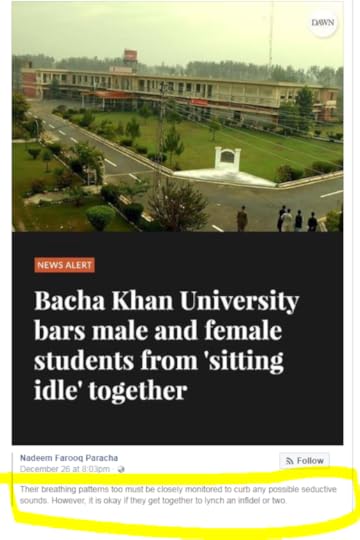
This fits beautifully with the way people have reacted to an influx of Syrian refugees into their countries. Furthermore:
using a twisted logic that says more about him or her than it does about the Other.
This brings me to something that I have been meaning to look into. Transgenders have been looked down upon and denied a voice, rights etc. for centuries. When did society start blaming them for being other? How did being born this way become their fault? I think I might have come across a book about transgender history on Instagram. Worth a revisit, right?
who think they are in the right because they are in the majority have a power and strength in numbers and in traditions and habits, giving themselves a sense of authority to judge someone outside of their group.
What do I need to say to that that hasn’t already been said? Maybe this:
it causes a normative, indeed performative, evaluation, a disdainful or threatening insult, an appellation that initiates an inquiry and prepares a prosecution before the law.
We all know what an “inquiry” can do!
a judgment that goes beyond calling someone “wrong”; it shows hatred and ill-intent.
a system of judgment where the monster can never be “good.”
(calling ourselves humans) through language, thus in the very way that is denied to those who are being labeled (otherwise).
creating an enemy for themselves, and in turn become an enemy to someone who already feels threatened.
Brings to mind the many times Islamophobia has resulted in people getting hurt!
In the same way, a foreigner who looks like a native citizen presents a threat that a readily identifiable foreigner does not.
Easy to single out the other when they have beards — or not. I’d also like to mention the Bangladeshi revolution here and the atrocities committed by both sides! Then there is also the Holocaust that is never far from our imagination.
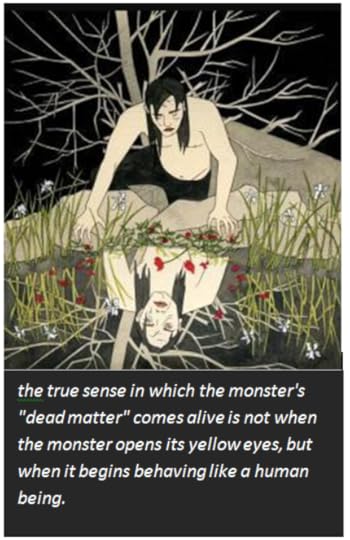
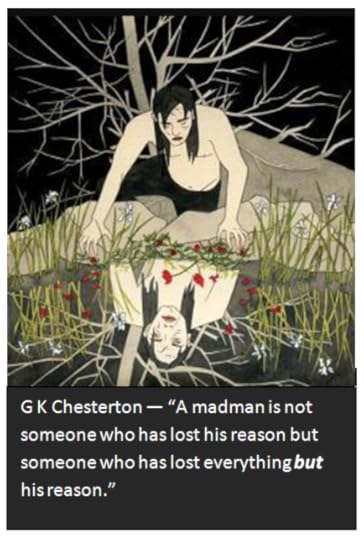
The quotes that stayed with me:
And some funny parts, including:
regularly enchanted by nature, to the point that Clerval goes into aesthetic rapture at least twice a day, when the sun rises and sets.
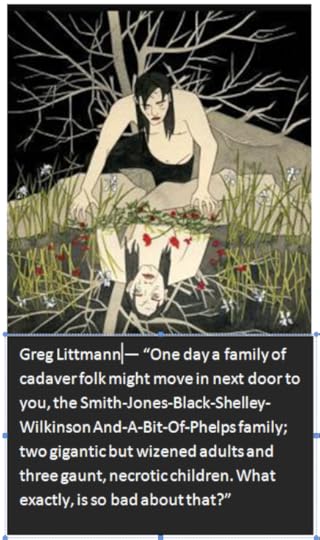
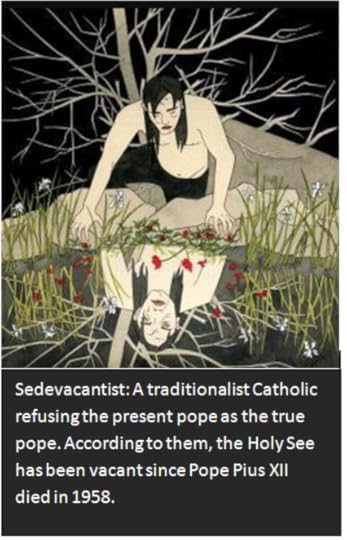
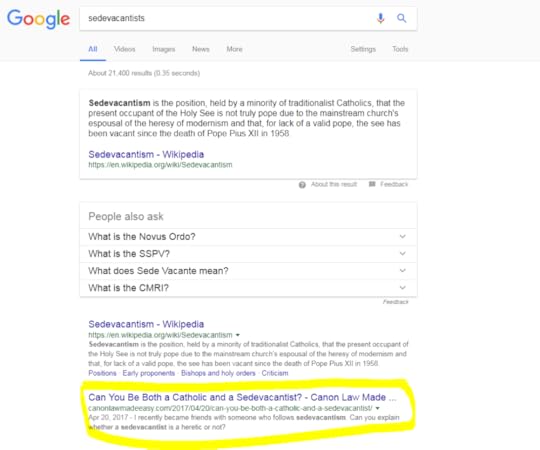
And the new terms I came across:
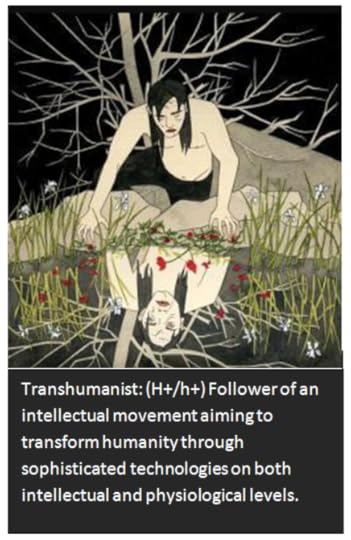
Here are some transhumanistic advances for you to enjoy.
This brought me to an important question:
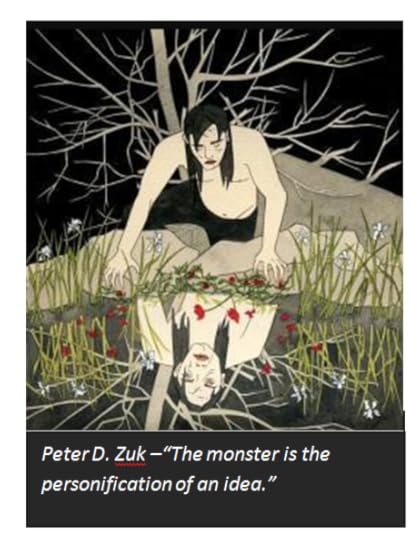
As I end Project Frankenstein, I come to the conclusion that the monster isn’t just a villain. He can be used as an analogy for a myriad of topics. That can only be true because:
Also reviewed at:
BL
BS
WP
LI
ME
BO
FB
The book might have been repetitive but it did leave me with some interesting ideas, such as:
Sewing human parts together doesn’t rewrite their DNA, so any monster children will be built on normal human DNA.
The context here was the theory that if Victor was clever enough to make a human being, he surely could have created a woman who couldn’t conceive. So, his reason for not making a companion for the monster wasn’t that sound. To which I thought, what was to stop the monster from forcing Victor to make another female — one who WOULD conceive once the former had given in? Or, franken-children, the next time?
If the monster is that brilliant, he should be able to construct a woman himself and then sail off with her in his home-made submarine.
This part is from a chapter that insists that Victor fears the genius of the monster, which is the actual reason behind his refusal to build a franken-woman. After all, the monster was clever enough to teach himself to talk — one might add, in quite lyrical prose!
Then there was a chapter on Frankenfood (GMOs) and how certain scientific progress can be likened to what Victor did, such as genetic engineering:
biotechnologists often select organisms’ features aiming at enhancing their natural beauty
as well as, electroporation:
cells’ membranes are destabilized by means of electric shocks (an echo of what breathed life into the Monster?)
In the novel, Mary Shelley insinuates an untoward relationship between Justine and the Baron after the death of Ms. Moritz.
Really? How did I miss that? Did anyone else notice this?
It might be that Victor was changing some parts of his story for Walton when he related his tale.
It does feel surprising how we all just take Victor’s word for what happened. Could he have not been lying? And while we are on that subject, what is the deal with Walton going gaga over him? Isn’t the monster supposed to have a silver tongue? Why is what Victor saying affecting Walton on such an intimate level? What did he do to inspire such loyalty?
On the subject of “rogues”, a part of the philosophical book by Jacques Derrida on how we love alienating others from the general population. Anyone who doesn’t fit is labeled a rogue:
a monster which is foreign, strange and misunderstood are trying to point out that which is other to them represents a threat.
This fits beautifully with the way people have reacted to an influx of Syrian refugees into their countries. Furthermore:
using a twisted logic that says more about him or her than it does about the Other.
This brings me to something that I have been meaning to look into. Transgenders have been looked down upon and denied a voice, rights etc. for centuries. When did society start blaming them for being other? How did being born this way become their fault? I think I might have come across a book about transgender history on Instagram. Worth a revisit, right?
who think they are in the right because they are in the majority have a power and strength in numbers and in traditions and habits, giving themselves a sense of authority to judge someone outside of their group.
What do I need to say to that that hasn’t already been said? Maybe this:
it causes a normative, indeed performative, evaluation, a disdainful or threatening insult, an appellation that initiates an inquiry and prepares a prosecution before the law.
We all know what an “inquiry” can do!
a judgment that goes beyond calling someone “wrong”; it shows hatred and ill-intent.
a system of judgment where the monster can never be “good.”
(calling ourselves humans) through language, thus in the very way that is denied to those who are being labeled (otherwise).
creating an enemy for themselves, and in turn become an enemy to someone who already feels threatened.
Brings to mind the many times Islamophobia has resulted in people getting hurt!
In the same way, a foreigner who looks like a native citizen presents a threat that a readily identifiable foreigner does not.
Easy to single out the other when they have beards — or not. I’d also like to mention the Bangladeshi revolution here and the atrocities committed by both sides! Then there is also the Holocaust that is never far from our imagination.
The quotes that stayed with me:
And some funny parts, including:
regularly enchanted by nature, to the point that Clerval goes into aesthetic rapture at least twice a day, when the sun rises and sets.
And the new terms I came across:
Here are some transhumanistic advances for you to enjoy.
This brought me to an important question:
As I end Project Frankenstein, I come to the conclusion that the monster isn’t just a villain. He can be used as an analogy for a myriad of topics. That can only be true because:
Also reviewed at:
BL
BS
WP
LI
ME
BO
FB
This entire review has been hidden because of spoilers.
December 18, 2015
A thought-provoking retrospective on one of the most captivating stories ever told, Frankenstein and Philosophy: The Shocking Truth explores the allures and prophetic warnings of Mary Shelley’s literary classic. Though mainly focused on the original novel, many of its incarnations, such as the Universal Monster film, the graphic novel I, Frankenstein, Dean Koontz’s Frankenstein, and Tim Burton’s Frankenweenie, are discussed. Edited by Nicolas Michaud, various academics examine the moral, ethical, and socio aspects of the Frankenstein story and its characters. Of particular interest are the essays about what makes up a person and how and why society classifies and segregates the “Other.” Full of fascinating insights, Frankenstein and Philosophy: The Shocking Truth is an extraordinary look at this modern Promethean tale.

February 11, 2015
Using this for class…I'm not all that impressed with it. I've found better resources in other places. In particular I find Jeffrey Jerome Cohen's Monster Theory much more meaty. The essay regarding Nietzsche's Zarathustra v. Victor Frankenstein was the strongest and something I'd only hinted at in my lessons regarding Victor as an Ubermensch. I hadn't realized there were so many similarities between Frankenstein (the novel) and Thus Spoke Zarathustra.

January 2, 2023
This is another in the series of Popular Culture and Philosophy, an anthology of short (about 10 pages each) philosophical essays (27 in this volume) on themes, ideas or characters that appear in a work of popular culture. In this case the work in question is Frankenstein (or the Modern Prometheus) the 1818 novel by Mary Shelley and to a lesser extent adaptions of the novel to other mediums especially the iconic 1931 movie featuring Boris Karloff as Frankenstein's monster. Some unofficial sequels in novel, comic or movie form are also discussed by some essayists. The essays are theoretically on various themes but in this volume many of them are on roughly the same theme the question of the proper boundaries of scientific research and the need or lack of need to respect nature, some are more in favour of limits others in favour of experimentation. There are some essays on themes such as personal identity, the ethics and anthropology of love and antinatalism.
In general the essays are engaging enough although as mentioned they can be repetitive. Also some points such as pointing out how articulate the monster is in the original novel versus the grunting brute of the 1931 film are repeated a bit too often also. Worse in several cases they fail to my mind in really fruitfully using the story of Frankenstein for the technical examples or as the jumping off point for the philosophical essays. The essays are pretty much all light, but some manage a little more insight and are more fun.
In general the essays are engaging enough although as mentioned they can be repetitive. Also some points such as pointing out how articulate the monster is in the original novel versus the grunting brute of the 1931 film are repeated a bit too often also. Worse in several cases they fail to my mind in really fruitfully using the story of Frankenstein for the technical examples or as the jumping off point for the philosophical essays. The essays are pretty much all light, but some manage a little more insight and are more fun.

December 1, 2024
Quite philosophical approach to the eternal Frankenstein: easy guide to eternal life, Frankenstein in the 20th century, what's wrong with monsters, the frightening Frankenmetaphor, Frankenstein's failure, God is dead, capitalism the monster, no thing as a free will, when creations go bad, who's to blame, monster identification, who is it, what love means to a creature, inside the monster's head, monster's assembly kit, why science is horrific, you can learn from the mistakes and why it is wrong to make monsters... many theories in interesting essays. Really recommended when you look for more philosophical background to Frankenstein.

April 12, 2019
Some of these essays were wonderful and some were not. I think I could have enjoyed them more if I hadn’t been using this for a class.
Displaying 1 - 6 of 6 reviews