You are all geared up as Black to play a sharp main-line opening - but then White opens with some unusual first move. Every chess player knows how disconcerting this can be, and how easy it is for Black to land in trouble if he reacts incautiously. This book is the first time that a master has provided sound practical advice on how to handle both the white and the black side of these openings. Dunnington's commonsense approach to such openings as the Bird, Nimzo-Larsen, Sokolsky and Grob is based on his many years of experience of club, weekend and international chess. This book contains concise coverage of White's alternatives to 1 e4, 1 d4, 1 c4 1 Nf3. It is written by an expert on subtle flank openings and equips the reader for all key transpositions. It explains winning strategies for White and Black.
Most chess games start with 1. e4, 1. d4, 1. c4 or 1. Nf3. But that doesn't mean the other alternatives are bad. I sometimes like to open 1. g3, and just won a remarkably short ICC game with it against some 2250 player...
Manny - NN ICC, Jan 24 2014
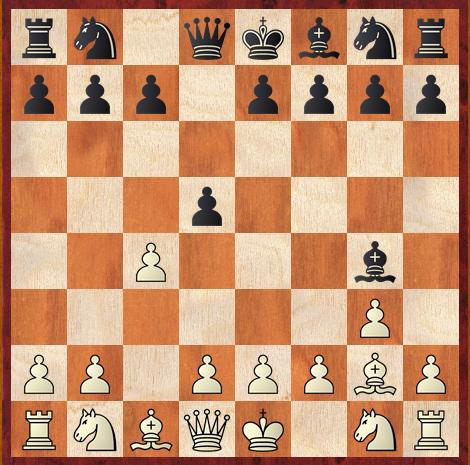
1. g3 d5 2. Bg2 Bg4?!
This can't be the best move. My whole opening is about setting up pressure down the long white diagonal, so why immediately take the Bishop away from its job of guarding the Queenside? If you're going to do it, you need to wait a move or two.
3. c4!
What else? But Black apparently hadn't thought of this reply. He went into a huddle - generally fatal in quickplay - and came up with just about the worst possible counter.
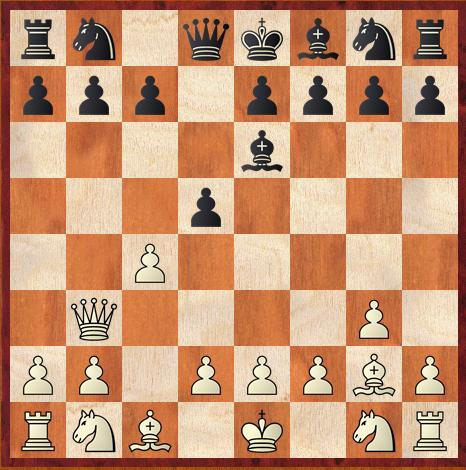
3... Be6??
After 3... c6, it's unpleasant but not catastrophic. I will win a pawn, but Black gets some compensation.
4. Qb3!
Again: what else was he expecting? He can still try to fight on at the cost of some pawns, but he was evidently so demoralized after his miserable opening that he couldn't face the prospect.
4... Black resigns
Disclaimer: I do not guarantee you will get this result every time when playing 1. g3.