

What do you think?

The Letters of J.R.R. Tolkien
The comprehensive collection of letters spanning the adult life of one of the world’s greatest storytellers, now revised and expanded to include more than 150 previously unseen letters, with revealing new insights into The Hobbit, The Lord of the Rings and The Silmarillion. J.R.R. Tolkien, creator of the languages and history of Middle-earth as recorded in The Hobbit, The Lord of the Rings and The Silmarillion, was one of the most prolific letter-writers of this century. Over the years he wrote a mass of letters – to his publishers, to members of his family, to friends, and to 'fans' of his books – which often reveal the inner workings of his mind, and which record the history of composition of his works and his reaction to subsequent events. A selection from Tolkien's correspondence, collected and edited by Tolkien's official biographer, Humphrey Carpenter, and assisted by Christopher Tolkien, was published in 1981. It presented, in Tolkien's own words, a highly detailed portrait of the man in his many storyteller, scholar, Catholic, parent, friend, and observer of the world around him. In this revised and expanded edition of The Letters of J.R.R. Tolkien, it has been possible to go back to the editors’ original typescripts and notes, restoring more than 150 letters that were excised purely to achieve what was then deemed a ‘publishable length’, and present the book as originally intended. Enthusiasts for his writings will find much that is new, for the letters not only include fresh information about Middle-earth, such as Tolkien’s own plot summary of the entirety of The Lord of the Rings and a vision for publishing his ‘Tales of the Three Ages’, but also many insights into the man and his world. In addition, this new selection will entertain anyone who appreciates the art of letter-writing, of which J.R.R. Tolkien was a master.
720 pages, Kindle Edition
First published August 20, 1981
About the author
J.R.R. Tolkien
793 books80.1k followersJohn Ronald Reuel Tolkien: writer, artist, scholar, linguist. Known to millions around the world as the author of The Lord of the Rings, Tolkien spent most of his life teaching at the University of Oxford where he was a distinguished academic in the fields of Old and Middle English and Old Norse. His creativity, confined to his spare time, found its outlet in fantasy works, stories for children, poetry, illustration and invented languages and alphabets.
Tolkien’s most popular works, The Hobbit and The Lord of the Rings are set in Middle-earth, an imagined world with strangely familiar settings inhabited by ancient and extraordinary peoples. Through this secondary world Tolkien writes perceptively of universal human concerns – love and loss, courage and betrayal, humility and pride – giving his books a wide and enduring appeal.
Tolkien was an accomplished amateur artist who painted for pleasure and relaxation. He excelled at landscapes and often drew inspiration from his own stories. He illustrated many scenes from The Silmarillion, The Hobbit and The Lord of the Rings, sometimes drawing or painting as he was writing in order to visualize the imagined scene more clearly.
Tolkien was a professor at the Universities of Leeds and Oxford for almost forty years, teaching Old and Middle English, as well as Old Norse and Gothic. His illuminating lectures on works such as the Old English epic poem, Beowulf, illustrate his deep knowledge of ancient languages and at the same time provide new insights into peoples and legends from a remote past.
Tolkien was born in Bloemfontein, South Africa, in 1892 to English parents. He came to England aged three and was brought up in and around Birmingham. He graduated from the University of Oxford in 1915 and saw active service in France during the First World War before being invalided home. After the war he pursued an academic career teaching Old and Middle English. Alongside his professional work, he invented his own languages and began to create what he called a mythology for England; it was this ‘legendarium’ that he would work on throughout his life. But his literary work did not start and end with Middle-earth, he also wrote poetry, children’s stories and fairy tales for adults. He died in 1973 and is buried in Oxford where he spent most of his adult life.
Tolkien’s most popular works, The Hobbit and The Lord of the Rings are set in Middle-earth, an imagined world with strangely familiar settings inhabited by ancient and extraordinary peoples. Through this secondary world Tolkien writes perceptively of universal human concerns – love and loss, courage and betrayal, humility and pride – giving his books a wide and enduring appeal.
Tolkien was an accomplished amateur artist who painted for pleasure and relaxation. He excelled at landscapes and often drew inspiration from his own stories. He illustrated many scenes from The Silmarillion, The Hobbit and The Lord of the Rings, sometimes drawing or painting as he was writing in order to visualize the imagined scene more clearly.
Tolkien was a professor at the Universities of Leeds and Oxford for almost forty years, teaching Old and Middle English, as well as Old Norse and Gothic. His illuminating lectures on works such as the Old English epic poem, Beowulf, illustrate his deep knowledge of ancient languages and at the same time provide new insights into peoples and legends from a remote past.
Tolkien was born in Bloemfontein, South Africa, in 1892 to English parents. He came to England aged three and was brought up in and around Birmingham. He graduated from the University of Oxford in 1915 and saw active service in France during the First World War before being invalided home. After the war he pursued an academic career teaching Old and Middle English. Alongside his professional work, he invented his own languages and began to create what he called a mythology for England; it was this ‘legendarium’ that he would work on throughout his life. But his literary work did not start and end with Middle-earth, he also wrote poetry, children’s stories and fairy tales for adults. He died in 1973 and is buried in Oxford where he spent most of his adult life.
Ratings & Reviews
Friends & Following
Create a free account to discover what your friends think of this book!
Community Reviews
Displaying 1 - 30 of 448 reviews

December 27, 2012
Dear Unwin,
the Hobbit will be ready tomorrow, honest.
Yours faithfully,
Tolkien.
Dear Unwin,
I've been swamped by illness, work, exams, more work, more exams, lectures, more work and more exams. I can't possibly get it ready this decade.
Yours faithfully,
Tolkien.
Dear Unwin,
did you like it?
Yours faithfully,
Tolkien.
Dear Unwin,
glad you liked it. The illustrations will be ready tomorrow.
Yours faithfully,
Tolkien.
...this decade, etc.
Dear Unwin,
I may have no taste but the American cover art is appalling and did they even read the book?
Yours faithfully,
Tolkien.
[Repeat all of the above w.r.t LoTR]
Dear [Inkling]
the other Inklings' work is mostly rubbish but I like it in parts and even though they are annoying I like them really.
Yours,
Tolkers.
[repeat with every other Inkling]
Dear [somebody acquainted with me]
that critic is impertinent and did he even read the book?
Yours, annoyed,
JRRT
Dear Christopher,
you are the only one who understands me! I love you! Sob!
Your
Father.
[Above written in Anglo-Saxon.]
Dear Nazi scum,
you, Apartheid supporters, Colonialists and other racist groups are all intellectually and morally defective. The Jews are a fine people and I would be proud to have Jewish ancestry but as far as I know I don't.
Yours with no respect at all.
Tolkien.
Dear [any translator of LoTR]
your translation is rubbish; why do you translate names that are not in English? Your translations are unnecessary and show a poor grasp of [your native language]. [Demonstrates a superior knowledge of the translator's language.] Here's a book I wrote about how to translate my book.
Yours faithfully,
Tolkien.
Dear {Member of public]
thank you for your interesting questions. Enclosed is a set of answers in obsessive detail that I worked out prior to my 5th birthday. It includes philological details unintelligible to any person lay in the subject.
Yours faithfully,
Tolkien.
Dear {Critic I like]
thank you for your encouraging, perceptive review.
Yours faithfully,
Tolkien.
Dear [prospective interviewer]
leave me alone.
Yours faithfully,
Tolkien.
Dear [Reader who said something stupid]
as any one with a modicum of understanding of [Old Ancient High Low North Western Indo-European Obscure Language], which is surely everybody, knows, you are completely wrong. Enclosed is a detailed explanation, incomprehensible to anyone lay in philology. And anyway it says you're wrong in the Appendices.
Yours faithfully,
Tolkien.
Dear Christopher,
the Roman Catholic Church is axiomatically right about everything even though most of its priests are idiotic, uneducated, corrupt, morally defective, politcally-minded perverts.
Your
Father.
----------------------------------------
That, if repeated many times over, is this book. It's interesting in parts and dull (because repetitive) in others. It shows a man jealously protective of his work, easily irritated (although by things that would probably wind up many an author) in search of an unmechanised rural idyll that never existed in the same way as Thomas Hardy. Enormously erudite, he struggled to understand why other people might find Anglo-Saxon difficult - a common problem with people of enormous talent in any intellectual discipline being the inability to conceive of it being anything but simple to grasp.
Worthwhile for anybody who wants to know more of what Tolkien the person was like.
the Hobbit will be ready tomorrow, honest.
Yours faithfully,
Tolkien.
Dear Unwin,
I've been swamped by illness, work, exams, more work, more exams, lectures, more work and more exams. I can't possibly get it ready this decade.
Yours faithfully,
Tolkien.
Dear Unwin,
did you like it?
Yours faithfully,
Tolkien.
Dear Unwin,
glad you liked it. The illustrations will be ready tomorrow.
Yours faithfully,
Tolkien.
...this decade, etc.
Dear Unwin,
I may have no taste but the American cover art is appalling and did they even read the book?
Yours faithfully,
Tolkien.
[Repeat all of the above w.r.t LoTR]
Dear [Inkling]
the other Inklings' work is mostly rubbish but I like it in parts and even though they are annoying I like them really.
Yours,
Tolkers.
[repeat with every other Inkling]
Dear [somebody acquainted with me]
that critic is impertinent and did he even read the book?
Yours, annoyed,
JRRT
Dear Christopher,
you are the only one who understands me! I love you! Sob!
Your
Father.
[Above written in Anglo-Saxon.]
Dear Nazi scum,
you, Apartheid supporters, Colonialists and other racist groups are all intellectually and morally defective. The Jews are a fine people and I would be proud to have Jewish ancestry but as far as I know I don't.
Yours with no respect at all.
Tolkien.
Dear [any translator of LoTR]
your translation is rubbish; why do you translate names that are not in English? Your translations are unnecessary and show a poor grasp of [your native language]. [Demonstrates a superior knowledge of the translator's language.] Here's a book I wrote about how to translate my book.
Yours faithfully,
Tolkien.
Dear {Member of public]
thank you for your interesting questions. Enclosed is a set of answers in obsessive detail that I worked out prior to my 5th birthday. It includes philological details unintelligible to any person lay in the subject.
Yours faithfully,
Tolkien.
Dear {Critic I like]
thank you for your encouraging, perceptive review.
Yours faithfully,
Tolkien.
Dear [prospective interviewer]
leave me alone.
Yours faithfully,
Tolkien.
Dear [Reader who said something stupid]
as any one with a modicum of understanding of [Old Ancient High Low North Western Indo-European Obscure Language], which is surely everybody, knows, you are completely wrong. Enclosed is a detailed explanation, incomprehensible to anyone lay in philology. And anyway it says you're wrong in the Appendices.
Yours faithfully,
Tolkien.
Dear Christopher,
the Roman Catholic Church is axiomatically right about everything even though most of its priests are idiotic, uneducated, corrupt, morally defective, politcally-minded perverts.
Your
Father.
----------------------------------------
That, if repeated many times over, is this book. It's interesting in parts and dull (because repetitive) in others. It shows a man jealously protective of his work, easily irritated (although by things that would probably wind up many an author) in search of an unmechanised rural idyll that never existed in the same way as Thomas Hardy. Enormously erudite, he struggled to understand why other people might find Anglo-Saxon difficult - a common problem with people of enormous talent in any intellectual discipline being the inability to conceive of it being anything but simple to grasp.
Worthwhile for anybody who wants to know more of what Tolkien the person was like.

March 5, 2026
Never mind a bio if you wish for an in-depth exploration of his works. In his letters, he goes over his writings again and again - LOTR for example - long and extended explanations and revelations which no biography can hope to emulate. Highly entertaining and informative - even something of an epiphany for me. Absolutely recommended.

August 31, 2015
I discovered The Letters of J.R.R. Tolkien back in '96 when I moved to an LA suburb and was searching through the library for something interesting to read while I took advantage of their free A/C during the blistering summer heat.
This was definitely something interesting, but only because I was a Tolkien fanboy. Who else would find joy in pouring over mostly mundane letters to friends, family and publishers? Me, I pored over over them, so happy to read even the most minuscule detail of the man's life.
It's been a while, so my recollection of what's contained in the letters is not precise. I seem to recall a feeling of being let down that more personal information wasn't revealed. English reserve seemed to be at play here.
The correspondence with his book publisher and seeing how that portion of his work came together held just as much interest, and there is a good deal of that herein, if I recall. I was already aware that Tolkien had some trouble convincing them to publish Lord of the Rings, even after the success of The Hobbit. And after publishing went forward, there was still a struggle over issues that needed ironing out. None of which is terribly riveting reading unless you're a fan.
This was definitely something interesting, but only because I was a Tolkien fanboy. Who else would find joy in pouring over mostly mundane letters to friends, family and publishers? Me, I pored over over them, so happy to read even the most minuscule detail of the man's life.
It's been a while, so my recollection of what's contained in the letters is not precise. I seem to recall a feeling of being let down that more personal information wasn't revealed. English reserve seemed to be at play here.
The correspondence with his book publisher and seeing how that portion of his work came together held just as much interest, and there is a good deal of that herein, if I recall. I was already aware that Tolkien had some trouble convincing them to publish Lord of the Rings, even after the success of The Hobbit. And after publishing went forward, there was still a struggle over issues that needed ironing out. None of which is terribly riveting reading unless you're a fan.
January 24, 2015
What better way to enter the mind of a mentor you'll never get to meet than to read his letters?
There are so many facets I gleaned about the man by reading these letters--his humor, sadness, fear & humility.
There are so many facets I gleaned about the man by reading these letters--his humor, sadness, fear & humility.

February 1, 2023
I feel like I have a deeper understanding of Tolkien after reading this, not just as an author but as a human.

February 6, 2023
"I do not know all the answers. Much of my own book puzzles me."
Často máme Tolkiena chybně odloženého ve škatulce postaršího konzervativního pána, který jen psal, přepisoval a upravoval. Ale on to byl chlapík s velkým smyslem pro humor, rád si čas od času z někoho vystřelil, nebál se mluvit o tématech, která mohla být pro tehdejší společnost tabu. Ač byl přísný, miloval svoje syny a mluvil s nimi otevřeně. Pokud se mu něco nelíbilo, bez servítek se vyslovil. Psal si s fanoušky, mluvil o jazycích a náboženství, taky byl dost často nemocný a měl hluboko do kapsy. Čas od času zaujal anti kočičí postoj a někdy se konverzace vyhoupla až ke stádu býků.
Ale jsou dopisy, ze kterých je jednomu těžko u srdce. Ty, které číší zoufalstvím, jenž pramení ze Silmarillionu stále odloženého v šuplíku. A taky ty, které napsal po smrti Lewise a své milované Lúthien…
Jestli je dobře, že někomu nahlížíme takhle moc hluboko do nitra? Tolkien by to dost možná neschválil. Já jsem ráda, že můžeme Tolkiena víc poznat jako člověka, než jako postavičku, která podpírá naši milovanou Středozem.
S pokorou, díky.
Často máme Tolkiena chybně odloženého ve škatulce postaršího konzervativního pána, který jen psal, přepisoval a upravoval. Ale on to byl chlapík s velkým smyslem pro humor, rád si čas od času z někoho vystřelil, nebál se mluvit o tématech, která mohla být pro tehdejší společnost tabu. Ač byl přísný, miloval svoje syny a mluvil s nimi otevřeně. Pokud se mu něco nelíbilo, bez servítek se vyslovil. Psal si s fanoušky, mluvil o jazycích a náboženství, taky byl dost často nemocný a měl hluboko do kapsy. Čas od času zaujal anti kočičí postoj a někdy se konverzace vyhoupla až ke stádu býků.
Ale jsou dopisy, ze kterých je jednomu těžko u srdce. Ty, které číší zoufalstvím, jenž pramení ze Silmarillionu stále odloženého v šuplíku. A taky ty, které napsal po smrti Lewise a své milované Lúthien…
Jestli je dobře, že někomu nahlížíme takhle moc hluboko do nitra? Tolkien by to dost možná neschválil. Já jsem ráda, že můžeme Tolkiena víc poznat jako člověka, než jako postavičku, která podpírá naši milovanou Středozem.
S pokorou, díky.

May 15, 2025
I got away as soon as possible and fled back in the rain to my books!
~My Thoughts~
Although this was long, it was an amazing read! It was so interesting to read Tolkien's letters and have a glimpse into his life and to see him talking about his books to other people. There were so many times I either laughed at a line or thought it was relatable or just amazing in general. I also loved how much he talked about God and stuff, it was just amazing to see his faith that much and all that so yeah!
~Book Cover Rating~
3.5/10 It’s just a picture of Tolkien. While although it isn't a bad picture, it definitely doesn't make my favorite cover, but it does make a pretty decent one.
~Content Warnings~
(Warning! 🚨 Before you go any further, there is a chance that something I've said about the content could possibly be a bit spoilerish, so please proceed with caution! Also, if I missed any content, please let me know so I can add it!)
Trigger Warnings:
None that I can think of
Faith based/Christian:
Talking about and mentions of God. Mentions of prayer/praying for someone.
Other Religious Content:
None
Violence:
Mentions of a character from LotR falling into the lava. Possibly other mentions of violence from his books, I can't completely remember, sorry…
Sexual Content/Romance:
None
Magic:
Only mentions of and talking about characters and stuff from Tolkien's books.
Bad Language:
None that I remember
LGBTQ+:
None
Drugs/Alcohol:
None that I remember
~Other Notes~
None at this time.
~My Age Recommendation~
14 years old and older
~Will I Read the Rest of the Series/More from this Author?~
Absolutely!
~Will I reread this book at some point in time?~
Probably
~My Thoughts~
Although this was long, it was an amazing read! It was so interesting to read Tolkien's letters and have a glimpse into his life and to see him talking about his books to other people. There were so many times I either laughed at a line or thought it was relatable or just amazing in general. I also loved how much he talked about God and stuff, it was just amazing to see his faith that much and all that so yeah!
~Book Cover Rating~
3.5/10 It’s just a picture of Tolkien. While although it isn't a bad picture, it definitely doesn't make my favorite cover, but it does make a pretty decent one.
~Content Warnings~
(Warning! 🚨 Before you go any further, there is a chance that something I've said about the content could possibly be a bit spoilerish, so please proceed with caution! Also, if I missed any content, please let me know so I can add it!)
Trigger Warnings:
None that I can think of
Faith based/Christian:
Talking about and mentions of God. Mentions of prayer/praying for someone.
Other Religious Content:
None
Violence:
Mentions of a character from LotR falling into the lava. Possibly other mentions of violence from his books, I can't completely remember, sorry…
Sexual Content/Romance:
None
Magic:
Only mentions of and talking about characters and stuff from Tolkien's books.
Bad Language:
None that I remember
LGBTQ+:
None
Drugs/Alcohol:
None that I remember
~Other Notes~
None at this time.
~My Age Recommendation~
14 years old and older
~Will I Read the Rest of the Series/More from this Author?~
Absolutely!
~Will I reread this book at some point in time?~
Probably

April 16, 2010
An excerpt from a letter to Walter Hooper, 20 February 1968:
"I remember Jack [C.S. Lewis:] telling me a story of Brightman, the distinguished ecclesiastical scholar, who used to sit quietly in Common Room saying nothing except on rare occasions. Jack said that there was a discussion on dragons one night and at the end Brightman's voice was heard to say, 'I have seen a dragon.' Silence. 'Where was that?' he was asked. 'On the Mount of Olives,' he said. He relapsed into silence and never before his death explained what he meant."
Very few things could be more imagination-sparking than reading that late at night curled up with a massive book of letters when one is already thinking about wonderful things. I think it's very healthy to believe in the possibility of things, it makes life so much more interesting.
"I remember Jack [C.S. Lewis:] telling me a story of Brightman, the distinguished ecclesiastical scholar, who used to sit quietly in Common Room saying nothing except on rare occasions. Jack said that there was a discussion on dragons one night and at the end Brightman's voice was heard to say, 'I have seen a dragon.' Silence. 'Where was that?' he was asked. 'On the Mount of Olives,' he said. He relapsed into silence and never before his death explained what he meant."
Very few things could be more imagination-sparking than reading that late at night curled up with a massive book of letters when one is already thinking about wonderful things. I think it's very healthy to believe in the possibility of things, it makes life so much more interesting.

April 17, 2024
How do you review a book that is entirely based on personal-professional letters and then assign a score to it—something that was never intended to be published? Well, it is what it is. Firstly, let's break some misconceptions: “Tolkien never wanted anyone to write an autobiography of him” That’s misleading, to say the least. He just didn’t want someone completely unacquainted with him writing about his life (rather it be done by a friend), and most importantly, he just didn’t want people to read his life and apply that to his work (it being the secrets to analyse his work). As he repeats verbatim that he actively dislikes allegory, but doesn’t mind applicability. He inevitably knew someone would write an autobiography of him, so he dictated a lot of these letters himself.
I wish I kept track of all the most important letters that spoke to me in a profound way, but I didn’t. Nevertheless, there are gems littered throughout, from Tolkien's general worldview, philosophy and how he views his work. It’s not one of a writer (he views it almost like it’s entirely real), not one of a historian, he did say a term that words lost me as I've been typing this review, but I will settle for a recorder. One thing I should note, people often say the characters in Tolkien LOTR sound unrealistic, but after reading all these letters, you just realise Tolkien just talked in this manner, in particular the way of Bilbo with his cleverness, charm, and wit.
I think if you watch or read a lot about Tolkien, I don’t believe this will radically change your view of Middle Earth as a whole. The most important information about his works has been cited almost everywhere else. This is not to say you won’t learn anything about Middle Earth, you still learn a good deal. I particularly liked him talking about Frodo and his quest, however, this is, as you would expect, the personal life of Tolkien, the trouble he had publishing his works (and failing to publish many books within his lifetime), and his academic career. It’s saddening to hear how much money issues Tolkien had considering the wealth LOTR accumulated near the end of his life, but particularly after his death.
The letters near the end of his life were the most tragic to read. Especially the final letter written days before his death to his daughter. It’s the letters where he is old, reminiscing about life, that are the most tragic to read. He was burdened by so much, but never had the time to write. When he had some time to write, it became too much. After the death of his wife, he wrote:
I’m glad I waited till now to read The Letters of Tolkien, especially this new edition, which was Humphrey Carpenter's original vision of the book (like Stephen King's The Stand Uncut edition). It’s not exactly the most riveting read, but there’s a lot of fun, letters to reminisce, digest, and just take in. Obviously, philsophically, I differ from Tolkien in many respects. Not just in terms of faith, however, he’s a fun, witty, intelligent, and charming man who I would have loved to share a beer with if I were born in that era and visited Oxford. I should note, the notes that are littered throughout do provide important context that you would miss otherwise and are valuable.
In Conclusion, if you are just interested in Tolkien himself and want to read his letters, not just about Middle Earth, definitely give it a shot. It’s the closest thing to an to an autobiography we will get from the professor.
I wish I kept track of all the most important letters that spoke to me in a profound way, but I didn’t. Nevertheless, there are gems littered throughout, from Tolkien's general worldview, philosophy and how he views his work. It’s not one of a writer (he views it almost like it’s entirely real), not one of a historian, he did say a term that words lost me as I've been typing this review, but I will settle for a recorder. One thing I should note, people often say the characters in Tolkien LOTR sound unrealistic, but after reading all these letters, you just realise Tolkien just talked in this manner, in particular the way of Bilbo with his cleverness, charm, and wit.
I think if you watch or read a lot about Tolkien, I don’t believe this will radically change your view of Middle Earth as a whole. The most important information about his works has been cited almost everywhere else. This is not to say you won’t learn anything about Middle Earth, you still learn a good deal. I particularly liked him talking about Frodo and his quest, however, this is, as you would expect, the personal life of Tolkien, the trouble he had publishing his works (and failing to publish many books within his lifetime), and his academic career. It’s saddening to hear how much money issues Tolkien had considering the wealth LOTR accumulated near the end of his life, but particularly after his death.
The letters near the end of his life were the most tragic to read. Especially the final letter written days before his death to his daughter. It’s the letters where he is old, reminiscing about life, that are the most tragic to read. He was burdened by so much, but never had the time to write. When he had some time to write, it became too much. After the death of his wife, he wrote:
”But the story has gone crooked, & I am left, and I cannot plead before the inexorable Mandos.”
I’m glad I waited till now to read The Letters of Tolkien, especially this new edition, which was Humphrey Carpenter's original vision of the book (like Stephen King's The Stand Uncut edition). It’s not exactly the most riveting read, but there’s a lot of fun, letters to reminisce, digest, and just take in. Obviously, philsophically, I differ from Tolkien in many respects. Not just in terms of faith, however, he’s a fun, witty, intelligent, and charming man who I would have loved to share a beer with if I were born in that era and visited Oxford. I should note, the notes that are littered throughout do provide important context that you would miss otherwise and are valuable.
In Conclusion, if you are just interested in Tolkien himself and want to read his letters, not just about Middle Earth, definitely give it a shot. It’s the closest thing to an to an autobiography we will get from the professor.

May 31, 2023
“Frodo deserved all honour because he spent every drop of his power of will and body, and that was just sufficient to bring him to the destined point, and no further. Few others, possibly no others of his time, would have got so far.”
You guys better start giving Frodo the respect he deserves.
This is a collection of letters written by our beloved author. We get to see some parts of his private life (he really loved his family😭) and his journey is writing and publishing his books (his biggest fans were his children, C.S Lewis and the publisher’s son, all who championed the Hobbit🥹) It was lovely getting a glimpse of his life but how I got teary eyed whenever he mentioned C.S Lewis. I don’t why this friendship hits me so hard but it does. And Tolkien’s reaction to his death!
[Written four days after the death of C. S. Lewis.]
So far I have felt the normal feelings of a man of my age – like an old tree that is losing all its leaves one by one: this feels like an axe-blow near the roots.
For a man who loved trees so much, this description is a painful analogy to give😭

January 3, 2015
“It is a curse having an epic temperament in an overcrowded age [1944] devoted to sappy bits!”
A treasure trove of insightful material into the life and writings of Tolkien, but not for everyone. Readers uninterested in Tolkien’s writings need not waste their time.
Where to start? With the negatives, since they’re so few. Tolkien is opinionated, peevish and pedantic. He hated the appellation “professor.”
Among these letters covering most of his adult life, we learn how he viewed his world, his writings, his friends, his religion and his invented languages and history. That is how he saw Middle Earth as history he had discovered as much as created—or, as he would say, sub-created. The letters begin shortly after The Hobbit was published and cover the production of The Lord of the Rings and the aftermath of its unexpected popularity, and his futile struggle to complete and publish The Silmarillion, which his son Christopher succeeded in publishing five years after his father died.
For those, like myself, who count Tolkein’s works as the gold standard of epic fantasy, these letters give insights only alluded to elsewhere. It’s slow and difficult reading in some cases, partly because context is missing. But the payoff is deeper appreciation of Tolkien’s life and world (real and imagined). We learn the origin of the world, names and characters of the fantasy, and his struggle to keep others from reading alien ideas into the works. Though he admitted (in 1939), “The darkness of the present days has had some effect on it.”
“A most amusing and highly contentious evening, on which (had an outsider eavesdropped) he would have thought it (the Inklings) a meeting of fell enemies hurling deadly insults before drawing their guns.” Sounds like fun.
Now I'll the only logical thing: re-read The Lord of the Rings. Again.
A treasure trove of insightful material into the life and writings of Tolkien, but not for everyone. Readers uninterested in Tolkien’s writings need not waste their time.
Where to start? With the negatives, since they’re so few. Tolkien is opinionated, peevish and pedantic. He hated the appellation “professor.”
Among these letters covering most of his adult life, we learn how he viewed his world, his writings, his friends, his religion and his invented languages and history. That is how he saw Middle Earth as history he had discovered as much as created—or, as he would say, sub-created. The letters begin shortly after The Hobbit was published and cover the production of The Lord of the Rings and the aftermath of its unexpected popularity, and his futile struggle to complete and publish The Silmarillion, which his son Christopher succeeded in publishing five years after his father died.
For those, like myself, who count Tolkein’s works as the gold standard of epic fantasy, these letters give insights only alluded to elsewhere. It’s slow and difficult reading in some cases, partly because context is missing. But the payoff is deeper appreciation of Tolkien’s life and world (real and imagined). We learn the origin of the world, names and characters of the fantasy, and his struggle to keep others from reading alien ideas into the works. Though he admitted (in 1939), “The darkness of the present days has had some effect on it.”
“A most amusing and highly contentious evening, on which (had an outsider eavesdropped) he would have thought it (the Inklings) a meeting of fell enemies hurling deadly insults before drawing their guns.” Sounds like fun.
Now I'll the only logical thing: re-read The Lord of the Rings. Again.

January 28, 2020
What a brilliant, brilliant man.
“Well, cheers and all that to you dearest son. We were born in a dark age out of due time (for us). But there is comfort: otherwise we should not know, or so much love, what we do love. I imagine the fish out of water is the only fish to have an inkling of water.” (To Christopher Tolkien, 1943)
“Well, cheers and all that to you dearest son. We were born in a dark age out of due time (for us). But there is comfort: otherwise we should not know, or so much love, what we do love. I imagine the fish out of water is the only fish to have an inkling of water.” (To Christopher Tolkien, 1943)

June 18, 2012
Review originally posted 4 January 2013 on Falling Letters.
I thought I would breeze through this book and finish it in two days maximum. Not because it would be an 'easy' read, but because I had lots of time to read and I am highly interested in the subject matter. Not so! The book contains 430 pages of letters so dense and filled with so much that it took me much longer to read. This is not at all a complaint. I was absolutely delighted to have so much to sink my teeth into.
I don't read books about Tolkien to think 'Oh, so that's why he wrote it like this!' I agree with him (in this instance, at least) that an author's life should not be examined with intention of gaining insight with regards to authorial intent (have I phrased this sentence correctly?). I simply find him a fascinating person, for having created such a detailed and vast mythology. It really does delight me to read about someone so seemingly normal and yet so extraordinary. To be able to read hundreds of his letters, to read his thoughts, is a treat in itself. I would have read them even if they had been more dull! But this collection is not at all boring, it is a treasure trove. The letters cover so many topics, from troubles with translators, family matters, C.S. Lewis, religious debate, and of course, much on The Hobbit, The Lord of the Rings and Middle-Earth lore in general.
I didn't make any notes while reading this. I was wholly absorbed in letting Tolkien's words wash over me. Note taking will come on the reread. But there are a few letters that still stuck in my memory, such as an unsent response (Tolkien sent two versions to his publisher to forward; they did not use the one that appears in the book) to a publisher looking to do a German translation of The Hobbit inquiring if Tolkien is Aryan. He writes a clever and pointed response, not confessing any Aryan lineage and refusing publication. Of course, the lengthy letter he wrote to another publisher who expressed interest in publishing The LotR and The Silmarillion, was fascinating. I also especially enjoyed the letters he wrote to inquiring fans - I doubt there any authors today who would put so much thought into their responses (let alone have that much information to impart about their imaginary worlds). These letters are chockful of highly valuable information to any fan of Middle-Earth I do have to add a caveat - I've not yet read any of Tolkien's writings besides the LotR and The Hobbit, so I can't say how much of this information is exclusive but to read Tolkien's own words feels very special indeed.
This review consists mostly of me gushing...I might be a bit of a fangirl. But really, needless to say, this tome is a highly valuable read for anyone interested in Tolkien or his works.
[Originally read 20 Dec 2012 to 3 Jan 2013]
I thought I would breeze through this book and finish it in two days maximum. Not because it would be an 'easy' read, but because I had lots of time to read and I am highly interested in the subject matter. Not so! The book contains 430 pages of letters so dense and filled with so much that it took me much longer to read. This is not at all a complaint. I was absolutely delighted to have so much to sink my teeth into.
I don't read books about Tolkien to think 'Oh, so that's why he wrote it like this!' I agree with him (in this instance, at least) that an author's life should not be examined with intention of gaining insight with regards to authorial intent (have I phrased this sentence correctly?). I simply find him a fascinating person, for having created such a detailed and vast mythology. It really does delight me to read about someone so seemingly normal and yet so extraordinary. To be able to read hundreds of his letters, to read his thoughts, is a treat in itself. I would have read them even if they had been more dull! But this collection is not at all boring, it is a treasure trove. The letters cover so many topics, from troubles with translators, family matters, C.S. Lewis, religious debate, and of course, much on The Hobbit, The Lord of the Rings and Middle-Earth lore in general.
I didn't make any notes while reading this. I was wholly absorbed in letting Tolkien's words wash over me. Note taking will come on the reread. But there are a few letters that still stuck in my memory, such as an unsent response (Tolkien sent two versions to his publisher to forward; they did not use the one that appears in the book) to a publisher looking to do a German translation of The Hobbit inquiring if Tolkien is Aryan. He writes a clever and pointed response, not confessing any Aryan lineage and refusing publication. Of course, the lengthy letter he wrote to another publisher who expressed interest in publishing The LotR and The Silmarillion, was fascinating. I also especially enjoyed the letters he wrote to inquiring fans - I doubt there any authors today who would put so much thought into their responses (let alone have that much information to impart about their imaginary worlds). These letters are chockful of highly valuable information to any fan of Middle-Earth I do have to add a caveat - I've not yet read any of Tolkien's writings besides the LotR and The Hobbit, so I can't say how much of this information is exclusive but to read Tolkien's own words feels very special indeed.
This review consists mostly of me gushing...I might be a bit of a fangirl. But really, needless to say, this tome is a highly valuable read for anyone interested in Tolkien or his works.
[Originally read 20 Dec 2012 to 3 Jan 2013]

Read
March 31, 2016One of my favorite rereads.
Not only does one catch a glimpse of Tolkien's personality, life, and times, but deep in this book are buried letter-essays that provide the kernels of his ideas "On Fairy Stories" and the poem Mythopoeisis.
Not only does one catch a glimpse of Tolkien's personality, life, and times, but deep in this book are buried letter-essays that provide the kernels of his ideas "On Fairy Stories" and the poem Mythopoeisis.

April 17, 2024
This is a difficult review to write. These letters are a collection of Tolkien’s faith, love for his family, and creativity. They’re all very heartfelt, even in the brief excerpts of a few letters. Would highly recommend this for every Tolkien fan and especially from those who love God’s creation and wish to be inspired by those who did not fall into despair after the travesty of the Great War.

August 11, 2024
OH MY GOODNESS I FINALLY FINISHED IT!!!!!!!!!!!!!
Ahem.
I enjoyed this in many places, as Tolkien's wit and humor are great, and he gave some interesting insight into the world of Middle Earth. It did get tedious in places, and he discussed Catholic doctrine (stuff I don't necessarily agree with as a Baptist) in detail several times. However, I did really love his palpable hatred of the tax offices that appeared in several of the last letters. 😂😂
Ahem.
I enjoyed this in many places, as Tolkien's wit and humor are great, and he gave some interesting insight into the world of Middle Earth. It did get tedious in places, and he discussed Catholic doctrine (stuff I don't necessarily agree with as a Baptist) in detail several times. However, I did really love his palpable hatred of the tax offices that appeared in several of the last letters. 😂😂

Read
February 3, 2024This new edition features a hundred and fifty newly-published letters, plus expansions to some letters previously included in the original edition: this is all excellent and most welcome. It should be noted, though, that these additions and expansions are selections that Humphrey Carpenter intended for inclusion in the original 1981 edition. This is not necessarily a bad thing, but it means that, for good or for ill, this new edition remains shaped by Carpenter's original editorial emphases. That means a greater focus on behind-the-scenes looks at the composition and publication of Tolkien's works, especially The Lord of the Rings, and on Tolkien's theological and philosophical reflections on his writings. While finding these fascinating and invaluable, I personally would have liked to see the more "everyday" biographical materials augmented in this new edition — partly because I delight in entering into (or at least glimpsing) that world, and partly because some of Tolkien's best, wisest, most incisive and most humane reflections tend to emerge out of these. (Letter no. 55 is perhaps my favorite example.)
Not that the expanded edition is lacking in new letters of this kind: a tender letter to a son in his first year away from home at boarding school; another to a teenage son (also away at boarding school), delicately but pointedly telling him to never again forget to write to his mother on her birthday; a warm and encouraging letter to his dear friend and colleague E.V. Gordon; a letter detailing his trip to the cinema to see The Song of Bernadette and being unexpectedly deeply touched by it (as well as a subsequent letter in which Tolkien declares that the film, upon reflection, was not so good after all!; but that he nevertheless continues, days later, to be haunted and moved by the life and story of St. Bernadette herself).
All in all: an expanded edition of Tolkien's letters can't but be a welcome and excellent thing.
Not that the expanded edition is lacking in new letters of this kind: a tender letter to a son in his first year away from home at boarding school; another to a teenage son (also away at boarding school), delicately but pointedly telling him to never again forget to write to his mother on her birthday; a warm and encouraging letter to his dear friend and colleague E.V. Gordon; a letter detailing his trip to the cinema to see The Song of Bernadette and being unexpectedly deeply touched by it (as well as a subsequent letter in which Tolkien declares that the film, upon reflection, was not so good after all!; but that he nevertheless continues, days later, to be haunted and moved by the life and story of St. Bernadette herself).
All in all: an expanded edition of Tolkien's letters can't but be a welcome and excellent thing.
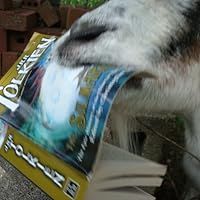
May 29, 2013
Tolkien speaks often in these letters about his distaste for the over-analysis of literature. He says that trying to learn more about the author and his life and trying to fit the literature into that outside environment is unwise, and basically, annoying. So, as I read these letters of Tolkien I tried not to let what I learned about him, his life, and his views color the stories, particularly those, of course, of the Legendarium. As I am apt to over-analyze things, especially those for which I have much zeal, I was thankful that his letters made it easy! In fact, I was more encouraged than ever to know just how much the story was not written with specific events, thoughts, or intentions in mind. In one of the last letters of the book, Tolkien recalls a story in which an acquaintance shows him paintings that were created long before Middle-earth, yet seemed to almost illustrate Lord of the Rings. Tolkien insisted, truthfully, that he had never seen the paintings before. The man exclaims, embodying Gandalf utterly, "Of course you don't suppose, do you, that you wrote all that book yourself?" To me, these stories just are. They speak truths. These letters support that.
And, I learned a lot and the letters were mostly all delightful. On a less important note, I doubt any casual Middle-earth reader will enjoy these letters, unless they just like reading letters.
And, I learned a lot and the letters were mostly all delightful. On a less important note, I doubt any casual Middle-earth reader will enjoy these letters, unless they just like reading letters.

October 11, 2011
Reading Tolkien's letters has to be fascinating for anyone interested in the man and/or his works. He reflects on what he wrote, gives advice to his sons, reports on the progress of his work, and sends irritated letters to Germans who have asked if he's of Jewish descent. It's a pretty exhaustive collection, with an index and little bits of context to go with each letter. Worth reading!

February 18, 2023
Among various types of writing (fiction, poetry, critical essay, script writing, etc etc), correspondence is usually seen as a very minor (if at all) art. Do we often think about the fact that our letters (or, let's be real, our e-mails or Messenger and Whatsapp written exchanges) could be potent expressions of ourselves, containing way more than the requisite and minimal exchange of information with an interlocutor : (in)jokes, efforts to show emotion, storytelling, attemps to connect with a real or imagined audience of one or more, etc ?.. It seems to me that correspondence is where the line between “Artist” (whomst we tend to place outside of “normal people” as possessing some kind of innate qualities or “talent”) and everyday “artist” (everyone of us insofar as we express ourselves into any medium and create something out of something else) is the thinnest. Any written word presupposes intention, thinking about what we're going to write, in a moment that can last anywhere from two seconds to three months. In that intention and distance, communication becomes art.
Those were the thoughts rattling in my head while reading the huge mass of letters written by J.R.R.Tolkien. The letters reveal something of both the artist and the man. Tolkien having been a very private person, the selection of letters is adequately representative of that, focusing mostly on his thoughts about the creation of his works and his whole lifelong mythology (adressed either to friends, his editor, or, later in his life, to fans), and the letters giving glimpses into his personal life are very few. Both are fascinating in their own way, even if Tolkien himself (as he reminds often in numerous letters) espoused a (somewhat contradictory and fragmentary) belief in the concept the Death of the Author. That is, he firmly disagreed with a “biographical” interpretation of a text relating to an author's life, yet at the same time, was fiercely protective of his own view and interpretation of the books and quite disapproving at times of other interpretations (it seems in line with what I tend to call the “soft” version of the Death of the Author concept : the book existing independently of the author once released into the world, but the original author still retaining some authority over the interpretation of the books, while accepting that others might offer different interpretations that have merit).
Tolkien's art has been a subject of different controversies over the decades, and interpreted in various ways. The author himself was championed and claimed by every corner of the political spectrum. He was said to be an anarchist, a fascist, a conservative, a monarchist ... and so forth. I find it interesting that his letters do indeed give us a glimpse of a passionate and contradictory mind. He wasn't really an anarchist, at least not in the (true) leftist sense, having a strongly hierarchical mind linked to his Christian conservatism, yet he despised the lust for power in itself and was wary of anyone exhibiting it. I would say that he wasn't a fascist either, both by his negative reactions to real fascist regimes (except for a soft spot for Franco's which seems to be born more out of ignorance about the real happenings in it) and his rejection of any person trying to impose their will onto others. He definitely was a Christian Conservative (and has many amusing proto-boomer thoughts about women in trousers during Mass, the Beatles and modern jazz) and had a strong faith tinged with melancholy. He doesn't really seem to have had a coherent political ideology, and was more influenced by his feeling of living in a “fallen” world where everything not related to the highest most transcendent matters was bound to failure and decrepitude.
This melancholy tone carries over from the beginning, in his first letters written during WWI, sometimes directly from the trenches, through his later success and fame – which often made him very uncomfortable – and right until the end of his life. It lingers, like a cloud, even over his most joyous moments, his triumphs, his passions, his quiet appreciation of nature and music, his marriage, his advice to his (four) children.
Which isn't to say that there aren't any other emotions at play. Tolkien being a clearly passionate individual, his letters are often barely contained bundles of excitement or fury hidden behind a veneer of respectable "gentlemanly" expression. I found some of his petty rages to be particularly entertaining. While reading letters more or less in order, one comes to know Tolkien's mind and his triggers, and I, for instance, remember anticipating him going berserk over an absurd cover of the Hobbit (in the introduction to the letter number 277 : “The cover picture showed a lion, two emus, and a tree with bulbous fruit”) and thinking “this is gonna be good”. He had a very clear picture in his mind regarding his "sub-creation" (a very important concept in his understanding of art and litterature), and had difficulty accepting things that deviated from it too strongly.
All in all, the letters were a fascinating look into someone's lifework (and contained very many nerdy details about said lifework for obsessive types like me) and the different ways it can be expressed in correspondence, each interlocutor receiving a piece of it, and we, the readers, godlike, putting it all together with distance and hindsight.
BONUS ROUND
I do admit I did chuckle when reading this : “[about women] they do not as a rule talk 'bawdy'; not because they are purer than men (they are not) but because they don't find it funny. I have known those who pretended to, but it is a pretence. It may be intriguing, interesting, absorbing (even a great deal too absorbing) to them : but it is just plumb natural, a serious, obvious interest; where is the joke?” (letter number 42). In my experience, this is absolutely true. There is a lot to be said about sex, and jokes to be had about a variety of sexual situations, and women do engage in it, but the only ones who goes “har har, sex” about the mere mention of the existence of sex have always been men. Maybe it's a defense mechanism because men find earnestly thinking about it uncomfortable ?.. (I'm of course painting with a wide brush and do recognize that it is a socially constructed thing, and not anything inherent in being a man or a woman).
The last thing that makes me chuckle everytime, is Tolkien raging about his name being misspelled as “Tolkein” and going into insane linguistic lengths and explanations to explain why it is “Tolkien” rather than “Tolkein”, and his name still being misspelled very often. If he were alive today, I can hardly imagine the rages he'll fly into, because I still see this misspelling absolutely everywhere, from Youtube comments to articles written about his work. I guess some things never change.
Those were the thoughts rattling in my head while reading the huge mass of letters written by J.R.R.Tolkien. The letters reveal something of both the artist and the man. Tolkien having been a very private person, the selection of letters is adequately representative of that, focusing mostly on his thoughts about the creation of his works and his whole lifelong mythology (adressed either to friends, his editor, or, later in his life, to fans), and the letters giving glimpses into his personal life are very few. Both are fascinating in their own way, even if Tolkien himself (as he reminds often in numerous letters) espoused a (somewhat contradictory and fragmentary) belief in the concept the Death of the Author. That is, he firmly disagreed with a “biographical” interpretation of a text relating to an author's life, yet at the same time, was fiercely protective of his own view and interpretation of the books and quite disapproving at times of other interpretations (it seems in line with what I tend to call the “soft” version of the Death of the Author concept : the book existing independently of the author once released into the world, but the original author still retaining some authority over the interpretation of the books, while accepting that others might offer different interpretations that have merit).
Tolkien's art has been a subject of different controversies over the decades, and interpreted in various ways. The author himself was championed and claimed by every corner of the political spectrum. He was said to be an anarchist, a fascist, a conservative, a monarchist ... and so forth. I find it interesting that his letters do indeed give us a glimpse of a passionate and contradictory mind. He wasn't really an anarchist, at least not in the (true) leftist sense, having a strongly hierarchical mind linked to his Christian conservatism, yet he despised the lust for power in itself and was wary of anyone exhibiting it. I would say that he wasn't a fascist either, both by his negative reactions to real fascist regimes (except for a soft spot for Franco's which seems to be born more out of ignorance about the real happenings in it) and his rejection of any person trying to impose their will onto others. He definitely was a Christian Conservative (and has many amusing proto-boomer thoughts about women in trousers during Mass, the Beatles and modern jazz) and had a strong faith tinged with melancholy. He doesn't really seem to have had a coherent political ideology, and was more influenced by his feeling of living in a “fallen” world where everything not related to the highest most transcendent matters was bound to failure and decrepitude.
This melancholy tone carries over from the beginning, in his first letters written during WWI, sometimes directly from the trenches, through his later success and fame – which often made him very uncomfortable – and right until the end of his life. It lingers, like a cloud, even over his most joyous moments, his triumphs, his passions, his quiet appreciation of nature and music, his marriage, his advice to his (four) children.
Which isn't to say that there aren't any other emotions at play. Tolkien being a clearly passionate individual, his letters are often barely contained bundles of excitement or fury hidden behind a veneer of respectable "gentlemanly" expression. I found some of his petty rages to be particularly entertaining. While reading letters more or less in order, one comes to know Tolkien's mind and his triggers, and I, for instance, remember anticipating him going berserk over an absurd cover of the Hobbit (in the introduction to the letter number 277 : “The cover picture showed a lion, two emus, and a tree with bulbous fruit”) and thinking “this is gonna be good”. He had a very clear picture in his mind regarding his "sub-creation" (a very important concept in his understanding of art and litterature), and had difficulty accepting things that deviated from it too strongly.
All in all, the letters were a fascinating look into someone's lifework (and contained very many nerdy details about said lifework for obsessive types like me) and the different ways it can be expressed in correspondence, each interlocutor receiving a piece of it, and we, the readers, godlike, putting it all together with distance and hindsight.
BONUS ROUND
I do admit I did chuckle when reading this : “[about women] they do not as a rule talk 'bawdy'; not because they are purer than men (they are not) but because they don't find it funny. I have known those who pretended to, but it is a pretence. It may be intriguing, interesting, absorbing (even a great deal too absorbing) to them : but it is just plumb natural, a serious, obvious interest; where is the joke?” (letter number 42). In my experience, this is absolutely true. There is a lot to be said about sex, and jokes to be had about a variety of sexual situations, and women do engage in it, but the only ones who goes “har har, sex” about the mere mention of the existence of sex have always been men. Maybe it's a defense mechanism because men find earnestly thinking about it uncomfortable ?.. (I'm of course painting with a wide brush and do recognize that it is a socially constructed thing, and not anything inherent in being a man or a woman).
The last thing that makes me chuckle everytime, is Tolkien raging about his name being misspelled as “Tolkein” and going into insane linguistic lengths and explanations to explain why it is “Tolkien” rather than “Tolkein”, and his name still being misspelled very often. If he were alive today, I can hardly imagine the rages he'll fly into, because I still see this misspelling absolutely everywhere, from Youtube comments to articles written about his work. I guess some things never change.

November 16, 2023
Ich habe dieses Buch über 6 Monate in Etappen gelesen. Am Stück ist es zu anstrengend. Aber am Ende fand ich es besser und lehrreicher als jede Biografie. Es ist schon erstaunlich, wenn man einem Autor in seinen eigenen Worten sowohl beim Nachdenken als auch beim Altern zuhören kann -die Texte aber keine Tagebücher sind, sondern etwas, das immer schon mit einem Adressat im Kopf verfasst wurde. Verschiedene Dinge werden dabei sehr klar, wenn man sie nicht vorher wusste:
* Tolkien war ein absolut ungeplanter Autor, der von der Inspiration lebte und dessen Inspiration ständig da war, aber definitiv niemand, der Geschichten plottete und effizient arbeitete.
* Tolkiens Katholizismus ist überall im Herrn der Ringe, aber nicht so platt und allegorisch, wie es manchmal gerne dargestellt wird. (Ich mag insbesondere die Idee von der "Eukatastrophe", die er mehrfach darlegt und die eine endlos gute Antwort auf die typischste Beschwerde über das Ende des Herrn der Ringe ist.)
* Tolkien war schon ein ziemlich Alter Weißer Mann(tm) lange bevor er tatsächlich alt war, aber er wusste das auch zu einem gewissen Grad - er war aber auch ein sehr mitfühlender und humanistischer Mensch, und es zeigt wieder mal, wie komplex die ganze Sache ist.
Ich habe mich während des Lesens außerdem gefragt, ob Werke wie dieses mit dem Ende des Briefeschreibens der Vergangenheit angehören. Es gibt ja durchaus Autor:innen, die nach wie vor sehr viel schriftlich über ihr Leben und Werk und Drumherum nachdenken, nur halt meistens eher in Form von Blogs, Newslettern, Tweets etc. - Wären solche redaktionellen Zusammenstellungen in Zukunft denkbar? Wären sie interessant?
* Tolkien war ein absolut ungeplanter Autor, der von der Inspiration lebte und dessen Inspiration ständig da war, aber definitiv niemand, der Geschichten plottete und effizient arbeitete.
* Tolkiens Katholizismus ist überall im Herrn der Ringe, aber nicht so platt und allegorisch, wie es manchmal gerne dargestellt wird. (Ich mag insbesondere die Idee von der "Eukatastrophe", die er mehrfach darlegt und die eine endlos gute Antwort auf die typischste Beschwerde über das Ende des Herrn der Ringe ist.)
* Tolkien war schon ein ziemlich Alter Weißer Mann(tm) lange bevor er tatsächlich alt war, aber er wusste das auch zu einem gewissen Grad - er war aber auch ein sehr mitfühlender und humanistischer Mensch, und es zeigt wieder mal, wie komplex die ganze Sache ist.
Ich habe mich während des Lesens außerdem gefragt, ob Werke wie dieses mit dem Ende des Briefeschreibens der Vergangenheit angehören. Es gibt ja durchaus Autor:innen, die nach wie vor sehr viel schriftlich über ihr Leben und Werk und Drumherum nachdenken, nur halt meistens eher in Form von Blogs, Newslettern, Tweets etc. - Wären solche redaktionellen Zusammenstellungen in Zukunft denkbar? Wären sie interessant?
March 22, 2023
Diese Zusammenstellung persönlicher und geschäftlicher Briefe von Tolkien hat mich sehr fasziniert! Wer den Hobbit, den Herrn der Ringe und bestenfalls auch das Silmarilion gelesen hat, und dazu auch noch an der Entstehung Mittelerdes, der dort gesprochenen Sprachen und letztenendes auch an Tolkien, dem Menschen selbst, interessiert ist, denen kann ich dieses Buch wärmstens empfehlen.
Wäre es besser (oder einfacher) gewesen, vorher Tolkiens Biographie zu lesen? Vielleicht. Dazu kann ich mich erst äußern, wenn ich sie zum Lesen aus dem Regal genommen habe. Zu diesem Zeitpunkt kann ich allerdings schon sagen, dass es mir großen Spaß gemacht hat, Tolkiens Leben anhand seiner Briefe (und einzelner Suchanfragen im Internet zu Personen, Orten, Jahreszahlen etc.) zusammenzusetzen. Es war ein bisschen wie eine Schnitzeljagd. :D
Wäre es besser (oder einfacher) gewesen, vorher Tolkiens Biographie zu lesen? Vielleicht. Dazu kann ich mich erst äußern, wenn ich sie zum Lesen aus dem Regal genommen habe. Zu diesem Zeitpunkt kann ich allerdings schon sagen, dass es mir großen Spaß gemacht hat, Tolkiens Leben anhand seiner Briefe (und einzelner Suchanfragen im Internet zu Personen, Orten, Jahreszahlen etc.) zusammenzusetzen. Es war ein bisschen wie eine Schnitzeljagd. :D

January 8, 2026
Le lettere fanno intuire un personaggio ben più fumantino e nervoso (e orgoglioso, e quant'altro) rispetto a ciò che siamo abituati. Il suo complesso rapporto con gli amici, ma generoso con i giovani, lo fanno sembrare una specie di papà protettivo, che lottava più per l'etimologia dei suoi nomi, e per la loro conservazione - specialmente in traduzione - che per i giudizi tecnici sui suoi testi (che non gli importavano più di tanto).
Un gentiluomo amante del suo lavoro, fortemente attaccato alla sua famiglia e gelosissimo della sua immagine.
Per quanto riguarda la fede: un vero cattolico - direi tradizionalista, la sua opinione en passant sui movimenti conciliari non lascia dubbi, ma allo stesso tempo fedele alla Chiesa in ogni sua forma. Un vero peccato che non abbia lasciato in modo più chiaro dei testi sul suo pensiero teologico, che si riflette in queste lettere in modo chiarissimo, anche se tomisticamente rigido.
Un gentiluomo amante del suo lavoro, fortemente attaccato alla sua famiglia e gelosissimo della sua immagine.
Per quanto riguarda la fede: un vero cattolico - direi tradizionalista, la sua opinione en passant sui movimenti conciliari non lascia dubbi, ma allo stesso tempo fedele alla Chiesa in ogni sua forma. Un vero peccato che non abbia lasciato in modo più chiaro dei testi sul suo pensiero teologico, che si riflette in queste lettere in modo chiarissimo, anche se tomisticamente rigido.

January 30, 2017
Tijdens het lezen bekroop mij de vraag wat Tolkien zelf van boek zou vinden. Meermalen geeft hij aan geen nut te zien in het analyseren van een schrijver om boeken beter te begrijpen. "Mijn verhalen zijn bedoeld om van te genieten als avonturen. Ik zie niet in hoe de persoonlijke details van mijn leven daaraan bij kunnen dragen." Als hij een brief ontvangt van een lezer die wetenschappelijke onderzoek naar zijn werken en leven wil doen, reageert hij kort en afwijzend: "Het spijt mij als deze brief een beetje knorrig overkomt. Ik heb een uitgesproken hekel aan dergelijke analyses".
We kunnen ons dus afvragen of Tolkien zelf de waarde van dit boek zou zien. Wat ik wel weet is wat ik van dit boek vond. Ik vond het prachtig. Als fan (bucketlistitem #7: alles van Tolkien gelezen hebben) geeft dit boek een onschatbare waarde aan inzicht in het denken en de persoon van Tolkien.
Hoe is het begonnen? (Met het uitvinden van een taal)
Wat bedoelt Tolkien met...? (Niets, Tolkien heeft nooit een allegorie willen schrijven)
Waar komt de naam Gamgee vandaan? (Van een wattenmerk uit Tolkiens jeugd)
Dit boek bevat veel opmerkelijke inzichten. De reactie van Tolkien op Hitler, WOII en de vernazi-ing van het 'Noordse'. Zijn hartverscheurende brief na het overlijden van zijn vrouw over hoe zij model stond voor Lúthien. Dat hij Frodo heeft laten falen bij de Doemberg omdat Frodo geen klassieke held is ("Helden behalen de eer en overwinning, maar slechts weinig mensen zijn nederig genoeg om slechts een werktuig van het goede te zijn."). Zijn worsteling met de immer fanatieker wordende fans. Zijn worsteling met het feit dat hij zijn levenswerk (De Silmarillion) maar niet in een publiceerbare vorm kreeg.
In het licht van Tolkiens afwijzing van analyse van zijn persoon schrijft hij uiteindelijk dat het misschien wat toevoegt om iets van de schrijver van een goed boek te weten, maar pas nadat men uitgebreid heeft genoten van het verhaal op zich. Ik heb genoten van de boeken van Tolkien en heb genoten van de inzichten in deze collectie brieven.
Na de laatste brief, 4 dagen voor zijn overlijden, had ik hetzelfde gevoel als bij het einde van de trilogie. Frodo was vertrokken, Pepijn en Merijn hadden afscheid genomen en Sam ging naar huis, kreeg zijn dochtertje op schoot en zei "Welnu, ik ben thuis." Ik wilde meer weten over deze hobbits, over de wereld van Midden-Aarde, over hoe het verder ging met... Ik moest echter afscheid van ze nemen.
Dat gevoel had ik na dit boek. Het was niet altijd spannend, soms repetitief of saai, maar aan het eind wil ik geen afscheid nemen van Tolkien, zijn verlangens, dromen, knorrigheid en verhalen. Maar ik moet. Tolkien is niet meer, zijn werken blijven. Ik hoop nog steeds op een Inklings-in-het-hiernamaals, waar ik kan luisteren naar Lewis en Tolkien op hun best in een hemelse 'Bird and the baby'.
We kunnen ons dus afvragen of Tolkien zelf de waarde van dit boek zou zien. Wat ik wel weet is wat ik van dit boek vond. Ik vond het prachtig. Als fan (bucketlistitem #7: alles van Tolkien gelezen hebben) geeft dit boek een onschatbare waarde aan inzicht in het denken en de persoon van Tolkien.
Hoe is het begonnen? (Met het uitvinden van een taal)
Wat bedoelt Tolkien met...? (Niets, Tolkien heeft nooit een allegorie willen schrijven)
Waar komt de naam Gamgee vandaan? (Van een wattenmerk uit Tolkiens jeugd)
Dit boek bevat veel opmerkelijke inzichten. De reactie van Tolkien op Hitler, WOII en de vernazi-ing van het 'Noordse'. Zijn hartverscheurende brief na het overlijden van zijn vrouw over hoe zij model stond voor Lúthien. Dat hij Frodo heeft laten falen bij de Doemberg omdat Frodo geen klassieke held is ("Helden behalen de eer en overwinning, maar slechts weinig mensen zijn nederig genoeg om slechts een werktuig van het goede te zijn."). Zijn worsteling met de immer fanatieker wordende fans. Zijn worsteling met het feit dat hij zijn levenswerk (De Silmarillion) maar niet in een publiceerbare vorm kreeg.
In het licht van Tolkiens afwijzing van analyse van zijn persoon schrijft hij uiteindelijk dat het misschien wat toevoegt om iets van de schrijver van een goed boek te weten, maar pas nadat men uitgebreid heeft genoten van het verhaal op zich. Ik heb genoten van de boeken van Tolkien en heb genoten van de inzichten in deze collectie brieven.
Na de laatste brief, 4 dagen voor zijn overlijden, had ik hetzelfde gevoel als bij het einde van de trilogie. Frodo was vertrokken, Pepijn en Merijn hadden afscheid genomen en Sam ging naar huis, kreeg zijn dochtertje op schoot en zei "Welnu, ik ben thuis." Ik wilde meer weten over deze hobbits, over de wereld van Midden-Aarde, over hoe het verder ging met... Ik moest echter afscheid van ze nemen.
Dat gevoel had ik na dit boek. Het was niet altijd spannend, soms repetitief of saai, maar aan het eind wil ik geen afscheid nemen van Tolkien, zijn verlangens, dromen, knorrigheid en verhalen. Maar ik moet. Tolkien is niet meer, zijn werken blijven. Ik hoop nog steeds op een Inklings-in-het-hiernamaals, waar ik kan luisteren naar Lewis en Tolkien op hun best in een hemelse 'Bird and the baby'.
March 3, 2010
This book is simply a must-read if you're a Tolkien fan. Most of the letters in this book are really interesting and they certainly changed the way I see Tolkien. The letters contain fascinating information on the absolutely huge creation process of LoTR and the whole mythology, which was probably the most interesting part of this book. But even more important, they shed light on the mind and thoughts of this great man.
After reading this, I feel like I know Tolkien a lot better than I did from just reading his books (although I probably still don't know him at all). I got an image of a tired, overworked but hard-working man completely dedicated to his work (both professional and leisure). Sometimes it was hard to get what he was trying to say since he had so many thoughts and so little time to write everything down. But that was one of his well-known characteristics. What I did get out of his letters was the love for his family, languages and religion, not to mention the amount of thought he put into the stories that were the closest to his heart. And of course, there were many funny letters as well, for example the ones concerning the many difficulties Tolkien had with people who didn't know what to think of the books (or those who had never read them while claiming to know everything about them).
If possible, I appreciate Tolkien's mythology even more now than I used to. It was his life's work (of course he did many other things, too) which is to be seen clearly here. This collection of letters was a very good and interesting read. Being written by the great author himself, how could they disappoint? All fans must read this.
After reading this, I feel like I know Tolkien a lot better than I did from just reading his books (although I probably still don't know him at all). I got an image of a tired, overworked but hard-working man completely dedicated to his work (both professional and leisure). Sometimes it was hard to get what he was trying to say since he had so many thoughts and so little time to write everything down. But that was one of his well-known characteristics. What I did get out of his letters was the love for his family, languages and religion, not to mention the amount of thought he put into the stories that were the closest to his heart. And of course, there were many funny letters as well, for example the ones concerning the many difficulties Tolkien had with people who didn't know what to think of the books (or those who had never read them while claiming to know everything about them).
If possible, I appreciate Tolkien's mythology even more now than I used to. It was his life's work (of course he did many other things, too) which is to be seen clearly here. This collection of letters was a very good and interesting read. Being written by the great author himself, how could they disappoint? All fans must read this.

June 29, 2007
Sick and tired of your pompous friends claiming they know and understand what Tolkien meant, only to shoot off at the mouth some bizarre, mid '90s goth kid trash about the real meanings of the metaphors used in Tolkien's work?
Then buy this book and put them in their place.
This book details Tolkien's real meanings in personal letters he wrote to the publishers and others.
Everything from stating that Elves are close biological cousins to man, through to real issue Elves had with Men (in comparisons which only seem to solidify the claims that they resemble the relationships of the USA with Europe between both world wars).
Sick and tired of videogame companies destroying your fantasy, while claiming they're right on with "source material"? Buy this book and quote passages where Tolkien berates various editors and producers for altering his work.
An amusing thing about these letters, is that Tolkien's letters suggest he would have approved of the recent movies. As a number of changes made in Jackson's movies were suggested by Tolkien himself when trying to communicate with the BBC production during the 50s what should be changed and what shouldn't be changed.
Buy this book, it's a great read
Then buy this book and put them in their place.
This book details Tolkien's real meanings in personal letters he wrote to the publishers and others.
Everything from stating that Elves are close biological cousins to man, through to real issue Elves had with Men (in comparisons which only seem to solidify the claims that they resemble the relationships of the USA with Europe between both world wars).
Sick and tired of videogame companies destroying your fantasy, while claiming they're right on with "source material"? Buy this book and quote passages where Tolkien berates various editors and producers for altering his work.
An amusing thing about these letters, is that Tolkien's letters suggest he would have approved of the recent movies. As a number of changes made in Jackson's movies were suggested by Tolkien himself when trying to communicate with the BBC production during the 50s what should be changed and what shouldn't be changed.
Buy this book, it's a great read

March 27, 2022
Reading this was, poignantly, a lot like the first time I read Lord of the Rings. You start out wondering what all this is and who this man is. You continue on feeling as if you have made the best of friends and are fully invested in their lives, and then it ends. You close the book and they're gone and you must carry on without them. Life feels empty. You wonder what they're doing, how they're doing, you consider starting the book over just to walk with them again. They have grown, as Data would say, familiar.
The other thing that struck me reading this book was how insecure old age is, and then sense of not having enough time to finish your work or love those you love. I'm middle aged, but this struck me as the great difficulties of old age.
Tolkien was sharp, a bit of a curmudgeon, loved trees and his family, hated how misunderstood his work was, or misused. I think I would have found him very intimidating in real life, but also wonderful.
It was a true and real pleasure to read the letters and walk through the life of my favorite author and not feel disappointed. He wasn't a celebrity, but he was a very intelligent and gifted man.
The other thing that struck me reading this book was how insecure old age is, and then sense of not having enough time to finish your work or love those you love. I'm middle aged, but this struck me as the great difficulties of old age.
Tolkien was sharp, a bit of a curmudgeon, loved trees and his family, hated how misunderstood his work was, or misused. I think I would have found him very intimidating in real life, but also wonderful.
It was a true and real pleasure to read the letters and walk through the life of my favorite author and not feel disappointed. He wasn't a celebrity, but he was a very intelligent and gifted man.

Read
July 3, 2020Much as I enjoy his writing (I read The Lord of the Rings once a year), I've always assumed Tolkien was a bit of a stuffy wanker. But if he was (and I don't think that anymore), then his letters have convinced me that he was a very likeable stuffy wanker.
As I read the letters, picking up that sort of one-sided friendship one gets as one reads another's writing, I started to feel a bit of dread, which at times approached something like real horror. You read his letters, in order, following him from 22 to 81 years old, and of course you know he's going to die, and all his complaints of pain and illness take on a grim aspect, and his wishes to publish The Silmarillion in his lifetime take on a hopeless aspect, and then the final letter — which is all too ordinary — is over, and then you feel something like the shock that comes with the unexpected news of the death of someone you know, whom you saw only just the other day, and who seemed perfectly healthy.
As I read the letters, picking up that sort of one-sided friendship one gets as one reads another's writing, I started to feel a bit of dread, which at times approached something like real horror. You read his letters, in order, following him from 22 to 81 years old, and of course you know he's going to die, and all his complaints of pain and illness take on a grim aspect, and his wishes to publish The Silmarillion in his lifetime take on a hopeless aspect, and then the final letter — which is all too ordinary — is over, and then you feel something like the shock that comes with the unexpected news of the death of someone you know, whom you saw only just the other day, and who seemed perfectly healthy.
August 27, 2020
I could read through these letters a hundred times. Perhaps I already have and it has just blurred together. So many interesting facts in here. Getting a glimpse into his writing process through his conversations is truly priceless.
I don't agree with all of the man's ideals. That doesn't surprise me, considering he was devoutly religious and I have never been a fan of religion of any kind (save perhaps Buddhism). The man is my hero, though I'm not entirely sure the two of us would get along if we spoke to each other at length. But I still find it enjoyable to hear his thoughts on deeper things beyond writing. Perhaps I'm wrong, as he was a very kind and thoughtful individual in life. Perhaps we could, in fact, see eye-to-eye if we ever met. We never will, but I have a high enough opinion of him to assume he sees the best in all people. I like to think so.
My rambling aside, this is a must-read for any Tolkien fanboy/girl.
I don't agree with all of the man's ideals. That doesn't surprise me, considering he was devoutly religious and I have never been a fan of religion of any kind (save perhaps Buddhism). The man is my hero, though I'm not entirely sure the two of us would get along if we spoke to each other at length. But I still find it enjoyable to hear his thoughts on deeper things beyond writing. Perhaps I'm wrong, as he was a very kind and thoughtful individual in life. Perhaps we could, in fact, see eye-to-eye if we ever met. We never will, but I have a high enough opinion of him to assume he sees the best in all people. I like to think so.
My rambling aside, this is a must-read for any Tolkien fanboy/girl.

August 4, 2011
This could be described as "the glory of Germanic culture without Naziism." Tolkien saw a number of items that are either not noticed in the world, or not harmonized: 1) Germanic literature has an austere cultural beauty about it; 2) Modernism has no beauty; 2) Hitler rightly reacted to the decadence of democracies; 3) Hitler's actions would destroy the beauty of Germanic culture; 4) There would be no winners in WW2.
Besides brilliant commentary and background on the LotR, we gain insight into JRR's cultural views. He was an Agrarian (and not a Green Hippie) who hated both socialism and godless capitalism. He believed in a distributist system like Chesterton and Belloc.
My favorite part was how he loved languages.
Besides brilliant commentary and background on the LotR, we gain insight into JRR's cultural views. He was an Agrarian (and not a Green Hippie) who hated both socialism and godless capitalism. He believed in a distributist system like Chesterton and Belloc.
My favorite part was how he loved languages.
Displaying 1 - 30 of 448 reviews