A tapestry of musings, rambles and 'I didn't know that' facts that document some of the diverse, fantastic and entertaining relationships that humans have forged with plants throughout the ages. These pithy stories span species celebrated as tribal fodder to delicacies elevated as some of our most valued possessions. From the ultimate symbols of devotion and love to campaigns that resulted in genocide, revolt and the shaping of the global political landscape the thousands of plant species that are irrevocably intertwined with our existence have been deployed in warfare, espionage and even space travel. Never again will a carrot on a dinner plate, the seductive scent of a woman's perfume, or a pineapple in a fruit bowl be viewed with indifference. The relations forged reveal details of miscellaneous human traits, from our instinct for survival to decadent aesthetic expression, from ingenuity and inventiveness to stupidity and greed encapsulating superstition, fear and the absurd. Perhaps surprisingly many associations, no matter how historic and apparently disconnected, still have huge significance in our lives. Some of course were, and remain still, simple folly. What persists is our unquenched curiosity to unravel and unlock the secrets of the plant kingdom for our own ends resulting occasionally in absurdity but sometimes in mind-boggling technological advances. Includes fascinating chapters like "The Tomato Ketchup Fraud", "Devil of a Hangover", "Castor Oil and the KGB, "Spicy Footwear", "Sweet Beet", "Nettle Wig or Nettle Shampoo", "Morris Men and the Walnut Tree", "Meadows that Give Honey Bees Headaches", "Victory Wreaths and Cyanide", and many, many more.
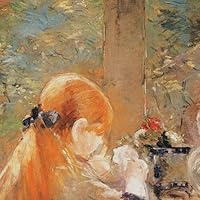
A különböző növényes könyveimet nagyrészt ránézésre választom, kvázi intuitíve. Eddig még nem vettem bóvlit. Ez nem a külsejével ragadott meg, mert olyan, mintha egy durvább kezű, enyhén spicces Rousseau festette volna. Belenéztem, láttam, hogy nem a szokványos témákat boncolgatja (azok különben is megváltoztatták a világot), így hát jöhetett. Nem egységes a színvonala, ezalatt azt értem, hogy nem mind világrengető növényekről van szó, van, amelyik pusztán kultúrtörténeti vonatkozásában izgalmas, és az is szerepel itt, de ez engem egy cseppet sem zavar. Kit ne érdekelne, hogy mi az összefüggés a csihány (csalán) és a genocídiumok között? Vagy mire jó még a dióhéj az eddig ismert felhasználásain kívül és miért pont az RAF-fel (Brit Királyi Légierő) hozható összefüggésbe? Miért sárga a murok (répa) és mi köze ennek egy uralkodóházhoz? A titokzatos kömény után is nyomoz, ami kizárólag Kürénében termett meg, nem lehetett termeszteni, Néró fogyasztotta el a legutolsó példányát és máig nem sikerült biztosan azonosítani, hogy melyik növényről is lehetett szó. Potpourri mint drog? Hm :D. Miért jó, ha van nálad egy kis tőzegmoha, ha háborúba indulsz? Szót ejt a fűnyíróról is, mert az nyilván nem maradhat ki egy angol könyvből. Kicsit elidéz a fekete áfonya üdvös hatásainál, a vadgesztenyénél, megtudható belőle, hogyan gyárthatunk lőport a közönséges kutyabengéből és még rengeteg más izgalom, egészen pontosan száz, ugyebár, ahogy az már a címéből is kideríthető. Noha természetesen vannak közöttük olyanok, amit az ember esetleg tudhat-ismerhet hasonló olvasmányaiból, nekem okozott meglepetéseket és nagyon élveztem. Rövid, velős, érdekes. Szeretettel ajánlom.
A nicely presented and colourful book which was a quick enjoyable read. There were some really good snippets of information within its pages although I’d say it lacks any real depth. As a plant enthusiast I would have liked more information on each of the pages especially those at the beginning of the book.
The “that almost changed the world” bit of the title is a bit of a stretch. A more suitable title might be, “100 plants with associated cool stories” or some such.
This is a nicely presented book, fun, and a quick read.
There are several typos in it though: unnecessary use of capitals in several places; missing and unnecessarily added commas; a couple of sentences that were probably changed but weren’t tidied up properly in the final proof. These things started to distract me a little too much after a while.
There are a few entries revolving around nettles, so realistically the “100 plants” part of the title may also be a little stretch.
It would have been beneficial to list the plant of focus as a subheading, as it’s not always immediately clear which plant he’s specifically referring to. Also some easy principle facts, e.g. origin, family or some such, could provide some nice consistency and comparison between the plants selected as a handy reference. There is a thorough index at the end though.
All that said, it was an interesting read and I learnt some fun pieces of trivia.
(Some people seem to be deducting stars for lack of depth...so N.B...I assumed this to be a Coffee Table book, and it most certainly is!)
Def. Coffee Table Book (noun): A coffee table book, also known as a cocktail table book, is an oversized, usually hard-covered book whose purpose is for display on a table intended for use in an area in which one entertains guests and from which it can serve to inspire conversation or pass the time.
So this absolutely gets 5 stars. It is stunning both inside and out. It has 100 descriptions, usually no longer than a page, of completely fascinating facts about a variety of plants. Makes me want to host a gathering and use this book as a conversation piece!
The only down point would be the title...many of these are plants that have changed the world!
Quirky, fascinating, and useful this book enthralls from the word go! Packed full of useful gems that firstly make dinner conversations far more interesting and secondly might help you save somebody’s life. It contains entertaining historical anecdotes as well as modern cultural insights and actual applicable nutrient information. My only qualm is that each plant didn’t have a noted table of information, the where’s, what for's, and detailed diagrams.
A nice light read that teach you cool facts about plants! I love telling them to my friends, they got tired of the ones I got from previous books. I like the fact that the books covers a lot of plants and different continents and periods of history, but is not too complete - the anecdotal tone is nice and I will dig on the ones I like the most
Fun and snackable; not (and not trying to be) in the same academic class as other books of a similar vein (Hobhouse, Laws etc) in this field. Fine for what it is.
Very amusing stories for horticulture lovers. I was thinking of buying this book to keep it as a coffee table book, so good all the different stories are.