

What do you think?

At the Same Time: Essays and Speeches
'These sixteen pieces brim over with vitality. Every one of them opens up fresh lines of thought' John Gray, New Statesman
The sixteen essays gathered here represent the last pieces written by Susan Sontag in the years before her death in 2004. Reflecting on literature, photography and art, post-9/11 America and political activism, these essays encompass the themes that dominated Sontag’s life and work, revealing why she remains one of the twentieth-century’s preeminent writers and thinkers.
The sixteen essays gathered here represent the last pieces written by Susan Sontag in the years before her death in 2004. Reflecting on literature, photography and art, post-9/11 America and political activism, these essays encompass the themes that dominated Sontag’s life and work, revealing why she remains one of the twentieth-century’s preeminent writers and thinkers.
256 pages, Paperback
First published January 1, 2007
About the author
Susan Sontag
199 books5,931 followersSusan Sontag was born in New York City on January 16, 1933, grew up in Tucson, Arizona, and attended high school in Los Angeles. She received her B.A. from the College of the University of Chicago and did graduate work in philosophy, literature, and theology at Harvard University and Saint Anne’s College, Oxford.
Her books include four novels, The Benefactor, Death Kit, The Volcano Lover, and In America; a collection of short stories, I, etcetera; several plays, including Alice in Bed and Lady from the Sea; and nine works of nonfiction, starting with Against Interpretation and including On Photography, Illness as Metaphor, Where the Stress Falls, Regarding the Pain of Others, and At the Same Time. In 1982, Farrar, Straus & Giroux published A Susan Sontag Reader.
Ms. Sontag wrote and directed four feature-length films: Duet for Cannibals (1969) and Brother Carl (1971), both in Sweden; Promised Lands (1974), made in Israel during the war of October 1973; and Unguided Tour (1983), from her short story of the same name, made in Italy. Her play Alice in Bed has had productions in the United States, Mexico, Germany, and Holland. Another play, Lady from the Sea, has been produced in Italy, France, Switzerland, Germany, and Korea.
Ms. Sontag also directed plays in the United States and Europe, including a staging of Beckett's Waiting for Godot in the summer of 1993 in besieged Sarajevo, where she spent much of the time between early 1993 and 1996 and was made an honorary citizen of the city.
A human rights activist for more than two decades, Ms. Sontag served from 1987 to 1989 as president of the American Center of PEN, the international writers’ organization dedicated to freedom of expression and the advancement of literature, from which platform she led a number of campaigns on behalf of persecuted and imprisoned writers.
Her stories and essays appeared in newspapers, magazines, and literary publications all over the world, including The New York Times, The New Yorker, The New York Review of Books, The Times Literary Supplement, Art in America, Antaeus, Parnassus, The Threepenny Review, The Nation, and Granta. Her books have been translated into thirty-two languages.
Among Ms. Sontag's many honors are the 2003 Peace Prize of the German Book Trade, the 2003 Prince of Asturias Prize, the 2001 Jerusalem Prize, the National Book Award for In America (2000), and the National Book Critics Circle Award for On Photography (1978). In 1992 she received the Malaparte Prize in Italy, and in 1999 she was named a Commandeur de l'Ordre des Arts et des Lettres by the French government (she had been named an Officier in the same order in 1984). Between 1990 and 1995 she was a MacArthur Fellow.
Ms. Sontag died in New York City on December 28, 2004.
Her books include four novels, The Benefactor, Death Kit, The Volcano Lover, and In America; a collection of short stories, I, etcetera; several plays, including Alice in Bed and Lady from the Sea; and nine works of nonfiction, starting with Against Interpretation and including On Photography, Illness as Metaphor, Where the Stress Falls, Regarding the Pain of Others, and At the Same Time. In 1982, Farrar, Straus & Giroux published A Susan Sontag Reader.
Ms. Sontag wrote and directed four feature-length films: Duet for Cannibals (1969) and Brother Carl (1971), both in Sweden; Promised Lands (1974), made in Israel during the war of October 1973; and Unguided Tour (1983), from her short story of the same name, made in Italy. Her play Alice in Bed has had productions in the United States, Mexico, Germany, and Holland. Another play, Lady from the Sea, has been produced in Italy, France, Switzerland, Germany, and Korea.
Ms. Sontag also directed plays in the United States and Europe, including a staging of Beckett's Waiting for Godot in the summer of 1993 in besieged Sarajevo, where she spent much of the time between early 1993 and 1996 and was made an honorary citizen of the city.
A human rights activist for more than two decades, Ms. Sontag served from 1987 to 1989 as president of the American Center of PEN, the international writers’ organization dedicated to freedom of expression and the advancement of literature, from which platform she led a number of campaigns on behalf of persecuted and imprisoned writers.
Her stories and essays appeared in newspapers, magazines, and literary publications all over the world, including The New York Times, The New Yorker, The New York Review of Books, The Times Literary Supplement, Art in America, Antaeus, Parnassus, The Threepenny Review, The Nation, and Granta. Her books have been translated into thirty-two languages.
Among Ms. Sontag's many honors are the 2003 Peace Prize of the German Book Trade, the 2003 Prince of Asturias Prize, the 2001 Jerusalem Prize, the National Book Award for In America (2000), and the National Book Critics Circle Award for On Photography (1978). In 1992 she received the Malaparte Prize in Italy, and in 1999 she was named a Commandeur de l'Ordre des Arts et des Lettres by the French government (she had been named an Officier in the same order in 1984). Between 1990 and 1995 she was a MacArthur Fellow.
Ms. Sontag died in New York City on December 28, 2004.
Ratings & Reviews
Friends & Following
Create a free account to discover what your friends think of this book!
Community Reviews
Displaying 1 - 30 of 120 reviews

June 12, 2025
"At the Same Time" is a posthumous collection of essays, speeches, and notes by Susan Sontag. It brings together her last texts written in the final years of her life. These texts address various topics, from art and culture to politics and society, with the critical and intellectual style that marked the author.
In "At the Same Time," Sontag explores the relationship between art and life, the freedom of literature and the intellectual's responsibility, and the complexity of post-9/11 America. The book also includes texts on beauty, photography, and cultural criticism, demonstrating her concern with language and how culture shapes our perception of the world.
In "At the Same Time," Sontag explores the relationship between art and life, the freedom of literature and the intellectual's responsibility, and the complexity of post-9/11 America. The book also includes texts on beauty, photography, and cultural criticism, demonstrating her concern with language and how culture shapes our perception of the world.

December 5, 2024
از کتاب:
ادبیات داستانی بلند که به دلیل نبودن نامی بهتر، رمان نامیده میشود، دیر یا زود باید حکم به هنجار بودن خود را آنگونه که در قرن نوزدهم رواج پیدا کرده بود، فرو گذارد: گفتن داستانی که مردم آن را شخصیتهایی تشکیل میدهند که انتخابها و سرنوشتهایشان همان انتخابها و سرنوشتهای زندگی واقعی معمولی است.
این کتاب هم با مقدمهای از پسر سوزان سانتاگ آغاز شده است. او در این مقدمه اذعان میکند که مادرش فردی علاقمند بوده به هر چیزی که ارزش تجربه کردن و یا دیدن و یا رفتن و ... را داشته باشد.
او میگوید، مادرش در جایی نوشته: " آنچه مرا به عنوان دخترکی دانش آموز در آریزونا که در انتظار رشد کردن و گریز به واقعیتی بزرگتر بود، نجات داد، کتاب خواندن بود... دسترسی به ادبیات، ادبیات جهان، به مفهوم فرار از زندان بطالت ملیبخشی از نامه سربازی آلمانی که اواخر دسامبر ۱۹۴۲ در زمستان روسیه نگهبانی میدهد زیباترین کریسمسی بود که تا به حال دیده بودم به تمامی حاصل حسهای بیطرفانه بود و عاری از تمام آرایههای پر زرق و برق کاملاً تنها بودم زیر آسمان بسیار بزرگ پر ستارهای سخت جدی و پرشور بود، بیفرهنگی، کوتهاندیشی اجباری، نظام آموزشی پوچ و بیمعنا، سرنوشتهای ناتمام و بخت بد بود.
این کتاب میتونه برای کسانی که در حوزه جستار نویسی و کلاً نویسندگی علاقه دارند مفید و جالب باشه چون نویسنده با آوردن مثال از کتابهای گوناگون میتواند افقهای روشنی از حوزه نویسندگی و داستان نویسی و یا رمان نویسی را پیش روی خواننده روشن کند...مثلاً در فصلی کاملاً انواع رمانها را با ذکر مثالهایی از کتابها و نویسندگان گوناگون توضیح میدهد، هرچند بسیار کوتاه و اجمالی هستند؛ ولی خواندنشان خالی از لطف نیست به طور مثال رمانهای علمی تخیلی، رمانهای فلسفی، رمانهای رویایی، قصه،حکایت، رمان شهودی و ...
ادبیات داستانی بلند که به دلیل نبودن نامی بهتر، رمان نامیده میشود، دیر یا زود باید حکم به هنجار بودن خود را آنگونه که در قرن نوزدهم رواج پیدا کرده بود، فرو گذارد: گفتن داستانی که مردم آن را شخصیتهایی تشکیل میدهند که انتخابها و سرنوشتهایشان همان انتخابها و سرنوشتهای زندگی واقعی معمولی است.
این کتاب هم با مقدمهای از پسر سوزان سانتاگ آغاز شده است. او در این مقدمه اذعان میکند که مادرش فردی علاقمند بوده به هر چیزی که ارزش تجربه کردن و یا دیدن و یا رفتن و ... را داشته باشد.
او میگوید، مادرش در جایی نوشته: " آنچه مرا به عنوان دخترکی دانش آموز در آریزونا که در انتظار رشد کردن و گریز به واقعیتی بزرگتر بود، نجات داد، کتاب خواندن بود... دسترسی به ادبیات، ادبیات جهان، به مفهوم فرار از زندان بطالت ملیبخشی از نامه سربازی آلمانی که اواخر دسامبر ۱۹۴۲ در زمستان روسیه نگهبانی میدهد زیباترین کریسمسی بود که تا به حال دیده بودم به تمامی حاصل حسهای بیطرفانه بود و عاری از تمام آرایههای پر زرق و برق کاملاً تنها بودم زیر آسمان بسیار بزرگ پر ستارهای سخت جدی و پرشور بود، بیفرهنگی، کوتهاندیشی اجباری، نظام آموزشی پوچ و بیمعنا، سرنوشتهای ناتمام و بخت بد بود.
این کتاب میتونه برای کسانی که در حوزه جستار نویسی و کلاً نویسندگی علاقه دارند مفید و جالب باشه چون نویسنده با آوردن مثال از کتابهای گوناگون میتواند افقهای روشنی از حوزه نویسندگی و داستان نویسی و یا رمان نویسی را پیش روی خواننده روشن کند...مثلاً در فصلی کاملاً انواع رمانها را با ذکر مثالهایی از کتابها و نویسندگان گوناگون توضیح میدهد، هرچند بسیار کوتاه و اجمالی هستند؛ ولی خواندنشان خالی از لطف نیست به طور مثال رمانهای علمی تخیلی، رمانهای فلسفی، رمانهای رویایی، قصه،حکایت، رمان شهودی و ...

Read
October 2, 2019Unless you're a Sontag completist, as I am, you can basically skip this slender collection of essays. They're B-sides, and have nothing on her greatest hits from the '60s, '70s, and beyond. The reflections on 9/11 are superficial, her awards speeches about the nobility of literature struck me as both fluffy and precious, which, given the fangs that Sontag deployed back in the day, makes them truly awful. Susan, I love you, but bro, you're posting cringe.

February 24, 2019
Quando a Susan Sontag escreve sobre literatura não dá qualquer margem para o alheamento. Tudo nela e na sua abordagem é investimento pleno e dedicação inata ao que toma tanto como missão como prazer.
Ler literatura é estar só comungando do âmago de outrem. É conhecer o mundo adensando a todo o momento os motivos do merecimento de um certificado de ignorância. Ler sobre a literatura segundo a perspectiva de Sontag é sentir uma companhia flagrante nessa tal tarefa solitária.
Ler literatura é estar só comungando do âmago de outrem. É conhecer o mundo adensando a todo o momento os motivos do merecimento de um certificado de ignorância. Ler sobre a literatura segundo a perspectiva de Sontag é sentir uma companhia flagrante nessa tal tarefa solitária.

January 7, 2017
“A writer, I think, is someone who pays attention to the world." image: [image error]
Como mi segundo libro en este reto literario del 2017, que tiene como finalidad conocer a escritoras alrededor del mundo, opte por Susan Sontag de Estados Unidos. Novelista, fotógrafa, directora de cine, activista de varios movimientos políticos y sociales, así también como defensora de los derechos humanos y la libertad de expresión, Sontag fue nacida en Nueva York en 1933 y fue egresada de universidades como Oxford y Sorbonne con estudios en filosofía, literatura y teología.
“At the same time”, o “Al mismo tiempo” (si lo traducimos literalmente al español), es una colección de ensayos y discursos que abarca varios temas políticos, culturales y sociales. En lo personal, disfruto leer sobre la vida de los grandes personajes de literatura, arte o política y dentro de sus ensayos, Sontag nos ofrece una ventana que nos permite ver un poco la vida de algunos autores. En particular disfrute mucho la correspondencia y complicidad de palabras que existia entre los poetas Boris Pasternak, Rilke y Marina Tsvetayevna asi como tambien el recorrido que llevo a cabo el escritor ruso Leonid Tsypskin para poder completar “Summer in Baden”, libro basado en varias ubicaciones descritas en las novelas de Dostoevsky. Dentro de los discursos ofrecidos en algunos eventos donde recibió algún tipo de premiación por su trabajo, Sontag aborda algunos temas políticos referentes al 11 de Septiembre y lo que representa la libertad en la literatura.
En lo personal, no me gusta leer libros que están de moda y prefiero buscar aquellos libros que puedan expandir mi perspectiva o mi criterio y en Sontag encontré una voz poderosa y con carácter. Una mujer de espíritu rebelde, aquel que no tiene miedo de dar su opinión y darla de una forma clara, abstracta e imposible de pasar desapercibida. Es un placer encontrar escritoras que tan admirablemente luchan por la libertad de expresión y se involucran en causas humanistas como en temas de enfermedad (HIV) y derechos de las mujeres. Como defensora de la libertad de expresion, tambien movilizo gente en defensa de su amigo Salman Rushdie durante un momento de amenazas por la publicacion de su libro "Los Versos Satanicos". Además, Sontag encontró en la fotografía una de las mejores maneras de proyectar la realidad de nuestro presente y el sufrimiento que existe en varias caras de la humanidad.
Una intelectual muy recomendable para todos aquellos que nos gustan las mujeres que luchan por alguna causa social y sobretodo, conocer o no dejar pasar al olvido aquellas mujeres que han luchado por ese territorio que poco a poco vamos conquistando en nuestra sociedad.
Le doy 4/5 estrellas porque simplemente creo que algunos ensayos (que al parecer no estaban terminados), los senti unos mas fuertes que otros, pero sin duda alguna, me quedo con un enorme deseo de aprender mas de ella.
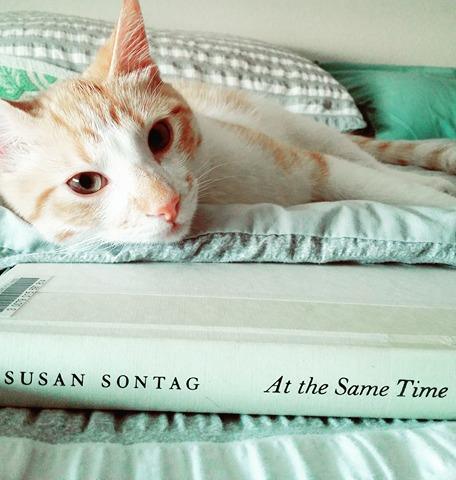
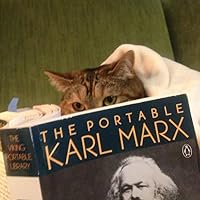
Nuestro gato Jerry haciendome compania en momentos de lectura.
M.
Jan. 2017
Como mi segundo libro en este reto literario del 2017, que tiene como finalidad conocer a escritoras alrededor del mundo, opte por Susan Sontag de Estados Unidos. Novelista, fotógrafa, directora de cine, activista de varios movimientos políticos y sociales, así también como defensora de los derechos humanos y la libertad de expresión, Sontag fue nacida en Nueva York en 1933 y fue egresada de universidades como Oxford y Sorbonne con estudios en filosofía, literatura y teología.
“At the same time”, o “Al mismo tiempo” (si lo traducimos literalmente al español), es una colección de ensayos y discursos que abarca varios temas políticos, culturales y sociales. En lo personal, disfruto leer sobre la vida de los grandes personajes de literatura, arte o política y dentro de sus ensayos, Sontag nos ofrece una ventana que nos permite ver un poco la vida de algunos autores. En particular disfrute mucho la correspondencia y complicidad de palabras que existia entre los poetas Boris Pasternak, Rilke y Marina Tsvetayevna asi como tambien el recorrido que llevo a cabo el escritor ruso Leonid Tsypskin para poder completar “Summer in Baden”, libro basado en varias ubicaciones descritas en las novelas de Dostoevsky. Dentro de los discursos ofrecidos en algunos eventos donde recibió algún tipo de premiación por su trabajo, Sontag aborda algunos temas políticos referentes al 11 de Septiembre y lo que representa la libertad en la literatura.
En lo personal, no me gusta leer libros que están de moda y prefiero buscar aquellos libros que puedan expandir mi perspectiva o mi criterio y en Sontag encontré una voz poderosa y con carácter. Una mujer de espíritu rebelde, aquel que no tiene miedo de dar su opinión y darla de una forma clara, abstracta e imposible de pasar desapercibida. Es un placer encontrar escritoras que tan admirablemente luchan por la libertad de expresión y se involucran en causas humanistas como en temas de enfermedad (HIV) y derechos de las mujeres. Como defensora de la libertad de expresion, tambien movilizo gente en defensa de su amigo Salman Rushdie durante un momento de amenazas por la publicacion de su libro "Los Versos Satanicos". Además, Sontag encontró en la fotografía una de las mejores maneras de proyectar la realidad de nuestro presente y el sufrimiento que existe en varias caras de la humanidad.
Una intelectual muy recomendable para todos aquellos que nos gustan las mujeres que luchan por alguna causa social y sobretodo, conocer o no dejar pasar al olvido aquellas mujeres que han luchado por ese territorio que poco a poco vamos conquistando en nuestra sociedad.
Le doy 4/5 estrellas porque simplemente creo que algunos ensayos (que al parecer no estaban terminados), los senti unos mas fuertes que otros, pero sin duda alguna, me quedo con un enorme deseo de aprender mas de ella.

Nuestro gato Jerry haciendome compania en momentos de lectura.
M.
Jan. 2017
February 13, 2026
Susan Sontag hat mich auf Victor Serge gebracht. Danke dafür!
Sie spricht beigeistert von anderen Schriftstelleren und Schriftstellerinnen.
Gleichzeitig fühlen sich einige ihre Reden oder Essays im Buch auch wie "Gelaber." Sie behauptet viel, ohne dies aber mit Fakten oder Beispielen zu untermauern. Irgendwie ohne Substanz. Tiefe fand ich nur in Anflügen. Das Buch fand ich daher okay.
Ihre USA-Kritik erscheint aber mangels Hintergrundwissen oberflächlich.
Lieblingspassagen aus dem Buch:
"»Das Furchtbare bei der Suche nach der Wahrheit«, sagt ein französischer Essayist, »ist, dass man sie findet ... « Man findet sie, und man hat nicht mehr die Freiheit, dem Hang seiner Umgebung zu folgen oder die geläufigen Klischees zu akzeptieren." S.109
"Unsere führenden Polikter haben uns zu verstehen gegeben, dass sie ihre Aufgabe als eine manipulative betrachten: Vertrauensbildung und Kummerbewältigung. An die Stelle von Politik, von demokratischer Politik - die Meinungsverschiedenheiten mit sich bringt und sich für das offene Wort einsetzt-, tritt Psychotherapie. Lasst uns nach Kräften gemeinsam trauern. Aber lasst uns nicht gemeinsam dumm sein." S.145
"Die Selbstzensur, die wichtigste und wirklungsvollste Form von Zensur, grassiert. Diskussion wird gleichgesetzt mit Opposition und Opposition mit Verrat." S.154
"Möglicherweise ist diese Passivität eine unvermeidliche Folge des Triumphs der Konsumgesellschaft und des liberalen Kapitalismus. Es gibt schon seit einiger Zeit keine markanten Unterschiede zwischen Demokraten und Republikanern mehr; man hält sie bestenfalls für zwei Flügel derselben Partei. (Eine ähnliche Entwicklung lässt sich in Großbritannien beobachten, wo heute kaum noch ein Unterschied zwischen der Labout-Partei und den Konservativen besteht.) In der Entpolitisierung des größten Teils der amerikanischen Intelligenzija spiegelt sich bloß der zunehmende Konformismus und die Konvergenz des politischens Lebens insgesamt - die Austauschbarkeit der Etiketten." S.155
"Aber der Krieg, den die Bush-Regierung angeordnet hat, wird nie enden. Das ist ein Indiz dafür, dass es sich nicht um einen Krieg handelt, sondern um ein Mandat zur Ausweitung der Macht Amerikas." S.158
Abu-Ghuraib-Folterskandal
"Gegen die meisten Inhaftierten in den Gefängnissen im Irak und in Afghanistan wurde keine Anklage erhoben, und das Rote Kreuz teilt mit, siebzig und neunzig Prozent der Inhaftieren hätten anscheinend kein anderes Verbechen begangen, als dass sie zur falschen Zeit am falschen Ort waren und bei irgendeiner Razzia als "Verdächtige" verhaftet wurden." S.189
Englisch in den 1920er als Sprache der Luftfahrt beschlossen. Dadurch Weltsprache geworden? S.211
"Die Welt ist für fast jeden das, worüber wir praktisch keine Kontrolle haben. Der gesunde Menschenverstand und der Selbsterhaltungstrieb sagen uns, dass es ratsam ist, sich an das, was wir nicht ändern können, anzupassen." S.239
"Thoreau, der 1846 ins Gefängnis geht, weil er sich aus Protest gegen den Krieg, mit dem Amerika Mexiko überzieht, geweigert hat, seine Kopfsteuer zu bezahlen, hat diesen Krieg nicht aufgehalten. Aber der Nachhall dieser mildesten und kürzesten Haftzeit (eine einizige Nacht im Gefängnis hat (...) eine neue Ära inspiriert." S.241
"Es kann nicht richtig sein, dass ein Präsident der Vereinigten Staaten zu glauben scheint, er habe ein Mandat, der Präsident des ganzen Planeten zu sein, und verkündet, wer nicht für Amerika sei, sei für »die Terroristen«." S.242
Nürnberger Prozesse 1945/47 Grundsatz: Soldat nicht verpflichet, ungerechte Befehle zu befolgen. Befehle, die dem Kriegsrecht zuwiederlaufen. Er ist sogar verpflichtet, ihnen nicht zu gehrochen. S.236
"Zugang zur Literatur, zur Weltliteratur, bedeutete: dem Gefängnis der nationalen Eitelkeit, der Spießbürgerlichkeit, dem zwanghaften Provinzialismus, dem stupiden Schulunterricht, der Unvollkommenheit des Schicksals, dem Unglück entkommen. Literatur war der Pass, der Zutritt in ein reicheres Leben, in die Sphäre der Freiheit gewährte." S.264
"Schreiben heißt etwas wissen. Was für ein Vergnügen, einen Schriftsteller zu lesen, der viel weiß." S.267
Sie spricht beigeistert von anderen Schriftstelleren und Schriftstellerinnen.
Gleichzeitig fühlen sich einige ihre Reden oder Essays im Buch auch wie "Gelaber." Sie behauptet viel, ohne dies aber mit Fakten oder Beispielen zu untermauern. Irgendwie ohne Substanz. Tiefe fand ich nur in Anflügen. Das Buch fand ich daher okay.
Ihre USA-Kritik erscheint aber mangels Hintergrundwissen oberflächlich.
Lieblingspassagen aus dem Buch:
"»Das Furchtbare bei der Suche nach der Wahrheit«, sagt ein französischer Essayist, »ist, dass man sie findet ... « Man findet sie, und man hat nicht mehr die Freiheit, dem Hang seiner Umgebung zu folgen oder die geläufigen Klischees zu akzeptieren." S.109
"Unsere führenden Polikter haben uns zu verstehen gegeben, dass sie ihre Aufgabe als eine manipulative betrachten: Vertrauensbildung und Kummerbewältigung. An die Stelle von Politik, von demokratischer Politik - die Meinungsverschiedenheiten mit sich bringt und sich für das offene Wort einsetzt-, tritt Psychotherapie. Lasst uns nach Kräften gemeinsam trauern. Aber lasst uns nicht gemeinsam dumm sein." S.145
"Die Selbstzensur, die wichtigste und wirklungsvollste Form von Zensur, grassiert. Diskussion wird gleichgesetzt mit Opposition und Opposition mit Verrat." S.154
"Möglicherweise ist diese Passivität eine unvermeidliche Folge des Triumphs der Konsumgesellschaft und des liberalen Kapitalismus. Es gibt schon seit einiger Zeit keine markanten Unterschiede zwischen Demokraten und Republikanern mehr; man hält sie bestenfalls für zwei Flügel derselben Partei. (Eine ähnliche Entwicklung lässt sich in Großbritannien beobachten, wo heute kaum noch ein Unterschied zwischen der Labout-Partei und den Konservativen besteht.) In der Entpolitisierung des größten Teils der amerikanischen Intelligenzija spiegelt sich bloß der zunehmende Konformismus und die Konvergenz des politischens Lebens insgesamt - die Austauschbarkeit der Etiketten." S.155
"Aber der Krieg, den die Bush-Regierung angeordnet hat, wird nie enden. Das ist ein Indiz dafür, dass es sich nicht um einen Krieg handelt, sondern um ein Mandat zur Ausweitung der Macht Amerikas." S.158
Abu-Ghuraib-Folterskandal
"Gegen die meisten Inhaftierten in den Gefängnissen im Irak und in Afghanistan wurde keine Anklage erhoben, und das Rote Kreuz teilt mit, siebzig und neunzig Prozent der Inhaftieren hätten anscheinend kein anderes Verbechen begangen, als dass sie zur falschen Zeit am falschen Ort waren und bei irgendeiner Razzia als "Verdächtige" verhaftet wurden." S.189
Englisch in den 1920er als Sprache der Luftfahrt beschlossen. Dadurch Weltsprache geworden? S.211
"Die Welt ist für fast jeden das, worüber wir praktisch keine Kontrolle haben. Der gesunde Menschenverstand und der Selbsterhaltungstrieb sagen uns, dass es ratsam ist, sich an das, was wir nicht ändern können, anzupassen." S.239
"Thoreau, der 1846 ins Gefängnis geht, weil er sich aus Protest gegen den Krieg, mit dem Amerika Mexiko überzieht, geweigert hat, seine Kopfsteuer zu bezahlen, hat diesen Krieg nicht aufgehalten. Aber der Nachhall dieser mildesten und kürzesten Haftzeit (eine einizige Nacht im Gefängnis hat (...) eine neue Ära inspiriert." S.241
"Es kann nicht richtig sein, dass ein Präsident der Vereinigten Staaten zu glauben scheint, er habe ein Mandat, der Präsident des ganzen Planeten zu sein, und verkündet, wer nicht für Amerika sei, sei für »die Terroristen«." S.242
Nürnberger Prozesse 1945/47 Grundsatz: Soldat nicht verpflichet, ungerechte Befehle zu befolgen. Befehle, die dem Kriegsrecht zuwiederlaufen. Er ist sogar verpflichtet, ihnen nicht zu gehrochen. S.236
"Zugang zur Literatur, zur Weltliteratur, bedeutete: dem Gefängnis der nationalen Eitelkeit, der Spießbürgerlichkeit, dem zwanghaften Provinzialismus, dem stupiden Schulunterricht, der Unvollkommenheit des Schicksals, dem Unglück entkommen. Literatur war der Pass, der Zutritt in ein reicheres Leben, in die Sphäre der Freiheit gewährte." S.264
"Schreiben heißt etwas wissen. Was für ein Vergnügen, einen Schriftsteller zu lesen, der viel weiß." S.267
April 22, 2013
Her use of language was masterful - the kind that just makes on want to recite it out loud to hear the words roll off ones tongue. The works in this collection were Sontag at her best - impeccably thought out and admirably executed!
October 11, 2024
Brot úr ritgerða- og ræðusafni Susan Sontag. Áhugaverðast fannst mér þrjár stuttar lýsingar frá tímum 9/11..og túlkun Sontag á atburðunum og eftirmálunum sem fylgdu í kjölfarið. Skrifin hennar um Kristnihald undir Jökli eftir Halldór Laxness eru líka skemmtileg, en Susan Sontag var mikill aðdáandi þeirrar bókar og segir hana ekki líka öðrum bókum sem Laxness skrifaði. Fleiri ahugaverðar pælingar herna en margt þyngra td langir kaflar um rússnesk skáld, heimspeki og bókmenntasögu.
March 27, 2020
«مشکل دیگری که عقاید ایجاد میکنند این است که به مثابه کارگزار خود-غیرپویاساز عمل میکنند. عمل نویسندگان باید رهایمان سازد، به جنبشمان درآوردو گذرگاههای شفقت و علایق جدید را به روی ما باز کند. به یادمان آورد شاید، فقط شاید، مشتاق آن باشیم که متفاوت و بهتر از آنچه هستیم باشیم. به یادمان آورد که میتوانیم تغییر کنیم.
همانگونه که کاردینال نیومن میگوید :« در دنیایی متعالیتر و برتر شرایط جور دیگر است، اما اینجا در پاییندست، زندگی تغییر کردن است و کامل و بینقض بودن به این معنی است که تغییرهای بسیاری از سر گذراندهای.»
درعین حال مجموعهای از سخنرانیها و یک مصاحبهی سوزان سانتاگه که در اون از عمده دغدغههای خودش یعنی ادبیات، رنجهایی که به واسطه خط مشی امپریالیستی سیاست خارجه ایالت متحده به کشورهای خاورمیانه وارد میشه و اخلاقیات حرف میزنه. از ساختارهای ادبی و وظیفهی یک رماننویس که « همزمانی آنچه را که در جهان جریان دارد» به یاد داره تا با کوچک کردن جهان برای ما، جهان ما رو گستردهتر کنه؛ تا یادآور شه که چند اکنون درحال رخ دادنه، که « اکنون هم به اینجا اشاره دارد هم به آنجا؟» همونطور که ولتر بعد از شنیدن اخبار زلزله عظیم لیسبون مینویسه «لیسبون ویران شده است و ما اینجا در پاریس میرقصیم.»
همینطور در سه بخش به ماجرای 11 سپتامبر آمریکا و جنگ بیپایانی که بعد از اون علیه "تروریسم" شروع شد میگه. دو بخش دیگه از اینکه آمریکا معاهدات جهانی ضد شکنجه تحت هر شرایط اضطراری رو زیرپا میذاره و بطور گسترده در عراق دست به یک نوع "شوکدرمانی" میزنه میگه. - احتمالا این نوشتههای سیاسی آخرین نوشتههای سوزان سانتاگ هستن.
همانگونه که کاردینال نیومن میگوید :« در دنیایی متعالیتر و برتر شرایط جور دیگر است، اما اینجا در پاییندست، زندگی تغییر کردن است و کامل و بینقض بودن به این معنی است که تغییرهای بسیاری از سر گذراندهای.»
درعین حال مجموعهای از سخنرانیها و یک مصاحبهی سوزان سانتاگه که در اون از عمده دغدغههای خودش یعنی ادبیات، رنجهایی که به واسطه خط مشی امپریالیستی سیاست خارجه ایالت متحده به کشورهای خاورمیانه وارد میشه و اخلاقیات حرف میزنه. از ساختارهای ادبی و وظیفهی یک رماننویس که « همزمانی آنچه را که در جهان جریان دارد» به یاد داره تا با کوچک کردن جهان برای ما، جهان ما رو گستردهتر کنه؛ تا یادآور شه که چند اکنون درحال رخ دادنه، که « اکنون هم به اینجا اشاره دارد هم به آنجا؟» همونطور که ولتر بعد از شنیدن اخبار زلزله عظیم لیسبون مینویسه «لیسبون ویران شده است و ما اینجا در پاریس میرقصیم.»
همینطور در سه بخش به ماجرای 11 سپتامبر آمریکا و جنگ بیپایانی که بعد از اون علیه "تروریسم" شروع شد میگه. دو بخش دیگه از اینکه آمریکا معاهدات جهانی ضد شکنجه تحت هر شرایط اضطراری رو زیرپا میذاره و بطور گسترده در عراق دست به یک نوع "شوکدرمانی" میزنه میگه. - احتمالا این نوشتههای سیاسی آخرین نوشتههای سوزان سانتاگ هستن.

December 17, 2007
I really enjoyed this book.
I think the best part is the first section. I particularly liked the essays about Victor Serge and Anna Banti.
The section on 9/11 and its aftermath was also powerful.
I found the speeches uneven but definitely worthwhile.
If truth is light I think this book should glow in the dark.
I think the best part is the first section. I particularly liked the essays about Victor Serge and Anna Banti.
The section on 9/11 and its aftermath was also powerful.
I found the speeches uneven but definitely worthwhile.
If truth is light I think this book should glow in the dark.

February 15, 2011
It has been a long time since I've read such a well written book. If you really love reading and you care a lot about form, structure and the use of argumentation in essays this is definitely a must read. It has pushed my thoughts beyond my current comfortable state of mind.
July 2, 2026
На цьому мої спроби ладнати із пані Зонтаг закінчено.
Read
February 22, 2016I began with her last. As a whole, as a book, I'm not really sure how successful it is. I suppose the thing it lacks is cohesion - though this is to be somewhat expected in a book composed of a number of essays and speeches on a number of diverging topics. Though the issues explored remain as relevant as always, in the 10 years+ that have passed since being written, her approach at times teeters on becoming dated. Yet again, this is probably not a fair criticism, since death has denied Sontag the right to bear witness to just how much has changed in the past decade and so to continue to evolve in her judgements (as I'm sure she would have). Overall though I still consider the book a triumph in showcasing how fervently against a singularity of interests Sontag was...to me I love her and her book because it shows just how much in love she was with learning - about anything and everything - right to the end.

February 23, 2018
A brilliant 4.5 stars!
I don't really remember how I heard about Susan Sontag except it was in one of my bookish whatsapp groups (umm yeah, they exist, I am a part of two). And I tucked it away in the back of my mind. On my visit to the library a couple of months back, I stumbled upon 'In America' by her but the title didn't interest me much. What did I have to do with America anyhow? And I put it back on the shelf.
And then I came across this book by Sontag on my recent library visit. I contemplated keeping it back. I wasn't sure if I was in the mood for essays (I usually never am. Those were things written and memorized in school and never read again.) but I decided to bring it home. It sat beside my bed while I read fictional works I had issued. And finally I decided to atleast get a flavor of what it was about. The introduction by Sontag's son, Davie Rieff piqued my curiosity. And thereafter I didn't look back, turning page upon page until I devoured it, albeit a bit slow in the beginning and faster at the end.
It was a brilliant read. I think I am in love with Sontag. And I deeply mourn her loss. I wish she was alive now. I am sure she would have so much to say about Trump's win and the state of America now. She seems very vocal and unfazed by critics and people in the power. I admire her tenacity and bravado. We need more people like her.
My favorite essay in this book was on Pasternak, Tsvetayeva and Rilke. How she talks about their personal and professional lives giving us a peek into their private lives. Mesmerizing!
I deeply appreciate her insights into books, the lives of authors, political situations and almost everything under the sun. She's well read, thorough in her research, and her writing just pulls you in and keeps you focused. I could feel the time she has taken in penning down each and every word. I totally am with her when she says not many writers today are knowledgeable. They don't know about the world they reside in. I agree when she says it's important as a writer to know what's happening around.
Ah. The feeling. The aftertaste this book leaves in your mouth. You feel like just sitting for a while, letting it all sink in. To not let that get murky by reading another book. *Sigh*
I don't really remember how I heard about Susan Sontag except it was in one of my bookish whatsapp groups (umm yeah, they exist, I am a part of two). And I tucked it away in the back of my mind. On my visit to the library a couple of months back, I stumbled upon 'In America' by her but the title didn't interest me much. What did I have to do with America anyhow? And I put it back on the shelf.
And then I came across this book by Sontag on my recent library visit. I contemplated keeping it back. I wasn't sure if I was in the mood for essays (I usually never am. Those were things written and memorized in school and never read again.) but I decided to bring it home. It sat beside my bed while I read fictional works I had issued. And finally I decided to atleast get a flavor of what it was about. The introduction by Sontag's son, Davie Rieff piqued my curiosity. And thereafter I didn't look back, turning page upon page until I devoured it, albeit a bit slow in the beginning and faster at the end.
It was a brilliant read. I think I am in love with Sontag. And I deeply mourn her loss. I wish she was alive now. I am sure she would have so much to say about Trump's win and the state of America now. She seems very vocal and unfazed by critics and people in the power. I admire her tenacity and bravado. We need more people like her.
My favorite essay in this book was on Pasternak, Tsvetayeva and Rilke. How she talks about their personal and professional lives giving us a peek into their private lives. Mesmerizing!
I deeply appreciate her insights into books, the lives of authors, political situations and almost everything under the sun. She's well read, thorough in her research, and her writing just pulls you in and keeps you focused. I could feel the time she has taken in penning down each and every word. I totally am with her when she says not many writers today are knowledgeable. They don't know about the world they reside in. I agree when she says it's important as a writer to know what's happening around.
Ah. The feeling. The aftertaste this book leaves in your mouth. You feel like just sitting for a while, letting it all sink in. To not let that get murky by reading another book. *Sigh*

March 13, 2018
this will be my last foray into Sontag's works... as with "Regarding the Pain of Others" this collection, albeit unedited (Sontag died before its publication), still lacks the scholarly/intellectual rigor of a "noted" intellectual/social critic... she seems to choose topics that polish her personal gleam, books/art that are "obscure, but shouldn't be" (because she said so, seemingly)... her "analysis" (more personal commentary, since it lacks depth, methodology or supporting fact/reasoning) of September 11th and her two pieces on its "aftermath" are ill-informed and categorically misleading, if not outright false in their premises/conclusions... her take on terrorist acts, their origins, their purposes, their results, is stupefying and for the most part supports the hegemonic attitudes of the US/Western Civilization, but with enough of a teensytiny twinge of critique to make it seem she isn't pro-US world domination (as long as there is a promise of fewer deaths and less destruction, it seems)... she claims that a two-state solution and pullback to pre-1967 borders by Israel would do NOTHING to stop terrorism in the region... i disagree... i find it absolutely appalling she had the gall to claim terrorists are against, amongst other "modernisms", fun... fun is seemingly the quintessential modern activity (along with colonialism, neverending war, slavery, genocide, etc.)... what the absolutef**k?!?!? her support of "secularism, pluralism, democracy" are vapid, as she does nothing to analyze or explain how these terms came to be, or what they have come to mean, or who decided what they mean, and to whom... so she's smarter than my cat? probably. and intellectual? not even close. just commentary from someone who is not the least impacted by world events (closeted intellectual)... these are nothing but opinion pieces, and like someone once said: "opinions are like assholes, all of us have them, and most of them stink."... sad to me that Sontag is esteemed when she implicitly supports/emboldens the US/Western Civilization hegemony, while spicing her works with crumbs for the oppressed... give me Siri Hustvedt any day...

January 4, 2009
"Time exists in order that it doesn't happen all at once...space exists so that it doesn't all happen to you" (226). The essay "At the Same Time" has been an aid in understanding my ability/inability to process the latest horrors in the holy land. Arguing for literature's value, Sontag writes, "Hearing the shattering news of the great earthquake that leveled Lisbon [in 1755], and (if historians are to be believed) took with it a whole society's optimism (but obviously I don't believe that any society has only one basic attitude), the great Voltaire was struck by the inability to take in what happened elsewhere. 'Lisbon lies in ruins,' Voltaire wrote, 'and here in Paris we dance.' ... I venture to assert we are just as capable of being surprised--and frustrated by the inadequacy of our response--by the simultaneity of wildly contrasting human fates as was Voltaire two and a half centuries ago. Perhaps it is our perennial fate to be surprised by the simultaneity of events--by the sheer extension of the world in time and space. That here we are here, now prosperous, safe, unlikely to go to bed hungry or be blown to pieces this evening...while elsewhere in the world, right now..." (227-8)

June 2, 2023
خانم سانتاگ بشدت قلم قوی دارن، فمینیسم محترم و درک بالا بسیار بالا در حوزه نقد،عکاسی و ادبیات
این کتابشونم عالی بود و سراسر لذت شدم
این کتابشونم عالی بود و سراسر لذت شدم

September 28, 2014
Este libro contiene tanta sabiduría, lucidez, alma... que no creo haber captado absolutamente todo en 1 sola leída. Este es un manual definitivo para ser no solo mejores escritores, sino también para ser un mejor ciudadano, crítico, moral, compasivo. Solo me queda decir, ¡qué gran mujer la Sontag, qué gran mente, qué ser humano!

Read
November 4, 2019It is exam season again, which means I’m devouring non-fiction and intensely scrubbing every surface I can clean with a toothbrush and bleach. Reading this was a little less satisfying than cleaning my shower meticulously. She’s undeniably brilliant, but I feel like this didn’t shine. But I did really enjoy an argument about beauty and the title essay, and I bought Anna Banti’s Artemisia.

January 8, 2022
Susan Sontag zu lesen geht mit einer Notwendigkeit der Erkenntniserweiterung einher. Erkenntnistheoretische Ansätze werden bezüglich des Politischen und Gesellschaftlichen hinterfragt, im Sinne einer Normierung der Wahrheit.
June 17, 2024
I found this book in a clothbound edition at the back of an antique shop and I picked it up without knowing much about Susan Sontag. I was shocked to discover that she is a brilliant writer and thinker, how did I go so long without hearing about this woman?
Susan Sontag is a multitalented autodidact and a master of literature. She isn't really confined to one label (I mistakenly took her to be a reporter which she's not)—an essayist, author of fiction, nonfiction, movie director, political critic, activist, etc. she was a force majeure of the late 20th century leading into the 21st. As Hilary Mantel said, "You might say that she has diverted the mainstream, her private islands of thought now look like the territory on which we've always lived." I myself see Susan Sontag more as a philosopher ahead of her time.
Her "hot takes" on political issues and societal issues (both modern and timeless issues) are versatile and deeply researched, and she is curious about so much, nothing really contains her: Israel-Palestine, American military torture experimentation on Iraqis, the complete contradiction of American identity, reactions to 9/11 in NY and Berlin, the Middle East as an enemy and her critiques on Bush's "war on terror", the purpose of literature, the use of the English language, what makes for good translations of foreign literature, what beauty means in art and women, appreciation of Russian poets, appreciation of Dostoyevsky, Artesimia, Victor Serge, and authors you've never heard of, etc. Ideas and essays that shouldn't fit together flow into each other naturally, with overlaps and thoughtfulness.
Susan Sontag was born to give an opinion, and it's always the right opinion, thanks to her iron solid conscience. And I think it's wonderful to glimpse into her thoughts and witness a woman take up the pen like it's a weapon.
After reading Susan Sontag, you begin to realize that what we're missing in today's world, is a proper writer who knows how to think.
On the intellectual climate of America, perfectly phrased and applicable today in 2024:
"The United States is an odd country. Its citizens have a strong anarchic streak, and they also have an almost superstitious respect for legality. They worship amoral success, and they also love to moralize about right and wrong. They consider government and taxation to be deeply suspect, almost illegitimate, activities, but their most heartfelt response to any crisis is to wave their flag and affirm their unconditional love of the country and approval of their leaders. Above all, they believe that America constitutes an exception in the course of human history and will always be exempt from the usual limitations and calamities that shape the destinies of other countries."
On Israel-Palestine and the need for Palestinian sovereignty:
"I believe that the doctrine of collective responsibility, as a rationale for collective punishment, is never justified, militarily or ethically. I mean the use of disproportionate firepower against civilians, the demolition of their homes and destruction of their orchards and groves, the deprivation of their livelihood and their right to employment, schooling, medical services, untrammeled access to neighboring towns and communities...all as a punishment for hostile military activity that may or may not even be in the vicinity of these civilians. I also believe that there can be no peace here until the planting of Israel communities in the Territories is halted and is followed—sooner rather than later—by the dismantling of these settlements and the withdrawal of the military units amassed there to guard them."
On her political views:
"A good deal of my life has been devoted to trying to demystify ways of thinking that polarize and oppose. Translated into politics, this means favoring what is pluralistic and secular. Like some Americans and many Europeans, I would far prefer to live in a multilateral world—a world not dominated by any one country (including my own). I could express my support in a century that already promises to be another century of extremes, of horrors, for a whole panoply of meliorist principles—in particular, for what Virginia Woolf calls 'the melancholy virtue of tolerance.'"
Susan Sontag is a multitalented autodidact and a master of literature. She isn't really confined to one label (I mistakenly took her to be a reporter which she's not)—an essayist, author of fiction, nonfiction, movie director, political critic, activist, etc. she was a force majeure of the late 20th century leading into the 21st. As Hilary Mantel said, "You might say that she has diverted the mainstream, her private islands of thought now look like the territory on which we've always lived." I myself see Susan Sontag more as a philosopher ahead of her time.
Her "hot takes" on political issues and societal issues (both modern and timeless issues) are versatile and deeply researched, and she is curious about so much, nothing really contains her: Israel-Palestine, American military torture experimentation on Iraqis, the complete contradiction of American identity, reactions to 9/11 in NY and Berlin, the Middle East as an enemy and her critiques on Bush's "war on terror", the purpose of literature, the use of the English language, what makes for good translations of foreign literature, what beauty means in art and women, appreciation of Russian poets, appreciation of Dostoyevsky, Artesimia, Victor Serge, and authors you've never heard of, etc. Ideas and essays that shouldn't fit together flow into each other naturally, with overlaps and thoughtfulness.
Susan Sontag was born to give an opinion, and it's always the right opinion, thanks to her iron solid conscience. And I think it's wonderful to glimpse into her thoughts and witness a woman take up the pen like it's a weapon.
After reading Susan Sontag, you begin to realize that what we're missing in today's world, is a proper writer who knows how to think.
On the intellectual climate of America, perfectly phrased and applicable today in 2024:
"The United States is an odd country. Its citizens have a strong anarchic streak, and they also have an almost superstitious respect for legality. They worship amoral success, and they also love to moralize about right and wrong. They consider government and taxation to be deeply suspect, almost illegitimate, activities, but their most heartfelt response to any crisis is to wave their flag and affirm their unconditional love of the country and approval of their leaders. Above all, they believe that America constitutes an exception in the course of human history and will always be exempt from the usual limitations and calamities that shape the destinies of other countries."
On Israel-Palestine and the need for Palestinian sovereignty:
"I believe that the doctrine of collective responsibility, as a rationale for collective punishment, is never justified, militarily or ethically. I mean the use of disproportionate firepower against civilians, the demolition of their homes and destruction of their orchards and groves, the deprivation of their livelihood and their right to employment, schooling, medical services, untrammeled access to neighboring towns and communities...all as a punishment for hostile military activity that may or may not even be in the vicinity of these civilians. I also believe that there can be no peace here until the planting of Israel communities in the Territories is halted and is followed—sooner rather than later—by the dismantling of these settlements and the withdrawal of the military units amassed there to guard them."
On her political views:
"A good deal of my life has been devoted to trying to demystify ways of thinking that polarize and oppose. Translated into politics, this means favoring what is pluralistic and secular. Like some Americans and many Europeans, I would far prefer to live in a multilateral world—a world not dominated by any one country (including my own). I could express my support in a century that already promises to be another century of extremes, of horrors, for a whole panoply of meliorist principles—in particular, for what Virginia Woolf calls 'the melancholy virtue of tolerance.'"

March 2, 2026
Mi primer Sontag y ciertamente no el último. No me había sentado bien a escribir lo que pensaba de esta colección de ensayos póstumos cuando ya estaba terminando otro de sus libros. No sé si debí empezar con este libro. Siento que tiene la complicidad de sus años de experiencia, referencias a otros de sus pensamientos y un pensamiento evolucionado que, por supuesto, proviene de vivir tiempo pensando. Me encantó adentrarme en estos temas tan complejos de la mano de alguien que escribe con una ligereza punzante, un nivel de síntesis audaz.
Disfruté particularmente su ensayo sobre la belleza, en donde ahonda sobre lo bello, lo feo, lo interesante; el trío de correspondencias entre los poetas fue un deleite total, un vistazo casi voyeurista hacia la vida interior de personas que encarnaron su arte; los ensayos sobre el 9/11 también me gustaron, sobre todo su caracterización de los estadounidenses y su moral.
En general, es un libro que recomiendo; sin embargo, tal vez después de leer sus ensayos más importantes.
Disfruté particularmente su ensayo sobre la belleza, en donde ahonda sobre lo bello, lo feo, lo interesante; el trío de correspondencias entre los poetas fue un deleite total, un vistazo casi voyeurista hacia la vida interior de personas que encarnaron su arte; los ensayos sobre el 9/11 también me gustaron, sobre todo su caracterización de los estadounidenses y su moral.
En general, es un libro que recomiendo; sin embargo, tal vez después de leer sus ensayos más importantes.
May 1, 2025
"Un escritor, me parece, es alguien que presta atención al mundo. Eso significa que intentamos comprender, asimilar, relacionarnos con la maldad de la cual son capaces los seres humanos, sin corrompernos —convirtiéndonos en cínicos o superficiales— al comprenderlo. La literatura puede adiestrar y ejercitar nuestra capacidad para llorar por los que no somos nosotros o no son los nuestros. ¿Qué seríamos si no pudiéramos sentir compasión por quienes no somos nosotros o no son los nuestros? ¿Quiénes seríamos si no pudiéramos olvidarnos de nosotros mismos, al menos un rato? ¿Qué seríamos si no pudiéramos aprender, perdonar? ¿Nos convertiríamos en algo diferente de lo que somos?"
Enhorabuena eres perfecta, me temo.
Enhorabuena eres perfecta, me temo.
August 5, 2025
Este libro recopila una serie de ensayos que van desde la reseña de libros hasta conferencias, pasando por reflexiones sobre lo que se vivió durante los primeros años del siglo XXI, a saber, los sucesos del 11 de septiembre de 2001.
Así, el libro se puede leer sin ningún orden, aunque de cierta forma está estructurado en tres partes. Lo importante es disfrutar del pensamiento agudo de una de las voces más lúcidas de la literatura.
Así, el libro se puede leer sin ningún orden, aunque de cierta forma está estructurado en tres partes. Lo importante es disfrutar del pensamiento agudo de una de las voces más lúcidas de la literatura.

November 21, 2022
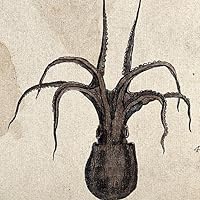
«El tiempo existe para que no todo ocurra al mismo tiempo...y el espacio para que no todo te ocurra a ti». Contar una historia es decir: esta historia es importante. A fin de reducir la extensión y simultaneidad de todo a algo lineal, a una senda.
Read
September 3, 2018I'll always be reading Sontag, her essays are so good. Even when - as is the case with this book, published after her death - she didn't get a chance to vigorously edit them, as she usually did.

December 28, 2023
very relevant, almost painfully at times. but was a little weird to read literary criticism about works and people i haven’t read soooooooooooooo…………….
May 24, 2026
“Whatever there is, there is always more. Whatever is happening, something else is going on too.”
The essays on beauty and her essays post 9/11 are particularly striking in this collection. Enjoyed immensely.
The essays on beauty and her essays post 9/11 are particularly striking in this collection. Enjoyed immensely.
July 26, 2026
nothing worth reading, or nothing she hasn’t already said in earlier works (also not a fan of the dostoevsky glaze 🙄🤚)
This entire review has been hidden because of spoilers.
June 14, 2020
Hay algunos tópicos en los que Susan Sontag evidencia cierta ingenuidad que supongo pretende demarcar cierta distancia con los temas que trata, esto que es producto, especulo yo, de su edad al momento de escribir algunos de estos ensayos o su evidente posición de privilegio social (me refiero sobretodo a los ensayos que tienen que ver con temas como el intervecionismo estadounidense en el medio oriente y por consiguiente en su posición bastante apologista de la política exterior del estado de Israel) quizás le hacen perder algo de poder a este libro, sin embargo todo eso se compensa porque Sontag es muy buena argumentando sus puntos de vista, siempre lo fue.
Para Sontag-ólogos.
Para Sontag-ólogos.
Displaying 1 - 30 of 120 reviews