

What do you think?
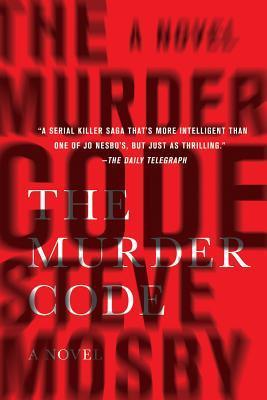
The Murder Code
Detective Inspector Andrew Hicks thinks he knows all about murder. For Detective Hicks, however horrific the act, the reasons behind a crime are usually all-too-explicable. So when a woman is found bludgeoned to death, he suspects a crime of passion and attention focuses on her possessive ex-husband. But when a second body is found, similarly beaten, Hicks is forced to think again about his suspect, as the pieces don't add up.When more murders take place in quick succession, Hicks realizes he is dealing with a type of killer he has never faced before, one who fits nowhere within his logic. Fear spreads as the police search for patterns and reasons where none appear to exist. Then the letters begin to arrive...As the death toll rises, Hicks must face not only a killer obsessed with randomness and chaos, but also the secret in his own past. If he is to stop the killings, he must confront the truth about himself and the fact that some murders begin in much darker places than he ever imagined.
368 pages, Hardcover
First published January 1, 2012
Ratings & Reviews
Friends & Following
Create a free account to discover what your friends think of this book!
Community Reviews
Displaying 1 - 30 of 127 reviews

August 11, 2015
As bad as this murder was - and it was bad - I knew it would also be explicable. Because, ultimately, they all are.
famous last words.
this is a better-than-average crime novel. it's a british police procedural with psychological elements featuring detective inspector hicks, your typically confident investigator who is far enough along in his career that he's pretty sure he's seen it all and nothing can surprise him. his longtime partner, detective laura fellowes, thinks he's maybe a little too fond of jumping to conclusions - relying on statistics and probabilities and forming judgements on the basis of them. She considered it one of my greater failings, but we both knew it wasn't much of one, really, considering I generally ended up being right.
but when he suddenly finds himself confronted with a series of brutal and seemingly random murders and he is unable to rely upon the stolid dependability of statistics and probabilities, it's like starting over from scratch; like learning a new and unpredictable language with terrible risks.
after several bodies turn up with their faces completely obliterated by a hammer; victims who seem to have no connection to each other, a letter arrives addressed to hicks from the killer himself, taunting him with his claims that the murders will continue and will never be solved. obsessed with the illusion of randomness, the killer has devised a code even you won't be able to crack. A string for which the underlying pattern cannot possibly be discerned. at the mercy of his own code, the killer himself does not know where or when or who the victims will be.
which totally blows hick's mind.
and of course, he's got his own things going on in his personal life with an eight-months-pregnant wife at home with whom he has been having difficulties because of his reluctance towards fatherhood, and the challenges of this case are NOT helping that situation. plus - complicated secret backstory intensified by people from his past showing up and many ruminations about the existence of evil and fate. so - not a great headspace for hicks to have to relearn how to solve crimes.
despite the over-the-top natures of the murders, what i liked most about this were the realistic procedural elements. i enjoyed the behind-the-scenes and especially the more frustrating necessities of investigation - even though the detectives know that these crimes are being set in motion based on some random-seeming pattern, they still have to investigate each murder individually, just in case; interviewing family members and lovers and wasting a lot of time doing so.
in the killer's second letter, he seems to also be enjoying this aspect:
I was far too careful to allow you to trace my message, as I'm sure you will have discovered. You will find similar efforts have been taken with this one, although no doubt you will be compelled to check. That is one of the reasons I will stay ahead of you. You have too much to do, while I only have one thing.
the actual process used to make headway in solving seemingly unpredictable murders is fascinating - calling in a mathematician but allowed to tell her very few details, analyzing the difference between serial killers and mass murderers, despite knowing that these crimes display evidence of both types, the dance of withholding they have to do with the press while still wanting to keep the public safe - at every turn it seems that the typical investigative routes introduce new impediments to actually solving the crime.
"We only need him to make one mistake; that gets more likely with every murder. But the more he doesn't make one the busier we are and the harder it'll be to spot when he does. Perhaps he already has…And we're too lost in fucking paperwork to see it."
that's what worked best for me - the emphasis that crime-solving is not as glamorous or dramatic as it is typically portrayed.
In the movies, there'll be some sharp flash of insight that leads the detective to the culprit, but real life tends to be more mundane - and reassuringly so. The killer is often the first person you think did it, and he did it for the first reason you thought of. In the vast majority of other cases, you catch people through a shitload of hard work: processing the data and winnowing down the options. Flow-chart stuff, really.
because what's less romantic than a flow-chart?
the resolution/explanation was not completely convincing, but it's a really great read for people tired of reading the same old kinds of crime novels. it's got good turns and good energy, and i'm looking forward to reading more from this guy. you squeamish folks, though, be warned - animal and human carnage up the wazoo. if you do not like carnage in your wazoo, stay away.
 come to my blog!
famous last words.
this is a better-than-average crime novel. it's a british police procedural with psychological elements featuring detective inspector hicks, your typically confident investigator who is far enough along in his career that he's pretty sure he's seen it all and nothing can surprise him. his longtime partner, detective laura fellowes, thinks he's maybe a little too fond of jumping to conclusions - relying on statistics and probabilities and forming judgements on the basis of them. She considered it one of my greater failings, but we both knew it wasn't much of one, really, considering I generally ended up being right.
but when he suddenly finds himself confronted with a series of brutal and seemingly random murders and he is unable to rely upon the stolid dependability of statistics and probabilities, it's like starting over from scratch; like learning a new and unpredictable language with terrible risks.
after several bodies turn up with their faces completely obliterated by a hammer; victims who seem to have no connection to each other, a letter arrives addressed to hicks from the killer himself, taunting him with his claims that the murders will continue and will never be solved. obsessed with the illusion of randomness, the killer has devised a code even you won't be able to crack. A string for which the underlying pattern cannot possibly be discerned. at the mercy of his own code, the killer himself does not know where or when or who the victims will be.
which totally blows hick's mind.
and of course, he's got his own things going on in his personal life with an eight-months-pregnant wife at home with whom he has been having difficulties because of his reluctance towards fatherhood, and the challenges of this case are NOT helping that situation. plus - complicated secret backstory intensified by people from his past showing up and many ruminations about the existence of evil and fate. so - not a great headspace for hicks to have to relearn how to solve crimes.
despite the over-the-top natures of the murders, what i liked most about this were the realistic procedural elements. i enjoyed the behind-the-scenes and especially the more frustrating necessities of investigation - even though the detectives know that these crimes are being set in motion based on some random-seeming pattern, they still have to investigate each murder individually, just in case; interviewing family members and lovers and wasting a lot of time doing so.
in the killer's second letter, he seems to also be enjoying this aspect:
I was far too careful to allow you to trace my message, as I'm sure you will have discovered. You will find similar efforts have been taken with this one, although no doubt you will be compelled to check. That is one of the reasons I will stay ahead of you. You have too much to do, while I only have one thing.
the actual process used to make headway in solving seemingly unpredictable murders is fascinating - calling in a mathematician but allowed to tell her very few details, analyzing the difference between serial killers and mass murderers, despite knowing that these crimes display evidence of both types, the dance of withholding they have to do with the press while still wanting to keep the public safe - at every turn it seems that the typical investigative routes introduce new impediments to actually solving the crime.
"We only need him to make one mistake; that gets more likely with every murder. But the more he doesn't make one the busier we are and the harder it'll be to spot when he does. Perhaps he already has…And we're too lost in fucking paperwork to see it."
that's what worked best for me - the emphasis that crime-solving is not as glamorous or dramatic as it is typically portrayed.
In the movies, there'll be some sharp flash of insight that leads the detective to the culprit, but real life tends to be more mundane - and reassuringly so. The killer is often the first person you think did it, and he did it for the first reason you thought of. In the vast majority of other cases, you catch people through a shitload of hard work: processing the data and winnowing down the options. Flow-chart stuff, really.
because what's less romantic than a flow-chart?
the resolution/explanation was not completely convincing, but it's a really great read for people tired of reading the same old kinds of crime novels. it's got good turns and good energy, and i'm looking forward to reading more from this guy. you squeamish folks, though, be warned - animal and human carnage up the wazoo. if you do not like carnage in your wazoo, stay away.
come to my blog!
October 17, 2025
3 solid stars for promise of a great writer. I'm a big, big fan of Alex North & love his well-written serial killer novels - "The Whisper Man" especially. And recently he & his publisher decided to let the cat out of the bag about the ones he published earlier under another name & they're re-relasing them under his name - https://www.goodreads.com/book/show/2.... This one was available at my library so I checked it out. It was also released originally as "The Murder Code" back in 2012, so a bit dated. Anyway, it's basically a police procedural about a serial killer and was a bit plodding in nature - but, I could def see how North honed his craft. There's a few more of these - jury's still out on whether I pick up anymore or not!

September 1, 2014
Steve Mosby is an author that the whole world should know about. One of Britain's National Treasures. His books just blow my world away, each and every time, this one was no exception. Absolutely terrifying and ingenious work of fiction.
So, what's the book about?
Detective Inspector Andrew Hicks thinks he knows all about murder. However horrific the act, the reasons behind a crime are usually easy to explain. So when a woman is found bludgeoned to death, he suspects a crime of passion and attention focuses on her possessive ex-husband. But when a second body is found, similarly beaten, Hicks is forced to think again.
When more murders arrive in quick succession, Hicks realizes he is dealing with a type of killer he has never faced before, one who fits nowhere within his logic. Then the letters begin to arrive...
As the death toll rises, Hicks must face not only a killer obsessed with randomness and chaos, but also a secret in his own past. If he is to stop the killings, he must confront the truth about himself...
My Review:
Flip me! Steve Mosby has one heck of an imagination on him! Seriously, his writing it just unlike any other crime/thriller/horror writer I know. If you have not read any of his book by now, it's the time to start.
Fear factor? Oh yes, oh yes, oh yes!.
It takes a lot to shock me in a crime book, I read a lot of them. I am kind of numb to serial killers, psychopaths, sociopaths and what they get up to. But Steve Mosby has done it again, he managed to not only surprise me with the plot but shock me with the detail and the sheer awfulness of the crimes. I read this before bedtime, was still reading at 2:00am, stupid idea really.
So Hicks is chasing a very unique killer, he's looking for logic and patterns in the killings but struggling to find them. The plot starts out a little slow, don't be lulled by this, by the time things pick up and all the way to the end it moves at a terrifying and exciting pace, you won't be able to put it down, not even for a toilet break.
The murders are BRUTAL and GRAPHIC, you have been warned, from the first kill to the next and so on. They can't stop this killer, he's evading them at every corner. He teases Hicks by sending in letters, cryptic letters, nothing is making sense. The rate of killings increases and Hicks and his team are racing against the clock to figure this one out.
This is a totally unique plot, I love that, it means it's not a predictable crime book, it's got an edge, it's different, it's flipping fantastic and clever and sophisticated writing. Steve Mosby takes his crime writing and adds a pinch of the horror genre for good measure, he is simply a genius. That's my opinion anyway.
I am raving, but for good reason. I loved everything about this book. The detail is spectacular, enough to be descriptive and place you at the scene but not too much that you get bored and overwhelmed. The storyline is unusual, the twists and turns it takes are exceptional. Keeps you awake and alert let me tell you. The writing is top notch, Mosby is a very talented writer, his books are all well written.
The reasons behind the killings is terrifying, the kills themselves are gruesome and unusual. This is not your run of the mill crime story/serial killer book. Oh no. It's so much better than that. They are looking for a serial killer, he likes to kill, he thinks he can get away with it, he taunts Hicks with it, he keeps killing, the bodies pile up.
There is a scene in this book involving a video that literally had me wanting to turn away from what I was reading. Gruesome stuff. But awesome and clever and brilliant.
Not many books shock me anymore, but this one did. The sheer unexpected elements it presents, the killings that defy all logic, the moments where we get to be inside the killer head are scary, really scary, sometimes people are just born evil, this killer is one of those people.
It has everything you would want in a good crime novel but then throws in so much more. There are three different plots running together in this book and Steve Mosby gives NO inkling of their connection until towards the end where they weave together beautifully and terrifyingly, as connected as spaghetti in a pot. (Yes, I get weird imagery when writing).
By the explosive finish I had to remember to take breaths, I was literally holding my breath, my heart was pounding and I was so tense, I could not stop reading the words. I was on fire reading this book and it scared the crap out of me. Flipping brilliance is what it is. Just read it, if you like crime, if you like thrills, if you like a good serial killer book and even if you are a mild horror fan, you will LOVE this book. I promise.
I did not work out who the killer was fully and there is a magnificent twist at the end that just blew me away. I gasped!
Rave over. 5 easy stars from me. I love you Steve Mosby, I can't believe I am only starting to read his books now as a crime fan. He's up there with the best of the best if not better. I highly recommend his new novel The Nightmare Place also.
For more of my reviews and great new author info hop on over to:
https://www.facebook.com/BookloverCat...

So, what's the book about?
Detective Inspector Andrew Hicks thinks he knows all about murder. However horrific the act, the reasons behind a crime are usually easy to explain. So when a woman is found bludgeoned to death, he suspects a crime of passion and attention focuses on her possessive ex-husband. But when a second body is found, similarly beaten, Hicks is forced to think again.
When more murders arrive in quick succession, Hicks realizes he is dealing with a type of killer he has never faced before, one who fits nowhere within his logic. Then the letters begin to arrive...
As the death toll rises, Hicks must face not only a killer obsessed with randomness and chaos, but also a secret in his own past. If he is to stop the killings, he must confront the truth about himself...
My Review:
Flip me! Steve Mosby has one heck of an imagination on him! Seriously, his writing it just unlike any other crime/thriller/horror writer I know. If you have not read any of his book by now, it's the time to start.
Fear factor? Oh yes, oh yes, oh yes!.
It takes a lot to shock me in a crime book, I read a lot of them. I am kind of numb to serial killers, psychopaths, sociopaths and what they get up to. But Steve Mosby has done it again, he managed to not only surprise me with the plot but shock me with the detail and the sheer awfulness of the crimes. I read this before bedtime, was still reading at 2:00am, stupid idea really.
So Hicks is chasing a very unique killer, he's looking for logic and patterns in the killings but struggling to find them. The plot starts out a little slow, don't be lulled by this, by the time things pick up and all the way to the end it moves at a terrifying and exciting pace, you won't be able to put it down, not even for a toilet break.
The murders are BRUTAL and GRAPHIC, you have been warned, from the first kill to the next and so on. They can't stop this killer, he's evading them at every corner. He teases Hicks by sending in letters, cryptic letters, nothing is making sense. The rate of killings increases and Hicks and his team are racing against the clock to figure this one out.
This is a totally unique plot, I love that, it means it's not a predictable crime book, it's got an edge, it's different, it's flipping fantastic and clever and sophisticated writing. Steve Mosby takes his crime writing and adds a pinch of the horror genre for good measure, he is simply a genius. That's my opinion anyway.
I am raving, but for good reason. I loved everything about this book. The detail is spectacular, enough to be descriptive and place you at the scene but not too much that you get bored and overwhelmed. The storyline is unusual, the twists and turns it takes are exceptional. Keeps you awake and alert let me tell you. The writing is top notch, Mosby is a very talented writer, his books are all well written.
The reasons behind the killings is terrifying, the kills themselves are gruesome and unusual. This is not your run of the mill crime story/serial killer book. Oh no. It's so much better than that. They are looking for a serial killer, he likes to kill, he thinks he can get away with it, he taunts Hicks with it, he keeps killing, the bodies pile up.
There is a scene in this book involving a video that literally had me wanting to turn away from what I was reading. Gruesome stuff. But awesome and clever and brilliant.
Not many books shock me anymore, but this one did. The sheer unexpected elements it presents, the killings that defy all logic, the moments where we get to be inside the killer head are scary, really scary, sometimes people are just born evil, this killer is one of those people.
It has everything you would want in a good crime novel but then throws in so much more. There are three different plots running together in this book and Steve Mosby gives NO inkling of their connection until towards the end where they weave together beautifully and terrifyingly, as connected as spaghetti in a pot. (Yes, I get weird imagery when writing).
By the explosive finish I had to remember to take breaths, I was literally holding my breath, my heart was pounding and I was so tense, I could not stop reading the words. I was on fire reading this book and it scared the crap out of me. Flipping brilliance is what it is. Just read it, if you like crime, if you like thrills, if you like a good serial killer book and even if you are a mild horror fan, you will LOVE this book. I promise.
I did not work out who the killer was fully and there is a magnificent twist at the end that just blew me away. I gasped!
Rave over. 5 easy stars from me. I love you Steve Mosby, I can't believe I am only starting to read his books now as a crime fan. He's up there with the best of the best if not better. I highly recommend his new novel The Nightmare Place also.
For more of my reviews and great new author info hop on over to:
https://www.facebook.com/BookloverCat...

July 29, 2015
am still getting over this novel after finishing it last night it just blew me away after reading The Black Flowers did not think anything would beat it but after reading this Steve Mosby is NOW one of my favourite authors in this Genre The Dark Room to me is a dark psychological thriller which has a bit of horror included DI Andrew Hicks investigates 5 brutal murders that are gruesome to say the least bodies are found in the forest faces beaten so badly with a hammer they are unrecognisable there was a twist at the end i did not see coming & it just blew me away the only Criticism i have is the Character of DI Andrew Hicks did not develop till towards the end but all in all i loved it

January 2, 2017
Right out of the gate, this one was different from many murder mystery/suspense/thrillers. The killer has qualities of both a mass murderer and a serial killer, which I found refreshing different. If you can say a book like this 'refreshing'. I loved it!
Don't read this alone in the dark Usually when I read that on the 'dust cover', I think 'yea, right. Try me. This one hit the mark.
Have you ever read a book that makes you feel the hairs on the back of your neck? I don't get it often. I did with this one. It's like a horror film. You want to look away. But you don't. Where you realize that all you have to do is stop reading. They are, after all, just words. Ink on paper. And yet....
Warning
Extremely vivid images you are not sure you want to 'see'. Very creepy, this book is. Expertly written. May be over the top for some readers, of that I am sure. You've been warned....
Don't read this alone in the dark Usually when I read that on the 'dust cover', I think 'yea, right. Try me. This one hit the mark.
Have you ever read a book that makes you feel the hairs on the back of your neck? I don't get it often. I did with this one. It's like a horror film. You want to look away. But you don't. Where you realize that all you have to do is stop reading. They are, after all, just words. Ink on paper. And yet....
Warning
Extremely vivid images you are not sure you want to 'see'. Very creepy, this book is. Expertly written. May be over the top for some readers, of that I am sure. You've been warned....

December 26, 2025
Dark Room or The Murder Code written by Steve Mosby or Alex North (yeah, all of these titles and names are only one book and one author) was an okay read. Interesting but for me the repetition killed the suspense.
Hicks is a haunted detective that we get to understand after a sluggish and slow plot.
My initial problem with the book is that I didn’t like the main character or come to think about any of the characters. The dialogue between the two detectives was very simple minded but then the description of places and things was very sophisticated. It was as if two authors were writing this book.
Boys and teenagers permeate Alex North or Steve Mosby’s books, they can be killers, seekers of truth or victims but North/Mosby like to have them around and write about them. This book was no exception. I have other books by this author and will read them soon.
Hicks is a haunted detective that we get to understand after a sluggish and slow plot.
My initial problem with the book is that I didn’t like the main character or come to think about any of the characters. The dialogue between the two detectives was very simple minded but then the description of places and things was very sophisticated. It was as if two authors were writing this book.
Boys and teenagers permeate Alex North or Steve Mosby’s books, they can be killers, seekers of truth or victims but North/Mosby like to have them around and write about them. This book was no exception. I have other books by this author and will read them soon.

January 7, 2015
This is not your average murder mystery.To me,the story was ok,boring at first to be honest.Althou in some parts it was pretty good.This is character drivin,with the subject of domestic violence and how down through the years it can have devastating results,for instance,if a father beats his wife all the time,and has sons..those sons might repeat the fathers abuse,and so on and so on.Frankly I wasn't going to finish this book but all I wanted to know,was,who the killer is.

August 24, 2015
Detective Andrew Hicks and his partner, Laura Fellowes, are investigating a series of seemingly random and brutal killings. Hicks is the kind of cop who prides himself on always seeing the pattern to crimes, even if the reason seems ridiculous to others. This time, he can't find it. The murders appear to be totally random and a letter from the killer claims they are. He has to find the code somehow. At the same time, he is conflicted about the baby his wife is soon to have and his own past which haunts him.
The characters are complex and interesting and are what drive the story forward. It is also a story that makes you ponder the nature of chaos and randomness. Hicks is multifaceted and not your usual tormented cop. His partner Laura, is a great foil and contributor and I would have like to have seen more of her.
I really enjoyed this book and will certainly read more in the series.
The characters are complex and interesting and are what drive the story forward. It is also a story that makes you ponder the nature of chaos and randomness. Hicks is multifaceted and not your usual tormented cop. His partner Laura, is a great foil and contributor and I would have like to have seen more of her.
I really enjoyed this book and will certainly read more in the series.

August 10, 2012
Steve Mosby ranks highly in my list of favourite crime authors having read all of his previous novels and ‘Black Flowers’ is one that I constantly recommend to crime readers. I can assure you that this, his latest, does not disappoint either!
The key thing that sets Mosby apart, in my view, is his ability to avoid the obvious in his plotting so with each book you are immersed in a multi-stranded narrative which as a reader becomes more of a challenge as you seek to determine how these strands will meet together in the whole structure of the plot. One subject that defines the whole plot of ‘Dark Room’ is the theme of randomness, which is evident within the first few chapters and throughout the book. Instantly you are confronted with three completely unrelated plot lines which as the story develops, effectively have you wondering if there can possibly be any connection between them. The greater theme of randomness is developed within the central murder investigation as Detective Hicks and his colleagues are faced with the terrifying prospect of a completely indiscriminate killer whose choice of victim is so random that it completely disempowers their investigation where no discernable pattern or connection can be made between the killings- the essential key to tracking down a killer. The killer’s victims are different genders, ages, social class and so on, which then leads to an additional quandary on the part of the police as these crimes singularly defy the neat compartmentalising of the killer as a mass murderer or a serial killer. A mass murderer would suggest a completely random series of killings, but equally the team cannot ignore the possibility that these victims have been specifically targeted for reasons unknown and, however shrouded the selection of victim is, conform to some kind of pattern. Needless to say I cannot possibly reveal the outcomes of these plots but the pacing is perfectly controlled by Mosby to reel you in and keep you guessing as long as possible…
Another aspect of this book I found particularly appealing was the depiction of Detective Hicks himself. I’m not a great fan of well-adjusted plods whose investigations progress smoothly and end up wrapped up in a nice neat parcel. Hicks is undergoing a fair amount of crisis in his personal life as his wife is pregnant, but their relationship has deteriorated to near breaking point as Hicks has his own deep-seated worries about the notion of bringing a child into the world, coloured by his own experiences as a child. He has the shadow of a previous case looming large over him during the course of the book and also finds himself in the uncomfortable position of a killer becoming his pen-pal. Hicks, despite the emotional baggage, proves himself to be a focused and smarter than average detective as he grapples with the notion of a killer who defies all existing patterns of behaviour whilst balancing the demands of being subject to his own personal crises. And further on the strength of characterisation, Hicks’ story is carefully interwoven with that of an elderly candle-maker Levchenko and his wife Jasmina whose personal grief is tangible throughout the plot due to the murder of their daughter and who are two beautifully realised yet understated characters adding much to our perception of Hicks as an individual and his emotional impulses.
Overall a great read and if this proves to be the first Mosby you read I can guarantee it won’t be your last!
The key thing that sets Mosby apart, in my view, is his ability to avoid the obvious in his plotting so with each book you are immersed in a multi-stranded narrative which as a reader becomes more of a challenge as you seek to determine how these strands will meet together in the whole structure of the plot. One subject that defines the whole plot of ‘Dark Room’ is the theme of randomness, which is evident within the first few chapters and throughout the book. Instantly you are confronted with three completely unrelated plot lines which as the story develops, effectively have you wondering if there can possibly be any connection between them. The greater theme of randomness is developed within the central murder investigation as Detective Hicks and his colleagues are faced with the terrifying prospect of a completely indiscriminate killer whose choice of victim is so random that it completely disempowers their investigation where no discernable pattern or connection can be made between the killings- the essential key to tracking down a killer. The killer’s victims are different genders, ages, social class and so on, which then leads to an additional quandary on the part of the police as these crimes singularly defy the neat compartmentalising of the killer as a mass murderer or a serial killer. A mass murderer would suggest a completely random series of killings, but equally the team cannot ignore the possibility that these victims have been specifically targeted for reasons unknown and, however shrouded the selection of victim is, conform to some kind of pattern. Needless to say I cannot possibly reveal the outcomes of these plots but the pacing is perfectly controlled by Mosby to reel you in and keep you guessing as long as possible…
Another aspect of this book I found particularly appealing was the depiction of Detective Hicks himself. I’m not a great fan of well-adjusted plods whose investigations progress smoothly and end up wrapped up in a nice neat parcel. Hicks is undergoing a fair amount of crisis in his personal life as his wife is pregnant, but their relationship has deteriorated to near breaking point as Hicks has his own deep-seated worries about the notion of bringing a child into the world, coloured by his own experiences as a child. He has the shadow of a previous case looming large over him during the course of the book and also finds himself in the uncomfortable position of a killer becoming his pen-pal. Hicks, despite the emotional baggage, proves himself to be a focused and smarter than average detective as he grapples with the notion of a killer who defies all existing patterns of behaviour whilst balancing the demands of being subject to his own personal crises. And further on the strength of characterisation, Hicks’ story is carefully interwoven with that of an elderly candle-maker Levchenko and his wife Jasmina whose personal grief is tangible throughout the plot due to the murder of their daughter and who are two beautifully realised yet understated characters adding much to our perception of Hicks as an individual and his emotional impulses.
Overall a great read and if this proves to be the first Mosby you read I can guarantee it won’t be your last!

November 28, 2013
This book starts with the interview of a young boy by police officers but this is a tantalising start; the nature of the incident being investigated isn’t revealed until much later.
The main story follows a murder investigation which starts with a woman who is bludgeoned to death outside her home. Steve Mosby doesn’t stint on the horrors inflicted, making this a book to avoid by the squeamish, but if you have the stomach for it, and the underlying plot is outstanding, original and most importantly well-written.
Andy Hicks is the officer in charge, a policeman whose wife is expecting their first child, an event it is fair to say, that is causing him some anguish. Laura, who he partners, role is more about soothing the families of the victims and questioning the theories put forward by Andy. Andy believes that statistics and probabilities will be the route to finding the killer and holds much store by his personal theories about murderers whereas Laura is the more intuitive of the two.
As in Black Flowers, the only other book I’ve read by this author, family relationships play a big part of the novel, for both victims and perpetrator. Even though the description of the violence is at the upper end of what I am comfortable reading, this is a character led book. The characters are superbly drawn, from the distraught mother of the first victim to the young boy being interviewed in excerpts throughout the book.
The book is split into the days of the investigation and although there are mentions of the force being drafted in for assistance, the action concentrates on Andy Hicks and Laura with little in the way of the management of the investigation.
I will now be searching out for the many books I have missed by this author since he has scored a hit with me for both that I have read.
I received a free copy of this book from the publisher in return for my honest review.
The main story follows a murder investigation which starts with a woman who is bludgeoned to death outside her home. Steve Mosby doesn’t stint on the horrors inflicted, making this a book to avoid by the squeamish, but if you have the stomach for it, and the underlying plot is outstanding, original and most importantly well-written.
Andy Hicks is the officer in charge, a policeman whose wife is expecting their first child, an event it is fair to say, that is causing him some anguish. Laura, who he partners, role is more about soothing the families of the victims and questioning the theories put forward by Andy. Andy believes that statistics and probabilities will be the route to finding the killer and holds much store by his personal theories about murderers whereas Laura is the more intuitive of the two.
As in Black Flowers, the only other book I’ve read by this author, family relationships play a big part of the novel, for both victims and perpetrator. Even though the description of the violence is at the upper end of what I am comfortable reading, this is a character led book. The characters are superbly drawn, from the distraught mother of the first victim to the young boy being interviewed in excerpts throughout the book.
The book is split into the days of the investigation and although there are mentions of the force being drafted in for assistance, the action concentrates on Andy Hicks and Laura with little in the way of the management of the investigation.
I will now be searching out for the many books I have missed by this author since he has scored a hit with me for both that I have read.
I received a free copy of this book from the publisher in return for my honest review.

July 13, 2016
Another day, another detective inspector. Steve Mosby has written several books (although sadly, as far as I can tell, only one as yet featuring Zoe Dolan, one of the DI queens of my heart), yet we only own two of his titles - how can this be? Mosby features a new DI in each book, and although I adore Zoe, this is still thrilling enough to get me emotionally invested in DI Andy Hicks so I have high hopes for his other books. There are a lot of the usual elements of crime fiction, especially that the lead detectives will be confounded/have their faith shaken by the inexplicable nature of the crime they're investigating, and like The Nightmare Place, the killer reveal is a little preposterous, but I was still entertained. Although some of the twists are annoying , I am solidly behind the final wrinkle . This summer finds me in the mood for nothing but British crime fiction both in what I'm reading and what I'm watching, so here I come for more, Mosby.

July 12, 2012
A seemingly straight forward police procedural opening, perhaps even a little slow, with the introduction of Detective Andy Hicks. He and his partner Detective Laura Fellowes are called out to a murder of a young woman. Hicks sees murder as a straight-forward process. Each murder has its own hallmarks, which can be placed in certain areas or 'rooms'. He immediately suspects a crime of passion, and concentrates on the woman's ex husband. Then, another body is found. And another. Suddenly, Hicks is faced with a killer he cannot pigeon-hole...one who kills randomly and seemingly without reason. Hicks is forced to face up to his inability to provide logic to murder, and the prospect of something he doesn't believe exists...evil.
The first thing I look forward to when reading Mosby's books, is the setting of the story. One aspect of his novels which changes with each book. Dark Room introduces a near-future bleak environment, which pulls in influences from Northern England and Eastern European cities. From my reading anyhow. That's one thing about Mosby's novels, everyone will view it differently. The backdrop is just a part of the overall story, not really important, but also complimenting the story perfectly.
The characters instantly jump off the page. Minor characters steal the show with one chapter. Early on, there is a beautifully written scene where an old man makes a candle. A candle making scene in a thriller. It shouldn't work, but it just does. It absorbs you into the story. Hicks' partner in the police, Fellowes, is an excellent supporting role, never over-bearing, complimenting the main character well.
And so we come to that main character. Hicks. A gloriously drawn character. His partner Rachel is pregnant with their first child. Hicks is not dealing with it at all well, and there's a growing distance between them. There are reasons behind it, yet the reader isn't let into those reasons for much of the book. And then when that is revealed...wow.
The serial killer aspect...I've read tons of them. It takes a lot to shock me now. There is a reveal in this book with a video, which is the most difficult and powerful thing I've ever read in this genre. It's incredible. The puzzles the killer leaves are highly original. In fact the whole concept is unlike anything I've ever read. As the bodies pile up, it never becomes exploitative. It's all about the game being played out between Detective Hicks and a killer unlike he's ever faced before. When the letters begin to arrive, Hicks' reactions mirror the readers. There's a loss of power to be regained, which as a reader you cannot help but become a part of that journey.
There's more a police procedural element to Dark Room, than the more conventional psychological thrillers Mosby has delivered more recently. However, he has done this before with The 50/50 Killer. Dark Room is the older and wiser sibling to this previous work. More confident, more aware of itself.
There are so many parts to this novel, it's difficult to go into the myriad of different aspects of it. The patterns which run throughout, which connects characters and can be seen as metaphors for life and death. It's also difficult to convey the feeling you get as you read. It's intense. It's absorbing. It's horrific. Violent imagery, mixed with the beauty of people and the world. It's heartbreaking in some places, heart-warming in others. Overall, it's a powerful novel, one of the best books I've ever had the pleasure and displeasure to read. It is a massive step up for Mosby, and one which should garner a whole raft of new readers. It's darker than anything he's previously written, but on a far more emotional level than a visceral. He plays with the reader's expectations, giving us a very different idea about how crime fiction usually pans out.
I'm doubtful if there will be a better British crime novel released this year. Extremely doubtful. This is a must read for anyone wanting an excellent example of the talent we have lurking on the outside of the bestsellers. I don't think it will be much longer until Mosby joins them.
The first thing I look forward to when reading Mosby's books, is the setting of the story. One aspect of his novels which changes with each book. Dark Room introduces a near-future bleak environment, which pulls in influences from Northern England and Eastern European cities. From my reading anyhow. That's one thing about Mosby's novels, everyone will view it differently. The backdrop is just a part of the overall story, not really important, but also complimenting the story perfectly.
The characters instantly jump off the page. Minor characters steal the show with one chapter. Early on, there is a beautifully written scene where an old man makes a candle. A candle making scene in a thriller. It shouldn't work, but it just does. It absorbs you into the story. Hicks' partner in the police, Fellowes, is an excellent supporting role, never over-bearing, complimenting the main character well.
And so we come to that main character. Hicks. A gloriously drawn character. His partner Rachel is pregnant with their first child. Hicks is not dealing with it at all well, and there's a growing distance between them. There are reasons behind it, yet the reader isn't let into those reasons for much of the book. And then when that is revealed...wow.
The serial killer aspect...I've read tons of them. It takes a lot to shock me now. There is a reveal in this book with a video, which is the most difficult and powerful thing I've ever read in this genre. It's incredible. The puzzles the killer leaves are highly original. In fact the whole concept is unlike anything I've ever read. As the bodies pile up, it never becomes exploitative. It's all about the game being played out between Detective Hicks and a killer unlike he's ever faced before. When the letters begin to arrive, Hicks' reactions mirror the readers. There's a loss of power to be regained, which as a reader you cannot help but become a part of that journey.
There's more a police procedural element to Dark Room, than the more conventional psychological thrillers Mosby has delivered more recently. However, he has done this before with The 50/50 Killer. Dark Room is the older and wiser sibling to this previous work. More confident, more aware of itself.
There are so many parts to this novel, it's difficult to go into the myriad of different aspects of it. The patterns which run throughout, which connects characters and can be seen as metaphors for life and death. It's also difficult to convey the feeling you get as you read. It's intense. It's absorbing. It's horrific. Violent imagery, mixed with the beauty of people and the world. It's heartbreaking in some places, heart-warming in others. Overall, it's a powerful novel, one of the best books I've ever had the pleasure and displeasure to read. It is a massive step up for Mosby, and one which should garner a whole raft of new readers. It's darker than anything he's previously written, but on a far more emotional level than a visceral. He plays with the reader's expectations, giving us a very different idea about how crime fiction usually pans out.
I'm doubtful if there will be a better British crime novel released this year. Extremely doubtful. This is a must read for anyone wanting an excellent example of the talent we have lurking on the outside of the bestsellers. I don't think it will be much longer until Mosby joins them.

May 2, 2015
Average dark thriller with a poor storyline
Not a bad little thriller I happened to read as it was a recommendation by Graham Masterton. I have to say that the rather sadastic killings carried out by the central deranged character did not really seem possible. Although the characters and development of the plot was good the I found my attention drifting on a rather odd and impossible storyline.
Not a bad little thriller I happened to read as it was a recommendation by Graham Masterton. I have to say that the rather sadastic killings carried out by the central deranged character did not really seem possible. Although the characters and development of the plot was good the I found my attention drifting on a rather odd and impossible storyline.

January 7, 2015
I think it's fair to say that Steve Mosby is rapidly turning into one of my favourite authors in this genre, perhaps in any genre, he's that good!!
Here we meet DI Andy Hicks, a more than capable detective, who tends to think with a logical mind. In his opinion everything does and should make sense, there's a chain of events and a reason for everything. But as the bodies pile up in a matter of a few days he finds that his theories are all but disappearing. There is no logical explanation, rhyme or reason for how the murders are happening. The more he tries to apply logic, the more chaos ensues until letters start coming in from the killer. A killer that states quite clearly that there is a code/logic to be found but that Hicks himself is incapable of finding. What pans out is a game of cat and mouse between protagonist and perpetrator.
For me what sets this book apart is that it's not a typical police procedural. From the beginning I was drawn into the novel into Mosby's quirky style of veering away from the obvious. Titbits being fed tantalisingly slowly to the reader as pieces of the game fall into place, or so you think! I did, then was made to confront my decisions, again and again! Clever writing! What I loved though is the brilliant ways in which Mosby tells a story. Beautiful prose wrapping itself around dark sinister undertones. I would marvel at passages, read and re-read to then find my heart picking up pace in the next paragraph of chilling 'what's coming next.' It's written without the obvious shock and gore factors that are done again and again. In fact, the chilling, sinister factors are high, very high and culminates in a pacy, tension ratcheted ending.
The book had a great cast of characters which were well fleshed out to give the feel of a full satisfying read. Especially between Andy and the two women in his life, his wife and co-partner at work. That was done well and answered a few questions as to why Andy is made to confront his past.
Honestly I could go on and on but I won't ..... just say that I enjoyed this book and Mosby's style a lot. Black Flowers will always be special to me and will go down as one of my favourite books of all time. I would give that 6 stars if I could, but Dark Room is a brilliant read, a well earned 5 stars and one I recommend highly.
It's become clear to me that a Mosby book is a treat to savour every so often ... and I will ....a bit at a time!
Enjoy!
Here we meet DI Andy Hicks, a more than capable detective, who tends to think with a logical mind. In his opinion everything does and should make sense, there's a chain of events and a reason for everything. But as the bodies pile up in a matter of a few days he finds that his theories are all but disappearing. There is no logical explanation, rhyme or reason for how the murders are happening. The more he tries to apply logic, the more chaos ensues until letters start coming in from the killer. A killer that states quite clearly that there is a code/logic to be found but that Hicks himself is incapable of finding. What pans out is a game of cat and mouse between protagonist and perpetrator.
For me what sets this book apart is that it's not a typical police procedural. From the beginning I was drawn into the novel into Mosby's quirky style of veering away from the obvious. Titbits being fed tantalisingly slowly to the reader as pieces of the game fall into place, or so you think! I did, then was made to confront my decisions, again and again! Clever writing! What I loved though is the brilliant ways in which Mosby tells a story. Beautiful prose wrapping itself around dark sinister undertones. I would marvel at passages, read and re-read to then find my heart picking up pace in the next paragraph of chilling 'what's coming next.' It's written without the obvious shock and gore factors that are done again and again. In fact, the chilling, sinister factors are high, very high and culminates in a pacy, tension ratcheted ending.
The book had a great cast of characters which were well fleshed out to give the feel of a full satisfying read. Especially between Andy and the two women in his life, his wife and co-partner at work. That was done well and answered a few questions as to why Andy is made to confront his past.
Honestly I could go on and on but I won't ..... just say that I enjoyed this book and Mosby's style a lot. Black Flowers will always be special to me and will go down as one of my favourite books of all time. I would give that 6 stars if I could, but Dark Room is a brilliant read, a well earned 5 stars and one I recommend highly.
It's become clear to me that a Mosby book is a treat to savour every so often ... and I will ....a bit at a time!
Enjoy!

December 31, 2013
A very good book that reads quickly, you'll be carried away by the rhythm, the story and the dialogues. The characters are well written, realistic and not caricatural. Hicks is the central character but he's highlighted by his partner who doesn't hesitate to bring him back to earth with her ironic remarks. He must revise his ways of thinking, he who has always believed (and for good reasons) that there's always a reason behind every crime, at least for the criminal. I liked seeing his path between his stubbornness to seek the reason to then let go. I don't want to reveal too much not to spoil the fun but we discover a part of his past that allows us to understand his way of understanding the crime, hence his difficulty to detach from his paradigm.
The investigation is well built. You can see the police behind the scenes, their dark room, the viewing room, how it works. This is a team effort and the police station looks like an anthill once the list of victims too graphically demonstrates the severity of the investigation. We realize the demanding and required work an investigation of this kind demand and how long it may take to find a single clue. The police are drowning in various details to check, leaving a big lead to the killer who carries on his killing spree.
Some scenes may be disturbing, it's after all about people beaten to death to the point of being unrecognizable. We are seeing some of the murders through live action, video or story witnesses. There's also the cruelty to animals. However, the book is not all about the cruel exhibition of the murders. It's about the characters, their thinking, their history and especially that of Hicks who goes through a difficult period.
In a nutshell
A story well done, characters that you appreciate, a questioning of good and evil, in short, a great discovery for the beginning of the year ! I give it 4/5.
(Originally posted at vanessa-s-bookshelves.blogspot.ca)
The investigation is well built. You can see the police behind the scenes, their dark room, the viewing room, how it works. This is a team effort and the police station looks like an anthill once the list of victims too graphically demonstrates the severity of the investigation. We realize the demanding and required work an investigation of this kind demand and how long it may take to find a single clue. The police are drowning in various details to check, leaving a big lead to the killer who carries on his killing spree.
Some scenes may be disturbing, it's after all about people beaten to death to the point of being unrecognizable. We are seeing some of the murders through live action, video or story witnesses. There's also the cruelty to animals. However, the book is not all about the cruel exhibition of the murders. It's about the characters, their thinking, their history and especially that of Hicks who goes through a difficult period.
In a nutshell
A story well done, characters that you appreciate, a questioning of good and evil, in short, a great discovery for the beginning of the year ! I give it 4/5.
(Originally posted at vanessa-s-bookshelves.blogspot.ca)

January 31, 2014
Overall I really enjoyed this book. As with any mystery novel the most important part, at least for me, is the mystery itself. And the mystery in this book works well. It isn’t something the reader can figure out ahead of time, you just don’t get enough information, but it is enjoyable to watch Hicks work through it. There are some red hearings and a nice, although not unforeseen, twist at the end of the book. As a mystery this The Murder Code is firing on all cylinders and worth the read.
The characters are both the good and less good, although not bad, part of the book. It takes a little while for Hicks to start really feeling like a real character but once he hits his stride he really works. The supporting cast is much less fleshed out but Hicks is solid enough to carry everyone else along. My only real problem with Hicks is he goes from wooden with too little character and swings the pendulum all the way over to where we start getting to much character work. The second half of the book starts feeding us a lot of background on Hicks that wasn’t really needed. I wanted to find out more about the murder, not wade through Hicks backstory.
That brings me to the only real flaw in this book, the pacing is off. There are too many digressions to what I would consider irrelevant material, mostly revolving around Hicks. For this kind of book the central mystery is king and Mosbey really needed to focus more on it. The other drawback I have heard is that this book is overly violent but I don’t agree with that as much. Sure it was violent but it didn’t feel as over the top as other books I have read.
http://homeofreading.com/the-murder-code/
The characters are both the good and less good, although not bad, part of the book. It takes a little while for Hicks to start really feeling like a real character but once he hits his stride he really works. The supporting cast is much less fleshed out but Hicks is solid enough to carry everyone else along. My only real problem with Hicks is he goes from wooden with too little character and swings the pendulum all the way over to where we start getting to much character work. The second half of the book starts feeding us a lot of background on Hicks that wasn’t really needed. I wanted to find out more about the murder, not wade through Hicks backstory.
That brings me to the only real flaw in this book, the pacing is off. There are too many digressions to what I would consider irrelevant material, mostly revolving around Hicks. For this kind of book the central mystery is king and Mosbey really needed to focus more on it. The other drawback I have heard is that this book is overly violent but I don’t agree with that as much. Sure it was violent but it didn’t feel as over the top as other books I have read.
http://homeofreading.com/the-murder-code/

December 2, 2013
The story took a little time to get into. There were a lot of characters and different storylines that made it a little confusing at times. The last third of the book was the best part. I loved the outcome of why the killings took place and how they came to be, very ingenious of the author. The final reveal/twist in the end was unexpected and a great surprise.

January 2, 2014
I loved angst ridden troubled Detective Andy Hicks. His past haunts him. The crimes were nightmarish...almost unspeakable. At times I wanted to stop reading but the story was so good I could not stop. The crimes were complicated and awful. They all led to a crazed disturbed man who didn't want the life he had...this book was totally addictive. I want more and more of this author!

December 22, 2013
What?!?!? I just finished the book and my head is still spinning...this book had me guessing the entire time. I loved how the author brought everything together at the end, I will look out for more of his books.
December 22, 2013
I don't have much to report on this one. It was pretty average.

July 11, 2022
Przeciętny, niczym nie wyróżniający się thriller.

February 5, 2026
rlly good book polecam

September 9, 2022
Along the way you would think that oh yes that's the killer they are going to solve it but bits by bits new events start to show up. And when you are done with half of the book it makes you more curious about the motive of the killer. At some point I even thought it was his estranged brother or something torturing and taking revenge since the protagonist is the detective but hola it's no. When you reach the ending, it makes you realise how different people can be deep down, how their actions affect innocent lives while they could just leave the situation and not go around the bush. Don't know why this book is not hyped, unlike other crime psychological mystery thriller books. This book is a total 5-star read.

June 13, 2014
This is police procedural that fit snugly onto my "okay" shelf.
The MC is DI Andrew Hicks, a cool & detached detective in an unnamed city who believes there's nothing that can't be solved through calm logic & statistics. The only thing that's rocking his world even slightly is the fact he's about to become a father. He never wanted kids (why will become evident) & his relationship with partner Rachel is on shaky ground.
Then the murders start. They are violent, graphic and have Hicks & colleague Laura chasing their tails. Neither doubts they're related but they can't find a single tie between the victims.
In alternating chapters, we eavesdrop as a detective attempts to interview a young boy following a traumatic event in the family home. The little guy is almost catatonic but the cop can't shake the feeling he's not getting the whole story. As these interludes progress, the boy's horrific childhood is slowly revealed but the line between victim & perpetrator begins to blur.
This is a book that got better as I stuck with it. Initially, I found the MC difficult to connect with. He's portrayed as reserved & emotionally stunted, almost removed form the chaos around him. But as the author gradually doles out tidbits of his history, he becomes a much more sympathetic character & we catch glimpses of the fragility behind the hard outer shell.
There are several viable candidates for "bad guy" but be prepared to suspend your disbelief when the perpetrator is revealed. His motive is sketchy & how he achieved his goal seems beyond his reach intellectually, not to mention a tad excessive....kind of like using a steamroller to squash a bug.
Still, I found the evolution of Hicks an interesting journey. His conversations with fellow detective Laura provide moments of wry comic relief & there are several other characters of note. It was just a case of enjoying his personal story (past & present) more than the murder mystery aspect of the book.
It's a modern take on Faulkner's philosophy that the past is never past. What you don't deal with or learn from just might sneak into the present.
The MC is DI Andrew Hicks, a cool & detached detective in an unnamed city who believes there's nothing that can't be solved through calm logic & statistics. The only thing that's rocking his world even slightly is the fact he's about to become a father. He never wanted kids (why will become evident) & his relationship with partner Rachel is on shaky ground.
Then the murders start. They are violent, graphic and have Hicks & colleague Laura chasing their tails. Neither doubts they're related but they can't find a single tie between the victims.
In alternating chapters, we eavesdrop as a detective attempts to interview a young boy following a traumatic event in the family home. The little guy is almost catatonic but the cop can't shake the feeling he's not getting the whole story. As these interludes progress, the boy's horrific childhood is slowly revealed but the line between victim & perpetrator begins to blur.
This is a book that got better as I stuck with it. Initially, I found the MC difficult to connect with. He's portrayed as reserved & emotionally stunted, almost removed form the chaos around him. But as the author gradually doles out tidbits of his history, he becomes a much more sympathetic character & we catch glimpses of the fragility behind the hard outer shell.
There are several viable candidates for "bad guy" but be prepared to suspend your disbelief when the perpetrator is revealed. His motive is sketchy & how he achieved his goal seems beyond his reach intellectually, not to mention a tad excessive....kind of like using a steamroller to squash a bug.
Still, I found the evolution of Hicks an interesting journey. His conversations with fellow detective Laura provide moments of wry comic relief & there are several other characters of note. It was just a case of enjoying his personal story (past & present) more than the murder mystery aspect of the book.
It's a modern take on Faulkner's philosophy that the past is never past. What you don't deal with or learn from just might sneak into the present.

January 14, 2016
The thrilling, suspenseful, and well written novel The Murder Code by Steve Mosby, takes place in a city in England in which a series of murders are beginning to occur. Detective Andrew Hicks is the main detective for the case of these murders. He thinks he knows everything about killers and their motives, but in this case he encounters with a type of killer that he has never seen before. Not only is Hicks faced with the obstacle of finding and gathering information about the killer, but he must also face his past and confront the truth about himself.
In the novel, the readers get a glimpse of each of the characters thoughts and actions in every other chapter. The viewpoints change throughout the novel, from detective Hicks, to the victims, and the killer. When the story is told through the killer’s and the victim’s point of view, the point of view is in third person omniscient; however, the point of view changes to first person when the viewpoint changes to detective Hicks. In my opinion, the change of viewpoints makes the story more interesting and it makes the reader feel as if they’re a spy, because they know the thoughts of all the characters, while the characters know nothing about the other person’s thoughts and feelings.
Not only does Mosby change the point of view throughout the novel, but he also makes the reader feel as if they’re watching a movie, because in most movies the audience knows about a particular event or action of a character that the other characters no nothing about. I loved that Mosby chose to structure his story line in this manner because it made me feel like an insider instead of making me feel disconnected from the book.
Overall, I enjoyed the novel and how it was structured. The only negative thing I have to say about the novel is that I would’ve liked to see the story end in a different way, other than that I thought that this story was well written. I would definitely recommend this novel to anyone who is interested in crime fiction.
In the novel, the readers get a glimpse of each of the characters thoughts and actions in every other chapter. The viewpoints change throughout the novel, from detective Hicks, to the victims, and the killer. When the story is told through the killer’s and the victim’s point of view, the point of view is in third person omniscient; however, the point of view changes to first person when the viewpoint changes to detective Hicks. In my opinion, the change of viewpoints makes the story more interesting and it makes the reader feel as if they’re a spy, because they know the thoughts of all the characters, while the characters know nothing about the other person’s thoughts and feelings.
Not only does Mosby change the point of view throughout the novel, but he also makes the reader feel as if they’re watching a movie, because in most movies the audience knows about a particular event or action of a character that the other characters no nothing about. I loved that Mosby chose to structure his story line in this manner because it made me feel like an insider instead of making me feel disconnected from the book.
Overall, I enjoyed the novel and how it was structured. The only negative thing I have to say about the novel is that I would’ve liked to see the story end in a different way, other than that I thought that this story was well written. I would definitely recommend this novel to anyone who is interested in crime fiction.

January 26, 2014
I'm waffling between giving this two stars and four. Four because the writing was good and fast paced with pretty decent characters. Two for way too many coincidences (and having the protagonist ponder the nature of coincidences only makes it worse not better) and an ending that annoyed me no end because it only lets you know that the entire premise was a cheat. I guess I'll make it three.

February 24, 2015
Very deceptive title. I thought I would be reading a book that was a murder mystery with a little bit of intrigue ala Davinci Code. Codes played a very minimal part in the story and had nothing to do with the mystery at all. I was very disappointed in this book. I finished it, but Steve Mosby will be at the bottom of my authors to follow list.
April 27, 2015
Not a bad little thriller I happened to read as it was a recommendation by Graham Masterton. I have to say that the rather sadastic killings carried out by the central deranged character did not really seem possible. Although the characters and development of the plot was good the I found my attention drifting on a rather odd and impossible storyline.

June 11, 2016
Detective Hicks is an excellent addition to crime fiction. He asks the right questions, isn't afraid to find the truth, and has a complete knowledge of criminal behavior. However his opponent has no recognizable MO. I love the composition of this! We see the exact step by step process of solving this series of murders. Any crime fiction fan sound check this out.
Displaying 1 - 30 of 127 reviews