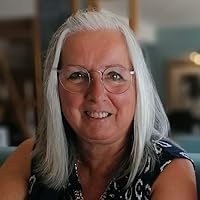
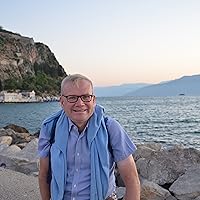
Wendy Mitchell doesn't fear anything anymore. After her diagnosis of young-onset dementia in 2014, all of Wendy's old fears - the dark, animals - melted away. What more was there to be afraid of when she faced her worst losing her own mind?
While living with her diagnosis and facing the extreme changes that come along with a progressive terminal illness, Wendy wrote two Sunday Times-bestselling books, went skydiving for the first time and supports multiple dementia advocacy groups in the UK. She is known for talking about living with dementia, but now – while she is still able to – she explores dying with it.
In One Last Thing, Wendy embarks on a journey to explore all angles of how we can prepare for it, how we talk about it with our loved ones and how we can be empowered to make our own choices. With conversations on the topic of assisted dying, from those who are fighting to make it legal to those vehemently opposed to its practice, Wendy reminds us that to get on with the business of living, we need to talk about death.
Wendy Mitchell spent twenty years as a non-clinical team leader in the NHS before being diagnosed with Young Onset Dementia in July 2014 at the age of fifty-eight. Shocked by the lack of awareness about the disease, both in the community and in hospitals, she vowed to spend her time raising awareness about dementia and encouraging others to see there is life after a diagnosis. She is now an ambassador for the Alzheimer's Society. She has two daughters and lives in Yorkshire.
I saw Wendy Mitchell, a real hero of mine, talking about this book at Bradford Literature Festival and then delayed reading it because it's about what we can do to plan a good death. Wendy's foreword is right that you will not find anything frightening in the book. Instead I found honesty, compassion and lots to think about.
In this her third book, Wendy raises and faces difficult questions, possibilities, choices and present day options for self control for end of life head on. She takes on the views and perspectives of medical staff, Carers and politicians and challenges the unfairness of being denied the choice of when and how to end your life. Wendy also offers her own experience of end of life directives and how to maintain some control over end of days.
The task of raising the topic of death and a conversation around it can be daunting to many, but without that conversation, however challenging how can we be certain our directives and wishes will be honoured? It is my belief, even more so now that some do not wish to discuss death because it forces them to confront their own mortality; or perhaps they don’t want to cause loved ones pain around something that as Wendy writes, is a 100% certainty- we are all going to die.
Don’t be put off that this is a morbid read, it’s a difficult topic, but it places emphasis on living in the moment. I have long been an advocate of mindfulness, more so now as the years fly by. Wendy emphasises the importance of not becoming so focussed on death that we miss out on living. “We have two lives, and the second begins when we realise we only have one” (Confucius)
Wendy of course raises the topic of assisted death and its unavailability as an option in the UK presently. Furthermore she also explores the impact of dementia on the decision making process involved in assisted death. Having dementia puts an added barrier in the way as it becomes questionable as to whether that person has the ability to make the decision to end their life. Wendy takes this discussion to another level arguing the right to make the decision to end her life before she “goes over the edge”. The right to die as your “preferred self” could apply to anyone with a terminal or life changing disease or illness. I have this struggle every time I look at what is left of my own mother who is in end stages Parkinsons. This is not how she would like to end her days.
Ultimately this is going to continue to be a long road of political debate and not something that is likely to be available in the very near future. It raises powerful emotions from those on both sides of the argument of assisted death.
I had to take time reading this one Wendy, it’s a challenging time at the moment and there was much to think about and digest along the way. Thank you for being such an inspiration to so many, for not being defined by your diagnosis but finding a way beyond it and giving support to so many others. You are so right “What awaits us after we have died we shall have to discover when we get there”.
This entire review has been hidden because of spoilers.
Wendy Mitchell developing early-onset dementia was a tragedy for her, but a gift to the world. This amazing woman has done more than anyone to educate the rest of us on how to live with dementia; how to help others live with dementia; and, how we should plan for any downturn in our health and eventual death no matter how, why and when they occur. When it comes to doing the admin for (possible) sickness and (certain) death, no one beats Wendy! The book is such a valuable resource that I am now (having listenened to the audiobook version) going to buy a paperback version as a reference guide and checklist.
I certainly expected more. Having heard a feature on the radio, I looked forward to the author's own decisions and how she took them but the book is not about that. It is a collection of discussions with somebody or other - a good range, I would say - but I learnt little. She kept emphasizing how important it is that the people around you should know how you intend to die and altogether people should more readily discuss death, but the book looks thin to me. However, 3 stars for tackling the difficult subject and for some interesting pages.
My second Wendy Mitchell read, following on from ‘Someone I used to know’.
This concentrated on the conversations, decisions and debates the author had around the stages of dementia as it reaches the diagnosis of ‘end’ stage. At this time ideally all paperwork giving the person’s choices should be complete, lessening the worry of those left behind. One ‘choice’ as the disease progressed was for Wendy to consider what type of death was available for those like herself who had a diagnosis of early onset Alzheimer’s at a relatively early age, for Wendy this was at 58. A tough subject even for those still having the mental capacity to make decisions. It seems many with dementia/Altzheimers progress at differing speeds and deterioration towards the known end- death. And one certainty we all have as we are born… that death will be the final call for all of us… And death for many with dementia/Alzheimer’s can be a dreadful experience for them and their families as they lose the use of muscles for all bodily functions and ultimately muscles for breathing……
Wendy chose to discuss the proposed Assisted Dying bill putting forward the thoughts,questions and opinions of herself and others having had a diagnosis of dementia/Altzheimers. I felt that Wendy’s views totally relevant to this subject were not taken in good faith or considered from her position seriously!
The Assisted Dying Bill in England & Wales remains in the ethers of parliament having been rejected by MP’s/House of Lords and is a bone of contention. And the Assisted Dying for Terminally Ill Adults (Scotland) Bill was rejected by Scottish Parliament in March 2026.
Wendy Mitchell clearly details having discussed this with professionals and others whom this has become relevant in their lives. Sadly the subject of death is one that causes people to become uncomfortable and resistant to debate. As a safeguard to any proposed assisted dying bill the person choosing to die must have the mental capacity to take that decision at the time they are choosing to die. They must also have a terminal diagnosis giving approx six months left.
Those with dementia/Alzheimer’s in the ‘end’ stage will not have that mental capacity so currently in England & Wales the options are to choose Dignitas when mental capacity is in place and therefore choose to die earlier than necessary……Or to remain in the current care/NHS system…… and perhaps their life will end in a way in which they would not choose to die.
Another tough read but amazingly Wendy Mitchell’s determination has shone through the pages as she searched for answers.
I recommend everyone to read this book. I couldn't put it down - it was very easy to read and full of practical information and things to consider. It was also really hard to read in places and I cried several times.
The final parts were particularly poignant as I bought this earlier this year, just after Wendy died, but hadn't faced reading it yet.
I know now that talking to my mum about her death could make organising her wishes much easier once she dies and therefore a conversation I will be tackling soon.
Difficult to read but interesting book from Wendy Mitchell. Ultimately it’s all about starting the conversation with ourselves and loved ones. Wendy has taken a very difficult topic and made it both relatable and readable for a general audience.
Delightful conversations around preparing for the end of your life. Some are practical: how to prepare an advanced directive. Some are philosophical: how to think about your time remaining. Some are just delightful musings on what life is about.
‘Death. It’s a strange place to start a book. It is, at first glance, the end.’
Since she was diagnosed with dementia in 2014, Wendy Mitchell has written three books. She has also been skydiving, been wing walking and walked the Infinity Bridge. Living with dementia, Wendy doesn’t fear much anymore. This is Wendy’s third book. In the first two, she wrote of living with dementia while in this book, while she still can, Wendy writes of dying with dementia. Wendy raises some difficult questions in this book and reminds us that we are all going to die. How much agency do we want? Especially in cases where living with a progressive terminal illness?
‘A hospital is the worst place for someone with dementia: our routine is gone, our familiar surroundings disappear and are replaced with a new and totally alien environment full of noise and people we don’t know.’
Wendy discusses choices and possibilities, explores the views of both those who support and oppose assisted dying, of carers and politicians. As Wendy reminds us:
‘Talking and planning for end-of-life care is not the same as having suicidal thoughts.’
In talking about these issues, which are uncomfortable for many of us, Wendy challenges the unfairness of being denied choice. Wendy’s concern is for her own future:
‘To have no autonomy, no independence, to be totally reliant on others for when and where and how I do things, is not the life today’s Wendy wants for future Wendy.’
As I read this book, I am reminded of the conversations we each need to have (and some of us avoid) about choices. Yes, many of us have wills and make provisions for funeral arrangements and for dependents, some of us have advance care directives (or are thinking about it). Those of us avoiding these issues and discussions assume that we will have time and will have the ability to make such decisions. But ability to make such decisions cannot be taken for granted: a brain injury, mental incapacity or advanced dementia might intervene.
‘We talk so often about prolonging life, but we are actually prolonging death by not discussing the suffering part of it.’
This is a difficult topic. Most of us don’t want to be reminded of our mortality. I find Wendy inspirational. I have read each of her books and I follow her blog https://whichmeamitoday.wordpress.com/ And, on this issue, I will take her advice.
Wendy is so raw and honest, which I really appreciate. Especially when she talks about more challenging, and not to mention controversial or taboo topics in her conversations surrounding death.
Her discussions on wanting to preserve her true self until death, in the face of her dementia, was gripping. As someone who has seen what the disease does to people, and experienced it's toll on the loved ones, I understand and feel for Wendy's standpoint, as much as I can without actually being in her shoes.
Having read her other books, I enjoy when she gets real personal in her writing, but this one veered at times towards a more technical approach. Additionally, it did get a bit repetitive, bringing up stuff from past books. Which I get, the stories fit in all of the books, I just didn't need to read them again.
Wendy Mitchell is one of the most inspiring women of our time. I had the pleasure of hearing her speak at the Hospice UK Conference this year and have read her previous two books. I jumped to buy her final book, which covers our need to talk about death. Advance care planning is on my mind constantly, working as a palliative care nurse. We need people to feel empowered to make decisions about their future care, whether regarding insertion of a PEG when they can no longer swallow…or who should look after their cat when they die. Wendy writes about these topics with humour and signposts to helpful resources. As stated in the book, although we are better at treating disease…. There is still a 100% death rate, and it’s guaranteed for all of us. I highly recommend this read to anyone who is alive.
This is the first of Wendy’s books that I have read and I will now go back and read her first two.
Wendy and Anna write beautifully and I loved the parts of the book that felt conversational, like sitting with them having a cup of tea and talking naturally about death and life.
I am especially grateful for the wisdom Wendy gives to those of us that don’t have dementia yet are close to a loved one who has.
There were many comforting parts within this short book especially where Wendy lets us know the gifts for the person with dementia, such as losing all the fears of life, the what ifs.
It’s such a cruel disease with so many people are affected globally. It is a great gift that Wendy is giving us to be able to get a glimpse of how a persons mind affected by dementia actually does change.
Highly recommended.
This entire review has been hidden because of spoilers.
Having read Wendy's other books and really enjoyed them, this was the final in the trilogy.
Another inspirational read and very brave. This is further on in Wendy's story of living with dementia, but also she is doing something many people don't do and that is planning their own death and even talking openly of death. She makes her feelings absolutely clear in this book, what she wishes for her own death and there are some very interesting conversations with various people in a medical setting discussing about death and the plans of someone dying.
May sound morbid but this is something many other people don't publish and wouldn't openly to discuss so to read her views and others, it was refreshing.
Very interesting read. Wishing Wendy all the best for the future.
Wendy Mitchell was diagnosed with early on set dementia in her early 50s. In this book she gives practical advice about things you can do to ensure you get the death of your choice, and talks about the paperwork that needs to be done before this can happen, and who you need to get onboard (not just family but medical staff too). She gives her point of view on assisted dyeing, and speaks to health professionals on both sides of the argument. This book has given me a lot to think about, not only about choices that I will need to make (hopefully not for a long time) but also about how I can best assist loved ones when their time comes.
Wendy advocates the right for assisted dying; it is, by the way, the longest chapter in the book. I do not share her view although I understand where she’s coming from. I believe there are things beyond our control and death is one among them. We do not get to decide where and when we’re going to die just like we didn’t get to decide where and when we were born.
What an amazing read from an amazing women. A book that everyone should read. We are all born and will all die. Talking about death and what a good death means, is just so very important and may help those left behind. Thank you to Wendy and Anna for such a wise and wonderful book. Rest in peace Wendy, your words, your wisdom has helped so many.
Engaging, thought provoking, well researched and really well written. It didn’t really teach me anything I didn’t already know about assisted dying, but it did provide an emotive and clear example of why it’s needed. A beautiful reminder that humans are remarkably adaptative, and that it is possible to find joy in terrible situations. Incredibly inspiring.
Another excellent book from the wonderful Wendy. I wonder what her end game will be? How much adapting will she do? In any case, I wish her well and hope that she is treated as she wants to be when she does ‘go over the edge’.
Another lovely written book by Wendy Mitchell. This book was sad but at the same time will hopefully give people the courage to have those difficult conversations about dying with dignity. It emphasises the importance of always having a choice and a say in matters that are so important.
Three and a half stars I think. Sad to read in light of her recent death. Wendy was a strong advocate for assisted dying and makes her point very strongly in this book. Her love for her daughters also shines through.
This book is a must read for anyone who has time to prepare for a death. It definitely prepared me for the death of my father, so nothing came as a shock as we went through all the stages of his progression. Would definitely recommend.
Wendy Mitchell is a very impressive woman. Diagnosed in her late 50s with early onset dementia she has devoted herself to the cause of promoting a better and more positive understanding of people affected by the condition. Part of this has been a series of three books, co-authored with the writer Anna Wharton. One Last Thing, the last in the series and, perhaps the most challenging, explores issues around the end of life. While having a particular focus because of Wendy’s condition on the experience of people affected by dementia it deals more widely with the issue.
Wendy has thought very carefully about these issues and discussed them extensively with her own family, others affected by dementia and other progressive illnesses and experts in the field of end-of-life care. She has made enormous efforts herself to retain meaning and value in her life despite the impact of her illness. In this context she sets considerable store around the importance around being able to retain control around the manner and timing of her death when dementia has finally eroded that which she values in life.
In the book Wendy explores systematically the issues around planning for death, the issues around Advanced Care Plans for end-of-life care and the importance of both having the right conversations with families and professionals and completing the appropriate documentation. For Wendy, as a person with dementia, there is a particular emphasis on avoiding being admitted to hospital at the end of her life.
The last section of the book deals with the question of assisted dying. Wendy is an advocate for a change in legislation on this in the UK and believes that this is view is more in line with public opinion than that yet of Parliament or of experts. She explores the models of assisted dying which exist in different parts of the world and the protections they provide for individuals and for professionals. She also explores the options for people with dementia who would, by definition, lack capacity at the time of a decision. I did not totally agree with everything she had to say on this but was full of respect for the legitimacy of her perspective and the seriousness with which she had explored the issue. It is no doubt a debate that we will begin to have with greater earnestness in the coming years and this account provides a very valuable contribution to the debate.
Dementia is a very significant condition which is likely to affect a greater number of people over coming decades. Wendy Mitchell has produced a set of accounts of the impact of the condition which are full of honesty, wisdom and not a small measure of hope. They are well worth reading.