

What do you think?

Main Nay Dhaka Doobte Dekha / میں نے ڈھاکہ ڈوبتے دیکھا
Main Ne Dhaka Doobte Dekha Hai (میں نے ڈھاکہ ڈوبتے دیکھا ہے) is a compelling and eye-opening memoir written by the renowned Pakistani army officer and writer Brigadier Siddique Salik. As the Public Relations Officer stationed in East Pakistan during the fateful events leading up to the 1971 Indo-Pak War, Siddique Salik presents a rare, first-hand narrative of the political chaos, military operations, human tragedy, and the eventual Fall of Dhaka. Published in Urdu, this book is not just a soldier’s recollection but a deeply reflective historical document that sheds light on the miscommunication, political blunders, and military misjudgments that led to one of the most pivotal and painful events in Pakistan’s history — the creation of Bangladesh. Through powerful storytelling, personal anecdotes, and insider insights, Siddique Salik humanizes the conflict, offering readers a nuanced perspective often lost in official narratives. His candid observations, emotional depth, and factual clarity make this book an essential read for students of history, military enthusiasts, and anyone seeking the truth behind 1971.
Hardcover
About the author
Siddique Salik
10 books45 followersBrigadier-General Muhammad Siddique Salik (محمد صدیق سالک) was a Pakistani writer, a high profile military officer and public face of President General Zia-ul-Haq’s military government.
He was born in Manglia, a village in Kharian, District Gujrat, Punjab, British India. He graduated from Islamia College, Lahore earning a master’s degree in English literature and a diploma in International Relations. During his student days he edited college magazines Crescent and Faran.
Initially he taught English in Faisalabad and Mansehra but quit teaching after a few years and joined, as an assistant editor, Pak Jamhooriyat, an English weekly published by the Government of Pakistan. In 1964, he joined Pakistan army and was appointed in Inter Services Public Relations (ISPR) as staff officer grade 3. In 1965, he witnessed and covered the Indo-Pak war of 1965. In 1970, he was sent to East Pakistan (now Bangladesh) as Major, where he was made a prisoner of war by India. He was incarcerated in Agra jail before being shifted to various other prisons. He wrote a book titled “Witness to Surrender” (Urdu version: میں نے ڈھاکہ ڈوبتے دیکھا) based on his recollection of the 1971 war and fall of Dhaka. Another book “Humaa Yaraan Dozakh" (ہمہ یاراں دوزخ), which is a recollection of his years as a prisoner of war in India.
He was eventually handed over to Pakistan under the Simla Agreement and returned home in 1973. After 1977 coup, he was made General Zia-ul-Haq’s speech writer and press secretary. Later on, he was appointed as media minister and Directorate-General of ISPR under military government. He died on 17 August 1988, in a plane crash with President Zia-ul-Haq and other high ranking personalities.
Siddique Salik authored 6 Urdu and 3 English books that include:
- Witness to Surrender
- میں نے ڈھاکہ ڈوبتے دیکھا
- ہمہ یاراں دوزخ
- تا دمِ تحریر
- ایمرجنسی
- پریشرکُکر
- سلیوٹ
- State vs Politics, A case study of Pakistan.
- Wounded Pride
He was born in Manglia, a village in Kharian, District Gujrat, Punjab, British India. He graduated from Islamia College, Lahore earning a master’s degree in English literature and a diploma in International Relations. During his student days he edited college magazines Crescent and Faran.
Initially he taught English in Faisalabad and Mansehra but quit teaching after a few years and joined, as an assistant editor, Pak Jamhooriyat, an English weekly published by the Government of Pakistan. In 1964, he joined Pakistan army and was appointed in Inter Services Public Relations (ISPR) as staff officer grade 3. In 1965, he witnessed and covered the Indo-Pak war of 1965. In 1970, he was sent to East Pakistan (now Bangladesh) as Major, where he was made a prisoner of war by India. He was incarcerated in Agra jail before being shifted to various other prisons. He wrote a book titled “Witness to Surrender” (Urdu version: میں نے ڈھاکہ ڈوبتے دیکھا) based on his recollection of the 1971 war and fall of Dhaka. Another book “Humaa Yaraan Dozakh" (ہمہ یاراں دوزخ), which is a recollection of his years as a prisoner of war in India.
He was eventually handed over to Pakistan under the Simla Agreement and returned home in 1973. After 1977 coup, he was made General Zia-ul-Haq’s speech writer and press secretary. Later on, he was appointed as media minister and Directorate-General of ISPR under military government. He died on 17 August 1988, in a plane crash with President Zia-ul-Haq and other high ranking personalities.
Siddique Salik authored 6 Urdu and 3 English books that include:
- Witness to Surrender
- میں نے ڈھاکہ ڈوبتے دیکھا
- ہمہ یاراں دوزخ
- تا دمِ تحریر
- ایمرجنسی
- پریشرکُکر
- سلیوٹ
- State vs Politics, A case study of Pakistan.
- Wounded Pride
Ratings & Reviews
Friends & Following
Create a free account to discover what your friends think of this book!
Community Reviews
Displaying 1 - 18 of 18 reviews

July 28, 2020
This book is the Urdu translation of the original book "Witness To Surrender" by Siddique Salik, who was a public relations officer in Pakistan Army in 1970s. He remained in the East-Pakistan (Now Bangladesh) from 1970 to December 1971 till the end of 1971 war. He spent two years in Indian custody with thousands of other Pakistanis as a war prisoner.
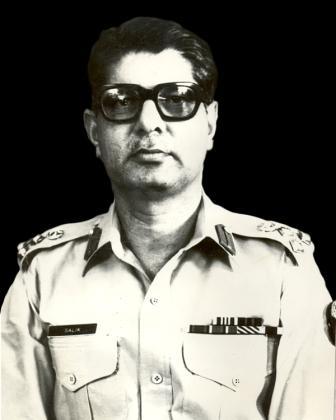
Brigadier Siddique Salik (author of the book)
This is a really good book about the history of the separation of East Pakistan which is full of shocking stories of brutality and hate through which West Pakistanis, Loyal Bangelis and Pakistani army goes through. In this book, Mr. Salik explains his own observations and experiences about the separation of East-Pakistan and the creation of Bangladesh. He talks about the reasons, facts, enemies, mistakes, hates of people towards army, Muktibani, political instability, foreign interference, hypocrisy, and many other factors which paved the way for the creation of Bangladesh. The whole story depicts the army point of view in a beautiful way about the separation of East Pakistan and the dreadful time through which Pakistan army and its people passed through. The separation story is very difficult to digest but there is no other way rather than to accept it.
In my opinion, there were mistakes made from both sides (General Yahya and Sheikh Majeeb Ur Rehman) which led the way to separation. If both sides solved the issues with patience and mutual corporation by keeping the country's sovereignty above their own priorities, then the whole situation would be different. Furthermore, 1970s election had played a major contribution in separation and General Yahya Khan's lack of interest in East Pakistan affairs made the scenario worst. Meanwhile, India had got a golden chance to harm Pakistan badly and it was successful in doing it.
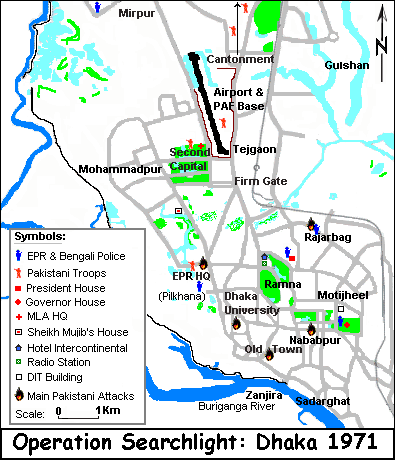
Operation Searchlight: Location of Pakistani targets in Dhaka on 25 March 1971.
Now, it's a time to learn from the past and do not repeat the mistakes in the future. We must develop brotherly relationships with Bangladesh and make our country much more stronger economically, socially, strategically, literally and defensively. A must read for those who are interested in Pakistan's history.
Brigadier Siddique Salik (author of the book)
This is a really good book about the history of the separation of East Pakistan which is full of shocking stories of brutality and hate through which West Pakistanis, Loyal Bangelis and Pakistani army goes through. In this book, Mr. Salik explains his own observations and experiences about the separation of East-Pakistan and the creation of Bangladesh. He talks about the reasons, facts, enemies, mistakes, hates of people towards army, Muktibani, political instability, foreign interference, hypocrisy, and many other factors which paved the way for the creation of Bangladesh. The whole story depicts the army point of view in a beautiful way about the separation of East Pakistan and the dreadful time through which Pakistan army and its people passed through. The separation story is very difficult to digest but there is no other way rather than to accept it.
In my opinion, there were mistakes made from both sides (General Yahya and Sheikh Majeeb Ur Rehman) which led the way to separation. If both sides solved the issues with patience and mutual corporation by keeping the country's sovereignty above their own priorities, then the whole situation would be different. Furthermore, 1970s election had played a major contribution in separation and General Yahya Khan's lack of interest in East Pakistan affairs made the scenario worst. Meanwhile, India had got a golden chance to harm Pakistan badly and it was successful in doing it.
Operation Searchlight: Location of Pakistani targets in Dhaka on 25 March 1971.
Now, it's a time to learn from the past and do not repeat the mistakes in the future. We must develop brotherly relationships with Bangladesh and make our country much more stronger economically, socially, strategically, literally and defensively. A must read for those who are interested in Pakistan's history.

May 28, 2017
This is the Urdu translation of Siddiq Salik's famous book about the 1971 war,Witness to Surrender.
It is based on his recollections of two years spent in Dacca from January 1970 to December 1971,working in the headquarters of the Eastern Command.
The book begins with a statement by Sheikh Mujib ur Rehman declaring his intention to declare Bangladesh's independence and President Yahya Khan's furious reaction.
Three generals headed the Eastern Command during the author's time there.The first was Sahibzada Yaqub Khan.He didn't want to use force and decided to relinquish his responsibilities.(He would later become Pakistan's foreign minister for a very long stint).
Next came General Tikka Khan.Operation Searchlight was launched under him to quell civil disturbances and the author witnessed it first hand.There was wide disparity between the casualty figures reported from both sides.
President Yahya was still not happy and decided to replace General Tikka with General A.A.K.Niazi. Niazi would be there till the fall of Dacca and became a much vilified figure.
The author's impression of Niazi is that he acted with a lot of bravado but wasn't doing any sound planning.He also had a penchant for cracking dirty jokes.
The resources given to Eastern Command were meagre,three poorly equipped infantry divisions.There was just one squadron of the PAF while the IAF had 80.The airport was bombed early in the war and the PAF aircraft couldn't fly after that.The Navy had just four gunboats against a well equipped fleet of the Indians.
A rebel force (Mukti Bahini,literally army of liberation) had been formed to fight the Pakistan army.The local population was hostile.
Non Bengalis (particularly Bihari settlers) bore the brunt of the Bengalis' wrath.They were thought to be sympathetic to Pakistan and were massacred in cold blood.(To this day,Bangladesh has confined them to special camps where they live in miserable conditions).
West Pakistani troops and their families were being killed by Bengali troops,with whom they were serving.
The political deadlock persisted.Mujib's Awami League won no seats in West Pakistan.Bhutto's People's Party had no seats in East Pakistan.Both wanted to form the government.
Mujib was eventually taken into custody and sent to West Pakistan where he remained till the end of the war.
The situation was ripe for India to invade.Indian Bengal bordered East Pakistan,the Indian army was on their home base unlike the beleagured Pakistani troops,who were 1,000 miles away from home.
The mismatched war hardly lasted a couple of weeks.The author goes into the details of military operations in each sector,none of which was faring well.There were no troops to defend Dacca itself,they were all occupied elsewhere
General Niazi decided to surrender.90,000 prisoners of war would spend over two years in Indian prisons.
There is plenty of Bangladeshi and Indian propaganda about the alleged atrocities committed by the Pakistan army.Those are ridiculously inflated figures,talking about millions of casualties.It continues to this day and even many Pakistanis are starting to believe that.
This book attempts to set the record straight and depicts the atrocities carried out against non Bengalis.It is also a stinging indictment of the failures of Pakistan's leadership at the time and a detailed study of the realities on the ground.A must read book for a student of Pakistani history.
It is based on his recollections of two years spent in Dacca from January 1970 to December 1971,working in the headquarters of the Eastern Command.
The book begins with a statement by Sheikh Mujib ur Rehman declaring his intention to declare Bangladesh's independence and President Yahya Khan's furious reaction.
Three generals headed the Eastern Command during the author's time there.The first was Sahibzada Yaqub Khan.He didn't want to use force and decided to relinquish his responsibilities.(He would later become Pakistan's foreign minister for a very long stint).
Next came General Tikka Khan.Operation Searchlight was launched under him to quell civil disturbances and the author witnessed it first hand.There was wide disparity between the casualty figures reported from both sides.
President Yahya was still not happy and decided to replace General Tikka with General A.A.K.Niazi. Niazi would be there till the fall of Dacca and became a much vilified figure.
The author's impression of Niazi is that he acted with a lot of bravado but wasn't doing any sound planning.He also had a penchant for cracking dirty jokes.
The resources given to Eastern Command were meagre,three poorly equipped infantry divisions.There was just one squadron of the PAF while the IAF had 80.The airport was bombed early in the war and the PAF aircraft couldn't fly after that.The Navy had just four gunboats against a well equipped fleet of the Indians.
A rebel force (Mukti Bahini,literally army of liberation) had been formed to fight the Pakistan army.The local population was hostile.
Non Bengalis (particularly Bihari settlers) bore the brunt of the Bengalis' wrath.They were thought to be sympathetic to Pakistan and were massacred in cold blood.(To this day,Bangladesh has confined them to special camps where they live in miserable conditions).
West Pakistani troops and their families were being killed by Bengali troops,with whom they were serving.
The political deadlock persisted.Mujib's Awami League won no seats in West Pakistan.Bhutto's People's Party had no seats in East Pakistan.Both wanted to form the government.
Mujib was eventually taken into custody and sent to West Pakistan where he remained till the end of the war.
The situation was ripe for India to invade.Indian Bengal bordered East Pakistan,the Indian army was on their home base unlike the beleagured Pakistani troops,who were 1,000 miles away from home.
The mismatched war hardly lasted a couple of weeks.The author goes into the details of military operations in each sector,none of which was faring well.There were no troops to defend Dacca itself,they were all occupied elsewhere
General Niazi decided to surrender.90,000 prisoners of war would spend over two years in Indian prisons.
There is plenty of Bangladeshi and Indian propaganda about the alleged atrocities committed by the Pakistan army.Those are ridiculously inflated figures,talking about millions of casualties.It continues to this day and even many Pakistanis are starting to believe that.
This book attempts to set the record straight and depicts the atrocities carried out against non Bengalis.It is also a stinging indictment of the failures of Pakistan's leadership at the time and a detailed study of the realities on the ground.A must read book for a student of Pakistani history.
July 27, 2020
Had read the English Version of this book "Witness to Surrender". But I have to say, Urdu is much more laden with the emotions and feels of witnessing the breaking of country.

June 17, 2019
Written on the separation of East Pakistan, it is a must-read kinda book for a person interested in the political history of Pakistan. It was a much needed read for me as well.. before going through this incredibly written book, i had some confusion regarding the incidents and accidents of 1971. This book helped me in clearing many misconceptions. I have found it a neutral account of 1971.

October 5, 2026
المیے شاید اسی وقت جنم لیتے ہیں جب ایک شخص پوری قوم کی رائے کو نظر انداز کرکے اپنا فیصلہ سب پر مسلط کرنے لگے۔ اس کی نظر میں جو درست ہے، وہی درست اور جو غلط ہے، وہی غلط۔ دوسروں کی رائے، ان کے حقوق اور ان کے مینڈیٹ کی کوئی اہمیت باقی نہ رہے۔
سقوطِ ڈھاکہ بھی ایسا ہی ایک قومی المیہ تھا۔ کروڑوں لوگوں کی رائے اور جذبات کو نظر انداز کیا گیا اور طاقت کے زور پر اپنے فیصلے منوانے کی کوشش کی گئی۔ جب انتخابات میں شیخ مجیب الرحمٰن اور عوامی لیگ کو اکثریت حاصل ہوئی تو اقتدار کی منتقلی ہونی چاہیے تھی۔ حیلے بہانوں، تاخیر اور سیاسی کشمکش کا نتیجہ آخر کیا نکلا؟ وہ لوگ جنہوں نے کبھی قیامِ پاکستان کی جدوجہد میں بڑھ چڑھ کر حصہ لیا تھا، انہی کے دلوں میں محرومی، نفرت اور دشمنی نے جگہ بنانا شروع کردی۔ پھر وہ ہوا جو پوری دنیا نے دیکھا اور جس کی قیمت پاکستان نے ادا کی۔
ہر مسئلے کا حل طاقت نہیں ہوتا۔ ہر جگہ اپنی بات منوانا، ہر فیصلے کو اپنی مرضی کے مطابق چلانا اور خود کو سب سے زیادہ عقل مند سمجھنا بعض اوقات ایسی غلطیوں کو جنم دیتا ہے جن کی قیمت نسلوں کو ادا کرنا پڑتی ہے۔
صدیق سالک کی "میں نے ڈھاکہ ڈوبتے دیکھا" کی خاص بات یہ ہے کہ مصنف صرف سقوطِ ڈھاکہ کی تاریخ بیان نہیں کرتا بلکہ روزمرہ کے وہ حالات اور واقعات بھی قلم بند کرتا ہے جنہیں وہ اپنی آنکھوں کے سامنے رونما ہوتے دیکھ رہا تھا۔ یوں قاری کو اندازہ ہوتا ہے کہ معاملات اچانک 16 دسمبر 1971 کو خراب نہیں ہوئے تھے؛ اس سانحے کے پیچھے ایک طویل سلسلۂ واقعات، سیاسی غلطیاں، باہمی بداعتمادی اور غلط فیصلے موجود تھے۔
مصنف نے صرف دوسروں کو موردِ الزام نہیں ٹھہرایا بلکہ اپنوں اور غیروں، دونوں پر تنقید کی ہے۔ ایک طرف عام سپاہی اپنی جان اور عزت داؤ پر لگا کر ملک کے لیے لڑ رہا تھا، تو دوسری طرف بالائی سطح پر ہونے والے فیصلوں، رویوں اور پسِ پردہ جاری سرگرمیوں کی ایک بالکل مختلف تصویر سامنے آتی ہے۔ یہی تضاد کتاب کے کئی حصوں کو خاصا تکلیف دہ بنا دیتا ہے۔
میرے ذہن میں کتاب پڑھتے ہوئے بار بار ایک بات آتی رہی: جب دو بھائی آپس میں لڑ رہے ہوں تو دشمن اس کا فائدہ ضرور اٹھائے گا۔ سوال یہ ہے کہ دشمن کو وہ موقع دیا ہی کیوں جائے؟
لوگوں کے ووٹ اور رائے کا احترام کیا جائے، سیاسی مسائل کو سیاسی طریقے سے حل کیا جائے، ادارے اپنی بنیادی ذمہ داریوں پر توجہ دیں اور طاقت کو ہر مسئلے کا حل نہ سمجھا جائے تو شاید بہت سے سانحات سے بچا جاسکتا ہے۔ قومی معاملات میں ایک غلط فیصلہ کبھی کبھی محض ایک حادثہ نہیں رہتا بلکہ پوری تاریخ کا رخ بدل دیتا ہے۔
اس کتاب کو پڑھنے کے بعد سب سے زیادہ افسوس اس بات پر ہوتا ہے کہ محسوس ہوتا ہے جیسے ہم نے اپنی تاریخ سے بہت کم سیکھا ہے۔ آپ تقریباً نصف صدی پرانی کتاب پڑھتے ہیں، پھر آج کے حالات دیکھتے ہیں تو کئی جگہ بے اختیار خیال آتا ہے:
"ارے، یہ سب تو سنا سنا، دیکھا دیکھا لگ رہا ہے۔"
شاید اسی لیے "میں نے ڈھاکہ ڈوبتے دیکھا" صرف 1971 کی داستان نہیں رہتی۔ یہ اس بات کی یاد دہانی بھی بن جاتی ہے کہ جب قوموں میں مکالمہ ختم ہوجائے، عوامی رائے کی اہمیت کم ہوجائے اور طاقت دلیل کی جگہ لے لے تو تاریخ خود کو دہرانے کے مواقع تلاش کرتی رہتی ہے
سقوطِ ڈھاکہ بھی ایسا ہی ایک قومی المیہ تھا۔ کروڑوں لوگوں کی رائے اور جذبات کو نظر انداز کیا گیا اور طاقت کے زور پر اپنے فیصلے منوانے کی کوشش کی گئی۔ جب انتخابات میں شیخ مجیب الرحمٰن اور عوامی لیگ کو اکثریت حاصل ہوئی تو اقتدار کی منتقلی ہونی چاہیے تھی۔ حیلے بہانوں، تاخیر اور سیاسی کشمکش کا نتیجہ آخر کیا نکلا؟ وہ لوگ جنہوں نے کبھی قیامِ پاکستان کی جدوجہد میں بڑھ چڑھ کر حصہ لیا تھا، انہی کے دلوں میں محرومی، نفرت اور دشمنی نے جگہ بنانا شروع کردی۔ پھر وہ ہوا جو پوری دنیا نے دیکھا اور جس کی قیمت پاکستان نے ادا کی۔
ہر مسئلے کا حل طاقت نہیں ہوتا۔ ہر جگہ اپنی بات منوانا، ہر فیصلے کو اپنی مرضی کے مطابق چلانا اور خود کو سب سے زیادہ عقل مند سمجھنا بعض اوقات ایسی غلطیوں کو جنم دیتا ہے جن کی قیمت نسلوں کو ادا کرنا پڑتی ہے۔
صدیق سالک کی "میں نے ڈھاکہ ڈوبتے دیکھا" کی خاص بات یہ ہے کہ مصنف صرف سقوطِ ڈھاکہ کی تاریخ بیان نہیں کرتا بلکہ روزمرہ کے وہ حالات اور واقعات بھی قلم بند کرتا ہے جنہیں وہ اپنی آنکھوں کے سامنے رونما ہوتے دیکھ رہا تھا۔ یوں قاری کو اندازہ ہوتا ہے کہ معاملات اچانک 16 دسمبر 1971 کو خراب نہیں ہوئے تھے؛ اس سانحے کے پیچھے ایک طویل سلسلۂ واقعات، سیاسی غلطیاں، باہمی بداعتمادی اور غلط فیصلے موجود تھے۔
مصنف نے صرف دوسروں کو موردِ الزام نہیں ٹھہرایا بلکہ اپنوں اور غیروں، دونوں پر تنقید کی ہے۔ ایک طرف عام سپاہی اپنی جان اور عزت داؤ پر لگا کر ملک کے لیے لڑ رہا تھا، تو دوسری طرف بالائی سطح پر ہونے والے فیصلوں، رویوں اور پسِ پردہ جاری سرگرمیوں کی ایک بالکل مختلف تصویر سامنے آتی ہے۔ یہی تضاد کتاب کے کئی حصوں کو خاصا تکلیف دہ بنا دیتا ہے۔
میرے ذہن میں کتاب پڑھتے ہوئے بار بار ایک بات آتی رہی: جب دو بھائی آپس میں لڑ رہے ہوں تو دشمن اس کا فائدہ ضرور اٹھائے گا۔ سوال یہ ہے کہ دشمن کو وہ موقع دیا ہی کیوں جائے؟
لوگوں کے ووٹ اور رائے کا احترام کیا جائے، سیاسی مسائل کو سیاسی طریقے سے حل کیا جائے، ادارے اپنی بنیادی ذمہ داریوں پر توجہ دیں اور طاقت کو ہر مسئلے کا حل نہ سمجھا جائے تو شاید بہت سے سانحات سے بچا جاسکتا ہے۔ قومی معاملات میں ایک غلط فیصلہ کبھی کبھی محض ایک حادثہ نہیں رہتا بلکہ پوری تاریخ کا رخ بدل دیتا ہے۔
اس کتاب کو پڑھنے کے بعد سب سے زیادہ افسوس اس بات پر ہوتا ہے کہ محسوس ہوتا ہے جیسے ہم نے اپنی تاریخ سے بہت کم سیکھا ہے۔ آپ تقریباً نصف صدی پرانی کتاب پڑھتے ہیں، پھر آج کے حالات دیکھتے ہیں تو کئی جگہ بے اختیار خیال آتا ہے:
"ارے، یہ سب تو سنا سنا، دیکھا دیکھا لگ رہا ہے۔"
شاید اسی لیے "میں نے ڈھاکہ ڈوبتے دیکھا" صرف 1971 کی داستان نہیں رہتی۔ یہ اس بات کی یاد دہانی بھی بن جاتی ہے کہ جب قوموں میں مکالمہ ختم ہوجائے، عوامی رائے کی اہمیت کم ہوجائے اور طاقت دلیل کی جگہ لے لے تو تاریخ خود کو دہرانے کے مواقع تلاش کرتی رہتی ہے

October 20, 2023
From Political backgrounds to the last moments of Fall of Dhaka, Siddique Salik, a former Brigadier and Public Relations Officer took the reader from the aspects that what factors contributed to the fall of Dhaka. Despite being a military officer himself, he blamed Military officers like Gen. Yahya or Gen. Niazi more than Bhutto or Mujeeb. Yet I believe, he also successfully hid many key aspects that can be found elsewhere like Hamood ur Rahman commission report.
Some readers may find it lacking in addressing the atrocities committed by the Pakistani Army in Eastern Pakistan during the conflict. For a more comprehensive understanding of the 1971 war, readers may need to complement Salik's account with other sources that provide a more holistic view of the complex historical events and their impact on the region. But still Salik has done a great job putting in front of the honest facts and opinions. I would definitely call this book a must read to anyone who wants to start knowing about 1971 Fall of Dhaka. But in order to learn all perspectives and gain a full understanding you'll have to dig some more books too.
Some readers may find it lacking in addressing the atrocities committed by the Pakistani Army in Eastern Pakistan during the conflict. For a more comprehensive understanding of the 1971 war, readers may need to complement Salik's account with other sources that provide a more holistic view of the complex historical events and their impact on the region. But still Salik has done a great job putting in front of the honest facts and opinions. I would definitely call this book a must read to anyone who wants to start knowing about 1971 Fall of Dhaka. But in order to learn all perspectives and gain a full understanding you'll have to dig some more books too.

April 2, 2024
اِس کتاب کو ہم "جانب دار" کتاب کہہ سکتے ہیں۔ حالات و واقعات اس طریقے سے نہیں لکھے گئے جیسے لکھنے کا حق تھا۔ یہ کتاب محض فوج کے کردار کے گرد گھومتی ہے۔ بنگالیوں کے حالات و واقعات، ان کے جذبات، ان کی مشکلات کا اس میں کوئی ذکر نہیں۔ پورے سانحے کی انتہائی جانب داری سے تفصیل بیان کی گئی ہے۔
لیکن یہ بھی ٹھیک ہے۔ اس کا ایک فایدہ یہ ہے کہ ہمیں کم از کم اس سارے اکہتر کے فوجی آپریشن کے متعلق تفصیلی اور مدلل معلومات ملتی ہے۔
لیکن یہ بھی ٹھیک ہے۔ اس کا ایک فایدہ یہ ہے کہ ہمیں کم از کم اس سارے اکہتر کے فوجی آپریشن کے متعلق تفصیلی اور مدلل معلومات ملتی ہے۔
November 29, 2017
A very good book. Gives a very through insight into the matters of separation of East Pakistan. Although there are many other books available which shed light onto the political upheaval in East Pakistan, the book gains its uniqueness by discussing and analyzing the military tactics used by Pakistan and Indian armies.

March 6, 2015
very informative but still many questions are remained unanswered and some facts are based on assumptions. I lost interest somewhere in the middle of book but its end was awesome and heartrending.
December 16, 2018
great one

October 9, 2020
One of the best book about fall of Dhaka
May 7, 2025
"Main Ne Dhaka Doobte Dekha" (I Witnessed the Fall of Dhaka) by Siddiq Salik offers a compelling, first-hand account of the tumultuous events leading to the secession of East Pakistan and the creation of Bangladesh in 1971. Salik, a пресс-секретарь in the Pakistan Army, provides a unique perspective, окрашенный his experiences and observations during this critical period.
Strengths:
First-hand Account: The book's greatest strength lies in its being a direct eyewitness narrative. Salik's presence in Dhaka during the events lends authenticity and immediacy to his account. He vividly portrays the escalating political tensions, the outbreak of violence, and the eventual surrender of the Pakistani forces.
Detailed Description: Salik's detailed descriptions of the political climate, key figures, and military operations offer valuable insights into the complexities of the situation. He captures the confusion, fear, and uncertainty that prevailed during this time.
Historical Significance: The book serves as an important historical document, shedding light on a tragic chapter in the history of Pakistan and Bangladesh. It provides a valuable record of the events from the perspective of a Pakistani military officer.
Weaknesses:
Potential Bias: As you mentioned, the book is written from the perspective of a Pakistani military officer, and some bias is apparent. Salik's account may at times lean towards justifying the actions of the Pakistani military and downplaying certain atrocities. It is crucial to read this book with this perspective in mind.
Omissions: While Salik provides a detailed account, there are instances where certain facts may be omitted or glossed over. This could be due to the limitations of his position, the chaotic nature of the events, or a conscious effort to present a particular narrative.
Emotional Aspect: The narrative is written by Salik's personal experiences and emotions, which can sometimes affect the objectivity of his account. While this adds to the book's dramatic impact, it is essential to consider the potential influence his portrayal of events.
Overall:
Despite its potential shortcomings, "Main Ne Dhaka Doobte Dekha" remains a valuable and insightful book. It offers a unique perspective on a complex and трагический period in history. While Salik's account may be окрашенный by his personal experiences and potential biases, it provides a compelling narrative that sheds light on the events leading to the creation of Bangladesh. It is recommended to read this book critically, considering other historical accounts and perspectives to gain a more comprehensive understanding of this period.
Strengths:
First-hand Account: The book's greatest strength lies in its being a direct eyewitness narrative. Salik's presence in Dhaka during the events lends authenticity and immediacy to his account. He vividly portrays the escalating political tensions, the outbreak of violence, and the eventual surrender of the Pakistani forces.
Detailed Description: Salik's detailed descriptions of the political climate, key figures, and military operations offer valuable insights into the complexities of the situation. He captures the confusion, fear, and uncertainty that prevailed during this time.
Historical Significance: The book serves as an important historical document, shedding light on a tragic chapter in the history of Pakistan and Bangladesh. It provides a valuable record of the events from the perspective of a Pakistani military officer.
Weaknesses:
Potential Bias: As you mentioned, the book is written from the perspective of a Pakistani military officer, and some bias is apparent. Salik's account may at times lean towards justifying the actions of the Pakistani military and downplaying certain atrocities. It is crucial to read this book with this perspective in mind.
Omissions: While Salik provides a detailed account, there are instances where certain facts may be omitted or glossed over. This could be due to the limitations of his position, the chaotic nature of the events, or a conscious effort to present a particular narrative.
Emotional Aspect: The narrative is written by Salik's personal experiences and emotions, which can sometimes affect the objectivity of his account. While this adds to the book's dramatic impact, it is essential to consider the potential influence his portrayal of events.
Overall:
Despite its potential shortcomings, "Main Ne Dhaka Doobte Dekha" remains a valuable and insightful book. It offers a unique perspective on a complex and трагический period in history. While Salik's account may be окрашенный by his personal experiences and potential biases, it provides a compelling narrative that sheds light on the events leading to the creation of Bangladesh. It is recommended to read this book critically, considering other historical accounts and perspectives to gain a more comprehensive understanding of this period.
October 8, 2018
How to read this book any helping
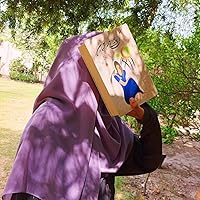
September 14, 2024
کتاب: میں نے ڈھاکہ ڈوبتے دیکھا
مصنف: صدیق سالک
میں نے ڈھاکہ ڈوبتے دیکھا" صدیق سالک کی انگریزی کتاب "Witness to surrender " کا اردو ترجمہ ہے ۔
مصنف سن 1971ء کی جنگ کے وقت ڈھاکہ میں بطور پبلک ریلیشنز افسر تعینات تھے۔ 19 دسمبر 1971 کی ہزیمت آمیز شکست سے دوچار ہونے کے بعد ہندوستان میں جنگی قیدی کے طور پر قید رہے اور بعد ازاں شملہ معاہدے کے تحت رہا ہوئے۔ صدیق سالک نے کل نو (9) کتابیں تصنیف کیں۔ زیر نظر کتاب کو سقوطِ ڈھاکہ کے تحت سالک صاحب کی "آپ بیتی" کہا جا سکتا ہے۔
یہ کتاب مشرقی پاکستان کی علیحدگی کو ایک منفرد تناظر میں پیش کرتی ہے۔ یہ کتاب زیادہ تر سقوطِ ڈھاکہ کے جنگی حالات سے متعلقہ ہے۔ اور دورانِ مطالعہ بارہا یہ احساس ہوتا رہا کہ سالک صاحب نے یہ کتاب کسی گواہ یا ایک یاداشت کے طور پر نہیں بلکہ محض ایک "فوجی کی حیثیت" سے لکھی ہے۔ یہ کتاب حد درجہ جانب دار ہے جو محض فوج کے کردار کا احاطہ کیے ہوئے ہے۔ مغربی پاکستانی فوج نے جنگ کے لیے کیا حکمت عملی اپنائی ، کتنا جنگی سامان تھا ، ، کتنی شہادتیں ہوئیں اور اور کہاں کہاں شکست کا سامنا کرتے ہوئے پیٹھ پھیرنی پڑی۔یہ تمام تفاصیل موجود ہیں لیکن اس تمام دورانیے میں بنگالی عوام کے کردار و حالات کا چندہ ذکر نہیں۔ انہیں کیا کیا مشکلات پیش آئیں، ان کا طرزِ زندگی کیسا تھا اس پہلو پر بالکل بات نہیں کی گئی۔ اور میں اس پہلو کو اس کتاب کی کمزوری گردانوں گی۔ گویا حقائق اس طرح قلمبند نہیں کیے گئے جیسے قلمبند کرنے کا حق تھا۔فوجی اصطلاحات نے (چوں کہ میں ان اصطلاحات سے نا بلد ہوں) درمیان کے کچھ ابواب کو قدرے خشک اور ذرا بوجھل بنا دیا تھا لیکن مصنف نے جس مہارت سے تمام یاداشت قلم بند کی وہ واقعتاً قابلِ تعریف ہے۔لیکن بہرحال چوں کہ مصنف نے آنکھوں دیکھا حال بیان کیا ہے تو "فوجی تناظر" میں سقوطِ ڈھاکہ کا پس منظر جاننے کے لیے یہ کتاب موزوں ترین ہے۔ جنگ کی منظر نگاری انتہائی مفصل اور دل خراش ہے۔ بعض مقامات پر تو دل امڈ امڈ آتا ہے۔
مختصراً سقوطِ ڈھاکہ کو فوجی نکتہ نظر سے جاننے کے لیے یہ کتاب موزوں ہے لیکن بہت سے حقائق کو اس میں سرے سے نظر انداز کر دیا گیا ہے لہذا یہ اس موضوع کی بہترین کتاب ہرگز نہیں ہے۔
لائبہ احمد
مصنف: صدیق سالک
میں نے ڈھاکہ ڈوبتے دیکھا" صدیق سالک کی انگریزی کتاب "Witness to surrender " کا اردو ترجمہ ہے ۔
مصنف سن 1971ء کی جنگ کے وقت ڈھاکہ میں بطور پبلک ریلیشنز افسر تعینات تھے۔ 19 دسمبر 1971 کی ہزیمت آمیز شکست سے دوچار ہونے کے بعد ہندوستان میں جنگی قیدی کے طور پر قید رہے اور بعد ازاں شملہ معاہدے کے تحت رہا ہوئے۔ صدیق سالک نے کل نو (9) کتابیں تصنیف کیں۔ زیر نظر کتاب کو سقوطِ ڈھاکہ کے تحت سالک صاحب کی "آپ بیتی" کہا جا سکتا ہے۔
یہ کتاب مشرقی پاکستان کی علیحدگی کو ایک منفرد تناظر میں پیش کرتی ہے۔ یہ کتاب زیادہ تر سقوطِ ڈھاکہ کے جنگی حالات سے متعلقہ ہے۔ اور دورانِ مطالعہ بارہا یہ احساس ہوتا رہا کہ سالک صاحب نے یہ کتاب کسی گواہ یا ایک یاداشت کے طور پر نہیں بلکہ محض ایک "فوجی کی حیثیت" سے لکھی ہے۔ یہ کتاب حد درجہ جانب دار ہے جو محض فوج کے کردار کا احاطہ کیے ہوئے ہے۔ مغربی پاکستانی فوج نے جنگ کے لیے کیا حکمت عملی اپنائی ، کتنا جنگی سامان تھا ، ، کتنی شہادتیں ہوئیں اور اور کہاں کہاں شکست کا سامنا کرتے ہوئے پیٹھ پھیرنی پڑی۔یہ تمام تفاصیل موجود ہیں لیکن اس تمام دورانیے میں بنگالی عوام کے کردار و حالات کا چندہ ذکر نہیں۔ انہیں کیا کیا مشکلات پیش آئیں، ان کا طرزِ زندگی کیسا تھا اس پہلو پر بالکل بات نہیں کی گئی۔ اور میں اس پہلو کو اس کتاب کی کمزوری گردانوں گی۔ گویا حقائق اس طرح قلمبند نہیں کیے گئے جیسے قلمبند کرنے کا حق تھا۔فوجی اصطلاحات نے (چوں کہ میں ان اصطلاحات سے نا بلد ہوں) درمیان کے کچھ ابواب کو قدرے خشک اور ذرا بوجھل بنا دیا تھا لیکن مصنف نے جس مہارت سے تمام یاداشت قلم بند کی وہ واقعتاً قابلِ تعریف ہے۔لیکن بہرحال چوں کہ مصنف نے آنکھوں دیکھا حال بیان کیا ہے تو "فوجی تناظر" میں سقوطِ ڈھاکہ کا پس منظر جاننے کے لیے یہ کتاب موزوں ترین ہے۔ جنگ کی منظر نگاری انتہائی مفصل اور دل خراش ہے۔ بعض مقامات پر تو دل امڈ امڈ آتا ہے۔
مختصراً سقوطِ ڈھاکہ کو فوجی نکتہ نظر سے جاننے کے لیے یہ کتاب موزوں ہے لیکن بہت سے حقائق کو اس میں سرے سے نظر انداز کر دیا گیا ہے لہذا یہ اس موضوع کی بہترین کتاب ہرگز نہیں ہے۔
لائبہ احمد

July 18, 2012
Another recommended reading...

January 23, 2016
Its a tough book to get
More kinda Dry but the facts explained are heart breaking!
More kinda Dry but the facts explained are heart breaking!

Read
November 30, 2017bohot umda book ha
Read
January 25, 2019A tragedy
Displaying 1 - 18 of 18 reviews