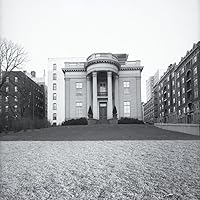
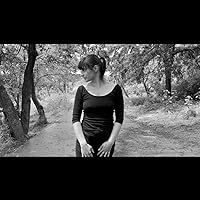
John Galsworthy 14 August 1867 – 31 January 1933) was an English novelist and playwright. Notable works include The Forsyte Saga (1906–1921) and its sequels, A Modern Comedy and End of the Chapter. He won the Nobel Prize in Literature in 1932.Galsworthy was born at what is now known as Galsworthy House (then called Parkhurst) on Kingston Hill in Surrey, England, the son of John and Blanche Bailey (née Bartleet) Galsworthy. His family was prosperous and well established, with a large property in Kingston upon Thames that is now the site of three schools: Marymount International School, Rokeby Preparatory School, and Holy Cross Preparatory School. He attended Harrow and New College, Oxford, after which he trained as a barrister and was called to the bar in 1890.
Literary career of English novelist and playwright John Galsworthy, who used John Sinjohn as a pseudonym, spanned the Victorian, Edwardian and Georgian eras.
In addition to his prolific literary status, Galsworthy was also a renowned social activist. He was an outspoken advocate for the women's suffrage movement, prison reform and animal rights. Galsworthy was the president of PEN, an organization that sought to promote international cooperation through literature.
John Galsworthy was awarded the Nobel Prize in literature in 1932 "for his distinguished art of narration which takes its highest form in The Forsyte Saga."
Глубокое погружение в психологию главных героев побуждает читателя анализировать их мотивы, движения и устремления их душ, а также давать оценку их нравственному выбору. Темой романа является любовь и страсть, их различие, а также противостояние викторианским условностям, приличиям и правилам благопристойности. Голсуорси ставит вопрос - что важнее: мнение общества или настоящая любовь? Какой из случаев влюбленности главного героя является настоящей любовью, а какой лишь страстью? Марк Леннан трижды в своей жизни страстно влюбляется (Анна, Олив, Нелл). Каждый раз он думает, что это настоящая любовь. И читатели тоже так думают, настолько глубоки его чувства, настолько он одержим своей любовью, настолько он не хозяин самому себе, так сильно его влечет к его любимым. Голсуорси подчеркивает, что дар любви редок, может быть даже один раз жизнь одаривает любовью человека. Главный герой это осознает и во всех трех случаях стремится испить любовь до дна. В случае с Олив, история его любви заканчивается трагедией, она умирает, неподеленная двумя мужчинами. Марк женится через 5 лет на Сильвии, девушке, которую он любил в юности, но без страсти, любил просто, где-то даже скучно, но романтика все же была - звёзды, ночные встречи. В 47 лет он встречает юную Нелл, к которой его неудержимо влечет, он уже почти сдался своему чувству. Но в последний момент он понимает, что его чувства к Нелл - это не любовь, а страсть. Он понимает, что ведёт себя, как подлец, и по отношению к жене, и по отношению к Нелл, и принимает, наконец, единственно верное решение - уехать от объекта своей страсти как можно дальше, дав шанс и Нелл найти свою настоящую любовь, и быть в законном браке, и спасти свою любовь. Мне нравится честность Голсуорси, его глубокое знание психологии и побуждение читателя самому делать выводы и оценки.
„Saga o Forsajtima“ je jedna od onih knjiga za koje već tokom čitanja znate koliko je značajna i da je u pitanju knjiga kojoj planirate da se vraćate nekoliko puta u životu. Pročitao sam je u srednjoj školi i odmah poželeo nešto drugo od Džona Golsvordija. Međutim, nešto ga naši slabo prevode, objavljuju ili reizdaju.
Tako da sam tek sada pročitao drugi roman ovog engleskog književnika. „Tamni cvet“. I obnovio moje divljenje njegovom radu. Još jedna odlična knjiga. Ne tako moćna kao „Saga“, ali i dalje neverovatno dobra.
Ljubavna priča, priča o umetnosti i NKV Umetniku, presek (groznog) vremena na prelasku vekova… Savršeno napisana.
He turned out the little lamp, and groped towards the hearth. But one thing left. To say goodbye. To her, and youth, and passion – to the only salve for the aching that Spring and Beauty bring – the aching for the wild, the passionate, the new, that never quite dies in a man’s heart.
He crouched down before the hearth. There was no warmth in that fast-blackening ember, but it still glowed like a dark-red flower. And while it lived he crouched there, as though it were that to which he were saying goodbye.
And on the door he heard the girl’s ghostly knocking. And beside him – a ghost among the ghostly presences – she stood. Slowly the glow blackened, till the last spark had faded out.
Something to do – something fixed, real, certain. And yet another long hour before her waking, he sat forward in the chair, with that wistful eagerness, his eyes fixed on her face, staring through it at some vision, some faint, glimmering light – far out there beyond – as a traveller watches a star...
There are 3 stages of love: 1. spring - when everything is new in life, so in love, and when Lennan thinks he found someone to love, an impossible love with a married woman and even worse, his teacher’s wife. He’s tormented, he struggles to complete his love but never really succeed. 2. summer- when you’re an adult, phisically you can do anything. Lennan finds 2 kinds of love, both young: one that can settle for a life, a platonic love, a safe love, and one that gets him do crazy things, a complicated love, again with a married girl. Finally, the crazy love vanishes in a tragic end and Lennan’s hopes of a lifetime with a dangerous love are gone. 3. autumn- when everything’s been settled for a while, you’re almost 50. Married with the platonic love, chosing the easy way, Lenan is caught in a boring field, where he can’t find joy for his life. As a new entry in an old way, a new dangerous love finds a way in his life. A young girl askes for Lennan and Sylvia’s parenthood only to fall in love with Lenan. Again, tormented, he can’t deal with the pressure of a married life and a young mistress, choosing to leave the danger that stands between him and a decent life, abandoning his forever sin of always wanting something that he can never have. I love how the book what segmented in 3 big parts with the perfect titles, meaning the age of the main character. I love how there are things that repeat in every chapter and I like the description of Lenan’s inner thoughts.
The dark flower of passion, carnation or clove pink. Awfully beautiful. And sad of course.
"Well, life, with all its prizes and its possibilities, had nothing that quite satisfied—save just the fleeting moments of passion! Nothing else quite poignant enough to be called pure joy! Or so it seemed to him."
A beautiful, haunting book. It seems to be somewhat autobiographical, echoing Galsworthy's own rather complicated marriage and also his brief platonic love affair with a much younger woman, the dancer and actress, Margaret Morris. She wrote a very moving, short book about their relationship, years after he and his wife had died.
Tri zasebne ljubavne priče govore o razlikama i nijansama emocija u različitim godinama života jednog junaka, Marka Lenana. U prvoj priči, Proleće, Mark je student zaljubljen u ženu svog profesora, u drugoj priči, Leto, zatičemo ga u dvadeset petoj godini sa zrelijim razmišljanjima, a opet zaljubljenog u ženu koju ne sme voleti. Treća priča, Jesen, opisuje Lenanov život kad je već u braku, a u četrdeset i nekoj čezne za mladošću, za „prolećem", za mladom ćerkom svog školskog druga. Može se reći da poslednja priča govori o „krizi srednjih godina". 🙂
I have the complete Novels of Galsworthy ,(1926) edition. He is one of my favorite author. The book is about Mark Lennan's 3 passionate love affair during his adolescence, youth, and middle age. First with an older married women, wife of his Oxford tutor, second with another married women of an older man and third with the daughter of his Oxford classmate. Fascinating and penetrating analysis as always and very little vulgar description. I feel if this one was written today 20/30% would have been devoted to sex! According to Galsworthy, Beyond was written with a women protagonist. Loved it
Floarea întunecată a pasiunii etern la butonieră. Viaţa în anotimpuri, tiranizată de societate. Sincer vorbind, nu ştiu câţi şi-ar mai dori azi să trăiască în epoca victoriană...
Although this book was not as entertaining to read as the other books I've read of Galworthy's, it was an interesting character study. Again, not as intriguing as other characters I've followed in a Galworthy novel but this was worthwhile at the end. Lennan is an aspiring sculptor who throughout, seems to do his art as a second priority – and that's because he's from an affluent English family and so confines his sculpture to mythological subjects and animals rather than anything embarrassing. In the years covered, he wants forbidden love – two married women when he is young and a girl barely out of her teenage years when he is older. One of the married women dies in the struggle and Lennan marries a woman he's known since childhood.
The book is very lyrical while exploring Lennan's attitudes about these women who he feels have not really been loved, and who make it clear that they are miserable without him. So while this became somewhat tedious, it was interesting that Lennan saw himself in a good light and that he didn't understand how his desire to kill a husband sprang upon him, and how he only fought English values as a nice guy and again, refused to take any public stand as an artist. What I found satisfying at the end was his attempt to explain to his wife and to himself how a man can have an affair and still love his wife. This whole inner narrative had some explanatory value – Lennan as an artist then but also struggling with the issue as any man would in his frame of mind. It was a long book for what was in it. I thought it was finished twice, but Lennan wasn't. Some redolent passages kept me reading.
Ako ne računam lektire koje sam čitao za školu, ovo je najstarija knjiga koju sam pročitao. Igrom slučaja zainteresovao me je naslov, pretražio sam na internetu i ukratko video opis i kupio je. Autor dobro vlada emocijama i opisom istih. Cela knjiga upravo i govori o emocijama, onim skrivenim o kojima ne smemo da pričamo a koje postoje.
Pomalo spora, ali opet brza. Na trenutke preopširna ali opet koncizna. Iz priče u priču glavni junak me je sve više nervirao. Nije on kriv za sve te stvari, ali opet neki njegovi postupci su mi neshvatljivi. Doduše, ako protiv argument sebi serviram da se radnja dešava krajem 19. veka i da se, čitajući knjigu, vidi koliko je situacija u društvu i uopšte poimanje drugačije u odnosu na danas, onda je moj prethodni komentar neshvatljiv. Same vrednosti su drugačije. Možda mi je to bio najveći problem da doprem u potpunosti do tih likova, jer naviknut na otvorenosti i slobodnije izražavanje, ova knjiga je prava fina knjiga.
Utoliko me je više privlačila, jer mi je delovala neobično. Svakako, valja je pročitati jer tek po prvi put bolje razumem neke emocije koje se dešavaju u ljudskom biću a koje su na lep način opisane. Čitajući o autoru nakon knjige saznao sam i da je dobio Nobelovu nagradu za književnost. Sve u svemu, ne verujem da ću se skorije vratiti ovoj knjizi, ali ću je čuvati.
"ფორსაიტების საგის" ავტორისგან "მუქი ყვავილი" მოულოდნელად ფერმკრთალი ჩანს. მარკ ლენანის სამი სიყვარული (თუმცა "სიყვარული" შესაფერისი სიტყვა არ მგონია) 19, 25 და 45 წლის ასაკში - რაღაც განსაკუთრებულს ველოდებით, არა? სამწუხაროდ, ძალიან ჩვეულებრივი ამბავი დამხვდა... ზედმეტად ჩვეულებრივი...
Что-то не везёт мне с классическими произведениями в этом году. Точнее – с мужскими персонажами и их «чисто мужскими оправданиями» на ту дичь, что они творят, прикрываясь словами о «высокой возвышенной любви», игнорируя тот факт, что их избранницы на 30, а то и сорок лет моложе. «Любви все возрасты покорны». Ну-ну. Марк Леннан не исключение. Если в пору его молодости (первая часть романа) его увлечение (не любовь) и чувства вызывали насмешливую улыбку, то его одержимость во второй и особенно в третьей части не вызывали ничего кроме неприязни, презрения и брезгливого отвращения.
«…и у неё есть ведьмовская власть зажигать лихорадку в крови.» Так ГГ говорит о 17-летней девушке (дочери своего друга), которую постоянно называет ребёнком, но в то же время хочет её. На протяжении всей книги я надеялась, что господина Леннана из-за его невыносимых душевных страдашек схватит инфаркт и он отправится к праотцам, но увы, мои надежды не оправдались.
«Если бы она умерла, горевал бы я? Не радовался ли бы вернее? Если б она умерла, с ней умерло бы её колдовство, и я снова мог бы высоко держать голову и смотреть людям в глаза!» Рука-лицо. Мужланы с подобным мышлениям несколько веков назад без зазрения совести сжигали женщин на кострах.
«Эти женщины! Если бы ему только освободиться от них обеих, от страсти и сострадания, которые они возбуждают, тогда его мозг и его руки снова обретут жизнь и будут способны творить! Какое право имеют они подавлять, губить его!» Ну, конечно, во всём виноваты женщины, а не мужчина, который не в состоянии контролировать свои бл@дские мысли и своё либидо. Потому что брать на себя ответственность – это как-то не по-мужски 🤡
Padne dobre, niekedy siahnuť po klasike, navyše s legendárnej edícii Malá svetová knižnica. Opisy vnútorných pochodov protagonistov trojdielneho románu a opisy prostredia sú bravúrne, dosť často som myslel na prekladateľku (Tatiana Ruppeldtová), muselo to byť náročné. Doslov je poplatný dobe ("Nevedel pochopiť Veľkú októbrovú revolúciu v Rusku"). ____________________ "No, čo myslíte, v ktorom veku sa v mužoch vyvinie zmysel pre zodpovednosť? Lebo jedno si hodno zapamätať – ženy túto dobrú vlastnosť nemajú." "Myslím, že ženy sú najlepšie na svete," vybľabotal chlapec. … "Až zmeníte svoje náhľady, dajte mi vedieť!" "Nikdy ich nezmením, pán profesor." "No, no! Nikdy je dlhé slovo, Lennan. …" ____________________ … lebo najmä v tých časoch to bola, pravdaže udalosť poznať sa so sochárom – čosi také, ako mať vo vlastnom parku zebru." ____________________ "Všade vládol pokoj a myšlienky sa mu vznášali ako dym z cigarety v ústrety ktovieakým iným myšlienkam – lebo myšlienky majú zaiste tiež svoje vlastné malé vrtké životy; roztúžené nájdu si svojich druhov a v ľahkom spojení vydávajú potomstvo. Prečo nie? Všetko je možné v tomto zázračnom svete. Ešte aj tá valčíková melódia odletí, nájde si inú melódiu, s ktorou sa spojí a vytvorí nový akord, ktorý potom bude ďalej plynúť, až zachytí bzučanie komára alebo muchy a bude sa množiť ďalej. Čudné, ako sa všetko usiluje spojiť s niečím iným!"
I am a Galsworthy fan so I couldn’t not like this book although it wasn’t my favorite. Galsworthy is brilliant at describing the raw emotions behind infidelity and passion almost better than anyone. It’s torturous reading at times; you wish you could stop the weaker character from giving in. Like watching a train wreck. Others have described the plot of this book in their reviews so I won’t. I’ll just draw some connections between Fleur (Forsyth Saga) and Nell, Lenen’s very young love interest in Autumn. Both are similar in the inexorable control they exert over the objects of their desire, Jon and Lenen. They are classic sirens, beautiful and dangerous who persistently, sometimes petulantly but always with cunning and deliberation lead them to sin. Both men are the weaker species, for a time powerless to resist, but in the end the love and security of their marriages win over raw passion. However, both men are not incapable of breaking off their obsessive love affairs face to face. Lenen flees to Rome with his wife and John retreats to his farm to start his settled married life with Ann. Galsworthy’s language and imagery are so lush and beautiful you hope you can remember the many passages that keep you engaged in this long but rewarding book.
Very atmospheric and absorbing, however...not my kind of story. This is only a short book but I felt I was making myself read it.
The Dark Flower is split in to three small volumes - Spring, Summer, Autumn - and follows the main character, Mark Lennon's, loves. In each 'season' of his life he has various love affairs and I think it's this that's stopped me liking this novella. I just don't like Lennon.
Galsworthy writes him as a starry eyed, youthful boy searching for female love as his home life consists of his guardian 'Gordy' and his rarely seen sister. But by modern standards he's a bit of a player and despite understanding his historial context I think he's cruel.
On the other hand I did enjoy the flowering writing style as it struck the right note between moving the plot and creating atmosphere.
If you like early 20th century fiction or daft young men then this is for you, it just wasn't for me.
This book has haunted me since I first read it, it was written so well, in a time when Victorian melodrama was out of vogue and 20thc cynicism had not yet taken its place.
The story of a man and the different loves in his life at different stages of his life and he's affected by them according to his age and the circumstances, makes me think of Sinatra and his "very good year" song.
There were tragedies (his love for an unhappily married woman that might have been the love of his life), ironies (as a young man he fell for an older married woman, then a young woman falls for him when he's an older married man), and stabilities (a former love who becomes present contentment), all making up one man's journey through life. (Sounds hokey, but true.)
I've heard this was based on the author's life. I intend to check out his biography and find out for myself.
....................................................................... ....................................................................... The Dark Flower by John Galsworthy ....................................................................... .......................................................................
The dark flower as a concept used in the title and elsewhere in the work by the author is symbolic of passion, not represented by any particular flower but by the dark colour representative of the dark area where a person's reason and other sights of consciousness fail to guide one, and a dark force pulling and pushing one takes over.
Galworthy here takes stages of an artist's life, symbolised by three seasons (he refrains from exploring winter as a season for passion, leaving one to imagine that one is finally settled into one's marriage and not available any more for passion outside it), and the passion is of the variety not likely to come to a happy solution all around, hence dark all the more.
Over and over there is characterisation of English life as that bound by "good form" when freed from other bindings such as those of religion, and thus not allowing the freedom one speaks of or assumes for a person and especially an artist or thinker when it comes to passion.
The tale begins with an involvement of spirit between young Mark Lennan and his teacher's wife Mrs. Stormer whose husband, a don at Oxford, is far too dry and intellectual to answer his wife's needs of love and adoration but is rather more likely to deal with it by humour and standing aside in spite of awareness of it. Sylvia, the young fair girl Mark has protected and known since his childhood, solves the dilemma for the older woman (who is really young by the standards of today but was a century ago looking at her last chance for romance, passion, beauty in life at mid thirties), by simply coming to her attention as a younger person on the horizon who might not be an equal opponent but is simply younger.
Mark is not involved with Sylvia romantically yet, and goes on to become an artist, and happens to subsequently meet and become involved deeply with a young married woman desperately unhappy in her marriage in spite of wealth and respectability, with most of the involvement consisting of an innocent - by today's standards - togetherness and a passionate awareness of one another that is clear to everyone around. With a husband who is just as passionately in love with the wife as Mark being in the picture, and violently jealous one at that, it is bound to end in a separation, and one expects a chase when the young woman in question make sup her mind to go away with Mark. But the end of this part comes rather suddenly and shocks one, being so at odds with what generally one is led to expect of an English spirit. Then again, of course, the husband is characterised long before that by the wife's uncle musing about his being an adopted heir to his father and hence an unknown factor, unlike Mark whose very deep propriety in his following the form is observed and satisfactorily so by the uncle.
The autumn chapter brings a stormy turmoil of an involvement with an illegitimate daughter of a schoolmate to Mark's life and threatens to destroy the peace of his now wife Sylvia's life and mind, and while he is tossed about in this storm seemingly far more, the concern and responsibility for Sylvia who is more than only a wife but rather the innocent person he is used to protecting since she was small, brings him to port to safety. The end is abrupt, since one is rather led to expect a chapter on winter, but perhaps the author could not imagine passion in winter and made subtle allusions to Sylvia asleep by fire to indicate that would be the winter of life of Mark Lennan.
A slight lessening of quality of Galsworthy comes about by the usual excuse to the passion inappropriate to age being led by the woman in question, and while it might be likely in the first it is a very transparent excuse in the last, a bit reminiscent of the far more unpleasant Nabokov. It is always possible of course, only, with the striking beauty of the young girl in question, one wonders if it is due to her being an illegitimate and therefore hidden daughter of a not very high caste English man that she is thrown on the society of a man in his mid forties and being the one to take a lead in the affair, declaring her passion and holding on and so forth rather than being one to be surprised by his declaration of love and considering it for reasons of her situation in life. It does not quite fit except as an excuse for his passion to be reconciled with his status - he cannot offer her marriage and a safe home and respectability, being married - and thus must be propositioned rather than the one to lead. Thin excuse, at that.
Spring and Summer are haunting parts, with autumn rather more troublesome and stormy with one wishing he would sooner come to his senses. Perhaps it could not be otherwise in any way, but with quality of Galsworthy's works in general one goes in expecting him to do better, and is a bit disappointed. Still, all in all perhaps it forms a work preparatory for the far more satisfying and wonderful Forsyte Saga and Forsyte Chronicles, and perhaps it ought to be read before them, not after.
Sunday, October 20, 2013. ....................................................................... .......................................................................
Monday, October 21, 2013. ....................................................................... .......................................................................
The dark flower as a concept used in the title and elsewhere in the work by the author is symbolic of passion, not represented by any particular flower but by the dark colour representative of the dark area where a person's reason and other sights of consciousness fail to guide one, and a dark force pulling and pushing one takes over.
Galworthy here takes stages of an artist's life, symbolised by three seasons (he refrains from exploring winter as a season for passion, leaving one to imagine that one is finally settled into one's marriage and not available any more for passion outside it), and the passion is of the variety not likely to come to a happy solution all around, hence dark all the more.
Over and over there is characterisation of English life as that bound by "good form" when freed from other bindings such as those of religion, and thus not allowing the freedom one speaks of or assumes for a person and especially an artist or thinker when it comes to passion.
The tale begins with an involvement of spirit between young Mark Lennan and his teacher's wife Mrs. Stormer whose husband, a don at Oxford, is far too dry and intellectual to answer his wife's needs of love and adoration but is rather more likely to deal with it by humour and standing aside in spite of awareness of it. Sylvia, the young fair girl Mark has protected and known since his childhood, solves the dilemma for the older woman (who is really young by the standards of today but was a century ago looking at her last chance for romance, passion, beauty in life at mid thirties), by simply coming to her attention as a younger person on the horizon who might not be an equal opponent but is simply younger.
Mark is not involved with Sylvia romantically yet, and goes on to become an artist, and happens to subsequently meet and become involved deeply with a young married woman desperately unhappy in her marriage in spite of wealth and respectability, with most of the involvement consisting of an innocent - by today's standards - togetherness and a passionate awareness of one another that is clear to everyone around. With a husband who is just as passionately in love with the wife as Mark being in the picture, and violently jealous one at that, it is bound to end in a separation, and one expects a chase when the young woman in question make sup her mind to go away with Mark. But the end of this part comes rather suddenly and shocks one, being so at odds with what generally one is led to expect of an English spirit. Then again, of course, the husband is characterised long before that by the wife's uncle musing about his being an adopted heir to his father and hence an unknown factor, unlike Mark whose very deep propriety in his following the form is observed and satisfactorily so by the uncle.
The autumn chapter brings a stormy turmoil of an involvement with an illegitimate daughter of a schoolmate to Mark's life and threatens to destroy the peace of his now wife Sylvia's life and mind, and while he is tossed about in this storm seemingly far more, the concern and responsibility for Sylvia who is more than only a wife but rather the innocent person he is used to protecting since she was small, brings him to port to safety. The end is abrupt, since one is rather led to expect a chapter on winter, but perhaps the author could not imagine passion in winter and made subtle allusions to Sylvia asleep by fire to indicate that would be the winter of life of Mark Lennan.
A slight lessening of quality of Galsworthy comes about by the usual excuse to the passion inappropriate to age being led by the woman in question, and while it might be likely in the first it is a very transparent excuse in the last, a bit reminiscent of the far more unpleasant Nabokov. It is always possible of course, only, with the striking beauty of the young girl in question, one wonders if it is due to her being an illegitimate and therefore hidden daughter of a not very high caste English man that she is thrown on the society of a man in his mid forties and being the one to take a lead in the affair, declaring her passion and holding on and so forth rather than being one to be surprised by his declaration of love and considering it for reasons of her situation in life. It does not quite fit except as an excuse for his passion to be reconciled with his status - he cannot offer her marriage and a safe home and respectability, being married - and thus must be propositioned rather than the one to lead. Thin excuse, at that.
Spring and Summer are haunting parts, with autumn rather more troublesome and stormy with one wishing he would sooner come to his senses. Perhaps it could not be otherwise in any way, but with quality of Galsworthy's works in general one goes in expecting him to do better, and is a bit disappointed. Still, all in all perhaps it forms a work preparatory for the far more satisfying and wonderful Forsyte Saga and Forsyte Chronicles, and perhaps it ought to be read before them, not after.
Sunday, October 20, 2013. ....................................................................... .......................................................................
Monday, October 21, 2013. ....................................................................... .......................................................................
Sunday, May 4, 2014. ....................................................................... .......................................................................
This book contains some beautiful descriptive writing but at times the dialogue is poor. For example, in the section entitled Spring repetition of the word "jolly" grates more than a little on the modern reader and, even in 1913 when the first edition was printed, it is doubtful that an Oxford university student could have such a limited range of praise in his vocabulary.
As an indication of women's place in society and relative importance during the early years of the twentieth century, the book is depressingly accurate. The female characters are dominated by and reliant upon their menfolk. Even in 1918 it was only women over the age of 30 who finally gained the right to vote.
"Dorul acesta și această nestatornicie făceau tot atât parte din el, ca și ochii și mâinile lui, erau o aspirație la fel de firească și de covârșitoare, ca și setea lui de a lucra(sculptor) sau nevoia de liniștea pe care i-o oferea Sylvia și numai ea." Povestea a trei pasiuni imposibile, deși împărtășite, țesute printre firele unei legături liniștite și de durată. Natura ar putea fi cea de-a patra pasiune, atât de intens este prezentă în cele trei capitole cu nume de anotimpuri, lucru care poate plăcea sau plictisi, dar a cărei măiestrie am admirat-o.
This entire review has been hidden because of spoilers.
If you've got patience and want to read beautiful second-by-second descriptions of actions and expressions as well as of nature, you may love this book. But it probably has to come at the right moment. The right moment is not when you're feeling harried or stressed out or overtired. You may instead choose simply to read The Forsyte Saga again, which I probably should have done.
The dark flower as a concept used in the title and elsewhere in the work by the author is symbolic of passion, not represented by any particular flower but by the dark colour representative of the dark area where a person's reason and other sights of consciousness fail to guide one, and a dark force pulling and pushing one takes over.
Galworthy here takes stages of an artist's life, symbolised by three seasons (he refrains from exploring winter as a season for passion, leaving one to imagine that one is finally settled into one's marriage and not available any more for passion outside it), and the passion is of the variety not likely to come to a happy solution all around, hence dark all the more.
Over and over there is characterisation of English life as that bound by "good form" when freed from other bindings such as those of religion, and thus not allowing the freedom one speaks of or assumes for a person and especially an artist or thinker when it comes to passion.
The tale begins with an involvement of spirit between young Mark Lennan and his teacher's wife Mrs. Stormer whose husband, a don at Oxford, is far too dry and intellectual to answer his wife's needs of love and adoration but is rather more likely to deal with it by humour and standing aside in spite of awareness of it. Sylvia, the young fair girl Mark has protected and known since his childhood, solves the dilemma for the older woman (who is really young by the standards of today but was a century ago looking at her last chance for romance, passion, beauty in life at mid thirties), by simply coming to her attention as a younger person on the horizon who might not be an equal opponent but is simply younger.
Mark is not involved with Sylvia romantically yet, and goes on to become an artist, and happens to subsequently meet and become involved deeply with a young married woman desperately unhappy in her marriage in spite of wealth and respectability, with most of the involvement consisting of an innocent - by today's standards - togetherness and a passionate awareness of one another that is clear to everyone around. With a husband who is just as passionately in love with the wife as Mark being in the picture, and violently jealous one at that, it is bound to end in a separation, and one expects a chase when the young woman in question make sup her mind to go away with Mark. But the end of this part comes rather suddenly and shocks one, being so at odds with what generally one is led to expect of an English spirit. Then again, of course, the husband is characterised long before that by the wife's uncle musing about his being an adopted heir to his father and hence an unknown factor, unlike Mark whose very deep propriety in his following the form is observed and satisfactorily so by the uncle.
The autumn chapter brings a stormy turmoil of an involvement with an illegitimate daughter of a schoolmate to Mark's life and threatens to destroy the peace of his now wife Sylvia's life and mind, and while he is tossed about in this storm seemingly far more, the concern and responsibility for Sylvia who is more than only a wife but rather the innocent person he is used to protecting since she was small, brings him to port to safety. The end is abrupt, since one is rather led to expect a chapter on winter, but perhaps the author could not imagine passion in winter and made subtle allusions to Sylvia asleep by fire to indicate that would be the winter of life of Mark Lennan.
A slight lessening of quality of Galsworthy comes about by the usual excuse to the passion inappropriate to age being led by the woman in question, and while it might be likely in the first it is a very transparent excuse in the last, a bit reminiscent of the far more unpleasant Nabokov. It is always possible of course, only, with the striking beauty of the young girl in question, one wonders if it is due to her being an illegitimate and therefore hidden daughter of a not very high caste English man that she is thrown on the society of a man in his mid forties and being the one to take a lead in the affair, declaring her passion and holding on and so forth rather than being one to be surprised by his declaration of love and considering it for reasons of her situation in life. It does not quite fit except as an excuse for his passion to be reconciled with his status - he cannot offer her marriage and a safe home and respectability, being married - and thus must be propositioned rather than the one to lead. Thin excuse, at that.
Spring and Summer are haunting parts, with autumn rather more troublesome and stormy with one wishing he would sooner come to his senses. Perhaps it could not be otherwise in any way, but with quality of Galsworthy's works in general one goes in expecting him to do better, and is a bit disappointed. Still, all in all perhaps it forms a work preparatory for the far more satisfying and wonderful Forsyte Saga and Forsyte Chronicles, and perhaps it ought to be read before them, not after.
Sunday, October 20, 2013. ....................................................................... .......................................................................
Monday, October 21, 2013. ....................................................................... .......................................................................
Love in a world of innocence. A book that has 3 big love affairs in the Spring, Summer and Autumn of life, the one which is consummated immediately ends in tragedy. What struck me most about the book was the innocence of the world, the people and places (a sojourn in Monte Carlo, always flight to Rome when needed). 1914 and the rest of the 20th century really did change the world for the worse.
It was a good read, especially given the passage of time. Published 1913, but written about the 1880s, it is a time so different to now. His three loves are so innocent, but the story is compelling. The insight to the times and feelings, almost outweighed the actual story for me.
O carte in general ok. Esenta cartii e data de substratul psihologic si de naivitatea pe care cam toate personajele o poseda. Chiar daca epoca e alta, personajele mi se par ca detin un caracter oarecum idealist si prea-putin real.