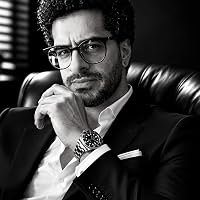
In his intimate autobiography, spanning six decades that included war, totalitarianism, censorship, and the fight for democracy, acclaimed Czech writer Ivan Klíma reflects back on his remarkable life and this critical period of twentieth-century history.
Klíma’s story begins in the 1930s on the outskirts of Prague where he grew up unaware of his concealed Jewish heritage. It came as a surprise when his family was transported to the Terezín concentration camp—and an even greater surprise when most of them survived. They returned home to a city in economic turmoil and falling into the grip of Communism. Against this tumultuous backdrop, Klíma discovered his love of literature and matured as a writer. But as the regime further encroached on daily life, arresting his father and censoring his work, Klíma recognized the party for what it was: a deplorable, colossal lie. The true nature of oppression became clear to him and many of his peers, among them Josef Škvorecký, Milan Kundera, and Václav Havel. From the brief hope of freedom during the Prague Spring of 1968 to Charter 77 and the eventual collapse of the regime in 1989’s Velvet Revolution, Klíma’s revelatory account provides a profoundly rich personal and national history.
Ivan Klíma (born 14 September 1931, Prague, born as Ivan Kauders) is a Czech novelist and playwright. He has received the Magnesia Litera Award and the Franz Kafka Prize, among other honors.
Klíma's early childhood in Prague was happy and uneventful, but this all changed with the German invasion of Czechoslovakia in 1938, after the Munich Agreement. He had been unaware that both his parents had Jewish ancestry; neither were observant Jews, but this was immaterial to the Germans. In November 1941, first his father Vilém Klíma, and then in December, he and his mother and brother were ordered to leave for the concentration camp at Theriesenstadt (Terezín), where he was to remain until liberation by the Russian Liberation Army in May, 1945. Both he and his parents survived incarceration—a miracle at that time—Terezín was a holding camp for Jews from central and southern Europe, and was regularly cleared of its overcrowded population by transports to "the East", death camps such as Auschwitz. Klíma has written graphically of this period in articles in the UK literary magazine, Granta, particularly A Childhood in Terezin. It was while living in these extreme conditions that he says he first experienced “the liberating power that writing can give”, after reading a school essay to his class. He was also in the midst of a story-telling community, pressed together under remarkable circumstances where death was ever-present. Children were quartered with their mothers, where he was exposed to a rich verbal culture of song and anecdote. This remarkable and unusual background was not the end of the Klíma's introduction to the great historical forces that shaped mid-century Europe. With liberation came the rise of the Czech Communist regime, and the replacement of Nazi tyranny with proxy Soviet control of the inter-war Czech democratic experiment. Klima became a member of the Communist Party of Czechoslovakia.[4] Later, his childhood hopes of fairy tale triumphs of good over evil became an adult awareness that it was often “not the forces of good and evil that do battle with each other, but merely two different evils, in competition for the control of the world”. The early show trials and murders of those who opposed the new regime had already begun, and Klíma's father was again imprisoned, this time by his own countrymen. It is this dark background that is the crucible out of which Klíma's written material was shaped: the knowledge of the depths of human cruelty, along with a private need for personal integrity, the struggle of the individual to keep whatever personal values the totalitarian regimes he lived under were attempting to obliterate. For his writing abilities, Ivan Klíma was awarded Franz Kafka Prize in 2002 as a second recipient. His two-volume memoir Moje šílené století ("My Crazy Century") won the Czech literary prize, the Magnesia Litera, in the non-fiction category in 2010.
خودزندگینامه ایوان کلیما، که با محوریت کمونیست شدن در جوانی نوشته شده است و تا حدی مشروح و پر از جزئیات است و کمی حوصله میطلبد. میتوانید معرفی این کتاب را توسط سید علیرضا بهشتی شیرازی (مترجم آن، نشر روزنه) در یوتیوب ببینید. اگر به کلیما و چک علاقهمندید حتما بخوانید. *********************************************************************** تمامی ایدئولوژیهایی که در گذشته به جنایت انجامیدند تنها زمانی امکان تکامل یافتند که پیشتر هر چه را نامناسب تشخیص میدادند از ذهن مردم زدودند و افراد را به وفاداری رؤیاپردازانه نسبت به آراء خود وا داشتند، نظراتی که دم از درخشندگی میزدند. و در این کار، آنها تفاوتی با ایدئولوژیهای معاصری نداشتند که به جنایت تروریستی میانجامند. لذا تلاش من در این کتاب برای روایت و تحلیل وقایع زندگیام شاید حتی برای کسانی که کمونیسم را اندیشهای مرده میشمارند معنادار باشد. من در گزارشم عمدتاً بر شرایطی تمرکز میکنم که در این قرن دیوانه بشریت را غالباً گمراه میکرد و گاهی به مسیرهای مرگبار میکشاند. پیشگفتار. صفحهی ۸ کتاب دانشگاه (به مانند هر مدرسه دیگر) تلی از معلومات بر سر دانشجو میریزد، که بسیاری از آنها هرگز به کارش نمیآید و دیر یا زود فراموش میشوند. دانشگاه باید به دانشجویان رویکرد نظاممند و متعهدانه نسبت به تحقیق را بیاموزد. باید به آنها یاد دهد که چگونه به جستجوی منابع بروند و به کار با واقعیات بپردازند. و از همه مهمتر دانشگاه میتواند تماس با چهرههایی را فراهم آورد که قادرند بهعنوان مرشد عمل کنند - سرمشقهایی برای دانشجو و نیز رفتار مدنی او. صفحه ۷۵ کتاب به راستی چه میتوانستم بنویسم؟ مرز آنچه مجاز بدان بودم از کجا میگذشت؟ آیا وظیفه روزنامهنگار یا نویسنده تنها مدیحه سرایی است، تنها تأیید تصویر جامعه به عنوان جایی که در آن جز مشتی دشمن و توطئهگر همه دارند با هیجان سوسیالیسم را برمیافرازند؟ صفحهی ۱۰۸ کتاب آموزش ما وحشی و اندیشهیمان استخوانی شده است. ما بالهای روحمان را چیدهایم؛ ما از جهان فلسفه، ادبیات، و هنر هر چیزی را که مطابق با چارچوب نباشد کندهایم، چارچوبی که فرض کردهاند جهان در آن میگنجد. صفحات ۱۳۶-۱۳۷ کتاب تا بود خدمت وظیفه ترکیبی از تمرینات، حماقت، و سرکوب بیحد و حصر تمامی تجلیات اندیشه، فردیت، و آزادی بوده است. هرچند ترکیب این سنت با بی مغزی روسی و بیسوادی کمونیستی منجر به چیزی میشد که از هر گونه تصوری پیشی میگرفت، چه رسد به عقل سلیم. صفحه ۱۴۷ کتاب در جامعهای که همهی ابزارهای بیان مخالفت سرکوب میشود و هر کلمهی تردیدآمیز زمینهای برای محاکمه و آزار بعدی است تنها استبداد رهبر به قدرت میرسد. صفحه ۱۵۵ کتاب فهمیدم بر اساس سیاست حزب یک فرد هر قدر کمتر بفهمد مسئول چه کاری است دستورالعمل مافوقهایش را مطیعانهتر به اجرا میگذارد. صفحه ۱۸۱ کتاب هر کسی که حسی، ولو اندک از حقیقت برایش باقی مانده بود نمیتوانست بدون خجالت این واقعیت را بپذیرد که ما داشتیم تحت یک رژیم مبتنی بر بیعدالتی و خشونت زندگی میکردیم. یک بار ساشا و من، به همراه یک تاریخدان که برای لیترارنی نوینی مطلب مینوشت به گفت و گویی رادیویی دعوت شدیم تا درمورد ارزشهای زندگی حرف بزنیم. بحث بیش از اندازه انتزاعی بود و چندان موفق از کار درنیامد، اما ساشا یک جملهی کوتاه گفت که به گفتگویمان ارزش بخشید و سانسورچی در کمال حیرت به آن اجازه پخش داد: «اذعان میکنم که هر روز با نوعی شرم از خواب بر میخیزم.» صفحهی ۱۹۴ کتاب واتسولیک تحلیلش را ادامه داد و گفت قدرت به صورت انحصاری تنها بر مطیعترین و میانه مایه ترینها تکیه میکند؛ همه چیز توسط کسانی اداره میشود که نالایقتر از افراد تحت سیطرهی خویش هستند، و این شرایط بیست سال ادامه داشته است. او در مورد منزلت هنر گفت: درست همان گونه که معتقد نیستم شهروند و ساختار قدرت هرگز میتوانند یکی شوند، که محکوم و حاکم میتوانند با یکدیگر همنوا شوند، باور هم نمیکنم که هنر و ساختار قدرت هرگز از مصاحبت هم لذت ببرند. آنها لذت نخواهند برد، آنها هرگز نمیتوانند لذت ببرند. آنها متفاوتند، ناسازگارند. صفحات ۲۱۸-۲۱۹ کتاب فیلسوف کارل کوسیک نوشت: سیاستمدارانی که این کشور را تا پرتگاه فاجعهی اقتصادی، سیاسی، و اخلاقی کشاندند هنوز موقعیتهایی قدرتمند و تأثیرگذار در اختیار دارند و امیدوارند موج کنونی را از سر بگذرانند، لذا دموکراسی باید به هوش باشد و تجربیات اساسی تاریخ را فراموش نکند: سیاست با قدرت و اقدام رقم میخورد، و نه کلمات و وعدهها. صفحه ۲۲۹ کتاب تمامی قدرتها میل به رشد سرطانی دارند. از اینجاست که معلوم میشود نباید به هیچ قدرتی اجازه داد برای مدتی طولانی بدون پایش از پایین وجود بیابد. در غیر این صورت قدرت به جواز و تحکم تنزل پیدا میکند؛ قدرت هیچ محدودیتی را به رسمیت نمیشناسد، جز آنچه از سوی عوامل مؤسسهاش تحمیل شود، و قدرت شهروند را به رعیت مبدل میسازد. صفحه ۲۳۱ کتاب تمامی جنبههای قابل ستایش سوسیالیسم را، از قبیل اجتماعی کردن ابزار تولید، پرداخت دسترنج بر اساس شایستگی، و بنای یک جامعهی انسانی، مورد شناسایی قرار دادم. سپس پرسیدم چه مقدار از اینها محقق شده است. پاسخ روشن بود: هیچ. تمامی این پروژه یک رؤیای آرمانشهری بود، آکنده از آرزو اندیشیها، توهمات، و عقلانیت یک جانبهی قرن نوزدهمی. صفحات ۲۳۱-۲۳۲ کتاب چه جهان پر وحشتی است جایی که در آن تنها میتوانی میان میهنی که قول رنج میدهد و رنجی که ترک آن به همراه میآورد برگزینی. صفحه ۲۶۷ کتاب رژیمهای تمامیتخواه اگر آزادیهای اساسی را برای مردم فراهم بیاورند پا برجا نمیمانند. همیشه افراد و گروههایی هستند که سعی در به دست آوردن این آزادیها میکنند، اما رژیم، مهم نیست که چقدر تظاهر به خیرخواهی کند، هرگز نمیتواند با آنها بحث کند؛ رژیم نمیتواند به سوالات یا انتقادات آنان پاسخ دهد. باید آنان را بتمرگاند و بدین وسیله در دیگرانی که ممکن است به انتقاد کردن تحریک شوند ترس برانگیزد. صفحه ۳۰۵ کتاب در روزگار و زمانه ما خلق کتاب چنان فقیر شده است که افراد در مورد موضوعاتی مینویسند که در موردشان هرگز اندیشهای واقعی نکردهاند، چه رسد به آنکه آنها را تجربه کرده باشند. لذا تصمیم گرفتهام تنها نوشتهی کسانی را بخوانم که اعدام شده یا جانشان را به طریقی در معرض خطر قرار دادهاند. سورن کییر کهگارد، خاطرات روزانه، ۱۸۴۴. صفحه ۳۸۳ کتاب جای شرمندگی است که برای چندین سال به عضویت حزب درآمدم، حزبی که گناه این فقدان آزادی را بر وجدان خویش حمل میکرد، حزبی که بر تخت وحشت آفرینی نشسته بود و مسئولیت یکی از منزجر کنندهترین ادوار تاریخ ما را بر عهده داشت. زمانی که این امر را درک کردم (خوشبختانه بسیار زود) هر کاری که در قدرتم بود برای احیای این آزادی انجام دادم. انتهانامه. صفحه ۴۲۵ کتاب ۱۴۰۳/۱۲/۲۷
علاقه بسیاری به مستندها وفیلمهای دوران جنگ اول و دوم وفاصله زمانی بین آن دوجنگ دارم. کشورهای اروپای شرقی تجربه ویژه ای از اشغال توسط حکومت فاشیست آلمان وسپس روسیه شوروی به مثابه نجات دهنده رادارند . که شاید ازجنبه هایی شعرسعدی مصداق آن وضع باشد. که از چنگال گرگم در ربودي چو ديدم عاقبت خود، گرگ بودي
نویسنده که شروع جنگ دوم ، همزمان با نوجوانی اوبوده ، دراین کتاب روایتهای متعددی از این دورانِ تجربه شده ، درکنار رشد، خانواده ، مدرسه ، سیاست وبسیاری چیزهابه دست میدهد . روایتی ساده ، خوش خوان و بعضا" تکان دهنده که با آرامش کامل و حتی طنزبیان می شود. به عنوان ایرانی ، چه بسا احساس کردم که روایت ها آشناست که البته زیادعجیب هم نیست . نویسنده باید بداند که بقول معروف : خاطرات او ، بخشی ، زندگیِ امروزماست .
بازبه قول آقای سعدی : بنیاد ظلم در جهان اندکی بوده است هر که آمد بر او مزیدی کرده تا بدین غایت رسیده . هرزمانی وهرحکومتی روشهایی رابرای بقا ابداع یا تقلیدمیکند . آنها که بعدتر می آیند ، چه حاکمان وچه مردمان ، ازتجربیات دیرینیان بهره کافی می برند .خواندن تجربیات مردم زیسته دربحرانها وسختی ها ودقت درآنها برای گرفتاران فعلی مصیبت واجب است . وقایع کتاب تا زمان فروپاشی شوروی راشامل می شود . هشت سال پیش دراروپا چاپ شده وامسال درایران . پس منِ خواننده درایران امروز ، با تاخیرکافی تجربیات مشابه سالهای اخیرایران رامطالعه میکنم . حتما" کتابهای تحلیلی از تجربیات پس ازکمونیسم کشورها هم نگاشته شده که شاید برای مامفیدباشد ( البته منظورم خاطرات کثیرالچاپ این روزها نیست) . به قولی ، آن که ازتاریخ نیاموزد، محکوم به تکرارآن است . همان طورکه مابه دقت تاریخ پیش ازفروپاشی شوروی رادرایران پس ازانقلاب تکرارکردیم .
من خیلی شما رو دوست دارم جناب کلیما. توی این کتابتون اینقدر از جزئیات همهچیز حرف زدهید که احتمالاً حوصلۀ خیلیها از خوندنش سر بره. ولی من واقعاً لذت بردم؛ حتی از همۀ جزئیاتی که دونستن یا ندونستنشون بعیده هیچ تأثیری برای من داشته باشه. و بیشتر از همه، به این خاطر لذت بردم که اینجا تقریباً همیشه همهچیز حول «نوشتن» میچرخید و برای منیکی، خوندن هرچیزی در مورد «نوشتن» لذتبخشه؛ در مورد اینکه ایدهها چطور شکل میگیرن و بعدش چه اتفاقی براشون میافته و در مورد دردهایی که باعث نوشتن میشن و دردهایی که نوشتن باعثشون میشه. ناگفته نماند که ما و شما خیلی شرایطمون شبیهه. ولی شما خرابشدۀ خودتون رو بالاخره هر طور بود، درست کردید. نمیدونم ما هم میدونیم اینجا رو دوباره درست کنیم یا نه...
گویاکتاب در پاسخ به این سوال که چرا کمونیست شدم نوشته شده و به سه بخش کلی تقسیم شده است: اول، دوران کودکی تا خروج از حزب، دوم سالهای ممنوع الکاری تا انقلاب مخملی وفروپاشی کمونیسم و قسمت سوم مجموعه ای از مقالات. سوای آشنایی با زندگی کلیما و همنسلانش از زاویه دید یک نویسنده، برخوردی نزدیک داریم با دوران جنگ دوم و حکومت کمونیستی در چک اسلواکی و سایر کشورهای شرق اروپا که تحت سلطه اتحاد جماهیر شوروی بودند. نحوه مقاومت اهل قلم، شگردها و سیاستهای سرکوب توسط حکومت توتالیتر، نگاه نسل جوان و دانشجویان و خواستههای آنان ، نقش سفارت خانهها و اهل فرهنگ در کشورهای دیگر برای شنیده شدن صدای متفکران دراین کشور، نقش اوباشها، وخودفروختهها و کم مایگان برای قدرت بخشیدن و استمرار حکومت ترس و ... همه تجربیاتیست خواندنی مخصوصا برای خواننده ایرانی مسلما شناخت مکانیسم شکل گیری و بقای چنین حکومتهایی به ما در جهت مقابله با آنها کمک خواهد کرد. به کتاب اشکالاتی وارد است اول اینکه سوالاتی را در ذهن خواننده بی جواب میگذارد هم در زندگی خصوصی و سیاسی کلیما و هم در احوال دیگر شخصیتهای برجسته فرهنگی آن کشور. مثلاً از جریانات قبل و بعد ازبهار پراگ در سال شصت و هشت بدون موشکافی میگذرد. ضمنا بخش دوم کتاب از نتایج بسیاری از سیاستهای توانفرسای حکومت کمونیستی در قبال شهروندان بسادگی میگذرد، گویی کلیما رفتار حاکمان را پذیرفته است.البته در بخش سوم مقالهای خواندنی به همین موضوع پذیرش پرداخته است. چند مقاله در بخش آخر بسیار خواندنی اند:انقلاب؛ترس و وحشت و مقاله خیانت روشنفکران و ...
There are two kinds of memoirs. The first is literary memoirs, which you read because the story they tell is interesting or because they’re renowned as good books. You usually don’t know anything about the author beforehand, and don’t need to. The other kind is celebrity memoirs, which you read because you are already interested in the author. Because these books have a built-in audience rather than having to contend for readership with all other books on a literary footing, and because their appeal has more to do with learning facts about a celebrity than getting a great story, their quality often suffers.
This book reads like a celebrity memoir, with the added disadvantage that I’d never heard of Ivan Klima before picking it up. Klima is a Czech writer who has had some interesting life experiences: he and his family were in an internment camp during World War II due to their Jewish heritage, and he went on to become first a Communist party member and later a banned writer under the Communist regime in Czechoslovakia, a country he refused to abandon despite petty harassment from the government. But the concentration camp portion only takes up 15 pages of this 534-page book, which turned out to be a dryly-written tome. Klima spends a lot of pages talking about his career: name-dropping writers he edited or was friends with, providing long plot summaries of stories and plays he wrote, and describing trips he took abroad and conferences he attended and who said what in their speeches. This is the part that felt most like a celebrity memoir, because it would be interesting mostly to dedicated fans of Klima who have a Who’s Who of 20th century Czech writers in their heads. If you don't, there's nothing in Klima's descriptions of them to distinguish his friends from one another.
Klima’s other major topic is the political climate at the time, but in a narrow sense: he was intensely interested in those regulations affecting writers and art, as well as the speeches and articles exchanged between the regime and its critics. He quotes portions of proclamations, opinion pieces, and speeches at length, including his own. But it would be hard to put together a picture of the times from this book, and given that he originally wrote it for a Czech audience, I’m not sure that was his intent. When the Velvet Revolution overthrowing Communism happens within the last few pages, he doesn’t name it and it was unclear to me exactly what was happening and why. Try Street Without a Name for a far more vivid picture of life under Communism in Eastern Europe.
Meanwhile, while some of the details of life at the time are interesting, the book contains little in the way of feelings, insight into those around him, and reflections on the author’s personal life beyond the bare facts. He mentions cheating on his wife, without any reflection on what other than the other woman’s attractiveness caused him to do so, and informs the reader that he and his wife then confessed affairs to each other, at which point, “We put aside our infidelities, at least from our conversations” – and that’s all he has to say about the subject. Later there’s another affair, equally opaque to the reader, after which he again confesses and concludes with “But I do not intend to compose a chronicle of my love life and my infidelities. My wish is not to draw my loved ones into my tale; it’s enough that I drew them into real life.” It’s a bare memoir that doesn’t draw in the writer’s loved ones, like it or not. But beyond that, if he doesn’t want to write about the subject, why bring it up at all? So I’m back to the celebrity memoir explanation: he appears to feel a need to include the facts of situations in his life, even without corresponding examination of feelings or relationships. But, not being an Ivan Klima fan, I don’t care about the bare facts. I was looking for a story, and didn’t find it.
Then there are the essays. The book ends with 118 pages comprising 18 pieces on various geopolitical topics. These read like the opinion papers of an undergraduate political science student, speaking in broad generalities and without fresh insight. For instance, he writes an entire essay on the fact that youth are more susceptible to extremism because they are less invested in the existing system and more naïve, idealistic and excitable than older adults. (Genius!) He leans heavily on broad generalities about extremism, attempting to apply his experience with Nazism and Communism to modern-day terrorism at every opportunity. This creates the impression that he believes he needs to offer insight into terrorism to keep his book “relevant” for modern readers. But he’s never encountered terrorism and has no insights that any other commentator couldn’t offer.
Overall, I found this work dry, impersonal, unnecessarily long, and a slog to read, despite its promising subject matter. Somehow, although it’s roughly twice the length of the average American memoir, it is abridged from the two-volume Czech version; I can only assume that Klima’s fans are dedicated, at least in his home country, and be thankful that the English-language publisher chose to abridge it.
خیلی جاها ترجمه میتونست بهتر باشه هم از نظر انتخاب کلمات و هم از نظر جملهبندی. اما در کل زیاد آزاردهنده نبود. کتاب ماجرای زندگی خود نویسنده است؛ از زمان کودکی که به خاطر یهودی بودن مجبور میشه تو گتو- اردوگاه ترزین زندگی کنه تا بعد که جنگ تموم میشه و حزب کمونیست سرکار میاد و رویدادهای بعدش. برای من که هیچ ایدهای از حوادث تاریخی چک در اون زمان نداشتم، کتاب کلی اطلاعات خوب داشت. یه ایدهی کلی گرفتم از وقایعی که رخ دادن و تجربیات خود نویسنده به عنوان فردی که زیر سلطهی یک حکومت تمامیتخواه زندگی میکرده. یه جاهایی کتاب جزئیات و اطلاعات پراکندهای داشت که زیاد کشش نداشت اما انقدر کلیتش برام جذاب بود که اذیت نشدم. متاسفانه بخش خیلی زیادی از چیزهایی که نویسنده میگه برای ما قابل درک و ملموسه؛ مثل سانسور شدید، سرکوب و ممنوع کردن فعالیت نویسندههایی که مورد تایید حکومت نیستن، پروندهسازیها، بازجوییها، دادگاههای نمایشی و اعدامها. در نهایت چیزی که برام عجیب بود اینه که از تعداد ریتینگ و ریویوهای گودریدز متوجه شدم این کتاب کلیما زیاد خونده نشده.
دیوانه! به راستی که چه صفت درخشانیست برای قرن بیستم. با این همه، چه بسا که کافی و وافی نباشد. آنچه در قرن بیستم گذشت، فراتر از دیوانگی بود. آری، بسیار فراتر از دیوانگی. قرنی که با جنگ بزرگترین و متمدنترینِ ملتها آغاز شود، با نبردی به وسعت جهان ادامه یابد و با تهدید تباهی هستهای به پایان رسد، بدتر از دیوانه است. یا لااقل، دیوانهای است از جنسی دیگر
قرن دیوانه من ردایت زیبای کلیما از جنگ جهانی اردوگاه های کار اجباری انقلاب مخملی و جهان سوسیالیستی ان زمان است. اتوبیوگرافی ها همیشه برای من جذاب بودن خیلی بیشتر از سایر کتابها. داستان کلیما از سال 1930در حومه ی پراگ آغاز شد ، در طول جنگ خانواده اش به اردوگاه کار اجباری ترزین منتقل شدند و به شکل معجزه اسایی زنده ماندند. آنها در تلاطم اقتصادی و در چنگال کمونیسم به خانه بازگشتند. کلیما عاشق ادبیات و نوشتن بود درخلال سالهای سختو سیاه دریافت که حذب یک دروغی است اسفناک و عظیم. ماهیت واقعی ظلم و ستم برای او و بسیاری از هم سن و سالانش ، از جمله یوزف اشکورتسکی، میلان کوندرا و.. روشن شد(روایت جالبی از هرکدوم از این ادمها درکتاب هست) . گزارش کلیما گزارش یک تاریخ ملی در بستر یک تاریخ شخصی ست. کتاب از نیمه جذاب تر شد.
وظیفه دیگر تبلیغات این است که دنیایی موهوم را پدید بیاورد تا شهروندان را قانع کند که فقط این دنیای موهوم واقعی است، و حال آن که دنیای واقعی افسانه ای است که از سوی شهروندان هنوز ناپیدا، به آن ها تحمیل شده است. تبلیغات می کوشد شهروندان را قانع کند تمام وعده ها تحقق یافته اند فقط باید بتوانید وعده های تحقق یافته را ببینند، به عبارت دقیق تر باید نحوه چگونه دیدن را بلد باشید در نتیجه، تبلیغات بر این دیدگاه تأکید می کند: کسی که این همه را نبیند، رخداد ها را از دیدگاه دشمن می بیند
اول کتاب خیلی جذاب شروع شد... باید خیلی کلیما رو دوست داشته باشی که تا پایان کتاب پیش بری... اواسط کتاب دیگه به زور ادامه دادم و نتونستم تمومش کنم. شاید وقتی دیگر...
I have read several Ivan Klima novels, and he is an impressive writer. This memoir covers the time from World War II through the fall of Communism in Czechoslovakia in 1989. It is not a comprehensive memoir. It documents the struggles of fiction writers, playwrights and other artists against the repressive Communist government. Many of the writers, like Klima, were banned from publishing their work in Czechoslovakia and had to sneak their work out of the country so that it could be published abroad.
One cannot help but admire the courage of these people, who were seemingly powerless and yet ultimately prevailed. Klima has a lot to say about freedom in many contexts and his writing is compelling in many parts of the book. There are many other writers referred to, most of whom were unknown to me. I wish that I knew more about them.
The narrow focus limits the enjoyability of the book. As an admirer of Klima's fiction, I would have liked to have been able to gain some insight into his thinking as he was writing. But his novels are barely mentioned. There is also little about his personal life.
While the book was easy to read, there are sections that seem like the book was composed in a great hurry. There are extended quotations from essays that Klima wrote, and also from the writings of others. The book also ends very suddenly at the time of the Velvet Revolution.
The last section of the book is a series of essays on freedom, the tactics of totalitarian governments, and other political-related topics. These were a good deal less interesting than the main part of the book, Klima's experience as a writer and dissident in a Communist state, and I eventually stopped reading them.
It's an interesting read, an important story, but as a memoir of one of my favorite authors I had very high expectations and it didn't quite meet them.
Second book in just over a year from someone Jewish who survived the Holocaust in Czechoslovakia to get five stars. This too is a very human story of someone who survived somehow the Nazi atrocities and then lived through communism as a banned writer. Very telling on living under extremism and the bizarrreness of it. Read this. It must not happen again. The essays at the back reinforce the personal story that makes up most of the book and highlight why democracy is so much better than extremism, whether Nazi, Communist or Islamic as we live with now. All are totalitarian perversions that result in a dictatorship.
I'm very interested in post-WW II, post-Holocaust, post-Communism stories from Eastern Europe and Ivan Klima's lived through all these events, from having spent three years with his family in concentration camp (with all immediate family surviving), growing up post-WW II in Prague, membership in the Communist Party as a young man, and being an activist-writer. As we expect, Klima is a wonderful writer; although there is an autobiographical element to this book, especially in his early years, the later part is more about his and his closest colleagues maintaining dignity and morality in a authoritarian state.
I originally picked this up to learn more about the history of the Czech Republic. The author's writing style was not my favorite, and I was often skimming the content. I did enjoy some of the essays he included in the back of the book.
در تمام ساعاتی که مشغول خوندن این کتاب بودم، ذهنم به طور پیوسته دچار نوعی رفتوبرگشت بود. در این کتاب، شما با کودکی همراه میشید که زندگیش فراز و نشیبهای متعددی داره. با اون رشد میکنید و سوالهایی میپرسید که گاهی به پاسخ میرسند و گاهی اوقات هم نه؛ درست مثل خود زندگی... و مهمتر از همه، شما بخشهای مهمی از کتاب رو به شکلی غیرقابل توصیف درک میکنید. این روایت کلیماست که تونسته به خوبی پلی بین ما و قرن دیوانهی اون ایجاد کنه. [اما ما برای قرنی که در اون زیست میکنم چه واژهای رو میتونیم انتخاب کنیم؟] قرنِ ...
It's a long time since I read it, but I thought Ivan Klima's novel 'Love and Garbage' was excellent so i was looking forward to this autobiography. He has certainly lived through astonishing and depressing times. However, for me he rather underplays these events in his writing being too laid back at times. This works in the opening chapters where he describes his boyhood in the Terezin concentration camp with his family, partly because they all survived but also because he was a small boy and treated much of it as a kind of horrible adventure, his main concern being that his playmates were constantly disappearing. The same anti-climactic approach is present at the end of the book where he gives his account of the 'velvet revolution' which happens almost subliminally in the last few pages. However, the best parts of the book do give a vivid account of the accumulative petty repressions under the communist regime, best described in his verbatim reporting of the many surreal interrogations he was forced to undergo - like something out of Kafka.
همه چیش عالی بود و آدم شگفت زده میشه اولا از شرایط سخت زندگی شخص کلیما دوما شباهتش از خیلی از جهات به حکومت خودمون .نسخه ی اروپایی ایران بود از خیلی از جهات و واقعا یکی از بهترین زندگینامه هایی بود که خوندم تا الان . فقط ترجمه جناب بهشتی یکم گنگ بود بعضی جاها و کتاب مشکل ویراستاری داشت که امیدوارم برطرف بشه. اینکه یه ستاره کم دادم واسه این بود که بعضی جاها پرداختن زیاد به جزئیات خسته کننده بود برام حقیقتش.
یک روایت کاملا صادقانه بدون سانسور از نویسندهای که مدتی مدید، زیر تیغ سانسور نظام کمونیستی چک از زندگی در دوران اشغال چک توسط المان نازی و بعد از آن حال و هوای آن کشور سخن میگوید. بعد از خواندن این کتاب احساس میکنم در چه شرایط بد از بدتری داریم سر میکنیم.
My Crazy Century: A Memoir is a fascinating autobiography by a writer who lived through a "crazy" series of deprivals of liberty and assaults against human dignity from the Nazi occupation of Czechoslovakia to Communism as a satellite state of USSR essentially by their own choice and then as compelled via USSR invasion and occupation of 1968. The Memoir concludes with the liberation of Czechoslovakia via the Velvet Revolution of 1989. Ivan Klima, born in Czechoslovakia, was a child prisoner of the Nazi's in the Terezin camp south of Prague of which he and his family miraculously survived. He writes of his childhood perspective of this time when people were imprisoned, as in his case, not on the basis of behavior but for identity. Following WWII, there was communism in Czechoslovakia from which not all the people, including Klima, fully understood at the time as to its real implications in practice but of which they (including again, Klima) learned. Eventually there was, due to the succession of USSR leaders(the de-Stalinization of USSR politics), something of a thawing of restrictions and a hope of greater freedom resulting in the Prague Spring. This Prague Spring was severely stomped down by the USSR military invasion. Klima writes of the manner of control by the authoritarian regime which was employed as against the people, including inter alia as to Klima, job loss, censorship and prohibition of being to publish one's writing. Klima writes about how he was able to live under such repressions, to get his literature out to the world and more limitedly to the people of Czechoslovakia. It is a honest telling of personal mistakes, difficult choices and hardships but triumphs as well and is instructive to the world where politics so oft veer to authoritarianism and its attendant woes. Not only is this book instructive as to the ways of totalitarianism and how it attempts to maintain control, this autobiography largely regards the struggle to be free as a person in unfree circumstances. NB: After many chapters, there is a reference to one of the essays in the back authored by Klima as well which are all very interesting and instructive.
Well, I read it, autobiographies being thin on the ground if you tend to devour one a day. A vanity, the cover picture, given that he's now 85 -almost as if he's still wallowing in the past. Am getting a little tired of the angst of the persecution of religious groups and the communism/socialism/capitalism upheavals of Europe. I suppose at the time it must have felt like an earth shattering cataclysm the way regimes took over with fervent dissidents clinging to ideals. Ideals that lasted only a generation or so in retrospect. And yet, given the opportunity to leave for the enlightened world do they make a new life with all the freedoms they crave? No, they meekly return to the imprisonment of the familiar. Perhaps dissidence is a career and without persecution, what purpose do they have in life? The physicists of the first half of the 20th century left to continue their research in their science, I suppose without a discipline there was only the option of staying and writing about it for some - it gets boring very quickly.
I read this book at the right time in the Summer of 2019 in my home town Hong Kong. Eternal return - Hong Kong is losing freedom, what kind of life will we lead to? And what shall we do? Take a deep breath! Keep calm and carry on your work humbly.
//I had left behind the brief period of my life when I believed that the duty of each person who did not want to waste his own life was to try to save the world. The world did not need saving; humanity did not need the prophets who, until recently, had led it to unimaginable heights. It needed decency, work, honor, and humility. I wanted to keep doing what I knew how, at least a little. To write.//
یک روایت دقیق و بسیار هوشمندانه و تاثیرگذار از زندگی در بلوک شرق زیر چشمان یک حاکمیت توتالیتر. کلیما بسیار دقیق از بخشهایی از زندگی خود به عنوان نویسنده پردهبرداری میکند که حاکی از عمق استبداد حاکمیت حزب کمونیست از دهه پنجاه تا پایان دهه هشتاد در کشور چک و اسلواکی است. در کتاب تاثیر بهار پراگ و سپس حمله شوروی بر زندگی فرهنگی نویسندگان و هنرمندان چک به خوبی ترسیم و تبیین شده است. در بخشهایی از کتاب حس میکردم کتاب نوعی دفاعیه کلیما از خود در برابر چپگراییهایش است. یکی از آفتهای رایج هر زندگینامهای خودستایی است که در این کتاب هم رگههایی از آن وجود دارد اما در کل کتابی بسیار خواندنی است که تاملات و اندیشههای نویسندهای تاثیرگذار را به نمایش میگذارد.
Very much affected the way I understand freedom. Especially as an American, Klima’s memories of living under both far right and far left totalitarianism was very helpful. Most of his memories are mundane and involve day to day living which made the significance of the big events even more memorable. The book also gives a great feel the Czech peoples’ famously understated sense of humor. I only knock a star off because this condensed translation is (understandably) very fast paced and the literary quality suffers just a bit because of it.
If you haven't read Klima, please stop reading this review and just go pick up one of his books instead. I adore this memoir as well as Love and Garbage--both books that run a very peculiar experience of a very specific place through the universal lens of the human experience. This book gives context to the rise of communism in Eastern Europe, a turn in history that can seem murky or inexplicable from an American perspective. He is a funny and thoughtful and deeply insightful writer.
Great inside into the history through a real-life story of one of the most important Czech writers. He has seen it all – nazi concentration camps, the after-war hope and faith in communism, and the deception and unfreedom of its 40+ years in charge. But it is also more than that, it is a great piece of literature from someone who is not afraid to truly look back at his own life with its mistakes and victories.
One of my favorite authors has written one of my favorite memoirs, though I wish the full text were translated. While the cut text offers some odd transitions at times, the story is prescient, maybe a bit too prescient. The world he writes about appears to be reappearing in recent years, and that makes the book all the more terrifying.
I prefer his fiction, but his autobiography was an interesting read, though the essays that close out the book and act as complements to the individual chapters, were the real stars here. His description of the two totalitarian regimes he survived in these essays show a real parallel to what is happening in the world these days. Recommended.
Truly a 20th century tale. "My Crazy Century" is by turns modest, fascinating, poignant, and downright heart breaking. The autobiography is accompanied by a number of essays in which the author sets out in more detail his views on issues touched on in his autobiography.
آنها میتوانند مرا بکشند. اهمیتی نمیدهم. در جایی که جنایتکاران از مجازات در امانند چه کسی میتواند زندگی کند؟ جایی که جانیان قدرتمند به حفاظت از قاتلان میپردازند و دیگران برای بخشی از غنیمت به دریوزگی مشغولند؟