

What do you think?

Following Fish: Travels Around The Indian Coast
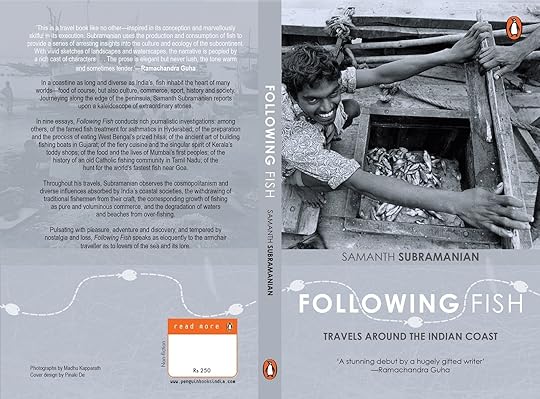
In a coastline as long and diverse as India's, fish inhabit the heart of many worlds???food of course, but also culture, commerce, sport, history and society. Journeying along the edge of the peninsula, Samanth Subramanian reports upon a kaleidoscope of extraordinary stories.
In nine essays, Following Fish conducts rich journalistic investigations: among others, of the famed fish treatment for asthmatics in Hyderabad; of the preparation and the process of eating West Bengal's prized hilsa; of the ancient art of building fishing boats in Gujarat; of the fiery cuisine and the singular spirit of Kerala's toddy shops; of the food and the lives of Mumbai's first peoples; of the history of an old Catholic fishing community in Tamil Nadu; of the hunt for the world's fastest fish near Goa.
Throughout his travels, Subramanian observes the cosmopolitanism and diverse influences absorbed by India's coastal cities, the withdrawing of traditional fishermen from their craft, the corresponding growth of fishing as pure and voluminous commerce, and the degradation of waters and beaches from over-fishing.
Pulsating with pleasure, adventure and discovery, and tempered by nostalgia and loss, Following Fish speaks as eloquently to the armchair traveler as to lovers of the sea and its lore.
In nine essays, Following Fish conducts rich journalistic investigations: among others, of the famed fish treatment for asthmatics in Hyderabad; of the preparation and the process of eating West Bengal's prized hilsa; of the ancient art of building fishing boats in Gujarat; of the fiery cuisine and the singular spirit of Kerala's toddy shops; of the food and the lives of Mumbai's first peoples; of the history of an old Catholic fishing community in Tamil Nadu; of the hunt for the world's fastest fish near Goa.
Throughout his travels, Subramanian observes the cosmopolitanism and diverse influences absorbed by India's coastal cities, the withdrawing of traditional fishermen from their craft, the corresponding growth of fishing as pure and voluminous commerce, and the degradation of waters and beaches from over-fishing.
Pulsating with pleasure, adventure and discovery, and tempered by nostalgia and loss, Following Fish speaks as eloquently to the armchair traveler as to lovers of the sea and its lore.
184 pages, Paperback
First published January 1, 2010
About the author
Samanth Subramanian
6 books185 followersSamanth Subramanian is the India correspondent for The National and the author of two books of reportage, "Following Fish: Travels Around the Indian Coast" and "This Divided Island: Stories from the Sri Lankan War." His writing has appeared in the New Yorker, the New York Times, Granta, the Guardian, the Wall Street Journal, Newsweek, Intelligent Life, Aeon, Mint, Travel + Leisure, and Caravan, among other publications. His longer reported articles occupy the confluence of politics, culture and history, examining the impact of these forces upon life and society; his shorter pieces include op-eds, cultural criticism, and book reviews.
He also co-hosts The Intersection, a fortnightly science and culture podcast from Audiomatic.
"This Divided Island" won the 2015 Crossword Prize for Non Fiction and was shortlisted for the Samuel Johnson Non Fiction Prize the same year. "Following Fish" won the Shakti Bhatt First Book Prize in 2010 and was shortlisted for the Andre Simon Award in 2013.
Samanth Subramanian grew up in Madras, and he lives and works in New Delhi.
Ratings & Reviews
Friends & Following
Create a free account to discover what your friends think of this book!
Community Reviews
Displaying 1 - 30 of 199 reviews

July 11, 2014
Nicely written, articulate & interesting.
Each chapter is in a different location, following a story related to the central theme - fish. Fish as food, fishing as an occupation, fish as medical cure, fishing as a sport, building of fishing boats, and fish and fishing as a part of culture.
1 Kolkata - the Hilsa fish - Ganga or Padma
2 Hyderabad - the faith healing of asthma
3 Tamil Nadu - the Parava people and their famous fish podi(powder)
4 Kerala - the spicy fish dishes of the toddy shops
5 Mangalore - the Mangalore fish curry
6 Goa - big game fishing for sailfish
7 Goa - fishing as a traditional occupation being replaced by tourism
8 Mumbai - the fishing docks & market,the workers 'lunch-homes', Gomantak dishes, Malvani dishes & Koli dishes
9 Gujarat - the ship builders yards
Fantastic quote:
"On my way out, I stopped again at Boloor's house to thank him. He was leaving home as well, and as we walked to the gate together, I filled his ears with praise of Shailaja's fish curry. 'Really, that good, was it?' Boloor asked. 'But then, I wouldn't know,' he continued, this stalwart president of the Mogaveera Vyavasthpaka Mandali and secretary of the Akhila Karnataka Fishermen's Parishad, of the National Fishworkers' Federation and of the Coastal Karnataka Fishermen Action Committee. ' You see, I don't eat fish.' "
Each chapter is in a different location, following a story related to the central theme - fish. Fish as food, fishing as an occupation, fish as medical cure, fishing as a sport, building of fishing boats, and fish and fishing as a part of culture.
1 Kolkata - the Hilsa fish - Ganga or Padma
2 Hyderabad - the faith healing of asthma
3 Tamil Nadu - the Parava people and their famous fish podi(powder)
4 Kerala - the spicy fish dishes of the toddy shops
5 Mangalore - the Mangalore fish curry
6 Goa - big game fishing for sailfish
7 Goa - fishing as a traditional occupation being replaced by tourism
8 Mumbai - the fishing docks & market,the workers 'lunch-homes', Gomantak dishes, Malvani dishes & Koli dishes
9 Gujarat - the ship builders yards
Fantastic quote:
"On my way out, I stopped again at Boloor's house to thank him. He was leaving home as well, and as we walked to the gate together, I filled his ears with praise of Shailaja's fish curry. 'Really, that good, was it?' Boloor asked. 'But then, I wouldn't know,' he continued, this stalwart president of the Mogaveera Vyavasthpaka Mandali and secretary of the Akhila Karnataka Fishermen's Parishad, of the National Fishworkers' Federation and of the Coastal Karnataka Fishermen Action Committee. ' You see, I don't eat fish.' "

September 19, 2015
শেষ কবে এমন দুর্দান্ত ভ্রমণ সাহিত্য পড়েছি, বলতে পারবো না। তবে একথা নির্দ্বিধায় বলতে পারি যে ইংরেজী ভাষার ভ্রমণ-সাহিত্য গুরুদের যে কোন সৃষ্টির পাশে এই বই মাথা তুলে দাঁড়াতে পারবে। ব্রুস চ্যাটউইন বা পল থেরু বা কলিন থাব্রোন এমন চমৎকার একটা বই পাঠকদের উপহার দিয়ে খুশী-মনে ঘুমোতে যেতে পারতেন। সামান্থ সুব্রামানিয়ানের লেখা এই প্রথম পড়ছি - গতকালই জানতে পারলাম যে শ্রীলংকার গৃহযুদ্ধ নিয়ে লেখা তার দ্বিতীয় বই ইতিমধ্যে স্যামুয়েল জনসন পুরস্কারের জন্যে মনোনীত হয়েছে। ইংরেজি নন-ফিকশন সাহিত্যের অন্যতম গুরুত্বপূর্ণ পুরস্কার স্যামুয়েল জনসন প্রাইজ, সামান্থ এই নোমিনেশন পেয়েছেন শুনে বিন্দুমাত্র আশ্চর্য হলাম না। উইলিয়াম ড্যালরিম্পেলের সাথে আমিও একমত - "ভারতীয় নন-ফিকশনের উদীয়মান নক্ষত্র" এই তরুণ সাংবাদিক।
শুরুতেই বলে রাখি যে ভারতবর্ষে ইংরেজী ভাষায় "সাহিত্যচর্চা" নিয়ে আমার ঢের সন্দেহ আছে। "ইন্ডিয়ান" বইয়ের কিছু প্রচ্ছদ দেখলেই বোঝা যায় - অরিয়েন্টালিজমের প্রবণতা সেখানে কি প্রবল! সেই একই রং-বেরঙের শাড়ি, কপালে-টিপ চোখে-কাজল সুন্দরী নারী, লাল-হলুদ মশলার ক্লোজ-আপ শট আর একই রাস্তা ভাগাভাগি করে নেয়া গরু আর গাড়ি। ভেতরে খুললেও একই যৌতুক প্রথা, "oppressed Indian woman", মজার মজার "customs", হেনতেন। কাহাতক সহ্য হয়? ভদ্র ভাষায় বললে - সাদা লোকের কাছে নিজের চামড়া, নিজের exotic কৃষ্টি-কালচার বেঁচার থার্ড-ক্লাস তৎপরতা ছাড়া আর কিছুই মনে হয় না। আরো সংক্ষেপে বললে - দালালী। হাতে-গোণা কয়েকজন লেখক পড়েছি যারা এই ট্রেন্ডের ব্যতিক্রম - তবে সত্যি বলতে যথেষ্ঠ পড়িনি। আগ্রহ হয়নি। পড়ার মত সাহিত্য নিয়মিত বেরুচ্ছে আরো পাঁচটা মহাদেশ থেকে - একই চর্বিত চর্বণ পড়ার চেয়ে অজানা নতুন পথে পা বাড়ানো অনেক বেশী ইন্টারেস্টিং।
আর লেখার মান নিয়ে তো এখনো বলিইনি। চলনসই ইংরেজী থেকে শুরু করে এক কথায় জঘন্য মানের ইংরেজি পড়ারও দুর্ভাগ্য হয়েছে। বছর দুই আগে একটা বুক রিভিউ লেখার প্রস্তাব এসেছিল এক পত্রিকা থেকে - লেখক বা বইয়ের নাম উহ্য থাকুক কিন্তু আমার জীবনের সবচেয়ে বিভীষিকাময় পাঠস্মৃতি ছিল, তাতে কোনই সন্দেহ নেই। বিশ পাতা পড়ে সম্পাদক মহাশয়কে ইমেইল করেছিলাম - "দাদা আর পারছি না যে!" তারপরও লেগেছিলাম তার বিশেষ অনুরোধে, কিন্তু আর দশ পাতা ঠেলে-ঠুলে এগোবার পর ঢাল-তলোয়ার সব যুদ্ধের ময়দানে ফেলে রেখে মহানন্দে রণে ভঙ্গ দিয়েছিলাম সে যাত্রা। তখন যেটা ভাবছিলাম, এখনো তাই বিশ্বাস করি - Life is just too fucking short. যেখানে চেতন ভগতের মত রদ্দি লেখক অনায়াসে বেস্ট-সেলার হয়ে যায়, সেখানে ইংরেজি বইপত্র হিসেব করে পড়াই ভালো। বরং আমার নিজের ভাষায় এর চেয়ে হাজার গুণ ভালো লেখক আছেন - পড়বোই যদি, তাদের লেখাই পড়ি না হয়।
আর সমাজঘনিষ্ঠতার প্রশ্নটাও এড়ানো অসম্ভব। ভারতের লেখকদের ব্যাপারে নিশ্চিত নই, তবে বাংলাদেশ আর পাকিস্তানের "ইংরেজি সাহিত্যিক" অবধারিতভাবেই সমাজের বহু উঁচুতলার মানুষ। দানিয়াল মুইনুদ্দিন বিরাট জমিদার, মহসিন হামিদ ওয়াল স্ট্রিটের ইনভেস্টমেন্ট ব্যাংকার, কামিলা শামসি বিশিষ্ট সাহিত্যিক ঘরের মেয়ে, আতিশ তাসিরের বাপ ছিল প্রভাবশালী রাজনীতিবিদ, অন্তত তালেবানের গুলি খেয়ে মরার আগ মুহূর্ত পর্যন্ত। এদের কেউ অপেক্ষাকৃত ভালো লেখেন, কেউ অপেক্ষাকৃত মন্দ। বাংলাদেশের প্রায় সবাই (নাম বলার দরকার নেই, মোটামুটি মুখ-চেনা এনারা) সেই একই গুলশান-বনানী-বারিধারা গোল্ডেন ট্রায়াঙ্গেলের বিত্তশালী অধিবাসী, আর সবারই এক ঠ্যাং বা দুই ঠ্যাংই রাখা আছে বিদেশে, স্বল্পকালীন বা দীর্ঘমেয়াদী ভিত্তিতে। এদের থেকে আর যাই পাই না কেন, সমাজ-সম্পৃক্ততা বা মাটির কাছের মানুষের বস্তুনিষ্ঠ জীবনচিত্র আশা করা যায় না।
*
সামান্থ সুব্রামানিয়ান আমার ধারণা (বা প্রেজুডিস) অনেকটা ভেঙ্গেছেন, তাই আমি বেজায় খুশী। ইলিশের মতই সুস্বাদু-মসৃণ তার গদ্য। স্থানীয় পাঠাগারের শেলফে চোখ বুলাতে গিয়ে প্রথমেই নজর কেড়েছিল বইয়ের কৌতুহল-জাগানিয়া শিরোনাম। প্রচ্ছদে দক্ষিণ ভারতের সৈকতে জেলে-নৌকার ছবি, আর ট্যাগলাইন "Travels Around the Indian Coast" দেখে লোভ আর সম্বরণ করতে পারিনি। মনে হচ্ছিল ভিন্নধর্মী হতে পারে এই বই। ভারত ভ্রমণের গতানুগতিক নকশা - অর্থাৎ সেই একঘেঁয়ে আগ্রা, তাজ, বান্দর, বস্তি, মুঘল, আইটি - সেসব থেকে যোজন দূরে নিয়ে যাবার হাতছানি ছিল প্রচ্ছদে। অনুমানে ভূল করিনি - উপমহাদেশের অচেনা রূপ চিনলাম বইয়ের পাতায় পাতায়।
সামান্থের বইয়ের কনসেপ্ট অত্যন্ত সহজ। ভারতের পূর্ব কোণে কোলকাতা থেকে শুরু করেন, তারপর উপকূল বেয়ে নেমে যান, অন্ধ্র/হায়দ্রাবাদ হয়ে তামিল নাডু পর্যন্ত। তারপর একদম দক্ষিণ বিন্দুতে পৌঁছে আবার সাগরতীর ধরে উঠে যান, কেরালা ব্যাকওয়াটার্স ঘুরে গোয়া-মাঙ্গালোর হয়ে সোজা মুম্বাই। এমন সহজ-সরল (এবং আগাগোড়া চমৎকার) একটা আইডিয়া কেন এতদিন ভারতের ভ্রমণ-লেখকদের মাথায় খেলেনি, সেটাই বিস্ময়। মোটা দাগে উত্তর ভারত - অর্থাৎ তাজ আর বান্দর - নিয়ে অজস্র বই আছে, সেই তুলনায় উপকূলের ভারত প্রায় পুরোটাই অবহেলিত। (অথবা আমার চোখে পড়েনি।) মোটামুটি খালি মাঠে গোল দিয়েছেন সামান্থ, কিন্তু তবুও সেই গোল সিম্পেল ট্যাপ-ইন দিয়ে সারেননি - অপূর্ব কারুকাজ দেখিয়েছেন তারপায়ে কলমে।
*
বইয়ের প্রথম অধ্যায়ের শিরোনাম - "On hunting the hilsa and mastering its bones" - অন্তত এই বাঙালি পাঠকের মন জয় করেছে। পশ্চিমবঙ্গের ইলিশ সংস্কৃতির রসালো বর্ণনা দিয়ে শুরু করেছেন - এতই বিখ্যাত "মাছলি" বাঙ্গালির ইলিশ-প্রেম যে মাদ্রাজের তামিল ছেলে সামান্থও কোলকাতাকেই বেছে নিয়েছেন তার দীর্ঘ ভ্রমণের প্রথম পদক্ষেপ হিসেবে। হাওড়া ব্রিজের পাইকারী মাছ বাজার, গঙ্গা আর পদ্মার ইলিশের চারিত্রিক গুণাবলী, সর্বোপরি সর্ষে ইলিশ আর ইলিশ পাতুরি রান্না এবং ভোজনের শিহরণীয় বিবরণ লিখে নস্টালজিয়া উস্কে দিয়েছেন প্রবলভাবে।
অত:পর অন্ধ্র। হায়দ্রাবাদের বাতিনী গৌড় পরিবারের ঐতিহ্যবাহী, অভিনব এবং বহুল জনপ্রিয় অ্যাজমা ট্রিটমেন্টের গল্প। প্রতি বছর বর্ষা-বরণের পার্বনে শোল মাছের জ্যান্ত পোনা গিলিয়ে দেয়া হয় হাজার হাজার মানুষের মুখে, শ্বাসকষ্ট রোগের নিরাময় হিসেবে। এই কাহিনী কিছুই জানতাম না, পড়ে বিস্মিত হয়েছি। তারপর তামিল নাডু - তুতিকোরিন অঞ্চলের জেলেদের ক্যাথলিক ধর্মচর্চার পাঁচশো বছরের ইতিহাসের বয়ান। আমার অন্যতম প্রিয় অধ্যায় ছিল পরেরটি - কেরালা ব্যাকওয়াটার্স ঘুরে ঘুরে গ্যালন গ্যালন toddy বা তাড়ি খেয়েছেন লেখক। এতদিন কেরালার ক্লিশে ছিল কথকলি নৃত্য আর হাউজবোটে করে সবুজে ঘেরা নদী-খাল ঘুরে বেড়ানো। রাস্তার ধারে টডির দোকানে টাটকা তাড়ি আর মুখে-আগুন ধরানো মাছের ঝাল কারি খাওয়াও যে আঞ্চলিক সংস্কৃতির অপরিহার্য অংশ, সামান্থের বই পড়ে জানলাম।
ভ্রমণ বইয়ের প্রকৃত স্বার্থকতা ফুটে উঠেছে এই অধ্যায়গুলোতে। সেই ভ্রমণ বই-ই সফল, যা পাঠকের মনে তৎক্ষনাৎ পথে নেমে পড়ার অদম্য বাসনা জাগিয়ে তোলে। সামান্থের গদ্যে তামিল নাডুর রূপালী সৈকতের বর্ণনা পড়ে মনে হয়েছে আমিও ছুটে যাই সেই পেজা তুলো ভরা নীল্ আকাশের নীচে, নিজ চোখে দেখি আদিগন্ত সৌম্য সমুদ্র। মনে হয়েছে ব্যাকওয়াটার্সের জলজ-সবুজ গোলকধাঁধায় হারিয়ে যাই আমিও।
আরেকটা ভাবনা কাজ করেছিল। ভারত-বিভাগের ভালো-মন্দ অত্যন্ত জটিল প্রশ্ন, এবং সাত দশকের ব্যবধানে হয়তো এখন অপরিবর্তনীয়। কিন্তু এই বিপুল সাংস্কৃতিক ঐশ্বর্য এবং ভৌগোলিক সৌন্দর্যে আমাদেরও যে ভাগ ছিল একদা, সেটা আমরা একেবারেই হারিয়েছি। প্রতি ১০ জনে ৯ জন বাঙালি মুসলমান অধ্যুষিত আধুনিক বাংলাদেশে যে অসহিষ্ণু মনোকালচার গড়ে উঠেছে, তার বিপরীতে ভারতবর্ষের জাতিগত, ধর্মীয় ও সাংস্কৃতিক বৈচিত্র্য আমাদের বড্ড দরকার ছিল। আর ঢাকা বা চট্টগ্রাম থেকে ট্রেনে চেপে চেন্নাই আর গোয়া, কন্যাকুমারী আর কাশ্মীর, এমনকি লাহোর-করাচিও দেখে আসা সম্ভব ছিল আমাদের নানা-দাদাদের পক্ষে, অথচ আমাদের বরাতে জুটলো শুধু সংকীর্ণতা, একাধিক পরিসরে।
*
যাকগে। বইয়ের কাছে ফিরে আসি। তাড়ি খেয়ে সামান্থের পরবর্তী গন্তব্য কর্নাটক। উদ্দেশ্য মাঙ্গালোর-এর বিখ্যাত ফিশ কারি চেখে দেখবেন। কিন্তু এই ডিশের ভালো স্যাম্পেল খুঁজে পেতে বেশ বেগ পেতে হয়, এরই মধ্যে প্রেমে পড়ে যান "রাওয়া ফ্রাই" নামে আরেকটি মাছের তরকারির। মহারাষ্ট্রের উপকূল অঞ্চলের বিখ্যাত সেইলফিশ (sailfish) ধরার লক্ষ্যে এক সকালে জেলে নৌকায় চেপে রওনা হন, কিন্তু এত দুর্লভ মাছ কি আর এত সহজে ধরা দেবে? এই জায়গায় এসে হেমিংওয়ের সান্তিয়াগোর কথা স্মরণ করেন লেখক-পাঠক দুজনেই। (সামান্থের লেখাপড়ার পরিধিও ঈর্ষণীয় - প্রুস্ত থেকে হপার হয়ে লীব্লিং, সবার সাথেই পরিচয় আছে তার।) আধুনিক সভ্যতার বিধ্বংসী ক্ষমতার মুখোমুখি হন গোয়া পৌঁছে। একদিকে পর্যটন শিল্প পর্যুদস্ত করছে উপকূলের প্রাকৃতিক পরিবেশকে, অপরদিকে সাগর-গভীরে বেশুমার হত্যাযজ্ঞ চালাচ্ছে মাছ-ধরা ট্রলার - ফলে অথৈ সমুদ্রও ক্রমশ মাছ-শুন্য হয়ে পড়ছে। বইয়ের সুরও ক্রমশ ঋণাত্মক। বাকি রইলো বোম্বে - শহরের সবচেয়ে পুরনো অধিবাসী কোলি সম্প্রদায়ের জেলেদের খুঁজে বেড়ান লেখক। গোমন্টক ঘরানার রান্না বনাম মাল্ভানি ঘরানার রান্না সম্পর্কেও সম্যক জ্ঞান এখানে পাবেন পাঠক। বইয়ের শেষ স্টপ গুজরাটের মাংরোল শহর - মাছ-ধরা জাহাজ নির্মানের অন্যতম প্রাদেশিক কেন্দ্র। বোট-ইয়ার্ডে বসে ইয়ার্ডের মালিকদের সাথে গল্প-গুজবে জেনে নেন এই অঞ্চলে জাহাজ নির্মানের ইতিহাস - কিছু কায়দা-কানুন আর তরিকার রেকর্ড রেখে গিয়েছিলেন মার্কো পোলো স্বয়ং, আজ অব্দি চলছে নিরবধি।
*
এই হলো ফলোইং ফিশ-এর রূপরেখা। বাংলার ইলিশ দিয়েই শেষ করি না হয়, লেখকের নিজের ভাষায়?
"Shorshe ilish, perhaps Bengal's most popular hilsa dish, involves simmering and serving cuts of the fish in a mustard sauce so pungent that its wallop reaches right into your sinuses. The sauce is a marvellous assembly of grainy mustard, curd, chillies, turmeric and lemon, achieving the sort of bright yellow that is otherwise only found in pots of poster paint. But its very power always leaves room for regret that it might be masking the natural creamy taste of the fish.
The first time I ate shorshe ilish, however, I thought no such thing; I was too focussed on making sure that the bones didn't kill me."
জিভে যে পানি চলে আসে, সেটা কি ইলিশের লোভে নাকি লেখকের মুখরোচক গদ্যে, তাই বোঝা দায়!
শুরুতেই বলে রাখি যে ভারতবর্ষে ইংরেজী ভাষায় "সাহিত্যচর্চা" নিয়ে আমার ঢের সন্দেহ আছে। "ইন্ডিয়ান" বইয়ের কিছু প্রচ্ছদ দেখলেই বোঝা যায় - অরিয়েন্টালিজমের প্রবণতা সেখানে কি প্রবল! সেই একই রং-বেরঙের শাড়ি, কপালে-টিপ চোখে-কাজল সুন্দরী নারী, লাল-হলুদ মশলার ক্লোজ-আপ শট আর একই রাস্তা ভাগাভাগি করে নেয়া গরু আর গাড়ি। ভেতরে খুললেও একই যৌতুক প্রথা, "oppressed Indian woman", মজার মজার "customs", হেনতেন। কাহাতক সহ্য হয়? ভদ্র ভাষায় বললে - সাদা লোকের কাছে নিজের চামড়া, নিজের exotic কৃষ্টি-কালচার বেঁচার থার্ড-ক্লাস তৎপরতা ছাড়া আর কিছুই মনে হয় না। আরো সংক্ষেপে বললে - দালালী। হাতে-গোণা কয়েকজন লেখক পড়েছি যারা এই ট্রেন্ডের ব্যতিক্রম - তবে সত্যি বলতে যথেষ্ঠ পড়িনি। আগ্রহ হয়নি। পড়ার মত সাহিত্য নিয়মিত বেরুচ্ছে আরো পাঁচটা মহাদেশ থেকে - একই চর্বিত চর্বণ পড়ার চেয়ে অজানা নতুন পথে পা বাড়ানো অনেক বেশী ইন্টারেস্টিং।
আর লেখার মান নিয়ে তো এখনো বলিইনি। চলনসই ইংরেজী থেকে শুরু করে এক কথায় জঘন্য মানের ইংরেজি পড়ারও দুর্ভাগ্য হয়েছে। বছর দুই আগে একটা বুক রিভিউ লেখার প্রস্তাব এসেছিল এক পত্রিকা থেকে - লেখক বা বইয়ের নাম উহ্য থাকুক কিন্তু আমার জীবনের সবচেয়ে বিভীষিকাময় পাঠস্মৃতি ছিল, তাতে কোনই সন্দেহ নেই। বিশ পাতা পড়ে সম্পাদক মহাশয়কে ইমেইল করেছিলাম - "দাদা আর পারছি না যে!" তারপরও লেগেছিলাম তার বিশেষ অনুরোধে, কিন্তু আর দশ পাতা ঠেলে-ঠুলে এগোবার পর ঢাল-তলোয়ার সব যুদ্ধের ময়দানে ফেলে রেখে মহানন্দে রণে ভঙ্গ দিয়েছিলাম সে যাত্রা। তখন যেটা ভাবছিলাম, এখনো তাই বিশ্বাস করি - Life is just too fucking short. যেখানে চেতন ভগতের মত রদ্দি লেখক অনায়াসে বেস্ট-সেলার হয়ে যায়, সেখানে ইংরেজি বইপত্র হিসেব করে পড়াই ভালো। বরং আমার নিজের ভাষায় এর চেয়ে হাজার গুণ ভালো লেখক আছেন - পড়বোই যদি, তাদের লেখাই পড়ি না হয়।
আর সমাজঘনিষ্ঠতার প্রশ্নটাও এড়ানো অসম্ভব। ভারতের লেখকদের ব্যাপারে নিশ্চিত নই, তবে বাংলাদেশ আর পাকিস্তানের "ইংরেজি সাহিত্যিক" অবধারিতভাবেই সমাজের বহু উঁচুতলার মানুষ। দানিয়াল মুইনুদ্দিন বিরাট জমিদার, মহসিন হামিদ ওয়াল স্ট্রিটের ইনভেস্টমেন্ট ব্যাংকার, কামিলা শামসি বিশিষ্ট সাহিত্যিক ঘরের মেয়ে, আতিশ তাসিরের বাপ ছিল প্রভাবশালী রাজনীতিবিদ, অন্তত তালেবানের গুলি খেয়ে মরার আগ মুহূর্ত পর্যন্ত। এদের কেউ অপেক্ষাকৃত ভালো লেখেন, কেউ অপেক্ষাকৃত মন্দ। বাংলাদেশের প্রায় সবাই (নাম বলার দরকার নেই, মোটামুটি মুখ-চেনা এনারা) সেই একই গুলশান-বনানী-বারিধারা গোল্ডেন ট্রায়াঙ্গেলের বিত্তশালী অধিবাসী, আর সবারই এক ঠ্যাং বা দুই ঠ্যাংই রাখা আছে বিদেশে, স্বল্পকালীন বা দীর্ঘমেয়াদী ভিত্তিতে। এদের থেকে আর যাই পাই না কেন, সমাজ-সম্পৃক্ততা বা মাটির কাছের মানুষের বস্তুনিষ্ঠ জীবনচিত্র আশা করা যায় না।
*
সামান্থ সুব্রামানিয়ান আমার ধারণা (বা প্রেজুডিস) অনেকটা ভেঙ্গেছেন, তাই আমি বেজায় খুশী। ইলিশের মতই সুস্বাদু-মসৃণ তার গদ্য। স্থানীয় পাঠাগারের শেলফে চোখ বুলাতে গিয়ে প্রথমেই নজর কেড়েছিল বইয়ের কৌতুহল-জাগানিয়া শিরোনাম। প্রচ্ছদে দক্ষিণ ভারতের সৈকতে জেলে-নৌকার ছবি, আর ট্যাগলাইন "Travels Around the Indian Coast" দেখে লোভ আর সম্বরণ করতে পারিনি। মনে হচ্ছিল ভিন্নধর্মী হতে পারে এই বই। ভারত ভ্রমণের গতানুগতিক নকশা - অর্থাৎ সেই একঘেঁয়ে আগ্রা, তাজ, বান্দর, বস্তি, মুঘল, আইটি - সেসব থেকে যোজন দূরে নিয়ে যাবার হাতছানি ছিল প্রচ্ছদে। অনুমানে ভূল করিনি - উপমহাদেশের অচেনা রূপ চিনলাম বইয়ের পাতায় পাতায়।
সামান্থের বইয়ের কনসেপ্ট অত্যন্ত সহজ। ভারতের পূর্ব কোণে কোলকাতা থেকে শুরু করেন, তারপর উপকূল বেয়ে নেমে যান, অন্ধ্র/হায়দ্রাবাদ হয়ে তামিল নাডু পর্যন্ত। তারপর একদম দক্ষিণ বিন্দুতে পৌঁছে আবার সাগরতীর ধরে উঠে যান, কেরালা ব্যাকওয়াটার্স ঘুরে গোয়া-মাঙ্গালোর হয়ে সোজা মুম্বাই। এমন সহজ-সরল (এবং আগাগোড়া চমৎকার) একটা আইডিয়া কেন এতদিন ভারতের ভ্রমণ-লেখকদের মাথায় খেলেনি, সেটাই বিস্ময়। মোটা দাগে উত্তর ভারত - অর্থাৎ তাজ আর বান্দর - নিয়ে অজস্র বই আছে, সেই তুলনায় উপকূলের ভারত প্রায় পুরোটাই অবহেলিত। (অথবা আমার চোখে পড়েনি।) মোটামুটি খালি মাঠে গোল দিয়েছেন সামান্থ, কিন্তু তবুও সেই গোল সিম্পেল ট্যাপ-ইন দিয়ে সারেননি - অপূর্ব কারুকাজ দেখিয়েছেন তার
*
বইয়ের প্রথম অধ্যায়ের শিরোনাম - "On hunting the hilsa and mastering its bones" - অন্তত এই বাঙালি পাঠকের মন জয় করেছে। পশ্চিমবঙ্গের ইলিশ সংস্কৃতির রসালো বর্ণনা দিয়ে শুরু করেছেন - এতই বিখ্যাত "মাছলি" বাঙ্গালির ইলিশ-প্রেম যে মাদ্রাজের তামিল ছেলে সামান্থও কোলকাতাকেই বেছে নিয়েছেন তার দীর্ঘ ভ্রমণের প্রথম পদক্ষেপ হিসেবে। হাওড়া ব্রিজের পাইকারী মাছ বাজার, গঙ্গা আর পদ্মার ইলিশের চারিত্রিক গুণাবলী, সর্বোপরি সর্ষে ইলিশ আর ইলিশ পাতুরি রান্না এবং ভোজনের শিহরণীয় বিবরণ লিখে নস্টালজিয়া উস্কে দিয়েছেন প্রবলভাবে।
অত:পর অন্ধ্র। হায়দ্রাবাদের বাতিনী গৌড় পরিবারের ঐতিহ্যবাহী, অভিনব এবং বহুল জনপ্রিয় অ্যাজমা ট্রিটমেন্টের গল্প। প্রতি বছর বর্ষা-বরণের পার্বনে শোল মাছের জ্যান্ত পোনা গিলিয়ে দেয়া হয় হাজার হাজার মানুষের মুখে, শ্বাসকষ্ট রোগের নিরাময় হিসেবে। এই কাহিনী কিছুই জানতাম না, পড়ে বিস্মিত হয়েছি। তারপর তামিল নাডু - তুতিকোরিন অঞ্চলের জেলেদের ক্যাথলিক ধর্মচর্চার পাঁচশো বছরের ইতিহাসের বয়ান। আমার অন্যতম প্রিয় অধ্যায় ছিল পরেরটি - কেরালা ব্যাকওয়াটার্স ঘুরে ঘুরে গ্যালন গ্যালন toddy বা তাড়ি খেয়েছেন লেখক। এতদিন কেরালার ক্লিশে ছিল কথকলি নৃত্য আর হাউজবোটে করে সবুজে ঘেরা নদী-খাল ঘুরে বেড়ানো। রাস্তার ধারে টডির দোকানে টাটকা তাড়ি আর মুখে-আগুন ধরানো মাছের ঝাল কারি খাওয়াও যে আঞ্চলিক সংস্কৃতির অপরিহার্য অংশ, সামান্থের বই পড়ে জানলাম।
ভ্রমণ বইয়ের প্রকৃত স্বার্থকতা ফুটে উঠেছে এই অধ্যায়গুলোতে। সেই ভ্রমণ বই-ই সফল, যা পাঠকের মনে তৎক্ষনাৎ পথে নেমে পড়ার অদম্য বাসনা জাগিয়ে তোলে। সামান্থের গদ্যে তামিল নাডুর রূপালী সৈকতের বর্ণনা পড়ে মনে হয়েছে আমিও ছুটে যাই সেই পেজা তুলো ভরা নীল্ আকাশের নীচে, নিজ চোখে দেখি আদিগন্ত সৌম্য সমুদ্র। মনে হয়েছে ব্যাকওয়াটার্সের জলজ-সবুজ গোলকধাঁধায় হারিয়ে যাই আমিও।
আরেকটা ভাবনা কাজ করেছিল। ভারত-বিভাগের ভালো-মন্দ অত্যন্ত জটিল প্রশ্ন, এবং সাত দশকের ব্যবধানে হয়তো এখন অপরিবর্তনীয়। কিন্তু এই বিপুল সাংস্কৃতিক ঐশ্বর্য এবং ভৌগোলিক সৌন্দর্যে আমাদেরও যে ভাগ ছিল একদা, সেটা আমরা একেবারেই হারিয়েছি। প্রতি ১০ জনে ৯ জন বাঙালি মুসলমান অধ্যুষিত আধুনিক বাংলাদেশে যে অসহিষ্ণু মনোকালচার গড়ে উঠেছে, তার বিপরীতে ভারতবর্ষের জাতিগত, ধর্মীয় ও সাংস্কৃতিক বৈচিত্র্য আমাদের বড্ড দরকার ছিল। আর ঢাকা বা চট্টগ্রাম থেকে ট্রেনে চেপে চেন্নাই আর গোয়া, কন্যাকুমারী আর কাশ্মীর, এমনকি লাহোর-করাচিও দেখে আসা সম্ভব ছিল আমাদের নানা-দাদাদের পক্ষে, অথচ আমাদের বরাতে জুটলো শুধু সংকীর্ণতা, একাধিক পরিসরে।
*
যাকগে। বইয়ের কাছে ফিরে আসি। তাড়ি খেয়ে সামান্থের পরবর্তী গন্তব্য কর্নাটক। উদ্দেশ্য মাঙ্গালোর-এর বিখ্যাত ফিশ কারি চেখে দেখবেন। কিন্তু এই ডিশের ভালো স্যাম্পেল খুঁজে পেতে বেশ বেগ পেতে হয়, এরই মধ্যে প্রেমে পড়ে যান "রাওয়া ফ্রাই" নামে আরেকটি মাছের তরকারির। মহারাষ্ট্রের উপকূল অঞ্চলের বিখ্যাত সেইলফিশ (sailfish) ধরার লক্ষ্যে এক সকালে জেলে নৌকায় চেপে রওনা হন, কিন্তু এত দুর্লভ মাছ কি আর এত সহজে ধরা দেবে? এই জায়গায় এসে হেমিংওয়ের সান্তিয়াগোর কথা স্মরণ করেন লেখক-পাঠক দুজনেই। (সামান্থের লেখাপড়ার পরিধিও ঈর্ষণীয় - প্রুস্ত থেকে হপার হয়ে লীব্লিং, সবার সাথেই পরিচয় আছে তার।) আধুনিক সভ্যতার বিধ্বংসী ক্ষমতার মুখোমুখি হন গোয়া পৌঁছে। একদিকে পর্যটন শিল্প পর্যুদস্ত করছে উপকূলের প্রাকৃতিক পরিবেশকে, অপরদিকে সাগর-গভীরে বেশুমার হত্যাযজ্ঞ চালাচ্ছে মাছ-ধরা ট্রলার - ফলে অথৈ সমুদ্রও ক্রমশ মাছ-শুন্য হয়ে পড়ছে। বইয়ের সুরও ক্রমশ ঋণাত্মক। বাকি রইলো বোম্বে - শহরের সবচেয়ে পুরনো অধিবাসী কোলি সম্প্রদায়ের জেলেদের খুঁজে বেড়ান লেখক। গোমন্টক ঘরানার রান্না বনাম মাল্ভানি ঘরানার রান্না সম্পর্কেও সম্যক জ্ঞান এখানে পাবেন পাঠক। বইয়ের শেষ স্টপ গুজরাটের মাংরোল শহর - মাছ-ধরা জাহাজ নির্মানের অন্যতম প্রাদেশিক কেন্দ্র। বোট-ইয়ার্ডে বসে ইয়ার্ডের মালিকদের সাথে গল্প-গুজবে জেনে নেন এই অঞ্চলে জাহাজ নির্মানের ইতিহাস - কিছু কায়দা-কানুন আর তরিকার রেকর্ড রেখে গিয়েছিলেন মার্কো পোলো স্বয়ং, আজ অব্দি চলছে নিরবধি।
*
এই হলো ফলোইং ফিশ-এর রূপরেখা। বাংলার ইলিশ দিয়েই শেষ করি না হয়, লেখকের নিজের ভাষায়?
"Shorshe ilish, perhaps Bengal's most popular hilsa dish, involves simmering and serving cuts of the fish in a mustard sauce so pungent that its wallop reaches right into your sinuses. The sauce is a marvellous assembly of grainy mustard, curd, chillies, turmeric and lemon, achieving the sort of bright yellow that is otherwise only found in pots of poster paint. But its very power always leaves room for regret that it might be masking the natural creamy taste of the fish.
The first time I ate shorshe ilish, however, I thought no such thing; I was too focussed on making sure that the bones didn't kill me."
জিভে যে পানি চলে আসে, সেটা কি ইলিশের লোভে নাকি লেখকের মুখরোচক গদ্যে, তাই বোঝা দায়!

July 30, 2020
Full credit goes to the author for picking up a central theme which is fish and building up a spectacular narrative around it. The journalistic narrative changes with each region in question and perfectly dwells deeper into cultural insights along with cuisine for sure.
The first region is west Bengal and the central fish is hilsa. The author perfectly sums it up with these witty lines. "If Bengali cuisine were Wimbledon, the hilsa would always play on Centre Court. It is the undisputed champion of fish in this corner of India, possessed of enigmatic qualities of taste and all the more desired because of its vaunted seasonal elusiveness."
The second essay is about the faith healing tradition of gulping down live fish in order to cure asthma. The rational mind in me refused to believe in this quackery but it did made a good read for sure.
The third essay dealt with the fishing communities in Tamil Nadu. Along with that the focus was on the conversions which happened during Portuguese rule and further colonial rule. It was indeed a great collection of personal stories and larger sociocultural nuances of the communities.
The fourth essay was the most fascinating for me. The exploration of toddy along with kappa karimeen dish which is served with it. The author showcases his funny side with subtle jokes and comments on various aspects. "
In Kerala, where toddy is as much of a state passion as football or Communism, canvassing views about the relative merits of various toddies is a thankless venture."
The fifth essay deals with mangalore and rawa fry. The author gets into the cultural influences of other regions in developing the manglorean cuisine.
The sixth essay was on the sailfish racing and other nuances attached with the whole pursuit. It was literally an eye opener to me because I had no clue about this.
The seventh essay again was on goa and the author dwells deeper into the cultural nuances.
The eight essay dealt with the koli community and Mumbai as a whole. This essay also gave me a lot of insights which I was previously not aware about. He perfectly sums up the spirit of Mumbai with this. "The only rhythm I could spot was a sort of reverse Brownian motion, particles of humanity rushing to avoid each other, people ducking and weaving out of each other’s way, sidestepping and feinting and jostling and second-guessing. It was a waltz of discomfiture, a dance with a narrative that sought valiantly to preserve even a minimal bubble of personal space—a dance, really, choreographed across all of Mumbai, nearly all the time."
The last essay was about the boating techniques in the state of gujarat. Again there were lots of insights into it.
As a whole the travelogue is a great effort in mapping the coastal regions of India. There can be so much more which can be said but I guess this is what one can achieve in the economy of words. A perfect read for somebody who wants to know more about various regions of India.
The first region is west Bengal and the central fish is hilsa. The author perfectly sums it up with these witty lines. "If Bengali cuisine were Wimbledon, the hilsa would always play on Centre Court. It is the undisputed champion of fish in this corner of India, possessed of enigmatic qualities of taste and all the more desired because of its vaunted seasonal elusiveness."
The second essay is about the faith healing tradition of gulping down live fish in order to cure asthma. The rational mind in me refused to believe in this quackery but it did made a good read for sure.
The third essay dealt with the fishing communities in Tamil Nadu. Along with that the focus was on the conversions which happened during Portuguese rule and further colonial rule. It was indeed a great collection of personal stories and larger sociocultural nuances of the communities.
The fourth essay was the most fascinating for me. The exploration of toddy along with kappa karimeen dish which is served with it. The author showcases his funny side with subtle jokes and comments on various aspects. "
In Kerala, where toddy is as much of a state passion as football or Communism, canvassing views about the relative merits of various toddies is a thankless venture."
The fifth essay deals with mangalore and rawa fry. The author gets into the cultural influences of other regions in developing the manglorean cuisine.
The sixth essay was on the sailfish racing and other nuances attached with the whole pursuit. It was literally an eye opener to me because I had no clue about this.
The seventh essay again was on goa and the author dwells deeper into the cultural nuances.
The eight essay dealt with the koli community and Mumbai as a whole. This essay also gave me a lot of insights which I was previously not aware about. He perfectly sums up the spirit of Mumbai with this. "The only rhythm I could spot was a sort of reverse Brownian motion, particles of humanity rushing to avoid each other, people ducking and weaving out of each other’s way, sidestepping and feinting and jostling and second-guessing. It was a waltz of discomfiture, a dance with a narrative that sought valiantly to preserve even a minimal bubble of personal space—a dance, really, choreographed across all of Mumbai, nearly all the time."
The last essay was about the boating techniques in the state of gujarat. Again there were lots of insights into it.
As a whole the travelogue is a great effort in mapping the coastal regions of India. There can be so much more which can be said but I guess this is what one can achieve in the economy of words. A perfect read for somebody who wants to know more about various regions of India.

September 9, 2020
ಫಾಲೋವಿಂಗ್ ಫಿಶ್ - ಸಮಂತ್ ಸುಬ್ರಮಣಿಯನ್ ಅನುವಾದ - ಸಹನಾ ಹೆಗಡೆ.
ನಿಸ್ಸಂಶಯವಾಗಿ ಇದನ್ನು ಓದುವ ಮೊದಲು ಮೀನಿನ ಬಗ್ಗೆಯಾ ಎಂದು ಮೂಗು ಮುರಿಯುವ ಸಾಧ್ಯತೆ ಇತ್ತು. ಆದರೆ ಅದರ ಅಡಿಬರಹವಾದ ಭಾರತದ ಕರಾವಳಿಗುಂಟ ಮೀನಿನ ಸಂಸ್ಕೃತಿಯ ಹುಡುಕಾಟ ಮತ್ತು ಬಹಳ ಇಷ್ಟವಾದ ಮುಖಪುಟ ಇದನ್ನು ಓದಲು ಪ್ರೇರೇಪಿಸಿತು.
ಬಂಗಾಳ, ಕೇರಳ,ತಮಿಳುನಾಡು,ಕರ್ನಾಟಕ, ಗೋವಾ, ಗುಜರಾತ್ ,ಮುಂಬೈ ಹೀಗೆ ಕರಾವಳಿಗುಂಟ ತಮ್ಮ ಯಾತ್ರೆಯಲ್ಲಿ ಸ್ಥಳೀಯ ಮೀನುಗಳ ರುಚಿ ನೋಡುತ್ತಾ ಅಲ್ಲಿನ ಜನಜೀವನದಲ್ಲಿ ಮೀನಿನ ಸ್ಥಾನ ,ತಯಾರಿಸುವ ಖಾದ್ಯಗಳ ವಿವರಣೆ, ಅಲ್ಲಿನ ಜನರ ಸ್ವಭಾವ ,ಹವಾಮಾನ ಇವೆಲ್ಲದರ ಜೊತೆಗೆ ತನಗಾದ ಅನುಭವಗಳ ವಿವರಣೆ ಇವೆಲ್ಲವನ್ನೂ ಬೇರ್ಪಡಿಸಿ ನೋಡಲು ಸಾಧ್ಯವಾಗದಂತಹ ಒಂದು ನಿರೂಪಣೆ ಇದು.
ಅನುವಾದ ಎಲ್ಲಿ ಕೂಡ ಅನುವಾದ ಮಾರಾಯ ಇದು ಎಂಬ ಭಾವ ಮೂಡಿಸುವುದಿಲ್ಲ. ಇಲ್ಲಿ ಉಲ್ಲೇಖಿಸಿದ ನನ್ನೂರು ಮಂಗಳೂರಿನ ಕುರಿತಾದ ಲೇಖಕರ ಅನುಭವ ಸತ್ಯವೇ.ಸ್ವಲ್ಪವೂ ಉತ್ಪ್ರೇಕ್ಷೆ ಇಲ್ಲದ್ದು.ಹಾಗಾಗಿಯೇ ಅವರ ಇತರ ಅನುಭವಗಳ ಕುರಿತೂ ನೀವು ನಂಬಬಹುದು.
ಮೀನು ಕಂಡರಾಗದ, ಅದರ ವಾಸನೆಗೇ ಹೊಟ್ಟೆ ತೊಳಸುವವರಿಗೆ ಇಲ್ಲಿನ ಕೆಲ ವಿವರಣೆ ಇಷ್ಟವಾಗದಿರಬಹುದು.
ಆದರೆ ಓದುವಾಗ ನಿಮ್ಮ ಮೂಗಿಗೆ ಆ ವಾಸನೆ ಅಡರುವ ಹಾಗೆ ಬರೀ ಅದಲ್ಲ ಆ ವಾತಾವರಣ ಕಣ್ಣಿಗೆ ಕಟ್ಟುವ ಹಾಗೆ ಬರೆಯುವುದು ಮತ್ತು ಅದರ ಜೊತೆಗೇ ಸ್ಥಳೀಯ ಇತಿಹಾಸ ಬರೆಯುವುದು ಸುಲಭವಲ್ಲ.
ಆದಾಗ್ಯೂ ಲೇಖಕ ನಡು ನಡುವೆ ತರುವ ಪಾಶ್ಚಾತ್ಯ ರೆಫರೆನ್ಸು ತಾನು ಬುದ್ಧಿವಂತ ಎಂಬುದನ್ನು ತೋರಿಸುವ ಚಾತುರ್ಯವೋ ಎಂಬ ಸಂಶಯ ಮೂಡಿಸಿದ್ದು ಸುಳ್ಳಲ್ಲ.
ಈ ಯಾನ ನಿಮಗೂ ಖುಷಿ ತರುವುದರಲ್ಲಿ ಸಂದೇಹವೇ ಇಲ್ಲ.
ಒಳ್ಳೆಯ ಪುಸ್ತಕ .ಓದಬೇಕಾದ ಪುಸ್ತಕ.
ನಿಸ್ಸಂಶಯವಾಗಿ ಇದನ್ನು ಓದುವ ಮೊದಲು ಮೀನಿನ ಬಗ್ಗೆಯಾ ಎಂದು ಮೂಗು ಮುರಿಯುವ ಸಾಧ್ಯತೆ ಇತ್ತು. ಆದರೆ ಅದರ ಅಡಿಬರಹವಾದ ಭಾರತದ ಕರಾವಳಿಗುಂಟ ಮೀನಿನ ಸಂಸ್ಕೃತಿಯ ಹುಡುಕಾಟ ಮತ್ತು ಬಹಳ ಇಷ್ಟವಾದ ಮುಖಪುಟ ಇದನ್ನು ಓದಲು ಪ್ರೇರೇಪಿಸಿತು.
ಬಂಗಾಳ, ಕೇರಳ,ತಮಿಳುನಾಡು,ಕರ್ನಾಟಕ, ಗೋವಾ, ಗುಜರಾತ್ ,ಮುಂಬೈ ಹೀಗೆ ಕರಾವಳಿಗುಂಟ ತಮ್ಮ ಯಾತ್ರೆಯಲ್ಲಿ ಸ್ಥಳೀಯ ಮೀನುಗಳ ರುಚಿ ನೋಡುತ್ತಾ ಅಲ್ಲಿನ ಜನಜೀವನದಲ್ಲಿ ಮೀನಿನ ಸ್ಥಾನ ,ತಯಾರಿಸುವ ಖಾದ್ಯಗಳ ವಿವರಣೆ, ಅಲ್ಲಿನ ಜನರ ಸ್ವಭಾವ ,ಹವಾಮಾನ ಇವೆಲ್ಲದರ ಜೊತೆಗೆ ತನಗಾದ ಅನುಭವಗಳ ವಿವರಣೆ ಇವೆಲ್ಲವನ್ನೂ ಬೇರ್ಪಡಿಸಿ ನೋಡಲು ಸಾಧ್ಯವಾಗದಂತಹ ಒಂದು ನಿರೂಪಣೆ ಇದು.
ಅನುವಾದ ಎಲ್ಲಿ ಕೂಡ ಅನುವಾದ ಮಾರಾಯ ಇದು ಎಂಬ ಭಾವ ಮೂಡಿಸುವುದಿಲ್ಲ. ಇಲ್ಲಿ ಉಲ್ಲೇಖಿಸಿದ ನನ್ನೂರು ಮಂಗಳೂರಿನ ಕುರಿತಾದ ಲೇಖಕರ ಅನುಭವ ಸತ್ಯವೇ.ಸ್ವಲ್ಪವೂ ಉತ್ಪ್ರೇಕ್ಷೆ ಇಲ್ಲದ್ದು.ಹಾಗಾಗಿಯೇ ಅವರ ಇತರ ಅನುಭವಗಳ ಕುರಿತೂ ನೀವು ನಂಬಬಹುದು.
ಮೀನು ಕಂಡರಾಗದ, ಅದರ ವಾಸನೆಗೇ ಹೊಟ್ಟೆ ತೊಳಸುವವರಿಗೆ ಇಲ್ಲಿನ ಕೆಲ ವಿವರಣೆ ಇಷ್ಟವಾಗದಿರಬಹುದು.
ಆದರೆ ಓದುವಾಗ ನಿಮ್ಮ ಮೂಗಿಗೆ ಆ ವಾಸನೆ ಅಡರುವ ಹಾಗೆ ಬರೀ ಅದಲ್ಲ ಆ ವಾತಾವರಣ ಕಣ್ಣಿಗೆ ಕಟ್ಟುವ ಹಾಗೆ ಬರೆಯುವುದು ಮತ್ತು ಅದರ ಜೊತೆಗೇ ಸ್ಥಳೀಯ ಇತಿಹಾಸ ಬರೆಯುವುದು ಸುಲಭವಲ್ಲ.
ಆದಾಗ್ಯೂ ಲೇಖಕ ನಡು ನಡುವೆ ತರುವ ಪಾಶ್ಚಾತ್ಯ ರೆಫರೆನ್ಸು ತಾನು ಬುದ್ಧಿವಂತ ಎಂಬುದನ್ನು ತೋರಿಸುವ ಚಾತುರ್ಯವೋ ಎಂಬ ಸಂಶಯ ಮೂಡಿಸಿದ್ದು ಸುಳ್ಳಲ್ಲ.
ಈ ಯಾನ ನಿಮಗೂ ಖುಷಿ ತರುವುದರಲ್ಲಿ ಸಂದೇಹವೇ ಇಲ್ಲ.
ಒಳ್ಳೆಯ ಪುಸ್ತಕ .ಓದಬೇಕಾದ ಪುಸ್ತಕ.

January 16, 2016
Meh. This was misrepresented to me as being about fish. It's primarily a coast-of-India travel book full of untranslated foreign terminology, tidbits about politics taking place half a world away, and descriptions of various kinds of fish curry, primarily rated according to how badly they scorch the author's palate. I could never tell what this guy's goal was as he travelled and whether he ever found what he was looking for.

July 29, 2016
Lookee here -- another five star book! I guess they tend to cluster during the year.
Being rather an Indophile (or whatever someone with a South Asian interest is called), I had heard of the legendary hilsa fish a while ago, wanting to try it myself someday. Sadly, the Bangladeshis I spoke with in NYC told me that I'd have to go to Bengal for the "real" thing. So, I decided to test read the first essay on that very subject to see if I liked the author's style. Yes, indeedy - and how! Travel narrative and foodie books are two of my favorite genres; Subramaniam sure knows how to combine both, along with a bit of history as well.
I don't know how much my having been to India a few times made a difference, but he succeeded in setting scenes so well that I felt often as though I were watching a video. Or at least reading the companion volume to a video series. His word choices are amazing, such as referring to a frying fish as "swimming in its jacuzzi." Moreover, the folks he interviews and shadows along with on his visits are uniformly interesting. The whole thing comes together perfectly.
My loyal followers know I hate re-hashing plots, so I'll say that the other essays which stood out for me were his investigation of a "miracle" cure product requiring swallowing a live fish to deliver the drug (yes, he did it himself), a trip along the "toddy trail" (palm liquor) not so much about the drink, but the ubiquitous spicy fish dishes served to keep drinkers ordering more (like peanuts and such in the west), and a later one tracking down hard-to-find very local fish dishes. Not all food-related though, as he goes out fishing himself in one essay, as well as another on traditional boat building (those two weren't favorites of mine).
These dozen or so 20 - 25 page essays I rate as Very Highly Recommended. If your library doesn't have a copy, make a purchase suggestion. If you're a book buyer, get it; it's definitely worth the price! This one was brought to my attention as I had checked out his book on Sri Lanka from my library's New Books shelf, returning that one as being a larger commitment than I'd wanted for an author I hadn't read (skimming the book to get a sense of style wasn't working either). I decided to try this one first instead, as it's half the size (in terms of actual physical dimensions and weight). The Sri Lanka book is now on my "near future" TBR list as I know it should be pretty good.
Being rather an Indophile (or whatever someone with a South Asian interest is called), I had heard of the legendary hilsa fish a while ago, wanting to try it myself someday. Sadly, the Bangladeshis I spoke with in NYC told me that I'd have to go to Bengal for the "real" thing. So, I decided to test read the first essay on that very subject to see if I liked the author's style. Yes, indeedy - and how! Travel narrative and foodie books are two of my favorite genres; Subramaniam sure knows how to combine both, along with a bit of history as well.
I don't know how much my having been to India a few times made a difference, but he succeeded in setting scenes so well that I felt often as though I were watching a video. Or at least reading the companion volume to a video series. His word choices are amazing, such as referring to a frying fish as "swimming in its jacuzzi." Moreover, the folks he interviews and shadows along with on his visits are uniformly interesting. The whole thing comes together perfectly.
My loyal followers know I hate re-hashing plots, so I'll say that the other essays which stood out for me were his investigation of a "miracle" cure product requiring swallowing a live fish to deliver the drug (yes, he did it himself), a trip along the "toddy trail" (palm liquor) not so much about the drink, but the ubiquitous spicy fish dishes served to keep drinkers ordering more (like peanuts and such in the west), and a later one tracking down hard-to-find very local fish dishes. Not all food-related though, as he goes out fishing himself in one essay, as well as another on traditional boat building (those two weren't favorites of mine).
These dozen or so 20 - 25 page essays I rate as Very Highly Recommended. If your library doesn't have a copy, make a purchase suggestion. If you're a book buyer, get it; it's definitely worth the price! This one was brought to my attention as I had checked out his book on Sri Lanka from my library's New Books shelf, returning that one as being a larger commitment than I'd wanted for an author I hadn't read (skimming the book to get a sense of style wasn't working either). I decided to try this one first instead, as it's half the size (in terms of actual physical dimensions and weight). The Sri Lanka book is now on my "near future" TBR list as I know it should be pretty good.
November 20, 2011
I'm a fan of narrative journalism and Samanth Subramanian's Following Fish is an excellent example of such long-form writing as he weaves a beautiful, eidetic narrative about the Neithal hinterlands. As much as this book is about the karimeen and the hilsa, it's also very much about communities, cultures, histories, tales, recipes, social commentaries, fishing, boats, travel, and people. I had picked up the book expecting it to be a travelogue through some of coastal India. There is however a larger theme to the book as Samanth explores each place he visits and speaks to us from research, experience and the voices of the locals.
I loved Samanth's vividly descriptive writing that ensures your vicarious presence as you taste the hilsa in a roadside shack in Kolkata's Diamond Harbour, feel the alive fish wriggle down your throat as you hope for your asthmatic cure, speak about the challenges to belief and tradition with the last surviving jati thalaivan of the Paravas of Manapadu with some fish podi and Portugese culture thrown in, embark on an odyssey through southern Kerala's toddy shops in search of that perfectly pungent karimeen, stroll lazily dreaming about rawa fry and Mangalorean meen curry, set out on an Enid Blyton approved fishing trip 'in search of the fastest fish in the ocean' in the place-that-shall-not-be-named Xanadu, reminisce wistfully about a romantic sepia-tinted pre-tourist Goa of after-school fishing, take a walk down history with the mill workers of Bombay, and spend some days in the fishing-boat building towns of Mangrol and Veraval in lower Gujarat.
One of those delightfully perfect Sunday afternoon reads!
I loved Samanth's vividly descriptive writing that ensures your vicarious presence as you taste the hilsa in a roadside shack in Kolkata's Diamond Harbour, feel the alive fish wriggle down your throat as you hope for your asthmatic cure, speak about the challenges to belief and tradition with the last surviving jati thalaivan of the Paravas of Manapadu with some fish podi and Portugese culture thrown in, embark on an odyssey through southern Kerala's toddy shops in search of that perfectly pungent karimeen, stroll lazily dreaming about rawa fry and Mangalorean meen curry, set out on an Enid Blyton approved fishing trip 'in search of the fastest fish in the ocean' in the place-that-shall-not-be-named Xanadu, reminisce wistfully about a romantic sepia-tinted pre-tourist Goa of after-school fishing, take a walk down history with the mill workers of Bombay, and spend some days in the fishing-boat building towns of Mangrol and Veraval in lower Gujarat.
One of those delightfully perfect Sunday afternoon reads!

October 2, 2020
The book amazed me and made me die of boredom at the same time. ಪುಸ್ತಕದ subtitle ಹೇಳಿರುವಂತೆ ಇದು ಕರಾವಳಿಗುಂಟ ಮೀನಿನ (ಮುಖ್ಯವಾಗಿ ಆಹಾರ)ಸಂಸ್ಕೃತಿಯ ಹುಡುಕಾಟ. ಕೊಲ್ಕತ್ತಾದಿಂದ ಶುರುವಾದ ಪ್ರಯಾಣ ತಮಿಳುನಾಡು, ಕೇರಳ, ಮಂಗಳೂರು, ಗೋವಾ, ಮುಂಬೈ,ಗುಜರಾತ್ ಹೀಗೆ ಕಡಲತಡಿಯ ಊರುಗಳಲ್ಲಿ ಸಂಚರಿಸುತ್ತಾ ಮೀನಿನ ಪದಾರ್ಥಗಳ ರುಚಿ ನೋಡುತ್ತಾ ಸಾಗುವ ಲೇಖಕ ಮೀನಡಿಗೆಗೆ ಬಳಸುವ ಮಸಾಲೆ ಪದಾರ್ಥಗಳು ಭೌಗೋಳಿಕವಾಗಿ ಬದಲಾಗುತ್ತಾ ಹೋಗುವುದನ್ನೂ, ಅಡುಗೆಯಲ್ಲಿ ಪಾಶ್ಚಿಮಾತ್ಯರ ಪ್ರಭಾವ, ಸಾಂಪ್ರದಾಯಿಕ ಶೈಲಿ ಮತ್ತು ಎರಡೂ ಮಿಳಿತವಾಗಿ ಹುಟ್ಟಿರಬಹುದಾದ ಹೊಸ ರುಚಿಯ ಖಾದ್ಯಗಳ ಬಗ್ಗೆ ತುಂಬಾ passionateಆಗಿ ತಿಳಿದುಕೊಳ್ಳುತ್ತಾ ಬರೆಯುತ್ತಾ ಸಾಗಿದ್ದಾರೆ. ಜೊತೆಗೇ ಆಯಾ ಊರುಗಳ ಮೀನುಗಾರಿಕೆ, ಸಾಮಾಜಿಕ, ಸಾಂಸ್ಕೃತಿಕ ಬೆಳವಣಿಗೆ/ಬದಲಾವಣೆಗಳ ಪಕ್ಷಿನೋಟವನ್ನೂ ಒದಗಿಸಿದ ಶೈಲಿ ಚೆನ್ನಾಗಿದೆ. ಆದರೆ ಗಳಿಗೆಗೊಮ್ಮೆ ಸಂದರ್ಭಾನುಸಾರವಾಗಿ ಆತ ಕೊಡುವ ಇನ್ಯಾವುದೋ ಘಟನೆಯದೋ ಸ್ತಳದ್ದೊ ಹೋಲಿಕೆಗಳು ವಿಪರೀತ ಮತ್ತು ಅಪರಿಚಿತ - ಆ ಹೋಲಿಕೆಗಳನ್ನು ಅರ್ಥಮಾಡಿಕೊಳ್ಳಲು ಒದಗಿಸಿರು ಫುಟ್ ನೋಟ್, ರೆಫರ್ ಮಾಡುತ್ತಾ ಮಾಡುತ್ತಾ ಓದುವುದು(ನನಗೆ) ಶುದ್ದ ರಗಳೆಯ ಕೆಲಸ. And also im not a fan of sahana hegades translation. ಕಿರಣ್ ಅಕ್ಕಿಯವರ ಮುಖಪುಟದ ಚಿತ್ರ ಕಟ್ಟು ಹಾಕಿಸಿಡುವಷ್ಟು ಚೆಂದವಿದೆ.

September 24, 2014
I had high hopes for this one, the premise is interesting, but the book fails to fulfill even the most modest expectations. There certainly could be a good book here, but this isn't it. The individual essays fail to gesture to a coherent whole, and actually I'm not convinced the essays themselves hold up even individually. There's no larger theme, no deeper observations, just a handful of short little vignettes set in various seaside villages, anticlimactic little investigations populated by unlikeable respondents and inconclusive lines of questioning.

January 22, 2012
I am a foodie. The title was very appealing and I fell for the book. The only thing good about this book is its alluring title. It is a very boring read.

September 19, 2019
Disappointed with the book. The chosen theme had so much scope, but it is mostly the author parachuting into places and writing chapters using- in what is known among journalists as- fixers. India's coastline itself is over 6000 km. The book is about 170 pages. If at all anything, it was not an honest attempt at telling a story on such a vast subject. The state of Odisha has no mention at all in the book. The author, himself a Madras dweller, had not attempted to tell the tales of fisher folk in and around Madras. These were the most glaring exclusions. India's coastline is sure to offer stories and ways of life that are yet to be documented. Probably, a rushed work because of publisher pressure.

November 3, 2020
Being locked in at home makes one seek travelogues, or so it seems to me, since I took to this one as fish to water, and with the author taking a light meandering style to get his thoughts across making the perfect gravy to sink into.
It is then helped along the course by gems like "It passes with flying colours the popularly understood test for a good restaurant in India - that its food must be so good, and so cheap, that auto-rickshaw drivers and wealthy businessmen set aside their backgrounds to eat at the same table" that are the shots of deep fried masala that heighten your appreciation of the experience.
It is then helped along the course by gems like "It passes with flying colours the popularly understood test for a good restaurant in India - that its food must be so good, and so cheap, that auto-rickshaw drivers and wealthy businessmen set aside their backgrounds to eat at the same table" that are the shots of deep fried masala that heighten your appreciation of the experience.
November 13, 2019
It failed to hold my interest consistently.
Apart from Hilsa story of West Bengal I had to drag through the other 8 essays. I couldn't understand the larger theme of book while picking up this hence I guess disappointed.
It is not about the fish as food or its various style of preparation or travel around the 9 states but something in between. If I am not wrong it is more about fish being center of certain tradition.
Putting aside my disappointment I would say this is a good start for author. His first book and in correct reader's hand it will certainly be unputdownable.
Apart from Hilsa story of West Bengal I had to drag through the other 8 essays. I couldn't understand the larger theme of book while picking up this hence I guess disappointed.
It is not about the fish as food or its various style of preparation or travel around the 9 states but something in between. If I am not wrong it is more about fish being center of certain tradition.
Putting aside my disappointment I would say this is a good start for author. His first book and in correct reader's hand it will certainly be unputdownable.
July 19, 2012
This book is nothing but a sham. This writer cant get away easily. Only hyped. Pure blah blah.

March 25, 2013
The book is slow, boring..almost unreadable;the writer uses so many words to make a simple point;pretty ordinary and a complete waste of time
July 22, 2020
I really wanted to like this book, but unfortunately I didn't finish it. I believe the subtitle is misleading: the author doesn't really write about his "travels" as much as he does snippets of time spent along the coast (in-between his full-time job, which he admits at the beginning of the book). This lack of coherency is evident in the chapters themselves -- there is no thread that connects the places he visits, and because of that, the book runs wide and shallow, lacking depth. The chapters themselves are not substantial enough in themselves, and the reader often has to bounce back and forth with the author, which is not a smooth experience.
I would not recommend for anyone who is looking for an insightful read.
I would not recommend for anyone who is looking for an insightful read.
September 13, 2021
Started really well. Was quite boring by towards the end.
The language felt overly verbose, and the stories felt incoherent.
A few good chapters in there but skimmed a lot towards the end.
I'll remember the book due to a quiz question that I got just three pages into the book. Otherwise pretty okay.
The language felt overly verbose, and the stories felt incoherent.
A few good chapters in there but skimmed a lot towards the end.
I'll remember the book due to a quiz question that I got just three pages into the book. Otherwise pretty okay.

October 8, 2020
ಈ ಪಿಡುಗಿನ ಸಂದರ್ಭದಲ್ಲಿ ನೀವು ಕರಾವಳಿಯ ಉದ್ದಗಲಕ್ಕೂ ಪ್ರಯಾಣಿಸುವ ಆಸಕ್ತಿ ಇದ್ದಲ್ಲಿ ಸುಮ್ಮನೆ ಈ ಪುಸ್ತಕ ಓದಿ... ಒಂದು ಆರ್ದ್ರತೆಯ ಪಯಣದ ಅನುಭವವಾಗುತ್ತದೆ.
ಪಶ್ಚಿಮ ಬಂಗಾಳ, ಕೇರಳ, ಚೆನ್ನೈ, ಮಂಗಳೂರು, ಗೋವಾ, ಗುಜರಾತ್ ಜನ ಜೀವನದ ಜೊತೆ ಮೀನು ಹೇಗೆ ಬೆಸುದು ಈಜುತ್ತಿವೆ ಎಂಬುದು ಅರ್ಥವಾಗುತ್ತದೆ.
ಒಮ್ಮೆ ಓದಲು ಅಡ್ಡಿ ಇಲ್ಲ...
ಪಶ್ಚಿಮ ಬಂಗಾಳ, ಕೇರಳ, ಚೆನ್ನೈ, ಮಂಗಳೂರು, ಗೋವಾ, ಗುಜರಾತ್ ಜನ ಜೀವನದ ಜೊತೆ ಮೀನು ಹೇಗೆ ಬೆಸುದು ಈಜುತ್ತಿವೆ ಎಂಬುದು ಅರ್ಥವಾಗುತ್ತದೆ.
ಒಮ್ಮೆ ಓದಲು ಅಡ್ಡಿ ಇಲ್ಲ...
April 5, 2020
I could not catch up with the story of the writer.
It was just boring documentary explanation..
It was just boring documentary explanation..

September 29, 2021
I’ve always felt a vague connection with Samanth Subramanian. This might have to do with the fact that, being an amateur quizzer, I have had the good fortune of sharing the stage with him a couple of times in local quizzes, and in that he feels like one of us. It might have also to do with the fact that his stories are full of the kind of anecdotes and trivia that readers like me specifically seek out. But most importantly, I think this is because beneath a veneer of facts and figures, lies a kind of latent prose that is poetic in a subtle, beautiful way. That is exactly the kind of writing I love and aspire to - one that both informs and delights its readers. And one can find all of this and more in his first book - Following Fish.
In Following Fish, Samanth travels to distinct areas of coastal India and tells stories of people who inhabit them. It is difficult to classify this book into any particular genre. It is in most ways a food book - a chronicle of the fish they eat - the hilsas, the bangdas, and many others. But more than that, it is a book about their way of life of which fish is the central tenet. Samanth talks about the art of fishing, the science of boat-building, and the finesse of buying and selling fish. There are themes of religious conversion, social structures, and environment embedded deeply in the nine disparate stories that this book tries to stitch together with the broad stroke of fish. He touches upon the history of the Tamil fishing community and the toddy shops of Kerala. It is a memoir as it is narrated in the form of personal stories, which makes it particularly likeable and readable.
“Fishing is still elemental in the most elemental sense of the word - an activity composed of water and air and light and space, all arranged in precarious balance around a central idea of a man in a boat, waiting for a bite.”
― Samanth Subramanian, Following Fish: Travels Around the Indian Coast
You read A Suitable Boy or The God of Small Things, and it is immediately apparent to you that, no matter how hard you toil, you would most likely never become a Vikram Seth or an Arundhati Roy. While you might be elated by the beautiful prose or moved by the lives they describe, a part of your heart laments that you’ll never be able to follow in their footsteps. You’re either born with that kind of prodigal talent or you are not, there is no discovering it.
But it is very different with Samanth. With prose that is no less special in its own way, he makes you feel that while what he has done is deeply admirable, it is not impossible. He teaches you to be observant, to ask questions, to look more deeply at the world around you, and knit your own stories. He makes possible articles, books, and essays that are both enlightening and engaging. And this I find is Samanth's most terrific gift, and why he stands tall as one of the best long-form writers of today - he does something incredibly difficult but makes it look both easy and entertaining.
In Following Fish, Samanth travels to distinct areas of coastal India and tells stories of people who inhabit them. It is difficult to classify this book into any particular genre. It is in most ways a food book - a chronicle of the fish they eat - the hilsas, the bangdas, and many others. But more than that, it is a book about their way of life of which fish is the central tenet. Samanth talks about the art of fishing, the science of boat-building, and the finesse of buying and selling fish. There are themes of religious conversion, social structures, and environment embedded deeply in the nine disparate stories that this book tries to stitch together with the broad stroke of fish. He touches upon the history of the Tamil fishing community and the toddy shops of Kerala. It is a memoir as it is narrated in the form of personal stories, which makes it particularly likeable and readable.
“Fishing is still elemental in the most elemental sense of the word - an activity composed of water and air and light and space, all arranged in precarious balance around a central idea of a man in a boat, waiting for a bite.”
― Samanth Subramanian, Following Fish: Travels Around the Indian Coast
You read A Suitable Boy or The God of Small Things, and it is immediately apparent to you that, no matter how hard you toil, you would most likely never become a Vikram Seth or an Arundhati Roy. While you might be elated by the beautiful prose or moved by the lives they describe, a part of your heart laments that you’ll never be able to follow in their footsteps. You’re either born with that kind of prodigal talent or you are not, there is no discovering it.
But it is very different with Samanth. With prose that is no less special in its own way, he makes you feel that while what he has done is deeply admirable, it is not impossible. He teaches you to be observant, to ask questions, to look more deeply at the world around you, and knit your own stories. He makes possible articles, books, and essays that are both enlightening and engaging. And this I find is Samanth's most terrific gift, and why he stands tall as one of the best long-form writers of today - he does something incredibly difficult but makes it look both easy and entertaining.

Read
January 4, 2012Travelogue with a twist. Just as you thought you'd seen — and read — it all about India, here comes Subramaniam's deft take on a very specific culinary and cultural niche: fish. In particular, he follows fish, fish stories, fish people, all around the coasts and inner lands of India. Quite fittingly, he begins with Calcutta: the land of the Great Bong Fish Addiction. Each chapter focuses on one place, one story. There's wistful longing for Goan fishing before the crowds, and you can almost smell the karimeen in Kariumpinkala in Kottayam (where I once ate: it's delicious!) and the fish fry in Mangalore. I like it, but very possibly because I love all the places and foods he talks about, so I may be... biased?
May 10, 2016
Delightful book which traverses through the long coastline of India taking pieces of their cuisine, culture, history and people along the way. The mystery of the sea also adds a flourish to the book has left me with a loaded bucketlist: to try the fresh toddy at some shack in Kerala, to try the Mangalore fish curry, and to sit at some nondescript estuary and fish for pleasure (angling) - an age-old and dwindling pastime in Goa.
April 18, 2024
10/10 recommended

November 21, 2020
To be fair I was absolutely intrigued by the black and white cover photo of this book when I encountered this in Blossom Book House Bangalore (If you can do check it out, it’s a bibliophile heaven) and wanted to read it so badly. And the icing on the cake being the recommendation from Ramachandra Guha, that’s right on the cover. The only catch being I was afraid if the book is all about fish as seafood, for I couldn’t care less about that. And as soon as a kind goodreads user(Vivek Singh), replied to my question allaying my fears that this book is much more than just seafood I devoured the book (pun unintended), the moment that reply came as notification in my mobile. Thank you, Vivek.
If you’re someone who has ever gone fishing or someone who loves seafood or someone who lives close to a sea you’re going to totally love this book. I wasn’t any of that. So I had to constantly google whenever the author mentioned any fish or any coast across his travels. Equipped with knowledge provided by Google, I was able to enjoy it better. I saw a whole series on sailfish to understand the intensity of the narrative in a chapter and it was worth it. The entire book would have been one hell of ride if only the author included more photos of different fish/beaches he mentioned (preferably color). Lack of good color photos was a definite handicap in this kind of books.
Not all narratives are dealt thoroughly. Goan and Paravar narratives were dealt a bit more comprehensively and had a feel of good conclusion to them. I wish others were also handled in such manner. Another minor gripe is that the author tries too hard, at places, to try and impress with his metaphors and descriptions that don't go well with the flow and remain sharp and out of place. He should have tried for smoother ones or altogether avoided them.
Nevertheless, a goodread.
If you’re someone who has ever gone fishing or someone who loves seafood or someone who lives close to a sea you’re going to totally love this book. I wasn’t any of that. So I had to constantly google whenever the author mentioned any fish or any coast across his travels. Equipped with knowledge provided by Google, I was able to enjoy it better. I saw a whole series on sailfish to understand the intensity of the narrative in a chapter and it was worth it. The entire book would have been one hell of ride if only the author included more photos of different fish/beaches he mentioned (preferably color). Lack of good color photos was a definite handicap in this kind of books.
Not all narratives are dealt thoroughly. Goan and Paravar narratives were dealt a bit more comprehensively and had a feel of good conclusion to them. I wish others were also handled in such manner. Another minor gripe is that the author tries too hard, at places, to try and impress with his metaphors and descriptions that don't go well with the flow and remain sharp and out of place. He should have tried for smoother ones or altogether avoided them.
Nevertheless, a goodread.
April 20, 2022
I have a good reason for why I hadn't read Samanth Subramanian's Following Fish, although it feels frivolous in retrospect - I don't eat fish.
But I needn't have worried. Following Fish is about fish, but beyond just cuisine. It follows stories along the Indian coastline, from the fascination for Hilsa in Bengal in the east of India, to ship-building in Gujarat in the west, exploring the activity of fishing as a means of sustenance, and sometimes, even succor. There's the vying between a Malvani Thali and a Gomantak Thali, the absence of Portuguese influence in the cuisine of Manapad, the toddy shops of Kerala, the fish cure of Hyderabad and so much more.
I loved Samanth's felicity of expression and his uncanny ability to zero in on the amusing and the awe-inspiring in seemingly ordinary stories. The absence of an essay on Odisha was conspicuous, but having known Samanth's meticulousness as a fellow writer, I can only surmise that it was less oversight, and more likely, an omission in the last minute for some reason.
I would say that it's one of the better travel books to emerge from India.
But I needn't have worried. Following Fish is about fish, but beyond just cuisine. It follows stories along the Indian coastline, from the fascination for Hilsa in Bengal in the east of India, to ship-building in Gujarat in the west, exploring the activity of fishing as a means of sustenance, and sometimes, even succor. There's the vying between a Malvani Thali and a Gomantak Thali, the absence of Portuguese influence in the cuisine of Manapad, the toddy shops of Kerala, the fish cure of Hyderabad and so much more.
I loved Samanth's felicity of expression and his uncanny ability to zero in on the amusing and the awe-inspiring in seemingly ordinary stories. The absence of an essay on Odisha was conspicuous, but having known Samanth's meticulousness as a fellow writer, I can only surmise that it was less oversight, and more likely, an omission in the last minute for some reason.
I would say that it's one of the better travel books to emerge from India.

January 12, 2021
I've been wanting to read this book for a few years, and was not disappointed. The writing style matches the mood and cultures of the different chapters, and I found myself longing to be back, observing the contemporary interpretation of a multi-millennia cultural history. The writing feels very Indian but not necessarily for Indians, almost like a Occidental gaze has finished off the book. Regardless, the content is delightful, especially for those who have an affinity for symbols of culture.

May 16, 2021
This is such a gem by Samanth Subramanian. It's been a while since a book so thoroughly entertained me. Read it right after a Bill Bryson tome - I feel like my brain has gone through a reboot. The chapter on Kerala is laugh-out-loud funny.
Promptly ordered his 'This Divided Island' and the JBS Haldane bio he has written. Looking forward to them.
Promptly ordered his 'This Divided Island' and the JBS Haldane bio he has written. Looking forward to them.
June 4, 2026
Light and engaging read about various stories and exploration centered around fish, fishing and the fishing communities along the coast of India. Enjoyed the vivid storytelling.

March 10, 2024
Oh well, another reason to keep exploring the coast of India. Samanth's writing makes me want to give up being vegetarian, get a scooter and hop from toddyshop to toddyshop and have fish cooked in a million ways; or makes me want to be a hardcore fish snob who will defend and praise the way the fish is prepared in one facet of the subcontinent; or makes me want to sit in silence in Goa, catching fish and letting them go as an exercise of pure impermanence. Maybe I'll do one of those some day. Or maybe all of them.

November 24, 2021
Not as interesting as I hoped. Author travels in Bangladesh and India looking at fishing and the use of fish as food in his former home. Written in a series of essays.
Displaying 1 - 30 of 199 reviews