

What do you think?

La Serre du bout du monde
Un nuage de poussière envahit la Terre, forçant les populations à se réfugier sous des dômes où l’individualisme règne en maître. Tandis que quelques immunisés tentent de survivre au cœur du chaos, l’espoir renaît: un village reculé détiendrait la clef du mystère. Lorsqu’une jeune biologiste découvre par hasard une plante aux propriétés énigmatiques, probable source de la catastrophe écologique, elle décide d’approfondir ses recherches sur la mosvana.
404 pages, Paperback
First published August 18, 2021
Ratings & Reviews
Friends & Following
Create a free account to discover what your friends think of this book!
Community Reviews
Displaying 1 - 30 of 86 reviews

February 16, 2022
인류의 종말을 예견하는 디스토피안 스토리는 참으로 다양하기도 하다. 전쟁, 좀비, 자연재해, 바이러스… 김초엽 작가의 첫 장편소설에서는 특이하게도 치명적인 독성을 지니고 자가증식을 하는 더스트가 등장한다. 이 역시 인간의 욕심으로 인해 생긴 재해라는 것은 따로 말할 필요도 없겠다.
자가 증식을 거듭하는 이 더스트 폭풍 속에서 살아남기 위해 만들어진 돔 씨티는 역시 있는 자들만들 위한 세계일 뿐이다. 그 안에서도 계속되는 균열과 그 안팎에서 벌이는 치열한 생존경쟁은 섬짓하고 추한 인간들의 민낯을 제대로 마주하게 한다.
인류 재건의 마지막 해답을 지닌 신비로운 식물 모스바나를 둘러싼 특이한 상상력과 쉴새 없이 궁금증을 자극하는 스토리는 마지막까지 무척 흥미롭게 전개된다. 역시 김초엽 작가의 매력이지 싶다.
인간을 중심으로 씌여져왔던 역사가 지구의 시각에서 다시 쓰인다면, 아마도 인간의 멸종은 지구와 다른 모든 생물들에 있어서 가장 큰 희소식일 거라는 생각에 괜시리 마음이 무거워진다. 자연 없이는 얼마 생존하지도 못할 인간들인데, 우리는 도대체 무슨 권리로 이렇게 온 세상을 군림하고 파괴하며 살아가고 있는 걸까.
아무리 봐도 “도저히 사랑할 수 없는” 파괴적인 존재가 인간일지도 모르겠다. 하지만, 세상이 망해가는 순간에도 희망을 놓지 않고 끊임 없이 연대하며 살아가게 하는 이 신비로운 힘은 도대체 무엇인가.
자가 증식을 거듭하는 이 더스트 폭풍 속에서 살아남기 위해 만들어진 돔 씨티는 역시 있는 자들만들 위한 세계일 뿐이다. 그 안에서도 계속되는 균열과 그 안팎에서 벌이는 치열한 생존경쟁은 섬짓하고 추한 인간들의 민낯을 제대로 마주하게 한다.
인류 재건의 마지막 해답을 지닌 신비로운 식물 모스바나를 둘러싼 특이한 상상력과 쉴새 없이 궁금증을 자극하는 스토리는 마지막까지 무척 흥미롭게 전개된다. 역시 김초엽 작가의 매력이지 싶다.
인간을 중심으로 씌여져왔던 역사가 지구의 시각에서 다시 쓰인다면, 아마도 인간의 멸종은 지구와 다른 모든 생물들에 있어서 가장 큰 희소식일 거라는 생각에 괜시리 마음이 무거워진다. 자연 없이는 얼마 생존하지도 못할 인간들인데, 우리는 도대체 무슨 권리로 이렇게 온 세상을 군림하고 파괴하며 살아가고 있는 걸까.
아무리 봐도 “도저히 사랑할 수 없는” 파괴적인 존재가 인간일지도 모르겠다. 하지만, 세상이 망해가는 순간에도 희망을 놓지 않고 끊임 없이 연대하며 살아가게 하는 이 신비로운 힘은 도대체 무엇인가.

December 23, 2022
Немного грубоватый язык (или перевод), но интересная история и запоминающиеся герои. Кстати, почти все персонажи - женщины, абсолютно без всякого объяснения, что отдельно радует :)

March 5, 2024
Très bon roman de science-fiction, avec des personnages quasi intégralement féminins, une nature aussi belle que terrifiante, j'ai beaucoup aimé !
May 30, 2026
Kayaknya ini buku sci-fi pertama yang gua baca. Ternyata bener-bener seru banget dan page turner. Walaupun ada istilah-istilah ilmiah yang ga gua paham karena secara garis besar tentang biotani, biologi, dan sejenisnya, bener bener bukan bidang gua. Tapi karena ga paham dan rasa penasaran itulah yang bikin baca terus.
Sebagai pemula yang baca sci-fi dan ga sesuai bidang, gua analogiin garis besar plot ini pakai pandemi Covid 19 kemarin dan wabah zombie yang udah banyak filmnya. Bener-bener ngebantu banget buat paham fenomena apa yang sebenernya lagi dialamin masyarakat bumi di buku ini.
Mungkin emang terlalu berlebihan kalau nyebut wabah di buku ini mirip sama kejadian yang udah pernah terjadi di dunia nyata karena buku ini fiksi yang udah jelas ada bumbu-bumbu dramatis. Tapi kalau kalian inget, awal pandemi Covid 19 kemarin banyak orang yang panic buying sampai sembako dan barang penting lainnya abis di supermatket. Kita juga setiap hari denger sirine ambulan lewat dan tv selalu ngeberitain udah berapa juta nyawa yang ga selamat karena pandemi. Nah buku ini ada di tahap chaos yang lebih next level lagi. Bahan makanan abis bukan karena panic buying, tapi emang udah bener-bener sedikit yang tersisa. Mereka ga denger sirine ambulan setiap hari karena yang meninggal udah terlalu banyak sampai ga bisa didata dan ga bisa dimakamin secara layak.
Lalu, ada beberapa bagian di buku ini yang mungkin jadi "prediksi" masa depan. Bencana alam emang takdir dan ga bisa dihindarin siapa pun, tapi manusia punya peran yang cukup besar sebagai penyebab bencana alam. Kalau manusia tetap serakah dan bumi terus-terusan dieksploitasi, mungkin bencana alam yang sangat besar bisa muncul kapan pun, tinggal nunggu waktu aja.
Kalau bencana alam jangka panjang terus terjadi, chaos di mana-mana, dan udah ga ada pihak yang "memberi bantuan" karena semua orang butuh bantuan, bisa-bisa bahan makanan menipis. Kalau udah ga ada lagi bahan makanan, yang tersisa buat dimakan cuma sesama manusia. Kayak yang terjadi di buku ini. Mereka selamat dari wabah, tapi ga selamat dari konflik antarmanusia yang lagi dalam survival mode. Manusia makhluk hidup yang paling mengerikan.
Btw, buku ini latarnya tahun 2050-an di Malaysia dan abad ke-22 di Korea Selatan. Masih jauh banget. Wabah dust di buku ini terjadi di tahun 2050-an, beberapa kali nyebut negara-negara di Asia Tenggara, kayak Malaysia (udah pasti), Thailand, Singapura, Laos, tapi ga nyebut Indonesia sama sekali padahal paling nempel sama Malaysia. Soalnya Indonesia udah bubar dari tahun 2030 wkwkwk cekikikan sendiri mikirin ini padahal novel distopia. Beruntungnya WNI di buku ini ga ngerasain wabah dust
Sebagai pemula yang baca sci-fi dan ga sesuai bidang, gua analogiin garis besar plot ini pakai pandemi Covid 19 kemarin dan wabah zombie yang udah banyak filmnya. Bener-bener ngebantu banget buat paham fenomena apa yang sebenernya lagi dialamin masyarakat bumi di buku ini.
Mungkin emang terlalu berlebihan kalau nyebut wabah di buku ini mirip sama kejadian yang udah pernah terjadi di dunia nyata karena buku ini fiksi yang udah jelas ada bumbu-bumbu dramatis. Tapi kalau kalian inget, awal pandemi Covid 19 kemarin banyak orang yang panic buying sampai sembako dan barang penting lainnya abis di supermatket. Kita juga setiap hari denger sirine ambulan lewat dan tv selalu ngeberitain udah berapa juta nyawa yang ga selamat karena pandemi. Nah buku ini ada di tahap chaos yang lebih next level lagi. Bahan makanan abis bukan karena panic buying, tapi emang udah bener-bener sedikit yang tersisa. Mereka ga denger sirine ambulan setiap hari karena yang meninggal udah terlalu banyak sampai ga bisa didata dan ga bisa dimakamin secara layak.
Lalu, ada beberapa bagian di buku ini yang mungkin jadi "prediksi" masa depan. Bencana alam emang takdir dan ga bisa dihindarin siapa pun, tapi manusia punya peran yang cukup besar sebagai penyebab bencana alam. Kalau manusia tetap serakah dan bumi terus-terusan dieksploitasi, mungkin bencana alam yang sangat besar bisa muncul kapan pun, tinggal nunggu waktu aja.
Kalau bencana alam jangka panjang terus terjadi, chaos di mana-mana, dan udah ga ada pihak yang "memberi bantuan" karena semua orang butuh bantuan, bisa-bisa bahan makanan menipis. Kalau udah ga ada lagi bahan makanan, yang tersisa buat dimakan cuma sesama manusia. Kayak yang terjadi di buku ini. Mereka selamat dari wabah, tapi ga selamat dari konflik antarmanusia yang lagi dalam survival mode. Manusia makhluk hidup yang paling mengerikan.
Btw, buku ini latarnya tahun 2050-an di Malaysia dan abad ke-22 di Korea Selatan. Masih jauh banget. Wabah dust di buku ini terjadi di tahun 2050-an, beberapa kali nyebut negara-negara di Asia Tenggara, kayak Malaysia (udah pasti), Thailand, Singapura, Laos, tapi ga nyebut Indonesia sama sekali padahal paling nempel sama Malaysia. Soalnya Indonesia udah bubar dari tahun 2030 wkwkwk cekikikan sendiri mikirin ini padahal novel distopia. Beruntungnya WNI di buku ini ga ngerasain wabah dust

April 3, 2026
Une lecture incroyable ! Très dystopique et poétique à la fois ! La fin est très belle et ça se lit très vite !! Puis y aussi le mystère qui reste un peu tout du long ! C’est chouette ! Le seul mini problème c’est que ça me semble un peu invraisemblable que des gens se soient déplacés de Corée en Éthiopie alors que c’était la fin du monde
February 18, 2024
Beaucoup plus intéressant et incroyable que ce à quoi je m'attendais. Plus on avance dans ce roman plus l'histoire devient captivante. J'ai adoré les différents personnages et l'univers apocalyptique créé est génial. Vraiment un bijou 🩷
January 13, 2026
bertemu dengan buku ini di perpustakaan kota adalah jackpot sekali seumur hidup. per Januari ini memang buku ini sudah ada di wishlistku tapi aku ngga nyangka aja bakal dapetin dan baca secepat ini hehe.
aku masih ragu mau klasifikasikan buku ini ke medium paced atau fast paced. prolognya oke banget bikin makin semangat baca, tapi sampai di bab 1 mulai muncul rasa malas. aku juga mulai doubting kalau bukunya ngga sesuai ekspektasi, I'm so glad my feeling wasn't valid karena ternyata buku ini KEREN BGT! agak sedih karena aku udah baca sci-fi sekeren ini di awal tahun 😭 should've save this for later huhu. penggambaran problem dan setting ceritanya bener bener di luar ekspektasiku, beyond my expectations. biasanya futuristic scifi bakal bahas perkembangan teknologi, but this one hits different, buku ini malah membahas mengenai dunia pasca kiamat. mungkin karena buku ini translated version aku jadi ngga biasa dengan gaya kepenulisannya tapi masih dapat dipahami kok! the more I read it the more I get used to it. anyway... I NEED ANOTHER VERSION WHERE JISU AND RACHEL GET A HAPPY ENDING 🥺 Chappell roan keeps ringing in my ears while I read this
aku masih ragu mau klasifikasikan buku ini ke medium paced atau fast paced. prolognya oke banget bikin makin semangat baca, tapi sampai di bab 1 mulai muncul rasa malas. aku juga mulai doubting kalau bukunya ngga sesuai ekspektasi, I'm so glad my feeling wasn't valid karena ternyata buku ini KEREN BGT! agak sedih karena aku udah baca sci-fi sekeren ini di awal tahun 😭 should've save this for later huhu. penggambaran problem dan setting ceritanya bener bener di luar ekspektasiku, beyond my expectations. biasanya futuristic scifi bakal bahas perkembangan teknologi, but this one hits different, buku ini malah membahas mengenai dunia pasca kiamat. mungkin karena buku ini translated version aku jadi ngga biasa dengan gaya kepenulisannya tapi masih dapat dipahami kok! the more I read it the more I get used to it. anyway... I NEED ANOTHER VERSION WHERE JISU AND RACHEL GET A HAPPY ENDING 🥺 Chappell roan keeps ringing in my ears while I read this
November 20, 2025
One of the best science fiction book that took place at the end of the earth.
February 24, 2026
Membaca novel ini rasanya seperti sibuk main puzzle warna warni tapi sampai halaman akhir, aku ditinggalkan dengan beberapa keping puzzle dan masih bingung di mana seharusnya posisi kepingan itu di dalam gambar yang utuh.
Rumah Kaca Di Ujung Bumi memberikan dua masa depan yang super suram. Pertama, dunia yang dihancurkan oleh debu beracun digambarkan melalui petualangan dua kakak beradik (Naomi dan Amara) yang mencari suaka di Frim Village (lokasi di Malaysia). Kedua, dunia Korea 60 tahun kemudian di mana peneliti Ah yeong menyelidiki wabah tanaman aneh bernama Mossvana yang konon bisa berpendar kebiruan di malam hari.
Kekuatan imajinasi dipadukan dengan riset dan latar belakang penulis sebagai ilmuwan biokimia sangat terasa dalam detail-detail kecil novel ini. Ada sisi puitis yang aku suka dalam penggambaran tanaman berpendar yang membelit mati semua tanaman lain di tengah reruntuhan kota. Hubungan antar karakter terutama Naomi dan adiknya serta karakter lain juga heartwarming dan penuh loyalitas di tengah bencana ekologis.
Namun di sinilah aku bingung lagi... 😅
Novel ini menyajikan misteri kerusakan dunia yang besar seperti Dust dan hubungan ilmiahnya dengan Mossvana. Tetapi walau diberi penjelasan ilmiah panjang lebar, di akhir buku aku tetap tidak punya jawaban yang pasti. Dust datang tanpa sebab yang jelas, dan Mossvana juga hadir sama misteriusnya. Entah sebagai obat solusi, sisa mutasi wabah atau apa tanpa kita benar-benar ngerti mekanismenya. Seolah-olah penulis lebih suka untuk menyajikan misteri sampai akhir tanpa report memberi penjelasan.
Mungkinkah pesan yang ingin dibagikan bukan tentang bagaimana Dust terjadi? Mungkin penulis cuma ingin tahu bagaimana kita merespons kehancuran alam? Aku sudah berusaha, tapi tipe kisah dystopia yang abstrak, ending tak jelas dan harus dipikirkan reflektif seperti ini bukanlah favoritku.
Thanks to PYC DL
Rumah Kaca Di Ujung Bumi memberikan dua masa depan yang super suram. Pertama, dunia yang dihancurkan oleh debu beracun digambarkan melalui petualangan dua kakak beradik (Naomi dan Amara) yang mencari suaka di Frim Village (lokasi di Malaysia). Kedua, dunia Korea 60 tahun kemudian di mana peneliti Ah yeong menyelidiki wabah tanaman aneh bernama Mossvana yang konon bisa berpendar kebiruan di malam hari.
Kekuatan imajinasi dipadukan dengan riset dan latar belakang penulis sebagai ilmuwan biokimia sangat terasa dalam detail-detail kecil novel ini. Ada sisi puitis yang aku suka dalam penggambaran tanaman berpendar yang membelit mati semua tanaman lain di tengah reruntuhan kota. Hubungan antar karakter terutama Naomi dan adiknya serta karakter lain juga heartwarming dan penuh loyalitas di tengah bencana ekologis.
Namun di sinilah aku bingung lagi... 😅
Novel ini menyajikan misteri kerusakan dunia yang besar seperti Dust dan hubungan ilmiahnya dengan Mossvana. Tetapi walau diberi penjelasan ilmiah panjang lebar, di akhir buku aku tetap tidak punya jawaban yang pasti. Dust datang tanpa sebab yang jelas, dan Mossvana juga hadir sama misteriusnya. Entah sebagai obat solusi, sisa mutasi wabah atau apa tanpa kita benar-benar ngerti mekanismenya. Seolah-olah penulis lebih suka untuk menyajikan misteri sampai akhir tanpa report memberi penjelasan.
Mungkinkah pesan yang ingin dibagikan bukan tentang bagaimana Dust terjadi? Mungkin penulis cuma ingin tahu bagaimana kita merespons kehancuran alam? Aku sudah berusaha, tapi tipe kisah dystopia yang abstrak, ending tak jelas dan harus dipikirkan reflektif seperti ini bukanlah favoritku.
Thanks to PYC DL

January 27, 2024
Malgré une légère incompréhension puis une attente dubitative due à un résumé qui en dévoile beaucoup trop, cette lecture s'est finalement révélée être un petit coup de cœur.
Si l'histoire semble assez classique au premier abord (apocalypse, humanité presque réduite à néant ayant survécu dans des villes sous dômes), la narration et l'angle par laquelle est abordée l'histoire en fait un récit rafraîchissant.
En effet, au lieu de commencer aux prémices de la catastrophe, on suit A-yeong après que l'humanité est réussie à survivre et a entamé sa reconstruction. Ainsi, on se retrouve avec un récit qui va à contresens des schémas narratifs habituels du genre. De plus, cela en fait un récit assez calme, presque contemplatif, où l'action se retrouve doucement distillée au gré des points de vue, qui, au lieu de me rebuter, m'a finalement permis de mieux apprécier ma lecture, proposant des respirations dans un récit plus sombre qu'il n'y paraît.
Ensuite, la part belle laissée à la botanique, thème peu présent habituellement, qui sans, rentrer dans de la hard SF à la Liu Cixin, est loin d'être présenté de façon simpliste, et à la recherche historique et scientifique, permet de soulever des questionnements peu fréquemment rencontrés.
Bref, une lecture qui ne fera pas l'unanimité mais que je recommande néanmoins très chaudement.
Si l'histoire semble assez classique au premier abord (apocalypse, humanité presque réduite à néant ayant survécu dans des villes sous dômes), la narration et l'angle par laquelle est abordée l'histoire en fait un récit rafraîchissant.
En effet, au lieu de commencer aux prémices de la catastrophe, on suit A-yeong après que l'humanité est réussie à survivre et a entamé sa reconstruction. Ainsi, on se retrouve avec un récit qui va à contresens des schémas narratifs habituels du genre. De plus, cela en fait un récit assez calme, presque contemplatif, où l'action se retrouve doucement distillée au gré des points de vue, qui, au lieu de me rebuter, m'a finalement permis de mieux apprécier ma lecture, proposant des respirations dans un récit plus sombre qu'il n'y paraît.
Ensuite, la part belle laissée à la botanique, thème peu présent habituellement, qui sans, rentrer dans de la hard SF à la Liu Cixin, est loin d'être présenté de façon simpliste, et à la recherche historique et scientifique, permet de soulever des questionnements peu fréquemment rencontrés.
Bref, une lecture qui ne fera pas l'unanimité mais que je recommande néanmoins très chaudement.

May 8, 2022
기술과 사회, 인간성 간의 상호작용에 대해서 흥미로운 질문들을 많이 던지지만, 그것들을 엮어낸 서사가 내게 있어서는 그렇게 즐겁지는 않았다. 이미 미래 시점에서의 결론이 알려져 있는 상황에서 과거의 빈 지점들을 채워나가는 방식의 플롯인데, 보통 이런 플롯에서는 미래를 알고 있음에도 예측하기 어려웠던 사실들이 밝혀져 짜릿함을 주는데 이 소설은 그런 부분들이 딱히 인상적이지 않았던 것 같다. 김초엽의 소설들이 대체로 밍숭맹숭한 느낌을 주는데, 단편에서는 이런 밍숭맹숭함이 매력이 되는 경우들도 많지만 장편에서는 좀 지루함이 되는게 아닌가 싶다. 가장 인상적인 부분은 과학자와 과학 활동을 아주 현실적으로 담았다는 점이었다. 연구 정책이 연구 방향에 주는 영향, 새로운 이론이 논문과 학회 등의 메커니즘을 통해서 어떻게 발달되는지의 묘사가 정밀해서 현실감이 느껴졌다.
May 23, 2025
面對慢慢走向末日的世界,作者沒有選擇寫一個轟轟烈烈的英雄拯救地球的故事,而是寫在末日中依然努力守護她們所愛的人。沒有強調性別,但故事都是由女性主導的,特別喜歡幾個主要角色的溫柔和堅毅。有空絕對會翻閱這本。
故事的一些設定跟電影《明日戰記》很相似,但電影表達的比較男性主導,剛好跟小說相反,對比着看挺有意思的。
故事的一些設定跟電影《明日戰記》很相似,但電影表達的比較男性主導,剛好跟小說相反,對比着看挺有意思的。
August 14, 2026
Jujur ini buku science fiction yang kubaca pertama kali (seingetku sih) — biasanya genre kek gini nonton di film2 aja soalnya hehe. Ternyata, pengalaman baca pertama kalinya ini bener-bener positif buat aku. Belajar mengenal soal tumbuhan, ekologi, biologi, dan sedikit banyak menyinggung tentang robot2 mekanik. Senyata itu pengalaman Ah-Yeong mengulik tanaman mossvana yang ternyata adalah tanaman rekayasa yang dibuat oleh seorang cyborg—setengah manusia, setengah mesin—ahli botani yang diam-diam jadi penyelamat umat manusia di bumi yang nyaris aja kiamat. Pembaca diajak berpetualang ke masa depan, di mana bumi sebentar lagi hancur akibat wabah debu yang mematikan, manusia saling berebut makanan dan tempat tinggal demi keselamatannya masing-masing. Selama baca ini, di otakku kebayang lagunya Raisa yang judulnya Nyawa dan Harapan. Berawal dari keserakahan untuk terus meneliti zat-zat berbahaya tanpa mengindahkan peringatan, akhirnya semua makhluk jadi korbannya, nggak cuma manusia tapi juga hewan dan tumbuhan…
Entah kenapa pas baca ini membayangkan kalau manusia bener-bener nggak mau merawat bumi ini dengan baik, maka suatu saat ya kondisi seperti yang digambarkan di buku ini bakal beneran terjadi. Lihat saja di sekitar kita, pohon-pohon banyak ditebang, gas-gas hasil pembakaran bahan bakar fosil, penggunaan sumber daya alam yang tiada henti, bencana alam (yang sebenernya berakar dari ulah manusia), dan keserakahan manusia yang menganggap bahwa manusia adalah pusat dunia sementara makhluk lain cuma numpang. Aku setuju banget sama kata penulis soal ini:
“Hewan, termasuk manusia, tidak bisa bertahan hidup tanpa tumbuhan, tetapi tumbuhan bisa tumbuh subur tanpa hewan. Manusia hanyalah tamu sementara dalam ekologi bumi. Bahkan posisi itu adalah posisi yang goyah dan manusia bisa didepak keluar kapan saja.”
Satu hal yang membuat aku kasih rating 4/5: penyelesaian soal mossvana yang tiba-tiba jadi muncul banyak di Haewol belum dibahas. Padahal itu sempat jadi masalah utama munculnya penyelidikan soal tumbuhan ini. Memang sih bukunya page turner dan bikin penasaran, trus tiba-tiba aja di akhir aku teringat itu. Tapi gapapa, sudah dimaklumi dengan keseluruhan ceritanya yang bagus.
Buatku, ini bukan sekadar sci-fi tentang masa depan, tapi peringatan tentang kondisi dunia masa kini. Sangat layak dibaca, terutama buat siapa pun yang mulai lupa bahwa manusia bukan pusat dari seluruh kehidupan di bumi.
Entah kenapa pas baca ini membayangkan kalau manusia bener-bener nggak mau merawat bumi ini dengan baik, maka suatu saat ya kondisi seperti yang digambarkan di buku ini bakal beneran terjadi. Lihat saja di sekitar kita, pohon-pohon banyak ditebang, gas-gas hasil pembakaran bahan bakar fosil, penggunaan sumber daya alam yang tiada henti, bencana alam (yang sebenernya berakar dari ulah manusia), dan keserakahan manusia yang menganggap bahwa manusia adalah pusat dunia sementara makhluk lain cuma numpang. Aku setuju banget sama kata penulis soal ini:
“Hewan, termasuk manusia, tidak bisa bertahan hidup tanpa tumbuhan, tetapi tumbuhan bisa tumbuh subur tanpa hewan. Manusia hanyalah tamu sementara dalam ekologi bumi. Bahkan posisi itu adalah posisi yang goyah dan manusia bisa didepak keluar kapan saja.”
Satu hal yang membuat aku kasih rating 4/5: penyelesaian soal mossvana yang tiba-tiba jadi muncul banyak di Haewol belum dibahas. Padahal itu sempat jadi masalah utama munculnya penyelidikan soal tumbuhan ini. Memang sih bukunya page turner dan bikin penasaran, trus tiba-tiba aja di akhir aku teringat itu. Tapi gapapa, sudah dimaklumi dengan keseluruhan ceritanya yang bagus.
Buatku, ini bukan sekadar sci-fi tentang masa depan, tapi peringatan tentang kondisi dunia masa kini. Sangat layak dibaca, terutama buat siapa pun yang mulai lupa bahwa manusia bukan pusat dari seluruh kehidupan di bumi.
September 24, 2026
Novel science fiction asal Korea Selatan ini menceritakan soal Ah-Yeong, peneliti tumbuhan di riset ekologi dust yang penasaran dengan tumbuhan liar dan beracun yang tumbuh dengan sangat pesat, mossvana. Saat ini tahun 2129, dimana dunia berhasil survived dari bencana Era Dust. Ah-Yeong bertemu Naomi, seorang wanita tua yang berhasil selamat dari tahun 2058, dimana dunia hancur karena serangan dust (debu beracun mematikan). Naomi cerita kalo dia dan kakaknya, Amara bisa selamat karena tinggal di Firm Village. Apakah Firm Village itu ada? Apakah mossvana benar2 beracun?
Mungkin ini novel sci-fi pertama yang kubaca. Biasanya aku menghindari novel genre ini karena biasanya ga ngerti. Tapi berhubung sekarang kayanya bumi sedang dilanda banyak bencana alam jadinya tertarik check out deh! Keren sih penulis berhasil aku bisa membayangkan waktu, tempat, dan suasana dari dunia masa depan itu. Cuma sebenernya ya kurang canggih aja kayanya. Ya mungkin karena penggambaran seperti dunia post kiamat kali ya. Jujur banyak ga ngerti sama istilah2nya karena bener2 pake bahasa biologi, botani, sains. Tapi keren aja segala ada referensinya di halaman terakhir haha. Hmm menurutku ini oke untuk dibaca, but not my favorite.
Rate: 3.1/5 ✨
Mungkin ini novel sci-fi pertama yang kubaca. Biasanya aku menghindari novel genre ini karena biasanya ga ngerti. Tapi berhubung sekarang kayanya bumi sedang dilanda banyak bencana alam jadinya tertarik check out deh! Keren sih penulis berhasil aku bisa membayangkan waktu, tempat, dan suasana dari dunia masa depan itu. Cuma sebenernya ya kurang canggih aja kayanya. Ya mungkin karena penggambaran seperti dunia post kiamat kali ya. Jujur banyak ga ngerti sama istilah2nya karena bener2 pake bahasa biologi, botani, sains. Tapi keren aja segala ada referensinya di halaman terakhir haha. Hmm menurutku ini oke untuk dibaca, but not my favorite.
Rate: 3.1/5 ✨
July 22, 2026
It’s rare to encounter science fiction so thoroughly shaped by an ecofeminist imagination. I was also struck by the fact that most of these stories unfold in countries conventionally regarded as peripheral rather than powerful—a choice that hardly feels incidental.
The farther we move from the human, the closer we come to the Earth.
The farther we move from the human, the closer we come to the Earth.

March 7, 2023
3.5 stars
February 11, 2025
Un vrai coup de cœur pour ce roman qui m’a été recommandé (et offert) par Fuyu! Malgré mes appréhensions sur le thème de la science, j’ai été transportée dans ce fascinant monde de l’ère de la poussière.
Au delà d’une écriture très agréable, le livre m’a rappelé les dystopies des années 2010, mais sans le côté ado et les relations parfois superflues ou inutiles. Le livre se concentre sur la construction d’un monde réaliste et de quelques personnages attachants qui rendent la lecture plaisante.
Le fait que les personnages soient presque tous féminins est également un grand plus!
Une très bonne lecture que je recommande vivement!
Au delà d’une écriture très agréable, le livre m’a rappelé les dystopies des années 2010, mais sans le côté ado et les relations parfois superflues ou inutiles. Le livre se concentre sur la construction d’un monde réaliste et de quelques personnages attachants qui rendent la lecture plaisante.
Le fait que les personnages soient presque tous féminins est également un grand plus!
Une très bonne lecture que je recommande vivement!
March 28, 2024
La serre du bout du monde de Kim Cho-Yeop nous raconte la reconstruction du monde après une catastrophe écologique majeure, nommée l’ère de la Poussière. On suit une biologiste coréenne étudiant l’évolution des écosystèmes durant cette période et travaillant à recréer la biodiversité d’avant. Ses recherches l’amènent à devoir étudier une plante invasive (une « mauvaise herbe ») dont tout le monde veut se débarrasser, mais qui pourrait avoir eu un lien dans la disparition de la Poussière. Son enquête va la replonger dans son enfance, mais aussi dans le passé de deux soeur éthiopiennes qui ont traversé la Poussière à la recherche d’un village utopique caché quelque part dans les forêts malaisiennes et sa serre du bout du monde.
J’aime ce type de post-apo calme et contemplatif. Le rythme est très lent (peut-être un peu trop 👉👈). L’autrice prend son temps pour dévoiler les mystères de la mosvana (la plante en question) qui va être le lien dans le temps et dans l’espace entre tous les personnages de l’histoire. Si ce roman, pourtant positif, n’a pas le côté « bon sentiment » d’un Becky Chambers, il ne se complaît jamais dans la violence. L’autrice n’a aucune illusion sur l’humanité qui est tombée bien bas lors de l’ère de la Poussière (et qui a tendance à retomber dans ses travers après), mais elle garde espoir en la femme. D’ailleurs j’ai beaucoup aimé le lien femme/plante dans ce monde où les hommes ne sont quasi jamais mentionnés (je tiens à préciser qu’il n’y a aucune haine des hommes, ils sont bien là, mais ne sont simplement pas le centre du récit).
Bref, ce roman fut une belle découverte qui m’a amené loin sur les traces d’une plante rebelle oubliée de l’histoire. Si vous aimez les récits lents et contemplatifs, la botanique et l’écoféminisme, je pense que ça devrait vous plaire ^^.
J’aime ce type de post-apo calme et contemplatif. Le rythme est très lent (peut-être un peu trop 👉👈). L’autrice prend son temps pour dévoiler les mystères de la mosvana (la plante en question) qui va être le lien dans le temps et dans l’espace entre tous les personnages de l’histoire. Si ce roman, pourtant positif, n’a pas le côté « bon sentiment » d’un Becky Chambers, il ne se complaît jamais dans la violence. L’autrice n’a aucune illusion sur l’humanité qui est tombée bien bas lors de l’ère de la Poussière (et qui a tendance à retomber dans ses travers après), mais elle garde espoir en la femme. D’ailleurs j’ai beaucoup aimé le lien femme/plante dans ce monde où les hommes ne sont quasi jamais mentionnés (je tiens à préciser qu’il n’y a aucune haine des hommes, ils sont bien là, mais ne sont simplement pas le centre du récit).
Bref, ce roman fut une belle découverte qui m’a amené loin sur les traces d’une plante rebelle oubliée de l’histoire. Si vous aimez les récits lents et contemplatifs, la botanique et l’écoféminisme, je pense que ça devrait vous plaire ^^.
May 10, 2026
I finally finished reading this😮💨😮💨 In my opinion, it was quite enjoyable but not really special. It’s not the kind of book I’ll remember for a long time, I mean, well, so so. Yet the detailed of world-building and visuals made it easy to imagine everything clearly, which is one of the fun parts of reading fictions.
Rumah Kaca di Ujung Bumi tells a dystopian story set during and after an apocalypse caused by a massive dust storm. The book is divided into 3 POVs, but the plot is still easy to follow.
The writing and storyline (at least at 2 chapters) were pretty good, especially the explanations about biology, botany, and science. I also liked learning new terms and research related to plants.
However, the climax and ending felt a bit forced to me. I also didn’t really enjoy the relationship between Jisu and Rachel because their motivations didn’t feel strong enough for the “saving humanity” storyline + I sensed L**T concept. I’m not really into that. Period.
Aside of it, for me, Naomi and Amara’s part was the most interesting. Their journey as the “resistant” sisters, from being captured, escaped, travelled, until reaching Frim Village, was much more exciting to follow. The rest was just okay, and honestly I needed extra effort to finish the book. So how much stars? I’ll give it 3 stars.
Rumah Kaca di Ujung Bumi tells a dystopian story set during and after an apocalypse caused by a massive dust storm. The book is divided into 3 POVs, but the plot is still easy to follow.
The writing and storyline (at least at 2 chapters) were pretty good, especially the explanations about biology, botany, and science. I also liked learning new terms and research related to plants.
However, the climax and ending felt a bit forced to me. I also didn’t really enjoy the relationship between Jisu and Rachel because their motivations didn’t feel strong enough for the “saving humanity” storyline + I sensed L**T concept. I’m not really into that. Period.
Aside of it, for me, Naomi and Amara’s part was the most interesting. Their journey as the “resistant” sisters, from being captured, escaped, travelled, until reaching Frim Village, was much more exciting to follow. The rest was just okay, and honestly I needed extra effort to finish the book. So how much stars? I’ll give it 3 stars.
April 21, 2023
ВООООООООУ!!!!! У меня не было каких-то больших ожиданий, но книга оказалась просто потрясающей! Несмотря на то, что это сай-фай - легкое и понятное изложение, красочные описания, захватывающий экшн и о божечки мои сколько там женщин!!!😍😍😍 Все главные персонажки - женщины, большинство всех персонажей - женщины!!!!😍😍😍 Такое классное чувство - когда читаешь книгу и есть с кем себя ассоциировать, через чью призму воспринимать происходящее. Ну и даже несмотря на то, что в книге были и конфликты, все равно чувствуется какой-то дух женского товарищества и это не может не радовать☀️☀️☀️
Также в книге хватает и драмы, есть даже ключевая для сюжета, кхм, линия очень крепкой дружбы😏
Так совпало, что буквально недавно я перечитывала «Ведьму» Жюля Мишле - и слова про то, как ведьма приходит на помощь в темные времена, но затем уступает место науке, растворяясь в безвестности - тот же самый нарратив я неожиданно встретила и здесь!
Авторка подчеркивает важность растений и влияния человека на природу, напоминая о том, что мы не находимся на вершине пирамиды жизни в гордом одиночестве - мы вышли из природы, живем в природе и когда-нибудь все туда вернемся. Надеюсь, что все больше и больше людей будет приходить к осознанию этого.
Также в книге хватает и драмы, есть даже ключевая для сюжета, кхм, линия очень крепкой дружбы😏
Так совпало, что буквально недавно я перечитывала «Ведьму» Жюля Мишле - и слова про то, как ведьма приходит на помощь в темные времена, но затем уступает место науке, растворяясь в безвестности - тот же самый нарратив я неожиданно встретила и здесь!
Авторка подчеркивает важность растений и влияния человека на природу, напоминая о том, что мы не находимся на вершине пирамиды жизни в гордом одиночестве - мы вышли из природы, живем в природе и когда-нибудь все туда вернемся. Надеюсь, что все больше и больше людей будет приходить к осознанию этого.
February 11, 2025
Buku ini yang akhirnya mampu membawa aku keluar dari zona reading slump🤩
siapa sangka buku yang aku beli secara asal-asalan hanya karena latar waktunya masa depan, tidak berharap banyak karena aku belum mencari tahu sebelumnya tentang buku ini apakah worth it atau ngga, ternyata setelah baca se worth it ituuu🫰
yang bikin aku amaze dari buku ini adalah selain alurnya yang menarik sama penggunaan kosa kata yang mudah dipahami padahal banyak sekali istilah science tapi aku bisa menangkap maksudnya dengan mudah, meskipun alurnya maju mundur cukup agak membingungkan, makannya kalo lagi baca buku ini jangan di jeda berhari-hari karena kalian bisa aja lupa sama alur yang sebelumnya, karena ceritanya se kompleks ituu tapii seruuu, setiap babnya banyak hal terduga dan itu yang ngga bikin bosen karena rasa penasarannya terus muncul
Terimakasih author-nim karena sudah membuat buku sebagus ini👏👏
siapa sangka buku yang aku beli secara asal-asalan hanya karena latar waktunya masa depan, tidak berharap banyak karena aku belum mencari tahu sebelumnya tentang buku ini apakah worth it atau ngga, ternyata setelah baca se worth it ituuu🫰
yang bikin aku amaze dari buku ini adalah selain alurnya yang menarik sama penggunaan kosa kata yang mudah dipahami padahal banyak sekali istilah science tapi aku bisa menangkap maksudnya dengan mudah, meskipun alurnya maju mundur cukup agak membingungkan, makannya kalo lagi baca buku ini jangan di jeda berhari-hari karena kalian bisa aja lupa sama alur yang sebelumnya, karena ceritanya se kompleks ituu tapii seruuu, setiap babnya banyak hal terduga dan itu yang ngga bikin bosen karena rasa penasarannya terus muncul
Terimakasih author-nim karena sudah membuat buku sebagus ini👏👏
July 26, 2023
I loved 우리가 빛의 속도로 갈 수 없다면 so I knew I'd be too excited to read this book right away. I gave it about 6 months for my excitement to calm down so I wouldn't have high expectations. But I guess it didn't help because this book was disappointing to me. None of the characters are interesting and the plot felt really slow. Also the plot switches perspective and timelines which made it feel like you're taking another step back and wait longer for the ultimate reveal. There were characters who did eventually grab my interest but get very little on-air time at the end.
I'm going to go read some reviews now to try to understand what I missed out on because I know this is a very beloved book.
I'm going to go read some reviews now to try to understand what I missed out on because I know this is a very beloved book.
December 23, 2023
I picked up this book after Ian at Korean Patch announced that he was doing it as a book club read-along. At the time he said he would be discussing a chapter a week, and I remember thinking that was overly optimistic. I'd consider myself a fairly solid intermediate-level reader, and it still took me almost 17 months to get through it.
language-wise it wasn't super difficult, but there were some sections where the techno-babble jargon was pretty thick and it was just a slog looking up multiple words in each sentence. Fortunately the whole book is not like that. There were other sections where I was scrolling along at a pretty good clip. Actually I think I might have given myself a repetitive-motion injury as I was pushing to finish the book before the end of the year. I increase the text size quite a bit, which means that on my phone this book is 1642 pages long. That's a lot of page-turning.
I do look up and gloss the words I don't know, but I haven't been taking the time to write them down in a separate list or add them to an anki deck or anything, which means that I end up looking up the same words over and over (and over), but some of them were starting to stick by the end of the book. I don't know how effective this strategy is--I know my recognition is much stronger than my recall, so I'll have to figure out a way to work on that too. Some of the vocab in this book was pretty specialized (I will probably never need to know how to say "chloroplast" in Korean), but I got some good practice with more generally useful words also. There were just a few sentences where I could tell from context what was going on but wasn't really able to parse out all the grammar. (Maybe 5-6 total in the whole book.)
As for the story... it was fine. I have mixed feelings, maybe because it took me so long to read it and that made the somewhat disjointed nature of the story even more disjointed. On the whole it seemed rather *smaller* than it should have been, with heavy themes and some pretty serious things happening. It felt a bit incomplete or at least anti-climactic. I enjoyed the experience of reading it, though, and might even go back to it someday .
language-wise it wasn't super difficult, but there were some sections where the techno-babble jargon was pretty thick and it was just a slog looking up multiple words in each sentence. Fortunately the whole book is not like that. There were other sections where I was scrolling along at a pretty good clip. Actually I think I might have given myself a repetitive-motion injury as I was pushing to finish the book before the end of the year. I increase the text size quite a bit, which means that on my phone this book is 1642 pages long. That's a lot of page-turning.
I do look up and gloss the words I don't know, but I haven't been taking the time to write them down in a separate list or add them to an anki deck or anything, which means that I end up looking up the same words over and over (and over), but some of them were starting to stick by the end of the book. I don't know how effective this strategy is--I know my recognition is much stronger than my recall, so I'll have to figure out a way to work on that too. Some of the vocab in this book was pretty specialized (I will probably never need to know how to say "chloroplast" in Korean), but I got some good practice with more generally useful words also. There were just a few sentences where I could tell from context what was going on but wasn't really able to parse out all the grammar. (Maybe 5-6 total in the whole book.)
As for the story... it was fine. I have mixed feelings, maybe because it took me so long to read it and that made the somewhat disjointed nature of the story even more disjointed. On the whole it seemed rather *smaller* than it should have been, with heavy themes and some pretty serious things happening. It felt a bit incomplete or at least anti-climactic. I enjoyed the experience of reading it, though, and might even go back to it someday .
May 3, 2025
A dim light comes into my eyes. I feel like I can't open my eyes even though the light is not that bright. I put my hand on my forehead to peek through fingers their own world. In the fog where time and place are not discernible, the two people are facing each other, holding a deem light that barely shines on each other's faces.
Kim Cho-yeop's story has a dreamlike atmosphere. The atmosphere is developed into its maximum in this novel. There is something in her novel that makes me hard to take my eyes off despite the story progress rather slowly. I could not take my eyes off looking at Rachael and Ji-Soo staring at each other as if that is the only thing that matters to them even though the world is about to collapse. In the novel, I cannot pinpoint the scene Rachel and Ji-Soo exchange their eyes long, but it feels like they were always gazing at each other through out the novel even when they were together.
Other characters also have their own conflicts and affections. A community tries to build strong solidarity to survive, but it is too precarious and delicate as one cannot survive only with a heart for each other. Thus, the plants stand out in a shaky relationship. The vitality of plants that adapt silently to their surroundings and survive in the midst of increasing conflict is conspicuous through out the novel. This leads to a hope of coexistence without becoming too cruel in the ruins of distopia.
I thought of what if the novel was a little more passionate or told more stories about each character. Yet, the charm of this novel is its steadfast development of the story like getting slowly wet under sparkles of rain in spring.
Kim Cho-yeop's story has a dreamlike atmosphere. The atmosphere is developed into its maximum in this novel. There is something in her novel that makes me hard to take my eyes off despite the story progress rather slowly. I could not take my eyes off looking at Rachael and Ji-Soo staring at each other as if that is the only thing that matters to them even though the world is about to collapse. In the novel, I cannot pinpoint the scene Rachel and Ji-Soo exchange their eyes long, but it feels like they were always gazing at each other through out the novel even when they were together.
Other characters also have their own conflicts and affections. A community tries to build strong solidarity to survive, but it is too precarious and delicate as one cannot survive only with a heart for each other. Thus, the plants stand out in a shaky relationship. The vitality of plants that adapt silently to their surroundings and survive in the midst of increasing conflict is conspicuous through out the novel. This leads to a hope of coexistence without becoming too cruel in the ruins of distopia.
I thought of what if the novel was a little more passionate or told more stories about each character. Yet, the charm of this novel is its steadfast development of the story like getting slowly wet under sparkles of rain in spring.
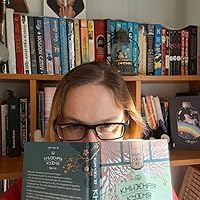
June 21, 2025
Постапокалипсис, экологическая катастрофа, НИИ, исследования - все мое любимое!
Начало мне очень понравилось: мир только-только приходит в себя после чудовищной катастрофы (как мы узнаем позже - антропогенного происхождения), которая почти привела к исчезновению жизни на планете. ГГ работает в НИИ по изучению пыли - той самой причины эко-катастрофы. Странно, но это биологический институт, хотя по названию можно предположить, что тут, скорее, физика. К ней на анализ приходит образец растения, которое агрессивно и быстро захватывает большие территории, и попытки борьбы с ним не приносят заметного результата. ГГ начинает расследование, и погружается в истории прошлого, в самый разгар эко-катастрофы...
Минусы.
Авторка явно не биологиня (и детали из физики частиц и робототехники не были убедительны для меня даже как не спецы), мир проработан в очень общих чертах, причина катастрофы описывается только ближе к финалу (и снова - очень не убедительна, но я не спец😅). Интриги особо нет, но интересно читать описание жизни на погибающей планете, с развалившимся человеческим социумом: как разные люди себя ведут, во что превратились государства, как легко они убивают людей... Но в целом ощущение, что авторка хватается за кучу тем, ни в одну толком не погружается, не прорабатывает, потом вообще забывает про них и бросает (включая самую ключевую - что в итоге с этой лианой? Нигде не упоминалось, что кто-то поняла, как остановить её экспансию).
По итогам - лёгкая околоНФ на тему эко-катастроф, модифицированных людей и обширных способностей растений.
ПЫСЫ. Есть очень милая романтика между инженеркой и полуроботкой🥰
Начало мне очень понравилось: мир только-только приходит в себя после чудовищной катастрофы (как мы узнаем позже - антропогенного происхождения), которая почти привела к исчезновению жизни на планете. ГГ работает в НИИ по изучению пыли - той самой причины эко-катастрофы. Странно, но это биологический институт, хотя по названию можно предположить, что тут, скорее, физика. К ней на анализ приходит образец растения, которое агрессивно и быстро захватывает большие территории, и попытки борьбы с ним не приносят заметного результата. ГГ начинает расследование, и погружается в истории прошлого, в самый разгар эко-катастрофы...
Минусы.
Авторка явно не биологиня (и детали из физики частиц и робототехники не были убедительны для меня даже как не спецы), мир проработан в очень общих чертах, причина катастрофы описывается только ближе к финалу (и снова - очень не убедительна, но я не спец😅). Интриги особо нет, но интересно читать описание жизни на погибающей планете, с развалившимся человеческим социумом: как разные люди себя ведут, во что превратились государства, как легко они убивают людей... Но в целом ощущение, что авторка хватается за кучу тем, ни в одну толком не погружается, не прорабатывает, потом вообще забывает про них и бросает (включая самую ключевую - что в итоге с этой лианой? Нигде не упоминалось, что кто-то поняла, как остановить её экспансию).
По итогам - лёгкая околоНФ на тему эко-катастроф, модифицированных людей и обширных способностей растений.
ПЫСЫ. Есть очень милая романтика между инженеркой и полуроботкой🥰
June 30, 2026
rumah kaca di ujung bumi (지구 끝의 온실) display such connection between one human to another is such fragile thing yet in the same time can be the most strongest thing ever. mossvana represent something that has function as pest also savior (dust factor reduction) plant for near ruined world. ate the death that inadvertently restored life then quietly withdrew itself is such logical concept explained yet very much poetic, it was inevitably saddening.
survival is an automatic theme in a dystopian subgenre, but to pull such an intimate closure that it was reflective despite the unusual topic (for people who had no background related on this matter, like myself) is definitely not trivial. it's a liberating experience.
i really like the characters which certainly women-dominated characters. their persistence, choices, dreams, these were all undeniably exhilarating to explore more and more.
noting the short queer story tucked between jisu and rachel, a mechanic and a cyborg, a mutually beneficial relationship grew deeper was tragic in not such grand way. i against the reviewers who said they can't see it. how one already seen the most intimate of part of another and how one desperately holding a thread because of the only person they've seen, make it between woman and man then it will be obvious.
well, i don’t intend to say give such extravagant words, but this published book unexpectedly drew me in after i fell in love and broken hearted to an untranslated korean work. i think the day i picked this book up because i long to sf was one of the satisfying days ever.
thank you.
survival is an automatic theme in a dystopian subgenre, but to pull such an intimate closure that it was reflective despite the unusual topic (for people who had no background related on this matter, like myself) is definitely not trivial. it's a liberating experience.
i really like the characters which certainly women-dominated characters. their persistence, choices, dreams, these were all undeniably exhilarating to explore more and more.
noting the short queer story tucked between jisu and rachel, a mechanic and a cyborg, a mutually beneficial relationship grew deeper was tragic in not such grand way. i against the reviewers who said they can't see it. how one already seen the most intimate of part of another and how one desperately holding a thread because of the only person they've seen, make it between woman and man then it will be obvious.
well, i don’t intend to say give such extravagant words, but this published book unexpectedly drew me in after i fell in love and broken hearted to an untranslated korean work. i think the day i picked this book up because i long to sf was one of the satisfying days ever.
thank you.
This entire review has been hidden because of spoilers.
July 29, 2025
20230909 好喜欢哦。都是女性,全都是女性。厌世感也好喜欢,对人类无知的讽刺也好喜欢。有点不太喜欢爱而不得的剧情,但不影响喜欢整本小说。同龄人真的好好理解哦,期待作者未来的作品!//20250619 重读。聊聊知秀和瑞秋的感情、雅映、女性之间的感情、以及摩斯巴纳。见长评。
--
第一次读的时候不太喜欢对知秀和瑞秋的感情描写,过分抓马的女同性恋故事很难不让我心生反感。
偷偷改造瑞秋的大脑之前,可以算是知秀稍显主动;改造瑞秋的大脑之后,瑞秋主动表达了情感,知秀却因为自己不正当的手段而无法接受这样的爱。坦诚一切后,瑞秋暴怒让知秀离开。知秀余生都在寻找适合瑞秋的零件、等待瑞秋的原谅;而瑞秋不断返回她们曾经共同居住的地方,再也没有等到知秀回来。
知秀的爱开始得如此早,却从未说出口。那么重的不配得感,唯一一次袒露真心也是在承认错误,而不是表达感情。仿佛就是向着“失去”的方向在表白,仿佛“失去”才是她唯一想要的、配得到的。
或许金草叶在这篇故事里已经想要表达《刚刚离开的世界》里想要表达的那种“跨过伤痕/残缺/模糊性相爱”,不知道爱是发自内心还是通过科技发生的、人类和赛博格之间的感情是真实的吗、彼此是否能跨过当初的欺骗再次互相信任?但故事的终点和高潮结束在了这之前。
是时候结束对上个世纪的女同性恨BE文学的热爱了草叶作家及我的朋友们。
也有令人欣慰的事情不是吗?
童年的雅映已经学会了知秀终其一生都没学会的表达。雅映在离开温流市的时候期待和李喜寿告别,即使认为自己对李喜寿来说或许是微不足道的人,也留言了。
一样是没有那么高配得感的雅映,觉得没有征得对方邀请就去登门是非常不礼貌的雅映(发生/暗示了三次),依旧会再礼貌地为自己稍稍争取一下、会继续尝试寻找李喜寿、会试着邀请瑞秋见面。最终或许也为瑞秋弥合了一些遗憾吧。
年轻的娜奥米更是这样,勇敢、善良、坚韧,帮助了知秀,也一直一直坚定地想要告诉世界她们曾经的故事。
至少年轻一代的女性们都更加自信、坦诚了,这是怎么不是更美好的世界呢?
当然还有别的感情。
阿玛拉和娜奥米的姐妹之情。从粉尘时代起就彼此作伴,妹妹认为姐姐的存在是自己活下去的动力,姐姐担心成为妹妹的累赘。但正是她们互相依靠才找到了森林村,也正是她们一直坚持在等到了可以把故事传播出去的雅映。是延续一生的姐妹情呀。
两姐妹和偶遇的四个女人,被男性侵略者离间,但最终证明她们没有背叛她们。
森林村与知秀瑞秋,彼此不理解、不认同,但只是彼此需要,就一直信守诺言。
润才,永远支持雅映,倾听、信任、给予建议。
还有森林村的女人们,彼此无法再联系,却通过长到全世界的摩斯巴纳证明她们曾一起居住过、不曾忘却过去的约定。摩斯巴纳替她们在全世界重逢。
当然要说说摩斯巴纳。
有攻击性的植物,可以说是时势造英雌了。
它们有那么强劲的生存能力,在为地球(不想说是为人类)抵挡了粉尘之后,主动褪去了自己的攻击性,成为不起眼的杂草。
对比曾在巨蛋城里幸存下来的人,在那个巨蛋城里“善良的人很难活下来,幸存的人多少得益于他人的牺牲”,而他们的余生都在谈论自己如何活下来了,多像是历史胜利者夸夸其谈,掩盖自己的残忍、书写自己的丰功伟绩。
怪不得雅映和李喜寿都曾希望人类毁灭;而瑞秋在生命的最后依旧想要“让摩斯巴纳覆盖全世界,直到看不到人类为止”。
人类不是世界的中心,也不应该是。希望我的同龄人们能多写写。
想问,金草叶能在我的有生之年拿到诺奖吗?
更想问,我什么时候能读到金草叶下一本新书?
--
第一次读的时候不太喜欢对知秀和瑞秋的感情描写,过分抓马的女同性恋故事很难不让我心生反感。
偷偷改造瑞秋的大脑之前,可以算是知秀稍显主动;改造瑞秋的大脑之后,瑞秋主动表达了情感,知秀却因为自己不正当的手段而无法接受这样的爱。坦诚一切后,瑞秋暴怒让知秀离开。知秀余生都在寻找适合瑞秋的零件、等待瑞秋的原谅;而瑞秋不断返回她们曾经共同居住的地方,再也没有等到知秀回来。
知秀的爱开始得如此早,却从未说出口。那么重的不配得感,唯一一次袒露真心也是在承认错误,而不是表达感情。仿佛就是向着“失去”的方向在表白,仿佛“失去”才是她唯一想要的、配得到的。
或许金草叶在这篇故事里已经想要表达《刚刚离开的世界》里想要表达的那种“跨过伤痕/残缺/模糊性相爱”,不知道爱是发自内心还是通过科技发生的、人类和赛博格之间的感情是真实的吗、彼此是否能跨过当初的欺骗再次互相信任?但故事的终点和高潮结束在了这之前。
是时候结束对上个世纪的女同性恨BE文学的热爱了草叶作家及我的朋友们。
也有令人欣慰的事情不是吗?
童年的雅映已经学会了知秀终其一生都没学会的表达。雅映在离开温流市的时候期待和李喜寿告别,即使认为自己对李喜寿来说或许是微不足道的人,也留言了。
一样是没有那么高配得感的雅映,觉得没有征得对方邀请就去登门是非常不礼貌的雅映(发生/暗示了三次),依旧会再礼貌地为自己稍稍争取一下、会继续尝试寻找李喜寿、会试着邀请瑞秋见面。最终或许也为瑞秋弥合了一些遗憾吧。
年轻的娜奥米更是这样,勇敢、善良、坚韧,帮助了知秀,也一直一直坚定地想要告诉世界她们曾经的故事。
至少年轻一代的女性们都更加自信、坦诚了,这是怎么不是更美好的世界呢?
当然还有别的感情。
阿玛拉和娜奥米的姐妹之情。从粉尘时代起就彼此作伴,妹妹认为姐姐的存在是自己活下去的动力,姐姐担心成为妹妹的累赘。但正是她们互相依靠才找到了森林村,也正是她们一直坚持在等到了可以把故事传播出去的雅映。是延续一生的姐妹情呀。
两姐妹和偶遇的四个女人,被男性侵略者离间,但最终证明她们没有背叛她们。
森林村与知秀瑞秋,彼此不理解、不认同,但只是彼此需要,就一直信守诺言。
润才,永远支持雅映,倾听、信任、给予建议。
还有森林村的女人们,彼此无法再联系,却通过长到全世界的摩斯巴纳证明她们曾一起居住过、不曾忘却过去的约定。摩斯巴纳替她们在全世界重逢。
当然要说说摩斯巴纳。
有攻击性的植物,可以说是时势造英雌了。
它们有那么强劲的生存能力,在为地球(不想说是为人类)抵挡了粉尘之后,主动褪去了自己的攻击性,成为不起眼的杂草。
对比曾在巨蛋城里幸存下来的人,在那个巨蛋城里“善良的人很难活下来,幸存的人多少得益于他人的牺牲”,而他们的余生都在谈论自己如何活下来了,多像是历史胜利者夸夸其谈,掩盖自己的残忍、书写自己的丰功伟绩。
怪不得雅映和李喜寿都曾希望人类毁灭;而瑞秋在生命的最后依旧想要“让摩斯巴纳覆盖全世界,直到看不到人类为止”。
人类不是世界的中心,也不应该是。希望我的同龄人们能多写写。
想问,金草叶能在我的有生之年拿到诺奖吗?
更想问,我什么时候能读到金草叶下一本新书?
June 27, 2025
4 ⭐️
ça faisait très longtemps que je n'avais pas lu un livre en français mdrr mais au final je pense que c'était le mieux pour moi! L'histoire a tellement de détails que mon niveau d'anglais n'aurait pas pu suivre et même si j'ai eu du mal par moment ça ne m'a pas empêché de passer un bon moment! Le livre n'a que quelques chapitres mais bieeeen chargé, une fois que l'on passe au chapitre des 2 sœurs après l'introduction de Ayeong je suis rentré dedans direct :p j'ai mis 4 étoiles sachant que c'est pas trop le genre de livre que je lis d'habitude donc agréablement surprise d'avoir été à fond dedans, petit point où je rejoins certaines reviews c'est un chouïïa lent par moment sinon trop intéressant. Je ne m'attendais pas du TOUT à ce que la relation de Rachel et Jisu se dirige en ce sens 🙂↕️ (mais à mon plus grand bonheur, je ne pensais juste pas que l'autrice irait dans cette direction !!) j'adore le fait qu'il y a majoritairement des femmes et très peu voir 1 seul personnage masculin :) quelqu'un le mentionne dans le livre, quand des hommes sont en situation apocalyptique ils sont toujours cause de problèmes (oui .) et le fait que l'autrice a fait des études sur le sujet du livre est très flagrant et c'est trop cool de ressentir la passion à travers l'histoire c:
ça faisait très longtemps que je n'avais pas lu un livre en français mdrr mais au final je pense que c'était le mieux pour moi! L'histoire a tellement de détails que mon niveau d'anglais n'aurait pas pu suivre et même si j'ai eu du mal par moment ça ne m'a pas empêché de passer un bon moment! Le livre n'a que quelques chapitres mais bieeeen chargé, une fois que l'on passe au chapitre des 2 sœurs après l'introduction de Ayeong je suis rentré dedans direct :p j'ai mis 4 étoiles sachant que c'est pas trop le genre de livre que je lis d'habitude donc agréablement surprise d'avoir été à fond dedans, petit point où je rejoins certaines reviews c'est un chouïïa lent par moment sinon trop intéressant. Je ne m'attendais pas du TOUT à ce que la relation de Rachel et Jisu se dirige en ce sens 🙂↕️ (mais à mon plus grand bonheur, je ne pensais juste pas que l'autrice irait dans cette direction !!) j'adore le fait qu'il y a majoritairement des femmes et très peu voir 1 seul personnage masculin :) quelqu'un le mentionne dans le livre, quand des hommes sont en situation apocalyptique ils sont toujours cause de problèmes (oui .) et le fait que l'autrice a fait des études sur le sujet du livre est très flagrant et c'est trop cool de ressentir la passion à travers l'histoire c:
September 24, 2026
«Но жители этой деревни верили не в богов, а в завтрашний день, не допуская мысли о том, что их ждет конец. Обсуждали планы посевов и ремонта ангара. Оранжерея Рэйчел дала всем надежду, позволив наконец перестать думать о смерти».
Постапокалипсис в разрезе — никаких зомби и авторитарных лидеров, мучащих подростков; вместо этого экологическая катастрофа, союз природы и человека (точнее, киборга) в борьбе с причиной катастрофы, проблемы отношений людей и киборгов и людей с другими людьми, когда среда обитания подсвечивает в каждом всё самое худшее и лучшее на манер лакмусовой бумажки.
Почему люди так эгоистичны, что им трудно представить кого-то выше себя или наравне с собой? Почему даже в самых плохих условиях бытия они не перестают оставаться людьми с прежними достоинствами и пороками?
Может лиана спасти мир? Когда сорняк человеку друг?
Может ли киборг по-настоящему чувствовать и любить? Станет ли он человечнее, любя человека?
Какова природа памяти и почему важна память природы?
Почему цикл жизни едва ли меняется несмотря ни на что?
В «Оранжерее на краю света» можно наблюдать за людьми, роботами, киборгами, растениями и воспоминаниями и обо всем этом размышлять — так, будто это наша история и повседневность.
Постапокалипсис в разрезе — никаких зомби и авторитарных лидеров, мучащих подростков; вместо этого экологическая катастрофа, союз природы и человека (точнее, киборга) в борьбе с причиной катастрофы, проблемы отношений людей и киборгов и людей с другими людьми, когда среда обитания подсвечивает в каждом всё самое худшее и лучшее на манер лакмусовой бумажки.
Почему люди так эгоистичны, что им трудно представить кого-то выше себя или наравне с собой? Почему даже в самых плохих условиях бытия они не перестают оставаться людьми с прежними достоинствами и пороками?
Может лиана спасти мир? Когда сорняк человеку друг?
Может ли киборг по-настоящему чувствовать и любить? Станет ли он человечнее, любя человека?
Какова природа памяти и почему важна память природы?
Почему цикл жизни едва ли меняется несмотря ни на что?
В «Оранжерее на краю света» можно наблюдать за людьми, роботами, киборгами, растениями и воспоминаниями и обо всем этом размышлять — так, будто это наша история и повседневность.
January 3, 2024
First sci-fi I ever read, glad it was this one. As a self identified pessimistic optimist, Kim’s dystopian account on human nature is something I resonate with deeply. She pokes fun at the growing tension between separating what is by man and what is by nature - hardened desire to establish the boundaries of to what extent a trait of an object must be deemed artificial instead of “natural” brings nothing fruitful in measuring the essence of the object in question. It’s not a dichotomy - it’s a “dialectical” relationship (as my friend always says). We are part of nature and what we create is part of nature. We in turn modify our environment (as other living organisms do) and the environment modifies us. It’s a constantly ever changing cycle in which humans are merely temporary constituents of
Displaying 1 - 30 of 86 reviews