Es diciembre de 2008 y, el escenario, un profundo valle de los Pirineos. De camino al trabajo, los empleados de una planta hidroeléctrica descubren el cuerpo de un caballo decapitado suspendido en la cara helada de la montaña. La investigación del macabro hallazgo es asignada al capitán Servaz, un cuarentañero hipocondríaco que siempre actúa guiado por su instinto. Se trata del caso más extraño de toda su carrera. ¿Qué motivos podría tener alguien para asesinar a un caballo a dos mil metros de altitud? Todo indica que éste es sólo el principio de una larga pesadilla. Ese mismo día, una joven psiquiatra se inicia en el mundo laboral en el psiquiátrico de la zona. Atmósfera opresiva, suspense desde la primera página, así como un viaje a los miedos más atroces del ser humano. Estamos ante una de las novelas revelación de este año.
Bernard Minier grew up in the foothills of the French Pyrenees. He had a career as a customs official before publishing his first novel, The Frozen Dead, in 2011. The novel has been translated into a dozen languages and has garnered critical acclaim as well as several literary prizes in France. Minier lives in the Essonne, south of Paris. (source www.bookbrowse.com)
The action is set in southern France in the Pyrenees, bordering on Spain (where the author grew up). This is what I call an environmental novel. The high mountains and glaciers; the almost-constant snow, the cold, wind, freezing rain, fog – all are as important as any character in the novel. In that way the book reminds me of the importance of the environment in The Shipping News by Annie Proulx or in Snow by Orhan Pamuk. It’s the antithesis of a beach book -- this one is for a good winter read by the fireplace or under an electric blanket.
We have a mystery with a police detective who turns 40 during the story. He’s divorced, dedicated, and has an eye for the women, including his young assistant. He listens to classical music, reads ancient texts, and is fond of quoting Latin. First a championship race horse, then human bodies are found hanging from a high-altitude bridge and a ski lift.
All the action takes place in four eerie settings in this sparse, stark landscape: a high-mountain hydroelectric plant; an abandoned kids’ summer camp; the extravagant mountain estate of a jet-set multi-millionaire and, most of all, an isolated prison for the criminally insane. In the last site Europe’s most notorious serial murderers bide their time behind multiple gates and guards and fool-proof security. So how is one of them getting out to leave his DNA at the crime scenes? As the blurbs say, it’s a story of madness and revenge.
This is an excellent first novel by a man who was a 51-year-old French customs inspector before he wrote his first book. The plot is complex but reasonably plausible, with several twists and turns and yet easy to follow. The characters are realistic and there are not too many to keep track of, so all-in-all it’s very well done.
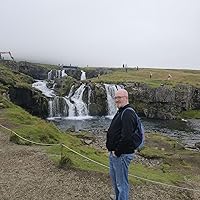
top photo from ancienneposteavajan second photo from pyrenees-mountains.com photo of the author from bernard-minier.com
¡Qué lástima que la resolución de la novela no me haya terminado de satisfacer al mismo nivel que el resto, porque le hubiese puesto las 5 estrellas con gusto!
Por la forma de escribir del autor, por sus descripciones sobre el paisaje y el clima en los Pirineos (frio, mucho frio), por su magnífica ambientación, y por su comisario Servaz, del que ya estoy deseando seguir en su siguiente novela, en la que espero sepamos más cosas sobre su pasado.
Thriller denso pero muy bien desarrollado. Todo empieza con el descubrimiento de la decapitación de un caballo a la entrada de una central hidroeléctrica, en lo alto de una montaña, allá en los Pirineos franceses. Servaz no sabe muy bien por qué diablos le llaman a él (¡un caballo!), hasta que le notifican quién es el dueño del animal. Al mismo tiempo, Diana, una psicóloga, comienza a trabajar para un psiquiátrico de la zona, sin saber muy bien dónde se está metiendo.
Y, a partir de aquí, un carrusel de nuevos crímenes e importantes descubrimientos darán lugar a una novela trepidante y claustrofóbica, muy descriptiva, con buenos secundarios y, como ya he mencionado, una forma de escribir con la que el autor demuestra que puede dedicarse a ello sin problemas. Nunca sabremos a ciencia cierta por dónde van los tiros. Iremos cambiando de sospechoso casi con cada nuevo capítulo. Y, en la intimidad, Servaz demuestra que puede dar también mucho juego.
Otro motivo por el que no le doy la máxima calificación es por que el rol de Diana no termina de brillar con luz propia en el relato, cuando parecía que se le asignaba una importancia que nunca consigue. Pero, por lo demás, y por el entretenimiento asegurado a lo largo de sus casi 600 páginas, ahí van mis cuatro estrellas muy merecidas.
Well...there's 18 hours of my life I'm never getting back.
Yes, the setting and atmosphere are A+ (frozen landscapes, yes please!), but everything else about this - the mystery, the characters, the plot, the climactic devices, the relationships - it was all bogged down in just so. many. fucking. words.
"But, Krystin, it's a book! Book are made with words!"
NOT THIS MANY!
Set in December in the French Pyreness, a thoroughbred horse is found beheaded and hanging from a cable car station. Commandant Martin Servaz's grumpy ass is called to the scene. On the same day, psychologist Diane Berg arrives for her first day of work at a maximum security asylum not too far from the crime scene.
Early on in the investigation of the dead horse, DNA evidence is collected that belongs to a Swiss serial killer, who is locked up at Berg's asylum. Soon, human victims are found murdered in a similar fashion to the horse and Commandant Servaz is on the hunt for a clever and demented killer.
Sounds awesome, right? Dead horses and a max security asylum in the snow? I was ALL IN.
But damn, this didn't work for me at all.
There was literally not a single thing this author would not describe in great, turgid, superfluous detail. How many bands from a character's playlist would it take for you to have a general idea of their taste in music? It doesn't matter because you're going to get the names of 25 indie-hipster bands you may or may not recognize or give a shit about! Do you really need to know which art work is being featured in the gallery of a minor character? No? Me neither, but fuck it because it's going to take up three solid pages of space before the dialogue even gets started!
How about knowing how Servaz ranks the attractiveness and physical qualities of every single female character he encounters? Or how many times he wakes up with a morning boner? You've never seen a man wonder about genital piercings so much in your reading career. That's how deep the character building goes, people!
Any event that could have been described as "fast-paced" or "page-turning" or "thrilling" had all the life sucked out of it, as it took you ten pages to get through one "fast-paced" moment. The plot becomes so convoluted and dragged out.
This book collapsed in on itself under the weight of all its pointless filler.
In my attempt to explore more dark mysteries translated from another language, I stumbled upon French author, Bernard Minier. Bringing a new meaning to the word ‘noir mystery’, Minier uses his debut novel to delve into the depths of despair, stereotypical for literary pieces emanating from the author’s homeland. When a body is discovered dangling from a cliff, Commandant Martin Servaz is called to the scene. Much to his dismay, the body is that of a decapitated horse. Sure that someone has played a macabre joke, Servaz tries to remove himself from the case, feeling that his skills could be better used elsewhere. Early investigation shows that DNA evidence of Julian Hirtmann accompanies the horse’s corpse, which proves to be even more interesting, in that he is a Swiss serial killer and locked down in the mental asylum in a nearby French community. Servaz is intrigued and finds himself newly committed to the case, curious how a super-max facility could be porous enough to have one of their most notorious patients slipping out. On the same day as the horse is discovered, Diane Berg arrives to take up employment at the asylum. A Swiss psychologist by trade, Berg learns much about the facility and their less than mainstream means of treating patients. Non-anesthetized electro-shock therapy, graphic virtual reality with body probes, and countless medicines no longer used in the treatment of psychiatric patients all find themselves used on a daily basis, with a director who prides himself on these unorthodox measures. Back on the outside, Servaz is called to the scene of another body, this time a man who is found hanging under a bridge. He, too, is found to have Hirtmann’s DNA, however, there appears to be no tie between the patient and the reclusive chemist. Servaz is baffled, particularly when he arrives at the asylum and cannot find a means by which anyone would be able to escape or to return unnoticed. When Servaz learns that the community also lived through a number of teen suicides, all by hanging, he wonders how much more the locals can take. Further probing can only help to open old wounds and forces Servaz to wonder if he is doing so more out of curiosity than necessity. Servaz finds himself distracted as well by his daughter, who is beginning to exhibit odd behaviours, so much so that he has her tailed. What he discovers shocks him a little, but that proves to help his case, if only a little. Berg continues to probe inside the asylum, trying to answer her own questions, but her inquisitiveness might be unknowingly acting as a secondary investigator for this truly baffling case. A wonderfully dark piece that pulls the reader into corners of the story that are anything but pleasant, Minier exemplifies that the language barrier does not lessen the impact of this thriller. Perfect for those who enjoy macabre pieces with a protagonist who is anything but uplifting.
While no expert, I have read a number of mysteries whose original publication language is not English. I find them scintillating and require the reader to play a much more active role than in some of the pieces penned in my mother tongue. Minier portrays Commandant Servaz in much the same way as my Scandinavian police officers, fighting his own demons and with a personal life more jagged than peaceful. Servaz seems to have an agenda all his own, surrounded by colleagues who are anything but sycophants. He struggles to piece together the clues, but always ends up positing the most outlandish possibilities, some of which prove fruitful as he synthesizes the statements made by reluctant witnesses. Minier is able not only to tell his dark mystery, but also create a decent backstory for a few of his characters, whose lives away from the office and the case at hand show that they, too, have secrets they prefer not rise to the surface. The story remains dark and the element of equine torture pulls the reader in from the early going. What else might Minier have in store for the reader? Exploration of the asylum angle only further baits the reader and keeps the story from becoming too predictable. Slow to develop, but with a constant sense of forward movement, Minier pulls the reader along and keeps things from becoming too easy to discern. These are the best types of novels, as the reader can never tell where a twist will take things. Minier’s debut novel has me curious and I will certainly be back for more in the near future.
Kudos, Mr. Minier, for pulling me in and finding a new fan. I can only hope that others will be as intrigued to read this and the other novels in which Martin Servaz makes an appearance.
Pues me ha parecido un libro bastante interesante, bien escrito, con una ambientación espectacular en un entorno invernal pirenaico (St Martin de Comminges), que hace que el frío te cale hasta el tuétano.
Los personajes me han parecido lo mejor de la novela. El inspector Servaz, muy bien, inteligente pero humano (comete errores), descuida su físico, se alimenta como puede, su vida personal es un desastre, como buen policía, pero sin traumas raros. Los secundarios también me han gustado mucho.
Los diálogos y el tema de la psiquiatría y los tratamientos también me ha gustado.
La trama, hay la trama. Aquí es donde me ha cojeado un poco el libro. Lo primero es que le falta ritmo, la idea es buena, pero vas viendo por donde van los tiros a la legua y los giros me han sorprendido poco o nada. Luego hay cosas que no se las cree ni mi hija de 5 años. No quiero hacer spoilers, pero la parte de la psicóloga Diana Berg es indigerible. Meter a un asesino en serie, viene muy bien para tener por donde tirar en la siguiente entrega y muchas otras cosas cogidas con pinzas...que no quiero destripar.
Compensando unas cosas con otras se lleva un notable y un seguidor más de la serie, porque seguiré con Minier y su inspector Servaz. (otro más, ya me bailan los nombres).
P.D.: Por momentos me ha recordado a esta serie francesa de "Asesinato en St Malo" y muchas otras localizaciones más, pero con más calidad.
Dejo aquí un párrafo que me ha encantado. Dice así:
"¿Eso crees? Entonces para ti las cosas son simples. ¿Están los buenos y los malos? ¿Qué suerte tienes (se refiere al inspector Servaz)! Supón que debieras elegir en unas elecciones entre tres candidatos: el primero está medio paralizado por la polio, aquejado de hipertensión, de anemia y numerosas patologías más, es mentiroso a veces, consulta con una astróloga, engaña a su mujer, fuma cigarrillos son parar y bebe demasiado. El segundo es un obeso que ha perdido ya 3 elecciones y cae en una depresión y ha sufrido dos ataques cardiacos, fuma puros y por las noches se empapa en champán, coñac y whisky, antes de dormir a base de somníferos. El tercero es un héroe de guerra condecorado que respeta a las mujeres, quiere a los animales, sólo bebe alguna cerveza de vez en cuando y no fuma. ¿A quién elegirías?.
Si eliges la tercera opción, que parece la más lógica, acabas de elegir a Hitler y descartado a Roosevelt y Churchill....las cosas nunca son lo que parecen"
I won't lie, there were times when I had a hard time with this book. I even came close to putting it down and moving on to something else once or twice.
"But Shayne," you say, "four stars means that you really liked it. Did you fucking forget how to properly rate a book?" No, I goddamn didn't, voice in my head. Let me explain.
This is not your usual page-turning mystery whodunnit summer-read blah blah. This book is dense, slow-building. The snow-covered mountains and lonely valleys the story inhabits are close to the feeling you get when reading it: cold, isolated, even a bit stir-crazy.
That being said, I am extremely glad that I dialed up my stick-to-itiveness and got the job done. The twists and turns were actually believable, and, at least to me, many were NOT easily guessed at way ahead of time. All the characters were fleshed-out very well. And the young, hip, possibly-bisexual police dude had pretty damn good taste in indie music.
All in all, if you like mysteries, police procedurals, crazy bins, remote locations, glimpses into the minds of serial killers, or French people, give it a go.
Minier teje una trama de pasado y presente. Mezcla un acontecimiento de hace años con una investigación actual. Y lo hace muy bien. Describe muy bien los Pirineos y su ambiente gélido. Buenos personajes. El problema es que la trama es muy enrevesada y, la verdad, no me la he acabado de creer, aunque está muy bien narrada. Entiendo que cuando creas una historia que se arrastra desde tan atrás hasta el punto presente, hay muchos condicionantes que no puedes controlar y, inevitablemente, se te escapan. Y luego, terminarlo todo y que te quede perfecto, es pedir demasiado. Le doy mucho mérito al autor. No es fácil crear una trama tan complicada en un ambiente tan rural.
Minier weaves a plot of past and present. Mix an event from years ago with current research. And he does it very well. It describes very well the Pyrenees and its icy environment. Good characters. The problem is that the plot is very convoluted and, really, I have not finished believing it, although it is very well narrated. I understand that when you create a story that creeps from so far back to the present point, there are many conditions that you cannot control and, inevitably, they escape. And then, to finish everything and make it perfect, is very difficult. I give the author a lot of credit. It is not easy to create such a complicated plot in such a rural environment.
Pues al final me ha gustado bastante, ha sido un libro que ha ido de menos a mas. Si es cierto, que el ritmo es lento, pero la historia es buena y los personajes y la ambientación muy buena, daban ganas de tomar un chocolate calentito con tanto frio y nieve por todos lados, jajaja. ¿Que le sobran algunas páginas?, pues no te diría que no, de hecho hay veces que parecía que apenas avanzaba la historia, pero el último 1/4 del libro coge un ritmo frenético, que es un no parar. Me ha descolocado un poco el epílogo, un tanto rocambolesco y es lo que ha usado el autor para cerrar tramas, como la de la hija y su amigo Vicent (curiosos desenlaces la verdad!!). Creo que voy a seguir con la serie, me ha gustado. Valoración: 8/10 Sinopsis: Es diciembre de 2008 y, el escenario, un profundo valle de los Pirineos. De camino al trabajo, los empleados de una planta hidroeléctrica descubren el cuerpo de un caballo decapitado suspendido en la cara helada de la montaña. La investigación del macabro hallazgo es asignada al capitán Servaz, un cuarentañero hipocondríaco que siempre actúa guiado por su instinto. Se trata del caso más extraño de toda su carrera. ¿Qué motivos podría tener alguien para asesinar a un caballo a dos mil metros de altitud? Todo indica que éste es sólo el principio de una larga pesadilla. Ese mismo día, una joven psiquiatra se inicia en el mundo laboral en el psiquiátrico de la zona. Atmósfera opresiva, suspense desde la primera página, así como un viaje a los miedos más atroces del ser humano. Estamos ante una de las novelas revelación de este año.
Me ha gustado, el libro se me hizo interesante en cuanto a su ambientación, el rollo de la psiquiatría, la trama (aunque pudo ser mejor la vdd a veces lenta otras no, le falta un poquillo de ritmo) los personajes Servaz estuvo bien perfilado aunque a veces le fallaba un poco, Diane la desaprovecho, pudo haberle sacado más jugo a ese personaje.
Tanto tiempo resistiéndome y qué maravilla. Qué investigación más complicada y, a la vez, interesante. Ahora, junto a Thilliez y Grangé, pasa a formar parte de mis favoritos. :)
I have not been able to find a really good mystery thriller in quite sometime, so it was quite a pleasure to come across this book.
The story is mostly based around the life of Commandant Servez, a Toulouse city cop, who is investigating not only the murders of two men, but a very expensive horse as well. These crimes were heinous in nature and it seems to be of no coincidence that they are all happening in close proximity to the local asylum that houses some of the most dangerous criminally ill inmates that the prisons wouldn’t even touch.
I understand that this book was a huge hit in Europe a few years ago and has been translated from French to English for us English speakers to enjoy as well. I didn’t find this out until after I finished the novel, but there were some instances that I could tell that it had been translated but they weren’t distracting to me.
This thriller had so many twists that it wasn’t evident what the outcome would be and an unpredictable ending is really what I needed. One disappointment for me though would be how the female psychologist (Diane Berg) was played out. She basically started the book off with her coming to the Institute for her new position and the story would keep coming back to her and I was excited to see how her role would play out. I was invested in her. But in the end, it seemed to me that no one really cared about her and the fact that she helped so much with the case. I kept thinking, ‘Poor Diane’.
Other than that, I thought that this book was a real hit! The author did a great job of sweeping me into the atmosphere of his story. I could visualize the scenery and nearly feel the chill from the frigid air. I was also very pleased with the character development of so many of the players. I felt connected to them and hated to see it end; therefore, I do look forward to the next book in the series.
Nạn nhân đầu tiên là một con ngựa, bị chặt đầu và lột da, phần thân treo lên đỉnh của tòa cáp treo nằm cạnh nhà máy thủy điện thuộc sở hữu của tập đoàn Lombard trên đỉnh núi Pyrénées, Pháp (trong bản dịch tiếng Việt có lẽ người biên tập làm biếng đánh dấu sắc quá nên thành ra cái tên chỉ là Pyrenees, mà thế này thì chẳng phải là tên đúng của địa danh…). Tấm da đen của nó bay phần phật về hai bên như một tấm áo choàng. Khung cảnh khiếp sợ và tình trạng bị phá hủy của con ngựa đã làm tất cả mọi người phải bàng hoàng bởi tính chất tàn ác của nó.
Cùng ngày, chỉ cách đó vài cây số, Diane Berg – một nữ bác sĩ tâm lý trẻ tuổi – đến nhận việc tại một cơ sở tâm thần chuyên giam giữ và điều trị tâm lý cho những tên tội phạm thái nhân cách phản xã hội nguy hiểm nhất châu Âu. Đó là những tên hãm hiếp, giết người hàng loạt, những kẻ mà hệ thống tư pháp và điều trị tâm lý thông thường đã hoàn toàn bó tay trong việc cải tạo và thay đổi bản chất.
Điều tra viên Martin Servaz thuộc sở cảnh sát Toulouse không thể tin nổi mình lại bị điều về thị trấn Saint-Martin nhỏ bé chỉ để điều tra cái chết của một con vật. Nhưng hóa ra, anh đã lầm. Vì cái chết ấy mới chỉ là bề nổi của tảng băng chìm, là sự khởi đầu cho một chuỗi những cái chết giống nhau về cách thức, và cả những sự thật khủng khiếp được phơi bày về sau.
Song hành cùng với quá trình điều tra của Servaz và cấp dưới của anh là quá trình Diane Berg thích nghi với cơ sở làm việc mới, với bầu không khí có khả năng bóp nghẹt những tâm hồn yếu đuối nhất, với cảm giác kỳ bí luôn đeo đẳng cô, với những bí ẩn được cất giấu giữa những nhân vật cấp cao của cơ sở. Và nhất là với cái bóng đen bí hiểm luôn xuất hiện bên ngoài cửa phòng Diane, cái bóng mà cô đã có can đảm đi theo cho đến tận khu A – khu giam giữ đặc biệt chỉ dành cho 7 tên tội phạm nguy hiểm nhất – trong cảnh tăm tối nơi hành lang và nỗi lo sợ bị phát hiện. Tất cả đã làm nên một thước phim hồi hộp và gay cấn không thua bất kỳ một thước phim kinh dị Hollywood nào, đẩy bầu không khí lạnh lẽo, kỳ bí và âm u bao phủ toàn bộ câu chuyện lên đến mức cao trào nhất.
Rốt cuộc thì có mối quan hệ gì giữa cơ sở tâm thần nơi Diane đang làm việc và những cái chết kinh hoàng ở ngoài kia? Câu trả lời chỉ có thể tìm được ở những trường đoạn cuối cùng, ở phát hiện bất ngờ của Diane, ở lời khuyên của một nhân vật xuất hiện ở đầu câu chuyện, là manh mối quan trọng dẫn Servaz đến với danh tính của kẻ thủ ác:
“Tôi quên mất không nói với anh một điều, màu trắng rất quan trọng, Martin. Những đỉnh núi phủ tuyết trắng cho con ngựa, sắc trắng của cơ thể trần truồng cho Grimm, và một lần nữa, tuyết trắng cho Perrault. Màu trắng dành cho kẻ giết người. Hắn coi đó là biểu tượng của sự thuần khiết và thanh tẩy. Hãy tìm màu trắng. Tôi nghĩ anh sẽ tìm thấy màu trắng xung quanh tên giết người.”
Thị trấn Saint-Martin cách xa và biệt lập với phần còn lại của nước Pháp dường như đã trở thành một cái nôi cho tội ác nảy sinh và hoành hành. Tội ác của quá khứ, tội ác của hiện tại, sự trả thù và thanh tẩy, những kẻ đã phải dùng mạng sống của mình để trả giá cho những lỗi lầm của ngày xưa… Tất cả hòa quyện vào nhau để làm nên một “Băng” (“Glacé” là tên bản gốc tiếng Pháp và “Frozen Dead” là tên bản dịch tiếng Anh) nhuốm màu ám ảnh của một tấn bi kịch khủng khiếp và lạnh lẽo đến tang thương trong sắc trắng của tuyết mùa đông và trong cái lạnh thấu xương của vùng núi cao quanh năm tuyết phủ.
Tác giả Bernard Minier đã vận dụng một cách tài tình khung cảnh của Saint-Martin với những câu văn miêu tả chân thực cảnh trí của thị trấn nhỏ bé, bổ sung vào câu chuyện một tấm phông nền hoàn hảo cho những cái chết rợn người nối tiếp nhau. Đó là khung cảnh của những cây lãnh sam đen phủ đầy tuyết trắng, của một buổi sáng tinh sương khi xác người chết đầu tiên được phát hiện ra. Mọi thứ như phả vào từng trang viết cái hơi thở của mùa đông lạnh lẽo, của khung cảnh đẹp như trong truyện cổ tích, nhưng là truyện cổ tích dành cho người lớn – câu chuyện của những con quỷ, hồn ma, của tà ác và những bí mật khủng khiếp đang ẩn mình.
“Băng” là một cuốn tiểu thuyết phù hợp để đọc vào những buổi chiều cuối tuần khi Sài Gòn có mưa, khi ta nằm dài trên giường, đắp chăn, cầm sách lên và tận hưởng một chuyến đi hấp dẫn, chuyến đi đưa ta đến với một vùng đất xa xôi, nơi ngọn nguồn của tội ác và những âm mưu đã bén rễ. Để rồi cuối cùng, khi danh tính của tên giết người được hé lộ, thì tất cả những gì còn đọng lại là câu nói đầy ám ảnh của Servaz:
“Con người là những tảng băng trôi. Dưới mặt nước là một khối khổng lồ những thứ họ không bao giờ nói với ai, một khối khổ đau và bí mật.
Không có ai thực sự giống như vẻ ngoài của họ.”
P.S.: Đây là cuốn đầu tiên trong series những vụ điều tra phá án của điều tra viên Martin Servaz. Hy vọng là IPM sẽ xuất bản những cuốn sau trong series này, vì chắc chắn là mình sẽ mua đọc :D Đọc xong cuốn này cái tự dưng muốn Noel tới quá!!! ^^
Приятен, мащабен трилър - тип "дъвка за мозъка" със сериен убиец, млада психоложка, хубава полицайка, разведен майор от полицията, напрежение и всичко, както си му е редът. Действието е ситуирано в Пиринеите през зимата, което му придава още по-голяма мистериозност и предизвиква вледеняващи тръпки у читателя :) Надявам се да издадат следващите книги от поредицата за този детектив Мартен Серваз , който е една-две идеи по-уравновесен от типичното за гилдията :) Е, и разбира се, не липсват и представители на ЛГБТ общността - задължителният елемент на съвременната литература. Макар да имам забележки, общо взето впечатленията са ми доста добри от книгата. Оценка 3,5*
FAN-TAS-TISCH BOEK! Spannend van begin tot eind (oh, ja de volle 578 pagina’s). Ik heb het boek gewoon op iets meer dan 1 dag uitgelezen. Je wilt echt blijven lezen! Ik ben helemaal in shock! #topper
Temposu ağır ilerlese de kurgu heyecanlı ve güzeldi, sıkılmadan okuttu kendini. Sadece Diane ne derecede gerekliydi kurguda onu bilemedim. Polisler olayi çözebilmek için yırtınirken onun iki çekmece karıştırarak sonuca ulaşması anlamsız geldi 🤔
Snow covered fir trees. Imagine them from above, from a sheer, vertical perspective. A ribbon of road leading straight and deep between these same fir trees, trunks wrapped in mist. Treetops hurtling by.
... and at the end of the road, a rather imposing and sinister building that turns out to be a special prison for the mentally insane criminals.
The reader coming to Saint-Martin-de-Comminges: Bear Country. might be excused if he appears lost in a rerun of the opening sequence from Stanley Kubrick’s The Shining . Meeting a bear is highly unlikely in this small town at the base of the Pyrenees * , but there are worse things waiting high up the icy valleys.
“Call the gendarmerie, quick! Tell them to get up here right away. There’s a dead body. The sickest thing you’ve ever seen!”
* Come to the Carpathians in my own country for bears and vampires!
>>><<<>>><<<
The author is pushing rather hard in the opening chapters to create this sense of impending doom and of a hostile environment. It’s easy to joke about The Shining meeting The Silence of the Lambs , especially since the second scene has young Swiss doctor Diane Berg knocking at the door of the sanatorium, the place where she will meet with the most notorious serial killer in Europe. Personally, I kind of liked the lurid opening gambit and the transparent movie references. Part of the reason is the winter setting and the mountain background – things I’ve missed lately in my flat and dry home town. The other part of my interest is the chutzpah of the author: if you’re going to write a high-octane thriller, you should think big picture right from the start.
Everything here was out of proportion – the landscape, the passions, the crimes.
“Look ... you can’t imagine what it’s like up here, in the middle of winter, Commisaire. Have you had a look around you? When it gets dark, you feel like you’re alone on earth. It’s as if ... as if you were in the middle of nowhere ... on a desert island, yeah ... An island lost in the middle of an ocean of snow and ice,”
Commandant Martin Servaz from Toulouse is assigned to lead the investigation, rather reluctantly, since he resents having to deal with a dead animal instead of a regular human corpse. When the owner of the pure breed horse is the richest man in the region, the head of a powerful multinational corporation, all you can say to your boss is: Yes, Sir! Immediately, Sir! Servaz should be more careful about what he wishes for: soon enough his hands will be full of new corpses (of the human sort), suspects, red herrings, political pressure and even personal danger.
“There are two questions that are an absolute priority. Where has the horse’s head got to? And why go to all the trouble of hanging the horse up at the top of a cable car line? It must mean something.”
The novel invites us to have a crash course in French police procedurals, significantly different from the more familiar American or British modus operandi. It is still not clear to me what the difference between a commandant and a commisaire is, but many agencies need to cooperate in the investigation, from judges to regional prosecutors, attorneys, gendarmes, crime units and traffic agents. All this without getting tangled into the parallel storyline of what goes on at the mental institution. For the purpose of our shortened review, the key players in the team helping Servaz are Irene Ziegler, captain of the local gendarmes, Vincent Esperandieu and Samira Cheung from the Toulouse unit. Bernard Minier does a good job with all the secondary characters, but these three stood out for me. I wish I could say the same about the guy who leads the investigation, Martin Servaz, but I found him a little bland by comparison, even with the few personal touches about his phobias and his family problems that the author includes in his portrait.
As a young man he had tried riding. A bitter failure. Horses frightened him. As did speed, height or even major crowds.
There are several moments of black or situational humour, but the plot is quite grim in its extremely disturbing details of abuse and cruelty towards the innocents. The mystery is strongly anchored in the past lives of the people living in this small mountain valley. And some of them are ready to kill in order to keep these dark secrets locked in the past.
‘If there is one thing we do learn in this job,’ he said, ‘it is that people are rarely what they seem. And that everyone has something to hide.’
‘Everything that happens in this valley has its roots in the past. If you want to find out the truth, you must leave no stone unturned – and look carefully at what you find underneath.’
‘That noise’ she wrote, ‘I’ll never forget it. For ever, it will always mean the same thing: evil exists, and it has a sound.’
>>><<<>>><<<
One of the things I have come to expect from French authors of ‘polars’ is social engagement, and Bernard Minier is not one to shy away from thorny current affairs. He can rant with the best of them, and he can get quite fierce in declamations, but the commentaries are surprisingly pertinent to the actual investigation and to the personal lives of the team, whether they are discussing the influence of violent video games, their tastes in music (and I love to find a character listening to Sufjan Stevens), advertising, cuts in social programs or gender issues.
Those kids were being sold dreams and lies all day long. Sold, not given. Cynical salesmen had made adolescent frustration their stock in trade. Mediocrity, pornography, violence, lies, hatred, alcohol, drugs – everything was for sale in the flashy display windows of mass consumerism, and young people were a perfect target.
‘In the last twenty years each successive government has discreetly done away with over fifty thousand beds in psychiatry units and cut thousands of jobs. And yet on the outside, in the name of economic imperatives and the free market, the pressure on individuals has never been greater, there are more crazy, psychotic, paranoid, schizophrenic people wandering around than ever.’
Why were people so fascinated by violence? he wondered. The avalanche of shocking images on television, in the cinema and in books – was it a way to stave off fear? Most of these artists only knew violence indirectly, abstractly. They had no real experience of it.
The mental hospital comes with its own baggage of controversy, mostly about the treatments prescribed by the new director of the institution, a person more concerned with punishment and torture than with Hippocratic oaths. This is how Diane Berg discovers some new things about illegal drugs, ‘behavioural reconditioning’ or electroconvulsive therapy. Saying more at this point will inevitably lead to spoilers, so I think I will stop here with the synopsis.
>>><<<>>><<<
As a police procedural, the novel was not entirely convincing. The investigators were following leads rather haphazardly in order not to arrive too early in the plot at the relevant information. Some clues were obvious red herrings, others were better disguised. As a photographer, I am reluctant to accept that you can magnify the scan of an old photo some two thousand times and still see something relevant in the heavily pixelated results. Similarly, it is rather improbable that a secret journal will rest for almost two decades hidden in plain sight, waiting for Martin Servaz to have a light bulb moment, or that a terrible secret that claims dozens of victims could be hidden in such a small community: ‘But not one of their victims ever spoke out!’
All of these minor gripes were swept away in the avalanche of a blockbuster finale that borrowed even more Hollywood action set pieces while keeping me glued to the page to find out how all the loose ends can be tied with a ribbon and sold to the audience. Reluctantly, but deservedly, I must say: Well done! to this debut of a new series that I am considering investing more of my reading time in. I might even check out a copy of the TV adaptation on my upcoming trip to Paris.
Οταν το ειδα πρώτη φορά με τις 800 σελίδες όμως είχα διαβάσει καταπληκτικές κριτικές για το συγκεκριμένο βιβλίο. Αν μπορούσα θα εβαζα 6 ⭐️⭐️⭐️⭐️⭐️⭐️ και όχι απλά 5. Ειναι τοσο καλογραμμένο και ευχάριστο στην ανάγνωση που δεν θέλεις να το αφήσεις!!! Οι ανατροπές πολλές και δεν μπορείς να μαντέψεις το τέλος!!!! Στις κριτικές μου αποφεύγω να γράφω για την πλοκή. Η υποθεση εξελισσεται στην Γαλλία , στα Πυρρηναια και Τουλουζ και με επηρεασε πολύ διοτι γύρισα απο ταξιδι σε αυτές τις περιοχες που επισκεφτηκα και μπορούσα κατα κάποιο τρόπο να έχω και εικόνα. Τον ήρωα Μαρτέν ΤΟΝ ΛΑΤΡΕΨΑ!!!! Σίγουρα θα διαβάσω βιβλία του Bernard Minier Διαβάστε το!!!!!!!!!
I had picked this book up literally at the check out counter of the library. Someone was returning it and I asked if I could get it. It says "Dead" right in the title. That's my alley kind of book. I know I'm MORBID! This was good, a little too long maybe? I don't know. I just thought the author was prolonging the end for some reason.
Ξεκίνησα το βιβλίο με μεγάλες προσδοκίες. Στις πρώτες 150 σελίδες φλερταρα με την ιδέα να το παρατήσω. Ευτυχώς, δεν το έπραξα…. Ανατροπές, αστυνομικό που αξίζει και «κυλά σαν νερό» παρά τις 800+ σελίδες του.
Hay libros para comentar y hay libros para ser leídos. Sobre los primeros se debate, se engordan con pies de página, se levantan grandes e interesantes — no siempre — aparatos críticos, se miran con lupa y, a veces, porque la lupa se agarra del revés, se alejan de la mirada, se distancian del público y quedan, entonces, como el goce exclusivo de unos pocos. Sobre los segundos, que uno asocia con la literatura de aeropuerto, el lector rebaja sus expectativas: son una versión desnatada de la literatura. No engordan, pero tampoco saben demasiado. Entretienen con la misma facilidad que son olvidados. En ellos la mirada se deja llevar sin más: ventanilla de tren. El placer que producen los libros de esta segunda categoría viene, en gran medida, porque se reconoce en ellos una imaginación sabida de antemano. La sorpresa que ejercen en el lector no es tanto lo novedoso de su trama, como la recreación de lugares comunes. Si la lectura pretende ser ágil y entretenida, porque la diversión es innegociable en estas obras, exige de balizas que nos señalen un camino en parte ya transitado.
No sabría en qué categoría colocar el debut de Bernard Minier titulado Bajo el hielo. Bernard Minier pertenece, desde 2009, a un club francés de escritores conocido como «Ligue de l’imaginaire». El propósito de este colectivo es reivindicar la calidad literaria de la novela de imaginación, siguiendo el idéntico propósito de autores tan variados como Dumas, Verne o Borges. En esa dispersión de gustos puede que radiquen los altibajos de estilo de la obra, y la dificultad para ubicarla bajo una sola etiqueta, si es que esta cuestión es importante. En una entrevista a propósito de la publicación de esta obra, su autor cita las siguientes preferencias: Faulkner, Nabokov, Dostoïevski, Thomas Mann, Anthony Burgess, Pasolini, Gombrowicz, Philip K. Dick, Stephen King, Clive Barker, Connelly, Nesbo, Mankell, Alan Moore, Cervantes, Borges y Shakespeare. Que un creador admire a estos autores no significa que el lector los vaya a encontrar luego en su obra. Pero sí revela algo positivo — amplitud de gustos — y explica posiblemente que la novela abrace diferentes registros: el policíaco, el análisis social, la investigación psicológica de personajes y situaciones.
El club, leo, hace hincapié en que la literatura no es solo una frase, una palabra, sino también una trayectoria, la de un lector que va uniendo obras por las veletas del gusto y el tiempo. Es singular este segundo objetivo: reconocer la importancia de la evasión en nuestro itinerario de lecturas. Y Bajo el hielo bien que logra su objetivo de liberación mental: es un fantástico thriller. Camina por lugares transitados — el inspector de policía divorciado, una vida personal tan desastrosa como brillante la profesional — , abusa de elementos visuales de naturaleza cinematográfica y, tal vez, sea larga en su género. Es interesante la historia secundaria de la relación entre Martin, el policía, y su hija, y podría haberse desarrollado en más detalle. El final de la obra es una pirotecnia excesiva, como explosiones en cadena: le sobran efectos escénicos que rebajan la obra a un fin de puro entretenimiento.
Svojou mrazivou atmosférou, napínavosťou a zápletkou táto kniha pripomína Purpurové rieky, severské detektívky novembrovú plačkanicu na ceste.
Z čoho som išla od vývrtky:
-z neustáleho Servazovho frflania. Ten chlap nemá ani 40 rokov ale neustále narieka nad dnešnou mládežou a násilím vo videohrách a médiami ...a kam to len speje tento svet...a za mojích mladých čias...a určite má piercing a...a...no proste moja 80-ročná susedka Rozália má pokrokovejšie videnie sveta a to je už 10 rokov mŕtva.
-z historky, v ktorej si vysokointeligentný psychopat, úspešný právnik s dobrou 40kou vrážd na konte, naplánuje krutú a ponižujúcu popravu svojej manželky, zahrňujúcu šampanské, vibrátory, elektrinu a jej milenca a nakoniec ju zabudne zabiť. Tomu hovorím začiatočnícka chyba.
-z neustáleho opakovania sa (fakt nepotrebujem, aby mi autor rekapituloval to, čo sa stalo v predchádzajúcej vete)
- z rozvláčnosi (keby mala kniha o 200 strán menej, bola by síce stále rovnako zlá, ale bola by rovnako zlá o dvesto strán kratšie, čo by jej rozhodne prospelo)
Ďalšie veci, čo ma rozčulovali
-melodramatický štýl písania
-dej plný klišé
-moralizovanie
-zápletka
-rozuzlenie
-všetko ostatné
-nejaké ďalšie veci
Čo sa mi na knihe naopak ohromne páčilo a hodnotím veľmi vysoko:
4/5⭐ Me ha gustado mucho. Minier era mi asignatura pendiente. Por un motivo u otro, siempre se me colaba otro libro delante de esta serie. Tras leer alguna reseña por aquí, me decidí a empezarla. Buena decisión, buen comienzo y otra serie a completar.
Los empleados de una planta hidroeléctrica descubren el cuerpo de un caballo decapitado suspendido en la montaña a más de 1000 metros de altitud. La investigación de algo tan extraño es asignada al capitán Servaz. Ese mismo día, una psicóloga suiza, Diana Berg, comienza a trabajar en el Instituto psiquiatríco Wargnier, donde están recluídos los presos más peligrosos, considerados dementes. Hasta ahí lo que nos dice la sinopsis.
¿Qué es lo que me ha gustado?
La prosa y el estilo de Minier. Escribe bonito y con mimo. Leerlo es toda una experiencia.
La forma en que se desenvuelve la trama. El autor presenta los hechos, desarrolla una investigación impecable y pone sobre la mesa todas las piezas del caso. Está muy bien dosificada, ni saca conejos de la chistera, ni es predecible. El rompecabezas está ahí, pero vamos a encajar las piezas al compás que él nos marca. El ritmo narrativo es sostenido. El primer 20% es más lento, aunque siempre con tensión creciente. Minier se toma su tiempo para presentar el caso, el ambiente y a los personajes. A partir de ahí la trama se complica, se agiliza y continua así hasta el final.
Los personajes. Me ha gustado mucho el comandante Martín Servaz, con sus miedos, su hipocondría, sus citas en latín y su personalidad compleja. Es un personaje bien trazado, que deja ganas de más. Entre los secundarios, no sabría con cuál quedarme, los dos miembros de su equipo de Toulouse, Esperandieu y Samira, son mis favoritos, pero la capitana Ziegler no les va a la zaga.
La ambientación, que es magnífica. Está muy cuidada a todos los niveles, paisaje, poblaciones y fenómenos climatológicos. Estamos diciembre de 2008, en un pueblo de los Pirineos y no sé quién ha sentido más el frío, si Servaz o yo. Las descripciones están muy bien hechas, son demasiadas pero da gusto leerlas.
¿Cuáles son los puntos débiles?
El exceso de descripciones. Como ya he dicho antes, son bonitas, están bien escritas y da gusto leerlas. Sin embargo, en negra, las descripciones siempre ralentizan el ritmo y no todas eran necesarias.
Diane Berg, la otra protagonista, me ha parecido un personaje que podría haber dado más de sí.
Como ejecuta el final. No es que sea malo, pero no está a la misma altura que el resto. Cuando comienza el desenlace la novela está en su punto más álgido de tensión. Digamos que con el desarrollo del final esa tensión bajó un poco.
En conclusión, una novela negra, bien planteada, bien escrita y bien desarrollada. Me ha gustado mucho y voy a leer el resto de los títulos. Recomendable sin duda.
Một cuốn sách khá underhyped với trope về nơi biệt lập - ở đây là vùng núi tuyết hoang sơ ít người. Tuy vậy thì cuốn sách dài hơn mức cần thiết và kéo dài quá nên mình đã ngâm cuốn này tận hai tháng. 1/3 về sau thì nhịp truyện nhanh hơn nên đọc cũng có hứng hơn một chút. Truyện mở đầu với một anh thanh tra điều tra cái chết một con ngựa. Song song với cuộc điều tra của anh là cuộc điều tra của một cô bác sĩ tâm lý về những gì đang xảy ra tại bệnh viện tâm thần cho bọn tội phạm độc ác nhất mà cô mới chuyển vào làm việc. Hai chuyện này có thể có mối liên quan với nhau (tất nhiên!). Điều thú vị là hai nhân vật này sẽ không có liên hệ hay tương tác gì trong suốt cả quá trình truyện cho tới tận khi truyện kết thúc. ⠀
Một motif quen thuộc xuất hiện trong truyện là về nhân vật thanh tra rất thông minh nhưng cuộc sống riêng tư khá bề bộn, ly dị, có một đứa con gái tuổi teen rắc rối khó hiểu. Anh toàn tâm toàn ý vào cuộc điều tra.
Những vụ án xảy ra mới đầu tưởng như không liên quan nhưng rốt cuộc đều có điểm chung là cùng kết nối với một loạt vụ án từng xảy ra trong quá khứ. Vụ án mở đầu truyện cũng là mở đầu cho một âm mưu thâm độc.
Truyện lấy bối cảnh vùng núi tuyết lạnh, với một bệnh viện tâm thần chuyên điều trị những tên sát nhân tàn bạo nhất. Môi trường biệt lập, lạnh lẽo tạo được không khí kinh dị cho truyện.
Casi perfecto. Ha sido una sorpresa y me ha maravillado. Ya tengo un comandante favorito: Servaz. ¡Necesito más! Reseña completa: http://addicionaloslibros.blogspot.co...