

What do you think?
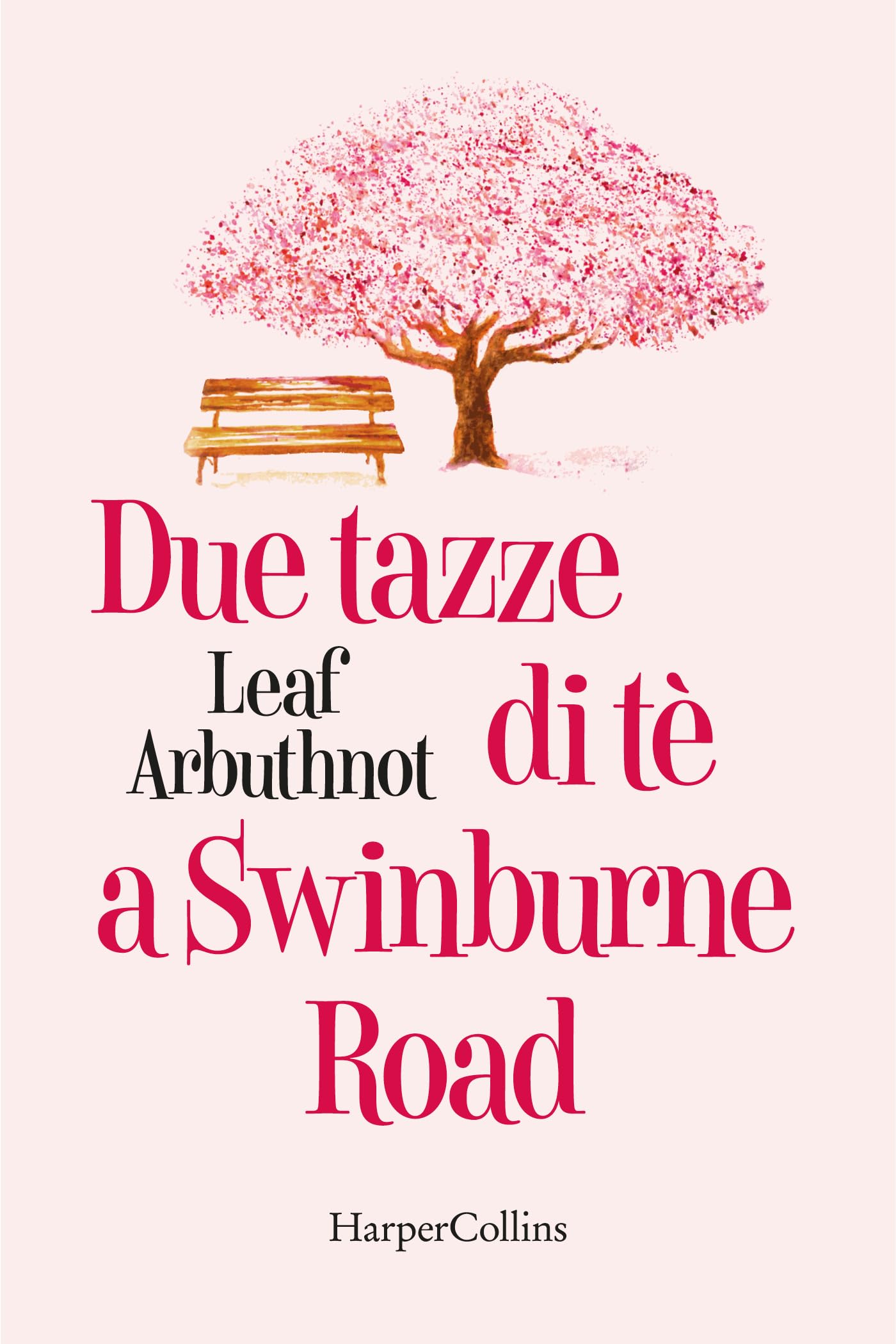
Due tazze di tè a Swinburne Road
Una favola moderna su un’amicizia speciale. La storia di due donne molto diverse che si salvano a vicenda.
“ Un romanzo intelligente e dal cuore grande. ” The Times
Ada è un’anziana vedova che vive a Oxford. Sola, senza figli e senza nipoti, nel vuoto di una grande casa colma di ricordi del marito, professore universitario appena scomparso. Ha paura di diventare invisibile, di essere dimenticata.
Eliza, sorriso incerto e stile essenziale, sta facendo un dottorato e studia italiano. È cresciuta in una famiglia disastrata, abbandonata a se stessa, sola. Si è sempre sentita fuori posto, anche a scuola, dove non ha mai avuto i mezzi economici dei suoi compagni di studio. Nonostante tutto, è sempre andata avanti. Ma la fine della relazione con la sua ragazza è la goccia che fa traboccare il vaso. Si ritrova sola, ancora, e questa volta non ha più le forze per reagire, per capire che senso dare alla sua vita.
È un volantino di “Affitta una nonna”, servizio ideato da Ada, che le fa incontrare, congiunzione perfetta tra due anime sole e bisognose d’affetto. Tra lunghe chiacchierate in giardino su una panchina sotto il ciliegio, tazze di tè Lapsang Souchong e letture di Primo Levi, piano piano le due donne avvertono che il vuoto che hanno dentro forse può ancora essere colmato, forse possono salvarsi a vicenda.
Perché a volte, quando la solitudine ci sembra inaffrontabile, anche solo preparare insieme una torta ci può scaldare il cuore e farci tornare il sorriso.
Leaf Arbuthnot, con una narrazione delicata, ci regala un romanzo che parla di solitudine e di mancanze ma anche della forza di un’amicizia speciale.
“ Un romanzo intelligente e dal cuore grande. ” The Times
Ada è un’anziana vedova che vive a Oxford. Sola, senza figli e senza nipoti, nel vuoto di una grande casa colma di ricordi del marito, professore universitario appena scomparso. Ha paura di diventare invisibile, di essere dimenticata.
Eliza, sorriso incerto e stile essenziale, sta facendo un dottorato e studia italiano. È cresciuta in una famiglia disastrata, abbandonata a se stessa, sola. Si è sempre sentita fuori posto, anche a scuola, dove non ha mai avuto i mezzi economici dei suoi compagni di studio. Nonostante tutto, è sempre andata avanti. Ma la fine della relazione con la sua ragazza è la goccia che fa traboccare il vaso. Si ritrova sola, ancora, e questa volta non ha più le forze per reagire, per capire che senso dare alla sua vita.
È un volantino di “Affitta una nonna”, servizio ideato da Ada, che le fa incontrare, congiunzione perfetta tra due anime sole e bisognose d’affetto. Tra lunghe chiacchierate in giardino su una panchina sotto il ciliegio, tazze di tè Lapsang Souchong e letture di Primo Levi, piano piano le due donne avvertono che il vuoto che hanno dentro forse può ancora essere colmato, forse possono salvarsi a vicenda.
Perché a volte, quando la solitudine ci sembra inaffrontabile, anche solo preparare insieme una torta ci può scaldare il cuore e farci tornare il sorriso.
Leaf Arbuthnot, con una narrazione delicata, ci regala un romanzo che parla di solitudine e di mancanze ma anche della forza di un’amicizia speciale.
320 pages, Kindle Edition
First published January 1, 2021
Ratings & Reviews
Friends & Following
Create a free account to discover what your friends think of this book!
Community Reviews
Displaying 1 - 30 of 70 reviews

May 15, 2020
Ada is a poet and recently widowed. For the first time in her life ahes feeling lonely. She put up adverts for a "rent a gran" service and that she will do anything from cooking advice to babysitting.
Eliza is a student at university. She finds it hard to form meaningful relationships. She's estranged from her mum and broken up with her girlfriend. She now thinks it will be easier to live on her own.
It obvious that the two women's paths will eventually cross. Thenoace is slow until the women meet and then it starts to pick up. We follow the women through some events in their lives and the emotions they go through. Sometimes we get a bit information overload but there is some humor thrown in too. I also felt the ending was a bit rushed.
I would like to thank NetGalley, Orion Publishing Group and the author Leaf Arbuthnot for my ARC in exchange for an honest review.
Eliza is a student at university. She finds it hard to form meaningful relationships. She's estranged from her mum and broken up with her girlfriend. She now thinks it will be easier to live on her own.
It obvious that the two women's paths will eventually cross. Thenoace is slow until the women meet and then it starts to pick up. We follow the women through some events in their lives and the emotions they go through. Sometimes we get a bit information overload but there is some humor thrown in too. I also felt the ending was a bit rushed.
I would like to thank NetGalley, Orion Publishing Group and the author Leaf Arbuthnot for my ARC in exchange for an honest review.

March 27, 2021
Looking For Eliza is a beautiful tale of loneliness and cross-generational friendship. I found this book gloriously original, having never read anything before taking such a close look at the meaningful friendships that can be forged across generations. I shed real tears as Arbuthnot painted such a tender picture of loneliness in Ada's elderly years, utilising the most poignant imagery to do so.
The friendship between Ada and Eliza was so pure and strong, and proved how much we can learn from another, coming from all walks of life. Though the book does deal with difficult issues, such as grief and abusive relationships, it leaves the reader feeling uplifted and inspired.
I adored this book and I cannot wait to see what Leaf Arbuthnot brings us next.
A huge thank you to Trapeze for sending me an advanced copy of this book for review :)
The friendship between Ada and Eliza was so pure and strong, and proved how much we can learn from another, coming from all walks of life. Though the book does deal with difficult issues, such as grief and abusive relationships, it leaves the reader feeling uplifted and inspired.
I adored this book and I cannot wait to see what Leaf Arbuthnot brings us next.
A huge thank you to Trapeze for sending me an advanced copy of this book for review :)

January 26, 2021
Wat een verrukkelijk en ontroerend boek, heb aan het einde echt tranen met tuiten gehuild. Zo knap hoe zo'n jonge schrijfster (27) zich inleeft in het gevoelsleven van een vrouw van in de zeventig.

July 9, 2023
Due protagoniste che si incontreranno solo dopo 200 pagine, in maniera abbastanza strana, diventando immediatamente anime affini.
Un finale forzoso e raffazzonato che, più che commuovere, fa alzare gli occhi al cielo.
Questi sono gli ingredienti di quello che risulta essere un romanzo un po' insapore.
Quelli che mi lasciano più delusa sono quei libri che hanno delle potenzialità inespresse, esattamente come questo romanzo.
Ada è un personaggio che avrebbe potuto funzionare molto bene se l'autrice non l'avesse relegata al ruolo di baby-sitter di chiunque.
#lamiafascetta Un libro da ombrellone
La recensione completa nelblog
Un finale forzoso e raffazzonato che, più che commuovere, fa alzare gli occhi al cielo.
Questi sono gli ingredienti di quello che risulta essere un romanzo un po' insapore.
Quelli che mi lasciano più delusa sono quei libri che hanno delle potenzialità inespresse, esattamente come questo romanzo.
Ada è un personaggio che avrebbe potuto funzionare molto bene se l'autrice non l'avesse relegata al ruolo di baby-sitter di chiunque.
#lamiafascetta Un libro da ombrellone
La recensione completa nelblog

June 4, 2022
Just beautiful. I loved Ada and eviza. Was beautiful and sad but so comforting

January 14, 2023
it was quite cute really such good vibes and it did feel a little sally rooney but not quite
poor ada in the last few pages though i think being attacked was a tad dramatic, poor woman
poor ada in the last few pages though i think being attacked was a tad dramatic, poor woman

September 5, 2023
** 3.5 stars **

January 17, 2023
Beautifully written book by this first time author.

April 15, 2022
Heart was warmed.

December 6, 2022
Read as part of the Puke Ariki book club
March 30, 2021
‘Growing older is not for sissies’ as the saying goes and so often that goes hand in hand with losing a partner and feeling unmoored, invisible and in limbo. Loneliness looms and with no children or grandchildren for the 70 – something Ada in Leaf Arbuthnot’s debut novel ‘Looking for Eliza”, this is so much the case. But loneliness is not confined to the elderly – it is a malady of every generation.
Set against the backdrop of the looming Brexit vote and the academia of Oxford, Arbuthnot has written a compellingly warm story of a surprising and rewarding intergenerational friendship. One that lays bare the ties of shared interests, the misunderstandings and the joys of being affirmed whatever your age.
Ada is a lapsed poet of some repute. She lives in a close on the slightly unfashionable side of Oxford. She and her late husband, Michael, professor of Italian literature at Oxford University, lived cosily and contentedly behind their bright yellow door, until his untimely, ‘well, I suppose at 75 it is to be expected’, death. The house echoes with their collective memories. Michael’s words, his books and the many items bought on their travels together, particularly two intertwined owls made of copper wire by the author Primo Levi, who was a key part of Michael’s work. Except that one owl was lost years ago during their move to Swinburne Road. It is a metaphor for the loneliness that Ada now feels and is trying to negotiate.
‘Now the solitude of the little creature on the table seemed starker than ever. It caused Ada such suffering that she learned to stop looking at it. Her gaze would skip from the rug to the lamp to the mantelpiece, never pausing on the picture frame housing those two cheerful, sunburnt people , or, right in front of the photo, the burnish of the singular copper-wire owl, irredeemably bereft of its partner.’
Across the road, renting the bedroom in a house in the major throes of renovation, lives post graduate student Eliza. With her pink hair and ripped jeans she is a complex young woman with issues of her own stemming from her working class background. A student of Italian literature writing her Doc Phil on Primo Levi, she is a young woman in turmoil; her last relationship with the emotionally abusive Ruby has left deep scars and longings, her family relationships are tenuous; good with Dad, Rich, but estranged from the mostly absent mother, Flora.
As the two protagonists surreptitiously eye each other across the street, Ada’s attempt to start a business to become more socially active is the catalyst for their meeting. ‘Rent –A Gran’ has some unexpected and hilarious outcomes and over a cup of lapsang souchong, Eliza and Ada discover tangible similarities, sealing an unexpected bond and bringing with it an interconnectedness that benefits both.
It is a charming and joyous story, one which many will identify with. Arbuthnot writes with an ease that speaks to her own belief in reaching across the generations towards a richer and more fulfilling life. She exhibits a tenderness that is warm and forgiving. The two follow the ebbs and flows of good friends, admitting to their own strengths and weaknesses. She understands that ‘seeing ‘ all generations is vital and while that may be an ageing body there is most likely a youthful and vibrant spirit itching to be heard. There is much wisdom in this easily absorbed novel and much that will stay with you. I really enjoyed Arbuthnot’s references to Primo Levi and the tiny owl that spoke of such longing.
While the story is not set during the pandemic it does underline solitary lives and the need to connect. The experience of the pandemic has seen neighbourliness emerging, stories shared, caring shown to people to whom we once just nodded and relationships formed between generations. Hopefully that practice will continue as it is such a vital link in the cycle of life.
Set against the backdrop of the looming Brexit vote and the academia of Oxford, Arbuthnot has written a compellingly warm story of a surprising and rewarding intergenerational friendship. One that lays bare the ties of shared interests, the misunderstandings and the joys of being affirmed whatever your age.
Ada is a lapsed poet of some repute. She lives in a close on the slightly unfashionable side of Oxford. She and her late husband, Michael, professor of Italian literature at Oxford University, lived cosily and contentedly behind their bright yellow door, until his untimely, ‘well, I suppose at 75 it is to be expected’, death. The house echoes with their collective memories. Michael’s words, his books and the many items bought on their travels together, particularly two intertwined owls made of copper wire by the author Primo Levi, who was a key part of Michael’s work. Except that one owl was lost years ago during their move to Swinburne Road. It is a metaphor for the loneliness that Ada now feels and is trying to negotiate.
‘Now the solitude of the little creature on the table seemed starker than ever. It caused Ada such suffering that she learned to stop looking at it. Her gaze would skip from the rug to the lamp to the mantelpiece, never pausing on the picture frame housing those two cheerful, sunburnt people , or, right in front of the photo, the burnish of the singular copper-wire owl, irredeemably bereft of its partner.’
Across the road, renting the bedroom in a house in the major throes of renovation, lives post graduate student Eliza. With her pink hair and ripped jeans she is a complex young woman with issues of her own stemming from her working class background. A student of Italian literature writing her Doc Phil on Primo Levi, she is a young woman in turmoil; her last relationship with the emotionally abusive Ruby has left deep scars and longings, her family relationships are tenuous; good with Dad, Rich, but estranged from the mostly absent mother, Flora.
As the two protagonists surreptitiously eye each other across the street, Ada’s attempt to start a business to become more socially active is the catalyst for their meeting. ‘Rent –A Gran’ has some unexpected and hilarious outcomes and over a cup of lapsang souchong, Eliza and Ada discover tangible similarities, sealing an unexpected bond and bringing with it an interconnectedness that benefits both.
It is a charming and joyous story, one which many will identify with. Arbuthnot writes with an ease that speaks to her own belief in reaching across the generations towards a richer and more fulfilling life. She exhibits a tenderness that is warm and forgiving. The two follow the ebbs and flows of good friends, admitting to their own strengths and weaknesses. She understands that ‘seeing ‘ all generations is vital and while that may be an ageing body there is most likely a youthful and vibrant spirit itching to be heard. There is much wisdom in this easily absorbed novel and much that will stay with you. I really enjoyed Arbuthnot’s references to Primo Levi and the tiny owl that spoke of such longing.
While the story is not set during the pandemic it does underline solitary lives and the need to connect. The experience of the pandemic has seen neighbourliness emerging, stories shared, caring shown to people to whom we once just nodded and relationships formed between generations. Hopefully that practice will continue as it is such a vital link in the cycle of life.
May 16, 2020
Set in Oxford,nestled in the world of academia are two women, generations apart, both living on the same ‘hidden’ road, existing in their own bubbles of self isolation.
Eliza is engaged in her doctorate about the life and work of Primo Levi, adrift and lonely after escaping from her one long term but unhealthy relationship with Ruth. Living in far from salubrious accommodation I imagined the graduate world of Oxford to be quite lonely, full of geeky wealthy privileged individuals lauding their superiority at every opportunity and wearing their intelligence as a badge of honour. Eliza doesn’t fit into this category at all, hailing from Carlisle where she’s lived with her gardener father Rich, abandoned by her mother. Loneliness can strike at any age and the break up of a relationship can make some people more introverted, shielding themselves from further hurt which I think Eliza has learned to do very well. However, I couldn’t warm to this character in the beginning, finding all the academic references quite tedious, waiting for something interesting to happen.
Across the road from Eliza lives Ada, still caught in the bewildering stages of bereavement and feeling as equally lonely and isolated as Eliza. Married to Michael, once a professor in Italian at Oxford, Ada is an acclaimed poet in her own right but is suffering from intense feelings of pointlessness, invisibility and a lack of usefulness. I really liked this character as she didn’t allow these feelings to completely overwhelm her, choosing to go out into the world as a widowed woman, determined to make her mark. Her rather bonkers idea of Rent-a-Gran provides much of the humour in this novel, meeting a motley crew of individuals all seeking her help for all sorts of different reasons . I absolutely loved this idea and marvelled at how resourceful and inspiring Ada proved to be.
I spent the whole of the first half of this book waiting for Eliza and Ada’s worlds to collide. Once this happened I enjoyed the second half far more, having up to that point only really engaged with Ada’s story. I will have to disagree with other reviews that pronounce Looking for Eliza a perfect book for these times of self isolation as whilst some parts amused me I did find much of the tone bleak in the first part of the novel. I totally understand how uplifting and hopeful Ada and Eliza’s inter generational friendship should appear to the reader and on most levels it does work but I can’t pinpoint exactly why this burgeoning relationship didn’t fill me with the joy I had anticipated. As the storyline progresses it does become far more readable and relatable with these women’s combined love of lapsang souchong and the life of Primo Levi propelling their friendship forward. At times their interactions felt like Eliza was a Michael substitute, with such an easy flow to their conversations and a blossoming love that held so much hope for the pair of them. With a brighter future ahead I grew almost as fond of Eliza as I did Ada but for me it’s the older woman who captured my heart.
A novel that I recommend as it is beautifully written, touching and warm and compassionate.
My thanks as always to the publisher and Netgalley for giving me the opportunity to read.
Eliza is engaged in her doctorate about the life and work of Primo Levi, adrift and lonely after escaping from her one long term but unhealthy relationship with Ruth. Living in far from salubrious accommodation I imagined the graduate world of Oxford to be quite lonely, full of geeky wealthy privileged individuals lauding their superiority at every opportunity and wearing their intelligence as a badge of honour. Eliza doesn’t fit into this category at all, hailing from Carlisle where she’s lived with her gardener father Rich, abandoned by her mother. Loneliness can strike at any age and the break up of a relationship can make some people more introverted, shielding themselves from further hurt which I think Eliza has learned to do very well. However, I couldn’t warm to this character in the beginning, finding all the academic references quite tedious, waiting for something interesting to happen.
Across the road from Eliza lives Ada, still caught in the bewildering stages of bereavement and feeling as equally lonely and isolated as Eliza. Married to Michael, once a professor in Italian at Oxford, Ada is an acclaimed poet in her own right but is suffering from intense feelings of pointlessness, invisibility and a lack of usefulness. I really liked this character as she didn’t allow these feelings to completely overwhelm her, choosing to go out into the world as a widowed woman, determined to make her mark. Her rather bonkers idea of Rent-a-Gran provides much of the humour in this novel, meeting a motley crew of individuals all seeking her help for all sorts of different reasons . I absolutely loved this idea and marvelled at how resourceful and inspiring Ada proved to be.
I spent the whole of the first half of this book waiting for Eliza and Ada’s worlds to collide. Once this happened I enjoyed the second half far more, having up to that point only really engaged with Ada’s story. I will have to disagree with other reviews that pronounce Looking for Eliza a perfect book for these times of self isolation as whilst some parts amused me I did find much of the tone bleak in the first part of the novel. I totally understand how uplifting and hopeful Ada and Eliza’s inter generational friendship should appear to the reader and on most levels it does work but I can’t pinpoint exactly why this burgeoning relationship didn’t fill me with the joy I had anticipated. As the storyline progresses it does become far more readable and relatable with these women’s combined love of lapsang souchong and the life of Primo Levi propelling their friendship forward. At times their interactions felt like Eliza was a Michael substitute, with such an easy flow to their conversations and a blossoming love that held so much hope for the pair of them. With a brighter future ahead I grew almost as fond of Eliza as I did Ada but for me it’s the older woman who captured my heart.
A novel that I recommend as it is beautifully written, touching and warm and compassionate.
My thanks as always to the publisher and Netgalley for giving me the opportunity to read.

April 30, 2021
Übersetzt von Christiane Burkhardt
✨ Werbung, unbezahlt
𝗜𝗻𝗵𝗮𝗹𝘁: Die über siebzigjährige Ada ist nach dem Tod ihres Mannes plötzlich auf sich allein gestellt. Nicht nur die Einsamkeit macht ihr zu schaffen, sondern auch die neue SB-Kasse im Supermarkt, die ihre liebgewonnenen Kassierer:innen ablöst. Um in der Welt nicht unterzugehen und die restliche Lebenszeit auszukosten, gründet Ada kurzerhand ein Start-up – Rent-a-gran ist geboren.
Eliza, eine junge Doktorandin der Italienischen Literaturwissenschaft, zieht in das gegenüberliegende Haus. Diese leidet noch immer unter der Trennung von ihrer Ex-Freundin und zweifelt an der Sinnhaftigkeit ihres Studiums. In der Hoffnung, die innere Leere füllen zu können, klopft Eliza eines Abends an Adas knallgelbe Haustür. Eine ungewöhnliche Freundschaft beginnt, die beide raus aus der Einsamkeit und zurück ins Leben holt.
𝗠𝗲𝗶𝗻𝗲 𝗠𝗲𝗶𝗻𝘂𝗻𝗴: Leaf Arbuthnot erzählt eine Geschichte, die mitten aus dem Leben stammt. Sie schreibt von Verlust und Neuanfang sowie von den Träumen und Ängsten der beiden Frauen, die unterschiedlicher kaum sein könnten und sich doch ähnlicher sind als angenommen. Beide lassen sich auf ungewohntes und Neues ein und gewinnen dadurch eine Freundschaft, in der jede so sein kann, wie sie ist. Wenn Zweifel aufkommen, und das Leben versucht sie aus der Bahn zu werfen, geben sich Ada und Eliza gegenseitig Halt – trotz der 50 Jahre Altersunterschied.
Die Autorin hat mit „Warten auf Eliza“ einen Roman geschrieben, der das Herz erwärmt und Mut macht. Wenngleich ich mich weder mit Ada noch mit Eliza identifizieren konnte, sind ihre Lebensfreude und Neugier ansteckend. Es gab zahlreiche Momente voller Humor, Melancholie und Euphancholie. Der Roman lässt sich flüssig lesen, ist aber kein überraschendes Highlight und somit kein Muss. Dennoch tut diese leichte Geschichte einfach gut, weshalb ich eine uneingeschränkte Empfehlung aussprechen kann. Nach den eher belastenden Büchern, die ich in der letzten Zeit gelesen habe, kam dieses wie gerufen.
Vielen Dank an Penguinrandomhouse für die Bereitstellung des Rezensionsexemplars! 🧡
✨ Werbung, unbezahlt
𝗜𝗻𝗵𝗮𝗹𝘁: Die über siebzigjährige Ada ist nach dem Tod ihres Mannes plötzlich auf sich allein gestellt. Nicht nur die Einsamkeit macht ihr zu schaffen, sondern auch die neue SB-Kasse im Supermarkt, die ihre liebgewonnenen Kassierer:innen ablöst. Um in der Welt nicht unterzugehen und die restliche Lebenszeit auszukosten, gründet Ada kurzerhand ein Start-up – Rent-a-gran ist geboren.
Eliza, eine junge Doktorandin der Italienischen Literaturwissenschaft, zieht in das gegenüberliegende Haus. Diese leidet noch immer unter der Trennung von ihrer Ex-Freundin und zweifelt an der Sinnhaftigkeit ihres Studiums. In der Hoffnung, die innere Leere füllen zu können, klopft Eliza eines Abends an Adas knallgelbe Haustür. Eine ungewöhnliche Freundschaft beginnt, die beide raus aus der Einsamkeit und zurück ins Leben holt.
𝗠𝗲𝗶𝗻𝗲 𝗠𝗲𝗶𝗻𝘂𝗻𝗴: Leaf Arbuthnot erzählt eine Geschichte, die mitten aus dem Leben stammt. Sie schreibt von Verlust und Neuanfang sowie von den Träumen und Ängsten der beiden Frauen, die unterschiedlicher kaum sein könnten und sich doch ähnlicher sind als angenommen. Beide lassen sich auf ungewohntes und Neues ein und gewinnen dadurch eine Freundschaft, in der jede so sein kann, wie sie ist. Wenn Zweifel aufkommen, und das Leben versucht sie aus der Bahn zu werfen, geben sich Ada und Eliza gegenseitig Halt – trotz der 50 Jahre Altersunterschied.
Die Autorin hat mit „Warten auf Eliza“ einen Roman geschrieben, der das Herz erwärmt und Mut macht. Wenngleich ich mich weder mit Ada noch mit Eliza identifizieren konnte, sind ihre Lebensfreude und Neugier ansteckend. Es gab zahlreiche Momente voller Humor, Melancholie und Euphancholie. Der Roman lässt sich flüssig lesen, ist aber kein überraschendes Highlight und somit kein Muss. Dennoch tut diese leichte Geschichte einfach gut, weshalb ich eine uneingeschränkte Empfehlung aussprechen kann. Nach den eher belastenden Büchern, die ich in der letzten Zeit gelesen habe, kam dieses wie gerufen.
Vielen Dank an Penguinrandomhouse für die Bereitstellung des Rezensionsexemplars! 🧡

June 29, 2020
Think 'The Unlikely Pilgrimage of Harold Fry' or 'Finding Henry Applebee' and you're halfway there. Focussing on the cross-generational friendship between heartbroken post-graduate student and recently widowed OAP, Ada, the plot gathers apace about midway through when the pair finally meet.
The pair live on opposite sides of Swinburne Road in Oxford and are isolated by their recent histories. Leaf Arbuthnot's astute observations of both women's experiences are engaging and eye-opening for those of us immersed in our own life-plots: Ada is flummoxed by the introduction of self-service machines at her local store finding, "she hadn't realised how much she'd been relying on her daily trips to the shop on the Iffley Road to supplement her human diet" whilst Eliza's every moment is quieted by an internal monologue dictated by her recent controlling relationship; creating an enormous barrier between her and the rest of the world, 'Eliza tried to participate in the merry gossip but lost track of the names and fell to looking out of the window'. Above all, it is this loneliness that speaks to the reader; recognising loneliness as 'an affliction like obesity or AIDS.'
Most charming is the two characters ability to recognise the sorrow in the other's solitude and to help her to heal and reach a new understanding, "I feel now I know well the difference between being alone and feeling alone."
Whilst the slow start and delay in Eliza and Ada's meeting allow the reader to become familiar with both women's situations, it feels like an unnecessarily long wait and a great weight too - of great indigestion-inducing gob-fulls of information that would have been better more evenly spread throughout.
Nevertheless an enjoyable and gentle read about the human condition upon which we all have cause to reflect at different points in our lives.
My thanks to Netgalley, the author and publisher for sharing an advance copy with me in return for my honest opinion.
The pair live on opposite sides of Swinburne Road in Oxford and are isolated by their recent histories. Leaf Arbuthnot's astute observations of both women's experiences are engaging and eye-opening for those of us immersed in our own life-plots: Ada is flummoxed by the introduction of self-service machines at her local store finding, "she hadn't realised how much she'd been relying on her daily trips to the shop on the Iffley Road to supplement her human diet" whilst Eliza's every moment is quieted by an internal monologue dictated by her recent controlling relationship; creating an enormous barrier between her and the rest of the world, 'Eliza tried to participate in the merry gossip but lost track of the names and fell to looking out of the window'. Above all, it is this loneliness that speaks to the reader; recognising loneliness as 'an affliction like obesity or AIDS.'
Most charming is the two characters ability to recognise the sorrow in the other's solitude and to help her to heal and reach a new understanding, "I feel now I know well the difference between being alone and feeling alone."
Whilst the slow start and delay in Eliza and Ada's meeting allow the reader to become familiar with both women's situations, it feels like an unnecessarily long wait and a great weight too - of great indigestion-inducing gob-fulls of information that would have been better more evenly spread throughout.
Nevertheless an enjoyable and gentle read about the human condition upon which we all have cause to reflect at different points in our lives.
My thanks to Netgalley, the author and publisher for sharing an advance copy with me in return for my honest opinion.

May 14, 2020
Cross-Generational Loneliness - a great debut!
Oh my goodness I absolutely loved this. I laughed out loud at some parts and teared up at others. What a great story.... I didn’t want it to finish.
An easy read, nice and light about the lives of two woman who become very good friends until a misunderstanding separates them. Could the circumstances near the end have been avoided if this hadn’t have happened? Who knows?
The way in which Arbuthnot pulled this together was brilliant.
Here you are plunged into the life of a young woman called Eliza where it explores relationships with her parents, lovers, friends and acquaintances..... hurt in the past, the experience of which and the effect it has on her, results in distressing consequences.
What I really loved about this is the fact that the characters are real life, they could be people you know, the story is realistic, moving and heart warming.
Eliza makes friends with Ada, someone quite a lot older than her, however they have so much in common that bonds them instantly. Loneliness, lapsang souchong tea and Primo Levi, the study of who is the conduit that pulls all of this together.
Ada, a poet, is widowed and misses her husband, Michael, however she is still young at heart and sets up a Rent-a-Gran business, which works really well. Ada definitely sees life as a Rent-a-Gran 😂😂😂
It’s not perfect. As life isn’t. We all make mistakes. We can be mean, thoughtless, too proud, petulant and we sometimes hurt the people we care about and love.
Change, loss, sadness, grief, acts of aggression, jealousy, hidden wounds, friendship, complicated relationships, disappointment, frustration, loneliness, LGBT, success and love are all covered across Eliza and Ada’s journey. The power of forgiveness is core.
Most definitely 5⭐️⭐️⭐️⭐️⭐️ from me.
Thank you to the author, Netgalley and Orion Publishing Group for this ARC provided in exchange for this unbiased review.
Oh my goodness I absolutely loved this. I laughed out loud at some parts and teared up at others. What a great story.... I didn’t want it to finish.
An easy read, nice and light about the lives of two woman who become very good friends until a misunderstanding separates them. Could the circumstances near the end have been avoided if this hadn’t have happened? Who knows?
The way in which Arbuthnot pulled this together was brilliant.
Here you are plunged into the life of a young woman called Eliza where it explores relationships with her parents, lovers, friends and acquaintances..... hurt in the past, the experience of which and the effect it has on her, results in distressing consequences.
What I really loved about this is the fact that the characters are real life, they could be people you know, the story is realistic, moving and heart warming.
Eliza makes friends with Ada, someone quite a lot older than her, however they have so much in common that bonds them instantly. Loneliness, lapsang souchong tea and Primo Levi, the study of who is the conduit that pulls all of this together.
Ada, a poet, is widowed and misses her husband, Michael, however she is still young at heart and sets up a Rent-a-Gran business, which works really well. Ada definitely sees life as a Rent-a-Gran 😂😂😂
It’s not perfect. As life isn’t. We all make mistakes. We can be mean, thoughtless, too proud, petulant and we sometimes hurt the people we care about and love.
Change, loss, sadness, grief, acts of aggression, jealousy, hidden wounds, friendship, complicated relationships, disappointment, frustration, loneliness, LGBT, success and love are all covered across Eliza and Ada’s journey. The power of forgiveness is core.
Most definitely 5⭐️⭐️⭐️⭐️⭐️ from me.
Thank you to the author, Netgalley and Orion Publishing Group for this ARC provided in exchange for this unbiased review.

April 20, 2020
I’m so desperately sorry to say I found this one a bit of a struggle. I feel dreadful for saying it, but I simply couldn’t warm to either of the two leads, Eliza or Ada, no matter how hard I (or they) tried.
But... just because we didn’t hit it off doesn’t mean to say you won’t! Everyone of us and our personal circumstances is unique, something Ada and Eliza demonstrate well.
However, for me their strengths and vulnerabilities should have been exposed through a series of interesting, varied shaped stepping stones rather than huge boulders of information that obstructed the story’s progression. This was such a shame, as the rent-a-gran idea and the missing sculpture elements were endearing.
Much like everyone else varied topics appeal to me. This includes people’s personal issues and dilemmas, not to be nosy you understand (!), but to see how they tackle and hopefully overcome them. Alas, it began to feel as though every possible social issue had had its checkbox ticked.
Perhaps if I’d gelled with the Eliza and Ada from the beginning this review might be totally different. I really can’t say. As things are, I’m afraid this one wasn’t for me :(
(I thank the publisher for providing a digital copy of this title, which I voluntarily chose to read and review.)
But... just because we didn’t hit it off doesn’t mean to say you won’t! Everyone of us and our personal circumstances is unique, something Ada and Eliza demonstrate well.
However, for me their strengths and vulnerabilities should have been exposed through a series of interesting, varied shaped stepping stones rather than huge boulders of information that obstructed the story’s progression. This was such a shame, as the rent-a-gran idea and the missing sculpture elements were endearing.
Much like everyone else varied topics appeal to me. This includes people’s personal issues and dilemmas, not to be nosy you understand (!), but to see how they tackle and hopefully overcome them. Alas, it began to feel as though every possible social issue had had its checkbox ticked.
Perhaps if I’d gelled with the Eliza and Ada from the beginning this review might be totally different. I really can’t say. As things are, I’m afraid this one wasn’t for me :(
(I thank the publisher for providing a digital copy of this title, which I voluntarily chose to read and review.)

November 23, 2022
Pretentious writing (how many times can you use the word quivering?), weak plot - millennial to its core. It took almost 200 pages for Eliza & Ada to meet (ZZzZzz) and then a friendship starts... in the next 100 pages the relationship peaks, almost die but then it doesn't (what a surprise, #not). So predictable it was actually sad. Forceful and just a waste of time, really 🙄
《Read for the Puke Ariki Book Club》
《Read for the Puke Ariki Book Club》
June 6, 2023
Four stars for the Ada parts, two for the Eliza bits.
In my mind, the rent-a-gran story should have been the whole book, and what a much better one it would have made. Perhaps it’s an age thing but, God, I found Eliza annoying. Wake up and grow up! You know you shouldn’t meet up with Ruby again, but you still do. Stupid.
It took a long, long time for the two characters to meet up properly, by which time the plot started to get better. A disappointment.
In my mind, the rent-a-gran story should have been the whole book, and what a much better one it would have made. Perhaps it’s an age thing but, God, I found Eliza annoying. Wake up and grow up! You know you shouldn’t meet up with Ruby again, but you still do. Stupid.
It took a long, long time for the two characters to meet up properly, by which time the plot started to get better. A disappointment.

June 28, 2020
Too slow to get started with the interaction between the two generations. Too many references to 'modern' technology, music, films, TV, as if the author was trying to prove how hip she is. Was surprised to read at the end that the author is actually very young. Felt like she was old trying to appeal to the younger generation.

October 3, 2023
**quasi tre***
Due tazze di tè a Swibune road è un romanzo che parla di solitudini che si incontrano: quella di Eliza, dottoranda il letteratura italiana a Oxford, e quella di Ada che ha perso da poco il marito- docente di italiano nella medesima città- e si sente andare alla deriva, in una casa e in una vita troppo grandi.
Ada è un’anziana poetessa che cerca di non cadere del cliché della vecchia che vive di ricordi e passa i pomeriggi a guardare la tv, e per farlo decide di mettersi in gioco aprendo una “start up” (come la chiamerebbero i giovani, in realtà sono volantini stampati al pc) dove offre i suoi servizi a chi li richiede. “Affitta una nonna” è il suo progetto, che dopo qualche difficoltà parte e va a gonfie vele.
Eliza, che vive nel palazzo di fronte alla casa di Ada è una donna “irrisolta” e che fa fatica a rimettersi in sesto da una storia d’amore finita male, è in crisi con la tesi e ha un rapporto quasi inesistente con la madre.
Eliza ha sempre faticato per tutto, pur cercando di farcela con le sue sole forze, ma ad un passo dall’esaurimento nervoso e solo l’incontro con Ada e la storia dei gufi in fil di ferro fatti da Primo Levi, le impediscono di andare in pezzi.
Questa è la loro storia, questo è il romanzo per notare e imparare la differenza tra l’essere soli e il sentirsi soli…. Che purtroppo non mi è piaciuto quanto la copertina!
Carino, ma che non mi ha dato la sensazione di leggere qualcosa di incompiuto, o di cui ci si è limitati a grattare la superficie, senza scendere in profondità per via dei tanti temi trattati, di cui la solitudine è il principale (come si legge anche dall’intervista all’autrice a fine libro),ma non l’unico.
È una storia piacevole, con molti spunti di riflessione, tra cui la velocità del progresso e della digitalizzazione, differenza generazionale, le diverse prospettive e visioni di vita, la voglia di capire cosa fare di sé, l’elaborazione della perdita ecc, ma è prevedibile (a parte qualche colpo di scena finale) e non mi ha scaldato il cuore come avrei voluto. E la parte sulla Brexit è di una noia mortale, un’espediente per inserire o togliere personaggi.
La copertina (come accennavo) è stupenda e mi aspettavo qualcosa alla Sara Addison Allen o alla Fannie Flagg – non chiedetemi perché- invece mi sono calata nella Oxford universitaria e nella poesia e nella letteratura (…. Di fatto solo sulla carta, perché non è un romanzo poetico, e mi sarebbe tanto piaciuto leggere una poesia di Ada, qualcosa di Primo Levi oltre agli accenni) , tra studenti universitari e la piccola via di Swinburne road sconosciuta ai più.
Non capisco perché l’editore italiano abbia scelto “due tazze di tè a Swinburne Road” al posto di “Looking for Eliza”, che anche in italiano avrebbe reso meglio e più fedelmente il cuore del romanzo: la crisi e la ricerca di risposte, di identità di una donna che non sa più bene chi è e cosa fare di sé.
Per questo il mio voto è due stelle e ¾.
(Non dico nulla su come gli italiani vengono dipinti, sempre gli stessi stereotipi, per non abbassare il voto)
Due tazze di tè a Swibune road è un romanzo che parla di solitudini che si incontrano: quella di Eliza, dottoranda il letteratura italiana a Oxford, e quella di Ada che ha perso da poco il marito- docente di italiano nella medesima città- e si sente andare alla deriva, in una casa e in una vita troppo grandi.
Ada è un’anziana poetessa che cerca di non cadere del cliché della vecchia che vive di ricordi e passa i pomeriggi a guardare la tv, e per farlo decide di mettersi in gioco aprendo una “start up” (come la chiamerebbero i giovani, in realtà sono volantini stampati al pc) dove offre i suoi servizi a chi li richiede. “Affitta una nonna” è il suo progetto, che dopo qualche difficoltà parte e va a gonfie vele.
Eliza, che vive nel palazzo di fronte alla casa di Ada è una donna “irrisolta” e che fa fatica a rimettersi in sesto da una storia d’amore finita male, è in crisi con la tesi e ha un rapporto quasi inesistente con la madre.
Eliza ha sempre faticato per tutto, pur cercando di farcela con le sue sole forze, ma ad un passo dall’esaurimento nervoso e solo l’incontro con Ada e la storia dei gufi in fil di ferro fatti da Primo Levi, le impediscono di andare in pezzi.
Questa è la loro storia, questo è il romanzo per notare e imparare la differenza tra l’essere soli e il sentirsi soli…. Che purtroppo non mi è piaciuto quanto la copertina!
Carino, ma che non mi ha dato la sensazione di leggere qualcosa di incompiuto, o di cui ci si è limitati a grattare la superficie, senza scendere in profondità per via dei tanti temi trattati, di cui la solitudine è il principale (come si legge anche dall’intervista all’autrice a fine libro),ma non l’unico.
È una storia piacevole, con molti spunti di riflessione, tra cui la velocità del progresso e della digitalizzazione, differenza generazionale, le diverse prospettive e visioni di vita, la voglia di capire cosa fare di sé, l’elaborazione della perdita ecc, ma è prevedibile (a parte qualche colpo di scena finale) e non mi ha scaldato il cuore come avrei voluto. E la parte sulla Brexit è di una noia mortale, un’espediente per inserire o togliere personaggi.
La copertina (come accennavo) è stupenda e mi aspettavo qualcosa alla Sara Addison Allen o alla Fannie Flagg – non chiedetemi perché- invece mi sono calata nella Oxford universitaria e nella poesia e nella letteratura (…. Di fatto solo sulla carta, perché non è un romanzo poetico, e mi sarebbe tanto piaciuto leggere una poesia di Ada, qualcosa di Primo Levi oltre agli accenni) , tra studenti universitari e la piccola via di Swinburne road sconosciuta ai più.
Non capisco perché l’editore italiano abbia scelto “due tazze di tè a Swinburne Road” al posto di “Looking for Eliza”, che anche in italiano avrebbe reso meglio e più fedelmente il cuore del romanzo: la crisi e la ricerca di risposte, di identità di una donna che non sa più bene chi è e cosa fare di sé.
Per questo il mio voto è due stelle e ¾.
(Non dico nulla su come gli italiani vengono dipinti, sempre gli stessi stereotipi, per non abbassare il voto)

July 28, 2024
“Due tazze di tè a Swinburne Road” di Leaf Arbuthnot pag. 352
Ada è un’anziana, ma nemmeno troppo, vedova e da quando suo marito Michael è morto, ogni cambiamento, ogni allontanamento dalla comfort zone la mette a disagio. Dopo l’iniziale interessamento degli amici, che col tempo capirà essere prevalentemente di Michael, pian piano viene isolata e dimenticata, spegnendosi lentamente nella sua grande casa.
Per questo motivo decide di iniziare a lavorare, ma non avendo nessun tipo di esperienza il tentativo fallisce miseramente facendole venire l’idea di aprire una start up “Nonna in affitto” anche se in realtà non è una nonna, lei e Michael non hanno mai avuto figli.
Eliza ha venticinque anni, è a Oxford per un dottorato in letteratura e sta portando avanti un lavoro su Primo Levi.
Vive in uno stabile in cui stanno eseguendo lavori di ristrutturazione, sostanzialmente non ha un soldo e grazie alla precarietà della sistemazione è riuscita a strappare un ottimo prezzo per una stanza letteralmente invasa dalla polvere.
Eliza ha alle spalle una famiglia disastrata e una relazione tossica che ancora le occupa i pensieri.
Entrambe vivono nella stessa strada di Oxford, Swinburne Road, anzi sono proprio una di fianco all’altra ed entrambe soffrono di una profonda solitudine.
Complice il referendum per la Brexit e i volantini di Nonna in affitto le due donne si incontrano e trovano, insieme, un nuovo senso alle loro vite.
Questo libro è la storia di una doppia salvezza, resa possibile da un sentimento di amicizia che nasce piano e si fa sempre più profondo. Perché è vero che non ci si può sempre salvare da soli, che due solitudini possono trasformarsi in amicizia e che il dialogo tra diverse generazioni può diventare anche arricchente e prezioso.
Una lettura scorrevole che sa affrontare temi importanti con delicatezza, senza la pretesa di fornire ogni risposta e celebrando le amicizie inaspettate .
Ada è un’anziana, ma nemmeno troppo, vedova e da quando suo marito Michael è morto, ogni cambiamento, ogni allontanamento dalla comfort zone la mette a disagio. Dopo l’iniziale interessamento degli amici, che col tempo capirà essere prevalentemente di Michael, pian piano viene isolata e dimenticata, spegnendosi lentamente nella sua grande casa.
Per questo motivo decide di iniziare a lavorare, ma non avendo nessun tipo di esperienza il tentativo fallisce miseramente facendole venire l’idea di aprire una start up “Nonna in affitto” anche se in realtà non è una nonna, lei e Michael non hanno mai avuto figli.
Eliza ha venticinque anni, è a Oxford per un dottorato in letteratura e sta portando avanti un lavoro su Primo Levi.
Vive in uno stabile in cui stanno eseguendo lavori di ristrutturazione, sostanzialmente non ha un soldo e grazie alla precarietà della sistemazione è riuscita a strappare un ottimo prezzo per una stanza letteralmente invasa dalla polvere.
Eliza ha alle spalle una famiglia disastrata e una relazione tossica che ancora le occupa i pensieri.
Entrambe vivono nella stessa strada di Oxford, Swinburne Road, anzi sono proprio una di fianco all’altra ed entrambe soffrono di una profonda solitudine.
Complice il referendum per la Brexit e i volantini di Nonna in affitto le due donne si incontrano e trovano, insieme, un nuovo senso alle loro vite.
Questo libro è la storia di una doppia salvezza, resa possibile da un sentimento di amicizia che nasce piano e si fa sempre più profondo. Perché è vero che non ci si può sempre salvare da soli, che due solitudini possono trasformarsi in amicizia e che il dialogo tra diverse generazioni può diventare anche arricchente e prezioso.
Una lettura scorrevole che sa affrontare temi importanti con delicatezza, senza la pretesa di fornire ogni risposta e celebrando le amicizie inaspettate .

May 16, 2020
Looking for Eliza is a thoughtful story of loneliness and friendship, one which really touched me in places.
Ada Robertson's husband died. They were a tight unit, just the two of them, and she's not only lonely, she's been cast adrift, bobbing around on a sea of solitude with no sign of dry land. She's a poet but hasn't written anything in years. She needs a purpose so she sets up a Rent-A-Gran business. I loved the sections where she met with her clients and I thought it was a brilliant idea, both as a business and as a storyline.
Eliza is also lonely. She's at Oxford University doing a DPhil in Italian literature and trying to recover from a toxic relationship with her ex-girlfriend. Somehow these two women, so vastly different in age, make their way to each other and become unlikely, but perfectly balanced, friends.
I have to say that I found Eliza a difficult character to engage with for quite a bit of the book. Ada seemed more likeable somehow and I felt like I understood her better. As the story progressed though, I started to take to Eliza more and particularly liked how Ada's nurturing brought her out of herself, and how Eliza did the same for Ada.
Leaf Arbuthnot has a delightful turn of phrase, a poetic way of writing that for the most part flowed really well. One bit that stood out for me early on is when Ada is looking back at her husband's funeral, feeling in a daze and hearing people comment about him without being able to identify the speaker.
"She was left holding the phrases in her hands, carefully, like injured birds."
Looking for Eliza is a tender and poignant debut, one of salvation and companionship. It's an appealing and intelligent read.
Ada Robertson's husband died. They were a tight unit, just the two of them, and she's not only lonely, she's been cast adrift, bobbing around on a sea of solitude with no sign of dry land. She's a poet but hasn't written anything in years. She needs a purpose so she sets up a Rent-A-Gran business. I loved the sections where she met with her clients and I thought it was a brilliant idea, both as a business and as a storyline.
Eliza is also lonely. She's at Oxford University doing a DPhil in Italian literature and trying to recover from a toxic relationship with her ex-girlfriend. Somehow these two women, so vastly different in age, make their way to each other and become unlikely, but perfectly balanced, friends.
I have to say that I found Eliza a difficult character to engage with for quite a bit of the book. Ada seemed more likeable somehow and I felt like I understood her better. As the story progressed though, I started to take to Eliza more and particularly liked how Ada's nurturing brought her out of herself, and how Eliza did the same for Ada.
Leaf Arbuthnot has a delightful turn of phrase, a poetic way of writing that for the most part flowed really well. One bit that stood out for me early on is when Ada is looking back at her husband's funeral, feeling in a daze and hearing people comment about him without being able to identify the speaker.
"She was left holding the phrases in her hands, carefully, like injured birds."
Looking for Eliza is a tender and poignant debut, one of salvation and companionship. It's an appealing and intelligent read.

May 4, 2020
Looking for Eliza is a novel about friendship and loneliness between different generations, set in Oxford. Ada is a recently widowed poet and Eliza is a new PhD student at the university, and both are isolated in their own ways. Eliza is still reeling from breaking up with her undergrad girlfriend and is separated from her mother, whilst Ada gets most of her interactions from the local shop until she starts up a 'Rent A Gran' service to try and get out of the house. Will their new friendship help not only bring them out of loneliness, but help them to get back on with other things in their lives too?
The characters and setting appealed to me, but unfortunately the novel didn't live up to expectations in its execution. The first half of the book is mostly an overwhelming amount of information about the two main characters' lives before they meet, and then their friendship takes up much less space, with a rushed ending. This meant it felt a bit like you had to be brought up to speed before you could read the second half which was what the book was about, an unlikely friendship bringing people out of loneliness. The other issue I had with the novel is the way the characters felt like stereotypes at times, particularly Eliza as a working class student at Oxford (and the treatment of class in general felt a bit off).
Ada and Eliza had a fair amount in common (not least the academic work of Eliza and Ada's husband) and it was interesting to look at how they could get along so well despite the age gap and some difference of opinions, but the reading experience just didn't quite work due to the narrative structure and pacing.
The characters and setting appealed to me, but unfortunately the novel didn't live up to expectations in its execution. The first half of the book is mostly an overwhelming amount of information about the two main characters' lives before they meet, and then their friendship takes up much less space, with a rushed ending. This meant it felt a bit like you had to be brought up to speed before you could read the second half which was what the book was about, an unlikely friendship bringing people out of loneliness. The other issue I had with the novel is the way the characters felt like stereotypes at times, particularly Eliza as a working class student at Oxford (and the treatment of class in general felt a bit off).
Ada and Eliza had a fair amount in common (not least the academic work of Eliza and Ada's husband) and it was interesting to look at how they could get along so well despite the age gap and some difference of opinions, but the reading experience just didn't quite work due to the narrative structure and pacing.

May 10, 2020
𝘈𝘥𝘢 𝘪𝘴 𝘢 𝘸𝘪𝘥𝘰𝘸𝘦𝘥 𝘸𝘳𝘪𝘵𝘦𝘳, 𝘯𝘢𝘷𝘪𝘨𝘢𝘵𝘪𝘯𝘨 𝘭𝘰𝘯𝘦𝘭𝘪𝘯𝘦𝘴𝘴 𝘪𝘯 𝘖𝘹𝘧𝘰𝘳𝘥 𝘢𝘧𝘵𝘦𝘳 𝘵𝘩𝘦 𝘥𝘦𝘢𝘵𝘩 𝘰𝘧 𝘩𝘦𝘳 𝘩𝘶𝘴𝘣𝘢𝘯𝘥. 𝘚𝘩𝘦 𝘩𝘢𝘴 𝘯𝘰 𝘤𝘩𝘪𝘭𝘥𝘳𝘦𝘯. 𝘕𝘰 𝘨𝘳𝘢𝘯𝘥𝘤𝘩𝘪𝘭𝘥𝘳𝘦𝘯. 𝘚𝘩𝘦 𝘧𝘦𝘢𝘳𝘴 𝘴𝘩𝘦 𝘪𝘴 𝘣𝘦𝘤𝘰𝘮𝘪𝘯𝘨 𝘱𝘦𝘳𝘪𝘱𝘩𝘦𝘳𝘢𝘭, 𝘢𝘯𝘰𝘵𝘩𝘦𝘳 𝘪𝘯𝘷𝘪𝘴𝘪𝘣𝘭𝘦 𝘸𝘰𝘮𝘢𝘯.
𝘌𝘭𝘪𝘻𝘢 𝘪𝘴 𝘢 𝘴𝘵𝘶𝘥𝘦𝘯𝘵 𝘢𝘵 𝘵𝘩𝘦 𝘶𝘯𝘪𝘷𝘦𝘳𝘴𝘪𝘵𝘺. 𝘚𝘩𝘦 𝘧𝘪𝘯𝘥𝘴 𝘪𝘵 𝘥𝘪𝘧𝘧𝘪𝘤𝘶𝘭𝘵 𝘵𝘰 𝘧𝘰𝘳𝘮 𝘮𝘦𝘢𝘯𝘪𝘯𝘨𝘧𝘶𝘭 𝘳𝘦𝘭𝘢𝘵𝘪𝘰𝘯𝘴𝘩𝘪𝘱𝘴 𝘢𝘧𝘵𝘦𝘳 𝘵𝘩𝘦 𝘦𝘴𝘵𝘳𝘢𝘯𝘨𝘦𝘮𝘦𝘯𝘵 𝘰𝘧 𝘩𝘦𝘳 𝘮𝘰𝘵𝘩𝘦𝘳 𝘢𝘯𝘥 𝘣𝘳𝘦𝘢𝘬𝘶𝘱 𝘸𝘪𝘵𝘩 𝘩𝘦𝘳 𝘨𝘪𝘳𝘭𝘧𝘳𝘪𝘦𝘯𝘥.
🌟
Set in the familiar (to me) setting of Oxford, this story follows the separate lives of recently widowed and extremely lonely Ada and lost and estranged grad student Eliza until one day, their paths collide.
I immediately fell in love with Ada and her wittiness, and I absolutely loved her business venture of Rent-a-Gran and her quirky clients. However, I did struggle to connect to Eliza at first, but perhaps this was how Leaf wanted to portray her, she was very lost to herself. As the book progressed though and Eliza and Ada’s relationship blossomed, I found myself falling for Eliza too as she grew to discover herself.
🌟
Whilst the first half of the book moved rather slowly, the second half made up for that and I really found myself loving this book.
It is a very well written novel with an array of fabulous characters, all extremely unique to one other.
I loved how they all bonded over a cup of Lapsang Souchong tea.
🌟
This is an extremely lovely story about loneliness, grief and the power of friendship. It is one I would recommend but I feel it is a book that needs reading in large chunks.
Looking for Eliza is out today 💛
🌟
As ever, my thanks go to the publisher for my gifted copy in exchange for an honest review.
𝘌𝘭𝘪𝘻𝘢 𝘪𝘴 𝘢 𝘴𝘵𝘶𝘥𝘦𝘯𝘵 𝘢𝘵 𝘵𝘩𝘦 𝘶𝘯𝘪𝘷𝘦𝘳𝘴𝘪𝘵𝘺. 𝘚𝘩𝘦 𝘧𝘪𝘯𝘥𝘴 𝘪𝘵 𝘥𝘪𝘧𝘧𝘪𝘤𝘶𝘭𝘵 𝘵𝘰 𝘧𝘰𝘳𝘮 𝘮𝘦𝘢𝘯𝘪𝘯𝘨𝘧𝘶𝘭 𝘳𝘦𝘭𝘢𝘵𝘪𝘰𝘯𝘴𝘩𝘪𝘱𝘴 𝘢𝘧𝘵𝘦𝘳 𝘵𝘩𝘦 𝘦𝘴𝘵𝘳𝘢𝘯𝘨𝘦𝘮𝘦𝘯𝘵 𝘰𝘧 𝘩𝘦𝘳 𝘮𝘰𝘵𝘩𝘦𝘳 𝘢𝘯𝘥 𝘣𝘳𝘦𝘢𝘬𝘶𝘱 𝘸𝘪𝘵𝘩 𝘩𝘦𝘳 𝘨𝘪𝘳𝘭𝘧𝘳𝘪𝘦𝘯𝘥.
🌟
Set in the familiar (to me) setting of Oxford, this story follows the separate lives of recently widowed and extremely lonely Ada and lost and estranged grad student Eliza until one day, their paths collide.
I immediately fell in love with Ada and her wittiness, and I absolutely loved her business venture of Rent-a-Gran and her quirky clients. However, I did struggle to connect to Eliza at first, but perhaps this was how Leaf wanted to portray her, she was very lost to herself. As the book progressed though and Eliza and Ada’s relationship blossomed, I found myself falling for Eliza too as she grew to discover herself.
🌟
Whilst the first half of the book moved rather slowly, the second half made up for that and I really found myself loving this book.
It is a very well written novel with an array of fabulous characters, all extremely unique to one other.
I loved how they all bonded over a cup of Lapsang Souchong tea.
🌟
This is an extremely lovely story about loneliness, grief and the power of friendship. It is one I would recommend but I feel it is a book that needs reading in large chunks.
Looking for Eliza is out today 💛
🌟
As ever, my thanks go to the publisher for my gifted copy in exchange for an honest review.

September 21, 2023
Due tazze di tè a Swinburne Road è un romanzo che ha due personaggi principali con una grande differenza di età. Non che questo sia tanto strano, anche io ho delle care amiche che sono più giovani o più anziane di me e ci troviamo molto bene insieme. Ada ed Eliza, le due protagoniste del libro sono due donne sole. La prima è una poetessa vedova da poco di un marito che adorava. La seconda è una giovane laureanda che ha perso l'entusiasmo per proseguire negli studi. Dapprima conosciamo entrambe singolarmente ma circa a metà del libro, Ada ed Eliza si conoscono e da lì in poi, tra una tazza di tè e la reciproca compagnia si ritrovano a vivere insieme. Attraverso varie vicissitudini, si allontaneranno e si ritroveranno grazie all'affetto che nutrono l'una per l'altra. Ada è il personaggio che ho amato e preferito. Mi piace l'invenzione di "Affitta una nonna". In seguito all'allontanamento di Eliza, lei ritrova la sorella, la nipote e i suoi figli andando a vivere con loro a Brighton per un periodo e riscoprendo così l'affetto della sua famiglia. Eliza ritrova con l'amicizia e la frequenza di Ada, la passione per gli studi su Primo Levi, che stava conducendo e la voglia di riprendere ad essere presente a fianco del suo professore e tutor in facoltà.
This entire review has been hidden because of spoilers.
April 7, 2020
Set against a backdrop very familiar to me this book follows the lives of recently widowed and very lonely Ada and lost and alone graduate student Eliza.
The book neatly follows the two individuals through a number of incidents in their lives, each one spot on with the descriptions of the emotions and anxieties being suffered, until eventually they are lead to each other.
There are real moments of humour, particularly with Ada's rent-a-gran business clients and real moments of despair with Eliza continued bad decisions but the light they bring to each others lives is really beautiful to read and their little street with the yellow front door and the house under repair really grounds the characters into reality.
A gentle read with, on occasion perhaps a bit too much information thrown at you in a big chunk (almost as if the details should have happened earlier on but were skipped and the author was making up for that by wedging them in almost as an aside to the story) that interrupted the flow a little.
The book neatly follows the two individuals through a number of incidents in their lives, each one spot on with the descriptions of the emotions and anxieties being suffered, until eventually they are lead to each other.
There are real moments of humour, particularly with Ada's rent-a-gran business clients and real moments of despair with Eliza continued bad decisions but the light they bring to each others lives is really beautiful to read and their little street with the yellow front door and the house under repair really grounds the characters into reality.
A gentle read with, on occasion perhaps a bit too much information thrown at you in a big chunk (almost as if the details should have happened earlier on but were skipped and the author was making up for that by wedging them in almost as an aside to the story) that interrupted the flow a little.

January 27, 2022
A lovely, heart-warming story of intergenerational friendship, love and genuine connection. Looking for Eliza feels welcoming, comforting and cozy, like the friendship Eliza and Ada create. With its poetic language their stories took me in, each told individually yet twisted into one another when finally meeting. As I read this book I chuckled a lot, mostly Ada’s humour made my eyes sparkle with joy, and in the end got really invested. That plot twist was completely different than the rest of the book. Instead of making me feel light I suddenly felt uncomfortable, a tight-ness in my chest. It‘s magical how the writing could affect my emotional state. For me personally this book wasn‘t a continuous read. I had to take breaks now and then to process the writing, yet that doesn’t mean it wasn‘t captivating. I like to describe it as: not a book to never put down but rather a book to always pick up again.
July 8, 2020
This was a lovely read, and definitely a change of pace from the spy thrillers that I’ve been reading lately. A story of isolation and loneliness, to which I can very much relate.
..
Eliza is a grad student in Oxford, struggling to move on after a relationship. Ada is a widow, attempting to live her life after the death of her husband.
..
The book starts with both living on the same street, but living very separate lives, their stories twisting closer and closer together. Eliza distracts herself with some light campaigning for Remain in the Brexit referendum, and eventually meets Ada, who is setting up her rent a gran business (with some amusing and predictable outcomes!).
..
A very relatable and gentle story, and again, one with themes throughout that I can definitely relate to. I have Maggie Smith as Ada in mind...still haven’t quite got who Eliza is though.
..
..
Eliza is a grad student in Oxford, struggling to move on after a relationship. Ada is a widow, attempting to live her life after the death of her husband.
..
The book starts with both living on the same street, but living very separate lives, their stories twisting closer and closer together. Eliza distracts herself with some light campaigning for Remain in the Brexit referendum, and eventually meets Ada, who is setting up her rent a gran business (with some amusing and predictable outcomes!).
..
A very relatable and gentle story, and again, one with themes throughout that I can definitely relate to. I have Maggie Smith as Ada in mind...still haven’t quite got who Eliza is though.
..

May 10, 2020
3.5 rounded up.
This is the intergenerational story of Eliza the Oxford student and Ada the widower. Now I love this type of story and anything with an older character in usually, but unfortunately this one didn't quite grab my heart as much as I expected.
The start of the story is quite slow, but once the characters meet it does pick up and I enjoyed reading about their relationship. The writing for a debut was solid and I could clearly picture the street and the houses where the majority of the story takes place.
I felt I needed more time with the characters together though and I would love to see a follow up.
Overall a good read and one I would recommend really immersing yourself in and reading in big chunks.
This is the intergenerational story of Eliza the Oxford student and Ada the widower. Now I love this type of story and anything with an older character in usually, but unfortunately this one didn't quite grab my heart as much as I expected.
The start of the story is quite slow, but once the characters meet it does pick up and I enjoyed reading about their relationship. The writing for a debut was solid and I could clearly picture the street and the houses where the majority of the story takes place.
I felt I needed more time with the characters together though and I would love to see a follow up.
Overall a good read and one I would recommend really immersing yourself in and reading in big chunks.
Displaying 1 - 30 of 70 reviews