

What do you think?

The Visionist
An enthralling debut novel about a teenage girl who finds refuge--but perhaps not--in an 1840s Shaker community.
In this exquisite, transporting debut, 15-year-old Polly Kimball sets fire to the family farm, killing her abusive father. She and her young brother find shelter in a Massachusetts Shaker community called The City of Hope. It is the Era of Manifestations, when young girls in Shaker enclaves all across the Northeast are experiencing extraordinary mystical visions, earning them the honorific of "Visionist" and bringing renown to their settlements.
The City of Hope has not yet been blessed with a Visionist, but that changes when Polly arrives and is unexpectedly exalted. As she struggles to keep her dark secrets concealed in the face of increasing scrutiny, Polly finds herself in a life-changing friendship with a young Shaker sister named Charity, a girl who will stake everything--including her faith--on Polly's honesty and purity.
In this exquisite, transporting debut, 15-year-old Polly Kimball sets fire to the family farm, killing her abusive father. She and her young brother find shelter in a Massachusetts Shaker community called The City of Hope. It is the Era of Manifestations, when young girls in Shaker enclaves all across the Northeast are experiencing extraordinary mystical visions, earning them the honorific of "Visionist" and bringing renown to their settlements.
The City of Hope has not yet been blessed with a Visionist, but that changes when Polly arrives and is unexpectedly exalted. As she struggles to keep her dark secrets concealed in the face of increasing scrutiny, Polly finds herself in a life-changing friendship with a young Shaker sister named Charity, a girl who will stake everything--including her faith--on Polly's honesty and purity.
352 pages, Hardcover
First published June 20, 2013
About the author
Rachel Urquhart
5 books34 followersRachel Urquhart is a former writer and editor at Spy, Vogue, and Allure magazines. Her nonfiction has appeared in The New Yorker, the New York Times, Tin House, Elle, GQ, Harper's Bazaar, Food & Wine, Travel & Leisure, and Vanity Fair. She received her MFA in Fiction from Sarah Lawrence College and lives in Brooklyn with her husband and two sons.
Ratings & Reviews
Friends & Following
Create a free account to discover what your friends think of this book!
Community Reviews
Displaying 1 - 30 of 387 reviews

November 3, 2013
this is a lovely and haunting novel that takes place in a shaker community in massachusetts in 1842. polly is a fifteen-year-old girl who has endured years of poverty and abuse at the hands of her father silas who has managed to drive their farm into the ground. her younger brother ben was left developmentally damaged after silas tried to drown him when ben was just a baby, and their mother is resigned to her lot, having been impregnated and tricked into marriage when she was only thirteen, after silas murdered her well-off and good-natured father in order to obtain his farm. after his death, the farm fell into disrepair, and the family has been suffering under the drunken fists of silas ever since.
one night, polly decides to take matters into her own hands and escape with her family. during this escape, she accidentally sets the house on fire, with silas inside of it.
her mother rouses herself from her emotional stupor long enough to bring polly and ben to the nearby shaker community, and leave them there for sanctuary, before she heads off into her own uncertain future.
the story is told in three alternating character-segments: polly, sister charity, and simon pryor, the man charged with determining the cause of the fire under the direction of a horrible man who has had a hold over him since they were both very young. but as their narratives flow together, circumstantial parallels emerge, and common experiences of sacrifice and suffering and family bonds surface as this narrative converges into a single glowing hot point.
the shakers do not believe in the value of family ties. in the shaker belief, all members forge one large family of faith which transcends biology. the sexes are separated, so when polly and ben are brought to the community, they are immediately separated, and are not allowed to interact, because males and females do not mingle, to prevent unseemly indiscretions.
for polly, this is unacceptable, because she has taken a maternal role towards ben ever since the incident that left him more or less dependent upon her and her mother in nearly all aspects of his life. she submits to her new surroundings because she has to, but she tries to make opportunities to see ben, despite the scrutiny this places her under in the eyes of the believers.
this scrutiny only intensifies once polly begins to experience episodes that the shakers interpret as those of a visionist; one who has a direct link to the holy mother and reveals her holy messages in mystical fits. when her father began to come to her in the night, polly coped by going away inside her head and being comforted by visions of angels and these dissociative episodes manifest once more when she is provoked in the shaker community. most of the shakers begin to revere her, but there are some who have doubts that her behavior is that of a true visionist, and are jealous of her apparent favor.
sister charity, however, befriends polly. she herself has been inexplicably marked with a sudden skin condition that has also been interpreted in a number of ways, the result of which has left her largely isolated within the community. sister charity is a true believer, and she trusts in polly unconditionally, and becomes an ally during polly's rough transition to the cloistered life.
the shakers are, of course, known for their modesty, simplicity, and austerity, but to polly, coming from a situation where she was cold, hungry, and abused, the shaker community is actually an improvement in her living conditions, which is one of those funny-sad ironies. i don't think anyone except polly's mother ever left the community better dressed than when they arrived.
and despite entering the fold with less physical purity than the believers, polly seems to have a mind that is more innocent.
"…when you prove yourself a good believer, you shall have your own set of clothes, made for you and no one else. Why, the sisters will even make you a cap, for you are comely and of an age when your hair and the nape of your neck could distract the brethren."
Polly put her hand to her head. How strange these Shakers were! Did they not have more to concern them than the attraction between a boy and a girl? She had never before given a single thought to her hair or the nape of her neck. No one where she came from ever so much as glanced her way.
her life has not allowed for the luxury of flirtation or romantic prospects, and what her father has put her through has cauterized any lustful inclinations. her day-to-day before this had been about survival, and the nape of her neck was the least of her concerns.
it is all about perspective.
while simon begins to explore the origins of the fire, and becomes obsessed with her family, unexpected difficulties begin to threaten polly's acceptance within the community, and the narrative drives towards a conclusion that will leave every character changed.
this is an enveloping story of the foundations and limitations of faith and characters who realize that they have sacrificed everything at the altar of a God intent on convincing us that we must pay for our alleged sins by depriving ourselves of the one thing that might save us: love. and women broken by the toil of their difficult lives, toil that brought the years on fast for women the world over and it is these character-parallels that i responded to the most; how there are commonalities in unexpected places, and i really felt for each of them, and their respective burdens.
this review is probably too long and tedious, but the book is really lovely, and a fine piece of historical fiction.
 come to my blog!
one night, polly decides to take matters into her own hands and escape with her family. during this escape, she accidentally sets the house on fire, with silas inside of it.
her mother rouses herself from her emotional stupor long enough to bring polly and ben to the nearby shaker community, and leave them there for sanctuary, before she heads off into her own uncertain future.
the story is told in three alternating character-segments: polly, sister charity, and simon pryor, the man charged with determining the cause of the fire under the direction of a horrible man who has had a hold over him since they were both very young. but as their narratives flow together, circumstantial parallels emerge, and common experiences of sacrifice and suffering and family bonds surface as this narrative converges into a single glowing hot point.
the shakers do not believe in the value of family ties. in the shaker belief, all members forge one large family of faith which transcends biology. the sexes are separated, so when polly and ben are brought to the community, they are immediately separated, and are not allowed to interact, because males and females do not mingle, to prevent unseemly indiscretions.
for polly, this is unacceptable, because she has taken a maternal role towards ben ever since the incident that left him more or less dependent upon her and her mother in nearly all aspects of his life. she submits to her new surroundings because she has to, but she tries to make opportunities to see ben, despite the scrutiny this places her under in the eyes of the believers.
this scrutiny only intensifies once polly begins to experience episodes that the shakers interpret as those of a visionist; one who has a direct link to the holy mother and reveals her holy messages in mystical fits. when her father began to come to her in the night, polly coped by going away inside her head and being comforted by visions of angels and these dissociative episodes manifest once more when she is provoked in the shaker community. most of the shakers begin to revere her, but there are some who have doubts that her behavior is that of a true visionist, and are jealous of her apparent favor.
sister charity, however, befriends polly. she herself has been inexplicably marked with a sudden skin condition that has also been interpreted in a number of ways, the result of which has left her largely isolated within the community. sister charity is a true believer, and she trusts in polly unconditionally, and becomes an ally during polly's rough transition to the cloistered life.
the shakers are, of course, known for their modesty, simplicity, and austerity, but to polly, coming from a situation where she was cold, hungry, and abused, the shaker community is actually an improvement in her living conditions, which is one of those funny-sad ironies. i don't think anyone except polly's mother ever left the community better dressed than when they arrived.
and despite entering the fold with less physical purity than the believers, polly seems to have a mind that is more innocent.
"…when you prove yourself a good believer, you shall have your own set of clothes, made for you and no one else. Why, the sisters will even make you a cap, for you are comely and of an age when your hair and the nape of your neck could distract the brethren."
Polly put her hand to her head. How strange these Shakers were! Did they not have more to concern them than the attraction between a boy and a girl? She had never before given a single thought to her hair or the nape of her neck. No one where she came from ever so much as glanced her way.
her life has not allowed for the luxury of flirtation or romantic prospects, and what her father has put her through has cauterized any lustful inclinations. her day-to-day before this had been about survival, and the nape of her neck was the least of her concerns.
it is all about perspective.
while simon begins to explore the origins of the fire, and becomes obsessed with her family, unexpected difficulties begin to threaten polly's acceptance within the community, and the narrative drives towards a conclusion that will leave every character changed.
this is an enveloping story of the foundations and limitations of faith and characters who realize that they have sacrificed everything at the altar of a God intent on convincing us that we must pay for our alleged sins by depriving ourselves of the one thing that might save us: love. and women broken by the toil of their difficult lives, toil that brought the years on fast for women the world over and it is these character-parallels that i responded to the most; how there are commonalities in unexpected places, and i really felt for each of them, and their respective burdens.
this review is probably too long and tedious, but the book is really lovely, and a fine piece of historical fiction.
come to my blog!January 26, 2014
I expected to be put off by Urquhat’s portrayal of the Shakers during the Era of Manifestations, but in general she did a good job with the scenes set in a fictional Shaker village. The the main plot, however, about characters scheming to grab land, was awkward, repetitive,and uninteresting.
Urquhat's portrait of the Shaker Eldress was complex and insightful: not only did she see into the souls of her charges, but she was a pragmatist who believed it was her religious duty to increase the community’s prosperity.Especially memorable are scenes of the Midnight Cry and the messages on hearts given to each Believer and the scene where Charity attempts to dance the “Narrow Path.”
However, her tendency to barely change names of historical persons and places was annoying--for example, the Shaker artist “Polly Ann Reed” becomes “Cora Ann Reed.” But my main quibble about the Shaker content was that a reader might be led to think that the only reason women joined the Society of Believers was because they had been abandoned or abused--not from genuine religious conversion. Urquhat doesn’t question the fact that Polly really had visions, but these were the result of learning to separate her mind from her body when being sexually abused.
There were some things that I did not find believable. Would Polly, an uneducated girl of 15, who has been sexually abused since the age of 10, be so composed, articulate, and self-reflective? I doubt that the Shakers would allow two teenage girls to room together--especially since Polly had not confessed. She would have more likely been placed in a room with several sisters, at least one of whom was older, to watch over her. Still, the relationship between Polly and Charity was well done. But to end the book with Simon Pryor falling in love with Polly--that was more than I could stomach.
Urquhat's portrait of the Shaker Eldress was complex and insightful: not only did she see into the souls of her charges, but she was a pragmatist who believed it was her religious duty to increase the community’s prosperity.Especially memorable are scenes of the Midnight Cry and the messages on hearts given to each Believer and the scene where Charity attempts to dance the “Narrow Path.”
However, her tendency to barely change names of historical persons and places was annoying--for example, the Shaker artist “Polly Ann Reed” becomes “Cora Ann Reed.” But my main quibble about the Shaker content was that a reader might be led to think that the only reason women joined the Society of Believers was because they had been abandoned or abused--not from genuine religious conversion. Urquhat doesn’t question the fact that Polly really had visions, but these were the result of learning to separate her mind from her body when being sexually abused.
There were some things that I did not find believable. Would Polly, an uneducated girl of 15, who has been sexually abused since the age of 10, be so composed, articulate, and self-reflective? I doubt that the Shakers would allow two teenage girls to room together--especially since Polly had not confessed. She would have more likely been placed in a room with several sisters, at least one of whom was older, to watch over her. Still, the relationship between Polly and Charity was well done. But to end the book with Simon Pryor falling in love with Polly--that was more than I could stomach.
This entire review has been hidden because of spoilers.

August 4, 2014
Hahaha!
This is another "Aw, shit" production!
I love Hachette.
So this wasn't the story for me.
I think all the things I was supposed to get from it, I missed. I got a lot of other things, instead.
The story is ok, though I never bought into it which is probably why I didn't enjoy it as much as others have. I think I was expecting more The Scarlet Letter and less melodrama.
For me, this was tale made of throwing the following into a blender and then hitting the FRAPPE! button:
Polly

who flees the farm with her mother and brother to live amongst:

PLUS
Charity
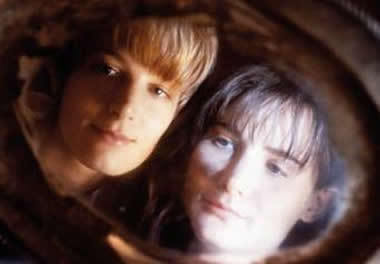
whose story looks like this:
PLUS
Simon
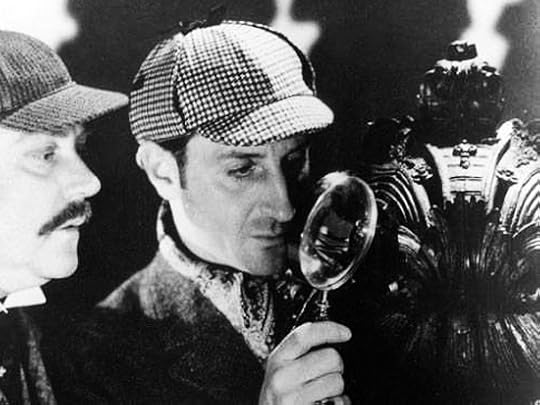 though not as smart, only as arrogant.
His story looks like this: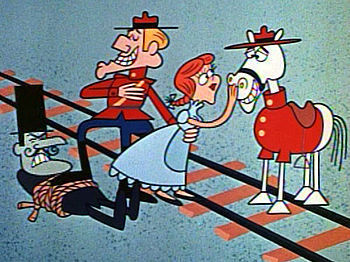
PLUS
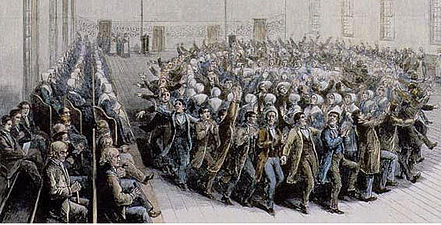
PLUS
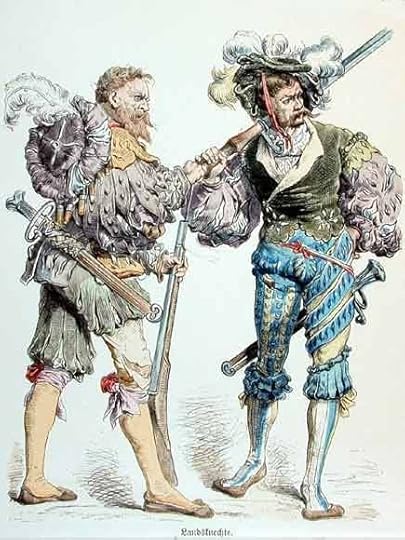
Buffonish, bullying boor of a bad guy who is described as dressing more foppishly than one would expect for the 1840's. He probably should have been described more as a dandy, right? Well, whatever.
And the disapproving Shaker eldress
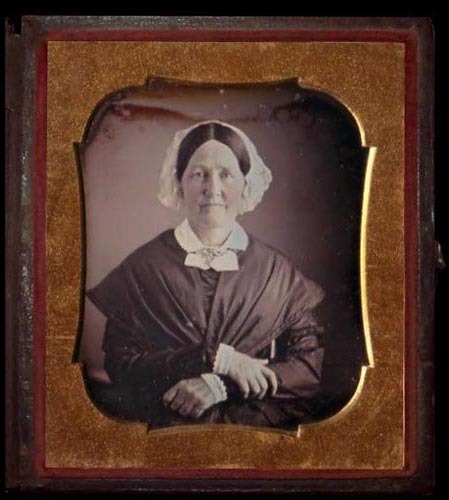
Mix those all together and that's what the story looked like to me.
This is another "Aw, shit" production!
I love Hachette.
So this wasn't the story for me.
I think all the things I was supposed to get from it, I missed. I got a lot of other things, instead.
The story is ok, though I never bought into it which is probably why I didn't enjoy it as much as others have. I think I was expecting more The Scarlet Letter and less melodrama.
For me, this was tale made of throwing the following into a blender and then hitting the FRAPPE! button:
Polly

who flees the farm with her mother and brother to live amongst:

PLUS
Charity

whose story looks like this:

PLUS
Simon
 though not as smart, only as arrogant.
His story looks like this:

PLUS

PLUS
Buffonish, bullying boor of a bad guy who is described as dressing more foppishly than one would expect for the 1840's. He probably should have been described more as a dandy, right? Well, whatever.

And the disapproving Shaker eldress

Mix those all together and that's what the story looked like to me.

April 18, 2013
In 1842, in a Shaker community in Massachusetts, Polly and her brother Ben are brought there by their mother, who then leaves. Polly and her family had suffered mightily at the hands of their abusive father.
I knew very little about this religion and the novel does a wonderful job describing their beliefs, (men and woman live apart, no carnal knowledge allowed)their clothing, their food and the jobs they do to keep the community running. Sister Charity is the one assigned to show and teach Polly what she needs to know about this community. Polly soon assumes an important part as she see and feels angels, she becomes a revered Visionist.
Of course she has left behind a big secret and Pryor, a man is investigating a crime that she and her family are trying to escape. So much of this novel was entertaining. but I never felt that I really got to know the girls, did not feel close to them, although I did like both.
Also the story never raised its tone, it basically stayed the same even when Pryor was closing in on the truth and Polly's baptism as a Visionist drew more attention to the community than she wanted.
Interesting book and a good look at a little known religion.
I knew very little about this religion and the novel does a wonderful job describing their beliefs, (men and woman live apart, no carnal knowledge allowed)their clothing, their food and the jobs they do to keep the community running. Sister Charity is the one assigned to show and teach Polly what she needs to know about this community. Polly soon assumes an important part as she see and feels angels, she becomes a revered Visionist.
Of course she has left behind a big secret and Pryor, a man is investigating a crime that she and her family are trying to escape. So much of this novel was entertaining. but I never felt that I really got to know the girls, did not feel close to them, although I did like both.
Also the story never raised its tone, it basically stayed the same even when Pryor was closing in on the truth and Polly's baptism as a Visionist drew more attention to the community than she wanted.
Interesting book and a good look at a little known religion.

March 12, 2017
Shakers, the Shaking Quakers (because of their ecstatic behavior during worship services), a lesser known branch off, though very intriguing as far as religious sects go. Nearly cult like in its aspects...denying family bonds, taking over all material possessions, seclusion from the world. From the downright silly (cutting food into squares instead of triangles, bowlcuts for men) to WTF (no inside pets) to downright self exterminating (no sex), this wasn't a situation build to last. And in fact it didn't, it died out, according to Wikipedia there's only one surviving Shaker village left. And yet there's also something to be said for the fact that Shakers gave leadership roles to women at the time when no one did (some still struggle with that, recent study places US at #104 worldwide for the number of women in the government), 104, well under many third world countries even) , when being a woman was a now unthinkable tribulation. In fact so much so that joining Shakers was actually a viable option to a life of privation and spousal abuse and sex mustn't have been that difficult to give up when it was very likely to end in death in childbirth. And so it is into Shaker's community that a much abused wife takes her two children, after fleeing her home and her violent sorry excuse of a husband. Turns out that the land they fled actually has some worth, an investigator gets involved and so the plot is set into motion. The narrative follows Polly, the woman's daughter, Sister Charity, the young Shaker who befriends her and Simon Pryor, the investigator. To her credit, Urquhart manages to give her protagonists singular voices and personalities, so that the reader gets a well rounded perspective. Polly, looking for peace and hope in the appropriately named City of Hope, Sister Charity looking for the purest embodiment of her faith, The Visionist (Polly is taken for one upon arrival), Simon looking for truth, but also undergoing a personal redemptive journey. This is a fairly straight forward story with the profoundly complex characters. An exploration of faith, friendship and love. Urquhart's language has a dreamlike quality, almost hypnotic, her sentences are a thing of beauty. The novel is a slow read and was probably meant as such, but it is compelling and most auspicious for a debut novel, albeit one that took ten years to get out and so had plenty of time to bake to near perfection. Enjoyable read, interesting, enlightening. Works both as a drama and as a work of historical fiction. Recommended.

September 8, 2017
I've finally finished. Most people will know I've struggled through this one. I'm not sure why the story itself was ok. It was very descriptive which I do tend to like but it on this occasion I found it distracting from the story and also the issues such as sin, forgiveness, which weren't deeply explored. Starting from a point of knowing the story before the investigator trying to uncover it was frustrating and I struggled to warn to any of the characters.

February 24, 2014
In the 1990's my husband, a real estate broker, took me to a location in rural Massachusetts that had been a Shaker community. It was on a beautiful landscape of rolling hills and stream with a vast expanse of sky. The property was on the market for such a reasonable price I was shocked. The buildings left were stark and eerie in their vastness and simplicity. There was a barn and a main building. A lone sheep made its way across a narrow stream. We went into the "main" building made of weathered blue wood. It was huge and had an echoing emptiness to it. Small windows...swept, unpolished wooden floors and plain walls...a narrow staircase. The place felt haunted. It was about three stories tall, but it seemed to reach to the sky. I had a strange feeling about the whole place, as if people were watching us. Beautiful as the entire package seemed, it was ghostly.
Rachel Urquhart has written a book that has made the Shakers come alive. I've always had a fascination with them and their seemingly ethereal religious lives. They have seemed ghostly, as well, in their unattainable ways. In a lifestyle not quite Quaker and perhaps far from Amish, the Shakers seemed even more set apart to me than other splinter religions. In this novel I've had a glimpse of what their lives might have been like and it is magical in Urquhart's hands.
The storyline is rich and interesting primarily featuring Polly, a girl who has escaped an abusive father by murdering him only to find shelter with the Shakers who believe she is a "visionist," one especially selected to have spiritual insights and messages. We also follow another character's crime procedural as he ferrets out Polly's secret. And, finally, we are brought into the mind of the Shaker sister who takes Polly into her heart and takes us into the intimacy of the community. The three narrations carry the novel adding depth to the story.
Ms Urquhart is an author with strong talents. It's hard to believe this is a debut novel. Her literary voice is mature, her vision exotic and her story will touch your heart. The world of the Shakers is unveiled and the lives of her characters evolve like a well-spring.
This is one of those books you have to read this year. I can't say enough about it!
5 stars Deborah/TheBookishDame
Rachel Urquhart has written a book that has made the Shakers come alive. I've always had a fascination with them and their seemingly ethereal religious lives. They have seemed ghostly, as well, in their unattainable ways. In a lifestyle not quite Quaker and perhaps far from Amish, the Shakers seemed even more set apart to me than other splinter religions. In this novel I've had a glimpse of what their lives might have been like and it is magical in Urquhart's hands.
The storyline is rich and interesting primarily featuring Polly, a girl who has escaped an abusive father by murdering him only to find shelter with the Shakers who believe she is a "visionist," one especially selected to have spiritual insights and messages. We also follow another character's crime procedural as he ferrets out Polly's secret. And, finally, we are brought into the mind of the Shaker sister who takes Polly into her heart and takes us into the intimacy of the community. The three narrations carry the novel adding depth to the story.
Ms Urquhart is an author with strong talents. It's hard to believe this is a debut novel. Her literary voice is mature, her vision exotic and her story will touch your heart. The world of the Shakers is unveiled and the lives of her characters evolve like a well-spring.
This is one of those books you have to read this year. I can't say enough about it!
5 stars Deborah/TheBookishDame

November 24, 2014
This was not an easy read. Though I got the gist of the story in the end I'm left with a hazy impression of its conclusion. The climax was leading towards a happy reunion of the Kimball family and a satisfying defeat of the greedy land grabbers in play. I was waiting for the "in your face" moment when Sister Agnes realizes she went after the wrong sibling to secure her end; a vindication of Polly in Charity's eyes; and satisfaction for Simon who was unhappy with his forced walk on the unsavory side of justice. I got none of these. No Kimball happy reunion. No satisfying defeat of the villains in the story. No vindication for Polly or Simon. I'm not even sure if the rightful owner of the Kimball farm was ever revealed by Simon or Tsak, or the that May was ever informed that Benjamin's birth was documented by Peeles. Instead, we are slapped with an ill-fitted foreshadowing of an unexpected, creepy, and one-sided romance. Ugh. The most interesting thing about the book was the setting and the promise of a great thriller that unfortunately for me, did not fulfill its charge. 3 stars for the mere fact that it had me going for a moment!
This entire review has been hidden because of spoilers.

July 3, 2015
Rachel Urquhart’s beautifully written debut novel is set in 1842 in a Massachusetts Shaker community called the City of Hope. The story is told through the eyes of its three main characters.
Polly is a fifteen year old girl who has fled a life of abuse and degradation. She finds refuge, acceptance, and friendship in the Shaker community.
Sister Charity is a devoted Shaker who has lived in the City of Hope since she was left there as a baby. Her unfailing faith, and her friendship with Polly are tested when a hidden secret comes to light.
Simon Pryor is an arson investigator who must try to interview Polly to determine her involvement in a crime. Simon's young life holds many secrets of its own.
Their lives become intertwined in an unforgettable story of fanatical faith, greed, mystery, resilience, rebirth, and hope. Ms. Urquhart’s extensive research into the Shaker culture adds immensely to this story.
Polly is a fifteen year old girl who has fled a life of abuse and degradation. She finds refuge, acceptance, and friendship in the Shaker community.
Sister Charity is a devoted Shaker who has lived in the City of Hope since she was left there as a baby. Her unfailing faith, and her friendship with Polly are tested when a hidden secret comes to light.
Simon Pryor is an arson investigator who must try to interview Polly to determine her involvement in a crime. Simon's young life holds many secrets of its own.
Their lives become intertwined in an unforgettable story of fanatical faith, greed, mystery, resilience, rebirth, and hope. Ms. Urquhart’s extensive research into the Shaker culture adds immensely to this story.

January 28, 2014
Reminds me what a joy it is to read a GOOD first novel! Here's my review for NPR:
http://www.npr.org/2014/01/14/2610731...
http://www.npr.org/2014/01/14/2610731...

February 19, 2014
Polly Kimball has had a difficult childhood. An abusive, alcoholic father, a tired mother and a young brother who is her responsibility. Just once she took her eyes off him and went to complete a chore and it nearly ended in tragedy. With the very real fear that her father might kill them to take her mother’s family farm, Polly sets fire to the cottage and she, her mother and her younger brother flee, leaving her father to burn.
Polly’s mother takes them to the City of Hope, a Shaker religious community. There she leaves the two children where they will be safe and disappears. Polly is then separated from her brother Ben by the religious beliefs – those who adopt the religion must forsake all blood relation. They are all sisters, they are all brothers. But male-female interaction is not permitted among the Shakers without an escort and Polly does not even get to speak to Ben. She knows he must be upset and confused – he is not like other boys. He is different and he needs gentle handling. She hopes that the Brothers know that.
Polly has secrets to hide from this community, big secrets. However a mysterious event soon after her arrival leads them to hail her as a “Visionist” the first of their community. They believe she is a vessel sent to speak the words and wishes of Mother Ann and this subjects her to heavy scrutiny and pressure. Polly knows that eventually they will discover her secrets and judge her despite the protection of Charity, a young Sister.
Simon Pryor is a fire inspector hired to investigate the situation surrounding the fire on the Kimball farm and for him, it is an opportunity to free himself from tyranny and also, redemption. He is unable to talk to Polly without her mother as appropriate escort and May Kimball has disappeared. There are others who wish to find May first, to get their hands on what she has that could thwart efforts to get the Kimball farm. Simon needs to find her first, for the sake of not only the whole Kimball family but also himself.
This book is quite a hard one to review. Some you sit down and the words flow easily, it’s more a problem of stopping them! But for this book, I’m finding it very difficult to articulate how I thought about it. On one hand, the writing is very good. Polly is a fabulous character, so very deserving of the reader’s sympathy. She has faced unspeakable things in her fifteen years, been subjected to truly horrible acts to go with her day to day existence of work, poverty and abuse. She takes action but that doesn’t mean it sits easy with her and her life doesn’t get much easier after the fact. She finds herself abandoned to the Shaker community, something she knows nothing about. She has to basically ignore her brother, which causes her enormous emotional distress and the added pressure of the tag of being a Visionist, a vessel is also stressful because she eventually knows that it cannot last. Before becoming a true Shaker, you must confess to an elder and adopt their ways. Polly doesn’t think anyone would understand her confession (which turns out to be much more complicated than even she first suspected) and she also gets the feeling that an Elder Shaker doesn’t expect her to stay in their community – but they are clinging to Ben.
The Shaker’s might be about visions and vessels and speaking in tongues and forsaking all worldly connections and duties but they also demonstrate a ruthless practicality when it comes to Ben. They believe that they need him because of what he will possess and to keep him within their fold, at least until he turns 18 but preferably permanently, is a must. After all, they have to eat and have the ability to make their goods to sell. Their worldly possessions as an individual are nothing but they are well fed and well clothed and they do not live in poverty. And for that to occur, they have to make smart decisions and occasionally ruthless ones.
However despite of this, there are times (a lot of times) when the story really lags. It’s very slow and the split narrative between Polly, Sister Charity and Simon Pryor doesn’t always work. It takes a very long time for everything to come together and because of this, the ending which is filled with the most action and information, feels rushed. The pacing feels very uneven and I also feel like I could’ve been given more information about what happened to Polly at the end. It was very important, what she tried to do, what Charity did to her in return and what happened after and it was glossed over and then pretty much skipped entirely as we went back to Simon Pryor, who I really didn’t care about at all. In fact he could’ve been removed from the story and his place taken by Trask at the end and it wouldn’t have made an ounce of difference to the story. What I cared about were May, Polly and Ben getting what was theirs and hopefully being reunited to try and move on with their lives. Simon was at times, merely a distraction from the story I wanted to read.
And so I am confused about this one. In parts it was really quite good and I found the Shaker movement interesting enough to google it and find out a bit more information. I found their self-serving nature interesting as well as their pious adhering to a very strict lifestyle but overall the dancing and the chanting and the speaking in tongues were a bit distracting as well and I feel like I didn’t really get a detailed portrayal of them from the book. Most of my information came after I finished reading it.
Polly’s mother takes them to the City of Hope, a Shaker religious community. There she leaves the two children where they will be safe and disappears. Polly is then separated from her brother Ben by the religious beliefs – those who adopt the religion must forsake all blood relation. They are all sisters, they are all brothers. But male-female interaction is not permitted among the Shakers without an escort and Polly does not even get to speak to Ben. She knows he must be upset and confused – he is not like other boys. He is different and he needs gentle handling. She hopes that the Brothers know that.
Polly has secrets to hide from this community, big secrets. However a mysterious event soon after her arrival leads them to hail her as a “Visionist” the first of their community. They believe she is a vessel sent to speak the words and wishes of Mother Ann and this subjects her to heavy scrutiny and pressure. Polly knows that eventually they will discover her secrets and judge her despite the protection of Charity, a young Sister.
Simon Pryor is a fire inspector hired to investigate the situation surrounding the fire on the Kimball farm and for him, it is an opportunity to free himself from tyranny and also, redemption. He is unable to talk to Polly without her mother as appropriate escort and May Kimball has disappeared. There are others who wish to find May first, to get their hands on what she has that could thwart efforts to get the Kimball farm. Simon needs to find her first, for the sake of not only the whole Kimball family but also himself.
This book is quite a hard one to review. Some you sit down and the words flow easily, it’s more a problem of stopping them! But for this book, I’m finding it very difficult to articulate how I thought about it. On one hand, the writing is very good. Polly is a fabulous character, so very deserving of the reader’s sympathy. She has faced unspeakable things in her fifteen years, been subjected to truly horrible acts to go with her day to day existence of work, poverty and abuse. She takes action but that doesn’t mean it sits easy with her and her life doesn’t get much easier after the fact. She finds herself abandoned to the Shaker community, something she knows nothing about. She has to basically ignore her brother, which causes her enormous emotional distress and the added pressure of the tag of being a Visionist, a vessel is also stressful because she eventually knows that it cannot last. Before becoming a true Shaker, you must confess to an elder and adopt their ways. Polly doesn’t think anyone would understand her confession (which turns out to be much more complicated than even she first suspected) and she also gets the feeling that an Elder Shaker doesn’t expect her to stay in their community – but they are clinging to Ben.
The Shaker’s might be about visions and vessels and speaking in tongues and forsaking all worldly connections and duties but they also demonstrate a ruthless practicality when it comes to Ben. They believe that they need him because of what he will possess and to keep him within their fold, at least until he turns 18 but preferably permanently, is a must. After all, they have to eat and have the ability to make their goods to sell. Their worldly possessions as an individual are nothing but they are well fed and well clothed and they do not live in poverty. And for that to occur, they have to make smart decisions and occasionally ruthless ones.
However despite of this, there are times (a lot of times) when the story really lags. It’s very slow and the split narrative between Polly, Sister Charity and Simon Pryor doesn’t always work. It takes a very long time for everything to come together and because of this, the ending which is filled with the most action and information, feels rushed. The pacing feels very uneven and I also feel like I could’ve been given more information about what happened to Polly at the end. It was very important, what she tried to do, what Charity did to her in return and what happened after and it was glossed over and then pretty much skipped entirely as we went back to Simon Pryor, who I really didn’t care about at all. In fact he could’ve been removed from the story and his place taken by Trask at the end and it wouldn’t have made an ounce of difference to the story. What I cared about were May, Polly and Ben getting what was theirs and hopefully being reunited to try and move on with their lives. Simon was at times, merely a distraction from the story I wanted to read.
And so I am confused about this one. In parts it was really quite good and I found the Shaker movement interesting enough to google it and find out a bit more information. I found their self-serving nature interesting as well as their pious adhering to a very strict lifestyle but overall the dancing and the chanting and the speaking in tongues were a bit distracting as well and I feel like I didn’t really get a detailed portrayal of them from the book. Most of my information came after I finished reading it.

October 1, 2013
I won this in a Good Reads / First Reads giveaway.
This is a difficult novel to sum up one's feelings on. There was much about it that I admired, not least the ethereal nomenclature of the Shaker world (that early image of the gathering of herbs, like with like, in sheets, set the bar very high) -- but the problem with the novel is that it never immerses itself in that world as it might and as the title leaves one feeling it will. There is always this half-baked mystery nagging at the hem of the piece -- who has right to the Briggs / Kimball land? who is scheming for it and to what extent will his or her schemes be successful? Throughout the book, I never gave a damn about that plot thread, and Urquhart never realizes that it's much too thin a line on which to hang the atmosphere and sociocultural dynamics and mystique that are the actual heart of the novel. A writer should never become so obsessed with the machinery of plot that the environment of, and personalities within, its unfolding become window dressing. I was also rather put off by the first-person voice in the Charity and Simon sections -- the latter narrator never sounded or felt convincing as a person, or as a painter of portraits of those around him. (I'm coming to think first-person a poor choice, by default, in novel-writing.) And the lesbian undertow between Charity and Polly (that early scene during which the two knead bread together made me think of Demi Moore and Patrick Swayze at the pottery wheel in Ghost, and the echoes of Christina Rossetti's "Goblin Market" were a touch too heavy-handed in the scene in the healing room when Charity discovers Polly is pregnant) was distracting in that it felt thrown in to lend the novel a modern sensibility. (It could've actually elevated the work had Urquhart chosen to go in the direction of a romance, and done so with some savagery and some subtlety.)
Anyway -- this may sound more negative than positive, and it may very well be. But I liked The Visionist enough to continue reading. And it left me anxious to know more about the Shakers than Urquhart leaves one with here.
This is a difficult novel to sum up one's feelings on. There was much about it that I admired, not least the ethereal nomenclature of the Shaker world (that early image of the gathering of herbs, like with like, in sheets, set the bar very high) -- but the problem with the novel is that it never immerses itself in that world as it might and as the title leaves one feeling it will. There is always this half-baked mystery nagging at the hem of the piece -- who has right to the Briggs / Kimball land? who is scheming for it and to what extent will his or her schemes be successful? Throughout the book, I never gave a damn about that plot thread, and Urquhart never realizes that it's much too thin a line on which to hang the atmosphere and sociocultural dynamics and mystique that are the actual heart of the novel. A writer should never become so obsessed with the machinery of plot that the environment of, and personalities within, its unfolding become window dressing. I was also rather put off by the first-person voice in the Charity and Simon sections -- the latter narrator never sounded or felt convincing as a person, or as a painter of portraits of those around him. (I'm coming to think first-person a poor choice, by default, in novel-writing.) And the lesbian undertow between Charity and Polly (that early scene during which the two knead bread together made me think of Demi Moore and Patrick Swayze at the pottery wheel in Ghost, and the echoes of Christina Rossetti's "Goblin Market" were a touch too heavy-handed in the scene in the healing room when Charity discovers Polly is pregnant) was distracting in that it felt thrown in to lend the novel a modern sensibility. (It could've actually elevated the work had Urquhart chosen to go in the direction of a romance, and done so with some savagery and some subtlety.)
Anyway -- this may sound more negative than positive, and it may very well be. But I liked The Visionist enough to continue reading. And it left me anxious to know more about the Shakers than Urquhart leaves one with here.
This entire review has been hidden because of spoilers.

December 2, 2014
This debut novel is so well written, and I was totally captivated with the characters and the story. Set in 1842, the story revolves around a young teenage girl and her family after she and her much younger brother are taken to a Shaker community for refuge and safety. The family is in crisis, and Polly, the young girl, is especially troubled, torn between the goodness she finds in many ways in this Shaker village, the repression she also feels in this place, and anxiety over her mother and the future of her family. The author uses the perspective of three different characters to narrate the story. The subtle changes in writing style employed for each character helps to develop their distinct voice, and to create the sense of place and time-period.
I visited a former Shaker community in Kentucky once, and the descriptions of the simply crafted furniture and belongings were certainly consistent with that setting. And besides reading an extremely well crafted story here, I also learned more about the Shakers, their belief system, and their way of life.
I visited a former Shaker community in Kentucky once, and the descriptions of the simply crafted furniture and belongings were certainly consistent with that setting. And besides reading an extremely well crafted story here, I also learned more about the Shakers, their belief system, and their way of life.

December 13, 2013
I received this book for free as a Goodreads giveaway! I didn't know anything about Shakers before reading this novel. Except maybe the furniture. So I was a bit apprehensive about it, would it be contemporary enough to keep my interest? Absolutely. The story of young Polly who is given away to a Shaker community after a family tragedy could easily be a modern tale. I loved how the 3 main characters each took alternating chapters to tell their side of the story. The author really knew the religious and the historic details. The characters were really well developed and I was completely wrapped up in the story. A beautiful and well written debut. Looking forward to more by this author!

November 3, 2015
Ultimately, there is redemption, and justice. But only for some.
Really haunting, but a wholly unsatisfying ending. I suppose that's life, though. It doesn't resolve in a neat package. It fits and starts, breaks and mends.
And yes, this is babbly, because others have done just fine in recapping the story in their reviews and I don't need to repeat that work. I'm also unsure how to compartmentalize my feelings about this haunting, sad story that ends with uplifted, vague hope.
Truly a unique and rewarding story.
Really haunting, but a wholly unsatisfying ending. I suppose that's life, though. It doesn't resolve in a neat package. It fits and starts, breaks and mends.
And yes, this is babbly, because others have done just fine in recapping the story in their reviews and I don't need to repeat that work. I'm also unsure how to compartmentalize my feelings about this haunting, sad story that ends with uplifted, vague hope.
Truly a unique and rewarding story.

January 28, 2014
This book has some clear villains. And clear innocents. And reluctant heroes. Each with their own motivation and perspective. At its heart, this is actually a story of love and intrigue woven into a Shaker community in Massachusetts. It takes a few chapters to get the characters in motion, but by the end the story has plenty of momentum. And the ending is a satisfying one. A strong sense of place and believable characters. It doesn't take much more than that to spin a good yarn.

March 29, 2014
Skipped to the end and no. Just no. I'm not subjecting myself to finishing this book. Maybe I'm overly tired, maybe I'm being overly judgmental, but this book is horrid. The language is stilted, the plot sounded great, but the characters have more issues than those in a soap opera and the ending was just sad. Not for me.
April 13, 2014
This novel is set in a unique setting. Charity, an adolescent girl, has spent her entire life in a New England Shaker community. With little knowledge of the world beyond that utopian compound, she is developing into the ideal Shaker. Polly arrives at that Shaker community with her baby brother, fleeing a life time of brutal abuse and molestation at the hands of her alcoholic father, abuse that is escalating into the real threat of murder. Being Charity’s first peer, they become close friends and offer Charity her first experience of doubt. Polly is immediately identified as a “visionist” by the ecstatic religious group, but she is hiding secrets she is terrified of divulging. Simon is the fire inspector who investigates the fire that consumed Polly’s farm house, killing her father and allowing the family to escape the violence. He also hides secrets and lives in fear of a tormentor. These are the voices that tell this story. The characters and plot are sufficiently complex to hold interest, but the author does not appear to trust either her tale or her reader. She conveys her story with a rather heavy hand, spoon feeding the reader every necessary nuance and only what is necessary. We are left to discover nothing on our own, to savor any moment of revelation or celebrate an unexpected insight. I never felt I knew these characters; they were simply described to me, never really introduced. There were many interesting themes that were only superficially explored.
December 6, 2013
This book receives a 3.5 rating from me. I received this book as a first reads give-a-way. As a historian, I was very interested in the way in which a fictional account would portray the Shakers. Urquhart's presents the reader with an intriguing story, though it is quite slow to start. Admittedly, there were some parts of the story that are difficult to follow. I also feel that the reader would have benefited from an author's note or afterword that explained a bit more about the Shaker culture and why the author became interested in them, as I feel that may have strengthen her credibility had she explained a bit about her research / investigation into their fascinating history. However, overall, the story kept me interested and I would recommend it to others who enjoy historical fiction.

September 22, 2015
This book was chosen by one of my book clubs. Told in alternating chapters by three main characters the story unravels but yet there is an element of mystery that is suspended. Learning about the Shaker community was the part of this book I enjoyed the most as I found it so informative but the general pace of the story was quite slow. I would like to see how this author develops though and would read other books she releases.

November 15, 2017
Ach, das Ding mit dem zweiten Gesicht
Das Buch: Polly lebt zusammen mit ihrer Mutter, Bruder und dem unbarmherzigen Vater auf einer Farm in Massachusetts, 19. Jahrhundert. Doch dann steht die Farm in Flammen, der Vater kommt um und Polly flüchtet zusammen mit ihrem Bruder in die Shaker-Gemeinde. Eine strenggläubige Gemeinschaft, stark abgeschirmt von der Außenwelt. Hier fühlt sie sich so sicher, dass sie schnell zur Seherin deklariert wird. Bis ein Privatermittler ihr auf die Schliche kommt. Hat Polly etwa etwas mit dem Brand zu tun?
Das Fazit: Ich spoilere nicht, wenn ich die Frage klar mit einem ja beantworten kann. Polly hat etwas mit dem Brand zu tun, das wird schon auf den ersten Seiten erzählt. Und das ist eigentlich auch schon das große Manko des Buches: das wichtigste steht auf den ersten hundert Seiten. Danach hätte man getrost abbrechen können, denn dann passieren nur noch belanglose Dinge bis zum kleinen Happy End.
Dieses Buch verfolgt drei unterschiedliche Charaktere. Polly, die immer unnahbar scheint und nie wirklich glücklich scheint. Zugegeben, sie hatte auch eine schwere Zeit hinter sich. Dann gibt es noch ihre Shakerschwester Charity, die das Leben der Shaker-Gemeinde verdeutlichen soll. Und es gibt den sehr leidvollen Privatermittler / Brandexperte Pryor, der den Brand untersucht und gefühlt für jede Person in der Umgebung arbeitet. Natürlich kommen diese drei Personen zusammen in Berührung. Vor allem Polly und Charity, die sich ja ein Zimmer teilen, bleiben auch im Zusammenspiel sehr blass. Jeder geht so die eigenen Wege.
Eigentlich ist der große Bezugspunkt in dem Buch die Shaker-Gemeinde. Und durch Charity soll der Leser definitiv einen weiteren Einblick in diese Welt erhalten. Doch leider hatte ich nie das Gefühl, etwas über die Gemeinde zu erfahren. Natürlich kann man lesen, wie die Gemeinde zu Pollys Zeit lebt und arbeitet. Aber die Ursprünge und warum es eine solche Gemeinde gibt, wurden zumindest mir nicht nähergebracht. Und wenn man das angefügte Quellenverzeichnis anschaut, wäre wohl durchaus der Stoff da gewesen.
Tja, und das zweite Gesicht? Die haben alle drei Charaktere nicht. Nur Polly verfällt anfangs mal in Trance. Aber mehr auch nicht. Es bleibt nun einmal belanglos.
Trotzdem ist es gut erzählt und einfach nett. Es fehlt definitiv an der Würze. Okay, und auch an der Story.
https://booksoftination.wordpress.com...
Das Buch: Polly lebt zusammen mit ihrer Mutter, Bruder und dem unbarmherzigen Vater auf einer Farm in Massachusetts, 19. Jahrhundert. Doch dann steht die Farm in Flammen, der Vater kommt um und Polly flüchtet zusammen mit ihrem Bruder in die Shaker-Gemeinde. Eine strenggläubige Gemeinschaft, stark abgeschirmt von der Außenwelt. Hier fühlt sie sich so sicher, dass sie schnell zur Seherin deklariert wird. Bis ein Privatermittler ihr auf die Schliche kommt. Hat Polly etwa etwas mit dem Brand zu tun?
Das Fazit: Ich spoilere nicht, wenn ich die Frage klar mit einem ja beantworten kann. Polly hat etwas mit dem Brand zu tun, das wird schon auf den ersten Seiten erzählt. Und das ist eigentlich auch schon das große Manko des Buches: das wichtigste steht auf den ersten hundert Seiten. Danach hätte man getrost abbrechen können, denn dann passieren nur noch belanglose Dinge bis zum kleinen Happy End.
Dieses Buch verfolgt drei unterschiedliche Charaktere. Polly, die immer unnahbar scheint und nie wirklich glücklich scheint. Zugegeben, sie hatte auch eine schwere Zeit hinter sich. Dann gibt es noch ihre Shakerschwester Charity, die das Leben der Shaker-Gemeinde verdeutlichen soll. Und es gibt den sehr leidvollen Privatermittler / Brandexperte Pryor, der den Brand untersucht und gefühlt für jede Person in der Umgebung arbeitet. Natürlich kommen diese drei Personen zusammen in Berührung. Vor allem Polly und Charity, die sich ja ein Zimmer teilen, bleiben auch im Zusammenspiel sehr blass. Jeder geht so die eigenen Wege.
Eigentlich ist der große Bezugspunkt in dem Buch die Shaker-Gemeinde. Und durch Charity soll der Leser definitiv einen weiteren Einblick in diese Welt erhalten. Doch leider hatte ich nie das Gefühl, etwas über die Gemeinde zu erfahren. Natürlich kann man lesen, wie die Gemeinde zu Pollys Zeit lebt und arbeitet. Aber die Ursprünge und warum es eine solche Gemeinde gibt, wurden zumindest mir nicht nähergebracht. Und wenn man das angefügte Quellenverzeichnis anschaut, wäre wohl durchaus der Stoff da gewesen.
Tja, und das zweite Gesicht? Die haben alle drei Charaktere nicht. Nur Polly verfällt anfangs mal in Trance. Aber mehr auch nicht. Es bleibt nun einmal belanglos.
Trotzdem ist es gut erzählt und einfach nett. Es fehlt definitiv an der Würze. Okay, und auch an der Story.
https://booksoftination.wordpress.com...

January 12, 2015
'The Visionist' is an excellent read. It has strong literary elements, but they are unobtrusive and take a back seat to the action. This book is an exciting thriller and it was difficult to put down when I needed to attend to my real life. The story is dark, so I wouldn't recommend it for those looking for a fun or sweet book. I do not think it a religious believer's novel, but it respectfully describes the life of the Shakers, an offshoot of the Quaker religion. The writing is absolutely gorgeous despite the thriller tone. It takes place in 1842, Ashland, Massachusetts.
Polly Kimball is 15 years old. She lives on a farm with her defeated mother May, her small brain-damaged brother Ben, 6 years old, and her bast*rd scum father, Silas Kimball. Silas has raped his daughter since she was 9, kicks and beats May into unconsciousness almost daily, and tortures Ben. Silas is responsible for Ben's brain damage, having held him under water in an attempt to drown him when Ben was a baby. Silas is a drunken monster who has cowed his young family into terrified submission, having married May when she was 13 and perhaps killing her kind father shortly after the forced marriage, due to May's unexpected pregnancy. May is the legal owner of the farm, but Silas has run it down so it no longer supports them. May and her children are starving, dirty and helpless. Except that Polly is beginning to think things through. She has been attending school because Silas wants her to know math, but she has secretly been reading books with the teacher.
Then, one night, Silas comes home drunk and he is much more violent than he has ever been. Something tells Polly if she doesn't finally get them off the farm, Silas is going to kill them. She has had enough. She pushes and bullies her mother to pack and tells her brother to get into the cart to which she has hitched their beaten horse shortly before. Standing over her father lying in bed passed out, she drops a lamp, and a fire springs up the walls. She has accidentally dropped the lamp. Maybe.
I enjoyed the suspense and the beautiful language in reading this novel. The author has a poetic manner of writing. Despite the gothic elements I've written about above, I did not feel this was a gothic story, but instead it seemed a literary thriller to me. I think the superb writing and the details about the daily life of a Shaker farm overcame any sense that the story wasn't realistic. I cared about these characters.
This is a recommended read, but not for sensitive readers.
Polly Kimball is 15 years old. She lives on a farm with her defeated mother May, her small brain-damaged brother Ben, 6 years old, and her bast*rd scum father, Silas Kimball. Silas has raped his daughter since she was 9, kicks and beats May into unconsciousness almost daily, and tortures Ben. Silas is responsible for Ben's brain damage, having held him under water in an attempt to drown him when Ben was a baby. Silas is a drunken monster who has cowed his young family into terrified submission, having married May when she was 13 and perhaps killing her kind father shortly after the forced marriage, due to May's unexpected pregnancy. May is the legal owner of the farm, but Silas has run it down so it no longer supports them. May and her children are starving, dirty and helpless. Except that Polly is beginning to think things through. She has been attending school because Silas wants her to know math, but she has secretly been reading books with the teacher.
Then, one night, Silas comes home drunk and he is much more violent than he has ever been. Something tells Polly if she doesn't finally get them off the farm, Silas is going to kill them. She has had enough. She pushes and bullies her mother to pack and tells her brother to get into the cart to which she has hitched their beaten horse shortly before. Standing over her father lying in bed passed out, she drops a lamp, and a fire springs up the walls. She has accidentally dropped the lamp. Maybe.
I enjoyed the suspense and the beautiful language in reading this novel. The author has a poetic manner of writing. Despite the gothic elements I've written about above, I did not feel this was a gothic story, but instead it seemed a literary thriller to me. I think the superb writing and the details about the daily life of a Shaker farm overcame any sense that the story wasn't realistic. I cared about these characters.
This is a recommended read, but not for sensitive readers.

January 26, 2020
I had never heard about the Shakers. I mean, I've heard the word Shakers and knew that it had something to do with religion. But other then that, I didn't know much. So while this book was a novel, I knew that I would also learn about them. And it did not disappoint.
Polly Kimball has been abused by her father all of her life. At 15, she can't take it anymore. She sets the house on fire and flees with her mother and brother. They end up at the City of Hope, a Shaker sect. There she disrupts a prayer meeting talking about angels and demons. The Shakers label her a "Visionist", one who is blessed. But is she blessed? Or just trying to cope?
I thought it was a good book. I didn't think it was great. The story takes place from Polly, Sister Charity, and Simon's perspective. Simon is the fire inspector who is trying to determine what really happened.
It was hard to get deeply involved in the characters. I don't know why, maybe it was just not the book for me. But it was okay.
Polly Kimball has been abused by her father all of her life. At 15, she can't take it anymore. She sets the house on fire and flees with her mother and brother. They end up at the City of Hope, a Shaker sect. There she disrupts a prayer meeting talking about angels and demons. The Shakers label her a "Visionist", one who is blessed. But is she blessed? Or just trying to cope?
I thought it was a good book. I didn't think it was great. The story takes place from Polly, Sister Charity, and Simon's perspective. Simon is the fire inspector who is trying to determine what really happened.
It was hard to get deeply involved in the characters. I don't know why, maybe it was just not the book for me. But it was okay.

July 27, 2026
I had hoped for more mysterious and possibly mystical features of a book with such a title, but I was to be disappointed in that aspect. Overall, this was a decent historical fiction about the curious (read: weird) "shakers" religious community (the fine part) and a land grab (the kinda meh part). Beware if you are uncomfortable about domestic violence and incest.

April 17, 2017
Ein gutes Buch, mit ein paar Längen
Rezi folgt
Rezi folgt

August 27, 2020
I adored this book. Once I really got into it (a few chapters in) I couldn’t put it down! I loved the world it took me to, allowing me a peek into the shaker lifestyle and belief system. I was totally enthralled by the friendship between Polly and Charity, and especially enjoyed the chapters told from their points of view.

January 12, 2015
I requested this book because of its fascinating synopsis. On the one hand it was giving me a bit of a The Scarlet Letter vibe, while also feeling slightly fantastical. In the end, this book was nothing I expected and yet gave me everything I could've asked of it.
The plot is one that jumps between different narrators. We switch between the same three characters and through that the reader gets different insights into the story, which was a great choice on the part of Urquhart because when an integral part of your plot takes place within a community as closed of as the Shakers it is important to have different characters with different opinions. The switch between narrators also meant that each character's story remained fresh and exciting because the reader wants to know how the other characters are affected by what happens. Urquhart's writing style was incredibly interesting and found the right balance between being descriptive and emotive. She also changed style between different characters and the reader gets a real feeling for each of the characters and their positions in life.
The Shaker community is one I knew nothing about before this book and I have to admit to being fascinated now. This is one of the most important things literature can do, make the reader want to know more, investigate and look at the world again. Urquhart manages to describe the Shakers and the idea of a visionist without a trace of judgement and criticism. Not to say there is nothing bad about them, but not more or less than in the rest of the novel. Being able to research a community like this and present it to the reader in a way that makes it come to life is a special thing. Historical fiction needs to be interesting and educative, but also needs to have a story of its own. Urquhart weaves interesting stories while also writing about a very interesting period in time and high-lighting some of its social issues in a way that was great to read.
Not to say that this is an easy read, which leads me to my only issue I had with this book, which was that perhaps there should have been some trigger warnings regarding some of its content. I don't want to give too much away because they are definitely part of the plot, but some of it could be quite shocking to readers who are not prepared. However, I thought it was great to see an author handle such difficult topics with such care and attention. Some great themes in this novel were friendship, love and family, which Urquhart approached from different angles, always managing to find new and interesting aspects about it. I couldn't fly through this novel, it takes time to take hold of you and even then you at times need to take a distance from it, but it's a novel you're bound to remember.
The Visionist is a great novel, one which has real heart and has a message about love and friendship which needs to be discovered but really adds to the reading experience. Urquhart's writing style really pulls the reader in and she really knows how to write captivating moments which you will not forget. I would recommend this to fans of historical fiction and female protagonists.
The plot is one that jumps between different narrators. We switch between the same three characters and through that the reader gets different insights into the story, which was a great choice on the part of Urquhart because when an integral part of your plot takes place within a community as closed of as the Shakers it is important to have different characters with different opinions. The switch between narrators also meant that each character's story remained fresh and exciting because the reader wants to know how the other characters are affected by what happens. Urquhart's writing style was incredibly interesting and found the right balance between being descriptive and emotive. She also changed style between different characters and the reader gets a real feeling for each of the characters and their positions in life.
The Shaker community is one I knew nothing about before this book and I have to admit to being fascinated now. This is one of the most important things literature can do, make the reader want to know more, investigate and look at the world again. Urquhart manages to describe the Shakers and the idea of a visionist without a trace of judgement and criticism. Not to say there is nothing bad about them, but not more or less than in the rest of the novel. Being able to research a community like this and present it to the reader in a way that makes it come to life is a special thing. Historical fiction needs to be interesting and educative, but also needs to have a story of its own. Urquhart weaves interesting stories while also writing about a very interesting period in time and high-lighting some of its social issues in a way that was great to read.
Not to say that this is an easy read, which leads me to my only issue I had with this book, which was that perhaps there should have been some trigger warnings regarding some of its content. I don't want to give too much away because they are definitely part of the plot, but some of it could be quite shocking to readers who are not prepared. However, I thought it was great to see an author handle such difficult topics with such care and attention. Some great themes in this novel were friendship, love and family, which Urquhart approached from different angles, always managing to find new and interesting aspects about it. I couldn't fly through this novel, it takes time to take hold of you and even then you at times need to take a distance from it, but it's a novel you're bound to remember.
The Visionist is a great novel, one which has real heart and has a message about love and friendship which needs to be discovered but really adds to the reading experience. Urquhart's writing style really pulls the reader in and she really knows how to write captivating moments which you will not forget. I would recommend this to fans of historical fiction and female protagonists.

February 20, 2018
The characters were so well-developed and enchanting. I thoroughly enjoyed it, although I wish there was more complexity and things didn't wrap up so neatly in the end.

October 8, 2015
The Visionist is set in the City of Hope, a Shaker community in Massachusetts in 1842. Fifteen-year old Polly and her brother are hidden in the City of Hope by their mother after a fire destroyed their farm and killed their father. While her brother Benjamin accepts their new situation, Polly struggles to adjust to the different way of life, inio part because of the secrets she carries with her. While being viewed with suspicion at first, she is soon hailed as a "visionist", which brings even more scrutiny and pressure to conform. However, Polly forms a friendship with the young sister Charity, who has never lived in the outside world.
The story is told from three perspectives, Polly's, Sister Charity's and Simon Pryor, an investigator and local fire inspector. What I really enjoyed about this book was that the author managed to give completely different and distinct voices to all three narrators. They were very real, very believable and added small bits of information in equal measure. The writing was beautiful, engaging and suspenseful. I couldn't wait to find out what would happen in the end. The ending itself didn't really move me - not that I have a better suggestion - but not everyone's motivation made sense for me and perhaps I thought it was all a bit to neat, otherwise I would have rated it higher. Still, it was a very enjoyable read and I'm looking forward to reading the author's next book.
The story is told from three perspectives, Polly's, Sister Charity's and Simon Pryor, an investigator and local fire inspector. What I really enjoyed about this book was that the author managed to give completely different and distinct voices to all three narrators. They were very real, very believable and added small bits of information in equal measure. The writing was beautiful, engaging and suspenseful. I couldn't wait to find out what would happen in the end. The ending itself didn't really move me - not that I have a better suggestion - but not everyone's motivation made sense for me and perhaps I thought it was all a bit to neat, otherwise I would have rated it higher. Still, it was a very enjoyable read and I'm looking forward to reading the author's next book.

January 23, 2014
Actually, I'd like to give this book 3.5 stars...or maybe even 3.75. More about why I didn't, later. I was aware of the Shakers, but not much beyond the fact that they made great furniture, lived sparsely and believed that sex was filthy...therefore, men and women were never together...therefore, there are no more Shakers. This book filled in a lot of gaps in my knowledge.
Reading this book left me feeling a little like I'd been peeking in someone's windows - the inner workings of The City of Hope were portrayed that intimately.
The story is told by alternating voices, some in the first person, some in the third. The characters are flawed, and the story has a lot to say about owning your mistakes, living with regrets and finding forgiveness.
I can imagine a lively discussion around this book - both about Shaker communities and character interaction. I just felt that everything (plotwise) was tied up too tidy - for my liking - and that's why I didn't give it 4 stars. I would however, give the book 5+ stars for cover and dust jacket design!
Reading this book left me feeling a little like I'd been peeking in someone's windows - the inner workings of The City of Hope were portrayed that intimately.
The story is told by alternating voices, some in the first person, some in the third. The characters are flawed, and the story has a lot to say about owning your mistakes, living with regrets and finding forgiveness.
I can imagine a lively discussion around this book - both about Shaker communities and character interaction. I just felt that everything (plotwise) was tied up too tidy - for my liking - and that's why I didn't give it 4 stars. I would however, give the book 5+ stars for cover and dust jacket design!
Displaying 1 - 30 of 387 reviews