

What do you think?

November 22, 1963: Witness to History
On November 22, 1963, reporter Hugh Aynesworth was not among the cadre of reporters and photographers assigned to cover the Dallas visit of President John Kennedy. Within thirty-six hours, however, Aynesworth had witnessed the assassination of the president, the arrest of the assassin, and the shooting of Lee Harvey Oswald by Jack Ruby. Now fifty years later, November 22, 1963: Witness to History recounts events that have passed into memory and controversy-and sets the record straight.
- GenresHistoryNonfiction
243 pages, Hardcover
First published September 3, 2013
About the author
Hugh Aynesworth
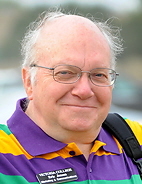
7 books30 followersFour-time Pulitzer Prize finalist, bureau chief of both Newsweek and the Washington Times, and investigative team leader for ABC’s 20/20, Hugh Aynesworth was a thirty-two-year-old reporter for the Dallas Morning News when JFK’s visit to Dallas ended in tragedy. His coverage of the assassination, the trial of Jack Ruby, and the conspiracy flurry that followed earned him two Pulitzer nominations and recognition as one of the most respected authorities on the Kennedy assassination.
Hugh Aynesworth lives in Dallas with his wife Paula, a sales executive at KERA and KXT North Texas Public Media.
Hugh Aynesworth lives in Dallas with his wife Paula, a sales executive at KERA and KXT North Texas Public Media.
Ratings & Reviews
Friends & Following
Create a free account to discover what your friends think of this book!
Community Reviews
Displaying 1 - 17 of 17 reviews

November 30, 2013
Hugh Aynesworth was signing this book at a recent panel discussion I attended about the JFK anniversary a few weeks back. So I decided to get his book and read it. I was amazed that he apparently is the only human to have been at the sites of Kennedy's assassination, Oswald's arrest, Oswald's assassination and Jack Ruby's funeral. As Jim Lehrer, who covered the story himself for the Dallas Times-Herald, said in a jacket quote: "It was Hugh's story from Day One."
He recounts that day in Dealey Plaza but also the days, weeks and years to follow. He manages to do something very few writers do: To bring up his own experiences and observations without making the story about him. He also causes me to give a more jaded eye at the story of Jim Garrison, heralded in Oliver Stone's movie JFK. I still believe it is a good fiction film, but anyone who treats it as actual history is making a mistake.
Conspiracy theories have literally raged since the day of the killing as Aynesworth noted, and some of them make for intriguing yarns. The facts, as they are in most cases, are less sexy. But as someone who appreciates solid journalism over sexy fiction, this is the must-read book about the Kennedy assassination.
He recounts that day in Dealey Plaza but also the days, weeks and years to follow. He manages to do something very few writers do: To bring up his own experiences and observations without making the story about him. He also causes me to give a more jaded eye at the story of Jim Garrison, heralded in Oliver Stone's movie JFK. I still believe it is a good fiction film, but anyone who treats it as actual history is making a mistake.
Conspiracy theories have literally raged since the day of the killing as Aynesworth noted, and some of them make for intriguing yarns. The facts, as they are in most cases, are less sexy. But as someone who appreciates solid journalism over sexy fiction, this is the must-read book about the Kennedy assassination.
February 6, 2014
definitely a worthwhile read for anyone interested in investigative journalism in general, and JFK assassination in particular. Aynesworth cogently recounts his amazing first-hand experiences, scoops and personal encounters, many of them bordering on the surreal. Along the journey, he reveals the delusional (Jim Garrison), bizarre (Marguerite Oswald), manic (Ruby); he also candidly reveals his great faux pas in "lending" Lane all the confidential Dallas police witness statements (Lane twisted them to fit various conspiracy theories and helped birth a still-thriving industry). This was a great contemporaneous, first-hand account to the historical "Cruel and Shocking Act."
April 8, 2016
This is a quick read about a local reporter who was in Dealey plaza when the assassination happened. He recounts his own story and shares all of the interviews he did with local politicians, police, witnesses and bystanders. This book does not focus on physical evidence and does not have much detail about discrepancies in different government stories, but it does bring to light how much of the story changed over time. This is a good book about the back story of people 19s lives that were witnesses or were involved in local Dallas politics, police and government.
Easy book to read in chapters as time allows.
Easy book to read in chapters as time allows.
November 5, 2013
This book was so interesting! I could not put it down. Living in Dallas I knew some about the various conspiracies surrounding JFK tragic death but Aynesworth spells out what he personally experienced and shows that these conspiracies do not have merit or proof to back them. I was not alive in 1963, parents were only 4, so I do not have a "where were you when Kennedy was shot" story. Aynesworth's first hand account made gave me an idea of what people then may have felt. I learned so much and highly recommend this book!

Read
November 5, 2013"Rational-thinking people are fortunate an intelligent, talented and energetic journalist was on the story and insisted on facts, not fabrications.
In Dallas, he broke many stories detailing Oswald’s smuggling the rifle into the book depository, the escape route that led to Oswald killing police Officer J.D. Tippit and, of course, his arrest and ultimate death at the hands of Ruby."
Read more here.
In Dallas, he broke many stories detailing Oswald’s smuggling the rifle into the book depository, the escape route that led to Oswald killing police Officer J.D. Tippit and, of course, his arrest and ultimate death at the hands of Ruby."
Read more here.

October 16, 2013
A well-written narrative by a Dallas Morning News journalist present on that fateful day. The author debunks most prevailing conspiracy theories, but does not rule out the possibility that there could still be more we do not know about the assassination of President Kennedy. A very interesting telling of an endlessly fascinating story. Highly recommended.

March 5, 2014
this book was great it explains the myths and truth of the jfk murder from a reporter who was there and checked out what leads were true or false.if you are interested in jfk or what happened 50 years ago this book is a must read.it also compares other stories and books that were written on the subject.

January 19, 2014
On a mission to read ALL the assassination books.

February 12, 2025
I bought the book at the 6th Floor Museum in Dallas, so the book was an excellent expansion of what I had seen. The book is comprehensive and well written. The author dispelled the conspiracy theories which I had never believed.
Hugh Aynesworth was a young reporter for the Dallas News, but had a day off on November 22, 1963. Therefore, he was able to get to the scene without any commitments. He was always a step ahead of the other reporters. He ran from the assassination site, drove to the place where a police officer was shot by Oswald, and finally to where the suspect was housed hours after the shooting. From that day until the present, he is known for his accurate reporting of the murder.
He got access to the families of Oswald and Ruby to present true pictures of these two murderers. Mr. Aynesworth also interviewed hundreds of people for this particular account. He has maintained an open mind about the assassination, but as yet has not analyzed any evidence that would point to a conspiracy.
Hugh Aynesworth was a young reporter for the Dallas News, but had a day off on November 22, 1963. Therefore, he was able to get to the scene without any commitments. He was always a step ahead of the other reporters. He ran from the assassination site, drove to the place where a police officer was shot by Oswald, and finally to where the suspect was housed hours after the shooting. From that day until the present, he is known for his accurate reporting of the murder.
He got access to the families of Oswald and Ruby to present true pictures of these two murderers. Mr. Aynesworth also interviewed hundreds of people for this particular account. He has maintained an open mind about the assassination, but as yet has not analyzed any evidence that would point to a conspiracy.
August 4, 2017
Hugh Aynesworth was present for all the key moments involving JFK's assassination, and this book covers what transpired in the hours, days, weeks, and years after November 22, 1963. His writing style places you there with him, and his account is about the big picture, what was happening in those moments (in other words, not about himself). He explores various conspiracy theories and shares his experiences with the Oswalds, the Rubensteins, and other people who had a role in this part of history. Definitely a must-read for anyone interested in the assassination and/or investigative reporting.
November 16, 2018
I visited the Sixth Floor Museum (aka School Book Depository) this year and found this book in the Museum shop. This was a very interesting read that captures the story from a local reporters eye. Of particular interest to me were the later chapters that explored some insights on snippets that fueled conspiracy stories. In reporters haste to get the scoop, it lead to inaccurate reporting which then fueled the many conspiracy theories. As someone who has read a number of books on the Kennedy Assassination, this was an interesting account of a local reporters experience.
October 19, 2013
A rather mundane retelling of the assassination from the point of view of a Dallas newsman at the time. Not much new here. a lone nut advocate though he does a poor job convincing anyone of that point of view.
April 27, 2016
The facts, put together fairly well.

November 20, 2013
As an historically accurate, intriguing read...5 stars
As non-fiction literature...1 star
As non-fiction literature...1 star
August 14, 2026
The assassination of President John F. Kennedy has been well-documented over the past decades. in his 2013 book, "November 22, 1963 Witness to History," author Hugh Aynesworth takes us on some side journeys, and gives us a closer look at assassination figures such as Jack Ruby, Marina Oswald, Dallas Police Chief Jesse Curry, and later New Orleans District Attorney Jim Garrison (the "jolly green giant").
As a science and aerospace reporter for the Dallas Morning News, Aynesworth spotted Ruby inside the News cafeteria prior to the assassination. We follow the manic and distraught nightclub owner through the rest of the weekend and to his shooting of assassin Lee Harvey Oswald in the Dallas Police basement.
Aynesworth also had close encounters with Oswald's money-hungry mother, Marguerite, who he quickly grew to detest.
As a later generation newspaperman, now retired, I especially enjoyed Aynesworth's description of newsgathering in 1963 as primitive work by today's standards.
"Our physical tools in the field were paper and pen and precious little else," Aynesworth recalls. "There were no personal computers, no commercial communication satellites. No Internet. No e-mail. No tweeting or other social media. No FedEx. No fax machines. Even photocopying was pretty new. We had no mobile voice links, certainly no smartphones. All we had were landlines."
As the on the scene reporter, Aynesworth was later introduced to the world of conspiracy theories and their peddlers, which he describes in the book.
"Like many national crises before and after, the Kennedy assassination seemed to start simply enough: Several rifle shots rang out, and the president was dead. But like other monstrous calamities, it soon moved both forward and backward in time, sweeping together a global cast of characters as it mushroomed into a mammoth and complex saga. Subplots proliferated. Careers were made and ruined. The course of history and our perception of it have been permanently changed by what occurred."
I highly recommend this book to those interested in the JFK assassination and even to those with a passing knowledge of it.
As a science and aerospace reporter for the Dallas Morning News, Aynesworth spotted Ruby inside the News cafeteria prior to the assassination. We follow the manic and distraught nightclub owner through the rest of the weekend and to his shooting of assassin Lee Harvey Oswald in the Dallas Police basement.
Aynesworth also had close encounters with Oswald's money-hungry mother, Marguerite, who he quickly grew to detest.
As a later generation newspaperman, now retired, I especially enjoyed Aynesworth's description of newsgathering in 1963 as primitive work by today's standards.
"Our physical tools in the field were paper and pen and precious little else," Aynesworth recalls. "There were no personal computers, no commercial communication satellites. No Internet. No e-mail. No tweeting or other social media. No FedEx. No fax machines. Even photocopying was pretty new. We had no mobile voice links, certainly no smartphones. All we had were landlines."
As the on the scene reporter, Aynesworth was later introduced to the world of conspiracy theories and their peddlers, which he describes in the book.
"Like many national crises before and after, the Kennedy assassination seemed to start simply enough: Several rifle shots rang out, and the president was dead. But like other monstrous calamities, it soon moved both forward and backward in time, sweeping together a global cast of characters as it mushroomed into a mammoth and complex saga. Subplots proliferated. Careers were made and ruined. The course of history and our perception of it have been permanently changed by what occurred."
I highly recommend this book to those interested in the JFK assassination and even to those with a passing knowledge of it.

August 16, 2020
This book was a very good insight into the JFK assassination. It almost makes me feel bad for Lee Harvey Oswald, considering his childhood and the trouble he had as an adult. Yeah, it does not excuse him beating his wife but he had a crappy life, you have to admit. I do not think Lee assassinated JFK. I really don't. That theory is the one that really doesn't make sense to me. Lee was released from the marines. The book mentioned something about Lee looking into ¨radical left-wing politcs¨ or something like that. I do think he was a communist but I do not think he killed JFK. But, anyways, onto my thoughts on this book.
It starts out with the reporter talking about how excited he and his colleagues were for the motorcade passing through Dallas and such. I would have been too, to be quite honest. The president riding through your town does not happen very often.
It also talks about some of JFK´s last hours, which I thought was interesting. It also, of course, mentioned Jackie :)
I think Aynesworth is a little biased in his opinions, but I don´t blame him. The press tried to tell everyone that Oswald killed Kennedy. Oswald happened to be in the wrong place at the wrong time and even his wife didn´t help his situation. (I mean her telling the press that she took the pictures of him in their yard with his gun. I really don´t blame her- Lee was said to be terrible to her and almost like a dictator of a husband. Did Marina truly love him? That is my question.)
Also, I don´t blame Lee for wanting to get away from his mom. She sounds like a real cat. I can´t believe I´m saying this, but poor guy.
Also, Jack Ruby being described as a Puppy?.... That is... Something else. Jack Ruby was not a very nice man. No matter how much of a jerk Oswald was, I don´t think he deserved to die.
I have read this twice and I didn´t read the last 70 pages this time around. Didn´t feel the need to. Overall, this was a very interesting book and I learned a lot of new things.
It starts out with the reporter talking about how excited he and his colleagues were for the motorcade passing through Dallas and such. I would have been too, to be quite honest. The president riding through your town does not happen very often.
It also talks about some of JFK´s last hours, which I thought was interesting. It also, of course, mentioned Jackie :)
I think Aynesworth is a little biased in his opinions, but I don´t blame him. The press tried to tell everyone that Oswald killed Kennedy. Oswald happened to be in the wrong place at the wrong time and even his wife didn´t help his situation. (I mean her telling the press that she took the pictures of him in their yard with his gun. I really don´t blame her- Lee was said to be terrible to her and almost like a dictator of a husband. Did Marina truly love him? That is my question.)
Also, I don´t blame Lee for wanting to get away from his mom. She sounds like a real cat. I can´t believe I´m saying this, but poor guy.
Also, Jack Ruby being described as a Puppy?.... That is... Something else. Jack Ruby was not a very nice man. No matter how much of a jerk Oswald was, I don´t think he deserved to die.
I have read this twice and I didn´t read the last 70 pages this time around. Didn´t feel the need to. Overall, this was a very interesting book and I learned a lot of new things.
April 18, 2017
A lot of people made a lot of money from the events surrounding 11-22-63. What is the truth? We may never know for sure as the truth is often the first victim of a crime.
Displaying 1 - 17 of 17 reviews