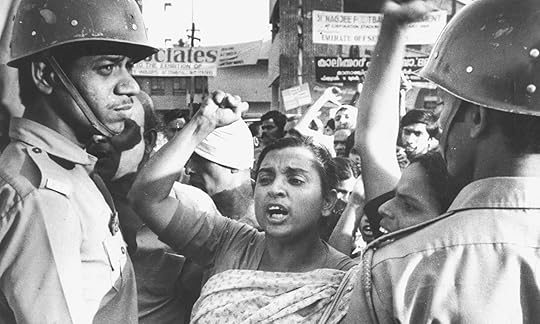
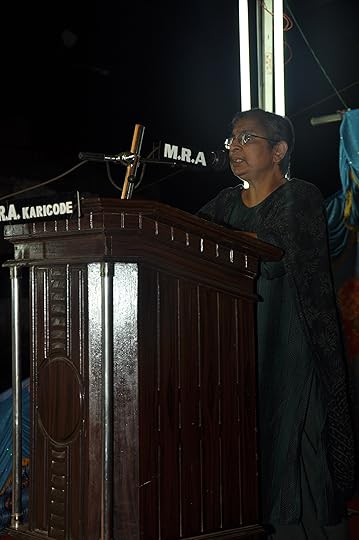
K. Ajitha(born 1950) is a social activist ofKozhikode, Kerala. Ajitha was indoctrinated toMarxismat a very young age through her parents to Kunnikal Narayanan andMandakini, who were both its prominent supporters . She is one of the greatest lady who is fighting for women's freedom from Kozhikode. She played an active role in theNaxalitemovement of Kerala. In 1968, her group began their armed struggle. They conducted some armed raids inPulpallywhich resulted in the death of two police officials.She was soon arrested along with most of her accomplices.She was tried for her crimes and was given Nine years Imprisonment. After her jail sentence, she parted her ways with armed struggle movement and began working for the feminist movement inKerala. She is now working for the rights of women through an organization Anweshi. Here the memories of her naxalite career (ormakurippukal)
This is a memoir written by K.Ajitha, who is a social activist from Kerala. She is famously known for her role in the Naxalite movements in Kerala during the 1960s. She was arrested and was in prison for nine years.
The events that led to her arrest, what happened after it, and the torture she had to endure due to the third-degree treatment became huge controversies in Kerala. This book written by Ajitha will help us know what actually happened and how she used the time during her imprisonment to study more about the problems faced by women. She also played a massive role in rehabilitating the sex workers and protecting them from abuse and exploitation.
People have many different opinions regarding the Naxalite movement and Ajitha's actions. But nobody can deny the fact that Ajitha played a considerable role in the feminist movement in Kerala.
വയനാട്ടിലെ നക്സൽ ബാരി എന്ന് കേട്ടാൽ തന്നെ ഓർക്കുന്ന ഒരു പേരാണ് അജിത. കുടുംബം, പഠനകാലം, പാർട്ടി പ്രവർത്തനങ്ങൾ, നക്സൽ ആക്രമണം, ജയിൽവാസം എന്നിങ്ങനെയുള്ള ജീവിതാനുഭവങ്ങളിലൂടെ ശ്രീമതി അജിത നമ്മളെ കൊണ്ട് പോകുന്നു. വയനാട്ടിലെ പണ്ടുണ്ടായിരുന്ന ജൻമിമാരുടെ കൊടും ക്രൂരതകൾ ഭയാനകമാണ്. അവർക്കെതിരെ നടത്തിയ നക്സൽ ആക്രമണത്തെ കുറിച്ചുള്ള അവരുടെ വിവരണം മനോഹരമായിരുന്നു. എന്നാൽ, താനും തൻ്റെ വിശ്വാസങ്ങളും അതിൽ വിശ്വസിക്കുന്നവരും മാത്രം ശരി, മറ്റുള്ളവരെല്ലാം തെറ്റ് എന്നുള്ള രീതിയിലുള്ള ആഖ്യാനം അൽപ്പം മടുപ്പിച്ചു. വിപ്ലവമാണ് എല്ലാത്തിനും ഉത്തരം എന്ന അവരുടെ അഭിപ്രായത്തോട് യോജിക്കാനാകുന്നില്ല. വിപ്ലവത്തിന്റെ പേരിൽ ഒരു പോലീസ് ഉദ്യോഗസ്ഥനെ വധിച്ചതിനെ കുറിച്ച് അഭിമാനത്തോടെ പറയുന്ന ആൾ തന്നെ ജയിലിൽ എത്തിയ ഒരു സ്ത്രീ അവരുടെ ജീവിതസാഹചര്യങ്ങൾ കൊണ്ടായിരിക്കും കൊലപാതകം നടത്തിയത് എന്ന് പറഞ്ഞ് അവർ ചെയ്തതിനെ ന്യായീകരിക്കുന്നത് ഒട്ടും മനസ്സിലാകുന്നില്ല. എഴുതുന്ന ആളുടെ നല്ലതും ചീത്തയും ഒരേ പോലെ പറയുന്നതാണ് ആത്മകഥയുടെ വിജയം. അതുകൊണ്ടാകാം ഈ പുസ്തകം അത്രയ്ക്ക് ഇഷ്ടമാകാത്തത്.
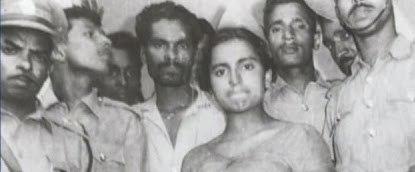
I did know of the strand of leftist idealism that pervaded the zeitgeist of 1950s and 1960s Kerala but what prompted me to read this book was the iconic photo of the captured Smt Ajitha displayed in a barbaric manner by the police. That it is a deeply disturbing image is an understatement. A young girl, hardly an adult displayed like the spoils of war. Hence I wanted to know what prompted the people behind the Thalaserry Pulpally attacks especially the then young lady who is the author of this work.
Reading the book was heart breaking. It is clear that these revolutionaries had a deep conviction in their beliefs and in relief for the oppressed. But they come across as naive, misguided men and women with no cohesive abilities. Their lack of planning, leadership and naivete belie their heart felt idealism.
Yet, the reason we know that they bumbled is the authenticity of Smt Ajitha and her unwillingness to obfuscate their flaws and rewrite history. Never an apostate, she sticks to her beliefs which have cost her dearly. In fact, she venerates her parents who were the genesis of her beliefs; while all along I had wondered on the morality of her parents in such indoctrination. I have oft faulted my parents for not being more prescriptive in the way they raised me. Now I can see the other end of the continuum.
What does the state do if you are young and idealistic but foolish enough to take up arms against the state? Brutalise you, Torture you, and strip you of every comfort and all dignity.
The book reinforced my distrust of both the government apparatus and also the common people, after all they were the very same locals whom she was working for who betrayed her and her comrades whether out of foolishness or due to misinformation that these revolutionaries were robbers and thugs. Smt. Ajitha is large hearted enough to treat the locals with grace and also steadfast enough in her beliefs to not fault the locals and concede a lack of groundwork on the part of the revolutionaries in spreading their ideas among the impoverished tribals and locals; I am not similarly inclined.
Perhaps as was said by that degenerate poet Bukowski, " You save the world one person at a time. Everything else is politics."
Lastly, another way to look at it is the one said by another poet at heart, albeit more of a novelist, Ben Okri and I paraphrase these lines from a 20 year old memory. "I had given it all my heart but in life as in art the heart itself is not enough."
Maybe Smt. Ajitha's redemption is in her having given it all her heart, no matter how flawed.
വിപ്ലവത്തിനുവേണ്ടി സര്വ്വവും ത്യജിച്ച അജിതയുടെ ജീവിതസമരങ്ങളുടെ നേർചിത്രങ്ങളാണ് ഈ പുസ്തകത്തിൽ കാണാൻ കഴിയുക.. അധികമൊന്നും രേഖപ്പെടുത്തപ്പെട്ടിട്ടില്ലാത്ത ഒരു കാലഘട്ടത്തിന്റെയും പ്രസ്ഥാനത്തിന്റെയും അനുഭവചിത്രങ്ങള്കൂടിയാണവ. എല്ലാത്തിനും പരിഹാരം സായുധസമരണെന്ന് പറയുന്നതിനോട് യോജിക്കാനാവുന്നില്ല. നക്സലേറ്റ് പ്രസ്ഥാനങ്ങളോടുള്ള അതിരുകവിഞ്ഞ അവരുടെ അനുഭാവം ഞെട്ടിക്കുന്നതാണ്. എന്തൊക്കെ പറഞ്ഞാലും ഇവർ നടപ്പിലാക്കിയ രക്തരൂക്ഷിതമായ പ്രവർത്തനങ്ങളോട് അനുകൂലിക്കാനാകുന്നില്ല .
My sincere advice to Ajitha is to think and understand why the enemy country should appreciate the actrocities comitted by her organisation in their motherland? What are their true intentions? On the other end, really want to appreciate her efforts and sacrificing her life for the welfare of the peasants and daily wage workers in Kerala.
This is a difficult book to rate. While I appreciate author's idealism and courage, her willful blindness regarding Stalin and Mao's totalitarian regimes or to acknowledge their mass murders doesn't quite sit well with me. She condemns the tortures naxalities had to undergo in police custody as inhumane (which is right) and yet doesn't acknowledge what happened in Gulag or in China during civil war. Probably a case of selective reading and condemning everything that doesn't go along with their beliefs (eg that Stalin was a megalomaniac comparable with Hitler or that chairman Mao killed more people than both Stalin and Hitler did in Europe.) as bourgeois conspiracy to weaken revolution? The part describing the incidents during Pulpally rising and the subsequent police brutality was worth reading but statements like "China should be India's role model" or extolling Mao to skies were a huge turn off for me. Even then the humanitarian in Ajitha shines through this memoir. I have great respect for that group of young people who dreamed of revolution and went about to help the poorest of the poor irrespective of the obvious dangers waiting for them.
This book will move you irrespective of your political alignment. Read it with an open horizon, keep all prejudices aside. There has been injustices vetted by both sides but at the end of it all it is the poor and innocent who suffer while instigators and leaders go away scott free. The book goes in detail the life and memoirs of Ajitha while highlighting the circumstances that made her do what she did. The only reason the book doesn't get a 5 star is because a few chapters have been stretched a little too longer than required.
It was interesting but the book digressed several times into a lot of background details and political commentary. If edited, it would be a fantastic book.