Sonallah Ibrahim’s 2000 masterpiece offers readers a view of twentieth-century world events through the diary pages of his titular character
1950s the intersection of conflicting dreams and political destinies. In this classic novel translated for the first time into English, idealistic reporter Rushdy encounters the enchanting Warda at a clandestine leftist meeting. Their fates would be forever linked. After Warda goes missing, Rushdy immerses himself in her diaries in a quest to uncover her whereabouts. The quest takes him to the hills of Dhofar, Oman, where he discovers Warda’s guerrilla role in a regional uprising and secret involvement in revolutions with echoes around the globe. Piece by revelatory piece, Rushdy uncovers the truth about Warda—and the fiery commitment that drove her to choose the life she lived.
Widely acknowledged as a masterpiece by one of Egypt’s most important novelists, this is an unforgettable story of intrigue, passion, and revolution.
Sonallah Ibrahim (Arabic: صنع الله إبراهيم) was an Egyptian novelist and short story writer. Ibrahim was one of the "sixties Generation" who was known for his leftist and nationalist views which are expressed rather directly in his work. His novels, especially the last ones, incorporate many excerpts from newspapers, magazines and other political sources as a way to enlighten the people about a certain political or social issue. Because of his political opinions he was imprisoned in the 1960s. His imprisonment is featured in his first book, a collection of short stories called "That smell" تلك الرائحة, is one of the first writings in Egyptian literature to adopt a modernist style. His latest book, Memoirs of the Oasis Prison, returns to the same theme. In harmony with his political ideas, he recently refused to accept a prestigious literary award worth 100,000 Egyptian pounds from Egypt's ministry of culture.
اتصل اسلام كالعادة قبل ليلة رأس السنة بيومين لا لنرتب سويا لإحدى الليالي التي لا تنسى أو لحضور حفل ما كما يفعل شباب في مستهل العشرينات و لكن ليذكرني بأعداد الجرائد و المجلات التي سقطت منه خلال العام لأزوده بها من مخزون الجرائد التي نحرص على شرائها و الاحتفاظ بها خلال أيام السنة. حرص اسلام منذ المرحلة الاعدادية و لما قبل تخرجه من كلية الهندسة على اعداد تقرير سنوي من صفحة واحدة بحجم أربعة أضعاف صفحة الجريدة الكبيرة يتضمن أبرز أخبار العام في جميع المجالات ليعلفها في غرفته لعام كامل قبل أن يستبدلها بتقرير العام التالي. كنت أحرص على مشاهدة اختياراته للأخبار و منهجهه في قصها و لصقها و تصنيفها بل و فلسفة اختيارها أيضا. كان ذلك بمثابة مشروع يستمر معه من بداية السنة و حتى النهاية و كنت أنا من أشد مؤيديه و مشجعيه على ذلك. استمر هذا العمل حتى انتشار الكمبيوتر في نهاية التسعينات و بذلك حل محل أغلب ما كنا نفعله قبلها. كلما قرأت لصنع الله ابراهيم تذكرت اسلام. فصنع الله لا يكتب مجرد رواية. إنه يجمع مانشيتات الصحف التي ينتقيها بعناية خلال فترة ما لأحداث ما ثم ينسج من حولها قصة لإيصال رسالته التي لا تقتصر أبدا على الأدب بل تجمع معه السياسة و الثقافة و الرحلات و التاريخ و بالطبع قلة الأدب. دمج هنا إبراهيم بين ثورة ظفار العمانية في الستينات و الثورة اليمنية المستمرة من سيف بن ذي يزن و حتى الأن بالإضافة إلى حركة اليسار العالمي من كوبا و حتى الصين مرورا بالعواصم العربية الساخنة في تلك الفترة سواء في بغداد أو دمشق و بيروت و عمان و فلسطين و القاهرة و البحرين و الكويت و بالطبع الخرطوم و طرابلس ليبيا احترت بين النجوم الثلاثة و الأربعة حتى شارفت الرواية على الانتهاء فقررت أن أعطيها أربعة نجوم لولا الفصل الأخير الذي كان مقالا في تاريخ الثورة اليمنية و كأنك بالضبط تفرأه في جريدة و بذلك عدلت التقييم إلى ثلاثة نجوم فقط الرواية تستحق القراءة لمن كان له صبر على السياسة و التاريخ و عناوين الأخبار و محبي التيار اليساري بالذات
لا يهم هي وردة أم شهلا، ولكن قصتها تدعونا إلى الاحترام والتأمل، بغض النظر عن قناعاتك الشخصية لما كانت تؤمن به تلك الشخصية الروائية؛ شبه الحقيقية في تاريخ الثورات العربية [من الأسماء الحقيقية الرفيقة طفول المعشني والرفيقة فاطمة دبلان].
هي بانوراما ثرية بأحداث لم تسلط عليها الأضواء في تاريخ منطقتنا العربية، أحداثها تدور في مرحلة تاريخية حبلى بالأحداث تسرد على مسارين روائيين هما حديث سنة 1992 في مسقط عاصمة عمان، على لسان صحفي مصري يدعى رشدي كان زميل دراسة في القاهرة وذهب لمسقط في زيارة، ومن خلال مذكرات وردة 1975/1960 على طريقة مذكرات جيڤارا الثورية كيوميات سردية مع مادة توثيقية داخل النص الروائي.
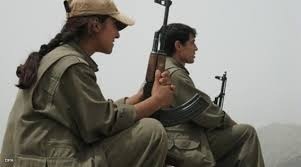
وردة اسم حركي لفتاة لها جذور عمانية يمنية، كانت تدرس في القاهرة مع أخيها ومن ثم بيروت. ومع انخراطهما في العمل السياسي الثوري في تلك الحقبة المهمة من تاريخنا العربي من ثورات وسطوع الشيوعية، تسارع وردة للانضمام لجبهة تحرير ظفار في عُمان، إبان حكم السلطان سعيد بن تيمور؛ وتضيقه على الشعب من جراء فرض ضرائب وقوانين جائرة؛ كقائدة حرب عصابات للحركة بدعم من اليمن الديمقراطية الشعبية في عدن. خلال مذكراتها التي كتبت بشكل توثيقي، وهو ما يتميز به أدب صنع الله إبراهيم حيث يربط سيرته وحقائق سياسية وأحداث معروفة؛ ويمزجها بسرد متخيل توثيقي روائي.
من خلال مذكراتها المكتوبة مؤرخة كما ذكرنا نرى كفاحها المسلح ضد الطغيان والمحتل البريطاني والامبريالية، كقائدة امرأة للرجال الأشداء في الجبال، نرى كم من المشاهدات الشبه يومية للثورة والثوار والتغييرات السياسية الاقليمية والعالمية، وبيان نمط الحياة للشعب الظفاري. كما أيضًا بينت كم كانت شعوبنا العربية كافة تسري فيها الحمية الوطنية ضد المحتل، وضد الظلم والطغيان.
بعد استلام السلطان قابوس الحكم 1970 عمل على استقطاب تلك الحركة والوعود بالإصلاحات والخدمات وحياة الرفاهية ككافة شعوب الخليج العربي، وهو ما عمل على اجهاض تلك الثورة، كما استعان بالجيش الايراني أيام حكم الشاه، وتراجع البعض منهم والنزول من الجبل للانضمام لقوات وحكومة السلطان الجديد، ومساندته في بداية حكمه.
" تذكرت عشرات المواقف التي فيها صعوبة تقبل المجتمع القبلي الظفاري لأفكار الثورة. تساءلت عن الآثار السلبية لمجتمع الخيمة عندما ينتقل فجأة إلى مبنى عصري لم يشيده بنفسه؛ أي لم يأت من خلال تطور طبيعي لحياته".
رواية باذخة الثراء وتبين فلسفة الشيوعية والكفاح الثوري وتوثق ثورة منسية في تاريخنا العربي، كما تشمل بعض الآراء لفلسفة العمل الثوري وداعمة لحقوق المرأة وتمكينها في مجتمعنا.
"إن قليلًا من المطر سيحول هذا النبات الجاف في خلال شهر إلى الخضرة، ويغطي سيقانه بالزهور. لا تموت هذه النباتات بسهولة؛ فجذورها طويلة جدًا. فكرت أن الثورات أيضًا كذلك".
{لمن أراد الاستزادة عليه بمشاهدة فيلم ساعة التحرير دقت على اليوتيوب}
رواية سياسية تاريخية من الطراز الأول. كاتبها خليط صحفي ومناضل وأديب. تتناول الرواية أفكار وحالة المناضلين إبان الحرك الثوري الإشتراكي. أستطيع أن اقسم الرواية إلى ثلاثة مسارات. المسار الأول وهو حياة الثائرة وردة ورفاقها كثوار، المنحى الثاني هو تسلسل الأحداث والأخبار التي واكبت تلك الحقبة والموردة بأسلوب صحفي في مذكرات وردة ممايجعلك تتيقن أن صنع الله لم يكتبها بغرض خدمة جو الرواية فحسب ولكن أيضا تثقيفا للقارئ. أما التوجه الثالث في الرواية فهو وصف لعمان بشكل يحاكي كتب السفر من وصف لعادات وتقاليد ورقصات شعبية وأطعمة وأساليب معيشية. مستوى الرواية ممتاز وأنصح بقرائتهاكما أنها تتطلب ذهنا صافيا للربط بين الأحداث ومتابعة التسلسل الزمني إضافة إلى عقلية متفتحة لتفهم آراء ودوافع الثوار حتى وإن أختلفنا معهم في كثير من معتقداتهم.
روايه صادمه ؟ حبكه قلما تجدها بالروايه العربيه النهايه قلبت مزاجي عكرتني جعلتني أشعر بالجفاف بفمي صنع الله كاتب ماهر ولكن بهذه الروايه علمنا ماذا يعني أن تكتب تستعرض التاريخ تبرز الحب والعشق وأكثر ما علمنا كيف يخون الإنسان أخيه الإنسان لأول مره أقرأ عن بطوله المرأه الخليجيه
تستحق أكثر من خمس نجوم فخمه أكثر من اللزوم ولو كان كاتبها من أمريكا اللاتينيه أو من الغرب لقلبت الدنيا ولم تقعد عن سحر الإبداع والتشويق والفن العظيم وترجمت لأكثر من أربعون لغه وحولت فيلم سينمائي ولكن حتى للأدب حظوظ
هذه الرواية اقتحمت عالمي وبشدة واخضعت تفكيري وخيالي لها. لكن للآسف لم تشبع فضولي الذي كان يتشوق لمعرفة ما الذي حل بوردة لذلك قررت البحث عن المزيد من المعلومات التي تتحدث عن هذه المناضلة التي يجب ان تكون عنوانا لتحرر المرأة وان نفتخر بها وبشجاعتها .
وبالنسبة للكاتب صنع الله لقد ابدع في هذه الرواية التاريخية والتي نسجها بدقة بكل تفاصيلها واحداثها . لقد استطاع منح القارئ عالم مثير يحثه على الاستمرار في القراءة والتشوق لمعرفة المزيد .
احببت التنقل بين عماد ومذكرات وردة بطريقة تشد القارئ حتى لو قطعت عليه التسلسل المعهود.
كانت رواية شيقة بعيده كل البعد عن الرتابة التي اعتدناها في الروايات ، صنع الله ابتكر مسارا جديدا في عالم الروايات واجبر القارئ على تقبله .
احببت وردة كثيرا )":
واحتقرت يعرب .
ملاحظات اثناء القراءة
عدد صفحات النسخة التي امتلكها 792 حاليا انتهيت مايقارب 450 صفحة
الكاتب لم ينسى تفاصيل الرواية الدقيقة وساعد القارئ على خلق عالم من الخيال والتوغل في اعماقه .
برأيي انها روايتين في روايه تم مزجهما بذكاء الكاتب
قرأت لصنع الله إبراهيم أول ما قرأت روايته (ذات)، أبهرني حينها أسلوبه الذي يخلط الرواية بالتقرير الصحفي، وأعجبت بالقوة التي يضيفها هذا الأسلوب للرواية، وخاصة الرواية السياسية أو الاجتماعية، حيث تفيد التقريرية في بيان وضع المجتمع الذي يعيش فيه أبطال الرواية، ورصد التغيرات التي طرأت عليه، وقد برع صنع الله في ذلك، وخاصة في (ذات)، من خلال جهد مذهل في تتبع أخبار الصحف المصرية، وإبراز عناوين تمثل التغير الاجتماعي والاقتصادي والسياسي والديني خلال فترة زمنية معينة.
ومنذ تلك القراءة الأولى حرصت على الحصول على بقية رواياته، فقرأت (تلك الرائحة)، (نجمة أغسطس)، (اللجنة)، (بيروت... بيروت)، (شرف)، (أمريكانلي)، و(يوميات الواحات)، وأخطط الآن بادئا ً بروايته هذه – وردة -، قراءة بقية مؤلفات صنع الله إبراهيم وهي (التلصص)، (العمامة والقبعة)، (القانون الفرنسي) وأخيرا ً (الجليد) التي صدرت قبل شهور.
صنع الله إبراهيم روائي مصري سبعيني – ولد في 1937 م -، يساري الفكر، وأعماله تبين هذا وبقوة، وقد سجن لخمس سنوات – ما بين 1959 م وحتى 1964 م – وكتابه (يوميات الواحات) يتعرض لتلك الفترة.
يتناول صنع الله في هذا الكتاب الثورة الظفارية في جنوب عمان، والتي اندلعت قريبا ً من 1963 م واستمرت حتى 1975 م، وكانت مدعومة من اليمن الجنوبي الاشتراكي حينها.
وحتى يقترب صنع الله من هذا الموضوع بأسلوبه المفضل، يلجأ إلى إبراز الحركة الثورية ليس في ظفار وحدها وإنما في أنحاء متفرقة من العالم في ذلكم الوقت من خلال مذكرات المناضلة الظفارية (وردة)، وهو الاسم الحركي لشابة عمانية تعرف عليها بطل الرواية الافتراضي (رشدي) عندما كانت تدرس مع أخيها (يعرب) في القاهرة أواخر الخمسينات.
يزور رشدي عمان في بداية التسعينات، ويحل ضيفا ً على ابن عمه هناك، ويقرر البحث عن صديقيه القديمين (يعرب) و(شهلا)، فتقع بين يديه مذكرات شهلا / وردة والتي دونتها خلال فترة قيادتها لمجموعة من المقاتلين في جبال ظفار، المذكرات تمتد على سنوات طويلة، وتوثق الكثير من الأحداث في جبال ظفار، وحول العالم حيث تتابع وردة الثورات والحركات السياسية حول العالم، وتدونها في مذكراتها، وتعلق على بعضها، المذكرات تتناول الثورة منذ بداياتها وحتى انكماشها وهروب وردة وهي حامل مع والد طفلتها وأخيها يعرب، وهو هروب يهدف إلى البحث عن إمكانية مواصلة الثورة من مكان آخر، وتنتهي المذكرات عند لحظات عصيبة عندما تجد وردة وحبيبها نفسيهما وحيدين في الصحراء، نعرف بالطبع أن وردة لم تمت في تلك الصحراء، لأن رشدي يحصل على مذكراتها من ابنتها (وعد) التي يلتقي بها في صلالة.
الرواية ليست حكاية وردة، وإنما هي حكاية الثورة الظفارية، ولهذا يحتال صنع الله مع نهاية المذكرات، في إكمال حكاية الثورة من خلال إطلاع عم وعد لرشدي على شريط فيديو يظهر مذبحة 1986 م في عدن والتي قضى فيها رئيس اليمن الجنوبي حينها علي ناصر على رفاقه في الحزب، ويستخدم صنع الله الشريط ليحكي وضع اليمن الجنوبي والصراعات التي دارت فيه بين الرفاق، وانتهت بالوحدة اليمنية.
نهاية الرواية لا تكشف مصير وردة، ولكنها على الأقل تكشف لنا مصير أخوها يعرب، وما بين مصير وردة ومصير يعرب، نصل إلى رؤية صنع الله حول الثورة.
This books is Written in a similar style to 'The Season of Migration to the North', in which our main protagonist seeks to follow the steps of, and uncover the mysterious story of another character. Much more compelling that the season of Migration to the North, Warda tells the little known and even less discussed Communist insurgency/war for liberation in Oman.
Following the tradition of Egyptian authors who write subversive and countercultural 'fiction' that arguably isn't really 'fiction' (I'm looking at you Ibrahim Issa and Nawal Al Saadawi) and Egyptian authors who write books on eras of history that we collectively choose to forget for the sake of the present psyche (think 'The Man from Bashmour), this book focuses on an insurgency most will not even know occurred. The Popular Front for the Liberation of Oman fought against the sultan of Oman and believed in Marxist principles - including nationalisation of property and the liberation of women from 1974 until 1992.
I read middle eastern and north African history a lot. I had no idea whatsoever about this war. I also had no idea about many of the things covered in the book such as the erratic interaction of Gaddafi with communists and leftists in the middle east, the active role of the west in crushing leftist and communist movements in the middle east, the fact that there were communist parties so close to erasing and consolidating power in Sudan, how Abdel Nasser used socialist language, philosophy and messaging, how active and influential legit sys were in power, the degree of backstabbing in the southern Yemen government and so so so so much more. This book, although ostensibly a fiction book, goes through history from an Arab leftist point of view. One that you really will struggle to find anywhere else - because Arab leftism just isn't too much of a thing anymore in its purest form. We often recreate history in our own image, and in a middle east that is increasingly religiously zealous and theocratic, while also authoritarian and service to western interest - such histories are deeply subversive. This is probably why they are in a fiction book to begin with.
In the book you also discover so much about the nation of Oman. I didn't even know they had languages other than Arabic or about the deep African influence in their population and culture. The book contains searing critiques of the wealth that has entered the gulf states, the kafala system, the role of women and so much else that still holds true to some degree today.
Our titular character is never encountered in the present. She is mysterious and we hear about her from her own diaries. She is driven, compelling, vulnerable, empathetic, and lovable. She is zealous for her cause but never loses her humanity. She fights for what she believes in and loses. But it makes her move lovable, and I rooted for her throughout the story. It made me consider how far removed from modern reality this character was. The author is aware of this and he intentionally juxtaposes the more Religious affluent, capitalist bourgeoisie gulf with the utopia and the ideology of the titular character.
Discussion of gender in this book was very poignant, especially given that the author is a man.
I loved this book very deeply and highly recommend it to anyone interested in learning more and seeing the leftist history of the middle east.
That said it wasn't perfect. At times it overstayed it's welcome, especially the parts of the book that were concerned with the present day. I also feel that one of the sexual relationships in the book was unnecessary and detracted from the plot.
The ending was perfect. It was heart breaking. It was intentionally not clear cut at all. It showed two of the characters closest to our titular character use and abuse her, denounce and absolve themselves of her to serve their own interests.
Our titular character was true to the cause, and perhaps that is why she fell to lesser men.
صنع الله بيعمل اللى متعود يعمله فى رواياته, و هو شىء عظيم بالتأكيد و يتطلب مجهود هستيرى بجانب الابداع و الكتابة..
الرواية عليها بصمة صنع الله .. نفس اسلوبه و طريقته فى السرد اللى بتحكى احداث تاريخية حقيقية بجانب احداث و شخصيات من تأليفه, بيختار مكان و تاريخ معين و يبتدى من هناك يحكى حكاية دول و شعوب و ثورات, الحكاية المرة دى كان من مكان نسبيا بعيد ملناش اى علم بيه و غالبا بنتجاهله-كمصريين- و هو "سلطنة عمان" و الزمن هو فترة الستينات و السبعينات وقت ثورة ظفار.. بنتعرف على عمان و العرب و الثورات العربية والعالمية من خلال "وردة"..
صنع الله كالعادة بيسيب دماغى تقيلة من كتر الافكار و المعلومات, هحاول ألخص ابرز الحاجات فى نقط:
1- انا معجبة باعجاب و احترام صنع الله الواضح لثقافات الشعوب و محاولته تسليط الضوء عليها, ومنها "سلطنة عمان" اللى بتدور حولها و فيها الرواية فى حين تتراجع مصر فى الرواية وتظهر كعنواين اخبار بتتابعها وردة عن طريق الراديو وتتفاعل معاها اكيد بس بشكل محدود.. صنع الله شكر الاصدقاء العمانيين اللى فتحوا له قلوبهم قبل بيوتهم واتاحوا له يتعرف على حضارتهم العريقة بحسب تعبيره, الاحترام و الانبهار ده كان واضح فى الرواية نفسها.. ده شىء مش كتير مع الاسف, خاصة ناحية دول تبدو بعيدة تماما عننا ومنعرفش حاجة عن ثقافاتهم, وبنفتكر ان الدول دى مش مهمة عشان مش مشهورة -لينا- لكن تلاقى التاريخ بيقول غير كده, حتى التاريخ الحديث, فبحسب صنع الله الحراك الثورى فى الوطن العربى بدأ من اليمن و انتقل الى ظفار بعمان و منه الى جميع الدول العربية اللى شهدت انقلابات و ثورات و تغييرات رهيبة..
2- كان دايما عندى شعور اننا بنعيش فى واحدة من اسوء العقود فى التاريخ, خاصة بعد 11 سبتمبر , بس كل ما بقرأ اكتر بكتشف ان كل العقود اللى فاتت كانت سيئة و جنونية للغاية خاصة فى الشرق الاوسط,احنا عامة كعرب و مسلمين فى زمن سىء للغاية وهنفضل كده لغاية لما يعاد تشكيل العالم و تسقط دول عظمى و تطلع غيرها, صنع الله فى الرواية اكد لى ان الستينات و السبعينات كانت من المراحل المهلكة فى تاريخنا على عكس الانطباع العام فى مصر انها فترة انجازات و انتصارات -فيما عدا 67 طبعا- و ده نسبيا صحيح لو بنتكلم على مصر بس لكن الشرق الاوسط بشكل عام كان فى مرحلة تغييرات جذرية و تحركات شعبية, و بدأناها من جديد اليومين دول مع الربيع العربى..
3- اليمن و ما ادراك ما اليمن, كان فيه صراع قوى فى اليمن -حاجة اشبه بسوريا الان- و الصراع ده دخلت فيه مصر بجيشها وقتها.. هايلايت انى لازم اقرا عن اليمن فى الفترة دى.. صنع الله حكى عن اليمن بشكل تقريرى و البلاوى اللى حصلت فيها لحد فترة اوائل التسعينات -اللى بيدور فيها جزء من احداث الرواية- وكمل "بتذييل" بعد الرواية بمتابعة اللى حصل فى اليمن لحد 2000.. تفاصيل و معلومات و اسماء كتير صعب استوعبها فى مرة.. كالعادة صنع الله رواياته ممكن الاستعانة بيها كمراجع..
4- من خلال يوميات وردة اللى كتبتها, بنتعرف على شكل الثورة و المقاومة المسلحة و حروب العصابات مع الجيوش النظامية, حاجة اشبه باللى بيحصل فى سوريا دلوقتى, نفس الاجواء و الاساليب, وصنع الله بياخدنا للتفاصيل طبعا, والتفاصيل هى أنك تتعايش مع الثوار فى حربهم مع السلطة, حياتهم و احتفالاتهم و افكارهم و شغل المنظمة فى الوقت ده على بناء دولة فى المناطق المحررة من تعليم للناس و معالجتهم و خلافه.. مش عارفة اوصف احساسى ازاى .. بيخلينى اسأل اسئلة كتير بغباء... معرفش هلاقى اجابات ولا لأ...
5- آفة صنع الله التطويل.. فيه اوقات زهقت فعلا و خدت وقت عشان ارجع اقرا تانى.. فيه اجزاء بيحكى تفاصيل مملة ملهاش اى لازمة و تبدو كحشو وخلاص.. كان فيه ملل طبعا فى الرواية و يمكن عشان كده نقصته نجمة..
6- كنت بقرأ رواية صنع الله لما فجأة عمل حوار غريب عجيب قال فيه "السيسى شخصية وطنية كبيرة وبفضله نتحدى أمريكا والغرب لأول مرة منذ عبدالناصر ومن حقه الترشح للرئاسة.. والبرادعى سيذهب إلى مزبلة التاريخ"! http://www.youm7.com/News.asp?NewsID=... .. الحوار مأساة حقيقى و خدت وقت انى اصدق ان هو اللى بيقول الكلام ده لاسباب كتير.. بغض النظر عن الاختلافات اللى طبيعى تبقى موجودة فى التعامل مع اوضاع سياسية.. لكن انا استغربت قرايته للمشهد السياسى نفسه.. بيقول كلام بالنسبة لى لا يعقل و يخلينى احتاس لانه مش معقول الراجل دى قارى المشهد غلط, و لا هو صنعته فى قراءة التاريخ مش فى قراءة الحاضر زى ناس كتير اكتشفتهم؟ بيخلينى اعيد التفكير فى حاجات كتير..
7- صنع الله شكر "هانيا سرور" عشان خلته يتفرج على فيلمها عن ثورة ظفار "دقت ساعة التحرير".. دورت عليه و لقيته و قلت فرصة الواحد يتعلم برضه فى ظل التعتيم ده..
8- فيه سسبنس فى الرواية.. وطول الرواية تبقى مشدود عشان تعرف كانت ايه نهاية وردة و ايه اللى حصلها.. مش عايزة احرقها بس هو صنع الله كتب نهاية منطقية و واقعية...
رواية تقيلة و حلوة وممتعة رغم الاجزاء المملة.. ينصح بقراءتها طبعا بس محتاجة ذهن صافى...
رواية تدور أحداثها الأساسية في تعسينات القرن الماضي، حيث يسافر مصري إلى عمان ليبدأ رحلة البحث عن صديق له يدعى (يعرب) وأخته (وردة) كانا يدرسان بالقاهرة في ستينيات نفس القرن، يواجه العديد من الصعوبات للحصول على أي معلومات عنهما إلى أن تصله بطريقة مثيرة كراسة بها تسجيل ليوميات مؤرخه باليوم والشهر والسنة، مختصره موجزة شبة يومية، يكتشف أنها لـ (وردة) وقد كتبتها على مدار سنوات وجودها في الجنوب العماني أثناء مشاركتها بثورة ظفار، من خلال هذه اليوميات نتعرف على الكثير من المعلومات عن
ثورة ظفار وكيف كن النساء يشاركن فيها
كيف يمكن لإمرأة قيادة سرية أو دورية من الرجال على خط النار
حياة التقشف في الصحراء
الجبهة الشعبية للتحرير من الاستعمار
جيفارا
الثورتان الليبية واليمنية والحال السياسي لباقي الدول العربية وكيف يمكن للأحداث في اليمن أن تؤثر على ما يدور في ظفار
الإشتراكيين والشيوعيين والقوميين وأراء كل منهم
وصف دقيق لعمان سكانيا وجغرافيا وأيدلوجيا قبل اكتشاف آبار البترول وبعدها
انقلاب قابوس على أبيه السلطان والاستفراد بالسلطة
استقواء دول الخليج الدائم بالعدو الأجبني لقمع المختلفين في الرأي
كيف قضى قابوس على ثورة ظفار ضد الاستعمار سنة 1975، وكيف استعاد الأراضي السابق تحريرها إلى قبضة يده بالتحالف مع الاستعمار
كذلك آخر أخبار الأحداث السياسية والتحولات العالمية وقتها
لتبدأ رحلة البحث عن باقي الكراسات المفقودة
في الحقيقة استغربت أسلوبها في البداية ومالبثت إلا وتعودت عليه لأصاب بالملل مع اقترابي من النهاية حيث تدور الأحداث حول سلسلة الاختلافات الأيدلوجية السياسية والاغتيالات طمعا في السلطة
الوعي السياسي الذي بدا لي واضحا لطبقات كثيرة من الشعب خلال الستينات والسبعينات يوضح جليا كم كنا مؤخرا مغيبين سياسيا من حكامنا العرب
بين إزدواجية السردية والواقع المألوف ينشر واحد من الكتاب القلائل الذين لم أفقد الأمل في قراءة رواياتهم المعاصرة. وردة، والتي نشرت عام 2000، لم تكن الرواية الوحيدة التي قرأتها لصنع الله إبراهيم، بل أيضًا قرأت برلين 69، وبيروت بيروت. وقد شاهدت ذات كمسلسل رمضاني شيق، وملي بالأحداث. كلتا الروايتان خطتا مسيرتي الأدبية في القراءة، على نحو خاص، ووجهتا شغفي ناحية التاريخ والسرد الواقعي والتأريخي. أتذكر وأنا أكتب هذه الكلمات، كلمات أخرى قالتها أستاذتي عن أن الرواية الواقعية هي تسجيل للحياة اليومية. وكانت تركز وتكرر هذه الجملة مرارًا وتكرارًا، وأنا، صعبة الفهم، أدركتها عندمها اندمجت أكثر وأكثر في القراءة. "ولكن كلمة 《بحث》، وهي في قواميس الموسيقيين والرسامين عادية، بشكل نغبطهم عليه، ما تزال تغيظ بعض الناس، حين يتعلق الأمر بالرواية، إذ يبدو أن لهذه الكلمة مظهرا متكلفا وإراديا لا يناسب الكاتب الروائي؛ ولعل هذا راجع إلى تلك الصورة المشينة التي يكرسها بعض النقاد، بل التي يقدم بها بعض الروائيين أنفسهم للقراء؛ وهي أن الكاتب الروائي مخلوق تحركه قوى غامضة، يكتب بوحي خفي، لا يدري أين يسير، ولا يعرف كنه ما يفعل، هو مخلوق يكتب مثلما تغرد العصافير، بل أكثر من ذلك، هو خالق عوالم استثنائية، ونبي يجترح المعجزات. أعتقد أنه قد حان وقت نبذ مثل هذه المواقف الرومانسية. ولعل هذا ما يبرر حرص روائيين كبار مثل Henry James و Virginia Woolf و Marcel Proust... على كتابة مقدمات طويلة لرواياتهم، يعرضون فيها آرائهم في الأدب، ويشرحون فيها معاناتهم في الكتابة الروائية. " Nathalie Sarraute الرواية الجديدة والواقع ترجمة: رشيد بنحدو بهذا الاقتباس أبدأ ثنائي الشديد على مجهود الكاتب المضني في كتابة هذا الكم من المعلومات.. لم يخيب ظني قط. حتى أني عندما كنت بالمكتبة اخترت هذه الرواية متجاهلة حكايتها وكلماتها المكتوبة في الخلف، كعادتي عندما أقضي وقتً لا بأس به، وأخرج وأنا سعيدة أني استبدلت جميع ما لدي من أوراق نقدية بكتبٍ قيمة وشيقة. صنع الله إبراهيم رواياته لم تكن ولن تكون مجرد روايات، رغم التزامه بالواقع المعاش والمألوف على عكس تيار الواقعية الجديدة والتي ظنًا مني أنه يعطينا فرصة لعيش واقع جديد، ولكن روايات صنع الله لا تخلو من التشويق ومحاولة جذبك بشدة لتكملة القراءة حتى النهاية. روايات صنع الله إبراهيم لقيمتها التاريخية والجغرافية، كمتأثرة بتيار الواقعية الجديدة، لا أعتبرها روايات بل مجرد محاولات سردية. شبه لنا أنها روايات ولكنها ليست بروايات. هي كتب تسجل الواقع المعيش، أحداث مرت وطرت مشوا فيها أبطال الرواية، وصراعات على الحكم، وانقسام وفتن قبائلية وطائفية، حروب قسمت ظهور شعوبنا، وفتتنا الكره والبغض عن بعضنا البعض. نزعته الرومانسية في رسم الأحداث والحنين إلى الماضي تغلب على الجانب الروائي. إنفراد أو إزدواج السردية في كتبه جعلت الأحداث تمر من منظور شخصي وبالتالي فقدت الأحداث التاريخية موضوعيتها، وجعلنا نشعر بما تشعر به الجماهير فقط وليس ما يخفيه صانعو القرار، كما فعلت الدكتور رضوى عاشور في ثلاثية غرناطة على سبيل المثال. فالتاريخ إذا أتيت به من جانب أحادي باتت نظرتك ناقصة وذاتية. وبالتالي غير كاملة. بيد أني أعتقد إلى حد كبير أن صنع الله إبراهيم، عن قصد، يهتم بهذا الجانب ظنًا منه أن صانعي القرار لا يصلحوا كمادة روائية. غلبة الحوار على أعماله، أو بالأخص هذا العمل الذي في أيدينا، يجعله صالحًا أكثر لتحويله مسلسلًا أو شريطًا سنيمائيًا. على الرغم من كل ما سبق ما جذبني للاستمرار أكثر وأكثر في قراءة الرواية هو كيفية رسم شخصية البطلة النسائية. أعني كم المرات التي أصابتني الخيبة في طريقة وصف الكاتب للشخصيات النسائية لا تعد ولا تحصى. ولكن صنع الله إبراهيم حتى قبل النهاية بقليل ظل محتفظًا بمهارته في وصف شهلا أو وردة بطلة الرواية واضعًا نفسه مكانها وليس مجرد وصف من قبيل رجل ناقص الخبرة. أشد ما سبب لي ألمًا في رأسي منذ أن أنهيت الرواية وقررت أن أكتب هذا الكلمات، هو لماذا تتصرف وردة هكذا. وردة، هي شخصية، وجودها في الواقع ضرب من المستحيلات. فتاة عمانية من أسرة ارستقراطية، امرأة مثقفة، ومتحررة، ومتعلمة، ومتأثرة بالأيديولوجية الجيفارية، تنقلت من بيروت للقاهرة للعمان لليمن، وتحملت حر الصيف وبرد الشتاء القارس، وتحملت الحرب كونها من الميشلشيات المسلحة، وكافحت لتغيير العقليات المتخلفة الرجعية، وتحملت أهوال الحرب وما رأته وما عاشته من خسارة رفقاء لها، خانها أخوها في النهاية. تحملت كل ما سبق ذكره، وعندما أتى الأمر للجانب العاطفي والرومانسي، أخذت اللامنطقية والعشوائية دفة السفينة. أعني أني قادرة تمامًا أن أفهم التحدي النسوي الذي تبديه في علاقاتها مع الجنس الأخر، ولكن أعتقد وبشدة أنها لم تحب شهاب ولم تحب دهميش. لا في البداية ولا في النهاية. كلتا النقطتان وما بينهما ما هما إلا نتيجة لحرمان عاطفي وجنسي. أرادت فقط أن تملئ الفراغ بداخلها. خاصة بأنها تقربت من دهميش في وقت كانت فيه الميلشيات تفقد أعدادًا وعتادًا بمرور الوقت، فتلوح هزيمتهم في سماء أحلامها بعيدًا ولكن ما تزال تراها. ما يؤكد وجهة نظرتي هو رغبتها في أن تلد طفلة على الرغم من معرفتها أن ظروفها، بل وإيمانها أنها لن تسمح بتأسيس عائلة والتمتع بالأمان والراحة. وردة هي شخصية ثائرة، على المجتمع وتقاليده، وعلى العادات والأفكار الرجعية، وعلى الاحتلال والخائنين، وعلى الظروف والأزمنة. أرادت أن تغير الوطن للأجيال القادمة، فخانها شقيقها. فرجعت للأفكار التي نبذتها في أول الأمر، فتلد طفلة، وترث تمردها العنيد، فيستمر الصراع. وتلوح وردة في سماء الخلود.
نقرأ ولا نفهم، ونفهم ولا نستوعب، ونستوعب ولا نتعلم.. لماذا؟ لأننا أنانيين.. لأننا مينفعش نغلط.. مينفعش تطلع شعاراتنا وهتافاتنا وجرينا فى الشوارع هربا من الغاز والمطاطى والحى محض هرى..
شهلا / وردة امرأة من طراز خاص ومناضلة شيوعية أممية مخلصة قضت سنوات طويلة تطلق النار وترمى القنابل فى صحراء ظفار (وهى اليمنية الأصل) من أجل تحقيق الثورة وحكم البروليتاريا.. سنوات اندلعت فيها الثورات اليسارية فى العالم ضد الرأسمالية والاستعمار، سالت الدماء وسقط القتلى وفنت الأعمار.. والنتيجة: صففففففر
تراجيديا قدرية محزنة تترك غصة فى الحلق كما يقول التعبير الفخيم، وبانوراما ملحمية بمعنى الكلمة لتاريخ هذه الحقبة من خلال السيرة الأسطورية لوردة ما بين القاهرة.وبيروت وجبال ظفار.. الإسلوب تشويقى بامتياز، استخدام مدهش للفلاش باك، مزج صنع الله ابراهيمى بين الروائى والتوثيقى، ومجهود من الكاتب العظيم يحتاج قراءة ثانية وثالثة لاستيعابه
الثورة أم الإصلاح؟ سؤال مطروح دائما على سبيل الهرى، حسمه التاريخ كثيرا وأجابت عنه الرواية وشاهدنا ونشاهد الإجابة بأمهات أعيننا يوميا فى الشوارع وبرامج التوك شو بقالنا 3 سنين
أتمنى ألا يتأخر انتباه مكتبة الأسرة لأهمية الرواية دى أكتر من كده
رواية وردة للمؤلف المصري صنع الله إبراهيم، تمتد أحداثها منذ الستينات إلى تسعينات القرن الماضي، وبطلها رشدي.. الطالب المصري الذي أحب فتاة عمانية تدعى شهلا خلال دراستهم في الجامعة الأمريكية. وفي أجواء ثورية شيوعية تنتقل الفتاة إلى ظفار في عمان والتي تقع قرب حدود اليمن الجنوبي لتقود فرقة من المحاربين في الجبال، وتحمل اسما حركيا هو وردة. وينتقل الشاب إلى مصر ليمضي سنوات بين المطاردة والسجن ثم يعود مرة أخرى بعد ثلاثون عاما إلى عمان باحثا عن الفتاة. تقدم الرواية تفاصيل دقيقة للحياة الاجتماعية والسياسية والثقافية في عمان خلال تلك الفترة وتقارن أوضاعها قبل وبعد الاستقلال. وقد استعان الكاتب بكثير من المراجع والتجارب الحقيقية مما أثرى الرواية بتفاصيل ومعلومات غنية بدرجة عالية. فتحت لي هذه الرواية بابا جديدا للتعرف على شخصيات خليجية وبحرينية شاركت في قضية ظفار و زادت رغبتي في تعلم المزيد عن تاريخ جنوب الجزيرة العربية. سعدت كثيرا بالاطلاع على النتاج الأدبي لصنع الله ابراهيم واستغرب بأنه لم ينل حقه من الشهرة والتسويق كحال الأدباء الآخرين.
تمثل الرواية عند صنع الله إبراهيم الوعي والذاكرة؛ وعي بما جرى ولما جرى أصلا؟! وذاكرة فولاذية لتسجيل وتوثيق الأحداث.
يطير بنا صنع الله إبراهيم هذه المرة إلى عُمان خلال ستينيات وسبعينيات القرن الماضي حيث المد الشيوعي والعدوى الثورية، فمن خلال شخصية الراوي تدور الأحداث خلال التسعينيات، عندما يجد مذاكرات صديقته شهلا.
تكتب شهلا (وردة) مذكراتها، عن دراستها في القاهرة ثم بيروت ، والعودة لظفار للمشاركة في الثورة المسلحة ضد السلطان سعيد.
تحكي وردة بكل جرأة عن حياتها الشخصية والحميمية، وانضمامها للجماعات والحركات السياسية في القاهرة وبيروت، وعن يوميات الثورة في ظفار، ولا مانع طبعًا من أن نعرج قليلًا لمعرفة ما يجرى في اليمن الجنوبي والصراعات الداخلية، وسياسات الوطن العربي بشكلٍ عام.
رواية رائعة … برع صنع الله إبراهيم كالعادة في توظيف الأحداث السياسية لتصبح جزءً من الرواية، لتجد نفسك قد قرأت رواية وتاريخ.
الرواية مليئة بالأحداث السياسية التاريخية بما يخص ثورات سلطة عمان واليمن ومليئة بالتفاصيل, ومع أنّي أعشق التفاصيل إلا أني لم أحب هذا في هذه الرواية إذ لم تحسن الرؤية الإخراجية ولم تسبب سوى الملل ! .. أما من الأحداث السياسية كان اهتمامي منصباً على الأحداث المتعلقة بالحركة الشيوعية عبر العالم .. تعجبني كثيراً تلك الفترة الزمنية من الستينات وثورة الشباب .. جيفارا وموسيقا الروك وتحرر المرأة وتنامي الشيوعية الكاسح.. وأتمنى لو كنت قد حضرتها ! لن أتحدث عن رأيي النقدي في الرواية .. أعتقد أنّها أكبر منّي !
يصح أن أطلق عليها رواية تاريخية، أرخت بشكل درامي رائع للثورة التي نظمتها جبهة التحرير في عمان. أسلوب صنع الله السردي المميز لكن في بعض الأجزاء كان شديد الملل. لكن في المجمل جيدة عرفتي بشكل مبسط عن الثورات الشيوعية التي جرت في عمان واليمن. ونقلت لي تجربة التنظيمات الشيوعية.
هذا هو ما يتقنه جيدا صنع الله ابراهيم انة يروي ليؤرخ لا يستخدم التاريخ ليروي و يقوم بعمل ادبي قصصي .. ان كنت قرأت بيروت بيروت و استسغت طريقة السرد و فكرة عرض الاحداث فلن تجد اي مفاجاة او صعوبة و تشتت في متابعة رواية وردة فلو عقدنا مقارنة ففي بيروت بيروت عرض ما اراد عرضة من احداث التاريخ من خلال سيناريو فيلم تسجيلي عرض علي بطل الرواية ليكتبه و في وردة هي المذكرات اليومية لاحدي المناضلات في الفترة محل الاحداث ... هذا عن فكرة عرض الرواية اما ما جاء بها ... قد يظن القارىء للوهلة الاولي انها تأريخ لاحداث مرت بها عمان وحدها انما واقع الامر هي تأريخ مختصر لاهم الحركات الشيوعية و الاحداث المتعلقة بالاشتراكية في الفترة بداية من الستينيات علي مستوي جميع انحاء العالم بشكل عام مثل .. كوبا , فيتنام , الصن , و في الوطن العربي و الحركات الثورية بشكل خاص بالاضافة لتركيز الضوء و الاحداث علي الثورات التي مرت بها اليمن و سلطنة عمان . -- الكتاب من ناحية المحتوي التاريخي يعتبر رائع الا ان الجانب الروائي و القصة التي صاغ من خلالها هذة الاحداث فبها الكثير من السقطات و افكار ما بين السطور ما قد يجعلني اعتقد انها اسوء ما قرأت لصنع الله ابراهيم فعلي سبيل المثال خيل لي في بعض الاحيان ان وردة و هي الشخصية محور القصة و التي من خلالها يعرض الاحداث التاريخية هي مجرد عاهرة و ليست مناضلة او ثورية فعلي حسب ما احصيت "بدون من نظرت اليهم هي نظرات تطلع" فقد ضاجعت تقريبا ستة اشخاص كلهم بلا زواج طبعا و حتي الابنه بلا زواج .. بل واعتبرت هذا الرفيق ابو ابنتها رجعي عندما طلب منها توثيق الزواج رسميا .. ثم هذا الرجل الاخر الذي كان يحبها في فترة الشباب و التي اوصت بان يأخذ هو مذكراتها .. فهو اولا يضاجع ابنة المراة التي احبها "وعد ابنة وردة" بل قد كان من الممكن ان تشاء الاقدار ان تكون هذة هي ابنة من هذة المراة لو كان قد تزوجها .. لم يكتفي بهذة السقطة و ان اعتقدنا ان يكون لها مبررها فلعله تخيلها وردة نفسها الا وانة يؤصل فكرة الابوة و البنوه في عبارة انه احتضنها كما لو كانت ابنته و الجملة بالنص "ضممتها الي و قبلت رأسها كأنها ابنة لي" .. تخيل مدي خطأ التعبير و التفكير , ففي هذة اللحظات التي هو فيها , ترقد الي جانبه عارية يفعل ما يشاء ثم يقول كانها ابنة لي .. يتخيل مشاعر الابوة و مع من مع نفس الفتاة التي تشاركة الفراش .. تفكير بالطبع لا ينم الا عن ان هذة الشخصية في الرواية "منحرف فكريا" .. هذا كلة و هو اصلا لم يعطينا مبرر كافي لان تقدم الفتاة من الاصل كي تلقي بنفسها لديه ... كدأب كل المقتطفات و الحواشي الجنسية علي مدار الرواية .. هذا و ان دل فهو يدل علي ضعف الجانب القصصي في هذة الرواية . الا ان الكتاب في مجملة جيد جدا لما بة من محتوي تاريخي و لما به غزرة في المعلومات -- بعض اقتباسات من الرواية استوقفتني كثيرا امامها و لم تمر مرور الكرام .. - "17 مايو 67 ... المشير عامر يعين الفريق صدقي محمود قائد للقوات الجوية .. الم يتم اعتقالة صباح 23 يوليو 52 لمدة خمسة ايام بصفتة من رجال النظام الملكي ثم عين بعدها نائبا لقائد سلاح الطيران و ترك طائراتة فريسة للهجوم الثلاثي في 56 و هي رباضة علي الممرات الجوية دون تحليق مما ادي الي تحطيمها في يوم واحد .. عجيب امر المصريين . " - "5 يونيو 67 ... صوت العرب يبشر بدخول تل ابيب " - "جيفارا .. الشيوعي اخر من يأكل و اخر من ينام و اول من يستشهد" - "كاسترو .. وفاة عبد الناصر ضربة للحركات الثورية في العالم العربي " - "السادات يقررتنوع مصادر السلاح ..عيب السلاح السوفيتي انه غير مصحوب بعمولات ..!" -" القذافي يقول ان الثورة الليبية تمثل اليسار العالمي الجدي الذى يقف ضد الرأسمالية و ضد الشيوعيين الرجعيين " -" اعلن قابوس الغاء القيود علي السفر الي خارج الاقيلم و بقية القيود الصغيرة علي الحريات الشخصية مثل ارتداء النظارات و حيازة اجهزة الراديو" -- Ahmed elmiligy http://reviewslibrary.blogspot.com/20...
قال: تذكر هذا الطريق فهو دائما الرئيسي، اسمه شارع قابوس، وهو اطول شارع هنا، وينتهي بالميناء، ميناء قابوس، اضاف بعد برهة: ستمر حالأ بمدينة قابوس الجديدة على اليمين، قلت: كل حاجة بأسمه؟ قال: زينا بالضبط، على اي حال حقه. فهذه البلد لم تكن شيئاً قبل أن يتولى الحكم.
ذلك كان الحوار الاول الذي إستوقفني في رواية (وردة) للكاتب صنع الله ابراهيم والذي يسرد لنا بطريقة عبقرية مذكرات شهلا او بعد تغيير اسمها إلى الاسم الحركي وردة تلك الفتاة التي هاجرت من شمال الباطنة مع عائلتها إلى اليمن لتعود مؤمنة بالأفكار الاشتراكية الشيوعية وتلتحق بجبهة تحرير ظفار وتقود سرية من المقاتلين أمنوا بحقوقهم وقضيتهم في الجنوب وعمان قاطبة،،
بسلاسة استطاع الكاتب صنع الله ابراهيم أن يعود بنا إلى ستينيات القرن الماضي ويروي لنا عن طريق مذكرات وردة الصراعات المتفجرة في اليمن الجنوبي قبل الوحدة مروراً بانقلابات السودان والمد الناصري في مصر وغيرها من البلدان وتأثيرها المباشر وغير المباشر على إمداد الثوار عسكرياً او لوجستيأ او فكرياً في ظفار...
إن التفاصيل كثيرة بهذه الرواية سواء السياسية او التاريخية او الإجتماعية ويقول صنع الله ابراهيم عن الاحداث المذكورة من مذكرات المناضلة وردة ما نصه،
(بعض الاشخاص و الوقائع في الصفحات التالية، من صميم الواقع..والبعض الآخر من نسج الخيال...لهذا من الافضل أن تقرأ على انها... رواية!)
سوف يلاحظ القارئ العماني تحديداً لهذه الرواية احداثأ اخبرنا عنها أبائنا و اجدادنا عن ما عاناه أهالينا من شظف العيش بتلك الحقبة التاريخية للسلطان سعيد بن تيمور لغاية الانقلاب الذي فعله أبنه السلطان قابوس بمساعدة البريطانيين والذي عليه تغيرت معادلات جبهة تحرير ظفار و انشقاق العديد منهم بالتدريج وعلى رأسهم يوسف بن علوي المتحدث الرسمي للجبهة في القاهرة والوزير المسؤول عن الشؤون الخارجية للسلطنة حتى كتابة هذه الاسطر..
إن رواية وردة التي بين ايدينا فرصة للمهتمين بتلك الحقبة التاريخية لمعرفة تفاصيل الصعوبات التي واجهت الثوار وأفكارهم واهدافهم من خلال تدوين وردة لكل صغيرة وكبيرة ويضعها لنا الكاتب صنع الله ابراهيم في قالب مأساوي احياناً و وطني و عروبي في أحياناً اخرى،،
تعليقي..
نعتقد أن ما ورد برواية وردة من احداث ساهمت في خلخلة الجبهة واندحارها يعود إلى عدة عوامل ومن اهمها..
الاول: بداية افول الشعارات الشيوعية بالمنطقة والدعاية المضادة لها وقلة حيلة الثوار بظفار للرد عليها سواء اعلاميأ او عسكرياً وكذلك مع تفجر النفط وتصديره تجارياً مما ساهم في دعم الغرب والقوى الإقليمية بقوة لتثبيت الملكيات و أخذ حصتها من الكعكة النفطية على المدى البعيد،
ثانياً: اخطر ما واجهه الثوار خلال نضالهم في جبال ظفار كيفية نشر الوعي والأفكار الشيوعية في مجتمع يعاني من الفقر و الجوع و الجهل.. ومما زاد الطين بلة على الثوار انفتاح السلطان قابوس على مطالب الشعب واقامة المشاريع التنموية في ظفار قياساً على امكانات الحكومة في ذلك الوقت وامتلاك السلطان الجديد للقوة العسكرية الكبيرة بمساعدة البريطانيين وشاه ايران والدول الصديقة
ثالثاً: قطع خط الإمداد الرئيسي من اليمن الجنوبي مما ساهم في خنق الجبهة لوجستيأ و عسكرياً وتغير مواقف بعض الأنظمة الداعمة للجبهة..
تلك بنظري اهم العوامل المؤثرة التي ساهمت في هزيمة جبهة تحرير ظفار واعلان ذلك رسمياً عام 1975م في خطاب وجهه السلطان قابوس لشعبه،
وردة هذه الرواية كان لها صدي عظيم للغاية بداخلي من عدة جهات فبعيداً عن الاسلوب الادبي المميز لصنع الله ابراهيم القادر علي ادراج كل هذه الاحداث والسنون والحفاظ علي التركيبة الادبية للرواية
هذه اول مرة أعرف ان هناك ثورة شيوعية اجتاحت الخليج العربي وان الشيوعيين أسسوا جبهة لتحرير الخليج من ايدي الاستعمار ظني بالخليج هو مايسوقه الاعلام من افكار مبهمة وظني باليمن الانقلابات فقط طيلة الوقت وظني بعمان انها قابوس وانه الرجل الرائع المحبوب بعد هذه الرواية التي نبشت في الماضي تغير كل هذا وانسقت للبحث عن ماحدث حقاً الشيوعيون الابطال محاربي الاستعمار المؤمنين بالانسان حقاً سالت دمائهم من اجل تحرير الخليج من الاستعمار واعوانه
كلمات صنع الله ابراهيم اخذتني الي فوق الجبال بين معسكرات الثوار اخذتني الي احلامهم ورصاصاتهم ولحظات الياٍ والفرح والانتشاء بالنار عشت مع بطلة الرواية دقائقها ووضعت نفسي مكانها عدة مرات الهبتني ميولي الثورية القديمة مرة اخرى اوقظت نار من تحت رماد دام منذ بداية عام 2012 وتيقني بهزيمة الثورة المصرية "السلمية يا الله ان الامور في الماضي كانت اوضح وكانت معسكرات الثوار جاهزة ويقين بانه لا حل للعمالة والعملاء الا النار كانت الثورة من اجل الكادحين والمطحونين ومن اجل المسروقين الستينات والسبعينات مجد الثورة في بلداننا العربية وكسر مشاعلها فيما بعد بأرجل اذناب الاستعمار في كل البلدان ناظر لحالنا اليوم في مايسمي بثورات الربيع العربي وادرك ان ما اراده الاستعمار ورجاله مازال قائم ثورة سلمية لاتحمل السلاح مقابل سلاح !عجبي دعم للانظمة باشكالها اسلاميين او عسكر فكلاهم يحمل افكار رجعية رأسمالية لها علاقة باستغلال البشر واستعباده بمختلف المسميات نهاية القول ان الرواية مؤثرة للغاية كم معلوماتي رهيب يحتاج للمراجعة وبلاغة صوغ ادبي عظيم وحبكة درامية شيقة
غيرت فكرتي عن جزء من الوطن العربي كنت اجهله تماما ليس جغرافيا بل تاريخيا وادركت بعد قرائتي لوردة اننا نملك قصورا شديدا في تدريس تاريخ الوطن العربي وادركت ان تدريس الثورات العربية يتعرض غالبا للاهواء السياسية ةعجبتني شخصية وردة في اصرارها عن الدفاع عما تؤمن به وتضحيتعا في سبيل ذلك حتى لواختلفت معها او مع الكاتب في بعض الاراء
رواية سياسية بإمتياز ، فمن خلال مذكرات " وردة " احدى ابرز مناضلات الجبهة الشعبية لتحرير ظفار ثم بعد ذلك لتحرير عمان أستطاع الكاتب صنع الله ابراهيم بإسلوبه المتميز والذي يتكرر في اكثر من رواية له وهو الجمع ما بين اسلوب التقرير الصحفي والعمل الروائي السياسي فهو بارع في هذا التزاوج والذي يعطي القارئ صورة عن وضع المجتمع من خلال رصده للاحداث والوقائع المؤثرة فيه والتي تؤدي بلا شك الى أحداث تغيرات في المجتمع فمن خلال هذه الرواية استطاع الكاتب ان ينقل القارئ بكل بساطة الى فترة النصف الثاني من الخمسينات وحتى بداية التسعينات غطى فيها الحراك الثوري في الوطن العربي مركزا على حركة القوميين العرب والذي تأسس في الجامعة الامريكية في بيروت والتي كانت الاساس النظري للجبهة الشعبية لتحرير ظفار بإتجاهها اليساري وتبنيها الفكر الشوعي لاحقا كما غطت الرواية بشكل مفصل تطور الصراعات السياسية في اليمن الديمقراطي" اليمن الجنوبي " ابتداء من انطلاق الثورة في اكتوبر 1963 وحتى قيام الوحدة بين شطري اليمن .... الرواية في الاخير ليست حكاية وردة بل حكاية نضال الجبهة الشعبية لتحرير عمان والصراعات النظرية بين الحركات التحررية اليسارية والشوعية في فهم نظرية الماركسية والتطبيق على الواقع وهذه من اهم الاشكاليات التي أدت الى الصراعات الدامية داخل تلك الحركات والتي كانت تحمل اسباب فشلها لانها كانت بعيدة عن واقع المجتمع التي تريد ان تعمل على تغييره . بعض الاحداث التاريخية والحقائق مغلوطة وغيرصحيحة تتداخل فيها الاحداث مما يؤثر على مصداقية العمل الا أنه لا يخل بالعمل الروائي اعتقد ان نهاية الرواية صادمة فهي اعطتنا الخلاصة مصير ثورة عمان أو اي ثورة هو مصير وردة ويعرب في الاخير تمكن صنع الله ابراهيم من انجاز رواية سياسية رائعة تحتوي على محتوى ثقافي وسياسي مركز يغطي فترة حافلة بالمتغيرات في الوطن العربي رواية تستحق القرأة وتستحق نجومها الخمس بجدارة رغم ما فيها من اخطاء
One of the best novels I read for the author. Wardah would never leave my heart and mind. Wardah was a revolutionary woman from Oman (Thafar). She scarified many of her feminine needs and feelings, and even weaknesses cause of her principles. Unfortunately Wardah started to doubt these principle she fought for in the end. The main character Knew wardah from her time of study in Egypt with her brother. In the book he read her day book or memo he got from her daughter. In the book, Wardah was describing many things, her feelings being like a soldier with other men and women uniting in the mountain against the Sultan (in 1960s-70s). Of course, I was not aware of this revolution which was terminated at that time. I guess, our history books as usual were fabricated highly that I was not aware of this event til I read this book. We dont know what happened to wardah who was pregnant with her child, without marriage, and who was escaping in the desert when their revolution was sabotaged . All what we know, that she left a daughter behind her, and the ironic thing is that this daughter was completely veiled. The main character was really angry , I guess, on the behalf of his Wardah, and what she stood for. He was shouting that he does not like to speak to a person without having eye contact, some thing he could not get with the girl behind the veil. The daughter was the contrast of her mother. It is sad if Wardah come back to life and see how the image of women became the opposite of she was fighting for. The author spoke about the background of many revolutions and a lot of political activities occurring at that time in the Gulf states. This means to me, as a special stage in this region that is getting ignored and may be forgotten. The rulers do their best to erase every thing that put doubts on their strength and legitimacy. While reading, I felt the that the author was so much in love with Wardah, or may be he was obsessed with her. For him she was a rose that was killed too early and too aggressively, not only by the government, but mainly by the ugly mentality of her people. San3 Allah Ebraheem is a magnificent author, and in this novel, he was top. I highly recommend this novel, and especially to the people of Arabia.
لم تعجبني الرواية .. سعيدة انني (تخلصت) من قرأتها أخيرا .. تذكرني بنشرات الاخبار التي أكرهها .. لم أدر أهي رواية أم مسلسل تاريخي أم تجميعات من أرشيف أخبار اليوم أو حدث في مثل ذلك اليوم .. أظن الأجابة الثالثة أقرب للصحة ! لم تستهويني بيئة القصة وصراعات اليمن وعدن وظفار وعمان وصحاروات لا تنتهي وامرأه تضاجع كل ما يقابلها تختفي في المجهول بعد أن عاشت سنوات شبابها تناضل من أجل قضية خاسرة من وجهة نظري وشعارات جوفاء لم تحقق أي صدى حقيقي على أرض الواقع .. لا أعلم كيف تحاملت على نفسي واتممت قراءة 792 صفحة عن مجموعة من الشيوعيون الذين يقررون سكنى الجبال ليخوضوا حربا لا نعرف حتى نهاية القصة هي ضد من! .. ضد الانجليز أم القبائل أم القوى الرجعية .. لا يهم العدو فالقتال مستمر والقتل العشوائي والاعدامات مستمرة تحت وقع نشيد "دقت ساعة التحرير" مع إقتباسات لا تنتهي من أقوال لينين وحياة جيفارا وزعماء الحزب الشيوعي الصيني ماو ورفاقه وصراعاتهم .. لم تمس الرواية في بعدا انسانيا ولا يمكن مقارنتها مثلا برواية "الحب في المنفى" لبهاء طاهر التي تطرق فيها كاتبها بذكاء الي فترة زمنية مقاربه محققا ما اعتقد ان صنع الله اراد تحقيقه هنا وهو المقارنة بين خليج اليوم والامس وبين قيم البارحة وأموال اليوم ! .. لكن شتان .. ففي الحب في المنفى قالب انساني وخط درامي واحد ربط جميع احداث الرواية بمتانة حتى ولو تعددت احداثها وامكانها وشخوصها .. عكس ما داهمني هنا .. عشرات الشخصيات التي لا يربط بينها شئ وخط درامي غير واضح ورحلة مشوشة بصحبة بطل مشوش لا يدري هو نفسه لم وضعه الكاتب في خضم هذه الرحلة العجيبة ! يكفي هذا .. لم تعجبني الرواية فحسب، ولم اتعاطف مع وردة وقضيتها ، رغم اعجابي بقوتها وجموحها وقدرتها العجيبة على التعايش مع الظروف الصعبة التي وصفها الكاتب والنضال المستميت من أجل تحقيق ما تؤمن به.. أجد بيني وبين وردة مسافات ومسافات ولكن حين أفتش داخلي أجد شيئاً منها في .. وهذا هو سبب النجمة الوحيدة التي قيمت بها الكتاب.
تعد هذه سيرة للتاريخ الثوري بالجزيرة العربية أكثر مما هي رواية أدبية. هنا وكما هي عادته يستخدم صنع الله إبراهيم أسلوب (اليوميات) خالطاً السرد الأدبي بالتدوين التاريخي والحقيقي بالمتخيل ليثبت مرحلة مهمة ومنسية من تاريخ عمُان واليمن خلال الخمسينات والستينات والسبعينات المنصرمة. والقيمة الأهم التي يقدمها هذا الكتاب/الرواية هي في تذكير جيل كامل من أبناء الجزيرة العربية أنفسهم بأن آباءهم كانوا جزءاً أصيلاً ومحورياً في "الثورة العالمية" التي اجتاحت الدنيا وقتها. الثوريون العرب في اليمن وعمان وفلسطين ولبنان والكويت كانوا على قلب واحد مع شركائهم في موسكو وبكين وهافانا وبرلين. العالم كله كان يغلي في مرجل واحد كبير تربط هذه الرواية أحداثه عبر أربعة عقود بسلاسة مدهشة. وهنا يتجلى تاريخ عمان المنسي وعلاقاتها بجيرانها. عمان كانت لها أهمية استراتيجية قصوى بحكم الموقع والتاريخ. عمان كانت الجسر الطبيعي بين اليمن المتفجر بالصراع الأيديولجي وإمارات الخليج الخاملة المتململة نحو التشكل. عمان كانت الصلة التاريخية بين العرب وايران.. وكانت آخر معاقل الامبراطورية الانگليزية بالخليج.. وما تزال الجزء الأكثر استعصاءاً على الفهم به. هنا يقدم لنا صنع الله إبراهيم سرداً مركزاً -ومملاً أحياناً- لتاريخ ظفار واليمنين المعاصر الحافل بالدماء.. ويقدم لنا أيضاً مقدمة في مبادئ الاشتراكية بشقيها اللينيني والماوي. عبر هذه السيرة التاريخية فقد أحسستُ بنوع من الفخر. صحيح أن "الثورة العالمية" كما تقول الرواية وكما أثبتت الأيام قد فشلت وخسرت خسارة مريعة في مواجهة البورجوازية والامبريالية وقوة رأس المال. لكن هذه الرواية تذكرنا بأنه حتى منتصف السبعينات فإن كيانات الخليج التي تشغل الدنيا والناس اليوم لم يكن لها ببساطة وجود. كانت السعودية كانت الكويت وكان اليمن.. وحسب. اليوم فإن الخليج هو قلب عالمي. هذه مدعاة للفخر وإن شكلياً. أما التفاصيل ففيها كلام آخر!
اذا كنت من محبين الافلام الوثائقية أو Docudrama فيجب أن تغرق في حب روايات صنع الله ابراهيم. ورده هى روايه من تتناول فتره شائكه لا يتحدث عنها الكثير خوفا أو طمعا من شيوخ الخليج،الروايه تتناول ٣ عقود من الزمان تحدثنا عن سلطنه عمان و عن اليمن الحزين و كيف تلاحق الثورات الهزيمه و خيبات الامل و كيف يخون المرء اخوه. ورده مناضله من طراز جيفارا تعتبره قدوه و مثل اعلي تلحقها السياسه و الهزيمه و خيانه اخوها لها. ثوره ظفار تشبه ثوره اسبانيا خانتها معاهدات و اتفاقيات الدول الأخرى رغم تضحيه ثوره ،اليمن خانها أطماع أعضاء ثوراتها ،كل هذه المشاعر بالخذلان و التضحيه و اشياء سوف تتعرف عليها في الروايه. سوف تعتقد أن الرواية ممله و لكن عند انتهائها سوف تعرف انك هضمت واجبه ضخمه من تاريخ منسي للخليج.
وردة نبتت بين ثنايا الصخور و إشتد عودها برائحة البارود .. صنع الله إبراهيم مؤرخ أممي رائع .. أبهرني في ذات و مرر حلقي بطعم الظلم و العفن الذي تعيشة مصر .. و ها هو يجبرني على قبول الحقيقة المرة في وردة .. تاريخنا العربي -منذ الصحوة في الخمسينيات- سلسلة من الإنقلابات و الخيانات و مداهنة الإستعمار و الإحتماء به .. التاريخ يكتبه المنتصر حتى و إن كان ظالما أو لصا أو خائنا .. كقابوس و حسين و السادات. ، لذا فتجدهم يعتبرون قابوس سلطانا رشيدا في بلاده .. و يترحمون على الحسين في بلاده .. و يتحدثون عن بطل الحرب و السلام في بلادي ..
رحلة تثقيفية في فترة تاريخية مليئة بالأحداث. صنع الله إبراهيم يستخدم قصة وردة المقاتلة الشيوعية في عمان كنافذة للنظر على صراعات التحرر الوطني عبر العالم كله ويطرح من خلال ذلك تساؤلات حول حدود ومشاكل النظريات الماركسية عن التحول إلى الاشتراكية؛ فثورة ظفار التي قامت في إقليم جبلي قليل السكان في بلد صغير أسير للتقاليد والأعراف وغير متطور كعمان في الستينيات تستعصي على النظريات الأحادية. أهم ما في الرواية في رأيي هو أنها أكدت على أن تاريخ النضال الشعبي في أي بلد هو تاريخ دولي بالضرورة، فمنظومات الاستغلال عالمية وعابرة للحدود ويجب أن تكون الحركات المقاومة لها في المستقبل واعية لهذه الحقيقة وأن تعمل انطلاقاً منها. يتبقى لي أن أضيف أن رحلة وردة في صحراء الربع الخالي ذكرتني كثيراً برواية Dune التي أنهيتها منذ أسبوعين وهو ما ساهم في زيادة استمتاعي بالرواية التي كانت أشبه بالتقرير الصحفي كعادة روايات صنع الله إبراهيم؛ وذلك ما لا ينفي البناء الجيد للشخصيات الذي ظهر في الصفحات القليلة التي شملت قصة الراوي(الكاتب المصري المعارض المهزوم) التي تخللتها يوميات وردة والنهاية المحكمة للأحداث.
Pakkend en goed onderzocht boek dat een licht schijnt op een vrij onbekende revolutie. Ik kon de schrijfstijl als dagboek wel waarderen. Hoewel het af en toe lastig te volgen was (een dagboek schetst niet altijd een coherent verhaal), voegde dit eigenlijk alleen maar toe aan het idee dat je een historisch document aan het teruglezen bent om te achterhalen wat er nu gebeurd is met Warda en de revolutie. Gedurende de verweven hoofdstukken over een Egyptische journalist die de dagboeken terugleest komen we erachter dat - ook voor hem - het dagboek meer vragen dan antwoorden oplevert. Het einde is wat abrupt.
This entire review has been hidden because of spoilers.
يحييني ابو ذَر بحرارة ويربت على كتفي ويجلس الى جانبي كلما تقابلنا وخاصة ايام جمع المتنبي أستطيع تميزه من بعيد عن طريق قبعته ( التي كنّا نسميها صغارا قبعة المثقفين ) والتي لا تفارق رأسه شتاءا وصيفا ... لكنه يحب الشتاء والبرودة فهي تمكنه من ارتداء المعطف الطويل وهذه القبعة بمتعة وفرح .. قلبه ضعيف موصول بصمامات بقاءه على قيد الحياة معجزة هكذا قالوا الأطباء له ولنا وبرغم ذلك فأنت تراه دائما هو وقبعته الأنيقة يحمل دزينة من الكتب المفضلة لديه ليهديها الى أصدقاءه ومعارفه دائم الحركة والنشاط يعيش حياته وافكاره بهمة وقلب شاب في العشرين ... في شارع الحمرا و الروشة و بيروت الغربية اجتمعوا شبابا مهووسين حد الجنون بمبادئهم الثورية و اشتراكيتهم العلمية بماركسية لينين وماو وتسكنهم اطياف جيفارا وحلمه التحرري هكذا كانت سيتينات وسبعينات القرن الماضي في لبنان قبلة الثورجية من مختلف دول العالم العربي .. ابو ذَر كان احدهم هو وكثيرون عايشوا هناك هذا الأمل العملاق بالتغير هذا السعي المقدس لثورة تقتلع الرجعية من جذورها لتقيم يوتيبيا للكادحين والجياع .. وبينما البعث يصفي خصومه الشيوعين في العراق والحزب ينهار بفعل الضربات القوية من الخارج والانشقاقات من الداخل وبينما عزيز الحاج يستسلم للنظام الحاكم وحافظ الأسد يستولي على سلطة سورية وينفرد بالحكم و بو مدين يقمع كل إصلاحات بن بلة في الجزائر والنميري ينقض على الحركة الثورية في السودان ويفتك بكوادر الحزب الشيوعي السوداني و بعد ناصر ومهزلة الاتحاد الاشتراكي وتفكيك الأحزاب الوطنية اليسارية في مصر توجهت أنظار هؤلاء الشباب الحالمين الى اليمن حيث أقيمت هناك اول جمهورية ديمقراطية اشتراكية والى ظفار جنوب عمان حيث كانت هنالك ثورة ؛ ثورة سيقف ضدها الكل حتى تفشل و تستسلم ... في المتنبي وعلى بسطات الكتب المنتشرة فيه كانت تباع الكتب المسموح بها من قبل السلطة كتب مفلترة على مقاييس النظام الحاكم وافكاره ولا يسمح لك ان تقرأ شيئا لا يرضى عنه السلطان فالأفكار تمنع وتحرق بل وتعدم ايضا ولكن تحت هذه البسطات المعلنة هنالك ما يبحث عنه متعطشي الممنوع و المهمش، ليست حشيشة او هيروين ما تخبئه تلك البسطات تحتها بل كتبا مستنسخة ممنوعة البيع والتداول .. تهرب الى داخل العراق نسخة واحدة من تلك الكتب وتتولى مطابع محلية داخل الشارع استنساخها وتوزع سرا على المثقفين هذا هو المشهد الثقافي في التسعينات .. وهي الفترة التي تداول فيها المئات سرا رواية صنع الله ابراهيم ( وردة ) .... تقترب من رأسي قبعة ابو ذَر ويحدثني بصوته المهموس الهادئ : احسان يجب ان تقرأ وردة ... يجب ان تتعرف على هذه الثورة الظفارية المجيدة ثورة ضد سلاطين و ملوك الخليج كانت ضد الاستعمار والرجعية .. الارض توزع بالتساوي والأرزاق بالتساوي ثورة اشتراكية الزواج المتحرر والعلاقات الانسانية الحرة .. في جبال ظفار حدثت المعجزة احسان .. ووقف ضدهم الكل .. اقرأها رائعة ابتسم انا فلازال ابو ذَر يسكن الماضي ام ان الماضي لازال يسكنه ! صنع الله ابراهيم كاتب متفرد لا يقدر على الإتيان بمثل رواياته الا هو .. الرؤية البانورامية الضخمة وهذه المعرفة الواسعة بالسياسة والتاريخ السياسي وإدماجها بحبكة روائية فذة هذا ما فعله صنع الله ابراهيم في روايته وردة .. شهلا ( وردة اسمها الحركي) المرأة العمانية الظفارية الثائرة وأخوها يعرب متردد المواقف والشخصية هما بطلا الرواية .. المصري الزميل السابق للأخوين يزور عمان ويبحث عن آثارهم ليعثر على مذكرات ويوميات وردة خلال مسيرتها الثورية في الجبل .. في هذه المذكرات سنعرف مسيرة هذه الثورة ومسيرة حركات التحرر والثورة في اليمن ومختلف البلاد العربية في تلك الفترة -فترة الغليان الثوري المحموم .. ويلخص صنع الله ابراهيم في النهاية مصير تلك الثورة عن طريق تبيان مصائر ابطال روايته : فوردة - الثورة لا تقتل او تعتقل بل تختفي فلا رشدي المصري ولا نحن ولا عمان تعرف اين اختفت يعرب الثوري المتردد الذي باع مبادئه يغير اسمه ليصعد في سلم الحكم ويحصل على مطامعه تحت رعاية السلطة بعد ان خان رفاقه وأخته وردة-الثورة ... في اخر لقاء سألني ابو ذَر هل قرأت رواية وردة التي جلبتها لك ؟ أجبته بأن نعم وكانت رائعة وساحرة فرح بقرائتي للرواية واستمتاعي بها .. نزلنا من مكان لقائنا وكان يوم الجمعة وعبرت من أمامنا جماعة صدرية متظاهرة تحمل الاعلام متوجهة الى ساحة التحرير في قلب بغداد لم نعلق على ما رأينا ... تسائلت بيني وبين نفسي هل كانت تلك الثورات كما يصفها ابو ذَر ورفاقه ثورية بالفعل ام هل كانت تحمل إرثا أعمق من مبادئ ماركس ولينين و ماو .. إرث نزاعات قبلية وعشائرية ومناطقية ودينية ومذهبية ارتدت لبوسا فكريا وثوريا .. هل كانت الثورة بريئة .. الم تدخلها مطامع بعض الدول في دول اخرى الم تدعمها مثلا قوى رجعية في سبيل احداث توازنات إقليمية معينة ؟! هل كانت الثورة حقيقة ام كانت مجرد حلم وردي في ذهن شباب الوطن العربي وهم يتصايحون في مقاهي بيروت حول من الاحق في قيادة الحركة الشيوعية في العالم السوڤيت ام الصينين ! كان ابو ذَر و قبعته يعبرون الشارع بنشاط استوقفوا سيارة كيا صغيرة وكان الجو خانقا بفعل ما تبقى في النهار من حرارة .. كم بلغ عمره يا ترى ؟ بالتأكيد كان قد تجاوز السبعين صعد الكيا ولوح لي بيده التي لا تحمل رزم كتبه ولوحت له بأبتسامة جذلى .. عرفت تلك اللحظة سر هذه الثورات وسر هذه الأحلام الوردية وسر جمالية رواية وردة .. عرفتها لان هذا السبعيني ويقلبه العطب لازال يعيش بفضل هذه الأحلام بفضل تلك السنوات التي كان يحمل فيها السلاح ليقاتل اسرائيل في بيروت وأنظاره نحو جبال ظفار .. انها عظمة الأحلام يا سادة حتى المستحيلة منها