

What do you think?

Victor Hugo Notre-Dame de Paris
Un monument de la littérature pour un roman graphique cathédrale. On savait Victor Hugo humaniste ; en relisant Notre-Dame de Paris , on le découvre punk ! Contestataire, drôle et anarchisant ! Non seulement cette épopée nous précipite de la hauteur de cinq siècles, en plein cœur du Paris médiéval, dans une Société brutale et obscurantiste où règnent bûcher, superstitions et haine de l’hérétique, mais dans ce décor fascinant, Hugo nous offre un récit d’une saisissante modernité. Au centre de ce drame, une jeune fille, Esmeralda, ses prédateurs et la cathédrale Notre-Dame comme axe, édifice totémique autour duquel gravitent tous les protagonistes et se tisse le sourd complot des ténèbres. Après les succès de Dracula puis de Frankenstein , Georges Bess nous revient avec le plus emblématique des écrivains français. Il s’associe au souffle hugolien pour nous livrer une magnifique fresque historique, épique et romanesque qui rend hommage à la richesse de l’œuvre originelle. Bess se saisit ici du mythe comme personne ne l’avait fait auparavant avec son imposante maestria graphique et un noir & blanc aussi ensorcelant que le regard d'Esmeralda. C’est un tour de force à grand spectacle, intense et fastueux, peuplé de personnages légendaires !
208 pages, Hardcover
First published April 24, 2024
About the author
Georges Bess
97 books28 followersGeorges Bess (born 1947 in Tunisia as Georges Bessis) is a French comics artist. He is known for being a Phantom artist during the 1970's and 1980's and for his collaborations with Alejandro Jodorowsky.
Bess currently lives on the Balearic Islands.
Bess currently lives on the Balearic Islands.
Ratings & Reviews
Friends & Following
Create a free account to discover what your friends think of this book!
Community Reviews
Displaying 1 - 26 of 26 reviews

August 30, 2026
(PT) A história de "A Corcunda de Notre-Dâme", de victor Hugo, contada em banda desenhada, ou se preferirem, a novela gráfica.

September 8, 2025
Well, this adaptation is definitely not a Disney story, it's something you would expect from Victor Hugo. There's no classic horror here (like Frankenstein or Dracula) except human cruelty, but precisely that realism is what makes it compelling. The artwork is also great, I loved how the author drew the gothic Notre-Dame and Esmeralda.

July 8, 2024
Excellente adaptation, très fidèle à l'œuvre originale !
Pheobus dégoûte en SAH.
Pheobus dégoûte en SAH.

July 16, 2024
3 con algo que redondeo a 3.
Para mí el más flojo de los tres libros clásicos adaptados por el autor.
El arte me ha parecido más plano que los anteriores, bastante "funcionarial" con personajes parecidos entre sí, los nobles muy nobles, los villanos muy villanos, el erotismo muy a lo Manara, muy poco sutil.
Mucho espacio en blanco, pocas páginas dobles...parece algo precipitado.
La historia ya la conocéis todas, pero aún así me ha faltado un poco de profundidad en los personajes...
Es entretenido, pero no tengo claro si lo recomendaría.
Por cierto y ya por ser algo friki, me fastidia que el diseño de la portada de la edición de Norma rompa con la estructura de los dos tomos anteriores.
Para mí el más flojo de los tres libros clásicos adaptados por el autor.
El arte me ha parecido más plano que los anteriores, bastante "funcionarial" con personajes parecidos entre sí, los nobles muy nobles, los villanos muy villanos, el erotismo muy a lo Manara, muy poco sutil.
Mucho espacio en blanco, pocas páginas dobles...parece algo precipitado.
La historia ya la conocéis todas, pero aún así me ha faltado un poco de profundidad en los personajes...
Es entretenido, pero no tengo claro si lo recomendaría.
Por cierto y ya por ser algo friki, me fastidia que el diseño de la portada de la edición de Norma rompa con la estructura de los dos tomos anteriores.

June 14, 2026
Ja nie pamiętam z wersji Disneya żeby to było tak mroczne gôwno. Pięknie zilustrowane, szczególnie plany totalne z tłumami i paryską architektura. Morda Quasimodo też pięknie obrzydliwa. W 16 czy tam 17 wieku mieli trochę inne podejście do miłości, ale niech im będzie bawiłem się świetnie.

July 11, 2024
Novela gráfica ambientada en el libro de Víctor Hugo (que no en la película de Disney), nos relata la historia de la gitana Esmeralda, de cómo su belleza y su bondad acabaron siendo su perdición. Muy bien lograda la historia, los dibujos son excelentes y el ritmo es muy ágil. Además de ser muy fiel a la obra original.

October 20, 2024
Nakon Drakule i Frankenštajna, Žorž Bes vraća se na stripsku scenu sa svojim viđenjem poznatog francuskog klasika.
Nisam do sada pročitao originalno delo Viktora Igoa, ali sam zato pogledao ekranizacije, a sada sam dobio i priliku da pročitam Besovu verziju. Pošto nisam pročitao knjigu, ne mogu govoriti o samom delu, ali sam iz dosta pročitanih utisaka zaključio da je Igoovo delo monotono. Tu se moram složiti, jer je i Besova verzija na momente bila dosta monotona.
Neću vam govoriti o radnji, jer je većini verovatno poznata. Što se tiče vizuelnog dela, Bes je prepoznatljiv po svom stilu i po odsustvu boja. Besova crno-bela tehnika jednako je privlačna kao i strip u koloru. Međutim, ovde je primetno odusustvo njegovog umeća. Nekako, imao sam utisak da nije pokazao svoj pravi talenat. Ovde se Bes fokusirao na priču, a primetno manje na sam crtež. Verujem da znate za staro pravilo - "Show, don't tell." Bes po mom mišljenju ovde radi upravo suprotno. Fokusira se da čitaocima kaže šta se dešava, umesto da nam to što vernije i što bolje pokaže.
Možda su mi zato utisci bili slabiji u odnosu na prethodne dve interpretacije ovog autora. Svakako, zadovoljan sam i ovim stripom, ali osećaj nije kao u prva dva ostvarenja ovog autora. Jednostavno mi je falilo svega.
Ovde dobijamo jednu tešku priču. Imamo jedno svedočanstvo o teškim vremenima gde su oni na visokoj poziciji prolazili bolje od slabih i manje bitnih. Narod je tlačen, narod je osuđivan bez validnih dokaza, narod je patio, a pravde nije bilo. Koliko se promenilo od tog vremena do danas? Da li smo i sami možda postali bolji ili je narod isti kao nekad? Živimo u modernijem svetu. Garderoba je drugačija, imamo tv, pametne telefone sa veštačkom inteligencijom, zgrade su drugačije, tehnologija takođe, školujemo se, bolje živimo, imamo veća prava... Da li je tako?
"Svi ti dobri ljudi pustili su da iz njih prasne mržnja u sveopštem veselju... S vremena na vreme neki bi ga gađali i kamenjem.
...
Prethodnog dana bio je pozdravljan i slavljen kao Papa ludaka, da bi ga danas na tom istom mestu i sa istim enuzijazmom proklinjali na sva usta..."
Pored svega toga, ovde imamo i komedije, ali i društvene satire. Nema previše prostora da se likovi razvijaju, što je možda jedna od prednosti čitanja knjige u odnosu na strip.
"I šta još reći o nepravdi koja i dalje opstaje kroz vekove?
O tim grabljivcima kojih je još toliko među nama?
Naposletku, šta s tom neumitnošću sudbine koja određuje naše putanje i koja je u samom srcu Igoovog dela?"
Ako i vi niste pročitali ovaj klasik, možda će vam strip verzija bolje leći od same knjige. Ja se nadam da će Bes ostati na ovom putu interpretacija poznatih klasika i radujem se čitanju narednog, ako do njega dođe.
Nisam do sada pročitao originalno delo Viktora Igoa, ali sam zato pogledao ekranizacije, a sada sam dobio i priliku da pročitam Besovu verziju. Pošto nisam pročitao knjigu, ne mogu govoriti o samom delu, ali sam iz dosta pročitanih utisaka zaključio da je Igoovo delo monotono. Tu se moram složiti, jer je i Besova verzija na momente bila dosta monotona.
Neću vam govoriti o radnji, jer je većini verovatno poznata. Što se tiče vizuelnog dela, Bes je prepoznatljiv po svom stilu i po odsustvu boja. Besova crno-bela tehnika jednako je privlačna kao i strip u koloru. Međutim, ovde je primetno odusustvo njegovog umeća. Nekako, imao sam utisak da nije pokazao svoj pravi talenat. Ovde se Bes fokusirao na priču, a primetno manje na sam crtež. Verujem da znate za staro pravilo - "Show, don't tell." Bes po mom mišljenju ovde radi upravo suprotno. Fokusira se da čitaocima kaže šta se dešava, umesto da nam to što vernije i što bolje pokaže.
Možda su mi zato utisci bili slabiji u odnosu na prethodne dve interpretacije ovog autora. Svakako, zadovoljan sam i ovim stripom, ali osećaj nije kao u prva dva ostvarenja ovog autora. Jednostavno mi je falilo svega.
Ovde dobijamo jednu tešku priču. Imamo jedno svedočanstvo o teškim vremenima gde su oni na visokoj poziciji prolazili bolje od slabih i manje bitnih. Narod je tlačen, narod je osuđivan bez validnih dokaza, narod je patio, a pravde nije bilo. Koliko se promenilo od tog vremena do danas? Da li smo i sami možda postali bolji ili je narod isti kao nekad? Živimo u modernijem svetu. Garderoba je drugačija, imamo tv, pametne telefone sa veštačkom inteligencijom, zgrade su drugačije, tehnologija takođe, školujemo se, bolje živimo, imamo veća prava... Da li je tako?
"Svi ti dobri ljudi pustili su da iz njih prasne mržnja u sveopštem veselju... S vremena na vreme neki bi ga gađali i kamenjem.
...
Prethodnog dana bio je pozdravljan i slavljen kao Papa ludaka, da bi ga danas na tom istom mestu i sa istim enuzijazmom proklinjali na sva usta..."
Pored svega toga, ovde imamo i komedije, ali i društvene satire. Nema previše prostora da se likovi razvijaju, što je možda jedna od prednosti čitanja knjige u odnosu na strip.
"I šta još reći o nepravdi koja i dalje opstaje kroz vekove?
O tim grabljivcima kojih je još toliko među nama?
Naposletku, šta s tom neumitnošću sudbine koja određuje naše putanje i koja je u samom srcu Igoovog dela?"
Ako i vi niste pročitali ovaj klasik, možda će vam strip verzija bolje leći od same knjige. Ja se nadam da će Bes ostati na ovom putu interpretacija poznatih klasika i radujem se čitanju narednog, ako do njega dođe.

June 20, 2025
PT Este foi o meu primeiro contacto com a obra de Victor Hugo. Sabia muito pouco sobre ela, para além do conhecimento geral que acabamos por absorver simplesmente por existir no nosso imaginário coletivo. Confesso que fiquei surpreendido ao perceber que Quasímodo não é, afinal, o centro da narrativa. Ele funciona mais como uma espécie de observador silencioso de uma tragédia feita de obsessão, amor não correspondido e injustiça.
Dito isto, gostei imenso da história — percebe-se facilmente porque é considerada um clássico. Inocência, amor, obsessão, intriga, injustiças, violência... há tanto nesta narrativa que poderia passar dias a falar dela e a analisar cada detalhe.
Quanto à adaptação, corresponde exatamente ao que já seria de esperar. Para quem conhece o trabalho de Georges Bess, nada aqui surpreende — e isso é um elogio. Um trabalho meticuloso, com ilustrações fabulosas ao longo de todas as 200 páginas. Uma obra impressionante, daquelas que só os grandes artistas conseguem produzir.
--
EN This was my first contact with the work of Victor Hugo. I knew very little about it, beyond the general knowledge we end up absorbing simply because it exists in our collective imagination. I must admit I was surprised to realise that Quasimodo is not, in fact, the central figure of the story. He acts more like a silent observer of a tragedy built on obsession, unrequited love, and injustice.
That said, I really enjoyed the story — it's easy to understand why it's considered a classic. Innocence, love, obsession, intrigue, injustice, violence... there’s so much in this narrative that I could spend days discussing and analysing every detail.
As for the adaptation, it’s exactly what one would expect. For those familiar with Georges Bess' work, there are no surprises here — and that’s a compliment. A meticulous piece, with stunning artwork across all 200 pages. An impressive achievement, the kind only true masters are capable of delivering.
Dito isto, gostei imenso da história — percebe-se facilmente porque é considerada um clássico. Inocência, amor, obsessão, intriga, injustiças, violência... há tanto nesta narrativa que poderia passar dias a falar dela e a analisar cada detalhe.
Quanto à adaptação, corresponde exatamente ao que já seria de esperar. Para quem conhece o trabalho de Georges Bess, nada aqui surpreende — e isso é um elogio. Um trabalho meticuloso, com ilustrações fabulosas ao longo de todas as 200 páginas. Uma obra impressionante, daquelas que só os grandes artistas conseguem produzir.
--
EN This was my first contact with the work of Victor Hugo. I knew very little about it, beyond the general knowledge we end up absorbing simply because it exists in our collective imagination. I must admit I was surprised to realise that Quasimodo is not, in fact, the central figure of the story. He acts more like a silent observer of a tragedy built on obsession, unrequited love, and injustice.
That said, I really enjoyed the story — it's easy to understand why it's considered a classic. Innocence, love, obsession, intrigue, injustice, violence... there’s so much in this narrative that I could spend days discussing and analysing every detail.
As for the adaptation, it’s exactly what one would expect. For those familiar with Georges Bess' work, there are no surprises here — and that’s a compliment. A meticulous piece, with stunning artwork across all 200 pages. An impressive achievement, the kind only true masters are capable of delivering.

May 26, 2024
La storia inizia il 6 gennaio 1482, il giorno della festa dei folli, dove vediamo subito una Parigi allegra e rumorosa, le persone sono in festa ed eleggono come papa dei folli Quasimodo.
Tra le vie della città spicca Esmeralda, una giovane gitana, che balla e si esibisce con la sua capra.
Le vite di Quasimodo ed Esmeralda ben presto si intrecciano, regalandoci una storia intensa, piena di azione e tanti sentimenti.
In questo volume vengono messi in risalto tanti contrasti. Esmeralda è bellissima, tutti rimangono ipnotizzati dal suo fascino, al contrario di Quasimodo che fa paura, con la sua bruttezza che allontana le persone.
Esmeralda ha un cuore puro, ama incondizionatamente, al contrario di altri che scambiano l'ossessione per amore.
Tutto questo porta a una storia dove alcuni personaggi sono pronti a tutto pur di avere una persona solo per sé.
Vediamo una Parigi che lotta per liberare chi ama, una città piena di contraddizioni, di superbia, ma anche di senso di famiglia.
Non ho letto il testo di Victor Hugo e quindi non posso dirvi le differenze, ma questo graphic novel mi ha tenuta incollata alle pagine. Ogni illustrazione esprime chiaramente quello che sta succedendo, tutti i sentimenti dei personaggi sono vividi, come anche la loro bellezza o la loro bruttezza.
Grazie al bianco e nero tutto risalta ancora di più, in un gioco di ombre che è anche caratteristica della storia che viene narrata.
Grande importanza hanno anche i volti e soprattutto gli sguardi, tutto è chiarissimo anche senza leggere il testo che accompagna le illustrazioni.
E poi c'è lei, l'immensa cattedrale di Notre-Dame, stupenda in tutti i suoi dettagli.
Tra le vie della città spicca Esmeralda, una giovane gitana, che balla e si esibisce con la sua capra.
Le vite di Quasimodo ed Esmeralda ben presto si intrecciano, regalandoci una storia intensa, piena di azione e tanti sentimenti.
In questo volume vengono messi in risalto tanti contrasti. Esmeralda è bellissima, tutti rimangono ipnotizzati dal suo fascino, al contrario di Quasimodo che fa paura, con la sua bruttezza che allontana le persone.
Esmeralda ha un cuore puro, ama incondizionatamente, al contrario di altri che scambiano l'ossessione per amore.
Tutto questo porta a una storia dove alcuni personaggi sono pronti a tutto pur di avere una persona solo per sé.
Vediamo una Parigi che lotta per liberare chi ama, una città piena di contraddizioni, di superbia, ma anche di senso di famiglia.
Non ho letto il testo di Victor Hugo e quindi non posso dirvi le differenze, ma questo graphic novel mi ha tenuta incollata alle pagine. Ogni illustrazione esprime chiaramente quello che sta succedendo, tutti i sentimenti dei personaggi sono vividi, come anche la loro bellezza o la loro bruttezza.
Grazie al bianco e nero tutto risalta ancora di più, in un gioco di ombre che è anche caratteristica della storia che viene narrata.
Grande importanza hanno anche i volti e soprattutto gli sguardi, tutto è chiarissimo anche senza leggere il testo che accompagna le illustrazioni.
E poi c'è lei, l'immensa cattedrale di Notre-Dame, stupenda in tutti i suoi dettagli.

April 7, 2024
Paris, fin du XVe siècle. L'hideux sonneur de cloches de Notre Dame de Paris se cache du reste du monde à l'abri dans la fameuse cathédrale. Tous sont repoussés par sa laideur et ne ratent pas une occasion de le maltraiter. Seule La Esmeralda, une bohémienne et danseuses de rue, fait preuve d'humanité à son égard. Celle-ci est convoitée par le terrible Frolo, archidiacre de Notre Dame et vil créature, mais c'est le beau capitaine Phoebus qu'elle aime. Alors que ce dernier est poignardé, La Esmeralda est accusée de sorcellerie. Dans l'ombre de la cathédrale, la bohémienne courra à sa perte.
Immense et magnifique oeuvre qu'est le livre de Victor Hugo, on ne peut que se réjouir de l'existence de cette adaptation en bande-dessinée qui permet aux uns de découvrir cette historie et aux autres de la revisiter. Ici, on est en de bonnes mains avec Georges Bess qui a déjà fourni de belles adaptations pour Dracula et Frankenstein. Le dessin en noir et blanc se prête très bien au récit qui est lui-même assez fidèle à l'oeuvre originale. L'injustice dont est victime La Esmeralda plonge le lecteur dans un sentiment d'impuissance insupportable tandis que la désinvolture de Phoebus que l'on devine attacher bien peu d'importance à la bohémienne le rend bien moins sympathique que sa version Disney. Quant à Frolo et Quasimodo, il n'en faut pas long pour comprendre que le monstre n'est peut être pas celui qui en a l'apparence.
Le récit conserve toute son intensité douloureuse de fatalité tout en rendant hommage à la cathédrale. C'est un magnifique tour de force.
Immense et magnifique oeuvre qu'est le livre de Victor Hugo, on ne peut que se réjouir de l'existence de cette adaptation en bande-dessinée qui permet aux uns de découvrir cette historie et aux autres de la revisiter. Ici, on est en de bonnes mains avec Georges Bess qui a déjà fourni de belles adaptations pour Dracula et Frankenstein. Le dessin en noir et blanc se prête très bien au récit qui est lui-même assez fidèle à l'oeuvre originale. L'injustice dont est victime La Esmeralda plonge le lecteur dans un sentiment d'impuissance insupportable tandis que la désinvolture de Phoebus que l'on devine attacher bien peu d'importance à la bohémienne le rend bien moins sympathique que sa version Disney. Quant à Frolo et Quasimodo, il n'en faut pas long pour comprendre que le monstre n'est peut être pas celui qui en a l'apparence.
Le récit conserve toute son intensité douloureuse de fatalité tout en rendant hommage à la cathédrale. C'est un magnifique tour de force.
September 9, 2024
While Bess is a capable draftsman, and his illustrations are flawlessly executed, his storytelling leaves a lot to be desired. I have not read a text this dry for a long, long time. It feels more like a school report, rather than an adaptation.
Remember the "show, don't tell", the rule of compelling writing? Georges Bess obviously didn't remember it this time around. And while his adaptation of Dracula was great, his Frankenstein less so, but at least adequate, his Hunchback of Notre Dame is not even adequate. It is sub-norm.
This is some of the worst writing in the history of "serious comics".
My two regrets with this comic are buying it, and reading it.
Remember the "show, don't tell", the rule of compelling writing? Georges Bess obviously didn't remember it this time around. And while his adaptation of Dracula was great, his Frankenstein less so, but at least adequate, his Hunchback of Notre Dame is not even adequate. It is sub-norm.
This is some of the worst writing in the history of "serious comics".
My two regrets with this comic are buying it, and reading it.

June 24, 2026
Bah vraiment le Victor Hugo sans les problèmes: on ne s’attarde que sur l’histoire (et c’est vrai que la dessus, les modes de lecture ont sacrément changé depuis le 19eme siècle). L’histoire est pas mal (par contre, Hugo a vraiment un problème pour se débarrasser de ses personnages…), les dessins sont vraiment splendides, et clairement, le livre en lui même est magnifique.
Ce qui est fou, c’est que ce sont les défauts de l’histoire qui me forcent à ne pas mettre cinq étoiles, mais que je ne peux pas évoquer à cause de spoiler.
En conclusion: j’ai vraiment aimé ma lecture.
Ce qui est fou, c’est que ce sont les défauts de l’histoire qui me forcent à ne pas mettre cinq étoiles, mais que je ne peux pas évoquer à cause de spoiler.
En conclusion: j’ai vraiment aimé ma lecture.

March 9, 2025
Si bien no he leído la obra original y no puedo, por tanto, decir si es mejor o peor la adaptación. Sin embargo, el estilo es precioso y muy cuidado. Me ha encantado y no he podido parar de leer hasta terminar la novela.
December 13, 2023
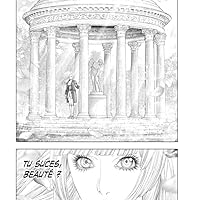
Arrêtez de montrer pendant 200 pages les nichons d'une gosse de 16 ans, je vous en conjure.

March 17, 2024
Ne postoji toliko brilijantna ilustracija koja može da nadomesti to koliko Igo smara.

November 30, 2024
Ima nešto u crtežu što me podsjetilo na radove Harolda Fostera.

June 1, 2025
Que mejor que una de mis novelas favoritas en edición novela gráfica.
August 9, 2025
Neverovatna ilustracija. Nisam pročitala knjigu tako da ne mogu znati da li je i koliko dobro adaptirano u strip, ali ovo sto sam doživela - veoma sam zadovoljna!

August 30, 2025
Georges Bess' art is incredible and makes up for some difficulties regarding the adaptation of the novel in comic book format.

January 2, 2026
THE HUNCHBACK OF NOTRE DAME by Georges Bess.
Intense and elaborate graphics heighten this classic morbid tragedy tale of injustice.
Intense and elaborate graphics heighten this classic morbid tragedy tale of injustice.
September 5, 2026
Excellent 👍
True love never dies whatever you look like 😊
True love never dies whatever you look like 😊

January 11, 2025
Thanks to Edelweiss and Magnetic Press for the digital copy of this book; I am leaving this review voluntarily.
I don’t think I ever read The Hunchback of Notre Dame growing up unless it was a kiddie version, and I think I saw part of the Charles Laughton film. And of course, the Disney animated movie. Which is why I was very much looking forward to this graphic novel adaptation of the Victor Hugo classic. And wow! It was a lot different than I had imagined.
First off, let’s talk about the gorgeous illustrations by Georges Bess. The lush artwork really adds to the story. Considering the fact that the original story was first published in 1831, this graphic novel makes the classic book more accessible to modern sensibilities. You really get a sense of the creepiness of Frollo and his deranged thinking, the beauty of Esmerelda, and the depiction of Quasimodo, where one can see why he was shut away from society.
As for the story itself, what in the heck? A story about misogyny, lust, and retribution for being spurned. It’s a tale of a woman who did NOTHING and is punished for simply being female. It’s also a story about a disabled person who is shunted away because society doesn’t accept Quasimodo. And considering the English translation of the title is The Hunchback of Notre Dame, Quasimodo is actually not that prominent in the overall story, it’s really Esmerelda’s tale. But, alas, because it’s really about a woman, publishers chose to focus on someone else. A tale as old as time.
I don’t think I ever read The Hunchback of Notre Dame growing up unless it was a kiddie version, and I think I saw part of the Charles Laughton film. And of course, the Disney animated movie. Which is why I was very much looking forward to this graphic novel adaptation of the Victor Hugo classic. And wow! It was a lot different than I had imagined.
First off, let’s talk about the gorgeous illustrations by Georges Bess. The lush artwork really adds to the story. Considering the fact that the original story was first published in 1831, this graphic novel makes the classic book more accessible to modern sensibilities. You really get a sense of the creepiness of Frollo and his deranged thinking, the beauty of Esmerelda, and the depiction of Quasimodo, where one can see why he was shut away from society.
As for the story itself, what in the heck? A story about misogyny, lust, and retribution for being spurned. It’s a tale of a woman who did NOTHING and is punished for simply being female. It’s also a story about a disabled person who is shunted away because society doesn’t accept Quasimodo. And considering the English translation of the title is The Hunchback of Notre Dame, Quasimodo is actually not that prominent in the overall story, it’s really Esmerelda’s tale. But, alas, because it’s really about a woman, publishers chose to focus on someone else. A tale as old as time.
January 28, 2025
While it looks fine, this is a very, very narrator-heavy graphic novel recounting of the Hugo original. And boy isn't it a relief to know that – seeing the unabridged audio is something like 22hrs – this saves you encountering daft dross for practically a full day of your life. The book spends almost as much energy not admitting the heroine is a gypsy, as do the many men who would possess her – the unemployable and ugly playwright, the excessively dodgy priest, the handsome soldier, and Quasimodo, who can be off these pages for many turns at a time. Add in a bitter anchoress and whole hidden destiny flim-flam, and the risible amount of near-executions…
Don't get me wrong, now, if you like this kind of thing this graphic is a pretty decent fist at it – the artwork is lively, hyping up the melodrama as no Victorian illustrator would have dared. And I think that's the other issue, for as I say there is not much in the way of traditional sequential art of note, and very little dialogue here. It is pretty much all voice-over from the omniscient narrator, and the visuals and the text do pretty much cover the same ground a lot of the time. It's a relief then that the detail, posing, anatomy and historical colour of all the illustrations show an artist on good form. As you can gather I can't really rate the adaptation, but I can only be grateful for its relative brevity. This will be a fine little window on the original for anyone needing to get a taste of it, and for those curious as to what Disney did with the story.
Don't get me wrong, now, if you like this kind of thing this graphic is a pretty decent fist at it – the artwork is lively, hyping up the melodrama as no Victorian illustrator would have dared. And I think that's the other issue, for as I say there is not much in the way of traditional sequential art of note, and very little dialogue here. It is pretty much all voice-over from the omniscient narrator, and the visuals and the text do pretty much cover the same ground a lot of the time. It's a relief then that the detail, posing, anatomy and historical colour of all the illustrations show an artist on good form. As you can gather I can't really rate the adaptation, but I can only be grateful for its relative brevity. This will be a fine little window on the original for anyone needing to get a taste of it, and for those curious as to what Disney did with the story.

January 7, 2025
George Bess vuelve a demostrar por qué es uno de los grandes maestros de la novela gráfica con su adaptación de El jorobado de Notre-Dame. Tras sus impactantes versiones de Drácula y Frankenstein, se adentra ahora en el universo de Victor Hugo con la misma fidelidad, fuerza expresiva y trazo inconfundible en blanco y negro.
Sus páginas, dominadas por sombras y contrastes que recrean un París gótico y asfixiante, transmiten con una potencia visual abrumadora la tragedia de Quasimodo y su amor imposible por Esmeralda.
Como en sus anteriores obras, los protagonistas arrastran vidas atormentadas, marcadas por la incomprensión y el rechazo, hasta un desenlace inevitablemente trágico.
El dibujo es soberbio, la narrativa ágil y el resultado, una adaptación magistral que se lee con admiración y deleite.
Un nuevo hito en la trayectoria de Bess que nos deja a la espera, impacientes, de su próxima obra.
Sus páginas, dominadas por sombras y contrastes que recrean un París gótico y asfixiante, transmiten con una potencia visual abrumadora la tragedia de Quasimodo y su amor imposible por Esmeralda.
Como en sus anteriores obras, los protagonistas arrastran vidas atormentadas, marcadas por la incomprensión y el rechazo, hasta un desenlace inevitablemente trágico.
El dibujo es soberbio, la narrativa ágil y el resultado, una adaptación magistral que se lee con admiración y deleite.
Un nuevo hito en la trayectoria de Bess que nos deja a la espera, impacientes, de su próxima obra.
January 11, 2025
George Bess' exquisitely detailed black and white art brings Hugo's 15th Century Paris to life, showcasing many real places with amazing fine line work and providing some of the best character art pieces I've ever seen for this story.
I've read at least five older adaptations or comics representations of Quasimodo's story and this is far and away the most intricately crafted of all of them. High recommendations if you want a graphic novel that shows you incredible use of shadows and marrying fiction to fact in the backgrounds.
Many thanks to Edelweiss and Magnetic Press for the e-ARC that allowed me to make this review before the book's February release!
I've read at least five older adaptations or comics representations of Quasimodo's story and this is far and away the most intricately crafted of all of them. High recommendations if you want a graphic novel that shows you incredible use of shadows and marrying fiction to fact in the backgrounds.
Many thanks to Edelweiss and Magnetic Press for the e-ARC that allowed me to make this review before the book's February release!

December 4, 2025
This is my third experience with Georges and Pia Bess's adaptation of a classic (FRANKENSTEIN and DRACULA being the other two), and this one did not disappoint.
It's also the first of the three that I have not read the source material multiple times, so I'm going to be a poor judge in regard to how closely they hued to the original story. But the art... it's both gorgeous and laid out in a clean, easy-to-read format. At times, it's simply breathtaking. But it truly captures the beauty of Esmerelda, and the other characters are very well represented as well.
At this point? Yeah, if the Besses adapt it? I'm buying it.
It's also the first of the three that I have not read the source material multiple times, so I'm going to be a poor judge in regard to how closely they hued to the original story. But the art... it's both gorgeous and laid out in a clean, easy-to-read format. At times, it's simply breathtaking. But it truly captures the beauty of Esmerelda, and the other characters are very well represented as well.
At this point? Yeah, if the Besses adapt it? I'm buying it.
Displaying 1 - 26 of 26 reviews