كسارة البندق حكاية عجائبية وذاعت شهرتها الآفاق وقام بترجمتها محمد بنعبود، وهي رواية عامرة بالأوصاف الساحرة والتناميات السردية الشائقة ، رواية تصور ما يقدر عليه الحب من تحويل مصائر الأشخاص ومن تأثر على مجرى الأحداث، وتجسد ما يستطيع كاتب متعدد المواهب أن يضيفه بخياله البارع وتواليداته القصصية والشعرية على نص كاتب آخر، من خلال رحلة أسرة عبر مملكة الدمى يجتاز فيها الحبيبان غابات بديعة التكوين ويقابلان أقواماً عجيبة، وبعد أن تعود لهذا الشاب «كسارة البندق » حياته ويتخذ شكلة الآدمي بقوة الحب وحده، فيتزوج مارى في نهاية المطاف بعد أن أنقذته من مسخته. سيتفهم القُرّاء إنه عندما نقوم بتلك الرّحلة فإنّنا يصعب علينا أن ننسى ذكراها.
This note regards Alexandre Dumas, père, the father of Alexandre Dumas, fils (son). For the son, see Alexandre Dumas fils.
Alexandre Dumas père, born Alexandre Dumas Davy de la Pailleterie, was a towering figure of 19th-century French literature whose historical novels and adventure tales earned global renown. Best known for The Three Musketeers, The Count of Monte Cristo, and other swashbuckling epics, Dumas crafted stories filled with daring heroes, dramatic twists, and vivid historical backdrops. His works, often serialized and immensely popular with the public, helped shape the modern adventure genre and remain enduring staples of world literature. Dumas was the son of Thomas-Alexandre Dumas, a celebrated general in Revolutionary France and the highest-ranking man of African descent in a European army at the time. His father’s early death left the family in poverty, but Dumas’s upbringing was nonetheless marked by strong personal ambition and a deep admiration for his father’s achievements. He moved to Paris as a young man and began his literary career writing for the theatre, quickly rising to prominence in the Romantic movement with successful plays like Henri III et sa cour and Antony. In the 1840s, Dumas turned increasingly toward prose fiction, particularly serialized novels, which reached vast audiences through French newspapers. His collaboration with Auguste Maquet, a skilled plotter and historian, proved fruitful. While Maquet drafted outlines and conducted research, Dumas infused the narratives with flair, dialogue, and color. The result was a string of literary triumphs, including The Three Musketeers and The Count of Monte Cristo, both published in 1844. These novels exemplified Dumas’s flair for suspenseful pacing, memorable characters, and grand themes of justice, loyalty, and revenge. The D’Artagnan Romances—The Three Musketeers, Twenty Years After, and The Vicomte of Bragelonne—cemented his fame. They follow the adventures of the titular Gascon hero and his comrades Athos, Porthos, and Aramis, blending historical fact and fiction into richly imagined narratives. The Count of Monte Cristo offered a darker, more introspective tale of betrayal and retribution, with intricate plotting and a deeply philosophical core. Dumas was also active in journalism and theater. He founded the Théâtre Historique in Paris, which staged dramatizations of his own novels. A prolific and energetic writer, he is estimated to have written or co-written over 100,000 pages of fiction, plays, memoirs, travel books, and essays. He also had a strong interest in food and published a massive culinary encyclopedia, Le Grand Dictionnaire de cuisine, filled with recipes, anecdotes, and reflections on gastronomy. Despite his enormous success, Dumas was frequently plagued by financial troubles. He led a lavish lifestyle, building the ornate Château de Monte-Cristo near Paris, employing large staffs, and supporting many friends and relatives. His generosity and appetite for life often outpaced his income, leading to mounting debts. Still, his creative drive rarely waned. Dumas’s mixed-race background was a source of both pride and tension in his life. He was outspoken about his heritage and used his platform to address race and injustice. In his novel Georges, he explored issues of colonialism and identity through a Creole protagonist. Though he encountered racism, he refused to be silenced, famously replying to a racial insult by pointing to his ancestry and achievements with dignity and wit. Later in life, Dumas continued writing and traveling, spending time in Belgium, Italy, and Russia. He supported nationalist causes, particularly Italian unification, and even founded a newspaper to advocate for Giuseppe Garibaldi. Though his popularity waned somewhat in his final years, his literary legacy grew steadily. He wrote in a style that was accessible, entertaining, and emotionally reso
Una historia, dentro de una historia, dentro de una historia, dentro de una historia, e increíblemente funciona muy bien. Es curioso cómo alguien puede tener una idea completamente diferente de lo que está a punto de leer, y que al terminar esa idea sea sustituida por otra, de cierta forma, mejor construida y elaborada de la que se tenía en mente. Esto justo me pasó al leer Historia de un cascanueces, una adaptación hecha por Alexandre Dumas del clásico cuento de Hoffmann, y que además fue su historia —y no la de Hoffmann como yo creía— la que se tomó para ser adaptada a su vez en el ballet en dos actos compuesto por Chaikovski.
En mi caso, no tenía ni idea de la historia ni de lo que sería la trama en sí, ya que ni he visto el ballet (tan solo había escuchado la música compuesta por el mismo Chaikovski) y ni he leído el cuento original alemán. Pero bueno, después de pensármelo dos veces decidí que quería leer algo escrito por Dumas (padre) antes de aventurarme más tarde este año con su obra maestra, El conde de Montecristo, y qué buena experiencia me llevé tras terminar esta obra. Como dije al principio, estamos frente a una muñeca rusa muy bien escrita y elaborada, ágil de leer —si les digo que lo leí en una noche es porque no pude parar—, y con unas descripciones muy fantásticas casi al final de la historia, la cual podría considerar mi parte favorita junto con el conocer la historia del cascanueces, sus orígenes en pocas palabras.
Al ser un libro escrito para niños, debo advertir que hay muchas cosas que no tienen sentido o explicación lógica, lo que hay que hacer es dejarse llevar por la prosa de Dumas y recordar que dicha explicación no se necesita al entender el contexto en el que se desarrolla la historia. Asimismo, el hecho de que esté ambientado en Navidad lo hace ser un relato acogedor, ideal para cualquier época del año pero sobre todo para la navideña, propiamente. Mi recomendación es que si no han leído nada del autor como fue en mi caso, podrían empezar con esta corta historia que les tomará nada terminar; por otro lado, también lo recomiendo para pasar un rato agradable y, por qué no, lleno de magia y fantasía.
“Ahí tenéis, hijos míos, la historia de la nuez Crackatook y de la princesa Pirlipat, tal como la relató el padrino Drosselmeyer a Marie, y ahora ya sabéis por qué, cuando se habla de una cosa difícil, se suele decir: es una nuez dura de partir.”
" يا ماري الصغيرة العزيزة ، يا ملاكي الذي يحرسني ، سأكون لكِ وستكونين لي ، كوني اذن قوية ومخلصة يا ماري وسيكون كل شيء على ما يُرام ، و يبطل السحر بمجرد ان وقعت " ماري" في حب " كسارة البندق" واستعاد صورته الآدمية وطبعاً تزوجا وعاشا حياة سعيدة هانئة وإلى الأبد ، مهم جداً " إلى الأبد"...لماذا ؟؟ لماذا تتظاهر حكايات الأطفال بما لن يحدث ابداً ؟؟... لماذا على الفتاة أن تنتظر أو تُضحي بكل ما تُحب في سبيل من تُحب ؟ لماذا على الشاب ان يُغامر وعليه أن يتجاوز مخاطر وتحديات للفوز بقلب الفتاة ؟ أو يكون قبيحاً ولن يستعيد صورته الحقيقية إلا عندما تقع الفتاة في حبه ؟ لن يحدث اى من هذا في الواقع.... اليست الحياة مُحبطة ومن الأفضل ان الاطفال يعرفوا ذلك مبكراُ ؟ ... أظن ذلك....
هذه الرواية الصغيرة ذات الغلاف العشبي كان أول ما لفت نظري من ضمن إصدارات مشروع كلمة للترجمة حقيقة لا أعرف ما هي حكاية الكسارة وإن كنت أعرف تشايكوفسكي من خلال بعض مقاطع الباليه ولا أعرف إن كانت هناك ترجمات عربية سبقت هذه النسخة وبقيت الحكاية مبهمة تحتاج لأن تكتمل مما أثار فضولي وشجعني على الإقتناء والقراءة
يهدي العراب دروسلماير الطفلة ماري لعبة كسارة البندق في يوم من أيام عيد الميلاد لتصبح هذه الحكاية رمزا مناسبا للتعبير عن سحر تلك الليلة ، تقع ماري في غرام هذا الرجل المسكين كسارة البندق اللعبة القبيحة بدلا من الأمير الوسيم .. وحين يذهب الجميع للنوم تدخل ماري عوالم بديعة من السحر والخيال في عالم من اللاوعي والأحلام .. فتتحول اللعبة إلى حقيقة والسحر يجرها لمتابعة معركة شرسة بين ملك الفئران وكسارة البندق هناك قصة أخرى في الرواية يحكيها راوي القصة المحاط بالأطفال والذين أجبروه على القص وهي قصة ترتبط بشكل ما بقصة كسارة البندق إلا إن القصتين تصبان في قيم واحدة وهي هزيمة الشر والتحرر من مخاوف الطفولة ..
الجزء الآخر من الرواية حين يأخذ كسارة البندق ماري إلى غابة المربى ونوافير الشكولاتة وقصر جدرانه من البنفسج والنرجس ونهر من ماء الزهر المعطر وهنا يصبح بإمكانك أن تسرح في خيالك لأبعد حد في هذا العالم السحري البديع القصة تقع أحداثها في عالم الألعاب toy story ذلك العالم السحري الذي يبهج الأطفال ويذهلهم كــ وقد كتبها في الأساس الألماني هيرمان وأعاد كتابتها بالفرنسية إلكسندر دوما بلغة مبسطة ليبعث من جديد البهجة والسعادة في نفوس الأطفال اشتهرت الرواية بسبب رقصة الباليه والأوبرا العظيمة التي اجتمعت على يد الملحن الروسي تشايكوفسكي ومازالت تحظى حتى وقتنا الحالي بشعبية وجماهيرية كبيرة وتثير فضول مصممي رقصات البالية لعرضها برؤى مختلفة
I never thought about a backstory to the Nutcracker ballet. I took it for granted that it was written for the ballet, which shows how much I paid attention to the write-ups. As I loved the music from it, I didn't delve much into its history. It was originally written by Ernst Theodor Amadeus Hofffman, a Prussian fiction writer, and consisted of four volumes. This tale by Alexandre Dumas (of The Three Musketeers and The Count of Monte Cristo fame), was adapted for younger readers, and is much shorter and can be read in one sitting if you have the time. Adults would probably appreciate the fantasy elements and surrealism just as much as children. If you are a fan of this particular Christmas tradition, you will not be disappointed.
وإذا كان هذا الأدب موجهاً للأطفال أو الناشئة فإنه يصبح رحلة خيالية تحملنا على محفة البراءة إلى المدن الفاضلة حيث يسود السلام وينتصر الحق ويتزوج الأمراء الشجعان أميراتهم اللواتي كن جزءاً من حكايات بطولاتهم.
ولا أظن بأن أي قارئ مهما بلغ به العمر وتعددت قراءاته لن يقع أمام إحدى هذه القصص فريسة حنينه إلى أحلام طفولته حيث كانت أقصى أمنياتنا أن نتقمص شخصيات أبطال القصص التي نقرأها أو نتابعها على شاشة التلفاز، وكذلك أن نلج صفحات الكتاب أو نخترق الشاشة لكي نساندهم ونخوض إلى جانبهم أعنف المغامرات في سبيل إحقاق الحق وطرد الأشرار وهزيمتهم.
كسارة البندق شيء جميل من طفولتي، لا أذكر منه إلا مشهداً على شاشة التلفزيون حيث يقف الكسارة الشجاع باستعداد أسفل شجرة عيد الميلاد.
لذا فعندما وجدت نسخة الرواية لم أتردد في اقتنائها، خاصة وأنها ستغدو بإذن الله إحدى قراءات أطفالي الشيقة بعد سنوات قليلة.
إنها الحكايه التي لطالما أحببتها حينما كنتُ طفله كنت أحرص على مشاهدتها حينما كانت تُعرض على قناة " دبي الأولى " لازلتُ أتذكر تلك الأيام كأنها حدثت بالأمس ، و كيف لي أن لا أتذكرها و قد كنت أحب هذه الحكايه حباً جماّ إنها جزءاً من ذكرياتي الجميله ...
أحببت أن أعود إلى قرآءتها بعد كل هذهِ السنوات.. لقد مر زمنٌ طويل إلاّ أنها لم تفقد رونقها عندي ، لازالت من أجمل الحكايات التي قرأتها لا زلتُ أحبها و أحببتها الآن أكثر من ذي قبل ..
إلي كل من اشتاق لإحساس البراءة والطفولة فلتقرأ كسارة البندق .. تتلقى ماري الصغيرة هدية عيد الميلاد كسارة بندق على هيئة شاب غريب الشكل ولكنها ليست بالهدية العادية ففيها سحر غامض ثم ما لبثت أن تعلقت به و أحاطته برعايتها واكتشفت سره وساعدت على كسر التعويذة الملقاة عليه من مدام فأرون وانقاذه من ابنها الملك الفأر صاحب الرؤوس السبع .. ومن بعدها نذهب في رحلة مع ماري وكسارة البندق إلي مملكة الدمي حيث كل شيء رائع وليس له مثيل في العالم من أنهار ووديان وبحيرات ومباني وحتى شعبها المبتهج دائما..
القصة في الأصل ابتكرها الكاتب إرنست تيودور أماديوس هوفمان واشتهرت أكثر بعد ما تم ترجمتها إلى الفرنسية واستوحي منها العبقري تشايكوفسكي ألحان باليه يحمل نفس الاسم كسارة البندق التي عرضت لأول مرة في سان بطرسبورغ وعندما طور حبكتها الكاتب ألكساندر دوما وحولها لرواية مليئة بالجمال والأوصاف الساحرة .. الرواية ستأخذ بيدك إلى عالم الطفولة والحب والجمال حيث لا يوجد حدود للخيال فستعبر سهل السكر المصفى حيث الروائح العطرة وأشجار من الأحجار الكريمة وستمر علي أنهار البرتقال وشراب اللوز والليمون وستبحر في نهر الورد في مركب مصنوعة من القواقع تقودها دلافين ذهبية حتي تصل إلي العاصمة مدينة المربي وسكانها المبتهجين .. الإبداع الحقيقي هي أنك لن تجد صعوبة في تخيل كل هذه العجائب بل والتمني في أن تراها في يوم من الأيام فعلى الرغم من الواقعية السوداوية المحيطة بنا في هذه الأيام سينجح ألكساندر دوما في ايقاظ الطفل النائم بداخلك بواسطة رائعته كسارة البندق .. قصة أثبتت أن بالحب والبراءة يمكن أن تتحول مصائر الأشخاص ..
الآنسة الصغيرة الجميلة ماري أنقذت بقوة حبها الحقيقي شاب كسارة البندق وحررته من أسر السحر الذي أُلقى عليه، منحته الإهتمام والدعم والتطمين والأمان، ومنحت ذراعه القوة كي يحارب!، كأنها كانت ملاكه الحارس. كانت مستعدة للقيام بأي شيء من أجل إنقاذه، وضحت من أجله عن طيب خاطر بحلويات اللوز والدمى المصنوعة من السكر والبسكويت. رأت فيه، وهو مجرد كسارة بندق، ما لم يره الآخرون، وآمنت بوجوده رغم تكذيب كل مَن حولها لها، وكانوا صادقين... فهم لم يروه أبدًا بأعينهم، فلم يشعروا به، لكنها هي وحدها مَن رأته بقلبها، فشعرت به، ومنحته مكانًا في الحياة. حكاية ماري وكسارة البندق، احتفاء بالحبّ الحقيقي، الحبّ الذي ينقذ، الحبّ الذي يقبل بالآخر رغم عيوبه التي رفضه بسببها مَن كانوا من المفترض أن يقبلوا به رغم كل شيء، الحبّ الذي بقوته وبلمسته الحانية السحرية يعيد للإنسان بريق الحياة، ويمنحه الأمل والرغبة في الحياة، بل يمنحه القوة على الحرب من أجل الحياة. واحتفاء بالتضحيات حتى ولو كانت بسيطة كتضحية ماري، لكن فقط يكفي أن تكون من قلب مخلص كقلبها الطيب.
A nice take on the story, but not my favourite. I'm not sure if this edition is abridged or not, but it felt like it was missing a kind of magic that the story needs. I liked the illustrations but did not love them, and was surprised that so many of the most exciting scenes were not illustrated.
Abilitățile de povestitor ale lui Alexandre Dumas sunt inestimabile. "Spărgătorul de nuci", pe lângă faptul că este cel mai desăvârșit basm, prin prisma construcției, pe care l-am citit vreodată, are și un aspect nemaiîntâlnit: este un basm clădit pe o triplă povestire în ramă, care da senzația topirii planurilor și desăvârșirea lor ulterioară într-un tot unitar.
Riscrivendo la fiaba di cui si appropria con pratica consumata, Dumas aggiunge un'ulteriore cornice alle due ideate da Hoffmann: la storia comincia, infatti, con Dumas stesso protagonista che, durante una soirée natalizia a casa di un conte, viene fatto prigioniero dai pargoli presenti alla festa e, per riscattare la propria libertà, si vede costretto a narrare a quei discoli una fiaba -sorte comune ai grandi romanzieri, ancor più se affabulatori nati, non che il Nostro si sia fatto pregare poi molto per iniziare a raccontare, anche questo va detto- e così Alexandre, nelle vesti di un Papà Castoro ante litteram, ripropone in chiave fiabesca uno schema narrativo peculiare della letteratura gotica, l'incipit in prima persona -per aggiungere realismo- a cui segue il racconto principale in cui fatti inquietanti e non riconducibili alla logica alterano la realtà, con a sua volta racchiuso all'interno il racconto nel racconto di natura prettamente fantastica, vero fulcro e strumento di decrittazione di tutta la storia.
Dopo questa aggiunta in prefazione, la vicenda prosegue spedita lungo i binari tracciati da Hoffmann, tant’è che, a una lettura superficiale, i due racconti potrebbero apparire talmente identici da risultare ripetitivi, eppure il cambio di penna si nota eccome: al teutonico e perturbante incubo sturm und drang hoffmanniano si è sostituita una civettuola rêverie di gusto squisitamente parigino. Non solo. Dando per assodate le inevitabili parti comuni quasi perfettamente sovrapponibili, è sulle minuscole differenze che bisogna concentrarsi, per tentare di svelare i segreti di questa riscrittura.
Dumas espunge dal testo, per esempio, la figura del vecchio burattino Pantalone, che nella versione tedesca impersonava l'inetto generale della cavalleria dei soldatini durante la battaglia notturna contro i topi, cosa che mi spinge ad affermare che, con tutta evidenza, in quello scontro fra il demoniaco monarca dalle sette corone e gli ussari dalle divise sgargianti, abilissimi a marciare in parata, ma militarmente incapaci, Hoffmann abbia voluto inserire una feroce satira alle disastrose disfatte subite dall'esercito prussiano contro Napoleone e un'aspra critica agli alti comandi pieni di vecchi aristocratici incompetenti, aspetto che va totalmente a perdersi nella versione dumasiana, dove la battaglia è solo una battaglia, a cui tuttavia Alexandre non rinuncia ad aggiungere, da bravo figlio di generale della République, una Guardia Nazionale di rivoluzionaria memoria, formata da Arlecchino, Pulcinella -le più popolaresche fra le maschere della Commedia dell'Arte- e tutti i giocattoli non irreggimentati che accorrono, da bravi cittadini, ai richiami di guerra suonati da Schiaccianoci.
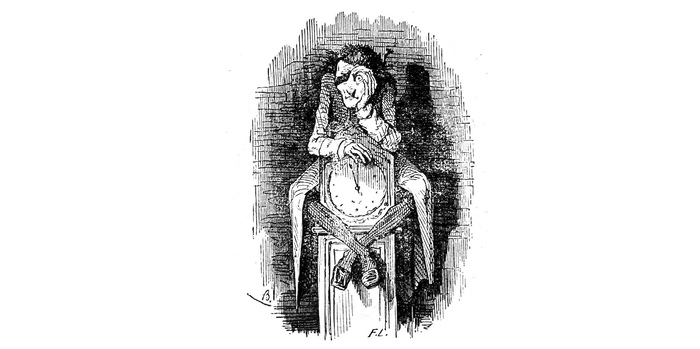
Le discrepanze emergono anche nel racconto della noce Krakatuk, sono sempre minuzie, ma di nuovo estremamente significative: Dumas non ripropone il gioco hoffmanniano dell'immediato riconoscimento da parte dei bambini dell'irrazionale che si insinua nella realtà, preferisce operare in maniera più discreta, la consapevolezza si fa consequenziale mostrando la lenta metamorfosi del Drosselmeier della fiaba nel padrino di Marie, svelandoci come mai il vecchio abbia una benda sull'occhio e una parrucca di vetro soffiato, informazioni del tutto assenti nell'originale tedesco. Alexandre non manca tuttavia di omaggiare scherzosamente la mania per gli automi di Hoffmann, facendo smontare pezzo per pezzo la principessa Pirlipat a un disperato Drosselmeier, nel vano tentativo di comprendere la natura della malattia della fanciulla; inoltre, mentre nella versione originale il giovane preposto a spezzare l'incantesimo non doveva aver mai calzato un paio di stivali (escludendo di conseguenza tutta la nobiltà di spada ed elevando di fatto la borghesia a nuova classe sociale dominante) qui è l'esatto contrario, il ragazzo non deve aver mai indossato ai piedi altro che stivali, quindi si ritorna a una visione più antica e cavalleresca del salvatore tipo, più in linea con la tradizione francese di Perrault, o almeno in apparenza, perché poi, a conti fatti, tutti i principi accorsi si spezzano i denti con la noce, e lo schiaccianoci umano sarà sempre il medesimo -anche se Dumas lo integra con parti meccaniche, altro omaggio agli automi hoffmanniani?- il doppio maleficio che è il fulcro del racconto prosegue identico in entrambe le versioni.
Nel complesso ho trovato la versione di Dumas più addolcita, ciò che in Hoffmann era incubo perturbante qui si trasforma in estro fiabesco e perde gran parte del simbolismo originario. Bisogna anche ammettere che, una volta tanto, la versione dumasiana appare quantomeno pigra, i cambiamenti sono minimi e le aggiunte estremamente marginali, Alexandre non si perita nemmeno di mostrarci il duello finale fra Schiaccianoci e il Topo Re, relegandolo fuori scena come già avveniva nella versione tedesca; più che una vera riscrittura, qui siamo innanzi a una traduzione estremamente libera e poco fedele, e tutto considerato, ammetto d'aver trovato più intellettualmente stimolante l’originale hoffmanniano.
Stunning cover! Loved the beginning, but then the story completely stopped, and a new story started that eventually tied in at the end. Way way different than the ballet. I’ve realized I much prefer the ballet to this. This was way less magical, the ending and beginning was more or less the same as the ballet, but the whole middle was just boring and a not what I wanted. A bit disappointed.
There are two principal versions of The Nutcracker story, the older (and the original) is the one written by E.T.A. Hoffmann in German. This is a slightly later retelling of the same story, this time in French. This version considerably expands the Hoffmann text, and is noticeably longer. I tend to think it's also probably a somewhat better book.
The plot is nearly identical to the original. The original was published in 1816, and this version was published not long after in 1844. This is still the story of the visions of the young Marie who experiences all sorts of strange events when she injures herself playing at home. It's also the story of the young nutcracker who must be found to save the daughter of the king.
This then raises an interesting question. This text is different enough from the original to be easier to read: the plot is a little clearer, the characterisation is a little richer, but it is also exactly the same story. I think it's lesser read than the original because, despite being slightly better in some of the fine details, it is basically exactly the same. Does it iterate enough to really distinguish itself? Not really. For most readers, I think this book is something of a bridging piece between the original Hoffmann text and the Tchaikovsky ballet.
For the past four years, I've read Hoffman's original Nutcracker story and have immensely enjoyed the weirdness of it all. This year, I finally opted to read Dumas' version of the tale. I was always under the impression that his story was a retelling or adaptation of the original Nutcracker story; however, as I quickly found out, it's actually just a translation that Dumas made (he might not have translated it, someone might have done it for him, but adapted the translation into what it is). Very little was changed at all, apart from some slight character name juggling.
Dumas' German-to-French translation translates into English in an easier to comprehend style. Hoffman's jumps around a bit, and I know that it took me rereads to finally "get" some of what was going on. With Dumas', obviously I know the story by now, but I also felt like the narrative flowed much better, if much wordier than Hoffman's. The overall surrealness of the story is still all there, which I loved--I was concerned that it would have been changed up too much, but again, since it was a translation not an adaptation, it was faithful to the original in all forms!
I highly recommend either version, but if you want something that's a bit quicker and easier to read, as well as something that might be more accessible to a wider range of ages (especially if you're reading it out loud), Dumas' version is definitely the one to choose.
(This rating & review is specifically for Alexandre Dumas' The Tale of the Nutcracker. See here for my review of E.T.A. Hoffman's original story, and here for the review of the Penguin Classics combo edition, which contains Neugroschel's translation of both versions.)
The original story of The Nutcracker is darker than Tchaikovsky’s portrayal, similar to the original fairy tales by the Brothers Grimm and Hans Christian Andersen. However, this book was nothing short of a delight! I loved the Nutcracker’s backstory and the author’s wit. Just like in the ballet, I felt equal parts intrigue and wariness of Godfather Drosselmeyer. Because it was a Christmas tale, I was especially glad that it had a warm, sweet ending. I love the creative liberties that were taken to transform this Christmassy tale into the ballet we see today. It’s no wonder this story has stood the test of time for 200 years.
الرواية موجهة للأطفال ، تحوي الكثير من الخيال و السحر ، الخير و الشر ، الكرم و الجشع ، الصدق و الكذب . بها دقة وصف تجعل القارئ يسرح بخياله محاولًا أن يُجسد أحداثها و شخوصها ، أشكالهم ، ملابسهم و مساكنهم ، تصلك رسائل خلال قراءتها عن الخير ، الفعل الصحيح ، نتائج الإنتقام ، التسرع يؤدي للندم ، لا تعامل الناس بأشكالهم و لكن بنواياهم و تصرفاتهم . العديد من الرسائل بين صفحات الكتاب ، و لكنه ممل بعض الشيء و هذا ما جعلني أُطيل الوقت بقراءته ، هو جميل لأصحاب الخيال الواسع .
This iteration of The Nutcracker is Alexandre Dumas’ 1844 reimagining of E.T.A. Hoffman’s original 1816 tale. The original was not technically intended for children, being bitter and a bit more disturbing than many parents were comfortable sharing with their children. Dumas’s take on the tale is the version most familiar to us today, and is the inspiration behind ballet and music by Tchaikovsky of the same name.
While I’ve loved the story of The Nutcracker and the music linked with it since I was a small child myself, I have to confess that this year marks my first reading of it outside of picture book adaptations. My favorite iteration of the story is the 1990 animated film The Nutcracker Prince, featuring the voice of Kiefer Sutherland as the Nutcracker. I was pleasantly surprised to note how true the cartoon stayed to the original story, as compared with other, less faithful adaptations, such as Disney’s The Nutcracker and the Four Realms.
In regards to Dumas’ presentation of the story, I was charmed by his voice. The Count of Monte Cristo is one of my favorite classics, and it was fun to see how Dumas approached lighter fair. I will say that I got bogged down just a bit in the faux history of the Nutcracker and his origins, but by and large I had a good time with the tale as a whole. If you’re looking for a whimsical classic to read this Christmas season and have, like me, never experienced The Nutcracker outside of cartoons or picture books or the ballet, I would recommend this!
29 years after it’s initial release, Alexandre Dumas took Hoffman’s “Nutcracker and Mouse King”, translated it into French, and branded it with his name on the cover. While Dumas was at a party of a friend and Count, the children at said party, tied him up, held him hostage, and demanded a story. In the Preface we are assured, “The Tale I’m going to tell you is not by me!” When asked who is it by, Dumas replied by “Herr E. T. A. Hoffman.” This is Hoffman’s story, reimagined by Dumas.
A little girl named Marie, is gifted a handsomely decorated nutcracker from her mysterious uncle. On the night of Christmas Eve, the Nutcracker springs to life, along with all the other children’s toys in a battle against the evil seven-headed Mouse King. Marie has to find out the story of the Nutcracker and how the curse fell upon him. To lift his curse, young Marie just might fall in love.
Imagine your favorite song. You know the ins and outs of it. The lyrics, when the bass drops, the bridge, the exact moment when the chorus repeats. Then a more famous rock star comes along and covers it. It’s good, but it’s not the original. The language seems different, the tempo is off somehow, but it’s exactly the same. That’s how Dumas’s version appears.
Dumas’s version tells the exact same story with a plot with very few differences. Godfather Drosselmeier is now Drosselmayer. Marie Stahlbaum is now Marie Silberhaus. Marie’s father, a Medical Officer, is now a Presiding Judge. The Nutcracker, has never worn boots, now has worn nothing but boots. But even with this same plot and very few differences, Dumas has a drastically different prose and a different approach to the story than Hoffman does. Just take a look at the opening paragraphs to each. What one’s your favorite?
Hoffman version:
For the entire twenty-fourth of December, the children of Medical Officer Stahlbaum were not permitted to step inside the intermediary room, much less the magnificent showcase next door. Fritz and Marie sat huddled together in a corner of the back room. The deep evening dusk had set in, and the children felt quite eerie because, as was usual on this day, no light had been brought in. Fritz quite secretly whispered to his younger sister (she had just turned seven) that he had heard a rustling and murmuring and soft throbbing in the locked rooms since early that morning. Also, not so long ago (Fritz went on), a short, dark man with a large casket under his arm had stolen across the vestibule. However, said Fritz, he knew quite well that it was none other than Godfather Drosselmeier. Marie joyfully clapped her little hands and exclaimed: "Ah, wonder what lovely presents he's made for us!"
Dumas version:
Once, in the town of Nuremberg, there lived a highly esteemed presiding judge known as Presiding Judge Silberhaus, which means Silver House. This judge had a boy and a girl. The boy, nine years old, was called Fritz. The girl, seven and a half years old, was called Marie. They were two lovely children, but so different in face and character that no one would ever have believed them to be brother and sister. Fritz was a big boy, chubby, blustering, mischievous, stamping his foot at the slightest annoyance. He was convinced that everything in the world was created for his entertainment, and he stuck to his guns until the doctor, intolerant of his cries and tears, his stamping foot, emerged from his office!
This little book is the version of The Nutcracker that Tchaikovsky’s ballet is based on, and it didn’t disappoint. It’s so nostalgic and also much darker (and weirder!) than expected! My first Dumas book.