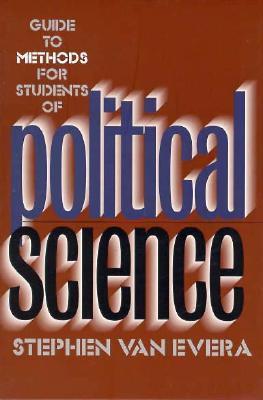
Stephen Van Evera greeted new graduate students at MIT with a commonsense introduction to qualitative methods in the social sciences. His helpful hints, always warmly received, grew from a handful of memos to an underground classic primer. That primer evolved into a book of how-to information about graduate study, which is essential reading for graduate students and undergraduates in political science, sociology, anthropology, economics, and history - and for their advisers.
-How should we frame, assess, and apply theories in the social sciences? "I am unpersuaded by the view that the prime rules of scientific method should differ between hard science and social science. Science is science."
-A section on case studies shows novices the ropes.
-Van Evera contends the realm of dissertations is often defined too narrowly "Making and testing theories are not the only games in town.... If everyone makes and tests theories but no one ever uses them, then what are they for?"
-In "Helpful Hints on Writing a Political Science Ph.D. Dissertation," Van Evera focuses on presentation, and on broader issues of academic strategy and tactics.
-Van Evera asks how political scientists should work together as a community. "All institutions and professions that face weak accountability need inner ethical rudders that define their obligations in order to stay on course."
Small, dry text on constructing arguments and framing cause/effect relationships in the social sciences, particularly political science. I read the first half of the book as assigned reading for a senior-level undergraduate course on Comparative Foreign Policy and finished up the book after the end of class. I found the book to be useful to read and especially to reference but it is extremely stale and boring. It’s not pleasure reading but the information it provides makes it worth a read for political science graduate students.