

What do you think?

Le Vent. Tentative de restitution d'un retable baroque
Libro usado en buenas condiciones, por su antiguedad podria contener señales normales de uso
241 pages, Paperback
First published January 1, 1957
About the author
Claude Simon
62 books146 followersAwarded 1985 Nobel Prize in Literature, for being an author "who in his novel combines the poet's and the painter's creativeness with a deepened awareness of time in the depiction of the human condition."
Ratings & Reviews
Friends & Following
Create a free account to discover what your friends think of this book!
Community Reviews
Displaying 1 - 22 of 22 reviews

February 10, 2019
Težak roman za čitanje, ali ne na onaj frustrirajući pinčonovski enciklopedijsko-klikeraški način, Klod Simon naprosto ima vrlo komplikovanu rečenicu. Napor da se savlada ova produžena rečenica, puna digresija, zagrada, pa zagrada unutar tih zagrada i raznih drugih proširenja podsjeća na pokušaj da razvežete izuzetno komplikovan čvor dok bez maske za disanje sjedite na dnu mora. Zaista, čitaocu nije lako zadržati koncentraciju, ali kad u tome uspije, prepoznaće sasvim smislenu priču (može se svesti na tragičan konflikt neprilagođenog pojedinca sa okolinom), zaokružene, dobro građene likove i efektne, čak lirske opise prirode. Kompleksna sintaksa je slika svijesti kako je pisac doživljava, jer ljudske misli za Simona nisu dobro organizovan narativ, vremenski logičan i tematski fokusiran niz slika, već prije neka široko razlivena mrlja sa slabo artikulisanim slojevima koji se međusobno prekrivaju i stapaju. Ovakav postupak u Vetru povremeno me podsjećao na način na koji mala djeca prepričavaju neki njima važan događaj: zbrda-zdola, bez uvoda i pojašnjenja, sa mnogo emocija i gestikulacija, buke i bijesa. Da, Vetar povremeno djeluje kao (vrlo visoko sofisticirana) priča nekog idiota, što svakako ukazuje na uzore i uticaje pod kojima je knjiga nastala.
September 27, 2020
J'ai bien aimé cette première rencontre avec l'oeuvre de Claude Simon.
L'intrigue du roman est simple, voire même banale. Plus de trente ans après le départ de sa mère qui fuyait son mari trompeur, Antoine Montès revient dans un petit village en Languedoc pour y toucher l'héritage de son père qu'il n'a jamais connu. Là où tout le monde s'attend à son départ immédiat après sa visite au notaire, il s'y installe pour de bon et devient ami d'une serveuse et de ses deux filles. L'amant de la serveuse, un boxeur gitan, la tue et Montès tente en vain de garder le contact avec ses deux filles.
Les descriptions pointues des différents personnages et du décor villageois font du Vent une étude de moeurs qui m'a personnellement rappelé, par moments, les romans de Georges Simenon.
Mais ce n'est pas l'unique ni même le principal attrait de ce texte. Celui-ci réside dans la narration hésitante, voire même trébuchante et dans la syntaxe hypercomplexe des phrases qui donnent au récit une densité poétique, obligeant le lecteur à ralentir sa lecture et, souvent même, à revenir en arrière afin de saisir les nuances. L'histoire de Montès nous est raconté après les faits par un narrateur très scrupuleux mais tout sauf omniscient qui prend soin de relater fidèlement les propos décousus de Montès et les impressions subjectives des différents témoins qui l'ont connu. Comme dans Vies minuscules de Pierre Michon, ce narrateur s'efforce à s'imaginer ce qu'il n'a pu observer lui-même et thématise sa propre imagination tout au long de la narration.
Il en résulte un récit tâtonnant et une expérience de lecture certes très exigeante mais qui néanmoins en vaut la peine. Cela fait maintenant déjà quelques semaines que je viens de terminer ma lecture et certaines scènes du roman (pourtant des plus banales) continuent à me passer par la tête.
Cela dit, je dois avouer que j'ai parfois trouvé que Simon exagérait et que son écriture virait à l'artificiel. Il n'en reste pas moins que cette première rencontre avec un auteur que je ne connaissais pas du tout m'a donné envie de explorer le reste de son oeuvre.
L'intrigue du roman est simple, voire même banale. Plus de trente ans après le départ de sa mère qui fuyait son mari trompeur, Antoine Montès revient dans un petit village en Languedoc pour y toucher l'héritage de son père qu'il n'a jamais connu. Là où tout le monde s'attend à son départ immédiat après sa visite au notaire, il s'y installe pour de bon et devient ami d'une serveuse et de ses deux filles. L'amant de la serveuse, un boxeur gitan, la tue et Montès tente en vain de garder le contact avec ses deux filles.
Les descriptions pointues des différents personnages et du décor villageois font du Vent une étude de moeurs qui m'a personnellement rappelé, par moments, les romans de Georges Simenon.
Mais ce n'est pas l'unique ni même le principal attrait de ce texte. Celui-ci réside dans la narration hésitante, voire même trébuchante et dans la syntaxe hypercomplexe des phrases qui donnent au récit une densité poétique, obligeant le lecteur à ralentir sa lecture et, souvent même, à revenir en arrière afin de saisir les nuances. L'histoire de Montès nous est raconté après les faits par un narrateur très scrupuleux mais tout sauf omniscient qui prend soin de relater fidèlement les propos décousus de Montès et les impressions subjectives des différents témoins qui l'ont connu. Comme dans Vies minuscules de Pierre Michon, ce narrateur s'efforce à s'imaginer ce qu'il n'a pu observer lui-même et thématise sa propre imagination tout au long de la narration.
Il en résulte un récit tâtonnant et une expérience de lecture certes très exigeante mais qui néanmoins en vaut la peine. Cela fait maintenant déjà quelques semaines que je viens de terminer ma lecture et certaines scènes du roman (pourtant des plus banales) continuent à me passer par la tête.
Cela dit, je dois avouer que j'ai parfois trouvé que Simon exagérait et que son écriture virait à l'artificiel. Il n'en reste pas moins que cette première rencontre avec un auteur que je ne connaissais pas du tout m'a donné envie de explorer le reste de son oeuvre.

January 7, 2016
Down-at-the-heels photography enthusiast Montès arrives in the sleepy beach town where he was conceived, following the death of the father he never knew, having been sheltered by his mother in the place where she had returned, immediately upon her discovery of his father engaged in relations with the maid. Despite being due an inheritance of land worth millions, Montès shows no interest in his pending financial concerns, instead choosing to shack up in a cheap hotel, befriending the maid's children and carrying on a tentative emotional relationship with their mother, while trying to steer clear of their father, a has-been boxer and petty thief. Thus is the stage set for tragedy.
Simon's style is expansive and cinematic, with long elegant sentences sometimes stretching for pages at a time. Narrated by an unnamed acquaintance of Montès, the story moves along at a steady clip, enhanced rather than hampered by the rich level of scenic description. Montès himself is an enigmatic character: magnetic yet unaware of his magnetism, imbued with a poet's sensibility, passive to the point of near inertia.
Simon has 706 ratings and 66 reviews on Goodreads, which is pretty modest for someone who wrote 21 books and won the Nobel Prize for Literature (1985). For comparison, consider Emmanuel Bove, a still relatively buried writer currently undergoing a slight renaissance, who has 411 ratings and 49 reviews. Finally, think about someone like Anna Kavan, who in her post-GR heyday now boasts 2,253 ratings and 356 reviews.
Fun fact about Simon from his obituary in The Guardian: even after becoming a Nobel laureate, he insisted on his profession being recorded as viticulteur, or grape farmer, instead of writer.
_________________________________
Some excerpts from a 1992 interview with Claude Simon in the Paris Review:
INTERVIEWER
Did the writings of Sartre and Camus have a great influence on your own work?
SIMON
I consider the writings of Camus and Sartre to be absolutely worthless. Sartre’s work is, above all else, dishonest and malevolent. If I have admitted to any influences, they have been those of Dostoyevsky, Chekhov, Joyce, Proust, and Faulkner. All my writing comes from personal experience.
^^^^^^^^^^^^^^^^^^^^^^
INTERVIEWER
Some have said that it was after you wrote Le Sacre du printemps in the fifties that you became a “new novelist.”
SIMON
Since the majority of professional critics do not read the books of which they speak, mountains of nonsense have been spoken and written about the nouveau roman. The name refers to a group of several French writers who find the conventional and academic forms of the novel insupportable, just as Proust and Joyce did long before them. Apart from this common refusal, each of us has worked through his own voice; the voices are very different, but this does not prevent us from having mutual esteem and a feeling of solidarity with one another.
INTERVIEWER
What distinguishes your voice from those of the other new novelists?
SIMON
Beginning with The Grass, my novels are more and more based on my life and require very little fiction—in the end, really none at all.
INTERVIEWER
If you had to attach a label to your type of writing, what would it be, if not nouveau roman?
SIMON
Labels are always dangerous. You oblige me to repeat myself: if there is anything new in the novel, after the abandonment of the fable, it began in this century with Joyce and Proust.
INTERVIEWER
You once said you were bored by nineteenth-century realism. Did you choose your style of writing in reaction to this, to write a novel you felt was truly representative of reality?
SIMON
There is no such thing as a “real” representation of “reality.” Except, perhaps, in algebraic formulae. All the literary schools pretend that they are more realistic than their predecessors. Who knows what reality is? The impressionists stopped pretending to represent the visible world and presented the public with the “impressions” they received from it. If it’s true that we only perceive the exterior world in fragments, the canvases of the cubists’ “synthetic” period are realistic. More realistic still are the “assemblages” of Schwitters, Rauschenberg, or Nevelson.
^^^^^^^^^^^^^^^^^^^^^^^
INTERVIEWER
What do you want your readers to learn from your books?
SIMON
They’ll learn nothing. I have no messages to deliver. I hope only that they will find pleasure. The nature of this pleasure is difficult to define. One part is what Roland Barthes has called recognition—the recognition of sentiments or feelings one has experienced oneself. The other is the discovery of what one had not known about oneself. Johann Sebastian Bach defined this sort of pleasure as “the expected unexpected.”
^^^^^^^^^^^^^^^^^^^^^^^^^^^^^^^^^
INTERVIEWER
Trains appear often in your novels—what do they symbolize?
SIMON
Nothing but trains.
Simon's style is expansive and cinematic, with long elegant sentences sometimes stretching for pages at a time. Narrated by an unnamed acquaintance of Montès, the story moves along at a steady clip, enhanced rather than hampered by the rich level of scenic description. Montès himself is an enigmatic character: magnetic yet unaware of his magnetism, imbued with a poet's sensibility, passive to the point of near inertia.
Simon has 706 ratings and 66 reviews on Goodreads, which is pretty modest for someone who wrote 21 books and won the Nobel Prize for Literature (1985). For comparison, consider Emmanuel Bove, a still relatively buried writer currently undergoing a slight renaissance, who has 411 ratings and 49 reviews. Finally, think about someone like Anna Kavan, who in her post-GR heyday now boasts 2,253 ratings and 356 reviews.
Fun fact about Simon from his obituary in The Guardian: even after becoming a Nobel laureate, he insisted on his profession being recorded as viticulteur, or grape farmer, instead of writer.
_________________________________
Some excerpts from a 1992 interview with Claude Simon in the Paris Review:
INTERVIEWER
Did the writings of Sartre and Camus have a great influence on your own work?
SIMON
I consider the writings of Camus and Sartre to be absolutely worthless. Sartre’s work is, above all else, dishonest and malevolent. If I have admitted to any influences, they have been those of Dostoyevsky, Chekhov, Joyce, Proust, and Faulkner. All my writing comes from personal experience.
^^^^^^^^^^^^^^^^^^^^^^
INTERVIEWER
Some have said that it was after you wrote Le Sacre du printemps in the fifties that you became a “new novelist.”
SIMON
Since the majority of professional critics do not read the books of which they speak, mountains of nonsense have been spoken and written about the nouveau roman. The name refers to a group of several French writers who find the conventional and academic forms of the novel insupportable, just as Proust and Joyce did long before them. Apart from this common refusal, each of us has worked through his own voice; the voices are very different, but this does not prevent us from having mutual esteem and a feeling of solidarity with one another.
INTERVIEWER
What distinguishes your voice from those of the other new novelists?
SIMON
Beginning with The Grass, my novels are more and more based on my life and require very little fiction—in the end, really none at all.
INTERVIEWER
If you had to attach a label to your type of writing, what would it be, if not nouveau roman?
SIMON
Labels are always dangerous. You oblige me to repeat myself: if there is anything new in the novel, after the abandonment of the fable, it began in this century with Joyce and Proust.
INTERVIEWER
You once said you were bored by nineteenth-century realism. Did you choose your style of writing in reaction to this, to write a novel you felt was truly representative of reality?
SIMON
There is no such thing as a “real” representation of “reality.” Except, perhaps, in algebraic formulae. All the literary schools pretend that they are more realistic than their predecessors. Who knows what reality is? The impressionists stopped pretending to represent the visible world and presented the public with the “impressions” they received from it. If it’s true that we only perceive the exterior world in fragments, the canvases of the cubists’ “synthetic” period are realistic. More realistic still are the “assemblages” of Schwitters, Rauschenberg, or Nevelson.
^^^^^^^^^^^^^^^^^^^^^^^
INTERVIEWER
What do you want your readers to learn from your books?
SIMON
They’ll learn nothing. I have no messages to deliver. I hope only that they will find pleasure. The nature of this pleasure is difficult to define. One part is what Roland Barthes has called recognition—the recognition of sentiments or feelings one has experienced oneself. The other is the discovery of what one had not known about oneself. Johann Sebastian Bach defined this sort of pleasure as “the expected unexpected.”
^^^^^^^^^^^^^^^^^^^^^^^^^^^^^^^^^
INTERVIEWER
Trains appear often in your novels—what do they symbolize?
SIMON
Nothing but trains.

December 27, 2017
Processos romanescos da obra de Claude Simon:
"deslocação da cronologia, longas frases carregadas de incidentes e de parênteses, multiplicação dos adjectivos - agrupados, em geral, em blocos de três - que dão a impressão de um martelamento, o uso repetido do «porque», do «como se», do «talvez» que anula as explicações, as comparações e as hipóteses, acumulando-as"
A obra de Simon contribui para um alargamento de perspectivas estéticas e de mentalidade. Traz o incómodo da novidade. Mas feito o necessário esforço de compreensão, o leitor culto terá de reconhecer que o seu panorama cultural se alargou."
Pois... se eu tivesse vislumbrado algo mais além da estética (possivelmente estará totalmente velado por esta) talvez pudesse ter alargado o referido panorama. Folha após folha, fui colhendo palavras vãs, que logo esvoaçavam, deixando-me desalentada, céptica, apreensiva, como se sem esperança de encontrar o oásis prometido porque, a cada página, se acumulavam os grãos de areia que se desfaziam em poeira cinzenta, compacta, inóspita... Éolo não foi benevolente comigo, não me insuflou com um pouco do que não me abunda: vida, paciência, inteligência, sabedoria,... para não apreender O Vento apenas como um enigma que me quebra a cabeça mas não o coração. Já sem qualquer ilusão, abandono-o a mei...
=================================
"As palavras têm um poder tremendo de abordar e confrontar, que, sem elas, faria com que tudo continuasse espalhado pelo tempo e pelo espaço mensurável."
— Claude Simon

Claude Simon nasceu em Antananarivo, Madagascar, no dia 10 de Outubro de 1913 e morreu em Paris, França, no dia 06 de Julho de 2005. Foi sepultado, no Cemitério de Montmartre.
Lutou contra os Franquistas na Guerra Civil Espanhola e no exército francês na Segunda Guerra Mundial onde foi feito prisioneiro, conseguindo fugir do campo de concentração. Ao regressar a França, juntou-se à Resistência. No final da guerra, dedicou-se à vinicultura.
Na sua obra é influenciado, principalmente, por Faulkner na forma e por Proust no tema (a memória).
Ganhou o Prémio Nobel da Literatura em 1985 porque "no seu romance combina a criatividade do poeta e a do pintor com um sentido aprofundado do tempo no retrato que faz da condição humana"
"deslocação da cronologia, longas frases carregadas de incidentes e de parênteses, multiplicação dos adjectivos - agrupados, em geral, em blocos de três - que dão a impressão de um martelamento, o uso repetido do «porque», do «como se», do «talvez» que anula as explicações, as comparações e as hipóteses, acumulando-as"
A obra de Simon contribui para um alargamento de perspectivas estéticas e de mentalidade. Traz o incómodo da novidade. Mas feito o necessário esforço de compreensão, o leitor culto terá de reconhecer que o seu panorama cultural se alargou."
Pois... se eu tivesse vislumbrado algo mais além da estética (possivelmente estará totalmente velado por esta) talvez pudesse ter alargado o referido panorama. Folha após folha, fui colhendo palavras vãs, que logo esvoaçavam, deixando-me desalentada, céptica, apreensiva, como se sem esperança de encontrar o oásis prometido porque, a cada página, se acumulavam os grãos de areia que se desfaziam em poeira cinzenta, compacta, inóspita... Éolo não foi benevolente comigo, não me insuflou com um pouco do que não me abunda: vida, paciência, inteligência, sabedoria,... para não apreender O Vento apenas como um enigma que me quebra a cabeça mas não o coração. Já sem qualquer ilusão, abandono-o a mei...
=================================
"As palavras têm um poder tremendo de abordar e confrontar, que, sem elas, faria com que tudo continuasse espalhado pelo tempo e pelo espaço mensurável."
— Claude Simon
Claude Simon nasceu em Antananarivo, Madagascar, no dia 10 de Outubro de 1913 e morreu em Paris, França, no dia 06 de Julho de 2005. Foi sepultado, no Cemitério de Montmartre.
Lutou contra os Franquistas na Guerra Civil Espanhola e no exército francês na Segunda Guerra Mundial onde foi feito prisioneiro, conseguindo fugir do campo de concentração. Ao regressar a França, juntou-se à Resistência. No final da guerra, dedicou-se à vinicultura.
Na sua obra é influenciado, principalmente, por Faulkner na forma e por Proust no tema (a memória).
Ganhou o Prémio Nobel da Literatura em 1985 porque "no seu romance combina a criatividade do poeta e a do pintor com um sentido aprofundado do tempo no retrato que faz da condição humana"

September 4, 2013
في رأيي المتواضع تمثل موجة الرواية الجديدة الفرنسية ذروة محاولات القضاء على فن الرواية, ويمكنني التأكد من ذلك من خلال المفارقة المتمثلة في إعجابي الشديد بكتابات وأعمال كلاً من آلان روب جرييه ومارجريت دوراس السينمائية - بل إن فيلم العام الأخير في مارينباد - سيناريو جرييه - من أحب الأعمال السينمائية - بل والفنية عموماً إلى قلبي, وفي نفس الوقت عدم قدرتي على إكمال رواية واحدة بقلمهما أو بأقلام باقي كتاب الرواية الجديدة الفرنسية. ويشير هذا إلي أن ما اعتبروه فتح جديد في فن الرواية ما كان إلا هروب من هذا الفن بكامله ومحاولة تحويله إلى شبيه لفن الشعر في أحسن الحالات.
ولذا فإن قراءة هذه الروايات مترجمة خطأ كبير, لأن كل محاولاتهم - الجديرة بالإعتبار - كانت لغوية بالأساس. عند الترجمة فإنه لا يبقى شيء يستحق المتابعة.
كلود سيمون ورغم عدم قدرتي على إستكمال روايتيه الريح وحديقة النباتات يبدو أنه أفضلهم, وفي نفس الوقت من المستحيل قرأته بغير الفرنسية. لا أعتقد أنني سأقرأ مرة أخرى إي من أعمال هذه الموجة. يتبقى لي فقط اعمال بيكيت الروائية التي ترجمها بنفسه إلى الإنجليزية, ولو قدر لي وأتقنت الفرنسية يمكنني محاولة قراءة سيمون مرة أخرى.
ولذا فإن قراءة هذه الروايات مترجمة خطأ كبير, لأن كل محاولاتهم - الجديرة بالإعتبار - كانت لغوية بالأساس. عند الترجمة فإنه لا يبقى شيء يستحق المتابعة.
كلود سيمون ورغم عدم قدرتي على إستكمال روايتيه الريح وحديقة النباتات يبدو أنه أفضلهم, وفي نفس الوقت من المستحيل قرأته بغير الفرنسية. لا أعتقد أنني سأقرأ مرة أخرى إي من أعمال هذه الموجة. يتبقى لي فقط اعمال بيكيت الروائية التي ترجمها بنفسه إلى الإنجليزية, ولو قدر لي وأتقنت الفرنسية يمكنني محاولة قراءة سيمون مرة أخرى.

January 30, 2008
This book deserves a review, so I am writing one.
This is post-modern French literature, written in a stream-of-consciousness style. I first read it in an upper level English lit class, and fell in love with it instantly. Most of my classmates thought I was crazy, but my professor smiled and nodded his head. I think it is still my favorite book of all time, but honestly, I have been unable to read it all the way through again, and have been rereading parts of it for the last ten years. This is the kind of book that requires plenty of time and complete dedication from the reader. It is the kind of book you study intently, and then write a dissertation.
The narrator's first sentence is five pages long, and contains dialogue and parentheses, and parentheses within parentheses. The entire book continues like that. If you lose track of the narrative, the whole thing blurs, you reread the same passage over and over, your eyes close, and you have no idea what is happening in the story when you wake up an hour later. (This has happened to me countless times.) I find I can keep my focus when I read this aloud. When I do this, I am stunned by the beauty of its construction. I marvel at the adjectives (usually three at a time, each more descriptive and specific than the last), revel in the way the words flow, and am amazed at how easy it is to understand and comprehend. I love the awkwardness of the main character, Montes, and the smallness and meanness of many of the other characters. This book is about the struggle for survival, and being human, but that doesn't describe the book at all. I feel more accurate by saying this book is art, an art form at its very best.
This is post-modern French literature, written in a stream-of-consciousness style. I first read it in an upper level English lit class, and fell in love with it instantly. Most of my classmates thought I was crazy, but my professor smiled and nodded his head. I think it is still my favorite book of all time, but honestly, I have been unable to read it all the way through again, and have been rereading parts of it for the last ten years. This is the kind of book that requires plenty of time and complete dedication from the reader. It is the kind of book you study intently, and then write a dissertation.
The narrator's first sentence is five pages long, and contains dialogue and parentheses, and parentheses within parentheses. The entire book continues like that. If you lose track of the narrative, the whole thing blurs, you reread the same passage over and over, your eyes close, and you have no idea what is happening in the story when you wake up an hour later. (This has happened to me countless times.) I find I can keep my focus when I read this aloud. When I do this, I am stunned by the beauty of its construction. I marvel at the adjectives (usually three at a time, each more descriptive and specific than the last), revel in the way the words flow, and am amazed at how easy it is to understand and comprehend. I love the awkwardness of the main character, Montes, and the smallness and meanness of many of the other characters. This book is about the struggle for survival, and being human, but that doesn't describe the book at all. I feel more accurate by saying this book is art, an art form at its very best.

August 22, 2026
Formen! Njutning. Verkligen ett "försök till rekonstruktion av ett barockaltare", denna underrubrik som förbryllade mig då jag började läsa.
Vi har en till synes ganska enkel historia, men som förs fram till läsaren genom återgivna och återberättade fragment i dialogform ibland, ibland genom gestaltande föreställningar av den bakomliggande berättaren som vi inte får veta just någonting om, bara att han stött på huvudpersonens berättelse i samband med att han skulle hyra en stuga. Angreppssättet skapar romanens storhet, genom detaljrika nästan runtomkring-framskrivanden, så att berättelsens kärna inte kommer fram förrän i slutet, och inte ens egentligen är det väsentliga här. Det som står i centrum är Montés, hur han hamnat i situationen, hans reaktioner, hans öde och personlighet som blir en slags fransk och modern furst Mysjkin. Boken inleds också med repliken "En idiot. Det är hela saken." så kopplingen är inte så långsökt.
Långa vindlande meningar med parenteser och utvikningar, som inte är ett dyft svåra att svepas med av (likt vinden som viner genom hela romanen och på sätt och vis är dess egentliga huvudperson eller en spegling av honom) med en detaljrikedom som även får mig att tänka på Böll.
Vid första anblick en handling jag inte direkt skulle lockas av att läsa, men som redan på första sidan och trots att där knappt finns några punkter, hade mig fången. Så jävla grym romankonst alltså.
Oh, och tänkte på Bernhard också, för ordflödet och de upperpande "eller rättare sagt" i det ständiga försöket att komma närmare den rätta återgivningen/beskrivningen, och även den ödmjukhet inför egna tillkortakommanden som på något sätt också finns här.
Fan vad jag älskar dessa finkänsliga littteraturgubbar alltså.
Vi har en till synes ganska enkel historia, men som förs fram till läsaren genom återgivna och återberättade fragment i dialogform ibland, ibland genom gestaltande föreställningar av den bakomliggande berättaren som vi inte får veta just någonting om, bara att han stött på huvudpersonens berättelse i samband med att han skulle hyra en stuga. Angreppssättet skapar romanens storhet, genom detaljrika nästan runtomkring-framskrivanden, så att berättelsens kärna inte kommer fram förrän i slutet, och inte ens egentligen är det väsentliga här. Det som står i centrum är Montés, hur han hamnat i situationen, hans reaktioner, hans öde och personlighet som blir en slags fransk och modern furst Mysjkin. Boken inleds också med repliken "En idiot. Det är hela saken." så kopplingen är inte så långsökt.
Långa vindlande meningar med parenteser och utvikningar, som inte är ett dyft svåra att svepas med av (likt vinden som viner genom hela romanen och på sätt och vis är dess egentliga huvudperson eller en spegling av honom) med en detaljrikedom som även får mig att tänka på Böll.
Vid första anblick en handling jag inte direkt skulle lockas av att läsa, men som redan på första sidan och trots att där knappt finns några punkter, hade mig fången. Så jävla grym romankonst alltså.
Oh, och tänkte på Bernhard också, för ordflödet och de upperpande "eller rättare sagt" i det ständiga försöket att komma närmare den rätta återgivningen/beskrivningen, och även den ödmjukhet inför egna tillkortakommanden som på något sätt också finns här.
Fan vad jag älskar dessa finkänsliga littteraturgubbar alltså.
May 30, 2011
The Wind reminds me a bit of film noir or hard-boiled stories; the "movie" of the book is definitely black-and-white. The town (not named, I don't think) has a distinct atmosphere, with its impoverished landscape, swirling with dust kicked up by the monotonous wind, and its sour inhabitants, ready for dirty deals and petty crime. Into this is dropped a character (Montès) who's completely out of step with it; but he's no incorruptible detective, merely possessed of very obstinate naïveté.
But of course, what has to be mentioned is the extraordinary style this story is written in. I doubt that this book contains the longest sentence ever committed to print, but certainly many of its sentences are serious contenders for that distinction. One that starts on the first page runs on for three more pages! Luckily, though, I quickly realized that, in spite of the lengthy parentheses and subordinate clauses, it's not necessary to completely map out the sentences in order to get the gist of the prose; by a few chapters in, I was almost never going back to reread a paragraph, though my overall speed was certainly slowed down.
So, is this a good stylistic choice, or is it done just for novelty? I'll have to reserve judgment on that for the moment. But it seems to me that those astonishing sentences are only one part of a style that creates a fluidity of time, intimations of future events blending seamlessly with narration and with background information; the life of the town seems timelessly repetitive (the inhabitants seem to have been thoroughly in a groove before Montès' arrival) but Montès perceives time as rushing inexorably, and the writing suits the mood. Later on, great narrative gaps leap toward the crisis point, and then stasis sets in. Simon spends some effort discussing the perception of time. I was going to quote a couple of memorable instances, but I found that I can't extract quotes from those tangled paragraphs.
The characters are naturalistic, not at all romantic, and their dialogue is terse, even inarticulate. And yet there is an odd duality: the narrator (a writer) sometimes claims that the accounts they gave him, telling him of events, were as imaginative and elaborate as his own narration: for example, the process-server is represented as saying that Montès stared at him "[a]s if one of those jackdaws, one of those carrion crows had just eaten his own eyes, thinking he was really a corpse, and left those birds' eyes instead..." This contrast makes it clear that the narrator is attributing to people recollections that they can't have had, and yet he puts quotes around those words. I wonder why.
But of course, what has to be mentioned is the extraordinary style this story is written in. I doubt that this book contains the longest sentence ever committed to print, but certainly many of its sentences are serious contenders for that distinction. One that starts on the first page runs on for three more pages! Luckily, though, I quickly realized that, in spite of the lengthy parentheses and subordinate clauses, it's not necessary to completely map out the sentences in order to get the gist of the prose; by a few chapters in, I was almost never going back to reread a paragraph, though my overall speed was certainly slowed down.
So, is this a good stylistic choice, or is it done just for novelty? I'll have to reserve judgment on that for the moment. But it seems to me that those astonishing sentences are only one part of a style that creates a fluidity of time, intimations of future events blending seamlessly with narration and with background information; the life of the town seems timelessly repetitive (the inhabitants seem to have been thoroughly in a groove before Montès' arrival) but Montès perceives time as rushing inexorably, and the writing suits the mood. Later on, great narrative gaps leap toward the crisis point, and then stasis sets in. Simon spends some effort discussing the perception of time. I was going to quote a couple of memorable instances, but I found that I can't extract quotes from those tangled paragraphs.
The characters are naturalistic, not at all romantic, and their dialogue is terse, even inarticulate. And yet there is an odd duality: the narrator (a writer) sometimes claims that the accounts they gave him, telling him of events, were as imaginative and elaborate as his own narration: for example, the process-server is represented as saying that Montès stared at him "[a]s if one of those jackdaws, one of those carrion crows had just eaten his own eyes, thinking he was really a corpse, and left those birds' eyes instead..." This contrast makes it clear that the narrator is attributing to people recollections that they can't have had, and yet he puts quotes around those words. I wonder why.

November 15, 2018
This is a book by a Nobel laureate that I picked up from a sale rack long ago - it gathered dust on my shelves for years up until a few weeks ago. This is another one of those books that earned my respect for its artistry, but not my affection. Simon was influenced by Joyce, Proust, and Faulkner, and he wrote in a convoluted, stream-of-consciousness style that makes a strong impact. Unfortunately, it also makes the story extremely difficult to follow, since he had no interest in clarifying what was going on for the reader's benefit. There are poetic passages and thrilling sections, but I had trouble connecting them to the narrative. I had to do a little research to discover that the story is about a man named Montes, a photographer who is returning to his hometown after a long period of absence, and trying to recover some of his family's property, interacting with some people in the community, et cetera.
I got about 30% of the way thru this before abandoning it in favor of some more plainly communicated writings. I can see that despite his Nobel Prize, Simon is no longer translated into English, and does not have many reviews on GR. It makes me wonder about formal experimenters like him (he was considered part of the "Nouveau Roman" movement in France.) They may have broken thru some barriers, but their works don't seem to be very popular these days, and have never caught on with mainstream readers. Most people still want to read comprehensible narratives built around identifiable characters and events.
I got about 30% of the way thru this before abandoning it in favor of some more plainly communicated writings. I can see that despite his Nobel Prize, Simon is no longer translated into English, and does not have many reviews on GR. It makes me wonder about formal experimenters like him (he was considered part of the "Nouveau Roman" movement in France.) They may have broken thru some barriers, but their works don't seem to be very popular these days, and have never caught on with mainstream readers. Most people still want to read comprehensible narratives built around identifiable characters and events.

June 18, 2025
Le genre de roman où l’intrigue importe peu.
J’ai l’impression que Claude Simon s’amuse à choisir des intrigues extraordinairement banales afin de pouvoir broder, déployer son style.
Ça fait un peu pompeux et pédant mais, il y a une formule - dont j’ai oublié l’origine - évoquant « l’aventure d’une écriture », plutôt que l’écriture d’une aventure, qui s’applique parfaitement à l’œuvre de Claude Simon.
Ce n’est pas tant l’action et les personnages qui sont importants. L’essentiel du roman réside dans les phrases presque infinies, dans la richesse du vocabulaire ainsi que dans le jeu sur la narration.
Bref, j’ai pas suivi grand chose à l’histoire mais c’était très sympa à lire.
P.S. : la citation exacte provient de Jean Ricardou et vise à définir le Nouveau Roman : « Le roman n’est plus l’écriture d’une aventure, mais l’aventure d’une écriture »
J’ai l’impression que Claude Simon s’amuse à choisir des intrigues extraordinairement banales afin de pouvoir broder, déployer son style.
Ça fait un peu pompeux et pédant mais, il y a une formule - dont j’ai oublié l’origine - évoquant « l’aventure d’une écriture », plutôt que l’écriture d’une aventure, qui s’applique parfaitement à l’œuvre de Claude Simon.
Ce n’est pas tant l’action et les personnages qui sont importants. L’essentiel du roman réside dans les phrases presque infinies, dans la richesse du vocabulaire ainsi que dans le jeu sur la narration.
Bref, j’ai pas suivi grand chose à l’histoire mais c’était très sympa à lire.
P.S. : la citation exacte provient de Jean Ricardou et vise à définir le Nouveau Roman : « Le roman n’est plus l’écriture d’une aventure, mais l’aventure d’une écriture »

April 7, 2026
'Wind' is a very appropriate first (his first properly, and translated, experimental novel) character, theme for Simon, a physical manifestation of time, unending, ceaseless, invisible. This contains more strictly understandable prose than really anything else I've read of his, which he'd totally do away with by Histoire, his zenith, but he is a fully formed talent already, Montes and Maurice existing in permanent memory, recalling stories, hardly able to move in those memories, let alone speak a complete thought, everything cast in doubt.
Simon is at his best here when describing the first instance of memory of someone
"how unbearable, how intolerable it would be for him to see her with her hair done in a different way, or even wearing a different dress from the one she had on the day he meter for the first time.."
This is the same memory, the only permanent one, that one remembers the last time they see the same person, for Simon. Time is something let out of Pandora's Box, when we are forced from youth and become aware of the passing of time. Time (the wind) is jealous, at the end, of human's ability to die and forget all of this permanently.
Simon is at his best here when describing the first instance of memory of someone
"how unbearable, how intolerable it would be for him to see her with her hair done in a different way, or even wearing a different dress from the one she had on the day he meter for the first time.."
This is the same memory, the only permanent one, that one remembers the last time they see the same person, for Simon. Time is something let out of Pandora's Box, when we are forced from youth and become aware of the passing of time. Time (the wind) is jealous, at the end, of human's ability to die and forget all of this permanently.

Read
September 14, 2019An emotionally stunted man becomes embroiled in a melodrama between a hotel maid and her abusive husband. Shades of Faulkner in the rolling, elaborate sentences, the effort to imbue commonplace reality with mythic beauty, and the willingness of its narrator to engage in lengthy descriptions of physical events to which he was not witness. I liked it but didn't love it.
June 29, 2018
I go a long way back to Simon and the "New Novel". I discovered this very informal "school" first through novelist Robbe-Grillet's "For A New Novel", a collection of rather aggressive essays written in the 1950 that gave writers like Pinget, Simon, Sarraute et al a special attention that helped to lift them from obscurity. / I was 17, in 1969, wanted to write a novel and was already a Francophile, though my French still sucks. / I first read Robbe-Grillet's "The Erasers" and though it was quite nouveau I found it more accessible than anticipated. I then read "Three Plays" by Pinget (his novels unavailable in local library) then Sarraute's "Tropisms" which I also found accessible, albeit offbeat, cerebral, challenging. Then I tried Simon's "Histoire"--his fifth novel in this style--and found it near-impenetrable. It took me about two months to finish it. (The title can mean either "story" or "history")./ (My first novel got to only 60-odd pgs, one meticulous passage, a la AR-G, I thought, describing high school cafeteria desserts; "Oh, this is so cute, it's like Claes Oldenburg!" said my sister.)/ I returned to Simon about 27 years later and read the four novels that preceded "Histoire": "The Grass", "The Wind", "The Flanders Road", "The Palace"--this last is where he gets denser, tres difficile. / I just read "The Wind" again and feel like saying that Simon is the most moving novelist of this school and, for all his stylistic avant turns , the most traditional. His philosophy is essentially that life and the world are painfully meaningless but redeemed somewhat by their beauty and strangeness, fascinating even in their horror and absurdity. / Et Antoine Montes, c'est lui!

January 17, 2016
This was a rather dark, surreal-type novel, not atypical for Claude Simon's "nouveau roman" style. This was an individualistic experimental writing style, not unlike that used by Franz Kafka or other "absurdist" writers (Becket, etc.). This novel is a story of a middle-aged Frenchman, Antoine Montes, and the colorful people he meets (hotel waitress, Gypsies) in a small French town in the Pyrenees. The wind, a frequent metaphor in the book, may pertain to the somewhat circular aspect of the plot, or the lives of the characters. I would relate the following section to highlight Simon's thought: "That is, beyond wondering if someone was good or bad, or if life itself was good or bad, and even, more simply, what terms like ‘good’ or ‘bad’ could mean and what ingenious subtlety or (if, as is commonly admitted, what we call ‘right,’ the law, is only the ratification of an equilibrium of forces) what forces determine the line not to be crossed, the limit separating what is bad from what is not, what is permitted from what is not . . . “ By the way, Simon’s writing style is also noted for his massively long sentences and paragraphs, with or without punctuation.

July 19, 2026
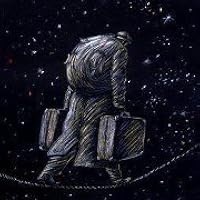
“Phải, chẳng bao lâu nữa gió sẽ lại ngự trị trên chúng tôi, và sẽ ở lại cho đến tận mùa hè năm sau. Chẳng bao lâu nữa nó sẽ nổi lên thành những cơn bão lớn trên đồng bằng, giật tung những chiếc lá nho đỏ cuối cùng, lột trụi những hàng cây cong mình dưới sức ép của nó, sức mạnh của nó không gì cản nổi, nhưng cũng chẳng nhằm vào mục đích nào, chỉ bị kết án phải mãi mãi tự tiêu hao, không bao giờ có hy vọng kết thúc, suốt đêm nó sẽ cất lên tiếng than vãn dài dằng dặc, như thể đang thương hại chính mình, ghen tị với những con người đang say ngủ, những sinh thể phù du, hữu hạn, ghen tị với họ vì họ còn có khả năng được quên lãng, được bình yên, có được đặc ân mà chính nó không bao giờ có: đặc ân của cái chết”
December 9, 2016
يكتب كلود سيمون كما يقوم الرسام بعمل لوحة، فهو يرسم التفاصيل الصغيرة جدا في كل صورة يرسمها ببراعة ودقة من كلمات.
الكتابة مختلفة تماما أمام كاتب يغرقنا في تفاصيل المشهد - وأقصد هنا يغرقنا حرفيا- وربما يبعدنا هذا عن الحكاية، ولكن الوصف المتفردة يجعلنا نتسامح في حقنا بمتابعة الرواية كجسد واحد.
إسقاطات الكاتب جيدة على الواقع من خلال قريبة الارستقراطي وخادمة الفندق والغجري الذي تحبه، والموثق وشخصية موريس، إلى جانب الطبيعة والشارع وكل ما يحيط به.. نحن نرى من خلال وصفه صورة كاملة التفاصيل
الكتابة مختلفة تماما أمام كاتب يغرقنا في تفاصيل المشهد - وأقصد هنا يغرقنا حرفيا- وربما يبعدنا هذا عن الحكاية، ولكن الوصف المتفردة يجعلنا نتسامح في حقنا بمتابعة الرواية كجسد واحد.
إسقاطات الكاتب جيدة على الواقع من خلال قريبة الارستقراطي وخادمة الفندق والغجري الذي تحبه، والموثق وشخصية موريس، إلى جانب الطبيعة والشارع وكل ما يحيط به.. نحن نرى من خلال وصفه صورة كاملة التفاصيل

May 28, 2025
The story of a man who inherits a decrepit house from a father he never knew, and moves to the town, mired in legal troubles and unwelcome by residents, where he develops a deep relationship with a Romani hotel maid and her two children. It's a very sad and tragic story, deeply pessimistic about society, with a very unique and interesting protagonist at the center. Like all Simon novels, a really unique novel unlike any other.
May 5, 2020
Otkad znam za sebe, znam za ovaj roman. Nikada me nije privlacilo da ga citam. Ne znam razlog. Pre neki dan mi je mama rekla da je to njen top 5. Tolike godine i tek sad mi to kaze. Citam ga. Mislila sam da je stamparska greska da nema zareza, reci okrnjene, nanizane, recenice duge.. I vetar. Neprestani vetar. Umara. Iscrpljuje. Roman drugaciji od svih.
This entire review has been hidden because of spoilers.

May 31, 2018
Mumies, gypsies, boxers, read!
February 14, 2014
هذه الرواية عالم كامل من المشاعر، لو التفت لأحداثها فلن تستفيد منها بشىء، الكاتب يرسم لوحة من المشاعر، فى حياة كل قارىء كتاب استطاع كاتبه أن يغير من نظرته للأشياء، لكن لا يوجد صنف أدبى يستطيع أن يغير من مشاعرك تجاهها إلا القصة القصيرة والرواية، كثيرا ومنذ طفولتى كنت اتلقى هذا السؤال بدهشة - الدهشة ممن يسألنى ودهشتى أنا أيضا من السؤال- ماذا تستفيد من قراءة تلك الروايات؟، هذا لأن معظم الذين لم يجربوا قراءة الروايات يعتبرونها مجرد حكايات مسلية، الغريب أيضا أن تجد بعضا من قارئيها يعتبرها كذلك، تسلية، لعلكم قرأتم عن هذا الكتاب المفهرس عن العلاج النفسى بقراءة الروايات، إنه كتاب يرشح لك روايات معينة لتقرأها فى حالاتك المرضية فيساعدك على الشفاء، فهرس صيديلة روائية إن صح القول، الروايات لا تكشف مشاعرك فقط ويتوقف دورها عند ذلك، وإلا اعتبرنا الطبيب الذى يكتشف المرض ولا يعالجه طبيب ناجح، الرواية الناجحة فى رأى نفسى هى تلك التى لا تنسخ مشاعرك بل تغيرها، تريك عالما جديدا من المشاعر التى لم تألفها، سلسلة طويلة من الكتاب يستطيعون فعل ذلك بى، كلود سيمون ..روجيه ساراماجو..أورهان باموق..ماركيز..بهاء طاهر..هيرمان هيسه..يوسف إدريس
October 8, 2008
Mid-century, wandering French men and I sometimes feel a similar sense of floating.

January 23, 2014
Reminded me a lot of Faulkner, I liked it.
Displaying 1 - 22 of 22 reviews