

What do you think?

Η θεραπεία του νερού
Η "Θεραπεία του νερού" είναι η ψυχρή ομολογία ενός θύματος που έγινε θύτης. Ο Ισμαήλ Κίντερ, ένας χωρισμένος άντρας και επιτυχημένος συγγραφέας ερωτικών μυθιστορημάτων τα οποία εκδίδει με ψευδώνυμο, ζει απομονωμένος στο βουνό. Μετά τη φρικτή δολοφονία της εντεκάχρονης κόρης του, αποφασίζει να τιμωρήσει εκείνον που ο ίδιος θεωρεί ένοχο. Στο υπόγειο του σπιτιού του υποβάλλει το θύμα του σε βασανιστήρια. Μέσα από την αφήγηση ενός ανθρώπου που υποφέρει, ο Percival Everett, ο οποίος έγραψε το μυθιστόρημα ως απάντηση στις θηριωδίες που διαπράχθηκαν στο όνομα της σωτηρίας των ΗΠΑ στο Γκουαντάναμο και στο Αμπού Γκράιμπ, παραλληλίζει τα βασανιστήρια που διαπράττονται σε ατομικό επίπεδο με την πρακτική των βασανιστηρίων σε καιρό πολέμου. Ο Ισμαήλ Κίντερ εντάσσει στο παραλήρημα της οργής και της θλίψης του στοιχεία της αρχαίας ελληνικής φιλοσοφίας, της γλωσσολογίας και της παγκόσμιας λογοτεχνίας, και όλα αυτά σε μια γλώσσα αποσπασματική. Η αποσπασματικότητα αυτή του κειμένου υποδηλώνει την τρέλα και την οδύνη της θλίψης και παραπέμπει στο χάος ενός σύνθετου κόσμου. Ό,τι συνδέει τα αποσπάσματα μεταξύ τους είναι η αποκάλυψη της προσωπικότητας και του σκοπού του Ισμαήλ. Η συνείδηση αυτού του συντετριμμένου πατέρα, ο οποίος κάποτε έβρισκε τη γαλήνη στο πρόσωπο της κόρης του, είναι το στοιχείο που μεταμορφώνει αυτά τα αποσπάσματα σε ενιαία ιστορία, σε μυθιστόρημα. Ο Ισμαήλ είναι αυτός που γράφει το βιβλίο· μας βλέπει, εμάς τους αναγνώστες, μας ενημερώνει για τα σφάλματα και το κατρακύλισμά του - και μας μειώνει, μας αποδοκιμάζει, μας κρατά ομήρους. Τελικά, σ' αυτόν τον θλιβερά παγκόσμιο άνθρωπο συνυπάρχουν η λογική και η βαρβαρότητα, το δίκαιο και το άδικο, ζωτικά χαρακτηριστικά της σύγχρονης ιστορίας μας.
280 pages, Paperback
First published August 21, 2007
About the author
Percival Everett
76 books10.4k followersPercival L. Everett (born 1956) is an American writer and Distinguished Professor of English at the University of Southern California.
There might not be a more fertile mind in American fiction today than Everett’s. In 22 years, he has written 19 books, including a farcical Western, a savage satire of the publishing industry, a children’s story spoofing counting books, retellings of the Greek myths of Medea and Dionysus, and a philosophical tract narrated by a four-year-old.
The Washington Post has called Everett “one of the most adventurously experimental of modern American novelists.” And according to The Boston Globe, “He’s literature’s NASCAR champion, going flat out, narrowly avoiding one seemingly inevitable crash only to steer straight for the next.”
Everett, who teaches courses in creative writing, American studies and critical theory, says he writes about what interests him, which explains his prolific output and the range of subjects he has tackled. He also describes himself as a demanding teacher who learns from his students as much as they learn from him.
Everett’s writing has earned him the PEN USA 2006 Literary Award (for his 2005 novel, Wounded), the Academy Award for Literature of the American Academy of Arts and Letters and the Hurston/Wright Legacy Award (for his 2001 novel, Erasure), the PEN/Oakland-Josephine Miles Award for Excellence in Literature (for his 1996 story collection, Big Picture) and the New American Writing Award (for his 1990 novel, Zulus). He has served as a judge for, among others, the 1997 National Book Award for fiction and the PEN/Faulkner Award for Fiction in 1991.
There might not be a more fertile mind in American fiction today than Everett’s. In 22 years, he has written 19 books, including a farcical Western, a savage satire of the publishing industry, a children’s story spoofing counting books, retellings of the Greek myths of Medea and Dionysus, and a philosophical tract narrated by a four-year-old.
The Washington Post has called Everett “one of the most adventurously experimental of modern American novelists.” And according to The Boston Globe, “He’s literature’s NASCAR champion, going flat out, narrowly avoiding one seemingly inevitable crash only to steer straight for the next.”
Everett, who teaches courses in creative writing, American studies and critical theory, says he writes about what interests him, which explains his prolific output and the range of subjects he has tackled. He also describes himself as a demanding teacher who learns from his students as much as they learn from him.
Everett’s writing has earned him the PEN USA 2006 Literary Award (for his 2005 novel, Wounded), the Academy Award for Literature of the American Academy of Arts and Letters and the Hurston/Wright Legacy Award (for his 2001 novel, Erasure), the PEN/Oakland-Josephine Miles Award for Excellence in Literature (for his 1996 story collection, Big Picture) and the New American Writing Award (for his 1990 novel, Zulus). He has served as a judge for, among others, the 1997 National Book Award for fiction and the PEN/Faulkner Award for Fiction in 1991.
Ratings & Reviews
Friends & Following
Create a free account to discover what your friends think of this book!
Community Reviews
Displaying 1 - 30 of 55 reviews

May 19, 2024
L’ARDUO NULLA

Lo spunto di partenza ha la consistenza di una vera trama: la figlia undicenne dell’io-narrante sparisce all’improvviso, lui e la ex moglie, la mamma della bambina, chiamano la polizia, e il giorno dopo scoprono il cadavere della ragazzina, che è stata sequestrata e uccisa.
Se non che molto presto Percival Everett - quasi si vergognasse di essersi inventato un autentico plot – se ne esce con frasi così:
Ma se questa è una trama, io dico al diavolo la trama, al diavolo la storia e dare l’idea che io stia cercando di dire qualcosa su qualcos’altro, compresa l’arte.
In effetti, mi ci è voluto poco per comprendere che Percival Everett non aveva voglia di dire nulla di concreto, né “qualcosa su qualcos’altro” né qualcosa su questa cosa (il rapimento ecc).
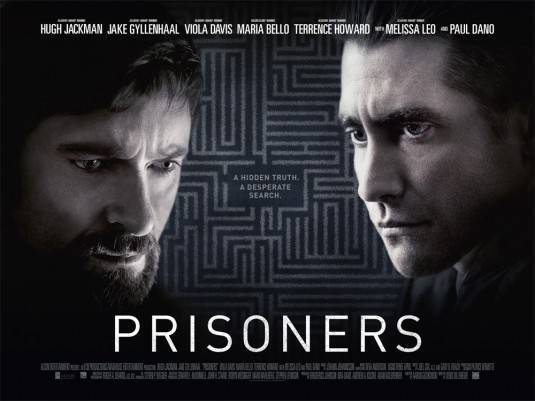
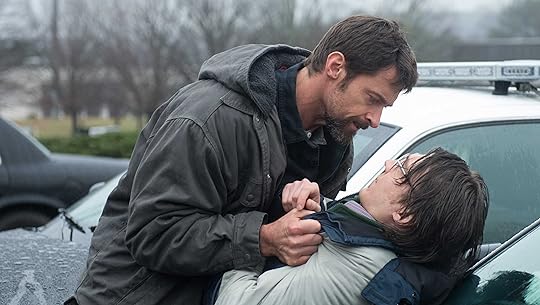
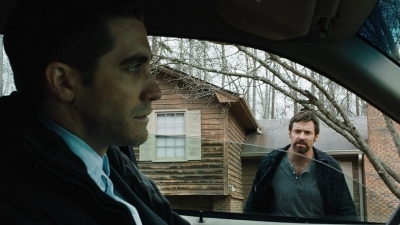
”Prisoners”, 2013, il film di Dennis Villeneuve che racconta una storia simile.
Giocando con le parole, spezzettandole, frammentandolo, ri-assemblandole – dando a volte l’impressione di sottopormi una pagina di definizioni da parole crociate, una dietro l’altro, senza alcun senso – il senso lo trovano quando si inserisce la parola ricavata dalla definizione all’interno della griglia del cruciverba, altrimenti sono parole prive di senso collettivo – strutturando il suo breve romanzo come un taccuino fitto di riflessioni su linguistica, morale, amore, ovviamente paternità, doppiamente ovvio su morte e vita, tra dialoghi immaginari, limerick, barzellette, corsivi, citazioni occulte, illustrazioni infantili, più o meno allusive, virtuosi pastiche linguistici - andando a rovistare tra i classici greci, intesi nel senso di filosofi – si cita Socrate, Zenone, Aristotele, Protagora, Platone, Eraclito, Talete, Leucippo, Senofane – citando anche de Saussure e Wittgenstein e Joyce e Freud e Heidegger, si sottopongono al lettore enigmi come segue:
E così ho trovato la risposta a un’annosa questione filosofica: se tua figlia grida nel bosco e non c’è nessuno a sentirla, lei sta davvero gridando? A quanto pare, no.
Qualche decina di pagine dopo Percival Everett si ricorda della sua trama e del fatto che sia possibile che un romanzo abbia un filo narrativo. E quindi mi lascia apprendere che ha sequestrato l’assassino della figlia – ma come, se l’aveva arrestato la polizia? – l’ha caricato nel bagagliaio della sua auto, e adesso guida da Los Angeles al New Mexico. Solo che nel sedile del passeggero è seduto Thomas Jefferson – sì, proprio quello, il padre della democrazia americana – e pilota e passeggero chiacchierano e si spartiscono uno spinello.
Il corpo nel bagagliaio – ancora vivo e calciante – è destinato alla tortura del waterboarding, che è un altro modo di chiamare la cura dell’acqua che intitola il cosiddetto romanzo.

Ora, è chiaro che data la materia incandescente – la morte della bambina a seguito di sevizie e stupro, il sequestro del mostro, che però non è certo sia quello giusto, mostro che viene sottoposto a torture, vendetta servita fredda ma anche rovente – occorra ‘raffreddare’ per evitare il rischio di cadere nel calderone dell’enfasi e del sentimentalismo. Esigenza tanto più sentita da uno scrittore quale Percival Everett in quanto appartenente a una corrente letteraria che propende a impallinare l’emozione a prima vista. Però, lo si può fare in modo più o meno noioso: a me pare che Percival Everett abbia scelto la prima opzione.
Infatti, man mano si intensifica l’impressione che Percival Everett voglia sopra ogni cosa propormi un trattatello – trattatello certo non perché io voglia sminuirne il valore, ma perché lungo solo centonovanta pagine, riempite anche da pagine bianche con una sola parola, disegni, spazi allargati, lunghi accapo – su significato e significante. E più mi convinco che è proprio così, cioè che Percival Everett voglia intrattenermi su significato e significante, e più scema il mio piacere e il mio interesse di lettura, e di lettore.
Nonostante il breve romanzo trattatello sappia trasformarsi anche in un duro atto d’accusa all’amministrazione di Bush jr, alla CIA, a Guantanamo e Abu Ghraib, a tutto il sistema e life style a stelle-e-strisce.

Le parole su questa pagina non sono la trama. Le parole su queste pagine non sono questa trama. Le parole su queste pagine sono le parole su queste pagine, niente di più, niente di meno, semplicemente le parole su queste pagine, una dopo l’altra, una all’inizio e una alla fine, hanno forse qualche, ma probabilmente nessuna, relazione tra se stesse, ma possono averla, se vuoi trovare una connessione, o devi trovarla, o se irresistibilmente, assiomaticamente, ineluttabilmente ti si rivela.
Complimenti a Marco Rossari che lo ha tradotto, impresa non semplice (ma quando mai lo è?), e che su questo libro riflette e scrive come segue:
Provate a immaginare uno scrittore di romanzi rosa a cui viene rapita, stuprata e uccisa la figlia e che decida di farsi giustizia da solo e rapire il possibile sospetto, per quanto non sia certo della sua colpevolezza, praticandogli il waterboarding, e trasformando il blocco di appunti che prende nel corso della prigionia (il libro che stiamo leggendo) in un cupa riflessione sull’America di Bush e sull’elaborazione del lutto e del dolore, attraverso uno stile rapsodico che flirta con Joyce senza dare al lettore un attimo di tregua, anzi trascinandolo nel disorientamento del protagonista.
Un lettore disorientato prende commiato.

Lo spunto di partenza ha la consistenza di una vera trama: la figlia undicenne dell’io-narrante sparisce all’improvviso, lui e la ex moglie, la mamma della bambina, chiamano la polizia, e il giorno dopo scoprono il cadavere della ragazzina, che è stata sequestrata e uccisa.
Se non che molto presto Percival Everett - quasi si vergognasse di essersi inventato un autentico plot – se ne esce con frasi così:
Ma se questa è una trama, io dico al diavolo la trama, al diavolo la storia e dare l’idea che io stia cercando di dire qualcosa su qualcos’altro, compresa l’arte.
In effetti, mi ci è voluto poco per comprendere che Percival Everett non aveva voglia di dire nulla di concreto, né “qualcosa su qualcos’altro” né qualcosa su questa cosa (il rapimento ecc).
”Prisoners”, 2013, il film di Dennis Villeneuve che racconta una storia simile.
Giocando con le parole, spezzettandole, frammentandolo, ri-assemblandole – dando a volte l’impressione di sottopormi una pagina di definizioni da parole crociate, una dietro l’altro, senza alcun senso – il senso lo trovano quando si inserisce la parola ricavata dalla definizione all’interno della griglia del cruciverba, altrimenti sono parole prive di senso collettivo – strutturando il suo breve romanzo come un taccuino fitto di riflessioni su linguistica, morale, amore, ovviamente paternità, doppiamente ovvio su morte e vita, tra dialoghi immaginari, limerick, barzellette, corsivi, citazioni occulte, illustrazioni infantili, più o meno allusive, virtuosi pastiche linguistici - andando a rovistare tra i classici greci, intesi nel senso di filosofi – si cita Socrate, Zenone, Aristotele, Protagora, Platone, Eraclito, Talete, Leucippo, Senofane – citando anche de Saussure e Wittgenstein e Joyce e Freud e Heidegger, si sottopongono al lettore enigmi come segue:
E così ho trovato la risposta a un’annosa questione filosofica: se tua figlia grida nel bosco e non c’è nessuno a sentirla, lei sta davvero gridando? A quanto pare, no.
Qualche decina di pagine dopo Percival Everett si ricorda della sua trama e del fatto che sia possibile che un romanzo abbia un filo narrativo. E quindi mi lascia apprendere che ha sequestrato l’assassino della figlia – ma come, se l’aveva arrestato la polizia? – l’ha caricato nel bagagliaio della sua auto, e adesso guida da Los Angeles al New Mexico. Solo che nel sedile del passeggero è seduto Thomas Jefferson – sì, proprio quello, il padre della democrazia americana – e pilota e passeggero chiacchierano e si spartiscono uno spinello.
Il corpo nel bagagliaio – ancora vivo e calciante – è destinato alla tortura del waterboarding, che è un altro modo di chiamare la cura dell’acqua che intitola il cosiddetto romanzo.
Ora, è chiaro che data la materia incandescente – la morte della bambina a seguito di sevizie e stupro, il sequestro del mostro, che però non è certo sia quello giusto, mostro che viene sottoposto a torture, vendetta servita fredda ma anche rovente – occorra ‘raffreddare’ per evitare il rischio di cadere nel calderone dell’enfasi e del sentimentalismo. Esigenza tanto più sentita da uno scrittore quale Percival Everett in quanto appartenente a una corrente letteraria che propende a impallinare l’emozione a prima vista. Però, lo si può fare in modo più o meno noioso: a me pare che Percival Everett abbia scelto la prima opzione.
Infatti, man mano si intensifica l’impressione che Percival Everett voglia sopra ogni cosa propormi un trattatello – trattatello certo non perché io voglia sminuirne il valore, ma perché lungo solo centonovanta pagine, riempite anche da pagine bianche con una sola parola, disegni, spazi allargati, lunghi accapo – su significato e significante. E più mi convinco che è proprio così, cioè che Percival Everett voglia intrattenermi su significato e significante, e più scema il mio piacere e il mio interesse di lettura, e di lettore.
Nonostante il breve romanzo trattatello sappia trasformarsi anche in un duro atto d’accusa all’amministrazione di Bush jr, alla CIA, a Guantanamo e Abu Ghraib, a tutto il sistema e life style a stelle-e-strisce.
Le parole su questa pagina non sono la trama. Le parole su queste pagine non sono questa trama. Le parole su queste pagine sono le parole su queste pagine, niente di più, niente di meno, semplicemente le parole su queste pagine, una dopo l’altra, una all’inizio e una alla fine, hanno forse qualche, ma probabilmente nessuna, relazione tra se stesse, ma possono averla, se vuoi trovare una connessione, o devi trovarla, o se irresistibilmente, assiomaticamente, ineluttabilmente ti si rivela.
Complimenti a Marco Rossari che lo ha tradotto, impresa non semplice (ma quando mai lo è?), e che su questo libro riflette e scrive come segue:
Provate a immaginare uno scrittore di romanzi rosa a cui viene rapita, stuprata e uccisa la figlia e che decida di farsi giustizia da solo e rapire il possibile sospetto, per quanto non sia certo della sua colpevolezza, praticandogli il waterboarding, e trasformando il blocco di appunti che prende nel corso della prigionia (il libro che stiamo leggendo) in un cupa riflessione sull’America di Bush e sull’elaborazione del lutto e del dolore, attraverso uno stile rapsodico che flirta con Joyce senza dare al lettore un attimo di tregua, anzi trascinandolo nel disorientamento del protagonista.
Un lettore disorientato prende commiato.

June 14, 2018
A frequently incomprehensible stream of consciousness philosophical rant, written in fragments with wordplay and willy-nilly esoteric references, The Water Cure is a book for diehard Percival Everett fans who have read enough of his works to trust the freefall of this one.
This is a dark, horrifying trip in the unraveling but questioning mind of a man driven mad by the pain of losing a child to a monstrous killer. As in Everett’s very funny book Glyph, there is such a strong story functioning as a spine for the esoteric spins and the chaos of a disintegrating personality and mind that I stayed with it. In fact I was riveted despite the fact that I didn’t understand most of the streaming questions about who we are and if we’re all one thing and the relationship between things and names and people, etc. (Well, maybe I did understand some of it.)
So this is not a book for Everyreader.
By the way, this story is grounded in rage and seems to be a primal scream in reaction to the despicable actions of the George W. Bush administration—torture, amorality, and disregard for laws of decency.
Here’s a fragment that stopped me dead, demanded contemplation and rereading:
This is a dark, horrifying trip in the unraveling but questioning mind of a man driven mad by the pain of losing a child to a monstrous killer. As in Everett’s very funny book Glyph, there is such a strong story functioning as a spine for the esoteric spins and the chaos of a disintegrating personality and mind that I stayed with it. In fact I was riveted despite the fact that I didn’t understand most of the streaming questions about who we are and if we’re all one thing and the relationship between things and names and people, etc. (Well, maybe I did understand some of it.)
So this is not a book for Everyreader.
By the way, this story is grounded in rage and seems to be a primal scream in reaction to the despicable actions of the George W. Bush administration—torture, amorality, and disregard for laws of decency.
Here’s a fragment that stopped me dead, demanded contemplation and rereading:
Deceptions are telling not only about the deceiver, but also about the deceived, the values and perceptions of the deceived, and about the necessary relationship between the deceiver and the deceived. But all of this is obvious; you cannot be deceived unless there is something you really want to believe. You really want to believe that the old vase is valuable, that you are smarter than others, that the child is yours, that there is actually a deity. The great deceiver understands that the deceived actually does all the work. If a deceiver wishes to calcify a person’s acceptance of the deception, he need only suggest that what he has been selling is false. And of course the most devastating deception might be one where we become convinced that we have been deceived, that what we have thought was true really isn’t true, and so we finally reject what is truth. Once deception has been exposed, then we must distrust the new revelation of deception because we know we can be deceived, and since we now know that we can doubt the truth, that particular truth will never be as true again.
Heraclitus and his river. (165)

May 17, 2012
I am guilty not because of my actions, to which I freely admit, but for my accession, admission, confession that I executed these actions with not only deliberation and premeditation but with zeal and paroxysm and purpose....The true answer to your question is shorter than the lie. Did you? I did.
These opening lines of The Water Cure by my recent discovery, Percival Everett (See WW Jan 19, 21, 23, 2012) presage what I guarantee, the most difficult novel about the rape/kidnap/murder of an eleven year old girl you’ll ever read. The whole thing is a muddle of motive and event. Not long after he declares his guilt, the narrator gives us his name: Ishmael Kidder. So. Did you? Did you seize your daughter’s putative killer in L.A., transport her to the basement of your mountain retreat in New Mexico and proceed to torture him for some extended period of time? And then did you let him go after thus terrorizing him? And what about the drug dealers who stole your water? Them too?
Questions for a thriller. But no thriller is replete with arcane exploration of Greek and Roman philosophers:
Aristotle speaks of Thales in the Metaphysics and De Anima. With a bit of condescension, ... Aristotle identifies Thales as “The founder of this kind of philosophy.” According to Aristotle, Thales says, “that the principle is water [and therefore declared the earth to be on water],perhaps taking supposition form the fact the the nutriment of all this is moist, that from which they come to be the principle of thing.” And then, as if fed up or drowned by Thales, Aristotle snaps, “Thales at any rate is said to have explained the principles and origins of things in this way.”
Or Joycean Finnegan’s Wakean transports like this:
As a oneder-loving and wonder-see kinng sort, I will exhighbitesnuff offf myshelf, my deep sadnest asidele, my disillusionmantle acider, my fear and lax thereof asighted, my asides aslide, to yiell a bravf picture of the main I yam ...
Interspersed with terse fragments or jokes like the one about the Aussie, the Canadian and the American who went off intot he woods around Guantanamo looking for a deer. Neither the Canadian nor the Aussie found any. The American came back with a rabbit declaring victory. “That’s not a deer,” says the Aussie. “Yes it is,” says the American. “Just ask him.”
By this and other passages do we begin to realize that this novel is both political and personal. In the face of enormous personal trauma, morality goes by the board. In this case, the water board. Torture and blood no longer mean torture and blood. They become tools to maintain democracy or justice thus destroying the very things they mean to preserve. And the very souls and minds of those who employ them.
As always with Everett, there’s another level of identity. Our Ishmael is a romance novelist. He makes bundles writing bodice rippers under the name of Estelle Gilliam. As he plunges deeper into physical/psychological physical isolation while ministering to his victim, he spends quite a few pages wondering where she leaves off and Ishmael begins.
Joyce once told someone that what he expected of his readers was that they spend their lives studying his works. I don’t know that Everett expects that or not, but you could spend a long, long time spelunking in the depths of his incredible knowledge and intellect and never reach bottom. A challenge. A wonder. A marvel.
These opening lines of The Water Cure by my recent discovery, Percival Everett (See WW Jan 19, 21, 23, 2012) presage what I guarantee, the most difficult novel about the rape/kidnap/murder of an eleven year old girl you’ll ever read. The whole thing is a muddle of motive and event. Not long after he declares his guilt, the narrator gives us his name: Ishmael Kidder. So. Did you? Did you seize your daughter’s putative killer in L.A., transport her to the basement of your mountain retreat in New Mexico and proceed to torture him for some extended period of time? And then did you let him go after thus terrorizing him? And what about the drug dealers who stole your water? Them too?
Questions for a thriller. But no thriller is replete with arcane exploration of Greek and Roman philosophers:
Aristotle speaks of Thales in the Metaphysics and De Anima. With a bit of condescension, ... Aristotle identifies Thales as “The founder of this kind of philosophy.” According to Aristotle, Thales says, “that the principle is water [and therefore declared the earth to be on water],perhaps taking supposition form the fact the the nutriment of all this is moist, that from which they come to be the principle of thing.” And then, as if fed up or drowned by Thales, Aristotle snaps, “Thales at any rate is said to have explained the principles and origins of things in this way.”
Or Joycean Finnegan’s Wakean transports like this:
As a oneder-loving and wonder-see kinng sort, I will exhighbitesnuff offf myshelf, my deep sadnest asidele, my disillusionmantle acider, my fear and lax thereof asighted, my asides aslide, to yiell a bravf picture of the main I yam ...
Interspersed with terse fragments or jokes like the one about the Aussie, the Canadian and the American who went off intot he woods around Guantanamo looking for a deer. Neither the Canadian nor the Aussie found any. The American came back with a rabbit declaring victory. “That’s not a deer,” says the Aussie. “Yes it is,” says the American. “Just ask him.”
By this and other passages do we begin to realize that this novel is both political and personal. In the face of enormous personal trauma, morality goes by the board. In this case, the water board. Torture and blood no longer mean torture and blood. They become tools to maintain democracy or justice thus destroying the very things they mean to preserve. And the very souls and minds of those who employ them.
As always with Everett, there’s another level of identity. Our Ishmael is a romance novelist. He makes bundles writing bodice rippers under the name of Estelle Gilliam. As he plunges deeper into physical/psychological physical isolation while ministering to his victim, he spends quite a few pages wondering where she leaves off and Ishmael begins.
Joyce once told someone that what he expected of his readers was that they spend their lives studying his works. I don’t know that Everett expects that or not, but you could spend a long, long time spelunking in the depths of his incredible knowledge and intellect and never reach bottom. A challenge. A wonder. A marvel.

July 26, 2011
Everett is slowly but surely becoming one of my favorite authors. All of his books require the reader to not lie back complacently while a story washes over them but to be invovled. To actually think about the story and what the author is trying to get across. This book is not for the linear plot line lover. Its all over the place. Its all about ideas of justice, fairness, revenge, national identity, racism, torture, etc, etc, and a lot of nonsense. He even sometimes throws in riddles, jokes, and gobbledegook. So what to make of it? There are enough deep thoughts, ponderables and slap the forhead intuitions to forgive his experimentations. Some may even enjoy deciphering the hidden meanings and disentangling his purposeful misspellings (I kinda skimmed most of that!). Its the ideas that jump off every page that kept me excited and anxious to return and sad to see it end. Despite all that there is actually a skeleton of a story around which all of this is built. And Pervical asks, when is it allowed when one is done irreparable harm as an individual (or a nation) is it justified to use any method available, (including torture) in order to exact revenge? After you hear the tale of this particular protagonists "irreparable harm" you may question your own beliefs and positions, which I assume is Everetts intent.

July 16, 2024
3.5
I am rounding up (3.5 becomes 4, should elementary school be reliable).
If you were to combine the dismal failure of DeLillo’s The Body Artist and its attempt at hermetic language—something Don had already failed at spectacularly in Players—that develops out of a couple’s common language and combine it with the content of the film Prisoners, you’d have a pretty close approximation of this novel's gist. So much of it doesn’t work (the DeLillo-y bits) that what does, the filmic, is in most welcome, stunning relief. And those moments, though equally processed through the postmodern grinder, work so well that you just have to throw your hands up and say, ‘____.’
I know that Everett professes, at least in his work, to decry postmodernism as a generally shit genre/form/era/whatever. No matter: The Water Cure and other titles by the maestro are, emphatically, ‘Post-Modernist’ works. Sure, a label is largely horseshit, doth protest, you-are-what-you-is, etc. The primary difference is that his equally postmodern Glyph and Percival Everett by Virgil Russell are at the absolute tip tippity-top of his bibliography and this is just middling. If Everett doesn’t want the PoMo tag (can’t blame him), then he’s every right to reject it. Judgment of this as a failure in postmodernism, rather than as a novel unto itself, betrays a short-sightedness that puts far too much investment in the fallacy that descriptors are qualitative assignments. Programmatic writing is every bit as thrilling as programmatic subscription is to me, but one has to understand the trees that constitute their darling forests...and then burn those fucking forests down if too blinded to find their way out. In other words, this novel is like any other in that it belongs to one of three possible categories: Good, Bad, or Middling. That's it.
I am rounding up (3.5 becomes 4, should elementary school be reliable).
If you were to combine the dismal failure of DeLillo’s The Body Artist and its attempt at hermetic language—something Don had already failed at spectacularly in Players—that develops out of a couple’s common language and combine it with the content of the film Prisoners, you’d have a pretty close approximation of this novel's gist. So much of it doesn’t work (the DeLillo-y bits) that what does, the filmic, is in most welcome, stunning relief. And those moments, though equally processed through the postmodern grinder, work so well that you just have to throw your hands up and say, ‘____.’
I know that Everett professes, at least in his work, to decry postmodernism as a generally shit genre/form/era/whatever. No matter: The Water Cure and other titles by the maestro are, emphatically, ‘Post-Modernist’ works. Sure, a label is largely horseshit, doth protest, you-are-what-you-is, etc. The primary difference is that his equally postmodern Glyph and Percival Everett by Virgil Russell are at the absolute tip tippity-top of his bibliography and this is just middling. If Everett doesn’t want the PoMo tag (can’t blame him), then he’s every right to reject it. Judgment of this as a failure in postmodernism, rather than as a novel unto itself, betrays a short-sightedness that puts far too much investment in the fallacy that descriptors are qualitative assignments. Programmatic writing is every bit as thrilling as programmatic subscription is to me, but one has to understand the trees that constitute their darling forests...and then burn those fucking forests down if too blinded to find their way out. In other words, this novel is like any other in that it belongs to one of three possible categories: Good, Bad, or Middling. That's it.

May 23, 2019
I gave this book 5 stars, even though it was perhaps the most painful for me to read of any I can recall. The protagonist descends into the darkest place you can imagine following the violent rape and murder of his young daughter. I could not read more than a few pages in a sitting because the emotion spewing from the book was so raw & wrenching. On top of that, the construction of the story is very experimental -- some reviewers have described it as purely self-indulgent on the part of the author, though I found it courageous.
So, you've been warned.
So, you've been warned.

February 24, 2008
the writing of this book is fantastic. its cumulative effect is really stunning. by the end, you wish the book never ended. much love, soul, and beauty in this exploration of the ways our american identity -- collective and personal -- has been brutalized and become, in the process, itself brutal.

February 23, 2017
It is a cliche of the lit biz that writing about writing is perhaps the hardest kind of writing to do. Yet Everett in many of his novels seems to pull it off. Certainly not effortlessly. This is, if anything, a very effortful novel, no doubt to the irritation of some readers for whom it will seem showy and self-indulgent. But it would be showy and self-indulgent to generate the kinds of fractured and philosophical reflections Everett does here, if his novel did NOT have a solid realistic reason for said excess. Here, the reason is that the main character, romance writer Ishmael Kidder (ha ha), has lost a daughter to a rapist murderer. He has come unhinged and in his grief kidnapped and brought to his remote New Mexico home the perpetrator, so he can torture and murder him in turn. Sounds terribly grim, but some of the grimness is attributable to the fact that Everett never explicitly says exactly what his narrator is doing to his victim at any one moment, though he strongly hints at a variety of rather specific tortures. The reader ends up painting many of the pictures themselves, becoming complicit in Kidder's extended act of vengeance. This story is not told in a direct or clear way, however. Kidder's consciousness skitters over past and present, indulging his own amateur(ish) interest in classical philosophy (a regular recourse for Everett's more intelligent narrators, by the way), wordplay and ruthless self-examination of his broken marriage. Stitched into the assembled fragments are the narrator's (and Everett's?) own musings on the dehumanizing spectacle of a nation led by a bumbling idiot (not the current but the previous one) into systemic, legalized torture. Not that the narrator thinks this excuses his own seemingly grim actions—but it does place the slippage from human to animal into a much larger context. To be sure, this reframing is perhaps the least effective (and least insisted-upon) element of Everett's narrative. Overall, the book, despite this description of some of the contents, is, as many of Everett's books are, deadly funny. There are many wry jokes worked into the text, as well as insanely comic situations (Kidder likes to go to restaurants but he won't eat their food—he pays for a plate and brings his own). Others have said it (including the present reviewer), but Everett is one of the most important American voices writing today. One hundred years from now, his works (perhaps not this one, but still) will be on syllabi and taught in universities as examples of the best literary fiction of the early 21st century. He's that good.

October 22, 2024
Ο Ισμαηλ, επιτυχημένος συγγραφέας (με ψευδώνυμο), μετά την φρικτή δολοφονία της μικρής του κόρης, παίρνει τον νόμο στα χέρια του. Βρίσκει τον άνθρωπο που θεωρείται υπεύθυνος κι αποφασίζει να τον τιμωρήσει αφαιρώντας του τη ζωή.
Αυτό που διαβάζουμε δεν είναι άλλο από την ομολογία του εν μέσω παραληρήματος και παραλληλισμού. Ο Ισμαηλ μιλά για την κόρη του και εμπλουτίζει το κείμενο του με φιλοσοφίες ετών, συνδυάζοντας το πραγματικό με την έντονη φιλοσοφική διάθεση. Τη δολοφονία της κόρης του με τον πόλεμο και τις πρακτικές του, παραθέτοντας παραθέματα από βιβλία και δηλώσεις πολιτικών και φιλοσοφων, κατηγορώντας εμμέσως τις ραδιουργίες των Ηνωμενων Πολιτειών.
Ίσως να μην ήταν κι η καλύτερη επιλογή μετά το εξαιρετικό Τα Δέντρα του ίδιου που διάβασα μες στον Αύγουστο. Απ’ την άλλη, το βιβλίο γράφτηκε αρκετά χρόνια πριν, το 2007. Έχει κι αυτό τη σημασία του ως προς το τι θέλει να καυτηριάσει ο συγγραφέας.
Θα συνεχίσω και με τα υπόλοιπα βιβλία του.
«Η Αμερική ξέρει απ’έξω κι ανακατωτά πως δουλεύει η γενοκτονία•κάνει τη δουλειά της ήρεμα, βουβά, αλλά περίτεχνα στον τρόπο που γνωρίζει, αποδέχεται ότι η απλή ζωή δεν είναι ένας στόχος με μπογιά. Μην υπολογίζετε τους νεκρούς. Οι νεκροί ξέρουν να προχωρούν. Οι νεκροί προχωρούν χωρίς γλώσσα. Οι νεκροί προχωρούν μη έχοντας γνώση της καταστροφής τους.»
Αυτό που διαβάζουμε δεν είναι άλλο από την ομολογία του εν μέσω παραληρήματος και παραλληλισμού. Ο Ισμαηλ μιλά για την κόρη του και εμπλουτίζει το κείμενο του με φιλοσοφίες ετών, συνδυάζοντας το πραγματικό με την έντονη φιλοσοφική διάθεση. Τη δολοφονία της κόρης του με τον πόλεμο και τις πρακτικές του, παραθέτοντας παραθέματα από βιβλία και δηλώσεις πολιτικών και φιλοσοφων, κατηγορώντας εμμέσως τις ραδιουργίες των Ηνωμενων Πολιτειών.
Ίσως να μην ήταν κι η καλύτερη επιλογή μετά το εξαιρετικό Τα Δέντρα του ίδιου που διάβασα μες στον Αύγουστο. Απ’ την άλλη, το βιβλίο γράφτηκε αρκετά χρόνια πριν, το 2007. Έχει κι αυτό τη σημασία του ως προς το τι θέλει να καυτηριάσει ο συγγραφέας.
Θα συνεχίσω και με τα υπόλοιπα βιβλία του.
«Η Αμερική ξέρει απ’έξω κι ανακατωτά πως δουλεύει η γενοκτονία•κάνει τη δουλειά της ήρεμα, βουβά, αλλά περίτεχνα στον τρόπο που γνωρίζει, αποδέχεται ότι η απλή ζωή δεν είναι ένας στόχος με μπογιά. Μην υπολογίζετε τους νεκρούς. Οι νεκροί ξέρουν να προχωρούν. Οι νεκροί προχωρούν χωρίς γλώσσα. Οι νεκροί προχωρούν μη έχοντας γνώση της καταστροφής τους.»

February 4, 2010
This hurts.

April 14, 2008
The books I like are esoteric. Realism’s predictable format can be a powerful vehicle which disappears and allows “the story” center stage, and I appreciate that if the subject and the writing are compelling. But I prefer the esoteric, and like stylistic innovation. For these reasons I’m beguiled by Everett’s quirkiness. He keeps stopping the plot to make intriguing forays into asides, discussing philosophers’ writings, spending paragraphs laying out his relation to these ideas, describing consciousness rather than rendering it.
I liked being frustrated. He gives you a realistic scene so that you’ll want the plot to go on unfolding, then he drops plot/realism and talks to the reader directly about tangential issues. The novel renders the mind being whimsical and contradictory and nutty and grasping and gorging. I enjoyed noticing that I was frustrated, noticing how much I did or didn’t like the sequencing and the anti-sequencing, and the absolute refusal to make the novel easy reading. I like it when writing confounds me, precisely because it pulls me into its NOW.
I liked being frustrated. He gives you a realistic scene so that you’ll want the plot to go on unfolding, then he drops plot/realism and talks to the reader directly about tangential issues. The novel renders the mind being whimsical and contradictory and nutty and grasping and gorging. I enjoyed noticing that I was frustrated, noticing how much I did or didn’t like the sequencing and the anti-sequencing, and the absolute refusal to make the novel easy reading. I like it when writing confounds me, precisely because it pulls me into its NOW.

March 13, 2018
la cura del dolore
Ismael è il protagonista dei frammenti che compongono questo romanzo
si tratta di brevi capitoli, come appunti presi su pezzi di carta, attraverso i quali si intravede una storia e i pensieri del protagonista circa gli avvenimenti narrati
la storia è che la bambina di Ismael è stata trovata morta
un uomo è stato arrestato e rilasciato
e Ismael lo rapisce
e poi...
i pensieri sono elucubrazioni di natura filosofica, con riferimenti e filosofi a dar sostegno alle varie teorie e con un sottofondo di apatia e dolore da togliere il fiato
un libro duro, sullo sfondo si intravede Bush jr e le sue malefatte...
Ismael è il protagonista dei frammenti che compongono questo romanzo
si tratta di brevi capitoli, come appunti presi su pezzi di carta, attraverso i quali si intravede una storia e i pensieri del protagonista circa gli avvenimenti narrati
la storia è che la bambina di Ismael è stata trovata morta
un uomo è stato arrestato e rilasciato
e Ismael lo rapisce
e poi...
i pensieri sono elucubrazioni di natura filosofica, con riferimenti e filosofi a dar sostegno alle varie teorie e con un sottofondo di apatia e dolore da togliere il fiato
un libro duro, sullo sfondo si intravede Bush jr e le sue malefatte...

November 8, 2013
There's probably a literary jargonette for the kinds of experimental prose Everett uses in The Water Cure, but I have no idea what that might be. It was disturbing the first few times I encountered it but after a time it grew on me. About a third of the way in it even started making sense.
He brings the tortured mind of a devastated parent into far too sharp focus and critically examines some of our society's closely held beliefs (finding many of them wanting).
I strongly recommend this book to any adult and no child.
He brings the tortured mind of a devastated parent into far too sharp focus and critically examines some of our society's closely held beliefs (finding many of them wanting).
I strongly recommend this book to any adult and no child.


March 7, 2025
Percival Everett is furious.
The United States has elected a lying, shallow "stupid fuck." That sliver of a quote doesn't properly convey his level of outrage. Here's one indicative passage:
The Water Cure was published in 2007 — when George W. Bush was president — so I can't imagine — writing this in 2025 — how the author is feeling now that the Orange Putin Puppet has been returned to office. Though it is chilling. Because Everett is also angry by this country's complete abdication (reflected in the book's title and cover image) of its role as a champion of human rights in the world, no matter how two-faced and problematic that role was given the U.S.'s shameful and continued treatment of non-white minorities throughout its history, and that has only got so much worse.
In many ways, The Water Cure is vintage Percival Everett, with the main storyline — a father has kidnapped the purported murderer of his daughter and has him tied up in his basement — alternating with philosophical discussions about meaning and language, the story of how the father's marriage with the child's mother dissolved years before her murder, the father's life as the secret author of popular romance novels, political and social diatribes, and, of course, imagined conversations between famous Greek philosophers, such as Socrates.
What sets it apart is the anger, which runs like a hot wire through every page, and is particularly chilling in the sections describing the the father's reaction to his daughter's murder, and the events that lead to the suspected-though-never-arrested-for-lack-of-enough-evidence killer being tortured in the romance author's basement. It is a fever dream. This is a mind that is barely holding onto reality — and maybe even failing that.
The father's reaction to his daughter's rape and murder is the United States' reaction after the 9/11 attacks: Making others suffer as much as possible, as much as the nation suffered, regardless of individual guilt or responsibility. And if you don't like that assessment, Everett tells his readers more than once: You can fuck off.
This review has gone on far too long, but as Everett says, this is my world, and if you don't like it, you can stop reading. So The Water Cure should not be your first or second or even tenth entry into Percival Everett's work, though maybe if you are properly warned, it can act as something of a balm for your own outrage at world events. I'll end with one more striking excerpt, that explains perfectly the mental state of the "stupid fucks" responsible for the current shitshow:
The United States has elected a lying, shallow "stupid fuck." That sliver of a quote doesn't properly convey his level of outrage. Here's one indicative passage:
I come from a nation of stupid fucks and by association, at least, if not genetic inevitability, a sobering and sickening thought, I must be a stupid fuck as well. The stupid fucks in my country elected a king stupid fuck, and he ruled with stupid fuck glory and majesty, a stupid fuck for the ages, who in a more fair time might have been successful as the man who follows behind the circus parade with a shovel, but probably not.
The Water Cure was published in 2007 — when George W. Bush was president — so I can't imagine — writing this in 2025 — how the author is feeling now that the Orange Putin Puppet has been returned to office. Though it is chilling. Because Everett is also angry by this country's complete abdication (reflected in the book's title and cover image) of its role as a champion of human rights in the world, no matter how two-faced and problematic that role was given the U.S.'s shameful and continued treatment of non-white minorities throughout its history, and that has only got so much worse.
In many ways, The Water Cure is vintage Percival Everett, with the main storyline — a father has kidnapped the purported murderer of his daughter and has him tied up in his basement — alternating with philosophical discussions about meaning and language, the story of how the father's marriage with the child's mother dissolved years before her murder, the father's life as the secret author of popular romance novels, political and social diatribes, and, of course, imagined conversations between famous Greek philosophers, such as Socrates.
What sets it apart is the anger, which runs like a hot wire through every page, and is particularly chilling in the sections describing the the father's reaction to his daughter's murder, and the events that lead to the suspected-though-never-arrested-for-lack-of-enough-evidence killer being tortured in the romance author's basement. It is a fever dream. This is a mind that is barely holding onto reality — and maybe even failing that.
The father's reaction to his daughter's rape and murder is the United States' reaction after the 9/11 attacks: Making others suffer as much as possible, as much as the nation suffered, regardless of individual guilt or responsibility. And if you don't like that assessment, Everett tells his readers more than once: You can fuck off.
This review has gone on far too long, but as Everett says, this is my world, and if you don't like it, you can stop reading. So The Water Cure should not be your first or second or even tenth entry into Percival Everett's work, though maybe if you are properly warned, it can act as something of a balm for your own outrage at world events. I'll end with one more striking excerpt, that explains perfectly the mental state of the "stupid fucks" responsible for the current shitshow:
Deceptions are telling not only about the deceiver, but also about the deceived, the values and perceptions of the deceived, and about the necessary relationship between the deceiver and he deceived. But all of this is obvious; you cannot be deceived unless there is something you really want to believe. You really want to believe that the old vase is valuable, that you are smarter than others, that the child is really yours, that there really is a deity. The great deceiver understands the deceiver actually does all the work. If a deceiver wishes to calcify a person's acceptance of the deception, he only need suggest that what he has been selling is false. And of course the most devastating deception might be the one where we become convinced that we have been deceived, that what we have thought was true really isn't true, and so we finally reject what is truth. Once the deception has been exposed, then we must distrust the new revelation of deception because we know we can be deceived, and since we now know that we can no doubt the truth, that particular truth will never be as true again.

tasted
October 1, 2021This novel is a sleeve on which Percival Everett wears his erudition. I didn’t get most of what I read. Not the place to start with Everett.

April 7, 2010
Ishmael Kidder is an African-American romance novelist who lives in isolation on a mountain in New Mexico, in separation from his ex-wife Charlotte and 11 year old daughter Lane who live in L.A. Lane is brutally murdered, and the police locate the killer. Somehow Kidder kidnaps the suspect, who denies that he is guilty of the crime, and takes him back to his home, where he seeks his revenge by torturing him using "the water cure", or waterboarding, the technique reportedly used by the CIA to extract confessions from captured Al-Qaeda suspects during the Bush administration. Kidder recounts his tale, as a victim and torturer, and weaves in a variety of somewhat related topics, including the use of torture, Western philosophy as it relates to the responsibility of the individual and society in treatment of others, mathematics, and his former life and relationship with his ex-wife and daughter.
I found "The Water Cure" to be an ambitious but ultimately unsuccessful novel, as the interspersed topics were a distraction from the main story. However, Everett is clearly a gifted writer, and I will continue to seek and read his novels.
I found "The Water Cure" to be an ambitious but ultimately unsuccessful novel, as the interspersed topics were a distraction from the main story. However, Everett is clearly a gifted writer, and I will continue to seek and read his novels.

August 19, 2009
This book started out with tons of potential, and then literally drowned itself in self-indulgence, diminishment of plot, and overall tedium. I was intrigued when it started -- linguistic play (love it!), multiple perspectives (love it), politically charged (enjoy it). But by the middle, there was no point except for the book to intentionally push the reader into thinking that the author was too smart, and too complicated to actually write something coherent for the reader to follow (absolutely hated it!) I had to push myself through to the end, just because I hoped it would get back to the way it was in the beginning. Instead, I was mad at myself for trudging on.

July 7, 2017
If you want a book with a chronological narrative that has a recognizable beginning, middle and end, this book is not for you.
If you enjoy a challenge and are willing to enter into a complex narrative that includes occasional trips into philosophy and introspection then this book will grip you and shake you around. Be prepared for occasional word play unlike any you've seen before. It's more than playing with meaning - the structure of words and sentences is pulled apart and recombined in completely unpredictable ways that seem to never be repeated.
If you enjoy a challenge and are willing to enter into a complex narrative that includes occasional trips into philosophy and introspection then this book will grip you and shake you around. Be prepared for occasional word play unlike any you've seen before. It's more than playing with meaning - the structure of words and sentences is pulled apart and recombined in completely unpredictable ways that seem to never be repeated.
February 2, 2019
Μεγάλη απογοήτευση από αυτό το μυθιστόρημα του συγγραφέα που με κερδισε και με το παραπάνω με "Το Σβήσιμο". Το παραλήρημα του κεντρικού ήρωα που μπλέκει την αρχαία ελληνική φιλοσοφία με τις αναφορές στην "Αλίκη στη χώρα των θαυμάτων" δεν με έπεισε καθόλου σαν σύνολο μιας αφήγησης που έχει κάτι να πει ή να δημιουργήσει σκέψη για κάτι. Δυστυχώς απέτυχε η σύνδεση που προσπάθησε ο Έβερετ να πετύχει μεταξύ του αναγνώστη και του αλκοολικού θύτη - θύματος Ισμαήλ με τον κατακερματισμένο λόγο που έχω δει να πετυχαίνει σε άλλες περιπτώσεις (π.χ. Κρασναχορκάι)

July 10, 2008
If you're a fan of the traditional drama and tragedy format... do not read this book. If you're willing to throw everything you know about oder and sense out the window of a moving car, check this book out ASAP.
Just because the author is a successful English professor doesn't mean that he'll follow the rules. The story of the emotionally distraught Ishmael is presented in a unique and creative method that I've never read before.
Just because the author is a successful English professor doesn't mean that he'll follow the rules. The story of the emotionally distraught Ishmael is presented in a unique and creative method that I've never read before.

September 26, 2011
Un romanzo-non-romanzo decisamente ostico, prima di tutto per la non consequenzialità dei frammenti che lo compongono, ma anche per la consistenza di questi: spezzoni narrativi, giochi di parole, illustrazioni, dialoghi immaginari, etc. Di sicuro un libro non per tutti, ma che con non poche difficoltà è in grado anche in questo affastellarsi di acume letterario di rivelare quanto può essere corrosiva la violenza (e non solo).
DUE STELLE E MEZZA
DUE STELLE E MEZZA

September 8, 2018
Ευφυέστατο! Ένα κείμενο θλίψης και πόνου! Ένα κείμενο φιλοσοφικό με συχνές αναφορές σε άλλα αριστουργηματικά βιβλία. Ο μεταφραστής έκανε εξαίσια δουλειά αν και πρέπει να τον δυσκόλεψε αρκετά. Ο συγγραφέας με άφησε άφωνη. Θα ψάξω και άλλα έργα του. Του βάζω λοιπόν 4. Το ένα αστεράκι το έχασε λόγω διακοπτόμενης αναγνωσης. Τι εννοώ: είχε πολλές παραπομπές και έπρεπε να γυρνάς πίσω για τα περαιτέρω το οποίο θεωρώ εκνευριστικό και κουραστικό.

Did Not Finish
May 23, 2008I couldn't finish this. I like Everett's work very much, and I liked the way this book was written, the fragmentary nature and such. I really wanted to like it. But all the philosophy in it is, when you are a philosopher, just annoying. It isn't very good, as philosophy, and his 'deep questions' seem just silly or easily answered.

August 7, 2017
God, it pains me because I am a new yet huge Everett fan. But to me, this book was verbal water-boarding. Could not breathe. I gave it a fair shot but reluctantly, I set it aside. Curious to hear others' views.

January 27, 2014
I get the feeling Everett is writing more for himself than for the reader. I stopped reading.

August 17, 2024
Glad I didn't start my Percival Everett journey with this one cause otherwise I might not have gone on that journey
May 14, 2024
I have been on a Percival Everett journey. Over the last two and a half years I have read 15 of his novels.
There is no such thing as a typical Everett novel. Each one has its own style, subject, mood and attitude. Certain subjects do repeat. A decent black man getting by in a white setting. The difficulty with staying married. Violence sneaking into every corner of America. The question of whether philosophy and intellectual speculation is worth anything. Amazingly, despite these subjects, the books are nor somber or preachy. They are clever, smart, concise and often funny.
This is my least favorite Everett novel so far. As an initial matter, I generally avoid books about children being killed. I just don't like reading about it. This is a story of Ishmael Kidder, a man seeking revenge for the horrific murder of his eleven-year-old daughter.
I also don't like aggressively experimental novels, except for "Ulysses". I enjoy writers who play with storytelling in clever ways, but I do not enjoy stories that I simply can't follow. This book is in short sections. Some are first person narrative. Some are first person philosophical speculations with no obvious connection to the story and some are nonsensical.
Truly nonsensical. A section on page 127 begins, "Zen the r'ad shehook he hijr und so eye howled din the kahf." I respect Everett enough to know he meant something by this, but I can't figure it out.
I also don't follow the point of the philosophical discussions about the nature of self identity, the contradictions of infinites, the nature of knowing reality, etc. Again, I suspect there is a point, but I couldn't get it.
The book came out in 2007. There is a suggestion that this is a comment on the Iraqi war and the atrocities by American troops at Abu Ghraib prison. I can see the idea of an outraged person committing horrific acts in revenge for what they believe was a horrific act. But the temptation of revenge, which is a central idea in the book, is more general than one particular outrage.
I read to the end, and it made me think hard about the book. I am glad I decided to read all of Everett's novels. I am glad this is not the first one I read.
There is no such thing as a typical Everett novel. Each one has its own style, subject, mood and attitude. Certain subjects do repeat. A decent black man getting by in a white setting. The difficulty with staying married. Violence sneaking into every corner of America. The question of whether philosophy and intellectual speculation is worth anything. Amazingly, despite these subjects, the books are nor somber or preachy. They are clever, smart, concise and often funny.
This is my least favorite Everett novel so far. As an initial matter, I generally avoid books about children being killed. I just don't like reading about it. This is a story of Ishmael Kidder, a man seeking revenge for the horrific murder of his eleven-year-old daughter.
I also don't like aggressively experimental novels, except for "Ulysses". I enjoy writers who play with storytelling in clever ways, but I do not enjoy stories that I simply can't follow. This book is in short sections. Some are first person narrative. Some are first person philosophical speculations with no obvious connection to the story and some are nonsensical.
Truly nonsensical. A section on page 127 begins, "Zen the r'ad shehook he hijr und so eye howled din the kahf." I respect Everett enough to know he meant something by this, but I can't figure it out.
I also don't follow the point of the philosophical discussions about the nature of self identity, the contradictions of infinites, the nature of knowing reality, etc. Again, I suspect there is a point, but I couldn't get it.
The book came out in 2007. There is a suggestion that this is a comment on the Iraqi war and the atrocities by American troops at Abu Ghraib prison. I can see the idea of an outraged person committing horrific acts in revenge for what they believe was a horrific act. But the temptation of revenge, which is a central idea in the book, is more general than one particular outrage.
I read to the end, and it made me think hard about the book. I am glad I decided to read all of Everett's novels. I am glad this is not the first one I read.
April 11, 2026
This book is, at its core, a revenge story of a father seeking justice for his daughter’s killer, but calling it that almost feels too simple for what it actually delivers. It is complicated in a way that feels deliberate, asking the reader to sit with discomfort rather than offering easy answers. I went in expecting something challenging, both in theme and language, and it absolutely lived up to that expectation.
The narrative unfolds through the journal of Ishmael, a philosophical romance novelist, which brought me surprise. The “romance” label feels almost ironic against the weight of grief, guilt, and violence that fills these pages. His entries shift constantly in tone and structure, mirroring his mental state. Ishmael’s reflections circle back again and again to his daughter, his failing marriage, and the heavy, unresolved questions of guilt and innocence. The philosophical lens through which he views everything adds depth, as though he is trying to intellectualise the pain and the anger that refuses to be contained. There are many lines that linger, the kind that make you pause and reread because they hit too precisely. The inconsistency is deliberate, and while it makes the book difficult to read, it is a good kind of difficult.
The unpredictability of the narrative is one of its strongest qualities. It never settles into a comfortable rhythm, and reading it feels a bit like free-falling, disorienting but strangely compelling. You are never entirely sure where it is going, but there is a quiet trust that it will land somewhere meaningful. The violence, while present, is handled with restraint, which makes it more impactful and easier to read.
This is not an easy read, and it does not try to be. Some will find it overwhelming or frustrating, especially with its shifting structure and dense philosophical reflections. But for those willing to engage with it, it becomes a deeply rewarding experience.
The narrative unfolds through the journal of Ishmael, a philosophical romance novelist, which brought me surprise. The “romance” label feels almost ironic against the weight of grief, guilt, and violence that fills these pages. His entries shift constantly in tone and structure, mirroring his mental state. Ishmael’s reflections circle back again and again to his daughter, his failing marriage, and the heavy, unresolved questions of guilt and innocence. The philosophical lens through which he views everything adds depth, as though he is trying to intellectualise the pain and the anger that refuses to be contained. There are many lines that linger, the kind that make you pause and reread because they hit too precisely. The inconsistency is deliberate, and while it makes the book difficult to read, it is a good kind of difficult.
The unpredictability of the narrative is one of its strongest qualities. It never settles into a comfortable rhythm, and reading it feels a bit like free-falling, disorienting but strangely compelling. You are never entirely sure where it is going, but there is a quiet trust that it will land somewhere meaningful. The violence, while present, is handled with restraint, which makes it more impactful and easier to read.
This is not an easy read, and it does not try to be. Some will find it overwhelming or frustrating, especially with its shifting structure and dense philosophical reflections. But for those willing to engage with it, it becomes a deeply rewarding experience.
April 19, 2026
Η θεραπεία του νερού ήταν μια νέα εμπειρία , απρόσμενα καλή.
Σε μια απόφαση της στιγμής δημιούργησα μια πρόκληση ανάγνωσης στον εαυτό μου.
Διαβάζοντας ταυτόχρονα τις πρώτες 50 σελίδες από 4 βιβλία.
Δύο του Everett, τον Ηλίθιο του Ντοστογιέφσκι και ένα απλό αστυνομικό θρίλερ.
Αυτό που πήγαινε σαν ποτάμι ,σαν χείμαρρος και αυτό που πραγματικά ήθελα να δω που και πως θα καταλήξει ήταν η θεραπεία.
Φυσικά δεν είναι κάτι που διαβάζεται έτσι απλά.
Ειναι ένα βιβλίο που τεχνηέντως δημιουργεί μια αίσθηση μυθιστορήματος αλλά στην ουσία του είναι μια κραυγή...μια διακήρυξη.
Η φιλοσοφία ειναι παντού και αγγίζει όλα τα θέματα από υπαρξιακά μέχρι κοσμογονία, από ηθική μέχρι πολιτική και θρησκεία.
Το βιβλίο αυτό δεν το διαβάζεις για να βγει κάποιο συμπέρασμα,το βιβλίο είναι απλά ένας καθρέπτης της κοινωνίας των ανθρώπων που όλοι μαζί έχουμε φταίξει που έχει γίνει έτσι..είναι ένας καθρέπτης όλων μας.
...και αν η αφορμή ήταν οι παράνομες και καταχρηστικές μέθοδοι της πολιτικής του Bush jr ...η ιστορία επαναλαμβάνεται με ακόμα χειρότερο πρόσωπο.
Νομίζω ο πραγματικός λόγος που πήρε το Πούλιτζερ ο Everett δεν είναι το James,
είναι η θεραπεία του νερού.
Σε μια απόφαση της στιγμής δημιούργησα μια πρόκληση ανάγνωσης στον εαυτό μου.
Διαβάζοντας ταυτόχρονα τις πρώτες 50 σελίδες από 4 βιβλία.
Δύο του Everett, τον Ηλίθιο του Ντοστογιέφσκι και ένα απλό αστυνομικό θρίλερ.
Αυτό που πήγαινε σαν ποτάμι ,σαν χείμαρρος και αυτό που πραγματικά ήθελα να δω που και πως θα καταλήξει ήταν η θεραπεία.
Φυσικά δεν είναι κάτι που διαβάζεται έτσι απλά.
Ειναι ένα βιβλίο που τεχνηέντως δημιουργεί μια αίσθηση μυθιστορήματος αλλά στην ουσία του είναι μια κραυγή...μια διακήρυξη.
Η φιλοσοφία ειναι παντού και αγγίζει όλα τα θέματα από υπαρξιακά μέχρι κοσμογονία, από ηθική μέχρι πολιτική και θρησκεία.
Το βιβλίο αυτό δεν το διαβάζεις για να βγει κάποιο συμπέρασμα,το βιβλίο είναι απλά ένας καθρέπτης της κοινωνίας των ανθρώπων που όλοι μαζί έχουμε φταίξει που έχει γίνει έτσι..είναι ένας καθρέπτης όλων μας.
...και αν η αφορμή ήταν οι παράνομες και καταχρηστικές μέθοδοι της πολιτικής του Bush jr ...η ιστορία επαναλαμβάνεται με ακόμα χειρότερο πρόσωπο.
Νομίζω ο πραγματικός λόγος που πήρε το Πούλιτζερ ο Everett δεν είναι το James,
είναι η θεραπεία του νερού.
Displaying 1 - 30 of 55 reviews