சுந்தர ராமசாமியின் முதலிரு நாவல்களிலிருந்து மொழி நடையிலும் அமைப்பிலும் வேறுபட்ட வகையில், முழுக்கவும் குடும்பம் சார்ந்த சூழலைக் களமாகக் கொண்டது ‘குழந்தைகள் பெண்கள் ஆண்கள்.’ கேரளத்தின் கோட்டயத்தில் 1937, 38, 39ஆம் ஆண்டுகளில், ஐந்து குடும்பங்களைச் சார்ந்த மனிதர்களிடையேயான உறவு நிலைகளை மையமாகக் கொண்டு இந்த நாவல் கட்டமைக்கப்பட்டுள்ளது. அரசியல், சமூகம் சார்ந்த புறவுலகின் நிகழ்வுகள் குடும்ப உறவுகளுக்குள் ஏற்படுத்தும் மறைமுகத் தாக்கங்களையும் வெளியுலகுக்குத் தெரியாமல் அவர்களுக்குள் புதைந்து கிடக்கும் ஏக்கங்கள், விம்மல்கள், குமுறல்களையும் கலைநயத்துடன் உணர்த்தும் நாவல் இது. தனது நாவல்களில் மிக முக்கியமானது என்று இதனைக் குறிப்பிடுகிறார் கந்தர ராமசாமி.
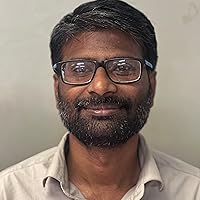
Sundara Ramaswamy (1931–2005), fondly known as "Su.Ra" in literary circles, was one of the exponents of Tamil modern literature. He edited and published a literary magazine called Kalachuvadu. He wrote poetry under the penname "Pasuvayya". His novels are Oru Puliya Marathin Kathai (The Story of a Tamarind Tree), J.J Silakuripukal (J.J: Some Jottings, tr, A.R Venkadachalapathy, Katha, 2004) and Kuzhanthaikal, Penkal, Aankal (Children, Women, Men). Ramaswamy was born on 30 May 1931, in Thazhuviya MahadevarKovil,[1] a village in Nagercoil). At 20, he began his literary career, translating Thakazhi Sivasankara Pillai's Malayalam novel, Thottiyude Makan into Tamil and writing his first short story, "Muthalum Mudivum", which he published in Pudimaipithan Ninaivu Malar.
If you feel like you are in the mood for a headache, this book might be good for you. If you like to spend your time wondering what each of the characters in this book are actually doing, then this book is for you. If you want to ramble through a book not knowing how any of these characters are connected to each other, then this book might be for you.
I am quite disappointed. We had such high hopes for this, but Sundara’s narration left me too confused. It’s more like a series of disjointed interludes of a few families in a village in Kerala in the pre-Independence era. There are small threads here and there, and I understand that Sundara was trying to target larger issues of “widow” remarriage and child psychology, but while it makes for a good discussion, a good read it did not make for me. Let me have that Aspirin please.
Very rarely do you come across books which not only make you think, but also smile, cry and reminisce, all at the same time. And this book, for sure, is one such book.
அருமையான வாழ்க்கை பதிவு. கதாபாத்திரங்களின் படைப்பும் அவர்களின் எண்ணங்களும் அவர் அவரின் நியாயங்களும் அங்களாய்ப்புகளும் நம்மை அவர்களோடு ஒன்றிணைய வைக்கின்றன.
There is no clear beginning or end, but this perpetuity along with the elaborate web crafted from all the overlapping narratives in the novel define it's beauty. You are dropped in Srinvasa Aiyer's world and then pulled out, finishing the book knowing there is more to the characters' lives you won't see. And yet I turned the last page still hoping to follow him and his family to Nagercoil. I could read another one hundred chapters on these characters. Two hundred, even.
While the modern Indian literature paved way to adopt to shorter forms of stories in pared-down style of writing, the post-modern Indian literature, the one in which Su Ra's CWM could be categorized, is verbose and has many wonderful chapters that could be considered stand-alones and would make one happy at any depths in life..
I started this novel once in my 20s, but couldn't get into it. Now, at the age of 40, I empathize with almost all the characters in this novel, i feel i have read this work at the right age. Beautiful, profound novel by the Master.
Sundara Ramasamy reminds me of Dostoyevsky. When I finished this book, I had the same feeling when I completed ‘The Brothers Karamazov’. Some novels leaves an impression like “Hey, the book is great! The writing is good and it had a great story.” And some leave “That is life!” This is one such novel.
A novel doesn’t need to have an abstract story necessarily. Dostoyevsky taught me this and now Sundara Ramasamy. This novel reflects the simplicity the characters possess, the richness of life, and a revelation of inner self and outer world.