

What do you think?

In My Skin
Called "Quite simply in a class of its own . . . the work of a stunningly talented writer who both graces and surpasses her material" (Guardian), this is the frank, harrowing, and true story of one young woman's descent into heroin addiction and prostitution and the long, arduous struggle to redeem her life that made her stronger. A shy, bookish college graduate from a solid middle-class home, Kate Holden was uncertain of her way in life. When she decided to try her first hit of heroin as a one-time adventure with friends, she did not anticipate that the drug would take over. She lost her job and apartment and stole from her family. Desperation drove her first to offer her body on the streets and then in high-class brothels, where she discovered hidden strengths as well as parts of herself that frightened her. With the acceptance and unyielding love of a family that never abandoned her, Kate Holden ultimately defeated the drug and left her netherworld behind.
304 pages, Hardcover
First published August 29, 2005
About the author
Kate Holden
9 books79 followersKate Holden is the author of two highly praised memoirs, In My Skin and The Romantic, and the Walkley Award–winning The Winter Road. She is a regular contributor to The Saturday Paper, The Monthly and The Age.
Ratings & Reviews
Friends & Following
Create a free account to discover what your friends think of this book!
Community Reviews
Displaying 1 - 30 of 457 reviews

September 22, 2020
LO ZOO DI MELBOURNE
Normalmente si troverebbe scritto “sulla” mia pelle.
Qui, invece, la preposizione articolata “nella” prima di ‘mia pelle’ indica dice e racconta già tanto.
Coraggioso romanzo memoir, talmente autobiografico che Kate Holden, qui al suo esordio, non cambia neppure il nome alla sua protagonista, che rimane appunto con lo stesso suo nome, Kate.
La parabola è nota, già letta, sentita e vista: ragazza di buona famiglia inizia a drogarsi con l’eroina per curiosità, rimane avviluppata alla spirale della tossicomania, per procurarsi i soldi per la dose si prostituisce. Alla fine riesce a venirne fuori.
Un percorso che dura cinque anni.
La Kate che scrive e quella che racconta in prima persona sono di buona famiglia, amate da genitori e fratelli, studiano e leggono, buona cultura.
E infatti, il fidanzato di Kate la introduce in un circolo di artisti: gente libera, che accoglie volentieri la ragazza, e la introduce all’eroina. Si tratta quasi di un gioco, di un gesto di curiosità, di sondare i propri limiti.
Con la droga nelle vene eravamo le persone più meravigliose della terra.
Tutto questo avviene in Australia, a Melbourne, e già questo per me è stato elemento di novità e interesse: perché dal continente nuovissimo non mi aspetto una storia di caduta e dissoluzione come questa, un po’ Cristiana F. nello zoo di Berlino – appunto, lo zoo umano me lo aspetto più da Berlino, la vecchia Europa, o gli eccessivi sballati d’America. E ovviamente, palesemente, mi sbaglio.
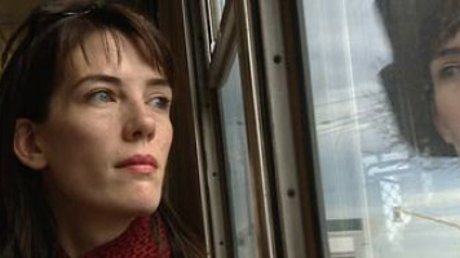
Kate Holden è nata a Melbourne nel 1972.
È la classica spirale: una volta che si entra, il percorso è verso il basso, la dose va aumentata, il piacere diventa necessità, l’astinenza fa male.
Per procurarsi la droga quotidiana, Kate si prostituisce. E mi pare che questo ramo del racconto è più sviluppato e dettagliato di quello della droga. Sesso a pagamento, bordelli d’ogni genere, uomini e donne sole, avvinti in istinti autodistruttivi. Una galleria antropologica di uomini e donne con le loro sorprese e le loro debolezze. Incontri umani, con anche tracce d’amicizia, perfino d’amore. Magari occorre scavare, fermare a riflettersi, accorgersi: i sentimenti più caldi non arrivano esattamente su un piatto d’argento.
E forse l’educazione e l’affetto della famiglia aiuta, forse è lì che Kate riesce ad attingere per uscire fuori dal circolo vizioso durato cinque anni. O forse la luce le arriva nel cono di quelle artificiali dei bordelli.
Apparentemente sana, integra. Ma che viaggio, che autentico trip…
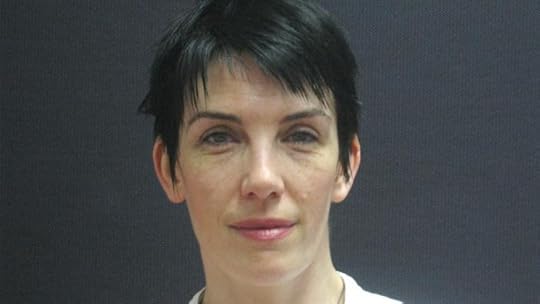
Kate Holden. O Annie Lennox?
Normalmente si troverebbe scritto “sulla” mia pelle.
Qui, invece, la preposizione articolata “nella” prima di ‘mia pelle’ indica dice e racconta già tanto.
Coraggioso romanzo memoir, talmente autobiografico che Kate Holden, qui al suo esordio, non cambia neppure il nome alla sua protagonista, che rimane appunto con lo stesso suo nome, Kate.
La parabola è nota, già letta, sentita e vista: ragazza di buona famiglia inizia a drogarsi con l’eroina per curiosità, rimane avviluppata alla spirale della tossicomania, per procurarsi i soldi per la dose si prostituisce. Alla fine riesce a venirne fuori.
Un percorso che dura cinque anni.
La Kate che scrive e quella che racconta in prima persona sono di buona famiglia, amate da genitori e fratelli, studiano e leggono, buona cultura.
E infatti, il fidanzato di Kate la introduce in un circolo di artisti: gente libera, che accoglie volentieri la ragazza, e la introduce all’eroina. Si tratta quasi di un gioco, di un gesto di curiosità, di sondare i propri limiti.
Con la droga nelle vene eravamo le persone più meravigliose della terra.
Tutto questo avviene in Australia, a Melbourne, e già questo per me è stato elemento di novità e interesse: perché dal continente nuovissimo non mi aspetto una storia di caduta e dissoluzione come questa, un po’ Cristiana F. nello zoo di Berlino – appunto, lo zoo umano me lo aspetto più da Berlino, la vecchia Europa, o gli eccessivi sballati d’America. E ovviamente, palesemente, mi sbaglio.
Kate Holden è nata a Melbourne nel 1972.
È la classica spirale: una volta che si entra, il percorso è verso il basso, la dose va aumentata, il piacere diventa necessità, l’astinenza fa male.
Per procurarsi la droga quotidiana, Kate si prostituisce. E mi pare che questo ramo del racconto è più sviluppato e dettagliato di quello della droga. Sesso a pagamento, bordelli d’ogni genere, uomini e donne sole, avvinti in istinti autodistruttivi. Una galleria antropologica di uomini e donne con le loro sorprese e le loro debolezze. Incontri umani, con anche tracce d’amicizia, perfino d’amore. Magari occorre scavare, fermare a riflettersi, accorgersi: i sentimenti più caldi non arrivano esattamente su un piatto d’argento.
E forse l’educazione e l’affetto della famiglia aiuta, forse è lì che Kate riesce ad attingere per uscire fuori dal circolo vizioso durato cinque anni. O forse la luce le arriva nel cono di quelle artificiali dei bordelli.
Apparentemente sana, integra. Ma che viaggio, che autentico trip…
Kate Holden. O Annie Lennox?

May 18, 2015
There aren't many books by middle-class, highly-literate university graduates on being drug-addicted streetwalkers, this may be unique.
The author becomes addicted to heroin by accident, just trying it and loving it. She eventually descends through all the levels of hell to being thrown out of her home and walking the streets to sell sex enough to get money for drugs.
She describes all this in a dispassionate voice, but an involved one all the same. She doesn't beg for for our sympathy at her plight but treats her street-walking as she might the lowliest entry into any profession. Her description of sex is graphic and interesting whether she is talking about positions requested or services offered. It is pitiful the amount of money a sex worker brings in and the fear of police and violent clients an ever present danger. She does, at times, get caught by both. At home, a room with scarcely any furniture her boyfriend waits for her to bring money. He lives off her earnings but isn't a pimp, simply unemployable and he says he loves her and she thinks she loves him too.
She makes progress in her career and lands a job in a brothel. She might have to hand over half her money but she has clean sheets, a shower, and the protection of the house and it's staff around her. She is happy and concentrates on being the best prostitute she can, whether it is by means of her looks (she is a tall, extremely good-looking woman), clothes, sexual services or conversation. She covers her heroin addiction from the madam and works as hard as she can just to spend all her money on drugs for her boyfriend and herself. It is heart-breaking, but not for her, she hasn't got there yet.
Her parents are supportive throughout, get her in rehab programmes, on methodone, tough love, easy love, acceptance, whatever it takes. But although she is grateful she is sunk so deep into the lifestyle nothing can help her.
A move to another brothel, a more upmarket one gives her a little more money and she tries to help herself. She moves into a nicer apartment with a garden, and attempts, unsuccessfully, to separate herself from her boyfriend who ultimately will kill himself. She is very much in control of her thoughts, very keen on advancing in her career - to the point of thinking she might like to be a madam herself - but doesn't see life in the clear light of day but only through the soft, warm fuzzy edge of heroin, not that she is aware of that.
Something happens. A switch clicks. Heroin is in short supply and she thinks maybe she could go one day without it. Maybe two...She changes and decides to stop the drugs and slowly, slowly weans herself off methodone as well as heroin. She returns home to her parents to live and to save money for a trip to Europe and the day after she is completely clean, that's it. A new life, flying far from St. Kilda's backstreets in Australia to Paris and thence to Italy.
Home again after an extended stay and a normal love affair, she becomes a writer, a successful one, and remains non-judgemental and non-regretful about her life.
Others have seen this book as disgusting, that she treats prostitution so normally and discusses the details of the sex. Not just working sex, but how some clients do turn her on, and some, told in excruciating detail turn her off. Why is this disgusting? Why is it not interesting instead? I think it is.
I also think anyone with access to the internet who says they've never viewed porn is either telling porkies or... very, very unusual! We are all interested in sex, it's what's done in the dark and without witnesses, just an act kept secret by those involved. We all know that everyone does more or less the same things but we still like to see it, hear it and read about it. That's just human nature!
This book was a brilliant read. At the other end of prostitution, the highest end where the whores even become tv celebrities and are called 'girlfriends' is Bunny Tales, another brilliant, if bitter read by one of Hefner's harem at the same time as Kendra and Holly were screwing the old man for money. And probably for the same reason. Both the authors were university graduates in disciplines that need good writing - English and Law. But the author of Bunny Tales would never admit even to herself that she was a whore, self-delusion coloured every word she worte, whereas Kate Holden was searingly honest about herself, and therefore a greater joy to read. She's a great girl, the author, and now a successful writer. I wish her all the best in life.
Quote from one whore to another in the brothel:
"If you pull your g-string higher, it makes your legs look longer."
"Shows off your stretch marks.'
"As if I have stretch marks, I have texture!"
:-D
The author becomes addicted to heroin by accident, just trying it and loving it. She eventually descends through all the levels of hell to being thrown out of her home and walking the streets to sell sex enough to get money for drugs.
She describes all this in a dispassionate voice, but an involved one all the same. She doesn't beg for for our sympathy at her plight but treats her street-walking as she might the lowliest entry into any profession. Her description of sex is graphic and interesting whether she is talking about positions requested or services offered. It is pitiful the amount of money a sex worker brings in and the fear of police and violent clients an ever present danger. She does, at times, get caught by both. At home, a room with scarcely any furniture her boyfriend waits for her to bring money. He lives off her earnings but isn't a pimp, simply unemployable and he says he loves her and she thinks she loves him too.
She makes progress in her career and lands a job in a brothel. She might have to hand over half her money but she has clean sheets, a shower, and the protection of the house and it's staff around her. She is happy and concentrates on being the best prostitute she can, whether it is by means of her looks (she is a tall, extremely good-looking woman), clothes, sexual services or conversation. She covers her heroin addiction from the madam and works as hard as she can just to spend all her money on drugs for her boyfriend and herself. It is heart-breaking, but not for her, she hasn't got there yet.
Her parents are supportive throughout, get her in rehab programmes, on methodone, tough love, easy love, acceptance, whatever it takes. But although she is grateful she is sunk so deep into the lifestyle nothing can help her.
A move to another brothel, a more upmarket one gives her a little more money and she tries to help herself. She moves into a nicer apartment with a garden, and attempts, unsuccessfully, to separate herself from her boyfriend who ultimately will kill himself. She is very much in control of her thoughts, very keen on advancing in her career - to the point of thinking she might like to be a madam herself - but doesn't see life in the clear light of day but only through the soft, warm fuzzy edge of heroin, not that she is aware of that.
Something happens. A switch clicks. Heroin is in short supply and she thinks maybe she could go one day without it. Maybe two...She changes and decides to stop the drugs and slowly, slowly weans herself off methodone as well as heroin. She returns home to her parents to live and to save money for a trip to Europe and the day after she is completely clean, that's it. A new life, flying far from St. Kilda's backstreets in Australia to Paris and thence to Italy.
Home again after an extended stay and a normal love affair, she becomes a writer, a successful one, and remains non-judgemental and non-regretful about her life.
Others have seen this book as disgusting, that she treats prostitution so normally and discusses the details of the sex. Not just working sex, but how some clients do turn her on, and some, told in excruciating detail turn her off. Why is this disgusting? Why is it not interesting instead? I think it is.
I also think anyone with access to the internet who says they've never viewed porn is either telling porkies or... very, very unusual! We are all interested in sex, it's what's done in the dark and without witnesses, just an act kept secret by those involved. We all know that everyone does more or less the same things but we still like to see it, hear it and read about it. That's just human nature!
This book was a brilliant read. At the other end of prostitution, the highest end where the whores even become tv celebrities and are called 'girlfriends' is Bunny Tales, another brilliant, if bitter read by one of Hefner's harem at the same time as Kendra and Holly were screwing the old man for money. And probably for the same reason. Both the authors were university graduates in disciplines that need good writing - English and Law. But the author of Bunny Tales would never admit even to herself that she was a whore, self-delusion coloured every word she worte, whereas Kate Holden was searingly honest about herself, and therefore a greater joy to read. She's a great girl, the author, and now a successful writer. I wish her all the best in life.
Quote from one whore to another in the brothel:
"If you pull your g-string higher, it makes your legs look longer."
"Shows off your stretch marks.'
"As if I have stretch marks, I have texture!"
:-D

August 4, 2018
This was an interesting read - to hear the thoughts of a habitual heroin user, and prostitute. I am not convinced the author is a particularly likeable person, as she comes across as having a high opinion of herself, despite the lows she reached. This isn't however a book looking for pity, and tried to give an understanding of her decisions, although for me it stops short of providing that. I would even go so far as to say she shows a lot of pride in her decisions, and pride in performing her job well.
Set in Melbourne, mostly in St Kilda, it is far from a fantasy, which adds a familiarity to the settings. Not that I know Melbourne well, but I have been there three or four times, and stayed in St Kilda few times.
Certainly a sad read at times - her inability to make a conscious decision to stop taking heroin given all the assistance and opportunities, she repeatedly states that she wasn't ready, or didn't really want to stop (until she did), and the terrible situation she put her family - especially her parents - through show the self centred way drug users live. You can't help but have more sympathy for her family than for the author herself, with the lies, disappointments and thievery they were party to.
Prostitution was really the means to earn the money to support her drug addiction, and those of her loser boyfriends - boyfriends who never had jobs and were solely supported by her - I can't understand the appeal of her pathetic boyfriends - but then, I don't understand many of the motivations in the story told.
The author certainly didn't shy from sharing details, with page after page of detail on her clients, the way the brothels work, and the interactions with the other girls. If anything, she probably spends too many pages recounting the customers and the services she provided, as there is a point where is stops being interesting and becomes a bit desensitising.
I think the strangest aspect of the book however is how she got clean - it was really quite an anticlimax how she just made the decision - helped a little by loser boyfriend breaking into her room and stealing her stash. I suppose the ease of breaking the cycle reinforces her suggestion that previously she wasn't ready to give up heroin, and that finally the time was right for her.
Ultimately the book is polarising, as the reviews show. People either love it for its rawness and honesty, or they dislike it and consider it dishonest, and glorifying the heroin and prostitution. I fell in the middle, and return to my original comment - and interesting read, which did little to endear met to the author.
3 stars
Set in Melbourne, mostly in St Kilda, it is far from a fantasy, which adds a familiarity to the settings. Not that I know Melbourne well, but I have been there three or four times, and stayed in St Kilda few times.
Certainly a sad read at times - her inability to make a conscious decision to stop taking heroin given all the assistance and opportunities, she repeatedly states that she wasn't ready, or didn't really want to stop (until she did), and the terrible situation she put her family - especially her parents - through show the self centred way drug users live. You can't help but have more sympathy for her family than for the author herself, with the lies, disappointments and thievery they were party to.
Prostitution was really the means to earn the money to support her drug addiction, and those of her loser boyfriends - boyfriends who never had jobs and were solely supported by her - I can't understand the appeal of her pathetic boyfriends - but then, I don't understand many of the motivations in the story told.
The author certainly didn't shy from sharing details, with page after page of detail on her clients, the way the brothels work, and the interactions with the other girls. If anything, she probably spends too many pages recounting the customers and the services she provided, as there is a point where is stops being interesting and becomes a bit desensitising.
I think the strangest aspect of the book however is how she got clean - it was really quite an anticlimax how she just made the decision - helped a little by loser boyfriend breaking into her room and stealing her stash. I suppose the ease of breaking the cycle reinforces her suggestion that previously she wasn't ready to give up heroin, and that finally the time was right for her.
Ultimately the book is polarising, as the reviews show. People either love it for its rawness and honesty, or they dislike it and consider it dishonest, and glorifying the heroin and prostitution. I fell in the middle, and return to my original comment - and interesting read, which did little to endear met to the author.
3 stars

January 29, 2010
Opening Line: “What do I remember about being a prostitute?”
In My Skin is the harrowing true story of Kate Holden; an average, middle class university girl from the Melbourne (Australia) suburbs who on a whim decides to give heroin a try. We then follow Kate on a five year journey into hell as she slides into the horrors of addiction and then out of desperation prostitution to fund her growing habit.
This is a candid, gripping, graphic and well written story, although not entirely what I was expecting from a “drug memoir” Ultimately it’s more of a peek into the secret world of prostitution and high class brothels then anything else. Yes the heroin is always present but it becomes almost a nagging afterthought as Kate aka “Lucy” spends a majority of the book giving us an unflinching look into everything you didn‘t know you wanted to know about prostitution.
“Lucy” makes no excuses for her choices however and her accounts are often told with an odd sort of pride. As she describes how good she gets at her job, how in demand she becomes. With a stable full of regular Johns, men willing to wait hours for her, buying gifts and professing their love. Of course there are still the rough tricks, the fights with the other girls and the slow nights when she hasn’t made enough money for her next fix or to pay off her dealer or catch up on the rent. And then there’s the abuse to her body -frankly I wondered how she could go on in this lifestyle for years without, well, dieing.
In fact she’s not even getting high anymore, now its just matter of trying to stave off the sickness she’s only ever one step ahead of. Because she can’t work if she’s dope sick and she can’t buy drugs if she can’t work. It’s a vicious never ending, insane cycle.
I found it interesting how Kate started on the streets and worked her way up to the brothels, almost like a right of passage. After losing her job (for stealing) and a couple of failed attempts at rehab Kate/Lucy is desperate for cash (she’s now also supporting her deadbeat boyfriend) so she starts working for her dealer/pimp. Walking the streets night after night, in an endless loop of nameless, faceless grunting men, its almost too easy. Blowjobs in cars, hotels that rent by the hour anything for some cash, to get that next hit.
Throughout everything Kate’s family stand by her, even at her worst she still visits for the occasional Sunday dinner. Emotionally they’re no longer invested, they’ve had to let her go, unable to bare the lies, disappointments or thievery any longer but they’re still always there for her. Still hoping she will come back to them, maybe one more trip to rehab, maybe a methadone program. They never admit to knowing how she’s supporting herself but don‘t interfere either.
Thankfully there is a happy ending to this story but honestly I don’t know how one could ever live a normal life again after this kind of interruption. I do wish this author the best though and hope to read more from her in the future because she has a real gift.
297jb4
In My Skin is the harrowing true story of Kate Holden; an average, middle class university girl from the Melbourne (Australia) suburbs who on a whim decides to give heroin a try. We then follow Kate on a five year journey into hell as she slides into the horrors of addiction and then out of desperation prostitution to fund her growing habit.
This is a candid, gripping, graphic and well written story, although not entirely what I was expecting from a “drug memoir” Ultimately it’s more of a peek into the secret world of prostitution and high class brothels then anything else. Yes the heroin is always present but it becomes almost a nagging afterthought as Kate aka “Lucy” spends a majority of the book giving us an unflinching look into everything you didn‘t know you wanted to know about prostitution.
“Lucy” makes no excuses for her choices however and her accounts are often told with an odd sort of pride. As she describes how good she gets at her job, how in demand she becomes. With a stable full of regular Johns, men willing to wait hours for her, buying gifts and professing their love. Of course there are still the rough tricks, the fights with the other girls and the slow nights when she hasn’t made enough money for her next fix or to pay off her dealer or catch up on the rent. And then there’s the abuse to her body -frankly I wondered how she could go on in this lifestyle for years without, well, dieing.
In fact she’s not even getting high anymore, now its just matter of trying to stave off the sickness she’s only ever one step ahead of. Because she can’t work if she’s dope sick and she can’t buy drugs if she can’t work. It’s a vicious never ending, insane cycle.
I found it interesting how Kate started on the streets and worked her way up to the brothels, almost like a right of passage. After losing her job (for stealing) and a couple of failed attempts at rehab Kate/Lucy is desperate for cash (she’s now also supporting her deadbeat boyfriend) so she starts working for her dealer/pimp. Walking the streets night after night, in an endless loop of nameless, faceless grunting men, its almost too easy. Blowjobs in cars, hotels that rent by the hour anything for some cash, to get that next hit.
Throughout everything Kate’s family stand by her, even at her worst she still visits for the occasional Sunday dinner. Emotionally they’re no longer invested, they’ve had to let her go, unable to bare the lies, disappointments or thievery any longer but they’re still always there for her. Still hoping she will come back to them, maybe one more trip to rehab, maybe a methadone program. They never admit to knowing how she’s supporting herself but don‘t interfere either.
Thankfully there is a happy ending to this story but honestly I don’t know how one could ever live a normal life again after this kind of interruption. I do wish this author the best though and hope to read more from her in the future because she has a real gift.
297jb4

December 11, 2013
Update 2016: Again, I've just been reminded of this, one of my all-time favourite books, which I still don't have a copy of. But I'm also reminded that I'd like to add a link to another favourite, also Aussie, also well-written and also not for the faint-hearted, Candy by Luke Davies. And as I recall, both take place in and around Melbourne, but I'll have to check that.
- - - - - Original review
This one has been a favourite since I read it years ago, and I've given my copy away. I wasn't writing reviews back then, but something reminded me of it today, and I thought I must try to remember why I loved it so much.
The contrast of this obviously well-educated girl and her seedy life as a heroin addict and hooker is almost too great to be believed. But it's true. I will have to read it again, (borrow it back!), but suffice to say that she admits there was almost no depth to which she would not sink to get the drugs she needed, and she fleeced her parents and anyone she could to get money.
I would say "unashamedly fleeced", but I think she was ashamed, at least of how she would purposely go back home to her parents and pretend she intended to get straight, only to take advantage of the home comforts and then go back out on the streets with whatever money she'd managed to finagle. I think she did pretend to herself a bit that maybe she really would clean up, but than it didn't happen.
Her attitude towards the brothel she worked in is intriguing. I remember she came to consider her relationships with clients almost as a community service. She's quite graphically descriptive about the men, their looks, smells, habits, and kinks, to the point that I would think EWWW, how could you?
But she says something along the lines of if she didn't show them she cared, who would? Where else could they turn for affection? And who knows how many marriages she might have saved?
It is fascinating and so well-written that it's compulsive reading. She is now clean (well, as far as I know) and has appeared on the ABC's Book Show and other programs and is an intelligent, attractive young woman - not the sort of person you'd expect would ever have been at the bottom of the Melbourne social ladder!
I am so glad she climbed back up and started writing. There's plenty about her on her website: http://www.kate-holden.com/
- - - - - Original review
This one has been a favourite since I read it years ago, and I've given my copy away. I wasn't writing reviews back then, but something reminded me of it today, and I thought I must try to remember why I loved it so much.
The contrast of this obviously well-educated girl and her seedy life as a heroin addict and hooker is almost too great to be believed. But it's true. I will have to read it again, (borrow it back!), but suffice to say that she admits there was almost no depth to which she would not sink to get the drugs she needed, and she fleeced her parents and anyone she could to get money.
I would say "unashamedly fleeced", but I think she was ashamed, at least of how she would purposely go back home to her parents and pretend she intended to get straight, only to take advantage of the home comforts and then go back out on the streets with whatever money she'd managed to finagle. I think she did pretend to herself a bit that maybe she really would clean up, but than it didn't happen.
Her attitude towards the brothel she worked in is intriguing. I remember she came to consider her relationships with clients almost as a community service. She's quite graphically descriptive about the men, their looks, smells, habits, and kinks, to the point that I would think EWWW, how could you?
But she says something along the lines of if she didn't show them she cared, who would? Where else could they turn for affection? And who knows how many marriages she might have saved?
It is fascinating and so well-written that it's compulsive reading. She is now clean (well, as far as I know) and has appeared on the ABC's Book Show and other programs and is an intelligent, attractive young woman - not the sort of person you'd expect would ever have been at the bottom of the Melbourne social ladder!
I am so glad she climbed back up and started writing. There's plenty about her on her website: http://www.kate-holden.com/

March 24, 2011
The first book for our office Book Club and what a way to start. All of the reviews on the cover made this sound like it was a well written memoir. Our whole book club would beg to disagree.
Kate Holden glosses over so much of her addiction. While she makes some attempt to describe life as a
'working girl,' it is a very santised (and glamourised) version of what I would guess to be the truth. Reading between the lines there must have been quite a few customer's who were threatening, or outright abusive. Not that I wanted to read about those encounters, but some more references to these more realistic encounters would have been appreciated. Instead we are left with her ego "I was a princess in my realm and men couldn’t get enough of me. They waited hours for my company and I couldn’t even remember their names."
It seems as though the author is deluding herself quite a bit. She talks about not judging anyone "I do not like to judge others. I know now that everyone has their secrets." when we get page upon page of judgements about the other working girls in the brothels she worked in. Her immense ego on display through whole sections when she lords her education over the other women who are her competitors.
In the end I felt cheated of the real story. She runs through a laundry list of clients, deals, dealers, and the ordeal she puts her family through, then is suddenly clean - 'abracadabra' I'm clean. I would have liked to have seen more of that - it seems that this would be where the real meat of the story is. The tale of how she managed to take her life back from the addiction and prostitution. The 'third act' of the book is glossed over in less than 50 pages.
There was little of the character I could relate to, I felt incredibly sad and sorry for her family, and sorrier still that she has subjected her family to a memoir of what must surely be some of the lowest times of their lives. I don't recommend this book at all, to anyone.
Kate Holden glosses over so much of her addiction. While she makes some attempt to describe life as a
'working girl,' it is a very santised (and glamourised) version of what I would guess to be the truth. Reading between the lines there must have been quite a few customer's who were threatening, or outright abusive. Not that I wanted to read about those encounters, but some more references to these more realistic encounters would have been appreciated. Instead we are left with her ego "I was a princess in my realm and men couldn’t get enough of me. They waited hours for my company and I couldn’t even remember their names."
It seems as though the author is deluding herself quite a bit. She talks about not judging anyone "I do not like to judge others. I know now that everyone has their secrets." when we get page upon page of judgements about the other working girls in the brothels she worked in. Her immense ego on display through whole sections when she lords her education over the other women who are her competitors.
In the end I felt cheated of the real story. She runs through a laundry list of clients, deals, dealers, and the ordeal she puts her family through, then is suddenly clean - 'abracadabra' I'm clean. I would have liked to have seen more of that - it seems that this would be where the real meat of the story is. The tale of how she managed to take her life back from the addiction and prostitution. The 'third act' of the book is glossed over in less than 50 pages.
There was little of the character I could relate to, I felt incredibly sad and sorry for her family, and sorrier still that she has subjected her family to a memoir of what must surely be some of the lowest times of their lives. I don't recommend this book at all, to anyone.
This entire review has been hidden because of spoilers.

June 20, 2011
Ever pick up a book that happens to be exactly where you're at? Like literally where you're at?
In My Skin is a memoir written by university graduate, Kate Holden, about heroin addiction and sex work in Melbourne, Australia. Kate started working on the streets of St. Kilda and then moves onto the legal brothel system to support her habit.
I picked up my copy in a bookstore somewhere in Melbourne and could not put it down and then realized that she worked in the same brothel that I was working in. It was entertaining to read about her adventures and misadventures with sex work and her battle with addiction particularly because its kind of what I'm going through right now. Whilst I have never shot up heroin I have sex addiction issues and I love to feel good. This year has been about finding balance.
Kate has a lovely way with words and I related alot to the way she processes and articulates her experiences. Part of me was a little frustrated initially because she is a middle class girl that went to university, has parents that care and got a lot of support through her problems and it seems (from reading her memoir) like there is nothing inherently "wrong" with her life. However, these are the kinds of stories that speak to people in the mainstream and humanize folks that are sex workers or have drug addictions. Most of the other reviews you'll read about this book harp on and on about how her humanity shines out through her story. Yes, the fact that sex workers and drug addicts are living breathing humans is still a novel concept to some people which makes books like these semi invaluable.
Kate's story begins in her childhood through to her university years, she outlines some of her early romances and brushes with drugs and alcohol. We learn that Kate is shy but eager to fit in with her peers and when one day her boyfriend and group of friends start to do heroin, she wants in on their "big secret".
Her description of heroin use is poetic. She starts using pretty excessively and then the "downward" spiral begins. She steals from her boss and her family, gets fired and turns to sex work to continue to support her habit.
Kate's foray into sex work begins on the streets of St. Kilda where we follow her into the backseats and alleys with strangers. She gets arrested and then someone approaches her about working in a brothel.
Kate works in three different brothels around Melbourne and ends up at "Il Fiore".
I felt that Kate's portrayal of sex work was a pretty acurate one. I have an odd habit when I can't decide if I want to buy a book or not, I'll randomly flip to a passage and if it speaks to me then I get it. The passage that sold me on buying this book was:
Control: I leanred then how much I had. Control, not to squeal when a man grabbed my breast hard enough to make it twinge. Control to keep my legs stretched in the air even when they were trembling. Control to brace against pounding from behind as my face mashed into the pillow and my arms shuddered and my spine jarred with every thrust. Control not to gag at a slimy tongue in my mouth, burrowing wetly into my ear, licking at my throat.
Control not to twitch when a fingernail suddenly dug into my anus, when a scock scraped into my vagina against burning skin and I felt my face go pale with pain. Not to laugh when a man grunted, "You're the best, you're the best, I've nver met anyone like you," and then screwed up his face and howled with orgasm and barely looked me in the eye a minute later. Control to stay polite, to stay charming, to go on feeding compliments, to not spit out my contempt.
Control to be the best working girl I could be.
Sobriety and sex work are not often seen as two elements that go together. We're all familiar with the drunk/coked up/drugged out stripper, hooker, porn star stereotypes that seem to abound outside of this industry. For me personally sex work used to be a reason to stay sober, be responsible and take care of myself, things that didn't normally come easy to me became regimented rules I would stick by justifying it because I could make more money if I was sober and healthy. This past year has been a bit different and because I've let my own life out of balance by trusting people I wasn't entirely comfortable with because I was acting out of greed. I've always wanted a home and brothel work for me was almost a way to get there but because I couldn't keep grounded things didn't quite work out as planned.
Working in brothels is a tough job. Whores are warriors whether we admit it or not and sometimes its a really hard struggle to fight for what you want, to fight for survival, to fight for a home.
My hat goes off to Kate for having the bravery to write her memoirs in graphic detail the way she did. Reading her experiences have helped me to try and articulate some of my own some day.
Everyone is addicted to something and everyone goes a little crazy sometimes. Addiction is simply a battle with the demons within and if you're not careful it can take over your whole life.
In My Skin is a memoir written by university graduate, Kate Holden, about heroin addiction and sex work in Melbourne, Australia. Kate started working on the streets of St. Kilda and then moves onto the legal brothel system to support her habit.
I picked up my copy in a bookstore somewhere in Melbourne and could not put it down and then realized that she worked in the same brothel that I was working in. It was entertaining to read about her adventures and misadventures with sex work and her battle with addiction particularly because its kind of what I'm going through right now. Whilst I have never shot up heroin I have sex addiction issues and I love to feel good. This year has been about finding balance.
Kate has a lovely way with words and I related alot to the way she processes and articulates her experiences. Part of me was a little frustrated initially because she is a middle class girl that went to university, has parents that care and got a lot of support through her problems and it seems (from reading her memoir) like there is nothing inherently "wrong" with her life. However, these are the kinds of stories that speak to people in the mainstream and humanize folks that are sex workers or have drug addictions. Most of the other reviews you'll read about this book harp on and on about how her humanity shines out through her story. Yes, the fact that sex workers and drug addicts are living breathing humans is still a novel concept to some people which makes books like these semi invaluable.
Kate's story begins in her childhood through to her university years, she outlines some of her early romances and brushes with drugs and alcohol. We learn that Kate is shy but eager to fit in with her peers and when one day her boyfriend and group of friends start to do heroin, she wants in on their "big secret".
Her description of heroin use is poetic. She starts using pretty excessively and then the "downward" spiral begins. She steals from her boss and her family, gets fired and turns to sex work to continue to support her habit.
Kate's foray into sex work begins on the streets of St. Kilda where we follow her into the backseats and alleys with strangers. She gets arrested and then someone approaches her about working in a brothel.
Kate works in three different brothels around Melbourne and ends up at "Il Fiore".
I felt that Kate's portrayal of sex work was a pretty acurate one. I have an odd habit when I can't decide if I want to buy a book or not, I'll randomly flip to a passage and if it speaks to me then I get it. The passage that sold me on buying this book was:
Control: I leanred then how much I had. Control, not to squeal when a man grabbed my breast hard enough to make it twinge. Control to keep my legs stretched in the air even when they were trembling. Control to brace against pounding from behind as my face mashed into the pillow and my arms shuddered and my spine jarred with every thrust. Control not to gag at a slimy tongue in my mouth, burrowing wetly into my ear, licking at my throat.
Control not to twitch when a fingernail suddenly dug into my anus, when a scock scraped into my vagina against burning skin and I felt my face go pale with pain. Not to laugh when a man grunted, "You're the best, you're the best, I've nver met anyone like you," and then screwed up his face and howled with orgasm and barely looked me in the eye a minute later. Control to stay polite, to stay charming, to go on feeding compliments, to not spit out my contempt.
Control to be the best working girl I could be.
Sobriety and sex work are not often seen as two elements that go together. We're all familiar with the drunk/coked up/drugged out stripper, hooker, porn star stereotypes that seem to abound outside of this industry. For me personally sex work used to be a reason to stay sober, be responsible and take care of myself, things that didn't normally come easy to me became regimented rules I would stick by justifying it because I could make more money if I was sober and healthy. This past year has been a bit different and because I've let my own life out of balance by trusting people I wasn't entirely comfortable with because I was acting out of greed. I've always wanted a home and brothel work for me was almost a way to get there but because I couldn't keep grounded things didn't quite work out as planned.
Working in brothels is a tough job. Whores are warriors whether we admit it or not and sometimes its a really hard struggle to fight for what you want, to fight for survival, to fight for a home.
My hat goes off to Kate for having the bravery to write her memoirs in graphic detail the way she did. Reading her experiences have helped me to try and articulate some of my own some day.
Everyone is addicted to something and everyone goes a little crazy sometimes. Addiction is simply a battle with the demons within and if you're not careful it can take over your whole life.
February 12, 2009
Story of a middle class Australian girl who gets addicted to heroin and turns to legal prostitution. It was really interesting to see what drug addiction is like in a country where they have social services (as opposed to the US). She had a lot more resources at her disposal. Of course it still took her a long time to quit for all the garden variety reasons.
As far as the prostitution part, she tries to play the Carol Queen angle, i.e. "prostitution empowers women rather than exploits them." I have no problem with this argument in general but it is a lot harder to buy it from someone who turns to prostitution to support a drug habit. Seemed more like a rationalization/coping mechanism.
As far as the prostitution part, she tries to play the Carol Queen angle, i.e. "prostitution empowers women rather than exploits them." I have no problem with this argument in general but it is a lot harder to buy it from someone who turns to prostitution to support a drug habit. Seemed more like a rationalization/coping mechanism.

July 17, 2008
This was hard to get into for me a few times in the beginning but it's an awesome book. It's about a woman who led a fairly charmed life up until she started using heroin and became addicted. She's very detailed which is one of the things I like about this book and she explains heroin addiction very well, the ins and outs, the whole experience. She eventually becomes a prostitute/call girl and her life goes progressively downhill. Her family is there for her, along with more friends than most addicts keep along the way and she still continues. This is a great book for anyone who really wants to see the truth of heroin addiction- almost everything- and not just what an author thinks would make a good book. Definitely recommended but keep in mind that there is a lot of talk about sex, everything regarding sex inside. I would suggest only strong recovering addicts read- there are many, many points where Ms. Holden talks about feelings and things of that nature that might be hard for a newly recovering addict to read.
March 30, 2024
Amazing read, a dark look into the world of heroin addiction and the sex work industry. Kate Holden tries heroin out for fun and accidentally gets addicted, leading her down a treacherous and dimly lit road. A highly intelligent and educated woman with perspective that is so rare and insightful. I picked this up without knowing much about it and I was thrown into a completely foreign world based in my own hometown of Melbourne.

June 4, 2015
5 beautiful unapologetic about her past- accept life in all its different kinds of glory- stars
This was a very different read! Wow Kate Holden, I am really impressed with your writing and the prose was sometimes hauntingly beautiful.
I love reading memoirs and I have read all kinds of memoirs but I have only reviewed the few I like on GR.
Kate Holden is not holding back nor does she feel she needs to add in ugly stuff empowering the book so that the reader can feel pseudo sorry for her. Nor did she manipulate her life experiences into the words she feels an average reader can appreciate. She gives to us as it was in her life and how she saw it. I clearly got that from her memoir.
I know a lot of readers would expect the gory details of how she is sorry for prostituting herself and expect her to be apologetic and how she hated being a prostitute. R the details about the filth that comes with drug addiction. Well, she does none of that. She doesn’t apologize and she doesn’t glorify anything either. She gave it honestly. I hardly see such honesty in such memoirs. Nothing whiny. No complaints about other people. No blaming of other people. No judgements. She didn’t even structure this in a way to gain mass appeal. I think she more or less did this to understand herself.
The 5 stars for her brutal honesty. Thank you Kate for bringing your strength into the memoir and for giving me such an enriching reading experience. There were moments when my toes curled in and there were times I teared up for you but I knew the strength of your spirit will see you through and I was cheering you on page after page.
The books begins with Kate’s childhood, being shy and she was also the studious type who did well in school and a lot more was expected of her. She graduated with a degree in English and was exploring herself in the arts scene and her sexual awakenings.
And so begins her plunge into the world of heroin. An ex-boyfriend of her introduced her into the world heroin and she soon was addicted.
She shows us how low sank to get drugs into the system. She failed at rehab only plunge right back into addiction. She lied and manipulated everyone around her. She begins stealing from the bookshops she worked at since she was a student and is fired. All she ever wanted was heroin was secondary. She hurt everyone in the process. But her family stayed with her throughout supporting her in every way. She gives it as it is. She never pities anyone or even herself.
Then she begins her world into street prostitution and here I really saw her desperation for money. She would have unprotected sex if she is really desperate for the night. She sank to the lowest level she could during these times. I felt so bad and I thought to myself what a life she choose. She was treated badly and men bargaining for lower prices. She meets Boris who takes good care of her but she screws that up because she knows things are getting better for her but she sabotages herself. I think she does not want anything to get better for her and she just wants her heroin.
Desperation knows no boundaries.
She then begins working at brothels and begin to support her boyfriend, Robbie. It is here she finds out that she sometimes enjoys working as a prostitute. She forms friendships and the treatment sometimes is a lot better. She talks about men in all shapes and sizes and how flesh is just flesh and how she enjoys it sometimes when they are not rough and take the time to pleasure her too. She also states how Heroin also has numbed her feelings and her libido. But she works at it. She works very hard at being a prostitute and to fund her drug habit and her boyfriend. She talk about the tricks of the trade and how she managed her job. She talks about the rough treatment from men and she also talks about the bond she forms with some of them. AT times she would fancy herself in love with someone of them.
In between these details, it struck me how much Kate was looking for human connection and she couldn’t separate affections and sex. There are plenty stories of her customers here. But she revels in her experiences and she was happy to be of such a service to men. I saw sexuality from a completely different view point here. She enjoyed the many aspects of it and seemed to have excelled at it. She clearly states what she enjoyed her prostitution days in many ways.
Like I mentioned before, people would have been more sympathetic had she said she hated her prostitution days. She found the strength to survive it all with her sanity and dignity in tact. I loved the way she told her story. I understood her and at times though I wanted to hug her. But I never pitied or felt sorry for her.
I marvelled at her ability with cope with everything and being so strong. I flinched at the parts when she described how the men were rough her body.
She slowly starts to want to change her life and makes the effort to start switching over to methadone and over 2 years she kicks the habit.
I highly recommend this book and I will look out for books by Kate. Thank you for the book Kate.
This was a very different read! Wow Kate Holden, I am really impressed with your writing and the prose was sometimes hauntingly beautiful.
I love reading memoirs and I have read all kinds of memoirs but I have only reviewed the few I like on GR.
Kate Holden is not holding back nor does she feel she needs to add in ugly stuff empowering the book so that the reader can feel pseudo sorry for her. Nor did she manipulate her life experiences into the words she feels an average reader can appreciate. She gives to us as it was in her life and how she saw it. I clearly got that from her memoir.
I know a lot of readers would expect the gory details of how she is sorry for prostituting herself and expect her to be apologetic and how she hated being a prostitute. R the details about the filth that comes with drug addiction. Well, she does none of that. She doesn’t apologize and she doesn’t glorify anything either. She gave it honestly. I hardly see such honesty in such memoirs. Nothing whiny. No complaints about other people. No blaming of other people. No judgements. She didn’t even structure this in a way to gain mass appeal. I think she more or less did this to understand herself.
The 5 stars for her brutal honesty. Thank you Kate for bringing your strength into the memoir and for giving me such an enriching reading experience. There were moments when my toes curled in and there were times I teared up for you but I knew the strength of your spirit will see you through and I was cheering you on page after page.
The books begins with Kate’s childhood, being shy and she was also the studious type who did well in school and a lot more was expected of her. She graduated with a degree in English and was exploring herself in the arts scene and her sexual awakenings.
And so begins her plunge into the world of heroin. An ex-boyfriend of her introduced her into the world heroin and she soon was addicted.
She shows us how low sank to get drugs into the system. She failed at rehab only plunge right back into addiction. She lied and manipulated everyone around her. She begins stealing from the bookshops she worked at since she was a student and is fired. All she ever wanted was heroin was secondary. She hurt everyone in the process. But her family stayed with her throughout supporting her in every way. She gives it as it is. She never pities anyone or even herself.
Then she begins her world into street prostitution and here I really saw her desperation for money. She would have unprotected sex if she is really desperate for the night. She sank to the lowest level she could during these times. I felt so bad and I thought to myself what a life she choose. She was treated badly and men bargaining for lower prices. She meets Boris who takes good care of her but she screws that up because she knows things are getting better for her but she sabotages herself. I think she does not want anything to get better for her and she just wants her heroin.
Desperation knows no boundaries.
She then begins working at brothels and begin to support her boyfriend, Robbie. It is here she finds out that she sometimes enjoys working as a prostitute. She forms friendships and the treatment sometimes is a lot better. She talks about men in all shapes and sizes and how flesh is just flesh and how she enjoys it sometimes when they are not rough and take the time to pleasure her too. She also states how Heroin also has numbed her feelings and her libido. But she works at it. She works very hard at being a prostitute and to fund her drug habit and her boyfriend. She talk about the tricks of the trade and how she managed her job. She talks about the rough treatment from men and she also talks about the bond she forms with some of them. AT times she would fancy herself in love with someone of them.
In between these details, it struck me how much Kate was looking for human connection and she couldn’t separate affections and sex. There are plenty stories of her customers here. But she revels in her experiences and she was happy to be of such a service to men. I saw sexuality from a completely different view point here. She enjoyed the many aspects of it and seemed to have excelled at it. She clearly states what she enjoyed her prostitution days in many ways.
Like I mentioned before, people would have been more sympathetic had she said she hated her prostitution days. She found the strength to survive it all with her sanity and dignity in tact. I loved the way she told her story. I understood her and at times though I wanted to hug her. But I never pitied or felt sorry for her.
I marvelled at her ability with cope with everything and being so strong. I flinched at the parts when she described how the men were rough her body.
She slowly starts to want to change her life and makes the effort to start switching over to methadone and over 2 years she kicks the habit.
I highly recommend this book and I will look out for books by Kate. Thank you for the book Kate.
September 19, 2007
Facilis descensus Averno … sed revocare … hoc opus, hic labor est.
To descend into hell is easy. But to return — what work, what labor it is! — Virgil
Holden spirals the reader into the bleak darkness of her heroin-addicted world. Introduced to the drug by her older boyfriend, James, who takes her beyond marijuana trips to needle-penetrating heroin, Holden discovers quickly the heroin-infused realm that she desperately wishes to visit more and more frequently. “Heroin was a lure, a security, a delight. It calmed me, glossed me; the infusion of heat, the tickle of satisfaction” (21).
The benefits of using seem endless; not only does she find a warm satisfaction in the heroin usage, the sex is tremendous! “I love you,” we said to each other every time we slid the needle into the other’s arm” (25). As Holden and her various lovers use more, their bodies demand more of the drug. She is forced to hide her use from friends and family, only to turn around and steal money to support her habit. Desperate attemps to stay clean fail.
Destitute, with the physical and mental desire for more of the drug increasing, Holden begins prostituting herself in an attempt to support her and her boyfriend’s heroin habit, which is now expensive. She moves from the dangerous streets into brothel service – the brothel, that in many ways, is far safer than the streets.
Much like Virgil’s quote from the start of Holden’s In My Skin, it is easy to descend into heroin but difficult to depart the drug’s grasp. A user can’t leave heroin behind instantly, the drug’s hold is so strong that instant departure could kill the user. The user must be slowly weaned from the drug’s curse by using similar drugs like methadone.
This is a deeply disturbing, painful memoir that reminds the reader it is easy to start, but very hard to stop. Addiction, particularly to heroin, wraps itself around one’s soul and will not let go.
To descend into hell is easy. But to return — what work, what labor it is! — Virgil
Holden spirals the reader into the bleak darkness of her heroin-addicted world. Introduced to the drug by her older boyfriend, James, who takes her beyond marijuana trips to needle-penetrating heroin, Holden discovers quickly the heroin-infused realm that she desperately wishes to visit more and more frequently. “Heroin was a lure, a security, a delight. It calmed me, glossed me; the infusion of heat, the tickle of satisfaction” (21).
The benefits of using seem endless; not only does she find a warm satisfaction in the heroin usage, the sex is tremendous! “I love you,” we said to each other every time we slid the needle into the other’s arm” (25). As Holden and her various lovers use more, their bodies demand more of the drug. She is forced to hide her use from friends and family, only to turn around and steal money to support her habit. Desperate attemps to stay clean fail.
Destitute, with the physical and mental desire for more of the drug increasing, Holden begins prostituting herself in an attempt to support her and her boyfriend’s heroin habit, which is now expensive. She moves from the dangerous streets into brothel service – the brothel, that in many ways, is far safer than the streets.
Much like Virgil’s quote from the start of Holden’s In My Skin, it is easy to descend into heroin but difficult to depart the drug’s grasp. A user can’t leave heroin behind instantly, the drug’s hold is so strong that instant departure could kill the user. The user must be slowly weaned from the drug’s curse by using similar drugs like methadone.
This is a deeply disturbing, painful memoir that reminds the reader it is easy to start, but very hard to stop. Addiction, particularly to heroin, wraps itself around one’s soul and will not let go.

September 10, 2007
In My Skin is Kate Holden's memoir of her days as a heroin addict and prostitute in Australia. I enjoy memoirs, and I enjoyed reading this one as well. There were a few things that bothered me a bit, though.
First, Holden just glosses over her recovery. Recovered addicts who write about their experiences often dwell too long on their road to sobriety rather than sharing their experiences as an addict, but I felt Holden should have gone a little deeper in describing her healing process. This could be because she penned her memoir very soon after quitting heroin and her recovery was not yet complete.
This leads to my second issue with the book. It was written too soon. In My Skin is Holden's first book, and I got the feeling she began it as soon as she stopped using. I would have been interested to see how her past life affected her in the long run, to see if she was able to stay off drugs and lead a productive life. Unless she writes a sequel, we'll never know.
Finally, as I read the book I felt that the author was just stating the facts. Telling stories as they happened, without any of the self-actualization or discovery that makes a great memoir.
First, Holden just glosses over her recovery. Recovered addicts who write about their experiences often dwell too long on their road to sobriety rather than sharing their experiences as an addict, but I felt Holden should have gone a little deeper in describing her healing process. This could be because she penned her memoir very soon after quitting heroin and her recovery was not yet complete.
This leads to my second issue with the book. It was written too soon. In My Skin is Holden's first book, and I got the feeling she began it as soon as she stopped using. I would have been interested to see how her past life affected her in the long run, to see if she was able to stay off drugs and lead a productive life. Unless she writes a sequel, we'll never know.
Finally, as I read the book I felt that the author was just stating the facts. Telling stories as they happened, without any of the self-actualization or discovery that makes a great memoir.
December 28, 2012
Sick of this subject matter. There are plenty of biographies out about prostitution now, (check my read list) and this book is no better or worse than any of the others.
My main complaint about this book is that in the first chapter she alludes to a lavish life provided for by her work. However this never happens as she is always supporting a drug habit. I was hoping that eventually she would kick the heroin (which she does), but also triumph over the material world. She ends up going to europe when she gets clean, but that is hardly evidence of a rich lifestyle. Any retard can get a ticket to europe these days and feel cultured. Fuck all the pretenders who think a plane flight gives them philosophical value.
My main complaint about this book is that in the first chapter she alludes to a lavish life provided for by her work. However this never happens as she is always supporting a drug habit. I was hoping that eventually she would kick the heroin (which she does), but also triumph over the material world. She ends up going to europe when she gets clean, but that is hardly evidence of a rich lifestyle. Any retard can get a ticket to europe these days and feel cultured. Fuck all the pretenders who think a plane flight gives them philosophical value.

February 2, 2008
So, post-The Heroin Diaries, I've been on this kick of memoirs by ex-heroin users. Dark, I know, but that's OCD for you. Anyway...I have the feeling that Kate Holden is Australia's James Frey. Things just didn't sound real or true. Maybe they were, and you know, good for her for her accomplishments, but I've known chronic heroin users, and they don't have two little bumps in the crooks of their elbows after five years of doing the drug, and they're not proud of getting paid for sex in order to score junk. This book really annoyed me. If you're going to read about heroin, read Candy by Luke Davies or The Heroin Diaries by Nikki Sixx.
November 9, 2008
For a subject that could have been so intriguing, I found this quite boring.
I feel terrible saying that about a biography, it's not intended to be a judgement of her life - just of this book. I didn't feel engaged by it very much, and don't for a minute believe that you take yourself overseas and suddenly you're not an addict or a prostitute anymore.
10 pages out of nearly 300 doesn't seem enough to beat a 5 year addiction. If anything I felt like it's quite an easy thing to deal with, and working in a brothel is a bit of fun...
Definitely not the best heroin story I've read this year.
I feel terrible saying that about a biography, it's not intended to be a judgement of her life - just of this book. I didn't feel engaged by it very much, and don't for a minute believe that you take yourself overseas and suddenly you're not an addict or a prostitute anymore.
10 pages out of nearly 300 doesn't seem enough to beat a 5 year addiction. If anything I felt like it's quite an easy thing to deal with, and working in a brothel is a bit of fun...
Definitely not the best heroin story I've read this year.
January 23, 2021
The best addiction/prostitution memoir I have ever read (and I've read 100+). I've read it 3 times and never get tired of it.

November 9, 2013
This book was recommended to me as a reasonably accurate take on sex-work in Australia. I've heard of the book before, but had little interest in the dramatic-miserable-memoir genre it seemed to belong to. it has been winking at me on the reader for a while, and got a guernsey during some bouts if insomnia this week.
There was enough dramatic-miserable-memoir, or at least pretty repetitive stories about sex, to make me glad it wasn't longer. But there were two things I hadn't expected.
Firstly, the approach of straight memoir combined with Holden's particular style and intelligence, means instead if grand narrative, we get truthful contradictory effects from choices and ambivalent feelings. Holden deisnt seem to feel it is necessary to explain whether sex work made her 'better' or 'worse', or to portray heroin as either nightmare or bliss. It is obvious that Holden has a number of social critiques (there are endearing self-deprecating anecdotes about her regaling clients with them) but she has chosen to keep them out of the book. This allows the reader to make up her own mind.
So when I say that Holden's story clearly illustrates a basic truth about sex work - that for women who enter it willingly, it represents a solution to their problems, not a cause* - it's worth pointing out that it is my interpretation of the book, not Holden's.
*of course, sex work can bring with it it's own problems clearly. just like most between-a-hard-rock-etc choices do. And sometimes, it is clearly a crap solution. but if anti-prostitution campaigners spent more time trying to deal with the problems for which sex-work is a solution, we'd all be better off.
The second surprise was how familiar this all was. Holden is of my age, studied the same course, and I lived in Melbourne during the early years the book covers, hanging out in the same suburbs and rough social mileu. Don't get me wrong, I've never sold sex or taken heroin, but I had friends who did. Some parts of the story were so familiar, I had to wrack my brain to see if I could have known Holden (I didn't). living in South Melbourne, I walked past several brothels every day and night, dodging the young men in tracksuits who came reeling out. Strangely, the novel filled me with a strange nostalgia, as well as recasting parts of a story I hadn't understood. I think mine and Kate's generation were badly served by drug education, which was frankly scare based. I remember struggling to understand how heroin users could be functional, and yet still addicts. none of it made any sense to me, brought up on "one hit=junkie=zombie" propaganda. And while I loved Trainspotting, no-one I knew spoke in a Scottish accent.
And yet, in many ways Kate's story echoes exactly the scare campaigns we were taught. Take drugs, scam your parents, walk the street - she swerves before the overdose step, but it would have been a real risk. The difference isn't the broad brush sweeps, it is the humanity. The not-a-zombie. The portrayal of junkies as zombies, like sex-workers as abused dolls, serves to justify taking choices away from them, by criminalising behaviour, or infantalising regulations such as compulsory removal of children, or denial of access to benefits unless behaviour changes. It denies what seems to me to be a basic principles - if you are going to help people, give them control over their own lives. Recovery from anything - illness, bad choices, shit luck - requires regaining power. And that means control.
There was enough dramatic-miserable-memoir, or at least pretty repetitive stories about sex, to make me glad it wasn't longer. But there were two things I hadn't expected.
Firstly, the approach of straight memoir combined with Holden's particular style and intelligence, means instead if grand narrative, we get truthful contradictory effects from choices and ambivalent feelings. Holden deisnt seem to feel it is necessary to explain whether sex work made her 'better' or 'worse', or to portray heroin as either nightmare or bliss. It is obvious that Holden has a number of social critiques (there are endearing self-deprecating anecdotes about her regaling clients with them) but she has chosen to keep them out of the book. This allows the reader to make up her own mind.
So when I say that Holden's story clearly illustrates a basic truth about sex work - that for women who enter it willingly, it represents a solution to their problems, not a cause* - it's worth pointing out that it is my interpretation of the book, not Holden's.
*of course, sex work can bring with it it's own problems clearly. just like most between-a-hard-rock-etc choices do. And sometimes, it is clearly a crap solution. but if anti-prostitution campaigners spent more time trying to deal with the problems for which sex-work is a solution, we'd all be better off.
The second surprise was how familiar this all was. Holden is of my age, studied the same course, and I lived in Melbourne during the early years the book covers, hanging out in the same suburbs and rough social mileu. Don't get me wrong, I've never sold sex or taken heroin, but I had friends who did. Some parts of the story were so familiar, I had to wrack my brain to see if I could have known Holden (I didn't). living in South Melbourne, I walked past several brothels every day and night, dodging the young men in tracksuits who came reeling out. Strangely, the novel filled me with a strange nostalgia, as well as recasting parts of a story I hadn't understood. I think mine and Kate's generation were badly served by drug education, which was frankly scare based. I remember struggling to understand how heroin users could be functional, and yet still addicts. none of it made any sense to me, brought up on "one hit=junkie=zombie" propaganda. And while I loved Trainspotting, no-one I knew spoke in a Scottish accent.
And yet, in many ways Kate's story echoes exactly the scare campaigns we were taught. Take drugs, scam your parents, walk the street - she swerves before the overdose step, but it would have been a real risk. The difference isn't the broad brush sweeps, it is the humanity. The not-a-zombie. The portrayal of junkies as zombies, like sex-workers as abused dolls, serves to justify taking choices away from them, by criminalising behaviour, or infantalising regulations such as compulsory removal of children, or denial of access to benefits unless behaviour changes. It denies what seems to me to be a basic principles - if you are going to help people, give them control over their own lives. Recovery from anything - illness, bad choices, shit luck - requires regaining power. And that means control.
July 28, 2014
I picked up this book because I've had people close to me die from heroin and I wanted to get perspective on why and how people become an addict and what their life is like while being an addict. The author of this book is obviously a talented writer, although after awhile her somewhat bloated prose got kind of annoying and she seemed to be trying to show off her intelligence instead of telling her story. The beginning did have promise and there were some interesting page-turning parts.
I would say she's brave for writing about something so personal. But probably a third of this book was completely unnecessary. Three quarters through the book she goes off into a tangent of chapter after chapter with detailed descriptions of the kinds of people and sex she had in brothels without one mention of drugs or addiction. None of it seemed to have anything to do with the story. Too many characters were quickly introduced, then never mentioned. I could not have cared less about the men she fucked or that came in the brothel, and only slightly less about the prostitutes or women running the brothels. If I would've known I'd be reading page after page about dick sizes and bleeding from anal sex or other terrible people and scary sexual situations, I would've never started this book. Yes, we get it, seedy people come into brothels that treat you like trash. Not a shock. What was shocking was how her parents completely enabled her drug habit, being fully aware of her self-destructive behaviors and still letting her use, even in their house. And her terrible decisions in choosing men, even after they mooched and stole from her. That made me sort of hate her after feeling for her for half of the book.
I just could not relate to anything she did by the end. Then, spoiler alert, she goes to Italy for a month and falls in love with a handsome Italian man she hardly knows. Could it be any more cliche. Then, she's back home and is suddenly not a user any more and is done being a whore. Awful ending. Left me very dissatisfied and feeling that I wasted my time reading this self-indulgent book.
I would say she's brave for writing about something so personal. But probably a third of this book was completely unnecessary. Three quarters through the book she goes off into a tangent of chapter after chapter with detailed descriptions of the kinds of people and sex she had in brothels without one mention of drugs or addiction. None of it seemed to have anything to do with the story. Too many characters were quickly introduced, then never mentioned. I could not have cared less about the men she fucked or that came in the brothel, and only slightly less about the prostitutes or women running the brothels. If I would've known I'd be reading page after page about dick sizes and bleeding from anal sex or other terrible people and scary sexual situations, I would've never started this book. Yes, we get it, seedy people come into brothels that treat you like trash. Not a shock. What was shocking was how her parents completely enabled her drug habit, being fully aware of her self-destructive behaviors and still letting her use, even in their house. And her terrible decisions in choosing men, even after they mooched and stole from her. That made me sort of hate her after feeling for her for half of the book.
I just could not relate to anything she did by the end. Then, spoiler alert, she goes to Italy for a month and falls in love with a handsome Italian man she hardly knows. Could it be any more cliche. Then, she's back home and is suddenly not a user any more and is done being a whore. Awful ending. Left me very dissatisfied and feeling that I wasted my time reading this self-indulgent book.

April 26, 2018
An unflinching, unsentimental and clear-eyed memoir of a shy, bookish, awkward, middle class university graduate's descent into heroin addiction and sex work.
While the vignettes are unrelenting, the writing is uniformly sublime.
On the "romantic ideal" of heroin (at p. 17): "A black hole, edged with a halo of glamour, radiating transgression."
On her long-suffering family (at p. 59): "Their care was the rope around my neck and the thin thread to which I clung. Without my family I would have nothing except myself, and the drug."
On the descent into sex work on the streets to feed her habit (at p. 78): "It was winter when I started. It was winter for a long time."
On courage (at p. 97): "I was brave. I turned the fist of my heart until the knuckles showed."
On rage (at p. 176): "my little nugget of rage slowly accreted new layers. I felt it harden, shiny in its varnish, a lode of energy for me to rub when I needed it."
On getting out (at p. 276): "Just occasionally I allowed my heart to stroke the sharp edge of the pity for what I'd done to myself, and to others. I'd lie in bed at night, weeping for the hurt I'd caused the ones I loved, back in the black days. And for how low I'd brought myself, this fragile girl. For the things I'd missed, while I was in the dark."
The truly remarkable thing? That the author suffered everything she did and came through it with mind, and self, largely intact. Unique, discomforting and affecting reading.
While the vignettes are unrelenting, the writing is uniformly sublime.
On the "romantic ideal" of heroin (at p. 17): "A black hole, edged with a halo of glamour, radiating transgression."
On her long-suffering family (at p. 59): "Their care was the rope around my neck and the thin thread to which I clung. Without my family I would have nothing except myself, and the drug."
On the descent into sex work on the streets to feed her habit (at p. 78): "It was winter when I started. It was winter for a long time."
On courage (at p. 97): "I was brave. I turned the fist of my heart until the knuckles showed."
On rage (at p. 176): "my little nugget of rage slowly accreted new layers. I felt it harden, shiny in its varnish, a lode of energy for me to rub when I needed it."
On getting out (at p. 276): "Just occasionally I allowed my heart to stroke the sharp edge of the pity for what I'd done to myself, and to others. I'd lie in bed at night, weeping for the hurt I'd caused the ones I loved, back in the black days. And for how low I'd brought myself, this fragile girl. For the things I'd missed, while I was in the dark."
The truly remarkable thing? That the author suffered everything she did and came through it with mind, and self, largely intact. Unique, discomforting and affecting reading.

March 21, 2017
Judging by the reviews on this site, most people were either hating or loving this book. As for me.... I was underwhelmed, bordering on dislike.
The prostitution parts were interesting but the parts about her heroin addiction swayed from maddening to tedious. And to think she put herself and her family through it all because, basically, she chose her friends and boyfriend, badly, and wanted to fit in with them.
Other readers have commented on her vanity and inflated ego, and I picked up on it throughout the book too, though it did not irritate me as much as it did them. I was more irritated by her rather lack lustre way of expressing remorse in regards to her family, her rather glossed over recount of her kicking her addiction, and her general lack of insight.
All in all, she may have been a well educated young woman from a middle class family, but in the end she morphed into a junkie prostitute. What a cliche.
The prostitution parts were interesting but the parts about her heroin addiction swayed from maddening to tedious. And to think she put herself and her family through it all because, basically, she chose her friends and boyfriend, badly, and wanted to fit in with them.
Other readers have commented on her vanity and inflated ego, and I picked up on it throughout the book too, though it did not irritate me as much as it did them. I was more irritated by her rather lack lustre way of expressing remorse in regards to her family, her rather glossed over recount of her kicking her addiction, and her general lack of insight.
All in all, she may have been a well educated young woman from a middle class family, but in the end she morphed into a junkie prostitute. What a cliche.
August 14, 2008
Kate Holden presents a memoir of life as a heroin addict and prostitute in Australia. I love memoirs, and this one was no exception.
I have to admit that I would have liked to have heard more about how her life came together in the end and how the process "finally worked" for her. After going in and out of rehab so many times what made the last trip work?
It shows that it can only take one moment in our lives to change the path. The book identified how sinking further down into an abyss is much easier than fighting your way back.
A sad, but incredible story. Unfortunately I know it is not a story that is exclusive to Kate Holden and there are so many people in her position. I think this would be a great read for a late teen – gripping and “in your face” and not glamorised.
I have to admit that I would have liked to have heard more about how her life came together in the end and how the process "finally worked" for her. After going in and out of rehab so many times what made the last trip work?
It shows that it can only take one moment in our lives to change the path. The book identified how sinking further down into an abyss is much easier than fighting your way back.
A sad, but incredible story. Unfortunately I know it is not a story that is exclusive to Kate Holden and there are so many people in her position. I think this would be a great read for a late teen – gripping and “in your face” and not glamorised.

June 19, 2020
I thought this memoir was a cut above the rest. Looking back on a life of addiction and prostitution, it is unselfconscious without being overly explicit. Kate Holden opened my mind regarding the nature of heroin addiction and sex work. This is a beautifully, compassionately, told story of one woman's journey from innocence to wisdom. She was ever so fortunate to have a supportive family.
February 3, 2021
Easy to read . Well written, but glamorizes the life of addict and pro.
Repeatedly glosses over the seedy side of "sex work" . This memoir is readable and engaging , but seems quite a romanticized account of prostitution and drug use. Life on the streets and in the houses just could not have been this wonderful , and this challenges my believing it to be an honest account of actual events.
Repeatedly glosses over the seedy side of "sex work" . This memoir is readable and engaging , but seems quite a romanticized account of prostitution and drug use. Life on the streets and in the houses just could not have been this wonderful , and this challenges my believing it to be an honest account of actual events.

September 5, 2022
Gaaaahj!! Couldn’t do it. I cannot imagine enduring another entire half book of “stories from a whorehouse”. Time I’ll never get back.
September 26, 2025
I’m using speak to text to write this cause I just need to get my thoughts out.
I have never wanted to write to an author before. I’ve never felt that that was appropriate or something that I’d ever do because I didn’t enjoy books and they all seem too far away. But Kate Holden has changed my mind and I will most certainly write to her if I can.
This book is set in St Kilda, a 10 minute drive from where I grew up. She graduated from RMIT, the university that I went to and it’s one of the strongest people I have ever felt that I have known, even if it was just in a book.
I don’t think I’ve ever felt this way about any writing I’ve ever read before. Despite my love for stories and people, I have never found myself authentiy wanting to pick up a book. It has always been an exercise of mine that I push myself to do to better in my own writing, to talk to others about books, and to get off my phone.
But this book has changed my world. There is before and there is after this book. Every five star I have ever given before does not reach this five star.
Sure, I could get on here and talk about the contents of this book and what I loved and what I didn’t love but this is Kate’s life. I feel immensely privileged to have read this book and have been recommended it after Monkey Grip. Not to put monkey group down on but this is everything I wanted that book to be and I think this will be a modern classic, at least in my eyes.
I finished reading this book across the bay from where I grew up and from where this book was set… boo I’m crying, I miss home. I can’t return there at the moment as my life is so different how it was a year ago but I returned there in this book and even though Kate’s life was incredibly different to mine, the way she connects to place and sees it is something that I recognised myself. I have never seen Melbourne depicted in a book like this with such vivid description, adoration, pain, love and complexity. I’ve read countless books and seen countless movies that depict America in the same way but nothing about the place I grew up and that has been incredibly moving.
I was speaking to my partner recently about my connection to place and how wankery it sounds and as much as I rejected statements like that at university I am coming to accept that I am deeply connected to place more than most things in my life. This book was about everything, but to me it was mostly about place And when I shut the cover of this book, the first book I’d ever read in such quick succession, I cried not because the ending was sad because I’ve been deeply changed by this book.
So in this way I think I will write to her and I will tell her how much this book changed me and hopefully I can find her next book at my local bookstore. A bookstore across the pond.
I have never wanted to write to an author before. I’ve never felt that that was appropriate or something that I’d ever do because I didn’t enjoy books and they all seem too far away. But Kate Holden has changed my mind and I will most certainly write to her if I can.
This book is set in St Kilda, a 10 minute drive from where I grew up. She graduated from RMIT, the university that I went to and it’s one of the strongest people I have ever felt that I have known, even if it was just in a book.
I don’t think I’ve ever felt this way about any writing I’ve ever read before. Despite my love for stories and people, I have never found myself authentiy wanting to pick up a book. It has always been an exercise of mine that I push myself to do to better in my own writing, to talk to others about books, and to get off my phone.
But this book has changed my world. There is before and there is after this book. Every five star I have ever given before does not reach this five star.
Sure, I could get on here and talk about the contents of this book and what I loved and what I didn’t love but this is Kate’s life. I feel immensely privileged to have read this book and have been recommended it after Monkey Grip. Not to put monkey group down on but this is everything I wanted that book to be and I think this will be a modern classic, at least in my eyes.
I finished reading this book across the bay from where I grew up and from where this book was set… boo I’m crying, I miss home. I can’t return there at the moment as my life is so different how it was a year ago but I returned there in this book and even though Kate’s life was incredibly different to mine, the way she connects to place and sees it is something that I recognised myself. I have never seen Melbourne depicted in a book like this with such vivid description, adoration, pain, love and complexity. I’ve read countless books and seen countless movies that depict America in the same way but nothing about the place I grew up and that has been incredibly moving.
I was speaking to my partner recently about my connection to place and how wankery it sounds and as much as I rejected statements like that at university I am coming to accept that I am deeply connected to place more than most things in my life. This book was about everything, but to me it was mostly about place And when I shut the cover of this book, the first book I’d ever read in such quick succession, I cried not because the ending was sad because I’ve been deeply changed by this book.
So in this way I think I will write to her and I will tell her how much this book changed me and hopefully I can find her next book at my local bookstore. A bookstore across the pond.

October 13, 2024
Raw, honest and confronting. This memoir tears away the veils of niceness and naivety and exposes you to it all. The protagonist hurtles towards a sophisticated doom and yet manages to transform herself. I say protagonist, but this is a memoir, someone's real life.
Throughout we are aware of Holden's intelligence, the brain within the body, and even when we might think she is being foolish, the quality of her writing remains splendid. Holden observes the quirky details, bringing every scene fresh life beyond the cliche.
Kate Holden is a serious writer now, all these years later, having lived up to the promise of her young smart self, but what a rich well of memory and experience of coming back from the brink she has. Maybe others have had similar experiences to write about, but I'm not sure they could have done it with same professional style as Kate Holden.
Highly educational, strongly recommended.
Throughout we are aware of Holden's intelligence, the brain within the body, and even when we might think she is being foolish, the quality of her writing remains splendid. Holden observes the quirky details, bringing every scene fresh life beyond the cliche.
Kate Holden is a serious writer now, all these years later, having lived up to the promise of her young smart self, but what a rich well of memory and experience of coming back from the brink she has. Maybe others have had similar experiences to write about, but I'm not sure they could have done it with same professional style as Kate Holden.
Highly educational, strongly recommended.

April 23, 2024
Full on wow wow wow

January 17, 2022
Really refreshing and raw read. Like nothing I’ve ever read before. Talented writer. At times my reactions were visceral her descriptions were so on point. She was living a life that is so often disassociated from being very smart and well educated, which made her a really interesting narrator. I read a lot of books on addiction but this is the first memoir I’ve read by someone who’s engaged in sex work. It was really really interesting and often challenged assumptions and engrained ideas about the field.

December 10, 2017
Interesting, well-written memoir. The author writes succinctly and matter-of-factly of her experiences becoming addicted to heroin and working as a prostitute, first on the street and later in brothels.
"Heroin is like wading into the sea. The first fizz of water at your ankles is delicious, shocking. You're aware of every cold pulse of water at your skin. You wade further; your temperature accommodates; you walk more slowly. The water is still shallow, though the bottom slopes. You're delighted as you relax into the sway, the buckle of the waves. You grin with pleasure, and you think, Why didn't I come in sooner? How gorgeous, how thrilling! Then abruptly the sand drops beneath your next time, and you plunge into deeper water, and you can't feel the bottom anymore."
"I sometimes wondered, with my legs spread over the face of some eager man, if I felt regret for the invasion of my most secret places. A man whom I'm never met is staring at my vagina. But what does this mean? It is just skin. Am I ashamed to have the crook of my knee examined? My ear? The inside of my mouth? Eyes leave no scar, I am not reduced by someone's gaze. My body is beautiful, and desired; I feel beautiful and desirable. Someone is looking at me. At the outside, at the membrane of flesh that veils me. I am still mine."
"Heroin is like wading into the sea. The first fizz of water at your ankles is delicious, shocking. You're aware of every cold pulse of water at your skin. You wade further; your temperature accommodates; you walk more slowly. The water is still shallow, though the bottom slopes. You're delighted as you relax into the sway, the buckle of the waves. You grin with pleasure, and you think, Why didn't I come in sooner? How gorgeous, how thrilling! Then abruptly the sand drops beneath your next time, and you plunge into deeper water, and you can't feel the bottom anymore."
"I sometimes wondered, with my legs spread over the face of some eager man, if I felt regret for the invasion of my most secret places. A man whom I'm never met is staring at my vagina. But what does this mean? It is just skin. Am I ashamed to have the crook of my knee examined? My ear? The inside of my mouth? Eyes leave no scar, I am not reduced by someone's gaze. My body is beautiful, and desired; I feel beautiful and desirable. Someone is looking at me. At the outside, at the membrane of flesh that veils me. I am still mine."
Displaying 1 - 30 of 457 reviews