Terwijl op het strand zijn 'vrienden' in de zinderende hitte feesten en drinken en wanhopig op zoek zijn naar liefde doolt de zeventienjarige Léonard alleen en verdwaasd door de laatste uren van zijn zomervakantie op een Franse camping. De afgelopen avond staat hem nog haarscherp voor de geest. Hij heeft een leeftijdgenoot zien sterven zonder hem te hulp te is hij verantwoordelijk voor zijn dood? Tegelijkertijd brengt de aantrekkelijke, iets oudere Luce hem in verwarring; samen raken ze verstrikt in een spelletje van aantrekken en afstoten.
Hitte is het ragfijne portret van een onzekere jongen die de illusie van het vakantiegeluk op de camping doorprikt en er desondanks dolgraag deel aan zou hebben.
Il titolo è esplicito: siamo in estate, fa caldo, anche in riva al mare. 39°. Poi 40°. Questa parte della Francia, il sudovest, è invasa da un’ondata di caldo inarrestabile, nel paese ci sono già state decine di morti. Léonard soffre il caldo in modo particolare, gli sviluppa un torpore che gli impedisce di ragionare con lucidità. Una condizione che ricorda molto quella di Mersault sulla spiaggia, il caldo, quella luce, l’arabo, la pistola…
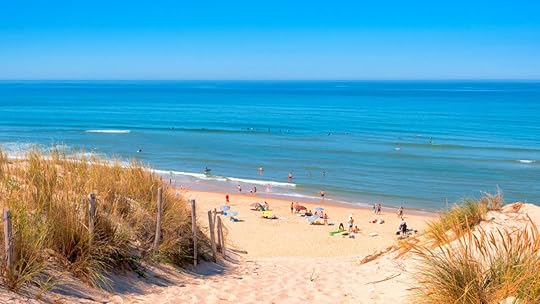
Una spiaggia delle Landes dove è ambientato il romanzo.
Ma è una sensazione che dura poche pagine. Non si tratta di quell’apatia esistenziale, di quell’indifferenza nei confronti del vivere. Qui, invece, Léonard vuole, o meglio, vorrebbe vivere. Solo che è bloccato: da un’insicurezza cosmica. Oppure, o, anche, da una timidezza galattica. Léonard arrossisce quando si masturba. Quale delle due è nata prima, la timidezza o l’insicurezza, quale ha generato l’altra?
Luce?
Senza rischio di spoiler, ecco l’incipit, peraltro riportato anche sulla quarta di copertina: Oscar è morto perché l’ho guardato morire senza muovere un dito. È morto strangolato dalle corde di un’altalena, come i bambini nei fatti di cronaca. Oscar non era un bambino. A diciassette anni non si muore così, senza farlo apposta. Ci si stringe il collo per provare qualcosa. Forse stava cercando un nuovo modo di godere. In fondo siamo tutti qui per godere. Comunque sia non mi sono mosso. Da lì è derivato tutto il resto.
E, dunque, Oscar ha diciassette anni: la sera ha ballato con Luce sulla spiaggia, si sono baciati, poi lui si è impiccato con la corda dell’altalena. Anche Léonard ha diciassette anni, è lui che racconta: la sera ha visto Oscar e Luce ballare sulla spiaggia, poi baciarsi, ora non riesce a dormire, lascia la tenda, gira per il camping, e vede Oscar che si è impiccato con la corda dell’altalena. Oscar sembra averci ripensato, forse vorrebbe liberarsi dalle corde, ma Léonard non lo aiuta, lo lascia morire. Poi fa qualcosa di altrettanto irrimediabile, ma anche più assurdo: sotterra in spiaggia il corpo di Oscar sotto la sabbia di una duna.
Non intervenire, restare immobile a guardare – tanto più che Oscar dava l’impressione di averci ripensato, di volersi liberare dalle corde dell’altalena – è come ammazzare? Nascondere il corpo, invece di dare l’allarme, è senza dubbio partecipare alla morte. Anzi, quasi averla causata. Léonard c’è dentro tutto, fino al collo e oltre, non è solo testimone, non è solo spettatore: è complice, è partecipe, è artefice.
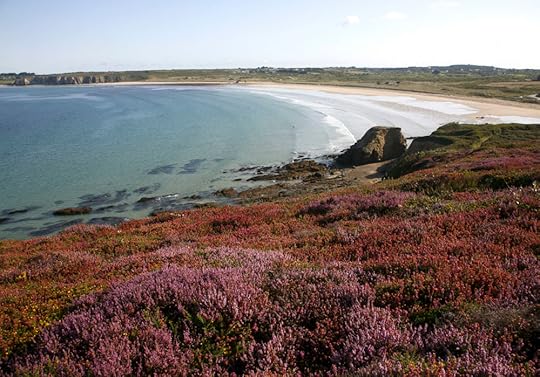
Nel sudovest della Francia.
Ma, come dicevo, la sensazione che Léonard agisca per inedia esistenziale dura poco, le prime brevi pagine. Poi, ci si inoltra nel marasma dei suoi diciassette anni, nella sua spasmodica incertezza, nel suo ossessivo senso di inadeguatezza, nelle sue fantasie erotiche, in Luce, che ha un anno di più, in Louis, che ha la stessa età di Léonard e vuole essergli amico a ogni costo, Louis usa Tinder per rimorchiare le ragazze, ma forse non sono davvero loro che lo attirano di più.
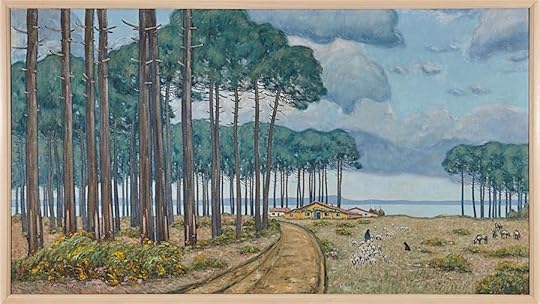
Jean-Roger Sourgen (1883 - 1978), pittore delle Landes.
L’atmosfera del campeggio, la musica martellante sparata dagli altoparlanti, gli annunci ripetuti, gli animatori ossessivi, il senso di perenne festa, la vacanza che impone il divertimento a ogni costo… Niente di questo aiuta Léonard, che appare sempre più un pesce fuori dall’acqua.
This book reminded me of The Stranger by Camus. It's small and French and the main character is indifferent and angsty and also someone dies violently. (Spoiler alert about The Stranger, I guess.) But it was still very readable and in the end it's won a lot of awards and I'm not really sure I understood it. So, exactly like The Stranger, now that I think about it.
French: La chaleur; German: Hitze A searing hot summer in the South of France: 17-year-old Léonard is spending the holidays on a camping ground with his parents and his siblings. We meet him around 24 hours before their departure, as Léo, by coincidence, witnesses the suicide of his friend Oscar. Paralyzed, he stands by as Oscar slowly strangles himself - and that's the opening scene of this short, impactful novella. Our protagonist doesn't dare to confess what he saw, even as the other guests and the police start searching for Oscar, he partakes in normal activities, joining the young crowd in their pursuit of parties, summer flings, and sex. The oppressive heat is joined by an oppressive tension, as Léo's feelings of guilt start to grow...
Victor Jestin's debut novella centers around the question why Léo didn't stop Oscar, and why he didn't report what he saw and hid the corpse instead. It's all about the complexity of human nature and the atmosphere that is determined by the different associations with heat. I really enjoyed how the author insists on the enigmatic nature of the case he describes, how he doesn't take the easy route, how he brings the place to life and contrasts teenage impulses.
A very French little book - I'd love to read more from this author. You can learn more about the text in our new podcast episode (in German).
This was a buddy read with my GR friend Jodi, our first.
Interesting novella and premise about a 17 year old French boy spending two weeks with his family at a campground but the sea. As the holiday is coming to the end, Leo witnesses something, and what he chooses to do or not do is most of the premise of this coming of age story. Sometimes the writing and story work, young boys and girls exploring their sexuality, and sometimes not at all. The French writer was only 26 when he wrote this, his first, and it apparently won some awards. Not mine anyway.
Interesting, but severely flawed, but short enough to be a very quick read.
"I had not made many stupid mistakes in seventeen years. And nothing really stupid. I'd never cheated, stolen, or punched anyone. Only rarely had I insulted anyone. I had accumulated my hate and anger slowly, patiently. It wasn't an accident. I had let Oscar die. I could have saved him and I hadn't. And then I'd hidden the body. I couldn't remember why . . . " -- narrator Leo, on page 17
For lack of a more polished description, author Jestin's novella Heatwave (translated from its original French text by Sam Taylor) seemed to be a European-flavored collision of J.D. Salinger's infamous teenage protagonist Holden Caulfield with the psychological horror of Edgar Allan Poe's The Tell-Tale Heart. Here we have a seventeen year-old French lad, Leonard a.k.a 'Leo,' mired in some particularly severe adolescent angst during his family's annual summer holiday to a community campground on a beachfront. In the opening pages Leo discovers that his similarly-aged acquaintance Oscar has died (whether it was suicide or merely just accidental is not really established) on the playground late at night. In a spectacular display of bad judgement Leo then buries Oscar's body in the sand to hide the death. The reader then spends the next 48 hours with Leo as he sulks around in the heat, attempts to lose his virginity, gets into a fistfight with a bully, and mostly has a miserable time as that classic archetype of the misunderstood teen. It was a good but not great story, but there is an unusually and unexpectedly moving moment - and it wasn't the finale, so this is NOT a spoiler - where Leo and another male friend are both overcome with emotion about the issues in their respective lives, and end up touchingly embracing and crying. The brief scene seemed to open up a potentially interesting direction for this short story, but unfortunately things move on and it is quickly forgotten.
I have no recollection of how this book came to be on my TBR (shocking, I know), but I do know that I was drawn to the cover, love a good coming of age story and actually read the blurb here that Heatwave was going to be about a 17-year old who while on vacation with his family witnesses another teenager hanging by his neck from the playground swingset and does nothing to intervene. What I didn’t know was that then said observer was going to take it upon himself to dispose of the body . . . .
It’s a sweltering August on a French beach campsite and teenage boy Leonard is there with his family for a summer holiday. And then, one night, Leonard watches a boy called Oscar strangle to death on a swing - and doesn’t step in to help. Even stranger, Leonard then decides to bury the body and tell no-one about it! With a mere day left of his holiday before he returns home, will Leonard’s actions be found out or will his secret lie buried along with Oscar?
Victor Jestin’s debut novel Heatwave has an intriguing premise that unfortunately turns out to be only that as what follows isn’t particularly interesting or memorable.
I wonder if this novel is intended as a modern retelling of Camus’ The Outsider, because Leonard is certainly that - an awkward loner who doesn’t fit into society or really understand how to or want to fit in - and the story centres around a singular death (there are also more superficial similarities like the beach setting, the length of the novel and both authors’ French nationalities).
If so, could Leo be an unreliable narrator and, like in Camus’ novel, the death that occurs is a murder - did Leo actually murder Oscar, because he was jealous of his being with Luce, the girl he fancies, and Leo distanced himself from the crime like he distances himself from everything else in his life, pretending the swings killed him instead? It would explain the bizarre choice of not alerting anyone to Oscar’s accidental death and implicating himself unnecessarily.
That’s a longshot interpretation though and not the one I believe is Jestin’s point. Given the numerous references to the unusually extreme weather, I think Leonard watching as life is destroyed in front of him without doing anything about it is meant to be a metaphor of how humanity is destroying the planet and we’re all complicit in not doing enough to prevent this, just sitting back and watching, even though it means our own destruction too. That’s reflected in Leo’s character arc too, beginning with being inactive to ending with being active, even though it’s too late (for him/for the planet).
It’s well-written, particularly given Jestin’s youthful age of 26 (what is it about France that produces such brilliant writers so young - Rimbaud, Sagan, etc.?), it’s just a shame there isn’t much about the narrative that’s compelling. Teenage alienation, embarrassing moments as boys and girls flirt, that confusing transition phase to young adulthood and all the baggage that comes with it - besides the opening scene, there’s little else in the book to hold the attention.
Victor Jestin seems to have the talent to probably one day write a great novel but his debut, Heatwave, is an insubstantial and underwhelming one - not so much hot as barely tepid.
The blurb immediately gave me goosebumps, a seventeen-year-old who finds another boy killing himself, and decides in a split second, to bury the boy. What the hell, I thought. The description of the surroundings gave me flashbacks to my teens and early twenties, a French campsite, a heatwave, music and parties on the beach. A twenty-six-year old French novelist. All those ingredients could make a good story.
Heatwave is a short book and the writing is easily to access so you can read this in just one sitting on a quiet evening or a lazy Sunday afternoon. It’s descriptive and you can feel the heat and the bustling camping life. Victor Jestin takes his readers right to les Landes in France. The story just focuses on the day after what happened, the last day on the campsite for Leo and his family. The beginning of the book was unsettling, the description of Oscar dying and the way Leonard handled it. But after a while that unsettling feeling disappeared. In the whole book Leo thinks of Oscar, he feels guilty, is nervous, wants to tell someone but he also pushes those thoughts away and tries to live his normal camping life.
I read this story in just a few hours, like I said it’s short and accessible. But while reading I got a bit restless, from the moment Leo saw Oscar I wanted to know what happened and why. But the story kept focusing on Leo. And I kept reading almost impatiently because I wanted to know more. But the story stayed the same. And I got a bit bored. I ached for a longer story, stretched over more days or with flashbacks.
So, this wasn’t a bad book, at all, and I’ll definitely read another book by Victor Jestin. But I just had higher expectations, wanting to feel the guilt and the sadness more, wanting to know about Oscar more. Maybe even about Leo more, not just a snippet (okay, an important one) out of his life.
I received an ARC from Scribner (Simon & Schuster) and Edelweiss in exchange for an honest review.
I enjoyed this much more than I expected - a dark and cynical little novella, but somehow sympathetic as well.
Leonard is 17 and hates having to spend the summer holidays with his parents in a tent on a giant, hot camping in Les Landes full of shallow people enjoying themselves. The book opens with Leonard witnessing from afar his friend Oskar commit suicide in the middle of the night after a party. In a moment of mental bewilderment Leonard decides to bury the body on the beach. The novella then unfolds over the next 24 hours.
An easy read, but very well done. I will be following this young French author closely in the future.
„Oscar ist tot, weil ich ihm beim Sterben zugesehen habe, ohne mich zu rühren. Erdrosselt von den Seilen einer Schaukel, wie die Kinder in den vermischten Nachrichten. Oscar war kein Kind. Mit siebzehn stirbt man nicht so, nicht ohne Absicht. Man drückt sich die Kehle zu, um etwas zu fühlen. Vielleicht versuchte er, so zum Höhepunkt zu kommen. Deswegen waren wir doch alle hier. Wie auch immer, ich habe mich nicht gerührt. So kam das alles.“
Oscar steht eigentlich in der Blüte seines Lebens mit 17 Jahren, ebenso wie Léonard, unser Ich-Erzähler. Das grausame Ereignis trägt sich auf einem Campingplatz im Südwesten Frankreichs zu - am Ende eines Sommers im August. Als Einzelgänger macht Léonard einen Spaziergang, während seine Altersgenossen am Strand feiern, sich verlustieren, knutschen - einfach das Leben genießen. Als er an einem Spielplatz vorbeikommt entdeckt er den gerade Selbstmord begehenden Oscar - oder kann es doch ein Unfall gewesen sein?! Ich weiß es nicht, aber für mich deutet alles auf einen Suizidversuch hin. Was ich aber weiß ist, dass Léonard solange abwartet und nicht einschreitet, bis Oscar unwiederbringlich tot ist. Doch dann erst kommt es zu einer für mich absolut paradoxen und unerklärlichen Reaktion seitens Oscar: Er schleppt den toten Körper seines Kumpels über die Dünen und verbuddelt ihn am Strand. Warum hat er niemandem zu Hilfe gerufen oder versucht Oscar davon abzuhalten oder wenigstens ihn wiederzubeleben?! Dieses Geheimnis nimmt er mit in seinen von extremer Hitze geprägten letzten Urlaubstag am Meer.
„Hitze“ ist das Debüt des jungen französischen Autors Viktor Jestin. Klingt erstmal nach einer fesselnden Coming-of-Age Story, oder?! Doch ist es das auch?! Der Autor kreiert auf den gerade mal 157 Seiten eine hitzige, fast glühende Atmosphäre in einer puristischen, fast schon nüchternen Sprache.
Für Léonard ist der ganze Urlaub mehr Qual als Erholung, da ihm die ganze Geselligkeit auf dem Campingplatz zuviel ist.
„Eine schreckliche Gegend. Die falsche Ruhe der Pinien, das Rauschen der Wellen, die bekanntermaßen schon getötet hatten und all das Lachen und die Freudenschreie, die zu einem dumpfen Echo verschmelzen, wie in den schlecht beleuchteten Hallen der Wellenbäder voller Chlor und Angst.“
Léonard ist kein Fan der schwitzenden Menschen (egal ob am Pool oder am Strand) - auch nicht des Essengehens mit seinen Eltern, des Partyanimateurs im rosa Kaninchenkostüm und erst recht nicht der bedauernswerten Sexstorys seines Kumpels Louis. Was er aber mag oder vielleicht sogar begehrt ist Luce, ein Mädchen, das seiner kompletten Ausdrucksweise einen lebensbejahenderen, fast schon musikalischen Klang verleiht.
„Ich dachte an sie, ja. An ihre weiße Haut, deren heller Ton lauter war als der Rest. Die zwischen Louis Worten und dem Lärm am Strand klar zu hören war. Durch sie bekam ich Lust aufzustehen.“
Trotz seiner schier unerklärlichen Tat, ist Léonard noch eine kleine Lovestory vergönnt inklusive erster sexueller Erfahrung. Gerade seine in diesem Zusammenhang auftretenden Unsicherheiten und Ängste haben mir ihn als Figur näher gebracht, denn auch ich habe sie in meiner Pubertät durchlebt. Ich denke, genau das beabsichtigt Viktor Jestin auch mit dieser sehr nahbaren Romanfigur - wir bekommen mit Léonards Struggels die Chance, uns in ihn und sein Seelenleben einzufühlen. Durch die ganze Lektüre hinweg hadert der introvertierte Léonard damit, jemand in seine Tat einzuweihen, doch entscheidet sich stets dann doch fürs Schweigen. Ich habe „Hitze“ in einem Rutsch durchgelesen und empfand es durchaus als süffig, aber mir hat etwas gefehlt und leider sehe ich die durchaus vielversprechende Idee des Romans nicht als ausgeschöpft an. Hier wäre mehr möglich gewesen - sei es an Charakterentwicklung oder Tiefe. Da es sich bei dem Buch um ein Debüt handelt, möchte ich dem Autoren aber gerne noch eine zweite Chance geben und habe mir zu diesem Zwecke schon Nachschub in Form von „Der Tanzende“ besorgt und bin gespannt, ob es mein Bücherherz mehr erwärmen oder viel besser noch „erhitzen“ kann.
“Mi accingevo a vivere l’ultimo giorno di vacanze, quello più caldo, forse addirittura il più caldo degli ultimi diciassette anni.”
La prima plateale analogia è quella con Lo straniero di Camus. Come Meursault anche Leonard, adolescente confinato controvoglia in un campeggio estivo, è estraneo a se stesso e al mondo. Alieno al divertimento obbligatorio, alle performance sessuali tipicamente estive, oppresso dal caldo e dalla solitudine, rimane avvolto in un bozzolo incomprensibile perfino a lui (ha solo diciassette anni, che ne può sapere?) che lo separa dalla realtà esterna, ma soprattutto dal contatto con le proprie emozioni. Barcollando nella vita così lontano dal proprio sé, si aggira nottetempo lungo la spiaggia ed è allora che assiste, apparentemente indifferente, alla morte di un coetaneo.
Così si apre il suo racconto, infatti: “Oscar è morto perché l’ho guardato morire senza muovere un dito.” Agghiacciante.
Il secondo richiamo è quello che avvicina questa opera prima di Victor Jestin a tutti i romanzi (francesi) dedicati all’adolescenza tormentata, da Sagan a Radiguet. Una sorta di sturm und drang declinato secondo la lezione dell’esistenzialismo (celeberrima la conclusione Sartre a L’essere e il nulla: “L’uomo è una passione inutile”), ma inserito nella condizione giovanile contemporanea, dove lo sfasamento tra percezione della realtà e capacità di tradurla in parole sembra caratterizzare la generazione dei millennial asservita ai social. Ma su Leonard sembra incombere qualcosa di più ampio, di più spaventoso e opprimente come il caldo di quello scorcio di estate. Un caldo persecutorio che può raggiungere un parossismo senza fine.
Un breve romanzo cupo e perturbante, da leggere velocemente, col respiro teso e il fiato trattenuto.
Man, this was bad. Kid witnesses someone die in what might have been an autoerotic asphyxiation accident. Kid buries the body, spends an entire day being maudlin (and that’s the most apt word for him) and being creepy with the local girls.
Ein sehr kurzer, intensiver Roman. Der 17 jährige Léo fährt mit seinen Eltern in den Sommerferien zelten. Dort begegnet er Oscar, jedoch anders als man denkt. Das verändert Léo und man begleitet ihn eine zeitlang.
Ich konnte mit Léo mitfühlen, mit seinem unsicheren 17 jährigen Charakter. Er ist extrem auf der Suche nach sich selbst, löst sich von seiner Familie und fühlt sich mit sich sehr allein. Der Autor hat wohl diese Jahre selbst noch sehr gut im Gedächtnis, da es ihm wirklich gut gelungen ist, diesen Charakter zu zeichnen. Die Sprache ist aber sehr einfach und flüssig zu lesen.
Das Ende der Geschichte war offen und regt mich sehr zum Nachdenken an. Wie könnte es weiter gehen? Wie geht es mit Léon und seiner ganzen Familie weiter?
Das Buch ist gut für ein kurzes, mäßig intensives Leseerlebnis mit offenem Ende.
Ik probeer deze verwoording te vermijden, maar ik vond dit een matig boek. Ik heb werkelijk geen idee waarom dit prijzen won en nog minder waarom de sublieme Uitgeverij Koppernik dit uitgeeft. Het zit vol clichés en steekt op geen enkel vlak boven de middelmaat uit
3.75 rounded up. Short, sharp, like walking through heat-haze while dehydrated and horny. The book reads like Camus' The Outsider if it was set at a holiday camp. The quality of the writing is high and it truly captures the intense frustration and confusion of adolescence. I felt the central existential storyline wasn't as impactful as it sought to be, but still an odd and enjoyable read. Would recommend.
Nope. Absolutely not. This was marketed as an 'exploration into people's darkest impulses' or whatever, which naturally intrigued me, but this was just not. it. This has only solidified my dislike for thrillers. This wasn't even a thriller. Or a horror. Some kid dies, a boy watches him, buries his body and then spends the next couple days with his friends getting creepy with the girls on the site. This was just weird. Honestly, one star is one too many in my opinion.
Ich bin irritiert. Da der Autor sehr viel näher an der Gedankenwelt eines pubertierenden 16 jährigen Jungen dran ist als ich, muss ich das wohl so hinnehmen. Mir gefiel aber irgendwie nicht, was ich da las. Das Setting in einem Rekordhitzesommer auf einem Campingplatz in Frankreich dagegen, fand ich richtig gut dargestellt.
“I heard singing through the canvas, a long line of people dancing around my tent. I’m a little older now. I kissed a girl, then lost her. Oscar died. Oscar is dead because of me, because I did nothing. Because I didn’t move. And I didn’t move because at that moment I couldn’t. I would rather have died like him, and we could have watched each other die while the others danced.”
This a teen angsty version of Camus’ The Stranger. The narrator is a 17 year old boy on vacation, feeling completely isolated while surrounded by the revelry of others. He has a strange preoccupation with losing his virginity, which is really a silent cry for the attention of just anyone.
The story opens with him watching a suicide and making the conscious decision to not stop it. The reason being hinted at that this other boy had the attention of the girl he wanted to be with. Like when you loath another person and have that horrible fleeting thought, “Oh why don’t they just die and leave me alone then my life would be so much easier,” but in this instance he gets exactly what he wants and is filled with a general malaise.
His first instinct is to bury the body, as though hiding it will undo what has happened. But the memory of the buried body haunts him on this sweltering beach.
The book is filled with empty interactions and fleeting moments. While the narrator bemoans his meaningless existence, it would seem many others feel the same.
Oscar committed suicide, and there is mention of another character being depressed. The boys don’t bother to ask how the girls feel, but we could venture a guess, it’s about the same. All of them are just yearning for a connection. It’s a shame that the group of teen boys thinks this means sex. And as all of them soon realize, an empty vessel cannot fill another empty vessel. The sex just makes them feel even more inadequate and alone.
There is an interesting scene towards the end, that seemingly comes out of nowhere, when a male friend makes an intimate, if not sexual connection, with the narrator. I think this is to further drive home that other people live silent isolated lives with their own internal struggles that we cannot see. But also that sex isn’t a numbers game, or even about being deemed worthy of the affection of a beautiful person. That it is about embracing yourself, and each other.
I received a reviewer copy of this book to read as part of the Tandem collective UK readalong in exchange for an honest review.
Heatwave is a short, quick read about a Seventeen-year-old boy called Leonard who is in the final few days of his summer camping trip with his family. On one of his last nights he witnesses a friend he made there's suicide on the children's playground. Leonard does nothing to stop or help his friend and feels mixed emotions - happiness he's dead, guilt, and that he killed him because of not helping him. Instead of leaving the body and going for help, he decides to bury him in the sand. He then spends his last day in fear of the body being found and being found out. He goes to confes to his parents, the boys mum, a girl he fancies, but he just can't get the words out. Filled with adolescent hormones and days filled with lust, will he be found out, suspected or confess? You'll have to read the book to find out! This was a short and suspenseful read set in France in the midst of summer perfect for a lazy day on the beach or by a pool.
"Oscar is dead because I watched him die and did nothing".
Such a great novella! It is really short - not even 200 pages - but a fantastic one, really eerie and tense, as we follow Leonard, a teenager who witnessed someone die and made an incredibly stupid decision he can't go back on. Every page I wanted to tell him to do something else, and I felt... real anxiety reading it. I nearly wished there was more but ultimately I think keeping it short is what makes it so poignant and powerful. Great descriptions of teenage boredom and teenage 'love', and really a memorable story.
ARC sent by Netgalley - published in France in 2019, in the UK on 1st September 2021.
I’m back on Goodreads and I need to add my review to save the others. DO NOT READ this. It’s fucking awful. There’s been diseases I’d rather have than this book be published.
Léonard is 17 en brengt met zijn ouders, jongere broer en zus de laatste vakantiedagen op de camping door. Léonard voelt zich niet goed in zijn vel - hij heeft er de leeftijd voor - en het kunstmatige campingleven met zijn opgedrongen groepsgevoel, de apérospelletjes, de aquagym maakt het er allemaal niet beter op.
Mooi portret van een adolescent, die het gevoel heeft dat hij niet thuis hoort in de wereld waarin hij zich momenteel bevindt. Een portret dat ook ergens laat begrijpen waarom hij die vreemde beslissingen neemt wanneer hij ziet hoe één van de andere campingjongeren zelfmoord pleegt.
Dun boekje, eenvoudige taal, leest zeer vlot en toch voldoende inhoud. Iets wat zeer veel Young Adults gaan appreciëren, denk ik. Ikzelf, al lang geen jong adult meer, heb het zeer graag gelezen. Mooie sfeerschepping van het campingleven ook, ik heb nooit op een camping verbleven en bij het lezen van sommige passages weet ik weer waarom me dat nooit heeft aangesproken.
(Nog?) geen Nederlandse vertaling (wel Engelse en Duitse) Maar ideaal voor mensen die eens iets in het Frans willen lezen en dat niet gewoon zijn.
Mijn boekentip voor de zomer van 2023. Zeker voor lezers die niet absoluut een feelgoodboek nodig hebben op vakantie. Dolende tiener, een campingvakantie, een hitte die maar niet lijkt af te nemen, een lijk op het strand... Ideaal voor welke zomerleessessie dan ook!
”Oscar is dead because I watched him die and did nothing.” On the last night of his family vacation, 17 year old Leo witnesses one of his popular peers in the playground being slowly strangled by the ropes of the swings. How does Leo handle stumbling upon this horrific act? He buries the body on the beach.
This wasn’t the creepy kid thriller I expected based on the synopsis. It was more of a coming of age story filled with teenage angst, adolescent hormones and way too much time with the main character’s awkward inner thoughts. This book just wasn’t my cup of tea. The beginning had a strong start but eventually fizzled out, losing all of its initial intrigue. Perhaps some of its depth got lost in translation? Listening to the audiobook made this slightly better since I got a kick out of the narrator actually singing all the song lyrics mentioned.
This was a very interesting book with lots to unpack and discuss. Luckily, it was a Buddy Read with my GR pal, John, so we were able to have some good e-chats about it.
The book was written in French (titled La Chaleur) and, of course, we read the translated version. That may have caused a couple of editing errors but, in general, I thought it was very well-written—especially considering the author wrote when he was just 23 years of age. Others must have agreed, as it won several awards, including the Prix Femina des Lycéens 2019 and the Prix de la vocation 2019. It was nominated for several other awards.
There were aspects to this story that really s-t-r-e-t-c-h-e-d the imagination.🙄 For instance, the book begins very late one night with Leo watching an acquaintance hang himself on a play structure at the popular family beach/campsite where their families were holidaying in the summer of 2018. That was bad enough, but moments later he felt an overwhelming urge to then bury the body on the beach!😔
The book is filled with sexual confusion and teenage angst. Teen boys and girls drinking too much, eager to have their first (or next) sexual experience. All this while the parents have their own fun at the other end of the beach where a bunny-costumed host is prancing around, shouting Olé! Olé! and urging people to have fun! be happy! form a cha-cha line!
And that’s about all I can say without revealing too much. It’s a good story, though slightly far-fetched at times. It certainly will be a summer none of the campers will ever forget!