La decadente Praga durante el declinar del Imperio Austrohúngaro es el escenario elegido por Gustav Meyrink para situar a los estrafalarios personajes de La noche de Walpurga. En medio de una revuelta popular, la duquesa Zahradka y los apolillados personajes que la rodean contemplan estupefactos el desmoronamiento de su mundo aún sin plena conciencia de su finitud. Pero en ese universo agonizante, la pasión y el deseo de Polixena y su joven pretendiente Ottokar les permite dejarse arrastrar por el delirio de la noche de brujas cuya extraña magia podría hacer realidad sus presentimientos.
La noche de Walpurga, título original del libro, hace referencia a la madrugada del 1 de mayo, noche en la que, según las tradiciones germana, celta y vikinga, se adoraba a varios dioses relacionados con la fertilidad y el fuego para celebrar el equinoccio de primavera.
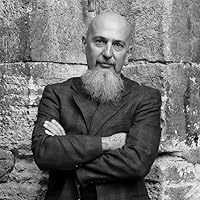
The illegitimate child of a baron and an actress, Meyrinck spent his childhood in Germany, then moving to today's Czech Republic where he lived for 20 years. The city of Prague is present in most of his work along with various religious, occult and fantastic themes. Meyrinck practiced yoga all his life.
Curious facts:
He unsuccessfully tried to commit suicide at the age of 24. His son committed suicide at the same age with success.
Meyrinck founded his own bank but was accused of fraud for which he spent 2 months in prison.
He worked as a translator and translated in German 15 volumes by Charles Dickens while working on his own novels.
Among his most famous works are Der Golem (1914) and Walpurgisnacht (1917).
synopsis: the fossilized gargoyles play games in their ancient castle above the Czech town of Moldau; the confused and angry peasants plot revolt from below. young violinist Otakar dreams of his destiny to become Emperor; his aristocrat lover Polyxena dreams of a bloodthirsty ancestor finding new form within her young body. the old whore Lizzie is a protector and embraces the human kind; her old lover, Dr. Halberd, regains his own humanity as he descends into senility. the eerie, clownish village idiot Zrcadlo is a puppet for dark forces and shall channel nemesis; a drum shall beat, made of his skin. it is Walpurgis Night again, a time of bonfires and feasts, of burning witches and of orgiastic embrace: a time of change has come.
this surreal and scabrous death-farce laughs a dead hollow laugh - all the better to conceal its deep mourning for the human kind and all of their works. Walpurgisnacht scours everything in sight: no surface shall remain unabraded, no skin unflayed. change may be painful but the transformation is necessary. Meyrink names and then exorcises many demons: the backwards-looking aristocracy, mired in their memories, senescent; the forward-looking revolutionaries, savage and foolish and terminally myopic, lusting for power.
a compelling tale, fascinating in its implications. most interesting to me: the idea of old evils being projected into new bodies. Otakar: remade into a vessel for fascist supremacy, a tool for the Empire to be reborn. Polyxena: willingly possessed, a receptacle for the decadence of years past, an instrument for aristocracy's renewal of control. Horrifying Zrcadlo: undead jester, a channel and a mirror. Your worst fears and your darkest self and your barely-forgotten crimes shall be mimed by Zrcadlo, for all to see. Unknowable forces will animate him, distant powers will speak through him, he will break minds and suck life away. Zrcadlo will be the drum that beats for a terrible change. 'Tis Walpurgis Night, a time for metamorphosis! *shudder*
Meyrink’s novels reveal human culture as a BATTLEGROUND for hidden forces.
The Hradschin (the vast fortress above Prague where the German aristocracy live) is a Gormenghast-like world where the past is more real than the present.
(I get the feeling Mervyn Peake may actually have been influenced by this work, with his doctor and countess figures containing echoes of Meyrink’s.)
In the city below there is poverty and horror, much of it the result of the Great War.
The tension mounts to breaking point with the appearance of an actor called Zrcadlo (‘The Mirror’), who can often be found in a tavern called The Green Frog (Kekists, take note).
The Mirror is an agent of CHANGE, which terrifies the old aristocracy, but Doctor Halberd (whose line is supposed to die out with the imperial house) is disturbed into new life through his encounter with it.
In his own death he triumphs over the forces of decay.
Walpurgisnacht is the night when spirits roam free…but there are also COSMIC Walpurgisnachts, where the joyless are purged.
‘If you are incapable of joy, the sun will die within you.
‘Even an impure joy is closer to the light than dark, dreary earnestness.’
Mir hat der Roman in einem Aspekt gar nicht so schlecht gefallen, wenngleich die fantastische und pseudo-gruselige Walpurgisnachtstimmung den größten Mumpitz auf Erden in der Konstruktion des Plots darstellt. Das ist weder fantastisch, wie beworben, noch schaurig, noch konsistent, noch glaubwürdig, noch sonst was, sondern nur sinnlos.
Ich habe die Geschichte aber von der politischen Seite her betrachtet, und da konnte ich ihr Einiges abgewinnen. Was mir gefallen hat, ist diese Beschreibung der Ghettoisierung des Adels und des Beamtenbürgertums der Stadt, der mitsamt seiner gesamten Familie in seinen selbstgewählten Gefängnissen sitzt und dem Volk einfach keinen Millimeter gerechte Behandlung geben will. Die reichen Leute vegetieren in ihren düsteren Schlössern und Palais rund um den Hradschin dahin, haben Angst vor der Gewalt der Armen und des Pöbels, die sie jahrhundertelang ausgepresst haben, sie langweilen sich unter Ihresgleichen und den Dienstboten zu Tode und rühmen sich, den ersten Bezirk von Prag zwischen 30 Jahren und nie verlassen zu haben, sie sind sogar noch nie über die Moldaubrücke, geschweige denn in den zweiten Bezirk zu den Juden gegangen. Die Stadt verlassen sie auch zur Sommerfrische nur in Richtung Norden, denn sie haben zu viel Angst, sich auch nur auf der Durchreise in den Droschken, oder der Elektrischen (Straßenbahn) in die anderen Bezirke Prags zu begeben. Klingt ähnlich wie die Situation in den bis an die Zähne bewaffneten und mit Kameras ausgestatteten Reichenghettos in Rio de Janeiro und Mexico City.
Ausgenommen des einen Tags bei einem sogenannten Gleichheits- Dinner in der Walpurgisnacht kommunizieren sie bis auf Befehle kaum mit ihren Angestellten. Dort wird aber glasklar, was die „Normalen“ Menschen, also der Pöbel brauchen und was den Privilegierten sowohl den äußeren als auch inneren Frieden zurückbringen würde und das ist wirklich nicht zu viel verlangt. So sitzen sie in ihren eigenen errichteten Gefängnissen und fürchten sich zurecht, denn sie wissen, dass wenn man den anderen nicht genug zum Leben lässt, die Tschechen explodieren. Haben sie ja früher auch schon gemacht. Dieser Eindruck entstand bei mir schon in der ersten Szene und ist nach dem Gleichheitsdinner noch tiefer geworden.
Zu Beginn des Buchs hat mir auch mein fehlendes tschechisches Geschichtswissen Unbehagen bereitet, denn ich konnte mit den Anspielungen einfach zu wenig anfangen. Dank Google und dem Schmökern im Schicksal der Hussiten, Jan Ziska und dem 1. Prager Fenstersturz im 15. Jahrhundert, verstand ich nun mehr, es braut sich auch in der Gegenwart des Romans wieder etwas zusammen und die ganzen mystischen Hinweise, beziehen sich auf die Fehler der Vergangenheit und die Ereignisse einer anderen historischen Revolution.
Prinzipiell ein spannender Stoff, recht revolutionär und mit sehr viel Geschichte, gar nicht so schlecht gedacht, wäre da nicht die Plotkonstruktion von Meyrink, dass die Geister der Vergangenheit nicht nur im übertragenen Sinn in die Protagonisten durch die Duplizität der Ereignisse der historischen Geschichte und des Romans fahren, sondern buchstäblich die kriegerischen revolutionären Ahnen in einem total lächerlichen Spukspektakel die Körper der Protagonisten übernehmen.
Ein wenig weniger auf das Gas der Gruselliteratur gedrückt, hätte nämlich der Plot in einem überraschenden Twist ähnlich genial wie beim Golem enden können.
Was dann folgt, ist ein bis ins letzte Detail geschilderter überbordender Blutrausch des Pöbels, der sehr realistisch in dieser, aber auch in vielen anderen Revolutionen genauso stattgefunden hat und der nahezu alles, was sich der Wut des Volkes entgegenstellt, einfach niederwalzt und vernichtet. Diese Erfahrung lehrt uns ja die Geschichte, die Revolution frisst ihre Kinder und ist in einigen Phasen auch von so unfassbaren hirnverbrannten Gewalttaten begleitet, dass man sich solche Handlungen, sei man bei Verstand gewesen, gar nicht vorstellen kann. Dieser Teil des Romans war wieder sehr gut konzipiert.
Nun wird aber alles, was im Blutrausch passierte, inklusive des Geisterblablas, vom Autor dem Leser für bare Münze verkauft und das wirkt lächerlich. Besser hätte mir eben noch ein Kapitel gefallen in dem die Treiber und Wüter der Revolution sich in einer Verhandlung einfach auf die Geister der Vergangenheit ausreden, um keine Verantwortung für ihre Taten im Blutrausch übernehmen zu müssen. Das wäre ein gelungener Twist gewesen und auch sehr realistisch, denn viele Menschen, die im Angesicht von Krieg, Tod und Zerstörung Gräueltaten begehen, versuchen vor sich selbst Rechtfertigungen für ihr Verhalten zu konstruieren. Ein probates Mittel ist immer mit den Worten: „ich war von jemand anderen besessen“ den Kopf in den Sand zu stecken, um nicht in die eigenen Abgründe zu blicken. Das wäre auch ein ähnliches Konzept wie beim Golem, in dem der Protagonist sich auch alle mystischen und geisterhaften Ungereimtheiten nur eingebildet hat.
Fazit: Leider ist die Gruselstory, wenn man sie Wort für Wort ernstnehmen muss und sie nicht einer Verdrängung geschuldet ist, extrem schlecht gemacht. Wenn der Plot nach meinem Vorschlag umgestaltet worden wäre, hätte es sogar einen guten Roman ergeben, denn er hat meiner Meinung nach durchaus Potenzial. 2,5 Sterne diesmal abgerundet, denn ich weiß, dass Meyrink das viel besser kann.
While ultimately not as chilling as Meyrink's The Green Face, I think this might be the most political of all of the Meyrink novels I've read so far. It is also typical Meyrink with tons of esoteric, arcane symbolism and divided consciousness; but I really have to give this one some thought before saying more. I actually think I enjoyed this book more than The Green Face, though, when all is said and done. The author of the introduction to this book, Ingrid O. Fisher, is also spot on when she says that it is "important to understand the European situation in which it was written." While I feel that way about most books (re the importance of having some knowledge of not only historical but literary contexts of the time), here it is a bit crucial.
more soon. By the way, anyone who thinks they can skate through this small novel quickly is just wrong. Just so you know.
I enjoyed Walpurgisnacht, although I'm not a big fan of the esoteric, the occult and the mysterious. Although it was also at times interesting, I did not enjoy the final third of this book "Other weird stories" as much.
"Memories that come back to life are like ghosts: they emerge, as if from a tiny point, then swell until they suddenly take on a spatial presence of greater beauty and immediacy than they ever had before."
The main theme of Gustav Meyrink's Walpurgisnacht is possession, the way in which memories, ideas, and even other personalities can take over and subsume our personal reality. As one character muses as violence pours out into the street, "the images in my soul have turned into ghosts and are intervening down below." Throughout the work, possession manifests in a variety of forms, from an "actor" whose embodiment of a deceased brother is powerful enough to drag everyone else into his delusion, to a courtesan living in her memories of the past, to lovers following in the footsteps of their deceased ancestors.
The opening of Walpurgisnacht paints the book as one of those surreal works that is strange for the sake of being strange, at least that was my initial impression, and one that I found unsurprising given what I knew of Meyrink’s fascination with the occult. But, unexpectedly, by its conclusion Walpurgisnacht does some impressive things that made me end up liking it far more than I expected to based on its first half—and I can’t remember the last time when the back half of a book managed to elevate the entire work for me in this way.
The plot of Walpurgisnacht focuses on the WW1-era tension between Prague Castle and the city below, the former filled with the aged and decaying aristocracy, the latter filled with workers and the poor, who thirst for revolution—and blood. But the book really isn’t about its plot, which at first barely exists and only coalesces in the last third or so of Walpurgisnacht. Still, the setting of Prague, and the discord between the aloof aristocracy waiting to die and the downtrodden masses simmering below, is what allows the book to pull off its many tones.
Walpurgisnacht is a short work, but in the span of barely over 150 pages it is by turns surreal, melancholy, comedic, horrifying, hopeful, and tragic. In theory this risks tonal whiplash, but in practice Meyrink deftly transitions between these different tones in ways that avoid dissonance, and at times even amplify the effects of different tones. This tonal complexity and effectiveness is one of Walpurgisnacht’s chief virtues, another being that the characters Dr. Halberd and Polyxena both have complete, satisfying arcs. This is something made even more impressive by the fact that these characters occupy two different plot threads that intertwine in effect but that are separate in terms of character development, meaning Meyrink manages to deliver two satisfying character arcs with only a fraction of the book to focus on each.
Additionally, the conclusion of the book, where the tension between the city and the nobility at last boils over, pushed along by supernatural intervention, and (needless to say) with tragic results, is another of the book’s strengths. Walpurgisnacht lays ample groundwork (in what is, again, an impressively small number of pages) that all pays off in its bloody, terrible, hopeful, and even slightly humorous ending.
I read Meyrink’s most famous work The Golem so long ago that I can only remember fragments of it, but I remember enough to say with certainty that I enjoyed Walpurgisnacht much more. While you may have to force yourself through the first half, which has little momentum, the second half (and in particular the final third) puts together many of the pieces set up earlier into something special, and makes the book well worth it. I fear this review comes off as rambling and I know for a fact that it barely scratches the surface of all the interesting things in Walpurgisnacht, suffice it to say that there are depths here to explore, and which I think are worth exploring. I give the book a 4/5, and recommend it if it sounds even a little bit like it might be your cup of tea.
I ordered this to read for Walpurgisnacht (April 30) but it arrived too late. Now I see that next year will be the centenary of its publication. I really ought to save it for 11 months... it isn't as if I don't have plenty of other books... but I already read the first chapter. Argh!
Gustav Meyrink ve Walpurgis Gecesi; zorlu ama ince işçilikle süslü, karanlık ama umutlarla dolu, kimi zaman yokuş kimi zaman düzlük bir anlatı. Koptuğum anlar oldu ama açıkcası hem saygı hem de sevgi duydum. Meyrink enteresan, çok güçlü, tekinsiz olduğu kadar nihilist, hatta fazlasıyla karamsar bir yazar. Karanlık Kitaplık serisi için okurun daha olgunlaştığı, türe yatkınlaştığı bir safhada tercih edilebilir. Bu kitap içerdiği her türlü zorluğa değecek, anlatısı açısından dikkatli incelenip okunması gereken bir eser.
"How terrible that we should decay in the invisible tomb of time, even while we are still alive."
Meyrink has a reputation as a semi-occult writer of some note, going through a revival a century later. There are some whiffs of the nefarious and diabolical in his writing, but in this book, at least, this is tempered by some very high-falutin' and beautiful musings on life, joy, beauty, and death. If anything, the titular festival refers not to diabolerie but rather to the cyclical shift between crusty old age and fiery youth, as embodied in the two poles of the story, an aging hilltop noble and a haunted young violinist swept in revolutionary fervor. It's a story of loves lost and loves sought. There is also body control, mind control, a zombie over which opposing forces of love and hate fight for control of, creepy visions, possible incest, and insanity. In other words, this novel has a lot going for it, and I can recommend it, but occult fans might be put off by that most unusual intrusion into stories like this: feelings.
Got me hooked after page one, and couldn't stop until the end! Love Meyrink's dreamy style and his perfectly-paced phantastic narratives. Ghost-like characters moving about a turn-of-century Prague in a highly suspenseful plot involving historical elements (In this case, fall of the empire/revolutions) and Eastern philosophy/mysticism. And this in Meyrink's beautiful Prague-German... Definitely recommend!
Η Νύχτα των Μαγισσών είναι ένα βιβλίο για το οποίο ακούει κανείς αντικρουόμενες απόψεις από τους αναγνώστες - προσωπικά ανήκω σε αυτούς που το αγάπησαν. Είναι επίσης ένα βιβλίο για το οποίο επικρατεί ένα μπέρδεμα εκεί έξω: έχουν περάσει από τα feed μου απόψεις που με κάνουν να αναρωτιέμαι αν διαβάσαμε το ίδιο βιβλίο.
Anyways, για να κάνουμε dispel το μεγαλύτερο misconception εκεί έξω για το βιβλίο, να πούμε αυτό: Δεν. Έχει. Μάγισσες.
Πρόκειται για ένα βιβλίο του οποίου η γραφή, το ύφος και -θα ρισκάρω να πω- σε έναν βαθμό και ο σκοπός το καθιστούν κατάλληλη παρέα για τα βιβλία που έχετε στο ράφι της κλασικής λογοτεχνίας τρόμου και επ' ουδενί της σύγχρονης λογοτεχνίας fantasy ή ya fantasy. Θα βρείτε ψυχολογικό τρόμο και paranormal. Είναι σαν ένα fever dream, μία συλλογική παράκρουση, μία κλιμακωτή παράνοια, μία ακροβασία μεταξύ πραγματικότητας, φαντασίας και τρέλας, με υπέροχα ανατριχιαστικά στοιχεία τρόμου και λαογραφίας: ενσταλλαγμένη δηλαδή σε κείμενο ακριβώς η ουσία της Βαλπουργιανής Νύχτας, ο απόλυτος τρόμος μέσα από τον οποίο την έβλεπαν οι χριστιανοί, όλα τα κουλά και εξωφρενικά που της απέδιδε το μικροσκοπικό μυαλό τους τον μεσαίωνα. Έχει το ίδιο vein παράνοιας που είχε το The Witch του Robert Eggers. Η γραφή του Meyrink είναι πανέμορφη, λυρική, σκοτεινή, ατμοσφαιρική, οι γκραβούρες που συνοδεύουν το κείμενο ήταν μία εξαιρετική προσθήκη. Αναμένω και τα υπόλοιπα του ιδίου!
The allure of this book was just too much. Instead of carrying on with other WIP's I opened this for a gander, ended up reading the first chapter and I am hooked. Prague mmmmm
The beginning : A dog barked. Once. A second time. Then a noiseless hush, as if in the darkness the animal were pricking up its ears for any suspicious sounds.
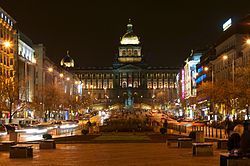
The upper part of Wenceslas Square at night, looking towards the National Museum
To re-visit: Golem 5* Walpurgisnacht 2* The White Dominican
A god dethroned, a town intoxicated on his bile. A bloody tour de force as Meyrink ferries us through a nightmare of decaying magical Prague, the collapse of monarchist order in Europe is collapsing and a new, somehow yet more frightening military force is taking it's place, and Gustavs palpable paranoia seeps from every word. Probably cemented the guy as one of, if not the, master of early 20th century horror.
Gustav Meyrink ist ja so etwas wie ein Kultautor und als Vorsichhinwurschtler wohl so etwas wie der deutsche Stephen King, sprich für allerlei gruselige Momente gut, aber selten für ein schlüssiges Erzählwerk. Walpurgisnacht ist so etwas wie der Nachfolger für zwei Erfolgsbücher und verwandelt in der Kreuzung die Schwächen von Des deutschen Spießers Wunderhorn mit denen des Golem. Das Wunderhorn war eine Auswahl seiner besten Erzählungen für das Satireblatt Simplicissimus, gleichbedeutend mit 4-8 Seiten langen Geschichten mit den Schwerpunkten Grusel oder Gesellschaftskritik. Bei ersteren profilierte sich GM als Nachfahre von Edgar Allan Poe, letztere prangerte nicht nur die Dummheit/Verführbarkeit der Zeitgenossen an. In Die Eroberung von Sarajewo erwies sich der Satirist gar als Prophet. Zwar nicht der fatalen Schüsse Gawrilo Princips, wohl aber der Anzettelung eines Krieges durch eine schlecht vorbereitete k.u.k.-Armee, die von einer Niederlage in die nächste taumelt, ehe die Eroberung von Sarajewo gelingt, eine Stadt, die von Österreichischen Truppen verteidigt werden sollte. Nicht alle Geschichten im Wunderhorn sind super, aber die Plotsubstanz reicht eben für maximal 10 Seiten, selbiges lässt sich eben nicht vom Roman Walpurgisnacht sagen, dessen erstes Kapitel unter die Höhepunkte des Wunderhorn gezählt werden dürfte, doch der Versuch aus ein paar weiteren mal gruseligen, mal satirisch gemeinten Erzählsträngen einen Roman zu komponieren, in dem auch noch eine Art Golem-Nachfolger herum geistert, ist schrecklich misslungen. Allenfalls in Sachen Abstrusität gibt es eine Steigerungskurve, wenn man so will. Insgesamt liest es sich in seiner historisch-böhmisch-pragerischen Apokalyptik so als hätte GM allerlei schlechte Trips aneinander gereiht. Inzwischen kann die anfangs als philiströs empfundene realsozialistische Enttäuschung des Nachworts über den albernen Mystizismus bei den am Aufstand beteiligten Kräften gut nachvollziehen und Meyrink kaum noch ernst nehmen. Auf einen derartigen Schwindel wie diesen faulen Zauber im Hungerturm hätten sich die hervorragend geschulten klassenbewussten Arbeiter des frühen 20. Jahrhunderts kaum eingelassen. Ich bin in erster Line formal enttäuscht, zumal ich parallel dazu einen hervorragend komponierten Lost-World-Roman gelesen habe. Zudem auch zu sehr Historiker, um diesem Roman allzu viel abzugewinnen, wenn man freundlich sein will, könnte man Meyrinks Prag vielleicht als Parallelwelt bezeichnen, aber selbst im Lost-World-Genre stinkt die Walpurgisnacht bei mir auf einen Stern ab. FAZIT: Natürlich gibt es die eine oder andere Perle, die irgendwo zu Boden gefallen ist, aber alles in allem wirkt der Roman so, als hätte sich eine Horde Kinder auf dem Dachboden mit den Klamotten der Vorfahren ausgetobt.
A dense and strange horror novel set in WWI era Prague, Walpurgisnacht is named after the transitory Walpurgis Night on the 30th of April, when borders between worlds are said to grow thin and the spirits of the dead are allowed to temporarily return. The night is one of liberation and terror, a moment when the world is turned upside down and servant and master can temporarily switch places.
Gustav Meryink's characters are haunted by their own ancestors, and the dead return both symbolically and literally in this tale of revolution and necromancy. The decaying aristocracy live surrounded by sinister portraits of their ancestors while on the streets below revolutionaries whose motivation is largely greed and anti-Semitism are rallied to violence by an actor who may be an animated corpse. The strangeness culminates until the climax brings outright civil war to the streets of Prague and the (possibly possessed) rebels march to a drum made of human skin to crown an impoverished arts student the Emperor of the World. There are haunting parallels to the rise of Nazism here, which is especially creepy as the book was first published in 1917.
Though the story is a dark work haunted by many memorably horrific images, it is not morally bleak. The mind-control magic is explicitly said not to work on those in command of their own conscience, and those few characters capable of resisting the madness of Walpurgisnact fight back in the only way possible- by treating each other kindly and honourably, even as the inevitable draws ever closer. Probably the most sympathetic of these is Liesel, a septuagenarian former prostitute who many writers might have treated as a comic and/or grotesque figure, but who here comes across as a noble and loving soul.
Walpurgisnacht is an unjustly obscure work whose nightmarish imagery and powerful indictment of the human race will haunt the reader.
A satire of the Austro-Hungarian aristocracy with some very funny scenes. On the whole it is a dark, gory fantasy of a revolution without fulfillment. Written in 1917, it is almost prescient in its depiction of mob violence, false leaders, and opportunists. Set in Prague, it is well-written and reveals a deep knowledge of the spirit of the city. When I say well-written, I have to mean here, well-translated.
Lo stile di Meyrink è un marchio di fabbrica. Stargli dietro è arduo come tentare di analizzare e risalire il flusso di coscienza di qualcun altro...ma se si riesce la ricompensa è alta: una breccia nel muro della realtà che l'autore apre a beneficio del lettore, un percorso onirico, magico, carico di simboli e allegorie che riesce là dove la logica comune fallisce: svelare il "mondo di mezzo" che è la causa di quell' effetto chiamato "realtà".
"Η νύχτα των μαγισσών" μπορεί άνετα να μπει στο ράφι με τα παλιά, κλασικά "γοτθικού τύπου" μυθιστορήματα. Διαδραματίζεται στην Τσεχία, στην Πράγα του Πρώτου Παγκοσμίου Πολέμου, με τον συγγραφέα να δημιουργεί ένα σκηνικό με κάστρα και πύργους μέσα στο οποίο κινούνται οι πρωταγωνιστές του. Αίθουσες σκοτεινές γεμάτες με πορτρέτα, κεριά και καθρέπτες και χώροι που στο παρελθόν φιλοξένησαν νεκρούς φυλακισμένους ή τρελούς προγόνους των πρωταγωνιστών. Και σα να μη φτάνουν όλα αυτά, πλησιάζει η βαλπούργεια νύχτα κατά την οποία τα πνεύματα των νεκρών μπορούν να επισκεφτούν τον κόσμο των ζωντανών και να στοιχειώσουν τα σώματα των απογόνων τους. Αυτή είναι περίπου η υπόθεση του βιβλίου.
Η γραφή του συγγραφέα είναι σε κάποια σημεία πολύ συμπυκνωμένη (βασικά εννοώ ότι είναι το αντίθετο του "απλοϊκή"). Δε συμβαίνει σε όλο το βιβλίο, απλά κάποιες στιγμές έπρεπε να είμαι πολύ συγκεντρωμένη για να μη μου ξεφύγει κάτι αφού κάθε πρόταση έφερνε νέα δεδομένα. Δεν είχα πρόβλημα να παρακολουθήσω την πλοκή αλλά χρειάστηκε να ξαναδιαβάσω κάποιες προτάσεις για να είμαι σίγουρη ότι κατάλαβα όλα όσα θέλει να μου πει ο συγγραφέας. Για παράδειγμα ο μονόλογος του Ζρτσάντλο: δυσκολεύτηκα λίγο να τον παρακολουθήσω και αυτό γιατί σχεδόν σε κάθε πρόταση έλεγε σημαντικά πράγματα που έχουν σημασία και εξηγούσε πολλά. Επίσης (και αναφέρομαι κυρίως σε όσους δεν έχετε διαβάσει κλασική λογοτεχνία), να ξέρετε ότι η εξέλιξη είναι αργή, ο τρόπος που περιγράφεται η ιστορία δεν έχει πολλά κοινά με αυτόν των σύγχρονων μυθιστορημάτων, ιδιαίτερα όσον αφορά τον ρυθμό εξέλιξης.
Στον αντίποδα όσων λέω παραπάνω, βρίσκεται το εξαιρετικό χιούμορ που είναι διάσπαρτο σε πολλά σημεία του μυθιστορήματος. Οι περιγραφές των εσωτερικών χώρων είναι επίσης εξαιρετικές, το ίδιο και των πινάκων και γενικά όπου χρειάστηκε περιγραφή ήταν πολύ καλή. Η ατμόσφαιρα που δημιούργησε ο συγγραφέας είναι καταπληκτική, με μετέφερε σε κρύες αίθουσες πέτρινων κάστρων, γεμάτες σκιές και σκοτεινά σημεία. Γενικά, είναι λίγο σαν να βλέπεις έναν εφιάλτη, όσα συμβαίνουν και ο τρόπος που συμβαίνουν θυμίζει άσχημο όνειρο. Ατμοσφαιρικό, χωρίς ανάλυση χαρακτήρων ωστόσο οι πρωταγωνιστές είναι από αυτούς που πιστεύω θα μου μείνουν στο μυαλό. Αν υποθέσουμε δηλαδή ότι θα θυμάμαι τα ονόματά τους τα περισσότερα από τα οποία δεν έχω ξανακούσει.
Κλείνοντας να πω ότι καταλαβαίνω για ποιο λόγο απαγορεύτηκε, την εποχή που γράφτηκε θα μπορούσε να θεωρηθεί δογματικό και θρησκευτικά προκλητικό, σήμερα όμως δε νομίζω ότι μπορεί να προκαλέσει ιδιαίτερα σε αυτόν τον τομέα. Επίσης, βρήκα την εικονογράφηση εξαιρετική ιδέα, απόλυτα ταιριαστή με το πνεύμα και την ατμόσφαιρα της ιστορίας.
„Валпургиева нощ“ – едно нощ мистична, дори езическа, нощ през която срещата между призраци, памет и революция се вплита в реалността.
В „Валпургиева нощ“, превод на Любомир Илиев, изд. Нике. Взех книгата без къпка съмнение– както обикновено, когато става дума за заглавия на изд. Нике, очакванията ми се оправдаха. Това е едно от малкото издателства, към чиито книги посягам без да ми е нужно да чета анотации или да знам предварително темата. А книгата на Густав Майнринк – всъщност – ме хвана напълно неподготвена. Това е класическа творба, която обаче толкова радикално надскача рамките на времето си (или поне моите очаквания за книга, писана в този период), че се запитах как изобщо хората тогава, в разгара на война и икономически сътресения, са намирали сили да разгръщат такова въображение. Дори повече – да надминат в изобретателност, странност и символика немалко от днешните автори, които пишат в мирни и стабилни времена.
В основата на „Валпургиева нощ“ стои идеята за обсебването – от спомени, от чужди идеи, от минали животи. „Спомените, които оживяват, са като призраци: те се появяват сякаш от нищото, разширяват се, докато не придобият пространствено присъствие, по-красиво и по-непосредствено, отколкото някога е било“ . Героите са обладани от сенките на миналото, те не желаят да остовят тези сенки да тънат в забрава, а като всеки от нас непрестанно ги дърпат на повърхността на настоящето. Така и читателят се оказва въвлечен в свят, където реалността е подчинена на вътрешната динамика на съзнанието, а съзнанието честа е черна дупка пълна с кошмарите на непростеното, скритото, тайното.
Майринк използва символиката на езическия празник Валпургиева нощ, когато границите между световете се размиват, за да създаде едновременно социална алегория и сюрреалистичен кошмар. В центъра е Прага – град, разделен между разлагащата се аристокрация в замъка и кипящия гняв на бедните долу. Но романът не е за революцията в политическия смисъл. Той е за вътрешните революции, за разпадането на личността, за онова невидимо преливане между спомен и настояще, между живи и мъртви.
Първата половина на книгата изглежда като нарочно странна, почти хаотична. До момента, в който изведнъж всичко започна да се подрежда, да резонира. Последната трета от романа буквално съживи всичко, което дотогава ми се струваше объркано и събра частите на пъзела.В малко над 150 страници романът успява да бъде едновременно тъжен, зловещ, комичен и трагичен, без да изпада в хаос.
Героите д-р Халберд и Поликсена – двама души, чиито истории се преплитат само по ефект, но не и директно – преминават през пълноценни, дълбоки арки. Майринк успява да изгради сложни психологически портрети с минимални средства, оставяйки на читателя място за интерпретация и усещане.
Финалът е кулминация на всичко: бунт, кръв, суеверие, надежда – вплетени в една балансирана, мрачна, но и неочаквано хумористична сцена. Както призраците се надигат от душите на героите, така и Майринк изгражда един свят, в който човешкото подсъзнание диктува логиката – а не обратното.
Препоръчвам горещо за любителите на литературата на границата – между сън и реалност, между история и алегория, между човека и неговите призраци и ценители на магическия реализъм.
Yıllar önce Meyrink'in başyapıtı Golem üstüne Virgül'e bir yazı yazmıştım; aradan geçen 10 yılda Golem'in en az iki farklı çevirisini daha gördüm; geçtiğimiz yıl Meyrink'in iki romanının daha çevrilmesinden çok memnunum. Golem için söylediklerim Walpurgis Gecesi için de geçerlidir: Meyrink basitçe "fantastik" veya "korku" olarak yaftalanabilecek bir yazar değil; dışavurumcu yazıyla, kendi özel ilgi alanı olan ezoterik külliyatı birleştiriyor ve ortaya, modernist edebiyat kategorisinde ama kadim öğretilerden beslenen bir metin çıkıyor. Bir başka ayırıcı özelliği de, gerçekçi (hatta natüralist) ayrıntılarla düşsel öğeleri birleştirmesi. Yalnız, tüm bunları Golem'de çok daha ustaca başarmıştı; bu kısa romanı biraz dağınık buldum; belki de bu kadar kısa kesmemeliydi. Önceki yorumlardan birinde, yazarın hem kokuşmuş aristokrasiyi hem de yağma hırsıyla göz dönmüş devrimcileri hicvettiği söylenmiş; bence aristokrasiye biraz daha sempatik yaklaşmış. Ve evet, daha kasvetli Golem'e kıyasla, bu romanda grotesk bir fars havası var.
Το βιβλίο έχει vibes ταινίας του γερμανικού εξπρεσιονισμού, σίγουρα κατώτερο από το "Γκόλεμ" του ιδίου και από πλευράς περιεχομένου/εικόνας και από πλευράς μετάφρασης και επιμέλειας. Αλλά στο έρημο hell scape που είναι η μεταφραστική παραγωγή της ψωροκώστενας που ζούμε, και ευχαριστώ να λέμε.
Αν σας αρέσει η παλιά καλή λογοτεχνία του αλλόκοτου που έχει όμως αρκετό food for thought, ταινίες όπως το "the cabinet of Dr. Caligari" και άλλες σχετικές μαυρίλες τότε ίσως αυτό το βιβλίο και να είναι για εσάς.
Bonus points για την τρομερή παρουσίαση του βιβλίου, ωραίο εξωφύλλο (πώς το έπαθαν εκεί στην Πηγή δεν εχω ιδέα) και γεμάτο πίνακες σχετικούς με την νύχτα των μαγισσών.
Having read the Golem and this, I'm still unsure about Meyrink's prose. It is witty and humorous and in places can get very lyrical, beautiful, and philosophical in an enchanting way; but it also tends to wander a lot in insubstantial paths, it touches on the occult but in a peripheral way, and it's maybe a tad too symbolic for my tastes. Walpurgisnacht has elements of theatre and fairy tale and satire, it could have been a masterpiece but alas I didn't find it so. I have high hopes for the Green Face and (especially) Angel of the West Window, let's hope they'll be a bit mote focused on the occult than this one.
Много интересен отпечатък на времето, в което е писан този роман (1917 г.) - Първата световна война, годината на болшевишката революция в Русия...Устоите на стария обществен ред са вече невъзвратимо разклатени, но аристократичните особи не забелязват нищо от висотата на крепостта в Храдчани. В дни на смут и назряващ бунт изплуват призраците от миналото. Минало, настояще и бъдеще, сън и будност, реалност и фантазия стават трудно разграничими. Нечистите сили се въздигат - долното става горно, вече няма нищо свято. Валпургиевата нощ на Храдчани завършва с малък Апокалипсис, който предвещава краха на Австро-Унгарската империя.
Couldn't wait to finish this so I'd get rid of it as soon as possible. Meyrink's writing style did not work for me; at least in this case - very helter-skelter without juice.
This doesn't come close to the heights of Meyrink's Golem, but it's still a lot of fun. I jumped out of my seat at the reveal of what is actually being depicted on this cover.
Als 'spannender Schauerroman und eine wunderbare Lektüre für Gruselfans' wird diese Geschichte angekündigt, doch um ehrlich zu sein, habe ich davon nicht allzuviel mitbekommen. Hauptfigur ist der pensionierte Arzt Flugbeil, der seinen Lebensabend gemeinsam mit verschiedenen alten Adligen auf dem Hradschin verbringt. Während eines Whistabends erscheint ein seltsamer Mann in den Räumlichkeiten, der die merkwürdige Fähigkeit hat, Vergangenes wieder deutlich ins Bewusstsein zu bringen (auch durch Veränderung seiner Physiognomie) und die Anwesenden damit in Unruhe versetzt. Flugbeil forscht dem Unbekannten nach, der ihn an jemanden erinnert und trifft dabei seine frühere Geliebte, die 'böhmische Liesel', eine mittlerweile auch in die Jahre gekommene frühere Prostituierte. Diese Begegnung verstört Flugbeil mehr als ihm lieb ist ... Daneben wird die Geschichte von Polyxena und Ottokar erzählt. Sie ist die Nichte einer der Adligen und verliebt sich in einen jungen Studenten, der deutlich unter ihrem Range steht. Während sie über ihre Gefühle nachdenkt, wird ihr klar, dass sie sich zu einer ihrer Vorfahrinnen, der sie täuschend ähnlich sieht, derart hingezogen fühlt, als ob diese versuchen würde, von ihr Besitz zu ergreifen. Weiterhin entdeckt sie, dass sie in der Lage ist, Menschen alleine durch ihren Geist zu manipulieren. Ottokar, der ebenfalls in Liebe zu Polyxena entbrannt ist, wird von den revoltierenden Proletarieren als neuer Herrscher auserkoren, mit ihr an seiner Seite. Was der Autor mit dieser Geschichte aussagen wollte, ist wohl eine massive Gesellschaftskritik, die sich in erster Linie an den Adel richtet, der beinahe völlig vertrottelt in seinen vier Wänden hockt und ab und zu voller Abscheu auf das niedere Volk herabschaut. Dieses wiederum blickt mit großer Wut nach oben auf den Hradschin und sammelt sich, um den Alten die Macht und das Geld zu entreißen. Verpackt ist dies in mystische Begebenheiten wie beispielsweise Aweysha; die Macht, in andere Menschen einzudringen und diese nach dem eigenen Willen reden und handeln zu lassen. Auch wenn das Ganze recht schaurig beschrieben ist (die Szenerie ist meist dunkel, muffig; es gibt makabere Stellen mit Trommeln aus Menschenhaut), wirkte das auf mich eher alles amüsant. Zum Einen fand ich dieses Gruselige recht überzogen, zum Anderen sind die handelnden Personen so schräg, skurril und teilweise sogar böse beschrieben, dass ich immer wieder laut lachen musste. Beispielsweise über Baron Elsenwanger, wie er mit seinem Strickstrumpf in der Hand an seinem Schreibtisch sitzt. Oder wie die Whistrunde erfährt, dass Einer der Ihren es gewagt hat, tatsächlich in die Stadt hinunterzugehen. Oder wie Flugbeil traurig über sein einsames Leben jammert: 'Er nickte seinen vergißmeinnichtumrahmten Tigerpantoffeln trübselig zu: "Extra geschmacklos hab ich sie mir bestellt, um mir einreden zu können, sie seien ein Geschenk. Ich habe geglaubt, daß dadurch die heimliche Traulichkeit in meiner Stube einziehen würde."' Diese Geschichte ist voll gespickt mit Ironie, Esoterik, Ausflüge in verschiedene Religionen, Sarkasmus, Philosophie undundund, für meinen Geschmack aber zuwenig zusammenhängend - selbst die Walpurgisnacht taucht nur am Rande auf. Vielleicht fehlt mir aber einfach das entsprechende Hintergrundwissen, um es richtig einzuordnen. Auf jeden Fall wirkte das Ganze so mehr wie ein Flickenteppich auf mich mit durchaus interessanten und auch amüsanten Einzelteilen.
3,5 puntos (tal vez 4, depende el día). Mi segundo libro de Meyrink. Como me gustó "El Golem", decidí reincidir con "La Noche de Walburga"; tanto por mi simpatía por el evento como por la editorial Bruguera.
El título de la obra se refiere a la noche del 30 de abril, fecha en la que teóricamente se abren las puertas del mundo de los espíritus, quienes podían hacer de las suyas por un tiempo entre los vivos. La parafernalia para esa noche incluía gigantescas fogatas, crucifijos en las puertas, el repicar de las campanas de las iglesias y el mucho muy significativo acto de poner las escobas con las cerdas apuntando hacia arriba.
Pero vamos a la novela: la acción transcurre en el Hradschin, el distrito de Praga donde se encuentra su célebre castillo, y desde donde se tiene una vista privilegiada de toda la ciudad. Aquí residen los anquilosados miembros de una aristocracia en decadencia; destacan entre ellos la Duquesa, con claros síntomas de senilidad, y el Doctor Real, también bastante entrado en años y con recurrentes sentimientos de culpa por un pasado que se niega a abandonarlo.
En contraposición a la vida de castillo, se encuentra la ciudad de Praga propiamente dicha, en la que se cuece la revolución y solo falta una chispa para que el pueblo se rebele contra sus vetustos gobernantes. Entre ellos se encuentra Ottokar, quien se relacionará en apasionado romance con la bella Polixena, sobrina de la duquesa. Una pasión alimentada por la sed de sangre, más que por la atracción en sí.
Hasta ahí todo normal, pero estamos olvidando el detalle del interés exacerbado de Meyrink por lo oculto. Así, el diablo mete la cola, como quien dice, principalmente a través del fenómeno de la posesión. Es muy interesante que esto puede darse solo a través de la misma voluntad de los involucrados: es el diablo tentador, cumplidor de deseos. Así, los mecanismos son la avaricia y el orgullo, desencadenantes del conflicto y, a la postre, de la tragedia humana.
Hacia la segunda parte del libro, la historia se torna épica: se mezcla lo político y lo espiritual, lo iniciático y lo profano, lo visceral y lo trascendental. Viejos héroes de antaño toman nueva forma, en un desarrollo circular de la historia. Al final, la revolución solo se trata de reemplazar a un poder con otro, nada más.
LOVED! I’m being generous but I reckon in its original German this would be an easy 5 star. Summary of this beautifully weird novel: It is 30th April - Walpurgisnacht, the more terrifying Halloween of Germanic paganism, when peasants lit bonfires to ward off the witches who they believed were gathering on the hills to conduct wild orgiastic bacchanals and evil rituals, drinking human blood and copulating with demons. The book is set in Prague just after the start of the First World War. The obsolete aristocracy of the Austro-Hungarian empire cower in their castles at the top of the hill while below them in the city a violent uprising is stirring among the Czech peasants. All of the characters whether noble or humble are plagued by strange paranoias and delusions: visions of blood running in the streets, swarms of black flies. They are visited by ghosts, they are possessed by long dead ancestors. There is a dead man walking and talking in the ancient streets of Prague. As the revolution unfolds the characters unravel and as a reader we aren’t sure what to believe. I haven’t previously been a huge fan of horror as a genre for literature, but maybe this book has changed my mind. Walpurgisnacht contains a lot of mysticism and magic but the scary part, the horror, comes from the incongruity between the inner and outer world. There is no monster or supernatural being. The monster is different for each character: an ideology, madness, the disintegration of society, forbidden lust. I don’t know enough about literary theory to articulate this properly but it seemed to me that there was a real carnivalesque sense to the novel with its emphasis on the grotesque and fantastical, its sensuality and its subversion of the high and low.
Gustav Meyrink spent most of his life in Prague working as a banker and becoming involved with the occult scene there. I read this on purpose while I was staying in Prague and it completely enhanced the experience of the novel... walking through the crooked little cobbled streets with their looming buildings and crossing the silver river, I looked upwards to the castle district imagining the kings of Bohemia sat on their bloodied thrones. I visited the Jewish quarter including the very old synagogue where the Jewish mystic tale of the Golem originated and spent a long time reading about the violent political history of the city. This brought to life another concept from the book, that of history repeating itself. The novel is an example of that tenet of magical realism: time is a circle. Old evil inhabits young bodies, violence and oppression follow one another in an endless cycle, power and institution corrupt even the purest of intentions. I think this is the first example of European magical realism I have read and it's just as bloodthirsty, urban and Nietzschean as European history.
I also went to Germany on this trip to see the Göseck Circle, walking for hours through desolate hilly landscapes to reach it. When I reached the ancient structure, there were witches dancing between the stones in my mind!