Tainaron (1985) on Leena Krohnin läpimurtoteos. Se vie lukijan vertaansa vailla olevaan todellisuuteen.
Tainaronin kirjeiden vastaanottaja jää nimettömäksi eikä hän koskaan vastaa kirjeisiin. Niiden kirjoittaja on saapunut valkoisella laivalla tuliperäisellä vyöhykkeellä sijaitsevaan, alati muuttuvaan Tainaroniin, mutta hän ei muista miksi.
Hän potee koti-ikävää, mutta lumoutuu myös uudesta seudusta ja sen eläjistä: Jäärästä, epäilyttävästä neiti Pumilionista, Liikkumattomasta, Kuningatarkimalaisesta, Tulikärpäsistä, Outojen holhoojasta...
Tainaronin asukkaat ovat hyönteisen kaltaisia, mutta oudolla tavalla heidän kokemuksensa ja edesottamuksensa ovat tuttuja. Ne ovat samalla kertaa tarkkojakin kuvauksia eräiden lajien elintavoista ja allegorioita tuntemastamme arkimaailmasta.
Syksyllä 2004 Tainaron julkaistiin USA:ssa ja se sai siellä fantasia- ja scifi-kirjallisuuden tuntijoiden piirissä haltioituneen vastaanoton. Se oli muun muassa ehdolla World Fantasy Award -palkinnon saajaksi vuonna 2005.
Update 29/7/21 Μόλις τελείωσα την αγγλική μετάφραση της Hildi Hawkins και είναι σαν να πρόκειται πραγματικά για άλλο βιβλίο. Ένα υπέροχο βιβλίο. Που μίλησε στην καρδιά μου και λιγάκι και στο μυαλό μου (με τον καύσωνα ο εγκέφαλός μου έχει κατέβει σε στάση εργασίας).
Για να σας δώσω ένα μικρό παράδειγμα, πολύ πρόχειρα, στο πρώτο κεφάλαιο περιγράφεται με εξαιρετική ευαισθησία και χιούμορ ο τρόπος που τα έντομα αγαπιούνται με τα λουλούδια και πώς τα γονιμοποιούν. Ένα ποθοπλανταγμένο έντομο, ονόματι Ναύαρχος, επάνω στην ερωτική του έξαψη, καθώς τρίβεται και χτυπιέται ολούθε επάνω στο λουλούδι, αναφωνεί:
‘My dear friends,’ the Admiral stammered, ‘I wager you have never seen nectaries like these, aaaah, follow me, quickly, I know the way..."
Στην ελληνική μετάφραση η φράση έχει ως εξής:
"Φίλε μου, ψέλλισε ο Ναύαρχος, δεν έχετε ξαναδεί τέτοιες μέλισσες, ααααχ ακολουθείστε με γρήγορα, ξέρω το δρόμο..."
Τα nectaries δεν είναι μέλισσες αλλά αδένες που εκκρίνουν νέκταρ, το έντομο που λέγεται Ναύαρχος δεν συμμετέχει σε κάποιο όργιο με μέλισσες, είναι ένα μοναχικό πλασματάκι που, μην έχοντας σύντροφο, σμίγει ερωτικά με το λουλούδι, και το λουλούδι τον καλοδέχεται και του το επιτρέπει γιατί έτσι εξασφαλίζεται η αθανασία του (μέσα από τη διαιώνισή του είδους). Μια λέξη... κι όμως αλλάζει τελείως το νόημα.
Μια λέξη μπορεί να επηρεάσει το συναίσθημα του αναγνώστη. Η αίσθηση που μου είχε αφήσει το ελληνικό κείμενο ήταν κάτι μηχανικό και ψυχρό αλλά εδώ υπάρχει ένταση, ενέργεια, ζωή. Και αυτό δυστυχώς συμβαίνει σε όλο το κείμενο, όχι απαραίτητα με μεταφραστικές αστοχίες, αλλά κάπου χάνεται η ουσία, η ψυχή του κειμένου. Αυτό είναι που λέμε "χαμένοι στη μετάφραση".
Αλλάξω πάραυτα την βαθμολογία μου και από τγία την ανεβάζω σε 5 και και αν μπορούσα θα του έβαζα και παραπάνω..
Anteeksi, Leena...
💐🌸🏵🌹🌺🌻🌼🌷🌾🌸🏵🌹🌺🌻🌼🌷🥀🌱🌼🌻🌺🌹
Hämä-hämähäkki kiipes langalle. Tuli sade rankka, hämähäkin vei.
Όσο περισσότερο πλησιάζω κάτι συγκεκριμένο μέσα στο κείμενο, τόσα περισσότερο εκείνο απομακρύνεται. Τα υπόλοιπα ωστόσο - το γενικότερο περίγραμμα - υποθέτω πως μπορώ να τα συμπληρώσω με τη δική μου φαντασία. Αλλά για να βάλω τις σκέψεις μου σε τάξη, ας αρχίσω από την αρχή, γιατί έτσι μπορεί κάποια στιγμή να φτάσω και στο τέλος.
Ποιά είναι η συγγραφέας:
Γεννήθηκε το 1947 στο Ελσίνκι. Ο πατέρας της, ο Alf Krohn, ήταν δημοσιογράφος, κριτικός τέχνης και αρχισυντάκτης του περιοδικού Taide, η αδερφή της, η Inari Krohn, είναι ζωγράφος και έχει εικονογραφήσει τα περισσότερα από τα βιβλία της - ανάμεσα σε αυτά και το Ταίναρον. Κι άλλα μέλη της οικογένειά της ασχολούνται με τη συγγραφή (Aarni Krohn και Tiina Krohn) ή με την ηθοποιία (Heidi Krohn). Οι παππούδες της, από την πλευρά του πατέρα της, ασχολούνταν με τη θεοσοφία γεγονός που την επηρέασε. Ως σημεία αναφοράς επίσης, θεωρεί κάποια κλασικά έργα της φινλανδικής γραμματείας, όπως το έπος Kalevala (που συνοψίζει πολλούς μύθους και θρύλους της πατρίδας της) καθώς και τον ποιητή Eino Leino, το έργο του οποίου δηλώνει πως την έχει εμπνεύσει σε μεγάλο βαθμό.
Σπούδασε φιλοσοφία στο πανεπιστημίο του Ελσίνκι και ασχολήθηκε επίσης με αντικείμενα όπως η φινλανδική λογοτεχνία και η ιστορία της τέχνης. Από το 1972 έως το 1981 εργάστηκε ως βιβλιοθηκονόμος στο τμήμα Φινλανδικής Λογοτεχνίας του πανεπιστημίου του Ελσίνκι.
To 1970 έγραψε το πρώτο της βιβλίο με τίτλο Vihreä vallankumous (Πράσινη επανάσταση), μια ιστορία για παιδιά, εικονογραφημένη από την αδερφή της, με οικολογικό περιεχόμενο. Από τότε έως σήμερα έχει γράψει πάνω από τριάντα βιβλία για παιδιά αλλά κυρίως για ενήλικες.
Βραβεία - διακρίσεις:
Στα 1997 βραβεύτηκε με το μετάλλιο Pro - Finlandia (Pro Finlandia Medal of the Order of the Lion of Finland) αλλά το επέστρεψε την επόμενη χρονιά σε ένδειξη διαμαρτυρίας για τη βράβευση ενός Ινδονήσιου υπουργού γεωργίας από τον πρόεδρο της φινλανδικής δημοκρατίας Martti Ahtisaari (για τον οποίο υπουργό, είχαν διατυπωθεί κατηγορίες πως είχε αναδιανείμει χρήματα που προορίζονταν για την αναδάσωση αποψιλωμένων εκτάσεων προκειμένου να χρησιμοποιηθούν για άλλους σκοπούς, προκαλώντας διαμαρτυρίες από διάφορες οικολογικές οργανώσεις ανά τον κόσμο). Έχει ωστόσο αποδεχτεί διάφορες άλλες τιμητικές διακρίσεις όπως το βραβείο Finlandia για τη λογοτεχνία (Finlandia Prize for literature) στα 1992, το βραβείο Aleksis Kivi για το σύνολο του έργου της στα 2013, το βραβείο Eino Leino στα 2017 κτλ. Το Ταίναρον ήταν υποψήφιο για το World Fantasy Award στα 2005.
Η συγκεκριμένη έκδοση περιλαμβάνει το Ταίναρον (Tainaron: Postia toisesta kaupungista - Ταίναρον: Γράμματα από μια άλλη πόλη) μια συλλογή 30 αποσπασματικών επιστολών που αφορούν έναν τόπο όπου κατοικείται από ένα πλήθος έλλογων εντόμων, δημοσιευμένη για πρώτη φορά στα 1985 (αναθεωρημένη επανέκδοση στα 2006) και ένα άλλο έργο με τίτλο Hotel Sapiens δημοσιευμένο στα 2013: https://www.goodreads.com/book/show/1...
Αυτό το δεύτερο, σκοπεύω να το διαβάσω κάποια άλλη στιγμή, στο μέλλον, οπότε θα ασχοληθώ με εκείνο σε άλλη, ξεχωριστή κριτική.
Για το Ταίναρον η ίδια η συγγραφέας αναφέρει σε μια συνέντευξή της:
"Έφτασα κάποια στιγμή στο σημείο που συνειδητοποίησα πως ως συγγραφέας είχα φτάσει σε ένα αδιεξοδο. Έγραφα απρόσωπα. Έγραφα άσχημα. Έπρεπε να βρω έναν τρόπο για να ξεφύγω από αυτήν την κατάσταση κι αυτή η διαδικασία ήταν ιδιαίτερα χρονοβόρα και εξαντλητική. Δεν ήταν απλώς το ζήτημα του να αλλάξω κάπως τον τρόπο γραφής μου. Έπρεπε να αλλάξω τον ίδιο μου τον εαυτό - σχεδόν με τον ίδιο τρόπο που συμβαίνουν οι μεταμορφώσεις των εντόμων στο Ταίναρον. Εκείνη την εποχή είχα επίσης να αντιμετωπίσω κι άλλα σημαντικά θέματα: Εργαζόμουν και πάνω από όλα ήμουν μια ανύπαντρη μητέρα που έπρεπε να φροντίσει το παιδί της.
Η επιστολή είναι η αρχαιότερη μορφή λογοτεχνίας, η επιστολική φόρμα του Ταίναρον προέκυψε στα ξαφνικά ως κάτι το αυτονόητο. Αρχικά είχα γράψει ένα μικρό εντομολογικό μυθιστόρημα (πλέον έχω χάσει το αρχικό κείμενο) και το όνομα του τόπου, που σχετίζεται με την ελληνική μυθολογία, απλώς έτυχε να μου κεντρίσει το ενδιαφέρον. Το β' πρόσωπο (εσύ) στο οποίο απευθύνονται τα γράμματα και το οποίο ποτέ δεν απαντάει, δεν είναι απλώς ένας αγαπημένος, αλλά το ανώνυμο και φευγαλέο αντικείμενο του ανθρώπινου πόθου. Αυτός ή αυτή είναι σαν τους νεκρούς ή σαν τους θεούς".
Θεωρώ πως οι ιστορίες του Bruno Schulz ή της Gisèle Prassinos, για να μιλήσω με παραδείγματα, καταφέρνουν καλύτερα να χτίσουν εκείνα τα αλλόκοτα σουρεαλιστικά σύμπαντα μέσα στα οποία αγαπώ να ταξιδεύω, κάποιες φορές. Ο κόσμος της Leena Krohn είναι ωραίος. Αλλά είναι υπερβολικά αχνός. Κρυμμένος μέσα από ένα σύννεφο που θολώνει τις εικόνες. Είναι "βροχερός" άνθρωπος η Krohn, ακόμα κι όταν μιλάει για καλοκαίρια φαίνεται πως κουβαλάει μέσα της ένα φθινόπωρο. Μου αρέσουν οι "ηλιόλουστοι" συγγραφείς ή οι τελείως "νυχτερινοί" - εκείνοι όμως που το βαθύ τους σκοτάδι το φωτίζουν αστέρια. Ή ένα φεγγάρι. Το λυκόφως συνιστά μια μεταβατική κατάσταση πάνω στην οποία η συγγραφέας εμμένει υπέρ το δέον. Έτσι ακόμα και οι πιο φωτεινές και χρωματιστές της εικόνες καταλήγουν στο τέλος να μοιάζουν ξεφτισμένες...
Έτσι οι ιστορίες της, με αυτήν τη μελαγχολία, την αγωνία που οδηγεί σε μια κατατονική παραίτηση, τις αναπάντητες ερωτήσεις πως καταλήγουν σε ένα απλό ανασήκωμα των ώμων, την περιέργεια που καταπνίγεται από φόβο μήπως γίνει αδιακρισία, τη βασανιστική προσκόλληση σε ένα παρελθόν που γεννά θλιβερά αισθήματα μοναξιάς και απώλειας, την αυτοσυγκράτηση και τον αυτοέλεγχο που δεν χάνονται ούτε για μια στιγμή... μου δημιουργούν ένα αίσθημα αποξένωσης.
Πρόκειται για ιστορίες που συχνά δεν έχουν τέλος, που κόβονται απότομα, σαν μισοτελειωμένες κουβέντες και σκέψεις. Η μεταφράστρια η Μαρία Μαρτζούκου (έχει μεταφράσει εκτός των άλλων και το Kalevala στα ελληνικά) επιλέγει να αποδίδει το φύλο του κεντρικού προσώπου άλλοτε ως αρσενικό κι άλλοτε ως θηλυκό (σελ. 36: είστε ακόμα νέα, σελ. 80: φίλε μου ακριβέ, σελ. 87: ένιωσα σαν ηλίθια, σελ. 90: δεν έγινα σοφότερος, σελ. 92: εδώ είμαι απελπιστικά ξένη).
Έχουμε έναν άνθρωπο που εξερευνά την πολιτεία των εντόμων. Ένα σκαθάρι είναι ο ξεναγός του. Κάποτε έφτασε σε αυτόν τον τόπο με ένα σκοπό: "Είχα τους λόγους μου που ήρθα στο Ταίναρο, και είναι σοβαροί, όμως τους έχω ήδη ξεχάσει" (σελ. 125). Αυτός ο άνθρωπος προσπαθεί μάταια να καταλάβει τους κατοίκους: "Αυτοί οι Ταιναριώτες! Δεν θα τους καταλάβω ποτέ. Αρχίζω να κουράζομαι, πολύ έμεινα, και τώρα είμαι κουρασμένη" (σελ. 131).
Μέσα στη μυστηριώδη και αινιγματική πολιτεία, η οποία όπως και οι κάτοικοί της, μεταμορφώνεται και αλλάζει συνεχώς, με τα μουσεία, τα παλάτια, τους κήπους, τους θορυβώδεις δρόμους, τις βιομηχανικές ζώνες, το λιμάνι και τις αμμώδεις παραλίες, τις γειτονιές και τα ανθισμένα λιβάδια, υπάρχει μια ασταμάτητη δραστηριότητα, ως τη στιγμή που θα έρθει ο χειμώνας. Εκεί ο χρόνος σταματάει και τα πλάσματα πέφτουν σε νάρκη προκειμένου να ξυπνήσουν την ερχόμενη άνοιξη ή και να μην ξυπνήσουν ποτέ:
"Αυτό το κινούμενο δάσος από κεραίες και δαγκανότριχες στον δρόμο κατά τις ώρες αιχμής είναι παράξενο θέαμα για έναν ξένο, αλλά το πιο δύσκολο είναι να συνηθίσει ένα άλλο φαινόμενο που σφραγίζει τη ζωή της συντριπτικής πλειοψηφίας των ντόπιων. Αυτό το φαινόμενο είναι μια παραμόρφωση κι εμένα μου φαίνεται τόσο παράξενο, ώστε νιώθω άβολα ακόμα και που το σκέφτομαι. Βλέπεις, οι ντόπιοι ζουν δύο ή και περισσότερες συνεχείς ζωές που μπορεί να διαφέρουν εντελώς η μία από την άλλη, αν και η επόμενη είναι η συνέχεια της προηγούμενης με έναν τρόπο που δεν μπορώ να τον διανοηθώ.
Κι εμείς αλλάζουμε, αλλά σιγά σιγά. 'Εχουμε συνηθίσει σε κάποια συγκεκριμένη σταθερότητα και οι περισσότεροι έχουμε λίγο πολύ μια σταθερή ταυτότητα. Εδώ είναι διαφορετικά. Για μένα παραμένει μυστήριο η σύνδεση που υπάρχει ανάμεσα σε δύο διαφορετικές ζωές. Πώς ένα άτομο που αλλάζει τόσο απόλυτα μπορεί να ισχυριστεί πως παραμένει το ίδιο; Πώς μπορεί να συνεχίσει; Πώς μπορεί να θυμάται;
Εδώ μπορεί να συναντήσεις κάποιον άγνωστο που σε πλησιάζει σαν να γνωριζόσαστε κι αρχίζει να θυμάται ένα γεγονός που υποτίθεται ότι έχετε ζήσει μαζί. Κι όταν ρωτάς: - Πότε; γελάει και απαντάει: - Τότε που ήμουν άλλος". (σελ. 41)
Εμβόλιμα μέσα στην κεντρική διήγηση, περιγράφονται αναμνήσεις του αφηγητή από το παρελθόν του. Σκέψεις και περιστατικά από περασμένες εποχές, συχνά από την παιδική του ηλικία ή γεγονότα που αφορούν στη σχέση του με τον παραλήπτη της αλληλογραφίας. Ο οποίος παραλήπτης δεν απαντά ποτέ:
"Δεν απαντάς. Κι αυτό δεν φεύγει από το μυαλό μου. Οι λόγοι γι' αυτή τη σιωπή ίσως είναι ανεξάρτητοι από σένα ή μπορεί και να μην είναι. Εγώ όμως θα συνεχίσω να σου γράφω - επιτρέπω στον εαυτό μου αυτή την ελευθερία - και πιστεύω, εμπιστεύομαι - εντάξει ως εδώ!" (σελ. 49)
Υπάρχουν ωστόσο μέσα στο έργο και στιγμές όπου την αβεβαιότητα και τα μισόλογα, διαδέχονται φωτεινά διαλείμματα αισιοδοξίας. Μικρά αποσπάσματα που καταφέρνουν, έστω και συνθηματικά, συντομογραφικά, να προκαλέσουν θετικά συναισθήματα:
"Αχ έχω κάτι πιο ευρύχωρο από τη στέπα, από τον ωκεανό. Δεν ξέρω πού να το βάλω, μπροστά σε ποιον να το αφήσω. Δεν μπορώ να το δείξω, δεν μπορώ να το χρησιμοποιήσω. Είναι πολύ φαρδύ γι' αυτήν την πόλη, μια ζωή δεν του φτάνει. Κανείς δεν το χρειάζεται, σήμερα όμως με κάνει να πετώ και να τραγουδώ". (σελ. 67)
Κάτι που μου άρεσε ιδιαίτερα στο βιβλίο είναι τα χαρακτικά της Inari Krohn. Μου φαίνεται πως καλλιτεχνικά οι δύο αδελφές αλληλοσυμπληρώνονται. Όσα η μία δεν καταφέρνει να εκφράσει με τις λέξεις έρχεται η άλλη να τα παραστήσει μέσα από τις εικόνες της:
What a marvelous book Lena Krohn’s tiny Tainaron is! I admit that I chose it for my train read precisely because of its size. It’s merely 130 pages long, many of them filled with illustrations and the blank spaces that follow the end of chapters, in this case letters. Tainaron consists of thirty letters sent by a woman to her unnamed once-lover, over the huge mass of Oceanus, from the eponymous insect-inhabited city where she has emigrated for an unknown reason. It is not a novel, nor is it really a novella. There is no overarching plot; in fact, most of the novelistic mechanics that is part of our conditioning cannot be found in it. The psychological core of that very Western literary form, rooted in the socio-economic interaction between character and society, is simply not much of a concern for Lena Krohn. We never get to learn why the anonymous author of the letters came to Tainaron, how she makes her living, whether she has a job at all.
Instead, Tainaron is a confession of sorts, albeit an oblique one. It is also a series of metaphysical musings on the nature of life, death, identity. It is about change, in its many forms that lurk in every facet of being. Each letter tells us of something different: of gardens with gigantic flowers that can easily swallow you whole, of strange processions that fill streets like rivers, of mass self-immolations, of queens who do nothing but give birth, and of a prince ignored by his own people. But despite all that, there is coherency to Tainaron, even though it is of a different kind. Krohn’s alien insectopolis is so gutturally strange and eventually unknowable, for the narrator and for the reader, that the mind cannot but seek similarities with our human world. She is well-aware of this cognitive reflex (Krohn, but her narrator as well, I think) and walks with confidence the tight-rope between metaphorical fiction and SF. What makes this work is her vivid and evocative style, captured wonderfully in the translation from Finnish. Tainaron might be just 130 pages long, but every sentence in it demands your full attention, that you actively imagine yourself there and bring into sharp relief the smorgasbord of images that sleep beneath the words. Thus, the book feels much bigger, as if it is a building with thirty different rooms, and each and every one of them can be explored anew many times, never surrendering an ultimate meaning.
This is a book that will convince you to reread it, possibly many times. You read a paragraph and are struck by the sheer beauty of its words and phrases. Then you momentarily lose yourself in the cloying, creeping reality of that utterly strange world, only to find yourself being pulled back by the realization blooming in the back of your mind, while the same grasps for strands of meaning, that on some level that reality resembles our own so much it really hurts to even think the thought. After each letter you collect those shards, tally and catalogue them, separate and mingle them in jars made of yet newer analogies, quickly put together and disassembled to test multiple hypotheses. Eventually you give up and just let go, but you can now discern (at least you think you can) some tendencies, dependencies, cyclicities. The map is not the territory and a terrain in the process of constant recreation cannot ever be mapped, nor is there any point in trying to do so. Such is life, such is Tainaron that is always being demolished and rebuilt; even the measures of its buildings cannot be put down in the documents of history, as in every generation a new Surveyor is born in the city, whose body – the cartographer’s very instrument! – will capture a different story, a different map, meaningless to any reader of the future.
The same goes for identities – their metamorphoses fill the book and every imaginable crack in time, they whisper of infinite cycles and unimaginable leaps in meaning. The narrator asks one of the oldest citizens of Tainaron – a man carried around in a bag, because he is too weak to walk on his own – what has been the most difficult thing in his life, and he answers–– “The fact that everything recurs and must always return and that the same questions are asked again and again.” The narrator herself struggles, throughout her letters, to come to terms with change, she clings to her own understanding of the necessary nature of predictable causality:
“Really,” said Longhorn (her guide and mentor in Tainaron, who is literally a longhorn beetle), without showing any kind of sympathy, in fact teasingly. “So you want everyone to be someone. You want what someone is at the beginning to be what he is at the end.”
“But surely! There has to be some kind of continuity!” I shouted. “Development, naturally, but at the same time––loyalty!”
In another letter she wonders at the literal metamorphosis that the citizens of Tainaron go through, how it is possible for one to undergo complete transformation and abandon their previous self:
Here you can bump into a stranger, and he will come up to you like an old acquaintance and begin to remember some past amusing coincidence that you apparently experienced together. When you ask, “When?”, he laughs and answers: “When I was someone else.”
And although she speaks little of her life on the other side of Oceanus and of her once-lover, who never answers her mail, much is revealed about her fears and hopes, mirrored in the text and Tainaron itself. In one of the shortest and most startling letters she describes the inner dwellings of Tainaronians, which some of them carry around themselves, like armor on the outside and a comfortable hollow on the inside:
Some of them carry their innermost apartment, a one-roomed flat which fits their dimensions like a glove, with them everywhere. But this has the drawback that one cannot always make sense of what they say, for it echoes and reverberates from the walls of their private apartments. It is also vexing to me that I cannot always tell where the dwelling ends and its inhabitant begins.
Poor things, who never come among people without this innermost shield. It reflects the terrible vulnerability of their live. Their little home may be made of the most diverse ingredients: grains of sand, bark, straw, clay, leaves… But it protects them better than others protected by armour, from every direction, and it is a direct continuation of themselves, much more so than clothes are to you or me. But if it is taken away from them, they die––perhaps simply of shame, perhaps because their skins are too soft for the outside air, or because they do not have any skin at all.
Did somebody take her armor away from her, one might ask. Did she flee the human world to escape, or did she die, or crack in the head? Did her lover do it to her? Or maybe she did it to him?
And then there are those who cannot bear such a situation, those who wish to see everything face to face and to reveal, open, show the whole world the nakedness of things…. Now and then the temptation becomes overwhelming to them, and they split open the house of some poor unfortunate. I awake to shrieking, sigh and turn over––and soon fall asleep again.
Those are sad and chilling paragraphs. Perhaps because they are so painfully truthful, despite the frailty of their metaphor. At the end, when winter comes to Tainaron and Oceanus freezes over, and everybody goes to stasis, she herself makes a pupa to sleep in, to transmogrify; frightened, but excited as well to see the world through new eyes when she wakes up.
Tainaron is no allegory. It does not provide easy answers, or ask easy questions. And you will want to reread it, knowing that you will never exhaust it. It is not meant to be read like a novel, and it sports very distinctly the detached and yet piercing quality of Scandinavian writing, in the spirit of other famous fabulists like Lindgren and Jansson. It is a book you can get lost in, in its magical strangeness, but it will never deny you the surface – that will always be there, visible, and you will always want to return to it, not being able to bear the poignancy of the letters for too long. But at the same time you will long for that bittersweet quality and for the truth that has to lie buried somewhere in them, never excavated in full. I will refrain from rating the book on a numerical scale, as in this case it seems a meaningless exercise. And anyway, I expect to reread it many times in the future, so I am not eager to fix a label to it.
Tainaron is an imaginary city populated by insects, and this novella takes the form of a series of letters written by an unknown (human) visitor to the city. We do not know who the recipient is, but we do know that the writer never receives a reply. The letters do not tell a story so much as give snippets of life in the city and details of how the different insects go about their lives. It sounds odd, and it is odd, but it is also quite beautiful. There are some wonderful details about the insects, and it is clear from her devotion to the etymological details that Krohn has a deep love of nature. There are also some quite philosophical passages dealing with the nature of change, renewal, impermanence and death, as well as the emotions associated with being a stranger in a strange land. The overall vibe of the book is somewhat melancholy and haunting but really rather wonderful. Recommended for anyone looking for something a little bit different!
The book consists of vignettists in the form of letters from a woman living in a land of insects to her companion back home. The writing is bountiful and beautiful, and it is quite easy to see the author is a poet.
I can not bring myself to call this work a novel. it is akin to going to the movies and watching the previews for an extended period of time. Although the themes and concepts are brilliant and well written we are just given a taste and peek at what exists in this strange and bizarre and colorful land of Tainaron.
Most enjoyable for me was the decent into the city's hell, where the death and rebirth was taking place. Again the descriptions are curtailed due to the nature of the narrative leaving the reader with only the barest taste of what the book has to offer.
Some of the chapters dealt with a pining for home and lost love and took away from the story.
It is amazing how much more I felt that I unpacked on the re-read. "The Guardian of the Oddfellows" is still my favorite entry.
Experiencing "Tainaron" felt like living at the border between imagination and reality. The thirty letters can work also as individual little stories, but when they came together they create a wonderful world, full of mysteries and beauty. I got so captivated by "Tainaron" that I have to admit that the letters which contained reminiscences from the narrator's past, felt that they were missing something ( the world of insects). This is the sort of book that can be better grasped after a re-read, that requires the ability to understand deeper meanings. Recommended for the times when the reader craves something magical, atmospheric, mysterious, but also philosophical .
Tainaron is a collection of letters sent from a city comprised entirely of insects. The lush descriptions of the city and its inhabitants are as intoxicating to the reader as scented petals and the promise of sweet nectar are to a honey bee. Though the premise is intriguing, there's no discernible plot, and the reader is never formally introduced to whoever -- or whatever -- is writing the letters, nor is the recipient of the letters ever identified.
"I heard thuds as nutlets fell from their open hulls, and sulphur-yellow spurs and swollen lips barred my way. My neck was tickled by the fleecy tips of bracts, bristles and seed-down, and the searing colours forced their way in through my pupils, however much they tried to shrink, and into my nostrils, palate, ears the cries of the honey-pattern and thousands of impudent scents."
Kamēr nepaskatījos grāmatas beigās, varbūt tur ir aizķēries kāds raksts par autori un pašu grāmatu, viss šis lasāmais šķita viens pagarlaicīgs wtf. Labi, ka paskatīties iedomājos ātrāk nekā vēlāk. Izrādās, šīs ir alegorijas par kukaiņiem mūsu pasaulē, un par mūsu pasauli kukaiņu acīm. Nu, vai kaut kā tamlīdzīgi. Tas grāmatu padarīja mazliet interesantāku.
Neteikšu, kā man atvērās kāds neapzināts pasaules slānis, skaidrs, ka kukaiņi, kā jau jebkura dzīvā radība, ir jocīgi. Vēl jocīgāki, ja tos sāk skaidrot pēc cilvēku uzvedības likumiem.
Proza daudzviet skaista, bet kopumā šis nebija pārāk atmiņā paliekoši.
A brilliant work of pure imagination. This is a brief novel composed of a series of letters written from a city populated by insects. Its writer and reader are never identified, nor is the exact nature of their relationship established other than they were close.
There's a gentle melancholy throughout the book that only hints at unrevealed emotions. Death, loneliness, longing, joy, wisdom, duty, love - all are presented by our narrator with no predetermined conclusions and with no crude metaphors or symbolism. Instead, Krohn allows her wonderful imagination to act as agent itself. Every reader will find something different in these letters, and though I only read it once I suspect every re-read will uncover something new. Highly, highly recommended.
Note: I'm stunned that I can't find other books by Krohn in English. Props should be given to Ann and Jeff Vandermeer's Cheeky Frawg imprint for making this available once again in the US.
I love Leena Krohn's writing. It's rich and filled with wonderful details, but there is a ton of room for the reader to take what they will (or need) from it. I'm sure there are many ways to interpret Tainaron. I took the whole thing as a metaphor for loss. When you lose a lover, either by being dumped or by the other person dying, you spend a long season in a faraway city populated by insects wondering what your lost love is doing/feeling. There's some profound truth in that.
Ihana ja koskettava teos, jonka kantavin teema on muutos. Kaikkea tuskin huomaa ensimmäisellä lukukerralla – tuskin koskaan, koska Krohnin kieli on niin abstraktia ja lukijansa omaan tulkintaan nojaavaa. Luen vielä uudelleen kun hetki on sopiva.
Tainaron is a beautiful work of fiction where the concept (an imaginary city of insects), execution (epistolary) and expression (exquisite writing) come together in perfect harmony.
"The din that, with such numbers of people, generally rises like puffs of smoke, is impressive, but the rage or joy of the crowd could not have dumbfounded me as completely as its silence."
"It was late at night by the time I returned from the city, and the vault of the sky was as black as the calotte which I had admired during the day. But behind the reflections of the city I could sense the promises of other lights, perhaps as deceptive as they. Here, too, their distance is as flabbergasting and strange as on the harbour pier where once, pierced by them, we lingered."
"Some change imperceptibly, little by little, others quickly and once and for all, but everyone changes, and for that reason it is in vain to ask whose fate is the best."
Haunting, poignant imagery that left me replete, yet longing for more.
I picked up Tainaron as part of a "weird fiction" ebook sale, not having heard of it before. By Finnish author Leena Krohn, it is written as a series of letters from an unnamed person staying in the city of Tainaron. Tainaron is a city populated by insects, and it is implied that the writer is human. The letters are to a lover or friend back in the writer's home city, and a lot is left unexplained. It's a fascinating novel, and hard to understand exactly what is going on, as a lot of things are hinted at or implied. It's never made clear exactly what the writer is doing in Tainaron - why they're there, or how long they plan to be there. The letters are soaked in the melancholy of homesickness and the strangeness of living in a foreign city, made more explicit by the nonhuman nature of the city's inhabitants.
Voi, minulla on jotain avarampaa kuin aro, kuin Okeanos. En tiedä, minne sen panisin, kenen eteen sen veisin. Minä en voi sitä näyttää, en voi sitä käyttää. Se on liian leveä tähän kaupunkiin, yksi elämä on sille liian pieni. Kukaan ei tarvitse sitä, mutta tänään se saa minut lentämään ja laulamaan.
Outo, viehättävä, ihana kirja. Dystopia, joka tuntuu todelliselta, vaikkei tietenkään tunnu. En ole ihan varma mitä luin, mutta olen todella onnellinen että luin.
I am completely fascinated by this book. It's about a human living on a city populated by insects, but as much as the city is a vivid character in the book it's not about the city but about the narrator, about the ways in which they engage with this world and the relationships they form and the relationship to the one they left back home, to whom they write these thirty letters and never receive a reply. Some of the letters seem to exist almost as pure, complex metaphor, and some—most, really—share the melancholy and strangeness and joy of this new home they have come to. Not only do I want to read it again, but I need to read it again, because there's so much packed into it I can't possibly have gotten it all on first reading.
I read this short novel as part of The Weird Compendium. Both imaginative and fascinating, this is the kind of work that can only be categorized as weird fiction. I loved the method of telling the story through a series of letters. It allowed the string of events to jump between many smaller adventures and explorations naturally. Each letter felt like a snapshot of the city of Tainaron, and each held something to discover.
Kiehtova fantastinen kuvaus älykkäiden hyönteisten asuttamasta kaupungista. Luin tämän toista kertaa enkä vieläkään pysynyt koko ajan ihan Krohnin ajatusten perässä, mutta kirjan lukemisen jälkeen tulee tunne, ettei se haittaa.
Vissa böcker liknar inte mycket annat och blir just genom att vara unika till en speciell läsupplevelse. Tainaron är en sån bok, och sedan jag läste den första gången för ett antal år sedan har den dykt upp i minnet då och då. När jag nyligen ramlade över den på nytt kändes en omläsning given.
Titelns Tainaron är en stad i ett främmande land dit en kvinna nyligen har anlänt och numera lever. Från staden skriver hon brev till sin tidigare älskare där hon beskriver staden och vad hon upplever där: en plats som på många sätt liknar vilken mänsklig stad som helst, men där invånarna är olika former av insekter. Hon lär känna invånarna, deras liv, seder och bruk och hennes brev andas oupphörlig fascination. Men mellan raderna finns också en sorg över det liv hon tidigare har haft. Breven förblir nämligen obesvarade, hennes tidigare älskare och liv har tystnat …
På vissa sätt är det en inverterad version av Kafkas ”Förvandlingen” och utan att avslöja för mycket spelar den typ av förvandlingar som många insekter genomgår en viktig roll i berättelsen.
Bakhåll gav för några år sedan ut en annan bok av Krohn men det är ett författarskap som förtjänar mer uppmärksamhet, inte minst den här boken som är smått fantastisk. En nyutgivning hade verkligen varit på sin plats, kanske rent av en nyöversättning eftersom jag tycker mig ana att det kan finnas saker som skulle kunna filas lite extra på (ett nytt och mer lockande omslag hade inte skadat heller ...).
Tainaron oli vuoden ensimmäinen kirjani, ja olen aika varma jo nyt, että se tulee olemaan myös vuoden parhaita – jollei yksi kaikkien aikojen suosikkeja. Tuntuu vaikealta sanoittaa Tainaronin hiljaista viisautta, lempeää huumoria, tiettyä ilkikurisuuttakin. Mutta yritän silti.
Kirja koostuu nimettömän, Tainaronin kaupungissa vierailevan henkilön kirjeistä, joita hän lähettää yhden vuoden aikana niin ikään nimettömälle vastaanottajalle – ystävälle, ehkä rakastetulle, lukijan tulkinnan mukaan. Hän ei koskaan saa vastauksia kirjeisiinsä, ja kirjeiden kokoelma onkin kuvaus paitsi Tainaronin erikoisista, hyönteismäisistä asukkaista, myös hienovaraisemmin ja rivien välissä siitä, miten kirjoittaja pikkuhiljaa päästää irti siitä henkilöstä, jolle kirjoittaa.
Kirjeissä Tainaronin kaupungin ja sen asukkaiden salaperäisyys näyttäytyy välillä ihmeellisenä, välillä pelottavana ja hieman uhkaavanakin – kaiken taustalla kuitenkin on ajatus siitä, että tuntemattomuus on se, mikä pelottaa. Teos ohjaakin katsomaan tarkkaan ja lempeästi, ilman ennakkoluuloja ensi alkuun groteskeiltakin tuntuvia asioita. Se kutsuu lukijaa ymmärtämään; tunnistamaan sen, että oma oleminen ja käsitys todellisuudesta on vain pieni hitunen olemisen mahdollisuuksien meressä. Tainaronin temaattisessa keskiössä ovat ajatukset metamorfooseista ja siitä, miten emme voi määrittää jonkun kokemusta ulkoapäin: se, mitä kuvittelemme toisen olevan, on vain kuori tämän sisäisen maailman avaruudesta. Tainaron onkin kiinnostavaa tulkittavaa niin queerin kuin posthumaanin, ei-ihmiskeskeisen linssin läpi.
Tainaron on kirja, jota kannattaa lukea hitaasti. Sen lauseisiin tekee monesti mieli pysähtyä, uppoutua niiden laajeneviin merkityksiin. Lukiessani olin jatkuvasti kirjoittamassa ylös sitaatteja ja pieniä palasia, ja usein jäin lukemaan jotakin erityisen hienoa kohtaa moneen kertaan. Upea kirja, johon tekee mieli palata pian uudelleen.
Moram priznati da za ovu knjigu, do odlaska u knjižnicu neki dan, uopće nisam čula. Što je velika šteta i drago mi je da sam to ispravila jer je nešto potpuno različito od većine žanrovskih djela koje sam čitala. Iako je Tainaron pisan u obliku pisama što nije ništa novo, svejedno ima inovativan pristup naraciji jer ne "poštuje" osnovna konstruktivna pravila priče već samo iznosi zapažanja anonimne autorice pisama koja se našla u novom gradu onako kako joj dođe, bez nekog posebnog uvoda, zapleta i zaključka. Osobno mi se ovdje baš to svidjelo jer je toliko neopterećujuće i pravo osvježenje zbog nedostatka nekih pretjeranih očekivanja koja su mi se mogla stvoriti u glavi. Tainaron je grad koji se stalno mijenja, proživljava svoju metamorfozu kao i njegovi kukcoliki stanovnici. Ne postoje njegove mape jer mapirati grad koji se mijenja iz trenutka u trenutak nema smisla. Autorica pisama (ljudsko biće u privremenom boravku u tom novom gradu) konstantno ga, kao i njegove stanovnike pokušava shvatiti kroz vlastitu ljudsku logiku i ljudske zakone, ali joj to ne uspjeva jer ovo je nesto potpuno drukčije, nekada nešto njoj posve neshvatljivo.Bilježi svoja zapažanja o tim osebujnim stanovnicima i njihovim čudnim običajima u kojima nekada svjesno, nekad nesvjesno prikazuje svu ljepotu prirode i njenog ciklusa te sama propitkuje svoj život i (ne)spremnost na promjene. Uživala sam čitajući ovu knjigu i zbog prekrasnog stila pisanja i zbog osjećaja opuštenosti dok mi je mašta istovremeno radila prekovremeno dok sam u glavi slagala sliku Tainarona i njegovih kukaca.
A slow, gentle, thoughtful, mesmerizing book. A voyager to the strange land of Tainaron grapples with, and tries to understand, Tainaron's inhabitants, who are insects, and how their lives illuminate or disturb her own life. Tainaron is like a human city and thoroughly unlike one and she struggles to find connection there as well as with a lover who does not answer her letters. The chapters are very short and dreamy, but this is a book to read slowly and thoughtfully. To rush through Tainaron would be to lose sight of all that is meaningful in their lives and ours.
Read as part of Vandermeer's Weird Compendium, and one of my favourite pieces, so far. Each letter is like a small, bright jewel, reflecting some facet of Tainaron and its insect populace. The strangeness of the city reminded me very much of Kubin's The Other Side. I enjoyed the short meditations on change, identity, and how we relate to others.
Kirja, jonka olisi toisaalta tahtonut ahmaista kerralla loppuun ja toisaalta laittaa takaisin hyllyyn ettei se koskaan loppuisi, että aina olisi hieman Tainaronia jäljellä.
Tainaronin minäkertoja lähettää kirjeitä 'toisesta kaupungista' jollekulle, kenelle? Kirjeitä, joissa kertoo kaupungin otusten omintakeisesta elosta, ihmeellisistä kulkueista, mehiläiskuningattaresta, jäärästä ja hallitsijasta. Kunnes koittaa talvi, eikä postikaan enää kulje, ja kotelokehtoihin vetäydytään muuttumaan toiseksi.
Krohnin salaperäinen ja mielikuvitusta hivelevä, suomalaisen postmodernisimin klassikko.
Luin tämän joskus yläasteella noin 20 vuotta sitten kun piti lukea suomalaisen kirjailijan teos ja halusin lukea fantasiaa. Opettaja suositteli tätä! Muistikuvat olivat vähäiset ja halusin lukea uudestaan. Nyt tiedän miksi olen ajatellut aina ettei suomalaiset osaa kirjoittaa fantasiaa.
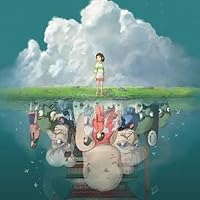
Alun kuvailuista tuli jotenkin Miyazakin elokuvat mieleen enkä päässyt mielleyhtymästä eroon koko kirjan aikana. Mielikuvituksellista, mystistä, vähän surumielistä, inhimillistä. Hieno pieni kirja!