Fue un marinero y cronista italiano que acompano a Fernando de Magallanes en su viaje alrededor de la Tierra. Esta cronica es la fuente principal de informacion sobre el viaje, y el primer documento disponible en Europa acerca del idioma filipino. Pigafetta fue uno de los dieciocho hombres, de entre unos 260 en la tripulacion inicial, que sobrevivieron al viaje. Pertenecia a una rica familia de Vicenza; y desde su juventud estudio astronomia, geografia y cartografia. Sirvio ademas a bordo de las galeras de la orden de Rodas a principios del siglo xvi y hacia 1519 acompano al nuncio papal, Chieregati, a Espana, donde conocio al emperador Carlos I. En Sevilla supo del viaje de Magallanes, y tras financiar su pasaje fue admitido en la expedicion. Pese a sus iniciales discrepancias con Magallanes, gano su confianza y le sirvio como linguista y cartografo. Durante el viaje, Pigafetta compilo numerosos datos sobre la geografia, el clima, la flora, la fauna y los habitantes de los lugares recorridos. En el combate en que Magallanes perdio la vida, Pigafetta tambien fue herido. Sin embargo, logro curarse y regreso a Espana bajo el mando de Juan Sebastian Elcano a bordo de la Victoria. Llegaron a Sanlucar de Barrameda (Cadiz) en septiembre de 1522, tres anos despues de zarpar. Sus experiencias fueron compiladas en este libro, publicado en Venecia en 1536. Pigafetta murio en Vicenza en 1534.
Esta no es una novela (por mucha influencia que según Gabriel García Márquez tuviera en la novela y la literatura europeas), es una guía de viajes extrema. Lo más curioso es que parece totalmente de ficción, cuando todo de lo que Pigafetta fue testigo fue verídico. Las únicas historias ficticias son las que otros marineros o personas con las que se encontraban le contaban sobre lugares que él no vería con sus propios ojos (a este respecto, Pigafetta parece un poco demasiado crédulo, el chaval se cree toda clase de leyendas).
Pigafetta es el turista más entusiasta y feliz del mundo. Sí, puede que varios marinos se amotinaran, a su capitán lo asesinaran, pasaran un hambre atroz (durante 3 meses y 20 días navegaron por el Océano Pacífico sin encontrar tierra firme) y durante la última parte de su periplo tuvieran que moverse a toda leche porque los portugueses los perseguían, pero estaban conociendo tierras y gentes incógnitas hasta entonces y Pigafetta está ahí, para documentarlo todo. Es asombroso lo abierto de mente que es para tratarse de un hombre europeo del siglo XVI. Al muchacho se le informa de que el rey de la isla donde están gusta de ser sodomizado un par de veces antes de un combate o un acto importante y él lo considera "una curiosa costumbre". Nada más. Tiene una falta de prejuicios fabulosa.
Graciosísimo es también ver cómo describe animales y frutas que no había visto nunca, comparándolos con otros que sí conocía, y así tenemos descripciones como "era como una piña, pero blanca por dentro, y de sabor dulce". Juegas un poco a las charadas con este libro (no preocuparse, hay notas que aclaran a qué se está refiriendo).
Es un recuento fascinante de un viaje impresionante (hablamos de gente que se tiró al mar sin mapa ni nada a ver si encontraban el camino a Asia yendo hacia el oeste) y me ha sorprendido de principio a fin. Una lectura recomendable.
Since I enjoyed Laurence Bergreen’s book about Magellan’s voyage so much, I figured that I ought to read the original. It is a curious experience. Pigafetta strikes one as cultured, well-educated, and endlessly curious. He includes details of weather, navigation, flora, fauna, and most especially, foreign customs. This is evidenced by the vocabularies he compiled from a captured Patagonian and during his stay in the Philippines. It is obvious that he exerted quite an effort to understand these alien societies (with a special interest in sexual practice, which I doubt was purely scientific).
Despite his ability to write with objective clarity, this account has many notable omissions. For one, he barely stops to describe the attempted mutiny that occurred while they wintered in South America. He adored Magellan and dwelling on the munity obviously would not redound to the commander’s leadership skills. Also, he summarized the return from the Moluccas rather quickly, though that step of the voyage was certainly full of drama and danger. Juan Sebastian Elcano—the captain who finally completed the voyage after Magellan’s death—is not even mentioned.
Though Pigafetta writes with the politeness of a noble, one gets a very clear idea of the hardships of the voyage. There was danger everywhere: starvation, scurvy, storms, mutinies, and virtually anyone they encountered, especially the Portuguese. Pigafetta describes the horrible food they were forced to eat while making the passage across the pacific: bread chewed through by maggots and soaked in rat urine, and water so rancid it could hardly be stomached. Soldiers even paid for the privilege of eating a rat. (Pigafetta was spared the effects of scurvy because he had preserved quince, though he did not draw any conclusions from this.) Indeed, Pigafetta was remarkably lucky to have survived: of the 270 who began, only 18 completed the journey around the world.
It is difficult to see why Pigafetta revered Magellan to such an extent. His navigation skills were certainly impressive, but he inspired little loyalty in his crew. Worse still, he seems to have gone completely off the rails when he arrived in the Philippines. Though the purpose of his voyage was strictly commercial (find out the location of the spice islands and bring back some spices), he rashly got involved in local politics. Worse still, he decided to become a kind of evangelist, leading mass conversions and even staking his reputation on a miracle cure (amazingly, it worked, at least according to Pigafetta). As he has nothing material to gain from this meddling, one can only conclude that he had acquired a savior complex. Maybe so much time at sea just got to him. In any case, this series of missteps resulted in his death during a totally unnecessary battle. His body was hacked to pieces and was not returned to the Europeans.
While it is, perhaps, tempting to view Pigafetta as just a bystander or even an early precursor to anthropologists, his account shows that he was an active participant in many of the ugliest episodes of the expedition: burning villages, capturing slaves, and outright murder. His interest in other languages and cultures did not, it seems, make him able to see them as fully human. One sympathizes, then, with Enrique of Malacca, Magellan’s slave. Though Magellan promised to free Enrique upon his death, the subsequent captain refused to honor this bequest. At the next banquet with the local Filipino king, all of the attending Europeans were slain, but Enrique was not. As the only one who spoke the local language, it seems quite plausible that he told the king a story which prompted the massacre. After that, he may have even been able to return to his home in Malacca, which would make him the actual first person to circle the globe. Go Enrique.
Depuis l'antiquité, la rotondité de la terre était connue et mesurée, mais nul n'avait fait le tour du globe. Le 10 août 1519, deux cent soixante cinq hommes venus de toute l'Europe s'embarquent à Séville pour une extraordinaire aventure : le premier tout du monde de l'histoire, par la route occidentale. Leur capitaine, Magellan, est un portugais de Trás-os-Montes qui a déjà effectué un voyage jusqu'au Indes pour le compte de la couronne portugaise. N'ayant pas réussi à convaincre l'ombrageux Manoel le Fortuné, roi du Portugal, de financer cette expédition, il obtient de la couronne d'Espagne et du cauteleux cardinal Fonseca, celui-là même qui fit tant de difficultés à Christophe Colomb, un soutien logistique enthousiaste, les ayant convaincus que le traité de Tordesillas leur donne en partage les îles des Moluques, où poussent les précieuses épices. L'auteur de la relation est un italien, Antonio Pigafetta, d'origine Florentine, et qui fut heureusement l'un des dix rescapés de l'aventure. La devise de sa maison : il n'est de rose sans épine. Curieux, il note avec avidité tous le vocabulaires des Patagons et peuples gentils des Philippines et des Molluques. Si Magellan ne revit jamais l'Europe, perdant la vie lors d'une escarmouche contre des autochtones asiatiques, les rescapés restaurèrent l'honneur de leur capitaine, trahis par ses lieutenants lors de la recherche du passage vers l'océan Pacifique. Ce journal de voyage fut l'un des principaux matériaux à partir duquel Stephan Zweig écrivit sa nouvelle dédiée au formidable capitaine portugais.
من كتابخواني را به صورت جدي با ترجمههاي مرحوم (ذبيحالله منصوري) آغاز كردم. پيرامون ترجمههاي معروف آن مرحوم نقل و حديثهاي فراواني وجود دارد كه كاري به هيچ كدام از آنها ندارم. واقعيت امر اين است كه آن مرحوم حق بزرگي بر گردن بازار نشر ايران در دههي شصت و اوائل دههي هفتاد دارد. آنهايي كه يادشان ميآيد حتماً به خاطر دارند كه كتابهاي ايشان هيچ وقت در قفسهي كتابفروشيها نميماند، چه برسد به اين كه خاك بخورد. به نوعي ميشود گفت بازار نشر ايران تا حد زيادي، از كارگر چاپخانه بگيريد تا حروفچين و ناشر و توزيع كننده و كتابفروش به ايشان مديوناند من وامثال من نيز كه كتابخواني را با ترجمههاي ايشان آغاز كرديم و بعدها براي خود صاحب سليقه شديم و در كتابخواني خط پيدا كرديم نيز به ايشان مديونيم. براي آن مرحوم همواره احترام قائلم
در بین کتابخوانان کمتر کسی هست که آوازهی ذبیحالله منصوری به گوشش نرسیده باشد و از قوه مخیله ی فعال و قلم روان این نویسنده/مترجم غافل مانده باشد. هرچند درست تر است اگر ایشان را اقتباس گر و آثار ترجمه ی ایشان را اقتباس ادبی بخوانیم. سفرنامه ی ماژلان نیز نه یک ترجمه، بلکه یک بازآفرینی ادبی است از مجموعه مستندات موجود از این شگفت انگیزترین سفر بشر به دور دنیا. در اصطلاح می توان این اثر را یک هیستوریکال فیکشن نامید چرا که با ورود محتویات و خیالات ذهن اقتباس گر به یک سرگذشت واقعی، دیگر نمیتوان آن را اثری تاریخی به معنای تمام و کمال نامید.
زنده یاد ذبیح الله منصوری همیشه کتاب های خوبی برای ترجمه انتخاب می کرد این کتاب هم داستانی جالب و در خور توجه داره که خواننده از خوندنش خسته نمی شه
سفرنامه ماژلان نام یک کتاب ادبی است که توسط آنتونیو پیگافتا، نویسندهٔ اهل ایتالیا نوشته شدهاست. این کتاب یکی از آثار ادبی برجستهٔ جهان است. سفرنامه ماژلان بی تردید بزرگترین و حیرت انگیزترین ماجرای دریانوردی تاریخ بشر باید نام گیرد و گرفته است.اصل این کتاب در کتابخانهای در واتیکان نگهداری میشود. این کتاب به دو بخش مرتبط به هم تقسیم می شود: تهیه مقدمات و حرکت از اسپانیا به جانب مغرب. گذشتن از تنگه ماژلان و رسیدن به سرزمینهای دور و اغلب ناشناخته تا آن زمان و جزایر ادویه که هدف اصلی سفر هیئت بود.
فردیناند ماژلان جهانگرد و دریانوردی پرتغالی بود که به دولت اسپانیا خدمت میکرد. او نخستین کسی بود که در جهت غرب از اروپا به آسیا رفت و در اقیانوس آرام کشتی راند. ماژلان همچنین نخستین کسی بود که با هدف دور زدن کره زمین، رهبری یک ناوگان اکتشافی را عهدهدار شد. اگرچه خود در میانهٔ سفر درگذشت، گروهی از افراد و ناوگانش توانستند در ۱۵۲۲ میلادی کرهٔ زمین را با موفقیت دور بزنند و به اروپا بازگردند.
آنتونیو پیگافتا، نویسنده ایتالیایی کتاب سفرنامه ماژلان به عنوان منشی مخصوص این جهانگرد معروف، در اولین سفر دور دنیا را، او را همراهی کرد. آنتونیو پیگافتا بیست سال بیشتر نداشت که نقشهکش فردیناند ماژلان شد. او جزو ۱۸ نفری است که برای اولین بار به دور دنیا گشته اند.
این کتاب توسط استاد ذبیح الله منصوری به فارسی ترجمه شده است.
hard to rate this one, on the one hand its an invaluable historical document, one other, its a confused mess riddled with religious propaganda and all sorts of nonsense. its obvious pifagetta was neither a writer nor a scientist, he was just a dude with a journaling hobby who happened to be there and survive. i also dont think this is a good entry point to magellan's expedition. too easy to get lost even with footnotes. a lot of events are also omitted. i probably should have picked up a secondary source first and then read this, but oh well.
Lectura para conmemorar los 490 años de la llegada de Elcano a Cadiz, completando la primera circunavegacion a nuestro planeta =)Esperaba satisfacer mas mi morbo al respecto de las condiciones de navegacion a las que se enfrentaron, sin embargo, es de todos modos un libro para recomendar.
یکی از کتاب هایی که توسط مترجم پرکار ذبیح اله منصوری به فارسی برگردانده شده، سفرنامه ماژلان است. اگر یک ترجمه از این مترجم را قبلا تا آخر خوانده باشید، می توانید حدس بزنید که چگونه داستانی در سفرنامه ماژلان در انتظار شماست. منصوری در ترجمه هایش تلاش کرده است که با توضیحاتی که در پاورقی یا انتهای کتاب اضافه می کند ابهاماتی که ممکن است در داستان در مورد مسایل تاریخی یا علمی پیش آید را برطرف کند. این یکی از جنبه های موجود در ترجمه های منصوری است که باعث جذب شدن خواننده به کارهای او می شود. با این حال ممکن است این توضیحات برای برخی ناخوشایند بوده و از لذت خواندن کتاب کم کند. حجم کتاب سفرنامه ماژلان در مقایسه با حجم بعضی از آثار دیگر منصوری که به هزار صفحه می رسد مانند سینوهه پزشک فرعون، خداوند الموت، خواجه تاجدار و ... کتاب سنگینی محسوب نمی شود (بیش از سیصد صفحه) که می توان در مدت یک هفته با آرامش آن را خواند. در این کتاب تمامی وقایع و حوادثی که بر ماژلان و ملوانانش گذشته است به سادگی بیان شده است. در نگاه اول، قلم نویسنده سفرنامه خالی از عناصر ادبی دیده می شود اما این کمبود را هیجان واقعی بودن حوادث جبران می کند. در این داستان، می توان اندکی با فضای قرن شانزدهم اروپا و شرق آسیا آشنا شد. مثلا، عقاید مذهبی مسیحیان آن زمان و یا سطح فرهنگ مردم جزایر شرق آسیا. موضوعی که می تواند برای هر خواننده ای جالب باشد مقایسه وضعیت مردم شرق آسیای آن زمان با زمان معاصر است. در قسمت هایی از داستان دیده می شود که بسیاری از قوانین انسانی تنها تا زمانی پابرجا هستند که نیازهای اساسی انسان تامین شود. مثلا، در حین سفر آذوقه کشتی ها به پایان می رسد که این منجر به روی آوردن ملوانان به آدم خواری می شود. از این دست اتفاقات در طول سفر فراوان دیده می شود که خواننده را مشتاق به خواندن کتاب تا انتها برای دانستن هر جه زودتر سرنوشت شخصیت های داستان می کند. اگر در هالیوود فیلمی با اقتباس از این سفرنامه تولید شود فروش بالایی خواهد داشت. البته اگر تاکنون نساخته باشند. پی نوشت: این تلقی وجود دارد که ذبیح اله منصوری در بعضی از آنارش، تالیف و ترجمه انجام می داده است. به عبارتی، به متن کتاب اصلی کاملا پایبند نبوده و به صلاحدید خود برای جذاب کردن و شفاف کردن داستان توصیفات و توضیحاتی اضافه می کرده است که از لحاظ ادبی ارزشمند می باشد اما اعتبار تاریخی آثارش را کم می کند.
اسم ذبیح اله منصوری برای هر کتابی ، نویدبخش یک ماجراجویی از گذشته ای شگفت انگیز است . ماژلان اولین دریانوردی ک دور کره زمین را پیمود و اتفاقات بسیار عجیبی گ برای او افتاد علاوه بر سرگرم کردن بما را با طرافت های علمی آن دوران و علم دریانوردی نیز آشنا می کند . نویسنده این کتاب منشی مخصوص ماژلان است .
"Our old pilots related to us other extravagant things. They also related to us that beyond Java Major, towards the north in the Gulf of China, which the ancients named Sinus Magnus, there is an enormous tree named Campanganghi, in which dwell certain birds named Garuda (Griffins), so large that they take with their claws, and carry away flying, a buffalo, and even an elephant, to the place of the tree, which place is named Puzathaer. The fruit of this tree is called Buapanganghi, and is larger than a water melon. The Moors of Burneo, whom we had with us in the ships, told us they had seen two of these birds, which had been sent to their king from the kingdom of Siam. No junk or other vessel, can approach this tree within three or four leagues, on account of the great whirlpools which the water makes there. They related to us, moreover, how in a wonderful manner what is related of this tree became known, for a junk, having been carried there by the whirl-pools, was broken up, and all the seamen perished,except a child who attached himself to a plank and was miraculously borne near the tree, upon which he mounted. There he placed himself under the wing of one of these birds, which was asleep, without its perceiving him, and next day the bird having taken flight carried him with it, and having seen a buffalo on the land, descended to take it; the child took advantage of the opportunity to come out from under its wing, and remained on the ground. In this manner the story of these birds and of the tree became known, and it was understood that those fruits which are frequently found in the sea came from that place."
Believe me when I tell you that this has been one of the most marvellous actual adventures I have ever had the privilege to experience through books.
P.s. wait a minute! Did I just read through an account of how Devil Fruits came to be?! ((One Piece fan Alert!))
“El dolor, dicen, es causado por la sangre que no quiere sujetarse en tal o tal parte del cuerpo; por consiguiente, haciéndola salir debe cesar el dolor”
یکی از شگفت ترین و پر مهابت ترین کتابهایی که خوانده ام... در آن کشتی کوچک که ماژلان با آن کره زمین را دور زد اتفاقاتی افتاده که به ذهن هیچکس خطور نمی کند... و البته یک داستان عاشقانه سبک هم ضمیمه کرده اند که به شیرینی داستان اصلی کمک کرده...(علیرغم اینکه وجود هیچ زنی در کشتی ماژلان قطعی نیست) آخرهای داستان کشتی ذره ذره دارد از بین میرود و ملوانان مجبور به خوردن بادبانها ی چرمی و کتانی کشتی میشوند تا از گرسنگی نمیرند ... یک جای دیگری پسر نوجوانی که همراه ماژلان و عاشق خواهرزاده ی اوست که با لباس مردانه در کشتی حضور دارد شاهد مرگ عشق خویش است و برای زنده ماندن لاجرم به خوردن گوشت تن او!!!!!!!
Interesante libro para conocer de primera mano cómo fue la famosa expedición que completó la primera circunnavegación. A pesar de todo, me resulta bastante escueto para los tres años de expedición que resultó y para todas las asombrosas historias que debieron presenciar. Que a Juan Sebastián Elcano no lo nombre ni una vez me hace dudar de su rigor. La elaboración de los distintos diccionarios según la zona en la que se encuentra me parece una gran aportación.
Bom livro para dar a ideia muito vaga de como as coisas se passavam naqueles tempos. Penso que uma viagem de um mês seria mais do que suficiente para escrever um livro como este. Muito repetitivo e penso que pouco ênfase em algumas coisas que podiam ser mais bem desenvolvidas. Contudo, 3 estrelas devido ao facto de ter sido sequer possível ter acesso a um diário tão precioso como este.
Es básicamente una carta de relación que Pigafetta redacta para dar a conocer lo que vio en su viaje marítimo en el mar del oeste o la ruta del oeste. El autor logra transmitir su testimonio, pero ahí queda, no hay más. Si está interesante el cómo se veía a las otras culturas o naciones desde el punto de vista occidental imperialista, pero no ofrece más que la crónica de viaje de toda la vida.
چقدر کتاب شبیه کتاب ماژلان تو قسمت similar bookبه زبان انگلیسی داریم.فقط حیف که دیگه کسی رو مثل ذبیح الله منصوری نداریم که اونجوری دوست داشتنی و خوندنی ترجمه اش کنه . یادش گرامی و روحش در ارامش باشه ...
I manually added this book, which was put together by Lord Stanley of Alderley or Henry Edward John Stanley, for the Hakluyt Society. The original book (1522) was written for king and upper class. In it, we read a first hand account of what was seen in the new world. There is nothing fantastical about this book and its author didn't fib for grandeur or any such thing. It was written to provide a factual account of all that was seen.
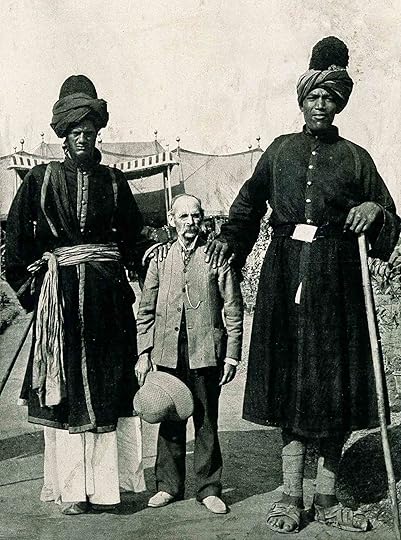
Two Kashmir giants, and the traveller James Ricalton, 1903
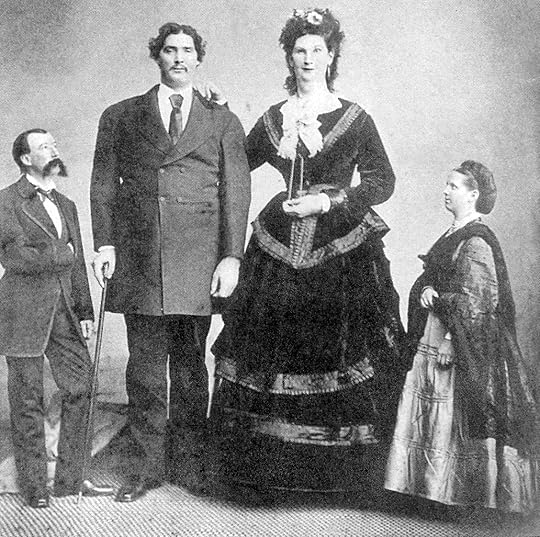
Anna Haining Bates 7'11, with her 7'8" husband Martin van Buren Bates. 1870s.
The giants of the Americas were seen by several witnesses and were recorded in written works such as this one and on the many maps of the old world. Most physical evidence of the giants are tucked away in museums, even pictures, but the fact remains that there were giants in those days, even as there are some here today (which are reported in medicine). Although it is a fact that there were giants in those days, and there are some even still, why is this not taught in academia, especially anthropology? Why is it covered up and ridiculed in modern articles? Because it proves Biblical accounts true and puts a damper on the already disproven theory of evolution. It's fine for them to know the truth today but it wouldn't do them well for the proletarians to have such knowledge today. And I say this as someone whose major was originally anthropology.
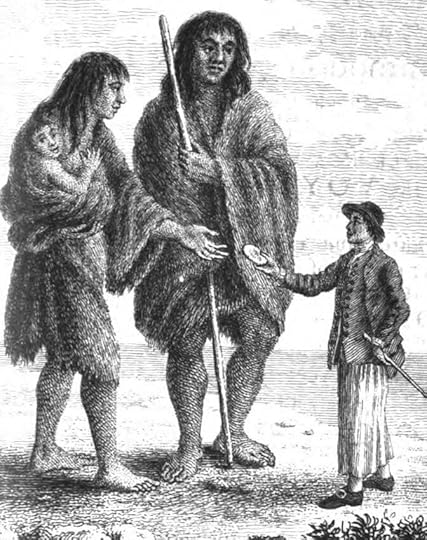
Patagonian giants
Pigafetta is credible in his accounts of nature, animals, fish, sites, etc...therefore we must also take into account his claims of the inhabitants of those lands, some of which included the giants of the Americas. Not only were they seen then, Natives today have it in their history.
Pigafetta's accounts of some of the inhabitants of his time are even proven to exist today, with today's "untouched" natives. If you watch the documentary The Lost Tribe of the Amazon (Isolated People Documentary), you will see the similarities of the Natives of the documentary, which up til recently, never had outside contact, to those described in the Pigafetta's account. "These people have their hair cut short and clipped in the manner of monks with a tonsure : they; wear a cord of cotton round their head, to this they; hang their arrows; when; they go;." Literally the same description of today's isolated Natives of the Amazons (as seen on video).
People today still have memories of giants wandering around. In addition to reading this book, I recommend watching the documentary "A Race of Giants: Our Forbidden History 2015." Free on youtube with ads. Also recommend reading the comments.
Should we allow the powers that be, ridicule us today for believing what was written for them in the past? In the past, where most people were illiterate, save for a few. Should we allow them to dictate the narrative now that information and knowledge (albeit suppressed) is publicly available? For believing what we see with our own eyes? Study the evidence for yourself and drawn your own conclusions. Read this book if you want to read a first hand account of the race of giants that inhabited the Americas. Will edit more later.
Scritto in un misto di italo-veneto con termini in spagnolo, questo di Pigafetta, Cavaliere di Rodi di origini vicentine, è il diario di viaggio del giro intorno al mondo, il primo di cui si abbia notizia, iniziato da Ferdinando Magellano e portato a termine da Elcano. Partono 5 navi, ne torna una sola, con soli 18 sopravvissuti e un carico di spezie del valore di milioni di euro di oggi, e Pigafetta è tra questi 18. Il suo diario di viaggio è qualcosa di notevole. Intanto è notevole l'interesse che ha per le popolazioni che incontra, da vero etnologo dilettante stila dei vocabolari di quelle lingue, e cerca di narrarne le abitudini e i tratti peculiari. Ha una mentalità molto aperta, ed è probabile che fosse necessario per quel tempo se uno voleva viaggiare fuori dall'Europa. Nel suo diario è anche un buon diplomatico: fa l'elogio di Magellano già dalla partenza, osteggiato dai capitani spagnoli perché portoghese, e quasi en passant narra del tentato ammutinamento di questi a puerto San Julian, in Argentina. Luogo che si presta alle esecuzioni dei traditori a quanto pare, perché è lì che sir Francis Drake ammazzerà i suoi, di ammutinati e traditori. Parla bene di Magellano come combattente, l'elogio della sua morte in battaglia è da manuale. Narra le traversie del viaggio omettendo a volte alcuni passaggi di cui probabilmente non andava fiero, o anche per mantenere il segreto sulla rotta.
Insomma, l'unica pecca di questa edizione è che mancano le mappe, sia moderne sia quelle che lui stesso disegnò, tipo quella del Borneo, che potevano chiarire meglio alcuni passaggi della rotta. 4 stelle.
Se trata de un documento histórico: la crónica de la vuelta al mundo de Magallanes y Elcano. Por ello, la puntuación de 4 estrellas. No obstante, la narración se detiene mucho en enumerar y describir el modo de vida y la geografía de las numerosísimas islas de Filipinas e Indonesia (comprensible también, dado que Pigafetta estaba viendo un mundo totalmente nuevo para él). No está escrita, lógicamente, como una novela de aventuras del romanticismo, sino como una crónica para entregar a un rey e informarlo de las características de otras regiones del planeta, por lo que no esperéis un ritmo trepidante.
Destacan en la historia la peligrosidad y crudeza del viaje y las descripciones de los pueblos indígenas con los que comercian y se relacionan los expedicionarios, que generan tanta curiosidad como dudas acerca de la objetividad de Pigafetta. Probablemente se hayan edulcorado de forma significativa la actitud y el comportamiento de los marineros en su relación con los pueblos indígenas, aunque no dejan de llamar la atención las características de las formas de organización y de gobierno de los territorios asiáticos por los que viajan (Filipinas e Indonesia principalmente), en los que el sistema de reyes, clases sociales y jerarquías desiguales parece ser la norma.
En definitiva, un documento histórico de gran valor pero no demasiado entretenido de leer por sus largas descripciones de frutas, animales e islas. Para mí, lo más interesante es el aspecto sociológico de la organización social en Filipinas e Indonesia y las tribulaciones de la navegación.
Un testimonio impresionante de la primera circunnavegación del planeta que empezó en 1519 y terminó tres años después. Aparte del estímulo de la aventura y la curiosidad por saber qué había más allá de los océanos, todo se resumía en subsistir: llegar a un lugar nuevo, encontrarse con los nativos, y buscar la manera de subsistir ya sea compartiéndoles algo (material o espiritual/religioso) para buscar ser aliados, trocando objetos, comiendo carne humana y ratas cuando escaseaban los alimentos, engañando y tomando indios como rehenes, o enfrentándose para ver quién gobernaría esas tierras. Gran pérdida de gente en el camino (de 239 hombres, solo sobrevivieron 18) y creo que, si bien hoy se conoce a Hernando de Magallanes y Juan Sebastián Elcano como los principales protagonistas de esta hazaña, Antonio Pigafetta no solo fue uno de los pocos que logró finalizar el recorrido sino que lo dejó registrado en un diario de navegación que re contra merece la pena ser leído.
This entire review has been hidden because of spoilers.
Viaje epopéyico entre hombres gentiles y bien proporcionados. Pigafetta recoge las penurias, vicisitudes e impresiones de la primera vuelta al mundo. Me gustaria conocer la version de los pueblos con los que se topó la expedición.