

What do you think?
Llewellyn's Practical Magick
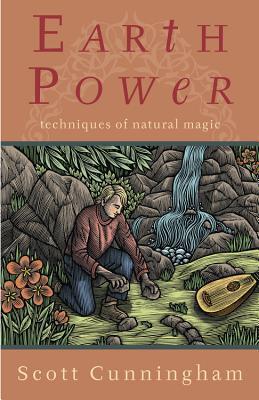
Earth Power: Techniques of Natural Magic
The ways of magic are revealed in nature . . . The secrets are written in meandering streams and drifting clouds, whispered by the roaring ocean and cooling breeze, echoed through caves and rocks and forests.
When you draw a heart in the sand, call on the four winds for assistance, or ask the rain to wash away a bad habit, you are practicing earth magic. By working in harmony with nature, we can transform ourselves, our lives, and our world. This tried-and-true guide offers more than one hundred spells, rites, and simple rituals you can perform using the powerful energy of the earth.
Scott Cunningham was a greatly respected teacher and one of the most influential members of the modern Craft movement. A practitioner of elemental magic for twenty years, he wrote more than fifty books, including the seminal Wicca: A Guide for the Solitary Practitioner.
192 pages, Paperback
First published January 1, 1983
About the author
Scott Cunningham
106 books1,347 followersScott Douglas Cunningham was an American writer. Cunningham is the author of several books on Wicca and various other alternative religious subjects.
His work Wicca: A Guide for the Solitary Practitioner, is one of the most successful books on Wicca ever published; he was a friend of notable occultists and Wiccans such as Raymond Buckland, and was a member of the Serpent Stone Family, and received his Third Degree Initiation as a member of that coven.
His work Wicca: A Guide for the Solitary Practitioner, is one of the most successful books on Wicca ever published; he was a friend of notable occultists and Wiccans such as Raymond Buckland, and was a member of the Serpent Stone Family, and received his Third Degree Initiation as a member of that coven.
Ratings & Reviews
Friends & Following
Create a free account to discover what your friends think of this book!
Community Reviews
Displaying 1 - 30 of 115 reviews

September 23, 2020
 The title of the book is a little confusing; I thought it would be about earth magic, i. e., things one does with herbs and stones mostly, when in fact one has here: earth magic, air magic, fire magic, water magic, plus knot magic, candle magic etc... even mirror magic - all at a very basic level, though, without going in-depth into any of these.
 I personally will not be using most of the spells here in their exact given form, but I consider this book a helpful reference. For instance, the author gives the outlines of a basic candle spell - and then one can build upon it to do whatever one wishes (actually, this is exactly what a lot of modern authors do, personalize Cunningham's spells). I like the way he writes: a little dreamily and always with huge respect for Mother Nature. Also, I appreciate that most of his spells do not require hard-to-find ingredients.
I will probably be leafing through it if I need some inspiration (I particularly like the parts about weather magic, but I should really concentrate more on other things).
A nice little addition to a witchy library.
***
I re-read it a year later for the Book Witches group book club. How come I overlooked knot magic the first time? Super-simple and very effective.
All in all, a very brief, but to-the-point primer. Seasoned practitioners might find something they knew but then forgot to use.

May 9, 2023
Short and sweet. Plenty of simple spellwork and useful knowledge, and such a soothing narrator. My first work of Cunningham's and certainly not my last.

May 5, 2025
Scott Cunningham’s interest in magic stemmed from his inborn desire to not only ask questions, but
“…In my search for answers I came across half-forgotten religions and magical systems born in far-distant corners of the globe…”
If I had personally known Cunningham when he penned, “Earth Power: Techniques of Natural Magic,” I would have encouraged him to seek higher education in cultural anthropology with a particular focus in the anthropology of religion; he would have made an excellent anthropologist.
Cunningham shows readers that, unlike many organized forms of Wicca, individuals can—and have for centuries—engaged with the use of the earth via spells. The one thing that I really appreciate about the author is his honesty, his concerns for other people and the earth, and especially his ethical values—values which he tries to impart to his readership.
The author is a good, solid writer and if he had lived longer, he no doubt would have left us with **even more** writings than he has (which are already voluminous). I really like how one can see from his bibliography how far back in time he went to conduct research. For example, he included James Frazer’s “The Golden Bough.” When I was a first-year graduate student, everyone in the “Introduction to Cultural Anthropology” class had to pick a hefty-sized book from a list to read, with no overlap. I picked Lewis Henry Morgan’s “System’s of Consanguinity and Affinity,” while another student picked “The Golden Bough.” During our in-class discussion, I remember being mesmerized by my fellow students explanations of it.
This was a fascinating and enjoyable read, as have been all of the books that he’s written that I’ve read so far.
“…In my search for answers I came across half-forgotten religions and magical systems born in far-distant corners of the globe…”
If I had personally known Cunningham when he penned, “Earth Power: Techniques of Natural Magic,” I would have encouraged him to seek higher education in cultural anthropology with a particular focus in the anthropology of religion; he would have made an excellent anthropologist.
Cunningham shows readers that, unlike many organized forms of Wicca, individuals can—and have for centuries—engaged with the use of the earth via spells. The one thing that I really appreciate about the author is his honesty, his concerns for other people and the earth, and especially his ethical values—values which he tries to impart to his readership.
The author is a good, solid writer and if he had lived longer, he no doubt would have left us with **even more** writings than he has (which are already voluminous). I really like how one can see from his bibliography how far back in time he went to conduct research. For example, he included James Frazer’s “The Golden Bough.” When I was a first-year graduate student, everyone in the “Introduction to Cultural Anthropology” class had to pick a hefty-sized book from a list to read, with no overlap. I picked Lewis Henry Morgan’s “System’s of Consanguinity and Affinity,” while another student picked “The Golden Bough.” During our in-class discussion, I remember being mesmerized by my fellow students explanations of it.
This was a fascinating and enjoyable read, as have been all of the books that he’s written that I’ve read so far.

Read
July 28, 2011Scott Cunningham is one of the premier voices in Wicca. He has written over 50 books on Wicca and Witch craft. In this short comprehensive book called "Earth Magic" the author discusses Earth Magic. Earth Magic is based on tapping into the energy off the four elements. Earth, Fire, Air and water. The rituals are simple and easy to use. They are mostly folk magic and the spells have been around for a very long time which means they are tried and true. These spells are not Wiccan they are from an older form of Witch craft.
Here are some remedies that are very earth based. For example for aches and pains even sickness. In addition to going to the doctor you may want to try these as well. Take a potatoe or apple and rub it on the affected area. As you rub it visualize you illness being transferred into the plant. Another good trick is to lay down on some fertile ground or soil. Visualize your illness sinking from your body into the earth. After that visualize the energy rising back up into your body. To keep evil demons out of the house you can fill up a bottle with soil or sand. The demons need to count every grain of soil before they enter the house this frutrates demons very much. Dirt has even more uses. As your children leave throw some dirt after them to keep away. Do it without them knowing. To transfer your problem take a handful of earth and focus all of your trouble into it in minutia detail. After that throw it over you shoulder and walk away. For scrying get a seven inch plate and fill it with dirt stare at it intently and images will come forth.
Here are some wind spells. These spells normally coincide with a certain wind such ass the north wind, south wind etc. It is best to do these spell with that wind blowing. To determine which way the wind is blowing it goo to put a piece of material on a pole and watch which way it is blowing. The material if it is blowing North directions mean that a Southern wind is blowing. The east wind is fresh and energetic this is a good wind for doing renewal spells.
North Wind is called the "Wind of Death" but not a physical death rather it is a wind that kills negative things in your life such as bad habits or negative happen stance. Magick should never be used to harm other people because if the practitioner does that he only ends up harming himself.
South Wind are hot and fiery and it is a good time for any sort of spell do to the high energy of it.
West wind is cool and reinvigorating and is good for healing love and fertility.
Fire Magic
If you have a problem or bad habit draw symbols on the Paper and throw the paper into a raging fire. That should cure or eradicate the negative habit.
To cure a disease light a fire consisting of Oak Wood and when the fire burns down pick up an ember and throw it into a pale of water. As it sizzle and pops visualize you sickness going away.
Water Magick Spells
Go to a spring take a stone and juice from a nearby plant. Draw a picture of your need on it. Take it into your [power hand or writing hand and walk three times around the spring look at thee spring before casting the stone and say "Spring of Clear water ceaseless and true send me the wish that I now ask of you" throw the stone into the spring. before leaving take a sip of the water.Leave a token of thanks to the spirit.
For a lake divination cast a stone into the lake. Count the number of rings it makes. If the rings are odd than the answer to your question is yes. if they are even then the answer is no. This is used for a yes or no question.
If you are sick go to a stream and submerge your entire body feel the water cleaning you and cleansing you and the sickness leaving your body in the form of little black worms. As you are submerged say this chant. The sickness is flowing out of me into the river and down into the sea.
These are just a sample of the spells. I recommend this book strongly.
Here are some remedies that are very earth based. For example for aches and pains even sickness. In addition to going to the doctor you may want to try these as well. Take a potatoe or apple and rub it on the affected area. As you rub it visualize you illness being transferred into the plant. Another good trick is to lay down on some fertile ground or soil. Visualize your illness sinking from your body into the earth. After that visualize the energy rising back up into your body. To keep evil demons out of the house you can fill up a bottle with soil or sand. The demons need to count every grain of soil before they enter the house this frutrates demons very much. Dirt has even more uses. As your children leave throw some dirt after them to keep away. Do it without them knowing. To transfer your problem take a handful of earth and focus all of your trouble into it in minutia detail. After that throw it over you shoulder and walk away. For scrying get a seven inch plate and fill it with dirt stare at it intently and images will come forth.
Here are some wind spells. These spells normally coincide with a certain wind such ass the north wind, south wind etc. It is best to do these spell with that wind blowing. To determine which way the wind is blowing it goo to put a piece of material on a pole and watch which way it is blowing. The material if it is blowing North directions mean that a Southern wind is blowing. The east wind is fresh and energetic this is a good wind for doing renewal spells.
North Wind is called the "Wind of Death" but not a physical death rather it is a wind that kills negative things in your life such as bad habits or negative happen stance. Magick should never be used to harm other people because if the practitioner does that he only ends up harming himself.
South Wind are hot and fiery and it is a good time for any sort of spell do to the high energy of it.
West wind is cool and reinvigorating and is good for healing love and fertility.
Fire Magic
If you have a problem or bad habit draw symbols on the Paper and throw the paper into a raging fire. That should cure or eradicate the negative habit.
To cure a disease light a fire consisting of Oak Wood and when the fire burns down pick up an ember and throw it into a pale of water. As it sizzle and pops visualize you sickness going away.
Water Magick Spells
Go to a spring take a stone and juice from a nearby plant. Draw a picture of your need on it. Take it into your [power hand or writing hand and walk three times around the spring look at thee spring before casting the stone and say "Spring of Clear water ceaseless and true send me the wish that I now ask of you" throw the stone into the spring. before leaving take a sip of the water.Leave a token of thanks to the spirit.
For a lake divination cast a stone into the lake. Count the number of rings it makes. If the rings are odd than the answer to your question is yes. if they are even then the answer is no. This is used for a yes or no question.
If you are sick go to a stream and submerge your entire body feel the water cleaning you and cleansing you and the sickness leaving your body in the form of little black worms. As you are submerged say this chant. The sickness is flowing out of me into the river and down into the sea.
These are just a sample of the spells. I recommend this book strongly.

July 22, 2014
The book Earth Power by Scott Cunningham is a very simple to read and easy to follow book that covers the basics of magic and witchcraft. The author provides several easy to follow spells and rituals that enable a new seeker to be able to read the book and start practicing magic right away. This tome provides spells and rituals for beginners as well as experienced practitioners of magic.
This book is divided into three sections. The first section of the book talks about the basics of magic and spell crafting. This provides a foundation for being able to use and work with the materials found later on in the book. This section is made up of four different chapters each covering an aspect of the basics of magic. It is here that the instructional and how to aspects of magic are really discussed.
The first chapter in the book starts the basics section. This chapter begins with an illustration of natural magic being practiced. This example provides the context for this chapter which is the nature of the universe and the real nature of magic.
The second chapter in the book focuses on what magic is and how to practice it. This chapter covers what is needed to practice magic as well morality in regards to magic. Here we learn the forces behind magic and why magic works.
The third chapter is all about magical techniques. Here the author focuses on the use of symbolism and the use of those associations in magic. The author includes a list of common symbols and associations for the beginner to reference as an idea. Finally the chapter ends with techniques of energy raising as well as the importance of mental focus and concentration.
The last chapter in the first section is really our introduction to the majority of the book. Here the author introduces the concept of the four elements and how they work in magic. The author includes only bare bones basics about the elements as more detail is given later. The idea here was only to introduce the elemental concepts and associations so that the rest of the book makes sense.
The second section of this book focuses on the elemental powers and elemental magic. The elements in witchcraft and magic are powerful forces and this section deals with calling upon the right element for the right purpose. In this section we learn all about the elements and what magical practices they rule over. This section is only four chapters long, one for each elemental force. Here is where we begin to see the practical applications and uses of natural and elemental magic.
The fifth chapter focuses on the element of Earth. Within this chapter the author expands on the basics given in the previous chapter about the element of earth. There are several different spells and rituals given that focus on and use specifically the element of earth to manifest the desires.
The sixth chapter focuses on the element of air. Here we learn about the different aspects of the winds based on direction and how we can best use the attributes of air. There are spells and rituals here for calling up the winds as well as working with the element of air to the best of our abilities.
The seventh chapter in this book focuses on the element of fire. Here we are shown ways that the element of fire can be useful outside of candle magic. The author includes a few different spells that utilize the unique personality of the fire element.
The eighth and last chapter in the second section of the book deals with the element of water. Many of the spells and rituals in this chapter deal with cleansing and healing. Through the spells and rituals in this chapter the aspects of the element of water in magic are clearly described.
Finally the third section of the book covers natural magic. This section focuses on magic that is not elemental in basis but uses the forces of nature to work with you to create your goals and desires. Here you will see aspects of the elements present in the spells and rituals, but the focus is not on the element but the magical practices in themselves.
The ninth chapter in this book focuses on the use of stones in magic. Stone and crystal use is very common in magical practices these days. This chapter illustrates how to work with basically any stone and not just gems and crystals that have specific associations with them.
The tenth chapter in this book focuses on tree magic. Here we learn and understand some of the magical aspects and attributes you can find with trees. Like before there are spells and rituals provided to give an idea of the types of spells one can create when they work with trees. The author also included a list of trees and their associations to maximize ones magical practices.
Chapter eleven deals with image magic. Here we learn the concepts associated with using pictures or symbols to represent people in spell work. The most common image magic is the poppet or voodoo doll, but that is not covered here. Other aspects and uses of image based magic can be found in this chapter.
Chapter twelve in this book focuses on a very old form of folk magic. Here we learn about and begin to understand the concepts of knot magic. There is a little bit of history and folklore given here but the meat of the chapter is in the spell examples that are given for knot based magic.
Chapter thirteen deals with candle magic. There are many texts out there that cover candle magic. This chapter focuses on the use of candle magic in natural magic. There are not many spells and rituals in this chapter but the information still provides a starting point.
Chapter fourteen deals with wax magic. This chapter is not about magic per say but more focused on types of divination that can be done using wax. Divination and magic have historically gone hand in hand which is why this chapter is in the book.
Chapter fifteen is about the use of mirror and magic. Like candle magic and image magic there is a lot of folk lore regarding magic mirrors and how they can be used in spells and rituals. There are several different spells and rituals using mirrors in this chapter including directions on how to make your own magic mirror.
Chapter sixteen deals with magic using storms. Here the author explains the power that weather based magic can have. There are spells for different occasions and purposes but also spells on how to protect yourself from the elements of the storm as it were.
The final chapter in this book chapter seventeen deals with sea magic. This is an excellent way to end the book as we go back to the illustration of natural magic given in the first chapter. Here we learn why we can work with the tides and why some spells are best done at the seaside.
As a text book for magical use this book basically covers most aspects of magic. Through this text different types of magic are expressed and shown. Through the divisions of the book the reader can understand the concepts of magic and how to best use the natural world in spells and rituals for their individual needs. As a resource for correspondences for spell work there are better books available, but as a spell book for nature magic this is an excellent guide.
This book is divided into three sections. The first section of the book talks about the basics of magic and spell crafting. This provides a foundation for being able to use and work with the materials found later on in the book. This section is made up of four different chapters each covering an aspect of the basics of magic. It is here that the instructional and how to aspects of magic are really discussed.
The first chapter in the book starts the basics section. This chapter begins with an illustration of natural magic being practiced. This example provides the context for this chapter which is the nature of the universe and the real nature of magic.
The second chapter in the book focuses on what magic is and how to practice it. This chapter covers what is needed to practice magic as well morality in regards to magic. Here we learn the forces behind magic and why magic works.
The third chapter is all about magical techniques. Here the author focuses on the use of symbolism and the use of those associations in magic. The author includes a list of common symbols and associations for the beginner to reference as an idea. Finally the chapter ends with techniques of energy raising as well as the importance of mental focus and concentration.
The last chapter in the first section is really our introduction to the majority of the book. Here the author introduces the concept of the four elements and how they work in magic. The author includes only bare bones basics about the elements as more detail is given later. The idea here was only to introduce the elemental concepts and associations so that the rest of the book makes sense.
The second section of this book focuses on the elemental powers and elemental magic. The elements in witchcraft and magic are powerful forces and this section deals with calling upon the right element for the right purpose. In this section we learn all about the elements and what magical practices they rule over. This section is only four chapters long, one for each elemental force. Here is where we begin to see the practical applications and uses of natural and elemental magic.
The fifth chapter focuses on the element of Earth. Within this chapter the author expands on the basics given in the previous chapter about the element of earth. There are several different spells and rituals given that focus on and use specifically the element of earth to manifest the desires.
The sixth chapter focuses on the element of air. Here we learn about the different aspects of the winds based on direction and how we can best use the attributes of air. There are spells and rituals here for calling up the winds as well as working with the element of air to the best of our abilities.
The seventh chapter in this book focuses on the element of fire. Here we are shown ways that the element of fire can be useful outside of candle magic. The author includes a few different spells that utilize the unique personality of the fire element.
The eighth and last chapter in the second section of the book deals with the element of water. Many of the spells and rituals in this chapter deal with cleansing and healing. Through the spells and rituals in this chapter the aspects of the element of water in magic are clearly described.
Finally the third section of the book covers natural magic. This section focuses on magic that is not elemental in basis but uses the forces of nature to work with you to create your goals and desires. Here you will see aspects of the elements present in the spells and rituals, but the focus is not on the element but the magical practices in themselves.
The ninth chapter in this book focuses on the use of stones in magic. Stone and crystal use is very common in magical practices these days. This chapter illustrates how to work with basically any stone and not just gems and crystals that have specific associations with them.
The tenth chapter in this book focuses on tree magic. Here we learn and understand some of the magical aspects and attributes you can find with trees. Like before there are spells and rituals provided to give an idea of the types of spells one can create when they work with trees. The author also included a list of trees and their associations to maximize ones magical practices.
Chapter eleven deals with image magic. Here we learn the concepts associated with using pictures or symbols to represent people in spell work. The most common image magic is the poppet or voodoo doll, but that is not covered here. Other aspects and uses of image based magic can be found in this chapter.
Chapter twelve in this book focuses on a very old form of folk magic. Here we learn about and begin to understand the concepts of knot magic. There is a little bit of history and folklore given here but the meat of the chapter is in the spell examples that are given for knot based magic.
Chapter thirteen deals with candle magic. There are many texts out there that cover candle magic. This chapter focuses on the use of candle magic in natural magic. There are not many spells and rituals in this chapter but the information still provides a starting point.
Chapter fourteen deals with wax magic. This chapter is not about magic per say but more focused on types of divination that can be done using wax. Divination and magic have historically gone hand in hand which is why this chapter is in the book.
Chapter fifteen is about the use of mirror and magic. Like candle magic and image magic there is a lot of folk lore regarding magic mirrors and how they can be used in spells and rituals. There are several different spells and rituals using mirrors in this chapter including directions on how to make your own magic mirror.
Chapter sixteen deals with magic using storms. Here the author explains the power that weather based magic can have. There are spells for different occasions and purposes but also spells on how to protect yourself from the elements of the storm as it were.
The final chapter in this book chapter seventeen deals with sea magic. This is an excellent way to end the book as we go back to the illustration of natural magic given in the first chapter. Here we learn why we can work with the tides and why some spells are best done at the seaside.
As a text book for magical use this book basically covers most aspects of magic. Through this text different types of magic are expressed and shown. Through the divisions of the book the reader can understand the concepts of magic and how to best use the natural world in spells and rituals for their individual needs. As a resource for correspondences for spell work there are better books available, but as a spell book for nature magic this is an excellent guide.

January 25, 2017
It just feels like reading magic spells for teens. Close to no explanations on why you use what you use in mentioned rituals. In one paragraph he tells you to never leave your candles burning unattended and BOOM in the next one you are supposed to leave the room and let the candles burn on their own for at least 15 min. And a lot of other contradictory stuff like this. I expected more

April 2, 2015
Careful, you might spill your magick!
Also I just really want to be a cool witch, but I suck at believing in things. Maybe one day.
Also I just really want to be a cool witch, but I suck at believing in things. Maybe one day.

September 30, 2021
This book is a classic for a reason. There is a lot of info in here, great for beginners or people wanting to refresh their memory. I always go back to my Scott Cunningham books.

January 16, 2018
Loved this! The author is so down to earth in his writing and he's so easy to understand. There are some really great things that are so simple and cheap to do. This is such an amazing book. One of my new favorites. Can't wait to read more by this author whom we lost way too soon.

February 20, 2022
*review reminder*

March 24, 2024
It's interesting to see how books that came after this one tend to rehash this information and yet somehow there are still some unique perspectives/exercises. I enjoy that this book isn't filled with personal gnosis/anecdotes/personal stories (what I'd consider 'fluff' in a 101 book). It IS a beginner book and doesn't go into much depth. But again, this book precedes many of the more modern ones and that is why it's getting 4 and not 3 stars. There is a balance of exercises and it's a quick and easy listen.
For the audio version, you'd likely want a physical/kindle copy to reference the exercises.
For the audio version, you'd likely want a physical/kindle copy to reference the exercises.

August 8, 2021
A classic book with a solid no nonsense grounding in nature. It is great to get back to the classics and really remind yourself that magic is not about the fancy cauldron or perfect candle. It is about nature and all it has to offer. Quite a few ideas and simple activities that I can't wait to add to my own practice. I connected with the Stone and Sea magic, which makes a kind of sense... living on an island and all. There are lots of stones and sea.
December 13, 2022
If you’re tired of needing the elaborate tools and set up for your Magick, this is the book you need. Nothing is terribly complicated. Each spell is simple and easy to follow. He encourages you to use the tools around you for powerful work. As always, Cunningham writes in a way that is easy to follow but still instructional. A must have for anyone wanting practical spells and magickal techniques.
May 25, 2016
2020 read: it’s been a few years since i read this last. i gave it five stars before. it was a very intriguing and thought-provoking book back then. i was just learning, and very much in awe of the possibilities. the simplicity of some of these suggested processes was incredible and approachable. but here in 2020, with a little more knowledge and experience, i find many these processes to be impractical, uninteresting, and unnecessary. i get the point, and that many of these can be altered to personal use, and it is to inspire what is possible... i was excited to read this after reading a handful of wicca books that are very much wicca, and overly ritualized. i was excited to get back to basics. but basic it is.
the “spells” are organized by mode of process, like “fire magic” gets a chapter, and “tree magic” gets another. while this is useful for the reader to realize what it is s/he can accomplish with a certain type of magic, it’s not practical for me. i would have to go through them and organize them by intention. so that’s kind of what i was doing, taking note of the bits that intrigued me. i didn’t actually note much. honestly, i was underwhelmed and bored. most of it i wasn’t going to use. i’m simply not going to read this book again. it holds no use to me in my practice.
the “spells” are organized by mode of process, like “fire magic” gets a chapter, and “tree magic” gets another. while this is useful for the reader to realize what it is s/he can accomplish with a certain type of magic, it’s not practical for me. i would have to go through them and organize them by intention. so that’s kind of what i was doing, taking note of the bits that intrigued me. i didn’t actually note much. honestly, i was underwhelmed and bored. most of it i wasn’t going to use. i’m simply not going to read this book again. it holds no use to me in my practice.

July 28, 2014
Many people who are interested in practicing magic in the context of Wicca will be expecting consecrated tools, wordy rituals, elemental and divine invocations, and extensive use of materials. They may be surprised to get a glimpse at the roots of folk magic: very simple everyday rituals are described in this book, encouraging practitioners to make magic a consistent and easy form of interacting with day-to-day life. Most magic is simply an extension of a person's desire, and performing the magic is a concrete expression of that desire. These simple ideas (and the philosophies behind them) can keep a magically inclined person mindful of everyday enchantedness through natural materials, and though many of the spells and charms read like simple superstitions, there's nothing wrong with that. It's simple to the point of feeling a little hollow sometimes, but it can get the wheels turning.
August 16, 2017
This book really didn't live up to my expectations.
I'd asked a few people for their thoughts on Cunningham's works and, after checking out Earth, Air, Fire, Water in his works, I thought this might be a good one to try.
I was disappointed, to say the least. Earth, Air, Fire, Water was a much better, more useful reference in my opinion.
I'd asked a few people for their thoughts on Cunningham's works and, after checking out Earth, Air, Fire, Water in his works, I thought this might be a good one to try.
I was disappointed, to say the least. Earth, Air, Fire, Water was a much better, more useful reference in my opinion.

May 25, 2011
Not that great but I'd recommend it over any Silver RavenWolf drivel.

January 4, 2013
One of the first books I read on the subject of magic. It is a great starting point. I would recommend this to anyone wanting to start slowly with magic.
June 6, 2023
Interesting general overview of different types of elemental magic, I wish it was more explicit about which cultures and traditions it takes from.
September 3, 2026
Earth Power is one of the Cunningham books I return to when magic starts becoming more complicated than it needs to be. There is something wonderfully elemental about the whole thing. Stones, trees, rivers, rain, wind, fire, the ocean, knots and simple objects become the materials of magic, and very little stands between the practitioner and the natural forces they're trying to work with. Scott had a gift for reminding you that magic doesn't require an impressive collection of equipment. Sometimes you need to go outside and pay attention.
What has stayed with me most over the years is his approach to the elements and the natural world as powers you encounter directly rather than correspondences you simply memorize. There are practices here involving weather, water, fire, earth, trees, stones and other things that can seem almost too simple when you first encounter them. Then you actually do them. I've found that some of the simplest practices I've carried with me for decades came from books like this because they taught a way of approaching magic rather than one elaborate ritual to reproduce.
Reading Earth Power again also reminds me of something I miss in a lot of contemporary witchcraft books: the willingness to leave some space around the magic. Scott doesn't need to bury every practice beneath pages of explanation or give everything a complicated name. He tells you what to do, gives you enough understanding to begin, and sends you outside to discover the rest through experience. I've owned far more sophisticated books, but sophistication isn't always what makes a magical book useful. This little book still makes me want to put my shoes on and go find a tree, a stone, or some running water, and that is why I've kept it all these years.
What has stayed with me most over the years is his approach to the elements and the natural world as powers you encounter directly rather than correspondences you simply memorize. There are practices here involving weather, water, fire, earth, trees, stones and other things that can seem almost too simple when you first encounter them. Then you actually do them. I've found that some of the simplest practices I've carried with me for decades came from books like this because they taught a way of approaching magic rather than one elaborate ritual to reproduce.
Reading Earth Power again also reminds me of something I miss in a lot of contemporary witchcraft books: the willingness to leave some space around the magic. Scott doesn't need to bury every practice beneath pages of explanation or give everything a complicated name. He tells you what to do, gives you enough understanding to begin, and sends you outside to discover the rest through experience. I've owned far more sophisticated books, but sophistication isn't always what makes a magical book useful. This little book still makes me want to put my shoes on and go find a tree, a stone, or some running water, and that is why I've kept it all these years.

September 18, 2026
Cunningham’s natural magic begins with the useful proposition that the world is already full of materials. Earth, fire, water, air, stones, trees, rain, fog, mirrors, ropes, and candles become available as magical instruments, which gives the book an appealing refusal of unnecessary ceremony. Earth Power does not require a cabinet of specialised objects before practice can begin. It asks the reader to notice what is present, then consider how attention and symbolism might change the relationship.
The book offers more than one hundred spells, rituals, and divinations, moving through elemental work into stone, tree, image, knot, candle, wax, and mirror magic. Cunningham’s instructions are concise enough to use, and that clarity is one of his enduring strengths. A knot can hold an intention. A reflection can become a means of inquiry. A mark in sand can carry a petition beyond the moment of its making. I sometimes wanted more discussion of where these techniques came from and how their meanings developed, particularly when the language of natural power becomes broad enough to cover nearly anything.
What gives the book its lasting appeal is the ethical mood beneath the procedures. Cunningham repeatedly directs attention toward healing, responsibility, and the possibility that changing oneself alters one’s relationship with the wider world. The optimism can feel uncomplicated, but it is preferable to a magical practice organised around fear or domination. Earth Power remains a generous introduction to working with nature as a source of symbolism, material, and instruction. Its brevity leaves plenty for the reader to investigate, which may be part of its quiet effectiveness.
The book offers more than one hundred spells, rituals, and divinations, moving through elemental work into stone, tree, image, knot, candle, wax, and mirror magic. Cunningham’s instructions are concise enough to use, and that clarity is one of his enduring strengths. A knot can hold an intention. A reflection can become a means of inquiry. A mark in sand can carry a petition beyond the moment of its making. I sometimes wanted more discussion of where these techniques came from and how their meanings developed, particularly when the language of natural power becomes broad enough to cover nearly anything.
What gives the book its lasting appeal is the ethical mood beneath the procedures. Cunningham repeatedly directs attention toward healing, responsibility, and the possibility that changing oneself alters one’s relationship with the wider world. The optimism can feel uncomplicated, but it is preferable to a magical practice organised around fear or domination. Earth Power remains a generous introduction to working with nature as a source of symbolism, material, and instruction. Its brevity leaves plenty for the reader to investigate, which may be part of its quiet effectiveness.
December 24, 2022
Hm, this book was an interesting one. This is the first book I read by Scott Cunningham, and after reading this I can defenetly see why his works are so popular with people just starting their magical practice. He has a lot of veiws on magic that I personally disagree with, and my biggest problem with this book is how much he forces his own idea of what magic should and shouldn't be, not leaving much room for a new practitioner to develop their own perspective/relationship with the craft. One of my favorite parts of Earth Power was the section discussing elemental magic, as someone who has a vested interest in air magic it can be quite hard to come across resources for it compared to the other three elements, though I would have preferred it to go more in depth. However the best part of the book was how accessible the spells are, many books and sources online tend to focus on having a lot of supplies that may not be readily available to the average witch, so it was a breath of fresh air to see a spell book with so many tools that are easily accessible to almost everyone. Although brief I feel that Cunningham gave a fairly consice and easy to understand read for those wanted to start practicing nature magic, though I would caution to not take his word as gospel and look at different perspectives on magic.

June 23, 2020
Cunningham has a lot of content out there already. I've read a decent amount of his books and I have to say specifically for elemental magic and rituals/spells this is the most specific and focused I've seen from him.
Each element gets a chapter and explanation of its associations, meditations relative to it and ways to connect to each element as a practitioner. Cunningham writes openly so that beginners can understand but he also includes some spells that involve rocks, seashells, driftwood, etc.
In the short, it's cheep, cheerful and helpful if you're looking for some new spells to try out and a better understanding of elemental magic. The illustrations are gorgeous as well.
Downside is there's little lore or background for these spells however I'd argue this may be the fault of losing lore over time and for the fact that Cunningham was trying to make this book accessible and focus on act not history.
Each element gets a chapter and explanation of its associations, meditations relative to it and ways to connect to each element as a practitioner. Cunningham writes openly so that beginners can understand but he also includes some spells that involve rocks, seashells, driftwood, etc.
In the short, it's cheep, cheerful and helpful if you're looking for some new spells to try out and a better understanding of elemental magic. The illustrations are gorgeous as well.
Downside is there's little lore or background for these spells however I'd argue this may be the fault of losing lore over time and for the fact that Cunningham was trying to make this book accessible and focus on act not history.
March 18, 2024
Although I don’t practice Wicca, nor do I agree with their beliefs, I find that not only this book but Scott Cunningham’s books in general can be beneficial to read and learn. I can appreciate him explaining the structure of magic and spells and much more. I have learned a lot from his books more than any other Witchcraft books I have came across and those authors aren’t even Wiccan. Most of the spells that are in this book are based on superstition rather than gathering actual ingredients and performing, but that’s not what this book is about. I find it’s about the structure of a spell/magic.
May 14, 2026
I honestly really enjoy Scott Cunningham’s books. As a new practicing witch who wants to work with the elements, nature spirits, and elementals, most books on these topics are mostly Wiccan authors. You can definitely see the Wiccan in the book. But as someone who has read books from various viewpoints, just because a Wiccan author says you “have” to do it a certain way or that certain things can’t be done, doesn’t mean you have to listen to that. Earth Power is great, especially for those wanting to practice with the elements without the need of tools, altars, and so on.

May 8, 2020
An easy read, nothing too complex. Felt like talking to a good friend about what magick is and how to do some simple spells. Could have used some more information perhaps but I think this is a good book for beginners. I am not Wiccan, but I think you can be any type of a witch to read this and for more experienced ones this, I felt, was a great way to look back or to remind yourself of this friendly approach to nature. It felt nostalgic to me.
June 6, 2023
good for wiccans or those practicing exclusively white magick
All in all, the tools in this book are useful, I do not appreciate any baneful magick being spoken about as it is in this book, but it is what it is. Lots of information in here, from everything to wind spells to using sea shells for workings. Worth the read, I just do not follow the same “rules of the universe” as the author.
All in all, the tools in this book are useful, I do not appreciate any baneful magick being spoken about as it is in this book, but it is what it is. Lots of information in here, from everything to wind spells to using sea shells for workings. Worth the read, I just do not follow the same “rules of the universe” as the author.

August 4, 2024
Luin teoksen taustatutkimuksena omaan kirjaprojektiini. Tähän tarkoitukseen sain teoksesta paljon vinkkejä ja ideoita. Huomasin kuitenkin välillä pohtivani myös omaa luontosuhdettani. Pidin myös siitä, että teoksessa käskettiin sairas henkilö lääkäriin ja magiahommat sitten siihen päälle (eli ei oltu kovin syvällä kristallimeressä). Myös tulitaikojen yhteydessä kehotettiin varovaisuuteen. Nopealukuinen katsaus wicca-maailmaan!

April 22, 2019
Cunningham, unlike many others I've come across, really sees 'magic' as a deep connection/communion with what is, and not a bringing about events by forces. In this book, he separates meditations into the four elements (earth, air, fire, water) and gives his own thoughts on how to use them. Practical, although not for me personally. Not his best work, not his worst.

July 6, 2020
I loved this book. It's got amazing introductions and instructions at the start, followed by some really good spells. I don't follow them exactly, but use them as springboards to create my own spells and rituals. I read this after Earth, Air, Fire and Water, and together they make a really comprehensive introduction to earth magic.
Displaying 1 - 30 of 115 reviews