

What do you think?

الدليل والبرهان على صرع الجن للإنسان
Dr. Abu Ameenah Bilal Philips has rendered Ibn Taymiyah’s treatise, Eedaah-ud-Dalaalah fee ‘Umoom-ir-Risaalah, from volume 19 of Majmoo‘-ul-Fataawa into very readable English. This abridged and annotated translation is significant in that it is perhaps the first book available in English exclusively on the topic of spirit-possession and exorcism in Islam.
Imaam Ibn Taymeeyah’s treatise provides a very clear, concise, and authentic view of this intriguing subject based on the Qur’aan, the Sunnah, the interpretation and experience of the Companions of the Prophet (sallallaahu alaihi wa sallam) and the early scholars of Islam.
Dr. Philips has also added an appendix consisting of an article written on the subject of spirit-possession and exorcism by one of the leading contemporary scholars of Saudi Arabia confirming Ibn Taymeeyah’s views as both relevant and orthodox.
Imaam Ibn Taymeeyah’s treatise provides a very clear, concise, and authentic view of this intriguing subject based on the Qur’aan, the Sunnah, the interpretation and experience of the Companions of the Prophet (sallallaahu alaihi wa sallam) and the early scholars of Islam.
Dr. Philips has also added an appendix consisting of an article written on the subject of spirit-possession and exorcism by one of the leading contemporary scholars of Saudi Arabia confirming Ibn Taymeeyah’s views as both relevant and orthodox.
- GenresIslamNonfictionReligion
63 pages, Unknown Binding
First published January 1, 1989
About the author
Ibn Taymiyyah
111 books60 followersTaqī ad-Dīn Aḥmad ibn Abd al-Halim ibn Abd al-Salam al-Numayri al-Ḥarrānī (Arabic: تقي الدين أحمد بن عبد الحليم بن عبد السلام النميري الحراني, January 22, 1263 - September 26, 1328), known simply Ibn Taymiyyah (ابن تيمية), was an Islamic jurist scholar, muhaddith, theologian, judge, philosopher, and whom many considered as the renewer of the Islamic 7th century. He is known for his diplomatic involvement with the Ilkhanid ruler Ghazan Khan and for his involvement at the Battle of Marj al-Saffar which ended the Mongol invasions of the Levant. A member of the Hanbali school, Ibn Taymiyyah's iconoclastic views on widely accepted Sunni doctrines of his time such as the veneration of saints and the visitation to their tomb-shrines made him unpopular with many scholars and rulers of the time, under whose orders he was imprisoned several times.
A polarising figure in his own times and in the centuries that followed, Ibn Taymiyyah has become one of the most influential medieval writers in contemporary Islam, where his particular interpretations of the Qur'an and the Sunnah and his rejection of some aspects of classical Islamic tradition are believed to have had considerable influence on contemporary ultra-conservative ideologies such as Salafism, and Jihadism. Particular aspects of his teachings had a profound influence on Muhammad ibn Abd al-Wahhab, the founder of the Hanbali reform movement practiced in Saudi Arabia, and on other later Wahabi scholars. Moreover, Ibn Taymiyyah's controversial fatwa allowing jihad against other Muslims is referenced by al-Qaeda and other jihadi groups. Their reading of Ibn Taymiyyah's thought has been challenged by recent scholarship.
A polarising figure in his own times and in the centuries that followed, Ibn Taymiyyah has become one of the most influential medieval writers in contemporary Islam, where his particular interpretations of the Qur'an and the Sunnah and his rejection of some aspects of classical Islamic tradition are believed to have had considerable influence on contemporary ultra-conservative ideologies such as Salafism, and Jihadism. Particular aspects of his teachings had a profound influence on Muhammad ibn Abd al-Wahhab, the founder of the Hanbali reform movement practiced in Saudi Arabia, and on other later Wahabi scholars. Moreover, Ibn Taymiyyah's controversial fatwa allowing jihad against other Muslims is referenced by al-Qaeda and other jihadi groups. Their reading of Ibn Taymiyyah's thought has been challenged by recent scholarship.
Ratings & Reviews
Friends & Following
Create a free account to discover what your friends think of this book!
Community Reviews
Displaying 1 - 15 of 15 reviews

September 6, 2017
للأسف لم يوفق الشيخ في إثبات هذا الأمر .

October 24, 2013
بسم الله
حسنًا، كتاب آخر لشيخ الإسلام ابن تيمية أضمه ضمن قائمة قراءاتي، وهو للأسف لم يعجبني، لم؟ لأن الإمام رحمه الله كالعادة يبدأ كلامه بالتجريح إما في المعتزلة، أو الأشاعرة، بل التجريح في كل من لا يقبل منهج الإمام نفسه، وعلى هذا لا يكون نقده هذا مبني على حقائق، بل كلها افتراءات لا أكثر.
ولكن لنعود لموضوع الكتاب
تقوم فكرة الكتاب الرئيسية التي بنى عليها أدلته بوجود الجن على دليل وحيد تقريبًا، ردده طوال الكتاب ولم يأتي بغيره، وهو أن الرسول الأكرم عليه السلام مبعوث للعالمين، للثقلين، للإنس والجن، لكل المخلوقات شرها وخيرها. حسن، ومن يستطيع أن يختلف على ذلك؟ فهذا ثابت بنص القرآن، ولا شك في صحته أبدًا
فيبني بعد ذلك ابن تيمية افتراضه على وجود الجن وقدرتها على صرع الإنس
ولكن من الذي يقر أصلًا بوجود الجن؟ الجن موجود ولا شك، ولكن هل هو موجود في عالمنا؟ أم أنه موجود في عالم الملائكة الأبرار؟ أم أنه وجود وجود في بعد آخر غير بعدنا نحن؟
أم أنه كما يقول بعض المعتزلة ليس موجود البتة؟ الله أعلم
يأتي بعد ذلك ابن تيمية ليؤكد قدرة الجن على إتيان الإنسان بالشر، وهو ما لم أستطع صراحة أن أؤمن به
فكيف أؤمن بأن الجن تستطيع ضر الإنسان أو نفعه، في حين أن الله تعالى يقول عكس ذلك في كتابه العزيز؟
من أصدق إذن؟
حسنًا، كتاب آخر لشيخ الإسلام ابن تيمية أضمه ضمن قائمة قراءاتي، وهو للأسف لم يعجبني، لم؟ لأن الإمام رحمه الله كالعادة يبدأ كلامه بالتجريح إما في المعتزلة، أو الأشاعرة، بل التجريح في كل من لا يقبل منهج الإمام نفسه، وعلى هذا لا يكون نقده هذا مبني على حقائق، بل كلها افتراءات لا أكثر.
ولكن لنعود لموضوع الكتاب
تقوم فكرة الكتاب الرئيسية التي بنى عليها أدلته بوجود الجن على دليل وحيد تقريبًا، ردده طوال الكتاب ولم يأتي بغيره، وهو أن الرسول الأكرم عليه السلام مبعوث للعالمين، للثقلين، للإنس والجن، لكل المخلوقات شرها وخيرها. حسن، ومن يستطيع أن يختلف على ذلك؟ فهذا ثابت بنص القرآن، ولا شك في صحته أبدًا
فيبني بعد ذلك ابن تيمية افتراضه على وجود الجن وقدرتها على صرع الإنس
ولكن من الذي يقر أصلًا بوجود الجن؟ الجن موجود ولا شك، ولكن هل هو موجود في عالمنا؟ أم أنه موجود في عالم الملائكة الأبرار؟ أم أنه وجود وجود في بعد آخر غير بعدنا نحن؟
أم أنه كما يقول بعض المعتزلة ليس موجود البتة؟ الله أعلم
يأتي بعد ذلك ابن تيمية ليؤكد قدرة الجن على إتيان الإنسان بالشر، وهو ما لم أستطع صراحة أن أؤمن به
فكيف أؤمن بأن الجن تستطيع ضر الإنسان أو نفعه، في حين أن الله تعالى يقول عكس ذلك في كتابه العزيز؟
من أصدق إذن؟

April 14, 2015
هل يستطيع الجن أن يصرع الإنسان ؟
- نعم
هل استطاع شيخنا الجليل بن تيمية إثبات هذا ؟
- لا
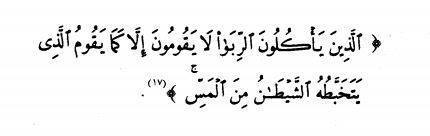
- نعم
هل استطاع شيخنا الجليل بن تيمية إثبات هذا ؟
- لا
September 28, 2017
شيخ الإسلام ابن تيمية لكلامه سطوة وقوة وتلوح عليه أنوار النبوة ..رحمه الله رحمة واسعة

January 26, 2021
This book provides a compelling evidence for the existence of jinns and their ability to harm humans. I must say it is a book that helps in our aqeedah and theology. Imam Bilal Philips must be commended for his unique approach, by not just providing a word for word translation of Ibn Taymiyyah's essay.
I would recommend it to all, Muslims and non Muslims who would like to learn about these unique creatures, that exist alongside us in this world.
I would recommend it to all, Muslims and non Muslims who would like to learn about these unique creatures, that exist alongside us in this world.

May 7, 2023
"و لهذا قد يحتاج في إبراء المصروع و دفع الجن عنه إلى الضرب، فيضرب ضرباً كثيراً جداً، و الضرب إنما يقع على الجني و لا يحس به المصروع، حتى يفيق المصروع و يخبر أنه لم يحس بشيء من ذلك، و لا يؤثر في بدنه، و يكون قد ضُرب بعصاً قوية على رجليه نحو ثلاثمائة أو أربعمائة ضربة و أكثر و أقل، بحيث لو كان على الإنسي لقتله، و إنما هو على الجني و الجني يصيح و يصرخ، و يحدث الحاضرين بأمور متعددة كما قد فعلنا نحن هذا و جربناه مرات كثيرة يطول وصفها بحضرة خلق كثيرين". - ص٥٦
من الصعب تقبل أي عذر لهذه الشناعة، خصوصاً و إن آراء عن حقيقة كون العوامل النفسية و الجسمانية هي السبب الحقيقي لتصرفات من يُظن بتلبس الجن بهم قد وصلت مسامع ابن تيمية، و ابن تيمية نفسه يذكر بعض هذه الآراء فقط ليرفضها دون إعطاؤها أي إعتبار:
"و هذا لأن وجود الجن تواترت به أخبار الأنبياء تواتراً معلوماً بالإضطرار، و معلوم بالأضطرار، أنهم أحياء، عقلاء، فاعلون بالإرادة، بل مأمورون منهيون، ليسوا صفات و أعراضاً قائمة بالإنسان أو غيره، كما يزعمه بعض الملاحدة". - ص٨
و أيضاً:
"و لم ينكر الجن إلا شرذمة قليلة من جهال الفلاسفة و الأطباء و نحوهم". - ص٢٨
من الصعب تقبل أي عذر لهذه الشناعة، خصوصاً و إن آراء عن حقيقة كون العوامل النفسية و الجسمانية هي السبب الحقيقي لتصرفات من يُظن بتلبس الجن بهم قد وصلت مسامع ابن تيمية، و ابن تيمية نفسه يذكر بعض هذه الآراء فقط ليرفضها دون إعطاؤها أي إعتبار:
"و هذا لأن وجود الجن تواترت به أخبار الأنبياء تواتراً معلوماً بالإضطرار، و معلوم بالأضطرار، أنهم أحياء، عقلاء، فاعلون بالإرادة، بل مأمورون منهيون، ليسوا صفات و أعراضاً قائمة بالإنسان أو غيره، كما يزعمه بعض الملاحدة". - ص٨
و أيضاً:
"و لم ينكر الجن إلا شرذمة قليلة من جهال الفلاسفة و الأطباء و نحوهم". - ص٢٨

June 10, 2020
الايمان برسالة محمد : ان الله ارسل محمد الى جميع الثقلين الانس والجن وأوجب عليهم الايمان به وان يحللوا ما حلل الله ويحرموا ما حرم الله .
اما اثبات وجود الجن تواترت به اخبار الأنبياء تواتراً معلوماً انهم احياء عقلاء فاعلون بالارادة بل مأمورون منهيون .
حديث ابن مسعود عن نبي محمد ان العظم والروث 💩💩💩 هما طعام الجن .
اما صرع الجن للانسان : صرعهم للانس قد يكون عن شهوة وهوى وعشق ، وقد يتناكح الانس والجن ويولد بينهما ولد 👦 وهذا كثير معروف 😂😂😂😂. وان الجن موجود في الخراب ومواضع النجاسات كالحمامات والمزابل والمقابر .
نهى محمد عن قتل حيات البيوت 🐍🐍🐍 حتى تؤذن ثلاثاً ( على اساس هي ضيفة ) كما في صحيح مسلم " ان بالمدينة نفراً من الجن قد اسلموا ، فمن رأى شيئاً من هذه العوامر فليؤذنه ثلاث ايام ، فإن بدا له بعد فليقتله فإنه الشيطان الله واكبر 😂😂😂😂🙄🙄🙄🙄🙄لذا الجن يتصورون في صور الانس والبهائم متل الحيات والعقارب وغيرها .
قال النبي محمد ان الكلب الاسود شيطان الكلاب والجن تتصور بصورته كثيراً وكذلك بصورة القط الاسود . ( طيب يلي عندو كلب اسود او بسينة سودة يروح يقتلها طلعو شياطين 👿 )
اما اثبات وجود الجن تواترت به اخبار الأنبياء تواتراً معلوماً انهم احياء عقلاء فاعلون بالارادة بل مأمورون منهيون .
حديث ابن مسعود عن نبي محمد ان العظم والروث 💩💩💩 هما طعام الجن .
اما صرع الجن للانسان : صرعهم للانس قد يكون عن شهوة وهوى وعشق ، وقد يتناكح الانس والجن ويولد بينهما ولد 👦 وهذا كثير معروف 😂😂😂😂. وان الجن موجود في الخراب ومواضع النجاسات كالحمامات والمزابل والمقابر .
نهى محمد عن قتل حيات البيوت 🐍🐍🐍 حتى تؤذن ثلاثاً ( على اساس هي ضيفة ) كما في صحيح مسلم " ان بالمدينة نفراً من الجن قد اسلموا ، فمن رأى شيئاً من هذه العوامر فليؤذنه ثلاث ايام ، فإن بدا له بعد فليقتله فإنه الشيطان الله واكبر 😂😂😂😂🙄🙄🙄🙄🙄لذا الجن يتصورون في صور الانس والبهائم متل الحيات والعقارب وغيرها .
قال النبي محمد ان الكلب الاسود شيطان الكلاب والجن تتصور بصورته كثيراً وكذلك بصورة القط الاسود . ( طيب يلي عندو كلب اسود او بسينة سودة يروح يقتلها طلعو شياطين 👿 )

June 9, 2023
This is such an interesting read! I couldn't sleep last night so I ended up finishing this book because as the chapter changes, my curiosity just creeps in and i keep wanting to know what else this book is going to offer! While the translator has already put a disclaimer that Ibn Taymiyyah's ideas were opinions of the 14th century and prior, experiences used as the examples are not that different from what I've experienced and heard of in this modern times.

February 22, 2022
This book greatly developed my knowledge of the jinn, and provided footnotes on secondary secular opinions of the greek, and secondary opinions of the Jewish and Christians.
It is written in a simple, easy to understand fashion, but that does not mean it lacks in complex subject matter.
It is written in a simple, easy to understand fashion, but that does not mean it lacks in complex subject matter.

November 19, 2017
لا اعرف ماذا يريد من الكتاب
لكن الاكيد ان محتوى الكتاب لايثبت عنوانه
ونجمتين على بعض الاحاديث والمعلومات العامة
لكن الاكيد ان محتوى الكتاب لايثبت عنوانه
ونجمتين على بعض الاحاديث والمعلومات العامة
Want to Read
September 13, 2022I want to read

September 22, 2014
This book is a brief intro to the world of jinn. It is a thin read. The jinns are real and it is a practical thing to know about them atleast to a basic level. This book can serve that purpose. it also touches many topics that come under human experiences with jinns like possession, vision, exorcism etc.
before this book i went through the series from the internet named "Diaries of an exorcist", which is also a good resource to learn about what are the precautions people should take, what is Ruqya in its true sense and more importantly who are the human frauds in whom we put so much faith in.
before this book i went through the series from the internet named "Diaries of an exorcist", which is also a good resource to learn about what are the precautions people should take, what is Ruqya in its true sense and more importantly who are the human frauds in whom we put so much faith in.

October 17, 2016
It`s a good essay based on Quran and Sunnah but I was expecting more information on exorcism and Jinn . Aprox. 120 pages which can be read very fast. I can say it was an introduction to the subject .
Actually I read materials from Sufis more documented. I am fascinated by Jinn, not that I can sense their presence, just their existence. Jinn can do more difficult things than human beings. That`s why I don`t get how come in Quran it is written that humans are superior to jinn? They can see us but we can`t see them or they can possess our body as some are doing with human beings.
Therefore, I need to read more things about this subject to have a better understanding.
Actually I read materials from Sufis more documented. I am fascinated by Jinn, not that I can sense their presence, just their existence. Jinn can do more difficult things than human beings. That`s why I don`t get how come in Quran it is written that humans are superior to jinn? They can see us but we can`t see them or they can possess our body as some are doing with human beings.
Therefore, I need to read more things about this subject to have a better understanding.
December 29, 2014
A great introductory piece in the jinn by ibn taymiyyah transited by Dr Bilal Philips.

December 7, 2013
جزاك الله عنا كل الخير
Displaying 1 - 15 of 15 reviews