What do you think?
Rate this book


224 pages, Paperback
First published November 1, 2011
’And what do you remember, finally, when everyone has gone home and the streets are empty of devotion and hope, swept by river wind? Is the memory thin and bitter and does it shame you with its fundamental untruth — all nuance and wishful silhouette? Or does the power of transcendence linger, the sense of an event that violates natural forces, something holy that throbs on the hot horizon, the vision you crave because you need a sign to stand against your doubt?’The power of transcendence lingered in my 19 year old heart, so I read White Noise soon after and would become swept up in the vein of postmodernism from there on out. The short story, and the startling nun scene at the conclusion of White Noise has lead me to always associate DeLillo with nuns and his exciting blend of hope and emptiness that he enacts with his nun figures. Within this collection, the nine stories ordered chronologically from 1979-2011, DeLillo continues to dazzle by highlighting the ironies of life. Sifting through the white noises and silence of life, DeLillo has a gift of honing in on the building blocks of human consciousness and our most deep primal instincts of fear, longing, loneliness, and wonderment to place them in tangible, carefully chosen and neatly ordered words that manage to define the ineffable.
’What they did had meaning,’ she asserts to the man, ‘It was wrong but it wasn’t blind and empty. I think the painter’s searching for this. And how did it end the way it did? I think he’s asking this.’. These words, incredibly portentous of the story’s conclusion, reflects on how she see’s meaning associated with everything around her, yet is not able to process it all into one streamlined, structured and succinct statement on what anything truly means. She silences these inner pangs by looking outward to a painting, hoping to understand one small object as a compensation for all the other meanings that escape her. In the powerful Hammer and Sickle inmates at a minimum-security prison all gather around the television to watch the daily economics report put on by two young girls. The inmates, most of them for incarcerated for economic reasons ranging from failure-to-pay-taxes to market manipulation and arms-dealing, find a sense of community and comfort watching the world market crumble. They watch two girls apply blunt meaning well beyond their capacity to intricate systems, while also being able to express inner angst together as a group.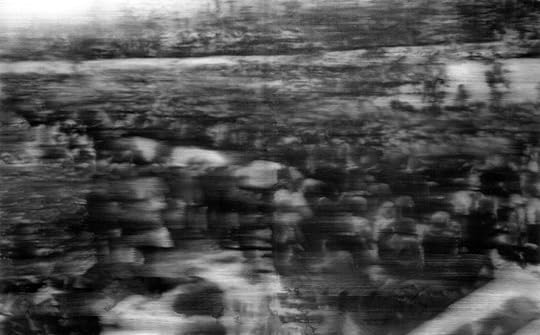
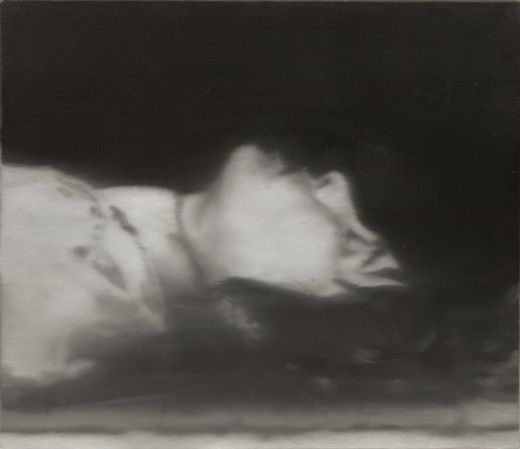
Gerhard Richter’s The Funeral, featured prominently in the story.

«Este no es uno de los grandes momentos del mundo. Llegará y pasará. Pero aquí estamos».Extraordinaria antología de Don DeLillo. Este es mi sexto libro que leo de él, y debo decir que siempre encuentro algo nuevo en sus historias. Nunca deja de darme algo más, algo que no esperaba. En este caso, con estos nueve cuentos DeLillo me llevó a realidades diferentes que sirven de reflexión acerca del mundo en el que vivimos, con inteligencia, virtuosismo y una escritura pocas veces vista en la literatura contemporánea.
![Profile Image for s.penkevich [hiatus-will return-miss you all].](https://i.gr-assets.com/images/S/compressed.photo.goodreads.com/users/1735525095i/6431467._UX200_CR0,11,200,200_.jpg)