

What do you think?

أوسلو #1
Peace and Its Discontents: Essays on Palestine in the Middle East Peace Process
Ever since Yasir Arafat and Yitzhak Rabin shook hands on the White House lawn, Israel and the Palestinian people have been engaged in what commentators persist in calling "the peace process." Yet Israel remains racked by violence and continuing land seizures, and Palestinians are more demoralized than ever before. Now in this probing and impassioned book, one of our foremost Palestinian-American intellectuals explains why the much-vaunted process has yet to produce peace--and is unlikely to as presently constituted.
Whether Edward Said is addressing the fatal flaws in the PLO's bargain, denouncing fundamentalists on both sides of the religious divide, or calling our attention to the distortions in official coverage of the Arab world, he offers insights beyond the conventional wisdom and a sympathy that extends to bot Israelis and Palestinians. He does so with an incisiveness, clarity, and fairness that make Peace and Its Discontents essential reading for anyonve who cares about the future of the Middle East.
Whether Edward Said is addressing the fatal flaws in the PLO's bargain, denouncing fundamentalists on both sides of the religious divide, or calling our attention to the distortions in official coverage of the Arab world, he offers insights beyond the conventional wisdom and a sympathy that extends to bot Israelis and Palestinians. He does so with an incisiveness, clarity, and fairness that make Peace and Its Discontents essential reading for anyonve who cares about the future of the Middle East.
188 pages, Paperback
First published January 3, 1996
About the author
Edward W. Said
244 books4,525 followers(Arabic Profile إدوارد سعيد)
Edward Wadie Said was a professor of literature at Columbia University, a public intellectual, and a founder of the academic field of postcolonial studies. A Palestinian American born in Mandatory Palestine, he was a citizen of the United States by way of his father, a U.S. Army veteran.
Educated in the Western canon, at British and American schools, Said applied his education and bi-cultural perspective to illuminating the gaps of cultural and political understanding between the Western world and the Eastern world, especially about the Israeli-Palestinian conflict in the Middle East; his principal influences were Antonio Gramsci, Frantz Fanon, Aimé Césaire, Michel Foucault, and Theodor Adorno.
As a cultural critic, Said is known for the book Orientalism (1978), a critique of the cultural representations that are the bases of Orientalism—how the Western world perceives the Orient. Said’s model of textual analysis transformed the academic discourse of researchers in literary theory, literary criticism, and Middle-Eastern studies—how academics examine, describe, and define the cultures being studied. As a foundational text, Orientalism was controversial among the scholars of Oriental Studies, philosophy, and literature.
As a public intellectual, Said was a controversial member of the Palestinian National Council, because he publicly criticized Israel and the Arab countries, especially the political and cultural policies of Muslim régimes who acted against the national interests of their peoples. Said advocated the establishment of a Palestinian state to ensure equal political and human rights for the Palestinians in Israel, including the right of return to the homeland. He defined his oppositional relation with the status quo as the remit of the public intellectual who has “to sift, to judge, to criticize, to choose, so that choice and agency return to the individual” man and woman.
In 1999, with his friend Daniel Barenboim, Said co-founded the West–Eastern Divan Orchestra, based in Seville, which comprises young Israeli, Palestinian, and Arab musicians. Besides being an academic, Said also was an accomplished pianist, and, with Barenboim, co-authored the book Parallels and Paradoxes: Explorations in Music and Society (2002), a compilation of their conversations about music. Edward Said died of leukemia on 25 September 2003.
Edward Wadie Said was a professor of literature at Columbia University, a public intellectual, and a founder of the academic field of postcolonial studies. A Palestinian American born in Mandatory Palestine, he was a citizen of the United States by way of his father, a U.S. Army veteran.
Educated in the Western canon, at British and American schools, Said applied his education and bi-cultural perspective to illuminating the gaps of cultural and political understanding between the Western world and the Eastern world, especially about the Israeli-Palestinian conflict in the Middle East; his principal influences were Antonio Gramsci, Frantz Fanon, Aimé Césaire, Michel Foucault, and Theodor Adorno.
As a cultural critic, Said is known for the book Orientalism (1978), a critique of the cultural representations that are the bases of Orientalism—how the Western world perceives the Orient. Said’s model of textual analysis transformed the academic discourse of researchers in literary theory, literary criticism, and Middle-Eastern studies—how academics examine, describe, and define the cultures being studied. As a foundational text, Orientalism was controversial among the scholars of Oriental Studies, philosophy, and literature.
As a public intellectual, Said was a controversial member of the Palestinian National Council, because he publicly criticized Israel and the Arab countries, especially the political and cultural policies of Muslim régimes who acted against the national interests of their peoples. Said advocated the establishment of a Palestinian state to ensure equal political and human rights for the Palestinians in Israel, including the right of return to the homeland. He defined his oppositional relation with the status quo as the remit of the public intellectual who has “to sift, to judge, to criticize, to choose, so that choice and agency return to the individual” man and woman.
In 1999, with his friend Daniel Barenboim, Said co-founded the West–Eastern Divan Orchestra, based in Seville, which comprises young Israeli, Palestinian, and Arab musicians. Besides being an academic, Said also was an accomplished pianist, and, with Barenboim, co-authored the book Parallels and Paradoxes: Explorations in Music and Society (2002), a compilation of their conversations about music. Edward Said died of leukemia on 25 September 2003.
Ratings & Reviews
Friends & Following
Create a free account to discover what your friends think of this book!
Community Reviews
Displaying 1 - 28 of 28 reviews

July 31, 2013
مجموعة مقالات لإدوارد سعيد ينتقد فيها وبشدة اتفاقية أوسلو
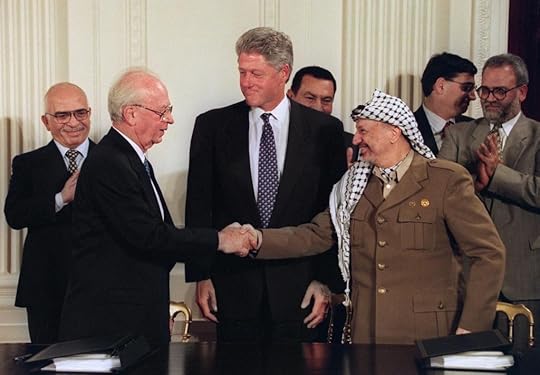
فهى بالفعل اتفاقية سيئة للغاية من عدة أوجه وذلك لعدة اسباب فالامن والعلاقات الخارجية والماء والارض بين غزة واريحا تحت سيطرة اسرائيل وحتى القوانين والتشريعات التى تصدرها سلطة الحكم الذاتى يجب ان توافق عليها اسرائيل , اتفاقية لم تذكر شئ عن القدس وعن عودة اللاجئيين او حتى تعويضهم, والمستوطنات سوف تبقي كما هى بدون ازالة ولا الحد من عنف المستوطنين , اسحق رابين يقول بعد الاتفاقية ان اسرائيل ستحتفظ بنهر الاردن وموارد المياه والحدود مع مصر والاردن والبحر والمستوطنات والارض بين غزة واريحا وان الجنود لم ينسحبوا من غزة واريحا بل هو اعادة توزيع قوات!!! فماذا بقى لفلسطين .
أما اسوء شئ فى الاتفاقية تغيير منطمة التحرير الميثاق حتى تصبح المقاومة ارهابا والتصدى للعدوان جريمة , فماذا بقى, فالاتفاقية بهذا الشكل تجعل من اسرائيل قطر شقيق
اعطوه الحكم الذاتى متمثل فى البريد والسياحة والصحة والتعليم ومع ذلك رفضوا حتى وضع صورة عرفات على طابع بريد او ان يقال له رئيس , كل ما سمحت اسرائيل به عندما يتم تفتيش حقائب ياسر عرفات من الممكن ان يبعث احد قبله بالحقائب بدل منه ... ما هذه المهانة
واعطوا عرفات الامن الداخلى الذى سوف يساعدهم على الحد من المقاومة فيصبح الامن الداخلى بقيادة المنظمة تحت خدمة اسرائيل وسوف تحاسبهم على اى تقصير فى الامن ..
بهذه الاتفاقية تنازل عرفات عن تاريخ مقاومة وتضحيات سنين من اجل ماذا ..من اجل الاعتراف بمنظمة التحرير واعطاوءه سلطة حكم ذاتى تحت طوع اسرائيل .
وعرفات نموذج للحاكم العربي فاستأثر بالحكم وكل الصلاحيات والتعيينات بدون انتخابات واعطى نفسه كل الصلاحيات وقام بمصادرة الرأى الاخر...
وكان خلاصة هذا الكتاب انه لا يوجد سلام تحت مظلة امريكا الراعية لمصالح اسرائيل فمن الجنون ان نصدق انه من الممكن كسب السياسة الامريكية لصالح الشعوب العربية فعندما كان يقول عرفات لبيل كلينتون صديقى كانت امريكا مازالت تقدم دعم غير مشروط لاسرائيل , اضافوا 180 على معونة الخمسة مليار دولار , رفض ادانة العنف الاسرائيلي, امريكا مازالت تدرج المنظمة تحت لائحة الارهاب , اقرت ضم القدس والتوسع لاكثر من 200 مستوطنة يهودية..
فالسلام تحت رعاية امريكا يعنى تطبيع العلاقات مع اسرائيل, فتح اسواق الدول العربية لاسرائيل وامريكا, تدفق النفط المستمر لامركيا, عدم امتلاك اى دولة لاسلحة دمار شامل الا اسرائيل , اخضاع كل القضايا الاقليمية لصالح امريكا
هذا هو سلام امريكا ......

March 20, 2014
نشأت في بيئة فتحاوية من الأب إلى الأم إلى الأخ ولم التفت كثيرا للوضع السياسي الفلسطيني المتدهور الفاسد ، فما لفتني سوى المقاومة واسطورة ابو عمار والثورة الفلسطينية في لبنان ، ولم أدرك حقيقة اتفاقية أوسلو أظن أنه كان تعمدا مني تجاهلها حتى لا نخطئ حركة فتح ! كنت كذلك والحمدالله الذي شافاني وعافاني مما ابتلى به غيري من عنصرية حمقاء وتعصب أعمى لمجرد أشخاص وكلمات رنانة وتجاهل الواقع والبحث في أسباب مصائبنا .
بدأت تتكون الأسئلة في عقلي عن بداية هذا التنازل والهوان ، وعن وضعنا المزري على كافة المستويات السياسية والاقتصادية والاجتماعية وبالتأكيد ليس سببها الاحتلال فقط وهذا ما يجب أن ندركه ، هناك أسباب اخرى جعلت الاحتلال يتغطرس أكثر ويفرض هيمنته وظلمه وذلك عندما قبلنا في التنازل والإذعان والخنوع ، لحل المشكلة يتوجب علينا الاعتراف بفشلنا ومعالجته مباشرة، لكن المشكلة تكمن في محاولة تجاهل الماضي الذي أوصلنا لهذا الحاضر ، وعلاج المشكلة بشكل جزئي لا ينفع ، فمثلا عندما نبحث في مشكلة اقتصادنا وتبعيته أو غلاء الاسعار نعود لتذمر ويُقاد الشعب إلى مظاهرة سخيفة تبين استهتار الشعب في همه كونه لا يرى سوى الغلاء ورواتب قليلة لكن الحقيقة انه لا يلتفت إلى ما أبعد من مجرد الغلاء وهذا ما يريدونه أن يتذمر ولا يفكر لماذا وصل لهذا الحال ؟ بالطبع السبب اوسلو ، عرفنا السبب ، ومن كان وراء هذه المشكلة ، لكن لا ننتقل للخطوة الثانية . هذا العجز الذي أصاب شعب ما زال يكافح بكلماته يستحق التعجب والتأمل، لماذا انحدر لهذا المستوى ، لأنهم يحاولون جعله يعيش في بيئة المتصارع على دولة وليس على حق ، يهتم ويفكر في رزقه ورفاهيته أكثر من اهتمامه في حقه المسلوب أو في الظلم الواقع عليه .
في كتاب غزة أريحا سلام امريكي، يحكي ادوارد عن الفخ الذي وقعنا فيه باتفاقية اوسلو وبقياداتنا الضعيفة أو ليسوا قادة بل تجار ، وقد كان ادوارد من قبل في أوج الثورة وقوتها قد اقترح حل سلمي وتعايش سلمي بين اليهود والفلسطينيين على أساس مساواة بين طرفين متصارعين يستطيع كل منهما فرض شروطه التي تحقق العدل والمساواة ، وانهاء الاحتلال ، لكن وقتها القيادة الفلسطينية لم تقبل ، وعندما ضعفت قبلت باتفاقية غير واضحة المعالم ، بقيادة جاهلة تبحث عن استثمارات وارباح وكأن فلسطين مزرعة الي خلفوهم.
والمشكلة الأكبر أن لا يكون هناك رادع لهذه القيادة ولا تُحاسب على اخطائها وإلى الآن لم تعترف بفشلها وبالذل الي ألحقته لشعبها ولم تجري الاصلاحات فيها بل تذهب للأسوأ .
ذكرني برواية 1984 عند محاولتهم بإلغاء الماضي من أذهان الشعب وتحطيم ثوابتهم وأهدافهم الحقيقية فيذكر إدوارد "لقد جاء الخطاب الذي ألقاه ياسر عرفات في القاهرة في الرابع من مايو ليكرر محاولات الرسميين الفلسطينيين إلغاء ذاكرة الشعب ، عندما قال : إن تضحيات الفلسطينيين طوال هذه السنوات كانت من أجل السلام". وكأن النضال الفلسطيني لم يكن من أجل تقرير المصير والحقوق الفلسطينية الثابتة، بل للحصول على هذا الإنجاز المشبوه المتمثل في اتفاق غزة أريحا.
وايضا يوضح لك كثير من الحقائق المخفية وراء تمثيل القيادات وخطبهم الزائفة التي يصبون بها الكلمات العاطفية ، قد كنت يوما طفلة متأثرة في ابو عمار وكلماتها عن تحرير القدس بيد اشبال فلسطين وزهرات فلسطين وأردد كلماته مثل الببغاء ، ونحن الآن ننشئ جيلا اسوأ من قبل لا يرى الحقيقة ولا يعرف أن الثورة الفلسطينية لم تستمر لأنها أصبحت ميليشات تحرس ابو عمار في حي الفاكهاني في لبنان وتتدخل في شؤون أي بلد تذهب إليه لتدمر أكثر وينحدر هدفها من التحرير إلى الهوس في السلطة والمناصب وقد طالبت بحكم ذاتي محدود، أي قيادة مؤمنة بحقوقها تطالب بهذا الحق المنقوص ؟وتثبت للعالم بأنها جماعة ارهابية وكأنها اعتدت على اسرائيل حتى ترضخ لتلك الشروط في الاتفاقية وتدعم اسرائيل سواء بأمنها عندما تكون الشرطي الحارس لأمن المستوطنات تصمت عندما يعتدون على الفلسطينيين وتتجبر على ابناء شعبها ! أي قيادة تعطي عدوها السيطرة على المياه والأرض والحدود والامن وكل ما تشتهيه ! ثم يصرخون بحقوق اللاجئين والقدس وأين هم منها عند توقيع الاتفاقية ؟!
الأكثر وجعا وأعيد ذكره عن كيفية تنشئة جيل يجهل تاريخه وحقيقة قياداته ، قبل سنة عندما قامت صفقة خروج أسرى من الانتفاضة الأولى مقابل الخضوع لمفاوضات التنازل أكثر كونه "لا توجد مفاوضات بين طرف ضعيف مغلوب على أمره وعدو مهيمن" هؤلاء الأسرى كان من المفروض خروجهم عند توقيع الاتفاقية لكن دعونا نتساءل من تخلى عن حقوقهم ؟! من يدرك أن ابو مازن لم يفضل عليهم وعلى الفلسطينيين بشيء في صفقة خروج الأسرى ؟ هذه سياسة التجهيل !
إدوارد توصل لحل عند كتابة مقالات الكتاب عام 1994 وهو أن تقدم تلك القيادات استقالتها وإعادة تنظيم صفوف منظمة التحرير الفلسطينية وإصلاحها ،لكن هيهات ،امريكا واسرائيل تحرص أن يعطوهم كراسي ومكاتب وسيارات وحراس واموال ورحلات ويطلبون منهم خنق هذا الشعب أكثر ، وليغرق الشعب بمشاكل التعليم والصحة والتنمية ولا تقدموا أي حلول ولتمثلوا عليهم السلطة والسيطرة الوهمية إذ هم لا يستطيعون مخالفة أصغر جندي اسرائيلي !أو أن يمروا على الحواجز من دون تفتيش حتى المسمى بالرئيس!
ادوارد لا ينتقد القيادات الفلسطينية فقط بل الولايات المتحدة واعلامها واسرائيل وجرائمها ، يقول إدوارد في المقدمة"وهذا الكتاب الذي بين يدي القارئ ليس أكثر من جهد متواضع على طريق بدء هذا الحوار المطلوب وإثارة الفكر حوله. وأنا لست بمتخصص في العلوم السياسية ، كما أنني لا أدعي امتلاك رؤية جديدة أبشر بها. ولكنني أحب مغامرة البوح بما ينبغي أن يقال عندما يصمت الكثيرون. كما أنني أحب طرح التساؤلات التي لا يطرحها العديدون ، ربما بسبب قربهم من خضم الأحداث ".
وأخيرا " إن السلام الأمريكي في الشرق الأوسط يعني تطويع العلاقات بين اسرائيل والدول العربية ، ويعني عدم تملك أي دولة في المنطقة أسلحة الدمار الشامل ما عدا اسرائيل، ويعني احتواء ايران، ويعني فتح اقتصاديات الدول العربية للاختراق الاسرائيلي والامريكي ، ويعني الصراع والحوار ، في نفس الوقت، مع الاسلام السياسي ، ويعني تدفق النفط العربي غير المحدود إلى الولايات المتحدة ، ويعني أخيرا إخضاع كل القضايا الإقليمية والمحلية لمتطلبات أمريكا ومصالحها".
وهناك مقالا مشوقا عن غزة "حقائق مريرة عن غزة " كيف يتعمدون تجاهلها وخنقها وقد قال رابين مرة أنه يتمنى أن يبلعها البحر ، غزة رغم الفقر والحصار إلا ان فيها روح المقاومة .
عندما أنهيت الكتاب باغتني شعور ، هل يتكرر إدوارد سعيد، هي يأتي أحد مثله يبث لنا مثل تلك الحقائق بكل صدق وموضوعية بعيدا عن المصالح يحكيها ملتزما بكونه مثقف مستقل ؟! من مثل إدوارد سعيد؟
بدأت تتكون الأسئلة في عقلي عن بداية هذا التنازل والهوان ، وعن وضعنا المزري على كافة المستويات السياسية والاقتصادية والاجتماعية وبالتأكيد ليس سببها الاحتلال فقط وهذا ما يجب أن ندركه ، هناك أسباب اخرى جعلت الاحتلال يتغطرس أكثر ويفرض هيمنته وظلمه وذلك عندما قبلنا في التنازل والإذعان والخنوع ، لحل المشكلة يتوجب علينا الاعتراف بفشلنا ومعالجته مباشرة، لكن المشكلة تكمن في محاولة تجاهل الماضي الذي أوصلنا لهذا الحاضر ، وعلاج المشكلة بشكل جزئي لا ينفع ، فمثلا عندما نبحث في مشكلة اقتصادنا وتبعيته أو غلاء الاسعار نعود لتذمر ويُقاد الشعب إلى مظاهرة سخيفة تبين استهتار الشعب في همه كونه لا يرى سوى الغلاء ورواتب قليلة لكن الحقيقة انه لا يلتفت إلى ما أبعد من مجرد الغلاء وهذا ما يريدونه أن يتذمر ولا يفكر لماذا وصل لهذا الحال ؟ بالطبع السبب اوسلو ، عرفنا السبب ، ومن كان وراء هذه المشكلة ، لكن لا ننتقل للخطوة الثانية . هذا العجز الذي أصاب شعب ما زال يكافح بكلماته يستحق التعجب والتأمل، لماذا انحدر لهذا المستوى ، لأنهم يحاولون جعله يعيش في بيئة المتصارع على دولة وليس على حق ، يهتم ويفكر في رزقه ورفاهيته أكثر من اهتمامه في حقه المسلوب أو في الظلم الواقع عليه .
في كتاب غزة أريحا سلام امريكي، يحكي ادوارد عن الفخ الذي وقعنا فيه باتفاقية اوسلو وبقياداتنا الضعيفة أو ليسوا قادة بل تجار ، وقد كان ادوارد من قبل في أوج الثورة وقوتها قد اقترح حل سلمي وتعايش سلمي بين اليهود والفلسطينيين على أساس مساواة بين طرفين متصارعين يستطيع كل منهما فرض شروطه التي تحقق العدل والمساواة ، وانهاء الاحتلال ، لكن وقتها القيادة الفلسطينية لم تقبل ، وعندما ضعفت قبلت باتفاقية غير واضحة المعالم ، بقيادة جاهلة تبحث عن استثمارات وارباح وكأن فلسطين مزرعة الي خلفوهم.
والمشكلة الأكبر أن لا يكون هناك رادع لهذه القيادة ولا تُحاسب على اخطائها وإلى الآن لم تعترف بفشلها وبالذل الي ألحقته لشعبها ولم تجري الاصلاحات فيها بل تذهب للأسوأ .
ذكرني برواية 1984 عند محاولتهم بإلغاء الماضي من أذهان الشعب وتحطيم ثوابتهم وأهدافهم الحقيقية فيذكر إدوارد "لقد جاء الخطاب الذي ألقاه ياسر عرفات في القاهرة في الرابع من مايو ليكرر محاولات الرسميين الفلسطينيين إلغاء ذاكرة الشعب ، عندما قال : إن تضحيات الفلسطينيين طوال هذه السنوات كانت من أجل السلام". وكأن النضال الفلسطيني لم يكن من أجل تقرير المصير والحقوق الفلسطينية الثابتة، بل للحصول على هذا الإنجاز المشبوه المتمثل في اتفاق غزة أريحا.
وايضا يوضح لك كثير من الحقائق المخفية وراء تمثيل القيادات وخطبهم الزائفة التي يصبون بها الكلمات العاطفية ، قد كنت يوما طفلة متأثرة في ابو عمار وكلماتها عن تحرير القدس بيد اشبال فلسطين وزهرات فلسطين وأردد كلماته مثل الببغاء ، ونحن الآن ننشئ جيلا اسوأ من قبل لا يرى الحقيقة ولا يعرف أن الثورة الفلسطينية لم تستمر لأنها أصبحت ميليشات تحرس ابو عمار في حي الفاكهاني في لبنان وتتدخل في شؤون أي بلد تذهب إليه لتدمر أكثر وينحدر هدفها من التحرير إلى الهوس في السلطة والمناصب وقد طالبت بحكم ذاتي محدود، أي قيادة مؤمنة بحقوقها تطالب بهذا الحق المنقوص ؟وتثبت للعالم بأنها جماعة ارهابية وكأنها اعتدت على اسرائيل حتى ترضخ لتلك الشروط في الاتفاقية وتدعم اسرائيل سواء بأمنها عندما تكون الشرطي الحارس لأمن المستوطنات تصمت عندما يعتدون على الفلسطينيين وتتجبر على ابناء شعبها ! أي قيادة تعطي عدوها السيطرة على المياه والأرض والحدود والامن وكل ما تشتهيه ! ثم يصرخون بحقوق اللاجئين والقدس وأين هم منها عند توقيع الاتفاقية ؟!
الأكثر وجعا وأعيد ذكره عن كيفية تنشئة جيل يجهل تاريخه وحقيقة قياداته ، قبل سنة عندما قامت صفقة خروج أسرى من الانتفاضة الأولى مقابل الخضوع لمفاوضات التنازل أكثر كونه "لا توجد مفاوضات بين طرف ضعيف مغلوب على أمره وعدو مهيمن" هؤلاء الأسرى كان من المفروض خروجهم عند توقيع الاتفاقية لكن دعونا نتساءل من تخلى عن حقوقهم ؟! من يدرك أن ابو مازن لم يفضل عليهم وعلى الفلسطينيين بشيء في صفقة خروج الأسرى ؟ هذه سياسة التجهيل !
إدوارد توصل لحل عند كتابة مقالات الكتاب عام 1994 وهو أن تقدم تلك القيادات استقالتها وإعادة تنظيم صفوف منظمة التحرير الفلسطينية وإصلاحها ،لكن هيهات ،امريكا واسرائيل تحرص أن يعطوهم كراسي ومكاتب وسيارات وحراس واموال ورحلات ويطلبون منهم خنق هذا الشعب أكثر ، وليغرق الشعب بمشاكل التعليم والصحة والتنمية ولا تقدموا أي حلول ولتمثلوا عليهم السلطة والسيطرة الوهمية إذ هم لا يستطيعون مخالفة أصغر جندي اسرائيلي !أو أن يمروا على الحواجز من دون تفتيش حتى المسمى بالرئيس!
ادوارد لا ينتقد القيادات الفلسطينية فقط بل الولايات المتحدة واعلامها واسرائيل وجرائمها ، يقول إدوارد في المقدمة"وهذا الكتاب الذي بين يدي القارئ ليس أكثر من جهد متواضع على طريق بدء هذا الحوار المطلوب وإثارة الفكر حوله. وأنا لست بمتخصص في العلوم السياسية ، كما أنني لا أدعي امتلاك رؤية جديدة أبشر بها. ولكنني أحب مغامرة البوح بما ينبغي أن يقال عندما يصمت الكثيرون. كما أنني أحب طرح التساؤلات التي لا يطرحها العديدون ، ربما بسبب قربهم من خضم الأحداث ".
وأخيرا " إن السلام الأمريكي في الشرق الأوسط يعني تطويع العلاقات بين اسرائيل والدول العربية ، ويعني عدم تملك أي دولة في المنطقة أسلحة الدمار الشامل ما عدا اسرائيل، ويعني احتواء ايران، ويعني فتح اقتصاديات الدول العربية للاختراق الاسرائيلي والامريكي ، ويعني الصراع والحوار ، في نفس الوقت، مع الاسلام السياسي ، ويعني تدفق النفط العربي غير المحدود إلى الولايات المتحدة ، ويعني أخيرا إخضاع كل القضايا الإقليمية والمحلية لمتطلبات أمريكا ومصالحها".
وهناك مقالا مشوقا عن غزة "حقائق مريرة عن غزة " كيف يتعمدون تجاهلها وخنقها وقد قال رابين مرة أنه يتمنى أن يبلعها البحر ، غزة رغم الفقر والحصار إلا ان فيها روح المقاومة .
عندما أنهيت الكتاب باغتني شعور ، هل يتكرر إدوارد سعيد، هي يأتي أحد مثله يبث لنا مثل تلك الحقائق بكل صدق وموضوعية بعيدا عن المصالح يحكيها ملتزما بكونه مثقف مستقل ؟! من مثل إدوارد سعيد؟

May 26, 2021
yo idk if u noticed but i think Edward really hates this arafat guy....don't tell anyone tho

February 12, 2015
المهم أن صديقنا "العرفاتي" بعدما قرأ هذه المقالات لإدوارد صار يراه كالعمى
بعد أن يسميه ب"العظيم"..
بعد أن يسميه ب"العظيم"..

March 27, 2020
في الحقيقة، لا يحتاج الأمر لمعاجم ومحليلين سياسيين درجة أولى لوصف إخفاقنا التاريخي في "أوسلو" ، لكن هل حقاً ندرك إلى أي مدى قد أثرت أوسلو ليس فقط على المفهوم التاريخي للنضال الفلسطيني بل على روتين حياتنا اليومي في الأراضي الفلسطينية المحتلة؟ وفي الشتات وفي كل بقعة أرض يسكن فيها فلسطيني قد رُحل قصراً من أرضه وطلب منه أن ينسى أو يتناسى؟
قد جُمعت بين طيات الكتاب عدة مقالات قد كتبها إدوارد سعيد على أثر أوسلوا، حيث ألقى الضوء على الحالة العامة في "إسرائيل" و" امريكا" و الحالة الخاصة التي سادت منظمة التحرير إبان التوقيع ، ويزدري وضع الخضوع والخنوع للشعب و يطالب بحقوق شعبنا المشتت و ضرورة تحقيق سياسي للذات خارج الإطار الضيق ونبذ التشرمذ الواقع قصراً على شعبنا في بقاع الأرض وعدم إهمال قضية اللاجئين العادلة. لكن ما أعجبني حقاً-رغم أنني رفضته في البداية-، المبدأ الذي يستند عليه إدوارد وموقفه الثابت من حلول السلام و حل الدولتين الذي يدعمه بتفاني، فحتى الطبقة التي تنادي بهذا الحل للقضية الفلسطينية متمثلة بإدوارد قد رفضت جلّ ما آتى في أوسلو والاتفاقيات التي تلتها، فهو يؤمن بأن السلام العادل المنصف بين أي طرفيين متنازعين هو الحل لكن يؤكد في نهاية الكتاب إنه " عندما يتكلم الناس عن الحاجة إلى ثقافة للسلام تحل محل ثقافة الحرب يبدو أنهم ينسون أن الأسباب التي أدت أصلاً إلى الحرب لاتزال موجودة، وأن إسرائيل دعمت بقوة السلاح مكاسبها الأصلية على حساب الفلسطينيين" وسلبتهم أرضهم وحقهم التاريخي. وهذا يدل على أنّ حلّ السلام هو أقرب إلى الخيال وليس "أكثر من هراء سخيف"مع كيان احتلال لا يؤمن بالحق الإنساني، دولة عنصرية تقوم على راديكالية متناهية في القمع و السلب والقتل، كيان قد استغل الموقف العربي و موقف السلطة الفلسطينية لقلب الحقائق والتاريخ ولاستغلال كل فرصة حتى نصل إلى ما وصلنا له اليوم، فكل اتفاقية وكل ما قد رُسم سابقاً قد دشن وجهزّ الطريق لصفقة القرن التي نشهدها اليوم، والكتاب يؤكد أن أي إنسان مُطّلع بحق -في ذاك الوقت أو أي وقت- على كل الظروف التي أدت إلى اوسلو يرى أن صفقة القرن ما هي إلى استكمال للطريق الذي بدأه الحلم اليهودي المزعوم من عشرينيات القرن الماضي إلى الآن وكل ما شهدناه هو بالأمر غير المستحدث ، وأننا شئنا أم أبينا قد كنا طرفاً في التحضير الكبير لها، فلم يتوقف إدوارد عند قدسية الرموز ، وإظنها شجاعة في ذاك الوقت والآن، فالخطوة الأولى للتغيير تكمن في أن ندرك بحق عمق الفشل الذي أوصل قضيتنا العادلة إلى ما وصلت إليه الآن، ثم نفض الغبار عن مبادئنا التي بدأت من تحت يد هذا الشعب الذي أمسك جدّه قبل سنين حجراً ليتصدى لمحتله، وتناقلت الأجيال هذا الأرث ولم يقع يوماً هذا الحجر من الشعب لو حملت السلطات في مكانه ألف وردة خانعة ، فرمزنا الدائم هو الشعب ، ومتراسنا دوماً هو الشعب، ومن الشعب سوف ننهض.
قد جُمعت بين طيات الكتاب عدة مقالات قد كتبها إدوارد سعيد على أثر أوسلوا، حيث ألقى الضوء على الحالة العامة في "إسرائيل" و" امريكا" و الحالة الخاصة التي سادت منظمة التحرير إبان التوقيع ، ويزدري وضع الخضوع والخنوع للشعب و يطالب بحقوق شعبنا المشتت و ضرورة تحقيق سياسي للذات خارج الإطار الضيق ونبذ التشرمذ الواقع قصراً على شعبنا في بقاع الأرض وعدم إهمال قضية اللاجئين العادلة. لكن ما أعجبني حقاً-رغم أنني رفضته في البداية-، المبدأ الذي يستند عليه إدوارد وموقفه الثابت من حلول السلام و حل الدولتين الذي يدعمه بتفاني، فحتى الطبقة التي تنادي بهذا الحل للقضية الفلسطينية متمثلة بإدوارد قد رفضت جلّ ما آتى في أوسلو والاتفاقيات التي تلتها، فهو يؤمن بأن السلام العادل المنصف بين أي طرفيين متنازعين هو الحل لكن يؤكد في نهاية الكتاب إنه " عندما يتكلم الناس عن الحاجة إلى ثقافة للسلام تحل محل ثقافة الحرب يبدو أنهم ينسون أن الأسباب التي أدت أصلاً إلى الحرب لاتزال موجودة، وأن إسرائيل دعمت بقوة السلاح مكاسبها الأصلية على حساب الفلسطينيين" وسلبتهم أرضهم وحقهم التاريخي. وهذا يدل على أنّ حلّ السلام هو أقرب إلى الخيال وليس "أكثر من هراء سخيف"مع كيان احتلال لا يؤمن بالحق الإنساني، دولة عنصرية تقوم على راديكالية متناهية في القمع و السلب والقتل، كيان قد استغل الموقف العربي و موقف السلطة الفلسطينية لقلب الحقائق والتاريخ ولاستغلال كل فرصة حتى نصل إلى ما وصلنا له اليوم، فكل اتفاقية وكل ما قد رُسم سابقاً قد دشن وجهزّ الطريق لصفقة القرن التي نشهدها اليوم، والكتاب يؤكد أن أي إنسان مُطّلع بحق -في ذاك الوقت أو أي وقت- على كل الظروف التي أدت إلى اوسلو يرى أن صفقة القرن ما هي إلى استكمال للطريق الذي بدأه الحلم اليهودي المزعوم من عشرينيات القرن الماضي إلى الآن وكل ما شهدناه هو بالأمر غير المستحدث ، وأننا شئنا أم أبينا قد كنا طرفاً في التحضير الكبير لها، فلم يتوقف إدوارد عند قدسية الرموز ، وإظنها شجاعة في ذاك الوقت والآن، فالخطوة الأولى للتغيير تكمن في أن ندرك بحق عمق الفشل الذي أوصل قضيتنا العادلة إلى ما وصلت إليه الآن، ثم نفض الغبار عن مبادئنا التي بدأت من تحت يد هذا الشعب الذي أمسك جدّه قبل سنين حجراً ليتصدى لمحتله، وتناقلت الأجيال هذا الأرث ولم يقع يوماً هذا الحجر من الشعب لو حملت السلطات في مكانه ألف وردة خانعة ، فرمزنا الدائم هو الشعب ، ومتراسنا دوماً هو الشعب، ومن الشعب سوف ننهض.

October 26, 2024
كان الله في عون العديد من حكام العرب الذين أراهم اليوم في وضع لا يحسدون عليه فقد اشتروا، ومن خلال التودد لاسرائيل والولايات المتحدة، مهلة زمنية ليست طويلة، في الوقت الذي سيجدون فيه أنفسهم قريبا جدا مضطرين لمواجهة المشاكل الاجتماعية والمعنوية الحادة، التي أرجأوا التعامل معها وتجاهلوا وجودها لزمن طويل.

October 14, 2023
At times I didn’t agree but ofc so well written and so passionate

December 26, 2014
Buku Peace and Its Discontents ini adalah koleksi2 artikel pengkritik sastera, Edwars Said pasca upacara penandatanganan Rundingan oslo di White House tahun 1993.
Dari awal Edward Said telah mengingatkan bahawa rundingan ini adalah rundingan palsu yang hanya akan meneruskan rasa ketidakpuashatian rakyat Palestin terhadap israel yang akan seterusnya meningkatkan konfrantasi.
Melalui buku ini aku dapat tahu banyak kelompongan rejim Yaser Arafat rupanya. Mereka tidak demokratik, korup, dan mengamalkan dictatorship. Oslo Accord 1993 dilakukan hasil daripada beberapa siri rundingan rahsia bersama Israel. Rakyat tidak tahu menahu apa yang PLO telah tawarkan dan apa yg Israel tawarkan. Wira2 intifada yg terdahulu tidak di rujuk pandangan mereka. Wakil2 rakyat palestin tidak tahu menahu apa yg dibincangkan. Dalam masa yg sama Israel mempunyai segala kelebihan berbanding Palestin; mereka mendapat bekalan senjat daripada US juga bantuan kewangan 5billion setahub, mereka berkelebihan dari segi ilmu: Israel mempunyai department2 yg khusus mengajar tentang bangsa Arab di universiti2 mereka. Rundingan Oslo 1993 juga menyaksikan Israel diwakili dengan pakar2 perunding yg profesional. Palestin pula diwakili oleh Yaser Arafat yang tidak berkeahlian dalam teknikal perundingan, tidak mahir bahasa inggeris (bahasa yg digunakan dalam teks Rundingan oslo), dan kekurangan dari segala segi.
Hasilnya adalah perjanjian yg sangat absurd; tanah, air udara Palestin dipersetujui adalah untuk dipegang oleh Israel (dimana klausa tersebut merupakan satu tacit agreement yg memperakui kewujudan Israel sebagai sebuah negara).
PLO cuma mendapat 'gula2' dalam bentuk pengiktirafan Israel terhadap PLO sebagai entiti yg Israel akan berhubung bersama (tetapi Israel tidak mengiktiraf kewujudan Palestin), PLO ada kuasa bagi pendidikan, kesihatan, mewujudkan badan polis sendiri dsb.
Kebanyakan bahagian daripada buku ini merupakan kritikan Edward Said yg dihadapkan kepada barisan kepimpinan Palestin waktu itu yg diketuai Yaser arafat. Menurut Said, Yaser arafat jelas tidak kompeten dan gagal. Yaser arafat ibarat telah melupakan dosa2 Israel pada Palestin lebih 40 tahun dulu sejak Nakbah bermula. Hal ini paling jelas melalui Klausa2 dlm Rundingan oslo tersebut yg membayangkan seolah2 peristiwa nakbah tidak pernah berlaku. Kegagalan Yaser arafat ini hadir dalam dalam bentuk: Nasib rakyat palestin yg terdampar menjadi pelarian hasil kolonialisasi israel tidak diperjuangkan, Wang pampasan di atas jumlah kerugian dan kematian yg ditanggung Palestin hasil intifada tidak ditimbulkan (israel mendapat 40billion USD pampasan dari Jerman atas holocaust), perjuangan Hak rakyat palestin utk mendapat self-determination dan perakuan sebagai sebuah negara merdeka tidak dibangkitkan.
Ini sangat berbeza dengan apa yg Nelson mandela lakukan sewaktu menentang rejim aparteid di South Africa, tegas Said. Nelson mandela sewaktu berunding dengan kerajaan Afrika selatan waktu itu, tidak pernah berpaling daripada matlamat2 utama perjuangan rakyat Kulit hitam yg antaranya: pemerakuan bahawa rakyt kulit hitam diiktiraf sebagai sama rata, pemberian semula hak untuk mentadbir sendiri (self-rule) kepada rakyat afrika, dan menghentikan aparteid. Permintaan nelson mandela itu ditolak, dan beliau dipenjarakan sebanyak lebih 20 tahun.
Lain ceritanya di Palestin, walaupun perjuangan Palestin dan perjuangan rakyat afrika Selatan hampir sama tempohnya (40 tahun++). Menjelang tahun 1990-an aparteid mula diruntuhkan dan suara2 rakyat Afrika Selatan mula didengari. Tetapi di Palestin keadaan kian runcing berikutan rundingan oslo. Yaser arafat yang kini mempunyai kumpulan polisnya yang tersendiri, telah bertindak menjadi henchman Israel dengan mengenakan tindakan terhadap mana2 pihak yg cuba menjejaskan apa yg disepakati di Oslo ie; sesiapa2 yg cuba menyerang Israel. Arafat mula sedar yg beliau terperangkap.
Walaupun ia bukanlah sangat sebuah buku dan lebih berupa koleksi artikel, tetapi buku ini sangat bagus bagi mana2 pihak yg ingin tahu apa yg berlaku sewaktu rundingan Oslo dan bagaimana ia mendatangkan kesan terhadap hubungan israel-pAlestin.
Said turut menempelak intelektual2 Palestin yg terlalu simplistik di dalam menganalisis hubungan US-Israel. Kata Said, mereka tidak dapat menanggapi lapisan2 masyarakat dan institusi2 yg pelbagai yg wujud di US yg menyumbang kepada polisi mesra Israel yg diamalkan US.
Hal ini penting untuk difahami, kerana dengan mengkaji perkara2 inilah baharu perjuangan Palestin dapat dirangka dengan efektif. Kalau tidak sampai ke sudah rakyat2 Palestin perlu bermandi darah lantas melupakan overarching objective di dalam perjuangan nasionalis mereka.
Dari awal Edward Said telah mengingatkan bahawa rundingan ini adalah rundingan palsu yang hanya akan meneruskan rasa ketidakpuashatian rakyat Palestin terhadap israel yang akan seterusnya meningkatkan konfrantasi.
Melalui buku ini aku dapat tahu banyak kelompongan rejim Yaser Arafat rupanya. Mereka tidak demokratik, korup, dan mengamalkan dictatorship. Oslo Accord 1993 dilakukan hasil daripada beberapa siri rundingan rahsia bersama Israel. Rakyat tidak tahu menahu apa yang PLO telah tawarkan dan apa yg Israel tawarkan. Wira2 intifada yg terdahulu tidak di rujuk pandangan mereka. Wakil2 rakyat palestin tidak tahu menahu apa yg dibincangkan. Dalam masa yg sama Israel mempunyai segala kelebihan berbanding Palestin; mereka mendapat bekalan senjat daripada US juga bantuan kewangan 5billion setahub, mereka berkelebihan dari segi ilmu: Israel mempunyai department2 yg khusus mengajar tentang bangsa Arab di universiti2 mereka. Rundingan Oslo 1993 juga menyaksikan Israel diwakili dengan pakar2 perunding yg profesional. Palestin pula diwakili oleh Yaser Arafat yang tidak berkeahlian dalam teknikal perundingan, tidak mahir bahasa inggeris (bahasa yg digunakan dalam teks Rundingan oslo), dan kekurangan dari segala segi.
Hasilnya adalah perjanjian yg sangat absurd; tanah, air udara Palestin dipersetujui adalah untuk dipegang oleh Israel (dimana klausa tersebut merupakan satu tacit agreement yg memperakui kewujudan Israel sebagai sebuah negara).
PLO cuma mendapat 'gula2' dalam bentuk pengiktirafan Israel terhadap PLO sebagai entiti yg Israel akan berhubung bersama (tetapi Israel tidak mengiktiraf kewujudan Palestin), PLO ada kuasa bagi pendidikan, kesihatan, mewujudkan badan polis sendiri dsb.
Kebanyakan bahagian daripada buku ini merupakan kritikan Edward Said yg dihadapkan kepada barisan kepimpinan Palestin waktu itu yg diketuai Yaser arafat. Menurut Said, Yaser arafat jelas tidak kompeten dan gagal. Yaser arafat ibarat telah melupakan dosa2 Israel pada Palestin lebih 40 tahun dulu sejak Nakbah bermula. Hal ini paling jelas melalui Klausa2 dlm Rundingan oslo tersebut yg membayangkan seolah2 peristiwa nakbah tidak pernah berlaku. Kegagalan Yaser arafat ini hadir dalam dalam bentuk: Nasib rakyat palestin yg terdampar menjadi pelarian hasil kolonialisasi israel tidak diperjuangkan, Wang pampasan di atas jumlah kerugian dan kematian yg ditanggung Palestin hasil intifada tidak ditimbulkan (israel mendapat 40billion USD pampasan dari Jerman atas holocaust), perjuangan Hak rakyat palestin utk mendapat self-determination dan perakuan sebagai sebuah negara merdeka tidak dibangkitkan.
Ini sangat berbeza dengan apa yg Nelson mandela lakukan sewaktu menentang rejim aparteid di South Africa, tegas Said. Nelson mandela sewaktu berunding dengan kerajaan Afrika selatan waktu itu, tidak pernah berpaling daripada matlamat2 utama perjuangan rakyat Kulit hitam yg antaranya: pemerakuan bahawa rakyt kulit hitam diiktiraf sebagai sama rata, pemberian semula hak untuk mentadbir sendiri (self-rule) kepada rakyat afrika, dan menghentikan aparteid. Permintaan nelson mandela itu ditolak, dan beliau dipenjarakan sebanyak lebih 20 tahun.
Lain ceritanya di Palestin, walaupun perjuangan Palestin dan perjuangan rakyat afrika Selatan hampir sama tempohnya (40 tahun++). Menjelang tahun 1990-an aparteid mula diruntuhkan dan suara2 rakyat Afrika Selatan mula didengari. Tetapi di Palestin keadaan kian runcing berikutan rundingan oslo. Yaser arafat yang kini mempunyai kumpulan polisnya yang tersendiri, telah bertindak menjadi henchman Israel dengan mengenakan tindakan terhadap mana2 pihak yg cuba menjejaskan apa yg disepakati di Oslo ie; sesiapa2 yg cuba menyerang Israel. Arafat mula sedar yg beliau terperangkap.
Walaupun ia bukanlah sangat sebuah buku dan lebih berupa koleksi artikel, tetapi buku ini sangat bagus bagi mana2 pihak yg ingin tahu apa yg berlaku sewaktu rundingan Oslo dan bagaimana ia mendatangkan kesan terhadap hubungan israel-pAlestin.
Said turut menempelak intelektual2 Palestin yg terlalu simplistik di dalam menganalisis hubungan US-Israel. Kata Said, mereka tidak dapat menanggapi lapisan2 masyarakat dan institusi2 yg pelbagai yg wujud di US yg menyumbang kepada polisi mesra Israel yg diamalkan US.
Hal ini penting untuk difahami, kerana dengan mengkaji perkara2 inilah baharu perjuangan Palestin dapat dirangka dengan efektif. Kalau tidak sampai ke sudah rakyat2 Palestin perlu bermandi darah lantas melupakan overarching objective di dalam perjuangan nasionalis mereka.

September 7, 2024
Reading 'prequels to current reality' kind of books is always a bit depressing. So much of what Said predicts and criticizes has developed over the years after his death and lead to the worst situation imaginable.
I read the swedish translation 'Fred utan Land', I have to admitt even translated Said writes very clearly, accesibly and even comedically at times. Although I will read his other work in english.
Strongly recomend this for anyone who wishes to get an entry into why the Oslo accords were such a major factor in why things are like they are currently
I read the swedish translation 'Fred utan Land', I have to admitt even translated Said writes very clearly, accesibly and even comedically at times. Although I will read his other work in english.
Strongly recomend this for anyone who wishes to get an entry into why the Oslo accords were such a major factor in why things are like they are currently

December 20, 2013
This is an excellent book. It was written around 20 years ago so it's a little outdated but almost everything Said discussed is still relevant today, especially his commentary on American politics and Clinton's presidency (which applies wonderfully to Obama currently).
It's a series of essays he wrote right after the signing of Oslo so they can get slightly repetitive but each essay still brings a unique look at the situation.
It's a series of essays he wrote right after the signing of Oslo so they can get slightly repetitive but each essay still brings a unique look at the situation.

Read
February 15, 2025Edward Said explains how horrible the Oslo Accords, as well as Arafat, were for Palestinian liberation. Raja Shehadeh holds very similar views as Said, but Said is a little more understanding about armed resistance. Both are fatigued by the fighting, of the incompetent leadership, and the opportunists that have mighty nice slogans, but are quite fruitless for change.
I think I highlighted about half of this book, but Said's main thesis is that the PLO/PA has done more harm than good for Palestine, and that the United States' effect on the 'peace process' has, and always will, prioritize Israeli interests over Palestinians. There's no doubt now, although it was very clear at the time, that Arafat made huge concessions quite gullibly to appease Israel and the United States. I think if anything, it's important to remember that the PA as it stands is still the PA that signed the Oslo Accords, with the current president of Palestine having been a key advisor. I also think it's important to remember that every resistance movement has its moles, that COINTELPRO still exists under different names in different places, and that much of what we see is completely manufactured for political posturing sake.
Said believed in a two-state solution. He was frustrated about Palestine's lack of cultural structures, their miseducation, and their overall helplessness. He also completely understood how the Oslo Accords was going to give more power to Hamas, which were funded by Israeli groups during the time to oppose the PLO. And whether he liked it or not, he acknowledged that Hamas had more to give to the Palestinian people than the PLO had demonstrated. Another key point here was the parallels of the Clinton administration to Biden's, and how the Democratic party has really always been as far right as the party could be while still calling itself Democratic.
Really looking forward to reading more of him.
I think I highlighted about half of this book, but Said's main thesis is that the PLO/PA has done more harm than good for Palestine, and that the United States' effect on the 'peace process' has, and always will, prioritize Israeli interests over Palestinians. There's no doubt now, although it was very clear at the time, that Arafat made huge concessions quite gullibly to appease Israel and the United States. I think if anything, it's important to remember that the PA as it stands is still the PA that signed the Oslo Accords, with the current president of Palestine having been a key advisor. I also think it's important to remember that every resistance movement has its moles, that COINTELPRO still exists under different names in different places, and that much of what we see is completely manufactured for political posturing sake.
Said believed in a two-state solution. He was frustrated about Palestine's lack of cultural structures, their miseducation, and their overall helplessness. He also completely understood how the Oslo Accords was going to give more power to Hamas, which were funded by Israeli groups during the time to oppose the PLO. And whether he liked it or not, he acknowledged that Hamas had more to give to the Palestinian people than the PLO had demonstrated. Another key point here was the parallels of the Clinton administration to Biden's, and how the Democratic party has really always been as far right as the party could be while still calling itself Democratic.
Really looking forward to reading more of him.
March 12, 2025
مجموعة مقالات ضمّها كتاب إدورد سعيد هذا، وهو كتابه الأول عن أوسلو، يقدّم فيها رؤيته وملاحظاته الأولية على الاتفاق الكارثي بين منظمة التحرير الفلسطينية والاحتلال في أوسلو عام 1993.
صدر الكتاب عام 1994، أي بعد فترة وجيزة جدا من إعلان الاتفاق (سبتمبر 1993)، ولأجل الدقة فقد كُتبت مقالاته على فترة زمنية تمتد من سبتمبر 1993 حتى أغسطس عام 1994 بالتحديد، ما يعني أن آراء إدورد سعيد الحادة لم تكن على نتائج الاتفاق بعد مراحل تنفيذه، وإنما بسبب إدراكه للحقيقة مبكّرا قبل أن تُنفّذ بنود الاتفاق الأولية، أحرى مراحله.
الكتاب مهم جدا في توصيف ما وصلت إليه منظمة التحرير الفلسطينية في تلك المرحلة التي قادتها إلى الاتفاق المشؤوم، ويُبيِّن بوضوح مكامن الخلل في هيكلة المنظّمة التي كان يُفترض أن تمثّل جميع الفلسطينيين، والحال أنها كانت أشبه بمؤسسة خصوصية تتبع رئيسها ياسر عرفات -الآمر الناهي- والذي فوّض بعض معاونيه ببعض المهام على هواه وتقديره، هذه الديكتاتورية والانفراد بالسلطة والشمولية في النظام هي من تسبّبت في دخول المنظمة مفاوضات معقّدة ستُفضي إلى اتفاقية مُلزِمة دولياً بفريق تفاوضي غير كفء، ودون أن يأخذ معه مستشارين قانونيين أكفاء، بل يصفهم إدورد سعيد في الكتب بأنهم مجرد حفنة من المفاوضين السريين الذين تنقصهم الدراية والحِنكة، بل إنهم -في نهاية المطاف- مجرد مجموعة من «الفدائيين» الذين لم يُفوّضهم شعبهم للذهاب للمفاوضات (والتعبير للكاتب).
كتاب مهم جدا لفهم سياق أوسلو والوضع الفلسطيني العام منتصف تسعينيات القرن الماضي.
صدر الكتاب عام 1994، أي بعد فترة وجيزة جدا من إعلان الاتفاق (سبتمبر 1993)، ولأجل الدقة فقد كُتبت مقالاته على فترة زمنية تمتد من سبتمبر 1993 حتى أغسطس عام 1994 بالتحديد، ما يعني أن آراء إدورد سعيد الحادة لم تكن على نتائج الاتفاق بعد مراحل تنفيذه، وإنما بسبب إدراكه للحقيقة مبكّرا قبل أن تُنفّذ بنود الاتفاق الأولية، أحرى مراحله.
الكتاب مهم جدا في توصيف ما وصلت إليه منظمة التحرير الفلسطينية في تلك المرحلة التي قادتها إلى الاتفاق المشؤوم، ويُبيِّن بوضوح مكامن الخلل في هيكلة المنظّمة التي كان يُفترض أن تمثّل جميع الفلسطينيين، والحال أنها كانت أشبه بمؤسسة خصوصية تتبع رئيسها ياسر عرفات -الآمر الناهي- والذي فوّض بعض معاونيه ببعض المهام على هواه وتقديره، هذه الديكتاتورية والانفراد بالسلطة والشمولية في النظام هي من تسبّبت في دخول المنظمة مفاوضات معقّدة ستُفضي إلى اتفاقية مُلزِمة دولياً بفريق تفاوضي غير كفء، ودون أن يأخذ معه مستشارين قانونيين أكفاء، بل يصفهم إدورد سعيد في الكتب بأنهم مجرد حفنة من المفاوضين السريين الذين تنقصهم الدراية والحِنكة، بل إنهم -في نهاية المطاف- مجرد مجموعة من «الفدائيين» الذين لم يُفوّضهم شعبهم للذهاب للمفاوضات (والتعبير للكاتب).
كتاب مهم جدا لفهم سياق أوسلو والوضع الفلسطيني العام منتصف تسعينيات القرن الماضي.
December 20, 2016
In the times of hyperbolical political rhetoric, unqualified "othering"and information distortion, it's important to remember Edward Said, and revive his work and all the values he stood for. No words would describe his eloquence in contextualizing concepts related to dispossession, freedom and self-determination. This collection of essays demonstrates the harsh political reality feeding on pauperisation and marginsalisation, creating even more fertile grounds for hate, violence and radicalisation. It's always fruitful to read Said's books or watch his lectures whenever you feel that values like liberty, social and economic equality are suppressed by being branded as mere chimeras, or just "politically correct" tools. Said is a true intellectual; unapologetically critical of any form of unjust and unjustified authority, framing concepts such as "acceptance", "tolerance" and true untainted "liberty" in their most audacious forms.

May 13, 2025
I am absolutely amazed by Said's talent in arguing all his stances in such a concise and eloquent manner. His writing style is incredible, entirely engaging, and very persuasive. I always love a good text from a true intellectual and he absolutely fits the description. I would recommend this book to anyone interested in the current Israeli occupation of Palestine. Said does not hesitate to attack the heart of the issue and his criticisms extend to a variety of authorities and individuals including the PLO, Arafat, Rabin, the United States, and all the policies that have been affected by them.

February 26, 2022
كتاب يضمّ مجموعة مقالاتٍ كتبها إدوارد سعيد في أعقاب اتفاق غزة-أريحا عام 1994 ينتقد فيها سياسات منظمة التحرير وينتقد التنازلات التي تم تقديمها من قبل منظمة التحرير في سبيل عمليّة السلام.
ولكن الغريب أنّ إدوارد سعيد يرى أنّ حلّ القضية الفلسطينية لن يتمّ إلّا بالسلام العادل على أساس الدولتين المتساويتين ولكن ليس بالطريقة التي تمّت بما فيها من تنازلات وخضوع على حدّ قوله!
ولكن الغريب أنّ إدوارد سعيد يرى أنّ حلّ القضية الفلسطينية لن يتمّ إلّا بالسلام العادل على أساس الدولتين المتساويتين ولكن ليس بالطريقة التي تمّت بما فيها من تنازلات وخضوع على حدّ قوله!

October 14, 2025
The biggest takeaway from this bulk of articles is that politicians will always fail us, while intellectuals and thought leaders will drive real dialogue and progress if allowed.
The PLO erased the gains of the first intifada with the Oslo accords back then, and today Hamas blows away what was achieved after the second intifada in Gaza with 7 October!
The PLO erased the gains of the first intifada with the Oslo accords back then, and today Hamas blows away what was achieved after the second intifada in Gaza with 7 October!
August 15, 2024
Said is an amazing writer and I will read any book of his. This one is a collection of essays and articles he wrote during the Oslo Peace Process. A great window into his world, and The world at the time. But it is not a history book and he is not writing from research. Still a worthwhile read.

March 5, 2025
A very painful read due to the fact that although the essays were written from 1993 to 1995, little has changed in the region. A lot of the same people are still around (Netanhyu, Abbas) and Palestinians are suffering even more now.

Read
January 24, 2024Over a year later, thought it was a good time to finish this. There never has been and never will be again a thinker like Said.

September 19, 2013
A COLD AND UNGENEROUS "PEACE"
The peace process that emerged from negotiations between Yasir Arafat and the Israelis in Oslo in 1993, and later signed in Washington, received an astonishing amount of media hype at the time and for many years after. Not a single cliché was left on the shelf, and no panegyric was deemed too extravagant to those who praised the Oslo accords to the skies. One exception was the late Edward Said who was highly critical from the outset. But then he, unlike the myriads of bumptious reporters and cliché-mongering commentators who ritually slobbered over it, had actually read the Oslo accords. It was clear to Said, and other Palestinians, that the accords were one sided, and essentially "a cold and ungenerous peace" dictated in Israeli interests. A year later as the Palestinians economy, territorial integrity and security had visibly deteriorated Said had this to say:
"In what world do Yasir Arafat and Abu Mazen live when all last year [1993-94] they kept proclaiming their trust and confidence in Israel, an Israel that has dispossessed our people, and continues to this minute to confiscate land, to increase settlements, kill and incarcerate thousands of Palestinians?"
In this collection of articles written throughout the period of 1993-95, Edward Said comments on the "peace" process as it developed, and the implications for the Palestinian and Israeli peoples. His views were criticised by those who supported Oslo as destructively negative, but it is hard not to consider his comments, such as the following, as essentially correct: "There is no vision in the Israeli leadership, no sense that in the long run problems solved at Palestinian expense now will simply come back to plague both peoples in the future."
In addition to the central focus on the "peace" process Said finds space for a number of short biographical pieces, such as the one he writes about the remarkable Sara Roy (see "Failing Peace: Gaza and the Palestinian-Israeli Conflict"), an American Jew whose family had suffered losses during the Nazi Holocaust, though this did not stop her from having the breadth of humanity to write eloquently on the form of apartheid and de-development that the Israelis subjected Gaza too. A lesser known figure is also remembered, Hanna Mikhail, a Palestinian Christian of Quaker extraction, who left behind a successful academic career in the United States to play a principled and exemplary role in the Palestinian Liberation Movement, and died in 1976. One of the highlights is Saids essay "Decolonising the Mind" in which he underlines the limitations of those rejectionists and sycophants of Israel and the West amongst the Arabs, and calls on the Arab world to engage in a comprehensive, nuanced and critical study of Israel and the West.
Apparent throughout is the growing contempt that Said feels for how Arafat and his cronies conducted themselves. His thesis is that Arafat, fresh from his disastrous Gulf War diplomacy and short on funds from the Gulf States, undermined the Palestinian negotiators from the occupied territories by conducting secret talks with the Israelis in Oslo, essentially to save his own position. The accord Arafat and Abu Mazen (now his successor) negotiated was essentially a declaration of surrender as far as Palestinian interests were concerned. Everything for Israel, and at best vague statements for the Palestinians on crucial issues such as illegal settlements, refugees, economic development, institutions, and territory - the only concrete "reward" was Jericho and the un-settled parts of the Gaza strip that Yitzak "break their bones" Rabin (known as "Soldier of Peace" in respectable circles) had once hoped would sink into the sea. Functionally, vis-à-vis the Israelis Arafat was acting in the manner of a collaborator, and so it went on until the utterly paltry Israeli offer in the final settlement negotiations when he had no choice but to finally face reality, and refused to sign the final surrender.
If you want to avoid mouthing clichés about the 1990's peace process, and wish to have some crucial background for an understanding of current Israeli-Palestinian relations then this book is enormously important. Edward Saids critical intelligence, principled outlook and, in the best sense of the word, his critical voice are always worth listening to, and this book is no exception. It is a great crime that the Palestinian and Israeli leaderships did not take on board his calls for a just peace of equals.
The peace process that emerged from negotiations between Yasir Arafat and the Israelis in Oslo in 1993, and later signed in Washington, received an astonishing amount of media hype at the time and for many years after. Not a single cliché was left on the shelf, and no panegyric was deemed too extravagant to those who praised the Oslo accords to the skies. One exception was the late Edward Said who was highly critical from the outset. But then he, unlike the myriads of bumptious reporters and cliché-mongering commentators who ritually slobbered over it, had actually read the Oslo accords. It was clear to Said, and other Palestinians, that the accords were one sided, and essentially "a cold and ungenerous peace" dictated in Israeli interests. A year later as the Palestinians economy, territorial integrity and security had visibly deteriorated Said had this to say:
"In what world do Yasir Arafat and Abu Mazen live when all last year [1993-94] they kept proclaiming their trust and confidence in Israel, an Israel that has dispossessed our people, and continues to this minute to confiscate land, to increase settlements, kill and incarcerate thousands of Palestinians?"
In this collection of articles written throughout the period of 1993-95, Edward Said comments on the "peace" process as it developed, and the implications for the Palestinian and Israeli peoples. His views were criticised by those who supported Oslo as destructively negative, but it is hard not to consider his comments, such as the following, as essentially correct: "There is no vision in the Israeli leadership, no sense that in the long run problems solved at Palestinian expense now will simply come back to plague both peoples in the future."
In addition to the central focus on the "peace" process Said finds space for a number of short biographical pieces, such as the one he writes about the remarkable Sara Roy (see "Failing Peace: Gaza and the Palestinian-Israeli Conflict"), an American Jew whose family had suffered losses during the Nazi Holocaust, though this did not stop her from having the breadth of humanity to write eloquently on the form of apartheid and de-development that the Israelis subjected Gaza too. A lesser known figure is also remembered, Hanna Mikhail, a Palestinian Christian of Quaker extraction, who left behind a successful academic career in the United States to play a principled and exemplary role in the Palestinian Liberation Movement, and died in 1976. One of the highlights is Saids essay "Decolonising the Mind" in which he underlines the limitations of those rejectionists and sycophants of Israel and the West amongst the Arabs, and calls on the Arab world to engage in a comprehensive, nuanced and critical study of Israel and the West.
Apparent throughout is the growing contempt that Said feels for how Arafat and his cronies conducted themselves. His thesis is that Arafat, fresh from his disastrous Gulf War diplomacy and short on funds from the Gulf States, undermined the Palestinian negotiators from the occupied territories by conducting secret talks with the Israelis in Oslo, essentially to save his own position. The accord Arafat and Abu Mazen (now his successor) negotiated was essentially a declaration of surrender as far as Palestinian interests were concerned. Everything for Israel, and at best vague statements for the Palestinians on crucial issues such as illegal settlements, refugees, economic development, institutions, and territory - the only concrete "reward" was Jericho and the un-settled parts of the Gaza strip that Yitzak "break their bones" Rabin (known as "Soldier of Peace" in respectable circles) had once hoped would sink into the sea. Functionally, vis-à-vis the Israelis Arafat was acting in the manner of a collaborator, and so it went on until the utterly paltry Israeli offer in the final settlement negotiations when he had no choice but to finally face reality, and refused to sign the final surrender.
If you want to avoid mouthing clichés about the 1990's peace process, and wish to have some crucial background for an understanding of current Israeli-Palestinian relations then this book is enormously important. Edward Saids critical intelligence, principled outlook and, in the best sense of the word, his critical voice are always worth listening to, and this book is no exception. It is a great crime that the Palestinian and Israeli leaderships did not take on board his calls for a just peace of equals.
January 7, 2024
الكتاب عبارة عن مجموعة مقالات كتبها المفكّر إدوارد سعيد عقيب توقيع إتفاقية أوسلو ... وهو يعبّر عن رفضه القاطع للإتفاقية وفحواها والظّروف التي وُقّعت فيها ... وللقارئ أن يتخيّل أنّ هذا الكلام صادر عن إدوارد سعيد نفسه الذي يتبنّى رؤية التعايش السلمي مع الإسرائيليين ومع ذلك رفض وانتفض أمام هذه الإتفاقية وهو تعبير بليغ بمقدار كارثيّتها وشؤمها على الواقع والحال الفلسطيني ... والكتاب مليء بالنّقد الغاضب لمنظّمة التحرير ولياسر عرفات وهو نقد صادرٌ ممّن عرفهم وعاشرهم فقد كان إدوارد سعيد منتميًا للمنظمة وتعامل مع عرفات وكان حاضرًا في كثير من الإجتماعات العلنية والسّريّة قبل أن يتركها ويلفظها ... وهنا نتساءل حقيقة كيف لأحد أن ينتصر لهكذا "مشروع" وأحد أكبر منظّري التعايش السلمي قد رفضه...!

August 11, 2011
I'm pretty sure that I could read Edward Said's grocery list and be enthralled. He's just brilliant.
Reading this definitely helped me get a different perspective of the Palestinian Peace Process in '93 and '94. I also feel like I underestand the underlying issues a lot better now, which is really cool. Edward Said is missed.
Reading this definitely helped me get a different perspective of the Palestinian Peace Process in '93 and '94. I also feel like I underestand the underlying issues a lot better now, which is really cool. Edward Said is missed.

August 17, 2024
كتاب يضم مجموعة كتابات أو مقالات لادوارد سعيد قبل وبعد اتفاق غزة - اريحا.
كتاب عميق وتحليل دقيق لوطني مُهجر من بلده بالسطوة.
كتاب يستحق المرور عليه وان كانت اغلب تحليلاته تثير الحزن في النفوس لما تتضمنه من يأس بالغ في حلم الأمل بالتحرير.
كتاب عميق وتحليل دقيق لوطني مُهجر من بلده بالسطوة.
كتاب يستحق المرور عليه وان كانت اغلب تحليلاته تثير الحزن في النفوس لما تتضمنه من يأس بالغ في حلم الأمل بالتحرير.

Want to Read
January 22, 2009Yang ini ada di perpus kantor dan benar adanya. Sudah di-ceg! Pake "ge" bukan "ka" lagi! :D

February 20, 2010
Made me want to read more about the follow-up to the Oslo Accords and more about the second intifada.
September 16, 2007
Excellent essays on the prospects for peace in the middle east.
July 25, 2017
A brilliant book especially considering the time he wrote it and detail of the Peace Process
Displaying 1 - 28 of 28 reviews