Jump to ratings and reviews
Rate this book

Cocaine

Rate this book
Paris in the 1920s – dizzy and decadent. Where a young man can make a fortune with his wits … unless he is led into temptation. Cocaine’s dandified hero Tito Arnaudi invents lurid scandals and gruesome deaths, and sells these stories to the newspapers. But his own life becomes even more outrageous than his press reports when he acquires three demanding mistresses. Elegant, witty and wicked, Pitigrilli’s classic novel was first published in Italian in 1921 and charts the comedy and tragedy of a young man’s downfall and the lure of a bygone era. The novel’s descriptions of sex and drug use prompted church authorities to place it on a list of forbidden books, while appealing to filmmaker Rainer Werner Fassbinder who wrote a script based on the tale. Cocaine retains its venom even today.

261 pages, Paperback

First published January 1, 1921

52 people are currently reading
1107 people want to read

About the author

Pitigrilli

59 books22 followers
Pitigrilli was the pseudonym for Dino Segre (9 May 1893 - 8 May 1975), an Italian writer who made his living as a journalist and novelist. His most noted novel was Cocaïne (1921), published under his pseudonym and placed on the "forbidden books" list by the Catholic Church because of his treatment of drug use and sex. It has been translated into several languages and re-issued in several editions. Pitigrilli published novels up until 1974, the year before his death.

He founded the literary magazine Grandi Firme, which was published in Turin from 1924 to 1938, when it was banned under the newly enacted anti-Semitic Race Laws of the Fascist government. Although baptized as a Catholic, Segre was classified as Jewish at that time. He had worked in the 1930s as an informant for OVRA, the Fascist secret service, but was dismissed in 1939 after being exposed in Paris. His father was Jewish, and Pitigrilli had married a Jewish woman (although they had long lived apart)

Pitigrilli had traveled in Europe in the 1930s while maintaining his house in Turin. His efforts beginning in 1938 to change his racial status were not successful, and he was interned as a Jew in 1940, following Italy's entrance into the war as an ally of Germany. He gained release from the internal exile that year, and wrote anonymously in Rome to earn money. After Mussolini's government fell in 1943 and the Germans began to occupy Italy, Pitigrilli fled to Switzerland, where his second wife (a Catholic) and their daughter joined him. They lived there until 1947, then moved to Argentina. Segre and his family returned to Europe in 1958, settling in Paris, from where they occasionally visited Turin.

Ratings & Reviews

What do you think?
Rate this book

Friends & Following

Create a free account to discover what your friends think of this book!

Community Reviews

5 stars
167 (27%)
4 stars
226 (36%)
3 stars
171 (27%)
2 stars
40 (6%)
1 star
13 (2%)
Displaying 1 - 30 of 75 reviews
Profile Image for Jim Fonseca.
1,163 reviews8,486 followers
October 27, 2023
The book title is truth in advertising: most of the story is about cocaine addicts in Paris in the early 1900s. The main character is a man from Italy who gets a job as a journalist, sometimes making up stories from this world of addicts. He's a womanizer, so much so that when he is with his current woman he goes over his mental list of “who’s next.” He’s a misogynist of course and a major theme is jealousy.

description

The story is loaded with humor, black humor, sarcasm and cynicism as you can tell from many of the quotes below. At times we get his philosophy of life in streams of drug-infused consciousness.

None of his cocaine-fueled mistresses are skid-row types. A lot of the story takes place in the mansion of a wealthy Armenian woman who hosts Gatsby-type parties serving champagne with powdered additives. She brags that she sleeps in, and has sex in, her future coffin.

As an investigative reporter, he has to sample the stuff himself. He becomes an addict, although not to the point of desperation where his life revolves around his addiction. The story also follows three of his mistresses who are addicts in varying degrees of dependency, including his true love, a woman he calls ‘Cocaine.’ She’s a singer and dancer, famous for her male impersonation act. Some of the characters are also addicted to morphine.

Here's a sample of quotes so you know what you are in for if you read it:

A young woman’s father thinks: “He knew that when girls start by being five minutes late they end by being a fortnight late, and even more. All sexual morality is basically intended to avert the danger of girls being late.

[of many journalists:] “…they’re superficial types with nothing in their heads but a short list of books they haven’t read…”

“A man tells you the most interesting things he knows during the first half hour he talks to you; after that he either repeats himself or offers you variations on the same theme.”

description

“He was 40, which is the most frightening age in life. You don't feel sorry for the old, because they're old already; you don't feel sorry for the dead, because they're dead already. But you do feel sorry for those approaching old age, those approaching death.”

“Some stuffed dogs are perfect imitations of live dogs, but Maud’s was a perfect imitation of a stuffed one…”

“Money in small quantities soils the hands, but in large quantities it cleans them…”

“It doesn't surprise me when a man steals. What surprises me is when he doesn't. Because there’s a latent, potential thief in everyone, and I make no distinction between those who have stolen and those who haven't stolen yet.”

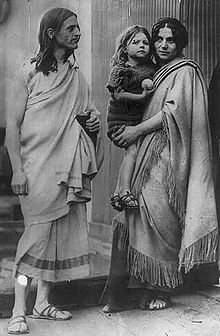
It’s amazing how ‘modern’ the story feels even though it was set 100 years ago. For example, the male impersonator act of his woman friend. The author mentions in passing a guy named Ricard Duncan, living a kind of hippie life. This intrigued me and I wondered if Duncan was a real person – and yes he was. So a little digression on this fellow follows. I’ll nominate him as the ‘First Hippie’ long before the flower children of San Francisco.

Duncan was a brother of the famous dancer Isadora Duncan. (We all know the story of how she died when her famous flowing scarf got caught in the wheels of a car.) He created dance routines for his sister and he was a playwright, theater manager, printer, clothes designer and weaver. He was a hanger-on of Gertrude Stein and ran a kind of commune theater group in Paris, believing in making your own clothing from your own sheep, etc.

description

Pitigrilli, the author, was a pseudonym for Dino Segre, an Italian author (1893-1975). He published a dozen novels but it appears that only two, Cocaine and The Man Who Searched for Love, have been published in English.

[Revised 10/27/23]

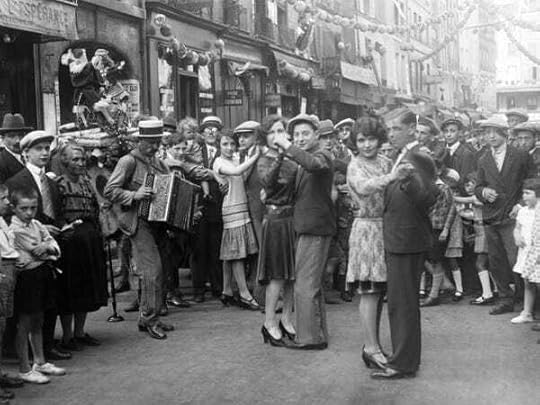
Top photo of Paris in the 1920s from insider.com
Richard Duncan and family in everyday dress from cnch.org
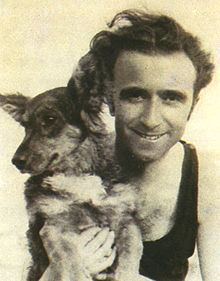
The author from alchetron.com
Profile Image for Marko K..
178 reviews220 followers
September 20, 2021
''Kokain'' je roman koji je napisan 1921. godine, zabranjen od strane katolične crkve zbog tema, i upravo je zbog toga Dino Segre odlučio da svoje dalje radove izdaje pod pseudonimom Pitigrili. Tek '30-ih godina prošlog veka preveden je prvi put na engleski jezik, ali je tek '70-ih dostigao popularnost.

Ako uzmemo u obzir romane koji su smešteni u dvadesete godine, ne možemo pročitati baš mnogo o ilegalnim supstancama. To su bili uglavnom romani čiji su glavni likovi koristili morfijum, ali kokain zaista ne. Pitigrili to menja, i daje nam uvid kako je zapravo izgledalo društvo u tom periodu - bez ikakve šminke. Radnja prati novinara Tita Arnaudija, koji dolazi u Pariz kako bi napisao reportažu o kokainu i kokainskim zavisnicima. Roman je baš kao i kokain - pruža nam prvobitno uzbuđenje, donosi nam razne epifanije, a na kraju ostavlja neki očaj.

''Kokain'' je roman koji na jedan potpuno drugačiji, da kažem izuzetno savremen način svedoči o vremenu pre sto godina. Vrlo je otvoren i eksplicitan - ali ne u seksualnom smislu, već u tome da zaista brutalno iskreno opisuje tadašnje društvo. Droga, prostitucija, orgije; te vrlo lako možemo da se zapitamo da li je moguće da se svet nije baš toliko promenio koliko mi mislimo da jeste? Na stranu sve to, Pitigrilijev ogoljen i surovo iskren način pisanja čini da se ovaj roman, koji manjka u zapletu (te se neće možda dopasti onima kojima je zaplet bitan) čita bez prekida. Tito, odnosno sam Pitigrili, nema dlake na jeziku - on konstantno proziva i muškarce i žene; na momente je feminista, na momente šovinista. Jedan roman koji biste, da ne znate, vrlo lako mogli smestiti u savremenu književnost.
Profile Image for piperitapitta.
1,050 reviews464 followers
February 21, 2019
E se Bardamu avesse fatto i soldi e con le donne ci avesse saputo fare come Andrea Sperelli?

Strano autore questo Pitigrilli, sperimenta, scandalizza, commuove e fa persino riflettere.
Al giorno d'oggi, è chiaro, non scandalizza più nessuno, ma pensare che nel 1921 quando fu scritto, c'era un certo Dino Segre, ebreo prima che le leggi razziali lo costringessero all'esilio, che si divertiva a scrivere, in odor di Futurismo e con le lezioni di stile di un certo D'Annunzio alle spalle, di cocaina, sesso fuori dai rapporti convenzionali e poca moralità (professionale e sentimentale) ai suoi contemporanei e che fosse anche tra gli autori più letti della sua epoca… Beh, non fa un certo effetto?
Protagonista del romanzo Cocaina è Tito Arnaudi, giovane ventottenne privo di moralità che dopo una laurea mancata in Medicina decide di andare a fare la bella vita a Parigi, capitale della lussuria e del benessere che ancora risente dei fasti della Belle époque, improvvisarsi giornalista e diventare amante di una bella e ricca armena prima e ritrovare poi l'antico amore torinese Maddalena detta Maud che è arrivata nella Ville Lumière per tentare la carriera di ballerina (che il soprannome possa derivare da maudit è una mia convinzione, motivata dal fatto che da un certo punto in poi Maddalena-Maud sarà chiamata dallo stesso Tito anche Cocaina, diventando a sua volta personificazione e incarnazione della droga e dell'ossessione che il protagonista nutre per entrambe).


Nonostante le diversità stilistiche ed il valore letterario indubbiamente differente (quindi che nessuno mi accusi di eresia per quello che sto per scrivere!) non ho potuto fare a meno di vedere in Tito e nel suo comportamento spregiudicato, un antesignano Bardamu (protagonista indimenticabile di Viaggio al termine della notte di Céline) dei quartieri alti, nonché riconoscere nella estrema ricerca del "piacere a tutti costi" una lontana eco di sperelliana e dannunziana memoria.
In conclusione una lettura sicuramente non indimenticabile ma molto interessante se contestualizzata storicamente e letterariamente, avvalorata dall'esauriente e completa prefazione di Umberto Eco che cerca di rispolverare la memoria di un personaggio - accusato anche di essere stato una spia dell'Ovra nel periodo fascista, anche se Eco stesso tende a smentire l'identità politica fascista di Segre - ormai appannata e dimenticata dai più.
Per me sicuramente è stato entusiasmante scoprire, parlando con la mia mamma, che mio nonno era stato un grande lettore di Pitigrilli.
Profile Image for Milan.
48 reviews13 followers
January 27, 2023
Dvadesetih godina prošlog veka u pariskim salonima služio se beli prah i konzumirao kao osveženje. Iako Pitigrili lepo opisuje prepuštanje dekadenciji dok brazilski leptiri lepršaju prostorijom i padaju mrtvi od isparenja parfema i etra, ovo nije roman o kokainu i zavisnicima. U prvom planu su društvo i odnosi muškaraca i žena predstavljeni kroz odnos junaka i njegovih ljubavnica. “Razložni “ skepticizam i cinizam suprotstavljeni su iracionalnim i osećajnim.

Pitigrili piše britko, katkad duhovito i aforistički domišljato. Kao što je Eko u predgovoru primetio – mogao je biti sjajan satirični pripovedač. Nehaj i nefiltrirane misli (bez vulgarnosti) ukazuju na izrugivanje svakoj organizaciji, načelu, pa i samom životu.

Priča je jedna od onih koje se pišu (najčešće i čitaju) u mladosti. Često takve zanemaruju pravila dobrog pisanja ali ponekad nedostaci i propusti imaju svoj šarm. Dijalozi koji nose radnju su u stvari beskrajni Pitigrilijev monolog. Likovi govore istim glasom i na isti način, međutim, upravo ovo stvara željenu atmosferu – svet u kome su neizostavno svi moralno kompromitovani, zločesti i samoživi.

Kokain nikada neće biti uvršten u velike romane što se bez poteškoća može razumeti. Ekovih trideset strana, na kojima analizira Pitgrilijevo kompletno stvaralaštvo, ako ništa drugo, pružaju brojne razloge za to. Bez obzira, knjiga me je zabavila, verovatno poslednjom stranom pridobila i pretpostavljam da ću je još jednom u budućnosti pročitati.
Profile Image for Iman Vaezi.
32 reviews32 followers
January 19, 2019
پاریس، دهه 20، آشفته، منحط و فاسد. جایی که مردی جوان می‌تواند با هوش و لطافت طبعش، بخت خوشی برای خودش فراهم کند... مگر اینکه وسوسه بر او غلبه کند! قهرمان شیک پوش کوکائین، تیتو آرنودی، دانشجوی سابق پزشکی، رسوایی‌های فاحش و مرگ‌های مهیبی خلق می‌کند و به عنوان روزنامه‌نویس به خورد مردم می‌دهد. اما زندگی خودش با پیدا کردن سه معشوقه خواستنی (دلبر ارمنی، رقاص ایتالیایی و کوکائین!)، حتی از نوشته‌های من در آوردیش هم بیدادگرانه‌تر می‌شود. موزون، کنایه‌دار و گناه‌وار تراژدی سقوط یک جوان مستعد و اغوای زمان گذشته را به نمایش می‌گذارد. توصیف‌های بی‌پرده و رک روابط جنسی و مصرف مواد مخدر مسئولان کلیسا رو وادار کرد کتاب را در لیست سیاه و رده کتاب‌های ممنوع اعلام کنند.
شنیده‌ام که خود نویسنده هم کوکائین مصرف می‌کرده و در اوج مشغول نوشتن می‌شده! رمان از مصرف مواد سفید کم نگذاشته و از میان اسنیف گرد لذت به سکس، ارجی، تحرکات زیرزمینی، همگی در سوسوی شهوت که مواد نامشروع می‌تواند فراهم کند می‌پردازد.
برای خواننده قرن 21 شاید تباهی نشان داده شده در رمان نرم به نظر برسه ولی کوکائین در تمام مدت به سیستم شوک وارد کرده است. ضربه واقعی این رمان صد ساله در معانی زبان‌شناختی تهوع‌آور آن است که سطح این داستان متفکرانه و بی‌عاطفه را به سطح مزه کارهای "اشر" می‌رساند.
اشر
کوکائین در مورد مواد مخدر نیست! با یورشی از میان محیط‌های نه کاملا سورئال، کتاب اختیارهای اعتیادآور واژه‌هایی که استعمال می‌کنیم را آشکار می‌کند. اینجا با رمانی مواجه هستیم که باید به شدت جدی بگیریمش، اما نمی‌توانیم و در تلاش این کار احساس حماقت می‌کنیم.
Profile Image for Iman Majdi zadeh.
97 reviews22 followers
July 4, 2021
یه نفر به من گفت کسایی که به کمپ های ترک اعتیاد میرن اجازه ندارن فیلم یا کتاب هایی بخونن که مربوط به اعتیاد یا مواد مخدر باشه. بنابراین من این کتاب رو به اینجور افراد توصیه نمیکنم
وقتی صحبت از پاریس به میون میاد بد��نید که یک شهوت خفته بیدار میشه... این کتاب هم همینطور که پیشبینی میشد با توصیف صحنه هایی مثل صحنه خوردن کوکائین توسط اون زن از روی زبون یه مرد،یا صحنه ای که روی ریل قطار اتفاق افتاد، تا وقایعی که توی کشتی برای تیتو رخ داد وداشتن دو معشوقه بطور همزمان همه و همه خواننده رو تحریک میکرد و لذت هایی رو که شخصیت اول میبرد به رخ اون میکشید.
اما همه داستان این نبود، بلکه زمانی قصه جون گرفت که متوجه شدیم که این داستان ها برای تیتو تموم شدن، ولی این قصه شهوت هیچوقت تموم نمیشه ، بطوریکه نوچرا دوباره اسیر شد و قصه ای که از ازل وجود داشته و انسان ها و تمدن های زیادی به واسطه اون از بین رفتن ادامه پیدا کرد
Profile Image for Sahel.hn.
148 reviews17 followers
January 12, 2025
چه کتاب عجیبی. چه کتاب فوق‌العاده‌ای. چه قلمی. یک عالم جا توش علامت زدم که برم بنویسم‌شون. انقد هنوز تو حیرت این داستانم که نمی‌تونم راجبش حرف بزنم.
Profile Image for Grady.
Author 51 books1,820 followers
July 25, 2013
A new translation of the Pitigrilli classic

A welcome new publishing house on the scene is New Vessel Press whose mission in the literary field is to offer translations of foreign literature into English. Their choice of books is a fascinating one - they have the courage to bring to us in the 21st century some books that have been condemned in the 20th century (the present book COCAINE is an example), while uncovering authors of quality to place before the English reading public.

A bit about the author: Pitigrilli was the pseudonym for Dino Segre (9 May 1893 - 8 May 1975), an Italian writer who made his living as a journalist and novelist. His most noted novel was Cocaïne (1921), published under his pseudonym and placed on the "forbidden books" list by the Catholic Church because of his treatment of drug use and sex. He founded the literary magazine Grandi Firme, which was published in Turin from 1924 to 1938, when it was banned under the newly enacted anti-Semitic Race Laws of the Fascist government. Although baptized as a Catholic, Segre was classified as Jewish at that time. He had worked in the 1930s as an informant for OVRA, the Fascist secret service, but was dismissed in 1939 after being exposed in Paris. His father was Jewish, and Pitigrilli had married a Jewish woman (although they had long lived apart). Pitigrilli had traveled in Europe in the 1930s while maintaining his house in Turin. His efforts beginning in 1938 to change his racial status were not successful, and he was interned as a Jew in 1940, following Italy's entrance into the war as an ally of Germany. He gained release from the internal exile that year, and wrote anonymously in Rome to earn money. After Mussolini's government fell in 1943 and the Germans began to occupy Italy, Pitigrilli fled to Switzerland, where his second wife (a Catholic) and their daughter joined him. They lived there until 1947, then moved to Argentina. Segre and his family returned to Europe in 1958, settling in Paris, from where they occasionally visited Turin.

COCAINE (here translated by Eric Mosbacher) is a wild adventure that approaches the surreal. Set in Paris in the 1920s, our odd hero is Tito Arnaudi who invents lurid scandals and gruesome deaths, and sells these stories to the newspapers. But his own life becomes even more outrageous than his press reports when he acquires three demanding mistresses. To say more would be to deprive the reader of the fascination of uncovering al the subplots and naughty aspects of not only Tito's behavior but also that of the myriad bizarre characters who serve as the props for this Salvador Daliesque adventure. Pitigilli seemed to enjoy stirring the kettle with as much sex and drugs as we are now used to seeing even on television and in movies, but when this book was written the world was a different place and the novel was placed on the forbidden list by the church and the authorities.

It s most appropriate that the new Vessel Press found it fitting to print an Afterword by Alexander Stile who In 1991 published a study of five Italian Jewish families under Fascism. He documents that Pitigrilli acted as an informant for the Fascist secret police OVRA during the 1930s, until 1939. Stille noted that the Fascist secret police used intelligence from these conversations to arrest and prosecute anti-fascist Jewish friends and relatives of Pitigrilli. Stille used many documents and accounts by members of the clandestine anti-fascist movement Giustizia e Liberta` (Justice and Freedom) operating in Turin. An Italian post-war government committee investigating collaborators and OVRA concluded about the writer: "...the last doubt (on Pitigrilli being OVRA informant number 373) could not stand after the unequivocal and categorical testimonies ... about encounters and confidential conversations that took place exclusively with Pitigrilli.

So here at last is an important novel available now in English in an edition that introduces the presence of a publishing house with a fine purpose. And that fact is as refreshing as the reading of this very entertaining novel.

Grady Harp
Profile Image for Markus.
527 reviews25 followers
September 21, 2019
Booooring
Also casually racist and mysogynist
And without any structure
But mostly boring
Profile Image for Anel Mušanović.
330 reviews286 followers
November 29, 2021
Dino Segre, poznatiji pod pseudonimom Pitigrili, napisao je zanimljivu knjigu koja nas vodi u 20-e godine koje su ovdje obilježene kokainom. Moram da priznam da mi je ova knjiga bila izuzetno privlačna i tajnovita. Krenuo sam da čitam i iznenadio se koliko mi se dopalo pisanje.

U centru radnje je novinar Tito koji sa svojim šarmantnim načinom života ovo djelo čini tako zanimljivim za čitanjem. Kroz njega se upoznajemo sa tim čudnim svijetom koji je bio opsjednut kokainom, društvom koje pada prema ponoru i različitim likovima koji ostavljaju veliki pečat ovdje.
Sama radnja je bila beskrajno zanimljiva u prvoj polovini, ali se nešto desilo i ja sam počeo da gubim taj adrenalin za čitanjem u drugoj polovini.

Knjiga je zabranjena od strane Katoličke crkve zbog svojih tema, eksplicitnih scena i jezika. Nisam imao velika očekivanja za ovu knjigu i možda mi je baš zato bila lijepa za čitanje. Dopao mi se lik Tita, taj način na koji Pitigrili piše te rečenice i neka duhovitost koja pluta ovom knjigom sve do njenog kraja kada vas udari onako jako i utisne neku tugu u vas.
Profile Image for Marko Lapcevic.
383 reviews11 followers
May 31, 2022
Novel about cocaine and love set in the 1920s.

Young Tito started to work as a journalist in Paris where he wanted to write an article about cocaine and therefore he needs to try it.

He shares his heart with two ladies - a young widow from Paris and his old friend from Turin who also moves to Paris.

Which lady will he choose? Will that be a good choice? Was that choice responsible for everything that has happened to him?
Profile Image for Behrad.
23 reviews3 followers
July 8, 2025
خیلی فوق العاده بود،بی نظیر بود.
به جرعت میتونم بگم هرچیزی که میشه از یه کتاب خوب انتظار داشت تو این کتاب بود.
زمانی که سرباز بودم خونه ی یکی از هم خدمتی ها رفتم این کتابو اونجا دیدم تو همون فاصله ای که ناهار بخوریم بیست صفحه ی کتابو خوندم خیلی خوشم‌ اومد خواستم ازش کتابو امانت بگیرم‌ اما گفت کتاب مال من نیست مدت زیادی دنبالش گشتم که پیداش کنم اما وقتی پیداش کردم برعکس اون روزی که خونه ی دوستم بودم بلافاصله نخوندمش مدت زیادی تو قفسه کتابا مونده بود تو یکی از تعطیلی ها تصمیم گرفتم بخونم اما بازم برعکس اولین باری که با این کتاب رو به رو شدم نتونستم پیوسته بخونمش و همین اعصابمو بهم ریخت بازم یه مدتی گذاشتمش کنار و چند وقت پیش خیلی ناگهانی از قفسه کتابا برداشتم و این بار مثل دفعه ی اول بدون وقفه کتابو خوندم و تا زمانی که تمومش نکردم کتاب بسته نشد.

📚

اما درمورد خود کتاب باید بگم که یه روایت بسیار جالب و خواندنی بود به نظرم سرگذشت تیتو آرنودیِ پیتی گریلی تو این کتاب شباهت زیادی به فردینان باردامویِ لویی فردینان سلین تو کتاب سفر به انتهای شب داشت هردو درس پزشکی خوندن هردو معشوقه ها و رقبای عشقی مختلف داشتن هردو به آفریقا و آمریکا سفر کردن و… اما این شباهت فقط در سلسله اتفاقاتی وجود داشت که در مسیر زندگیشون رخ میداد.
بگذریم قصدم مقایسه این دوتا کاراکتر نیست فقط به نظرم زندگیشون شباهت هایی بهم داشت.
آرنودی جوانی بود که درس پزشکی رو ناتمام گذاشت و از ایتالیا به فرانسه رفت در اونجا روزنامه نگار شد و رفته رفته به کوکائین اعتیاد پیدا کرد و بعد از کوکائین به معشوقه ی دوران جوانی خودش که به پاریس اومده بود اعتیاد پیدا کرد و حتی اسم معشوقه ی خودش رو هم کوکائین گذاشت حسادتی که «مد» معشوقه ی آرنودی در قلب آرنودی ایجاد میکرد از اعتیادش به کوکائین آزار دهنده تر بود و در نهایت بر‌‌ اثر همین حسادت که در جریان کتاب بسیار موشکافانه این حس رو بررسی میکنه تصمیم به انتحار میگیره اما دوست و همکار روزنامه نگارش تصمیمشو جدی نمیگیره و فکر میکنه کسی که زیاد حرف از مرگ میزنه قصدش جدی نیست و اگه کسی واقعا قصد خودکشی داشته باشه از ترس اینکه دیگران جلوشو بگیرن بدون تبلیغات خودشو میکشه و حرفای آرنودی رو هوس جمله پردازی تلقی میکنه.
اما آرنودی تصمیم خودشو عملی میکنه و با خوردن میکروب حصبه خودشو از بین میبره بعد از مرگ آرنودی، معشوقه ی آرنودی مدت کوتاهی دچار عذاب وجدان میشه اما در نهایت آرنودی بعد از مرگ هم به اون چیزی که از معشوقه ی خودش میخواست نمیرسه…
خیلی سعی کردم اسپویل نکنم این طولانی ترین review که تو goodreads میزارم و این طولانی بودن به خاطر تاثراتی که بعد از خوندن کتاب بهم دست داد.
یکی‌ از ویژگی هایی که رمان های خوب باید داشته باشن اینه که طوری نوشته شده باشن که همزمان که میخونی تصویر هارو جلوی چشمت ببینی و غرق در کتاب بشی من این ویژگی رو تو دو تا کتاب بیشتر از هر کتاب دیگه دیدم یکی گتسبی بزرگ و یکی هم کوکایین اتفاقا شاید پرده ی آخر این دو کتاب هم مشابهتی باهم داشته باشن ، در پرده ی آخر کتاب گتسبی مراسم تشییع جنازه ی گتسبی برگزار میشه مردی که همیشه مهمانی های بزرگ ترتیب میداد در مراسم خاکسپاریش عده ی انگشت شماری شرکت میکنن و تلاش های همسایه اش برای دعوت از آشنایان برای شرکت در مراسم نتیجه ای نمیده و کسانی که سابقا در مهمونی های گتسبی شرکت میکردن به کفشای ورزشی خودشون بیشتر از خبر مرگ گتسبی اهمیت میدادن و گتسبی در سکوت و تنهایی بدون اینکه به معشوقه ی دوره ی جوونی خودش که سراسر زندگی منتظرش بود برسه به خاک سپرده میشه و معشوقهش به راحتی به زندگی خودش ادامه میده…
اما مراسم تشییع آرنودی با هزینه ی دوستش باشکوه برگزار میشه ولی بعد از سوزوندنش به شکلی که خودش وصیت کرده بود نزدیکانش کم کم به زندگی عادی برمیگردن و با لیکور و شراب غذای خودشونو میخورن و عذاب وجدان معشوقهش بعد از مدتی از بین میره و به زندگی عادی خودش برمیگرده و حتی بعد از مرگ آرنودی هم معشوقهش بهش وفادار نمیمونه…
This entire review has been hidden because of spoilers.
Profile Image for Farnoud Lavasani.
28 reviews3 followers
Read
July 7, 2025
یک جاهایی می‌فهمیدی که داره داستان رو به سمتی می‌بره که نتایج خودش رو بهت تحمیل کنه. ولی تجربه کوکایین‌واری بود خوندنش.
Profile Image for yexxo.
906 reviews27 followers
August 13, 2009
Was für ein Buch! In den Zwanziger Jahren des letzten Jahrhunderts (das Buch wurde 1922 veröffentlicht) flüchtet ein junger Mann aus Liebeskummer nach Paris. Dort wird er mehr oder weniger zufällig Journalist und verfällt dem Kokain ebenso wie zwei Frauen, zwischen denen er hin- und hergerissen ist: Seine alte Liebe von einst, früher Maddalena, jetzt Maud, 'hatte die ganze Skala einfacher Liebe durchschritten, um sich auf die Suche nach dem Laster zu machen.' Und Kalantan, die bildschöne Armenierin, 'die durch die kompliziertesten Formen des Lasters gegangen, um die Einfachheit von Umarmungen ohne Raffinement zu suchen.'
Doch es würde diesem Buch nicht gerecht, reduzierte man es allein auf diese Liebesgeschichte. Pitigrilli hält der damaligen Gesellschaft einen Spiegel vor und stellt ihre ganze Oberflächlichkeit und Verlogenheit bloß. Das Ganze wird dazu mit Witz und Intelligenz erzählt - es ist eine wahre Freude dies zu lesen. Ein paar Beispiele hierzu:
'Man muss heiraten, um die Art der Langeweile zu verändern.'
Eine Krankenschwester tröstet einen todkranken Patienten: 'Bedenke doch,...dass dein eines Bein schon im Paradies ist, und dass du nun bald wieder mit ihm vereinigt sein wirst.'
'...erste Anzeichen nahenden Alters. Es ist das Alter, in dem die Männer anfangen, sich braun zu kleiden.'
'Das Mönchlein erklärte ihm, dass man Christus lieben müsse, weil er sich für die Menschheit geopfert habe. Und Tito erwiderte ihm, dass dann die Maulwürfe und Kaninchen, die in den physiologischen Laboratorien geopfert würden, um neue Heilmittel zum Wohle der Menschheit auszuprobieren, ebensogut Jesus Christus seien.'
Und so weiter...
Dazu kommt noch eine ganz eigene Art der Erzählung der Genesis, ein wunderbares Plädoyer für Mütter von unehelichen Kindern, eine ausführliche Diskussion weshalb Prostituierte bessere Ehefrauen sind als Witwen, Überlegungen wie man Gefühle (insbesondere Eifersucht) durch Krankheiten heilen kann, viele Gedanken zum Thema Frauen und Männer und vieles mehr. Und auch wenn ich mich wiederhole: Dieses Buch erschien 1922!
Der einzige Wermutstropfen: In diesem Buch wimmelt es von altmodischen, französischen und spanischen Ausdrücken, die zum Teil auch weder per Lexikon noch Internet zu klären waren. Ein Anhang wäre hier sehr hilfreich gewesen.
Profile Image for ناصر سليم.
549 reviews26 followers
October 11, 2021
کتاب خیلی جالب و خواندنی بود. از خوانش این رمان خیلی لذت بردم بخصوص اینکه چاپ قبل از انقلاب بود و هیچ سانسوری در اون اعمال نشده بود.
قسمت‌های از کتاب فلسفی بود، بخش های از اون خنده‌دار و در کل ماجرای یک جوان ایتالیایی و خبرنگار بود که پا به پاریس میذاره و درگیر یک مثلث عشقی میشه...
Profile Image for Catalina.
107 reviews2 followers
August 22, 2024
MEH. i still appreciate a good banned book regardless but this one was extremely male and icky. weirdly i really liked the ending so that bumped it up for me but overall not remarkable
Profile Image for Franny_Glass.
11 reviews
July 19, 2020
Ok cool, aber wann kommt der Part mit dem Kokain? (3.5)
Profile Image for Jens.
132 reviews17 followers
July 11, 2015
Dino Segre wrote a brilliant nihilistic and cynical satire, wonderfully capturing much of the state of post WWI Europe with all it's hypocrisy, bigotry, and deceit.
Since every good satire requires extremely sharp wit it is no surprise that Segre's intelligence manifests throughout the book in abundant sharp observations, many of which are sadly as relevant today as they were in the 1920s when Segre wrote this novel.
Segre's primary topic is the relationship between men and women but along the novel he exposes his opinions on the mob, mysticism, journalists, religion, medicine, and more.
Sometimes his satiric views even foreshadow developments taking place today, giving his views on jealousy an interesting twist when viewed in the context of the intellectuals open-relationship movement of the present day.
Things get very sensitive when Serge starts to share his views on Jews (he, himself is born of a Jewish father, whom he loathed)
"And will you go to Palestine?" Tito asked.
"No, I won't," the rabbi replied, "I'm too well off in Warsaw."
"But what about the persecutions, the pogroms?"
"That's all humbug," the rabbi replied with a lough. "Those are rumors spread by the Polish Jews. We want it to be believed that Jews are badly off in Poland to prevent others from coming here."

When mixed with his nihilistic statements such as
Money was valuable only in so far as you could spend it. If you had to work, you had no time to spend what you earned. The thing to do was to be born rich or to rob. What did killing a man amount to? Five minutes was enough to plan, carry out, repent and forget the deed. Since it did not take more than thirty seconds, what did a painful deed (painful for the other party) amount to in comparison with the happiness of a lifetime?

it seems almost inevitable that Serge ended up working as an informant for the fascist police in Italy in the 1930s, denouncing and condemning to prison close friends and famous artists of the time. Serge like many others never admitted to his cooperation in terms of an informant for the fascist regime but the evidence to the contrary is overwhelming as nicely presented in the afterword by Alexander Stille appended in the recommended New Vessels Press edition of the book.
One should not be mistaken and think of Serge as a fascist as is clearly evident in the book at hand

When I was twenty they told me to swear loyalty to the King, a person who acts in the capacity because his father and grandfather did the same before him. I took the oath because they forced my to, otherwise I wouldn't have done it. Then they sent me to kill people I didn't know who were dressed rather like I was. One day they said to me: "Look, there's one of your enemies, fire at him," and I fired, but missed. But he fired and wounded me. I don't know why they said it was a glorious wound.

and one should not be too quick to pass judgement onto people who lived in those extraordinary times.

In summary, I can highly recommend this book as it reads extremely well but it should not be taken lightly and will require a serious reader willing to go beyond taking for face value what he sees and is been told and to make up a mind of her/his own. But that holds true for any novel especially if it is a satire.
Profile Image for Stacy Cook.
147 reviews3 followers
October 17, 2013
This book was a really different read for me. Maybe it was just the time period in which it was written or the fact that the author was foreign and it was translated. I'm not sure. I don't really know how to describe what I'm trying to say. It's almost as if it was a more intellectual read then what I'm used to. Regardless, it was a great book. I didn't like that I couldn't understand some of the language that was used (b/c it wasn't translated) in some of the conversations but I didn't feel like I missed anything by not understanding a few sentences or words here or there.

The story is that of Tito. A man of several mistresses and his story as he juggles them and what they each mean to him. I admit I was confused at first when the started calling Maud "Cocaine". I thought it was the actual drug he was addicted to (because he tries it earlier in the book and continues to use it) not her. But the author leaves little personal notes throughout the book to the reader (which I enjoyed) and that is how I resolved the confusion of who or what Cocaine was. Tito was a character in himself. A man that holds a job by not working. A man with mistresses more enticing and intriguing then him. Which was hard to do. I would recommend this book. I'm just not sure to whom as it was such a different read, as I said before. I would love to read another translated book by New Vessel Press as they seem to have several interesting ones in the works.
Profile Image for Stefan Detrez.
26 reviews
February 17, 2022
My second read and still as funny, sharp, erotic and cynical as the first read. Highly underrated. Il Duce Musolini himself loved it.

Italian Tito Arnaudi fakes his way into journalism and becomes a coke-addict, being swung between two femmes-fatales.
This entire review has been hidden because of spoilers.
Profile Image for Seyed Mohammad Reza Mahdavi.
181 reviews5 followers
February 5, 2020
من با ترجمه پرویز داریوش این کتاب را خواندم و ترجمه خیلی به دلم نچسبید . امیدوارم ترجمه دیگر کتاب بهتر باشه
Profile Image for Lea Kaufmann.
51 reviews
January 4, 2023
Eine sehr sehr interessante Geschichte, die aber doch sehr schwer zu lesen ist. Man muss wirklich stark am Ball bleiben und sehr konzentriert bleiben um alles aus dem Buch aufnehmen zu können. Dennoch eine teilweise verzaubernde Geschichte, die das Drogenmillieu auf eine eigene Art und Weise darstellt, ohne es zu verherrlichen. Wer etwas schönes in Drogen finden möchte, der wird es auch hier tun - doch die Absichten des Autors sind meiner Meinung klar und haben nichts mit Verherrlichung zu tun, was ich sehr wertschätze
Profile Image for Marcel Hardt.
25 reviews2 followers
May 30, 2024
Da hättet der Autor mal weniger Koka ziehen sollen….
582 reviews3 followers
January 15, 2023
Strange book. Written in the 1920s it is kind of a satire on the (mostly imagined) debauchery of the middle and upper classes of France and Italy. If you haven't read any history or memoirs of the era you may be surprised to find out how wide spread drug use was back then. Other than that, the story is mostly about promiscuity.

I did find the descriptions of the hero's work as a journalist, his editors and coworkers, a bit funny. But I'm far enough away from his imagined world - and his scorn for debauchery - to make this a slog to read.

Over to you and your tastes.
Profile Image for Mojde  Shajari Kohan.
29 reviews2 followers
April 13, 2021
داستان این کتاب روایتگر زندگی پسر جوان خوش‌چهره و خوشتیپ ایتالیایی‌ای است که از دانشکده پزشکی انصراف می‌دهد و راهی فرانسه می‌شود. او در پاریس به طور اتفاقی وارد عرصه روزنامه نگاری می‌شود و برای نوشتن مقاله‌ای دست به امتحان گرد سفید (کوکائین) می‌زند‌.
آشنایی با یک زن جوان ثروتمند ارمنی و از طرف دیگر ملاقات دوباره با معشوقه دوران نوجوانی‌اش او را در دوراهی احساسی بزرگی قرار می دهد که در تعیین سرنوشت او اهمیتی حیاتی دارد.
This entire review has been hidden because of spoilers.
158 reviews3 followers
Want to read
May 11, 2019
Nasrin Kiyaee:
یک تکه در کافه کتاب

در اجتماعات بشری تضادهای تسلی بخشی وجود دارد. مثلا اسبی را که مانند پرکارترین رنجبران به کار بگیرند و بدوانند « اسب اصیل » می گویند، محل مراجعه ی بیماران را « بهداری» نام می دهند. جایی را که بیماران مسلول برای مردن می روند « آسایشگاه» نام می دهند و کشیشی را که برای همیشه از بچه دار شدن محروم است « پدر » صدا می زنند


کوکائین
پتی گریلی
78 reviews11 followers
August 18, 2018
A lighter Celine? An early (1921) fabrication of news for money and social manipulation. The freedom of that era, Paris in the first decades of the 20th century. The improvised lives. Wonderful. As is the insidious and quite subtle depiction of addiction.
Displaying 1 - 30 of 75 reviews

Can't find what you're looking for?

Get help and learn more about the design.