

What do you think?

Saga of the Skolian Empire
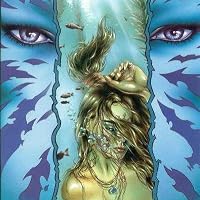
Redshift: Extreme Visions of Speculative Fiction
This landmark anthology presents thirty groundbreaking stories from the masters of speculative fiction heralding the future of the genre with original and revolutionary works.
All-new, original stories by
� Ursula K. Le Guin
� Gregory Benford
� Joe Haldeman
� Joyce Carol Oates
� and many others
On K2 with Kanakaredes by Dan Simmons
The Building by Ursula K. Le Guin
Froggies by Laura Whitton
What We Did That Summer by Kathe Koja and Barry N. Malzberg
A Slow Saturday Night at the Surrealist Sporting Club by Michael Moorcock
In Xanadu by Thomas M. Disch
Commencement by Joyce Carol Oates
Unique Visitors by James Patrick Kelly
BIack TuIip by Harry Turtledove
Belief by P. D. Cacek
In the Un-Black by Stephen Baxter
Weeping Walls by Paul Di Filippo
Anomalies by Gregory Benford
Captive Kong by Kit Reed
Feedback by Robert E. Vardeman
Between Disappearances by Nina Kiriki Hoffman
Resurrection by David Morrell
Cleopatra Brimstone by Elizabeth Hand
Burros Gone Bad by Peter Schneider
Pockets by Rudy Rucker and John Shirley
Ave de Paso by Catherine Asaro
Road Kill by Joe Haldeman
Ting-a-Ling by Jack Dann
‘Bassador by Catherine Wells
Ssoroghod’s People by Larry Niven
Two Shot by Michael Marshall Smith
Billy the Fetus by Al Sarrantonio
Viewpoint by Gene Wolfe
Fungi by Ardath Mayhar
Rhido Wars by Neal Barrett, Jr.
All-new, original stories by
� Ursula K. Le Guin
� Gregory Benford
� Joe Haldeman
� Joyce Carol Oates
� and many others
On K2 with Kanakaredes by Dan Simmons
The Building by Ursula K. Le Guin
Froggies by Laura Whitton
What We Did That Summer by Kathe Koja and Barry N. Malzberg
A Slow Saturday Night at the Surrealist Sporting Club by Michael Moorcock
In Xanadu by Thomas M. Disch
Commencement by Joyce Carol Oates
Unique Visitors by James Patrick Kelly
BIack TuIip by Harry Turtledove
Belief by P. D. Cacek
In the Un-Black by Stephen Baxter
Weeping Walls by Paul Di Filippo
Anomalies by Gregory Benford
Captive Kong by Kit Reed
Feedback by Robert E. Vardeman
Between Disappearances by Nina Kiriki Hoffman
Resurrection by David Morrell
Cleopatra Brimstone by Elizabeth Hand
Burros Gone Bad by Peter Schneider
Pockets by Rudy Rucker and John Shirley
Ave de Paso by Catherine Asaro
Road Kill by Joe Haldeman
Ting-a-Ling by Jack Dann
‘Bassador by Catherine Wells
Ssoroghod’s People by Larry Niven
Two Shot by Michael Marshall Smith
Billy the Fetus by Al Sarrantonio
Viewpoint by Gene Wolfe
Fungi by Ardath Mayhar
Rhido Wars by Neal Barrett, Jr.
688 pages, Mass Market Paperback
First published December 1, 2001
About the author
Al Sarrantonio
139 books134 followersAl Sarrantonio was an American horror and science fiction writer, editor and publisher who authored more than 50 books and 90 short stories. He also edited numerous anthologies.
Ratings & Reviews
Friends & Following
Create a free account to discover what your friends think of this book!
Community Reviews
Displaying 1 - 24 of 24 reviews

October 9, 2019
"On K2 With Kankaredes" by Dan Simmons: 1.5
- Borges’s nightmare: the short story in which nothing is essential. And even worse, it doesn’t end. Economy has never been one of Simmons’s gifts, but the indulgence here is flagrant. If an editor’s first response was not to can the thing, it should have at least been to cut it by 25 pages. The thing being, simply: we’re trying to climb a mountain and that’s hard already, but what if there’s also a monster with us?! Sadly, the scissors seem to have stayed sheathed since, as evidenced by Sam Thielman’s review of Simmons’s subsequent novel, THE ABOMINABLE (a seeming re-imagining of the premise, tweaking only period and monster). Thielman concludes with a memorable piece of acid, namely the claim that “Simmons appears to have invented a brand-new genre: the nearly 700-page novella.”
The indulgence on display extends to more than just length. Al Sarrantonio, the editor of the anthology in which this first appeared, provided his authors with simple instructions: break taboos, present new ways of telling stories, or “expand the sf field”. It’s hard to see how this piece met any of these criteria, something Sarrantonio shame-facedly admits in his prefatory note, acknowledging that his “so-called cutting edge anthology” begins with a story that “could have been published … anywhere in the science fiction field in the last forty years.”
If not an “extreme vision of speculative fiction,” then, what does this read as? Lucky for us, we have a relevant, and recently explicated frame for the thing: the “anthology dud”. And what an exemplary case it is. Of course, I know nothing of the circumstances surrounding its creation, but the confluence of looming deadline and extant, hobby-derived knowledge fits the scenario too well to dismiss out of hand. In short, there are 8 pages of plot here, buoyed by mountains of unexpurgated trivia related to an amateur interest in the mechanics of climbing. As a reader, it’s a concerningly sadistic impulse for an author to take towards a captive audience—the literary equivalent of your grandparents moving onto hour three of their Grand Canyon vacation slide projector presentation. Additional evidence of “anthology dud” is rampant, from the sloppy prose to the meandering narrative. As if, again, he had no idea where he was going, even as he was going there. Tripe.
"The Building," by Ursula K. Le Guin (2001): 9.25
- So this seems to be it, the apotheosis of the certain type of ersatz anthropological SF, either consciously or unconsciously aping the prose style and points of academic interest of a certain (pop) anthro or ethnographic work. Le Guin comes to it honestly, as all these recent obituaries of her have noted. But, this is the most successful of those endeavors. Our story: we get an insanely top down, tell tell tell never show, description of an alien culture and their alien ways and alien customs, replete with a quick historical rundown of the culture as well. That is, two intelligent, but different species on the planet coexist, the less powerful has a strange custom of building massive structures for no apparent reason. Wonderfully, we realized about halfway through that there is a participant observer in the field with these creatures as they're doing their inscrutable work, and that she's trying to understand them as are we. Along with that, we get some quasi-philosophical ruminations on war and intent that, if still a little hackneyed, or none the less better than anything else you would get in genre work. Where this might go wrong: the ending, which I need to think about more, but on first glance looks like it's tying the building ritual to a sort of epigenetic impulses towards servility towards the other, erstwhile more powerful species on the planet. Eh.
"Froggies," by Laura Whitton (2001): 6.75
- Like many stories (this one: of well-intentioned scientists kidnapping alien babies on an alien planet to show they have the ability to communicate) in this collection: overlong, overwrought, and more than a bit simplistic. Interesting premise from a xenomorphology angle, and the opening courtroom setup did what it should, but otherwise little here, save for some sketchy characterization (the 'father's' back and forth on his love for his xenokid and the narrative's indecisiveness on whether that should matter to our consideration of him), and some uninteresting thinking about human psychology and emotions.
- Borges’s nightmare: the short story in which nothing is essential. And even worse, it doesn’t end. Economy has never been one of Simmons’s gifts, but the indulgence here is flagrant. If an editor’s first response was not to can the thing, it should have at least been to cut it by 25 pages. The thing being, simply: we’re trying to climb a mountain and that’s hard already, but what if there’s also a monster with us?! Sadly, the scissors seem to have stayed sheathed since, as evidenced by Sam Thielman’s review of Simmons’s subsequent novel, THE ABOMINABLE (a seeming re-imagining of the premise, tweaking only period and monster). Thielman concludes with a memorable piece of acid, namely the claim that “Simmons appears to have invented a brand-new genre: the nearly 700-page novella.”
The indulgence on display extends to more than just length. Al Sarrantonio, the editor of the anthology in which this first appeared, provided his authors with simple instructions: break taboos, present new ways of telling stories, or “expand the sf field”. It’s hard to see how this piece met any of these criteria, something Sarrantonio shame-facedly admits in his prefatory note, acknowledging that his “so-called cutting edge anthology” begins with a story that “could have been published … anywhere in the science fiction field in the last forty years.”
If not an “extreme vision of speculative fiction,” then, what does this read as? Lucky for us, we have a relevant, and recently explicated frame for the thing: the “anthology dud”. And what an exemplary case it is. Of course, I know nothing of the circumstances surrounding its creation, but the confluence of looming deadline and extant, hobby-derived knowledge fits the scenario too well to dismiss out of hand. In short, there are 8 pages of plot here, buoyed by mountains of unexpurgated trivia related to an amateur interest in the mechanics of climbing. As a reader, it’s a concerningly sadistic impulse for an author to take towards a captive audience—the literary equivalent of your grandparents moving onto hour three of their Grand Canyon vacation slide projector presentation. Additional evidence of “anthology dud” is rampant, from the sloppy prose to the meandering narrative. As if, again, he had no idea where he was going, even as he was going there. Tripe.
"The Building," by Ursula K. Le Guin (2001): 9.25
- So this seems to be it, the apotheosis of the certain type of ersatz anthropological SF, either consciously or unconsciously aping the prose style and points of academic interest of a certain (pop) anthro or ethnographic work. Le Guin comes to it honestly, as all these recent obituaries of her have noted. But, this is the most successful of those endeavors. Our story: we get an insanely top down, tell tell tell never show, description of an alien culture and their alien ways and alien customs, replete with a quick historical rundown of the culture as well. That is, two intelligent, but different species on the planet coexist, the less powerful has a strange custom of building massive structures for no apparent reason. Wonderfully, we realized about halfway through that there is a participant observer in the field with these creatures as they're doing their inscrutable work, and that she's trying to understand them as are we. Along with that, we get some quasi-philosophical ruminations on war and intent that, if still a little hackneyed, or none the less better than anything else you would get in genre work. Where this might go wrong: the ending, which I need to think about more, but on first glance looks like it's tying the building ritual to a sort of epigenetic impulses towards servility towards the other, erstwhile more powerful species on the planet. Eh.
"Froggies," by Laura Whitton (2001): 6.75
- Like many stories (this one: of well-intentioned scientists kidnapping alien babies on an alien planet to show they have the ability to communicate) in this collection: overlong, overwrought, and more than a bit simplistic. Interesting premise from a xenomorphology angle, and the opening courtroom setup did what it should, but otherwise little here, save for some sketchy characterization (the 'father's' back and forth on his love for his xenokid and the narrative's indecisiveness on whether that should matter to our consideration of him), and some uninteresting thinking about human psychology and emotions.

September 4, 2009
Lame, bloated and derivative. That said, the second half of the collection is twice as good as the first. Books like this give anthologies a bad name. Come to think of it, I'm more often disappointed than not with collections.
Stories worth reading: "Black Tulip", "In the Un-Black", "Resurrection", "Cleopatra Brimstone", "Bassador", and "Fungi." A couple others were cute, but more like extended puns or jokes than real stories.
That said, three was a gift.
Stories worth reading: "Black Tulip", "In the Un-Black", "Resurrection", "Cleopatra Brimstone", "Bassador", and "Fungi." A couple others were cute, but more like extended puns or jokes than real stories.
That said, three was a gift.

May 1, 2008
I gave this compilation 5 stars for one reason only - my wife (pen name at the time, Laura Whitton) has a short story included. It has been reviewed well, and I am privy to the full-length novel she is writing (part of a trilogy) to expand the world of "Froggies".
November 4, 2018
This is a short story collection, not of 'sci-fi' but of 'speculative fiction', which seems to just be a fancy way of including weird nonsense and magical realism. There are some good stories in here which are interesting and compelling, but they are surrounded by a lot which are confusing, pointless, hard to follow, and just weird for weirdness sake.

November 27, 2018
Like all short story collections this had some greats, and some not-so-greats. Overall though I thought it was of higher quality than most, and definitely had a fun/different organizing theme. Well worth reading if you are a fan of science fiction.
D
D

May 27, 2024
I have to say that the majority of this was NOT to my tastes. However, I have to say from a craft viewpoint that these are none badly done, though some ARE in bad taste (in addition to not being of my tastes).


April 1, 2026
2.5 stars

September 3, 2026
3.5 stars
Ave de Paseo by Catherine Asaro
Ave de Paseo by Catherine Asaro
borrowed-not-kept
June 10, 2015On K2 with Kanakaredes • (2001) • novelette by Dan Simmons
The Building • (2001) • shortstory by Ursula K. Le Guin
Froggies • (2001) • novelette by Laura Whitton
What We Did That Summer • (2001) • shortstory by Kathe Koja and Barry N. Malzberg
A Slow Saturday Night at the Surrealist Sporting Club • (2001) • shortstory by Michael Moorcock
In Xanadu • (2001) • shortstory by Thomas M. Disch
Commencement • (2001) • novelette by Joyce Carol Oates
Unique Visitors • (2001) • shortstory by James Patrick Kelly
Black Tulip • (2001) • novelette by Harry Turtledove
Belief • (2001) • shortstory by P. D. Cacek
In the Un-Black • (2001) • shortstory by Stephen Baxter
Weeping Walls • (2001) • shortstory by Paul Di Filippo
Anomalies • (2001) • shortstory by Gregory Benford
Captive Kong • (2001) • shortstory by Kit Reed
Feedback • (2001) • shortstory by Robert E. Vardeman
Between Disappearances • (2001) • shortstory by Nina Kiriki Hoffman
Resurrection • (2001) • shortstory by David Morrell
Cleopatra Brimstone • (2001) • novella by Elizabeth Hand
Burros Gone Bad • (2001) • shortstory by Peter Schneider
Pockets • (2001) • novelette by Rudy Rucker and John Shirley
"Ave de Paso" by Catherine Asaro collected in Aurora in Four Voices reread 3/24/2015
Road Kill • (2001) • shortstory by Joe Haldeman
Ting-a-Ling • (2001) • shortstory by Jack Dann
'Bassador • (2001) • shortstory by Catherine Wells
Ssoroghod's People • [Draco Tavern] • (2001) • shortstory by Larry Niven
Two Shot • (2001) • shortstory by Michael Marshall Smith
Billy the Fetus • (2001) • shortstory by Al Sarrantonio
Viewpoint • (2001) • novelette by Gene Wolfe
Fungi • (2001) • shortstory by Ardath Mayhar
Rhido Wars • (2001) • novelette by Neal Barrett, Jr.
The Building • (2001) • shortstory by Ursula K. Le Guin
Froggies • (2001) • novelette by Laura Whitton
What We Did That Summer • (2001) • shortstory by Kathe Koja and Barry N. Malzberg
A Slow Saturday Night at the Surrealist Sporting Club • (2001) • shortstory by Michael Moorcock
In Xanadu • (2001) • shortstory by Thomas M. Disch
Commencement • (2001) • novelette by Joyce Carol Oates
Unique Visitors • (2001) • shortstory by James Patrick Kelly
Black Tulip • (2001) • novelette by Harry Turtledove
Belief • (2001) • shortstory by P. D. Cacek
In the Un-Black • (2001) • shortstory by Stephen Baxter
Weeping Walls • (2001) • shortstory by Paul Di Filippo
Anomalies • (2001) • shortstory by Gregory Benford
Captive Kong • (2001) • shortstory by Kit Reed
Feedback • (2001) • shortstory by Robert E. Vardeman
Between Disappearances • (2001) • shortstory by Nina Kiriki Hoffman
Resurrection • (2001) • shortstory by David Morrell
Cleopatra Brimstone • (2001) • novella by Elizabeth Hand
Burros Gone Bad • (2001) • shortstory by Peter Schneider
Pockets • (2001) • novelette by Rudy Rucker and John Shirley
"Ave de Paso" by Catherine Asaro collected in Aurora in Four Voices reread 3/24/2015
Road Kill • (2001) • shortstory by Joe Haldeman
Ting-a-Ling • (2001) • shortstory by Jack Dann
'Bassador • (2001) • shortstory by Catherine Wells
Ssoroghod's People • [Draco Tavern] • (2001) • shortstory by Larry Niven
Two Shot • (2001) • shortstory by Michael Marshall Smith
Billy the Fetus • (2001) • shortstory by Al Sarrantonio
Viewpoint • (2001) • novelette by Gene Wolfe
Fungi • (2001) • shortstory by Ardath Mayhar
Rhido Wars • (2001) • novelette by Neal Barrett, Jr.
December 15, 2008
Hardcover from www.bookcloseouts.com
This collection includes:
On K2 with Kanakaredes by Dan Simmons
The Building by Ursula LeGuin
Froggies by Laura Whitton
What We Did That Summer by Kathy Koja and Barry Malzberg
A Slow Saturday Night at the Surrealist Sporting Club by Michael Moorcock
In Xanadu by Thomas M. Disch
Commencement by Joyce Carol Oates
Unique Vistors by James Patrick Kelly
Black Tulip by Harry Turtledove
Belief by P.D. Cacek
In the Un-Black by Stephen Baxter
Weeping Walls by Paul Di Filippo
Anomalies by Gregory Benford
Captive Kong by Kit Reed
Feedback by Robert E. Vardeman
Between Disappearances by Nina Kiriki Hoffman
Resurrection by David Morrell
Cleopatra Brimstone by Elizabeth Hand
Burros Gone Bad by Peter Schneider
Pockets by Rudy Rucker and John Shirley
Ave de Passo by Catherine Asaro
Road Kill by Joe Haldeman
Ting-a-Ling by Jack Dann
'Bassador by Catherine Wells
Ssoroghod's People by Larry Niven
Two Shot by Michael Marshall Smith
Billy the Fetus by Al Sarrantonio
Viewpoint by Gene Wolfe
Fungi by Ardath Mayhar
Rhido Wars by Neal Barrett, Jr.
The ones in bold print were stories I particularly liked.
This collection includes:
On K2 with Kanakaredes by Dan Simmons
The Building by Ursula LeGuin
Froggies by Laura Whitton
What We Did That Summer by Kathy Koja and Barry Malzberg
A Slow Saturday Night at the Surrealist Sporting Club by Michael Moorcock
In Xanadu by Thomas M. Disch
Commencement by Joyce Carol Oates
Unique Vistors by James Patrick Kelly
Black Tulip by Harry Turtledove
Belief by P.D. Cacek
In the Un-Black by Stephen Baxter
Weeping Walls by Paul Di Filippo
Anomalies by Gregory Benford
Captive Kong by Kit Reed
Feedback by Robert E. Vardeman
Between Disappearances by Nina Kiriki Hoffman
Resurrection by David Morrell
Cleopatra Brimstone by Elizabeth Hand
Burros Gone Bad by Peter Schneider
Pockets by Rudy Rucker and John Shirley
Ave de Passo by Catherine Asaro
Road Kill by Joe Haldeman
Ting-a-Ling by Jack Dann
'Bassador by Catherine Wells
Ssoroghod's People by Larry Niven
Two Shot by Michael Marshall Smith
Billy the Fetus by Al Sarrantonio
Viewpoint by Gene Wolfe
Fungi by Ardath Mayhar
Rhido Wars by Neal Barrett, Jr.
The ones in bold print were stories I particularly liked.

May 26, 2014
It's worth pointing out that 2 stars on Goodreads is "It was ok." So that's the Goodreads version of "meh" which is what this book gets. Like many collections of short stories across many genres this one set itself up for greatness by proudly touting some of the biggest names in the industry on its cover. To make it's build up that much worse, Sarrantonio went through the trouble of talking about the great Dangerous Visions collection by Harlan Ellison which is arguably the greatest collection of short stories ever compiled and saying that this was an effort to replicate that. It's the equivalent of telling your date that you're taking her to see the greatest band on earth for your anniversary and then driving her out to your cousin's house to listen to his new garage band.
I don't know, maybe I'm bitter and jaded because I read Dangerous Visions so early into my exploration of short story collections and now nothing seems to compare, nothing is quite up to par.
I don't know, maybe I'm bitter and jaded because I read Dangerous Visions so early into my exploration of short story collections and now nothing seems to compare, nothing is quite up to par.

Currently Reading
October 16, 2022“Road Kill” by Joe Haldeman - Ron is hired by a man to ride his bike around the South as a decoy in hopes of luring out the killer who victimized his son. The killer gets the drop on Ron and kidnaps him but the woman who had been biking with Ron identifies the vehicle and leads the police to them. The killer is dispatched in the shootout and an autopsy reveals he isn't human.
“Between Disappearances” by Nina Kiriki Hoffman - The protagonist has an accident with a travel stone which lodges inside her and takes her to different worlds. The only world it returns her to regularly is where she grew up and she converses with her mom when she finds herself dropped in her mom's living room.
“Billy the Fetus” by Al Sarrantonio - Billy perceives the man having sex with his mother as attacking her so he exits the womb and shoots the man with a gun. She rejects him so he returns to the womb, taking the gun with him.
“Between Disappearances” by Nina Kiriki Hoffman - The protagonist has an accident with a travel stone which lodges inside her and takes her to different worlds. The only world it returns her to regularly is where she grew up and she converses with her mom when she finds herself dropped in her mom's living room.
“Billy the Fetus” by Al Sarrantonio - Billy perceives the man having sex with his mother as attacking her so he exits the womb and shoots the man with a gun. She rejects him so he returns to the womb, taking the gun with him.
This entire review has been hidden because of spoilers.

June 24, 2015
Jedna z pěkných povídkových sbírek. Na K2 s Kanakaredesem od Dana Simmonse bylo napínavé čtení s pěknou pointou. Michael Moorcock a jeho Líný sobotní večer v surrealistickém sportovním klubu byl dost weird, ale dával smysl a dialogy měly hlavu a patu. Promoce od J. C. Oatesové byla mrazivá, plná emocí a dosti uvěřitelná.
U všech povídek jsem si zpětně vybavila, o čem jsou, takže pozitivní dojem. :-)
U všech povídek jsem si zpětně vybavila, o čem jsou, takže pozitivní dojem. :-)

September 3, 2007
This large book of short stories was subtitled "extreme visions of speculative fiction". For some reason I was hoping for Science Fiction, but got more fantasy and not much of it that extreme. Some of the stories were good, some were even interesting Science Fiction. I finally finished it after picking at it for a few months with an "eh." (August 30, 2005)

October 31, 2013
I'm not a big fan of short stories - they lack the depth of novels - but there are some good ones in Redshift, In the Un-Black by Stephen Baxter being my favorite new one (I've got a book by Baxter sitting on my shelf right now, unread...) and On K2 with Kanakaredes by Dan Simmons an excellent re-read (Simmons' Prayers to Broken Stones is hands-down the best book of short stories I've read.)

August 16, 2016
Collectively a good mix of stories spanning speculative genres. Some you will have encountered before, or read similar takes on the themes here. If you are looking for a set to read in short bursts, it is a good choice.

July 17, 2008
Somewhat unimpressive anthology without much sense of coherence - certainly not 'extreme' in any meaningful way. Mammoth anthologies tend to do this sort of thing so much better.
October 12, 2008
so far, so good.
This has some really touching short stories in it. More later.
"Resurrection" is an emotional family tale about the love between a son and a father.
This has some really touching short stories in it. More later.
"Resurrection" is an emotional family tale about the love between a son and a father.

November 22, 2008
I only read the Hoffman story.

September 23, 2010
Amazing collection of varied writers here. Well worth the purchase for Dan Simmon's story On K2 with Kanakaredes.

Read
December 28, 20124/3/12: "Anomalies" by Gregory Benford
4/3/12: "Burros Gone Bad" by Peter Schneider
4/3/12: "Burros Gone Bad" by Peter Schneider

August 19, 2014
Very mixed bag - mostly just okay

December 31, 2014
DNFed at 200 pages because I couldn't find anything exciting and memorable, despite the title promising "extreme visions" and weird stuff. Might be worth a reread now that some time has passed.
Displaying 1 - 24 of 24 reviews