

What do you think?
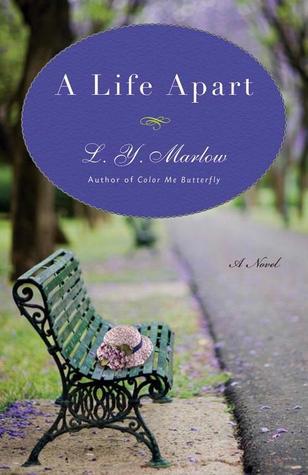
A Life Apart
From the author of Color Me Butterfly, the poignant story of a decades-long interracial love affair between a white sailor and the sister of the black sailor who saved his life at Pearl Harbor.
When Morris Sullivan joins the navy in 1940, his hopes are high. Though he leaves behind his new wife and their baby daughter, he is thrilled to be pursuing his lifelong dream-only to be shipped off to Pearl Harbor when the war begins. When he narrowly survives the 1941 attack, thanks to the courage of a black sailor he doesn't know, Morris is determined to seek out the man's family and express his gratitude and respect. On leave, he tracks down the man's sister, and finds an immediate, undeniable connection with the nurturing yet fiercely independent Beatrice, who has left the stifling South of her upbringing for the more liberal, integrated north.
Though both try to deny their growing bond, their connection and understanding is everything missing from Morris's hasty marriage to his high school sweetheart Agnes, and from Beatrice's plodding life as she grieves the brother she has lost. At once a family epic, and a historical drama that takes readers from World War II through the Civil Rights Movement to the present day, A Life Apart is about a love that creates complicated and unbreakable ties between two families that live worlds apart. L.Y. Marlow brings readers along for the emotional journey as Morris and Beatrice's relationship is tested by time, family loyalties, racial tensions, death, unending guilt, and the profound effects of war.
When Morris Sullivan joins the navy in 1940, his hopes are high. Though he leaves behind his new wife and their baby daughter, he is thrilled to be pursuing his lifelong dream-only to be shipped off to Pearl Harbor when the war begins. When he narrowly survives the 1941 attack, thanks to the courage of a black sailor he doesn't know, Morris is determined to seek out the man's family and express his gratitude and respect. On leave, he tracks down the man's sister, and finds an immediate, undeniable connection with the nurturing yet fiercely independent Beatrice, who has left the stifling South of her upbringing for the more liberal, integrated north.
Though both try to deny their growing bond, their connection and understanding is everything missing from Morris's hasty marriage to his high school sweetheart Agnes, and from Beatrice's plodding life as she grieves the brother she has lost. At once a family epic, and a historical drama that takes readers from World War II through the Civil Rights Movement to the present day, A Life Apart is about a love that creates complicated and unbreakable ties between two families that live worlds apart. L.Y. Marlow brings readers along for the emotional journey as Morris and Beatrice's relationship is tested by time, family loyalties, racial tensions, death, unending guilt, and the profound effects of war.
464 pages, Paperback
First published January 1, 2014
About the author
L.Y. Marlow
7 books28 followersL.Y. Marlow is the award winning author of Color Me Butterfly, the compelling and heart wrenching story that inspired Saving Promise—a national domestic violence prevention organization inspired by five generations of mothers and daughters in her family that survived more than sixty years of domestic violence, and her granddaughter, a little girl named Promise.
Her sophomore novel, A Life Apart (Penguin Random House; April 2014) tells the poignant and compelling story of a decades-long interracial love affair between a white sailor and the sister of the black sailor who saved his life at Pearl Harbor.
Her books are hailed as a favorite amongst book lovers and book clubs. Regularly featured on national and local TV, radio, blogs, and print, L.Y. is a dedicated and sought after empowerment lecturer and spokeswoman for domestic violence prevention. Her authentic voice—an ordinary woman with an extraordinary story—is fast becoming an inspiring talent.
Her sophomore novel, A Life Apart (Penguin Random House; April 2014) tells the poignant and compelling story of a decades-long interracial love affair between a white sailor and the sister of the black sailor who saved his life at Pearl Harbor.
Her books are hailed as a favorite amongst book lovers and book clubs. Regularly featured on national and local TV, radio, blogs, and print, L.Y. is a dedicated and sought after empowerment lecturer and spokeswoman for domestic violence prevention. Her authentic voice—an ordinary woman with an extraordinary story—is fast becoming an inspiring talent.
Ratings & Reviews
Friends & Following
Create a free account to discover what your friends think of this book!
Community Reviews
Displaying 1 - 30 of 103 reviews

March 26, 2014
It wasn’t until I began reading this book that I sincerely thought about life in America during the second World War (outside of school). Automatically when hearing about this period during the second war, my mind goes directly to Europe and the suffering and cruelty that so many people were forced to endure. It’s unfathomable, really.
But never has my mind been directed to my own homeland, unless discussing the events of Pearl Harbor. Not long after diving into this novel, I spend at least an hour or so zoning out and thinking about how life in America truly was.
Of course slavery had been abolished, thank God, but the tensions in the deep south seems so frightful to me. There were black men who were forced to serve in the army to defend a country that would disgrace them and their family and drive fear into their home so that they never truly felt safe. They weren’t allowed to be officers and were segregated in the military as well.
My mind was spinning with sadness for the human race. Here, we are allies and helping other countries abolish a war of genocide toward the Jewish, while in our own country (our free country), a blind eye was turned when a black person was beaten for the color of their skin. Then of course my mind went to the whole Tuskegee experiment and at some point, I had to put the book down and stop my mind from spinning. Not many books can spark this emotional train-reaction of ideas from my mind very easily.
This novel is mostly based around Morris, a white man who served in the war at Pearl Harbor when it was attacked. It was a black man who saved his life and he later discovered that this man (Robert) had perished. Morris was so overcome with grief that he made it his mission to find his family and share with them that their son was a hero.
Morris was married and had a child, but he never made plans like the ordinary married man to see his wife and children and seemed, though very slightly obvious, to have resentment toward his wife for getting pregnant and the result being their marriage.
His wife, Agnes, wanted nothing but to please her husband and spent many years and many tears trying to pull love from him. She sacrificed her own happiness to try to make his life easy and enjoyable.
His lover, Beatrice, was Robert’s sister (the war hero Robert). She was black and he was white and society would not allow such things so this was very much a secret. They fell in love when he came to tell the news of her brother being a hero. Beatrice had always lived a life by the standards of the church and seemed to sacrifice herself for the care others, but obviously fell way off that track when she started an affair with Morris.
This sounds like a great book, right? I thought so too and it sparked a lot of emotion from me very naturally, but I struggled with this one. I thought that the writing was great and the whole premise, but I absolutely could not connect with anyone in the book.
I felt that Morris was with his wife for convienence and should have left her so that she could find a happier life instead of watching her suffer. He literally watched her from his car one night wait for him to arrive for dinner and ultimately fall apart when he didn’t show up. Then he was in love with Beatrice, and instead of leaving her alone every time she said that she didn’t want to have an affair anymore and allow her to find her own life, he would just show up at her house and pull her right back in. He just came across as stalker-ish to me. It was great that Morris was more progressive in the fact of not seeing someone for their race, but other than that I just felt that he came across as flat and selfish.
We all connect to characters differently so this may be my own issue so I definitely would not turn anyone away from reading any book. I just wasn’t very invested personally, but I was quite intrigued with their social settings and the background of the story. Give it a try and let me know what you think.
Much thanks to Netgalley and the publisher/author for the advanced copy for review
But never has my mind been directed to my own homeland, unless discussing the events of Pearl Harbor. Not long after diving into this novel, I spend at least an hour or so zoning out and thinking about how life in America truly was.
Of course slavery had been abolished, thank God, but the tensions in the deep south seems so frightful to me. There were black men who were forced to serve in the army to defend a country that would disgrace them and their family and drive fear into their home so that they never truly felt safe. They weren’t allowed to be officers and were segregated in the military as well.
My mind was spinning with sadness for the human race. Here, we are allies and helping other countries abolish a war of genocide toward the Jewish, while in our own country (our free country), a blind eye was turned when a black person was beaten for the color of their skin. Then of course my mind went to the whole Tuskegee experiment and at some point, I had to put the book down and stop my mind from spinning. Not many books can spark this emotional train-reaction of ideas from my mind very easily.
This novel is mostly based around Morris, a white man who served in the war at Pearl Harbor when it was attacked. It was a black man who saved his life and he later discovered that this man (Robert) had perished. Morris was so overcome with grief that he made it his mission to find his family and share with them that their son was a hero.
Morris was married and had a child, but he never made plans like the ordinary married man to see his wife and children and seemed, though very slightly obvious, to have resentment toward his wife for getting pregnant and the result being their marriage.
His wife, Agnes, wanted nothing but to please her husband and spent many years and many tears trying to pull love from him. She sacrificed her own happiness to try to make his life easy and enjoyable.
His lover, Beatrice, was Robert’s sister (the war hero Robert). She was black and he was white and society would not allow such things so this was very much a secret. They fell in love when he came to tell the news of her brother being a hero. Beatrice had always lived a life by the standards of the church and seemed to sacrifice herself for the care others, but obviously fell way off that track when she started an affair with Morris.
This sounds like a great book, right? I thought so too and it sparked a lot of emotion from me very naturally, but I struggled with this one. I thought that the writing was great and the whole premise, but I absolutely could not connect with anyone in the book.
I felt that Morris was with his wife for convienence and should have left her so that she could find a happier life instead of watching her suffer. He literally watched her from his car one night wait for him to arrive for dinner and ultimately fall apart when he didn’t show up. Then he was in love with Beatrice, and instead of leaving her alone every time she said that she didn’t want to have an affair anymore and allow her to find her own life, he would just show up at her house and pull her right back in. He just came across as stalker-ish to me. It was great that Morris was more progressive in the fact of not seeing someone for their race, but other than that I just felt that he came across as flat and selfish.
We all connect to characters differently so this may be my own issue so I definitely would not turn anyone away from reading any book. I just wasn’t very invested personally, but I was quite intrigued with their social settings and the background of the story. Give it a try and let me know what you think.
Much thanks to Netgalley and the publisher/author for the advanced copy for review

February 25, 2014
Original review can be found at http://kristineandterri.blogspot.ca/2...
3.5 stars
I received an advanced readers copy of this book Crown Publishing- Broadway Books via NetGalley in exchange for an honest review. Thank you!
A Life Apart was an interesting read that spanned many decades and numerous historical events. I thoroughly enjoyed the historical aspect of it but the characters fell a little short for me. What should have been an epic story of unrequited love, guilt, commitment and loyalty felt more like a story of a man getting to have his cake and eat it too.
The characters...
Morris- As hard as I tried, I did not really like him. I understand that times were different but at the same time it seemed that he could just do what he wanted, have two separate families and carry on with very little guilt or impact on his life. There just wasn't enough depth or emotion in his character for me to relate to or understand his actions. He was the cause of so much turmoil for the people that he claimed he loved but the impact on his life was very little.
Agnes- I should have felt sorry for Agnes for the situation she found herself in because of Morris but instead I found her to be somewhat annoying and a whole lot naive. Their marriage started in less than ideal circumstances and became shaky practically before the I do's were over. Morris showed signs of drifting away from her almost immediately. Why in the world did she hang on? I didn't get it. Deep inside she knew there were serious issues and chose to ignore them for the sake of outward appearances.
Emma- A classic case of spoiled, only child syndrome. She was a very selfish, self involved young lady until almost the very end of the book where she finally redeemed herself in my eyes.
Beatrice- This was the only character that I was truly invested in and the one that, in my opinion, suffered the most because of Morris. I liked everything about her and routed for her every step of the way. Also, her circle of friends and family were a real treat to read about. She suffered the most guilt, regret and remorse and I didn't think that was fair.
Over all it was a good story but I didn't like the fact that I disliked most of the characters. Perhaps this was intentional on the authors part to show the not so pretty side of people in the face of adversity. If so, it was very effective.
3.5 stars
I received an advanced readers copy of this book Crown Publishing- Broadway Books via NetGalley in exchange for an honest review. Thank you!
A Life Apart was an interesting read that spanned many decades and numerous historical events. I thoroughly enjoyed the historical aspect of it but the characters fell a little short for me. What should have been an epic story of unrequited love, guilt, commitment and loyalty felt more like a story of a man getting to have his cake and eat it too.
The characters...
Morris- As hard as I tried, I did not really like him. I understand that times were different but at the same time it seemed that he could just do what he wanted, have two separate families and carry on with very little guilt or impact on his life. There just wasn't enough depth or emotion in his character for me to relate to or understand his actions. He was the cause of so much turmoil for the people that he claimed he loved but the impact on his life was very little.
Agnes- I should have felt sorry for Agnes for the situation she found herself in because of Morris but instead I found her to be somewhat annoying and a whole lot naive. Their marriage started in less than ideal circumstances and became shaky practically before the I do's were over. Morris showed signs of drifting away from her almost immediately. Why in the world did she hang on? I didn't get it. Deep inside she knew there were serious issues and chose to ignore them for the sake of outward appearances.
Emma- A classic case of spoiled, only child syndrome. She was a very selfish, self involved young lady until almost the very end of the book where she finally redeemed herself in my eyes.
Beatrice- This was the only character that I was truly invested in and the one that, in my opinion, suffered the most because of Morris. I liked everything about her and routed for her every step of the way. Also, her circle of friends and family were a real treat to read about. She suffered the most guilt, regret and remorse and I didn't think that was fair.
Over all it was a good story but I didn't like the fact that I disliked most of the characters. Perhaps this was intentional on the authors part to show the not so pretty side of people in the face of adversity. If so, it was very effective.

July 25, 2014
This is a historical novel dealing with race, World War II, specifically Pearl Harbor, relationships of the black and white kind, and a love story. The title A Life Apart implies to the reader more than one meaning. The author is indeed a story teller, and as she takes us deeper and deeper into the novel, complexities of other families, life of African-Americans, how they differ, and a coming to love. It's gentle, and it's a story about love, about skin color privilege and hatred, and human beings caught on the corners or jagged edges of history's transitions. I'm from Boston, and went to secretarial school in Roxbury. I was born a little before World War II, and grew up in the suburbs of Boston. I was oblivious to racial prejudice until I came to California in 1992, discovered the Baha'i Faith and the concept of the oneness of humankind.This book is important. There are no strident notes or harsh retaliations to the way whites treated our fellow African-Americans (grievously, beyond measure), and the author writes about these times, which are exceedingly important. If we are to know and love each other, and realize skin color is an illusion, we have to know of our insides, our hurts, our triumphs, frailties and joys. A Life Apart is a compelling story, and it works on many levels. I definitely recommend it. I read this book because I signed up for Blogging for Books, a worthy adventure in itself. Otherwise I might have missed A Life Apart. My life is enriched because of reading this. I think readers will hear more from L. Y. Marlow. She is also author of Color Me Butterfly, which I intend to track down as soon as I finish this review. Kudos to this writer! Thanks again Blogging for Books!
price:
$16.00
isbn:
978-0-307-71939-3
release:
Apr 22nd, 2014
format
Trade Paperback
category:
Fiction - Historical
Blogger's Website
Read Review on Blogger's Site
Read Excerpt
About L. Y. Marlow
A Life Apart Press Release
Facebook Link
Twitter Link
BuyNow
Flag As

February 10, 2014
Just won a copy of this book thru the Goodreads First Reads Giveaways. I will post a complete review once I have received the book and read it.

January 25, 2014
Original review found at http://kristineandterri.blogspot.ca/
3.5 stars
I received an advanced readers copy of the book from the publisher via Edelweiss in exchange for an honest review. The expected publication date is April 22, 2014.
After reading the synopsis of this story I was really excited to receive this book as it was right up my alley. A historical fiction with some family drama is the perfect book for me. This book did not disappoint me with this.
Since I do not like to discuss the plot of a story in my reviews I am going to stick to how this book made me feel. The first point is the era in which this story took place. Starting with the events in Pearl Harbour up to the civil rights movement this story covered some very interesting and significant aspects of American history. Although myself no American I am fascinated with both events/movements. This alone was enough to keep me interested in the book.
Then there are the characters of Agnes and Beatrice. I adored both of them. Although both had been dealt some harsh realities, I found both women to be strong in their own way and likeable. I was cheering for both of them throughout the story and hoping that both would choose the path to a better life. For both of them their only flaw was Morris.....which leads me to discuss Morris.
I hated Morris. Despised him. Wished horrible things would happen to him. I'm not sure if this was by design that I disliked him so much or if the reader was supposed to sympathize with his plight. I could not. I found him selfish and cold from almost the first page. His inability to do the right thing was infuriating. If only he did the right thing for one person he could have been somewhat redeemed in my eyes. Instead he wronged everyone including his children. He is portrayed to be completely devoted to his children however giving complete devotion sometimes is not the same as always. I am getting angry writing this review just thinking about him.
I am still on the fence regarding my overall take on this story. On the one hand my utter distaste for Morris slightly ruined the book for me. On the other hand, if a story evokes this much emotion from me that has to mean something? To summarize this was a great story covering some historically significant times and dealing with interracial relations which was fascinating. The female characters were great and likeable with only one common flaw and that was who they chose to love. This was a good read.
My sister is currently reading this story and doing a review as well and I refuse to discuss it until she has finished and written her review. I am curious to know her thoughts and if she was a passionate about Morris as I was. I can't wait to discuss with her!
3.5 stars
I received an advanced readers copy of the book from the publisher via Edelweiss in exchange for an honest review. The expected publication date is April 22, 2014.
After reading the synopsis of this story I was really excited to receive this book as it was right up my alley. A historical fiction with some family drama is the perfect book for me. This book did not disappoint me with this.
Since I do not like to discuss the plot of a story in my reviews I am going to stick to how this book made me feel. The first point is the era in which this story took place. Starting with the events in Pearl Harbour up to the civil rights movement this story covered some very interesting and significant aspects of American history. Although myself no American I am fascinated with both events/movements. This alone was enough to keep me interested in the book.
Then there are the characters of Agnes and Beatrice. I adored both of them. Although both had been dealt some harsh realities, I found both women to be strong in their own way and likeable. I was cheering for both of them throughout the story and hoping that both would choose the path to a better life. For both of them their only flaw was Morris.....which leads me to discuss Morris.
I hated Morris. Despised him. Wished horrible things would happen to him. I'm not sure if this was by design that I disliked him so much or if the reader was supposed to sympathize with his plight. I could not. I found him selfish and cold from almost the first page. His inability to do the right thing was infuriating. If only he did the right thing for one person he could have been somewhat redeemed in my eyes. Instead he wronged everyone including his children. He is portrayed to be completely devoted to his children however giving complete devotion sometimes is not the same as always. I am getting angry writing this review just thinking about him.
I am still on the fence regarding my overall take on this story. On the one hand my utter distaste for Morris slightly ruined the book for me. On the other hand, if a story evokes this much emotion from me that has to mean something? To summarize this was a great story covering some historically significant times and dealing with interracial relations which was fascinating. The female characters were great and likeable with only one common flaw and that was who they chose to love. This was a good read.
My sister is currently reading this story and doing a review as well and I refuse to discuss it until she has finished and written her review. I am curious to know her thoughts and if she was a passionate about Morris as I was. I can't wait to discuss with her!

January 27, 2014
I received this Galley book of A Life Apart as a Goodreads Giveaway in exchange for an honest review.
I am not a history genre fan, or wars or anything like that, but I thought I would give it a chance. I am so glad that I did!
This story was so well written, there were never long, boring sections. I really enjoyed how the story flowed along.
There were several times where I thought I knew what was going to happen, then the author threw in a curve ball, and I had to say I didn't see that coming!
I really enjoyed this story from beginning to end. I laughed out loud, I cried out loud, I found myself smiling with pride in parts of this story. It was such a good read! I would recommend this book to everyone (in fact, I have already started spreading the word to fellow readers!)
This story is about a white married man who on the day of Pearl Harbor getting bombed, is saved by a black man. Black man later dies. White man goes in search of black man to say thank you and hears that he has died. White man gets in touch with black man's family to say thank you for the sacrifice of their son/ brother.
The rest of the story goes through several decades and ends in the late 1980's. Please just trust me when I say this is a wonderful story. I am going to keep this one!
I am not a history genre fan, or wars or anything like that, but I thought I would give it a chance. I am so glad that I did!
This story was so well written, there were never long, boring sections. I really enjoyed how the story flowed along.
There were several times where I thought I knew what was going to happen, then the author threw in a curve ball, and I had to say I didn't see that coming!
I really enjoyed this story from beginning to end. I laughed out loud, I cried out loud, I found myself smiling with pride in parts of this story. It was such a good read! I would recommend this book to everyone (in fact, I have already started spreading the word to fellow readers!)
This story is about a white married man who on the day of Pearl Harbor getting bombed, is saved by a black man. Black man later dies. White man goes in search of black man to say thank you and hears that he has died. White man gets in touch with black man's family to say thank you for the sacrifice of their son/ brother.
The rest of the story goes through several decades and ends in the late 1980's. Please just trust me when I say this is a wonderful story. I am going to keep this one!

July 6, 2014
I don't really know what to say about this book. It evoked so many emotions in me that I cannot even begin to explain them all.
It made me sad, when I started reading it thinking about the way the world once was, how people were segregated and treated, as history fell on the page before me wrapped up in fiction. The writing is evocative, and well thought out, though parts of it did seem rushed. The multiple points of view were definitely appreciated as it allowed me to slip into the minds of each character.
The depictions of racial tension were wrought with emotion, and terror. It's something I'm not entirely sure we're over today, in fact I'm certain we're not, which was brought to the front of my mind as hate speech was thrown out by those too ignorant to realize we're all human, that we all bleed the same and that we all hurt the same.
None of these characters are without flaws, from Morris who doesn't know when to admit to his own mistakes, Agnes who fights to remain ignorant of them, Beatrice who perhaps should've known when to walk away and their children who were all touched in some way or another by their parents actions.
It is a beautiful book, and I certainly enjoyed it. I would recommend it to anyone who wants to read historical fiction.
It made me sad, when I started reading it thinking about the way the world once was, how people were segregated and treated, as history fell on the page before me wrapped up in fiction. The writing is evocative, and well thought out, though parts of it did seem rushed. The multiple points of view were definitely appreciated as it allowed me to slip into the minds of each character.
The depictions of racial tension were wrought with emotion, and terror. It's something I'm not entirely sure we're over today, in fact I'm certain we're not, which was brought to the front of my mind as hate speech was thrown out by those too ignorant to realize we're all human, that we all bleed the same and that we all hurt the same.
None of these characters are without flaws, from Morris who doesn't know when to admit to his own mistakes, Agnes who fights to remain ignorant of them, Beatrice who perhaps should've known when to walk away and their children who were all touched in some way or another by their parents actions.
It is a beautiful book, and I certainly enjoyed it. I would recommend it to anyone who wants to read historical fiction.

September 1, 2013
Generously provided by Netgalley to review.
Quick synopisis - An encounter that took place during the bombing of Pearl Harbor changes the course of a man's life, resulting in a love triangle that will bring sorrow to the people trapped in the complex web of love and hate.
This book is about a man (Morris) and his quest to never hurt people, but ultimately he hurts many many people. Not physically but emotionally. I tried really hard to like the main character. He seems to be a thoughtful man, but ultimately he is selfish and inconsiderate. I wonder if this was Marlow's intention in the first place, to bring to life a character who is many shades of grey on the morality spectrum.
This book is quite a roller coaster ride. There are many tragedies that occur, the horrors of world war two and the horrors of racial crimes to mention a few. It was very very very difficult to read at times, but Marlow's lyrical writing pulled me through the hard parts.
My rating is really 3 1/2 stars, because I really liked the message of this book, which is that forgiveness is truly achievable, even in the most contentious of circumstances.
Quick synopisis - An encounter that took place during the bombing of Pearl Harbor changes the course of a man's life, resulting in a love triangle that will bring sorrow to the people trapped in the complex web of love and hate.
This book is about a man (Morris) and his quest to never hurt people, but ultimately he hurts many many people. Not physically but emotionally. I tried really hard to like the main character. He seems to be a thoughtful man, but ultimately he is selfish and inconsiderate. I wonder if this was Marlow's intention in the first place, to bring to life a character who is many shades of grey on the morality spectrum.
This book is quite a roller coaster ride. There are many tragedies that occur, the horrors of world war two and the horrors of racial crimes to mention a few. It was very very very difficult to read at times, but Marlow's lyrical writing pulled me through the hard parts.
My rating is really 3 1/2 stars, because I really liked the message of this book, which is that forgiveness is truly achievable, even in the most contentious of circumstances.

September 5, 2013
A Life Apart is a work of historical fiction about an interracial love affair that starts in the 1940s, during WWII. I thought that sounded great, but for some reason, I didn't put it together that that meant one of the members of the affair would be having an affair--e.g. cheating on his wife. Even that would have been OK, as far as reading material goes--I read stuff about things that don't make me happy, all the time--but I really struggled with it, emotionally, because I just liked the wife so darned much. The book was supposed to be (I think) about this interracial couple struggling against the odds through the decades, and though I wanted to root for them, I was mostly just mad at Morris for being so dense and such a jerk to both his wife and his mistress. I was almost relieved to put it down once the language hit R-rating level at about 64% through.
The writing itself, though, was excellent. I just struggled with the one main character. Others might enjoy it quite a lot, and the historical settings were fascinating.
The writing itself, though, was excellent. I just struggled with the one main character. Others might enjoy it quite a lot, and the historical settings were fascinating.

May 14, 2014
I received this book through a GoodReads First Reads Giveaway.
I am a big fan of historical fiction, and I liked this story of an interracial love affair and how it affected both families. I liked that the story was told through many perspectives and how it went through some major events in history, including Pearl Harbor (one of my favorite parts of the story) and the civil rights movement. I really liked Beatrice's character- she always made the best of the hand life dealt her and was incredibly compassionate, even when it was hard. Morris, the man stuck between two women, was horrible, claiming he was doing the best he can. However, I did understand that he was doing more than a man normally would in that time.
My biggest problem was the writing. THe writing style really annoyed me. However, I thought the story was so good that my problems with the writing didn't stop me from enjoying the book.
I am a big fan of historical fiction, and I liked this story of an interracial love affair and how it affected both families. I liked that the story was told through many perspectives and how it went through some major events in history, including Pearl Harbor (one of my favorite parts of the story) and the civil rights movement. I really liked Beatrice's character- she always made the best of the hand life dealt her and was incredibly compassionate, even when it was hard. Morris, the man stuck between two women, was horrible, claiming he was doing the best he can. However, I did understand that he was doing more than a man normally would in that time.
My biggest problem was the writing. THe writing style really annoyed me. However, I thought the story was so good that my problems with the writing didn't stop me from enjoying the book.

May 4, 2017
I was sad nearly the entire way through but ended up liking it.
I nearly forgot how awful life in America was for people of color. It made me sick several times over to think this happened not too many years ago. Thankful we have progressed some and pray we continue to do so at rapid speed.
The ending saved it for me!
I nearly forgot how awful life in America was for people of color. It made me sick several times over to think this happened not too many years ago. Thankful we have progressed some and pray we continue to do so at rapid speed.
The ending saved it for me!
November 2, 2013
What an awesome novel! Always difficult to read about prejudices, but some of the characters are so strong that I find myself constantly cheering them on. Thank you Goodreads Giveaway.
April 1, 2014
Wow,one of the best books I have read.It was so many emotions all in one book.You would be mad,then sad and then happy.It was an awesome book and I would highly recommend this book!

December 13, 2025
DNF @ 75%
Justice for Agnes.
Justice for Beatrice.
Parts of it were okay, especially at the beginning, which had historical elements of racial tensions and segregation in the US. I don't live in the US, though, so I know some of the history through other media, so this was pretty interesting.
But about halfway through, I just couldn't force myself to care about any of the characters. Everyone (including the writer, it feels like) goes out of their way to excuse Morris's behaviour. Never mind falling in love with a woman that's not his wife due to what seems like a trauma response; never mind not being open or honest with his wife immediately after marriage, or stringing along his mistress, or promising to be there when she gets pregnant but then disappearing for months because "he needs to figure things out," then just to do it again when the babies are born because, yet again, he needed to "figure things out." I've said this previously in other reviews, but I enjoy morally grey characters, which Morris is, but I just find it strange how the author always makes a point to say how wonderful and beloved of a man he is - caring, etc. But what kind of caring man would have an emotional relationship a year or two after getting married, then have a physical affair a few years later? Caring because he didn't leave his wife or his mistress? I guess, but it takes two people to make babies, so that's the least he could do (especially when Beatrice tells him multiple times how dangerous it could be for her to see him, and him admitting to not really thinking of what might happen beyond the sex. Ha!)
The author tried to make this sweeping narrative of threads of realistic lives, following these people for decades. But it's so rosy pink in parts that it's hard to connect to them. How did Agnes really feel raising a child on her own, just out of high school, while her brand-new husband was at war? How did Beatrice manage to be a new mother to not only twins but also biracial children at a time when that was unacceptable? How about the fallout of dealing with their child being kidnapped and raped when she was 8? All these difficult, complex topics are touched on but never really explored. I would rather read about them than drag a book for 400+ pages over decades and decades. The narrative is just like the cover, a purple haze.
It feels weird not to finish a book when I'm already at 75%, but I just didn't care. I left it at the point where Agnes started drinking because her whole life was dedicated to her husband and family and a lie, and then she got cancer while her husband's lifelong mistress stepped in to take care of her. From 50% onward, it seemed like the author was just writing for the sake of it, trying to fill out a word count (how many times did people around Agnes dramatically say, "Why won't you let us help you?!", enough for it to start being redundant).
I also typically don't rate DNF books because I feel like it's not fair to rate something I didn't finish. Though with A Life Apart, I feel like I gave it enough time and pages to be able to provide a rating that feels true to me and what I read.
Justice for Agnes.
Justice for Beatrice.
Parts of it were okay, especially at the beginning, which had historical elements of racial tensions and segregation in the US. I don't live in the US, though, so I know some of the history through other media, so this was pretty interesting.
But about halfway through, I just couldn't force myself to care about any of the characters. Everyone (including the writer, it feels like) goes out of their way to excuse Morris's behaviour. Never mind falling in love with a woman that's not his wife due to what seems like a trauma response; never mind not being open or honest with his wife immediately after marriage, or stringing along his mistress, or promising to be there when she gets pregnant but then disappearing for months because "he needs to figure things out," then just to do it again when the babies are born because, yet again, he needed to "figure things out." I've said this previously in other reviews, but I enjoy morally grey characters, which Morris is, but I just find it strange how the author always makes a point to say how wonderful and beloved of a man he is - caring, etc. But what kind of caring man would have an emotional relationship a year or two after getting married, then have a physical affair a few years later? Caring because he didn't leave his wife or his mistress? I guess, but it takes two people to make babies, so that's the least he could do (especially when Beatrice tells him multiple times how dangerous it could be for her to see him, and him admitting to not really thinking of what might happen beyond the sex. Ha!)
The author tried to make this sweeping narrative of threads of realistic lives, following these people for decades. But it's so rosy pink in parts that it's hard to connect to them. How did Agnes really feel raising a child on her own, just out of high school, while her brand-new husband was at war? How did Beatrice manage to be a new mother to not only twins but also biracial children at a time when that was unacceptable? How about the fallout of dealing with their child being kidnapped and raped when she was 8? All these difficult, complex topics are touched on but never really explored. I would rather read about them than drag a book for 400+ pages over decades and decades. The narrative is just like the cover, a purple haze.
It feels weird not to finish a book when I'm already at 75%, but I just didn't care. I left it at the point where Agnes started drinking because her whole life was dedicated to her husband and family and a lie, and then she got cancer while her husband's lifelong mistress stepped in to take care of her. From 50% onward, it seemed like the author was just writing for the sake of it, trying to fill out a word count (how many times did people around Agnes dramatically say, "Why won't you let us help you?!", enough for it to start being redundant).
I also typically don't rate DNF books because I feel like it's not fair to rate something I didn't finish. Though with A Life Apart, I feel like I gave it enough time and pages to be able to provide a rating that feels true to me and what I read.

September 2, 2019
A Life Apart by L.Y. Marlow is a story of healing and forgiveness and how long it sometimes takes to get there. Morris Sullivan is a young man living in Boston during the years right before WWll. He meets a sweet shy girl, falls in love and of course she ends up pregnant and they are forced to marry. Morris enlists in the Navy partly to escape his marriage and partly to aid the war effort. He is in Pearl Harbor on a ship the day it is attacked by the Japanese and would have perished but for a young black sailor who risks his life to save him. When Morris recovers he discovers the sailor who saved his life died at Pearl Harbor and he begins to search for the mans family members to thank them for his sacrifice. When he meets Beatrice, the sailors sister he can't get her out of his mind and the two begin a life long romance that can never be sanctioned as Morris is already married and they have the added difficulty of Beatrice being black. They suffered terrible racial prejudice. These two characters definitely spent their lives apart with deep secrets hidden from their respective families, but somehow towards the end of their lives are able to forgive the hurts and let go of the anger that had built up over time. I really enjoyed this novel and recommend it highly.

May 27, 2024
A poignant page turner with an in-depth story line that continued to evolve and become deeper and more intertwined. The twists and turns evoked many emotions, and the characters came to life through vivid imagery and a thorough insight to lived experiences, emotional senses, and ever evolving character development. There were times I fell in love with the characters and other points, I felt upset and angry with their roles/decisions.
This book brings a lot to the table with interracial relationships, racism, deceit, war, PTSD, alcoholism, adultery, mental illness, cancer, and resentment. There was also love, excitement, family, friendship, learning, and ultimately forgiveness.
It's always enlightening reading a book from an author that has a vastly different lived experience that can bring a different point of view from which to learn and think about.
This book brings a lot to the table with interracial relationships, racism, deceit, war, PTSD, alcoholism, adultery, mental illness, cancer, and resentment. There was also love, excitement, family, friendship, learning, and ultimately forgiveness.
It's always enlightening reading a book from an author that has a vastly different lived experience that can bring a different point of view from which to learn and think about.

August 13, 2018
Disappointing stereotypical story - impatient with central characters who did not claim their lives and make appropriate decisions. Morris Sullivan, married, while serving in WW2 witnesses an extremely brave act carried out by a man of color. He returns to his life after the war and struggles with the things he saw - he cannot open up to his wife, but somehow feels that he must contact the man's sister (Beatrice) and express his admiration - they have an immediate connection and the plot develops from there. An interracial relationship is challenging, but I felt impatient with all of the characters and just wanted someone to own their life......
October 4, 2017
This book was poorly written - poor character development, poor dialogue, some sentences that don't even make sense, simplistic, no depth. There was absolutely no credibility as to why anybody in this story fell in love with anybody else. The man who commands undying love and devotion from two different women has one line, "I never meant to hurt you." Nobody deals with the trauma suffered by an 8-year-old child. One devoted woman is a housekeeping automaton and the other sobs into her pillow every night for half a century. And it is WAY too long.
Not recommended reading
Not recommended reading

November 20, 2023
I had a hard time getting into the story mainly because of the lack of character development. For example, a child is kidnapped, beaten and raped but this is seemingly passed off as a small part and life goes on. The whole story is based on an adulterous man fixated on the sister of the guy who rescued him at Pearl Harbor but the why behind his actions were lacking. I felt there was no grand passion to justify his callous behavior towards his family and the whole idea of a romance between Morris and Beatrice just fell flat.
September 16, 2018
Beautiful love story in 2 parts. I found myself rooting for what I knew in my mind was wrong, but I also needed the good to win as well. It was a roller coaster of emotion from the prologue to the end.

May 25, 2024
A beautiful story of hope and redemption
A life apart is a poignant story how how things were and how things could of been. The power of love triumphs against all odds and turmoil. The strength of two families pain and the peace they all find in the end. A definite page turned.
A life apart is a poignant story how how things were and how things could of been. The power of love triumphs against all odds and turmoil. The strength of two families pain and the peace they all find in the end. A definite page turned.

September 21, 2017
Great read
From beginning to end, very touching story. Could visualize everyone as it was being read. Definitely recommend this book to all my reading friends
From beginning to end, very touching story. Could visualize everyone as it was being read. Definitely recommend this book to all my reading friends

February 25, 2018
Amazing book. That's all I can say. It had me crying at so many points. Just a wonderful book.

June 28, 2018
Did not finish

April 4, 2014
I received an advanced readers copy of this book From Goodreads in exchange for an honest review. Thank you!
A Life Apart
by L.Y. Marlow
Paperback, 464 pages
Published April 22nd 2014 by Broadway Books
ISBN
0307719391 (ISBN13: 9780307719393)
edition language: English
category:
Fiction - Historical
The characters...
Morris- I had a very hard time liking this character. Times were different but I did not like his actions. He had two separate families and did what he wanted. He seemed to have no remorse and it seemed he was unaffected by all this. There just wasn't enough depth or emotion in his character for me to relate to or understand his actions. He was the cause of so much turmoil for the people that he claimed he loved but the impact on his life was very little. He is portrayed to be completely devoted to his children however giving complete devotion sometimes is not the same as true loving parenthood. He hurts many many people. Not physically but emotionally. Morris Sullivan and Beatrice Dobbins meet because of the bombing of Pearl Harbor. Beatrice’s brother, Robert, saved Morris’ life and he is so profoundly affected by this event that he seeks out Robert’s family in Boston (Beatrice) to tell them of Robert’s courage and heroism. Morris Sullivan was rescued by a black sailor.This would be the Robert just mentioned.Morris is hit by shrapnel and is thrown into the water. Morris was married before he left to join the Navy. Morris and Beatrice are soul mates, though they would never use that term. He is stationed at Pearl Harbor when the Japanese strike and is saved by a man who is later killed.
Agnes- I kinda felt sorry for her because of her husband Morris however I found her to be somewhat annoying and a whole lot naive. I understand their marriage was not ideal from the start ans just went to be on even ore unstable grounds. Morris showed signs of drifting away from her almost immediately. I am unsure why she stayed in this relationship. Deep inside she knew there were serious issues and chose to ignore them for the sake of outward appearances.Morris’ relationship with his wife Agnes suffers, though they never divorce. Until the end, Agnes is shrill and bitter.After Morris's high school girlfriend, sweetheart is too strong a word, gets pregnant, Morris marries Agnes
Emma- A classic case of spoiled brat being the only child. She was a very selfish a self involved thinking of only herself type of young lady. It was not until almost the very end of the book where she finally redeemed herself.
Beatrice- I think this woman suffered the most because of Morris. I liked reading about her and her family and friends. It seems she went through things the hardest. Beatrice is black, she doesn’t know Morris is white at 1st and she is touched that a “white man” would not only think so highly of her brother, but also take the time to show his appreciation to his family.She tries several times to break free from him, but he keeps pulling her back. The backdrop is the racial tension and violence in the US, especially in the South, and the taboo of races mixing romantically.Beatrice has Morris’ twin daughters, and Morris has two families, in different neighborhoods of Boston. Beatrice is too forgiving and perfect.Beatrice, from Mississippi, is in Boston to attend the colored teacher’s college. She feels the attraction too, but knows that a relationship between a white man and a colored woman is impossible. Morris talks Beatrice into corresponding via letters.
Robert- He is Beatrice's brother. Navy awards Robert a Navy Cross. Robert Dobbins, an African-American, however, dies of his injuries. Morris writes Robert’s family a brief note of thanks, but when he learns that the address to notify next of kin is in his hometown, Boston, he is compelled to go visit. It’s love at first sight when Morris’s blue eyes rest on Robert’s sister, Beatrice.
This is a historical novel dealing with race, World War II, specifically Pearl Harbor, relationships of the black and white kind, and a love story. Starting with the events in Pearl Harbor up to the civil rights movement this story covered some very interesting and significant aspects of American history.An encounter that took place during the bombing of Pearl Harbor changes the course of a man's life, resulting in a love triangle that will bring sorrow to the people trapped in the complex web of love and hate. The title A Life Apart implies to the reader more than one meaning. I liked this story of an interracial love affair and how it affected both families. I just liked the wife so darned much. The book was supposed to be (I think) about this interracial couple struggling against the odds through the decades, and though I wanted to root for them, I was mostly just mad at Morris for being so dense and such a jerk to both his wife and his mistress. There are many tragedies that occur, the horrors of world war two and the horrors of racial crimes to mention a few.
A Life Apart
by L.Y. Marlow
Paperback, 464 pages
Published April 22nd 2014 by Broadway Books
ISBN
0307719391 (ISBN13: 9780307719393)
edition language: English
category:
Fiction - Historical
The characters...
Morris- I had a very hard time liking this character. Times were different but I did not like his actions. He had two separate families and did what he wanted. He seemed to have no remorse and it seemed he was unaffected by all this. There just wasn't enough depth or emotion in his character for me to relate to or understand his actions. He was the cause of so much turmoil for the people that he claimed he loved but the impact on his life was very little. He is portrayed to be completely devoted to his children however giving complete devotion sometimes is not the same as true loving parenthood. He hurts many many people. Not physically but emotionally. Morris Sullivan and Beatrice Dobbins meet because of the bombing of Pearl Harbor. Beatrice’s brother, Robert, saved Morris’ life and he is so profoundly affected by this event that he seeks out Robert’s family in Boston (Beatrice) to tell them of Robert’s courage and heroism. Morris Sullivan was rescued by a black sailor.This would be the Robert just mentioned.Morris is hit by shrapnel and is thrown into the water. Morris was married before he left to join the Navy. Morris and Beatrice are soul mates, though they would never use that term. He is stationed at Pearl Harbor when the Japanese strike and is saved by a man who is later killed.
Agnes- I kinda felt sorry for her because of her husband Morris however I found her to be somewhat annoying and a whole lot naive. I understand their marriage was not ideal from the start ans just went to be on even ore unstable grounds. Morris showed signs of drifting away from her almost immediately. I am unsure why she stayed in this relationship. Deep inside she knew there were serious issues and chose to ignore them for the sake of outward appearances.Morris’ relationship with his wife Agnes suffers, though they never divorce. Until the end, Agnes is shrill and bitter.After Morris's high school girlfriend, sweetheart is too strong a word, gets pregnant, Morris marries Agnes
Emma- A classic case of spoiled brat being the only child. She was a very selfish a self involved thinking of only herself type of young lady. It was not until almost the very end of the book where she finally redeemed herself.
Beatrice- I think this woman suffered the most because of Morris. I liked reading about her and her family and friends. It seems she went through things the hardest. Beatrice is black, she doesn’t know Morris is white at 1st and she is touched that a “white man” would not only think so highly of her brother, but also take the time to show his appreciation to his family.She tries several times to break free from him, but he keeps pulling her back. The backdrop is the racial tension and violence in the US, especially in the South, and the taboo of races mixing romantically.Beatrice has Morris’ twin daughters, and Morris has two families, in different neighborhoods of Boston. Beatrice is too forgiving and perfect.Beatrice, from Mississippi, is in Boston to attend the colored teacher’s college. She feels the attraction too, but knows that a relationship between a white man and a colored woman is impossible. Morris talks Beatrice into corresponding via letters.
Robert- He is Beatrice's brother. Navy awards Robert a Navy Cross. Robert Dobbins, an African-American, however, dies of his injuries. Morris writes Robert’s family a brief note of thanks, but when he learns that the address to notify next of kin is in his hometown, Boston, he is compelled to go visit. It’s love at first sight when Morris’s blue eyes rest on Robert’s sister, Beatrice.
This is a historical novel dealing with race, World War II, specifically Pearl Harbor, relationships of the black and white kind, and a love story. Starting with the events in Pearl Harbor up to the civil rights movement this story covered some very interesting and significant aspects of American history.An encounter that took place during the bombing of Pearl Harbor changes the course of a man's life, resulting in a love triangle that will bring sorrow to the people trapped in the complex web of love and hate. The title A Life Apart implies to the reader more than one meaning. I liked this story of an interracial love affair and how it affected both families. I just liked the wife so darned much. The book was supposed to be (I think) about this interracial couple struggling against the odds through the decades, and though I wanted to root for them, I was mostly just mad at Morris for being so dense and such a jerk to both his wife and his mistress. There are many tragedies that occur, the horrors of world war two and the horrors of racial crimes to mention a few.

March 13, 2014
A Life Apart
By L.Y. Marlow
Broadway Books, 462 pgs
978-0-307-71939-3
Submitted by the publisher
Read this book!
You are at once both the quiet and confusion of my heart. - Franz Kafka
"It is hereby declared to be the policy of the President that there shall be equality of treatment and opportunity for all persons in the armed services without regard to race, color, religion, or national origin." - Executive Order No. 9981, issued by President Harry Truman, July 26, 1948
A Life Apart begins on December 7, 1941, that infamous day in Pearl Harbor aboard the USS Oklahoma. Morris Sullivan of Boston and Robert Dobbins of Jackson, Mississippi are sailors in the United States Navy. Robert dies soon after saving Morris's life during the Japanese assault. When Morris is finally released from the hospital ship he goes in search of his savior. You'd think this would be simple, yes? An honorable desire to thank this man who was Morris's personal hero. But Dobbins is "colored" and it is Jim Crow 1941, before the time of Brown v. and the above Executive Order, and that makes all the difference.
Morris...often wondered what things would be like when the war was over; whether the world would bend toward a solemn retreat, a kinship that led people to integrate rather than segregate, to reserve rather than retaliate, that employed altruism rather than aggression.
Morris is viewed suspiciously by white and black alike. When he learns that Robert died during the attack Morris writes a letter to Robert's listed next-of-kin, his sister Beatrice, to express his grief and gratitude. A correspondence begins and engenders a love that will oblige Morris and Beatrice to risk everything they have ever known.
Morris returns home to Boston after V-J day to his wife Agnes (yep) and young daughter Emma with permanent injuries to his leg and psyche, nightmares that will wake him for the rest of his life. He is a changed man and Agnes responds to his soul-weariness by dispassionately setting about constructing the perfect domestic life for her beloved husband. The theory seems to be that perfection will stave off chaos and the problem seems to be "dispassionately." The years pass and they are practical, comfortable, content, "tempered." Then one day, by happenstance, Morris sees Beatrice again and all of the old feelings return, magnified. What follows is a sweeping story of half lives that could have been made whole much sooner if Morris was not so befuddled and our society was not so Puritanical. As surely as there is more than one way to tie a knot (I started with "skin a cat" but that struck me as just gruesome), there is more than one way to be a family. Some ways are more painful than others. As Samantha Sullivan tells her therapist, "They are stuck because people won't let them be unstuck." Indeed.
I took seven pages of notes while reading this story. That's a record. It made me angry; it made me sad; it made me gasp out loud and had me all teary by the end. The only (intermittent) issue I have with A Life Apart is one of style. Word choice is sometimes clumsy, there are a lot of adverbs, and the text would benefit from a ban on the twinning of exclamation points and question marks. Trust your reader. We know where the emphasis should be; we are screaming in our heads. Otherwise this book is as near to perfect as it is infrequently possible to be. The prose is tuneful and the dialogue genuine. As we follow these characters over the next 47 years they are alive on the page, their motivations as convoluted as yours and mine and therefore believable. The author never preaches; she simply lets the story do its thing. The pace is flawless, set in motion by the Butterfly Effect in full force, and the dawning apprehension of the approaching mother of all plot twists inspires something akin to dread. By the end, back at Pearl Harbor in the year 1988, everyone has had their shot at atonement and redemption.
A Life Apart is L.Y. Marlow's second novel. Her first novel, Color Me Butterfly, is a USA Book News Best Books award winner. She is the founder of Saving Promise, a national organization dedicated to raising awareness of and preventing domestic violence.
A Life Apart hits bookshelves near you April 22nd. Read it. It will make you a better person. A closing thought: make your own rules. And if there comes a time when those rules no longer serve the greater good for everyone involved, go ahead and break them.
By L.Y. Marlow
Broadway Books, 462 pgs
978-0-307-71939-3
Submitted by the publisher
Read this book!
You are at once both the quiet and confusion of my heart. - Franz Kafka
"It is hereby declared to be the policy of the President that there shall be equality of treatment and opportunity for all persons in the armed services without regard to race, color, religion, or national origin." - Executive Order No. 9981, issued by President Harry Truman, July 26, 1948
A Life Apart begins on December 7, 1941, that infamous day in Pearl Harbor aboard the USS Oklahoma. Morris Sullivan of Boston and Robert Dobbins of Jackson, Mississippi are sailors in the United States Navy. Robert dies soon after saving Morris's life during the Japanese assault. When Morris is finally released from the hospital ship he goes in search of his savior. You'd think this would be simple, yes? An honorable desire to thank this man who was Morris's personal hero. But Dobbins is "colored" and it is Jim Crow 1941, before the time of Brown v. and the above Executive Order, and that makes all the difference.
Morris...often wondered what things would be like when the war was over; whether the world would bend toward a solemn retreat, a kinship that led people to integrate rather than segregate, to reserve rather than retaliate, that employed altruism rather than aggression.
Morris is viewed suspiciously by white and black alike. When he learns that Robert died during the attack Morris writes a letter to Robert's listed next-of-kin, his sister Beatrice, to express his grief and gratitude. A correspondence begins and engenders a love that will oblige Morris and Beatrice to risk everything they have ever known.
Morris returns home to Boston after V-J day to his wife Agnes (yep) and young daughter Emma with permanent injuries to his leg and psyche, nightmares that will wake him for the rest of his life. He is a changed man and Agnes responds to his soul-weariness by dispassionately setting about constructing the perfect domestic life for her beloved husband. The theory seems to be that perfection will stave off chaos and the problem seems to be "dispassionately." The years pass and they are practical, comfortable, content, "tempered." Then one day, by happenstance, Morris sees Beatrice again and all of the old feelings return, magnified. What follows is a sweeping story of half lives that could have been made whole much sooner if Morris was not so befuddled and our society was not so Puritanical. As surely as there is more than one way to tie a knot (I started with "skin a cat" but that struck me as just gruesome), there is more than one way to be a family. Some ways are more painful than others. As Samantha Sullivan tells her therapist, "They are stuck because people won't let them be unstuck." Indeed.
I took seven pages of notes while reading this story. That's a record. It made me angry; it made me sad; it made me gasp out loud and had me all teary by the end. The only (intermittent) issue I have with A Life Apart is one of style. Word choice is sometimes clumsy, there are a lot of adverbs, and the text would benefit from a ban on the twinning of exclamation points and question marks. Trust your reader. We know where the emphasis should be; we are screaming in our heads. Otherwise this book is as near to perfect as it is infrequently possible to be. The prose is tuneful and the dialogue genuine. As we follow these characters over the next 47 years they are alive on the page, their motivations as convoluted as yours and mine and therefore believable. The author never preaches; she simply lets the story do its thing. The pace is flawless, set in motion by the Butterfly Effect in full force, and the dawning apprehension of the approaching mother of all plot twists inspires something akin to dread. By the end, back at Pearl Harbor in the year 1988, everyone has had their shot at atonement and redemption.
A Life Apart is L.Y. Marlow's second novel. Her first novel, Color Me Butterfly, is a USA Book News Best Books award winner. She is the founder of Saving Promise, a national organization dedicated to raising awareness of and preventing domestic violence.
A Life Apart hits bookshelves near you April 22nd. Read it. It will make you a better person. A closing thought: make your own rules. And if there comes a time when those rules no longer serve the greater good for everyone involved, go ahead and break them.

January 17, 2014
Morris Sullivan is a white native Bostonian who joined the U.S. Navy in 1940. Injured during the attack on Pearl Harbor, he is saved by Robert Dobbins, an African-American seaman. After recuperating from his injuries, Morris attempts to track Robert down to thank him. However, upon finding out that Robert had died, Morris locates Robert’s sister’s address and writes to thank her instead. Upon his return to Boston on leave to visit his family, Morris pays Beatrice Dobbins a visit. She is living and working in Roxberry, a Boston neighborhood, while earning a teaching degree. Soon they begin a regular correspondence. Upon his return to Pearl Harbor, Morris also strikes up a friendship with Robert’s best friend, Bernard. Both the correspondence and friendship last until the war ends.
The next part of the story takes place during the Civil Rights era. After years with no contact, Morris and Beatrice re-encounter each other at President-Elect Kennedy’s acceptance speech. Shortly thereafter they begin meeting weekly at a local park. Eventually, something happens that changes their lives forever. In the third part of the book, we see how the consequences of what happened changed their lives, sometimes for the better and sometimes in ways that led to heartbreak. Throughout, we see Morris’ strained relationship with his wife, Agnes, and daughter, Emma, and how Beatrice clings to her faith. In a surprising, yet heartfelt, twist near the books end, readers see how one act of kindness can led to forgiveness.
This heart-wrenching story of forbidden love was elegantly written. Marlow uses well-written descriptions to illustrate the people, locations, and feelings. I also likes how she wrote Morris’ character as forward-thinking by removing the color barrier in his relationships. If there were more people like him, perhaps segregation could have ended sooner. However, there are those in Beatrice’s community who frowned on her contact with Morris because they fear she would somehow be hurt. When Marlow wrote about the hardships Beatrice and her family faced in the South when she was growing up or that Sam and Sadie Mae experienced when Boston’s schools were integrated, the reader felt the characters’ pain and struggles; it will likely be the closest I’ll ever get to experiencing the harshness of segregation. Additionally, Marlow used the dialog well to establish the characters-the white Bostonians speak perfect English while the African-Americans, even those long in the North, still had traces of Southern phrasing and expressions. Lastly, the title was perfect: society keeps Morris and Beatrice apart while Morris also drifts apart from Agnes. It also aptly describes the lives of the characters whom did not connect until the story’s end or whom drifted away only to reconnect later.
In the book’s introduction, Marlow explains that she wrote this novel while her mother fought a losing battle with cancer. It is clear that the feelings of losing a loved one were incorporated into this book, especially when a character passed, fought a long illness, or Morris’ and Beatrice’s thoughts when they were apart.
I received this book for free from Blogging for Books for this review.
The next part of the story takes place during the Civil Rights era. After years with no contact, Morris and Beatrice re-encounter each other at President-Elect Kennedy’s acceptance speech. Shortly thereafter they begin meeting weekly at a local park. Eventually, something happens that changes their lives forever. In the third part of the book, we see how the consequences of what happened changed their lives, sometimes for the better and sometimes in ways that led to heartbreak. Throughout, we see Morris’ strained relationship with his wife, Agnes, and daughter, Emma, and how Beatrice clings to her faith. In a surprising, yet heartfelt, twist near the books end, readers see how one act of kindness can led to forgiveness.
This heart-wrenching story of forbidden love was elegantly written. Marlow uses well-written descriptions to illustrate the people, locations, and feelings. I also likes how she wrote Morris’ character as forward-thinking by removing the color barrier in his relationships. If there were more people like him, perhaps segregation could have ended sooner. However, there are those in Beatrice’s community who frowned on her contact with Morris because they fear she would somehow be hurt. When Marlow wrote about the hardships Beatrice and her family faced in the South when she was growing up or that Sam and Sadie Mae experienced when Boston’s schools were integrated, the reader felt the characters’ pain and struggles; it will likely be the closest I’ll ever get to experiencing the harshness of segregation. Additionally, Marlow used the dialog well to establish the characters-the white Bostonians speak perfect English while the African-Americans, even those long in the North, still had traces of Southern phrasing and expressions. Lastly, the title was perfect: society keeps Morris and Beatrice apart while Morris also drifts apart from Agnes. It also aptly describes the lives of the characters whom did not connect until the story’s end or whom drifted away only to reconnect later.
In the book’s introduction, Marlow explains that she wrote this novel while her mother fought a losing battle with cancer. It is clear that the feelings of losing a loved one were incorporated into this book, especially when a character passed, fought a long illness, or Morris’ and Beatrice’s thoughts when they were apart.
I received this book for free from Blogging for Books for this review.

December 31, 2013
I won this book through the Library Thing Early Reviewers program. I entered because I like historictal fiction, particularly from WWII, and of course, I like the cover. The story sounded good, too. I have to say I was a little surprised, but not disappointed, that WWII really played only a very small role in the story, as the book covered nearly 50 years!
This is very much a character driven story, centered around Morris Sullivan. The story takes a little time to develop as we are introduced to the main characters, but once everything is in place, the book is hard to put down! At the start, Morris is a young man living in Boston. In short order he graduates from high school, marries his pregnant girlfriend, Agnes, and joins the Navy. He is stationed at Pearl Harbor on the day the Japanese attack and his life is saved by a young black sailor from Mississippi, Robert. Home on leave, he feels pulled to pay his respects to Robert’s sister, Beatrice, and the attraction between them is immediate. They try to fight it, but eventually the give in.
There is quite a bit of history touched on in the book, from the bombing of Pearl Harbor, the the emerging Civil Rights era, and beyond. At the beginning, we learn just how segregated things were. The black sailors are housed separately from the white sailors, and interaction between the two races is frowned upon. Morris is even discouraged from contacting the black sailor who saved his life to express his thanks, which pretty much shocked me! And of course, a relationship between a white man and a black woman was socially taboo! I would have felt really sad for Morris and Beatrice had he not been married!
Morris was an interesting character. In the beginning I felt a bit bad for him, because I felt that he was ‘compelled’ to make some choices that didn’t really suit him. But as the story progressed, I got increasingly frustrated with him as he was a bit self-centered. As in, yes, I’m married and it is wrong, but I want to have Beatrice, too! It seemed his most frequently used phrase was ‘I never meant to hurt you’, as he made bad choice after bad choice.
I’d love to tell you more about this, but that would risk me including spoilers and you really should read this book for yourself! This will be a great choice for book clubs as there is so much to discuss! Discussions could include race relations, infidelity, secrets, and forgiveness, to list just a few!
This is very much a character driven story, centered around Morris Sullivan. The story takes a little time to develop as we are introduced to the main characters, but once everything is in place, the book is hard to put down! At the start, Morris is a young man living in Boston. In short order he graduates from high school, marries his pregnant girlfriend, Agnes, and joins the Navy. He is stationed at Pearl Harbor on the day the Japanese attack and his life is saved by a young black sailor from Mississippi, Robert. Home on leave, he feels pulled to pay his respects to Robert’s sister, Beatrice, and the attraction between them is immediate. They try to fight it, but eventually the give in.
There is quite a bit of history touched on in the book, from the bombing of Pearl Harbor, the the emerging Civil Rights era, and beyond. At the beginning, we learn just how segregated things were. The black sailors are housed separately from the white sailors, and interaction between the two races is frowned upon. Morris is even discouraged from contacting the black sailor who saved his life to express his thanks, which pretty much shocked me! And of course, a relationship between a white man and a black woman was socially taboo! I would have felt really sad for Morris and Beatrice had he not been married!
Morris was an interesting character. In the beginning I felt a bit bad for him, because I felt that he was ‘compelled’ to make some choices that didn’t really suit him. But as the story progressed, I got increasingly frustrated with him as he was a bit self-centered. As in, yes, I’m married and it is wrong, but I want to have Beatrice, too! It seemed his most frequently used phrase was ‘I never meant to hurt you’, as he made bad choice after bad choice.
I’d love to tell you more about this, but that would risk me including spoilers and you really should read this book for yourself! This will be a great choice for book clubs as there is so much to discuss! Discussions could include race relations, infidelity, secrets, and forgiveness, to list just a few!

May 4, 2014
Marlow has written a novel that explores relationships between men and women in the racially charged times from Pearl Harbour through the sixties to present day.
Morris Sullivan and Beatrice Dobbins meet because of the bombing of Pearl Harbor. Beatrice’s brother, Robert, saved Morris’ life and he is so profoundly affected by this event that he seeks out Robert’s family in Boston (Beatrice) to tell them of Robert’s courage and heroism. Although Morris knows that Beatrice is black, she doesn’t know he is white and she is touched that a “white man” would not only think so highly of her brother, but also take the time to show his appreciation to his family.
When Morris returns to active duty in the Navy, he and Beatrice keep up a letter writing friendship. Although he is married with a small child back in Boston, although they are different races – they are drawn to each other and eventually fall in love.
The story spans many decades and we see Beatrice’s strengths and her undying love for Morris. She tries several times to break free from him, but he keeps pulling her back. The backdrop is the racial tension and violence in the US, especially in the South, and the taboo of races mixing romantically.
Although this novel appears to be a love story on the surface, I think it’s more a cautionary tale about making choices and how those choices affect not only our own lives, but the lives of those in our immediate circle. Beatrice and Morris obviously had strong feelings for each other, but they made the choice to foster and explore those feelings despite the differences in their lifestyles and circumstances. These choices had direct impact on the lives of innocent children, friends and family. I don’t think Beatrice or Morris ever thought about the impact of their choices in the long term. Specifically, the author paints Morris as a conflicted man, in love with two women and trying his best to do right by everyone. To be honest, I found him selfish and short-sighted. He treated Beatrice abominably and she deserved so much better than his half-time attention when it was convenient for him to give it.
Marlow shows the frailties and the vulnerabilities that falling in love brings out in people and it is hard not to be sympathetic to their situation and want the best for these characters.
Disclosure: I received this book from the publisher. The reviews expressed here are my own. This copy is an Uncorrected Proof.
Morris Sullivan and Beatrice Dobbins meet because of the bombing of Pearl Harbor. Beatrice’s brother, Robert, saved Morris’ life and he is so profoundly affected by this event that he seeks out Robert’s family in Boston (Beatrice) to tell them of Robert’s courage and heroism. Although Morris knows that Beatrice is black, she doesn’t know he is white and she is touched that a “white man” would not only think so highly of her brother, but also take the time to show his appreciation to his family.
When Morris returns to active duty in the Navy, he and Beatrice keep up a letter writing friendship. Although he is married with a small child back in Boston, although they are different races – they are drawn to each other and eventually fall in love.
The story spans many decades and we see Beatrice’s strengths and her undying love for Morris. She tries several times to break free from him, but he keeps pulling her back. The backdrop is the racial tension and violence in the US, especially in the South, and the taboo of races mixing romantically.
Although this novel appears to be a love story on the surface, I think it’s more a cautionary tale about making choices and how those choices affect not only our own lives, but the lives of those in our immediate circle. Beatrice and Morris obviously had strong feelings for each other, but they made the choice to foster and explore those feelings despite the differences in their lifestyles and circumstances. These choices had direct impact on the lives of innocent children, friends and family. I don’t think Beatrice or Morris ever thought about the impact of their choices in the long term. Specifically, the author paints Morris as a conflicted man, in love with two women and trying his best to do right by everyone. To be honest, I found him selfish and short-sighted. He treated Beatrice abominably and she deserved so much better than his half-time attention when it was convenient for him to give it.
Marlow shows the frailties and the vulnerabilities that falling in love brings out in people and it is hard not to be sympathetic to their situation and want the best for these characters.
Disclosure: I received this book from the publisher. The reviews expressed here are my own. This copy is an Uncorrected Proof.

November 1, 2013
From the author of Color Me Butterfly, the poignant story of a decades-long interracial love affair between a white sailor and the sister of the black sailor who saved his life at Pearl Harbor.
When Morris Sullivan joins the navy in 1940, his hopes are high. Though he leaves behind his new wife and their baby daughter, he is thrilled to be pursuing his lifelong dream-only to be shipped off to Pearl Harbor when the war begins. When he narrowly survives the 1941 attack, thanks to the courage of a black sailor he doesn't know, Morris is determined to seek out the man's family and express his gratitude and respect. On leave, he tracks down the man's sister, and finds an immediate, undeniable connection with the nurturing yet fiercely independent Beatrice, who has left the stifling South of her upbringing for the more liberal, integrated north.
Though both try to deny their growing bond, their connection and understanding is everything missing from Morris's hasty marriage to his high school sweetheart Agnes, and from Beatrice's plodding life as she grieves the brother she has lost. At once a family epic, and a historical drama that takes readers from World War II through the Civil Rights Movement to the present day, A Life Apart is about a love that creates complicated and unbreakable ties between two families that live worlds apart. L.Y. Marlow brings readers along for the emotional journey as Morris and Beatrice's relationship is tested by time, family loyalties, racial tensions, death, unending guilt, and the profound effects of war.
--My thoughts. I loved this book. Talk about breathtaking and just wow. I find all these books just really outstanding. I didn't think I would like the book this much but one of my favorite parts was the letters written throughout, I find that part endearing. My daughter is in the NAVY also, so maybe that makes me a bit partial. I am about to go visit Pearl Harbor so I am excited to see it. Agnes is one of my favorite characters. This is one book I will recommend to everyone, but I don't know. I think I will keep my copy. Get your own.
The cover is so simple, and yet so profound isn't it? Told in three parts and from different voices is so refreshing as well. I really loved this book! I will be looking for more from this author!
When Morris Sullivan joins the navy in 1940, his hopes are high. Though he leaves behind his new wife and their baby daughter, he is thrilled to be pursuing his lifelong dream-only to be shipped off to Pearl Harbor when the war begins. When he narrowly survives the 1941 attack, thanks to the courage of a black sailor he doesn't know, Morris is determined to seek out the man's family and express his gratitude and respect. On leave, he tracks down the man's sister, and finds an immediate, undeniable connection with the nurturing yet fiercely independent Beatrice, who has left the stifling South of her upbringing for the more liberal, integrated north.
Though both try to deny their growing bond, their connection and understanding is everything missing from Morris's hasty marriage to his high school sweetheart Agnes, and from Beatrice's plodding life as she grieves the brother she has lost. At once a family epic, and a historical drama that takes readers from World War II through the Civil Rights Movement to the present day, A Life Apart is about a love that creates complicated and unbreakable ties between two families that live worlds apart. L.Y. Marlow brings readers along for the emotional journey as Morris and Beatrice's relationship is tested by time, family loyalties, racial tensions, death, unending guilt, and the profound effects of war.
--My thoughts. I loved this book. Talk about breathtaking and just wow. I find all these books just really outstanding. I didn't think I would like the book this much but one of my favorite parts was the letters written throughout, I find that part endearing. My daughter is in the NAVY also, so maybe that makes me a bit partial. I am about to go visit Pearl Harbor so I am excited to see it. Agnes is one of my favorite characters. This is one book I will recommend to everyone, but I don't know. I think I will keep my copy. Get your own.
The cover is so simple, and yet so profound isn't it? Told in three parts and from different voices is so refreshing as well. I really loved this book! I will be looking for more from this author!
Displaying 1 - 30 of 103 reviews